
1. Search Result
Search Result
Pathways Recommended: Stem Cell/Wnt Cell Cycle/DNA Damage
Results for "

cell wall biosynthesis

" in MedChemExpress (MCE) Product Catalog:

52

Inhibitors & Agonists

1

Screening Libraries

3

Fluorescent Dye

5

Peptides

8

Natural
Products

3

Isotope-Labeled Compounds

Cat. No. Product Name Target Research Areas Chemical Structure
  • HY-13948
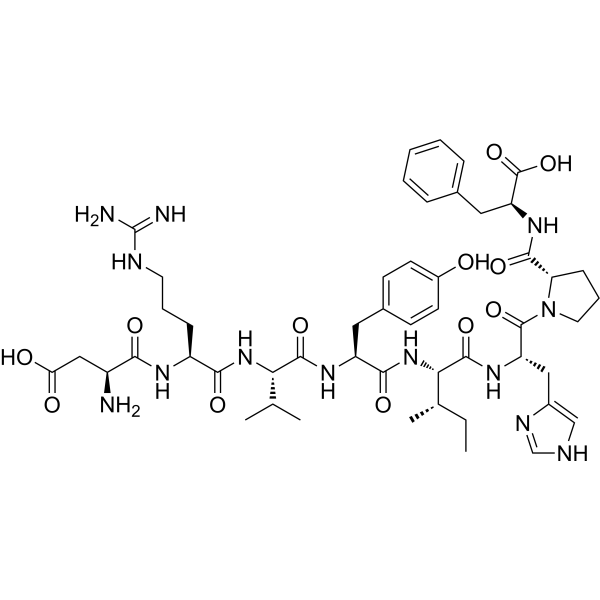
    Angiotensin II human
    Maximum Cited Publications
    222 Publications Verification

    Angiotensin II; Ang II; DRVYIHPF

    Angiotensin Receptor Apoptosis Cardiovascular Disease Infection Metabolic Disease Inflammation/Immunology Cancer
    Angiotensin II (Angiotensin II) is a vasoconstrictor and a major bioactive peptide of the renin/angiotensin system. Angiotensin II human plays a central role in regulating human blood pressure, which is mainly mediated by interactions between Angiotensin II and the G-protein-coupled receptors (GPCRs) Angiotensin II type 1 receptor (AT1R) and Angiotensin II type 2 receptor (AT2R). Angiotensin II human stimulates sympathetic nervous stimulation, increases aldosterone biosynthesis and renal actions. Angiotensin II human induces growth of vascular smooth muscle cells, increases collagen type I and III synthesis in fibroblasts, leading to thickening of the vascular wall and myocardium, and fibrosis. Angiotensin II human also induces apoptosis. Angiotensin II induces capillary formation from endothelial cells via the LOX-1 dependent redox-sensitive pathway .
    Angiotensin II human
  • HY-13948A
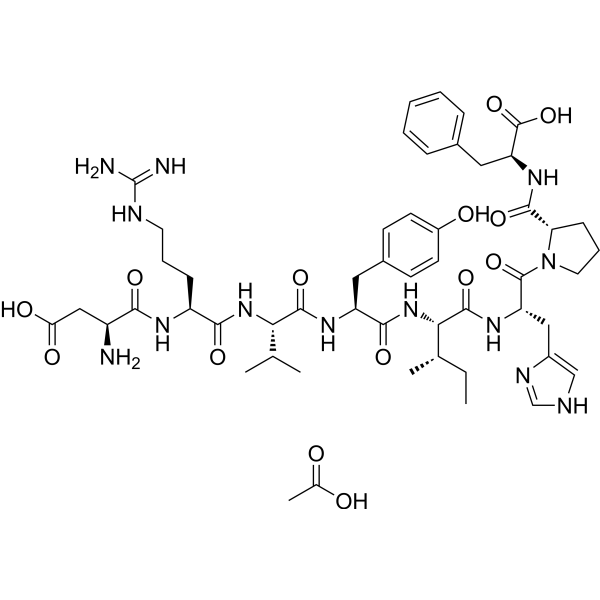
    Angiotensin II human acetate
    Maximum Cited Publications
    222 Publications Verification

    Angiotensin II acetate; Ang II acetate; DRVYIHPF acetate

    Angiotensin Receptor Apoptosis Cardiovascular Disease Infection Metabolic Disease Inflammation/Immunology Cancer
    Angiotensin II human (Angiotensin II) acetate is a vasoconstrictor and a major bioactive peptide of the renin/angiotensin system. Angiotensin II human acetate plays a central role in regulating human blood pressure, which is mainly mediated by interactions between Angiotensin II and the G-protein-coupled receptors (GPCRs) Angiotensin II type 1 receptor (AT1R) and Angiotensin II type 2 receptor (AT2R). Angiotensin II human acetate stimulates sympathetic nervous stimulation, increases aldosterone biosynthesis and renal actions. Angiotensin II human acetate induces growth of vascular smooth muscle cells, increases collagen type I and III synthesis in fibroblasts, leading to thickening of the vascular wall and myocardium, and fibrosis. Angiotensin II human acetate also induces apoptosis. Angiotensin II human acetate induces capillary formation from endothelial cells via the LOX-1 dependent redox-sensitive pathway .
    Angiotensin II human acetate
  • HY-B0467A
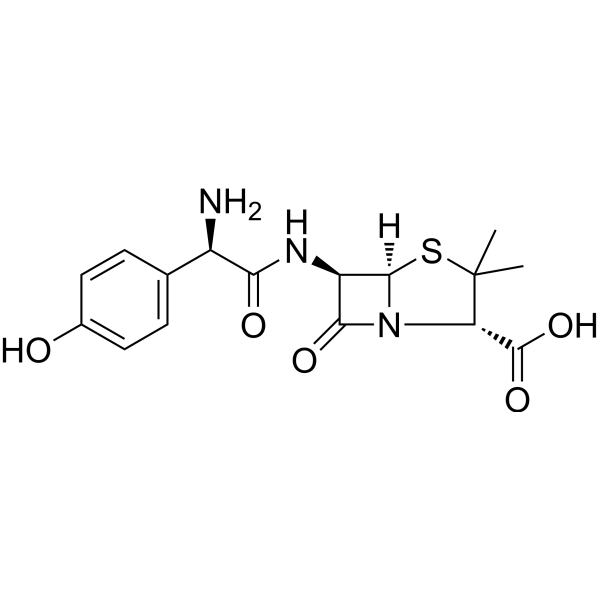
    Amoxicillin
    20+ Cited Publications

    Amoxycillin

    Bacterial Antibiotic Infection Cancer
    Amoxicillin (Amoxycillin) is an antibiotic with good oral absorption and broad spectrum antimicrobial activity. Amoxicillin inhibits the biosynthesis of polypeptides in the cell wall, thereby inhibiting cell growth .
    Amoxicillin
  • HY-107193
    Bacitracin
    3 Publications Verification

    Environmental Pollutants Antibiotic Bacterial PDI Infection Cancer
    Bacitracin is a polypeptide antibiotic against staphylococcal and pathogenic protozoa infections. Bacitracin inhibits cell wall biosynthesis and permeability through binding to the undecaprenyl pyrophosphate. Bacitracin inhibits macromolecular synthesis. Bacitracin is also a protein disulfide isomerase (PDI) inhibitor .
    Bacitracin
  • HY-B0030
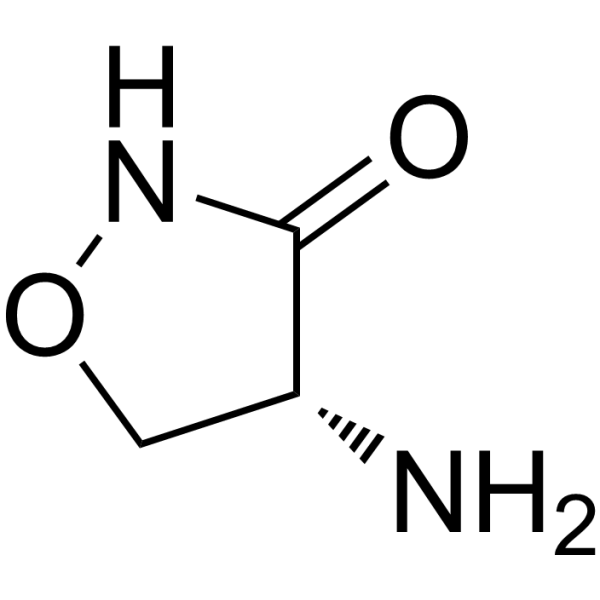
    D-Cycloserine
    5+ Cited Publications

    iGluR Bacterial Antibiotic Infection Neurological Disease Cancer
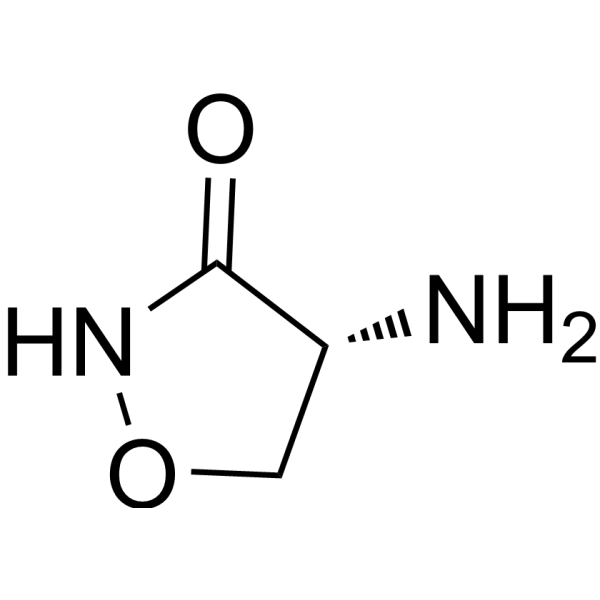
    D-Cycloserine is an antibiotic which targets sequential bacterial cell wall peptidoglycan biosynthesis enzymes, with blood-brain barrier permeability. D-Cycloserine is a partial NMDA agonist that can improve cognitive functions. D-Cycloserine can be used for multidrug-resistant tuberculosis research .
    D-Cycloserine
  • HY-B0467B
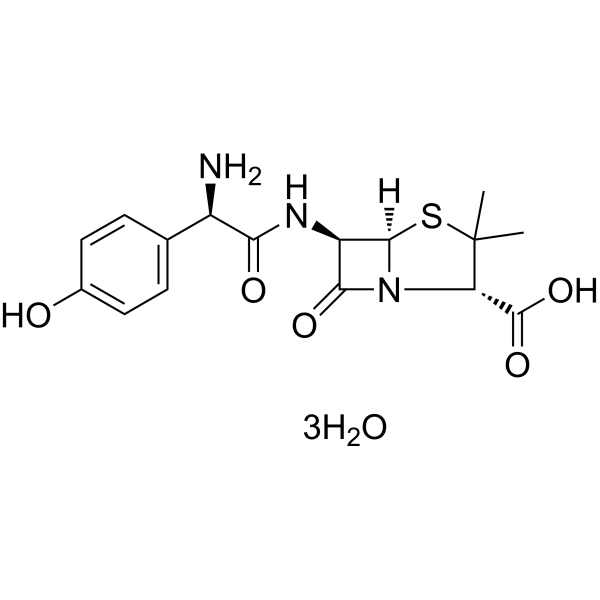
    Amoxicillin trihydrate
    20+ Cited Publications

    Amoxycillin trihydrate

    Bacterial Antibiotic Infection Cancer
    Amoxicillin (Amoxycillin) trihydrateis an antibiotic with good oral absorption and broad spectrum antimicrobial activity. Amoxicillin trihydrateis inhibits the biosynthesis of polypeptides in the cell wall, thereby inhibiting cell growth .
    Amoxicillin trihydrate
  • HY-B0467
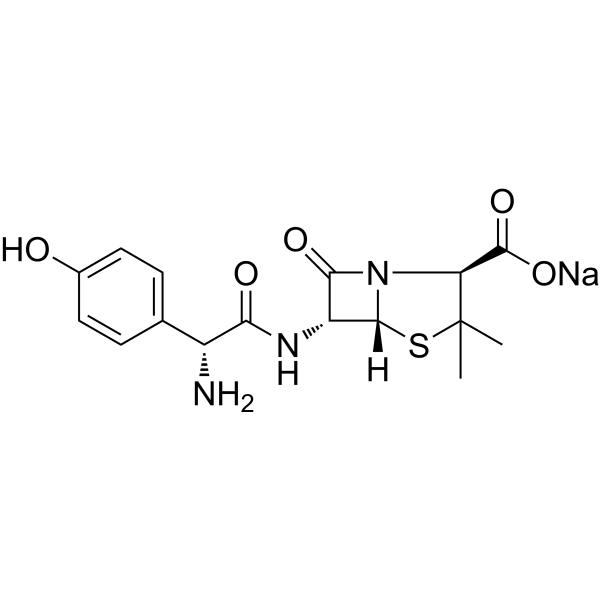
    Amoxicillin sodium
    20+ Cited Publications

    Amoxycillin sodium

    Bacterial Antibiotic Infection Cancer
    Amoxicillin (Amoxycillin) sodium is an antibiotic with good oral absorption and broad spectrum antimicrobial activity. Amoxicillin sodium inhibits the biosynthesis of polypeptides in the cell wall, thereby inhibiting cell growth .
    Amoxicillin sodium
  • HY-147063

    Endogenous Metabolite Others
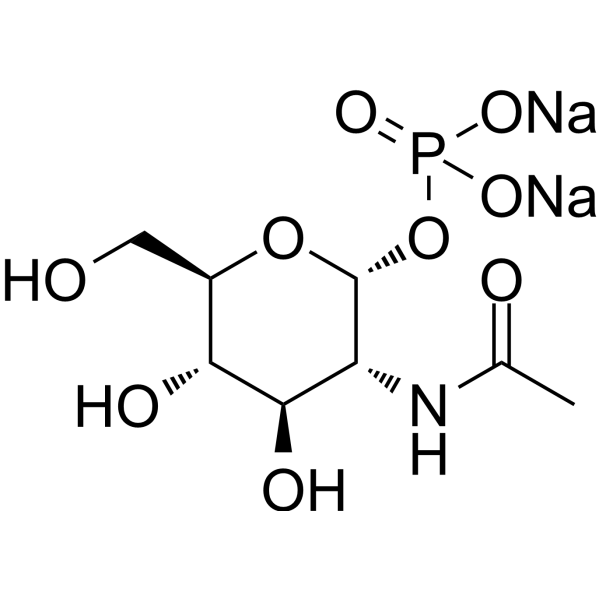
    N-acetyl-α-d-glucosamine 1-phosphate disodium (GlcNAc-1-P) is an ectopic sugar phosphate and a key intermediate in N-glycoprotein biosynthesis. N-acetyl-α-d-glucosamine 1-phosphate disodium serves as a metabolic precursor of teichoic acid and muramic acid, which are components of bacterial cell walls .
    N-Acetyl-α-D-glucosamine 1-phosphate disodium
  • HY-B0846

    Environmental Pollutants Fungal Androgen Receptor Parasite Infection
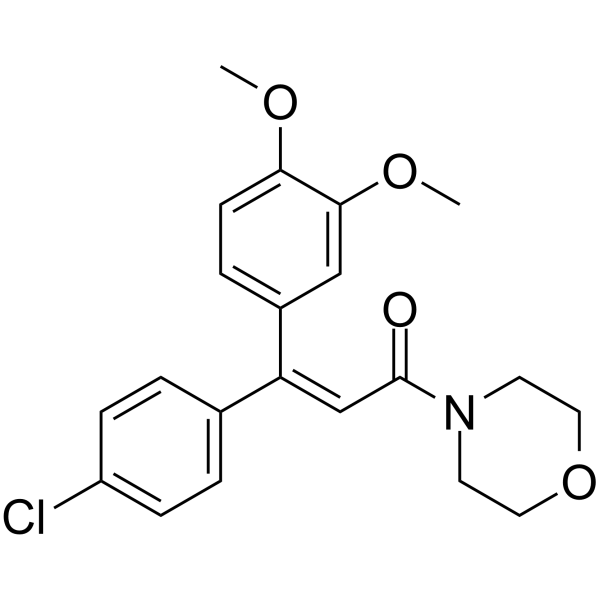
    Dimethomorph is a fungicide belongs to the fungicide group of sterol biosynthesis inhibitor. Dimethomorph can inhibit fungal cell wall formation. Dimethomorph also inhibits androgen receptor (AR) activity in MDA-kb2 cells with an IC20 of 0.263 µM .
    Dimethomorph
  • HY-B0848
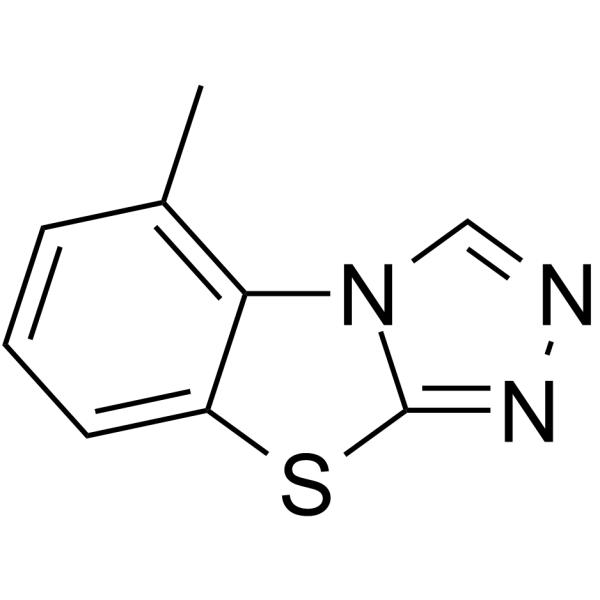
    Tricyclazole
    2 Publications Verification

    Environmental Pollutants Bacterial Infection Metabolic Disease
    Tricyclazole is a pentaketone melanin biosynthesis inhibitor and a unique fungicide for controlling rice blast. Tricyclazole alters the structure and function of fungal cell walls, reduces fungal pathogenicity and penetration, and causes dose-dependent liver damage in animals .
    Tricyclazole
  • HY-B1257

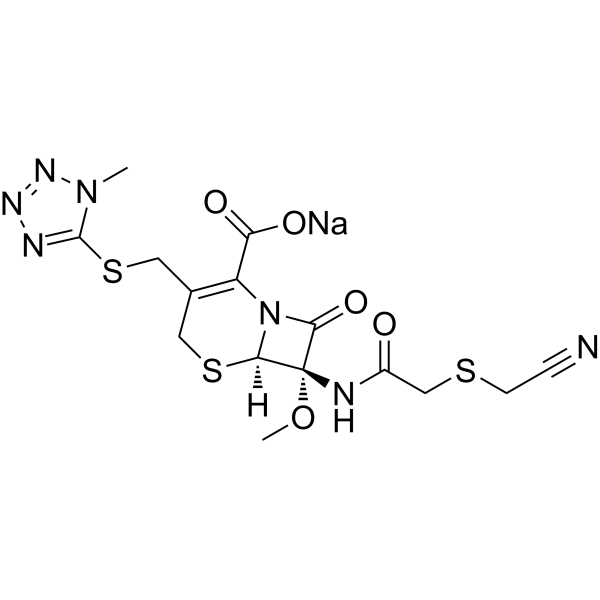
    Sodium cefmetazole

    Bacterial Antibiotic Infection Cancer
    Cefmetazole sodium (Sodium cefmetazole) is a semisynthetic cephamycin antibiotic with broad-spectrum antibacterial activity, covering gram-positive, gram-negative, and anaerobic bacteria. Cefmetazole sodium binds to penicillin binding proteins (PBPs), resulting in interfering bacterial cell wall biosynthesis. Cefmetazole sodium is used for the research of gynecologic, intraabdominal, urinary tract, respiratory tract and skin and soft tissue infections .
    Cefmetazole sodium
  • HY-138053

    Ristomycin III

    Antibiotic Cardiovascular Disease Infection
    Ristocetin A sulfate (Ristomycin III) is a glycopeptide antibiotic that binds to von Willebrand factor (VWF) and bacterial cell wall components. Ristocetin A sulfate interferes with the biosynthesis of bacterial peptidoglycan by inhibiting transpeptidation. As an inducer of platelet adhesion and aggregation, Ristocetin A sulfate drives conformational changes by binding to the A1 domain of VWF, thereby activating downstream signaling pathways and promoting cytoskeletal rearrangement. Ristocetin A sulfate not only enhances platelet adhesion and spreading on immobilized VWF, but also induces the formation of asymmetric dimers with anticooperativity between platelets and plasma VWF. Ristocetin A sulfate is widely used in studies related to thromboembolic diseases and bacterial infections .
    Ristocetin A sulfate
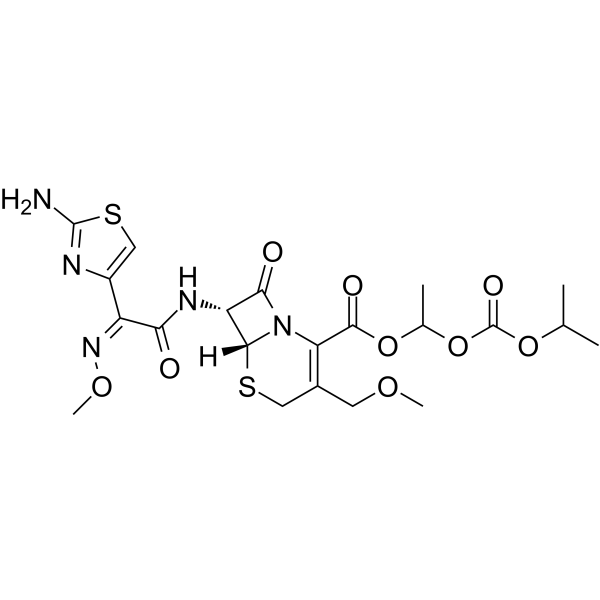
  • HY-N7101

    U-76,252; CS-807

    Bacterial Antibiotic Penicillin-binding protein (PBP) Infection
    Cefpodoxime Proxetil is an orally active broad spectrum third-generation cephalosporin with potent antibacterial activity against both Gram-positive and Gram-negative bacteria including staphylococci, streptococci, Haemophilus influenzae, Neisseria gonorrhoeae, Escherichia coli, Klebsiella pnuemoniae, Citrobacter spp, and Proteus spp. Cefpodoxime Proxetil binds to penicillin binding proteins (PBPs), which inhibits peptidoglycan synthesis, finally results in interfering bacterial cell wall biosynthesis. Cefpodoxime Proxetil can be used against skin structure infections, acute otitis media, pharyngitis, tonsillitis, upper respiratory tract infection, urinary tract infections and sexually transmitted diseases .
    Cefpodoxime Proxetil
  • HY-13948B
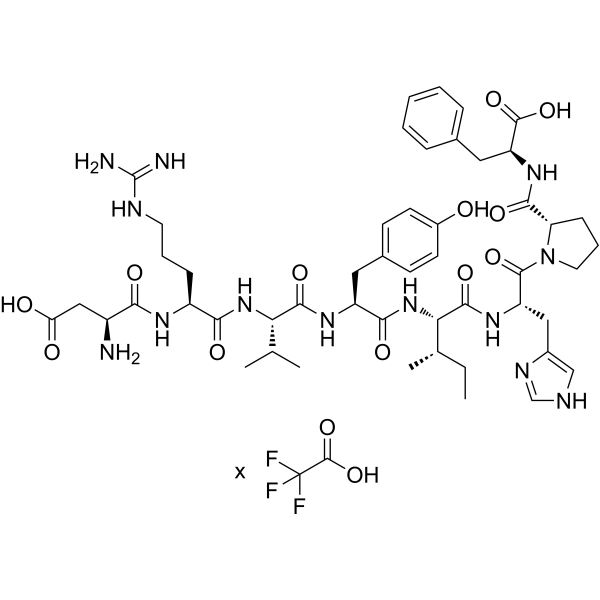
    Angiotensin II human TFA
    Maximum Cited Publications
    222 Publications Verification

    Angiotensin II TFA; Ang II TFA; DRVYIHPF TFA

    Angiotensin Receptor Apoptosis Cardiovascular Disease Metabolic Disease Cancer
    Angiotensin II human (Angiotensin II) TFA is a vasoconstrictor and a major bioactive peptide of the renin/angiotensin system. Angiotensin II human TFA plays a central role in regulating human blood pressure, which is mainly mediated by interactions between Angiotensin II and the G-protein-coupled receptors (GPCRs) Angiotensin II type 1 receptor (AT1R) and Angiotensin II type 2 receptor (AT2R). Angiotensin II human TFA stimulates sympathetic nervous stimulation, increases aldosterone biosynthesis and renal actions. Angiotensin II human TFA induces growth of vascular smooth muscle cells, increases collagen type I and III synthesis in fibroblasts, leading to thickening of the vascular wall and myocardium, and fibrosis. Angiotensin II human TFA also induces apoptosis. Angiotensin II human TFA induces capillary formation from endothelial cells via the LOX-1 dependent redox-sensitive pathway .
    Angiotensin II human TFA
  • HY-12904
    TCA1
    1 Publications Verification

    Bacterial Infection
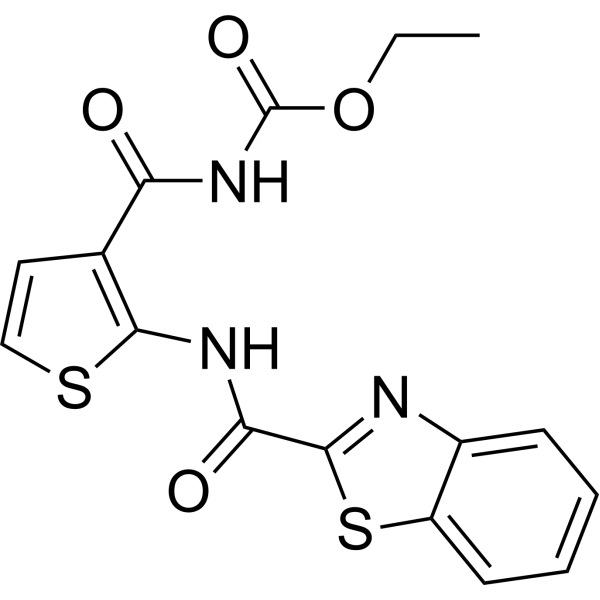
    TCA1 is a small molecule with activity against agent-susceptible and -resistant Mycobacterium tuberculosis (Mtb). TCA1 inhibits enzymes involved in cell wall and molybdenum cofactor biosynthesis, such as DprE1 and MoeW .
    TCA1
  • HY-131165

    Antibiotic Bacterial Infection Cancer
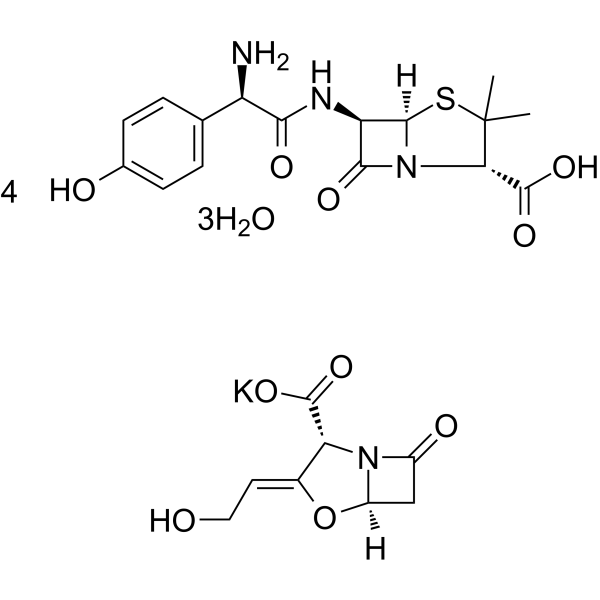
    Amoxicillin (trihydrate) mixture with potassium clavulanate (4:1) an antibiotic with good oral absorption and broad spectrum antimicrobial activity. Amoxicillin (trihydrate) mixture with potassium clavulanate (4:1) inhibits the biosynthesis of polypeptides in the cell wall, thereby inhibiting cell growth .
    Amoxicillin trihydrate mixture with potassium clavulanate (4:1)
  • HY-W587753

    Antibiotic Bacterial Infection
    Bacitracin A is an antibiotic, which exhibits antibacterial activity against gram-positive bacteria. Bacitracin A forms complex with long-chain polyisoprenyl pyrophosphates in presence of metal ions, dephosphorylates the lipid carrier intermediate Css-bactoprenyl pyrophosphate, inhibits thus the bacterial cell wall biosynthesis .
    Bacitracin A
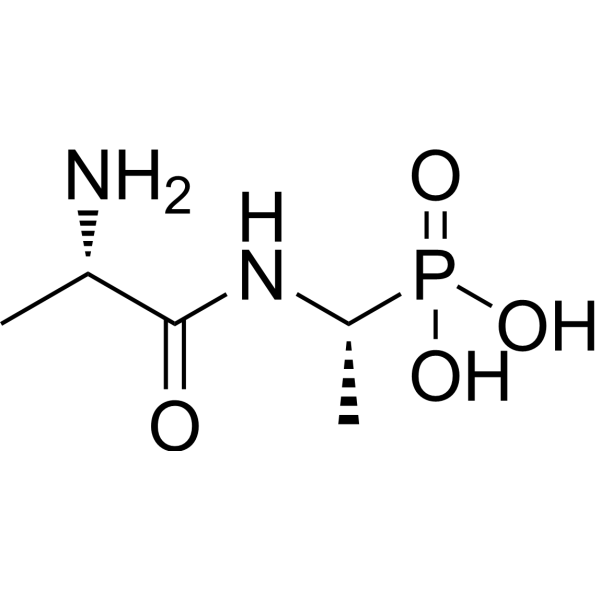
  • HY-119881

    Bacterial Antibiotic Infection
    Alafosfalin is an inhibitor of cell wall biosynthesis. Alafosfalin is a phosphonodipeptide with antibacterial properties .
    Alafosfalin
  • HY-E70020

    Others Others
    UDP-Glc dehydrogenase (UGDH) catalyzes is a NAD+-dependent enzyme that catalyzes the two-fold oxidation of UDP-glucose (UDP-Glc) to produce UDP-glucuronic acid. UDP-Glc dehydrogenase (UGDH) is a key enzyme in the nucleotide-sugar interconversion pathway necessary for biosynthesis of many cell-wall polysaccharides .
    UDP-Glc dehydrogenase (UGDH)
  • HY-B0030R
    D-Cycloserine (Standard)
    5+ Cited Publications

    Reference Standards iGluR Bacterial Antibiotic Infection Neurological Disease Cancer
    D-Cycloserine (Standard) is the analytical standard of D-Cycloserine. This product is intended for research and analytical applications. D-Cycloserine is an antibiotic which targets sequential bacterial cell wall peptidoglycan biosynthesis enzymes. D-Cycloserine is a partial NMDA agonist that can improve cognitive functions. D-Cycloserine can be used for multidrug-resistant tuberculosis research .
    D-Cycloserine (Standard)
  • HY-B1595

    CS 1170

    Antibiotic Bacterial Infection Cancer
    Cefmetazole (CS 1170) is a semisynthetic cephamycin antibiotic with broad-spectrum antibacterial activity, covering gram-positive, gram-negative and anaerobic bacteria. Cefmetazole binds to penicillin binding proteins (PBPs), resulting in interfering bacterial cell wall biosynthesis. Cefmetazole is used for the research of gynecologic, intraabdominal, urinary tract, respiratory tract and skin and soft tissue infections .
    Cefmetazole
  • HY-P2200

    BMY-29304

    HIV Antibiotic Infection Inflammation/Immunology
    Siamycin I (BMY-29304), a 21-residue tricyclic peptide, is a secondary metabolite in actinomycetes. Siamycin I is a HIV fusion inhibitor with ED50s of 0.05 to 5.7 μM for acute HIV type 1 (HIV-1) and HIV-2 infections. Siamycin I inhibits the gelatinase and gelatinase biosynthesis-activating pheromone (GBAP) signaling via the FsrC-FsrA two-component regulatory system in a noncompetitive manner. Siamycin I suppresses the expression of both fsrBDC and gelE-sprE transcripts. Siamycin I, a lasso peptide, interacts with lipid II and inhibits cell wall biosynthesis. Siamycin I, an antibiotic, has the potential for enterococcal infections research .
    Siamycin I
  • HY-125723

    SL 7810; A-30912 A

    Endogenous Metabolite Fungal Antibiotic Infection
    Echinocandin B (SL 7810) is a lipopeptide antifungal antibiotic. Echinocandin B is produced by Aspergillus nidulans. Echinocandin B inhibits β-1,3-glucan activity, thereby blocking the biosynthesis of fungal cell walls. Echinocandin B exhibits activity against a variety of Aspergillus species .
    Echinocandin B
  • HY-118852

    Herbicide Others
    Isoxaben, a herbicide, inhibits incorporation of radiolabeled glucose into an acid insoluble cell wall fraction. Isoxaben is also a specific inhibitor of cell wall biosynthesis .
    Isoxaben
  • HY-B0467BR

    Amoxycillin trihydrate (Standard)

    Reference Standards Bacterial Antibiotic Infection
    Amoxicillin (trihydrate) (Standard) is the analytical standard of Amoxicillin (trihydrate). This product is intended for research and analytical applications. Amoxicillin (Amoxycillin) trihydrateis an antibiotic with good oral absorption and broad spectrum antimicrobial activity. Amoxicillin trihydrateis inhibits the biosynthesis of polypeptides in the cell wall, thereby inhibiting cell growth .
    Amoxicillin trihydrate (Standard)
  • HY-W064918

    Bacterial Infection
    NITD-304 is an orally active anti-tuberculosis agent. NITD-304 exerts inhibitory and bactericidal activities gainst Mycobacterium tuberculosis and multidrug-resistant Mycobacterium tuberculosis. NITD-304 inhibits mycobacterial cell wall biosynthesis and demonstrates synergistic or additive growth inhibitory activity with select antibacterial agents. NITD-304 shows low risk of cardiotoxicity and drug-drug interactions, with no inhibition of major cytochrome P-450 enzymes or hERG channel. NITD-304 can be used for the research of tuberculosis and multidrug-resistant tuberculosis .
    NITD-304
  • HY-B0467C

    Amoxycillin arginine

    Antibiotic Bacterial Infection Cancer
    Amoxicillin (Amoxycillin) arginine is an antibiotic with good oral absorption and broad spectrum antimicrobial activity. Amoxicillin arginine inhibits the biosynthesis of polypeptides in the cell wall, thereby inhibiting cell growth .
    Amoxicillin arginine
  • HY-B0467AR

    Amoxycillin (Standard)

    Reference Standards Bacterial Antibiotic Infection Cancer
    Amoxicillin (Standard) is the analytical standard of Amoxicillin. This product is intended for research and analytical applications. Amoxicillin (Amoxycillin) is an antibiotic with good oral absorption and broad spectrum antimicrobial activity. Amoxicillin inhibits the biosynthesis of polypeptides in the cell wall, thereby inhibiting cell growth .
    Amoxicillin (Standard)
  • HY-B0467R

    Amoxycillin sodium (Standard)

    Reference Standards Bacterial Antibiotic Infection Cancer
    Amoxicillin (sodium) (Standard) is the analytical standard of Amoxicillin (sodium). This product is intended for research and analytical applications. Amoxicillin (Amoxycillin) sodium is an antibiotic with good oral absorption and broad spectrum antimicrobial activity. Amoxicillin sodium inhibits the biosynthesis of polypeptides in the cell wall, thereby inhibiting cell growth[1][2][3].
    Amoxicillin sodium (Standard)
  • HY-162094

    Acyltransferase Bacterial Infection
    CMX410 is an orally active and selective Mycobacterium tuberculosis Pks13 acyltransferase domain inhibitor and anti-bacterial agent. CMX410 reacts with the catalytic serine of the Pks13-AT domain to form a stable β-lactam ring, disables the enzyme’s active site, reduces trehalose monomycolate and trehalose dimycolate levels, triggers cell lysis, and reduces intracellular bacterial burden. CMX410 can be used for the research of tuberculosis .
    CMX410
  • HY-E70125

    Carboxycyclohexadienyl dehydratase

    Biochemical Assay Reagents Others
    Arogenate dehydratase (Carboxycyclohexadienyl dehydratase) is the key enzymes that catalyze the conversion of arogenate into Phe in the stroma of chloroplasts and plastids in vascular plants. Arogenate dehydratase plays an important role in cell wall lignin biosynthesis, photosynthesis, and can be used for plant improvement .
    Arogenate dehydratase
  • HY-B1838A

    Fungal Infection
    Asulam (potassium salt) is a chitin synthase inhibitor against plant pathogenic fungi. Asulam (potassium salt) interferes with the biosynthesis of chitin in the fungal cell wall to destroy the integrity and normal growth and reproduction of fungal cells, thereby exerting bacteriostatic activity. Asulam (potassium salt) is promising for research of fungal diseases such as downy mildew and gray mold in spinach, tulips, daffodils and lilies .
    Asulam potassium
  • HY-B0846S

    Fungal Androgen Receptor Parasite Infection
    Dimethomorph-d8 is the deuterium labeled Dimethomorph . Dimethomorph is a fungicide belongs to the fungicide group of sterol biosynthesis inhibitor. Dimethomorph can inhibit fungal cell wall formation. Dimethomorph also inhibits androgen receptor (AR) activity in MDA-kb2 cells with an IC20 of 0.263 μM .
    Dimethomorph-d8
  • HY-B0846R

    Reference Standards Fungal Androgen Receptor Parasite Infection
    Dimethomorph (Standard) is the analytical standard of Dimethomorph. This product is intended for research and analytical applications. Dimethomorph is a fungicide belongs to the fungicide group of sterol biosynthesis inhibitor. Dimethomorph can inhibit fungal cell wall formation. Dimethomorph also inhibits androgen receptor (AR) activity in MDA-kb2 cells with an IC20 of 0.263 µM .
    Dimethomorph (Standard)
  • HY-141648

    Bacterial Infection
    Antibacterial agent 219 (Compound 2/75c) exhibits antibacterial activity by targeting cell wall biosynthesis. Antibacterial agent 219 inhibits methicillin-resistant Staphylococcus aureus (MRSA) strains (MIC=0.5-32 µg/mL), Enterococcus faecium (MIC=2 µg/mL) and S. aureus (MIC=2 µg/mL) .
    Antibacterial agent 219
  • HY-131165R

    Antibiotic Bacterial Reference Standards Infection Cancer
    Amoxicillin (trihydrate) mixture with potassium clavulanate (4:1) (Standard) is the analytical standard of Amoxicillin (trihydrate) mixture with potassium clavulanate (4:1). This product is intended for research and analytical applications. Amoxicillin (trihydrate) mixture with potassium clavulanate (4:1) an antibiotic with good oral absorption and broad spectrum antimicrobial activity. Amoxicillin (trihydrate) mixture with potassium clavulanate (4:1) inhibits the biosynthesis of polypeptides in the cell wall, thereby inhibiting cell growth .
    Amoxicillin trihydrate mixture with potassium clavulanate (4:1) (Standard)
  • HY-E70120

    Fungal Infection
    Phosphomannose isomerase is the first enzyme involved in the biosynthesis pathway of GDP-Man. Phosphomannose isomerase catalyzes the conversion between fructose-6-phosphate (Fru6P) and mannose-6-phosphate (Man6P). Phosphomannose isomerase is important for cell wall synthesis and protein glycosylation. Phosphomannose isomerase is a potent antifungal target to curb the threats posed by A. flavus .
    Phosphomannose isomerase
  • HY-173375

    Bacterial Infection
    Mycobacterium Tuberculosis-IN-8 (Compound 6g) is a selective inhibitor of Mycobacterium tuberculosis (MTB) with an MIC value of 6.25 µg/mL against MTB H37Rv. Mycobacterium Tuberculosis-IN-8 shows potent antitubercular activities, inhibiting mycolic acid biosynthesis critical for bacterial cell wall integrity. Mycobacterium Tuberculosis-IN-8 is promising for research of antitubercular agents .
    Mycobacterium Tuberculosis-IN-8
  • HY-N7101S1

    U-76,252-d6; CS-807-d6

    Isotope-Labeled Compounds Penicillin-binding protein (PBP) Bacterial Antibiotic Infection
    Cefpodoxime Proxetil-d6 (U-76,252-d6) is deuterium labeled Cefpodoxime Proxetil. Cefpodoxime proxetil is an orally administered broad spectrum third-generation cephalosporin. Cefpodoxime proxetil has anti-bacterial activity. Cefpodoxime proxetil binds to penicillin binding proteins (PBPs) which inhibits peptidoglycan synthesis, finally results in interfering bacterial cell wall biosynthesis .
    Cefpodoxime Proxetil-d6
  • HY-B1257R

    Sodium cefmetazole (Standard)

    Reference Standards Bacterial Antibiotic Infection Cancer
    Cefmetazole (sodium) (Standard) is the analytical standard of Cefmetazole (sodium). This product is intended for research and analytical applications. Cefmetazole sodium (Sodium cefmetazole) is a semisynthetic cephamycin antibiotic with broad-spectrum antibacterial activity, covering gram-positive, gram-negative, and anaerobic bacteria. Cefmetazole sodium binds to penicillin binding proteins (PBPs), resulting in interfering bacterial cell wall biosynthesis. Cefmetazole sodium is used for the research of gynecologic, intraabdominal, urinary tract, respiratory tract and skin and soft tissue infections .
    Cefmetazole sodium (Standard)
  • HY-N7101R

    U-76,252 (Standard); CS-807 (Standard)

    Reference Standards Bacterial Antibiotic Penicillin-binding protein (PBP) Infection
    Cefpodoxime Proxetil (Standard) is the analytical standard of Cefpodoxime Proxetil. This product is intended for research and analytical applications. Cefpodoxime Proxetil is an orally active broad spectrum third-generation cephalosporin with potent antibacterial activity against both Gram-positive and Gram-negative bacteria including staphylococci, streptococci, Haemophilus influenzae, Neisseria gonorrhoeae, Escherichia coli, Klebsiella pnuemoniae, Citrobacter spp, and Proteus spp. Cefpodoxime Proxetil binds to penicillin binding proteins (PBPs), which inhibits peptidoglycan synthesis, finally results in interfering bacterial cell wall biosynthesis. Cefpodoxime Proxetil can be used against skin structure infections, acute otitis media, pharyngitis, tonsillitis, upper respiratory tract infection, urinary tract infections and sexually transmitted diseases .
    Cefpodoxime Proxetil (Standard)
  • HY-N7101S

    U-76-d7,252-d7; CS-807-d7

    Isotope-Labeled Compounds Bacterial Antibiotic Penicillin-binding protein (PBP) Infection
    Cefpodoxime proxetil-d7 (U-76-d7,252-d7; CS-807-d7) is the deuterium labeled Cefpodoxime Proxetil (HY-N7101). Cefpodoxime Proxetil is an orally active broad spectrum third-generation cephalosporin with potent antibacterial activity against both Gram-positive and Gram-negative bacteria including staphylococci, streptococci, Haemophilus influenzae, Neisseria gonorrhoeae, Escherichia coli, Klebsiella pnuemoniae, Citrobacter spp, and Proteus spp. Cefpodoxime Proxetil binds to penicillin binding proteins (PBPs), which inhibits peptidoglycan synthesis, finally results in interfering bacterial cell wall biosynthesis. Cefpodoxime Proxetil can be used against skin structure infections, acute otitis media, pharyngitis, tonsillitis, upper respiratory tract infection, urinary tract infections and sexually transmitted diseases .
    Cefpodoxime proxetil-d7
  • HY-125723B

    SL 7810 (purity>65%); A-30912 A (purity>65%)

    Antibiotic Fungal Endogenous Metabolite Infection
    Echinocandin B (purity>65%) (SL 7810 (purity>65%)) is a lipopeptide antifungal antibiotic. Echinocandin B (purity>65%) is produced by Aspergillus nidulans. Echinocandin B (purity>65%) inhibits β-1,3-glucan activity, thereby blocking the biosynthesis of fungal cell walls. Echinocandin B (purity>65%) exhibits activity against a variety of Aspergillus species .
    Echinocandin B (purity>65%)
  • HY-125723A

    SL 7810 (purity>85%); A-30912 A (purity>85%)

    Antibiotic Fungal Endogenous Metabolite Infection
    Echinocandin B (purity>85%) (SL 7810 (purity>85%)) is a lipopeptide antifungal antibiotic. Echinocandin B (purity>85%) is produced by Aspergillus nidulans. Echinocandin B (purity>85%) inhibits β-1,3-glucan activity, thereby blocking the biosynthesis of fungal cell walls. Echinocandin B (purity>85%) exhibits activity against a variety of Aspergillus species .
    Echinocandin B (purity>85%)
  • HY-118852R

    Herbicide Reference Standards Others
    Isoxaben (Standard) is the analytical standard of Isoxaben. This product is intended for research and analytical applications. Isoxaben, a herbicide, inhibits incorporation of radiolabeled glucose into an acid insoluble cell wall fraction. Isoxaben is also a specific inhibitor of cell wall biosynthesis .
    Isoxaben (Standard)
  • HY-E70909

    Endogenous Metabolite Metabolic Disease
    Phosphopantetheine adenylyltransferase, Mycobacterium tuberculosis (EC 2.7.7.3) catalyzes the fourth stage of coenzyme A biosynthesis. Coenzyme A is involved in a great number of metabolic pathways, in particular it participates in the synthesis of the cell wall components of mycobacteria.
    Phosphopantetheine adenylyltransferase, Mycobacterium tuberculosis
  • HY-W720329

    Herbicide DNA/RNA Synthesis Others
    Indaziflam is an alkyltriazine herbicide. Indaziflam targets the cellulose synthase complex and inhibits cellulose biosynthesis in plant cell walls. Indaziflam induces radial swelling of plants, ectopic lignification, inhibition of root and hypocotyl elongation, abnormal root and cell morphology, and also induces DNA strand breaks and micronucleus formation in HepG2 cells. Indaziflam can be used for research on monocot weed control .
    Indaziflam
  • HY-D3390

    Fluorescent Dye Bacterial Infection
    sCy5DA is a is a fluorescent D-amino acid . sCy5DA incorporates into bacterial peptidoglycan layers and cross-links via transpeptidase action, replacing peptidoglycan stem peptide D-amino acids. sCy5DA labels live bacterial cell walls, nascent peptidoglycan biosynthesis sites, and diverse bacterial species including Gram-negative, Gram-positive, and mycobacteria (Ex/Em = 646/665 nm) .
    sCy5DA
  • HY-D1737

    Bacterial Infection
    RADA is a fluorescent D-amino acid (FDAA) with high photostability and thermostability, which emits yellow-to-orange fluorescence. RADA shows low outer membrane permeability in wild-type Gram-negative Escherichia coli, but it targets penicillin-binding proteins and L,D-transpeptidases, mimics the interaction between acyl acceptors and enzyme intermediates, and integrates into peptidoglycan during biosynthesis. As a peptidoglycan labeling reagent, RADA metabolically integrates into the nascent peptidoglycan of live bacterial cells, labels the peptidoglycan at the poles and lateral walls of mycobacteria, and enables visualization of peptidoglycan synthesis and remodeling processes. RADA serves as a non-specific stain for fixed cells, is non-toxic to bacterial cells, and its red-shifted excitation/emission spectra reduce phototoxicity. RADA also supports virtual pulse-chase labeling experiments and stochastic optical reconstruction microscopy for sub-diffraction-limited imaging of bacterial cell walls .
    RADA
  • HY-D3389

    Fluorescent Dye Bacterial Infection
    sCy5DL-amide is an amidated fluorescent D-amino acid conjugated to Sulfo-Cyanine 5, and a peptidoglycan labeling agent. sCy5DL-amide incorporates into bacterial peptidoglycan cell wall via transpeptidase-mediated reactions, replacing the fourth or fifth D-amino acid of the peptidoglycan stem peptide for visualization of nascent peptidoglycan biosynthesis. sCy5DL-amide produces clear cell outline, septum labeling, and high localization density in Bacillus subtilis, including a 'V-shape' pattern at cell-cell contact areas. sCy5DL-amide exhibits robust incorporation into Gram-positive bacteria and mycobacteria, with reduced incorporation into Gram-negative bacteria (Ex/Em = 646/666 nm) .
    sCy5DL-amide

Inquiry Online

Your information is safe with us. * Required Fields.

Salutation


Country or Region *

Applicant Name *


Organization Name *

Department *


Email Address *


Product Name *

Cat. No.


Requested quantity *

Phone Number *


Remarks

Inquiry Online

Inquiry Information

Product Name:
Cat. No.:
Quantity:
MCE Japan Authorized Agent:

