


1. Search Result
Search Result
Results for "

cellular models

" in MedChemExpress (MCE) Product Catalog:

116

Inhibitors & Agonists

2

Screening Libraries

6

Fluorescent Dye

3

Biochemical Assay Reagents

9

Peptides

17

Inhibitory Antibodies

7

Natural
Products

2

Isotope-Labeled Compounds

3

Click Chemistry

Cat. No. Product Name Target Research Areas Chemical Structure
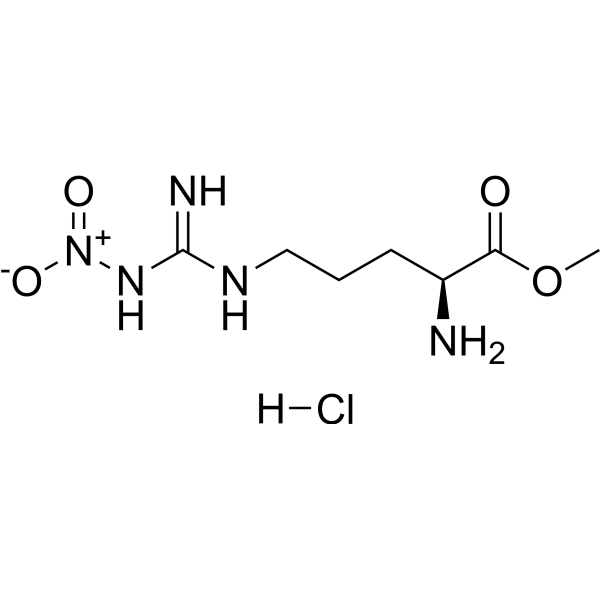
  • HY-18729A
    L-NAME hydrochloride
    75+ Cited Publications

    NG-Nitroarginine methyl ester hydrochloride

    NO Synthase Infection Neurological Disease Cancer
    L-NAME hydrochloride inhibits NOS with an IC50 of 70 μM. L-NAME is a precursor to NOS inhibitor L-NOARG which has an IC50 value of 1.4 μM. L-NAME hydrochloride requires hydrolysis of the methyl ester by cellular esterases to become a fully functional inhibitor. L-NAME hydrochloride can be used to induce hypertension and preeclampsia models.
    L-NAME hydrochloride
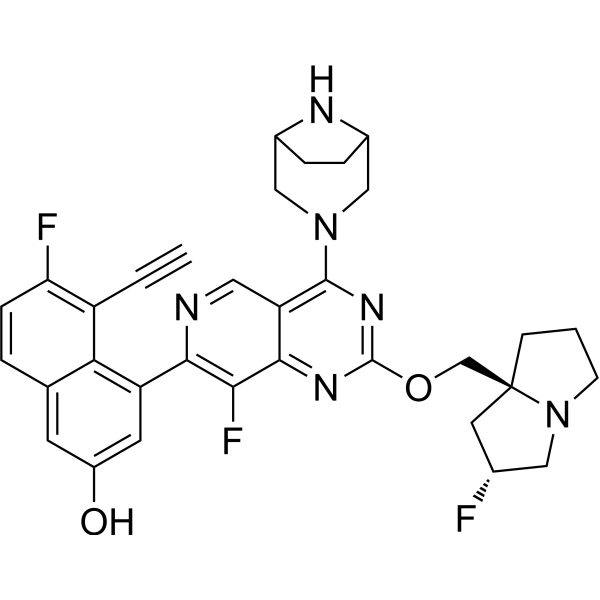
  • HY-134813
    MRTX1133
    45+ Cited Publications

    Ras Cancer
    MRTX1133 is a noncovalent, potent, and selective alkyne-based KRAS G12D inhibitor. MRTX1133 optimally fills the switch II pocket and extends three substituents to favorably interact with the protein, resulting in an estimated KD against KRAS G12D of 0.2 pM. MRTX1133 prevents SOS1-catalyzed nucleotide exchange and/or formation of the KRAS G12D/GTP/RAF1 complex, thereby inhibiting mutant KRAS-dependent signal transduction. MRTX1133 selectively inhibits KRAS G12D mutant, but not KRAS wild-type, tumor cells. MRTX1133 has single digit nanomolar activity in cellular assays and marked in vivo efficacy in tumor models harboring KRAS G12D mutations .
    MRTX1133
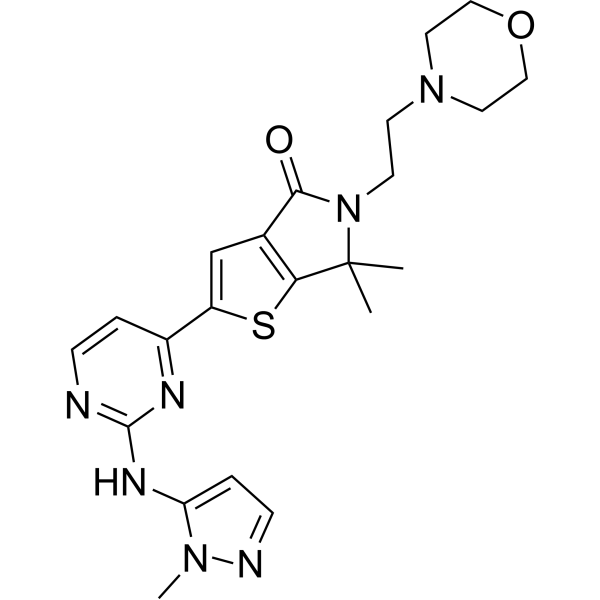
  • HY-101494
    Temuterkib
    30+ Cited Publications

    LY3214996

    ERK Cancer
    Temuterkib (LY3214996) is a highly selective inhibitor of ERK1 and ERK2, with IC50 of 5 nM for both enzymes in biochemical assays. Temuterkib potently inhibits cellular p-RSK1 in BRAF and RAS mutant cancer cell lines. Temuterkib shows potent antitumor activities in cancer models with MAPK pathway alterations.
    Temuterkib
  • HY-156002

    Paluratide

    Ras ERK Cancer
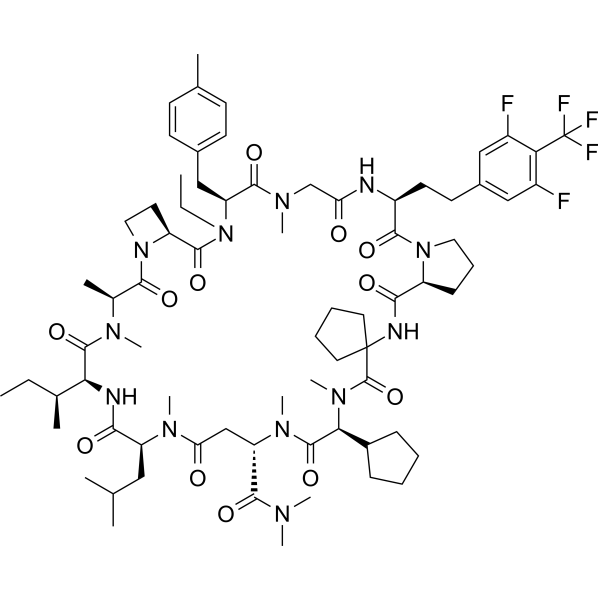
    LUNA18 is an orally-available cyclic peptide KRAS and ERK inhibitor. LUNA18 phosphorylates ERK and AKT and decreases cell proliferation in RAS-mutated cancer cells. LUNA18 exhibits RAS signal inhibition and potent anti-cancer activities through inhibiting interaction between RAS and guanine nucleotide exchange factors (GEFs) in a mouse xenograft model. LUNA18 shows significant cellular efficacy against cell lines with KRAS genetic alterations, such as colon cancer, stomach cancer, non-small cell lung cancer and pancreaticcancer .
    LUNA18
  • HY-164992
    Trastuzumab vedotin
    2 Publications Verification

    MRG002; Trastuzumab MMAE

    Antibody-Drug Conjugates (ADCs) EGFR Microtubule/Tubulin Cancer
    Trastuzumab vedotin (MRG002; Trastuzumab MMAE) is an antibody-drug conjugate and cytotoxin targeting HER2, with a Kd of 7.50E-11 M for human HER2. After binding to HER2, Trastuzumab vedotin undergoes internalization and lysosomal trafficking, delivering a cytotoxic payload to HER2-expressing cells and inducing tumor regression in in vivo xenograft models with HER2-expressing tumors. The anti-tumor activity of Trastuzumab vedotin is enhanced when used in combination with anti-PD-1 antibodies, and it exhibits preclinical anti-tumor activity in drug-resistant breast cancer, gastric cancer, and urothelial carcinoma PDX models. Trastuzumab vedotin has low antibody-dependent cellular cytotoxicity activity and can be used in studies related to HER2-positive breast cancer, HER2-positive gastric cancer, and unresectable locally advanced or metastatic HER2-positive urothelial carcinoma .
    Trastuzumab vedotin
  • HY-B0592

    RU44570

    Angiotensin-converting Enzyme (ACE) Cardiovascular Disease
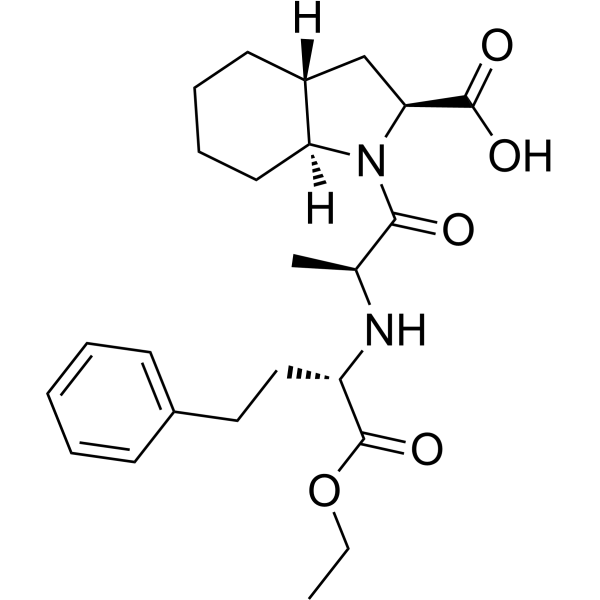
    Trandolapril (RU44570) is a nonsulfhydryl proagent that is hydrolysed to the active diacid Trandolaprilat. Trandolapril is an orally administered angiotensin converting enzyme (ACE) inhibitor that has been used in the treatment of hypertension and congestive heart failure (CHF), and after myocardial infarction (MI) .
    Trandolapril
  • HY-D1056A3

    LPS, from Escherichia coli (O26:B6)

    Toll-like Receptor (TLR) Inflammation/Immunology
    Lipopolysaccharides, from E. coli (Escherichia coli) O26:B6 are lipopolysaccharide endotoxins and TLR-4 activators derived from E. coli, classified as S-type LPS, which can activate pathogen-associated molecular patterns (PAMP) of the immune system and induce cellular secretion of migrasomes. Lipopolysaccharides, from E. coli O26:B6 exhibit a typical three-part structure: O-antigen, core oligosaccharide, and lipid A, and can be recognized by the core-specific monoclonal antibody MAb J8-4C10. Lipopolysaccharides, from E. coli O26:B6 can promote an increase in pro-inflammatory cytokines in plasma, thereby triggering hypothalamic-pituitary-adrenal (HPA) activation and leading to adrenal oxidative damage. The pathogenic effects of Lipopolysaccharides, from E. coli O26:B6 can be used to construct various models, such as cellular inflammation models, sepsis, acute lung injury models, adrenal dysfunction models, and bladder infection models, etc .
    It is recommended to prepare a solution with concentration ≥2 mg/mL. Vortex thoroughly for more than 10 minutes. Due to the adsorption characteristics of LPS, silanized container or low adsorption centrifuge tubes should be used for aliquoting and storage, and mix thoroughly before use.
    Lipopolysaccharides, from E. coli O26:B6
  • HY-174990

    15-PGDH Metabolic Disease Inflammation/Immunology
    HW201877 is a potent and orally active 15-prostaglandin dehydrogenase (15-PGDH) inhibitor with an IC50 of 3.6 nM. HW201877 demonstrates robust cellular efficacy in elevating PGE2 levels in A549 cells and exhibits remarkable efficacy in animal models of tissue injury and fibrosis. HW201877 can be used for the study of inflammatory bowel disease (IBD), idiopathic pulmonary fibrosis (IPF) and Crohn’s disease (CD) .
    HW201877
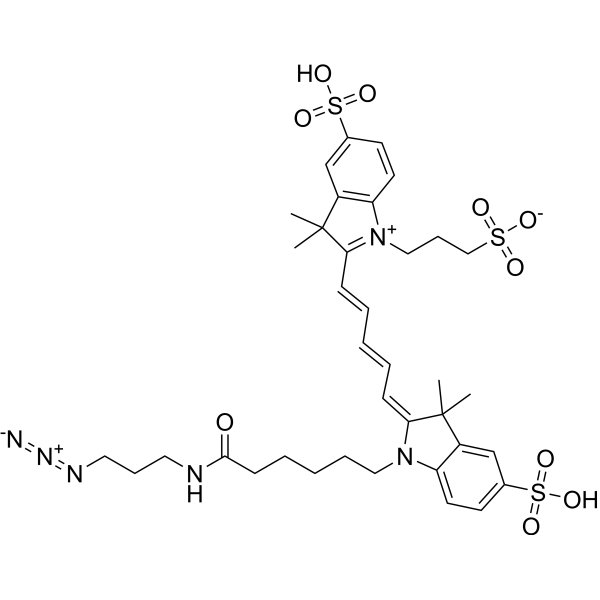
  • HY-145746

    Fluorescent Dye PD-1/PD-L1 Inflammation/Immunology Cancer
    Sulfo-Cy5 azide is a near-infrared fluorescent probe with favorable click chemistry reactivity. Sulfo-Cy5 azide enables fluorescence imaging, tissue and cellular visualization of PD-L1 in tumors, and site-specific modification of anti-PD-L1 antibodies. Sulfo-Cy5 azide has been employed for RNA labeling and imaging. Sulfo-Cy5 azide can be conjugated to targeting agents for fluorescence imaging in atherosclerosis and breast cancer models (Ex/Em = 645/670 nm) .
    Sulfo-Cy5 azide
  • HY-P9964

    11F8; IMC-11F8; LY3012211

    EGFR Cancer
    Necitumumab (11F8; IMC-11F8; LY3012211) is a human IgG monoclonal antibody directed against EGFR. Necitumumab binds to the EGF binding site of EGFR, blocks ligand binding, neutralizes ligand-induced EGFR phosphorylation and downstream signaling, induces EGFR internalization and degradation, and mediates antibody-dependent cellular cytotoxicity (ADCC) in EGFR-expressing cells. Necitumumab enhances antitumour activity in combination with Gemcitabine (HY-17026) and Cisplatin (HY-17394) in murine non-small-cell lung cancer xenograft models. Necitumumab can be used in research on cancers such as non-small cell lung cancer and colorectal cancer .
    Necitumumab
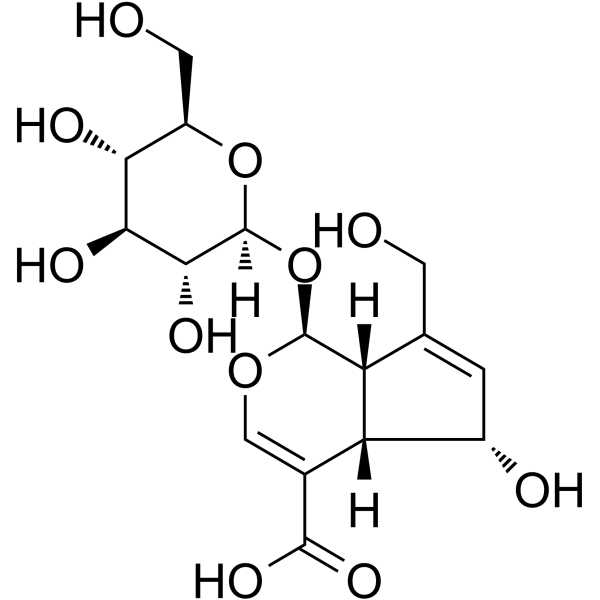
  • HY-N0594

    SOD Interleukin Related TNF Receptor Inflammation/Immunology
    Deacetylasperulosidic Acid is an orally active antioxidant. Deacetylasperulosidic Acid exerts a definite in vivo antioxidant effect and alleviates oxidative stress injury by enhancing SOD activity. In atopic dermatitis models, Deacetylasperulosidic Acid corrects Th2-skewed immune imbalance and reduces allergy-related factors; in immunosuppression models, it activates cellular immunity, enhances NK cell activity and IL-2 production. Deacetylasperulosidic Acid can be used in the research of atopic dermatitis .
    Deacetylasperulosidic Acid
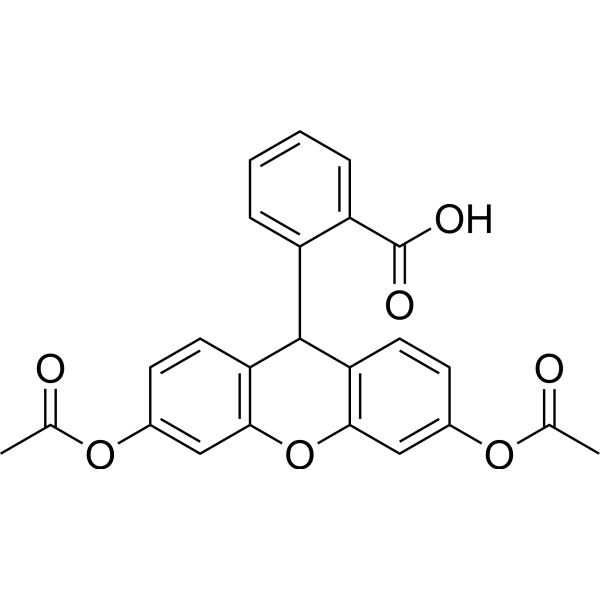
  • HY-101893

    Fluorescent Dye Others
    Dihydrofluorescein diacetate is a fluorimetric probe mainly used for oxidative stress measurements, in both cell-free systems and cellular models.
    Dihydrofluorescein diacetate
  • HY-P9992

    BAY-2315497; PSMA-TTC

    PSMA Apoptosis Cancer
    Peligifatamab is a PSMA-targeted α-radioimmunoconjugate with an EC50 of 1.2 nM against human targets. Peligifatamab induces DNA damage, DNA double-strand breaks, cell cycle arrest and apoptosis (Apoptosis) in PSMA-positive prostate cancer cells. Peligifatamab reduces cell viability in a manner dependent on cellular PSMA expression levels. Peligifatamab inhibits tumor growth and tumor-induced abnormal bone growth in prostate cancer bone metastasis models. Peligifatamab exhibits antitumor efficacy in subcutaneous prostate cancer models and xenograft models. Peligifatamab can be used for the research of metastatic castration-resistant prostate cancer .
    Pelgifatamab
  • HY-B0596
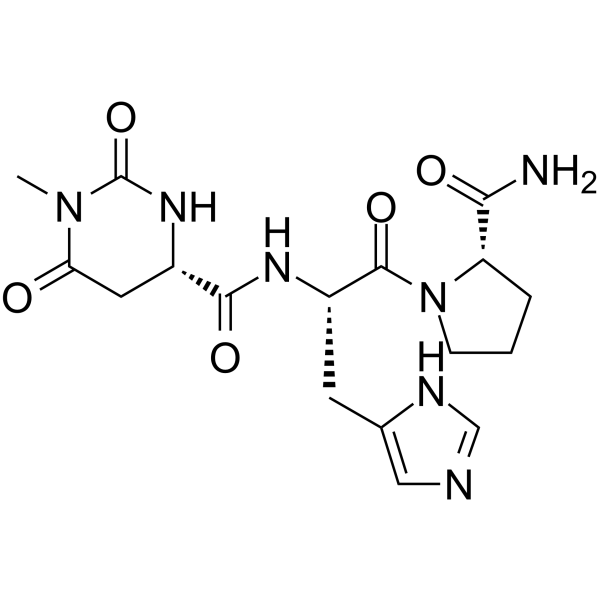
    Taltirelin
    1 Publications Verification

    TA-0910

    Thyroid Hormone Receptor Apoptosis Neurological Disease Endocrinology
    Taltirelin (TA-0910) is an orally effective analogue of thyrotropin releasing hormone (TRH) and a TRH receptor (TRH-R) superagonist (IC50 at 910 nM). Taltirelin can cross the blood-brain barrier. Taltirelin stimulates an increase in cytosolic Ca 2+ concentration (Ca 2+ release) with an EC50 value of 36 nM. Taltirelin increases cell viability and reduces apoptosis in SH-SY5Y cells and primary rat mesencephalic neurons treated with MPP+ (HY-W008719) or Rotenone (HY-B1756). Taltirelin has neuroprotective effects in both cellular and animal models of Parkinson's disease. Taltirelin alleviates fatigue-like behavior in mouse models of cancer-related fatigue .
    Taltirelin
  • HY-107830

    Endogenous Metabolite Collagen Infection Metabolic Disease
    Methyl cholate is a bile acid analog and a specific inhibitor of TcdB toxin from Clostridioides difficile. Methyl cholate exerts a stronger selective inhibitory effect on TcdB than on TcdA. Methyl cholate induces conformational stabilization by binding to a unique site of TcdB, thereby blocking the binding of the toxin to host receptors and its self-processing process. Methyl cholate effectively protects human fibroblasts from TcdB-induced cytopathic effects. Methyl cholate exhibits dose-dependent anti-hepatic fibrosis activity in both cellular and zebrafish models, and significantly reduces the expression levels of α-SMA and COL-I. Methyl cholate is suitable for in-depth research in the fields of Clostridioides difficile infection and hepatic fibrosis .
    Methyl cholate
  • HY-18729

    NG-Nitroarginine methyl ester

    NO Synthase Cancer
    L-NAME inhibits NOS with an IC50 of 70 μM. L-NAME is a precursor to NOS inhibitor L-NOARG which has an IC50 value of 1.4 μM. L-NAME requires hydrolysis of the methyl ester by cellular esterases to become a fully functional inhibitor. L-NAME can be used to induce hypertension and preeclampsia models.
    L-NAME
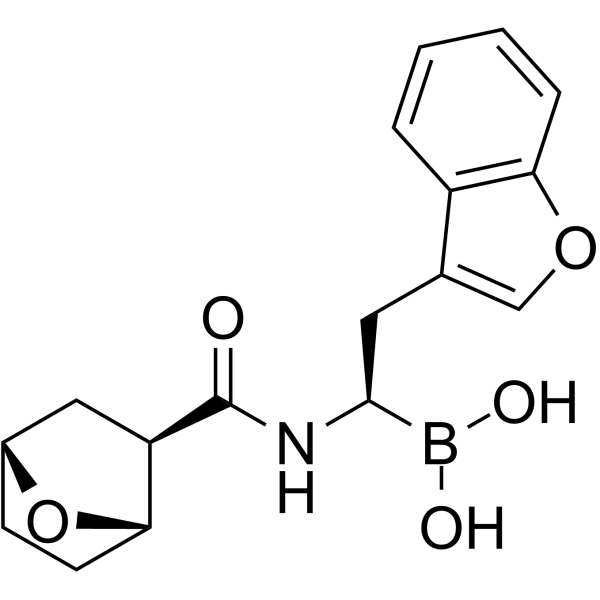
  • HY-111790
    M3258
    5 Publications Verification

    Proteasome Apoptosis Cancer
    M3258 is an orally bioavailable, potent, reversible and highly selective immunoproteasome subunit LMP7 (β5i) inhibitor. M3258 exerts high biochemical (IC50=3.6 nM) and cellular (IC50=3.4 nM) potency against the LMP7 subunit. M3258 shows strong antitumor efficacy in multiple myeloma xenograft models. M3258 leads to a significant and prolonged suppression of tumor LMP7 activity and ubiquitinated protein turnover and the induction of apoptosis in multiple myeloma cells .
    M3258
  • HY-162566

    Calcium Channel Amyloid-β Neurological Disease
    REM127 is a small molecule compound capable of modulating calcium homeostasis in cells and possesses neuroprotective effects. REM127 can restore the calcium homeostasis imbalance in cellular models caused by pathological accumulation of tau protein. REM127 can efficiently cross the blood-brain barrier, and it has the potential to rescue synaptic and cognitive deficits in Alzheimer's disease animal models, as well as to slow down the progression of amyloid-beta and tau protein pathologies. REM127 can be used for research in neurodegenerative diseases .
    REM127
  • HY-P991703

    GSK5733584 antibody; HS-20089 antibody; hu2F7

    CD276/B7-H3 Cancer
    Mocertatug (GSK5733584 antibody) is a humanized IgG1κ antibody targeting B7-H4/VTCN1. Mocertatug can be used to construct ADCs, such as Mocertatug Rezetecan (HY-185280) .
    Mocertatug
  • HY-126220

    Fluorescent Dye Others
    KMG-301AM is the acetoxy methyl esterified form of KMG-301. KMG-301AM successfully accumulates in mitochondria and then it is hydrolyzed to KMG-301. KMG-301 is an Mg 2+-selective fluorescent probe functional in mitochondria in intact cells. Since the mitochondrial membrane is impermeable to KMG-301, it is not released upon depolarization of the mitochondrial membrane potential. KMG-301 can indicate changes in mitochondrial Mg2+ concentration and shows Mg 2+ transport across the mitochondrial membrane in the early phases of a cellular model .
    KMG-301AM
  • HY-P990914

    GS-1811; JTX-1811

    CCR Inflammation/Immunology Cancer
    Denikitug (GS-1811; JTX-1811) is a humanized monoclonal antibody against CCR8 receptor with a KD of 16.8 pM. Denikitug specifically binds to human CCR8, inhibits CCL1-induced downstream CCR8 signaling. Denikitug selectively depletes cells expressing CCR8 via antibody-dependent cellular cytotoxicity (ADCC). Denikitug promotes anti-tumor immunity and can be used for the research of cancer and immunology .
    Denikitug
  • HY-P10861A

    Tau Protein Neurological Disease
    RI-AG03 acetate is a proteolytically stable tau aggregation inhibitor that crosses the blood-brain barrier and exhibits oral efficacy. RI-AG03 acetate inhibits tau aggregation and promotes the formation of alternative amorphous aggregates that are non-amyloidogenic. RI-AG03 acetate mediates cellular uptake through direct membrane penetration and macropinocytosis, and its conjugation with cell-penetrating peptide sequences (CPPs) enhances the binding of cells to liposomes. RI-AG03 acetate suppresses aggregation-dependent neurodegenerative and behavioral phenotypes, and extends the lifespan of Drosophila models of tauopathy. RI-AG03 acetate can be used for research on tau-related diseases such as Alzheimer's disease .
    RI-AG03 acetate
  • HY-P3414A
    Proteasome-activating peptide 1 TFA
    3 Publications Verification

    Proteasome Neurological Disease
    Proteasome-activating peptide 1 TFA is a peptide and a potent proteasome activator. Proteasome-activating peptide 1 TFA increases the chymotrypsin-like proteasomal catalytic activity and, consequently, proteolytic rates both in vitro and in culture. Proteasome-activating peptide 1 TFA prevents protein aggregation in a cellular model of amyotrophic lateral sclerosis .
    Proteasome-activating peptide 1 TFA
  • HY-117133

    SF0166

    Integrin Metabolic Disease
    Nesvategrast (SF0166) is a potent and selective αvβ3 antagonist with IC50 values of 0.6 nM, 8 nM, and 13 nM for αvβ3, αvβ6, and αvβ8, respectively. Nesvategrast inhibits cellular adhesion to vitronectin across human, rat, rabbit, and dog cell lines with IC50 values of 7.6 pM to 76 nM. Nesvategrast decreases neovascularization in the oxygen-induced retinopathy mouse model .
    Nesvategrast
  • HY-B0596A
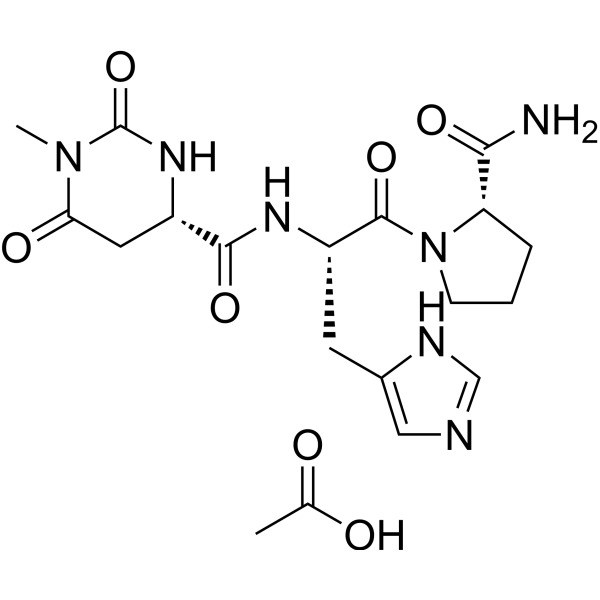
    Taltirelin acetate
    1 Publications Verification

    TA-0910 acetate

    Thyroid Hormone Receptor Apoptosis Neurological Disease Endocrinology
    Taltirelin acetate (TA-0910) is an acetate form of Taltirelin (TA-0910). Taltirelin (TA-0910) is an orally effective analogue of thyrotropin releasing hormone (TRH) and a TRH receptor (TRH-R) superagonist (IC50 at 910 nM). Taltirelin can cross the blood-brain barrier. Taltirelin stimulates an increase in cytosolic Ca 2+ concentration (Ca 2+ release) with an EC50 value of 36 nM. Taltirelin increases cell viability and reduces apoptosis in SH-SY5Y cells and primary rat mesencephalic neurons treated with MPP+ (HY-W008719) or Rotenone (HY-B1756). Taltirelin has neuroprotective effects in both cellular and animal models of Parkinson's disease. Taltirelin alleviates fatigue-like behavior in mouse models of cancer-related fatigue .
    Taltirelin acetate
  • HY-171030

    Reactive Oxygen Species (ROS) Cancer
    Pro-GA is a γ-glutamyl cyclotransferase (GGCT) inhibitor. Pro-GA inhibits the enzymatic activity of GGCT, disrupts glutathione homeostasis, induces the production of mitochondrial ROS, and upregulates the expression of p21, p27 and p16 in cells. Pro-GA inhibits the growth of cancer cells, induces cell cycle arrest and cellular senescence. Pro-GA exerts anti-tumor effects in breast cancer xenograft mouse models. Pro-GA can be used in research related to bladder cancer and breast cancer .
    Pro-GA
  • HY-106031

    Topoisomerase DNA/RNA Synthesis Cancer
    F-14512 is an anticancer agent that utilizes the polyamine transport system (PTS) to selectively deliver polyamine-containing drugs to cancer cells. F-14512 enhances the affinity of polyamines for DNA, thereby inhibiting topoisomerase II and achieving selective cellular uptake. F-14512 exhibits significant cytotoxicity against cells with high PTS activity and induces DNA damage. F-14512 demonstrates potent antitumor activity in the MX1 breast tumor xenograft model. F-14512 can be used to study breast cancer .
    F-14512
  • HY-126220A

    Fluorescent Dye Others
    KMG-301AM TFA is the acetoxy methyl esterified form of KMG-301. KMG-301AM TFA successfully accumulates in mitochondria and then it is hydrolyzed to KMG-301. KMG-301 is an Mg 2+-selective fluorescent probe functional in mitochondria in intact cells. Since the mitochondrial membrane is impermeable to KMG-301, it is not released upon depolarization of the mitochondrial membrane potential. KMG-301 can indicate changes in mitochondrial Mg2+ concentration and shows Mg 2+ transport across the mitochondrial membrane in the early phases of a cellular model .
    KMG-301AM TFA
  • HY-P990902

    BMS-986012

    Transmembrane Glycoprotein Cancer
    Atigotatug (BMS-986012) is a fully human IgG1 antibody binds specifically to FucGM1 with an EC50 of 0.15 nmol/L for FucGM1. Atigotatug is a FcγRIIIa ligand with a Kd of 21 nmol/L. Atigotatug demonstrates antitumor efficacy in multiple mouse small cell lung cancer models .
    Atigotatug
  • HY-169120

    Telomerase Cancer
    FKB04 is a telomeric repeat binding factor 2 (TRF2) inhibitor that exerts its antitumor activity by disrupting the telomere maintenance mechanism in liver cancer cells, leading to T-loop defects, telomere shortening, and cellular senescence. Additionally, FKB04 can inhibit tumor growth in a human liver cancer xenograft mouse model (with Huh-7 cells implanted in BALB/c mice). FKB04 can be used in liver cancer research .
    FKB04
  • HY-176537

    Microtubule/Tubulin Cancer
    RGN6024 is a brain-penetrant, orally active and reversible small molecule tubulin destabilizer. RGN6024 inhibits microtubule polymerization both in biochemical and cellular assays, binds to the colchicine binding pocket of β-tubulin (SPR: Kd = 6.7 μM; tryptophan assay: Kd = 7.4 μM), and triggers G2/M arrest in glioblastoma (GB) cells. RGN6024 retains activity in βIII-tubulin overexpressing cells. RGN6024 inhibits tumor growth in a GB xenograft mouse model. RGN6024 can be used for the study of glioblastoma (GB) .
    RGN6024
  • HY-170362

    Cyclic GMP-AMP Synthase Inflammation/Immunology
    cGAS-IN-4 (Compound 36) is an orally active inhibitor for cyclic GMP-AMP synthase (cGAS) with IC50 of 32 nM and 5.8 nM for h-cGAS and m-cGAS. cGAS-IN-4 inhibits the cGAMP in THP-1 cell with an IC50 of 60 nM, which improves the cellular potency. cGAS-IN-4 exhibits anti-inflammatory efficacy in Concanavalin A (HY-P2149)-induced acute liver injury in mouse models . orally active, THP-1, C57Bl/6 mouse, orally active
    cGAS-IN-4
  • HY-P10861

    Tau Protein Neurological Disease
    RI-AG03 is a proteolytically stable tau aggregation inhibitor that crosses the blood-brain barrier and exhibits oral efficacy. RI-AG03 inhibits tau aggregation and promotes the formation of alternative amorphous aggregates that are non-amyloidogenic. RI-AG03 mediates cellular uptake through direct membrane penetration and macropinocytosis, and its conjugation with cell-penetrating peptide sequences (CPPs) enhances the binding of cells to liposomes. RI-AG03 suppresses aggregation-dependent neurodegenerative and behavioral phenotypes, and extends the lifespan of Drosophila models of tauopathy. RI-AG03 can be used for research on tau-related diseases such as Alzheimer's disease .
    RI-AG03
  • HY-162152

    Keap1-Nrf2 Inflammation/Immunology
    biKEAP1 (compound 3) is an inhibitor targeting the dimerKEAP1. biKEAP1 binds to cellular KEAP1 dimers and releases the NRF2 protein sequestered by KEAP1, resulting in immediate activation of NRF2. biKEAP1 also promotes nuclear translocation of NRF2 and directly inhibits proinflammatory cytokine transcription. biKEAP1 can reduce acute inflammation and reduce inflammatory damage in acute inflammation models .
    biKEAP1
  • HY-P3414

    Proteasome Neurological Disease
    Proteasome-activating peptide 1 is a peptide, which increases the chymotrypsin-like proteasomal catalytic activity and, consequently, proteolytic rates both in vitro and in culture. Proteasome-activating peptide 1 prevents protein aggregation in a cellular model of amyotrophic lateral sclerosis .
    Proteasome-activating peptide 1
  • HY-178012

    IRAK TNF Receptor Inflammation/Immunology
    GLPG4471 is a selective and orally active IRAK4 inhibitor with an IC50 of 1.7 nM. GLPG4471 exhibits potent inhibition of cytokine (TNFα and IFNα) secretion in cellular and whole blood phenotypic assays. GLPG4471 displays significant activity in a mouse model of collagen-induced arthritis. GLPG4471 can be used for the study of arthritis .
    GLPG4471
  • HY-W835959

    Tau Protein Neurological Disease
    ACI-3024 is an an orally active and highly selective Tau protein aggregation inhibitor. ACI-3024 decrease the β-sheet content and seeding properties of pathological Tau from different Tauopathies, leading to a significant rescue of the Tau-induced neurodegeneration and neuroinflammation in a cellular model. ACI-3024 is promising for research of neurodegenerative diseases .
    ACI-3024
  • HY-179219S

    DNA/RNA Synthesis Cancer
    RTx-303 is an orally active, selective DNA polymerase θ (Polθ) inhibitor (IC50 = 5.1 nM). RTx-303 exhibits significantly high cellular potency and strongly potentiates PARPi in BRCA1/2 mutant cells and patient-derived xenograft models. RTx-303 can be used for the study of BRCA2-mutated breast cancer .
    RTx-303
  • HY-P991229

    AGS-1C4D4; AGS-PSCA

    Complement System Cancer
    AGS-1C4D4 is a fully human IgG1κ monoclonal antibody targeting PSCA, with a Ka value of 0.2 nM. AGS-1C4D4 mediates antibody-dependent cellular cytotoxicity (ADCC) and complement-dependent cytotoxicity (CDC) against PSCA-expressing cells. AGS-1C4D4 can be used for the research of pancreatic cancer .
    MK-4721
  • HY-167862

    Endogenous Metabolite Neurological Disease
    UCM-05194 is a selective LPA1 receptor agonist with activity to improve neuropathic pain. UCM-05194 is a LPA1 agonist that exhibits potent and selective properties in its pharmacologically similar properties. UCM-05194 triggers LPA1-mediated cellular effects and leads to internalization of the receptor, resulting in functional inactivation in primary sensory neurons. UCM-05194 effectively reduces pain perception in in vivo models. UCM-05194 can be used to conduct research on progressive systemic diseases .
    UCM-05194
  • HY-178748

    Pyruvate Kinase Apoptosis Endogenous Metabolite Reactive Oxygen Species (ROS) Cancer
    PKM2-IN-12 is an orally active PKM2 inhibitor with an IC50 of 10 nM. PKM2-IN-12 inhibits COLO-205 cell proliferation and migration, arrests the cell cycle, and induces apoptosis. PKM2-IN-12 significantly reduces cellular levels of lactate, pyruvate, and ROS. PKM2-IN-12 directly kills cancer cells and restores disrupted gut microbiota balance in mice model. PKM2-IN-12 can be used to study colorectal cancer .
    PKM2-IN-12
  • HY-178166

    Toll-like Receptor (TLR) p38 MAPK TNF Receptor ERK JNK NF-κB Interleukin Related Inflammation/Immunology
    ETI41 is an orally active, selective TLR inhibitor that targets the nucleoside-binding Site I on TLR7 (IC50 = 0.63 μM) and TLR9 (IC50 = 0.16 μM), sparing surface TLRs (including TLR1/TLR2, TLR2/TLR6, TLR4 and TLR5). ETI41 potently inhibits endosomal TLR-mediated pro-inflammatory signaling with nanomolar activity in cellular, biophysical and in vivo assays. ETI41 suppresses the expression of inflammation-associated genes and effectively ameliorates symptoms in mouse models of psoriasis, and systemic lupus erythematosus (SLE). ETI41 can be used for autoimmune and inflammatory diseases research .
    ETI41
  • HY-175260

    Estrogen Receptor/ERR Cancer
    ZN-c5 is a selective and orally active estrogen receptor degrader. ZN-c5 exhibits high potency in the cellular assay (MCF-7, IC50 = 0.3 nM) and binds with high affinity to ERα and ERβ (IC50 = 0.4 nM and 0.8 nM, respectively). ZN-c5 inhibits tumor growth in MCF-7 mouse xenograft model and WHIM20 xenograft model. ZN-c5 can be used for the study of breast cancer .
    ZN-c5
  • HY-173337

    HSP Interleukin Related Cancer
    HSP90α-IN-1 is a HSP90α inhibitor (IC50 = 111 nM) that exhibits senolytic activity across various cellular senescence models. HSP90α-IN-1 is related to the xanthinic family. HSP90α-IN-1 is involved in research on combating age-related inflammaging and diseases, including cancer, and possibly extend a healthy lifespan .
    HSP90α-IN-1
  • HY-149948

    Epigenetic Reader Domain PROTACs Cancer
    PROTAC BRD3/BRD4-L degrader-2 is a PROTAC molecule and can selectively degrade cellular BRD3 and BRD4-L with Ki values of 16.91 and 2.8 nM, respectively. PROTAC BRD3/BRD4-L degrader-2 also has robust antitumor activity in mouse xenograft models. PROTAC BRD3/BRD4-L degrader-2 can be used for the research of cancer .
    PROTAC BRD3/BRD4-L degrader-2
  • HY-P991542

    CD19 Cancer
    GBR-401 is a humanized anti-CD19 monoclonal antibody with high affinity for FcγRIIIa. GBR-401 exerts a potent in vitro and in vivo cytotoxic activity against various B-cell malignancies. GBR-401 induces cell death by antibody dependent cellular cytotoxicity (ADCC) and direct killing effect. GBR-401 demonstrates potent activity of depleting malignant B cells and prolongs mice survival in multiple xenograft severe combined immunodeficiency (SCID) mice models .
    GBR-401
  • HY-P991547

    CD20 Apoptosis Inflammation/Immunology Cancer
    Anti-CD20 Antibody (mAb 1.5.3) is a fully human IgG1 anti-CD20 antibody. Anti-CD20 Antibody (mAb 1.5.3) evokes enhanced pro-apoptotic activity in vitro. Anti-CD20 Antibody (mAb 1.5.3) mediated both complement-dependent cytotoxicity and antibody-dependent cellular cytotoxicity. Anti-CD20 Antibody (mAb 1.5.3) demonstrates enhanced anti-tumor activity in various tumor xenograft models. Anti-CD20 Antibody (mAb 1.5.3) produces a superior B-cell depletion profile in lymph node organs and bone marrow in a primate pharmacodynamic model. Anti-CD20 Antibody (mAb 1.5.3) can be studied in research for B-cell maglignancies .
    Anti-CD20 Antibody (mAb 1.5.3)
  • HY-P991004

    LB-101

    CD47 PD-1/PD-L1 Cancer
    Itanistomig (LB-101) is a tetravalent bispecific antibody targeting PD-L1 and CD47. Itanistomig blocks PD-L1 and achieves tumor enrichment through binding to PD-L1, and also exerts conditional CD47 blocking activity via cleavage of the hinge linker in the PD-L1-positive tumor microenvironment. Itanistomig induces antibody-dependent cellular phagocytosis in human CD14 + cells and drives tumor regression. Itanistomig can be used in research related to solid tumors .
    Itanistomig
  • HY-156792

    RIO Kinase Cancer
    RIOK2-IN-1 (com 4) is a potent and selective RIOK2 inhibitor (Kd=150 nM), but has low cellular activity (IC50=14,600 nM). RIOK2 is an atypical kinase associated with a variety of human cancers and is involved in ribosome maturation and cell cycle progression. The small molecule inhibitor CQ211 (HY-147655), an improvement of RIOK2-IN-1 as the lead compound, has good in vivo and in vitro activity, inhibits the proliferation of MKN-1 and HT-29 cancer cells, and can xenograft MKN in mice -1 model inhibits tumor progression .
    RIOK2-IN-1
  • HY-175253

    STAT Apoptosis Cancer
    YZ-35 is a STAT3 inhibitor, with a Ki value of 0.38 μM. YZ-35 binds directly to STAT3 with high affinity, exhibiting a dissociation constant (Kd) of 190 nM. YZ-35 directly attenuates the dual phosphorylation of STAT3 (Tyr705 and Ser727). YZ-35 suppresses colony formation, cellular migration, and induces apoptosis in breast cancer cell lines (BCSC). YZ-35 selectively suppresses BCSC self-renewal. YZ-35 inhibits tumor growth in the BCSC xenograft models. YZ-35 can be used for the study of breast cancer .
    YZ-35

Inquiry Online

Your information is safe with us. * Required Fields.

Salutation


Country or Region *

Applicant Name *


Organization Name *

Department *


Email Address *


Product Name *

Cat. No.


Requested quantity *

Phone Number *


Remarks

Inquiry Online

Inquiry Information

Product Name:
Cat. No.:
Quantity:
MCE Japan Authorized Agent:

