1. Search Result
Search Result
Results for "

corneal

" in MedChemExpress (MCE) Product Catalog:

79

Inhibitors & Agonists

3

Fluorescent Dyes

9

Biochemical Assay Reagents

8

Peptides

3

Inhibitory Antibodies

4

Natural
Products

2

Isotope-Labeled Compounds

1

Click Chemistry

1

Oligonucleotides

Cat. No. Product Name Target Research Areas Chemical Structure
  • HY-13813
    Blebbistatin
    Maximum Cited Publications
    42 Publications Verification

    Myosin Others
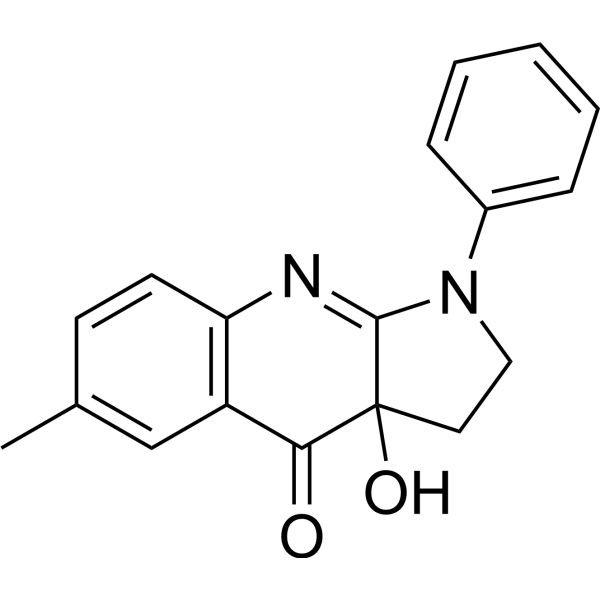
    Blebbistatin is a selective non-muscle myosin II (NMII) inhibitor, promotes directional migration of corneal endothelial cells (CECs) and accelerates wound healing, and better preserves cell junctional integrity and barrier function. Blebbistatin blocks cell migration .
    Blebbistatin
  • HY-B0964
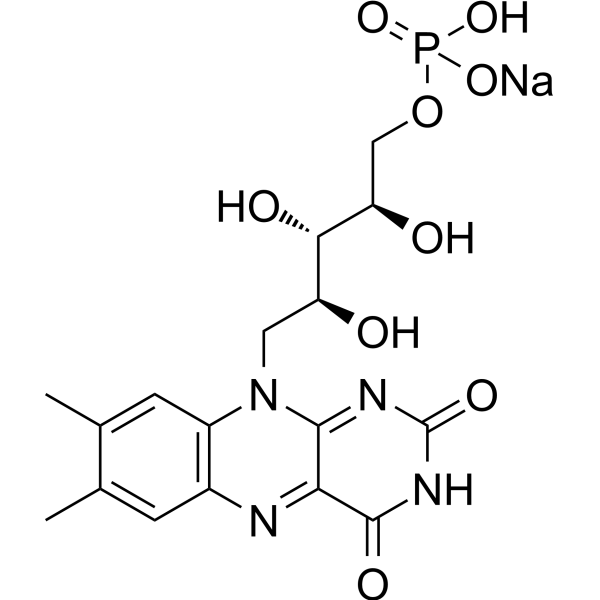
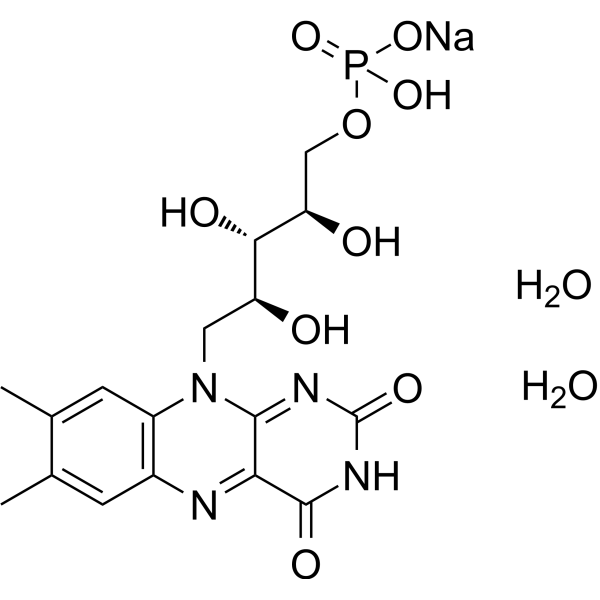
    Riboflavin phosphate sodium
    2 Publications Verification

    Riboflavine phosphate sodium; Riboflavin 5'-phosphate sodium; Riboflavine 5'-phosphate sodium

    Endogenous Metabolite Others
    Riboflavin phosphate sodium (FMN-Na) is a derivative of Riboflavin (vitamin B2) which is an essential nutrient for animals. Riboflavin phosphate sodium can be used for the research of progressive keratoconus, corneal ectasia and irregular astigmatism . Riboflavine phosphate sodium is a very effective NAD +-recycling agent .
    Riboflavin phosphate sodium
  • HY-Y1168
    DMTMM
    2 Publications Verification

    4-(4,6-Dimethoxy-1,3,5-triazin-2-yl)-4-methylmorpholinium chloride

    Biochemical Assay Reagents Neurological Disease Cancer
    DMTMM (4-(4,6-dimethoxy-1,3,5-triazine-2-yl)-4-methylmorpholinium chloride) is a coupling agent. DMTMM can activate carboxyl groups and promote the formation of amide bonds. DMTMM plays an important role in promoting the chemical modification of biomacromolecules such as polysaccharides and proteins. DMTMM can be used for research of tissue engineering, breast cancer, corneal regeneration, and biomaterials .
    DMTMM
  • HY-10801
    CAY10650
    5+ Cited Publications

    Phospholipase Inflammation/Immunology
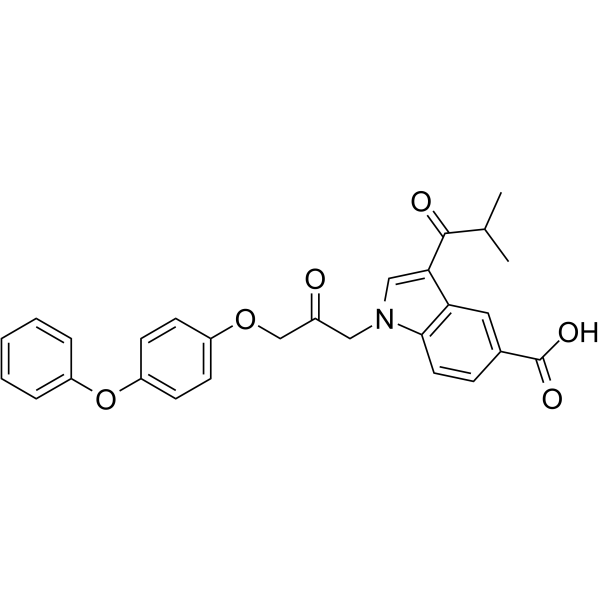
    CAY10650 is a highly potent cytosolic phospholipase A2α (cPLA2α) inhibitor with an IC50 value of 12 nM. CAY10650 suppresses lipid droplets formation and PGE2 secretion .
    CAY10650
  • HY-B0633D

    CD44 Endogenous Metabolite Bacterial Akt PI3K Neurological Disease Metabolic Disease Inflammation/Immunology Cancer
    Hyaluronic acid sodium (MW 200-1560) is a biopolymer composed of repeating disaccharide units, with a molecular weight of 200-1560. Hyaluronic acid sodium is a major component of the extracellular matrix (ECM). It is synthesized on the plasma membrane. Hyaluronic acid sodium exerts its effects by binding to receptors CD44 and RHAMM. Hyaluronic acid sodium activates PI3K-Akt signaling. Hyaluronic acid sodium also enhances cell invasion and angiogenesis by promoting or stimulating the binding of proteolytic MMP-9 to the cell surface. Elevated hyaluronic acid levels are associated with tumor cell growth, adhesion, migration, invasion, and angiogenesis in digestive system cancers. Hyaluronic acid sodium is involved in tissue remodeling and rapid cell proliferation in several physiological processes, including embryonic morphogenesis and wound healing. Hyaluronic acid sodium can be used as a regulator of cancer-associated lymphangiogenesis. Hyaluronic acid sodium can be used as a drug delivery carrier for sodium butyrate, enhancing its anti-proliferative activity against breast cancer cell lines. Hyaluronic acid sodium can lubricate the corneal endothelium. Hyaluronic acid sodium can improve tissue hydration and enhance the resistance of cells to mechanical damage. Hyaluronic acid sodium has been conjugated with antibodies to ensure that the active compound continues to exert its effects at the site of inflammation. Hyaluronic acid sodium can be used in research in the fields of osteoarthritis, ophthalmology, cosmetic dermatology, oncology, and liver diseases .
    Hyaluronic acid sodium (MW 200-1560)
  • HY-B0633E

    Hyaluronan, low endotoxin; Hyaluronate, low endotoxin

    Endogenous Metabolite CD44 Bacterial Akt PI3K Neurological Disease Metabolic Disease Inflammation/Immunology Cancer
    Hyaluronic acid, low endotoxin (Hyaluronan, low endotoxin) is a biopolymer composed of repeating disaccharide units containing low levels of endotoxin. Hyaluronic acid is a major component of the extracellular matrix (ECM). It is synthesized on the plasma membrane. Hyaluronic acid exerts its effects by binding to receptors CD44 and RHAMM. Hyaluronic acid activates PI3K-Akt signaling. Hyaluronic acid also enhances cell invasion and angiogenesis by promoting or stimulating the binding of proteolytic MMP-9 to the cell surface. Elevated hyaluronic acid levels are associated with tumor cell growth, adhesion, migration, invasion, and angiogenesis in digestive system cancers. Hyaluronic acid is involved in tissue remodeling and rapid cell proliferation in several physiological processes, including embryonic morphogenesis and wound healing. Hyaluronic acid can be used as a regulator of cancer-associated lymphangiogenesis. Hyaluronic acid can be used as a drug delivery carrier for sodium butyrate, enhancing its anti-proliferative activity against breast cancer cell lines. Hyaluronic acid can lubricate the corneal endothelium. Hyaluronic acid can improve tissue hydration and enhance the resistance of cells to mechanical damage. Hyaluronic acid has been conjugated with antibodies to ensure that the active compound continues to exert its effects at the site of inflammation. Hyaluronic acid can be used in research in the fields of osteoarthritis, ophthalmology, cosmetic dermatology, oncology, and liver diseases .
    Hyaluronic acid, low endotoxin
  • HY-E70005K

    Proteasome Others
    Collagenase (Type A, animal free) is a proteolytic enzyme targeting collagen, capable of releasing corneal endothelial cells (CECs) without damaging cell junctions .
    Collagenase (Type A, animal free)
  • HY-W013713

    Riboflavine phosphate sodium hydrate; Riboflavin 5'-phosphate sodium hydrate; Riboflavine 5'-phosphate sodium hydrate

    Endogenous Metabolite Others
    Riboflavine phosphate sodium hydrate (Riboflavine 5'-phosphate sodium hydrate) is a derivative of Riboflavin (vitamin B2) which is an essential nutrient for animals. Riboflavine phosphate sodium hydrate can be used for the research of progressive keratoconus, corneal ectasia and irregular astigmatism . Riboflavine phosphate sodium hydrate is a very effective NAD +-recycling agent .
    Riboflavin phosphate sodium hydrate
  • HY-17642
    Omidenepag
    1 Publications Verification

    UR-7276

    Prostaglandin Receptor Endocrinology
    Omidenepag (UR-7276), a pharmacologically active form of Omidenepag Isopropyl, is a selective, non-prostanoid EP2 receptor agonist, with an EC50 of 1.1 nM. Omidenepag shows binding affinities (IC50) 10 nM for h-EP2. Omidenepag is used in research on diseases related to intraocular pressure .
    Omidenepag
  • HY-172435

    AGN-232411; AG-80308; AGN-411

    Formyl Peptide Receptor (FPR) Neurological Disease
    Rezuforimod (AGN-232411; AG-80308) is an ophthalmic solution targeting the formyl peptide receptor (FPR) pathway. Rezuforimod exerts anti-inflammatory effects by targeting the formyl peptide receptor pathway. Administered topically, Rezuforimod significantly reduces the corneal conjunctival staining score and improves ocular discomfort symptoms, with no serious adverse events reported and favorable overall safety profile. Rezuforimod shows remarkable potential to serve as a novel therapeutic option for dry eye disease .
    Rezuforimod
  • HY-111406

    DE-117

    Prostaglandin Receptor Cardiovascular Disease Inflammation/Immunology
    Omidenepag isopropyl is a selective EP2 receptor agonist. Omidenepag isopropyl is converted to the active product Omidenepag during corneal penetration, and Omidenepag is a highly selective EP2 receptor agonist. Omidenepag isopropyl shows only weak affinity for EP1, EP2, and FP receptors. Omidenepag isopropyl is under development for the treatment of glaucoma as an intraocular pressure (IOP)-lowering agent.
    Omidenepag isopropyl
  • HY-B1076
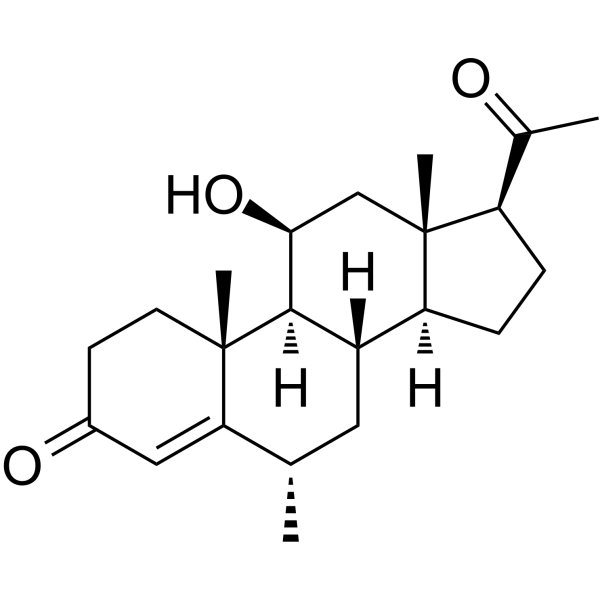
    Medrysone
    1 Publications Verification

    HMS; 6α-Methyl-11β-hydroxyprogesterone

    VEGFR CCR STAT Neurological Disease
    Medrysone (HMS; 6α-Methyl-11β-hydroxyprogesterone) is a STAT6 modulator and M2 macrophage polarization inducer. Medrysone enhances IL-4-triggered STAT6 activation, upregulates the expression of M2 markers, and promotes the secretion of VEGF and CCL2. Medrysone also enhances the pro-migratory activity of M2-like macrophages toward endothelial cells. By regulating macrophage polarization and related repair pathways, Medrysone significantly promotes corneal wound repair in a rat mechanical injury model. Medrysone can be used for research related to corneal injury .
    Medrysone
  • HY-NP199
    Bovine pituitary extract
    1 Publications Verification

    Reactive Oxygen Species (ROS) Inflammation/Immunology
    Bovine pituitary extract is a bovine pituitary extract that can be used as a mitogenic supplement in serum-free growth media. Bovine pituitary extract is rich in growth factors. Bovine pituitary extract not only promotes the proliferation of corneal keratinocytes and maintains their phenotype, but also exerts significant antioxidant stress protective effects on human prostate epithelial cells .
    Bovine pituitary extract
  • HY-E70005M

    Proteasome Others
    Collagenase (Type C, animal free) is a proteolytic enzyme targeting collagen, capable of releasing corneal endothelial cells (CECs) without damaging cell junctions .
    Collagenase (Type C, animal free)
  • HY-159069

    Toll-like Receptor (TLR) TNF Receptor Connexin Infection Cancer
    Zymosan (ZM), 95% is a yeast cell wall-derived carbohydrate-rich preparation and immunomodulator. Zymosan (ZM), 95% binds to and activates TLR-2, TLR-4, and Dectin-1 receptor to trigger downstream signaling pathways. Zymosan (ZM), 95% upregulates TLR-2, TLR-4, and TNF-α mRNA expression, increases serum TNF-α levels, and stimulates splenocyte number and viability in mice. Zymosan (ZM), 95% attenuates melanoma growth progression, modulates macrophage marker gene expression, and mediates phagocytosis, ROS generation, and cytokine production. Zymosan (ZM), 95% reduces Connexin 43 protein and mRNA levels, inhibits gap junctional intercellular communication, and induces proinflammatory factor production in human corneal cells. Zymosan (ZM), 95% induces peritoneal inflammation in mice, functions as a drug carrier, and supports fibroblast cell attachment in hydrogel formulations. Zymosan (ZM), 95% can be used for the research of melanoma, tumors, fungal keratitis, ocular surface inflammatory disorders, and peritoneal inflammation .
    Zymosan (ZM), 95%
  • HY-19518

    NCX116; LBN

    Prostaglandin Receptor Neurological Disease
    Latanoprostene bunod (NCX116; LBN) is a nitric oxide-releasing prostaglandin F2α analog. Latanoprostene bunod is a prodrug that, upon instillation into the eye, is hydrolyzed by corneal esterases into two active metabolites: Latanoprost (HY-B0577) and NO. Latanoprost activates the prostaglandin FP receptor to increase the outflow of aqueous humor through the uveoscleral pathway. NO increases aqueous humor drainage through the trabecular meshwork pathway, achieving synergistic enhancement targeting the dual pathways of aqueous humor outflow. Latanoprostene bunod can be used in research related to open-angle glaucoma and ocular hypertension .
    Latanoprostene bunod
  • HY-106449

    DA-6034 free acid

    NF-κB COX Apoptosis ERK Calcium Channel Inflammation/Immunology Cancer
    Recoflavone (DA-6034 (free acid)), a synthetic derivative of the flavonoid Eupatilin (HY-N0783), is orally active. Recoflavone can inhibit the NF-κB pathway and induce [Ca( 2+)]i increase in epithelial cells. Recoflavone exhibits activities such as anti-inflammation, anti-tumor effects, protection of gastric and intestinal mucosa, and promotion of secretion in the ocular surface and salivary glands. Recoflavone can be used for the research of diseases such as dry eye, gastric injury, and intestinal injury .
    Recoflavone
  • HY-Y0850U3

    Polyvinyl alcohol (Mw 125000, 98-99% hydrolyzed, ~2800 polymerization); Poly(Ethenol) (Mw 125000, 98-99% hydrolyzed, ~2800 polymerization)

    Biochemical Assay Reagents Others
    PVA (Polyvinyl alcohol) (Mw 125000, 98-99% hydrolyzed, ~2800 polymerization) is a water-soluble, biodegradable, biocompatible and non-immunogenic polymer. PVA (Mw 125000, 98-99% hydrolyzed, ~2800 polymerization) causes no irritation to rabbit eyes, no skin sensitization in guinea pigs, promotes the proliferation of human skin keratinocytes, and reduces the loss of corneal endothelial cells. The LD50 of PVA (Mw 125000, 98-99% hydrolyzed, ~2800 polymerization) in rats and dogs is greater than 10 g/kg. PVA (Mw 125000, 98-99% hydrolyzed, ~2800 polymerization) is hardly absorbed by the digestive system, causes no adverse effects upon long-term oral administration, and shows no mutagenicity or carcinogenicity. However, repeated intravenous or portal vein injection of PVA (Mw 125000, 98-99% hydrolyzed, ~2800 polymerization) may induce pathological changes such as glomerular lesions, anemia, hypertension or liver fibrosis in rats or dogs. Crosslinked nanofibers prepared by modifying PVA (Mw 125000, 98-99% hydrolyzed, ~2800 polymerization) can be used in studies related to wound dressings and other applications .
    PVA (Mw 125000, 98-99% hydrolyzed, ~2800 polymerization)
  • HY-B1035
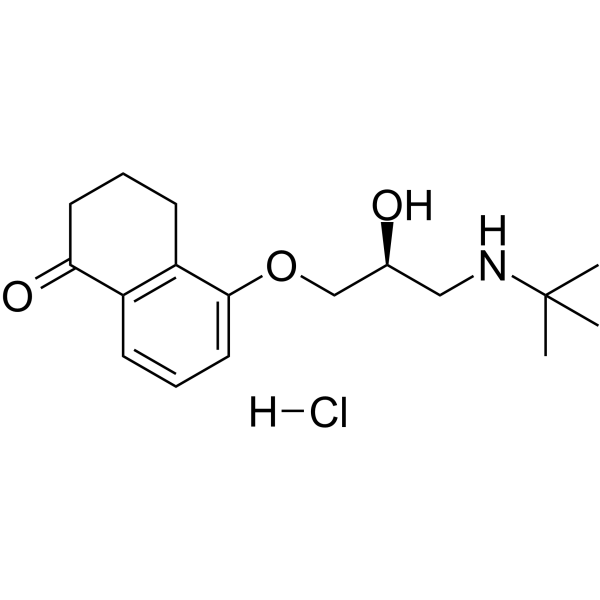
    Levobunolol hydrochloride
    1 Publications Verification

    l-Bunolol hydrochloride

    Adrenergic Receptor Calcium Channel Casein Kinase Cardiovascular Disease
    Levobunolol (l-Bunolol) hydrochloride is a non-selective β-adrenergic antagonist and vasodilator. By blocking calcium ion influx and reducing the sensitivity of vascular smooth muscle to calcium, Levobunolol hydrochloride effectively dilates the ciliary arteries and increases ocular blood flow, so it is widely used in research on glaucoma and ocular hypertension. Levobunolol hydrochloride inhibits the β-receptor signaling pathway and the expression of related proliferation markers (such as CK3, CK14, CK19, Ki67) in corneal cells. In rabbit models, Levobunolol hydrochloride not only does not inhibit corneal epithelial regeneration, but also accelerates the healing of mechanical injury without adverse effects. Levobunolol hydrochloride also inhibits histamine-induced vasoconstriction and intracellular calcium elevation, exhibiting unique vascular regulatory activity. Levobunolol hydrochloride protects ocular blood flow and promotes corneal repair .
    Levobunolol hydrochloride
  • HY-W013762

    Environmental Pollutants Biochemical Assay Reagents Others
    Tributyl citrate is a low-toxicity and orally active citrate ester with no genotoxicity or skin sensitizing activity. Tributyl citrate also acts as a plasticizer, solvent, FDA-approved indirect food additive, and topical anesthetic, among other uses. Tributyl citrate induces a needle-prick insensitivity response that lasts for more than 2 hours, and a 5% suspension of it temporarily eliminates the corneal reflex in rabbits. Tributyl citrate causes no significant systemic toxicity in rats and cats at most tested doses, and only may cause growth retardation and gastrointestinal reactions such as diarrhea and nausea at high doses or with repeated oral administration .
    Tributyl citrate
  • HY-E70005L

    Proteasome Others
    Collagenase (Type B, animal free) is a proteolytic enzyme targeting collagen, capable of releasing corneal endothelial cells (CECs) without damaging cell junctions .
    Collagenase (Type B, animal free)
  • HY-P10904

    ST-100

    Collagen Others
    Vezocolmitide (ST-100) is a collagen mimetic peptide. Vezocolmitide can rapidly repair damaged collagen triple helix structures, thereby quickly reversing damage to the ocular surface and extracellular matrix, and restoring corneal nerve function while repairing the epithelium. Vezocolmitide can be used for research of dry eye disease (DED) .
    Vezocolmitide
  • HY-126395

    Fluorescent Dye Others
    Patent Blue V calcium salt is a triarylmethane dye used for tissue staining and lymphatic tracing, mainly applied by topical injection or eye drops. Patent Blue V calcium salt has affinity for specific tissues (such as corneal endothelium, lymphatic system), and stains the target structure by adsorption or binding, assisting in precise operation during surgery. Patent Blue V calcium salt is mainly used in ophthalmic surgery (such as graft staining for Descemet's membrane endothelial keratoplasty) and lymphatic drainage localization for sentinel lymph node biopsy of tumors .
    Patent Blue V calcium salt
  • HY-142980

    Dioleoylphosphatidylglycerol

    Liposome Inflammation/Immunology
    DOPG (Dioleoylphosphatidylglycerol) is a negatively charged phosphatidylglycerol phospholipid. DOPG is abundant in prokaryotic cell membranes and mitochondria, and has a low phase transition temperature and a tendency to form stable vesicles. DOPG inhibits the production of inflammatory mediators in macrophages in response to heat shock protein B4 (HSPB4)-activated toll-like receptor 2 (TLR2). DOPG is applicable to studies of membrane biology, drug-membrane interactions (especially in systems targeting negatively charged membranes), construction of drug delivery carriers, as well as research on sterile corneal inflammation and wound healing promotion .
    DOPG
  • HY-136248
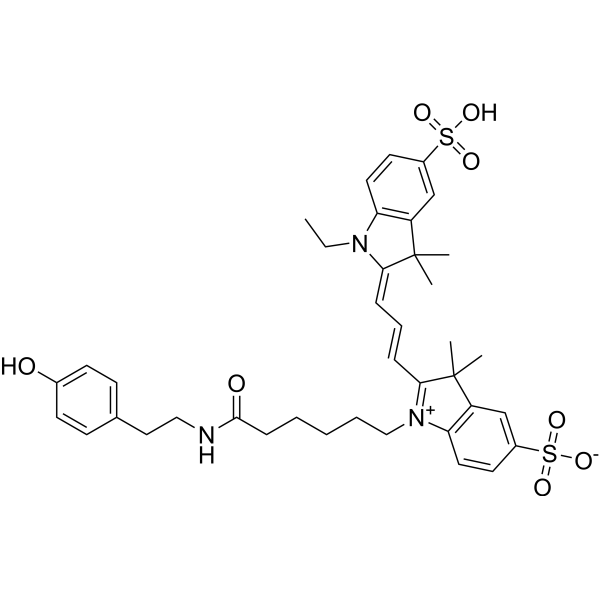
    Cyanine 3 Tyramide
    1 Publications Verification

    Tyramide-Cy3

    DNA Stain Fluorescent Dye Others
    Cyanine 3 Tyramide (Tyramide-Cy3) is an orange fluorescent dye used as a reporter fluorescent substrate for horseradish peroxidase (HRP)-catalyzed deposition, which serves as a signal amplification technique in immunoassays and in situ nucleic acid hybridization .
    Cyanine 3 Tyramide
  • HY-176886

    Large Tumor Suppressor (LATS) YAP Others
    LATS-IN-2 is an efficiently acting LATS (large tumor suppressor kinase) inhibitor. LATS-IN-2 shows potent inhibitory activity against LATS1 with an IC50 value of 1.3 nM. LATS-IN-2 suppresses the phosphorylation of YAP by inhibiting LATS kinase activity. LATS-IN-2 increases the thickness of the epidermis in mice. LATS-IN-2 can be used for the study of ocular diseases such as limbal stem cell deficiency and corneal endothelial dysfunction .
    LATS-IN-2
  • HY-P4846
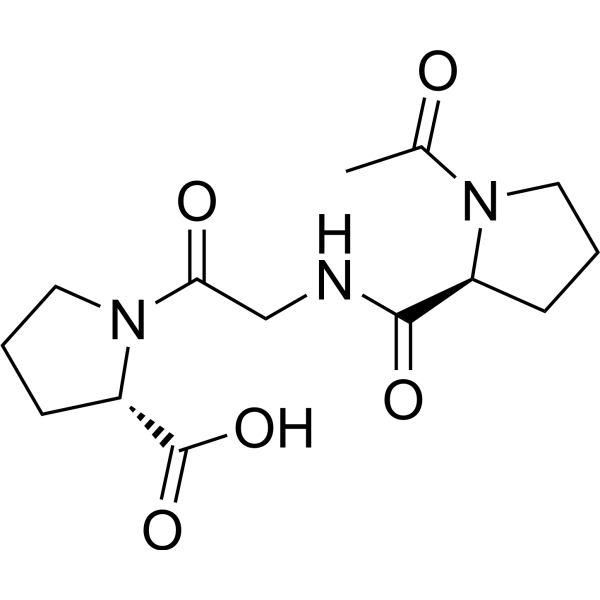
    Ac-Pro-Gly-Pro-OH
    2 Publications Verification

    CXCR Apoptosis IFNAR TNF Receptor Interleukin Related Infection Inflammation/Immunology
    Ac-Pro-Gly-Pro-OH is an endogenous degradation product of extracellular collagen and acts as a CXCR2 agonist . Ac-Pro-Gly-Pro-OH exerts bactericidal activity by generating hydrogen peroxide, inhibits pulmonary inflammation, and reduces immune cell apoptosis (apoptosis). Ac-Pro-Gly-Pro-OH promotes the production of IFN-γ and inhibits the production of TNF-α and IL-6 in leukocytes. Ac-Pro-Gly-Pro-OH increases the survival rate of mice in sepsis models, enhances the bactericidal activity of neutrophils, acts as a neutrophil chemoattractant, induces neutrophil polarization, and regulates inflammatory and repair processes. Ac-Pro-Gly-Pro-OH induces chronic inflammation and tissue remodeling through sustained action. Ac-Pro-Gly-Pro-OH is released via alkaline hydrolysis of corneal proteins in alkali-injured eyes, thereby driving the early infiltration of neutrophils into the cornea. Ac-Pro-Gly-Pro-OH is applicable to research related to sepsis, chronic obstructive pulmonary disease, cystic fibrosis, bronchiolitis obliterans syndrome, severe asthma, idiopathic pulmonary fibrosis, and corneal ulcer .
    Ac-Pro-Gly-Pro-OH
  • HY-17639

    RX-10045

    Biochemical Assay Reagents Inflammation/Immunology
    Navamepent is an analog of naturally occurring resolvin E1 (a major dietary omega-3 polyunsaturated fatty-acid metabolite) with potent anti-inflammatory and cell survival benefits. Navamepent is highly effective against dry eye and goblet cell loss thereby accelerating tear production. Also, Navamepent can reduce corneal inflammation, epithelial damage, and accelerate corneal tissue repair. In addition, Navamepent can inhibit the release of several key proinflammatory mediators from corneal epithelial cells. Navamepent is a click chemistry reagent, it contains an Alkyne group and can undergo copper-catalyzed azide-alkyne cycloaddition (CuAAc) with molecules containing Azide groups.
    Navamepent
  • HY-B0964A

    Riboflavine phosphate; Riboflavin 5'-phosphate; Riboflavine 5'-phosphate

    Endogenous Metabolite Metabolic Disease
    Riboflavine phosphate is a derivative of Riboflavin (vitamin B2) which is an essential nutrient for animals. Riboflavin phosphate can be used for the research of progressive keratoconus, corneal ectasia and irregular astigmatism . Riboflavine phosphate is a very effective NAD +-recycling agent .
    Riboflavin phosphate
  • HY-P1194

    Neurokinin Receptor Inflammation/Immunology
    Spantide I, a substance P analog, is a selective NK1 receptor antagonist, with Ki values of 230 nM and 8150 nM for NK1 and NK2 receptor, respectively. Spantide I provides an approach to reduce type 1 and enhance the type 2 cytokine IL-10 in the infected cornea, leading to a significant reduction in corneal perforation .
    Spantide I
  • HY-P990127

    Transmembrane Glycoprotein Inflammation/Immunology
    Anti-Mouse CD80/B7-1 Antibody (RM80) is an anti-mouse CD80/B7-1 IgG2a monoclonal antibody. Anti-Mouse CD80/B7-1 Antibody (RM80) can inhibit the number of tissue-resident memory (TRM) cells. Anti-Mouse CD80/B7-1 Antibody (RM80) can prolong the survival time of transplants combined with CD86 mAb. Anti-Mouse CD80/B7-1 Antibody (RM80) can be used for researches on inflammation conditions and immunology such as viral myocarditis and corneal transplant .
    Anti-Mouse CD80/B7-1 Antibody (RM80)
  • HY-B0964R

    Riboflavine phosphate sodium (Standard); Riboflavin 5'-phosphate sodium (Standard); Riboflavine 5'-phosphate sodium (Standard)

    Reference Standards Endogenous Metabolite Others
    Riboflavin phosphate (sodium) (Standard) is the analytical standard of Riboflavin phosphate (sodium). This product is intended for research and analytical applications. Riboflavin phosphate sodium (FMN-Na) is a derivative of Riboflavin (vitamin B2) which is an essential nutrient for animals. Riboflavin phosphate sodium can be used for the research of progressive keratoconus, corneal ectasia and irregular astigmatism . Riboflavine phosphate sodium is a very effective NAD+-recycling agent .
    Riboflavin phosphate sodium (Standard)
  • HY-116116

    SIM010603

    c-Kit RET VEGFR Cancer
    Tafetinib (SIM010603) is an oral multi-targets receptor tyrosine kinases inhibitor. Tafetinib inhibitsstem cell factor receptor (Kit),vascular endothelial growth factor receptor-2 (VEGFR-2),platelet-derived growth factor receptor-β (PDGFR-β),glial cell line-derived neurotrophic factor receptor (Rearranged during Transfection; RET), andFms-like tyrosine kinase-3 (FLT3)withIC50values between 5.0 and 68.1 nmol/l. Tafetinib inhibits the phosphorylation ofPDGFR-βandVEGFR-2. Tafetinib inhibits endothelial cell proliferation, endothelial cells chemotaxis, and corneal angiogenesis .
    Tafetinib
  • HY-128538

    ONO-9054

    Prostaglandin Receptor Neurological Disease
    Sepetaprost (ONO-9054) is a dual agonist of the prostaglandin E3 receptor and prostaglandin F receptor. Sepetaprost reduces intraocular pressure in animal models. Sepetaprost is applicable for research on ocular hypertension and open-angle glaucoma .
    Sepetaprost
  • HY-Y0850U5

    Polyvinyl alcohol (Mw 27000, 98-99% hydrolyzed, ~600 polymerization); Poly(Ethenol) (Mw 27000, 98-99% hydrolyzed, ~600 polymerization)

    Biochemical Assay Reagents Fungal Infection
    PVA (Polyvinyl alcohol) (Mw 27000, 98-99% hydrolyzed, ~600 polymerization) is a nonionic ethanol homopolymer with hydrophilicity, water solubility and biodegradability. PVA (Mw 27000, 98-99% hydrolyzed, ~600 polymerization) exhibits biocompatibility, non-toxicity and non-carcinogenicity, as well as antibacterial activity against Gram-positive bacteria, Gram-negative bacteria and fungal strains. PVA (Mw 27000, 98-99% hydrolyzed, ~600 polymerization) can serve as a solubilizer, stabilizer, mucoadhesive agent and sustained-release agent, and has a synergistic solubilizing effect on voriconazole/sulfobutyl ether β-cyclodextrin complexes. By stabilizing such complexes, PVA (Mw 27000, 98-99% hydrolyzed, ~600 polymerization) forms freeze-thaw hydrogels with high mucoadhesion, sustained drug release and ex vivo corneal permeability. When compounded with hyaluronic acid hydrogels, PVA (Mw 27000, 98-99% hydrolyzed, ~600 polymerization) supports chondrocyte growth in vitro, and also forms complexes with Cu 2+, Co 2+, Ni 2+ and Zn 2+ ions. PVA (Mw 27000, 98-99% hydrolyzed, ~600 polymerization) can be used in studies related to fungal keratitis, bacterial infections and fungal infections .
    PVA (Mw 27000, 98-99% hydrolyzed, ~600 polymerization)
  • HY-135627

    cyclo(L-Hyp-L-Ser)

    Endogenous Metabolite Others
    JBP485 (cyclo-trans-4-L-hydroxyprolyl-L-serine) is a dipeptide with anti-hepatotoxic and wound healing properties. JBP485 can be used for research of various kinds of corneal epithelial diseases .
    JBP485
  • HY-E70005O

    Proteasome Others
    Collagenase (Type A, filtered, animal free) is a proteolytic enzyme targeting collagen, capable of releasing corneal endothelial cells (CECs) without damaging cell junctions .
    Collagenase (Type A, filtered, animal free)
  • HY-P990242

    Galectin TNF Receptor IFNAR Interleukin Related Inflammation/Immunology Cancer
    Anti-Mouse Galectin-9 Antibody (RG9-1) is an anti-mouse Galectin-9 IgG2b monoclonal antibody. Anti-Mouse Galectin-9 Antibody (RG9-1) promotes inflammatory response by enhancing the secretion of IFN-γ, TNF-α, and IL-6. Anti-Mouse Galectin-9 Antibody (RG9-1) can increase CD8 T cell and Treg frequency. Anti-Mouse Galectin-9 Antibody (RG9-1) reduces graft survival time by increasing CD4 + and CD8 + T cell infiltration. Anti-Mouse Galectin-9 Antibody (RG9-1) can be used for researches on inflammation conditions, cancer and xenotransplantation such as ischemia-reperfusion, colon cancer, breast cancer and leukemia .
    Anti-Mouse Galectin-9 Antibody (RG9-1)
  • HY-102032

    Adrenergic Receptor Endocrinology
    Butyryltimolol, an effective precursor of Timolol, improves the corneal penetration of Timolol . Butyryltimolol is a β-adrenergic blocker .
    Butyryltimolol
  • HY-P99578

    HL036337; HBM9036

    TNF Receptor Inflammation/Immunology
    Tanfanercept (HL036337) is an TNF-α receptor fusion protein that targets TNF-α. Tanfanercept is effective in ameliorating corneal erosions in a dry eye (DE) mouse model .
    Tanfanercept
  • HY-19699

    NAAM; 1-Naphthaleneacetamide; α-Naphthylacetamide

    Environmental Pollutants Phytohormone Neurological Disease Endocrinology
    1-Naphthylacetamide is an orally active nonsteroidal anti-inflammatory agent (NAIA) and also an indole-type auxin plant growth regulator. 1-Naphthylacetamide inhibits inflammatory response-related pathways and modulates plant hormone signaling, exhibiting anti-inflammatory, local anesthetic, antispasmodic, analgesic, and diuretic activities. 1-Naphthylacetamide promotes plant cell expansion, differentiation, and fruit enlargement. Additionally, 1-Naphthylacetamide induces central nervous system (CNS) depression in mice, characterized by reduced spontaneous activity, decreased irritability, decreased muscle tone, and attenuated ear-cuff reflex, ipsilateral flexor reflex, and corneal reflex [1][2].
    1-Naphthylacetamide
  • HY-13813R

    Myosin Others
    Blebbistatin (Standard) is the analytical standard of Blebbistatin. This product is intended for research and analytical applications. Blebbistatin is a selective non-muscle myosin II (NMII) inhibitor, promotes directional migration of corneal endothelial cells (CECs) and accelerates wound healing, and better preserves cell junctional integrity and barrier function. Blebbistatin blocks cell migration .
    Blebbistatin (Standard)
  • HY-17495

    OPC-1085

    Adrenergic Receptor Caspase Bcl-2 Family Neurological Disease
    Carteolol is a non-selective β-adrenoceptor antagonist. Carteolol induces apoptosis via a caspase activated and mitochondrial-dependent pathway. Carteolol can be used for glaucoma research .
    Carteolol
  • HY-115500

    Endogenous Metabolite Opioid Receptor Leukotriene Receptor Neurological Disease Inflammation/Immunology
    PL265 is an orally active dual enkephalinase inhibitor. PL265 is a prodrug of PL254, which can simultaneously and efficiently inhibit neutral endopeptidase (Neprilysin) and Aminopeptidase N. PL265 can effectively protect and significantly increase the local concentration of enkephalins (such as Met-Enkephalin and Leu-Enkephalin) released by cells at the pain or inflammation sites, thereby activating μ and δ opioid receptors to produce a potent analgesic effect. PL254 can also inhibit leukotriene A4 hydrolase (LTA4H), which may contribute to its additional anti-inflammatory effect by reducing the production of pro-inflammatory mediator leukotriene B4 (LTB4). PL265 can be used in non-addictive chronic pain research .
    PL265
  • HY-172264

    Antibiotic Bacterial DNA/RNA Synthesis Infection
    XT17 is an anthrone compound with broad-spectrum antibacterial activity. It exerts its antibacterial effect by disrupting the cell wall and inhibiting DNA synthesis. XT17 exhibits weak hemolytic activity, low cytotoxicity against mammalian cell lines, and a low frequency of drug resistance. Meanwhile, XT17 shows in vivo efficacy in a mouse corneal infection model induced by Staphylococcus aureus or Pseudomonas aeruginosa. Further docking studies have confirmed that XT17 can form a stable complex with bacterial gyrase. XT17 can be used in the research of the anti - infection field .
    XT17
  • HY-19518R

    NCX116 (Standard); LBN (Standard)

    Reference Standards Prostaglandin Receptor Neurological Disease
    Latanoprostene bunod (NCX116; LBN) (Standard) is the analytical standard of Latanoprostene bunod. This product is intended for research and analytical applications. Latanoprostene bunod is a nitric oxide-releasing prostaglandin F2α analog. Latanoprostene bunod is a prodrug that, upon instillation into the eye, is hydrolyzed by corneal esterases into two active metabolites: Latanoprost (HY-B0577) and NO. Latanoprost activates the prostaglandin FP receptor to increase the outflow of aqueous humor through the uveoscleral pathway. NO increases aqueous humor drainage through the trabecular meshwork pathway, achieving synergistic enhancement targeting the dual pathways of aqueous humor outflow. Latanoprostene bunod can be used in research related to open-angle glaucoma and ocular hypertension.
    Latanoprostene bunod (Standard)
  • HY-102032A

    Adrenergic Receptor Others
    (RS)-Butyryltimolol is the racemate of Butyryltimolol. Butyryltimolol, an effective proagent of Timolol, improves the corneal penetration of Timolol . Butyryltimolol is a β-adrenergic blocker .
    (RS)-Butyryltimolol
  • HY-123195

    Interleukin Related Cancer
    CK-119 is a potent interleukin-1 blocker. CK-119 inhibits the cell growth of fibroblast-like corneal and conjunctival cells, mainly by inhibiting DNA and RNA syntheses .
    CK-119
  • HY-102032AR

    Reference Standards Adrenergic Receptor Others
    (RS)-Butyryltimolol (Standard) is the analytical standard of (RS)-Butyryltimolol. This product is intended for research and analytical applications. (RS)-Butyryltimolol is the racemate of Butyryltimolol. Butyryltimolol, an effective proagent of Timolol, improves the corneal penetration of Timolol . Butyryltimolol is a β-adrenergic blocker .
    (RS)-Butyryltimolol (Standard)
  • HY-P10797

    NF-κB HIF/HIF Prolyl-Hydroxylase VEGFR TNF Receptor Interleukin Related Cardiovascular Disease Inflammation/Immunology
    TAT-N24 is a cell-permeable TAT peptide as a p55PIK signaling inhibitor. TAT-N24 is effective for corneal neovascularization (CNV) and ocular inflammation by inhibiting the HIF-1α/NF-κB signaling pathway in corneal suture (CS). TAT-N24 also inhibits corneal neovascularization .
    TAT-N24

Inquiry Online

Your information is safe with us. * Required Fields.

Salutation


Country or Region *

Applicant Name *


Organization Name *

Department *


Email Address *


Product Name *

Cat. No.


Requested quantity *

Phone Number *


Remarks

Inquiry Online

Inquiry Information

Product Name:
Cat. No.:
Quantity:
MCE Japan Authorized Agent:

