1. Search Result
Search Result
Results for "

cure

" in MedChemExpress (MCE) Product Catalog:

32

Inhibitors & Agonists

3

Screening Libraries

4

Biochemical Assay Reagents

6

Natural
Products

7

Isotope-Labeled Compounds

Cat. No. Product Name Target Research Areas Chemical Structure
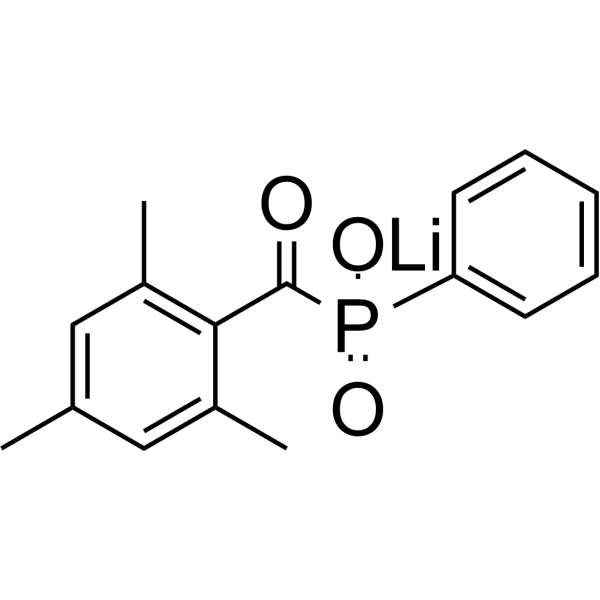
  • HY-44076
    LAP
    4 Publications Verification

    Lithium phenyl-2,4,6-trimethylbenzoylphosphinate

    Biochemical Assay Reagents Others Cancer
    LAP (Lithium phenyl-2,4,6-trimethylbenzoylphosphinate) is a free radical initiator. The free radicals produced by LAP under bioprinting conditions are potentially cytotoxic and mutagenic. In addition, the concentration of LAP affects the mechanical strength of 3D printed scaffolds. Generally, the concentration range of LAP used for curing is 0.05%-1%. The elastic modulus produced at a concentration of 0.1% is the highest, with enhanced mechanical properties and excellent biocompatibility .
    LAP
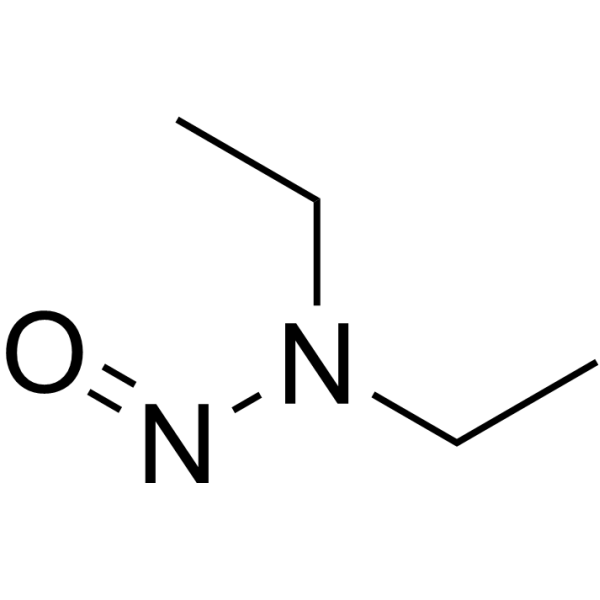
  • HY-N7434
    N-Nitrosodiethylamine
    Maximum Cited Publications
    6 Publications Verification

    Diethylnitrosamine; DEN; DENA

    DNA/RNA Synthesis Cancer
    N-Nitrosodiethylamine (Diethylnitrosamine) is a potent hepatocarcinogenic dialkylnitrosoamine. N-Nitrosodiethylamine is mainly present in tobacco smoke, water, cheddar cheese, cured, fried meals and many alcoholic beverages. N-Nitrosodiethylamine is responsible for the changes in the nuclear enzymes associated with DNA repair/replication. N-Nitrosodiethylamine results in various tumors in all animal species. The main target organs are the nasal cavity, trachea, lung, esophagus and liver.
    N-Nitrosodiethylamine
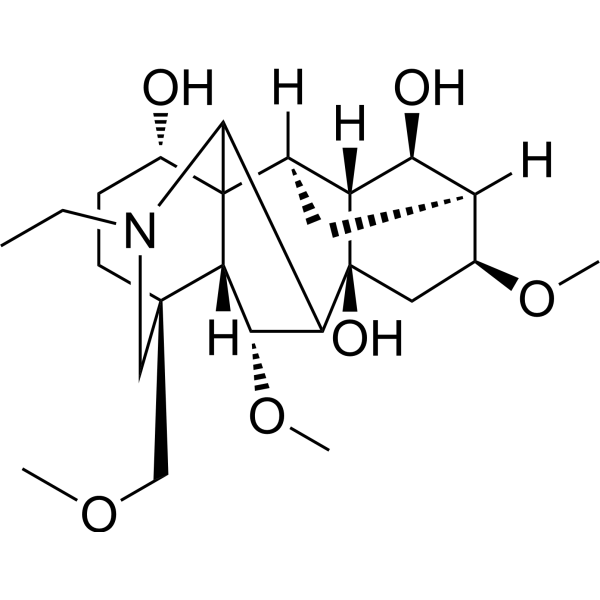
  • HY-N0478
    Neoline
    1 Publications Verification

    Bullatine B

    Others Neurological Disease
    Neoline (Bullatine B) is the active ingredient of the active ingredient (PA), which can be used to cure the disease. Neoline Flow Suppression Nav1.7 Electrical Flow Control (VGSC), improve diabetes mechanical pain sensitivity. Neoline has a list of compounds that can be used, research on its use, and the quality of its processing during processing in pain .
    Neoline
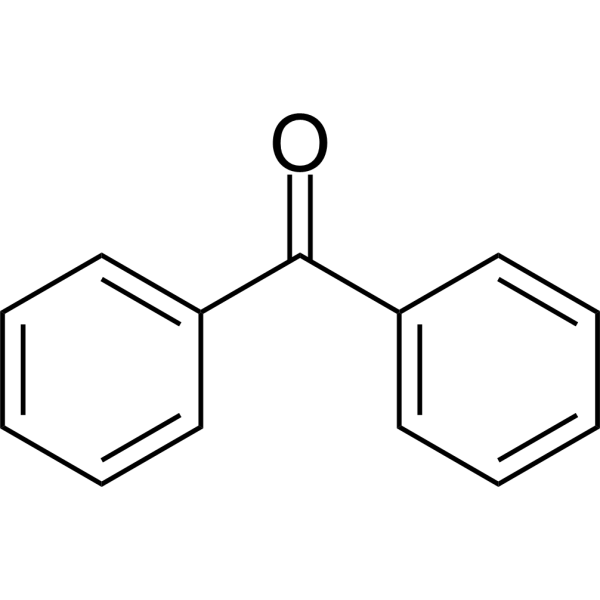
  • HY-Y0546
    Benzophenone
    1 Publications Verification

    Environmental Pollutants Endogenous Metabolite Photosensitizer Cancer
    Benzophenone is an endogenous metabolite. Benzophenone is a photosensitizer, that absorbs UV light, transfers its energy to DNA, and triggers DNA damage. Benzophenone can be used as the fragrance enhancer, ultraviolet curing agent, additive in plastics, or the flavor ingredient. Benzophenone can also be used in the manufacturing of insecticides, agricultural chemicals, hypnotics, antihistamines, and other pharmaceuticals. Benzophenone exhibits certain carcinogenicity in mouse/rat models under long term exposure. Benzophenone exhibits estrogenic activity .
    Benzophenone
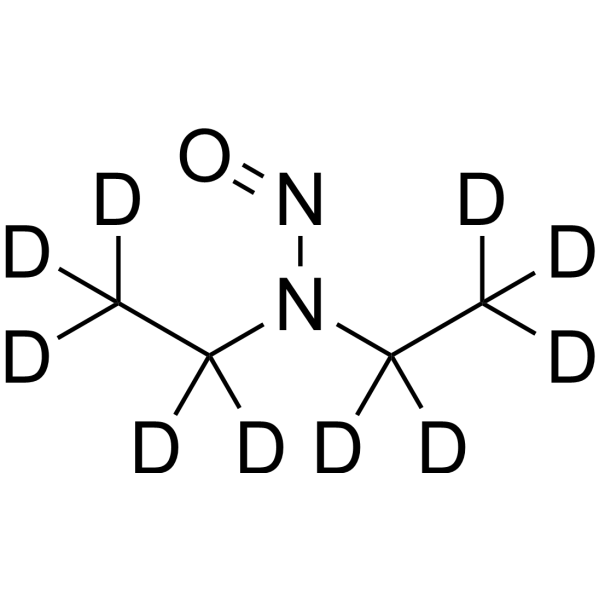
  • HY-N7434S1

    Diethylnitrosamine-d10; DEN-d10; DENA-d10

    DNA/RNA Synthesis Cancer
    N-Nitrosodiethylamine-d10 is the deuterium labeled N-Nitrosodiethylamine . N-Nitrosodiethylamine (Diethylnitrosamine) is a potent hepatocarcinogenic dialkylnitrosoamine. N-Nitrosodiethylamine is mainly present in tobacco smoke, water, cheddar cheese, cured, fried meals and many alcoholic beverages. N-Nitrosodiethylamine is responsible for the changes in the nuclear enzymes associated with DNA repair/replication. N-Nitrosodiethylamine results in various tumors in all animal species. The main target organs are the nasal cavity, trachea, lung, esophagus and liver.
    N-Nitrosodiethylamine-d10
  • HY-158231

    F127DA

    Integrin FAK Inflammation/Immunology
    Polyether F127 Diacrylate (F127DA) is an acrylated polyethylene glycol-polypropylene glycol-polyethylene glycol triblock copolymer. Polyether F127 Diacrylate rapidly crosslinks and cures into a gel under ultraviolet or visible light with the action of a photoinitiator. Polyether F127 Diacrylate exhibits excellent thermogelation properties and favorable biosafety. Polyether F127 Diacrylate can upregulate the Integrin-FAK pathway, enhance collagen production, increase the protein and gene expression levels of COL-1/SCX, and promote fibroblastic differentiation of periodontal ligament stem cells. Polyether F127 Diacrylate promotes periodontal ligament regeneration and reduces abnormal healing in a rat model of delayed replanted teeth . Polyether F127 Diacrylate promotes functional osteochondral regeneration in a rat model of osteoarthritis. Polyether F127 Diacrylate supports adipose tissue survival, rendering it suitable for breast reconstruction applications. Polyether F127 Diacrylate can be used in studies related to periodontal ligament injury, breast defect and osteoarthritis .
    Polyether F127 Diacrylate
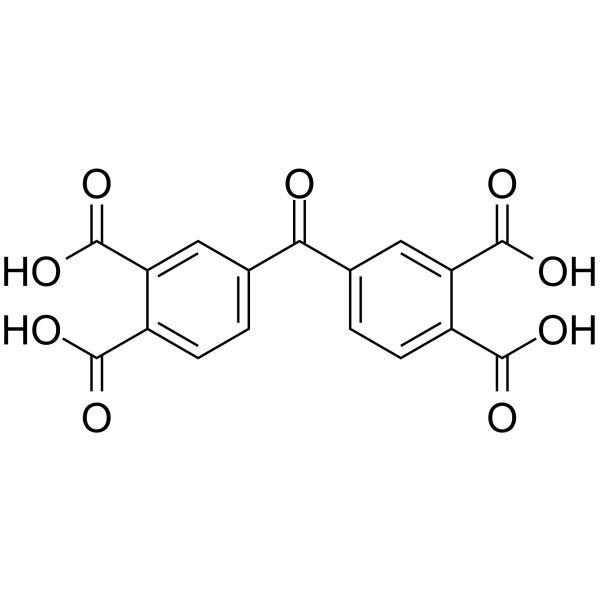
  • HY-100511

    3,3',4,4'-Benzophenonetetracarboxylic acid

    MOFs Others
    Benzophenonetetracarboxylic acid (3,3',4,4'-Benzophenonetetracarboxylic acid) is particularly useful in the preparation of high performance polyimides and also useful as curing agents for epoxy resins .
    Benzophenonetetracarboxylic acid
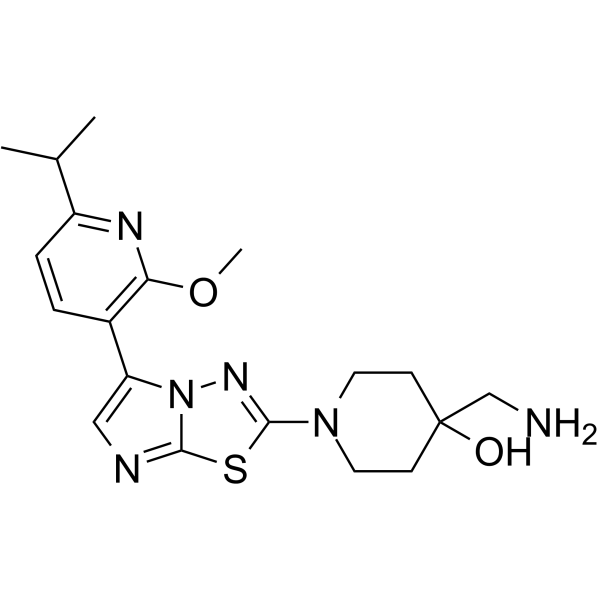
  • HY-145964

    Parasite Haspin Kinase FLT3 Infection
    INE963 is a potent and fast-acting blood-stage antimalarial agent, with an EC50s of 3-6 nM. INE963 is potential for single-dose cures in uncomplicated malaria .
    INE963
  • HY-Y0546S

    Isotope-Labeled Compounds Endogenous Metabolite Photosensitizer Cancer
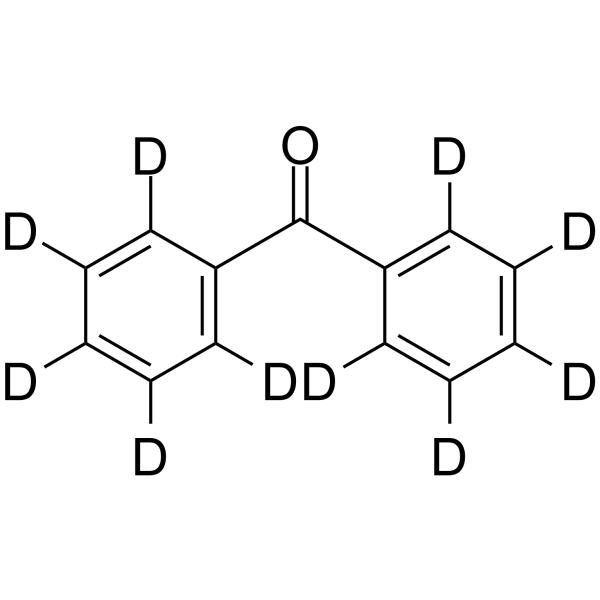
    Benzophenone-d10 is the deuterium labeled Benzophenone (HY-Y0546). Benzophenone is an endogenous metabolite. Benzophenone is a photosensitizer, that absorbs UV light, transfers its energy to DNA, and triggers DNA damage. Benzophenone can be used as the fragrance enhancer, ultraviolet curing agent, additive in plastics, or the flavor ingredient. Benzophenone can also be used in the manufacturing of insecticides, agricultural chemicals, hypnotics, antihistamines, and other pharmaceuticals. Benzophenone exhibits certain carcinogenicity in mouse/rat models under long term exposure. Benzophenone exhibits estrogenic activity .
    Benzophenone-d10
  • HY-139446A

    ETPTA (MW 912); TMPETA (MW 912)

    Biochemical Assay Reagents Others
    Trimethylolpropane ethoxylate triacrylate (MW 912) (ETPTA (MW 912); TMPETA (MW 912)) is a trifunctional acrylate monomer with multiple acrylate functional groups, which can be used in polymerization and crosslinking reactions. Trimethylolpropane ethoxylate triacrylate (MW 912) is widely used in the preparation of cured resins for 3D printing, optical coatings for display devices, and dental composite restorative materials .
    Trimethylolpropane ethoxylate triacrylate (MW 912)
  • HY-135174

    Endogenous Metabolite Infection
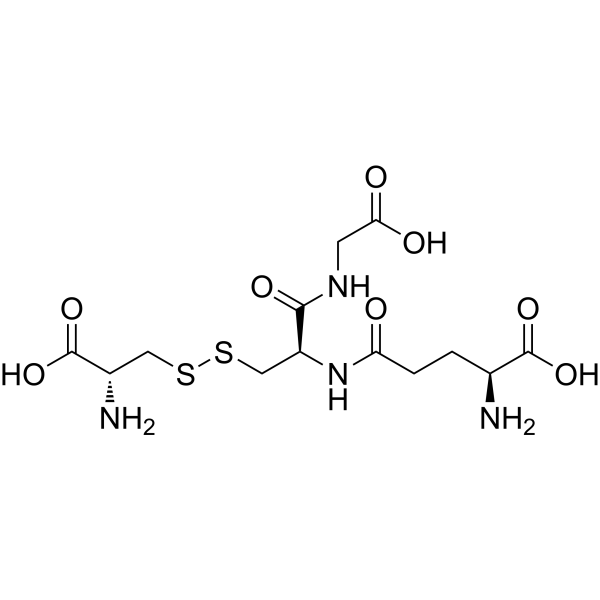
    L-Cysteine-glutathione disulfide is a metabolite in plasma that can be used in biomarker studies for tuberculosis cure .
    L-Cysteine-glutathione disulfide
  • HY-148190

    CGT-8012

    Dipeptidyl Peptidase Endocrinology
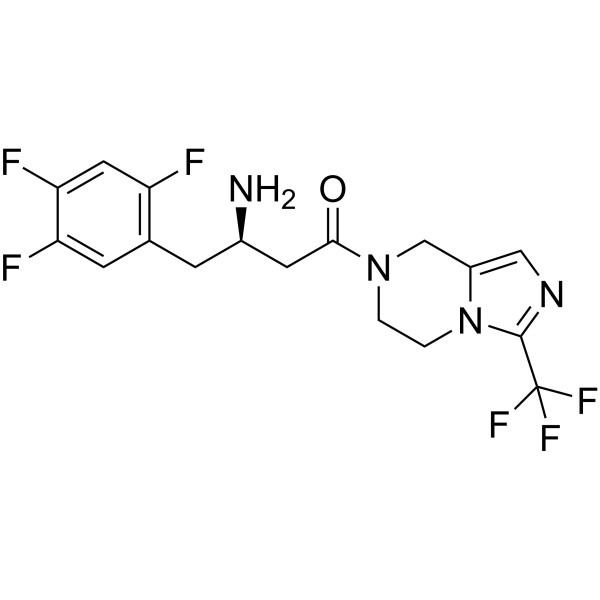
    Sheng Gelieting (CGT-8012) is a dipeptidy peptidase-IV enzyme (DP-IV) inhibitor. Sheng Gelieting has great DP-IV inhibition activity with an IC50 value of 87 nM. Sheng Gelieting can be used for curing or preventing diseases relevant to the dipeptidy peptidase-IV enzyme, such as the diabetes, particularly the II-type diabete .
    Sheng Gelieting
  • HY-W020755

    Biochemical Assay Reagents Others
    Thiohexam is a rubber cure accelerator. Thiohexam is also a known allergen and dermatological sensitizer .
    Thiohexam
  • HY-W051391

    Me3TACN

    Biochemical Assay Reagents Others
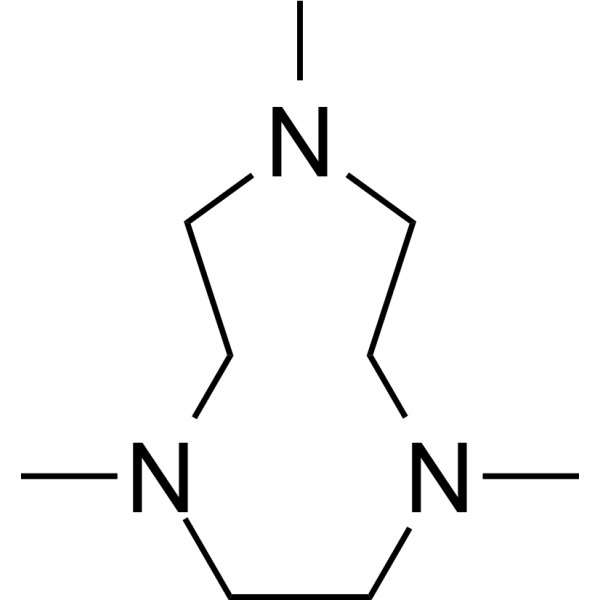
    1,4,7-Trimethyl-1,4,7-triazonane, also known as TMT or trimethylenetris(aziridine), is a cyclic organic compound. TMT is commonly used as a crosslinking agent and a precursor for polymer and resin synthesis. In addition, it is used as a stabilizer in the production of polyurethane foam and as a curing agent for epoxy resins. Due to its high reactivity and stability, TMT is considered to be a versatile and efficient reagent in various applications.
    1,4,7-Trimethyl-1,4,7-triazonane
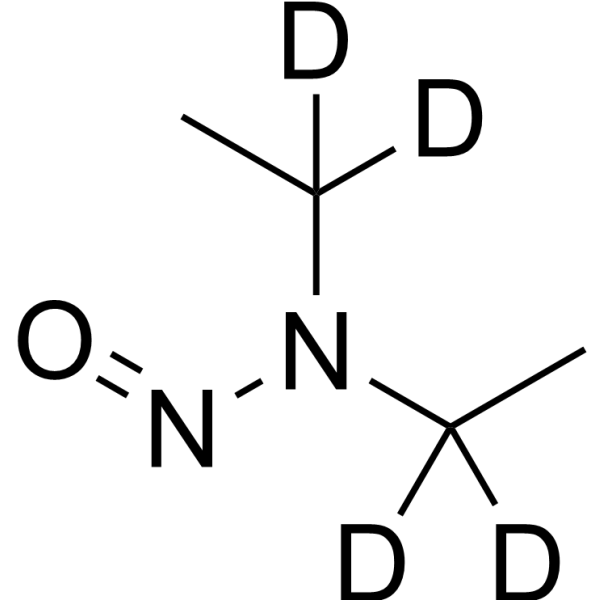
  • HY-N7434S

    Diethylnitrosamine-d4; DEN-d4; DENA-d4

    DNA/RNA Synthesis Cancer
    N-Nitrosodiethylamine-d4 is the deuterium labeled N-Nitrosodiethylamine . N-Nitrosodiethylamine (Diethylnitrosamine) is a potent hepatocarcinogenic dialkylnitrosoamine. N-Nitrosodiethylamine is mainly present in tobacco smoke, water, cheddar cheese, cured, fried meals and many alcoholic beverages. N-Nitrosodiethylamine is responsible for the changes in the nuclear enzymes associated with DNA repair/replication. N-Nitrosodiethylamine results in various tumors in all animal species. The main target organs are the nasal cavity, trachea, lung, esophagus and liver.
    N-Nitrosodiethylamine-d4
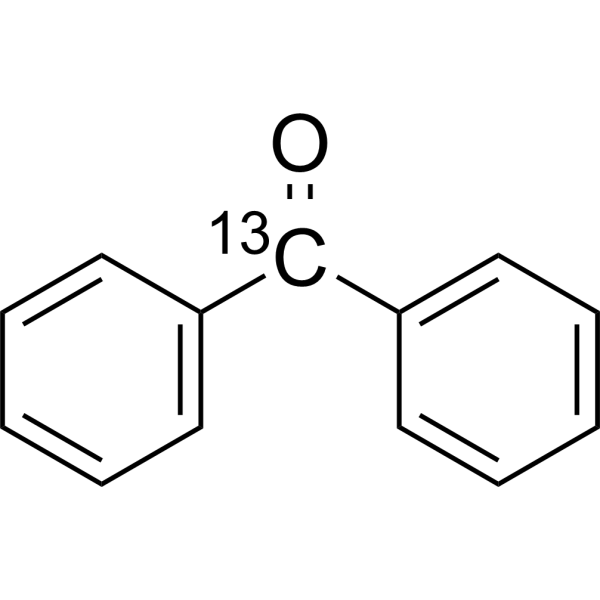
  • HY-Y0546S2

    Isotope-Labeled Compounds Endogenous Metabolite Photosensitizer Cancer
    Benzophenone- 13C is the 13C labeled Benzophenone (HY-Y0546). Benzophenone is an endogenous metabolite. Benzophenone is a photosensitizer, that absorbs UV light, transfers its energy to DNA, and triggers DNA damage. Benzophenone can be used as the fragrance enhancer, ultraviolet curing agent, additive in plastics, or the flavor ingredient. Benzophenone can also be used in the manufacturing of insecticides, agricultural chemicals, hypnotics, antihistamines, and other pharmaceuticals. Benzophenone exhibits certain carcinogenicity in mouse/rat models under long term exposure. Benzophenone exhibits estrogenic activity .
    Benzophenone-13C
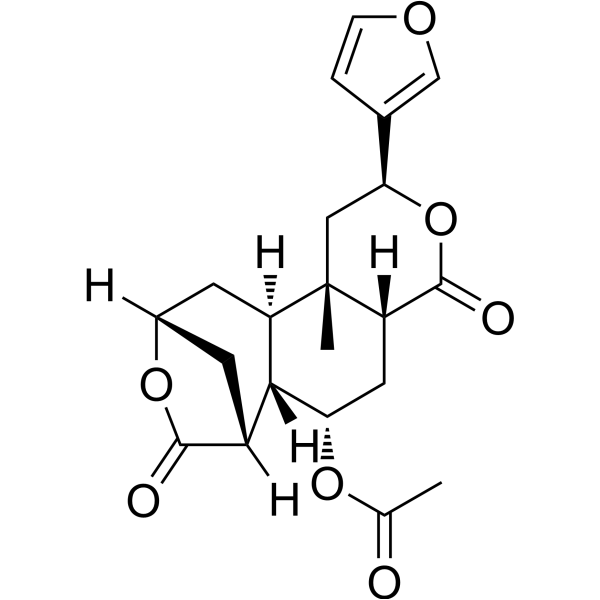
  • HY-N7047

    Bacterial Infection
    8-Epidiosbulbin E acetate, a furanoid, is abundant in Dioscorea bulbifera L.. 8-Epidiosbulbin E acetate exhibits broad-spectrum plasmid-curing activity against multidrug-resistant (MDR) bacteria. 8-Epidiosbulbin E acetate induces liver injury in mice .
    8-Epidiosbulbin E acetate
  • HY-N7434R

    Diethylnitrosamine (Standard); DEN (Standard); DENA (Standard)

    Reference Standards DNA/RNA Synthesis Cancer
    N-Nitrosodiethylamine (Standard) is the analytical standard of N-Nitrosodiethylamine. This product is intended for research and analytical applications. N-Nitrosodiethylamine (Diethylnitrosamine) is a potent hepatocarcinogenic dialkylnitrosoamine. N-Nitrosodiethylamine is mainly present in tobacco smoke, water, cheddar cheese, cured, fried meals and many alcoholic beverages. N-Nitrosodiethylamine is responsible for the changes in the nuclear enzymes associated with DNA repair/replication. N-Nitrosodiethylamine results in various tumors in all animal species. The main target organs are the nasal cavity, trachea, lung, esophagus and liver.
    N-Nitrosodiethylamine (Standard)
  • HY-135078

    NSC 270912

    DNA/RNA Synthesis Others
    2,5-Deoxyfructosazine is a pyrazine derivative that can be found in cured tobacco and is used as a flavoring agent in the food and tobacco industry. Pyrazines, including 2,5-deoxyfructosazine, can be produced either by pyrolytic decomposition of natural compounds or by the reaction of sugars with alcoholic ammonia. 2,5-Deoxyfructosazine is also formed by the breakdown of D-glucosamine at neutral pH. Like glucosamine, 2,5-deoxyfructosazine has DNA strand breakage activity and strongly inhibits IL-2 production by Jurkat cells stimulated with phytohemagglutinin (IC50=~1.25 mM).
    2,5-Deoxyfructosazine
  • HY-W020755R

    Biochemical Assay Reagents Reference Standards Others
    Thiohexam (Standard) is the analytical standard of Thiohexam. This product is intended for research and analytical applications. Thiohexam is a rubber cure accelerator. Thiohexam is also a known allergen and dermatological sensitizer .
    Thiohexam (Standard)
  • HY-162696

    Parasite Infection
    mCMQ069 is an orally active and potent antimalarial. mCMQ069 has potential for a single-dose cure and/or 28-day chemoprevention .
    mCMQ069
  • HY-W188178

    Drug Derivative Cancer
    N-Nitrososarcosine is a nitrosation product of Sarcosine (HY-101037) and can be found in cured meat products. N-Nitrososarcosine (225 mg/kg) induces the formation of metastatic liver carcinomas in mice .
    N-Mitrososarcosine
  • HY-124623

    Parasite Infection
    DNDI-8219 (compound 58) is a potent selective and orally active trypanocidal agent, possessing inhibitory activity against Trypanosoma cruzi (T. cruzi) with an IC50 of 0.4 μM. DNDI-8219 has low cytotoxicity (L6 cells IC50 > 100 μM). DNDI-8219 can effectively cure chronic T. cruzi infection and markedly reduce parasite burdens in mouse model. DNDI-8219 has good solubility, metabolic stability and safety.
    DNDI-8219
  • HY-Y0546S1

    Isotope-Labeled Compounds Endogenous Metabolite Photosensitizer Cancer
    Benzophenone-d5 is the deuterium labeled Benzophenone (HY-Y0546). Benzophenone is an endogenous metabolite. Benzophenone is a photosensitizer, that absorbs UV light, transfers its energy to DNA, and triggers DNA damage. Benzophenone can be used as the fragrance enhancer, ultraviolet curing agent, additive in plastics, or the flavor ingredient. Benzophenone can also be used in the manufacturing of insecticides, agricultural chemicals, hypnotics, antihistamines, and other pharmaceuticals. Benzophenone exhibits certain carcinogenicity in mouse/rat models under long term exposure. Benzophenone exhibits estrogenic activity .
    Benzophenone-d5
  • HY-Y0546R

    Reference Standards Endogenous Metabolite Photosensitizer Cancer
    Benzophenone (Standard) is the analytical standard of Benzophenone. This product is intended for research and analytical applications. Benzophenone standard is a photosensitizer, that absorbs UV light, transfers its energy to DNA, and triggers DNA damage. Benzophenone standard can be used as the fragrance enhancer, ultraviolet curing agent, additive in plastics, or the flavor ingredient. Benzophenone standard can also be used in the manufacturing of insecticides, agricultural chemicals, hypnotics, antihistamines, and other pharmaceuticals. Benzophenone standard exhibits certain carcinogenicity in mouse/rat models under long term exposure. Benzophenone standard exhibits estrogenic activity .
    Benzophenone (Standard)
  • HY-W770203

    DG(18:1/0:0/18:2)-d5

    Isotope-Labeled Compounds Endogenous Metabolite Others
    1-Oleoyl-2-linoleoyl-rac-glycerol-d5 (DG(18:1/0:0/18:2)-d5) is the deuterium labeled 1-Oleoyl-2-linoleoyl-rac-glycerol (HY-W777107). 1-Oleoyl-2-linoleoyl-rac-glycerol (DG(18:1/0:0/18:2)) is a diacylglycerol, which is composed of a linoleic acid and an oleic acid. 1-Oleoyl-2-linoleoyl-rac-glycerol can be found in dry-cured ham, and acts as the food additive .
    1-Oleoyl-2-linoleoyl-rac-glycerol-d5
  • HY-19873

    Photosensitizer Cancer
    SL-052 is a hypocrellin-based photosensitizer that has recently shown promising results in clinical and preclinical testing for cancer photodynamic therapy (PDT). SL-052 is encapsulated in biodegradable polylactic-co-glycolic acid (PLGA) polymer nanoparticles optimized using single emulsion solvent evaporation technology. The SL-052-PLGA nanoparticles were more effective in PDT treatment of subcutaneous SCCVII squamous cell carcinoma compared to polyvinylpyrrolidone (PVP)-based and standard liposomal SL-052 formulations. A longer time interval between drug injection and tumor illumination can improve tumor cure rates, and SL-052-PLGA nanoparticles showed the best therapeutic effect among all SL-052 formulations.
    SL-052
  • HY-W777675

    NSC 270912-13C4

    Isotope-Labeled Compounds DNA/RNA Synthesis Others
    2,5-Deoxyfructosazine- 13C4 (NSC 270912- 13C4) is the 13C-labeled 2,5-Deoxyfructosazine (HY-135078). 2,5-Deoxyfructosazine is a pyrazine derivative that can be found in cured tobacco and is used as a flavoring agent in the food and tobacco industry. Pyrazines, including 2,5-deoxyfructosazine, can be produced either by pyrolytic decomposition of natural compounds or by the reaction of sugars with alcoholic ammonia. 2,5-Deoxyfructosazine is also formed by the breakdown of D-glucosamine at neutral pH. Like glucosamine, 2,5-deoxyfructosazine has DNA strand breakage activity and strongly inhibits IL-2 production by Jurkat cells stimulated with phytohemagglutinin (IC50=~1.25 mM).
    2,5-Deoxyfructosazine-13C4
  • HY-180373

    Parasite Infection
    WR 30090 (Compound 37) is a broad-spectrum antimalarial agent that does not rely on the classical antifolate pathway. WR 30090 exhibits strong activity against a variety of chloroquine-sensitive and resistant Plasmodium falciparum strains, especially the highly resistant Vietnamese strain. WR 30090 shows high activity in mouse malaria tests, with a minimum effective dose of 5 mg/kg and a minimum cure dose of 20 mg/kg. WR 30090 can be used for research on acute malaria .
    WR 30090
  • HY-100511R

    3,3',4,4'-Benzophenonetetracarboxylic acid (Standard)

    Biochemical Assay Reagents Reference Standards Others
    Benzophenonetetracarboxylic acid (Standard) is the analytical standard of Benzophenonetetracarboxylic acid (HY-100511). This product is intended for research and analytical applications. Benzophenonetetracarboxylic acid (3,3',4,4'-Benzophenonetetracarboxylic acid) is particularly useful in the preparation of high performance polyimides and also useful as curing agents for epoxy resins .
    Benzophenonetetracarboxylic acid (Standard)
  • HY-W777107

    DG(18:1/0:0/18:2)

    Endogenous Metabolite Others
    1-Oleoyl-2-linoleoyl-rac-glycerol (DG(18:1/0:0/18:2)) is a diacylglycerol, which is composed of a linoleic acid and an oleic acid. 1-Oleoyl-2-linoleoyl-rac-glycerol can be found in dry-cured ham, and acts as the food additive .
    1-Oleoyl-2-linoleoyl-rac-glycerol
  • HY-180337

    Parasite Infection
    Antiparasitic agent-38 is an orally active antischistosomal agent that effectively clears Schistosoma mansoni infections in mice (single oral LD50=0.8 g/kg) and significantly inhibits S. mansoni infection. Antiparasitic agent-38 can be used for research on schistosomiasis, particularly S. mansoni infection .
    Antiparasitic agent-38

Inquiry Online

Your information is safe with us. * Required Fields.

Salutation


Country or Region *

Applicant Name *


Organization Name *

Department *


Email Address *


Product Name *

Cat. No.


Requested quantity *

Phone Number *


Remarks

Inquiry Online

Inquiry Information

Product Name:
Cat. No.:
Quantity:
MCE Japan Authorized Agent:

