
1. Search Result
Search Result
Results for "

disc

" in MedChemExpress (MCE) Product Catalog:

42

Inhibitors & Agonists

3

Fluorescent Dye

4

Peptides

3

Inhibitory Antibodies

16

Natural
Products

1

Antibodies

3

Oligonucleotides

Cat. No. Product Name Target Research Areas Chemical Structure
  • HY-D0085
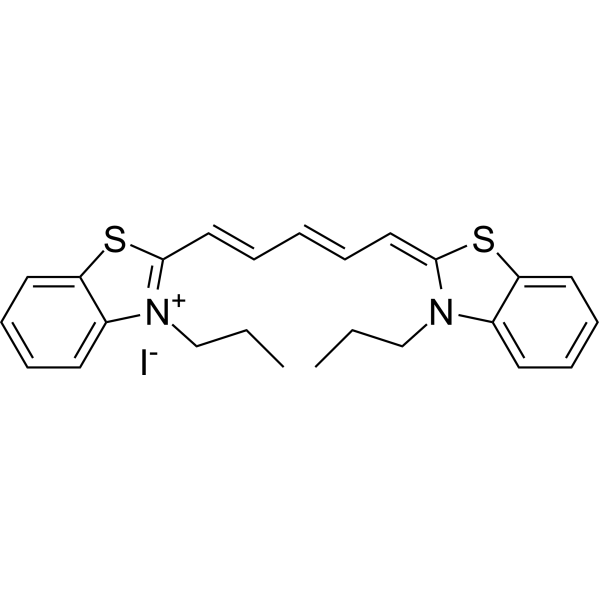
    DiSC3(5)
    10+ Cited Publications

    Fluorescent Dye Others
    DiSC3(5) is a fluorescent probe commonly used as a tracer dye to evaluate mitochondrial membrane potential. The excitation/emission wavelength of DiSC3(5) is up to 622/670 nm. DiSC3(5) can inhibit the respiratory system associated with mitochondrial NAD, and the IC50 value is 8 μM. DiSC3(5) in the presence of Na +/K +-ATPase inhibitor ouabain 2 can induce membrane hyperpolarization of Ehrlich ascites tumor cells .
    DiSC3(5)
  • HY-N2345
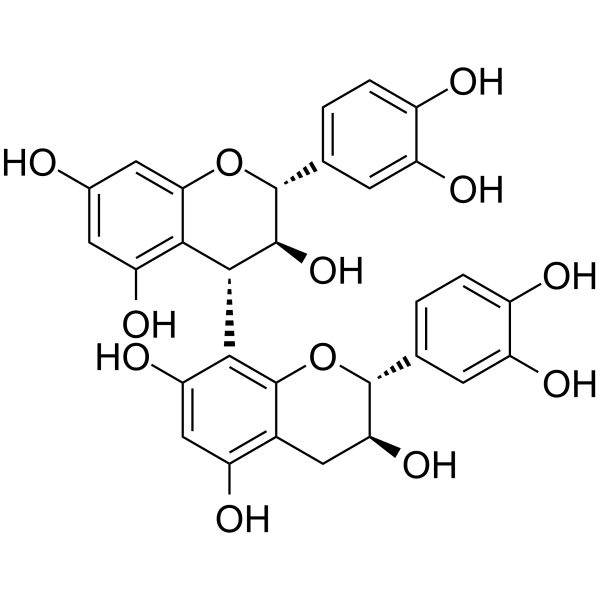
    Procyanidin B3
    1 Publications Verification

    Histone Acetyltransferase Toll-like Receptor (TLR) Androgen Receptor Inflammation/Immunology Cancer
    Procyanidin B3 is a natural product with antioxidant activity and oral bioavailability, possessing good blood-brain barrier penetration. Procyanidin B3 is a selective inhibitor of histone acetyltransferase (HAT). By inhibiting p300 HAT-mediated acetylation of the androgen receptor (androgen receptor). Procyanidin B3 alleviates intervertebral disc degeneration (IVDD) by inhibiting the formation of the TLR4/MD-2 complex. Procyanidin B3 can be used in research on prostate cancer and arthritis .
    Procyanidin B3
  • HY-154919
    DC-Y13-27
    4 Publications Verification

    YTHDF FOXO MMP Pyroptosis Interleukin Related Endocrinology Cancer
    DC-Y13-27 is a DC-Y13 derivative and YTHDF2 inhibitor (KD: 37.9 μM). DC-Y13-27 inhibits YTHDF2, restores FOXO3 and TIMP1 protein levels, and reduces MMP1/3/7/9 expression. DC-Y13-27 induces Pyroptosis and increases IL-1β secretion. DC-Y13-27 reduces intervertebral disc degeneration and enhances the response to radiotherapy in colon cancer and melanoma. DC-Y13-27 has antitumor activity against breast cancer .
    DC-Y13-27
  • HY-N2292
    Kinsenoside
    4 Publications Verification

    Keap1-Nrf2 Apoptosis Inflammation/Immunology
    Kinsenoside is the main active ingredient of the genus plant, and has various biological activities. Kinsenoside and Nrf2 depend on the protection of nuclear cells (NPCs), which significantly reduces their ability to survive. Kinsenoside Active NPC Medium AKT-ERK1/2-Nrf2 Signal passage, Prevent physical decline, aging, harmonious physical function impairment. Kinsenoside can improve the puncture guide model for intermediate vertebral wall discharge (IDD).
    Kinsenoside
  • HY-114164G
    Murine Thrombin
    5+ Cited Publications

    Thrombin Protease Activated Receptor (PAR) MMP VEGFR Epigenetic Reader Domain Cardiovascular Disease Neurological Disease Inflammation/Immunology
    Murine Thrombin is a murine serine protease that plays a central role in blood coagulation. Murine Thrombin stimulates macrophages to polarize into a unique phenotype characterized by anti-inflammatory and pro-repair properties. Murine Thrombin activates PAR1, induces the production of MCP-1, MMP3 and VEGF in mouse intervertebral discs, and causes degradation of the cartilage matrix and destruction of intervertebral disc structure. Murine Thrombin activity increases significantly in paraoxon-induced status epilepticus .
    Murine Thrombin
  • HY-B1700A

    nAChR Neurological Disease
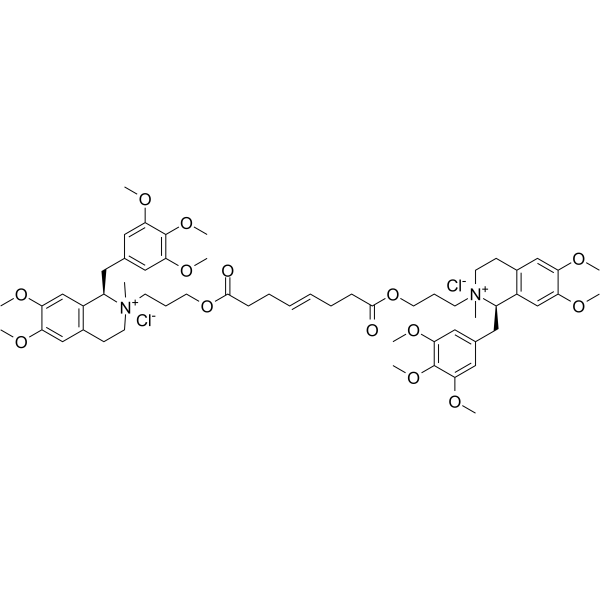
    Mivacurium dichloride is a benzylisoquinoline derivative and is a short-acting non-depolarizing neuromuscular blocking agent and skeletal muscle relaxant. Mivacurium dichloride couples with the nAChR to reduce or inhibit the depolarizing effect of acetylcholine on the terminal disc of the muscle cell .
    Mivacurium dichloride
  • HY-P991400

    TNF Receptor Apoptosis Interleukin Related NF-κB JNK p38 MAPK Inflammation/Immunology
    GSK1995057 is a human monoclonal antibody (mAb) targeting TNFRSF1A. GSK1995057 selectively binds to TNFR1, blocks the binding of TNF-α and LT-α, and does not interfere with TNFR2 signaling. GSK1995057 inhibits the activation of NF-κB, JNK and MAPK pathways, alleviates apoptosis (apoptosis) and inflammatory responses (inhibiting IL-1β, IL-6, IL-10, TNF-α), and prevents viability loss of human nucleus pulposus cells. GSK1995057 inhibits the expression of cytokines and neutrophil adhesion molecules in human pulmonary microvascular endothelial cell monolayers, and reduces inflammatory responses and lung injury symptoms in non-human primates. GSK1995057 forms complexes with HAVH autoantibodies, thereby activating TNFR1 and triggering the release of cytokines and IL-8 in human cells. GSK1995057 can be used in research related to intervertebral disc degeneration and acute lung injury .
    GSK1995057
  • HY-19820A
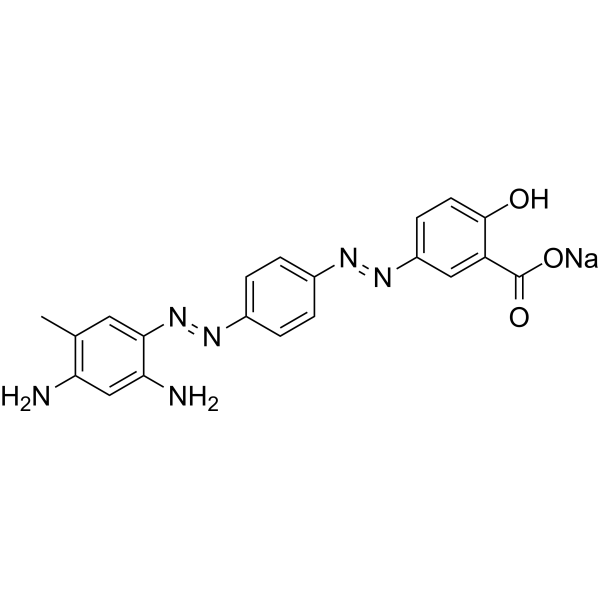
    NSC45586 sodium
    1 Publications Verification

    Akt Ser/Thr Protease Apoptosis MMP Cardiovascular Disease Neurological Disease Inflammation/Immunology
    NSC45586 sodium is an inhibitor of PHLPP. NSC45586 sodium targets the PP2C phosphatase domains of PHLPP1 and PHLPP2, blocks the phosphatase activity of PHLPP, increases the expression level of FOXO1 in the nucleus, and reduces the protein expression of PHLPP1. NSC45586 sodium activates the AKT survival signaling pathway, enhances IGF-1-induced AKT activation, and inhibits the phosphorylation of AKT/ERK under basal conditions. NSC45586 sodium reduces staurosporine-induced neuronal death, preserves notochord cell morphology and KRT19 expression, inhibits cell apoptosis (apoptosis), improves the viability and proliferation of nucleus pulposus cells, upregulates the expression of ACAN/SOX9, and downregulates the expression of MMP13. NSC45586 sodium binds tightly to bovine serum albumin (bovine serum albumin), and exerts a more significant effect on nucleus pulposus in male individuals. NSC45586 sodium can be used in studies related to global cerebral ischemia and intervertebral disc degeneration .
    NSC45586 sodium
  • HY-P10954

    p38 MAPK Others
    Link N peptide is a proteoglycan aggregates activator in the extracellular matrix. Link N peptide can selectively activate the p38 mitogen-activated protein kinase (MAPK) pathway to promote the expression of type I and II collagens in human intervertebral disc cells. Link N peptide is promising for research of intervertebral disc degeneration-related diseases .
    Link N peptide
  • HY-P5542

    SB-01; Peniel 2000

    Factor Xa TGF-beta/Smad Inflammation/Immunology
    Vicatertide (SB-01, Peniel 2000) is a polypeptide with both competitive inhibitory activity against TGF-β1 and selective inhibitory activity against human factor XIa (hFXIa, with a Ka of 80 nM for hFXIa). Vicatertide binds allosterically to the two binding sites of dimeric hFXI/hFXIa, while directly binding to activated TGF-β1, selectively blocking the Smad1/5/8 pathway and maintaining low-level activation of the Smad2 pathway to enhance the synthesis of type Ⅱ collagen and aggrecan. Vicatertide inhibits thrombus formation in arteriovenous thrombosis models, and also reduces thrombus weight and thrombus incidence in mouse lung cancer models. Vicatertide can be used for research on degenerative disc disease and thrombosis-related diseases .
    Vicatertide
  • HY-DY1021

    Fluorescent Dye Others
    DiSC3 (5) (solution) is a fluorescent probe commonly used as a tracer dye to evaluate mitochondrial membrane potential. The excitation/emission wavelength of DiSC3 (5) is up to 622/670 nm. DiSC3 (5) can inhibit the respiratory system associated with mitochondrial NAD, and the IC50 value is 8 μM. DiSC3 (5) in the presence of Na +/K +-ATPase inhibitor ouabain 2 can induce membrane hyperpolarization of Ehrlich ascites tumor cells .
    Solvent and concentration: DMSO: 1 mM
    The 1 mL volume is defined as the base specification. All larger sizes correspond to incremental volumes of this base.
    DiSC3(5) (solution)
  • HY-17655

    Reactive Oxygen Species (ROS) Inflammation/Immunology
    TBE56, a molecular glue, is a BACH1 degrader, with an EC50 of 44 nM. TBE56 is a weak NRF2 inducer and the biotinylated TBE31. TBE56 interacts and promotes the degradation of BACH1 via a mechanism involving the E3 ligase FBX022. TBE56 reduces intracellular Fe 2+ accumulation, ROS generation, and malondialdehyde (MDA) content, while increasing GSH/GSSG ratio and upregulating GPX4 in Prominin-2-overexpressed BMSCs. TBE56 significantly ameliorates intervertebral disc degeneration (IVDD) in puncture-induced SD rat IVDD model. TBE56 can be used for the study of intervertebral disc degeneration (IVDD) .
    TBE56
  • HY-W001084

    Others Infection Cancer
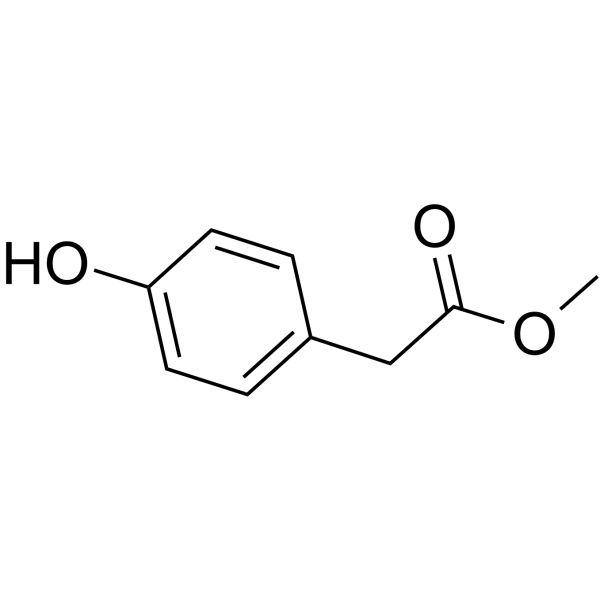
    Methyl 4-hydroxyphenylacetate is a compound found in the marine fungus Penicillium oxalicum 0312F1. Methyl 4-hydroxyphenylacetate can be Methyl 4-hydroxyphenylacetate inhibits replication of tobacco mosaic virus (TMV) in Nicotiana tabacum leaf discs. Methyl 4-hydroxyphenylacetate shows inhibitory activity against proliferation of cancer cells. Methyl 4-hydroxyphenylacetate can be used for the researches of TMV infection and cancer .
    Methyl 4-hydroxyphenylacetate
  • HY-N13047

    TMV SOD Infection
    Ningnanmycin is a plant antiviral agent. Ningnanmycin binds to specific residues on the TMV CP disc, inhibits CP assembly, disassembles the CP disc into monomers, and disrupts the structure of the TMV CP disc to reduce pathogenicity. Ningnanmycin binds to key amino acids of PVY CP, interferes with CP-CP interactions, inhibits CP assembly and virion formation, and blocks PVY replication. Ningnanmycin induces the expression of antiviral response genes PRXIIB, PRXIIE, PUB4 and PER42, thereby activating the host defense system. Ningnanmycin can be used in studies related to Tobacco Mosaic Virus infection and Potato Virus Y infection .
    Ningnanmycin
  • HY-N1098

    Tyrosinase p38 MAPK NF-κB Bacterial Infection Metabolic Disease Inflammation/Immunology
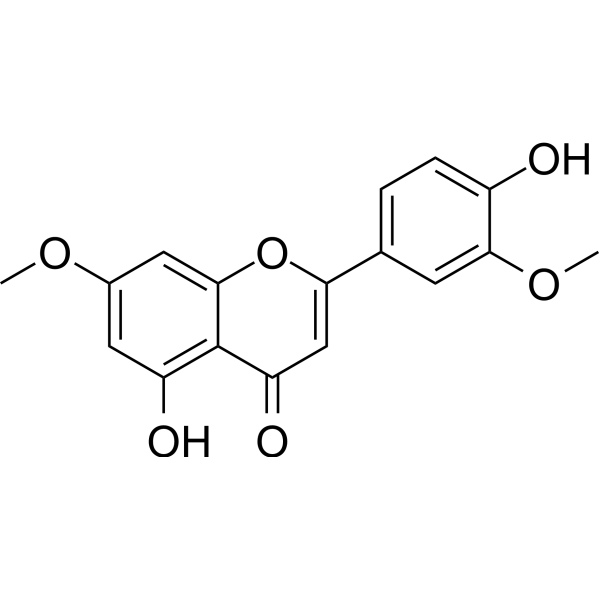
    Velutin is a flavonoid. Velutin can be extracted from mistletoe. Velutin inhibits mushroom Tyrosinase activity with an IC50 of 910.1 μM. Velutin inhibits p38 phosphorylation, the NF-κB pathway and the MAPK pathway. Velutin prevents articular cartilage degeneration and subchondral bone loss. Velutin slows down the progression of intervertebral disc degeneration. Velutin exhibits inhibitory effects on melanogenesis, skin whitening, anti-inflammatory, anti-allergic, anti-oxidant and antibacterial activities. Velutin can be used in studies related to pigmented diseases, osteoarthritis and intervertebral disc degeneration .
    Velutin
  • HY-P10447

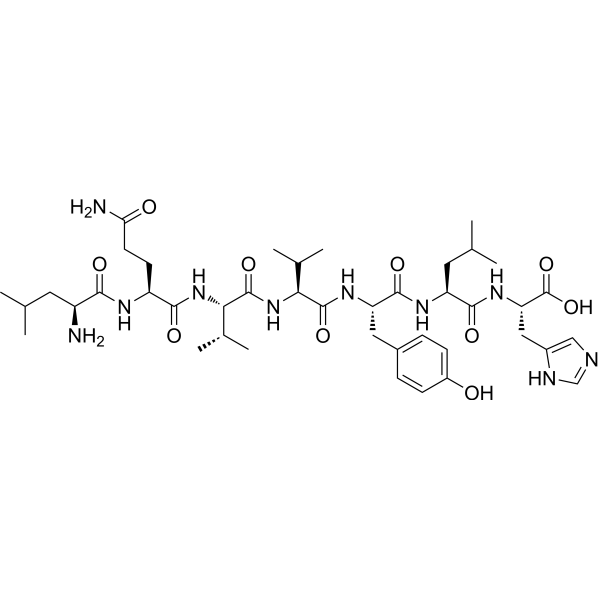
    Fengycin IX; SNA-60-367-3

    Phospholipase Infection
    Plipastatin A1 is a lipopeptide with phospholipase A2 inhibitory activity. Plipastatin A1 inhibits conidial germination of Botrytis cinerea in vitro and reduces the incidence of gray mold on tomato leaves. Plipastatin A1 is applicable to research related to gray mold .
    Plipastatin A1
  • HY-108909

    Endogenous Metabolite Neurological Disease Inflammation/Immunology
    Chymopapain is a non-specific proteo-glycanase derived from the papaya plant. Chymopapain has neurotoxicity when injected into nerve bundles. Chymopapain directly into the intervertebral disc caused disc narrowing due to dissolution of the extruded material. Chymopapain has the potential for the research of herniated lumbar discs .
    Chymopapain
  • HY-133865
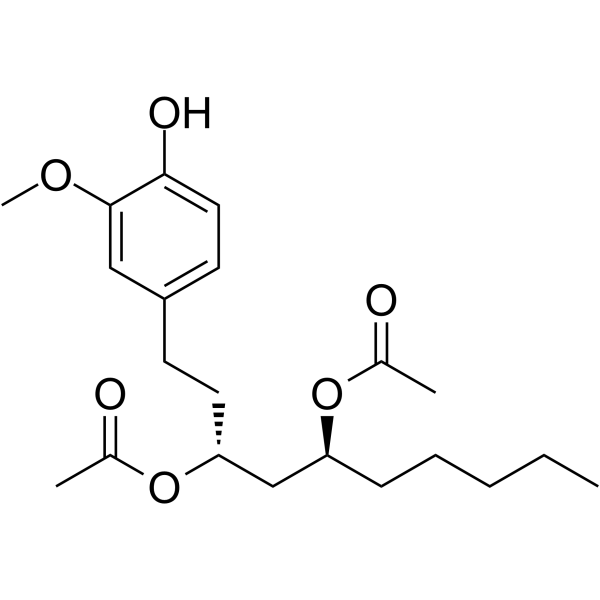
    Diacetoxy-6-gingerdiol
    1 Publications Verification

    Interleukin Related Metabolic Disease Inflammation/Immunology
    Diacetoxy-6-gingerdiol is a gingerol isolated with anti-inflammatory and antioxidant effects, which is found in the dichloromethane extract of rhizomes of ginger (Zingiber officinale Roscoe). Diacetoxy-6-gingerdiol protects the extracellular matrix of nucleus pulposus cells and ameliorates intervertebral disc degeneration by inhibiting the IL-1β-mediated NLRP3 pathway .
    Diacetoxy-6-gingerdiol
  • HY-P990446

    disc0280

    Interleukin Related Inflammation/Immunology
    The Anti-IL-15 Antibody (DISC0280) is a CHO-expressed human antibody that targets IL-15. The Anti-IL-15 Antibody (DISC0280) has a huIgG1 heavy chain and a huλ light chain, with a predicted molecular weight (MW) of 145 kDa. The isotype control for Anti-IL-15 Antibody (DISC0280) can be referenced as Human IgG1 kappa, Isotype Control (HY-P99001).
    Anti-IL-15 Antibody (DISC0280)
  • HY-N9942
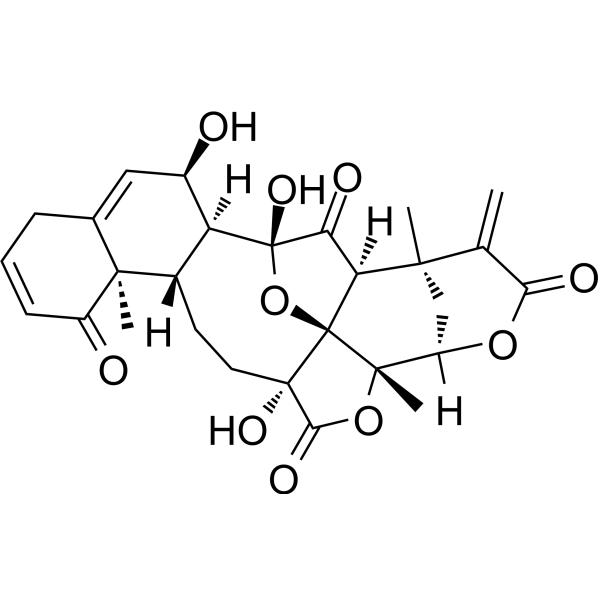
    Physalin A
    1 Publications Verification

    Apoptosis Autophagy NF-κB p38 MAPK PI3K Akt mTOR STAT JAK Inflammation/Immunology Cancer
    Physalin A is a biologically active withanolide. Physalin A shows anti-inflammatory, antifibrotic and ameliorative effects on autophagy in models of disc degeneration. Physalin A has antitumor activity and can induce apoptosis, ROS production and G2/M phase cell cycle arrest. Besides. Physalin A can significantly increase the activity of quinone reductase and increase the expression of detoxifying enzymesc .
    Physalin A
  • HY-110067

    PTEN Apoptosis Autophagy Ferroptosis Reactive Oxygen Species (ROS) Interleukin Related Akt Keap1-Nrf2 Cardiovascular Disease Inflammation/Immunology Cancer
    VO-OHPic is a reversible, noncompetitive PTEN inhibitor with an human IC50 value of 46 nM. VO-OHPic inhibits PTEN signaling, activates Akt-GSK3β and Nrf-2/HO-1 pathways, induces apoptosis resistance and elevates IL-10 levels. VO-OHPic inhibits autophagy, ferroptosis and oxidative stress. VO-OHPic can be used for the research of acute myocardial infarction, intervertebral disc degeneration, cardiomyopathy and cancer .
    VO-OHPic
  • HY-N6812

    NF-κB Endocrinology
    Karacoline, a diterpene alkaloid found in the plant Aconitum kusnezoffii, reduces degradation of the extracellular matrix (ECM) in intervertebral disc degeneration (IDD) via the NF-κB signaling pathway .
    Karacoline
  • HY-N16552

    Apoptosis Cardiovascular Disease
    Embinin is a natural product that can be isolated from Petals of Iris germanica Linnaeous. Embinin can enhance lumbar disc neovascularization and induces apoptosis of nucleus pulposus cells in lumbar disc herniation rats .
    Embinin
  • HY-129316

    CGP 52547

    Antibiotic Fungal Bacterial Infection
    (S)-Dihydroaeruginoic acid is an antibiotic originally isolated from P. fluorescens. It has antimicrobial activity in a disc assay against R. solani, P. ultimum, B. cinera, S. rolfsii, C. gloeosporioide, F. oxysporum, and S. tritici fungi as well as B. subtilis, E. herbicola, and S. albus bacteria when used at a concentration of 200 μg/disc.
    (S)-Dihydroaeruginoic acid
  • HY-114164F

    Thrombin Protease Activated Receptor (PAR) MMP VEGFR Epigenetic Reader Domain Cardiovascular Disease
    Canine Thrombin is a Canine serine protease that plays a central role in blood coagulation. Canine Thrombin stimulates macrophages to polarize into a unique phenotype characterized by anti-inflammatory and pro-repair properties. Canine Thrombin activates PAR1, induces the production of MCP-1, MMP3 and VEGF in intervertebral discs, and causes degradation of the cartilage matrix and destruction of intervertebral disc structure. Canine Thrombin activity increases significantly in paraoxon-induced status epilepticus .
    Canine Thrombin
  • HY-W001084R

    Reference Standards Others
    Methyl 4-hydroxyphenylacetate (Standard) is the analytical standard of Methyl 4-hydroxyphenylacetate (HY-W001084). This product is intended for research and analytical applications. Methyl 4-hydroxyphenylacetate is a compound found in the marine fungus Penicillium oxalicum 0312F1. Methyl 4-hydroxyphenylacetate can be Methyl 4-hydroxyphenylacetate inhibits replication of tobacco mosaic virus (TMV) in Nicotiana tabacum leaf discs. Methyl 4-hydroxyphenylacetate shows inhibitory activity against proliferation of cancer cells. Methyl 4-hydroxyphenylacetate can be used for the researches of TMV infection and cancer .
    Methyl 4-hydroxyphenylacetate (Standard)
  • HY-P10326

    Caspase Apoptosis Cancer
    Z-ATAD-FMK is an inhibitor of caspase-12. Z-ATAD-FMK is an inhibitor of caspase-12. Z-ATAD-FMK prevents endoplasmic reticulum stress-mediated apoptosis by inhibiting the activity of caspase-12 and reducing the activity of caspase-9 .
    Z-ATAD-FMK
  • HY-D1626

    3,3'-Dioctadecylthiacarbocyanine perchlorate

    Fluorescent Dye Others
    DiSC18(3) is a lipophilic carbocyanine dye for membrane labelling .
    DiSC18(3)
  • HY-RS03781

    Small Interfering RNA (siRNA) Others

    DISC1 Human Pre-designed siRNA Set A contains three designed siRNAs for DISC1 gene (Human), as well as a negative control, a positive control, and a FAM-labeled negative control.

    DISC1 Human Pre-designed siRNA Set A
    DISC1 Human Pre-designed siRNA Set A
  • HY-RS28073

    Small Interfering RNA (siRNA) Others
    Disc1 Rat Pre-designed siRNA Set A contains three designed siRNAs for Disc1 gene (Rat), as well as a negative control, a positive control, and a FAM-labeled negative control.
    Disc1 Rat Pre-designed siRNA Set A
    Disc1 Rat Pre-designed siRNA Set A
  • HY-RS21555

    Small Interfering RNA (siRNA) Others

    Disc1 Mouse Pre-designed siRNA Set A contains three designed siRNAs for Disc1 gene (Mouse), as well as a negative control, a positive control, and a FAM-labeled negative control.

    Disc1 Mouse Pre-designed siRNA Set A
    Disc1 Mouse Pre-designed siRNA Set A
  • HY-N11756

    Bacterial Infection
    Linearmycin A is a polyene antibiotic that has been found in Streptomyces. It is active against the bacteria S. aureus and E. coli (MICs=3.1 and 1.6 μg/disc, respectively), the fungi S. cerevisiae and C. albicans (MICs=0.1 and 1.6 μg/disc, respectively), and the plant pathogenic fungus A. niger in disc assays (MIC=0.2 μg/disc). Linearmycin A induces lysis and degradation of B. subtilis as a component of Streptomyces Mg1 extract.
    Linearmycin A
  • HY-121003

    Fungal Parasite Infection
    Aspyrone is a polyketide fungal metabolite that has been found in Aspergillus and has diverse biological activities. It is active against a panel of 13 fungi when used at a concentration of 20 μg/mL and a panel of 21 bacteria in a disc assay when used at a concentration of 100 μg per disc.1 Aspyrone (10-1,000 mg/L) is nematocidal against P. penetrans.
    Aspyrone
  • HY-113614

    Bacterial Infection
    Tetrahydrobostrycin is a secondary metabolite from Aspergillus sp., which exhibits a weak inhibitory activity against Staphylococcus aureus and Escherichia coli (100 mg/disc with the inhibition zones of 15 and 9.2 mm in diameter) .
    Tetrahydrobostrycin
  • HY-N8296

    Bacterial Infection
    Saccharocarcin A is an antibiotic originally isolated from S. aerocolonigenes subsp. antibiotica. It is active against M. luteus, S. aureus, E. coli, P. aeruginosa, and C. albicans in a disc assay. Saccharocarcin A inhibits C. trachomatis infection by 88% without inducing cytotoxicity in McCoy cells when used at a concentration of 0.5 μg/mL.
    Saccharocarcin A
  • HY-B1700AR

    Reference Standards nAChR Neurological Disease
    Mivacurium (dichloride) (Standard) is the analytical standard of Mivacurium (dichloride). This product is intended for research and analytical applications. Mivacurium dichloride is a benzylisoquinoline derivative and is a short-acting non-depolarizing neuromuscular blocking agent and skeletal muscle relaxant. Mivacurium dichloride couples with the nAChR to reduce or inhibit the depolarizing effect of acetylcholine on the terminal disc of the muscle cell .
    Mivacurium dichloride (Standard)
  • HY-175276

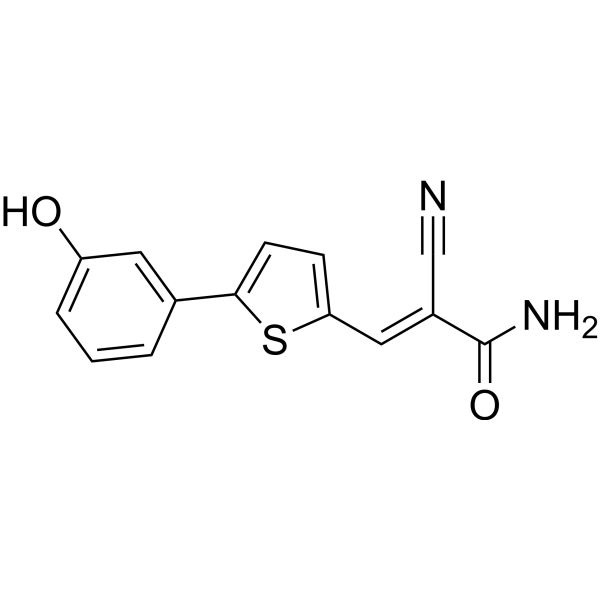
    JNK MMP Cancer
    JNK-IN-24, a JNK inhibitor, is an anti-metastatic cancer agent. JNK-IN-24 downregulates JNK and MMP1 expression in Scrib knockdown induced cancer tissues. JNK-IN-24 promotes recovery from tumorous wing disc phenotype of Scrib RNAi. JNK-IN-24 can be used for the study in various epithelial cell-derived cancers .
    JNK-IN-24
  • HY-15091

    LF-150195

    Endogenous Metabolite Neurological Disease
    Anisperimus (LF-150195) is an immunosuppressant with the activity of enhancing activation-induced T cell death. Anisperimus enhances the sensitivity of T cells to anti-CD95 antibodies and other inducers by promoting the activation of caspase-8 and caspase-10 at the level of the death-inducing signaling complex (DISC). Anisperimus also promotes the development of Foxp3-expressing regulatory CD4 T cells, thereby preventing central nervous system autoimmunity .
    Anisperimus
  • HY-122980

    (S)-Myxochelin A

    Lipoxygenase Infection
    Myxochelin A is a microbial metabolite that has been found in A. disciformis and has diverse biological activities. It is active against Gram-positive bacteria, including B. cereus, S. aureus, and M. luteus, but not Gram-negative bacteria or fungi in an agar diffusion assay when used at a concentration of 80 μg/disc. Myxochelin A inhibits 5-lipoxygenase (5-LO) activity with an IC50 value of 1.9 μM for the recombinant human enzyme. It is cytotoxic to 26-L5 colon cancer cells when used at a concentration of 3 μg/mL.
    Myxochelin A
  • HY-N2345R

    Reference Standards Histone Acetyltransferase Toll-like Receptor (TLR) Androgen Receptor Inflammation/Immunology Cancer
    Procyanidin B3 (Standard) is the analytical standard of Procyanidin B3. This product is intended for research and analytical applications. Procyanidin B3 is a natural product with antioxidant activity and oral bioavailability, possessing good blood-brain barrier penetration. Procyanidin B3 is a selective inhibitor of histone acetyltransferase (HAT). By inhibiting p300 HAT-mediated acetylation of the androgen receptor (androgen receptor). Procyanidin B3 alleviates intervertebral disc degeneration (IVDD) by inhibiting the formation of the TLR4/MD-2 complex. Procyanidin B3 can be used in research on prostate cancer and arthritis .
    Procyanidin B3 (Standard)
  • HY-N15353

    Bacterial Infection
    1-Palmitoyl-2-linoleoyl-sn-glycerol is a diacylglycerol (DAG)-type lipid signaling molecule found in the coralloid roots of Cycas revoluta, and serves as a major active component of the plant-secreted hormogonium-inducing factor (HIF). At a concentration of 1 nmol/disc (approximately 0.6 µg), 1-palmitoyl-2-linoleoyl-sn-glycerol can significantly induce the differentiation of filamentous aggregates of Nostoc into motile hormogonia, thereby promoting chemotaxis toward host roots and the establishment of symbiosis. This compound holds significant research and application potential in areas such as plant–microbe interactions, rhizosphere signaling pathways, and nitrogen-fixing symbiosis .
    1-Palmitoyl-2-linoleoyl-sn-glycerol
  • HY-N18151

    Others Others
    Ohchinolide C is a ring C-seco limonoid and insect antifeedant. Ohchinolide C can be found in the root bark of Melia toosendan. Ohchinolide C exerts antifeedant activity against Spodoptera eridania larvae .
    Ohchinolide C

Inquiry Online

Your information is safe with us. * Required Fields.

Salutation


Country or Region *

Applicant Name *


Organization Name *

Department *


Email Address *


Product Name *

Cat. No.


Requested quantity *

Phone Number *


Remarks

Inquiry Online

Inquiry Information

Product Name:
Cat. No.:
Quantity:
MCE Japan Authorized Agent:

