Search Result
Results for "
donor substrate
" in MedChemExpress (MCE) Product Catalog:
11
Biochemical Assay Reagents
2
Isotope-Labeled Compounds
| Cat. No. |
Product Name |
Target |
Research Areas |
Chemical Structure |
-
- HY-18743
-
|
|
Reactive Oxygen Species (ROS)
|
Cancer
|
|
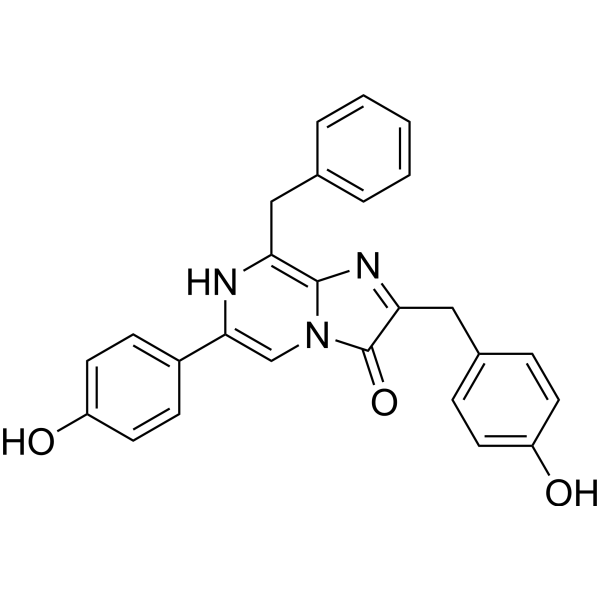
Coelenterazine is a luminescent enzyme substrate for apoaequorin and Renilla luciferase. Renilla luciferase and substrate coelenterazine has been used as the bioluminescence donor in bioluminescence resonance energy transfer (BRET) to detect protein-protein interactions. Coelenterazine is a superoxide anion-sensitive chemiluminescent probe and it can also be used in chemiluminescent detection of peroxynitrite (Ex/Em = 429/466 nm) .
|
-
-
- HY-113324
-
NADPH
Maximum Cited Publications
18 Publications Verification
|
Endogenous Metabolite
|
Cancer
|
|
NADPH is a coenzyme of glutathione reductase (GR), thioredoxin reductase (TrxR) and NADPH oxidase (NOX), and participates in redox reactions as a hydrogen donor. NADPH has the characteristic of selectively participating in the regulation of cellular redox homeostasis. NADPH exerts antioxidant activity and resists reactive oxygen species (ROS) damage by providing reducing equivalents for the regeneration of glutathione (GSH) and thioredoxin (Trx); at the same time, it acts as a substrate of NOX to generate superoxide anions, mediating oxidative stress and immune response. NADPH participates in maintaining the intracellular reducing environment, biosynthesis and regulating gene expression (such as the Nrf2 pathway), and is mainly used in the study of oxidative stress-related diseases (such as cardiovascular diseases, neurodegenerative diseases, cancer) and immune regulation mechanisms .
|
-
-
- HY-145934
-
|
UDP-N-azidoacetylgalactosamine disodium
|
Biochemical Assay Reagents
OGT
Glycosidase
|
Metabolic Disease
|
|
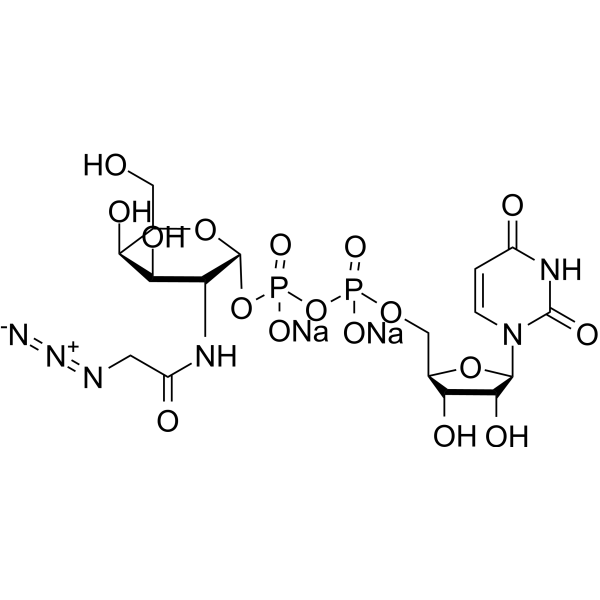
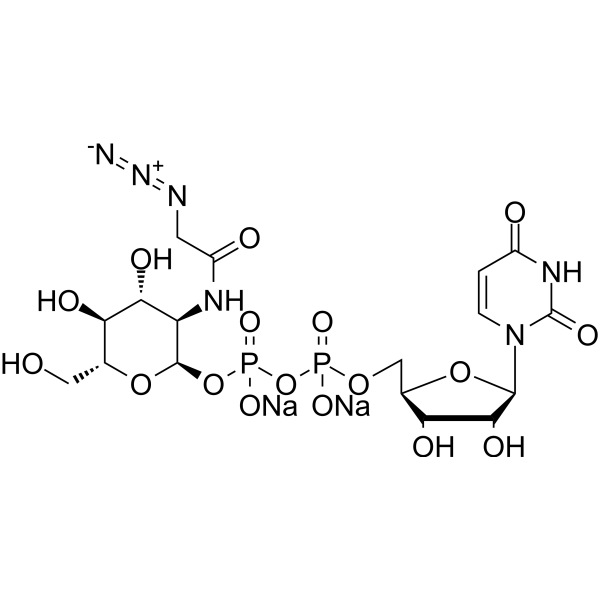
UDP-GalNAz (UDP-N-azidoacetylgalactosamine) disodium is the analogue of UDP-GalNAc disodium (HY-114365). UDP-GalNAc disodium is the donor substrate of many N-acetylgalactosaminyltransferases, enzymes which transfer GalNAc from the nucleotide sugar to a saccharide or peptide acceptor. UDP-GalNAz disodium is a click chemistry reagent, it contains an Azide group and can undergo copper-catalyzed azide-alkyne cycloaddition reaction (CuAAc) with molecules containing Alkyne groups. It can also undergo strain-promoted alkyne-azide cycloaddition (SPAAC) reactions with molecules containing DBCO or BCN groups .
|
-
-
- HY-112174
-
|
UDP-α-D-N-Acetylglucosamine disodium
|
OGT
|
Metabolic Disease
|
|
UDP-GlcNAc Disodium Salt (UDP-α-D-N-Acetylglucosamine Disodium Salt) is a donor substrate of O-GlcNAc transferase (OGT).
|
-
-
- HY-N11287A
-
|
|
Endogenous Metabolite
|
Others
|
|
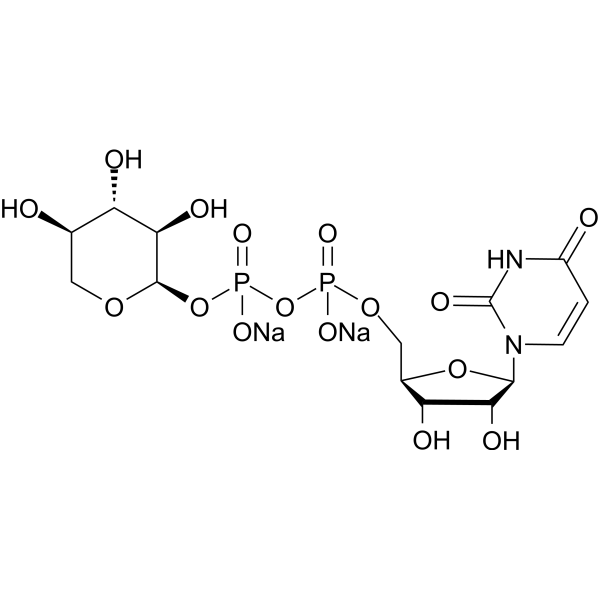
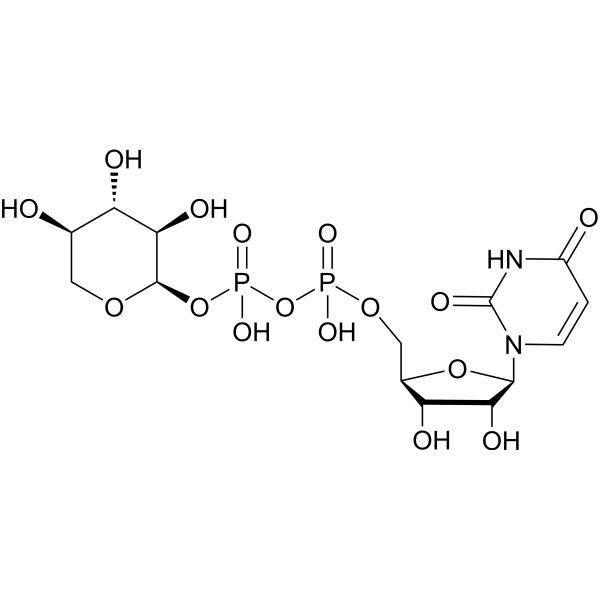
UDP-xylose disodium is an endogenous sugar nucleotide and a catalytic substrate of UDP-xylose disodium synthase (UXS). UDP-xylose disodium is a sugar donor for the synthesis of glycoproteins, polysaccharides, various metabolites and oligosaccharides in plants, vertebrates and fungi, and participates in the synthesis of proteoglycans as a glycosyl donor. UDP-xylose disodium participates in the regulation of the synthesis of extracellular matrix components and can be used to study the mechanism of proteoglycan biosynthesis in glycobiology and related diseases (such as connective tissue diseases)[1][2].
|
-
-
- HY-112942A
-
|
CMP-Neu5Ac sodium salt
|
Endogenous Metabolite
|
Metabolic Disease
|
|
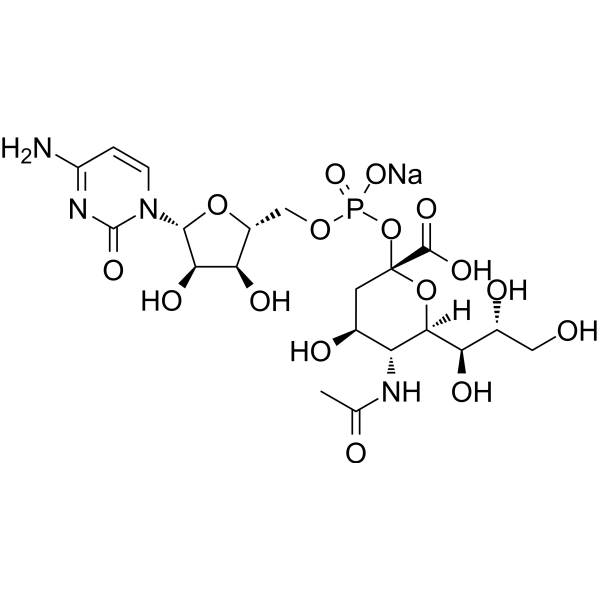
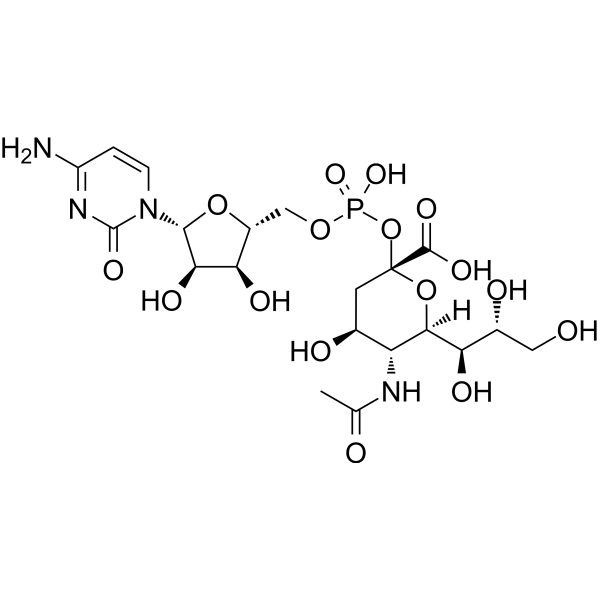
CMP-Sialic acid (CMP-Neu5Ac) sodium salt is an allosteric inhibitor of UDP-GlcNAc 2-epimerase. CMP-Sialic acid sodium salt provides a substrate for Golgi sialyltransferases. CMP-Sialic acid sodium salt is an important sugar nucleotide for biosynthesis of sialic acid and its conjugates .
|
-
-
- HY-D0845
-
-
-
- HY-112169A
-
|
|
Endogenous Metabolite
|
Metabolic Disease
|
|
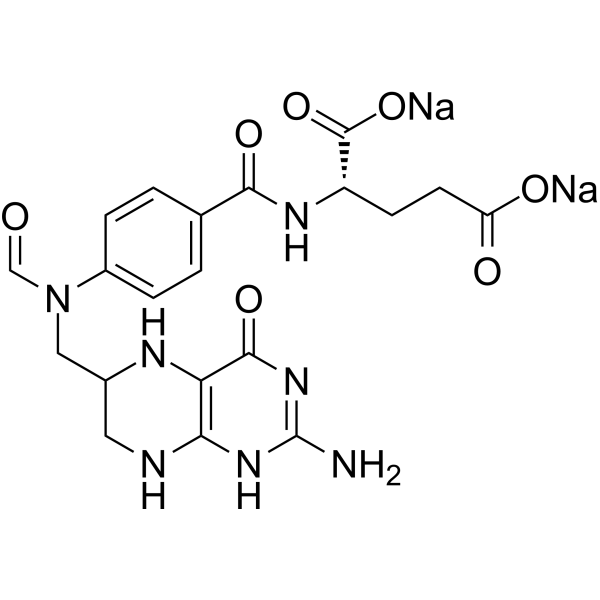
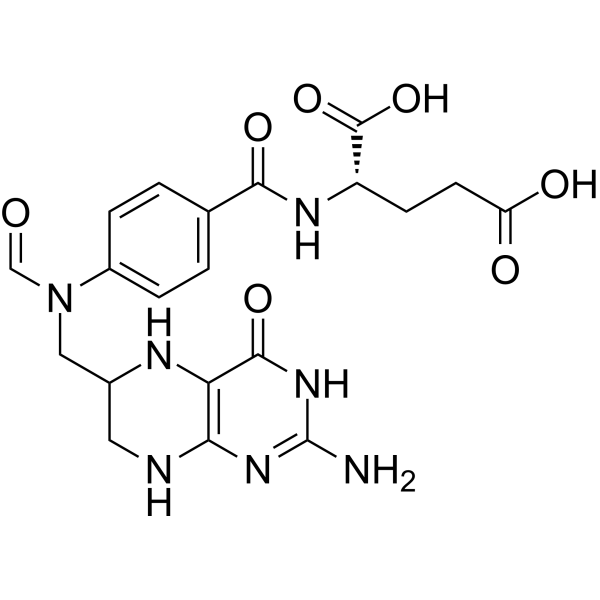
10-Formyltetrahydrofolic acid disodium is a form of tetrahydrofolic acid that acts as a donor of formyl groups in anabolism. 10-Formyltetrahydrofolic acid disodium can be used as a substrate for formyltransferase reactions and is involved in the biosynthesis of purines .
|
-
-
- HY-114365
-
|
UDP-N-acetyl-D-galactosamine disodium
|
Endogenous Metabolite
|
Metabolic Disease
Cancer
|
|
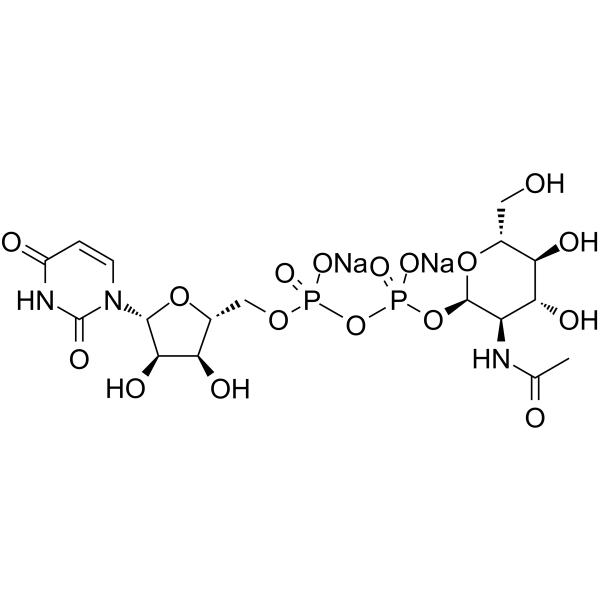
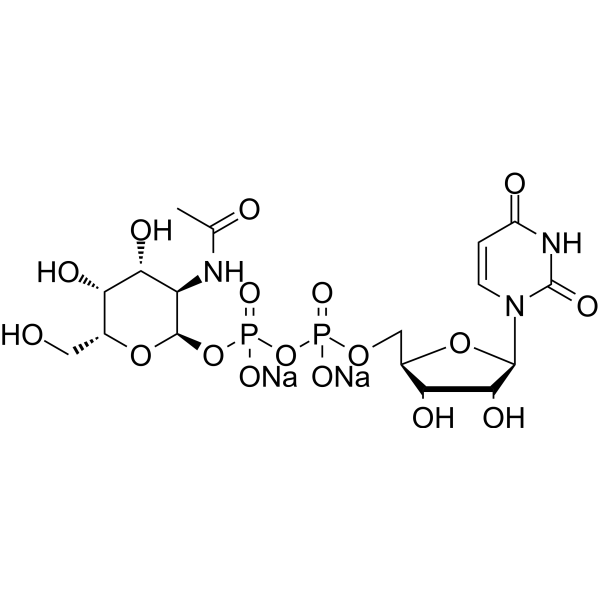
UDP-GalNAc (UDP-N-acetyl-D-galactosamine) disodium is a sugar nucleotide and a substrate for EpsC115. EpsC115 is a mutant with N-terminal residues 1-115 deleted from the exopolymeric substance (EPS). UDP-GalNAc disodium is a donor substrate for many N-acetylgalactosaminyltransferases, which transfer GalNAc from nucleotide sugars to sugar or peptide acceptors. UDP-GalNAc disodium provides a sugar group donor for glycosylation reactions. UDP-GalNAc disodium can be used in cancer research, such as colorectal and breast cancer .
|
-
-
- HY-N10573
-
|
|
Drug Derivative
Fungal
|
Infection
|
|
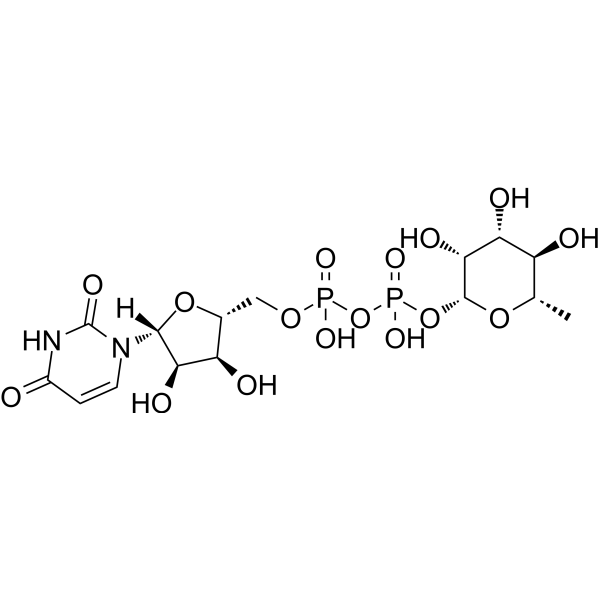
UDP-rhamnose, the activated form of Rhamnose (HY-N1420) in fungi, is a key precursor for fungi to synthesize rhamnose-containing glycans. UDP-rhamnose can be used in the research on the treatment of fungal diseases .
|
-
-
- HY-W012145
-
|
|
Others
|
Metabolic Disease
|
|
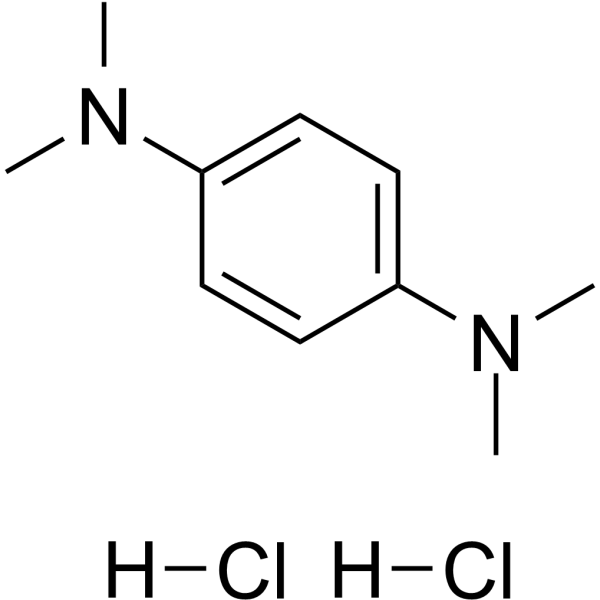
TMPD dihydrochloride, a readily oxidizable compound, is an enzymatically convert redox active substrate molecule. TMPD dihydrochloride is also an electron donor and serves as a reducing cosubstrate for heme peroxidases . TMPD dihydrochloride is also a complex IV substrate .
|
-
-
- HY-E70024
-
|
|
Sialyltransferase
|
Others
|
|
CMP-sialic acid synthetase (NmCSS) is an essential enzyme involved in the biosynthesis of carbohydrates and glycoconjugates containing sialic acids. CMP-sialic acid synthetase (NmCSS) activates free Sia, converting it to CMP-Sia, which is the only donor substrate for all sialyltransferases .
|
-
-
- HY-112169
-
|
|
Endogenous Metabolite
|
Metabolic Disease
|
|
10-Formyltetrahydrofolic acid is a form of tetrahydrofolic acid that acts as a donor of formyl groups in anabolism. 10-Formyltetrahydrofolic acid can be used as a substrate for formyltransferase reactions and is involved in the biosynthesis of purines .
|
-
-
- HY-W076543
-
|
|
Transglutaminase
|
Others
|
|
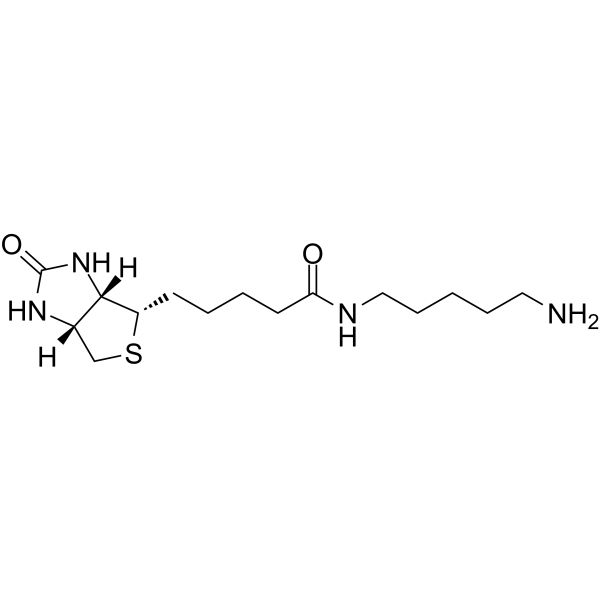
5-(Biotinamido)pentylamine is an amine donor substrate for transglutaminase. 5-(Biotinamido)pentylamine can be used as a biotin-labeled probe to specifically participate in the calcium-dependent reaction catalyzed by TG, bind to the γ-carboxamide group of the glutamine residue in the protein, introduce the biotin tag into the target protein, and form a biotinylated protein product. 5-(Biotinamido)pentylamine can be used for the labeling, separation, and detection of TG amine receptor protein substrates .
|
-
-
- HY-145934A
-
|
|
OGT
Biochemical Assay Reagents
Glycosidase
|
Metabolic Disease
|
|
UDP-GlcNAz disodium is the analogue of UDP-GlcNAc disodium (HY-112174). UDP-GlcNAc disodium is the donor substrate of many N-acetylgalactosaminyltransferases, enzymes which transfer GlcNAc from the nucleotide sugar to a saccharide or peptide acceptor. UDP-GlcNAc disodium is a click chemistry reagent, it contains an Azide group and can undergo copper-catalyzed azide-alkyne cycloaddition reaction (CuAAc) with molecules containing Alkyne groups. It can also undergo strain-promoted alkyne-azide cycloaddition (SPAAC) reactions with molecules containing DBCO or BCN groups .
|
-
-
- HY-141466
-
|
|
Endogenous Metabolite
Histone Acetyltransferase
|
Infection
Metabolic Disease
Inflammation/Immunology
|
|
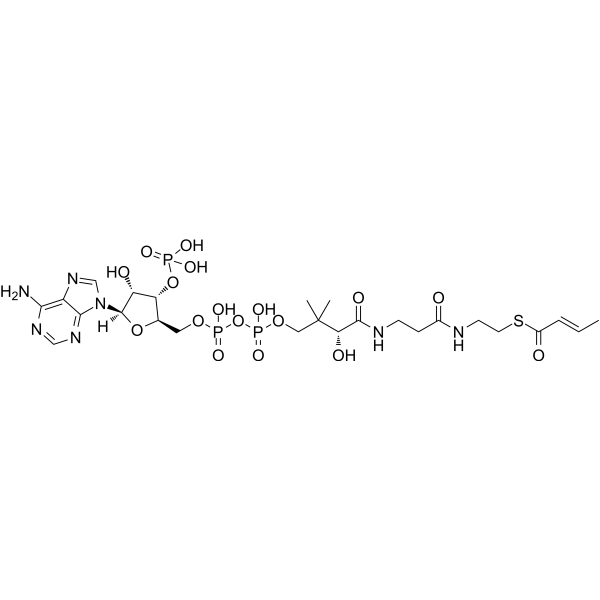
Crotonyl-CoA, a high-energy acyl donor, is an intermediate in the fermentation of butyric acid, and in the metabolism of lysine and tryptophan. Crotonyl-CoA is important in the metabolism of fatty acids and amino acids. Crotonyl-CoA acts as a substrate for p300’s histone crotonyltransferase activity, competing with acetyl-CoA for p300-mediated histone acylation reactions. Crotonyl-CoA regulates global and gene-specific histone crotonylation levels in cells, with cellular concentration changes altering histone crotonylation at regulatory elements of activated genes. Crotonyl-CoA serves as the substrate for crotonyl-CoA reductase/carboxylase (CCRC)-catalyzed NADPH-mediated reduction and carbon dioxide trapping to form unusual alkylmalonyl-CoA polyketide synthase extender units. Crotonyl-CoA can be used for the research of LPS-induced inflammatory response .
|
-
-
- HY-141466A
-
|
|
Endogenous Metabolite
Histone Acetyltransferase
|
Infection
Metabolic Disease
Inflammation/Immunology
|
|
Crotonyl-CoA tetrasodium, a high-energy acyl donor, is an intermediate in the fermentation of butyric acid, and in the metabolism of lysine and tryptophan. Crotonyl-CoA tetrasodium is important in the metabolism of fatty acids and amino acids. Crotonyl-CoA tetrasodium acts as a substrate for p300’s histone crotonyltransferase activity, competing with acetyl-CoA for p300-mediated histone acylation reactions. Crotonyl-CoA tetrasodium regulates global and gene-specific histone crotonylation levels in cells, with cellular concentration changes altering histone crotonylation at regulatory elements of activated genes. Crotonyl-CoA tetrasodium serves as the substrate for crotonyl-CoA reductase/carboxylase (CCRC)-catalyzed NADPH-mediated reduction and carbon dioxide trapping to form unusual alkylmalonyl-CoA polyketide synthase extender units. Crotonyl-CoA tetrasodium can be used for the research of LPS-induced inflammatory response .
|
-
-
- HY-N11287
-
|
|
Endogenous Metabolite
|
Others
|
|
UDP-xylose is an endogenous sugar nucleotide and a catalytic substrate of UDP-xylose synthase (UXS). UDP-xylose is a sugar donor for the synthesis of glycoproteins, polysaccharides, various metabolites and oligosaccharides in plants, vertebrates and fungi, and participates in the synthesis of proteoglycans as a glycosyl donor. UDP-xylose participates in the regulation of the synthesis of extracellular matrix components and can be used to study the mechanism of proteoglycan biosynthesis in glycobiology and related diseases (such as connective tissue diseases)[1][2].
|
-
-
- HY-112942
-
|
CMP-Neu5Ac
|
Endogenous Metabolite
|
Metabolic Disease
|
|
CMP-Sialic acid (CMP-Neu5Ac) is an allosteric inhibitor of UDP-GlcNAc 2-epimerase. CMP-Sialic acid provides a substrate for Golgi sialyltransferases. CMP-Sialic acid is an important sugar nucleotide for biosynthesis of sialic acid and its conjugates .
|
-
-
- HY-125954
-
|
UDP-α-D-glucuronic acid
|
Endogenous Metabolite
|
Metabolic Disease
|
|
Uridine diphosphate glucuronic acid (UDP-α-D-glucuronic acid) is a glucuronic acid donor. Uridine diphosphate glucuronic acid transfers its glucuronic acid moiety to acceptor molecules, thereby forming "ether" glucuronides, while being converted into uridine 5'-pyrophosphate. Uridine diphosphate glucuronic acid serves as a substrate for Arabidopsis UDP-GlcA 4-epimerase 1, and undergoes reversible 4-epimerization to generate UDP-α-D-galacturonic acid .
|
-
-
- HY-B0952
-
|
Tuaminoheptane
|
Adrenergic Receptor
|
Neurological Disease
|
|
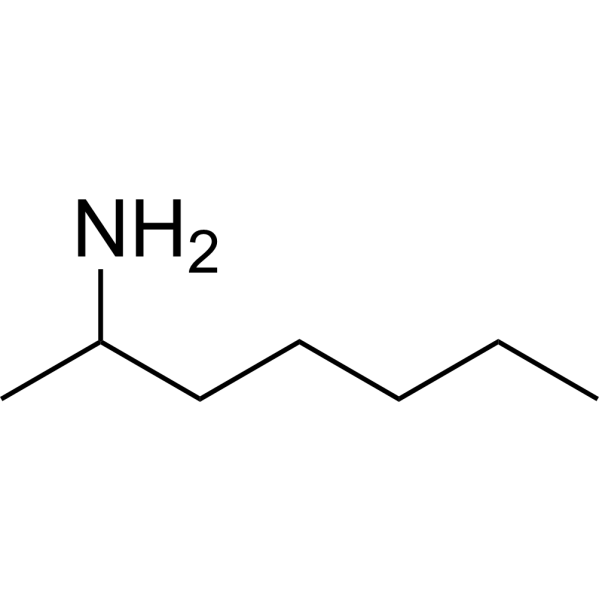
2-Aminoheptane (Tuaminoheptane) is a norepinephrine transporter inhibitor. 2-Aminoheptane binds to norepinephrine transporter via ionic and hydrophobic interactions to block norepinephrine uptake. 2-Aminoheptane deactivates ω-TAmla enzyme, reduces recombinant whole cell stability, and acts as an amino group donor substrate for ω-TA and ω-TAmla enzymes. 2-Aminoheptane can be used in research on depression and Alzheimer's disease .
|
-
-
- HY-W250153
-
|
|
P2Y Receptor
|
Cardiovascular Disease
|
|
Adenosine 3'-phosphate 5'-phosphosulfate lithium, an adenine nucleotide derivative, is a selective P2Y1 antagonist with no effect on P2Y2, P2Y4, or P2Y6 receptors. Adenosine 3'-phosphate 5'-phosphosulfate lithium can competitive inhibit ADP-induced platelet aggregation, as well as the ability of ADP to cause shape change and increases in Ca 2+ in platelets, but had no effect on the inhibition of stimulated adenylate cyclase by ADP. Adenosine 3'-phosphate 5'-phosphosulfate lithium is a co-substrate used for the sulfonation of glycans. Adenosine 3'-phosphate 5'-phosphosulfate lithium can be used for Golgi-resident PAP-specific 3'-phosphatase-coupled sulfotransferase assays, which as donor substrate to transfer a sulfonate group .
|
-
-
- HY-15936
-
|
L-γ-Glutamyl-3-carboxy-4-nitroanilide ammonium salt
|
γ-Glutamyl Transferase (GGT)
|
Metabolic Disease
|
|
L-Glutamic acid γ-(3-carboxy-4-nitroanilide) ammonium salt is a donor substrate of gamma-glutamyltransferase (GGT) that can be used to measure GGT activity .
|
-
-
- HY-137878
-
|
PNP-α-NeuNAc
|
Biochemical Assay Reagents
|
Others
|
|
2-O-(p-Nitrophenyl)-α-D-N-acetylneuraminic acid (PNP-α-NeuNAc) is a classic chromogenic substrate for neuraminidase. 2-O-(p-Nitrophenyl)-α-D-N-acetylneuraminic acid releases p-nitrophenol upon enzymatic hydrolysis, allowing quantification of enzyme activity and inhibitory effects via spectrophotometry. 2-O-(p-Nitrophenyl)-α-D-N-acetylneuraminic acid (PNP-α-NeuNAc) acts as a sialyl donor in the process of enzyme-catalyzed trans-sialylation .
|
-
-
- HY-N7389A
-
|
|
Endogenous Metabolite
Drug Intermediate
|
Metabolic Disease
|
|
GDP-D-mannose disodium consists of GDP-α-D-mannose (HY-N7389B) and GDP-β-D-mannose. GDP-α-D-mannose serves as a donor substrate for mannosyltransferases and acts as a precursor of GDP-β-L-fucose. GDP-α-D-mannose exerts competitive inhibition on GTP (with a Ki value of 14.7 μM) and non-competitive inhibition on mannose-1-P (with a Ki value of 115 μM). GDP-D-mannose disodium is metabolized to GDP-L-fucose (HY-134433) via GMDS (Gmd) and TSTA3 (WcaG) .
|
-
-
- HY-164090
-
|
|
P2Y Receptor
|
Cardiovascular Disease
|
|
Adenosine 3'-phosphate 5'-phosphosulfate, an adenine nucleotide derivative, is a selective P2Y1 antagonist with no effect on P2Y2, P2Y4, or P2Y6 receptors. Adenosine 3'-phosphate 5'-phosphosulfate can competitive inhibit ADP-induced platelet aggregation, as well as the ability of ADP to cause shape change and increases in Ca 2+ in platelets, but had no effect on the inhibition of stimulated adenylate cyclase by ADP. Adenosine 3'-phosphate 5'-phosphosulfate is a co-substrate used for the sulfonation of glycans. Adenosine 3'-phosphate 5'-phosphosulfate can be used for Golgi-resident PAP-specific 3'-phosphatase-coupled sulfotransferase assays, which as donor substrate to transfer a sulfonate group .
|
-
-
- HY-125954A
-
|
UDP-α-D-glucuronic acid ammonium
|
Endogenous Metabolite
|
Metabolic Disease
|
|
Uridine diphosphate glucuronic acid ammonium (UDP-α-D-glucuronic acid ammonium) is a glucuronic acid donor. Uridine diphosphate glucuronic acid ammonium transfers its glucuronic acid moiety to acceptor molecules, thereby forming "ether" glucuronides, while being converted into uridine 5'-pyrophosphate. Uridine diphosphate glucuronic acid ammonium serves as a substrate for Arabidopsis UDP-GlcA 4-epimerase 1, and undergoes reversible 4-epimerization to generate UDP-α-D-galacturonic acid .
|
-
-
- HY-W039915
-
|
|
Glycosidase
|
Others
|
|
Allyl α-D-galactopyranoside is an α-galactoside and acceptor/donor substrate for transgalactosylation reactions. Allyl α-D-galactopyranoside acts as an acceptor substrate in α-galactosidase-catalyzed transgalactosylation, and serves as a donor substrate to form longer α-galactosyl-containing oligosaccharides. Allyl α-D-galactopyranoside serves as a model compound for investigating the catalytic mechanism and substrate specificity of glycoside hydrolases and glycosyltransferases .
|
-
-
- HY-E70138
-
|
EC:2.4.1.133; B4GALT7
|
Glycosyltransferase
|
Others
|
|
β-1,4-Galactosyltransferase 7 has exclusive specificity for the donor substrate UDP-galactose and all transfer galactose in a β-1,4 linkage to similar acceptor sugars: GlcNAc, Glc, and Xyl. .
|
-
-
- HY-134393B
-
|
N6-Methyl-ATP trisodium solution (100 mM)
|
GSK-3
|
Others
|
|
6-Me-ATP (N6-Methyl-ATP) trisodium solution (100 mM) is a N 6-modified ATP derivative. 6-Me-ATP trisodium shows excellent binding affinity to GSK3, serving as the phosphate group donor for GSK3β-catalyzed phosphorylation of its substrate peptide .
|
-
-
- HY-E70132
-
|
Endo D
|
Glycosidase
|
Metabolic Disease
|
|
Endo-β-N-acetylglucosaminidase D (Endo D), isolated from Streptococcus pneumoniae. Endo-β-N-acetylglucosaminidase D hydrolyzes Fc N-glycan of intact IgG antibodies after sequential removal of the sialic acid, galactose, and internal GlcNAc residues in the N-glycan. Endo-β-N-acetylglucosaminidase D possesses transglycosylation activity with sugar oxazoline as the donor substrate .
|
-
-
- HY-134393
-
|
N6-Methyl-ATP
|
GSK-3
|
Neurological Disease
|
|
6-Me-ATP (N6-Methyl-ATP) is an N 6-modified ATP derivative. 6-Me-ATP exhibits excellent binding affinity for GSK3 and acts as a phosphate group donor for GSK3β-catalyzed phosphorylation of its substrate peptides. 6-Me-ATP is applicable to research related to Alzheimer's disease .
|
-
-
- HY-P5485
-
|
|
Bacterial
|
Others
|
|
Dabcyl-QALPETGEE-Edans is a synthetic peptide substrate for fluorescence resonance energy transfer (FRET) detection of Sortase A (SrtA) enzymatic activity. Dabcyl-QALPETGEE-Edans is labeled at both ends with the fluorescent group Edans (donor) and the quencher Dabcyl (acceptor), respectively. Dabcyl-QALPETGEE-Edans's central sequence contains a conserved motif specifically recognized by SrtA. Dabcyl-QALPETGEE-Edans demonstrates high sensitivity in vitro assays, enabling precise determination of the half-maximal inhibitory concentration of SrtA .
|
-
-
- HY-P10172
-
-
-
- HY-148596
-
|
UDP-N-Acetyl-D-glucosamine; Uridine diphospho-N-acetylglucosamine; UDP-N-acetylglucosamine
|
Endogenous Metabolite
P2Y Receptor
Drug Intermediate
Glycosyltransferase
|
Infection
|
|
UDP-GlcNAc (UDP-N-Acetyl-D-glucosamine) is an important component and precursor of bacterial peptidoglycan. UDP-GlcNAc is a nucleotide sugar used by Glycosyltransferases to synthesize glycoproteins, glycosaminoglycans, glycolipids, and glycoRNA. UDP-GlcNAc also serves as the donor substrate for forming O-GlcNAc, a dynamic intracellular protein modification involved in diverse signaling and disease processes. UDP-GlcNAc is the sugar nucleotide donor for the synthesis of O-GlcNAc modified proteins. UDP-GlcNAc also acts as a full agonist of the P2Y14 receptor and inhibits the formation of cAMP. UDP-GlcNAc can be used in studies related to bacterial infections .
|
-
-
- HY-N9422
-
|
|
P2Y Receptor
|
Cardiovascular Disease
|
|
Adenosine 3'-phosphate 5'-phosphosulfate triethylamine, an adenine nucleotide derivative, is a selective P2Y1 antagonist with no effect on P2Y2, P2Y4, or P2Y6 receptors. Adenosine 3'-phosphate 5'-phosphosulfate triethylamine can competitive inhibit ADP-induced platelet aggregation, as well as the ability of ADP to cause shape change and increases in Ca 2+ in platelets, but had no effect on the inhibition of stimulated adenylate cyclase by ADP. Adenosine 3'-phosphate 5'-phosphosulfate triethylamine is a co-substrate used for the sulfonation of glycans. Adenosine 3'-phosphate 5'-phosphosulfate triethylamine can be used for Golgi-resident PAP-specific 3'-phosphatase-coupled sulfotransferase assays, which as donor substrate to transfer a sulfonate group .
|
-
-
- HY-D1079
-
|
|
DNA Stain
|
Others
|
|
EDANS sodium is a potent fluorogenic substrates. EDANS sodium is a donor for FRET-based nucleic acid probes and protease substrates. EDANS sodium is often paired with DABCYL or DABSYL. The optimal absorbance and emission wavelengths of EDANS sodium are λabs = 336 nm and λem = 490 nm respectively .
|
-
-
- HY-112174S
-
|
UDP-α-D-N-Acetylglucosamine-13C disodium
|
Isotope-Labeled Compounds
|
Metabolic Disease
|
|
UDP-GlcNAc- 13C (disodium) is the 13C labeled UDP-GlcNAc Disodium Salt. UDP-GlcNAc Disodium Salt (UDP-α-D-N-Acetylglucosamine Disodium Salt) is a donor substrate of O-GlcNAc transferase (O .
|
-
-
- HY-145934B
-
|
|
OGT
Biochemical Assay Reagents
Glycosidase
|
Metabolic Disease
|
|
UDP-GlcNAz is the analogue of UDP-GlcNAc disodium (HY-112174). UDP-GlcNAc disodium is the donor substrate of many N-acetylgalactosaminyltransferases, enzymes which transfer GlcNAc from the nucleotide sugar to a saccharide or peptide acceptor. UDP-GlcNAc disodium is a click chemistry reagent, it contains an Azide group and can undergo copper-catalyzed azide-alkyne cycloaddition reaction (CuAAc) with molecules containing Alkyne groups. It can also undergo strain-promoted alkyne-azide cycloaddition (SPAAC) reactions with molecules containing DBCO or BCN groups .
|
-
-
- HY-166309
-
|
|
Endogenous Metabolite
Histone Acetyltransferase
|
Infection
Metabolic Disease
Inflammation/Immunology
|
|
Crotonyl-CoA tetralithium, a high-energy acyl donor, is an intermediate in the fermentation of butyric acid, and in the metabolism of lysine and tryptophan. Crotonyl-CoA tetralithium is important in the metabolism of fatty acids and amino acids. Crotonyl-CoA tetralithium acts as a substrate for p300’s histone crotonyltransferase activity, competing with acetyl-CoA for p300-mediated histone acylation reactions. Crotonyl-CoA tetralithium regulates global and gene-specific histone crotonylation levels in cells, with cellular concentration changes altering histone crotonylation at regulatory elements of activated genes. Crotonyl-CoA tetralithium serves as the substrate for crotonyl-CoA reductase/carboxylase (CCRC)-catalyzed NADPH-mediated reduction and carbon dioxide trapping to form unusual alkylmalonyl-CoA polyketide synthase extender units. Crotonyl-CoA tetralithium can be used for the research of LPS-induced inflammatory response .
|
-
-
- HY-P4866
-
|
|
Integrin
Transglutaminase
Akt
p38 MAPK
ERK
Caspase
Apoptosis
|
Cardiovascular Disease
Metabolic Disease
Inflammation/Immunology
|
|
Q-Peptide is an angiopoietin-1 derived peptide (QHREDGS). Q-Peptide interacts with β1-integrin, binds to integrins on the surface of osteoblasts, and serves as an acyl donor substrate for Streptomyces mobaraensis transglutaminase. Q-Peptide activates Akt, MAPKp42/44, ILK, ERK1/2, and downregulates caspase-3/7. Q-Peptide inhibits cell apoptosis, enhances cell adhesion and migration, and promotes osteoblast differentiation, bone matrix deposition and mineralization. Q-Peptide can be used in studies related to myocardial infarction, bone regeneration, diabetic wound repair and human induced pluripotent stem cells .
|
-
-
- HY-125954S
-
|
UDP-α-D-glucuronic acid-13C,15N2
|
Isotope-Labeled Compounds
Endogenous Metabolite
|
Metabolic Disease
|
|
Uridine diphosphate glucuronic acid- 13C, 15N2 (UDP-α-D-glucuronic acid- 13C, 15N2) is the 13C- and 15N-labeled Uridine diphosphate glucuronic acid (HY-125954). Uridine diphosphate glucuronic acid ammonium (UDP-α-D-glucuronic acid ammonium) is a glucuronic acid donor. Uridine diphosphate glucuronic acid ammonium transfers its glucuronic acid moiety to acceptor molecules, thereby forming "ether" glucuronides, while being converted into uridine 5'-pyrophosphate. Uridine diphosphate glucuronic acid ammonium serves as a substrate for Arabidopsis UDP-GlcA 4-epimerase 1, and undergoes reversible 4-epimerization to generate UDP-α-D-galacturonic acid .
|
-
-
- HY-164169
-
|
|
Biochemical Assay Reagents
|
Others
|
|
GDP-Azido-Fucose is a chemically modified donor substrate. GDP-Azido-Fucose can be used to synthesize fluorophore-conjugated GDP-fucose. GDP-Azido-Fucose can be used to study glycosyltransferase reactions .
|
-
-
- HY-E70191
-
|
EC:2.4.1.22; B4GALT2
|
Glycosyltransferase
|
Others
|
|
β-1,4-Galactosyltransferase 2 catal exclusive specificity for the donor substrate UDP-galactose and all transfer galactosein a beta1,4 linkage .
|
-
-
- HY-N7389B
-
|
|
Endogenous Metabolite
|
Metabolic Disease
|
|
GDP-α-D-mannose disodium is the donor substrate for mannosyltransferases and the precursor of GDP-β-L-fucose. GDP-α-D-mannose disodium gives a competitive inhibition with respect to GTP (Ki 14.7 μM) and an uncompetitive inhibition with respect to mannose-1-P (Ki 115 μM) .
|
-
-
- HY-E70286
-
|
MGAT4B
|
Biochemical Assay Reagents
|
Cancer
|
|
N-Acetylglucosaminyltransferase V (MGAT4B) is the enzyme that catalyzes the formation of the β1,6-GlcNAc branch of N-glycans in the Golgi apparatus using UDP-GlcNAc as the donor substrate. N-Acetylglucosaminyltransferase V is involved in cancer malignancy and autoimmune disease etiology .
|
-
-
- HY-P2888A
-
|
BOD, bacillus cereus
|
Endogenous Metabolite
|
Metabolic Disease
|
Bilirubin oxidase, bacillus cereus is a multi-copper oxidase that catalyzes the oxidation of bilirubin into biliverdin, as well as other tetrapyrroles, phenols, and aryl diamines. Bilirubin oxidase, bacillus cereus can serve as a single-enzyme deoxygenator, catalyzing the direct reduction of oxygen to water in the presence of electron donor substrates, without releasing hydrogen peroxide. Bilirubin oxidase, bacillus cereus can be used to develop enzyme-based biosensors .
|
-
-
- HY-P2888C
-
|
BOD, Bacillus pumilus
|
Endogenous Metabolite
|
Metabolic Disease
|
|
Bilirubin oxidase (BOD), Bacillus pumilus is a multicopper oxidase that catalyzes the oxidation of bilirubin to biliverdin, as well as other tetrapyrrole, phenols, and aryl diamines. Bilirubin oxidase, Bacillus pumilus can serve as a single-enzyme deoxygenator, catalyzing the direct reduction of oxygen to water in the presence of electron donor substrates, without releasing hydrogen peroxide. Bilirubin oxidase, Bacillus pumilus can be used to develop enzyme-based biosensors .
|
-
-
- HY-177787A
-
|
|
Nucleoside Antimetabolite/Analog
|
Others
|
2'-Deoxy-N-methyl-AMP ammonium is an N6-substituted adenine nucleotide derivative and a glycosyl donor. On one hand, 2'-Deoxy-N-methyl-AMP ammonium acts as a specific substrate for N6-methyl-AMP aminohydrolase, and it is catalytically converted to dIMP to participate in the nucleotide metabolic cycle. On the other hand, 2'-Deoxy-N-methyl-AMP ammonium also serves as a guanosine diphosphate (GDP)-linked fucose derivative donor, driving site-specific glycoconjugation of proteins under the mediation of α-1,3-fucosyltransferase. 2'-Deoxy-N-methyl-AMP ammonium is an important molecular tool for investigating the mechanisms of nucleotide modification and protein glycosylation .
|
-
-
- HY-W250153A
-
|
|
P2Y Receptor
|
Cardiovascular Disease
|
|
Adenosine 3'-phosphate 5'-phosphosulfate lithium hydrate, an adenine nucleotide derivative, is a selective P2Y1 antagonist with no effect on P2Y2, P2Y4, or P2Y6 receptors. Adenosine 3'-phosphate 5'-phosphosulfate lithium hydrate can competitive inhibit ADP-induced platelet aggregation, as well as the ability of ADP to cause shape change and increases in Ca 2+ in platelets, but had no effect on the inhibition of stimulated adenylate cyclase by ADP. Adenosine 3'-phosphate 5'-phosphosulfate lithium hydrate is a co-substrate used for the sulfonation of glycans. Adenosine 3'-phosphate 5'-phosphosulfate lithium hydrate can be used for Golgi-resident PAP-specific 3'-phosphatase-coupled sulfotransferase assays, which as donor substrate to transfer a sulfonate group .
|
-
- HY-P6959
-
-
- HY-148869A
-
|
06:0 Coenzyme A triammonium
|
Biochemical Assay Reagents
|
Metabolic Disease
|
|
Hexanoyl-Coenzyme A triammonium (06:0 Coenzyme A) is a medium-chain fatty acyl CoA that is an acyl donor substrate for ghrelin O-acyltransferase (GOAT) .
|
-
- HY-137802
-
|
S-Adenosyl-L-homocysteine sulfone
|
Amino Acid Derivatives
|
Others
|
|
SAHO2 is the sulfone form of the methyl donor S-(5'-adenosyl)-L-methionine chloride (SAM) and serves as a substrate for radical SAM enzymes .
|
-
- HY-P10922
-
|
|
Cathepsin
|
Others
|
|
Cathepsin E substrate e is a substrate of Cathepsin E. Cathepsin E substrate e was designed in such a way that due to the close proximity of a Mca-donor and a Dnp-acceptor, a near complete intramolecular quenching effect was achieved in its intact state. After the proteolytic cleavage of the hydrophobic motif of the peptide substrate, both Mca and Dnp would be further apart, resulting in bright fluorescence .
|
-
- HY-P11349
-
|
|
Biochemical Assay Reagents
|
Others
|
|
TG-Gln (a glutamine donor peptide with the sequence H-NQEQVSPLERCG-NH₂) is a substrate-type crosslinker targeting activated coagulation transglutaminase XIII (FXIIIa). TG-Gln is promising for research of angiogenesis induction, cartilage repair, and wound healing .
|
-
- HY-162654
-
|
|
Factor VIII
|
Cardiovascular Disease
|
|
FXIIIa-IN-1 (Compound 16) is a potent and selective FXIIIa (Factor XIIIa) inhibitor with an IC50 value of 2.4 μM. FXIIIa-IN-1 inhibits FXIIIa by competing with the Gln-donor protein substrate (dimethylcasein). FXIIIa-IN-1 holds promise for the development of effective and safe novel anticoagulants .
|
-
- HY-D0845R
-
|
GSNO (Standard); RVC-588 (Standard); S-Nitroso-L-glutathione (Standard)
|
Reference Standards
Endogenous Metabolite
Angiotensin Receptor
|
Cardiovascular Disease
Inflammation/Immunology
|
|
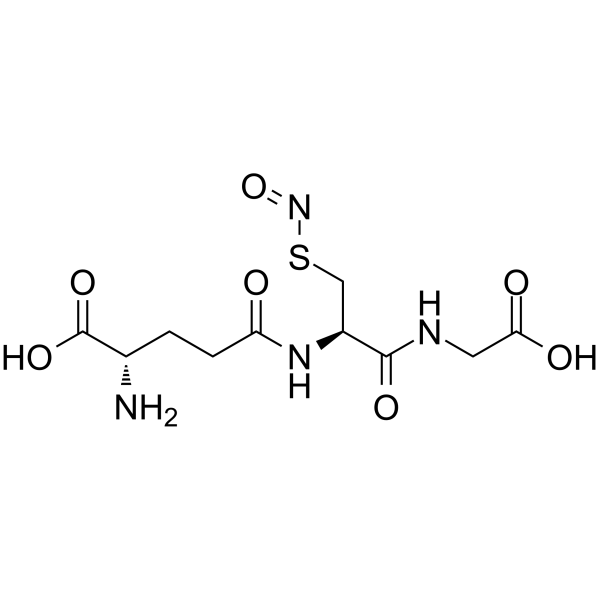
Nitrosoglutathione (Standard) (GSNO (Standard)) is the analytical standard of Nitrosoglutathione (HY-D0845). This product is intended for research and analytical applications. Nitrosoglutathione (GSNO), a exogenous NO donor and a substrate for rat alcohol dehydrogenase class III isoenzyme, inhibits cerebrovascular angiotensin II-dependent and -independent AT1 receptor responses.
x
|
-
- HY-110196
-
|
|
Histone Methyltransferase
|
Others
|
|
(S)-PFI-2 hydrochloride is an inhibitor of lysine methyltransferase SETD7 and is approximately 500-fold more active than its enantiomer (R)-PFI-2. (R)-PFI-2 is a cofactor-dependent and substrate-competitive inhibitor. (R)-PFI-2 can occupy the substrate peptide binding groove of SETD7 (including the catalytic lysine binding channel) and interact with the cofactor The donor methyl group is in direct contact. However, (S)-PFI-2 was not observed to have the same interaction as (R)-PFI-2 .
|
-
- HY-164169A
-
|
|
Biochemical Assay Reagents
|
Others
|
|
GDP-Azido-Fucose disodium is a chemically modified donor substrate. GDP-Azido-Fucose disodium can be used to synthesize fluorophore-conjugated GDP-fucose. GDP-Azido-Fucose can be used to study glycosyltransferase reactions .
|
-
- HY-E71009
-
|
|
Biochemical Assay Reagents
|
Metabolic Disease
|
|
N-Acylmannosamine 1-Dehydrogenase, Pseudomonas sp. (EC 1.1.1.233) acts on the CH-OH group of donor with NAD+ or NADP+ as acceptor. The two substrates of this enzyme are N-acyl-D-mannosamine and NAD+, whereas its 3 products are N-acyl-D-mannosaminolactone, NADH, and H+.
|
-
- HY-P2743B
-
|
|
Biochemical Assay Reagents
|
Metabolic Disease
|
|
Choline oxidase, Arthrobacter globiformis (EC 1.1.3.17) is an oxidoreductase that acts on the CH-OH group in a donor molecule and uses oxygen as an acceptor. The two substrates of Choline oxidase, Arthrobacter globiformis (EC 1.1.3.17) are choline and O2, and the two products are betaine aldehyde and H2O2.
|
-
- HY-P2743A
-
|
|
Biochemical Assay Reagents
|
Metabolic Disease
|
|
Choline oxidase, Alcaligenes sp. (EC 1.1.3.17) is an oxidoreductase that acts on the CH-OH group in a donor molecule and uses oxygen as an acceptor. The two substrates of Choline oxidase, Alcaligenes sp. (EC 1.1.3.17) are choline and O2, and the two products are betaine aldehyde and H2O2.
|
-
- HY-P2756B
-
|
|
Biochemical Assay Reagents
|
Metabolic Disease
|
|
Alcohol Oxidase, Pichia pastoris (EC 1.1.3.13) is a redox enzyme that acts on the CH-OH group in donor molecules and uses oxygen as an acceptor. The two substrates of Alcohol Oxidase, Pichia pastoris (EC 1.1.3.13) are primary alcohols and O2, while its two products are aldehydes and H2O2.
|
-
- HY-P2742C
-
|
|
Endogenous Metabolite
|
Metabolic Disease
|
|
Ascorbate Oxidase, Zucchini (EC 1.10.3.3), belongs to the oxidoreductase family, using diphenols and related substances as donors and oxygen as acceptors. Ascorbate Oxidase participates in ascorbic acid metabolism. Ascorbate Oxidase uses a cofactor-copper. Its two substrates are L-ascorbic acid and O2, while its two products are dehydroascorbic acid and H2O.
|
-
- HY-P2756A
-
|
|
Biochemical Assay Reagents
|
Metabolic Disease
|
|
Alcohol oxidase, Hansenula sp. (EC 1.1.3.13) is a redox enzyme that acts on the CH-OH group in donor molecules and uses oxygen as an acceptor. The two substrates of Alcohol Oxidase, Hansenula sp. (EC 1.1.3.13) are primary alcohols and O2, while its two products are aldehydes and H2O2.
|
-
- HY-P3186B
-
|
|
Endogenous Metabolite
|
Metabolic Disease
|
|
Glucose dehydrogenase, Pseudomonas sp. (EC 1.1.1.47) is an oxidoreductase that acts on the CH-OH group of a donor molecule and uses NAD + or NADP + as an acceptor. The three substrates of glucose dehydrogenase are β-D-glucose, NAD +, and NADP +, while its four products are D-gluconic acid-1,5-lactone, NADH, NADPH, and H +.
|
-
- HY-E70922
-
|
|
Endogenous Metabolite
|
Metabolic Disease
|
|
Yeast 6-Phosphogluconic Dehydrogenase (EC 1.1.1.44) belongs to the oxidoreductase family. It is an oxidoreductase that acts on the CH-OH group of the donor molecule and uses NAD+ or NADP+ as the acceptor. Yeast 6-Phosphogluconic Dehydrogenase has two substrates: 6-phosphate-D-gluconic acid and NADP+, and three products: D-ribulose-5-phosphate, CO2, and NADPH.
|
-
- HY-P2888D
-
|
|
Biochemical Assay Reagents
|
Metabolic Disease
|
|
Bilirubin Oxidase, Myrothecium verrucaria (EC 1.3.3.5) is a family of oxidoreductases that act on the CH-CH group as a donor and use oxygen as an acceptor. Bilirubin Oxidase, Myrothecium verrucaria (EC 1.3.3.5) is involved in the metabolism of porphyrins and chlorophyll. The two substrates of Bilirubin Oxidase, Myrothecium verrucaria (EC 1.3.3.5) are bilirubin and O2, while its two products are biliverdin and H2O.
|
-
- HY-136263
-
|
|
PARP
|
Cancer
|
|
Biotin-NAD + is a PARylation donor and also a substrate of poly (ADP-ribose) polymerase-1 (PARP1). Under the mediation of PARP1, Biotin-NAD + undergoes poly (ADP-ribosyl) ation to generate biotinylated poly (ADP-ribose) polymers. Biotin-NAD + can be used for pull-down assays of PARylated proteins in renal epithelial cells. Biotin-NAD + is applicable to cancer-related research .
|
-
- HY-E70945
-
|
|
Endogenous Metabolite
|
Metabolic Disease
|
|
6-Phosphogluconic Dehydrogenase, Sheep (EC 1.1.1.44) belongs to the oxidoreductase family. Its two substrates are 6-phosphate-D-gluconic acid and NADP+, and its three products are D-ribulose-5-phosphate, CO2, and NADPH. 6-Phosphogluconic Dehydrogenase, Sheep (EC 1.1.1.44) refers to an oxidoreductase that acts on the CH-OH group of the donor molecule and uses NAD+ or NADP+ as the acceptor.
|
-
- HY-E70891
-
|
|
Endogenous Metabolite
|
Metabolic Disease
|
|
β-Galactose Dehydrogenase S, Pseudomonas fluorescens (EC 1.1.1.48) belongs to the oxidoreductase family and is an oxidoreductase that acts on the CH-OH group as a donor and uses NAD+ or NADP+ as an acceptor. β-Galactose Dehydrogenase S, Pseudomonas fluorescens, is involved in galactose metabolism. The enzyme's two substrates are D-galactose and NAD+, while its three products are D-galactonide-1,4-lactone, NADH, and H+.
|
-
- HY-E70385A
-
|
|
Endogenous Metabolite
|
Metabolic Disease
|
|
Oxalate oxidase, B. subtilis (EC 1.2.3.4) is a redox enzyme that acts on the donor aldehyde or carbonyl group, using oxygen as the acceptor. Oxalate oxidase, B is involved in the metabolism of glyoxylate and dicarboxylic acids. Oxalate oxidase, B has two cofactors: FAD and manganese. Oxalate oxidase, B has three substrates: oxalic acid, O2, and H +, and two products: CO2 and H2O2.
|
-
- HY-P2901A
-
|
|
Aldose Reductase
|
Metabolic Disease
|
|
3α-Hydroxysteroid Dehydrogenase, Pseudomonas testosteroni (EC 1.1.1.50) belongs to the oxidoreductase family. Its three substrates are androstenedione, NAD+, and NADP+, while its four products are 5α-androstane-3,17-dione, NADH, NADPH, and H+. 3α-Hydroxysteroid Dehydrogenase, Pseudomonas testosteroni, acts on the CH-OH group of the donor molecule, with NAD+ or NADP+ as the acceptor.
|
-
- HY-E70926
-
|
|
Endogenous Metabolite
|
Metabolic Disease
|
|
Lysine Oxidase, Trichoderma viride (EC 1.4.3.14), is an oxidoreductase that acts on the CH-NHsub>2 group in the donor molecule and uses oxygen as the acceptor. Lysine Oxidase participates in the degradation of lysine. The three substrates of lysine oxidase are L-lysine, O2, and H2O, while its three products are 6-amino-2-oxohexanoic acid, NH3, and H2O2.
|
-
- HY-P2733D
-
|
|
Endogenous Metabolite
|
Metabolic Disease
|
|
Glycerol 3-phosphate Oxidase, Streptococcus thermophilus (EC 1.1.3.21), is an oxidoreductase that acts on the CH-OH group in donor molecules and uses oxygen as an acceptor. Glycerol 3-phosphate Oxidase participates in glycerophospholipid metabolism and utilizes a cofactor, FAD. The two substrates of Glycerol 3-phosphate Oxidase are sn-glycerol-3-phosphate and O2, while its two products are glycerophosphate and H2O2.
|
-
- HY-E70977
-
|
|
Biochemical Assay Reagents
|
Metabolic Disease
|
|
6-phospho-D-gluconate dehydrogenase, E. coli (EC 1.1.1.44) is an oxidoreductase that acts on the CH-OH group of a donor molecule and uses NAD+ or NADP+ as an acceptor. The two substrates of 6-phospho-D-gluconate dehydrogenase, E. coli (EC 1.1.1.44) are 6-phospho-D-gluconate and NADP+, while its three products are D-ribulose-5-phosphate, CO2, and NADPH.
|
-
- HY-137842
-
|
Alanine β-naphthylamide
|
Aminopeptidase
Biochemical Assay Reagents
|
Others
|
|
L-Alanine-2-naphthylamide (Alanine β-naphthylamide) is an Aminopeptidase (E.C. 3.4.11.) substrate and detection reagent. L-Alanine-2-naphthylamide detects the functional activity of aminopeptidase in the intestine of larval whitefish (Coregonus lavaretus). L-Alanine-2-naphthylamide serves as an initiator in the N-carboxyanhydride (NCA) method for synthesizing poly (β-benzyl-L-aspartate) polymers with a terminal 2-naphthyl energy donor group .
|
-
| Cat. No. |
Product Name |
Type |
-
- HY-18743
-
|
|
Fluorescent Dyes
|
|
Coelenterazine is a luminescent enzyme substrate for apoaequorin and Renilla luciferase. Renilla luciferase and substrate coelenterazine has been used as the bioluminescence donor in bioluminescence resonance energy transfer (BRET) to detect protein-protein interactions. Coelenterazine is a superoxide anion-sensitive chemiluminescent probe and it can also be used in chemiluminescent detection of peroxynitrite (Ex/Em = 429/466 nm) .
|
| Cat. No. |
Product Name |
Type |
-
- HY-114365
-
|
UDP-N-acetyl-D-galactosamine disodium
|
Biochemical Assay Reagents
|
|
UDP-GalNAc (UDP-N-acetyl-D-galactosamine) disodium is a sugar nucleotide and a substrate for EpsC115. EpsC115 is a mutant with N-terminal residues 1-115 deleted from the exopolymeric substance (EPS). UDP-GalNAc disodium is a donor substrate for many N-acetylgalactosaminyltransferases, which transfer GalNAc from nucleotide sugars to sugar or peptide acceptors. UDP-GalNAc disodium provides a sugar group donor for glycosylation reactions. UDP-GalNAc disodium can be used in cancer research, such as colorectal and breast cancer .
|
-
- HY-145934A
-
|
|
Biochemical Assay Reagents
|
|
UDP-GlcNAz disodium is the analogue of UDP-GlcNAc disodium (HY-112174). UDP-GlcNAc disodium is the donor substrate of many N-acetylgalactosaminyltransferases, enzymes which transfer GlcNAc from the nucleotide sugar to a saccharide or peptide acceptor. UDP-GlcNAc disodium is a click chemistry reagent, it contains an Azide group and can undergo copper-catalyzed azide-alkyne cycloaddition reaction (CuAAc) with molecules containing Alkyne groups. It can also undergo strain-promoted alkyne-azide cycloaddition (SPAAC) reactions with molecules containing DBCO or BCN groups .
|
-
- HY-W250153
-
|
|
Biochemical Assay Reagents
|
|
Adenosine 3'-phosphate 5'-phosphosulfate lithium, an adenine nucleotide derivative, is a selective P2Y1 antagonist with no effect on P2Y2, P2Y4, or P2Y6 receptors. Adenosine 3'-phosphate 5'-phosphosulfate lithium can competitive inhibit ADP-induced platelet aggregation, as well as the ability of ADP to cause shape change and increases in Ca 2+ in platelets, but had no effect on the inhibition of stimulated adenylate cyclase by ADP. Adenosine 3'-phosphate 5'-phosphosulfate lithium is a co-substrate used for the sulfonation of glycans. Adenosine 3'-phosphate 5'-phosphosulfate lithium can be used for Golgi-resident PAP-specific 3'-phosphatase-coupled sulfotransferase assays, which as donor substrate to transfer a sulfonate group .
|
-
- HY-15936
-
|
L-γ-Glutamyl-3-carboxy-4-nitroanilide ammonium salt
|
Biochemical Assay Reagents
|
|
L-Glutamic acid γ-(3-carboxy-4-nitroanilide) ammonium salt is a donor substrate of gamma-glutamyltransferase (GGT) that can be used to measure GGT activity .
|
-
- HY-137878
-
|
PNP-α-NeuNAc
|
Biochemical Assay Reagents
|
|
2-O-(p-Nitrophenyl)-α-D-N-acetylneuraminic acid (PNP-α-NeuNAc) is a classic chromogenic substrate for neuraminidase. 2-O-(p-Nitrophenyl)-α-D-N-acetylneuraminic acid releases p-nitrophenol upon enzymatic hydrolysis, allowing quantification of enzyme activity and inhibitory effects via spectrophotometry. 2-O-(p-Nitrophenyl)-α-D-N-acetylneuraminic acid (PNP-α-NeuNAc) acts as a sialyl donor in the process of enzyme-catalyzed trans-sialylation .
|
-
- HY-125954A
-
|
UDP-α-D-glucuronic acid ammonium
|
Biochemical Assay Reagents
|
|
Uridine diphosphate glucuronic acid ammonium (UDP-α-D-glucuronic acid ammonium) is a glucuronic acid donor. Uridine diphosphate glucuronic acid ammonium transfers its glucuronic acid moiety to acceptor molecules, thereby forming "ether" glucuronides, while being converted into uridine 5'-pyrophosphate. Uridine diphosphate glucuronic acid ammonium serves as a substrate for Arabidopsis UDP-GlcA 4-epimerase 1, and undergoes reversible 4-epimerization to generate UDP-α-D-galacturonic acid .
|
-
- HY-W039915
-
|
|
Biochemical Assay Reagents
|
|
Allyl α-D-galactopyranoside is an α-galactoside and acceptor/donor substrate for transgalactosylation reactions. Allyl α-D-galactopyranoside acts as an acceptor substrate in α-galactosidase-catalyzed transgalactosylation, and serves as a donor substrate to form longer α-galactosyl-containing oligosaccharides. Allyl α-D-galactopyranoside serves as a model compound for investigating the catalytic mechanism and substrate specificity of glycoside hydrolases and glycosyltransferases .
|
-
- HY-E70138
-
|
EC:2.4.1.133; B4GALT7
|
Biochemical Assay Reagents
|
|
β-1,4-Galactosyltransferase 7 has exclusive specificity for the donor substrate UDP-galactose and all transfer galactose in a β-1,4 linkage to similar acceptor sugars: GlcNAc, Glc, and Xyl. .
|
-
- HY-134393B
-
|
N6-Methyl-ATP trisodium solution (100 mM)
|
Biochemical Assay Reagents
|
|
6-Me-ATP (N6-Methyl-ATP) trisodium solution (100 mM) is a N 6-modified ATP derivative. 6-Me-ATP trisodium shows excellent binding affinity to GSK3, serving as the phosphate group donor for GSK3β-catalyzed phosphorylation of its substrate peptide .
|
-
- HY-E70191
-
|
EC:2.4.1.22; B4GALT2
|
Biochemical Assay Reagents
|
|
β-1,4-Galactosyltransferase 2 catal exclusive specificity for the donor substrate UDP-galactose and all transfer galactosein a beta1,4 linkage .
|
-
- HY-W250153A
-
|
|
Biochemical Assay Reagents
|
|
Adenosine 3'-phosphate 5'-phosphosulfate lithium hydrate, an adenine nucleotide derivative, is a selective P2Y1 antagonist with no effect on P2Y2, P2Y4, or P2Y6 receptors. Adenosine 3'-phosphate 5'-phosphosulfate lithium hydrate can competitive inhibit ADP-induced platelet aggregation, as well as the ability of ADP to cause shape change and increases in Ca 2+ in platelets, but had no effect on the inhibition of stimulated adenylate cyclase by ADP. Adenosine 3'-phosphate 5'-phosphosulfate lithium hydrate is a co-substrate used for the sulfonation of glycans. Adenosine 3'-phosphate 5'-phosphosulfate lithium hydrate can be used for Golgi-resident PAP-specific 3'-phosphatase-coupled sulfotransferase assays, which as donor substrate to transfer a sulfonate group .
|
| Cat. No. |
Product Name |
Target |
Research Area |
-
- HY-P5375
-
|
|
Peptides
|
Others
|
|
O-Linked GlcNAc transferase substrate is a biological active peptide. (A peptide substrate of O-linked GlcNAc transferase (OGT), a eukaryotic glycosyltransferase that uses UDP-GlcNAc as a glycosyl donor.)
|
-
- HY-P5485
-
|
|
Bacterial
|
Others
|
|
Dabcyl-QALPETGEE-Edans is a synthetic peptide substrate for fluorescence resonance energy transfer (FRET) detection of Sortase A (SrtA) enzymatic activity. Dabcyl-QALPETGEE-Edans is labeled at both ends with the fluorescent group Edans (donor) and the quencher Dabcyl (acceptor), respectively. Dabcyl-QALPETGEE-Edans's central sequence contains a conserved motif specifically recognized by SrtA. Dabcyl-QALPETGEE-Edans demonstrates high sensitivity in vitro assays, enabling precise determination of the half-maximal inhibitory concentration of SrtA .
|
-
- HY-P10172
-
-
- HY-P4866
-
|
|
Integrin
Transglutaminase
Akt
p38 MAPK
ERK
Caspase
Apoptosis
|
Cardiovascular Disease
Metabolic Disease
Inflammation/Immunology
|
|
Q-Peptide is an angiopoietin-1 derived peptide (QHREDGS). Q-Peptide interacts with β1-integrin, binds to integrins on the surface of osteoblasts, and serves as an acyl donor substrate for Streptomyces mobaraensis transglutaminase. Q-Peptide activates Akt, MAPKp42/44, ILK, ERK1/2, and downregulates caspase-3/7. Q-Peptide inhibits cell apoptosis, enhances cell adhesion and migration, and promotes osteoblast differentiation, bone matrix deposition and mineralization. Q-Peptide can be used in studies related to myocardial infarction, bone regeneration, diabetic wound repair and human induced pluripotent stem cells .
|
-
- HY-P6959
-
-
- HY-P10922
-
|
|
Cathepsin
|
Others
|
|
Cathepsin E substrate e is a substrate of Cathepsin E. Cathepsin E substrate e was designed in such a way that due to the close proximity of a Mca-donor and a Dnp-acceptor, a near complete intramolecular quenching effect was achieved in its intact state. After the proteolytic cleavage of the hydrophobic motif of the peptide substrate, both Mca and Dnp would be further apart, resulting in bright fluorescence .
|
-
- HY-P11349
-
|
|
Biochemical Assay Reagents
|
Others
|
|
TG-Gln (a glutamine donor peptide with the sequence H-NQEQVSPLERCG-NH₂) is a substrate-type crosslinker targeting activated coagulation transglutaminase XIII (FXIIIa). TG-Gln is promising for research of angiogenesis induction, cartilage repair, and wound healing .
|
| Cat. No. |
Product Name |
Category |
Target |
Chemical Structure |
-
- HY-18743
-
-
-
- HY-113324
-
NADPH
Maximum Cited Publications
18 Publications Verification
|
Human Gut Microbiota Metabolites
Microorganisms
Ketones, Aldehydes, Acids
Endogenous metabolite
Source Classification
|
Endogenous Metabolite
|
|
NADPH is a coenzyme of glutathione reductase (GR), thioredoxin reductase (TrxR) and NADPH oxidase (NOX), and participates in redox reactions as a hydrogen donor. NADPH has the characteristic of selectively participating in the regulation of cellular redox homeostasis. NADPH exerts antioxidant activity and resists reactive oxygen species (ROS) damage by providing reducing equivalents for the regeneration of glutathione (GSH) and thioredoxin (Trx); at the same time, it acts as a substrate of NOX to generate superoxide anions, mediating oxidative stress and immune response. NADPH participates in maintaining the intracellular reducing environment, biosynthesis and regulating gene expression (such as the Nrf2 pathway), and is mainly used in the study of oxidative stress-related diseases (such as cardiovascular diseases, neurodegenerative diseases, cancer) and immune regulation mechanisms .
|
-
-
- HY-N11287A
-
|
|
Natural Products
Classification of Application Fields
Other Diseases
Endogenous metabolite
Disease Research Fields
Source Classification
|
Endogenous Metabolite
|
|
UDP-xylose disodium is an endogenous sugar nucleotide and a catalytic substrate of UDP-xylose disodium synthase (UXS). UDP-xylose disodium is a sugar donor for the synthesis of glycoproteins, polysaccharides, various metabolites and oligosaccharides in plants, vertebrates and fungi, and participates in the synthesis of proteoglycans as a glycosyl donor. UDP-xylose disodium participates in the regulation of the synthesis of extracellular matrix components and can be used to study the mechanism of proteoglycan biosynthesis in glycobiology and related diseases (such as connective tissue diseases)[1][2].
|
-
-
- HY-112942A
-
-
-
- HY-112169A
-
-
-
- HY-114365
-
-
-
- HY-N10573
-
-
-
- HY-112169
-
-
-
- HY-141466
-
|
|
Structural Classification
Natural Products
Classification of Application Fields
Metabolic Disease
Endogenous metabolite
Disease Research Fields
Source Classification
|
Endogenous Metabolite
Histone Acetyltransferase
|
|
Crotonyl-CoA, a high-energy acyl donor, is an intermediate in the fermentation of butyric acid, and in the metabolism of lysine and tryptophan. Crotonyl-CoA is important in the metabolism of fatty acids and amino acids. Crotonyl-CoA acts as a substrate for p300’s histone crotonyltransferase activity, competing with acetyl-CoA for p300-mediated histone acylation reactions. Crotonyl-CoA regulates global and gene-specific histone crotonylation levels in cells, with cellular concentration changes altering histone crotonylation at regulatory elements of activated genes. Crotonyl-CoA serves as the substrate for crotonyl-CoA reductase/carboxylase (CCRC)-catalyzed NADPH-mediated reduction and carbon dioxide trapping to form unusual alkylmalonyl-CoA polyketide synthase extender units. Crotonyl-CoA can be used for the research of LPS-induced inflammatory response .
|
-
-
- HY-N11287
-
|
|
Alkaloids
Microorganisms
Other Alkaloids
Source Classification
|
Endogenous Metabolite
|
|
UDP-xylose is an endogenous sugar nucleotide and a catalytic substrate of UDP-xylose synthase (UXS). UDP-xylose is a sugar donor for the synthesis of glycoproteins, polysaccharides, various metabolites and oligosaccharides in plants, vertebrates and fungi, and participates in the synthesis of proteoglycans as a glycosyl donor. UDP-xylose participates in the regulation of the synthesis of extracellular matrix components and can be used to study the mechanism of proteoglycan biosynthesis in glycobiology and related diseases (such as connective tissue diseases)[1][2].
|
-
-
- HY-112942
-
-
-
- HY-125954
-
|
UDP-α-D-glucuronic acid
|
Human Gut Microbiota Metabolites
Microorganisms
Endogenous metabolite
Source Classification
|
Endogenous Metabolite
|
|
Uridine diphosphate glucuronic acid (UDP-α-D-glucuronic acid) is a glucuronic acid donor. Uridine diphosphate glucuronic acid transfers its glucuronic acid moiety to acceptor molecules, thereby forming "ether" glucuronides, while being converted into uridine 5'-pyrophosphate. Uridine diphosphate glucuronic acid serves as a substrate for Arabidopsis UDP-GlcA 4-epimerase 1, and undergoes reversible 4-epimerization to generate UDP-α-D-galacturonic acid .
|
-
-
- HY-N7389A
-
-
-
- HY-125954A
-
-
-
- HY-148596
-
|
UDP-N-Acetyl-D-glucosamine; Uridine diphospho-N-acetylglucosamine; UDP-N-acetylglucosamine
|
Human Gut Microbiota Metabolites
Microorganisms
Endogenous metabolite
Source Classification
|
Endogenous Metabolite
P2Y Receptor
Drug Intermediate
Glycosyltransferase
|
|
UDP-GlcNAc (UDP-N-Acetyl-D-glucosamine) is an important component and precursor of bacterial peptidoglycan. UDP-GlcNAc is a nucleotide sugar used by Glycosyltransferases to synthesize glycoproteins, glycosaminoglycans, glycolipids, and glycoRNA. UDP-GlcNAc also serves as the donor substrate for forming O-GlcNAc, a dynamic intracellular protein modification involved in diverse signaling and disease processes. UDP-GlcNAc is the sugar nucleotide donor for the synthesis of O-GlcNAc modified proteins. UDP-GlcNAc also acts as a full agonist of the P2Y14 receptor and inhibits the formation of cAMP. UDP-GlcNAc can be used in studies related to bacterial infections .
|
-
-
- HY-N7389B
-
-
| Cat. No. |
Product Name |
Chemical Structure |
-
- HY-112174S
-
|
|
|
UDP-GlcNAc- 13C (disodium) is the 13C labeled UDP-GlcNAc Disodium Salt. UDP-GlcNAc Disodium Salt (UDP-α-D-N-Acetylglucosamine Disodium Salt) is a donor substrate of O-GlcNAc transferase (O .
|
-
-
- HY-125954S
-
|
|
|
Uridine diphosphate glucuronic acid- 13C, 15N2 (UDP-α-D-glucuronic acid- 13C, 15N2) is the 13C- and 15N-labeled Uridine diphosphate glucuronic acid (HY-125954). Uridine diphosphate glucuronic acid ammonium (UDP-α-D-glucuronic acid ammonium) is a glucuronic acid donor. Uridine diphosphate glucuronic acid ammonium transfers its glucuronic acid moiety to acceptor molecules, thereby forming "ether" glucuronides, while being converted into uridine 5'-pyrophosphate. Uridine diphosphate glucuronic acid ammonium serves as a substrate for Arabidopsis UDP-GlcA 4-epimerase 1, and undergoes reversible 4-epimerization to generate UDP-α-D-galacturonic acid .
|
-
| Cat. No. |
Product Name |
|
Classification |
-
- HY-145934
-
|
UDP-N-azidoacetylgalactosamine disodium
|
|
Azide
|
|
UDP-GalNAz (UDP-N-azidoacetylgalactosamine) disodium is the analogue of UDP-GalNAc disodium (HY-114365). UDP-GalNAc disodium is the donor substrate of many N-acetylgalactosaminyltransferases, enzymes which transfer GalNAc from the nucleotide sugar to a saccharide or peptide acceptor. UDP-GalNAz disodium is a click chemistry reagent, it contains an Azide group and can undergo copper-catalyzed azide-alkyne cycloaddition reaction (CuAAc) with molecules containing Alkyne groups. It can also undergo strain-promoted alkyne-azide cycloaddition (SPAAC) reactions with molecules containing DBCO or BCN groups .
|
-
- HY-145934A
-
|
|
|
Azide
|
|
UDP-GlcNAz disodium is the analogue of UDP-GlcNAc disodium (HY-112174). UDP-GlcNAc disodium is the donor substrate of many N-acetylgalactosaminyltransferases, enzymes which transfer GlcNAc from the nucleotide sugar to a saccharide or peptide acceptor. UDP-GlcNAc disodium is a click chemistry reagent, it contains an Azide group and can undergo copper-catalyzed azide-alkyne cycloaddition reaction (CuAAc) with molecules containing Alkyne groups. It can also undergo strain-promoted alkyne-azide cycloaddition (SPAAC) reactions with molecules containing DBCO or BCN groups .
|
-
- HY-164169A
-
|
|
|
Azide
|
|
GDP-Azido-Fucose disodium is a chemically modified donor substrate. GDP-Azido-Fucose disodium can be used to synthesize fluorophore-conjugated GDP-fucose. GDP-Azido-Fucose can be used to study glycosyltransferase reactions .
|
| Cat. No. |
Product Name |
|
Classification |
-
- HY-145934
-
|
UDP-N-azidoacetylgalactosamine disodium
|
|
Nucleotide Analogs
|
|
UDP-GalNAz (UDP-N-azidoacetylgalactosamine) disodium is the analogue of UDP-GalNAc disodium (HY-114365). UDP-GalNAc disodium is the donor substrate of many N-acetylgalactosaminyltransferases, enzymes which transfer GalNAc from the nucleotide sugar to a saccharide or peptide acceptor. UDP-GalNAz disodium is a click chemistry reagent, it contains an Azide group and can undergo copper-catalyzed azide-alkyne cycloaddition reaction (CuAAc) with molecules containing Alkyne groups. It can also undergo strain-promoted alkyne-azide cycloaddition (SPAAC) reactions with molecules containing DBCO or BCN groups .
|
-
- HY-W250153
-
|
|
|
Nucleotide Analogs
Adenine Nucleotide
|
|
Adenosine 3'-phosphate 5'-phosphosulfate lithium, an adenine nucleotide derivative, is a selective P2Y1 antagonist with no effect on P2Y2, P2Y4, or P2Y6 receptors. Adenosine 3'-phosphate 5'-phosphosulfate lithium can competitive inhibit ADP-induced platelet aggregation, as well as the ability of ADP to cause shape change and increases in Ca 2+ in platelets, but had no effect on the inhibition of stimulated adenylate cyclase by ADP. Adenosine 3'-phosphate 5'-phosphosulfate lithium is a co-substrate used for the sulfonation of glycans. Adenosine 3'-phosphate 5'-phosphosulfate lithium can be used for Golgi-resident PAP-specific 3'-phosphatase-coupled sulfotransferase assays, which as donor substrate to transfer a sulfonate group .
|
-
- HY-164090
-
|
|
|
Nucleotide Analogs
Adenine Nucleotide
|
|
Adenosine 3'-phosphate 5'-phosphosulfate, an adenine nucleotide derivative, is a selective P2Y1 antagonist with no effect on P2Y2, P2Y4, or P2Y6 receptors. Adenosine 3'-phosphate 5'-phosphosulfate can competitive inhibit ADP-induced platelet aggregation, as well as the ability of ADP to cause shape change and increases in Ca 2+ in platelets, but had no effect on the inhibition of stimulated adenylate cyclase by ADP. Adenosine 3'-phosphate 5'-phosphosulfate is a co-substrate used for the sulfonation of glycans. Adenosine 3'-phosphate 5'-phosphosulfate can be used for Golgi-resident PAP-specific 3'-phosphatase-coupled sulfotransferase assays, which as donor substrate to transfer a sulfonate group .
|
-
- HY-164169
-
|
|
|
Nucleotide Analogs
Guanine Nucleotide
|
|
GDP-Azido-Fucose is a chemically modified donor substrate. GDP-Azido-Fucose can be used to synthesize fluorophore-conjugated GDP-fucose. GDP-Azido-Fucose can be used to study glycosyltransferase reactions .
|
-
- HY-177787A
-
|
|
|
Nucleotide Analogs
|
2'-Deoxy-N-methyl-AMP ammonium is an N6-substituted adenine nucleotide derivative and a glycosyl donor. On one hand, 2'-Deoxy-N-methyl-AMP ammonium acts as a specific substrate for N6-methyl-AMP aminohydrolase, and it is catalytically converted to dIMP to participate in the nucleotide metabolic cycle. On the other hand, 2'-Deoxy-N-methyl-AMP ammonium also serves as a guanosine diphosphate (GDP)-linked fucose derivative donor, driving site-specific glycoconjugation of proteins under the mediation of α-1,3-fucosyltransferase. 2'-Deoxy-N-methyl-AMP ammonium is an important molecular tool for investigating the mechanisms of nucleotide modification and protein glycosylation .
|
-
- HY-W250153A
-
|
|
|
Nucleotide Analogs
Adenine Nucleotide
|
|
Adenosine 3'-phosphate 5'-phosphosulfate lithium hydrate, an adenine nucleotide derivative, is a selective P2Y1 antagonist with no effect on P2Y2, P2Y4, or P2Y6 receptors. Adenosine 3'-phosphate 5'-phosphosulfate lithium hydrate can competitive inhibit ADP-induced platelet aggregation, as well as the ability of ADP to cause shape change and increases in Ca 2+ in platelets, but had no effect on the inhibition of stimulated adenylate cyclase by ADP. Adenosine 3'-phosphate 5'-phosphosulfate lithium hydrate is a co-substrate used for the sulfonation of glycans. Adenosine 3'-phosphate 5'-phosphosulfate lithium hydrate can be used for Golgi-resident PAP-specific 3'-phosphatase-coupled sulfotransferase assays, which as donor substrate to transfer a sulfonate group .
|
-
- HY-164169A
-
|
|
|
Nucleotide Analogs
Guanine Nucleotide
|
|
GDP-Azido-Fucose disodium is a chemically modified donor substrate. GDP-Azido-Fucose disodium can be used to synthesize fluorophore-conjugated GDP-fucose. GDP-Azido-Fucose can be used to study glycosyltransferase reactions .
|
Your information is safe with us. * Required Fields.
Inquiry Information
- Product Name:
- Cat. No.:
- Quantity:
- MCE Japan Authorized Agent:

