Search Result
Results for "
dpph radical
" in MedChemExpress (MCE) Product Catalog:
3
Biochemical Assay Reagents
4
Isotope-Labeled Compounds
| Cat. No. |
Product Name |
Target |
Research Areas |
Chemical Structure |
-
- HY-112053
-
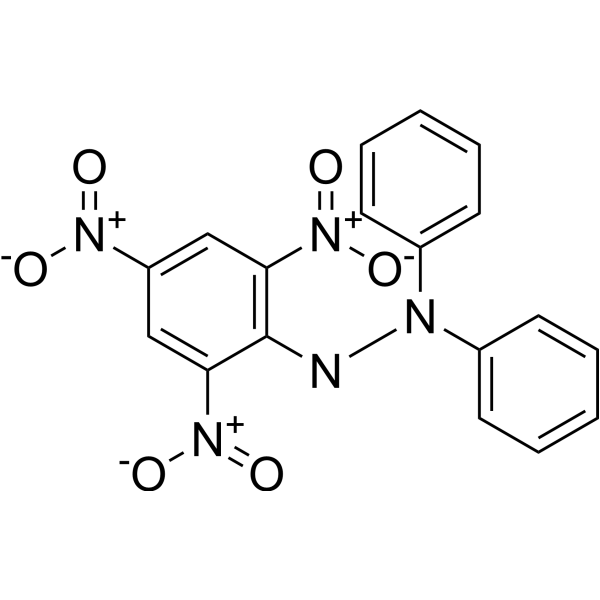
DPPH
Maximum Cited Publications
46 Publications Verification
2,2-Diphenyl-1-picrylhydrazyl
|
Reactive Oxygen Species (ROS)
|
Metabolic Disease
|
|
DPPH (2,2-Diphenyl-1-picrylhydrazyl) is a stable free radical that can be used to measure the radical scavenging activity of antioxidants. The odd electron of nitrogen atom in DPPH is reduced by receiving a hydrogen atom from antioxidants to the corresponding hydrazine. DPPH method may be utilized in aqueous and nonpolar organic solvents and can be used to examine both hydrophilic and lipophilic antioxidants .
|
-
-
- HY-N1417
-
Sesamol
2 Publications Verification
|
Apoptosis
|
Cancer
|
|
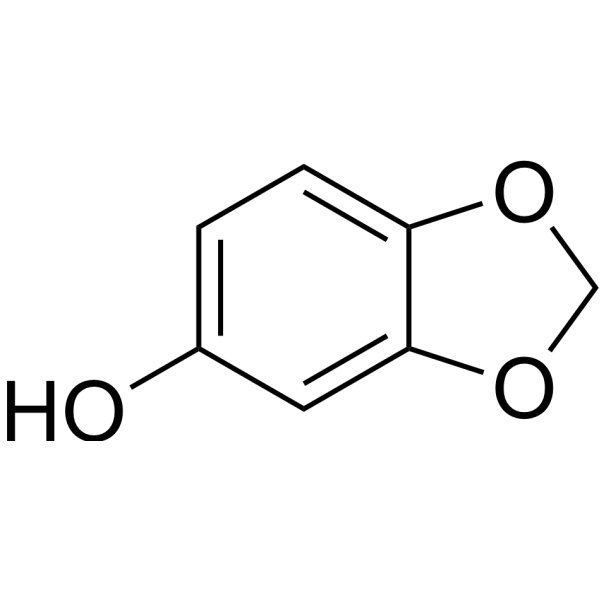
Sesamol is a constituent of sesame oil. Sesamol shows a free radical scavenging activity. Sesamol shows an IC50=5.95±0.56 μg/mL in the DPPH assay. Anti-oxidant activities . Anticancer activities .
|
-
-
- HY-113121
-
|
|
Drug Metabolite
Endogenous Metabolite
|
Cardiovascular Disease
|
|
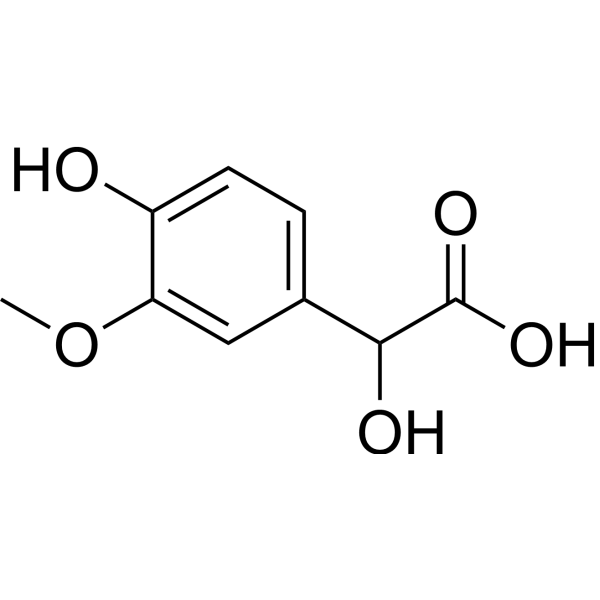
Vanillylmandelic acid is the endproduct of epinephrine and norepinephrine metabolism. Vanillylmandelic acid can be used as an indication of the disorder in neurotransmitter metabolism as well. Vanillylmandelic acid has antioxidant activity towards DPPH radical with an IC50 value of 33 μM .
|
-
-
- HY-N0521
-
-
-
- HY-N0627
-
|
|
LDLR
|
Others
|
|
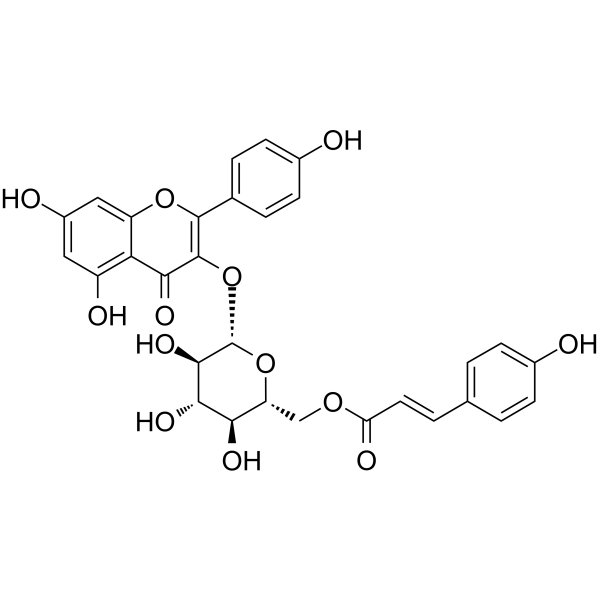
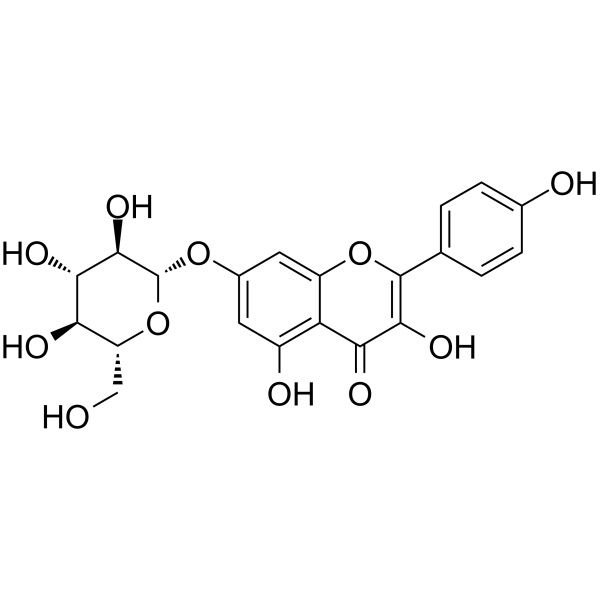
Kaempferol-7-O-β-D-glucopyranoside is a flavonoid glycoside. Kaempferol-7-O-β-D-glucopyranoside exists in the root bark of Cudrania tricuspidata. Kaempferol-7-O-β-D-glucopyranoside inhibits Cu 2+-induced lipid peroxidation of low-density lipoprotein. Kaempferol-7-O-β-D-glucopyranoside possesses antioxidant activity and scavenges DPPH free radicals .
|
-
-
- HY-N1750
-
|
|
Tyrosinase
|
Metabolic Disease
|
|
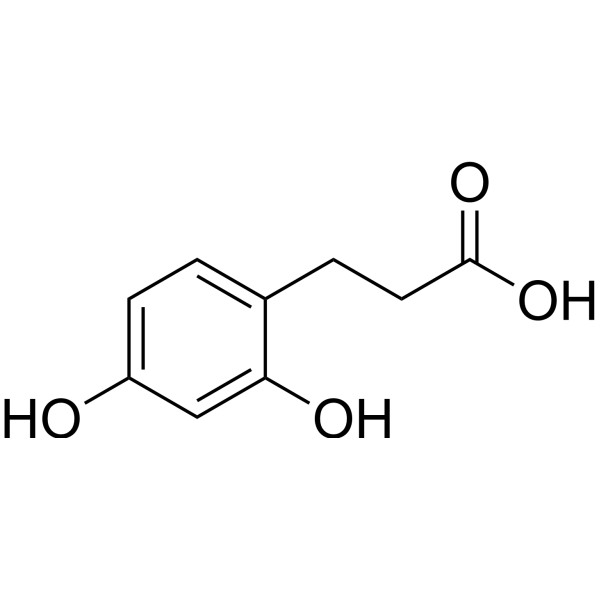
3-(2,4-Dihydroxyphenyl) propanoic acid (DPPacid) is a competitive Tyrosinase inhibitor. It exhibits an IC50 value of 3.02 μM against mushroom tyrosinase with L-tyrosine as the substrate, an IC50 value of 62 μM with DL-DOPA as the substrate, and a Ki value of 11.5 μM. 3-(2,4-Dihydroxyphenyl) propanoic acid shows no DPPH radical scavenging activity. It can be used in studies related to ultraviolet B (UVB)-induced hyperpigmentation .
|
-
-
- HY-W019885A
-
|
Sodium triphosphate pentabasic, 98%
|
Environmental Pollutants
Biochemical Assay Reagents
|
Others
|
|
Sodium tripolyphosphate (STPP), 98% is an inorganic, non-toxic polyphosphate crosslinker, inducer and enhancer. Sodium tripolyphosphate (STPP), 98% induces the formation of unique needle-like microcrystals in sodium alginate-chitosan composite films. Sodium tripolyphosphate (STPP), 98% enhances the DPPH free radical scavenging activity of sodium alginate-chitosan composite films .
|
-
-
- HY-W001542
-
|
|
Reactive Oxygen Species (ROS)
|
Neurological Disease
Metabolic Disease
Cancer
|
|
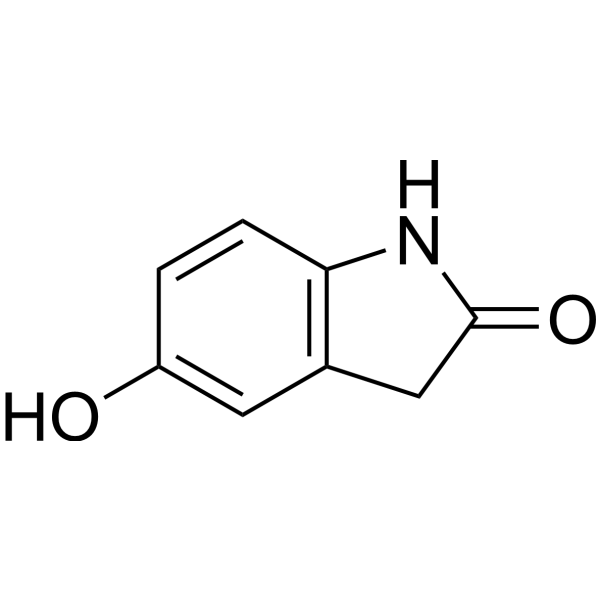
5-Hydroxyoxindole is a structural analog of uric acid for its antioxidant. 5-Hydroxyoxindole has DPPH radical scavenging activities and lipid peroxidation-inhibitory activities. 5-Hydroxyoxindole is a product of partial metabolism of tryptophan involving conversion in the gut lumen of tryptophan to indole through the action of bacterial tryptophanase and tryptophan synthase. 5-Hydroxyoxindole is one of the main molecules responsible for the neurological symptoms of hepatic encephalopathy in rats. 5-Hydroxyoxindole can be used for the research of oxidative stress-mediated disorders .
|
-
-
- HY-N7931
-
-
-
- HY-112053R
-
|
2,2-Diphenyl-1-picrylhydrazyl (Standard)
|
Reactive Oxygen Species (ROS)
Reference Standards
|
Metabolic Disease
|
|
DPPH (Standard) is the analytical standard of DPPH. This product is intended for research and analytical applications. DPPH (2,2-Diphenyl-1-picrylhydrazyl) is a stable free radical that can be used to measure the radical scavenging activity of antioxidants. The odd electron of nitrogen atom in DPPH is reduced by receiving a hydrogen atom from antioxidants to the corresponding hydrazine. DPPH method may be utilized in aqueous and nonpolar organic solvents and can be used to examine both hydrophilic and lipophilic antioxidants .
|
-
-
- HY-N8194
-
|
Syringetin 3-O-β-D-glucoside
|
Others
|
Neurological Disease
|
|
Syringetin-3-O-glucosid (Syringetin 3-O-β-D-glucoside), a flavonol glycoside, shows relatively weak DPPH and ABTS radical scavenging activity .
|
-
-
- HY-N3985
-
|
|
Others
|
Cancer
|
|
Gyrophoric acid is a good ultraviolet filter in lichen populations. Gyrophoric acid shows DPPH radical scavenging activity with an IC50 value of 105.75 μg/ml .
|
-
-
- HY-N3349
-
|
|
Others
|
Others
|
|
Lyoniresinol is a lignan isolated from the Tarenna attenuata with antioxidant activities. Lyoniresinol has radical scavenging activities against DPPH with an IC50 of 82.4 μM .
|
-
-
- HY-N4111
-
|
|
Others
|
Inflammation/Immunology
Cancer
|
|
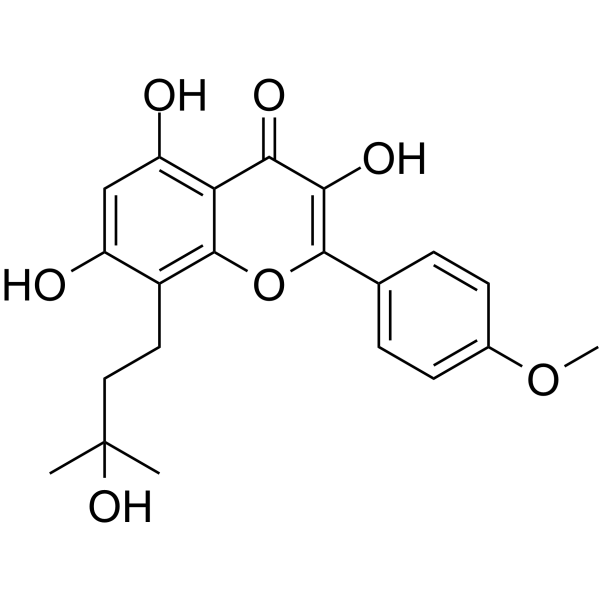
Wushanicaritin exhibits significant antioxidant activity (IC50=35.3 μM) in DPPH radical scavenging activity tests. Antitumor effects and anti-inflammatory property .
|
-
-
- HY-N3141
-
|
(-)-Olivile; Vladinol C
|
Others
|
Others
|
|
Olivil ((-)-Olivile) is a lignan that has weak DPPH radical-scavenging activity (EC50: 176 μM) .
|
-
-
- HY-124496
-
-
-
- HY-N9447
-
-
-
- HY-W013677
-
|
|
Drug Intermediate
|
Infection
|
|
4-Fluorobenzoic acid is a drug intermediate that can be used to synthesize a series of hydrazone derivatives with antituberculosis activity and Schiff bases with DPPH radical scavenging activity .
|
-
-
- HY-N11469
-
|
|
Others
|
Others
|
|
Cyclobisdemethoxycurcumin is an antioxidant agent with IC50s of ~250 μM and 15-20 μM in DPPH radical scavenging assay and 2-DR oxidation assay, respectively .
|
-
-
- HY-111523
-
-
-
- HY-N9895
-
|
|
Others
|
Infection
Inflammation/Immunology
|
|
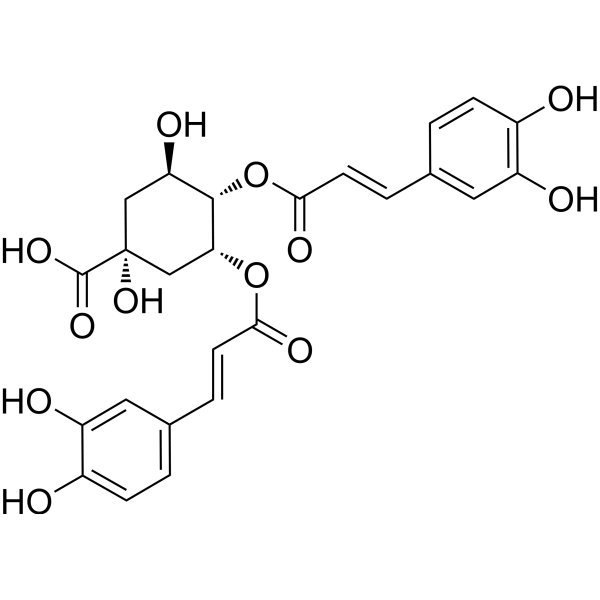
3,5-Dicaffeoyl-epi-quinic acid can be extracted from Chrysanthemum morifolium. 3,5-Dicaffeoyl-epi-quinic acid has antioxidant activities. 3,5-Dicaffeoyl-epi-quinic acid can scavenge DPPH radical and superoxide anion radical, with IC50s of 5.6 and 2.9 μg/mL respectively .
|
-
-
- HY-N8219
-
-
-
- HY-W002773
-
|
|
Endogenous Metabolite
|
Others
|
|
Methyl isovanillate is a secondary metabolite isolated from Vitex agnus-castus. Methyl isovanillate does not exhibit significant activity in the DPPH free radical scavenging experiment .
|
-
-
- HY-W001542R
-
|
|
Reference Standards
Reactive Oxygen Species (ROS)
|
Neurological Disease
Metabolic Disease
Cancer
|
|
5-Hydroxyoxindole is a structural analog of uric acid for its antioxidant. 5-Hydroxyoxindole has DPPH radical scavenging activities and lipid peroxidation-inhibitory activities. 5-Hydroxyoxindole is a product of partial metabolism of tryptophan involving conversion in the gut lumen of tryptophan to indole through the action of bacterial tryptophanase and tryptophan synthase. 5-Hydroxyoxindole is one of the main molecules responsible for the neurological symptoms of hepatic encephalopathy in rats. 5-Hydroxyoxindole can be used for the research of oxidative stress-mediated disorders .
|
-
-
- HY-N11845
-
|
|
Lipoxygenase
|
Metabolic Disease
Inflammation/Immunology
|
|
Sigmoidin B, a prenylated flavanone, is a selective 5-lipoxygenase inhibitor. Sigmoidin B is a potent scavenger of the DPPH radical. Sigmoidin B has antigenotoxic activity that inhibits genotoxicity induced by Aflatoxin B1 (HY-N6615), with an IC50 of 18.7 μg/mL. Sigmoidin B has anti-inflammatory activity and antioxidant properties .
|
-
-
- HY-149390
-
|
|
TrxR
|
Cancer
|
|
TrxR1-IN-1 (Compound 5j) is a TrxR1 inhibitor (IC50: 8.8 μM). TrxR1-IN-1 has anticancer activity, with IC50s of MCF-7 (1.5 μM), HeLa (1.7 μM), BGC-823 (2.4 μM), SW-480 (2.8 μM), A549 (2.1 μM). TrxR1-IN-1 has antioxidant activity, and scavenges DPPH radical .
|
-
-
- HY-W018643A
-
|
Methyl (E)-ferulate
|
COX
|
Others
|
|
(E)-Ferulic acid methyl ester (Methyl (E)-ferulate) exhibits strong DPPH and ABTS + radical scavenging activities .
|
-
-
- HY-W274194
-
|
|
Reactive Oxygen Species (ROS)
|
Others
|
|
Antioxidant agent-7 (SD-7) is a benzodiazepine derivative with antioxidant activity with an IC50 value of 470 nM to scavenge DPPH (2,2-diphenyl-1-picrylhydrazyl) free radical .
|
-
-
- HY-N10020
-
|
|
Lipoxygenase
|
Inflammation/Immunology
|
|
Patulitrin has scavenging effect in the DPPH radical. Patulitrin inhibits soybean lipoxygenase. Patulitrin also has antihypertensive effect. Patulitrin is an antioxidant flavonoid that can be isolated from Anthemis tinctoria .
|
-
-
- HY-N3554
-
|
(+)-Catechol 7-β-D-xylopyranoside
|
Others
|
Others
|
|
Catechin-7-O-β-D-xylopyranoside is an antioxidant compound with strong DPPH free radical scavenging ability. Catechin-7-O-β-D-xylopyranoside can be extracted from birch inner bark and nepeta stem bark .
|
-
-
- HY-121153
-
|
Alutenusin
|
FXR
|
Others
|
|
Altenusin shows markedly DPPH radical scavenging activities.
|
-
-
- HY-N15703
-
|
(+)-Norisocorydine
|
Others
|
Neurological Disease
|
|
Norisocorydine ((+)-Norisocorydine) is an aporphine alkaloid with antinociceptive and radical scavenging effects. Norisocorydine shows a SC50 of 14.1 μg/mL in DPPH radical scavenging test. Norisocorydine exhibits antinociceptive ability in mice .
|
-
-
- HY-N6672
-
|
|
Others
|
Inflammation/Immunology
|
|
Caulophylline B is a fluorenone alkaloid isolated from the roots of Caulophyllum robustum Maxim, affords a low scavenging effect against DPPH radical .
|
-
-
- HY-N9368
-
|
|
Others
|
Others
|
|
Luteolin-7-O-α-L-arabinopyranosyl (1→6)-β-D-glucopyranoside is a flavonoid with antiradical activity .
|
-
-
- HY-N16504
-
-
-
- HY-N4111R
-
-
-
- HY-N12941
-
-
-
- HY-N16406
-
|
|
SOD
|
Metabolic Disease
|
|
Auroglaucin is a potent antioxidant. Auroglaucin shows 1,1-diphenyl-2-picrylhydrazyl (DPPH) radical scavenging capacity and superoxide radical scavenging activity with EC50 value of 74.6, 12.3 µM, respectively. Auroglaucin shows low activity for inhibiting the autoxidation of docosahexaenoic acid (DHA) .
|
-
-
- HY-130294
-
|
|
Elastase
|
Inflammation/Immunology
|
|
Pyracrenic acid is an elastase inhibitor (IC50 = 2.42 µM), can be obtained from the bark of Pyracantha crenulata. Pyracrenic acid has DPPH free radical scavenging activity and anti-inflammatory activity .
|
-
-
- HY-W416228
-
|
|
Reactive Oxygen Species (ROS)
|
Others
|
|
1-O-Caffeoyl-β-D-glucopyranose, a phenylpropanoid compound derived from Illicium majus, exhibits significant antioxidant activity and can scavenge DPPH radicals in vitro, with an IC50 value of 37.7 μM .
|
-
-
- HY-N7648
-
|
Atherospermine
|
Parasite
Phosphodiesterase (PDE)
|
Infection
|
|
Atherosperminine (Atherospermine) is a phosphodiesterase inhibitor. Atherosperminine inhibits growth of chloroquine-resistant Plasmodium falciparum. Atherosperminine scavenges DPPH free radicals, exhibits ferric reducing power, and chelates metal ions. Atherosperminine can be used for the research of malaria .
|
-
-
- HY-N8579
-
|
|
Others
|
Inflammation/Immunology
|
|
Eugenyl benzoate has the potency for scavenging of DPPH radical. Eugenyl Benzoate Derivatives can be used for development of BCL-2 inhibitors .
|
-
-
- HY-N9953
-
|
|
Others
|
Inflammation/Immunology
|
|
Chrysophanol 8-O-β-D-(6’-O-galloyl)glucopyranoside, an anthraquinone glucoside, can be isolated from Rheum undulatum L. Chrysophanol 8-O-β-D-(6’-O-galloyl)glucopyranoside has potent DPPH radical and ?O2 - scavenging activity .
|
-
-
- HY-N7518
-
|
|
MMP
|
Inflammation/Immunology
|
|
Eulophiol shows the 1,1-diphenyl-2-picrylhydrazyl (DPPH) free radical scavenging activity with an EC50 of 27.7μM. Antioxidant activity .
|
-
-
- HY-N9051
-
|
|
Glycosidase
|
Inflammation/Immunology
Cancer
|
|
6-Prenylquercetin-3-Me ether is a natural product that can be extracted from G. uralensis leaves.
6-Prenylquercetin-3-Me ether has radical scavenging activity toward DPPH. 6-Prenylquercetin-3-Me ether also has inhibitory activity against α-glucosidase .
|
-
-
- HY-W357738
-
|
|
Bacterial
Urease
|
Infection
|
|
Urease-IN-14 (compound 15) is an urease inhibitor and antioxidant. Urease-IN-14 shows DPPH radical scavenging and urease inhibitory activities with IC50 values 151.7 μM and 41.6 μM, respectively .
|
-
-
- HY-149670
-
|
|
Ferroptosis
|
Inflammation/Immunology
|
|
Ferroptosis-IN-3 (Compound 25) is a ferroptosis inhibitor. Ferroptosis-IN-3 inhibits RSL3-induced ferroptosis (EC50: 8.6?nM in HT-1080?cells). Ferroptosis-IN-3 scavenges DPPH and ABTS radicals (EC50: 3.94?and 6.3 μM respectively). Ferroptosis-IN-3 decreases lipid peroxidation .
|
-
-
- HY-N10294
-
|
|
HIV
|
Infection
Inflammation/Immunology
|
|
Epicoccone B, firstly reported from C. globosum, exhibits the DPPH free radical scavenging ability with IC50 value of 10.8 μM, and has potent α-glucosidase inhibition with IC50 value of 27.3 μM. Anti-HIV activity .
|
-
-
- HY-P5318
-
|
|
Reactive Oxygen Species (ROS)
|
Inflammation/Immunology
|
|
MDYYFEER is an antioxidant active peptide that can be isolated from pancreatin hydrolysate of C-phycocyanin. MDYYFEER has high DPPH and ABTS radical scavenging ability. MDYYFEER protects zebrafish larvae from H2O2-induced oxidative damage .
|
-
-
- HY-N10770
-
|
|
Others
|
Metabolic Disease
|
|
5'-Geranyl-5,7,2',4'-tetrahydroxyflavone, a phenolic compound, presents strong oxygen radical absorbance capacity (ORAC), DPPH radical-scavenging capacity, ABTS radical-scavenging capacity, ferric reducing antioxidant power (FRAP) and nitrite-scavenging capacity. 5'-Geranyl-5,7,2',4'-tetrahydroxyflavone has the potential for natural antioxidant research .
|
-
- HY-P5317
-
|
|
Reactive Oxygen Species (ROS)
|
Inflammation/Immunology
|
|
MAQAAEYYR is an antioxidant active peptide that can be isolated from pancreatin hydrolysate of C-phycocyanin. MAQAAEYYR has high DPPH, ABTS radical and ROS-scavenging ability. MAQAAEYYR protects zebrafish larvae from H2O2-induced oxidative damage .
|
-
- HY-N10927
-
|
|
Others
|
Others
|
|
2,11,12-Trihydroxy-7,20-epoxy-8,11,13-abietatriene, a diterpenoid, has significant effects on DPPH radical scavenging activity with an IC50 value of 20.0 µM. 2,11,12-Trihydroxy-7,20-epoxy-8,11,13-abietatriene shows potent antioxidant activity .
|
-
- HY-N13142
-
|
|
Others
|
Inflammation/Immunology
|
|
Luteolin 7-O-[β-D-apiofuranosyl-(1→6)]-β-D-glucopyranoside (compound 3) is a flavonoid with antioxidant activity, which can be isolated from Margaritopsis carrascoana. Luteolin 7-O-[β-D-apiofuranosyl-(1→6)]-β-D-glucopyranoside has good DPPH free radical scavenging activity (IC50=0.188 mg/mL) .
|
-
- HY-P5317A
-
|
|
Reactive Oxygen Species (ROS)
|
Inflammation/Immunology
|
|
MAQAAEYYR TFA is an antioxidant active peptide that can be isolated from pancreatin hydrolysate of C-phycocyanin. MAQAAEYYR TFA has high DPPH, ABTS radical and ROS-scavenging ability. MAQAAEYYR TFA protects zebrafish larvae from H2O2-induced oxidative damage .
|
-
- HY-111898
-
|
|
Others
|
Cancer
|
|
Epirosmanol is a nature diterpene lactone from S. officinalis. Epirosmanol shows anti-cancer activity and inhibits melanin biosynthesis against melanoma cells. Epirosmanol also exhibits DPPH radical scavenging activity .
|
-
- HY-N15727
-
|
|
Others
|
Inflammation/Immunology
|
|
2,5-Dimethylchromone-7-O-β-D-glucopyranoside is an orally active chromone glycoside found in the underground parts of Rheum australe. 2,5-Dimethylchromone-7-O-β-D-glucopyranoside shows a DPPH radical scavenging activity with an IC50 value of 66.9 μM. 2,5-Dimethylchromone-7-O-β-D-glucopyranoside scavenges free radicals by providing hydrogen atoms through phenolic hydroxyl groups, inhibiting lipid peroxidation. 2,5-Dimethylchromone-7-O-β-D-glucopyranoside is promising for research of oxidative stress-related diseases such as inflammation and skin diseases .
|
-
- HY-N0025
-
|
|
Reactive Oxygen Species (ROS)
Apoptosis
|
Metabolic Disease
|
|
Jionoside D is a hydroxycinnamic acid ester with antioxidant property. Jionoside D has scavenging activity of intracellular reactive oxygen species (ROS) and of DPPH radical, and lipid peroxidation inhibitory activity. Jionoside D reduces the apoptotic cells induced by H2O2 in V79-4 cells. Jionoside D increases the activities of cellular antioxidant enzymes, SOD and catalase .
|
-
- HY-146172
-
|
|
Reactive Oxygen Species (ROS)
|
Inflammation/Immunology
Cancer
|
|
Antioxidant agent-3 (Compound 14q), an potent antioxidant, displays potent DPPH radicals scavenging activity and ABTS + scavenging activity with IC50s of 26.58 and 30.31 μM, respectively. Antioxidant agent-3 (Compound 14q) increases reactive oxygen species (ROS), superoxide dismutase (SOD) and glutathione (GSH), and reduced lactate dehydrogenase (LDH) in H2O2-treated HepG2 cells .
|
-
- HY-N9814
-
|
|
NO Synthase
|
Inflammation/Immunology
|
|
Shanciol B, isolated from the ethyl acetate extract of the air-dried whole plant of Pholidota imbricate Hook, inhibits nitric oxide (NO) production and 1,1-diphenyl-2-picrylhydrazil (DPPH) radical scavenging activity . Shanciol B is a microsomal prostaglandin E synthase-1 (mPGES-1) inhibitor with anti-inflammatory activity .
|
-
- HY-155346
-
|
|
Bacterial
|
Others
|
|
Free radical scavenger 1 (compound 8) shows scavenging activity against the DPPH radical, with the IC50 of 43.39 μg/ml .
|
-
- HY-133183
-
|
|
Biochemical Assay Reagents
|
Others
|
|
Urolignoside is an antioxidant with free radical scavenging activity. Urolignoside potently scavenges DPPH radical, and exhibits antioxidant to β-carotene-lineoleate model .
|
-
- HY-N11895
-
-
- HY-N3349A
-
|
|
Reactive Oxygen Species (ROS)
|
Others
|
|
(-)-Lyoniresinol is a lignan isolated from the Tarenna attenuata with antioxidant activities. (-)-Lyoniresinol has radical scavenging activities against DPPH with an IC50 of 82.4 μM .
|
-
- HY-N8169
-
|
|
Others
|
Others
|
|
10-O-Trans-p-methoxycinnamoylcatalpol has antioxidant activity with the IC50 value of 0.37 μM/mL in DPPH free radical scavenging assay .
|
-
- HY-N13128
-
|
|
Others
|
Others
|
|
Icaritin-3-O-rhamnoside (compound 20) is a flavonoid compound that exhibits DPPH radical scavenging activity (IC50=227.9 μM) .
|
-
- HY-N12897
-
|
|
Others
|
Others
|
|
JBIR-94 is a phenolic compound and can be isolated from Streptomyces. JBIR-94 has DPPH radical scavenging activity with an IC50 value of 11.4 μM .
|
-
- HY-157124
-
|
|
Tyrosinase
|
Metabolic Disease
|
Tyrosinase-IN-19 (compound 9) is a competitive tyrosinase inhibitor. Tyrosinase-IN-19 has strong antioxidant activities against ROS, ABTS+, and DPPH radicals. Tyrosinase-IN-19 suppresses tyrosinase expression in a dose-dependent manner .
|
-
- HY-N8254
-
|
|
Others
|
Others
|
|
Haginin A (compound 3)can be isolated from the EtOAc fraction of Lespedeza cyrtobotrya. Haginin A has radical scavenging activity with IC50 values of 9.0 μM and 37.7 μM in the ABTS system and DPPH system, respectively .
|
-
- HY-120315
-
|
|
Bacterial
|
Infection
|
|
Nyssoside, a ellagic acid derivative, has significant antioxidant activity and shows antibacterial activity against different pathogenic bacteria .
|
-
- HY-N17673
-
|
|
Biochemical Assay Reagents
|
Others
|
|
Avenanthramide 1c is a free radical scavenger and antioxidant. Avenanthramide 1c scavenges DPPH free radicals. Avenanthramide 1c inhibits azo-initiated linoleic acid peroxidation. Avenanthramide 1c exerts antioxidant effects. Avenanthramide 1c exhibits an antagonistic interaction with Avenanthramide 2f in the DPPH free radical scavenging system .
|
-
- HY-N17504
-
|
|
Others
|
Others
|
|
N-Formylnornuciferin is an N-acylaporphine alkaloid isolated from the stems of Tinospora crispa. N-Formylnornuciferin exhibits no scavenging activity against DPPH free radicals .
|
-
- HY-N17846
-
|
|
Reactive Oxygen Species (ROS)
|
Inflammation/Immunology
|
|
Dimethyl lithospermate is an antioxidant. Dimethyl lithospermate scavenges DPPH free radicals and inhibits free radical generation. Dimethyl lithospermate also protects hepatocytes from tert-butyl hydroperoxide (t-BHP)-induced oxidative damage. Dimethyl lithospermate can be used in oxidative damage-related research .
|
-
- HY-N18281
-
|
|
Drug Derivative
|
Inflammation/Immunology
|
|
Hazelnutin F is an indoleacetic acid glycoside found in the kernels of Corylus avellana L.. Hazelnutin F lacks significant antioxidant activity against ABTS and DPPH radicals .
|
-
- HY-N8027
-
|
|
Others
|
Inflammation/Immunology
|
|
Wushankaempferol is a flavonoid found in the whole herb of Epimedium wushanense T.S. Ying (Berberidaceae). Wushankaempferol shows antioxidant activity and can scavenge DPPH radical. Wushankaempferol can be used for the research of inflammation .
|
-
- HY-N19661
-
|
|
|
Inflammation/Immunology
|
|
1-O-Caffeoyl-3-O-galloyl-β-D-glucopyranose, a hydrolyzable tannin found in the rhizome of Balanophora harlandii, is a radical scavenger. 1-O-Caffeoyl-3-O-galloyl-β-D-glucopyranose scavenges DPPH (HY-N19661) radicals with a SC50 value of 17.3 μM. 1-O-Caffeoyl-3-O-galloyl-β-D-glucopyranose can be used for antioxidant research .
|
-
- HY-N19669
-
-
- HY-N17362
-
|
|
Others
|
Others
|
|
Anhydroevoxine is a furoquinoline alkaloid that can be found in Vepris glomerata. Anhydroevoxine demonstrates in vitro antioxidant activity, reducing Fe 3+ to Fe 2+ and scavenging DPPH radicals .
|
-
- HY-N17378
-
|
|
Others
|
Others
|
|
Camelliquercetiside B is a natural product. Camelliquercetiside B can be isolated from the leaves of Camellia sinensis. Camelliquercetiside B inhibits alcohol dehydrogenase (Alcohol dehydrogenase), with an IC50 of 13.7 μM against yeast alcohol dehydrogenase. Camelliquercetiside B exhibits scavenging activity against DPPH free radicals .
|
-
- HY-N17891
-
|
|
NO Synthase
Reactive Oxygen Species (ROS)
|
Inflammation/Immunology
|
|
Loddigesiinol A is a phenanthrene compound found in Dendrobium loddigesii. Loddigesiinol A acts as a DPPH radical scavenger with an IC50 of 26.1 μM. Loddigesiinol A also inhibits nitric oxide production. Loddigesiinol A is applicable to inflammation-related research .
|
-
- HY-W002773R
-
|
|
Endogenous Metabolite
Reference Standards
|
Others
|
|
Methyl isovanillate (Standard) is the analytical standard of Methyl isovanillate (HY-W002773). This product is intended for research and analytical applications. Methyl isovanillate is a secondary metabolite isolated from Vitex agnus-castus. Methyl isovanillate does not exhibit significant activity in the DPPH free radical scavenging experiment .
|
-
- HY-181176
-
|
|
NADPH Oxidase
SARS-CoV
Virus Protease
|
Infection
Inflammation/Immunology
|
|
DEMAMP is an antioxidant. DEMAMP exhibits scavenging effects on DPPH and H2O2 free radicals, with IC50 values of 0.60 and 0.48 mg/mL, respectively. Molecular docking simulations show that DEMAMP potently inhibits NADPH oxidase and the Mpro and RdRp proteins of SARS-CoV-2, and ADMET analysis confirms that it has favorable oral bioavailability. DEMAMP can be used in studies related to COVID-19 .
|
-
- HY-N15191
-
-
- HY-181253
-
|
|
Glycosidase
|
Metabolic Disease
|
|
α-Glucosidase-IN-111 (Compound 5d) is an α-glucosidase (α-Glucosidase) inhibitor with a IC50 of 34.99 μg/mL. α-Glucosidase-IN-111 effectively scavenges DPPH free radicals and ABTS free radicals, with IC50 values of 5.33 and 5.84 μg/mL, respectively. α-Glucosidase-IN-111 can be used in the research of type 2 diabetes .
|
-
- HY-N19850
-
|
|
Biochemical Assay Reagents
|
Cancer
|
|
Mammea B/BD is an anticancer antioxidant that can be isolated from the seeds of Mammea americana. Mammea B/BD exhibits antiproliferative effects on colon cancer cells. Mammea B/BD scavenges DPPH free radicals. Mammea B/BD can be used in colon cancer research .
|
-
- HY-N19852
-
|
|
Biochemical Assay Reagents
|
Cancer
|
|
Mammea E/BA is a prenylated coumarin anticancer agent that can be isolated from the seeds of Mammea americana. Mammea E/BA scavenges DPPH free radicals. Mammea E/BA induces cytotoxicity in colon cancer cells. Mammea E/BA can be used for the research of colon cancer .
|
-
- HY-N17833
-
|
Kaempferol 3-O-2,4'''-acetylrhamninoside
|
Reactive Oxygen Species (ROS)
|
Cardiovascular Disease
|
|
Actinoside E (Kaempferol 3-O-2,4'''-acetylrhamninoside) is a flavonoid triglycoside with antioxidant activity. Actinoside E scavenges DPPH, superoxide anion and hydroxyl radicals, and inhibits lipid peroxidation in mouse liver homogenate. Actinoside E can be used in studies related to myocardial ischemia .
|
-
- HY-N18001
-
|
|
COX
|
Inflammation/Immunology
|
|
Plantanone A is a COX inhibitor with an IC50 of 33.37 μM against ovine COX-1 and an IC50 of 46.16 μM against ovine COX-2. Plantanone A exhibits weak DPPH radical scavenging activity (IC50: 467.7 μM). Plantanone A can be used in the research of inflammation-related diseases .
|
-
- HY-185554
-
|
|
HDAC
|
Cancer
|
|
HDAC-IN-102 (Compound 21) is a histone deacetylase (HDAC) inhibitor with an IC50 of 58 μM. HDAC-IN-102 inhibits total HDAC activity and exhibits partial subtype selectivity, with the R-isomer targeting HDAC2 and the S-isomer targeting HDAC8. HDAC-IN-102 exerts antioxidant effects by scavenging DPPH free radicals. HDAC-IN-102 can be used in cancer-related research .
|
-
- HY-N17982
-
|
|
HIV Integrase
|
Infection
|
|
Vanillic acid 4-O-β-D-glucopyranoside is a vanillic acid glycoside with moderate antioxidant activity. Vanillic acid 4-O-β-D-glucopyranoside scavenges DPPH free radicals and superoxide anion radicals, and inhibits AAPH-induced lipid peroxidation in the linoleic acid system. The IC50 value of Vanillic acid 4-O-β-D-glucopyranoside against HIV-1 integrase is >100 μg/mL, indicating that it is not an effective HIV-1 integrase inhibitor. Vanillic acid 4-O-β-D-glucopyranoside is isolable from the ethyl acetate extract of Gardeniae Fructus.
|
-
- HY-164295A
-
|
|
Drug Derivative
|
Cardiovascular Disease
Neurological Disease
|
|
U-78517 dihydrochloride, a Trolox (HY-101445) analog, is a potent antioxidant. U-78517 dihydrochloride inhibits DCVC (HY-19717)-induced lipid peroxidation, scavenges DPPH, oxygen- and nitrogen-based free radicals. U-78517 dihydrochloride attenuates hypoxic injury in iaolated cardiac myocytes. U-78517 dihydrochloride can be used for the research of hypoxic injury, cerebral ischemia, and cardiovascular disease .
|
-
- HY-N17880
-
|
|
Drug Derivative
|
Inflammation/Immunology
Cancer
|
|
Monbarbatain C is a biphenanthrene compound found in the tubers of Monomeria barbata Lindl. Monbarbatain C induces cytotoxic activity against liver carcinoma and promyelocytic leukaemia cells in vitro. Monbarbatain C mediates DPPH radical scavenging activity in vitro. Monbarbatain C can be used for the research of liver carcinoma, promyelocytic leukaemia, ovarian carcinoma, and epidermoid carcinoma .
|
-
- HY-N19846
-
|
|
Bacterial
Fungal
Reactive Oxygen Species (ROS)
|
Infection
|
|
Pithecolobine is a saponin-like alkaloid found in the bark, seeds, and leaves of Samanea saman. Pithecolobine can inhibit the growth of Gram-positive bacteria, Gram-negative bacteria, and pathogenic yeasts. Pithecolobine scavenges DPPH radicals. Pithecolobine can be used for the research of infections caused by pathogenic bacteria and yeasts .
|
-
- HY-N13285
-
|
(-)-EGC-4'-O-ME
|
Drug Derivative
|
Metabolic Disease
Inflammation/Immunology
|
|
(-)-Epigallocatechin-4'-O-methylether ((-)-EGC-4'-O-ME) is an orally active natural phenolic catechin with antioxidant, free radical-scavenging and hepatoprotective activities. (-)-Epigallocatechin-4'-O-methylether interferes with radiation-induced free radical formation, scavenges DPPH free radicals, inhibits carbon tetrachloride-induced increases in serum GOT and GPT, suppresses carbon tetrachloride-induced TBA-RS formation, and counteracts carbon tetrachloride-induced hepatocyte toxicity. (-)-Epigallocatechin-4'-O-methylether binds specifically to human serum albumin. (-)-Epigallocatechin-4'-O-methylether can be used in studies related to liver injury .
|
-
- HY-N11737
-
|
|
Drug Derivative
|
Inflammation/Immunology
|
|
Monasfluore A is an azaphenanthrenone derivative with antioxidant activity. Monasfluore A inhibits LPS-induced nitric oxide production. Monasfluore A scavenges DPPH and superoxide anion free radicals. Monasfluore A exerts cellular antioxidant activity in oxidatively damaged colon adenocarcinoma cells. Monasfluore A shows no antiproliferative effect on human laryngeal cancer cells and colon adenocarcinoma cells .
|
-
- HY-N16515
-
|
|
Drug Derivative
|
Metabolic Disease
|
|
Dulcisxanthone B is an antioxidant agent with free radical scavenging against DPPH (IC50 of 0.39 mM) and lipid peroxidation inhibition (IC50 of 024 μM) .
|
-
- HY-N13793
-
|
|
Reactive Oxygen Species (ROS)
|
Inflammation/Immunology
|
|
(+)-Isoampelopsin F is an oligostilbene compound that exists in the roots of Caragana sinica. (+)-Isoampelopsin F does not exhibit significant DPPH radical scavenging or lipid peroxidation inhibitory activity, with IC50 values all >200 μM .
|
-
- HY-N15175
-
|
|
Drug Derivative
|
Others
|
|
Azaleatin 3-O-galactoside (compound 11b) is a Quercetin (HY-18085) derivative with DPPH radical scavenging property. Azaleatin 3-O-galactoside can be used for antioxidant research .
|
-
- HY-N19875
-
|
|
Reactive Oxygen Species (ROS)
|
Cancer
|
|
Myrseguinoside A is a monoterpene glucoside found in the fruits of Myrsine seguinii. Myrseguinoside A does not exhibit significant DPPH radical-scavenging activity or growth inhibitory activity toward human cancer cells. Myrseguinoside A can be used for cancer research .
|
-
- HY-N18011
-
|
|
Others
|
Inflammation/Immunology
|
|
Opuntioside I is a glycoside found in the fresh stems of Opuntia dillenii. Opuntioside I shows weak radicals scavenging activity .
|
-
- HY-113121S1
-
|
|
Isotope-Labeled Compounds
Endogenous Metabolite
|
Cardiovascular Disease
|
|
Vanillylmandelic acid-d is the deuterium labeled Vanillylmandelic acid. Vanillylmandelic acid is the endproduct of epinephrine and norepinephrine metabolism. Vanillylmandelic acid can be used as an indication of the disorder in neurotransmitter metabolism as well. Vanillylmandelic acid has antioxidant activity towards DPPH radical with an IC50 value of 33 μM .
|
-
- HY-N11173A
-
|
|
Parasite
|
Infection
|
|
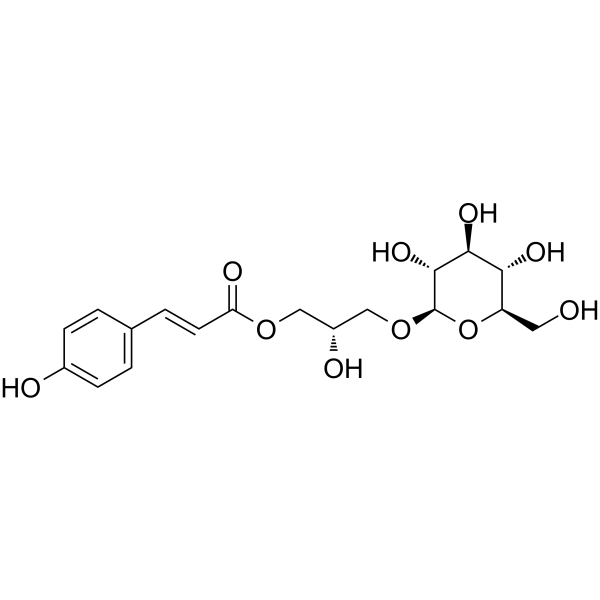
trans-Melilotoside is a coumarin precursor and that can be isolated from Melilotus neapolitan. trans-Melilotoside exhibits antiparasitic and DPPH radical-scavenging activity. trans-Melilotoside can be used for the research of human african trypanosomiasis, chagas’ disease, malaria [1] [3].
|
-
- HY-N17551
-
|
|
Drug Derivative
|
Others
|
|
Odoratumone A (Compound 1/11) is a homoisoflavonoid identified in the rhizomes of Polygonatum odoratum (Mill.) Druce. Odoratumone A exhibits DPPH free radical scavenging activity (IC50 = 32.8 μg/mL) and exerts antioxidant properties. Odoratumone A is applicable for antioxidant research .
|
-
- HY-N1430
-
|
trans-Oxyresveratrol
|
Tyrosinase
HSV
Autophagy
|
Others
|
|
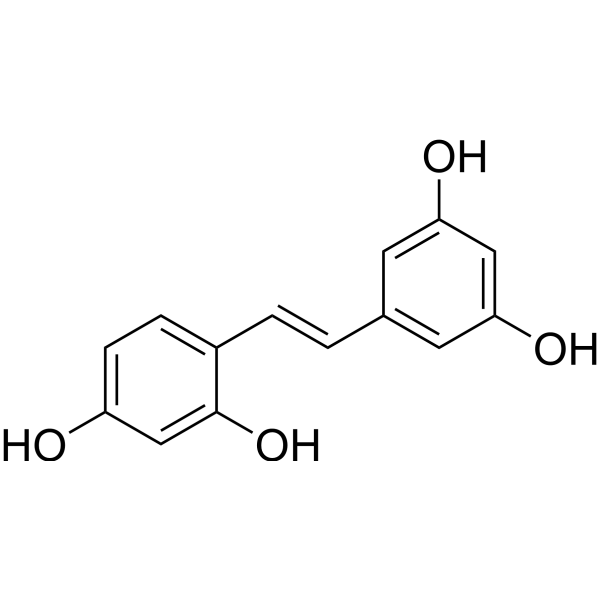
Oxyresveratrol (trans-Oxyresveratrol) is a potent naturally occurring antioxidant and free radical scavenger (IC50 of 28.9 µM against DPPH free radicals). Oxyresveratrol is potent and noncompetitive tyrosinase inhibitor with an IC50 value of 1.2 µM for mushroom tyrosinase. Oxyresveratrol is effective against HSV-1, HSV-2 and varicella-zoster virus, and has neuroprotective effects .
|
-
- HY-W714006
-
|
|
Reactive Oxygen Species (ROS)
|
Metabolic Disease
|
|
Cochliodinol (compound 1) is a metabolite derived from the Apis mellifera ligustica. Cochliodinol has strong free radical scavenging activity of 2, 2-diphenyl-1-picrohydrazine (DPPH) (IC50=3.06 μg/mL) .
|
-
- HY-157123
-
|
|
Tyrosinase
|
Metabolic Disease
|
|
Tyrosinase-IN-18 (compound 6) is a potent tyrosinase inhibitor. Tyrosinase-IN-18 inhibits melanogenesis in B16F10 mammalian cells. Tyrosinase-IN-18 has strong antioxidant activities against ROS, ABTS +, and DPPH radicals .
|
-
- HY-N12443
-
|
|
Cytochrome P450
|
Inflammation/Immunology
|
|
Antioxidant agent-18 (compound 5) is a flavonol glycoside with antioxidant activity isolated from Ginkgo biloba. Antioxidant agent-18 scavenges DPPH radicals (IC50: 15.8 μM) and reduces cytochrome c (IC50: 14.7 μM).
|
-
- HY-N1994
-
|
|
Reactive Oxygen Species (ROS)
|
Inflammation/Immunology
|
|
Swertianine is a hydroxyexanthone that can be isolated from Swertia decussata. Swertianine has antioxidant activity by inhibiting lipid peroxidation, scavenging DPPH and superoxide free radicals. Swertianine also inhibits γ-ray induced DNA damage of pBR322 with protective effect .
|
-
- HY-113121S
-
|
|
Endogenous Metabolite
|
Cardiovascular Disease
|
|
Vanillylmandelic acid-d3 is the deuterium labeled Vanillylmandelic acid. Vanillylmandelic acid is the endproduct of epinephrine and norepinephrine metabolism. Vanillylmandelic acid can be used as an indication of the disorder in neurotransmitter metabolism as well. Vanillylmandelic acid has antioxidant activity towards DPPH radical with an IC50 value of 33 μM .
|
-
- HY-N13182
-
|
|
Others
|
Others
|
|
Taxoquinone is an antioxidant derived from Metasequoia glyptostroboides and belongs to the diterpenoid class of compounds. At a concentration of 150 μg/mL, Taxoquinone exhibits a maximum inhibition of DPPH radicals of 81.29%, demonstrating superior antioxidant activity compared to Ascorbic acid and α-tocopherol at the same concentration .
|
-
- HY-172604
-
|
|
TNF Receptor
Reactive Oxygen Species (ROS)
|
Neurological Disease
Inflammation/Immunology
|
|
Neuroprotective agent 10 (Compound 11c) is a brain-penetrant neuroprotective agent. Neuroprotective agent 10 scavenges ABTS radicals (scavenging IC50: 9.20 μM), DPPH radicals (scavenging IC50: 7.09 μM) and superoxide anion radicals (inhibition percentage: 48.4%). Neuroprotective agent 10 also alleviates H2O2-induced oxidative damage and LPS-induced neuroinflammation with antiepileptic activity. Neuroprotective agent 10 is promising for research of epilepsy and neuroprotection .
|
-
- HY-N13707
-
|
|
Reactive Oxygen Species (ROS)
|
Others
|
|
3′-Hydroxytectorigenin-7-O-β-D-xylosyl-(1→6)-β-D-glucopyranoside is an antioxidant that can be found in Pueraria montana var. lobata. It exhibits DPPH radical scavenging activity, with an IC50 value of 42 μg/mL .
|
-
- HY-N10742
-
|
|
Reactive Oxygen Species (ROS)
|
Cardiovascular Disease
|
|
Maritimein is an aurone that can be isolated from Coreopsis tinctoria. Maritimein shows strong diphenyl(2,4,6-trinitrophenyl)iminoazanium (DPPH) radical-scavenging activity with an IC50 value of 4.12 μM. Maritimein can be used for the research of cardiovascular disease .
|
-
- HY-156711
-
|
|
IFNAR
|
Inflammation/Immunology
|
|
Ternatumoside II is a flavonoid glycoside that can be isolated from R. crenulata. Ternatumoside II can stimulate IFN-γ expression. Ternatumoside II has radical-scavenging activities (IC50s: 260.5 μM and 320.2 μM for DPPH and ABTS) .
|
-
- HY-N13169
-
|
|
Others
|
Others
|
|
Quercetin 3-O-(6-O-malonyl-β-D-galactoside) is an antioxidant derived from Apocynum venetum that exhibits strong scavenging activity against DPPH (HY-112053) free radicals, with an EC50 value of 11.4 μM .
|
-
- HY-183303
-
-
- HY-N17774
-
|
|
Reactive Oxygen Species (ROS)
|
Others
|
|
2,3,4,6-Tetragalloylglucose is a hydrolyzable tannin with antioxidant activity, exhibiting DPPH free radical scavenging activity (IC50=11.35 μM). 2,3,4,6-Tetragalloylglucose can be isolated from the endocarp of Juglans regia (walnut).
|
-
- HY-113121R
-
|
|
Drug Metabolite
Reference Standards
Endogenous Metabolite
|
Cardiovascular Disease
|
|
Vanillylmandelic acid (Standard) is the analytical standard of Vanillylmandelic acid. This product is intended for research and analytical applications. Vanillylmandelic acid is the endproduct of epinephrine and norepinephrine metabolism. Vanillylmandelic acid can be used as an indication of the disorder in neurotransmitter metabolism as well. Vanillylmandelic acid has antioxidant activity towards DPPH radical with an IC50 value of 33 μM .
|
-
- HY-W013677S
-
|
|
Isotope-Labeled Compounds
Drug Intermediate
|
Infection
|
|
4-Fluorobenzoic acid- 13C6 is the 13C6 labeled 4-Fluorobenzoic acid (HY-W013677). 4-Fluorobenzoic acid is a drug intermediate that can be used to synthesize a series of hydrazone derivatives with antituberculosis activity and Schiff bases with DPPH radical scavenging activity.
|
-
- HY-N1430R
-
|
trans-Oxyresveratrol (Standard)
|
Reference Standards
Tyrosinase
HSV
Autophagy
|
Others
|
|
Oxyresveratrol (Standard) is the analytical standard of Oxyresveratrol. This product is intended for research and analytical applications. Oxyresveratrol (trans-Oxyresveratrol) is a potent naturally occurring antioxidant and free radical scavenger (IC50 of 28.9 μM against DPPH free radicals). Oxyresveratrol is potent and noncompetitive tyrosinase inhibitor with an IC50 value of 1.2 μM for mushroom tyrosinase. Oxyresveratrol is effective against HSV-1, HSV-2 and varicella-zoster virus, and has neuroprotective effects .
|
-
- HY-W101585
-
|
Isopentyl benzoate
|
Environmental Pollutants
|
Inflammation/Immunology
|
|
Isoamyl benzoate (Isopentyl benzoate) is a natural aromatic ester compound. Isoamyl benzoate exhibits free radical scavenging capabilities against DPPH and ABTS, with its IC50 values being 9.55 μg/mL and 7455.54 μM TE/g respectively. Isoamyl benzoate can be used in antioxidant research .
|
-
- HY-N5130
-
|
|
Others
|
Neurological Disease
|
|
Effusol, a phenolic constituent from Juncus effuses, exhibits potent scavenging activity for DPPH and ABTS radicals, with IC50 values of 79 μM and 2.73 μM, respectively. Effusol rescues CA1 LTP attenuated by corticosterone, defending the hippocampal function against stress-induced cognitive decline .
|
-
- HY-182333
-
|
|
Cholinesterase (ChE)
|
Neurological Disease
|
|
AChE-IN-112 is an acetylcholinesterase (AChE) inhibitor with an IC50 of 0.41 μM. AChE-IN-112 scavenges various reactive oxygen and reactive nitrogen species, including DPPH, ABTS, NO, hydroxyl and hydrogen peroxide free radicals. AChE-IN-112 can be used for the research of Alzheimer's disease .
|
-
- HY-116694
-
-
- HY-N2443
-
-
- HY-N8012
-
|
|
COX
NO Synthase
|
Others
|
|
Multinoside A (compound 6) is an antioxidant with DPPH free radical scavenging activity (IC50=54.3 μg/mL). Multinoside A can also downregulate COX-2 expression (IC50=9.6 μg/mL) and inhibit NO production (IC50=43.9 μg/mL) .
|
-
- HY-N16742
-
-
- HY-N3421
-
|
|
Interleukin Related
TNF Receptor
Influenza Virus
|
Infection
Inflammation/Immunology
Cancer
|
|
Koaburaside is a cytoprotective and anti-inflammatory natural compound. Koaburaside shows antioxidant activity with an IC50 of 9.0 μM for DPPH-free radical scavenging assay. Koaburaside inhibits histamine release and expressions of IL-6 and TNF-α in human mast cells. Koaburaside also effectively inhibits influenza A neuraminidase .
|
-
- HY-173151
-
|
|
Reactive Oxygen Species (ROS)
|
Cancer
|
|
BRCA2-IN-1 (Compound 3j) is a potential BRCA2 inhibitor that exhibits antiproliferative activity against the breast cancer MCF-7 cell lines. BRCA2-IN-1 also demonstrates DPPH radical scavenging ability, with an IC50 of 12.36 µM .
|
-
- HY-N1417R
-
|
|
Reference Standards
Apoptosis
|
Cancer
|
|
Sesamol (Standard) is the analytical standard of Sesamol. This product is intended for research and analytical applications. Sesamol is a constituent of sesame oil. Sesamol shows a free radical scavenging activity. Sesamol shows an IC50=5.95±0.56 μg/mL in the DPPH assay. Anti-oxidant activities . Anticancer activities .
|
-
- HY-131803
-
|
|
Nucleoside Antimetabolite/Analog
|
Inflammation/Immunology
|
|
Urolignoside is an antioxidant with free radical scavenging activity. Urolignoside potently scavenges DPPH radical, and exhibits antioxidant to β-carotene-lineoleate model . 3'-Azido-3'-deoxyguanosine is a click chemistry reagent, it contains an Azide group and can undergo copper-catalyzed azide-alkyne cycloaddition reaction (CuAAc) with molecules containing Alkyne groups. It can also undergo strain-promoted alkyne-azide cycloaddition (SPAAC) reactions with molecules containing DBCO or BCN groups.
|
-
- HY-N9799
-
|
|
NO Synthase
Reactive Oxygen Species (ROS)
|
Inflammation/Immunology
|
|
Pholidotol C is a stilbene compound with nitric oxide (NO) production inhibitory activity and DPPH free radical scavenging activity (IC50 values ??of 28.6 μM and 21.9 μM, respectively). Pholidotol C exerts its anti-inflammatory and antioxidant activities through mechanisms involving the inhibition of NO production in activated macrophages and free radical scavenging, and can be used in research on inflammation-related diseases. Pholidotol C can be extracted from the dried whole plant of Pholidota chinensis (an orchid of the genus Pholidota) .
|
-
- HY-149313
-
|
|
Amylases
|
Metabolic Disease
|
|
α Amylase-IN-1 (Compound 11) is an α-Amylase inhibitor with an IC50 value of 0.5509 μM. α Amylase-IN-1 has antioxidant activity with an IC50 value of 53.49 μM for scavenging DPPH free radicals. IC50 can be used in the study of diabetes and oxidative stress-related diseases.
|
-
- HY-176437
-
|
|
Tyrosinase
|
Metabolic Disease
|
|
Tyrosinase-IN-42 (Compound 13t) is a tyrosinase inhibitor (IC50: 1.363 µM). Tyrosinase-IN-42 exhibits anti-browning effects on fresh-cut apples. Tyrosinase-IN-42 has antioxidant activity by scavenging DPPH and ABTS free radicals (IC50: 57.90 and 45.64 µM, respectively) .
|
-
- HY-168993
-
-
- HY-N15578
-
|
|
Others
|
Others
|
|
Actinidioionoside (Compound 2) is a megastigmane glucoside compound found in Borago officinalis L. Actinidioionoside has DPPH free radical scavenging activity (IC50: 41.3 μM). Actinidioionoside has no significant cytotoxicity against A549 human lung cancer cells (IC50 > 100 μM). Actinidioionoside can be used in antioxidant studies .
|
-
- HY-N11962A
-
|
|
Cholinesterase (ChE)
|
Neurological Disease
|
|
2,3,9,10-Tetrahydroxyberberine bromide is an acetylcholinesterase AChE inhibitor (IC50=7.8 μM). 2,3,9,10-Tetrahydroxyberberine bromide exhibits DPPH free radical scavenging activity (IC50=43 μM) and is applicable to research related to Alzheimer's disease .
|
-
- HY-W013677S1
-
|
|
Isotope-Labeled Compounds
Drug Intermediate
|
Infection
|
|
4-Fluorobenzoic acid- 13C,d4 is the 13C- and deuterium labeled 4-Fluorobenzoic acid (HY-W013677). 4-Fluorobenzoic acid is a drug intermediate that can be used to synthesize a series of hydrazone derivatives with antituberculosis activity and Schiff bases with DPPH radical scavenging activity .
|
-
- HY-N3864A
-
|
|
Others
|
Inflammation/Immunology
|
|
(E/Z)-erythro-Guaiacylglycerol β-coniferyl ether is a lignan compound found in Canadian maple syrup. (E/Z)-erythro-Guaiacylglycerol β-coniferyl ether exerts antioxidant acyivity and can scavenge DPPH radica. (E/Z)-erythro-Guaiacylglycerol β-coniferyl ether can be used for the research of inflammation .
|
-
- HY-N3348
-
|
|
Fungal
|
Infection
Inflammation/Immunology
|
|
Lyoniside is a lignan glycoside with antioxidant, allelopathic and antifungal activities, which can be isolated from the rhizomes and stems of bilberry (Vaccinium myrtillus L.). Lyoniside exhibits radical scavenging properties with an IC50 value of 23 μg/mL in DPPH assay. Lyoniside inhibits the mycelial growth of Fusarium oxysporum and Mucor hiemalis at 50 μg/mL with inhibitory rates of 78% and 80%, respectively .
|
-
- HY-N7627
-
-
- HY-N0828
-
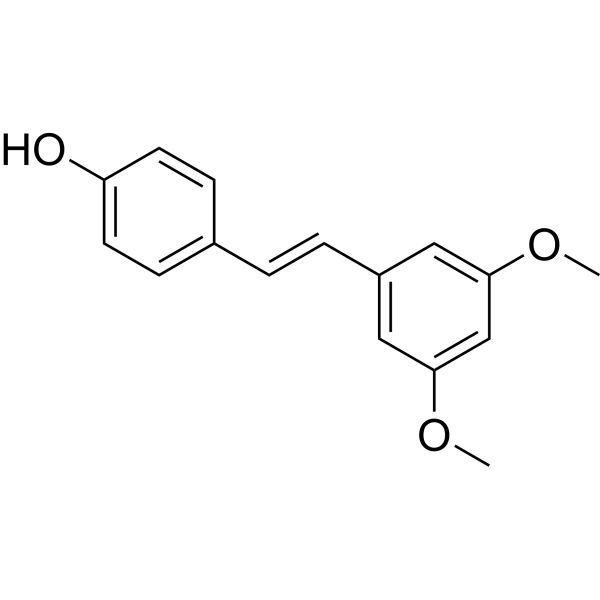
Pterostilbene
Maximum Cited Publications
10 Publications Verification
|
Autophagy
|
Inflammation/Immunology
Cancer
|
|
Pterostilbene is a stilbenoid isolated from blueberries and Pterocarpus marsupium . Shows anti-oxidant, anti-inflammatory, anti-carcinogenic, anti-diabetic and anti-obesity properties . Pterostilbene blocks ROS production , also exhibits inhibitory activity against various free radicals such as DPPH, ABTS, hydroxyl, superoxide and hydrogen peroxide .
|
-
- HY-W747504
-
|
Dihydroherbimycin A
|
Antibiotic
Reactive Oxygen Species (ROS)
|
Infection
Cancer
|
|
TAN-420E (Dihydroherbimycin A) is an antibiotic, that can be isolated from the fermentation product of Streptomyces hygroscopicus. TAN-420E exhibits cytotoxicity in cancer cells P-388 and KB. TAN-420E scavenges DPPH free radicals with an IC50 of 1.3 μM .
|
-
- HY-N1312R
-
-
- HY-N1312
-
-
- HY-161866
-
|
|
EGFR
|
Cancer
|
|
EGFR-IN-118 (Compound 4a) is an inhibitor for the tyrosine kinase EGFR. EGFR-IN-118 demonstrates anti-cancer property, inhibiting the proliferation of MCF-7 and PC3 with IC50 of 2.53 and 3.25 µg/ml. EGFR-IN-118 exhibits antioxidant efficacy, inhibiting the DPPH free radicals with IC50 of 10.04 µg/ml .
|
-
- HY-N7155
-
|
|
Reactive Oxygen Species (ROS)
|
Inflammation/Immunology
|
|
2,4,7-Trihydroxy-9,10-dihydrophenanthrene is a dihydrophenanthrene derivative that can be isolated from the air-dried whole plant of Pholidota chinensis Lindl.. 2,4,7-Trihydroxy-9,10-dihydrophenanthrene shows potent activities of IC50 at 16.2 μM in DPPH radical-scavenging assay .
|
-
- HY-N17379
-
|
|
Others
|
Others
|
|
Camelliquercetiside D is a natural product. Camelliquercetiside D can be isolated from the leaves of Camellia sinensis. Camelliquercetiside D inhibits alcohol dehydrogenase, with an IC50 of 41.5 μM against yeast ADH. Camelliquercetiside D exhibits scavenging activity against DPPH .
|
-
- HY-W751002
-
|
(+)-Orthosporin
|
Endogenous Metabolite
Bacterial
HIV
Reverse Transcriptase
|
Infection
|
|
Orthosporin ((+)-Orthosporin), a phytotoxic isocoumarin compound, is a microbial secondary metabolite. Orthosporin can be isolated from the endophytic fungus Lasiodiplodia tbeobromae. Orthosporin has potent antibacterial activity against B. subtilis, E. coli and P. aeruginosa. Orthosporin also has antioxidant activity against DPPH radical and antiviral activities with inhibition of HIV-1 reverse transcriptase activity .
|
-
- HY-181069
-
-
- HY-P1934A
-
|
|
Fungal
Bacterial
IFNAR
Reactive Oxygen Species (ROS)
|
Infection
Inflammation/Immunology
Cancer
|
|
Cyclo(L-Phe-L-Pro), isolated from Pseudomonas fluorescens and Pseudomonas alcaligenes cell-free culture supernatants is an antifungal cyclic dipeptide . Cyclo(L-Phe-L-Pro) inhibits IFN-β production by interfering with retinoic-acid-inducible gene-I (RIG-I) activation . Cyclo(L-Phe-L-Pro) exhibits free-radical scavenging activity with the IC50 of 24 µM in the DPPH assay .
|
-
- HY-N17763
-
|
|
Others
|
Inflammation/Immunology
|
|
Styraxlignolide G is a furanofuran-type lignan compound that can be isolated from the stem bark of Styrax japonica. Styraxlignolide G exhibits very weak DPPH free radical scavenging activity, while its hydrolyzed aglycone molecule possesses antioxidant activity (IC50=186.7 μM) and is involved in antioxidant-related regulation in the body. Styraxlignolide G can be used in the study of inflammatory diseases.
|
-
- HY-127170
-
|
|
Lipoxygenase
Tyrosinase
|
Metabolic Disease
Inflammation/Immunology
|
|
3-Hydroxycoumarin is an inhibitor of tyrosinase and lipoxygenase with an IC50 for recombinant human tyrosinase (rHT) of 26 μM, and a Ki of 3.39 μM; its IC50 for LOX is 9.5 μM. 3-Hydroxycoumarin has DPPH free radical scavenging activity (IC50 = 31.2 μM). 3-Hydroxycoumarin has photoprotective effects on sea urchin zygotes and embryos .
|
-
- HY-168957
-
|
|
MMP
Reactive Oxygen Species (ROS)
|
Others
|
|
RuDiOBn scanvages DPPH and ABTS free radicals (13.2% and 5.9% clearance at 100 μg/mL), exhibits low antioxidant activity. RuDiOBn inhibits the collagen glycation, reduces the formation of advanced glycation end products (AGEs) with an IC50 of 2.45 μg/mL. RuDiOBn enhances the proliferation and migration of fibroblasts, stimulates the synthesis of collagen, promoting the skin repair and regeneration. RuDiOBn also inhibits collagenase .
|
-
- HY-179037
-
|
|
Necroptosis
Reactive Oxygen Species (ROS)
Mitochondrial Metabolism
|
Neurological Disease
|
|
NecroX-2 is a potent inhibitor of caspase-independent necrosis. NecroX-2 exhibits antioxidant activity by scavenging DPPH radicals and peroxynitrite. NecroX-2 inhibits t-BHP-induced mitochondrial ROS/RNS generation, and protects t-BHP and Doxorubicin (HY-15142A)-induced cell death in vitro. NecroX-2 can be used for research on neurological diseases .
|
-
- HY-N0828R
-
|
|
Reference Standards
Autophagy
|
Inflammation/Immunology
Cancer
|
|
Pterostilbene (Standard) is the analytical standard of Pterostilbene. This product is intended for research and analytical applications. Pterostilbene is a stilbenoid isolated from blueberries and Pterocarpus marsupium . Shows anti-oxidant, anti-inflammatory, anti-carcinogenic, anti-diabetic and anti-obesity properties . Pterostilbene blocks ROS production , also exhibits inhibitory activity against various free radicals such as DPPH, ABTS, hydroxyl, superoxide and hydrogen peroxide .
|
-
- HY-149008
-
|
|
Amylases
Cholinesterase (ChE)
|
Inflammation/Immunology
|
|
α-Amylase-IN-3 (Compound 4) is the inhibitor for α-Amylase, AChE and AChE with IC50s of 18.04 μM, 21.04 μM and 22.2 μM, respectively. α-Amylase-IN-3 exhibits antioxidant activity. α-Amylase-IN-3 can be used in research of diabetes and oxidative stress associated disease .
|
-
- HY-168501
-
|
|
Reactive Oxygen Species (ROS)
|
Inflammation/Immunology
|
|
Neuroprotective Agent 6 (Compound Y12) is a neuroprotective agent with antioxidant activity and capabilities in DPPH, ABTS radical scavenging. Neuroprotective Agent 6 demonstrates superior neuroprotective effects in both cellular models induced by oxygen-glucose deprivation/reoxygenation (OGD/R) and animal models induced by transient middle cerebral artery occlusion (tMCAO). Additionally, Neuroprotective Agent 6 exhibits significant metal chelating activity towards Cu 2+ .
|
-
- HY-P1934AR
-
|
|
Reference Standards
Fungal
Bacterial
IFNAR
Reactive Oxygen Species (ROS)
|
Infection
Inflammation/Immunology
Cancer
|
|
Gallic acid (hydrate) (Standard) is the analytical standard of Gallic acid (hydrate). This product is intended for research and analytical applications. Cyclo(L-Phe-L-Pro), isolated from Pseudomonas fluorescens and Pseudomonas alcaligenes cell-free culture supernatants is an antifungal cyclic dipeptide . Cyclo(L-Phe-L-Pro) inhibits IFN-β production by interfering with retinoic-acid-inducible gene-I (RIG-I) activation . Cyclo(L-Phe-L-Pro) exhibits free-radical scavenging activity with the IC50 of 24 µM in the DPPH assay .
|
-
- HY-N16424
-
|
Me cis-ferulate; cis-Ferulic acid methyl ester
|
Fungal
|
Infection
|
|
Methyl (Z)-ferulate (Me cis-ferulate) (cis-Ferulic acid methyl ester) is an endogenous Germination self-inhibitor. Methyl (Z)-ferulate can be isolated from the leaves of Tetragonia tetragonoides. Methyl (Z)-ferulate blocks uredospores germination in rust fungi by reversibly inhibiting the digestion of the germination pore plug through the regulation of pre-existing enzyme activity. Methyl (Z)-ferulate also has antioxidant activity, effectively scavenging DPPH and ABTS + radical .
|
-
- HY-178055
-
|
|
Tyrosinase
|
Others
|
|
Tyrosinase-IN-44 (Compound 3) is a Tyrosinase inhibitor with IC50s of 0.47 and 0.53 μM for monophenolase and diphenolase, respectively. Tyrosinase-IN-44 has superior glutathione peroxidase-like catalytic and DPPH radical scavenging activity. Tyrosinase-IN-44 has potent antibrowning activity in banana and apple juices by directly inhibiting polyphenol oxidase (PPO) and offering antioxidant activity. Tyrosinase-IN-44 can be used for redox regulation and food preservation .
|
-
- HY-178935
-
|
|
Amylases
Reactive Oxygen Species (ROS)
|
Metabolic Disease
Inflammation/Immunology
|
|
α-Amylase-IN-14, a derivative of Nicotinic (HY-B0143), is an α-amylase inhibitor and has good interactions with α-amylase protein (-5.55 kcal/mol). α-Amylase-IN-14 is a dual anti-inflammatory and anti-hyperglycemic agent. α-Amylase-IN-14 exhibits good results against DPPH and ABTS radicals. α-Amylase-IN-14 can be used for the study of diabetes .
|
-
- HY-D0168
-
|
3,5-Dihydroxytoluene
|
Fluorescent Dye
Tyrosinase
p38 MAPK
ERK
|
Metabolic Disease
Cancer
|
|
Orcinol (3,5-Dihydroxytoluene) is an organic compound used in biological dyeing and proteomics research. Orcinol inhibits melanogenesis in B16F10 cells by upregulating the MAPK/ERK signaling pathway, and suppresses the expression of MITF, tyrosinase (TYR), TRP1, and DCT. Orcinol exhibits certain DPPH radical scavenging activity. In addition, Orcinol can alter nitrogen balance in animals. Orcinol holds promise for research in cancer and metabolic diseases .
|
-
- HY-175524
-
|
|
Monoamine Oxidase
Cholinesterase (ChE)
|
Neurological Disease
|
|
BChE/MAO-B-IN-2 is a dual inhibitor of BChE (IC50 = 0.05 μM, Ki = 0.01 μM) and MAO-B (IC50 = 0.45 μM, Ki = 0.08 μM) with good blood-brain barrier permeability. BChE/MAO-B-IN-2 exhibits antioxidant activity, including DPPH radical scavenging, CUPRAC copper ion reduction, and superoxide anion scavenging. BChE/MAO-B-IN-2 can be used for the study of Alzheimer's disease (AD) .
|
-
- HY-185554B
-
|
|
HDAC
|
Cancer
|
|
(R)-HDAC-IN-102 is a HDAC2 inhibitor and the isomer of HDAC-IN-102 (HY-185554). HDAC-IN-102 inhibits total HDAC with an IC50 of 58 μM and exhibits partial subtype selectivity. Specifically, (R)-HDAC-IN-102 targets HDAC2, while (S)-HDAC-IN-102 (HY-185554A) targets HDAC8. HDAC-IN-102 exerts antioxidant effects via scavenging DPPH free radicals and can be used in cancer-related research .
|
-
- HY-W104752
-
-
- HY-N2907
-
|
|
Wnt
Ras
Endogenous Metabolite
Bacterial
Fungal
PD-1/PD-L1
Tim3
Akt
AP-1
STAT
|
Infection
Neurological Disease
Inflammation/Immunology
Cancer
|
|
Atranorin is a secondary metabolite of lichens and AKT inhibitor. Atranorin possesses multiple activities such as antibacterial, anti-inflammatory, antioxidant, anti-glycation, analgesic, and anti-tumor effects. Atranorin has IC50 values for scavenging DPPH and ABTS free radicals of 117 μM and less than 10 μM, respectively. Additionally, Atranorin also exhibits effects in promoting wound healing. Atranorin can be used in the research of various diseases, including myelodysplastic syndromes, tumors, and inflammatory conditions .
|
-
- HY-174848
-
|
|
TRP Channel
Cannabinoid Receptor
|
Neurological Disease
Inflammation/Immunology
|
|
PQM-244 (Compound 5c) is an orally active and multi-target modulator of TRPV1 and CB1 and CB2 receptors. PQM-244 has significant peripheral antinociceptive effects on both neurogenic and inflammatory phases. PQM-244 also has potential antioxidant activity with an IC50 of 14.15 µM for radical scavenging DPPH. PQM-244 can be used for chronic pain and inflammatory disease research, such as diabetes, atherosclerosis and Alzheimer’s disease .
|
-
- HY-N7005
-
-
- HY-N15536
-
|
|
Reactive Oxygen Species (ROS)
|
Cardiovascular Disease
Neurological Disease
|
|
N-trans-Feruloyltyramine 4′-O-β-D-glucopyranoside is a phenolic amide glycoside compound found in Suaeda japonica. N-trans-Feruloyltyramine 4′-O-β-D-glucopyranoside exhibits antioxidant activity, capable of effectively scavenging DPPH free radicals and reducing the production of ROS induced by H2O2 in cells, thus protecting cells from oxidative stress damage. N-trans-Feruloyltyramine 4′-O-β-D-glucopyranoside is promising for research of cardiovascular diseases and neurodegenerative diseases .
|
-
- HY-185554A
-
|
|
HDAC
|
Cancer
|
|
(S)-HDAC-IN-102 is a HDAC8 inhibitor and an isomer of HDAC-IN-102 (HY-185554). HDAC-IN-102 inhibits total HDAC with an IC50 of 58 μM and exhibits partial subtype selectivity. Specifically, (S)-HDAC-IN-102 targets HDAC8, while (R)-HDAC-IN-102 (HY-185554B) targets HDAC2. HDAC-IN-102 exerts antioxidant effects by scavenging DPPH free radicals and can be used in cancer-related research .
|
-
- HY-N15722
-
|
|
Reactive Oxygen Species (ROS)
|
Inflammation/Immunology
|
|
9-O-β-D-Glucopyranosyl-3,4-dimethoxy-cinnamic acid is an orally active phenylpropanoid glycoside found in Microlepia pilosissima, acting as an antioxidant. 9-O-β-D-Glucopyranosyl-3,4-dimethoxy-cinnamic acid shows a DPPH radical scavenging activity with an ED50 value of 38.1 μM. 9-O-β-D-Glucopyranosyl-3,4-dimethoxy-cinnamic acid is promising for research of oxidative stress-related diseases such as inflammation and liver injury .
|
-
- HY-N3558
-
|
Emmolic acid
|
Bacterial
|
Infection
Cancer
|
|
Ceanothic acid (Emmolic acid) is an orally active pentacyclic triterpenoid. Ceanothic acid inhibits the growth of various oral bacteria, including Streptococcus mutans, Actinomyces viscosus, Porphyromonas gingivalis, and Prevotella intermedia. Ceanothic acid scavenges DPPH and H2O2 free radicals. Ceanothic acid inhibits acetic acid (HY-Y0319)-induced writhing response, xylene-induced ear swelling, and carrageenan-induced paw swelling in mice. Ceanothic acid can be used in research related to oral bacterial infections, ovarian cancer, liver cancer, and liver injury .
|
-
- HY-159152
-
|
|
α-synuclein
|
Neurological Disease
|
|
PQM-164 (Compound 3e) has antioxidant activity (IC50: 0.93 μM for DPPH radical). PQM-164 shows anti-inflammatory activity against 6-OHDA (HY-B1081A)-induced neuronal damage in activated microglial cells. PQM-164 decreases the accumulation of α-synuclein. PQM-164 promotes nuclear translocation of Nrf2 and its transcriptional activity. PQM-164 can be used for research of Parkinson’s disease .
|
-
- HY-146169
-
|
|
Reactive Oxygen Species (ROS)
Microtubule/Tubulin
|
Cancer
|
|
Antitumor agent-68 is a potent tubulin inhibitor. Antitumor agent-68 shows potent anticancer activity with IC50s of 3.6 and 3.8 μM for HeLa and MCF-7 cells, respectively. Antitumor agent-68 exhibits good scavenging activity of ROS and DPPH radical in a dose-dependent manner . Antitumor agent-68 is a click chemistry reagent, it contains an Alkyne group and can undergo copper-catalyzed azide-alkyne cycloaddition (CuAAc) with molecules containing Azide groups.
|
-
- HY-N0448
-
|
|
AMPK
Reactive Oxygen Species (ROS)
Akt
PI3K
Interleukin Related
TNF Receptor
Apoptosis
|
Neurological Disease
Inflammation/Immunology
Cancer
|
|
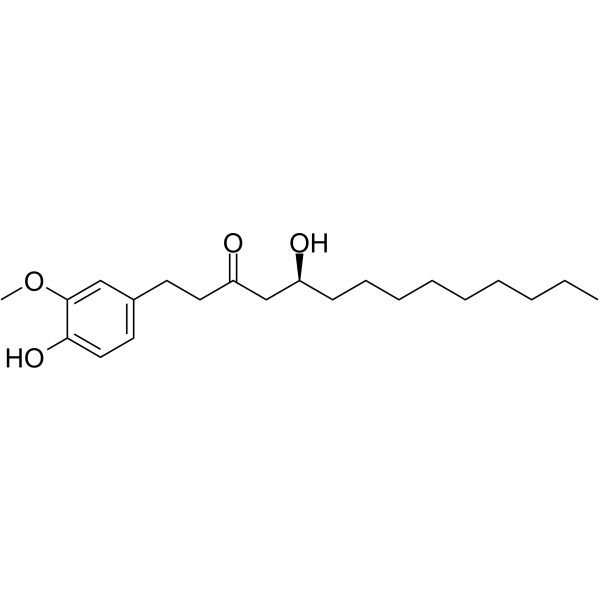
10-Gingerol is an AMPK agonist, which is found in the ginger oleoresin from fresh rhizome with anti-inflammatory, antioxidant and anti-proliferative activities. 10-Gingerol suppresses neointimal hyperplasia and inhibits vascular smooth muscle cell proliferation. 10-Gingerol exhibits substantial scavenging activities with an IC50 value of 10.47 μM against DPPH radical, an IC50 value of 1.68 μM against superoxide radical and an IC50 value of 1.35 μM against hydroxyl radical. 10-Gingerol inhibits the proliferation of MDA-MB-231 tumor cell line with an IC50 of 12.1 μM. 10-Gingerol suppresses the proliferation, migration, invasion, and induced apoptosis through targeting the PI3K/Akt signaling pathway in MDA-MB-231/IR cells. 10-Gingerol can be used in research on various common cancers such as ovarian cancer and colon cancer, as well as colitis and neurodegenerative diseases .
|
-
- HY-N16587
-
|
|
Others
|
Inflammation/Immunology
|
|
Dehydro-γ-tocopherol is a naturally occurring chromanol compound found in the Stemona, and it exhibits significant antioxidant activity .
|
-
- HY-N18243
-
|
|
Drug Derivative
|
Inflammation/Immunology
|
|
O-(E)-p-Coumaroylquinic acid methyl ester is a coumaric acid derivative found in the flowers of Vaccinium corymbosum. O-(E)-p-Coumaroylquinic acid methyl ester shows antioxidant effects and can be used for nutraceutical and functional food applications .
|
-
- HY-W129155
-
|
|
Drug Intermediate
|
Others
|
|
9,10-Dihydroacridine is a chain-terminating antioxidant that can inhibit lipid peroxidation by capturing peroxide free radicals (LOO•) .
|
-
- HY-149517
-
|
|
EGFR
Raf
Caspase
Bcl-2 Family
Apoptosis
|
Inflammation/Immunology
Cancer
|
|
EGFR/BRAFV600E-IN-2 (compound 3g) is a potential multi-target inhibitor of EGFR, BRAF V600E, and EGFR T790M, and an inducer of apoptosis. EGFR/BRAFV600E-IN-2 can activate caspase-3, 8, and Bax, and downregulate the anti-apoptotic protein Bcl2, inducing apoptosis. EGFR/BRAF V600E-IN-2 also has antioxidant activity and DPPH free radical scavenging potency .
|
-
- HY-N9086A
-
|
5,7,4'-Trihydroxy-6-methylflavanone
|
NO Synthase
COX
Interleukin Related
|
Inflammation/Immunology
|
|
(rac)-Poriol (5,7,4'-Trihydroxy-6-methylflavanone) exhibits antioxidant activity, and scavenges free radical DPPH with an IC50 of 0.18 µg/mL. (rac)-Poriol inhibits the LPS (HY-D1056)-induced NO generation in RAW264.7 (98.35% inhibition rate at 10 μM), and exhibits anti-inflammatory activity. (rac)-Poriol exhibits good binding affinity with iNOS, COX-1, COX-2, TNF-α, and IL-1β .
|
-
- HY-N16745
-
|
|
Parasite
HIV
HIV Protease
|
Infection
|
|
5-Hydroxynoracronycine is a selective inhibitor targeting Leishmania, HIV-1 protease, and nitric oxide (NO) production. 5-Hydroxynoracronycine has an IC50 of 93.1 μmol/L against HIV-1 protease and an IC50 of 0.19 mg/mL for scavenging DPPH free radicals. 5-Hydroxynoracronycine exerts anti-leishmanial, anti-HIV, antioxidant and antibacterial activities by inhibiting pathogen proliferation, enzyme activity and inflammation-related NO excessive production. 5-Hydroxynoracronycine can be used in the research of leishmaniasis, HIV infection, and inflammation-related diseases .
|
-
- HY-N0448R
-
|
|
Reference Standards
Others
|
Neurological Disease
Inflammation/Immunology
Cancer
|
|
10-Gingerol (Standard) is the analytical standard of 10-Gingerol (HY-N0448). This product is intended for research and analytical applications. 10-Gingerol is an AMPK agonist, which is found in the ginger oleoresin from fresh rhizome with anti-inflammatory, antioxidant and anti-proliferative activities. 10-Gingerol suppresses neointimal hyperplasia and inhibits vascular smooth muscle cell proliferation. 10-Gingerol exhibits substantial scavenging activities with an IC50 value of 10.47 μM against DPPH radical, an IC50 value of 1.68 μM against superoxide radical and an IC50 value of 1.35 μM against hydroxyl radical. 10-Gingerol inhibits the proliferation of MDA-MB-231 tumor cell line with an IC50 of 12.1 μM. 10-Gingerol suppresses the proliferation, migration, invasion, and induced apoptosis through targeting the PI3K/Akt signaling pathway in MDA-MB-231/IR cells. 10-Gingerol is promising for research of ulcerative colitis .
|
-
- HY-181029
-
|
|
Tyrosinase
|
Neurological Disease
Inflammation/Immunology
|
|
Tyrosinase-IN-49 (Compound 12) is a potent and mixed-type chalcone-based tyrosinase inhibitor with an IC50 of 0.19 μM. Tyrosinase-IN-49 has potent antioxidant potential with significant DPPH and ABTS radical scavenging capacity. Tyrosinase-IN-49 can chelate the binuclear copper ions in the active center of tyrosinase and reduce Cu 2+ to Cu +, thereby reducing the catalytic activity of the enzyme. Tyrosinase-IN-49 has low cytotoxicity for HEK293 cells and zebrafish embryo. Tyrosinase-IN-49 shows antibrowning effects to improve food quality and can be used for research of food preservation .
|
-
- HY-181028
-
|
|
Tyrosinase
|
Neurological Disease
Inflammation/Immunology
|
|
Tyrosinase-IN-48 (Compound 3) is a potent and competitive chalcone-based tyrosinase inhibitor with an IC50 of 0.49 μM. Tyrosinase-IN-48 has potent antioxidant potential with significant DPPH and ABTS radical scavenging capacity. Tyrosinase-IN-48 can chelate the binuclear copper ions in the active center of tyrosinase and reduce Cu 2+ to Cu +, thereby reducing the catalytic activity of the enzyme. Tyrosinase-IN-48 has low cytotoxicity for HEK293 cells and zebrafish embryo. Tyrosinase-IN-48 shows antibrowning effects to improve food quality and can be used for research of food preservation .
|
-
- HY-W747297
-
|
|
COX
Endogenous Metabolite
|
Neurological Disease
Inflammation/Immunology
|
|
β-Selinene is a sesquiterpene and is the main active component of the essential oil of red purple hibiscus (Callicarpa macrophylla). β-Selinene exhibits significant related antioxidant activity, anti-inflammatory activity, and antipyretic analgesic activity. β-Selinene may exert antioxidant effects by directly scavenging free radicals (DPPH, NO, •OH) and chelating pro-oxidative metal ions (Fe²⁺); inhibit cyclooxygenase (COX) activity, reduce prostaglandin (such as PGE₂) synthesis to exert anti-inflammatory effects; regulate the thermoregulatory set point of the hypothalamus and inhibit inflammatory mediators to exert antipyretic and analgesic effects .
|
-
- HY-170561
-
|
|
Cholinesterase (ChE)
|
Neurological Disease
|
|
AChE/BuChE-IN-6 (Compound 11f) is an inhibitor of AChE and BuChE, with IC50 values of 1.24 and 1.85 μg/mL, respectively. AChE/BuChE-IN-6 also exhibits strong DPPH free radical scavenging activity (IC50 = 3.15 μg/mL). In vivo toxicity studies indicate that AChE/BuChE-IN-6 is safe, showing no significant differences in blood and biochemical markers compared to the control group after long-term administration, and no abnormalities were observed in liver and kidney tissues. AChE/BuChE-IN-6 holds promise for research into Alzheimer's disease .
|
-
- HY-175851
-
|
|
Adenosine Receptor
|
Neurological Disease
|
|
A2AAR antagonist 5 is a selective A2AAR antagonist. A2AAR antagonist 5 inhibits NECA-stimulated adenylyl cyclase activity in hA2AAR-expressing CHO cells with an IC50 value of 1863 nM. A2AAR antagonist 5 possesses strong free radical scavenging activity, with an EC50 value of 22.21 μM in the DPPH assay. A2AAR antagonist 5 exerts notable neuroprotective effects in in vitro cerebral ischemia models. A2AAR antagonist 5 can be used for the study of cerebral ischemia .
|
-
- HY-N2907R
-
|
|
Wnt
Reference Standards
Ras
Endogenous Metabolite
Bacterial
Fungal
PD-1/PD-L1
Tim3
Akt
AP-1
STAT
|
Infection
Neurological Disease
Inflammation/Immunology
Cancer
|
|
Atranorin (Standard) is the analytical standard of Atranorin (HY-N2907). This product is intended for research and analytical applications. Atranorin is a secondary metabolite of lichens and AKT inhibitor. Atranorin possesses multiple activities such as antibacterial, anti-inflammatory, antioxidant, anti-glycation, analgesic, and anti-tumor effects. Atranorin has IC50 values for scavenging DPPH and ABTS free radicals of 117 μM and less than 10 μM, respectively. Additionally, Atranorin also exhibits effects in promoting wound healing. Atranorin can be used in the research of various diseases, including myelodysplastic syndromes, tumors, and inflammatory conditions .
|
-
- HY-175523
-
|
|
Monoamine Oxidase
Cholinesterase (ChE)
Amyloid-β
|
Neurological Disease
|
|
MAO-B-IN-48 is a selective MAO-B inhibitor (IC50 = 0.09 μM, Ki = 0.02 μM).
MAO-B-IN-48 exhibits inhibitory activity against hBChE (IC50 = 1.10 μM, Ki = 0.43 μM) and AChE (IC50 = 0.56 μM, Ki = 0.14 μM). MAO-B-IN-48 suppresses self-induced aggregation of toxic β-amyloid peptides and exerts antioxidant activity, including DPPH radical scavenging, CUPRAC copper ion reduction, and superoxide anion scavenging. MAO-B-IN-48 can be used for the study of Alzheimer's disease (AD) .
|
-
- HY-N3451
-
|
|
Lipoxygenase
|
Cancer
|
|
Isothymusin is a potent anti-oxidant agent. Isothymusin shows radical scavenging activities. Isothymusin shows anti-proliferative activities in cancer cell lines. Isothymusin inhibited the enzymes associated with the promotion stage of cancer, including cycloxygenase- 2 and lipoxygenase-5 .
|
-
- HY-W040045
-
|
Pelargonidin-3-O-glucoside chloride
|
Reactive Oxygen Species (ROS)
COX
NO Synthase
p38 MAPK
TNF Receptor
Apoptosis
|
Neurological Disease
Metabolic Disease
Inflammation/Immunology
Cancer
|
|
Callistephin (Pelargonidin 3-O-glucoside) chloride is an anthocyanin. Callistephin chloride regulates the expression of inflammatory (reducing iNOS/TNF-α/COX-2) and apoptosis-related proteins by inhibiting p38 phosphorylation, and enhances the protective effect of Isoflurane (HY-A0134) on microglial cell damage. Callistephin chloride significantly reduces ROS levels, eliminates DPPH free radicals, protects retinal pigment epithelial cells, and inhibits lipid peroxidation. Callistephin chloride can alleviate glutamate excitotoxicity, reduce neuronal apoptosis, and protect cerebellar granule neurons. Callistephin chloride can inhibit the proliferation and metastasis of breast cancer cells by inducing apoptosis .
|
-
- HY-W540232
-
|
4-Methylphenyl ITC
|
Cholinesterase (ChE)
|
Neurological Disease
|
|
4-Methoxyphenyl isothiocyanate (4-Methylphenyl ITC) is an antioxidant, with a IC50 value of 1.25 mM for scavenging DPPH radicals. ORAC testing indicates its antioxidant capacity as 11.7 mM TE (indicating that the antioxidant efficacy of this compound is equivalent to 11.7 mmol of Trolox (HY-101445, a standard antioxidant) under the same conditions), and it extends the oxidation process by approximately 9180 seconds in the Briggs–Rauscher reaction. Additionally, 4-Methoxyphenyl isothiocyanate exhibits moderate cholinesterase inhibitory activity, with an inhibition rate of 30.4% against acetylcholinesterase (AChE) and 17.9% against butyrylcholinesterase (BChE). 4-Methoxyphenyl isothiocyanate holds potential for research in the fields of antioxidation and neurological disorders .
|
-
- HY-N9229
-
|
|
NO Synthase
Bacterial
|
Infection
Inflammation/Immunology
|
|
Myricadenin A is an iNOS inhibitor, capable of effectively inhibiting the production of NO (EC₅₀ = 18.1 μM). Myricadenin A has moderate ABTS free radical scavenging activity (SC₅₀ = 175.4 μM) and relatively weak anti-tuberculosis activity (MIC = 80.0 μg/mL). Myricadenin A can be used in inflammation-related research .
|
-
- HY-175862
-
|
|
Aldose Reductase
Reactive Oxygen Species (ROS)
PI3K
Akt
SOD
p38 MAPK
Keap1-Nrf2
|
Metabolic Disease
|
|
ALR2-IN-9 is a potent ALR2 inhibitor (IC50 = 21.8 nM) with excellent antioxidant activity (EC50 for DPPH radical scavenging = 2.8 μM). ALR2-IN-9 interacts directly with Reactive Oxygen Species (ROS)/Reactive Nitrogen Species (RNS) and interrupts the free radical chain reactions, and as an endogenous enzymatic antioxidant regulator, which regulates enzyme functions of CAT and SOD. ALR2-IN-9 regulates PI3K/Akt/Nrf2 pathway to attenuate hyperglycemia-mediated mitochondrial superoxide overproduction in vitro, and ameliorates CuSO4- and H2O2-induced oxidative stress in vivo. ALR2-IN-9 prolongs lifespan of C. elegans via the regulation of stress response genes such as PMK-1. ALR2-IN-9 is a promising anti-aging drug candidate. ALR2-IN-9 can be used for diabetic complication research .
|
-
- HY-N19871
-
|
|
Cholinesterase (ChE)
|
Neurological Disease
|
|
Monogynol A is an AChE/BChE inhibitor found in the aerial parts of Salvia trichoclada Bentham. Monogynol A can be used for the research of alzheimer’s disease .
|
-
- HY-W040045R
-
|
Pelargonidin-3-O-glucoside chloride (Standard)
|
Reference Standards
Reactive Oxygen Species (ROS)
COX
NO Synthase
p38 MAPK
Apoptosis
TNF Receptor
|
Neurological Disease
Inflammation/Immunology
Cancer
|
|
Callistephin (Pelargonidin 3-O-glucoside) chloride (Standard) is the analytical standard of Callistephin chloride (HY-W040045). This product is intended for research and analytical applications. Callistephin chloride is an anthocyanin. Callistephin chloride regulates the expression of inflammatory (reducing iNOS/TNF-α/COX-2) and apoptosis-related proteins by inhibiting p38 phosphorylation, and enhances the protective effect of Isoflurane (HY-A0134) on microglial cell damage. Callistephin chloride significantly reduces ROS levels, eliminates DPPH free radicals, protects retinal pigment epithelial cells, and inhibits lipid peroxidation. Callistephin chloride can alleviate glutamate excitotoxicity, reduce neuronal apoptosis, and protect cerebellar granule neurons. Callistephin chloride can inhibit the proliferation and metastasis of breast cancer cells by inducing apoptosis.
|
-
- HY-N17611
-
|
4'-O-Methylscutellarein
|
Xanthine Oxidase
|
Cardiovascular Disease
Neurological Disease
|
|
5,6,7-Trihydroxy-4'-methoxyflavone (4'-O-Methylscutellarein) is a flavonoid and a weak inhibitor of xanthine oxidase. 5,6,7-Trihydroxy-4'-methoxyflavone possesses antithrombotic and antioxidant activities. 5,6,7-Trihydroxy-4'-methoxyflavone has an IC50 value of 25.29 µM for DPPH free radical scavenging. 5,6,7-Trihydroxy-4'-methoxyflavone can also inhibit H2O2-induced damage to PC12 cells. 5,6,7-Trihydroxy-4'-methoxyflavone is applicable for the research of diseases such as cerebrovascular disorders .
|
-
- HY-N16606
-
|
|
Drug Derivative
NO Synthase
|
Inflammation/Immunology
|
|
2,4-Dihydroxy-6-methoxy-3,5-diprenylacetophenone (Compound 8) is an Acetophenone (HY-Y0989) derivative found in Acronychia oligophlebia. 2,4-Dihydroxy-6-methoxy-3,5-diprenylacetophenone exhibits anti-inflammatory and antioxidant activities. 2,4-Dihydroxy-6-methoxy-3,5-diprenylacetophenone can inhibit LPS (HY-D1056)-induced NO production (IC50 = 34.5 μM) and scavenge DPPH free radical (SC50 = 0.15 mM). 2,4-Dihydroxy-6-methoxy-3,5-diprenylacetophenone can be used for the research of inflammation .
|
-
- HY-119979
-
|
Cardanol C15:1
|
Apoptosis
Reactive Oxygen Species (ROS)
Mitochondrial Metabolism
MMP
CDK
Caspase
Bcl-2 Family
PARP
MDM-2/p53
Cholinesterase (ChE)
|
Infection
Inflammation/Immunology
Cancer
|
|
Cardanol monoene (Cardanol C15:1) is a phenolic compound which can be found in cashew nut shell liquid. Cardanol monoene can inhibit cancer cells proliferation, migration, cause S phase arrest, induce apoptosis, ROS production and mitochondrial depolarization. Cardanol monoene downregulates MMP-2, MMP-9, cyclinA1 expression, regulates CDK2, p53, Bax, cytochrome c, cleaved caspase-3, cleaved PARP, Apaf-1 expression and Bax/Bcl-2 ratio. Cardanol monoene shows weak DPPH radical scavenging activity and AChE inhibition activity. Cardanol monoene is lethal to Artemia salina nauplii. Cardanol monoene. Cardanol monoene can be used for the research of cancer, infection and inflamation .
|
-
- HY-W207699
-
|
|
Monoamine Oxidase
Amylases
|
Neurological Disease
Metabolic Disease
Inflammation/Immunology
|
|
MAO-B-IN-46 (Compound 16) is a selective hMAO-B inhibitor (IC50: 26.8 nM), with weak activity against hMAO-A (IC50: 7.2054 μM). MAO-B-IN-46 (Compound 8) also acts as an α-amylase inhibitor (IC50: 19.46 μM). MAO-B-IN-46 exhibits certain neuroprotective effects and shows no significant toxicity to human gingival fibroblasts and SH-SY5Y cells. Additionally, MAO-B-IN-46 can scavenge DPPH and ABTS free radicals, with IC50 values of 17.86 μM and 17.71 μM, respectively. MAO-B-IN-46 can be used in the research of neurodegenerative diseases such as Parkinson's disease, diabetes, and diseases related to oxidative stress resistance .
|
-
- HY-N0241
-
|
|
Cholinesterase (ChE)
Lipase
Bacterial
Cytochrome P450
|
Infection
Metabolic Disease
|
|
Rhodionin is an orally active, multifunctional antivirulence and cytoprotective agent that targets and inhibits Lipase, sortase A (SrtA), CYP2D6 (IC50=0.761 μM), AChE (IC50=2.43-57.5 μM), and DPPH free radicals (IC50=19.49 μM). Rhodionin is isolable from the roots of Rhodiola crenulata. Rhodionin reduces postprandial serum triglyceride levels in mice by inhibiting lipase activity. Rhodionin also binds directly to SrtA to inhibit its transpeptidase activity, thereby reducing the fibrinogen adhesion and surface protein A levels of MRSA, effectively inhibiting biofilm formation and protecting against MRSA-induced cell damage. Rhodionin improves the survival rate of infected mice without affecting MRSA growth, and finds wide application in studies related to hyperlipidemia, exogenous obesity, and pneumonia induced by methicillin-resistant Staphylococcus aureus (MRSA) .
|
-
- HY-N17729
-
|
|
Reactive Oxygen Species (ROS)
|
Others
|
|
Michelenolide is an antioxidant and ferrous ion chelator. Michelenolide can be found in the stems of Michelia alba, with moderate antioxidant activity, moderate ferrous ion chelating properties .
|
-
- HY-182000
-
|
|
Xanthine Oxidase
BCRP
GLUT
|
Metabolic Disease
|
|
Xanthine oxidase-IN-23 (Compound BPF) is an orally active, reversible, mixed-type Xanthine oxidase inhibitor with an IC50 of 3.33 μM. Xanthine oxidase-IN-23 directly binds to XOD in a reversible mixed-type manner to inhibit its catalytic activity. Xanthine oxidase-IN-23 upregulates ABCG2 and downregulates GLUT9 to promote renal urate excretion. Xanthine oxidase-IN-23 reduces serum urate levels and improves renal function in hyperuricemic mice. Xanthine oxidase-IN-23 can be used in the research of hyperuricemia .
|
-
- HY-B2162B
-
|
Chondroitin polysulfate sodium (from bovine)
|
Reactive Oxygen Species (ROS)
Endogenous Metabolite
|
Inflammation/Immunology
|
|
Chondroitin sulfate (Chondroitin polysulfate) sodium (from bovine)) is a sulfated linear polysaccharide extracted from bovine sources, belonging to glycosaminoglycans. Chondroitin sulfate sodium (from bovine) inhibits osteoclast-mediated bone resorption and exhibits antioxidant activity, which is negatively correlated with molecular weight. Chondroitin sulfate sodium (from bovine) can be used in studies related to osteoarthritis .
|
-
- HY-121388
-
|
(+)-Ledol
|
Fungal
|
Infection
|
|
Ledol ((+)-Ledol) is an antifungal agent isolated from the volatile oil components of Rhododendron tomentosum. Ledol also acts as an expectorant and antitussive, while it can cause adverse reactions such as dizziness, nausea and vomiting .
|
-
- HY-N10985
-
|
|
Drug Derivative
|
Cancer
|
|
Xanthone V1a, a derivative of Xanthone (HY-N0126), is an antioxidant that can be found in the roots of Cudrania tricuspidata and twig extracts of Maclura fruticosa. Xanthone V1a exerts cytotoxic effects against colon, hepatocellular, and gastric carcinoma cells. Xanthone V1a exhibits scavenging activitys against DPPH and ABTS. Xanthone V1a can be used for the research of colon carcinoma, hepatocellular carcinoma, and gastric carcinoma .
|
-
- HY-W115785
-
|
|
Environmental Pollutants
VEGFR
RUNX
|
Metabolic Disease
|
|
Zinc borate is a bioactive inorganic substance with properties including osteogenic induction, pro-angiogenesis, antioxidation, antimutagenesis and cytotoxicity. In the field of bone tissue engineering, Zinc borate is often incorporated into chitosan scaffolds. By releasing zinc ions and borate ions, Zinc borate induces the differentiation of human dental pulp stem cells into osteoblasts, upregulates the expression of bone-related genes and promotes calcium deposition. Zinc borate also promotes angiogenesis by upregulating key factors such as vascular endothelial growth factor. Zinc borate exhibits antioxidant capacity to scavenge free radicals, and can specifically reduce mutagenicity under specific conditions. Zinc borate reduces the survival rate of mouse fibroblasts, but it can still be used in studies related to bone tissue engineering .
|
-
| Cat. No. |
Product Name |
Type |
-
- HY-D0168
-
|
3,5-Dihydroxytoluene
|
Fluorescent Dye
|
|
Orcinol (3,5-Dihydroxytoluene) is an organic compound used in biological dyeing and proteomics research. Orcinol inhibits melanogenesis in B16F10 cells by upregulating the MAPK/ERK signaling pathway, and suppresses the expression of MITF, tyrosinase (TYR), TRP1, and DCT. Orcinol exhibits certain DPPH radical scavenging activity. In addition, Orcinol can alter nitrogen balance in animals. Orcinol holds promise for research in cancer and metabolic diseases .
|
| Cat. No. |
Product Name |
Type |
-
- HY-W019885A
-
|
Sodium triphosphate pentabasic, 98%
|
Biochemical Assay Reagents
|
|
Sodium tripolyphosphate (STPP), 98% is an inorganic, non-toxic polyphosphate crosslinker, inducer and enhancer. Sodium tripolyphosphate (STPP), 98% induces the formation of unique needle-like microcrystals in sodium alginate-chitosan composite films. Sodium tripolyphosphate (STPP), 98% enhances the DPPH free radical scavenging activity of sodium alginate-chitosan composite films .
|
-
- HY-B2162B
-
|
Chondroitin polysulfate sodium (from bovine)
|
Biochemical Assay Reagents
|
|
Chondroitin sulfate (Chondroitin polysulfate) sodium (from bovine)) is a sulfated linear polysaccharide extracted from bovine sources, belonging to glycosaminoglycans. Chondroitin sulfate sodium (from bovine) inhibits osteoclast-mediated bone resorption and exhibits antioxidant activity, which is negatively correlated with molecular weight. Chondroitin sulfate sodium (from bovine) can be used in studies related to osteoarthritis .
|
-
- HY-W013677
-
|
|
Biochemical Assay Reagents
|
|
4-Fluorobenzoic acid is a drug intermediate that can be used to synthesize a series of hydrazone derivatives with antituberculosis activity and Schiff bases with DPPH radical scavenging activity .
|
| Cat. No. |
Product Name |
Target |
Research Area |
-
- HY-P1934A
-
|
|
Fungal
Bacterial
IFNAR
Reactive Oxygen Species (ROS)
|
Infection
Inflammation/Immunology
Cancer
|
|
Cyclo(L-Phe-L-Pro), isolated from Pseudomonas fluorescens and Pseudomonas alcaligenes cell-free culture supernatants is an antifungal cyclic dipeptide . Cyclo(L-Phe-L-Pro) inhibits IFN-β production by interfering with retinoic-acid-inducible gene-I (RIG-I) activation . Cyclo(L-Phe-L-Pro) exhibits free-radical scavenging activity with the IC50 of 24 µM in the DPPH assay .
|
-
- HY-P5318
-
|
|
Reactive Oxygen Species (ROS)
|
Inflammation/Immunology
|
|
MDYYFEER is an antioxidant active peptide that can be isolated from pancreatin hydrolysate of C-phycocyanin. MDYYFEER has high DPPH and ABTS radical scavenging ability. MDYYFEER protects zebrafish larvae from H2O2-induced oxidative damage .
|
-
- HY-P5317
-
|
|
Reactive Oxygen Species (ROS)
|
Inflammation/Immunology
|
|
MAQAAEYYR is an antioxidant active peptide that can be isolated from pancreatin hydrolysate of C-phycocyanin. MAQAAEYYR has high DPPH, ABTS radical and ROS-scavenging ability. MAQAAEYYR protects zebrafish larvae from H2O2-induced oxidative damage .
|
-
- HY-P5316A
-
|
|
Peptides
|
Inflammation/Immunology
|
|
MHLWAAK TFA is an antioxidant active peptide that can be isolated from pancreatin hydrolysate of C-phycocyanin. MHLWAAK TFA has high DPPH and ABTS radical scavenging ability. MHLWAAK TFA protects zebrafish larvae from H2O2-induced oxidative damage .
|
-
- HY-P5318A
-
|
|
Peptides
|
Inflammation/Immunology
|
|
MDYYFEER TFA is an antioxidant active peptide that can be isolated from pancreatin hydrolysate of C-phycocyanin. MDYYFEER TFA has high DPPH and ABTS radical scavenging ability. MDYYFEER TFA protects zebrafish larvae from H2O2-induced oxidative damage .
|
-
- HY-P5317A
-
|
|
Reactive Oxygen Species (ROS)
|
Inflammation/Immunology
|
|
MAQAAEYYR TFA is an antioxidant active peptide that can be isolated from pancreatin hydrolysate of C-phycocyanin. MAQAAEYYR TFA has high DPPH, ABTS radical and ROS-scavenging ability. MAQAAEYYR TFA protects zebrafish larvae from H2O2-induced oxidative damage .
|
-
- HY-P1934AR
-
|
|
Reference Standards
Fungal
Bacterial
IFNAR
Reactive Oxygen Species (ROS)
|
Infection
Inflammation/Immunology
Cancer
|
|
Gallic acid (hydrate) (Standard) is the analytical standard of Gallic acid (hydrate). This product is intended for research and analytical applications. Cyclo(L-Phe-L-Pro), isolated from Pseudomonas fluorescens and Pseudomonas alcaligenes cell-free culture supernatants is an antifungal cyclic dipeptide . Cyclo(L-Phe-L-Pro) inhibits IFN-β production by interfering with retinoic-acid-inducible gene-I (RIG-I) activation . Cyclo(L-Phe-L-Pro) exhibits free-radical scavenging activity with the IC50 of 24 µM in the DPPH assay .
|
-
- HY-P5316
-
|
|
Peptides
|
Inflammation/Immunology
|
|
MHLWAAK is an antioxidant active peptide that can be isolated from pancreatin hydrolysate of C-phycocyanin. MHLWAAK has high DPPH and ABTS radical scavenging ability. MHLWAAK protects zebrafish larvae from H2O2-induced oxidative damage .
|
| Cat. No. |
Product Name |
Category |
Target |
Chemical Structure |
-
- HY-N1417
-
-
-
- HY-N1430
-
-
-
- HY-113121
-
-
-
- HY-N0521
-
-
-
- HY-N0627
-
-
-
- HY-N1750
-
-
-
- HY-N2443
-
-
-
- HY-W001542
-
-
-
- HY-N7931
-
-
-
- HY-N8194
-
-
-
- HY-N3985
-
-
-
- HY-N3349
-
-
-
- HY-N4111
-
-
-
- HY-N11173A
-
-
-
- HY-N5130
-
-
-
- HY-N3141
-
-
-
- HY-124496
-
-
-
- HY-N9447
-
-
-
- HY-N11469
-
-
-
- HY-113121R
-
-
-
- HY-111523
-
-
-
- HY-N9895
-
-
-
- HY-N8219
-
-
-
- HY-W002773
-
-
-
- HY-W001542R
-
-
-
- HY-N11845
-
-
-
- HY-W018643A
-
-
-
- HY-116694
-
-
-
- HY-N10020
-
-
-
- HY-N3554
-
-
-
- HY-121153
-
-
-
- HY-N15703
-
-
-
- HY-N6672
-
-
-
- HY-N9368
-
-
-
- HY-N16504
-
-
-
- HY-N4111R
-
-
-
- HY-N12941
-
-
-
- HY-N16406
-
|
|
Microorganisms
Phenols
Polyphenols
Source Classification
|
SOD
|
|
Auroglaucin is a potent antioxidant. Auroglaucin shows 1,1-diphenyl-2-picrylhydrazyl (DPPH) radical scavenging capacity and superoxide radical scavenging activity with EC50 value of 74.6, 12.3 µM, respectively. Auroglaucin shows low activity for inhibiting the autoxidation of docosahexaenoic acid (DHA) .
|
-
-
- HY-130294
-
-
-
- HY-W416228
-
-
-
- HY-N7648
-
-
-
- HY-N10742
-
-
-
- HY-N1430R
-
|
trans-Oxyresveratrol (Standard)
|
Structural Classification
other families
Stilbenes
Phenols
Polyphenols
Plants
Source Classification
|
Reference Standards
Tyrosinase
HSV
Autophagy
|
|
Oxyresveratrol (Standard) is the analytical standard of Oxyresveratrol. This product is intended for research and analytical applications. Oxyresveratrol (trans-Oxyresveratrol) is a potent naturally occurring antioxidant and free radical scavenger (IC50 of 28.9 μM against DPPH free radicals). Oxyresveratrol is potent and noncompetitive tyrosinase inhibitor with an IC50 value of 1.2 μM for mushroom tyrosinase. Oxyresveratrol is effective against HSV-1, HSV-2 and varicella-zoster virus, and has neuroprotective effects .
|
-
-
- HY-N8579
-
-
-
- HY-N9953
-
-
-
- HY-N7518
-
-
-
- HY-N9051
-
-
-
- HY-N10294
-
-
-
- HY-N10770
-
|
|
Flavonoids
Gramineae
Plants
Other Flavonoids
Saccharum officinarum
Source Classification
|
Others
|
|
5'-Geranyl-5,7,2',4'-tetrahydroxyflavone, a phenolic compound, presents strong oxygen radical absorbance capacity (ORAC), DPPH radical-scavenging capacity, ABTS radical-scavenging capacity, ferric reducing antioxidant power (FRAP) and nitrite-scavenging capacity. 5'-Geranyl-5,7,2',4'-tetrahydroxyflavone has the potential for natural antioxidant research .
|
-
-
- HY-N10927
-
|
|
Terpenoids
Labiatae
Cassia
Diterpenoids
Plants
Source Classification
|
Others
|
|
2,11,12-Trihydroxy-7,20-epoxy-8,11,13-abietatriene, a diterpenoid, has significant effects on DPPH radical scavenging activity with an IC50 value of 20.0 µM. 2,11,12-Trihydroxy-7,20-epoxy-8,11,13-abietatriene shows potent antioxidant activity .
|
-
- HY-N13142
-
-
- HY-111898
-
|
|
Plants
Source Classification
|
Others
|
|
Epirosmanol is a nature diterpene lactone from S. officinalis. Epirosmanol shows anti-cancer activity and inhibits melanin biosynthesis against melanoma cells. Epirosmanol also exhibits DPPH radical scavenging activity .
|
-
- HY-N15727
-
|
|
Rheum australe D. Don
Polygonaceae
Plants
Saccharides
Monosaccharides
Source Classification
|
Others
|
|
2,5-Dimethylchromone-7-O-β-D-glucopyranoside is an orally active chromone glycoside found in the underground parts of Rheum australe. 2,5-Dimethylchromone-7-O-β-D-glucopyranoside shows a DPPH radical scavenging activity with an IC50 value of 66.9 μM. 2,5-Dimethylchromone-7-O-β-D-glucopyranoside scavenges free radicals by providing hydrogen atoms through phenolic hydroxyl groups, inhibiting lipid peroxidation. 2,5-Dimethylchromone-7-O-β-D-glucopyranoside is promising for research of oxidative stress-related diseases such as inflammation and skin diseases .
|
-
- HY-N0025
-
-
- HY-N9814
-
-
- HY-133183
-
-
- HY-N11895
-
-
- HY-N3349A
-
-
- HY-N8169
-
-
- HY-N13128
-
-
- HY-N12897
-
-
- HY-N8254
-
-
- HY-120315
-
-
- HY-W714006
-
-
- HY-N12443
-
-
- HY-N1994
-
-
- HY-N13182
-
-
- HY-N13707
-
-
- HY-156711
-
-
- HY-N8012
-
-
- HY-N17673
-
-
- HY-N17504
-
-
- HY-N17846
-
-
- HY-N18281
-
-
- HY-N8027
-
-
- HY-N19661
-
-
- HY-N19669
-
-
- HY-N17362
-
-
- HY-N17378
-
-
- HY-N17891
-
-
- HY-W002773R
-
-
- HY-N15191
-
-
- HY-N19850
-
-
- HY-N19852
-
-
- HY-N17833
-
-
- HY-N18001
-
-
- HY-N17982
-
-
- HY-N17880
-
-
- HY-N19846
-
-
- HY-N13285
-
|
(-)-EGC-4'-O-ME
|
Structural Classification
Ouratea Aubl.
Phenols
Polyphenols
Plants
Source Classification
|
Drug Derivative
|
|
(-)-Epigallocatechin-4'-O-methylether ((-)-EGC-4'-O-ME) is an orally active natural phenolic catechin with antioxidant, free radical-scavenging and hepatoprotective activities. (-)-Epigallocatechin-4'-O-methylether interferes with radiation-induced free radical formation, scavenges DPPH free radicals, inhibits carbon tetrachloride-induced increases in serum GOT and GPT, suppresses carbon tetrachloride-induced TBA-RS formation, and counteracts carbon tetrachloride-induced hepatocyte toxicity. (-)-Epigallocatechin-4'-O-methylether binds specifically to human serum albumin. (-)-Epigallocatechin-4'-O-methylether can be used in studies related to liver injury .
|
-
- HY-N11737
-
|
|
Structural Classification
Natural Products
Microorganisms
Source Classification
|
Drug Derivative
|
|
Monasfluore A is an azaphenanthrenone derivative with antioxidant activity. Monasfluore A inhibits LPS-induced nitric oxide production. Monasfluore A scavenges DPPH and superoxide anion free radicals. Monasfluore A exerts cellular antioxidant activity in oxidatively damaged colon adenocarcinoma cells. Monasfluore A shows no antiproliferative effect on human laryngeal cancer cells and colon adenocarcinoma cells .
|
-
- HY-N16515
-
-
- HY-N13793
-
-
- HY-N15175
-
-
- HY-N19875
-
-
- HY-N18011
-
-
- HY-N17551
-
-
- HY-N13169
-
-
- HY-N17774
-
-
- HY-N16742
-
-
- HY-N3421
-
-
- HY-N1417R
-
-
- HY-N9799
-
-
- HY-N15578
-
-
- HY-N3864A
-
-
- HY-N3348
-
-
- HY-N7627
-
-
- HY-N0828
-
-
- HY-W747504
-
-
- HY-N1312R
-
-
- HY-N1312
-
-
- HY-N7155
-
-
- HY-N17379
-
-
- HY-W751002
-
-
- HY-P1934A
-
-
- HY-N17763
-
-
- HY-127170
-
-
- HY-N0828R
-
|
|
Structural Classification
Monophenols
other families
Stilbenes
Phenols
Plants
Source Classification
|
Reference Standards
Autophagy
|
|
Pterostilbene (Standard) is the analytical standard of Pterostilbene. This product is intended for research and analytical applications. Pterostilbene is a stilbenoid isolated from blueberries and Pterocarpus marsupium . Shows anti-oxidant, anti-inflammatory, anti-carcinogenic, anti-diabetic and anti-obesity properties . Pterostilbene blocks ROS production , also exhibits inhibitory activity against various free radicals such as DPPH, ABTS, hydroxyl, superoxide and hydrogen peroxide .
|
-
- HY-P1934AR
-
|
|
Natural Products
Microorganisms
Source Classification
|
Reference Standards
Fungal
Bacterial
IFNAR
Reactive Oxygen Species (ROS)
|
|
Gallic acid (hydrate) (Standard) is the analytical standard of Gallic acid (hydrate). This product is intended for research and analytical applications. Cyclo(L-Phe-L-Pro), isolated from Pseudomonas fluorescens and Pseudomonas alcaligenes cell-free culture supernatants is an antifungal cyclic dipeptide . Cyclo(L-Phe-L-Pro) inhibits IFN-β production by interfering with retinoic-acid-inducible gene-I (RIG-I) activation . Cyclo(L-Phe-L-Pro) exhibits free-radical scavenging activity with the IC50 of 24 µM in the DPPH assay .
|
-
- HY-N16424
-
|
Me cis-ferulate; cis-Ferulic acid methyl ester
|
Monophenols
Phenols
Aizoaceae
Plants
Tetragonia tetragonioides (Pall.) Kuntze
Source Classification
|
Fungal
|
|
Methyl (Z)-ferulate (Me cis-ferulate) (cis-Ferulic acid methyl ester) is an endogenous Germination self-inhibitor. Methyl (Z)-ferulate can be isolated from the leaves of Tetragonia tetragonoides. Methyl (Z)-ferulate blocks uredospores germination in rust fungi by reversibly inhibiting the digestion of the germination pore plug through the regulation of pre-existing enzyme activity. Methyl (Z)-ferulate also has antioxidant activity, effectively scavenging DPPH and ABTS + radical .
|
-
- HY-D0168
-
-
- HY-N2907
-
|
|
other families
Classification of Application Fields
Phenols
Polyphenols
Plants
Endogenous metabolite
Disease Research Fields
Source Classification
Cancer
|
Wnt
Ras
Endogenous Metabolite
Bacterial
Fungal
PD-1/PD-L1
Tim3
Akt
AP-1
STAT
|
|
Atranorin is a secondary metabolite of lichens and AKT inhibitor. Atranorin possesses multiple activities such as antibacterial, anti-inflammatory, antioxidant, anti-glycation, analgesic, and anti-tumor effects. Atranorin has IC50 values for scavenging DPPH and ABTS free radicals of 117 μM and less than 10 μM, respectively. Additionally, Atranorin also exhibits effects in promoting wound healing. Atranorin can be used in the research of various diseases, including myelodysplastic syndromes, tumors, and inflammatory conditions .
|
-
- HY-N7005
-
-
- HY-N15536
-
|
|
Piperaceae
Piper crocatum Ruiz & Pav.
Plants
Saccharides
Monosaccharides
Source Classification
|
Reactive Oxygen Species (ROS)
|
|
N-trans-Feruloyltyramine 4′-O-β-D-glucopyranoside is a phenolic amide glycoside compound found in Suaeda japonica. N-trans-Feruloyltyramine 4′-O-β-D-glucopyranoside exhibits antioxidant activity, capable of effectively scavenging DPPH free radicals and reducing the production of ROS induced by H2O2 in cells, thus protecting cells from oxidative stress damage. N-trans-Feruloyltyramine 4′-O-β-D-glucopyranoside is promising for research of cardiovascular diseases and neurodegenerative diseases .
|
-
- HY-N15722
-
-
- HY-N3558
-
-
- HY-N0448
-
-
- HY-N16587
-
-
- HY-N18243
-
-
- HY-N9086A
-
|
5,7,4'-Trihydroxy-6-methylflavanone
|
Flavonoids
Flavonones
Plants
Cephalotaxaceae
Cephalotaxus oliveri Mast.
Source Classification
|
NO Synthase
COX
Interleukin Related
|
|
(rac)-Poriol (5,7,4'-Trihydroxy-6-methylflavanone) exhibits antioxidant activity, and scavenges free radical DPPH with an IC50 of 0.18 µg/mL. (rac)-Poriol inhibits the LPS (HY-D1056)-induced NO generation in RAW264.7 (98.35% inhibition rate at 10 μM), and exhibits anti-inflammatory activity. (rac)-Poriol exhibits good binding affinity with iNOS, COX-1, COX-2, TNF-α, and IL-1β .
|
-
- HY-N16745
-
|
|
Structural Classification
Alkaloids
Citrus hystrix DC.
Rutaceae
Acridone Alkaloids
Plants
Source Classification
|
Parasite
HIV
HIV Protease
|
|
5-Hydroxynoracronycine is a selective inhibitor targeting Leishmania, HIV-1 protease, and nitric oxide (NO) production. 5-Hydroxynoracronycine has an IC50 of 93.1 μmol/L against HIV-1 protease and an IC50 of 0.19 mg/mL for scavenging DPPH free radicals. 5-Hydroxynoracronycine exerts anti-leishmanial, anti-HIV, antioxidant and antibacterial activities by inhibiting pathogen proliferation, enzyme activity and inflammation-related NO excessive production. 5-Hydroxynoracronycine can be used in the research of leishmaniasis, HIV infection, and inflammation-related diseases .
|
-
- HY-N0448R
-
|
|
Zingiber officinale Roscoe
Structural Classification
Natural Products
Monophenols
Phenols
Plants
Source Classification
Zingiberaceae
|
Reference Standards
Others
|
|
10-Gingerol (Standard) is the analytical standard of 10-Gingerol (HY-N0448). This product is intended for research and analytical applications. 10-Gingerol is an AMPK agonist, which is found in the ginger oleoresin from fresh rhizome with anti-inflammatory, antioxidant and anti-proliferative activities. 10-Gingerol suppresses neointimal hyperplasia and inhibits vascular smooth muscle cell proliferation. 10-Gingerol exhibits substantial scavenging activities with an IC50 value of 10.47 μM against DPPH radical, an IC50 value of 1.68 μM against superoxide radical and an IC50 value of 1.35 μM against hydroxyl radical. 10-Gingerol inhibits the proliferation of MDA-MB-231 tumor cell line with an IC50 of 12.1 μM. 10-Gingerol suppresses the proliferation, migration, invasion, and induced apoptosis through targeting the PI3K/Akt signaling pathway in MDA-MB-231/IR cells. 10-Gingerol is promising for research of ulcerative colitis .
|
-
- HY-W747297
-
|
|
Other Terpenoids
Structural Classification
Terpenoids
Psidium guajava Linn.
Myrtaceae
Plants
Source Classification
|
COX
Endogenous Metabolite
|
|
β-Selinene is a sesquiterpene and is the main active component of the essential oil of red purple hibiscus (Callicarpa macrophylla). β-Selinene exhibits significant related antioxidant activity, anti-inflammatory activity, and antipyretic analgesic activity. β-Selinene may exert antioxidant effects by directly scavenging free radicals (DPPH, NO, •OH) and chelating pro-oxidative metal ions (Fe²⁺); inhibit cyclooxygenase (COX) activity, reduce prostaglandin (such as PGE₂) synthesis to exert anti-inflammatory effects; regulate the thermoregulatory set point of the hypothalamus and inhibit inflammatory mediators to exert antipyretic and analgesic effects .
|
-
- HY-N2907R
-
|
|
Structural Classification
other families
Phenols
Polyphenols
Plants
Endogenous metabolite
Source Classification
|
Wnt
Reference Standards
Ras
Endogenous Metabolite
Bacterial
Fungal
PD-1/PD-L1
Tim3
Akt
AP-1
STAT
|
|
Atranorin (Standard) is the analytical standard of Atranorin (HY-N2907). This product is intended for research and analytical applications. Atranorin is a secondary metabolite of lichens and AKT inhibitor. Atranorin possesses multiple activities such as antibacterial, anti-inflammatory, antioxidant, anti-glycation, analgesic, and anti-tumor effects. Atranorin has IC50 values for scavenging DPPH and ABTS free radicals of 117 μM and less than 10 μM, respectively. Additionally, Atranorin also exhibits effects in promoting wound healing. Atranorin can be used in the research of various diseases, including myelodysplastic syndromes, tumors, and inflammatory conditions .
|
-
- HY-N3451
-
-
- HY-W040045
-
-
- HY-N9229
-
-
- HY-N19871
-
-
- HY-W040045R
-
|
Pelargonidin-3-O-glucoside chloride (Standard)
|
Anthocyans
Flavonoids
Rosaceae
Phenols
Polyphenols
Plants
Fragaria × ananassa Duch.
Source Classification
|
Reference Standards
Reactive Oxygen Species (ROS)
COX
NO Synthase
p38 MAPK
Apoptosis
TNF Receptor
|
|
Callistephin (Pelargonidin 3-O-glucoside) chloride (Standard) is the analytical standard of Callistephin chloride (HY-W040045). This product is intended for research and analytical applications. Callistephin chloride is an anthocyanin. Callistephin chloride regulates the expression of inflammatory (reducing iNOS/TNF-α/COX-2) and apoptosis-related proteins by inhibiting p38 phosphorylation, and enhances the protective effect of Isoflurane (HY-A0134) on microglial cell damage. Callistephin chloride significantly reduces ROS levels, eliminates DPPH free radicals, protects retinal pigment epithelial cells, and inhibits lipid peroxidation. Callistephin chloride can alleviate glutamate excitotoxicity, reduce neuronal apoptosis, and protect cerebellar granule neurons. Callistephin chloride can inhibit the proliferation and metastasis of breast cancer cells by inducing apoptosis.
|
-
- HY-N17611
-
|
4'-O-Methylscutellarein
|
Structural Classification
Flavonoids
Flavones
Labiatae
Plants
Medicago truncatula Gaertn.
Source Classification
|
Xanthine Oxidase
|
|
5,6,7-Trihydroxy-4'-methoxyflavone (4'-O-Methylscutellarein) is a flavonoid and a weak inhibitor of xanthine oxidase. 5,6,7-Trihydroxy-4'-methoxyflavone possesses antithrombotic and antioxidant activities. 5,6,7-Trihydroxy-4'-methoxyflavone has an IC50 value of 25.29 µM for DPPH free radical scavenging. 5,6,7-Trihydroxy-4'-methoxyflavone can also inhibit H2O2-induced damage to PC12 cells. 5,6,7-Trihydroxy-4'-methoxyflavone is applicable for the research of diseases such as cerebrovascular disorders .
|
-
- HY-N16606
-
-
- HY-119979
-
|
Cardanol C15:1
|
Monophenols
Classification of Application Fields
Phenols
Plants
Anacardium occidentaleL.
Disease Research Fields
Anacardiaceae
Source Classification
Cancer
|
Apoptosis
Reactive Oxygen Species (ROS)
Mitochondrial Metabolism
MMP
CDK
Caspase
Bcl-2 Family
PARP
MDM-2/p53
Cholinesterase (ChE)
|
|
Cardanol monoene (Cardanol C15:1) is a phenolic compound which can be found in cashew nut shell liquid. Cardanol monoene can inhibit cancer cells proliferation, migration, cause S phase arrest, induce apoptosis, ROS production and mitochondrial depolarization. Cardanol monoene downregulates MMP-2, MMP-9, cyclinA1 expression, regulates CDK2, p53, Bax, cytochrome c, cleaved caspase-3, cleaved PARP, Apaf-1 expression and Bax/Bcl-2 ratio. Cardanol monoene shows weak DPPH radical scavenging activity and AChE inhibition activity. Cardanol monoene is lethal to Artemia salina nauplii. Cardanol monoene. Cardanol monoene can be used for the research of cancer, infection and inflamation .
|
-
- HY-N0241
-
|
|
Flavonols
Structural Classification
Classification of Application Fields
Crassulaceae
Metabolic Disease
Plants
Rhodiola crenulata (HK. f. et.Thoms) H. Ohba
Flavonoids
Rhodiola rosea Linn.
Phenols
Polyphenols
Disease Research Fields
Source Classification
|
Cholinesterase (ChE)
Lipase
Bacterial
Cytochrome P450
|
|
Rhodionin is an orally active, multifunctional antivirulence and cytoprotective agent that targets and inhibits Lipase, sortase A (SrtA), CYP2D6 (IC50=0.761 μM), AChE (IC50=2.43-57.5 μM), and DPPH free radicals (IC50=19.49 μM). Rhodionin is isolable from the roots of Rhodiola crenulata. Rhodionin reduces postprandial serum triglyceride levels in mice by inhibiting lipase activity. Rhodionin also binds directly to SrtA to inhibit its transpeptidase activity, thereby reducing the fibrinogen adhesion and surface protein A levels of MRSA, effectively inhibiting biofilm formation and protecting against MRSA-induced cell damage. Rhodionin improves the survival rate of infected mice without affecting MRSA growth, and finds wide application in studies related to hyperlipidemia, exogenous obesity, and pneumonia induced by methicillin-resistant Staphylococcus aureus (MRSA) .
|
-
- HY-N17729
-
-
- HY-121388
-
-
- HY-N10985
-
-
| Cat. No. |
Product Name |
Chemical Structure |
-
- HY-113121S
-
|
|
|
Vanillylmandelic acid-d3 is the deuterium labeled Vanillylmandelic acid. Vanillylmandelic acid is the endproduct of epinephrine and norepinephrine metabolism. Vanillylmandelic acid can be used as an indication of the disorder in neurotransmitter metabolism as well. Vanillylmandelic acid has antioxidant activity towards DPPH radical with an IC50 value of 33 μM .
|
-
-
- HY-W013677S
-
|
|
|
4-Fluorobenzoic acid- 13C6 is the 13C6 labeled 4-Fluorobenzoic acid (HY-W013677). 4-Fluorobenzoic acid is a drug intermediate that can be used to synthesize a series of hydrazone derivatives with antituberculosis activity and Schiff bases with DPPH radical scavenging activity.
|
-
-
- HY-113121S1
-
|
|
|
Vanillylmandelic acid-d is the deuterium labeled Vanillylmandelic acid. Vanillylmandelic acid is the endproduct of epinephrine and norepinephrine metabolism. Vanillylmandelic acid can be used as an indication of the disorder in neurotransmitter metabolism as well. Vanillylmandelic acid has antioxidant activity towards DPPH radical with an IC50 value of 33 μM .
|
-
-
- HY-W013677S1
-
|
|
|
4-Fluorobenzoic acid- 13C,d4 is the 13C- and deuterium labeled 4-Fluorobenzoic acid (HY-W013677). 4-Fluorobenzoic acid is a drug intermediate that can be used to synthesize a series of hydrazone derivatives with antituberculosis activity and Schiff bases with DPPH radical scavenging activity .
|
-
| Cat. No. |
Product Name |
|
Classification |
-
- HY-131803
-
|
|
|
Azide
|
|
Urolignoside is an antioxidant with free radical scavenging activity. Urolignoside potently scavenges DPPH radical, and exhibits antioxidant to β-carotene-lineoleate model . 3'-Azido-3'-deoxyguanosine is a click chemistry reagent, it contains an Azide group and can undergo copper-catalyzed azide-alkyne cycloaddition reaction (CuAAc) with molecules containing Alkyne groups. It can also undergo strain-promoted alkyne-azide cycloaddition (SPAAC) reactions with molecules containing DBCO or BCN groups.
|
-
- HY-175524
-
|
|
|
Alkynes
|
|
BChE/MAO-B-IN-2 is a dual inhibitor of BChE (IC50 = 0.05 μM, Ki = 0.01 μM) and MAO-B (IC50 = 0.45 μM, Ki = 0.08 μM) with good blood-brain barrier permeability. BChE/MAO-B-IN-2 exhibits antioxidant activity, including DPPH radical scavenging, CUPRAC copper ion reduction, and superoxide anion scavenging. BChE/MAO-B-IN-2 can be used for the study of Alzheimer's disease (AD) .
|
Your information is safe with us. * Required Fields.
Inquiry Information
- Product Name:
- Cat. No.:
- Quantity:
- MCE Japan Authorized Agent:

