



1. Search Result
Search Result
Results for "

electrostatic interaction

" in MedChemExpress (MCE) Product Catalog:

63

Inhibitors & Agonists

19

Fluorescent Dye

11

Biochemical Assay Reagents

11

Peptides

8

Natural
Products

1

Isotope-Labeled Compounds

7

Oligonucleotides

Cat. No. Product Name Target Research Areas Chemical Structure
  • HY-W127378
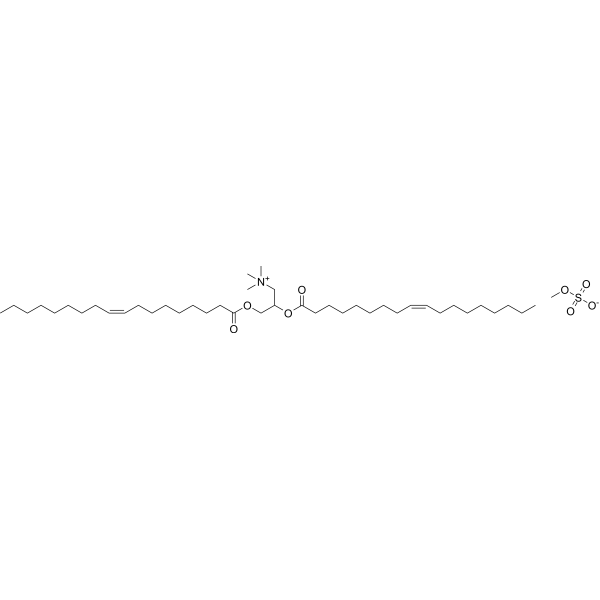
    DOTAP methylsulfate
    10+ Cited Publications

    1,2-Dioleoyl-3-trimethylammonium-propane methylsulfate

    Liposome Others
    DOTAP methylsulfat is a cationic lipid reagent, a cationic derivative of trimethylammonium, linked to two 18-carbon fatty acid tails, each with a single olefin group. DOTAP methylsulfat can self-assemble with negatively charged ions (such as DNA) to form complexes, which can be adsorbed to the cell membrane surface and enter the cell by electrostatic interaction and endocytosis, respectively. DOTAP methylsulfat promotes endosomal membrane fusion with its own hydrophobic domain, releases DNA into the cytoplasm, and exerts gene delivery function. DOTAP methylsulfat can be widely used in research fields such as gene therapy, cell transfection, and non-viral vector design .
    DOTAP methylsulfate
  • HY-B0438
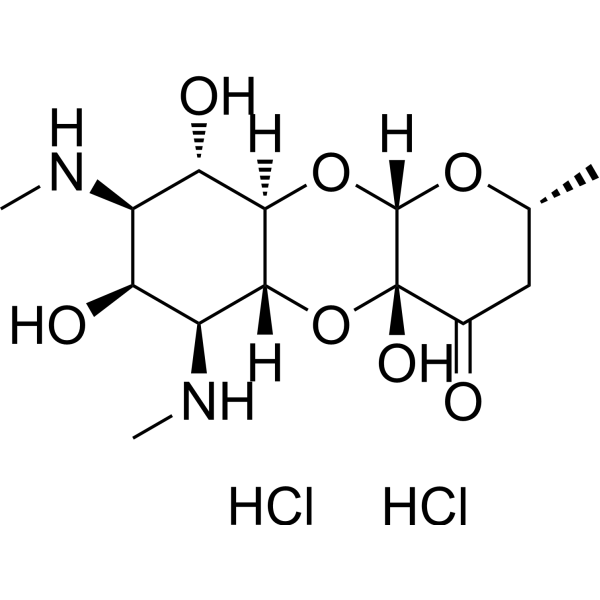
    Spectinomycin dihydrochloride
    3 Publications Verification

    Bacterial Antibiotic Infection
    Spectinomycin dihydrochloride is a broad-spectrum antibiotic and inhibits the growth of a variety of gram-positive and gram-negative organisms. Spectinomycin dihydrochloride acts by selectively targeting to the bacterial ribosome and interrupting protein synthesis. Spectinomycin dihydrochloride is also a noncompetitive inhibitor of td intron RNA with an Ki value of 7.2 mM - .
    Spectinomycin dihydrochloride
  • HY-P1902
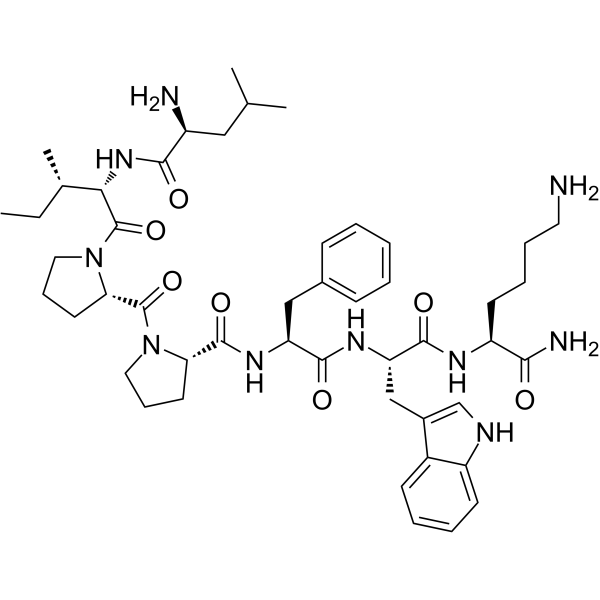
    Cardiotoxin Analog (CTX) IV (6-12)
    Maximum Cited Publications
    10 Publications Verification

    Apoptosis Cardiovascular Disease
    Cardiotoxin Analog (CTX) IV (6-12) is a membrane active peptide that specifically targets negatively charged phospholipid membranes (such as phosphatidylserine and phosphatidylinositol). Cardiotoxin Analog (CTX) IV (6-12) was discovered in the venom of the Taiwan cobra. Cardiotoxin Analog (CTX) IV (6-12) is a chemically synthesized snake venom cardiotoxin that binds to cell membranes and embeds into lipid bilayers through hydrophobic interactions and electrostatic attraction, thereby destroying the stability of membrane structure. Cardiotoxin Analog (CTX) IV (6-12) can induce membrane lipid disorder and cell lysis, exhibiting hemolysis and cytotoxicity .
    Cardiotoxin Analog (CTX) IV (6-12)
  • HY-16468
    Squalamine
    1 Publications Verification

    MSI-1256; ENT-01 free acid

    Bacterial HBV FAK Dengue Virus Infection Neurological Disease Cancer
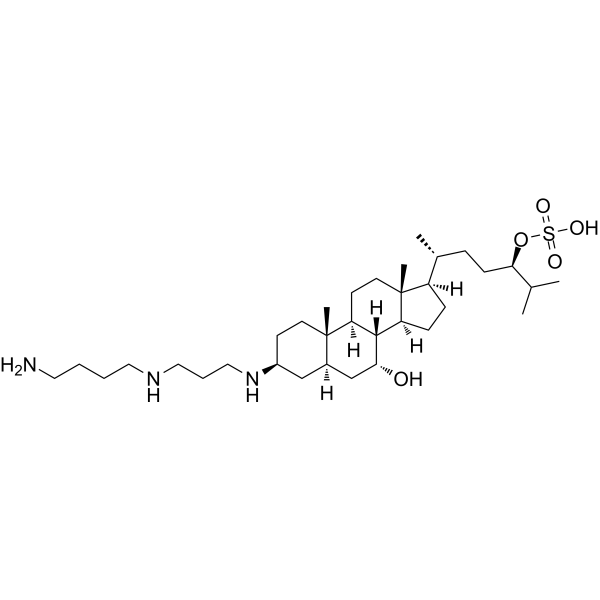
    Squalamine (MSI-1256) is an aminosterol compound with broad-spectrum antiviral activity. Squalamine makes cells less conducive to certain viral replication by altering the electrostatic interactions in the inner membrane of host cells. Squalamine also has antibacterial and antitumor activities. Squalamine has broad-spectrum antibacterial activity against Gram-negative and Gram-positive bacteria, fungi and protozoa. Squalamine inhibits tumor-related angiogenesis and the growth of human breast cancer cells. Squalamine restores the function of enteric nervous system in Parkinson ,s disease mouse models .
    Squalamine
  • HY-126437C

    Biochemical Assay Reagents Others
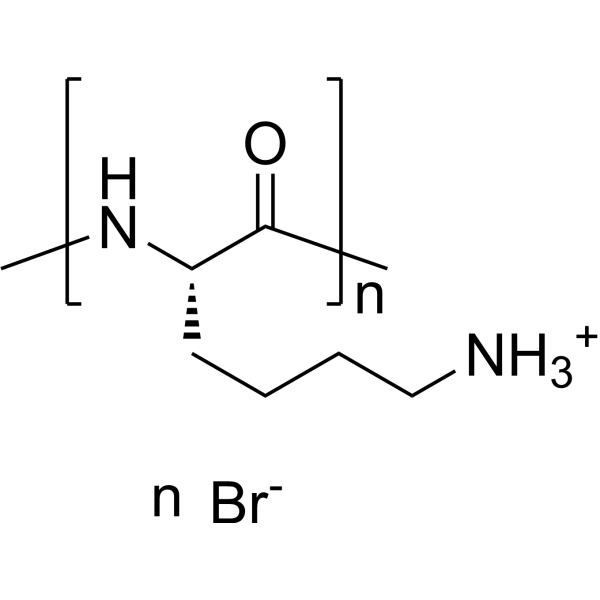
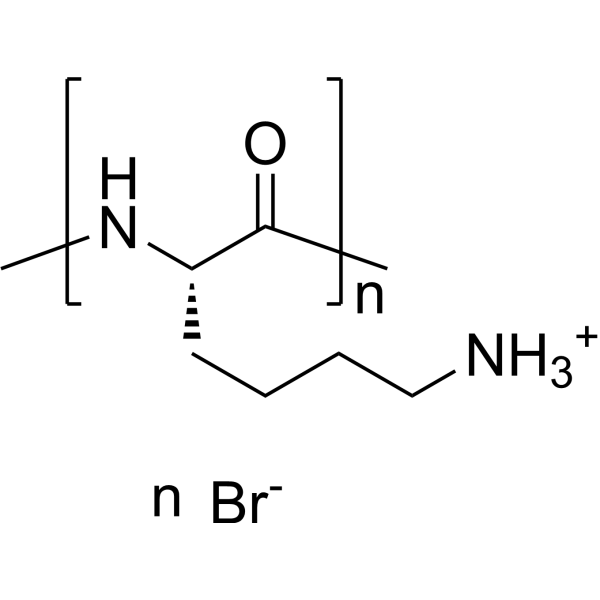
    Poly-L-lysine (hydrobromide) (MW 150000-300000), a positively charged amino acid polymer, is a nonspecific attachment factor for cells. Poly-L-lysine (hydrobromide) (MW 150000-300000) has good biocompatibility. Poly-L-lysine (hydrobromide) (MW 150000-300000) is used to increase cell adhesion to solid substrates by enhancing electrostatic interaction between negatively charged ions of the cell membrane and the culture surface .
    Poly-L-lysine hydrobromide (MW 150000-300000)
  • HY-B1828A

    Spectinomycin hydrochloride hydrate

    Bacterial Antibiotic Infection
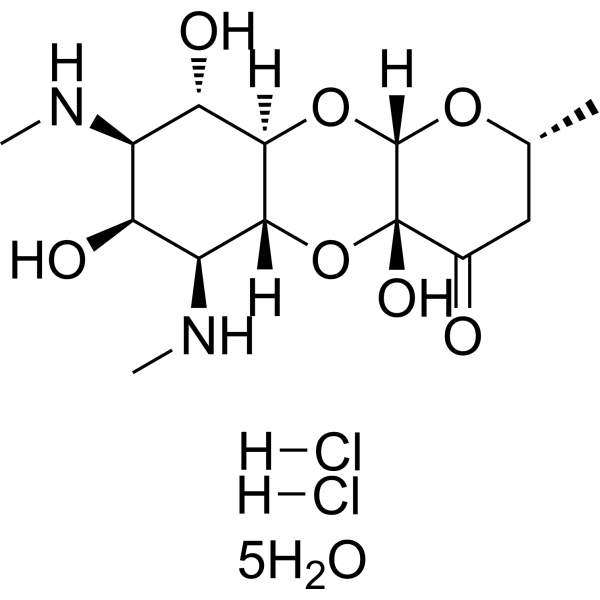
    Spectinomycin dihydrochloride pentahydrate is a broad-spectrum antibiotic and inhibits the growth of a variety of gram-positive and gram-negative organisms. Spectinomycin dihydrochloride pentahydrate acts by selectively targeting to the bacterial ribosome and interrupting protein synthesis. Spectinomycin dihydrochloride pentahydrate is also a noncompetitive inhibitor of td intron RNA with an Ki value of 7.2 mM - .
    Spectinomycin dihydrochloride pentahydrate
  • HY-126437B

    Biochemical Assay Reagents Others
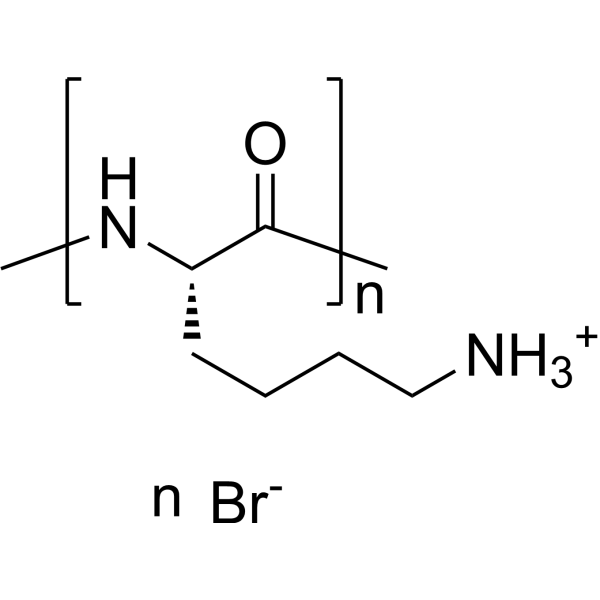
    Poly-L-lysine (hydrobromide) (MW 70000-150000), a positively charged amino acid polymer, is a nonspecific attachment factor for cells. Poly-L-lysine (hydrobromide) (MW 70000-150000) has good biocompatibility. Poly-L-lysine (hydrobromide) (MW 70000-150000) is used to increase cell adhesion to solid substrates by enhancing electrostatic interaction between negatively charged ions of the cell membrane and the culture surface .
    Poly-L-lysine hydrobromide (MW 70000-150000)
  • HY-Y1101B

    N-Methylmorpholine N-Oxide; MMNO; 4-Methylmorpholine 4-oxide

    Biochemical Assay Reagents Others
    4-Methylmorpholine N-oxide (N-Methylmorpholine N-Oxide; MMNO; 4-Methylmorpholine 4-oxide) is an amine oxide ligand and ozonation reagent. 4-Methylmorpholine N-oxide forms coordination complexes with lanthanum (III) nitrate and yttrium (III) nitrate via its nitroso oxygen atom. The metal-ligand bonds are dominated by electrostatic interactions with a small covalent component. 4-Methylmorpholine N-oxide is applicable in ozonation reactions for the synthesis of methyl 9-oxononanoate .
    4-Methylmorpholine N-oxide
  • HY-126437A
    Poly-L-lysine hydrochloride
    1 Publications Verification

    Bacterial Infection Inflammation/Immunology
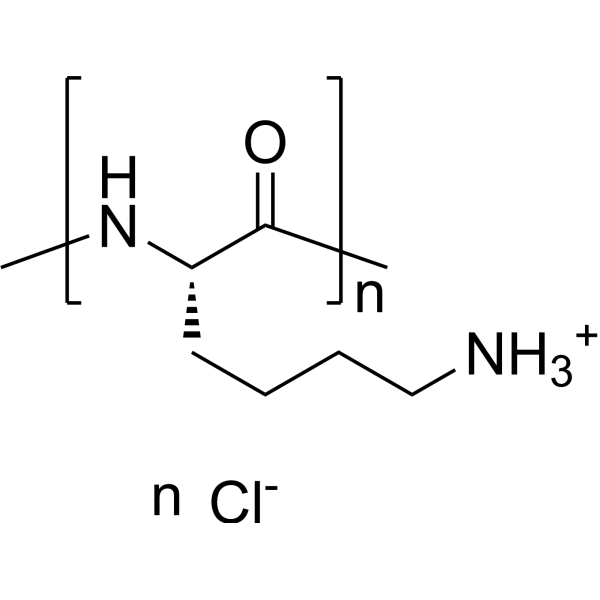
    Poly-L-lysine hydrochloride is a nonspecific attachment factor for cells useful in promoting cell adhesion to solid substrates by enhancing electrostatic interaction between negatively charged ions of the cell membrane and the culture surface. Poly-L-lysine hydrochloride is a strong-attraction regulator that promotes liquid-liquid phase separation (LLPS) at low concentrations but suppresses LLPS at high concentrations. Antibacterial cationic peptide. .
    Poly-L-lysine hydrochloride
  • HY-126437H

    Biochemical Assay Reagents Others
    Poly-L-lysine hydrobromide (MW 4000-15000) is a positively charged amino acid polymer that acts as a non-specific attachment factor for cells. Poly-L-lysine hydrobromide (MW 4000-15000) enhances the electrostatic interaction between the negative ions of the cell membrane and the surface of the culture medium, thereby promoting the adhesion of cells to solid substrates. Poly-L-lysine hydrobromide (MW 4000-15000) can be used for gene delivery .
    Poly-L-lysine hydrobromide (MW 4000-15000)
  • HY-126437J

    PLL solution 0.01%, sterile-filtered, hydrobromide, MW 150000-300000, for cell culture

    Biochemical Assay Reagents Others
    Poly-L-lysine solution (0.01%, sterile-filtered, MW 150000-300000), a positively charged amino acid polymer, is a nonspecific attachment factor for cells. Poly-L-lysine solution (0.01%, sterile-filtered, MW 150000-300000) has good biocompatibility. Poly-L-lysine solution (0.01%, sterile-filtered, MW 150000-300000) is used to increase cell adhesion to solid substrates by enhancing electrostatic interaction between negatively charged ions of the cell membrane and the culture surface .
    Poly-L-lysine solution (0.01%, sterile-filtered, MW 150000-300000)
  • HY-P1902A
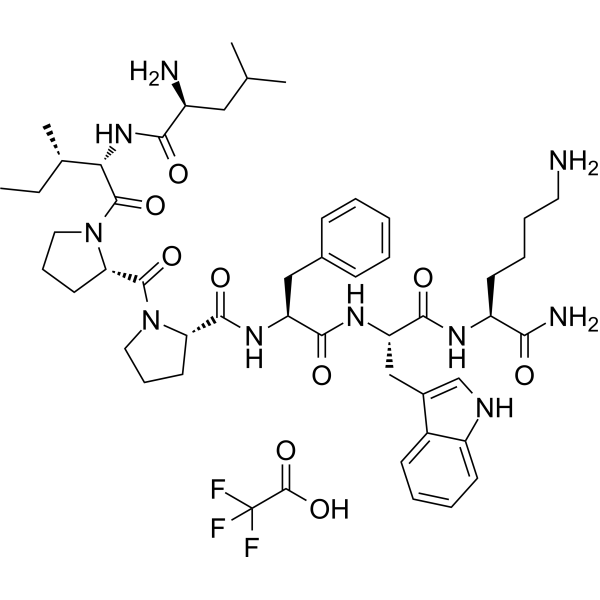
    Cardiotoxin Analog (CTX) IV (6-12) TFA
    Maximum Cited Publications
    10 Publications Verification

    Apoptosis Cardiovascular Disease
    Cardiotoxin Analog (CTX) IV (6-12) TFA is a membrane active peptide that specifically targets negatively charged phospholipid membranes (such as phosphatidylserine and phosphatidylinositol). Cardiotoxin Analog (CTX) IV (6-12) TFA was discovered in the venom of the Taiwan cobra. Cardiotoxin Analog (CTX) IV (6-12) TFA is a chemically synthesized snake venom cardiotoxin that binds to cell membranes and embeds into lipid bilayers through hydrophobic interactions and electrostatic attraction, thereby destroying the stability of membrane structure. Cardiotoxin Analog (CTX) IV (6-12) TFA can induce membrane lipid disorder and cell lysis, exhibiting hemolysis and cytotoxicity .
    Cardiotoxin Analog (CTX) IV (6-12) TFA
  • HY-126437D

    Biochemical Assay Reagents Others
    Poly-L-lysine hydrobromide (MW 150000-300000), a positively charged amino acid polymer, is a nonspecific attachment factor for cells. Poly-L-lysine hydrobromide (MW 150000-300000) has good biocompatibility. Poly-L-lysine hydrobromide (MW 150000-300000) is used to increase cell adhesion to solid substrates by enhancing electrostatic interaction between negatively charged ions of the cell membrane and the culture surface .
    Poly-L-lysine hydrobromide (MW >300000)
  • HY-W145665

    Biochemical Assay Reagents Endogenous Metabolite Others
    Amylose is not a typical small-molecule ligand with a specific traditional receptor-binding target. It is a polysaccharide. In food science and biological systems, amylose can interact with proteins and free fatty acids through non-covalent forces like hydrophobic interactions and electrostatic interactions. For example, it can form a ternary complex with them, which is related to the structure and digestion of starch. It is widely studied in the fields of food science, carbohydrate metabolism, and is also relevant in research on controlling glycemic responses, as it affects starch digestion rate .
    Amylose
  • HY-W250727
    TNS sodium
    1 Publications Verification

    6-(p-Tolylamino)naphthalene-2-sulfonate sodium

    Fluorescent Dye Others
    TNS (6-(p-Tolylamino) naphthalene-2-sulfonate) sodium is a fluorescent probe used to detect the conformational state of proteins. TNS sodium binds to the central hydrophobic calyx of β-lactoglobulin (β-LG) to form a 1:1 complex, which stabilizes the folded conformation of β-LG. TNS sodium shows weak fluorescent signals in aqueous solution, but its fluorescence intensity increases significantly upon binding to the hydrophobic domains of proteins, with the maximum excitation wavelength and maximum emission wavelength located at 321 nm and 446 nm, respectively .
    TNS sodium
  • HY-P4121

    Potassium Channel Inflammation/Immunology Cancer
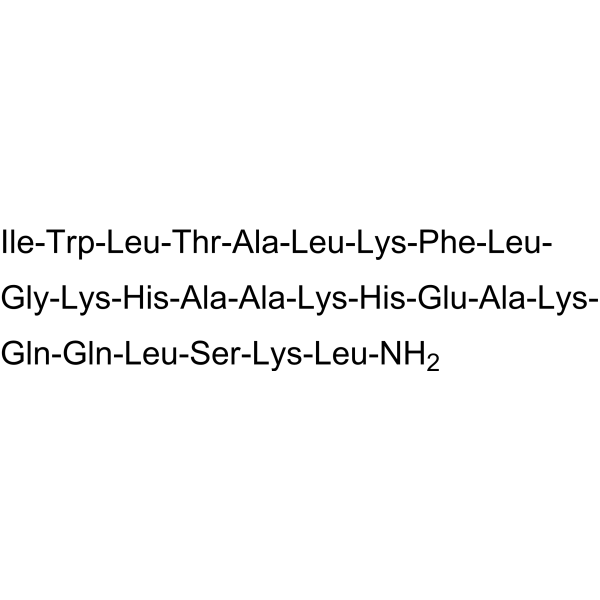
    L17E is an attenuated cationic amphiphilic lytic (ACAL) peptide that can be used to deliver a variety of macromolecules, including proteins, antibodies, and DNA nanostructures. L17E inserts and cleaves the membrane structure through electrostatic interaction, enabling intracellular escape. The efficiency of L17E-mediated delivery is strongly correlated with the expression level of KCNN4 (the gene encoding the calcium-activated potassium channel KCa3.1). L17E also promotes the cellular uptake of macromolecules by inducing micropinocytosis. L17E can be further optimized and improved through dimerization strategies and in combination with other delivery systems, such as nuclear localization signal peptides and cell membrane-coated nanoparticles .
    L17E
  • HY-Y0537B

    Environmental Pollutants Biochemical Assay Reagents Mitochondrial Metabolism Metabolic Disease
    Potassium chloride, for molecular biology is potassium chloride that can be used in molecular biology. Potassium chloride, for molecular biology affects the stability of biological membranes by disrupting the electrostatic interactions between proteins and lipids. Potassium chloride, for molecular biology affects the solubility of myofibrillar proteins and the integrity of mitochondria. Potassium chloride, for molecular biology is commonly used in homogenization buffers and protein extraction procedures .
    Potassium chloride, for molecular biology
  • HY-W590549

    DODAC

    Liposome Cancer
    Dioleyldimethylammonium chloride (DODAC) is a positively charged lipid promoter with membrane-disrupting activity, which is often formulated into cationic liposomes with dioleoylphosphatidylethanolamine. Dioleyldimethylammonium chloride is used in gene transfection research; through electrostatic interactions, it effectively promotes the binding of programmable fusion vesicles to cells and induces membrane disruption. Dioleyldimethylammonium chloride is also applied in studies on L1210 leukemia and LS180 human colon cancer .
    Dioleyldimethylammonium chloride
  • HY-P4076

    HIV DNA Alkylator/Crosslinker Infection
    MPG peptides, Pβ is an amphipathic cell-penetrating peptide. MPG peptides, Pβ consists of three components: the hydrophobic fusion sequence (GALFLGFLGAAGSTMGA) of HIV glycoprotein 41, a spacer domain (WSQP), and the nuclear localization signal (KKKRKV) of the large T antigen of Simian virus 40. MPG peptides, Pβ can form stable non-covalent complexes with nucleic acids (including DNA) through electrostatic interactions and improve their intracellular delivery. MPG peptides, Pβ can be used in studies of HIV-1-related immune responses .
    MPG peptides, Pβ
  • HY-W1048558A

    mPEG2000-COOH

    Biochemical Assay Reagents Others
    mPEG2000-CM (mPEG2000-COOH) is a carboxyl-terminated monomethoxy polyethylene glycol. mPEG2000-CM bears a reactive carboxyl group (-COOH) at its structural terminal site, which can form stable amide bonds with amino groups and ester bonds with hydroxyl groups. mPEG2000-CM binds to PCA-g-PCL copolymers via electrostatic interaction to form polyion complex micelles with a hydrophilic PEG surface, which enhances the stability of micelles in aqueous media. mPEG2000-CM can be used for drug delivery .
    mPEG2000-CM
  • HY-B1828

    Antibiotic Bacterial Infection
    Spectinomycin is a broad-spectrum antibiotic and inhibits the growth of a variety of gram-positive and gram-negative organisms. Spectinomycin acts by selectively targeting to the bacterial ribosome and interrupting protein synthesis. Spectinomycin is also a noncompetitive inhibitor of td intron RNA .
    Spectinomycin
  • HY-Y1123

    Glycinamide hydrochloride

    Amino Acid Derivatives Phosphatase Endocrinology
    2-Aminoacetamide hydrochloride (Glycinamide hydrochloride) is a derivative of Glycine (HY-Y0966). 2-Aminoacetamide hydrochloride forms cell-absorbable nanocomplexes with proteins (such as bovine serum albumin) through strong electrostatic interactions, promoting cellular uptake of related proteins. 2-Aminoacetamide hydrochloride synergizes with BMP2 to upregulate the expression of osteogenic marker genes (such as Col1a1, Alp, Runx2) and proteins (such as COL1, BSP), enhancing collagen synthesis. 2-Aminoacetamide hydrochloride synergizes with BMP2 to promote osteoblast differentiation in vitro and bone regeneration in vivo .
    2-Aminoacetamide hydrochloride
  • HY-W587839

    Pregnane X Receptor (PXR) Endocrinology
    4,8-Dioxa-3H-perfluorononanoic acid is an ether-substituted polyfluoroalkyl compound and also a ligand of human pregnane X receptor (hPXR), which binds to the ligand-binding domain of hPXR. 4,8-Dioxa-3H-perfluorononanoic acid targets Arg-410, Lys-210, Lys-226, Met-323 and His-327 residues. Its binding process relies on long-range electrostatic interactions, and no significant hydrogen bonds form with hPXR residues. 4,8-Dioxa-3H-perfluorononanoic acid is used as a substitute for PFOA in Germany. 4,8-Dioxa-3H-perfluorononanoic acid is detectable in environmental matrices such as river water near fluoride production plants, accumulates in organisms including grass, deer liver and locusts, and is present in plasma samples of populations in southern Germany .
    4,8-Dioxa-3H-perfluorononanoic acid
  • HY-D2864

    Fluorescent Dye Others
    Aza-CyBz is a selective NaCl-responsive fluorescent probe. Aza-CyBz visualizes plant salt stress by forming ordered aggregates with NaCl, leading to near-infrared fluorescence quenching. Aza-CyBz acts via electrostatic interaction between the cationic cyanine dye and NaCl to form J-aggregates, causing fluorescence quenching with a detection limit of 170 μM .
    Aza-CyBz
  • HY-145969

    3'-O-Me-m7G(5')ppp(5')G

    DNA/RNA Synthesis Eukaryotic Initiation Factor (eIF) Cancer
    β-S-ARCA (3'-O-Me-m7G(5')ppp(5')G) is a mRNA 7-methylguanosine (m7G) cap analog carrying a phosphorothioate (PS) moiety. β-S-ARCA binds eIF4E via electrostatic interactions between its β-sulfur atom and positively charged Arg and Lys residues in the protein binding site. β-S-ARCA prevents the decapping by Dcp2, increases the mRNA half-life, enhances cap-dependent translation, and increases protein expression in cells. β-S-ARCA has been applied in researching experimental mRNA-based anticancer vaccines .
    β-S-ARCA
  • HY-145969A

    3’-O-Me-m7G(5')ppp(5')G triammonium

    DNA/RNA Synthesis Eukaryotic Initiation Factor (eIF) Cancer
    β-S-ARCA (3'-O-Me-m7G(5')ppp(5')G) triammonium is a mRNA 7-methylguanosine (m7G) cap analog carrying a phosphorothioate (PS) moiety. β-S-ARCA triammonium binds eIF4E via electrostatic interactions between its β-sulfur atom and positively charged Arg and Lys residues in the protein binding site. β-S-ARCA triammonium prevents the decapping by Dcp2, increases the mRNA half-life, enhances cap-dependent translation, and increases protein expression in cells. β-S-ARCA triammonium has been applied in researching experimental mRNA-based anticancer vaccines .
    β-S-ARCA triammonium
  • HY-D1225

    Fluorescent Dye
    Reactive red 180 is common textile dyes that can be adsorbed onto single-walled carbon nanotubes (SWCNTs) through electrostatic interactions, allowing the separation of residual dyes.
    Reactive red 180
  • HY-P4119

    Biochemical Assay Reagents Others
    Pep-1-Cysteamine is an amphipathic chimeric cell-penetrating peptide. Pep-1-Cysteamine can penetrate biological membranes in an energy-independent manner without forming transmembrane pores, and efficiently deliver active proteins into cells, with its translocation dominated by electrostatic interactions and membrane perturbation .
    Pep-1-Cysteamine
  • HY-126436D

    L-Ornithine homopolymer hydrochloride (MW 15000-30000)

    Biochemical Assay Reagents Metabolic Disease Endocrinology
    Poly-L-ornithine hydrochloride (MW 15000-30000) is a polycationic homopolymer composed of L-ornithine. Poly-L-ornithine hydrochloride (MW 15000-30000) adsorbs negatively charged species through electrostatic interactions. Poly-L-ornithine hydrochloride (MW 15000-30000) can be used as a key component of polyelectrolyte complexes to construct core-shell structure carriers to achieve controlled delivery of growth factors (such as rhBMP-2, FGF-1). Poly-L-ornithine hydrochloride (MW 15000-30000) is used in the study of diabetes and bone regeneration related diseases .
    Poly-L-ornithine hydrochloride (MW 15000-30000)
  • HY-W243460

    Biochemical Assay Reagents Others
    EDTA copper (II) disodium salt, 97% is a negatively charged copper (II)-ethylenediaminetetraacetic acid chelate and also an adsorption substrate. EDTA copper (II) disodium salt, 97% forms amide bonds with chitosan amino groups in weakly acidic (pH 3-5) solutions, while it forms the CuEDTA (OH) 3− hydroxyl complex in strongly alkaline (pH > 12) solutions. EDTA copper (II) disodium salt, 97% can be adsorbed onto granular activated carbon, with electrostatic interactions dominating its pH-dependent adsorption behavior. EDTA copper (II) disodium salt, 97% can be used to eliminate the inhibition of enzyme-catalyzed reactions caused by trace heavy metals .
    EDTA copper(II) disodium salt, 97%
  • HY-W276164

    Sodium stearyl sulfate

    Biochemical Assay Reagents Others
    Sodium octadecyl sulfate (Sodium stearyl sulfate) is a long-chain alkyl sodium sulfate that functions as an emulsifier, crosslinking agent, and regulator. Sodium octadecyl sulfate has high safety, with a LD50 greater than 3.00 Gm./Kg for both intraperitoneal injection in mice and oral administration in rats. Sodium octadecyl sulfate enhances continuous contraction of the gastrocnemius muscle in frogs and boosts intestinal smooth muscle activity in albino rats. However, Sodium octadecyl sulfate exerts no significant effect on isolated tortoise myocardium and does not alter the conduction function of frog sciatic nerves. Sodium octadecyl sulfate can also be used to coat the surface of starch aggregates, promote crosslinking and increase aggregate size through hydrophobic and electrostatic interactions, and further form a coexistent B-V type crystalline structure with acid-hydrolyzed gelatinized starch, thereby effectively modifying the structure and surface properties of high-starch systems .
    Sodium octadecyl sulfate
  • HY-D1138

    Fluorescent Dye
    Reactive red 120 is common textile dyes that can be adsorbed onto single-walled carbon nanotubes (SWCNTs) through electrostatic interactions, allowing the separation of residual dyes.
    Reactive red 120
  • HY-D1633A

    Fluorescent Dye Others
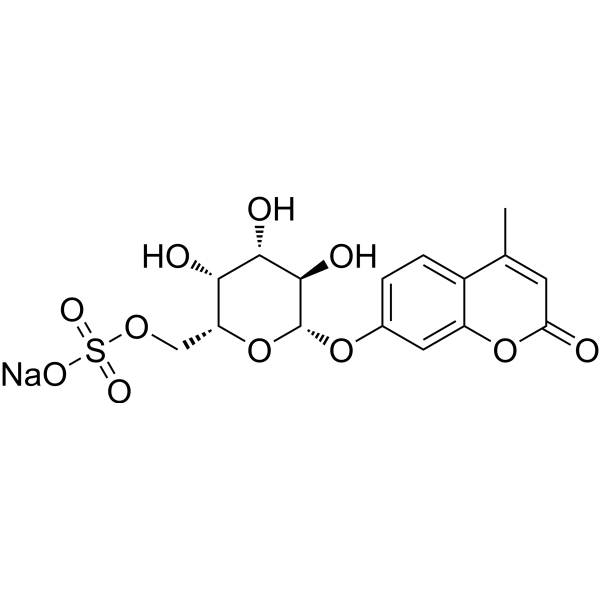
    4-Methylumbelliferyl-β-D-galactopyranoside 6-sulfate sodium is a fluorescent dye. 4-Methylumbelliferyl-β-D-galactopyranoside 6-sulfate sodium undergoes desulphation by galactose-6-sulphate sulphatase to form 4-methylumbelliferyl-β-D-galactopyranoside, which is cleaved by β-galactosidase to release fluorescent 4-methylumbelliferone. 4-Methylumbelliferyl-β-D-galactopyranoside 6-sulfate sodium interacts with N-acetylgalactosamine-6-sulfate sulfatase (GALNS) via hydrogen bonds, electrostatic interactions, and steric interactions. 4-Methylumbelliferyl-β-D-galactopyranoside 6-sulfate sodium serves as a substrate in assays measuring galactose-6-sulphate sulphatase and GALNS activity. 4-Methylumbelliferyl-β-D-galactopyranoside 6-sulfate sodium can be used for the research of Morquio disease type A (mucopolysaccharidosis IV A) .
    4-Methylumbelliferyl-β-D-galactopyranoside 6-sulfate sodium
  • HY-D1633

    Fluorescent Dye Metabolic Disease
    4-Methylumbelliferyl-β-D-galactopyranoside 6-sulfate is a fluorescent dye. 4-Methylumbelliferyl-β-D-galactopyranoside 6-sulfate undergoes desulphation by galactose-6-sulphate sulphatase to form 4-methylumbelliferyl-β-D-galactopyranoside, which is cleaved by β-galactosidase to release fluorescent 4-methylumbelliferone. 4-Methylumbelliferyl-β-D-galactopyranoside 6-sulfate interacts with N-acetylgalactosamine-6-sulfate sulfatase (GALNS) via hydrogen bonds, electrostatic interactions, and steric interactions. 4-Methylumbelliferyl-β-D-galactopyranoside 6-sulfate serves as a substrate in assays measuring galactose-6-sulphate sulphatase and GALNS activity. 4-Methylumbelliferyl-β-D-galactopyranoside 6-sulfate can be used for the research of Morquio disease type A (mucopolysaccharidosis IV A) .
    4-Methylumbelliferyl-β-D-galactopyranoside 6-sulfate
  • HY-109659

    Biochemical Assay Reagents DNA Alkylator/Crosslinker Others
    1-(3-Aminopropyl)-4-methylpiperazine is a capping agent. The 1-(3-Aminopropyl)-4-methylpiperazine-capped Poly (β-amino ester) (PBAE) poly (1,4-butanediol diacrylate-co-4-amino-1-butanol) undergoes electrostatic interactions with anionic molecules such as DNA and exhibits low cytotoxicity. The 1-(3-Aminopropyl)-4-methylpiperazine-capped Poly (1,4-butanediol diacrylate-co-4-amino-1-butanol) PBAE effectively delivers nucleic acids in various systems .
    1-(3-Aminopropyl)-4-methylpiperazine
  • HY-D0661

    Fluorescent Dye
    Reactive red 45 is common textile dyes that can be adsorbed onto single-walled carbon nanotubes (SWCNTs) through electrostatic interactions, allowing the separation of residual dyes.
    Reactive red 45
  • HY-D0622

    Fluorescent Dye
    Reactive Green 19 is common textile dyes that can be adsorbed onto single-walled carbon nanotubes (SWCNTs) through electrostatic interactions, allowing the separation of residual dyes.
    Reactive Green 19
  • HY-D0514

    Fluorescent Dye
    Reactive blue 5 is common textile dyes that can be adsorbed onto single-walled carbon nanotubes (SWCNTs) through electrostatic interactions, allowing the separation of residual dyes.
    Reactive blue 5
  • HY-W154333

    Bacterial Infection
    H-Arg-OtBu (dihydrochloride) is a membrane-targeting antimicrobial. H-Arg-OtBu (dihydrochloride) targets the negatively charged bacterial membrane via a combination of electrostatic and hydrophobic interactions. H-Arg-OtBu (dihydrochloride) can be used for bacterial infections diseases research .
    H-Arg-OtBu dihydrochloride
  • HY-D0668

    Fluorescent Dye
    Reactive orange 13 is common textile dyes that can be adsorbed onto single-walled carbon nanotubes (SWCNTs) through electrostatic interactions, allowing the separation of residual dyes.
    Reactive orange 13
  • HY-D0639

    Fluorescent Dye
    Reactive Brown 23 is common textile dyes that can be adsorbed onto single-walled carbon nanotubes (SWCNTs) through electrostatic interactions, allowing the separation of residual dyes.
    Reactive Brown 23
  • HY-D0669

    Fluorescent Dye
    Reactive orange 4 is common textile dyes that can be adsorbed onto single-walled carbon nanotubes (SWCNTs) through electrostatic interactions, allowing the separation of residual dyes.
    Reactive orange 4
  • HY-D0692

    Fluorescent Dye
    Reactive red 124 is common textile dyes that can be adsorbed onto single-walled carbon nanotubes (SWCNTs) through electrostatic interactions, allowing the separation of residual dyes.
    Reactive red 124
  • HY-D1243

    Fluorescent Dye
    Reactive yellow 3 is common textile dyes that can be adsorbed onto single-walled carbon nanotubes (SWCNTs) through electrostatic interactions, allowing the separation of residual dyes.
    Reactive yellow 3
  • HY-D0653

    Fluorescent Dye
    Reactive orange 35 is common textile dyes that can be adsorbed onto single-walled carbon nanotubes (SWCNTs) through electrostatic interactions, allowing the separation of residual dyes.
    Reactive orange 35
  • HY-D0691

    Fluorescent Dye
    Reactive yellow 25 is common textile dyes that can be adsorbed onto single-walled carbon nanotubes (SWCNTs) through electrostatic interactions, allowing the separation of residual dyes.
    Reactive yellow 25
  • HY-D0522

    Fluorescent Dye
    Reactive orange 16 is common textile dyes that can be adsorbed onto single-walled carbon nanotubes (SWCNTs) through electrostatic interactions, allowing the separation of residual dyes.
    Reactive orange 16
  • HY-D0584

    Fluorescent Dye
    Reactive orange 86 is common textile dyes that can be adsorbed onto single-walled carbon nanotubes (SWCNTs) through electrostatic interactions, allowing the separation of residual dyes.
    Reactive orange 86
  • HY-D0700

    Fluorescent Dye
    Reactive red 24:1 is common textile dyes that can be adsorbed onto single-walled carbon nanotubes (SWCNTs) through electrostatic interactions, allowing the separation of residual dyes.
    Reactive red 24:1
  • HY-P11457

    Bacterial Infection
    cCBD-LL37 is a chimeric antimicrobial peptide modified with a collagen-binding domain (cCBD) (TKKTLRT). cCBD-LL37 has improved retention on collagen after PBS washing and varying electrostatic conditions. cCBD-LL37 binds to collagen involves both specific and non-specific interactions, initiated by long-range electrostatic forces that transitions to close range or hydrophobic interactions. cCBD-LL37 has potent antimicrobial activity with improved structural stability under different ionic strengths and pH conditions (pH 5.5-8). cCBD-LL37 can be used for biomaterials like collagen-based wound dressings research .
    cCBD-LL37

Inquiry Online

Your information is safe with us. * Required Fields.

Salutation


Country or Region *

Applicant Name *


Organization Name *

Department *


Email Address *


Product Name *

Cat. No.


Requested quantity *

Phone Number *


Remarks

Inquiry Online

Inquiry Information

Product Name:
Cat. No.:
Quantity:
MCE Japan Authorized Agent:

