

Search Result
Results for "
eliciting
" in MedChemExpress (MCE) Product Catalog:
2
Biochemical Assay Reagents
4
Isotope-Labeled Compounds
| Cat. No. |
Product Name |
Target |
Research Areas |
Chemical Structure |
-
- HY-N0020
-
Echinacoside
Maximum Cited Publications
20 Publications Verification
|
Wnt
Reactive Oxygen Species (ROS)
|
Neurological Disease
|
|
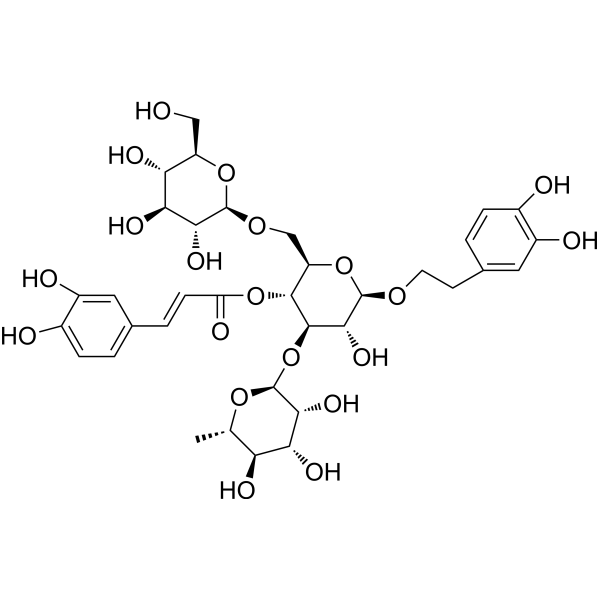
Echinacoside, one of the phenylethanoids isolated from the stems of Cistanche deserticola, effectively inhibits Wnt/β-catenin signaling. Echinacoside elicits neuroprotection by activating Trk receptors and their downstream signal pathways. Antiosteoporotic activity .
|
-
-
- HY-141520
-
ART558
Maximum Cited Publications
49 Publications Verification
|
DNA/RNA Synthesis
|
Cancer
|
|
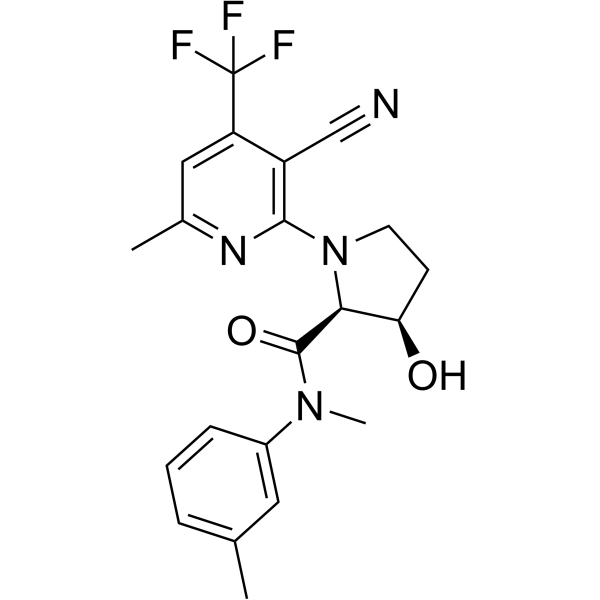
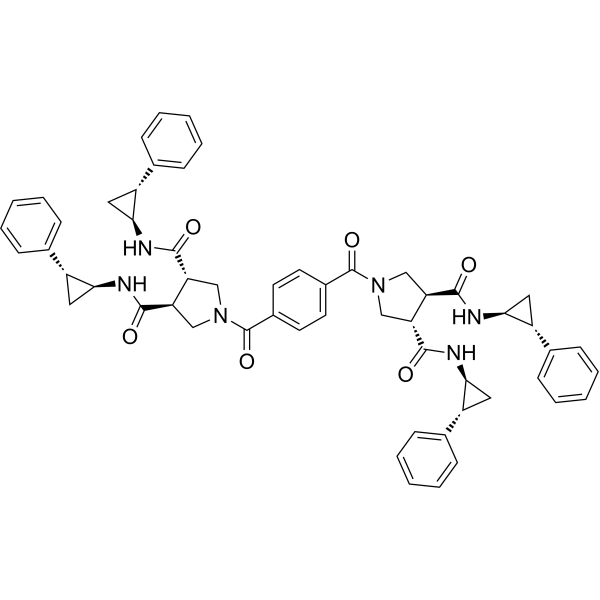
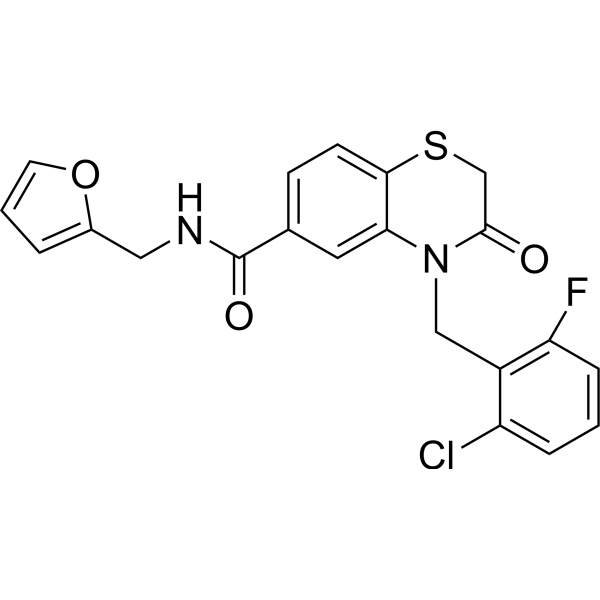
ART558 is a potent, selective and allosteric DNA polymerase theta (Polθ) inhibitor (IC50=7.9 nM). ART558 elicits BRCA-gene synthetic lethality and DNA damage. ART558 can be used for the research of cancer, such as breast cancer .
|
-
-
- HY-19608
-
-
-
- HY-P0278
-
RGD
Maximum Cited Publications
8 Publications Verification
|
Integrin
|
Cancer
|
|
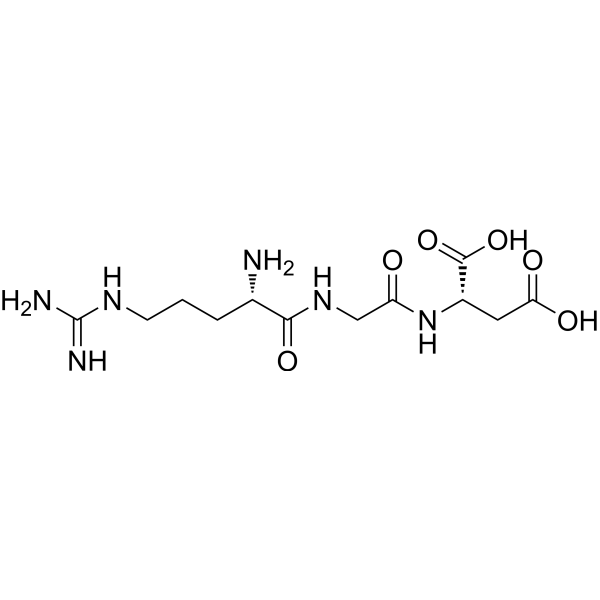
RGD is a tripeptide that effectively triggers cell adhesion, addresses certain cell lines and elicits specific cell responses; binds to integrins.
|
-
-
- HY-10624
-
THIQ
1 Publications Verification
|
Melanocortin Receptor
|
Metabolic Disease
|
|
THIQ is the first selective agonist of the melanocortin-4 receptor (MC4R), with high affinity and potency for hMC4R (IC50=1.2 nM, EC50=2.1 nM) and rMC4R (IC50=0.6 nM, EC50=2.9 nM). THIQ maintains low potency at MC1R, MC3R and MC5R. THIQ plays a role in eliciting erectile activity in rodents. THIQ acts as a pharmacoperone of the MC4R rescuing the cell surface expression and signaling of some intracellularly retained MC4R mutants .
|
-
-
- HY-P1568
-
|
Flagellin 22
|
Bacterial
|
Infection
|
|
Flagelin 22 (Flagellin 22), a fragment of bacterial flagellin, is an effective elicitor in both plants and algae .
|
-
-
- HY-119240
-
-
-
- HY-N2166
-
|
α-Tomatine; Lycopersicin; Tomatin
|
Proteasome
Apoptosis
|
Neurological Disease
|
|
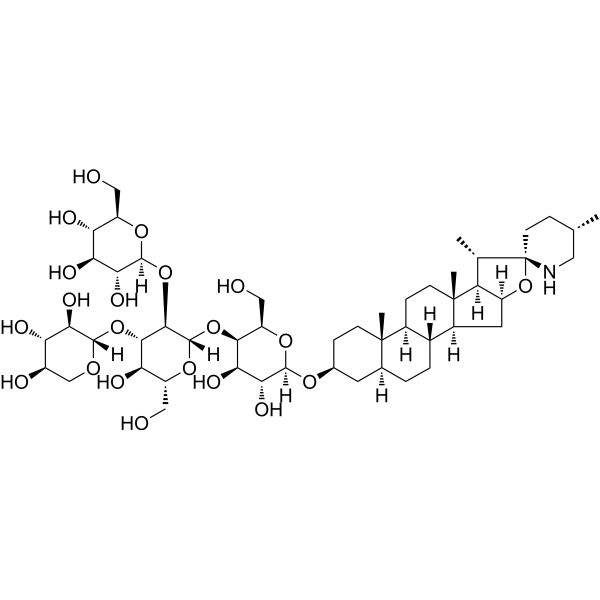
Tomatine is a glycoalkaloid, found in the tomato plant (Lycopersicon esculentum Mill.). Tomatine elicits neurotoxicity in RIP1 kinase and caspase-independent manner. Tomatine promotes the upregulation of nuclear apoptosis inducing factor (AIF) in neuroblastoma cells. Tomatine also inhibits 20S proteasome activity .
|
-
-
- HY-P10745
-
|
ZP8396
|
Amylin Receptor
|
Metabolic Disease
|
|
Petrelintide (ZP8396) is a dual amylin and calcitonin receptor agonist (DACRA) Petrelintide elicits a selective reduction in high-fat diet intake in diet-induced obese (DIO) rats, which is accompanied by a loss of fat mass and preservation of lean mass during weight reduction. Petrelintide can be utilized in diabetes research .
|
-
-
- HY-P10745A
-
|
ZP8396 acetate
|
Amylin Receptor
|
Metabolic Disease
|
|
Perelintide (ZP8396) acetate is a dual amylin and calcitonin receptor agonist (DACRA). Perelintide acetate elicits a selective reduction in high-fat diet intake in diet-induced obese (DIO) rats, which is accompanied by a loss of fat mass and preservation of lean mass during weight reduction. Perelintide acetate can be utilized in diabetes research .
|
-
-
- HY-Y0498
-
|
|
Environmental Pollutants
Biochemical Assay Reagents
|
Others
|
|
Aluminum oxide is a nanoparticulate carrier and adjuvant.Aluminum oxide elicits antibody production against non-immunogenic haptens when coupled to them in mice and rabbits. Aluminum oxide functions in eliciting antibodies from non-immunogenic haptens .
|
-
-
- HY-123963
-
|
|
STING
|
Inflammation/Immunology
|
|
C-178 is a potent and selective covalent inhibitor of STING. C-178 binds to Cys91 and suppresses the STING responses elicited by distinct bona fide activators in mouse but not human .
|
-
-
- HY-N8804
-
|
Asparanin B
|
Reactive Oxygen Species (ROS)
|
Neurological Disease
Cancer
|
|
Shatavarin IV is a steroidal saponin, that can be isolated from the roots of Asparagus racemosus (Liliaceae). Shatavarin IV shows anticancer activity. Shatavarin IV elicits lifespan extension and alleviates Parkinsonism in Caenorhabditis elegans .
|
-
-
- HY-19711
-
|
G10
|
STING
Virus Protease
|
Infection
|
|
STING agonist-1 (G10) is human-specific STING agonist that elicits antiviral activity against emerging Alphaviruses. G10 potently blocks replication of Alphavirus species Venezuelan Equine Encephalitis Virus (VEEV) with IC90 of 24.57 μM .
|
-
-
- HY-136979
-
|
|
PARP
|
Inflammation/Immunology
Cancer
|
|
RBN012759 is a potent, selective and orally active inhibitor of PARP14, with an IC50 of <3 nM. RBN012759 displays 300-fold selectivity over the monoPARPs and 1000-fold selectivity over the polyPARPs. RBN012759 decreases pro-tumor macrophage function and elicits inflammatory responses in tumor explants .
|
-
-
- HY-W115724
-
-
-
- HY-N0647
-
|
|
Monocarboxylate Transporter
|
Endocrinology
|
|
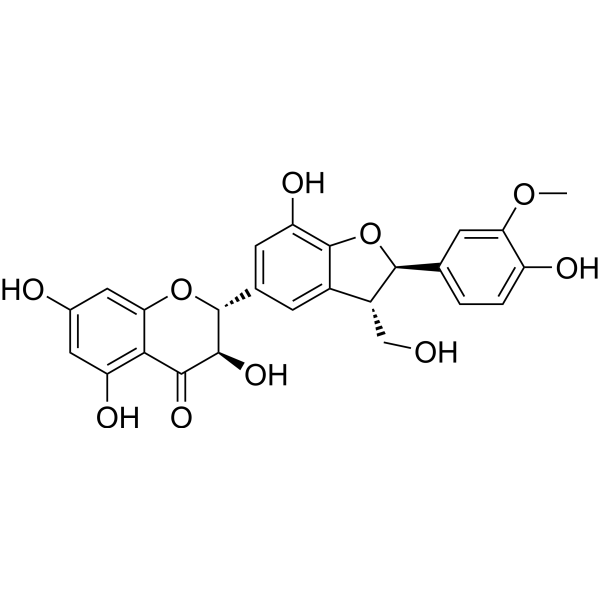
Silychristin is an abundant flavonolignan present in the fruits of Silybum marianum, with antioxidant properties. Silychristin is a potent inhibitor of the thyroid hormone transporter MCT8, and elicits a strong inhibition of T3 uptake with an IC50 of 110 nM .
|
-
-
- HY-P1568A
-
|
Flagellin 22 TFA
|
Bacterial
|
Infection
|
|
Flagelin 22 TFA (Flagellin 22 TFA), a fragment of bacterial flagellin, is an effective elicitor in both plants and algae .
|
-
-
- HY-Y0069
-
|
Aceturic acid; Acetamidoacetic acid
|
Endogenous Metabolite
|
Others
|
|
N-Acetylglycine (Aceturic acid) is a minor constituent of numerous foods. N-Acetylglycine is a flavor enhancer which elicits Monosodium glutamate (MSG)-like sensory experiencesN-Acetylglycine .
|
-
-
- HY-132247
-
|
|
Estrogen Receptor/ERR
|
Cancer
|
|
ErSO is a selective anticipatory unfolded protein response (a-UPR) activator. ErSO acts through ERα to elicit strong and sustained cytotoxic activation of the a-UPR. ErSO can be used for the research of cancer .
|
-
-
- HY-18779
-
|
|
TRP Channel
|
Inflammation/Immunology
|
|
PF-4840154 is a potent, selective agonist of the rat and human TrpA1 channel with EC50s of 97 and 23 nM, respectively. PF-4840154 elicits TrpA1-mediated nocifensive behaviour in mouse .
|
-
-
- HY-117066
-
CL075
3 Publications Verification
3M002
|
Toll-like Receptor (TLR)
|
Inflammation/Immunology
|
|
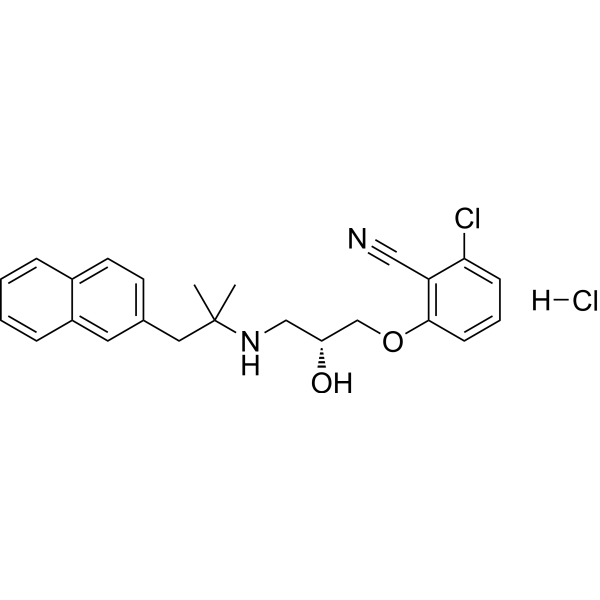
CL075 (3M002) is a selective TLR8 agonist with immunomodulating properties. CL075 triggers a MyD88-dependent signaling pathway to elicit production of inflammatory cytokines and type I interferons (IFNs) via activation of NF-κB and IRF7, respectively .
|
-
-
- HY-12379
-
NS-2028
1 Publications Verification
|
Guanylate Cyclase
|
Inflammation/Immunology
|
|
NS-2028 is a highly selective soluble Guanylyl Cyclase (sGC) inhibitor with IC50 values of 30 nM and 200 nM for basal and NO-stimulated enzyme activity . NS-2028 inhibits soluble Guanylyl Cyclase activity in homogenates of mouse cerebellum and neuronal NO synthase with IC50 values of 17 nM and 20 nM . NS-2028 inhibits 3-morpholino-sydnonimine (SIN-1)-elicited formation of cyclic GMP in human cultured umbilical vein endothelial cells with an IC50 of 30 nM . NS-2028 is commonly used in the research of nitric oxide signaling pathways, it inhibits NO-dependent relaxant responses in non-vascular smooth muscle completely (1 μM) . NS-2028 reduces vascular endothelial growth factor-induced angiogenesis and permeability .
|
-
-
- HY-P0278A
-
|
|
Integrin
|
Cancer
|
|
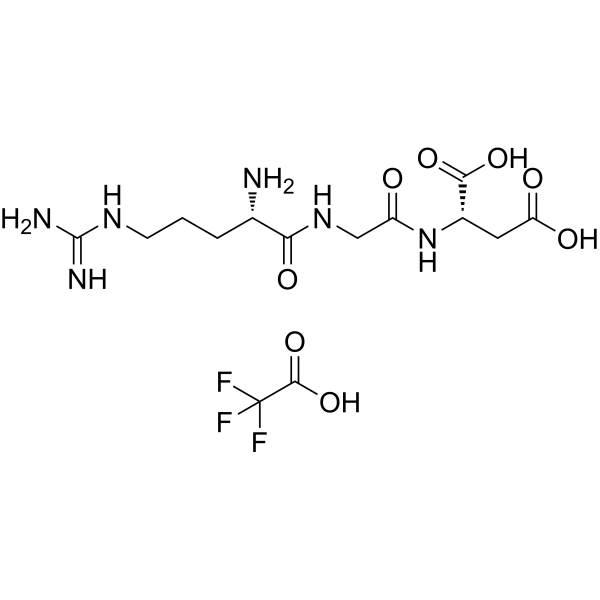
RGD Trifluoroacetate is a tripeptide that effectively triggers cell adhesion, addresses certain cell lines and elicits specific cell responses; RGD Trifluoroacetate binds to integrins.
|
-
-
- HY-N6992
-
|
|
Taste Receptor
|
Inflammation/Immunology
|
|
Dulcoside A is a glycoside that can be isolated from Stevia rebaudiana that elicits sweet and bitter taste through activation of TAS1R. Dulcoside A also exhibits anti-inflammatory activity .
|
-
-
- HY-151971
-
|
|
Aurora Kinase
Polo-like Kinase (PLK)
|
Cancer
|
|
Aurora kinase-IN-3 (Compound 15a) is an orally active AURKB inhibitor that elicits an AURKB-suppressive activity by disrupting the mitotic localization of AURKB, rather than inhibiting its phosphorylation of H3 at Ser10 .
|
-
-
- HY-N7698B
-
|
|
Glycosidase
|
Inflammation/Immunology
Cancer
|
|
Hexa-N-acetylchitohexaose is an inducer of disease resistance in crop plants, which could elicit an increase of lignification-related and antioxidative enzymes in soybean plants. Hexa-N-acetylchitohexaose is a substrate of lysozyme. Hexa-N-acetylchitohexaose shows antitumor effect .
|
-
-
- HY-156174
-
|
|
Toll-like Receptor (TLR)
ADC Payload
|
Cancer
|
|
E104 (compound 1) is a potent and selective TLR7 agonist. E104 can be delivered by antibody-drug conjugate (ADC) technology to elicit potent anticancer activity. E104 induces the activation of mouse macrophages and hPBMCs .
|
-
-
- HY-N8491A
-
|
|
Others
|
Others
|
|
(+)-Dihydrocarvone elicits strong antennal responses of A. mellifera. (+)-Dihydrocarvone influences bee foraging preference for tomato .
|
-
-
- HY-118120
-
-
-
- HY-U00441
-
DPBQ
1 Publications Verification
|
MDM-2/p53
Apoptosis
|
Cancer
|
|
DPBQ activates p53 and triggers apoptosis in a polyploid-specific manner, but does not inhibit topoisomerase or bind DNA. DPBQ elicits expression and phosphorylation of p53 and this effect is specific to tetraploid cells .
|
-
-
- HY-145056
-
|
|
DNA/RNA Synthesis
|
Cancer
|
|
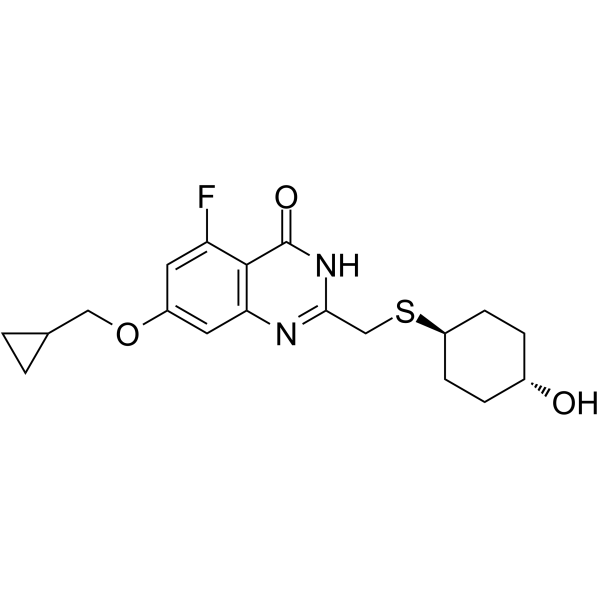
ART615 is the related isomer of ART558. ART615, the inactive of ART558, elicits <10% Polθ inhibition at 12 µM, thus serving as a control for ART558 (IC50=7.9 nM) .
|
-
-
- HY-P1112
-
-
-
- HY-Y0069S
-
|
Aceturic acid-d5; Acetamidoacetic acid-d5
|
Isotope-Labeled Compounds
Endogenous Metabolite
|
Others
|
|
N-Acetylglycine-d5 (Aceturic acid-d5) is the deuterium labeled N-Acetylglycine (HY-Y0069). N-Acetylglycine (Aceturic acid) is a minor constituent of numerous foods. N-Acetylglycine is a flavor enhancer which elicits Monosodium glutamate (MSG)-like sensory experiencesN-Acetylglycine .
|
-
-
- HY-103223
-
|
NSC 710305
|
Cytochrome P450
|
Cancer
|
|
Phortress is a high affinity AhR ligand that elicits antitumor activity by inducing transcription of CYP1A1 .
|
-
-
- HY-N12277
-
|
|
Apoptosis
|
Neurological Disease
|
|
Celosin K (compound 8) can be isolated from the seeds of Semen Celosiae. Celosin K is a potent inhibitor of neuron injury elicited by t-BHP. Celosin K inhibits oxidative stress and apoptosis, and acts of autophagy .
|
-
-
- HY-P5453
-
|
|
CD3
|
Others
|
|
CFP10 (71–85) is a biological active peptide. (CFP1071–85, that elicited IFN-γ production and CTL activity by both CD4+ and CD8+ T cells from persons expressing multiple MHC class II and class I molecules)
|
-
-
- HY-W087988S
-
-
-
- HY-P10400
-
|
|
Phytohormone
|
Inflammation/Immunology
|
|
AtPep1 is a plant elicitor peptide. AtPep1 activates transcription of the defensive gene defensin (PDF1.2) and activates the synthesis of H2O2, which are components of the innate immune response against pathogens. AtPep1 can be isolated from extracts of Arabidopsis leaves .
|
-
-
- HY-102065
-
|
|
Prostaglandin Receptor
|
Others
|
|
SC-19220 is a competitive prostaglandinn E2 receptor antagonist. SC-19220 increases the bladder capacity and reduced the voiding efficiency of micturition (elicited by slow transvesical filling) of urethane-anesthetized rats. SC-19220 can restores the balance in bone marrow granulocyte and monocyte production after burn sepsis .
|
-
-
- HY-N3570
-
|
|
Fungal
|
Infection
|
|
Cerebroside B, a sphingolipid compound, is a non-racespecific elicitor, which elicits defense responses in rice .
|
-
-
- HY-N7698A
-
|
|
Bacterial
|
Inflammation/Immunology
|
|
Penta-N-acetylchitopentaose elicits plant defense systems. Penta-N-acetylchitopentaose is a substrate for the Rhizobium leguminosarum nodulation protein NodL .
|
-
-
- HY-139785
-
|
AST-008
|
Toll-like Receptor (TLR)
|
Others
Cancer
|
|
Cavrotolimod is an immunostimulatory spherical nucleic acid (SNA) modified with type B CpG oligonucleotides designed to agonize TLR9 and elicit immune responses useful in oncology applications.
|
-
-
- HY-P3563
-
|
|
Endothelin Receptor
|
Cardiovascular Disease
|
|
[Lys4] Sarafotoxin S6c, a sarafotoxin analogue, is a potent and partial agonist of endothelin receptor. [Lys4] Sarafotoxin S6c elicits contraction of pig coronary artery, with an EC50 of 1.5 nM .
|
-
-
- HY-124110
-
|
|
nAChR
|
Neurological Disease
|
|
TC299423 is an orally active, brain-penetrant, selective and potent agonist for α6β2 ? and α4β2 ? nicotinic acetylcholine receptors (nAChRs) with anxiolytic and antinociceptive properties. TC299423 acts primarily through α6β2 ? nAChRs that are implicated in the anxiolytic effects of nicotine. TC299423 elicits reward-related behavior mediated through α6β2 ? nAChRs in hypersensitive α6L90’S mice. TC299423 elicits dopamine release and dose not suppress nicotine self-administration in rats. TC299423 is proming for rasearch of addiction and Parkinson’s disease .
|
-
-
- HY-N2166R
-
|
α-Tomatine (Standard); Lycopersicin (Standard); Tomatin (Standard)
|
Reference Standards
Proteasome
Apoptosis
|
Neurological Disease
|
|
Tomatine is a glycoalkaloid, found in the tomato plant (Lycopersicon esculentum Mill.). Tomatine elicits neurotoxicity in RIP1 kinase and caspase-independent manner. Tomatine promotes the upregulation of nuclear apoptosis inducing factor (AIF) in neuroblastoma cells. Tomatine also inhibits 20S proteasome activity .
|
-
-
- HY-N0020R
-
|
|
Reference Standards
Wnt
Reactive Oxygen Species (ROS)
|
Neurological Disease
|
|
Echinacoside (Standard) is the analytical standard of Echinacoside. This product is intended for research and analytical applications. Echinacoside, one of the phenylethanoids isolated from the stems of Cistanche deserticola, effectively inhibits Wnt/β-catenin signaling. Echinacoside elicits neuroprotection by activating Trk receptors and their downstream signal pathways. Antiosteoporotic activity .
|
-
-
- HY-17517
-
|
|
Fungal
Biochemical Assay Reagents
|
Infection
|
|
Tiadinil is a systemic acquired resistance (SAR) inducer, plant elicitor and antifungal agent. Tiadinil promotes the production of herbivore-induced plant volatiles in Camellia sinensis (tea plant). Tiadinil inhibits mycelial growth, spore germination and germ tube elongation of Stagonosporopsis citrulli in vitro. Tiadinil can be used in studies related to vine blight .
|
-
-
- HY-N8392
-
|
|
Parasite
|
Infection
|
|
Ascr#9 is a small-molecule pheromone belonging to the ascaroside family, and it is widely present in nematodes. Ascr#9 promotes dispersal or elicits avoidance behavior in various nematode species (such as Caenorhabditis elegans and entomopathogenic nematodes), suggesting that individuals evacuate from adverse environments. Ascr#9 exhibits repellent potential in Meloidogyne incognita .
|
-
-
- HY-N3171
-
|
(-)-Wikstromol; (-)-Nortrachelogenin
|
Apoptosis
|
Cancer
|
|
Nortrachelogenin ((-)-Wikstromol) from Partrinia scabiosaefolia elicits an apoptotic response in Candida albicans .
|
-
- HY-P5502
-
|
|
Influenza Virus
|
Others
|
|
Influenza NP (311-325) is a biologically active peptide derived from the influenza virus nucleoprotein (NP). The NP protein is an MHC class II restricted epitope that elicits host immune responses during viral infection. Influenza NP (311-325) elicits the most potent interferon gamma (IFN-γ) production without stimulating CD8 T cells in mice.
|
-
- HY-125648
-
|
alpha-Euphorbol
|
Parasite
|
Infection
|
|
Euphorbadienol (alpha-Euphorbol), a triterpenic compound, isolated from the latex of Euphorbia resinifera. The derivatives of Euphorbadienol can be used as elicitors of disease resistance, and has antileishmanial and antitrypanosomal activity .
|
-
- HY-W042284
-
|
Myristyl acetate
|
Sex Pheromone
Insecticide
|
Others
|
|
Tetradecyl (Myristyl) acetate is a native sex pheromone component of Yponomeuta rorellus. Tetradecyl acetate elicits orientation behaviour, upwind flight, and landing at the odour source in male Yponomeuta rorellus. Tetradecyl acetate can be used in research on insecticides .
|
-
- HY-P2642
-
|
|
CXCR
|
Inflammation/Immunology
|
|
Peptide 78, a chemotactic cytokine, a 78 amino acid protein member of the IL-8 or C-X-C chemokine supergene family. ENA-78 plays an important role in the elicitation of predominantly neutrophils (PMNs) into the joints of rheumatoid arthritis (RA) .
|
-
- HY-P2696
-
|
|
Transmembrane Glycoprotein
|
Cardiovascular Disease
|
|
EP 80317 is a selective CD36 ligand. EP 80317 protects the heart against damage and dysfunction elicited by myocardial ischaemia and reperfusion (MI/R), along with a transient reduction in peripheral lipolysis. EP 80317 can be used for the study of cardiovascular disease .
|
-
- HY-P990757
-
|
ABL503, TJ-L14B
|
PD-1/PD-L1
|
Inflammation/Immunology
|
|
Ragistomig can simultaneously target programmed death-ligand 1 (PD-L1) and the 4-1BB receptor. Ragistomig elicits potent anti-tumor T-cell responses without inducing significant toxicity. Ragistomig is applicable for tumor research .
|
-
- HY-N6992R
-
|
|
Reference Standards
Taste Receptor
|
Inflammation/Immunology
|
|
Dulcoside A (Standard) is the analytical standard of Dulcoside A. This product is intended for research and analytical applications. Dulcoside A is a glycoside that can be isolated from Stevia rebaudiana that elicits sweet and bitter taste through activation of TAS1R. Dulcoside A also exhibits anti-inflammatory activity .
|
-
- HY-111918
-
|
|
Cholecystokinin Receptor
|
Metabolic Disease
|
|
A71378 is a selectivity CCK-A receptor agonist the IC50 values of 0.4 nM, 300 nM, and 1,200 nM for the pancreatic CCK-A, cortical CCK-B, and gastrin receptor, respectively. A71378 elicits pancreatic amylase secretion (EC50 = 0.16 nM) and ileal muscle contraction (EC50 = 3.7 nM) .
|
-
- HY-W013605
-
|
|
Insecticide
|
Infection
|
|
(E)-4-Methoxycinnamaldehyde acts as an oviposition deterrent against Delia antiqua, with a BR90 (concentration eliciting 90% deterrency) of 0.38% when formulated in Polyethylene glycol (HY-Y0873A). (E)-4-Methoxycinnamaldehyde is used to study oviposition behavior in Delia antiqua .
|
-
- HY-N7697R
-
|
|
Reference Standards
Others
|
Others
|
|
Butylate (Standard) is the analytical standard of Butylate. This product is intended for research and analytical applications. Butylate is a compound involved in platelet research. Platelet activation can cause autophagy, which is partly mediated by the AMPK-MTOR pathway and is related to sphingolipid metabolism. Butylate mentioned in the study may be a tool or control substance for studying related metabolic processes.
|
-
- HY-P11382
-
|
|
GABA Receptor
|
Neurological Disease
|
|
Octadecaneuropeptide is an 18-residue peptide. Octadecaneuropeptide can be derived from Diazepam binding inhibitor. Octadecaneuropeptide includes a specific ligand for the gamma-aminobutyric acid receptor regulatory site occupied by beta-carbolines. Octadecaneuropeptide elicits a dose-related facilitation of the punishment-
elicited suppression of drinking .
|
-
- HY-W780808
-
-
- HY-P1414
-
-
- HY-135412
-
|
|
Sodium Channel
|
Neurological Disease
|
|
N-Methyl Duloxetine hydrochloride is an analgesic. N-Methyl Duloxetine (hydrochloride) elicits both tonic and use-dependent block of neuronal Na + channels .
|
-
- HY-139785A
-
|
AST-008 sodium
|
Toll-like Receptor (TLR)
|
Others
|
|
Cavrotolimod sodium is an immunostimulatory spherical nucleic acid (SNA) modified with type B CpG oligonucleotides designed to agonize TLR9 and elicit immune responses useful in oncology applications.
|
-
- HY-117527
-
-
- HY-N10377
-
|
|
Others
|
Others
|
|
Anhuienoside B is a natural product that can be isolated from the fresh leaves of C. anhuiensis K. F. Wu in response to abiotic stress elicitation by CuCl2 .
|
-
- HY-148022
-
|
|
Microtubule/Tubulin
|
Cancer
|
|
NSC 330770, a demethylated hydrogenated molecule, is a potent tubulin polymerization inhibitor (IC50 of 2 μM). NSC 330770 elicites GTPase activity and the formation of abnormal polymers .
|
-
- HY-139716
-
|
|
NF-κB
|
Inflammation/Immunology
|
|
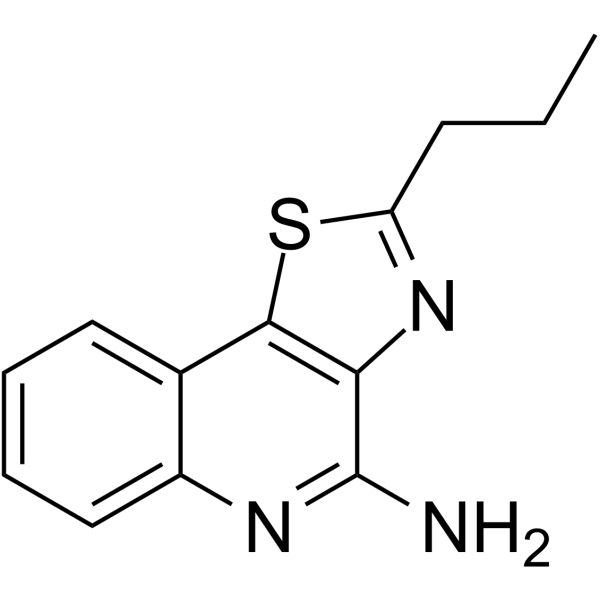
IMD-catechol is a novel imidazoquinolinone-NF-κB immunomodulator dimer that improves efficacy in a CT26 mouse colon carcinoma tumor model while eliciting minimal adjuvant toxicity.
|
-
- HY-P10663
-
-
- HY-155494
-
|
|
Hapten
|
Inflammation/Immunology
|
|
trans-Stilbene-NHCO-(CH2)3-acid, a trans-stilbene hapten, can be used to elicit a panel of monoclonal antibodies that display a range of fluorescent spectral behavior .
|
-
- HY-120989
-
|
|
Endogenous Metabolite
|
Metabolic Disease
|
|
Methyl 7(Z)-hexadecenoate is a sex pheromone produced by Trogoderma glabrum. Methyl 7(Z)-hexadecenoate can elicit attractive and sexually excitatory responses in Trogoderma glabrum males .
|
-
- HY-162108
-
|
|
Apoptosis
|
Cancer
|
|
Antitumor agent-128 (compound 1a) is an antitumor agent that elicits cell cycle arrest in both the G2/M and S phases, triggering apoptosis in A549 cells .
|
-
- HY-P5930
-
|
MDM2 32-46
|
Ligands for E3 Ligase
|
Cancer
|
|
HOXB7 8–25 (MDM2 32-46) is an MDM2-derived peptide epitope and can elicit antigen-specifc and tumor-reactive CD4 + T cell responses .
|
-
- HY-153556
-
|
|
CDK
VEGFR
Src
|
Others
|
|
GW297361 is an oxindole CDK inhibitor that elicits a Pho85-selective response in cells. GW297361 inhibits yeast Cdk1 and Pho85 with IC50s of 20 nM and 400 nM in vitro, respectively .
|
-
- HY-168264
-
|
|
NOD-like Receptor (NLR)
|
Neurological Disease
|
|
MC1 is a potent NLRP3 inhibitor with a KD value of 19.3 nM. MC1 shows no cytotoxicity. MC1 ameliorates cognitive deficits without eliciting adverse effects and shows an absence of hepatotoxicity. MC1 has the potential for the research of Alzheimer's disease (AD) .
|
-
- HY-W650842
-
|
|
Caspase
|
Cancer
|
|
Boc-Asp(OBzl)-CMK is an inhibitor for IL-1 converting enzyme (ICE, caspase1). Boc-Asp(OBzl)-CMK prevents death of CHP100 neuroblastoma cell, and IL-1β release elicited by the viral coat protein .
|
-
- HY-122783
-
|
|
Antibiotic
|
Cancer
|
|
Isogambogic acid is an antibiotic and anti-cancer agent which efficiently elicit cell death in LLC and SK-LU-1 within a low micromolar range with IC50s of 2.26 μM and 2.02 μM. Isogambogic acid can be used for cancer research .
|
-
- HY-N2166A
-
|
α-Tomatine hydrochloride; Lycopersicin hydrochloride; Tomatin hydrochloride
|
Proteasome
Apoptosis
|
Neurological Disease
|
|
Tomatine hydrochloride is a glycoalkaloid, found in the tomato plant (Lycopersicon esculentum Mill.). Tomatine hydrochloride elicits neurotoxicity in RIP1 kinase and caspase-independent manner. Tomatine hydrochloride promotes the upregulation of nuclear apoptosis inducing factor (AIF) in neuroblastoma cells. Tomatine hydrochloride also inhibits 20S proteasome activity .
|
-
- HY-149872
-
|
|
Biochemical Assay Reagents
|
Others
|
|
DCA-RMR1 is a cross-linker. DCA-RMR1 elicits facile bicyclization of native peptides via N-terminus Cys-Cys cross-linking. DCA-RMR1 derivatizes RMR1 with 1,3-dichloroacetone (DCA) .
|
-
- HY-117717
-
|
|
Prostaglandin Receptor
|
Others
|
|
(Rac)-SC-31391, a prostaglandin analog, is a strong activator of the bladder muscle contractility that enhanced twitch responses elicited by field stimulation in the guinea pig detrusor muscle. (Rac)-SC-31391 contracts human bladder muscle through the activation of PGF2α receptors .
|
-
- HY-P10779
-
|
|
Bacterial
|
Inflammation/Immunology
|
|
flg22Pst is a peptide that can be derived Pseudomonas syringae pv. tabaci and serves as an effective elicitor for the plant immune system. flg22Pst can induce callose deposition in plants, trigger plant immune responses, and thereby assist plants in defending against pathogen invasion .
|
-
- HY-P1112A
-
|
|
Endothelin Receptor
|
Cardiovascular Disease
Neurological Disease
|
|
Sarafotoxin S6a TFA , a sarafotoxin analogue, is a endothelin receptor agonist and has an ETA/ETB selectivity profile similar to that of Endothelin-3 (HY-P0204). Sarafotoxin S6a TFA elicits the pig coronary artery with an EC50 value of 7.5 nM .
|
-
- HY-P10290
-
|
|
Neuropeptide Y Receptor
|
Neurological Disease
|
|
Neuropeptide Y (human) free acid is the deamidated form of Neuropeptide Y (human, rat, mouse) (HY-P0198). The amidation of Neuropeptide Y C-terminal tyrosine is critical for its function. Non-amidated Neuropeptide Y fails to elicit G protein signaling .
|
-
- HY-N0647R
-
|
|
Reference Standards
Monocarboxylate Transporter
|
Endocrinology
|
|
Silychristin (Standard) is the analytical standard of Silychristin. This product is intended for research and analytical applications. Silychristin is an abundant flavonolignan present in the fruits of Silybum marianum, with antioxidant properties. Silychristin is a potent inhibitor of the thyroid hormone transporter MCT8, and elicits a strong inhibition of T3 uptake with an IC50 of 110 nM .
|
-
- HY-P5782
-
|
|
Sodium Channel
|
Neurological Disease
|
|
δ-Theraphotoxin-Hm1a toxin is a selective Nav1.1 activator. δ-Theraphotoxin-Hm1a toxin elicits pain and touch sensitivity. δ-Theraphotoxin-Hm1a toxin can be used for the research of irritable bowel syndrome .
|
-
- HY-W780787
-
|
E3,Z13-18:Ac
|
Insecticide
|
Endocrinology
|
|
(E,Z)-3,13-Octadecadienyl acetate (E3,Z13-18:Ac) is an insect sex pheromone that elicits attraction in male lesser peachtree borers (Lesser Peachtree Borer), which can be isolated from female lesser peachtree borers .
|
-
- HY-Y0069R
-
|
Aceturic acid (Standard); Acetamidoacetic acid (Standard)
|
Reference Standards
Endogenous Metabolite
|
Others
|
|
N-Acetylglycine (Standard) (Aceturic acid (Standard)) is the analytical standard of N-Acetylglycine (HY-Y0069). This product is intended for research and analytical applications. N-Acetylglycine (Aceturic acid) is a minor constituent of numerous foods. N-Acetylglycine is a flavor enhancer which elicits Monosodium glutamate (MSG)-like sensory experiencesN-Acetylglycine.
|
-
- HY-Y0069S1
-
|
Aceturic acid-d2; Acetamidoacetic acid-d2
|
Isotope-Labeled Compounds
Endogenous Metabolite
|
Others
|
|
N-Acetylglycine-d2 (Aceturic acid-d2) is the deuterated labeled N-Acetylglycine (HY-Y0069). N-Acetylglycine (Aceturic acid) is a minor constituent of numerous foods. N-Acetylglycine is a flavor enhancer which elicits Monosodium glutamate (MSG)-like sensory experiencesN-Acetylglycine .
|
-
- HY-P4042
-
|
hepatitis B peptide 4980
|
HBV
|
Infection
Inflammation/Immunology
|
|
Hepatitis B Virus Receptor Binding Fragment (hepatitis B peptide 4980) is a synthetic peptide analog which specifically binds to Hep G2 cells. Hepatitis B Virus Receptor Binding Fragment is a promising immunogen expected to elicit protective antibodies based on the concept of the attachment blockade pathway of virus neutralization .
|
-
- HY-131019
-
|
|
mGluR
|
Neurological Disease
|
|
JF-NP-26, an inactive photocaged derivative of raseglurant, is the first caged mGlu5 receptor negative allosteric modulator. Uncaging of JF-NP-26 is elicited with light pulses in the visible spectrum (405 nm). JF-NP-26 induces light-dependent analgesia in models of inflammatory and neuropathic pain in freely behaving animals .
|
-
- HY-10624R
-
|
|
Reference Standards
Melanocortin Receptor
|
Metabolic Disease
|
|
THIQ (Standard) is the analytical standard of THIQ (HY-10624). This product is intended for research and analytical applications. THIQ is the first selective agonist of the melanocortin-4 receptor (MC4R), with high affinity and potency for hMC4R (IC50=1.2 nM, EC50=2.1 nM) and rMC4R (IC50=0.6 nM, EC50=2.9 nM). THIQ maintains low potency at MC1R, MC3R and MC5R. THIQ plays a role in eliciting erectile activity in rodents. THIQ acts as a pharmacoperone of the MC4R rescuing the cell surface expression and signaling of some intracellularly retained MC4R mutants .
|
-
- HY-134111
-
|
|
Sex Pheromone
|
Others
|
|
(Z)-9-Dodecenyl acetate is a monounsaturated dodecenyl acetate, EAG stimulant and attraction inhibitor. (Z)-9-Dodecenyl acetate elicits electroantennogram (EAG) responses in the antennae of male Choristoneura rosaceana.
|
-
- HY-W726468
-
|
|
Others
|
Others
|
|
Feruloylaspartic acid (Compound 19) is an N-cinnamoyl-L-amino acid, and it is a key astringent compound responsible for the puckering sensation in roasted cocoa beans. Feruloylaspartic acid elicits a puckering, astringent oral sensation without exhibiting a bitter taste .
|
-
- HY-103223R
-
|
NSC 710305 (Standard)
|
Reference Standards
Cytochrome P450
|
Cancer
|
|
Phortress (Standard) is the analytical standard of Phortress (HY-103223). This product is intended for research and analytical applications. Phortress is a high affinity AhR ligand that elicits antitumor activity by inducing transcription of CYP1A1 .
|
-
- HY-P2696A
-
|
|
Transmembrane Glycoprotein
|
Cardiovascular Disease
|
|
EP 80317 acetate is a selective CD36 ligand. EP 80317 acetate protects the heart against damage and dysfunction elicited by myocardial ischaemia and reperfusion (MI/R), along with a transient reduction in peripheral lipolysis. EP 80317 acetate can be used for the study of cardiovascular disease .
|
-
- HY-149796
-
|
|
Adrenergic Receptor
|
Cardiovascular Disease
|
|
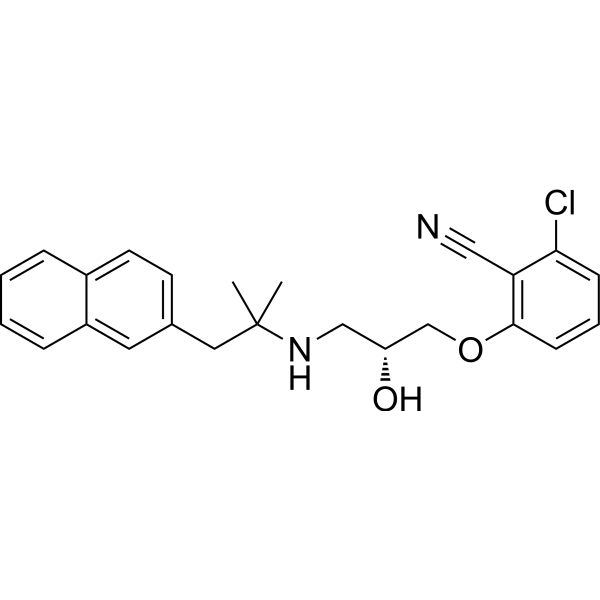
Tazolol is a specific β-adrenergic antagonist (IC50: 700 nM for (-) isoproterenol-elicited accumulation of cyclic AMP in rat cortical slices). Tazolol produces a significant and sustained increase in cardiac output and stroke volume. Tazolol can be used in the research of heart failure .
|
-
- HY-180941
-
|
|
Bcl-2 Family
Caspase
|
Cancer
|
|
Bfl-1-IN-7 (Compound 25) is a selective, covalent, orally active Bfl-1 inhibitor with an IC50 of 0.015 μM. Bfl-1-IN-7 elicits Caspase activation. Bfl-1-IN-7 can be used in cancer research .
|
-
- HY-W674655
-
|
|
Environmental Pollutants
|
Others
|
|
Heptyl butyrate is a pheromone and is an attractant for many wasp species. Heptyl butyrate elicits hovering and landing behavior in Vespula germanica wasps. Heptyl butyrate enhances attraction when applied to protein baits, increasing Vespula germanica wasps’ likelihood of landing on baits.Heptyl butyrate can be used for the research of invasive Vespula germanica wasp population management .
|
-
- HY-119277
-
|
|
Dopamine Receptor
|
Neurological Disease
|
|
CJB-090 dihydrochloride is a partial agonist with activity at dopamine D3 receptors. CJB-090 exhibits partial agonist characteristics in vitro. CJB-090 elicits yawning responses only in monkeys with an extensive history of cocaine use. CJB-090 reduces the reinstatement effects of cocaine in reinstatement behaviors induced by cocaine .
|
-
- HY-W010415
-
|
|
Environmental Pollutants
Insecticide
|
Infection
|
|
Prenyl acetate is an insecticide. At low concentrations, prenyl acetate exhibits an attractant effect on worker ants of the red imported fire ant, and it elicits strong antennal electroantennogram (EAG) responses in all castes of the red imported fire ant. Prenyl acetate shows low toxicity to mammals. It can be used in research related to the control of the red imported fire ant (Solenopsis invicta) .
|
-
- HY-103320
-
|
|
CaSR
|
Metabolic Disease
|
|
Calhex 231 is a potent negative allosteric modulator that blocks (IC50 = 0.39 μM) increases in [ 3H]inositol phosphates elicited by activating the human wild-type CaSR transiently Ca 2+-sensing receptor. Calhex 231 can be used in the study of traumatic hemorrhagic shock (THS) and diabetic cardiomyopathy (DCM) .
|
-
- HY-103320A
-
|
|
CaSR
|
Metabolic Disease
|
|
Calhex 231 hydrochloride is a potent negative allosteric modulator that blocks (IC50 = 0.39 μM) increases in [ 3H]inositol phosphates elicited by activating the human wild-type CaSR transiently Ca 2+-sensing receptor. Calhex 231 hydrochloride can be used in the study of traumatic hemorrhagic shock (THS) and diabetic cardiomyopathy (DCM) .
|
-
- HY-124042
-
K6PC-5
4 Publications Verification
|
SphK
Filovirus
|
Infection
Neurological Disease
Inflammation/Immunology
|
|
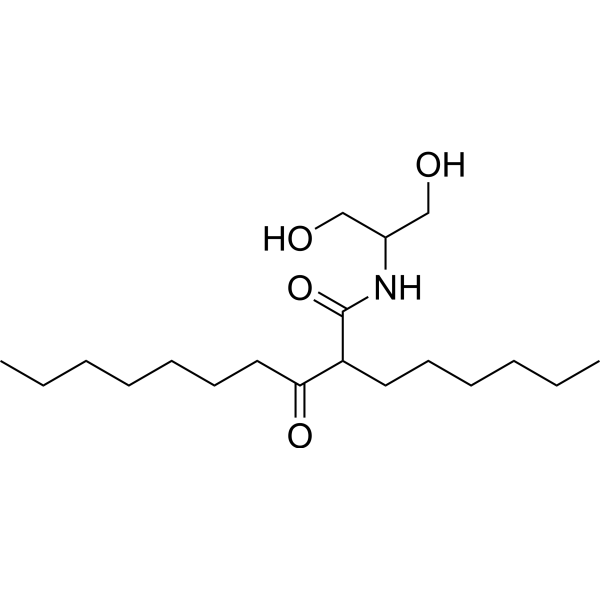
K6PC-5, a ceramide derivative, is a sphingosine kinase 1(SPHK1) activator and elicites a rapid transient increase in intracellular calcium levels. K6PC-5 has the potential for skin diseases involving abnormal keratinocyte, and neurodegeneration and virus infection research .
|
-
- HY-135046
-
|
|
DNA/RNA Synthesis
|
Neurological Disease
Inflammation/Immunology
Cancer
|
|
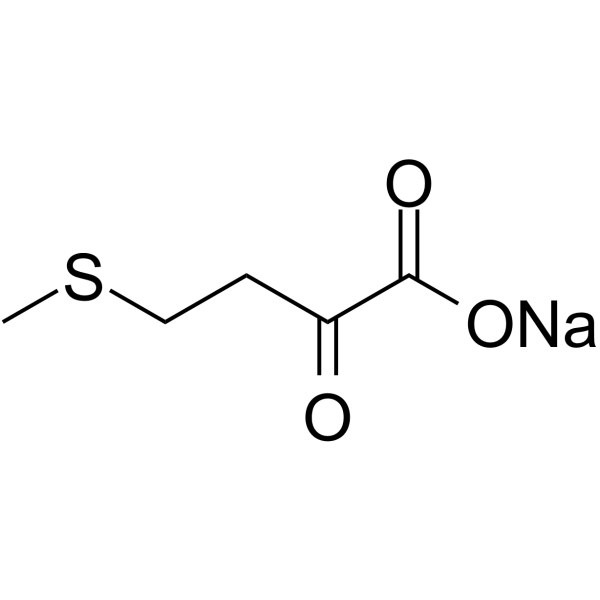
MTOB sodium is a potent C-terminal binding protein (CtBP) inhibitor. MTOB sodium attenuates repetitive head injury-elicited neurologic dysfunction and neuroinflammation via inhibition of the transactivation activity of CtBP1 and CtBP2. MTOB sodium antagonizes the transcriptional regulatory activity of CtBP1 and CtBP2 by eviction from their target promoters in breast cancer cell lines .
|
-
- HY-10037
-
|
MK-591
|
FLAP
Apoptosis
|
Inflammation/Immunology
|
|
Quiflapon (MK-591) is a selective and specific 5-lipoxygenase-activating protein (FLAP) inhibitor with an IC50 of 1.6 nM in a FLAP binding assay. Quiflapon is also a potent and orally active Leukotriene biosynthesis (LT) inhibitor, shows IC50 values of 3.1 and 6.1 nM in intact human and elicited rat PMNLs, respectively. Quiflapon induces cell apoptosis .
|
-
- HY-112531B
-
|
|
Biochemical Assay Reagents
|
Others
|
|
Poly(2-hydroxyethyl methacrylate) (Mv 300000) is a biocompatible, optically transparent, hydrophilic, and non-degradable polymer with excellent cytocompatibility, eliciting a minimal immunological response from host tissue. Poly(2-hydroxyethyl methacrylate) (Mv 300000) can be used for different biomedical applications, such as bone tissue regeneration, wound dressings and drug delivery .
|
-
- HY-N19464
-
|
|
PDI
|
Inflammation/Immunology
Cancer
|
|
Dicentrinone is an orally active PDI inhibitor with an IC50 value of 43.95 μM. Dicentrinone directly binds to PDI and suppresses cell proliferation and reduces cancer cell viability. Dicentrinone elicits anti-inflammatory and antioxidant effects by suppressing leukocyte migration, plasma leakage and paw edema, and scavenging free radicals. Dicentrinone can be used in the research of hepatoma, rheumatism and arthritis .
|
-
- HY-N15314
-
|
|
MDM-2/p53
Akt
Apoptosis
|
Cancer
|
|
Syringolin A is a plant elicitor that can be produced by the plant pathogen Pseudomonas syringae pv. syringae. Syringolin A exhibits anti-proliferative activity against a variety of cancer cells (IC50 for SK-N-SH, LAN-1, SKOV3 is 20-25 µM), induces apoptosis in SK-N-SH through upregulation of p53 expression and downregulation of Akt/PKB proteins .
|
-
- HY-126147
-
|
|
HDAC
|
Cancer
|
|
J22352 is a PROTAC (proteolysis-targeting chimeras)-like and highly selective HDAC6 inhibitor with an IC50 value of 4.7 nM. J22352 promotes HDAC6 degradation and induces anticancer effects by inhibiting autophagy and eliciting the antitumor immune response in glioblastoma cancers, and leading to the restoration of host antitumor activity by reducing the immunosuppressive activity of PD-L1 .
|
-
- HY-P1016
-
|
|
Endothelin Receptor
|
Cardiovascular Disease
|
|
BQ-3020 is a selective endothelin receptor (ETB receptor) agonist that displaces [ 125I] ET-1 binding to ETB receptors, with an IC50 value of 0.2 nM. BQ-3020 elicits vasoconstriction in the rabbit pulmonary artery. BQ-3020 makes relaxation of the pig urinary bladder neck and can be used for cardiovascular disease research 1 2.
|
-
- HY-W779386
-
|
Aceturic acid-13C2, 15N; Acetamidoacetic acid-13C2, 15N
|
Isotope-Labeled Compounds
Endogenous Metabolite
|
Others
|
|
N-Acetylglycine- 13C2, 15N (Aceturic acid- 13C2, 15N) is the 13C- and 15N-labeled N-Acetylglycine (HY-Y0069). N-Acetylglycine (Aceturic acid) is a minor constituent of numerous foods. N-Acetylglycine is a flavor enhancer which elicits Monosodium glutamate (MSG)-like sensory experiencesN-Acetylglycine .
|
-
- HY-139427
-
|
β-Methylglutaconic acid
|
GABA Receptor
|
Cardiovascular Disease
Neurological Disease
Metabolic Disease
|
|
3-Methylglutaconic acid is the major metabolites accumulating in 3-Methylglutaconic aciduria (MGTA). 3-Methylglutaconic acid can induce lipid oxidative damage and protein oxidative. 3-Methylglutaconic acid decreases the non-enzymatic antioxidant defenses in cerebral cortex supernatants to elicit oxidative stress in the cerebral cortex. 3-Methylglutaconic acid can be used for brain damage disease research .
|
-
- HY-112477
-
|
Hymenialdisine analogue-1
|
Checkpoint Kinase (Chk)
Choline Kinase
|
Cancer
|
|
Chk2-IN-1 (compound 1) is a potent and selective inhibitor of checkpoint kinase 2 (Chk2), with IC50s of 13.5 nM and 220.4 nM for Chk2 and Chk1, respectively. Chk2-IN-1 can elicit a strong ataxia telangiectasia mutated (ATM)-dependent Chk2-mediated radioprotection effect .
|
-
- HY-150135B
-
|
Inositol 1,4,5-trisphosphate tripotassium; Ins(1,4,5)-P3 tripotassium
|
Calcium Channel
|
Neurological Disease
|
|
D-myo-Inositol 1,4,5-trisphosphate tripotassium, a second messenger, elicits Ca 2+ mobilization. D-myo-Inositol 1,4,5-trisphosphate tripotassium inhibits the binding of phosphoinositide-specific phospholipase C-delta 1 (PLC-delta 1) to bilayer membranes composed of phosphatidylcholine (PC) and phosphatidylinositol 4,5-bisphosphate (PIP2) .
|
-
- HY-129101
-
|
Eseroline fumarate
|
5-HT Receptor
|
Neurological Disease
|
|
(-)-Eseroline fumarate is a metabolic of Physostigmine (HY-N6608), an AChE inhibitor. (-)-Eseroline fumarate elicits a leakage of lactic acid dehydrogenase (LDH) from cancer cells. (-)-Eseroline fumarate also induces the release of adenine nucleotides and 5-hydroxytryptamine (5-HT) from neuronal cells, thus induce cell death. (-)-Eseroline fumarate inhibits the electrically evoked twitches of the mouse vas deferens and of the guinea-pig ileum .
|
-
- HY-10171
-
|
SB-262470A hydrochloride
|
CaSR
|
Metabolic Disease
|
|
NPS-2143 hydrochloride (SB-262470A hydrochloride), an orally active calcilytic agent, is a selective and potent calcium ion-sensing receptor (CaSR) antagonist. NPS-2143 hydrochloride (SB-262470A hydrochloride) blocks increases in cytoplasmic Ca 2+ concentrations (IC50=43 nM) elicited by activating the Ca 2+ receptor in HEK 293 cells expressing the human Ca 2+ receptor .
|
-
- HY-10007
-
|
SB-262470A
|
CaSR
|
Metabolic Disease
|
|
NPS-2143 (SB-262470A), an orally active calcilytic agent, is a selective and potent calcium ion-sensing receptor (CaSR) antagonist. NPS-2143 (SB-262470A) blocks increases in cytoplasmic Ca 2+ concentrations (IC50=43 nM) elicited by activating the Ca 2+ receptor in HEK 293 cells expressing the human Ca 2+ receptor .
|
-
- HY-182682
-
|
NSC-146171
|
DNA Alkylator/Crosslinker
|
Cancer
|
|
IOB-82 is a bifunctional alkylating agent. IOB‑82 induces marked nuclear and cytoplasmic alterations, elicits severe chromatid and chromosome aberrations, and remodels chromosome ploidy. IOB-82 exerts dose-dependent radiomimetic effects and preferentially cytotoxic to large A-type rat ascites cells. IOB-82 can be applied in the research of melanoma‑derived tumors and leukemia .
|
-
- HY-168636
-
|
|
DNA Methyltransferase
MDM-2/p53
|
Cancer
|
|
p53 Activator 13 (compound 11) is a 6mA methyltransferase CamA inhibitor and a p53 activator. p53 Activator 13 intercalates into CamA-bound DNA via the minor groove, causing a conformational shift that moves the catalytic domain away from the DNA and elicits DNA damage response via p53 activation. p53 Activator 13 can be utilized in cancer research .
|
-
- HY-W015050
-
|
1-Aminoanthracene
|
GABA Receptor
Chloride Channel
Fluorescent Dye
|
Neurological Disease
|
|
1-Anthramine (1-aminoanthracene) is a fluorescent general anesthetic. potentiates GABAergic transmission with Kd = 0.1 mM, for binding to the general anesthetic site in horse spleen apoferritin (HSAF). 1-Anthramine fluorescence is enhanced when bound to HSAF. 1-Anthramine potentiates chloride currents elicited by GABA. 1-Anthramine can reversibly inhibit the movement of Xenopus laevis, with an EC50 value of 16 μM .
|
-
- HY-153255
-
|
|
Beta-secretase
|
Neurological Disease
|
|
BACE1-IN-13 (Compound 36) is an orally active BACE1 inhibitor with an IC50 value of 2.9 nM. BACE1-IN-13 is highly potent in hAβ42 cell (IC50 = 1.3 nM). BACE1-IN-13 has cardiovascularly safty and elicits sustained Aβ42 reduction in mouse and dog animal models .
|
-
- HY-W073501
-
|
trans-2-Pentenedioic acid
|
Drug Isomer
Endogenous Metabolite
|
Cardiovascular Disease
Metabolic Disease
|
|
trans-Glutaconic acid (trans-2-Pentenedioic acid) is the trans isomer of Glutaconic acid (HY-W073501A). trans-Glutaconic acid is a neurotoxic metabolite. trans-Glutaconic acid induces weak neurotoxicity in cultured cerebral neocortical neurons. trans-Glutaconic acid elicits significant electrophysiological responses in rat neocortical wedge preparations at high concentrations. trans-Glutaconic acid can be used in studies related to glutaric acidemia type 1 .
|
-
- HY-14343
-
|
|
NO Synthase
|
Neurological Disease
|
|
KLYP961 is a selective and orally active dual inhibitor of inducible and neuronal NO synthase (IC50 = 50-400 nM). KLYP961 can inhibit endotoxin-evoked plasma nitrates increases and attenuate pain behaviors in a mouse formalin model. KLYP961 can attenuate carrageenin-induced edema and inflammatory hyperalgesia and writhing response elicited by Phenylbenzoquinone (HY-W275039). KLYP961 can be used for the research of neurological disease .
|
-
- HY-P1016B
-
|
|
Endothelin Receptor
|
Cardiovascular Disease
|
|
BQ-3020 ammonium is a selective endothelin receptor (ETB receptor) agonist. BQ-3020 ammonium inhibits [ 125I] ET-1 binding to ETB receptors, with an IC50 value of 0.2 nM. BQ-3020 ammonium elicits vasoconstriction in the rabbit pulmonary artery. BQ-3020 ammonium makes relaxation of the pig urinary bladder neck and can be used for cardiovascular disease research . .
|
-
- HY-P11643
-
|
|
Angiotensin Receptor
Aminopeptidase
DNA/RNA Synthesis
|
Neurological Disease
|
|
LVV-hemorphin-7 is an Angiotensin IV receptor ligand and IRAP inhibitor (IC50s: 17.6 nM for sheep adrenal IRAP; 5.0 nM for sheep cerebellum IRAP). LVV-hemorphin-7 inhibits the catalytic activity of IRAP. LVV-hemorphin-7 stimulates DNA synthesis. LVV-hemorphin-7 elicits a number of physiological effects, including cellular proliferation and memory enhancement .
|
-
- HY-175761
-
|
|
Bacterial
|
Infection
|
|
Riboswit-modulator-1 (Compound A1), a covalent RNA ligand, is a bacterial Flavin mononucleotide (FMN) riboswitch modulator. Riboswit-modulator-1 modifies unpaired guanine residues (G11 and G62) proximal to the FMN-binding site through a proximity-driven mechanism, and interferes with its conformational transitions. Riboswit-modulator-1 acts as a negative antagonist by eliciting the opposite effect of the natural effector molecule .
|
-
- HY-P99683
-
|
SGN-LIV1A
|
Antibody-Drug Conjugates (ADCs)
|
Cancer
|
|
Ladiratuzumab vedotin (SGN-LIV1A) is a LIV-1 targeting antibody drug conjugate (ADC) (IC50: 5.6 nM for LIV-1). Ladiratuzumab vedotin consists of humanized IgG1 monoclonal antibody, MMAE and a protease-cleavable linker. Ladiratuzumab vedotin can drive immunogenic cell death (ICD) to elicit an immune response. Ladiratuzumab vedotin can be used for research of breast cancer .
|
-
- HY-102065R
-
|
|
Reference Standards
Prostaglandin Receptor
|
Others
|
|
SC-19220 (Standard) is the analytical standard of SC-19220 (HY-102065). This product is intended for research and analytical applications. SC-19220 is a competitive prostaglandinn E2 receptor antagonist. SC-19220 increases the bladder capacity and reduced the voiding efficiency of micturition (elicited by slow transvesical filling) of urethane-anesthetized rats. SC-19220 can restores the balance in bone marrow granulocyte and monocyte production after burn sepsis .
|
-
- HY-141520G
-
|
|
DNA/RNA Synthesis
|
Cancer
|
|
ART558 (GMP) is ART558 (HY-141520) produced by using GMP guidelines. GMP small molecules works appropriately as an auxiliary reagent for cell therapy manufacture. ART558 is a potent, selective and allosteric DNA polymerase theta (Polθ) inhibitor (IC50=7.9 nM). ART558 elicits BRCA-gene synthetic lethality and DNA damage. ART558 can be used for the research of cancer, such as breast cancer .
|
-
- HY-180786
-
|
|
Nuclear Hormone Receptor 4A/NR4A
Pyroptosis
Reactive Oxygen Species (ROS)
PERK
Caspase
|
Cancer
|
|
DdBIC is a pyroptosis inducer. DdBIC binds to Nur77 and triggers its translocation to mitochondria, activates SDHA to deplete succinyl-CoA, disrupts heme homeostasis, induces electron leakage, and elicits mitochondrial ROS production. DdBIC induces mitochondrial ROS that oxidatively activates OMA1, promotes OPA1 cleavage and its release into the cytoplasm, activates the integrated stress response via PERK, and ultimately activates granzyme B to cleave GSDMC. DdBIC can be used for the study of melanoma .
|
-
- HY-123942
-
|
|
Toll-like Receptor (TLR)
TNF Receptor
p38 MAPK
NF-κB
|
Inflammation/Immunology
Cancer
|
|
Diprovocim is a potent TLR1/TLR2 agonist. Diprovocim elicits full agonist activity in human THP-1 cells (EC50=110 pM). Diprovocim stimulates the release of TNF-α from mouse macrophages (EC50=1.3 nM). Diprovocim activates downstream MAPK and NF-κB signaling pathway. Diprovocim displays strong adjuvant activity in mice, particularly abetting cellular immune responses .
|
-
- HY-103320AR
-
|
|
Reference Standards
CaSR
|
Metabolic Disease
|
|
Calhex 231 hydrochloride (Standard) is the analytical standard of Calhex 231 hydrochloride (HY-103320A). This product is intended for research and analytical applications. Calhex 231 hydrochloride is a potent negative allosteric modulator that blocks (IC50 = 0.39 μM) increases in [3H]inositol phosphates elicited by activating the human wild-type CaSR transiently Ca2+-sensing receptor. Calhex 231 hydrochloride can be used in the study of traumatic hemorrhagic shock (THS) and diabetic cardiomyopathy (DCM) .
|
-
- HY-P992473
-
|
|
TNF Receptor
|
Inflammation/Immunology
Cancer
|
|
TAS266 is a tetrameric nanobody agonist targeting DR5. TAS266 selectively induces cancer cell death. TAS266 triggers sustained tumor regression in xenograft models and also elicits immunogenic responses including antibody binding. TAS266 exhibits superior anti-tumor efficacy compared with traditional DR5-targeting strategies. TAS266 can be used in research related to pancreatic cancer and advanced solid tumors .
|
-
- HY-P1080
-
|
|
Calcium Channel
|
Cardiovascular Disease
Neurological Disease
|
|
ω-Agatoxin IVA is a potent, selective P/Q type Ca 2+ (Cav2.1) channel blocker with IC50 values of 2 nM and 90 nM. ω-Agatoxin IVA inhibits glutamate exocytosis and calcium influx elicited by high potassium. ω-Agatoxin IVA inhibits Capsaicin (HY-10448)-induced CGRP release and vasodilation. ω-Agatoxin IVA can be used for the research of neurological and cardiovascular disease .
|
-
- HY-148808
-
|
RXC007
|
ROCK
|
Cancer
|
|
Zelasudil (RXC007) is an orally active, highly selective small molecule Rho-associated coiled-coil containing protein kinase 2 (ROCK2) inhibitor with anti-fibrotic efficacy. Zelasudil elicits positive immunomodulatory effects in metastatic pancreatic tumors with increase of CD8+ and CD4+ T cell infiltrate into the tumor cortex and reduction in immunosuppressive FOXP3+ regulatory T cells at the tumor border. Zelasudil is promising for research of pancreatic ductal adenocarcinoma .
|
-
- HY-P10639A
-
|
|
Complement System
|
Inflammation/Immunology
|
|
C5aR2 agonist P32 (Ac-RHYPYWR-OH) acetate is a C5aR2-selective agonist. C5aR2 agonist P32 acetate has been shown to elicit multiple immunomodulatory activities, both by down-regulating the C5aR1-mediated cell signalling, and acting in a C5aR1-independent fashion, in vitro and in vivo .
|
-
- HY-10037R
-
|
MK-591 (Standard)
|
Reference Standards
FLAP
Apoptosis
|
Inflammation/Immunology
|
|
Quiflapon (Standard) is the analytical standard of Quiflapon. This product is intended for research and analytical applications. Quiflapon (MK-591) is a selective and specific 5-lipoxygenase-activating protein (FLAP) inhibitor with an IC50?of 1.6 nM in a FLAP binding assay. Quiflapon is also a potent and orally active?Leukotriene biosynthesis (LT)?inhibitor, shows IC50?values of 3.1 and 6.1 nM in intact human and elicited rat PMNLs, respectively. Quiflapon induces cell apoptosis .
|
-
- HY-P1080A
-
|
|
Calcium Channel
|
Neurological Disease
|
|
ω-Agatoxin IVA TFA is a potent, selective P/Q type Ca 2+ (Cav2.1) channel blocker with IC50 values of 2 nM and 90 nM. ω-Agatoxin IVA TFA inhibits glutamate exocytosis and calcium influx elicited by high potassium. ω-Agatoxin IVA TFA inhibits Capsaicin (HY-10448)-induced CGRP release and vasodilation. ω-Agatoxin IVA TFA can be used for the research of neurological and cardiovascular disease .
|
-
- HY-179579
-
|
|
5-HT Receptor
|
Neurological Disease
|
|
TMU4142 is a selective 5-HT1a agonist with high GoA activity. TMU4142 has weak Gi3 activity, can elicit rapid antidepressant like effects without triggering significant activation of dorsal raphe nucleus (DRN) 5-HT1a R autoreceptors or serotonergic neuron firing. TMU4142 demonstrates fast-acting efficacy in mouse models of depression. TMU4142 can be used for antidepressants research .
|
-
- HY-W728110
-
|
5-Methoxy pyrrolidinyltryptamine
|
5-HT Receptor
|
Neurological Disease
|
|
5-MeO-pyr-T (5-Methoxy pyrrolidinyltryptamine) is a 5-HT1AR agonist, with Kis of 0.577 and 373 μM for 5-HT1AR and 5-HT2AR respectively. 5-MeO-pyr-T inhibits 5-HT uptake and elicits 5-HT release. 5-MeO-pyr-T induces hypolocomotion .
|
-
- HY-P10639
-
|
|
Complement System
|
Inflammation/Immunology
|
|
C5aR2 agonist P32 (Ac-RHYPYWR-OH) is a C5aR2-selective agonist. C5aR2 agonist P32 has been shown to elicit multiple immunomodulatory activities, both by down-regulating the C5aR1-mediated cell signalling, and acting in a C5aR1-independent fashion, in vitro and in vivo .
|
-
- HY-145102
-
|
|
HSP
Apoptosis
|
Cancer
|
|
NCT-58 is a potent inhibitor of C-terminal HSP90. NCT-58 does not induce the heat shock response (HSR) due to its targeting of the C-terminal region and elicits anti-tumor activity via the simultaneous downregulation of HER family members as well as inhibition of Akt phosphorylation. NCT-58 kills Trastuzumab-resistant breast cancer stem-like cells. NCT-58 induces apoptosis in HER2-positive breast cancer cells .
|
-
- HY-P3419
-
|
|
Mas-related G-protein-coupled Receptor (MRGPR)
PERK
Calcium Channel
|
Cardiovascular Disease
Inflammation/Immunology
|
|
PAMP-12 (unmodified) is an endogenous peptide and is a MrgX2 agonist. PAMP-12 (unmodified) can reduce cAMP accumulation, increase Ca 2+ levels, enhance beta-arrestin recruitment, decrease IP-1, and increases phosphoERK. PAMP-12 (unmodified) can elicit hypotension through inhibiting catecholamine secretion from sympathetic nerve endings and adrenal chromaffin cells. PAMP-12 (unmodified) can be used for the research of hypotension and ulcerative colitis .
|
-
- HY-P3419A
-
|
|
Mas-related G-protein-coupled Receptor (MRGPR)
PERK
Calcium Channel
|
Cardiovascular Disease
Inflammation/Immunology
|
|
PAMP-12 (unmodified) TFA is an endogenous peptide and is a MrgX2 agonist. PAMP-12 (unmodified) TFA can reduce cAMP accumulation, increase Ca 2+ levels, enhance beta-arrestin recruitment, decrease IP-1, and increases phosphoERK. PAMP-12 (unmodified) TFA can elicit hypotension through inhibiting catecholamine secretion from sympathetic nerve endings and adrenal chromaffin cells. PAMP-12 (unmodified) TFA can be used for the research of hypotension and ulcerative colitis .
|
-
- HY-P1345B
-
-
- HY-W403046A
-
|
|
Drug Metabolite
Calcium Channel
|
Neurological Disease
|
|
D-myo-Inositol-4-phosphate monoammonium is a metabolite of D-myo-Inositol 1,4,5-trisphosphate. D-myo-Inositol 1,4,5-trisphosphate, a second messenger, elicits Ca 2+ mobilization. D-myo-Inositol 1,4,5-trisphosphate inhibits the binding of phosphoinositide-specific phospholipase C-delta 1 (PLC-delta 1) to bilayer membranes composed of phosphatidylcholine (PC) and phosphatidylinositol 4,5-bisphosphate (PIP2) .
|
-
- HY-129207
-
|
|
GHSR
|
Endocrinology
|
|
Ghrelin is an endogenous ligand for the growth hormone secretagogue receptor that stimulates food intake and transduces signals to hypothalamic regulatory nuclei that control energy homeostasis. JMV3002 is a potent ghrelin receptor antagonist with an IC50 value of 1.1 nM in vitro. 80 μg/kg, JMV3002 inhibits hexarelin-stimulated food intake by as much as 98% in rats. JMV3002 alone does not elicit growth hormone release nor does it inhibit hexarelin-stimulated growth hormone secretion when tested in infant rats at a dose of 160 μg/kg.
|
-
- HY-W108424
-
|
|
Sex Pheromone
|
Others
|
|
(Z)-11-Tetradecenyl acetate is a sex pheromone component and attractant for male Euhyponomeutoides albithoracellus. (Z)-11-Tetradecenyl acetate elicits strong, consistent electrophysiological responses in male Euhyponomeutoides albithoracellus antennal receptors. (Z)-11-Tetradecenyl acetate attracts male Euhyponomeutoides albithoracellus when paired with (E)-11-tetradecenyl acetate, with highest attraction at specific E:Z isomer ratios. (Z)-11-Tetradecenyl acetate can be used for the research of sustainable pest control including monitoring and mating disruption .
|
-
- HY-10007R
-
|
SB-262470A (Standard)
|
CaSR
Reference Standards
|
Metabolic Disease
|
|
NPS-2143 (Standard) is the analytical standard of NPS-2143 (HY-10007). This product is intended for research and analytical applications. NPS-2143 (SB-262470A), an orally active calcilytic agent, is a selective and potent calcium ion-sensing receptor (CaSR) antagonist. NPS-2143 (SB-262470A) blocks increases in cytoplasmic Ca2+ concentrations (IC50=43 nM) elicited by activating the Ca2+ receptor in HEK 293 cells expressing the human Ca2+ receptor .
|
-
- HY-157569
-
|
|
PD-1/PD-L1
|
Cancer
|
|
PD1-PDL1-IN 2 (ZE132) is a potent and selective PD-1/PD-L1 inhibitor, which has robust anti-tumour activity in vivo. PD1-PDL1-IN 2 promotes cytotoxic T-cell tumour infiltration and induces IL-2 expression. In addition, PD1-PDL1-IN 2 elicits strong inhibitory effects on the mRNA expression of TGF-β .
|
-
- HY-186140
-
|
|
SHP1
Phospholipase
ERK
Interleukin Related
|
Inflammation/Immunology
Cancer
|
|
SHP1‑IN‑2 is a selective and orally active SHP1 inhibitor. SHP1‑IN‑2 covalently binds to Cys480 of SHP1. SHP1‑IN‑2 elicits potent antitumor immunity and suppresses syngeneic tumor growth. SHP1‑IN‑2 blocks tumor progression in a svngeneic cancer model by
activating natural killer cells and cytotoxic CD8 + T cells, along with reduced T cel
l. SHP1‑IN‑2 can be used for cancer‑related research .
|
-
- HY-113484
-
|
LTB5
|
Leukotriene Receptor
|
Cancer
|
|
Leukotriene B5 (LTB5) is a leukotriene with diverse biological activities. It is a metabolite of eicosapentaenoic acid formed through the 5-lipoxygenase (5-LO) pathway. LTB5 increases contraction of bullfrog lung strips ex vivo in a concentration-dependent manner. In vivo, LTB5 (100 nM) reduces tumor volume in mice injected with Tm1 murine melanoma cells. LTB5 also elicits chemokinesis and lysosomal enzyme release from polymorphonuclear leukocytes (PMNLs) 20- to 30-fold less, and induces platelet aggregation 8-fold less, potently than LTB4.
|
-
- HY-15691A
-
|
|
Opioid Receptor
mTOR
|
Neurological Disease
Metabolic Disease
|
|
PF-4455242 hydrochloride is an orally bioavailable, blood-brain barrier-permeable κ-opioid receptor (KOR) inhibitor. PF-4455242 hydrochloride blocks in vivo effects induced by KOR and MOR agonists, and elicits KOR-independent outward currents in ventral tegmental area neurons. PF-4455242 hydrochloride promotes energy expenditure and activates the hypothalamic mTOR pathway. PF-4455242 hydrochloride attenuates stress-induced behavioral effects and produces antidepressant-like effects. PF-4455242 hydrochloride can be used in studies related to pain, depression, addictive disorders, and obesity induced by estrogen withdrawal .
|
-
- HY-15691
-
|
|
Opioid Receptor
mTOR
|
Neurological Disease
Metabolic Disease
|
|
PF-04455242 is an orally bioavailable, blood-brain barrier-permeable κ-opioid receptor (KOR) inhibitor. PF-04455242 blocks in vivo effects induced by KOR and MOR agonists, and elicits KOR-independent outward currents in ventral tegmental area neurons. PF-04455242 promotes energy expenditure and activates the hypothalamic mTOR pathway. PF-04455242 attenuates stress-induced behavioral effects and produces antidepressant-like effects. PF-04455242 can be used in studies related to pain, depression, addictive disorders, and obesity induced by estrogen withdrawal .
|
-
- HY-153738
-
|
|
ERK
|
Cancer
|
|
ERK1/2 inhibitor 9 (Probe 1) is a covalent ERK1/2 inhibitor. ERK1/2 inhibitor 9 shows sub-micromolar activity in cells (A375 GI50=0.47 μM). ERK1/2 inhibitor 9 causes the downregulation of phospho-ERK1/2. ERK1/2 inhibitor 9 tagged trans-cyclo-octene (TCO) and Tz-Thalidomide (tetrazine tagged Thalidomide) can form the corresponding ERK-CLIPTAC to elicit degradation of ERK1/2 .
|
-
- HY-178099
-
|
|
Apoptosis
Caspase
PARP
Bcl-2 Family
|
Cancer
|
|
Apoptosis inducer 45 is an apoptosis inducer. Apoptosis inducer 45 is cytotoxically active against the MCF-7 cell line. Apoptosis inducer 45 elicits MCF-7 cell apoptosis via the mitochondrial pathway (increases the Bax/Bcl-2 ratio) by activating cleavage of caspase-9, thereby inducing the fragmentation of DNA repair protein PARP. Apoptosis inducer 45 also can induce caspase-8 cleavage, subsequently initiating cleavage of caspase-3 and its downstream protein PARP to culminate in the extrinsic apoptosis. Apoptosis inducer 45 can be used in the research of breast cancer .
|
-
- HY-W099803
-
|
|
Environmental Pollutants
Sex Pheromone
|
Endocrinology
|
|
(Z)-11-Hexadecenyl acetate is a component of insect sex pheromones, which elicits electroantennogram responses in male Plutella xylostella and induces their wing-fanning and claspers-exposing behaviors. (Z)-11-Hexadecenyl acetate also serves as a sex pheromone component of Spodoptera exigua and Chilo suppressalis. When used in combination with other pheromones, (Z)-11-Hexadecenyl acetate significantly enhances the attraction effect on male Tryporyza incertulas, and it exists in trace amounts in the eluate of the ovipositor of female Tryporyza incertulas. (Z)-11-Hexadecenyl acetate shows no attraction effect on male Cnaphalocrocis medinalis and exhibits species specificity .
|
-
- HY-158205
-
|
4-Hydroperoxy-2-decenoic acid ethyl ester
|
Reactive Oxygen Species (ROS)
HDAC
SOD
|
Inflammation/Immunology
Cancer
|
|
HPO-DAEE (4-Hydroperoxy-2-decenoic acid ethyl ester) elicits nuclear accumulation of Nrf2 and activated antioxidant response element (ARE). HPO-DAEE induces antioxidant genes upregulation (eg: HO-1) through Nrf2-ARE signaling. HPO-DAEE induces reactive oxygen species generation. HPO-DAEE also inhibits histone deacetylase and upregulate expression of extracellular superoxide dismutase via histone acetylation. HPO-DAEE protects against 6-hydroxydopamine-induced cell death via activation of Nrf2-ARE and eIF2α-ATF4 pathways .
|
-
- HY-183596
-
|
|
Drug Intermediate
|
Cancer
|
|
L-His-BPA is a prodrug of L-p-Boronophenylalanine (L-BPA) (HY-W087830), formed by the peptide bond linkage of L-histidine (L-His) (HY-N0832) and L-BPA. L-His-BPA is rapidly cleaved by endogenous proteases to de novo release L-BPA in the systemic circulation. When used in combination with neutron irradiation, L-His-BPA induces complete and durable tumor regression, elicits cancer vaccine responses, and produces abscopal inhibitory effects on unirradiated distant tumors. L-His-BPA can be used in studies of boron neutron capture therapy (BNCT) for relapsed/advanced solid tumors .
|
-
- HY-157693
-
|
|
Endogenous Metabolite
|
Cancer
|
|
C18:1 Cyclic LPA is a naturally occurring analog of the growth factor-like phospholipid mediator, lysophosphatidic acid (LPA), characterized by the formation of a 5-membered ring between its sn-2 hydroxy group and the sn-3 phosphate. This unique structure allows C18:1 Cyclic LPA to influence a variety of cellular functions, such as inhibiting cell cycle progression, promoting the formation of stress fibers, curtailing tumor cell invasiveness and metastasis, and modulating the differentiation and survival of neuronal cells. Notably, many of these cellular effects elicited by C18:1 Cyclic LPA appear to counter those induced by LPA, despite the activation of seemingly similar receptor populations.
|
-
- HY-178912
-
|
|
Reactive Oxygen Species (ROS)
Bacterial
ClpP
|
Infection
Inflammation/Immunology
|
|
Anti-MRSA agent 39 is an orally active ClpX modulator that binds Staphylococcus aureus caseinolytic protease X (SaClpX) with high affinity (Kd = 3.6 μM). Anti-MRSA agent 39 exerts antibacterial effects through temperature-dependent inhibition of cell division. Anti-MRSA agent 39 elicits profound metabolic dysregulation in methicillin-resistant Staphylococcus aureus (MRSA), manifesting as significantly reduced ATP levels, elevated reactive oxygen species (ROS), and decreased NAD+/NADH ratio, and accelerates bacterial lysis rates in MRSA ATCC 33591. Anti-MRSA agent 39 significantly increases the proportion of MRSA cells in the mitotic phase, and the cells exhibit obvious morphological abnormalities. Anti-MRSA agent 39 can be used for the study of invasive MRSA infections .
|
-
- HY-118962
-
|
|
CCR
HIV
|
Infection
|
|
E913 is a CCR5 antagonist that competes with the binding of antibodies to CCR5 which recognize the C-terminal half of the second extracellular loop (ECL2B) of CCR5. E913 can specifically block the binding of macrophage inflammatory protein-1alpha (MIP-1alpha) to CCR5 (IC50 = 0.002 μM) and MIP-1alpha-elicited cellular Ca 2+ mobilization (IC50 = 0.02 μM). E913 inhibits the replication of laboratory and primary R5 HIV-1 strains as well as various multidrug-resistant monocyte/macrophage tropic (R5) HIV-1 (IC50 = 0.03-0.06 μM). E913 can be used for the research of infection, such as HIV-1 infection .
|
-
- HY-111527
-
|
|
Calcium Channel
|
Neurological Disease
|
|
PPZ2 is a diacylglycerol (DAG)-activated TRPC3/TRPC6/TRPC7 channel activator with activity in promoting neuronal development and survival. PPZ2 activates recombinant TRPC3/TRPC6/TRPC7 channels in a dose-dependent manner without affecting other TRPC channels. PPZ2 elicits cation currents and calcium ion (Ca(2+)) influx in cultured central neurons. PPZ2 is able to induce BDNF-like neurite outgrowth and neuroprotection, an effect that disappears after TRPC3/TRPC6/TRPC7 knockdown or inhibition. PPZ2 also increases the activation of the calcium-dependent transcription factor cAMP response element binding protein. The effects of PPZ2 suggest that calcium signaling mediated by activation of DAG-activated TRPC channels plays an important role in its neurotrophic effects .
|
-
- HY-181080
-
|
|
Topoisomerase
DNA/RNA Synthesis
Apoptosis
|
Cancer
|
|
TOP1/TDP1-IN-1 is a DNA topoisomerase 1B (TOP1) and tyrosyl-DNA phosphodiesterase 1 (TDP1) inhibitor with a TDP1 IC50 of 17.8 μM. TOP1/TDP1-IN-1directly suppresses TOP1 catalytic activity without forming a DNA-TOP1 ternary complex, inhibits TDP1-mediated repair of TOP1-induced DNA damage, and exhibits low acute toxicity. TOP1/TDP1-IN-1 disrupts DNA repair pathways, induces apoptosis, suppresses clonogenic growth, and elicits antiproliferative effects in cancer cells. TOP1/TDP1-IN-1 can be used for the research of non-small cell lung cancer, cervical cancer, colon cancer .
|
-
- HY-N0394R
-
|
|
Reference Standards
Endogenous Metabolite
Ferroptosis
ROS Kinase
Keap1-Nrf2
|
Metabolic Disease
Inflammation/Immunology
Cancer
|
|
L-Cystine (Standard) is the analytical standard of L-Cystine. This product is intended for research and analytical applications. L-Cystine, the extracellular form of L-Cysteine (HY-Y0337), is a nutritionally dispensable semiessential sulfur-containing amino acid, occurring in proteins of plants and animals. L-Cystine induces Nrf2 protein elevation in a Keap1 (HY-P75897)-dependent manner and activates Nrf2 transcription factor. L-cystine can elicit cytoprotection by reducing ROS generation and protecting against oxidant- or doxorubicin-induced apoptosis. The reduced reabsorption of L-Cystine in renal tubules and its poor solubility in urine are the important causes of cystine precipitation and cystine crystal formation eventually leading to kidney stones. L-Cystine combined with L-theanine (HY-15121) enhances the production of antigen-specific IgG by increasing glutathione (GSH) levels and T helper 2 (Th2) mediated responses in mice. L-Cystine is promising for research of cystinuria and cystinosis
|
-
- HY-P992081
-
|
|
Orthopoxvirus
|
Infection
|
|
Anti-H3L Antibody (NAL_A185) is a neutralizing antibody targeting the H3L envelope protein of vaccinia virus (CV) belonging to the genus Orthopoxvirus. By binding to the H3L protein of intracellular mature virions, Anti-H3L Antibody (NAL_A185) blocks the binding of the virus to host cells, thereby neutralizing viral infectivity. Anti-H3L Antibody (NAL_A185) not only protects BALB/c mice from intranasal challenge with the lethal vaccinia virus WR strain, reducing weight loss and mortality, but also exhibits complement-dependent neutralizing activity against monkeypox virus. Among these properties, NAL_A185 is an immune target induced by the smallpox vaccine Dryvax; it elicits a robust recall antibody response and induces high-titer neutralizing antibodies in mice. Anti-H3L Antibody (NAL_A185) can be used for studies related to vaccinia virus infection, monkeypox and monkeypox disease .
|
-
| Cat. No. |
Product Name |
Type |
-
- HY-141520G
-
|
|
Fluorescent Dye
|
|
ART558 (GMP) is ART558 (HY-141520) produced by using GMP guidelines. GMP small molecules works appropriately as an auxiliary reagent for cell therapy manufacture. ART558 is a potent, selective and allosteric DNA polymerase theta (Polθ) inhibitor (IC50=7.9 nM). ART558 elicits BRCA-gene synthetic lethality and DNA damage. ART558 can be used for the research of cancer, such as breast cancer .
|
| Cat. No. |
Product Name |
Type |
-
- HY-W115724
-
|
|
Biochemical Assay Reagents
|
|
Thioglycolate sodium is used in inflammation research to elicit a neutrophil and macrophage response in vivo. Thioglycolate sodium can induce peritonitis in vivo .
|
-
- HY-141520G
-
|
|
Biochemical Assay Reagents
|
|
ART558 (GMP) is ART558 (HY-141520) produced by using GMP guidelines. GMP small molecules works appropriately as an auxiliary reagent for cell therapy manufacture. ART558 is a potent, selective and allosteric DNA polymerase theta (Polθ) inhibitor (IC50=7.9 nM). ART558 elicits BRCA-gene synthetic lethality and DNA damage. ART558 can be used for the research of cancer, such as breast cancer .
|
| Cat. No. |
Product Name |
Target |
Research Area |
-
- HY-P0278
-
RGD
Maximum Cited Publications
8 Publications Verification
|
Integrin
|
Cancer
|
|
RGD is a tripeptide that effectively triggers cell adhesion, addresses certain cell lines and elicits specific cell responses; binds to integrins.
|
-
- HY-P1568
-
|
Flagellin 22
|
Bacterial
|
Infection
|
|
Flagelin 22 (Flagellin 22), a fragment of bacterial flagellin, is an effective elicitor in both plants and algae .
|
-
- HY-P10745
-
|
ZP8396
|
Amylin Receptor
|
Metabolic Disease
|
|
Petrelintide (ZP8396) is a dual amylin and calcitonin receptor agonist (DACRA) Petrelintide elicits a selective reduction in high-fat diet intake in diet-induced obese (DIO) rats, which is accompanied by a loss of fat mass and preservation of lean mass during weight reduction. Petrelintide can be utilized in diabetes research .
|
-
- HY-P10745A
-
|
ZP8396 acetate
|
Amylin Receptor
|
Metabolic Disease
|
|
Perelintide (ZP8396) acetate is a dual amylin and calcitonin receptor agonist (DACRA). Perelintide acetate elicits a selective reduction in high-fat diet intake in diet-induced obese (DIO) rats, which is accompanied by a loss of fat mass and preservation of lean mass during weight reduction. Perelintide acetate can be utilized in diabetes research .
|
-
- HY-P3419
-
|
|
Mas-related G-protein-coupled Receptor (MRGPR)
PERK
Calcium Channel
|
Cardiovascular Disease
Inflammation/Immunology
|
|
PAMP-12 (unmodified) is an endogenous peptide and is a MrgX2 agonist. PAMP-12 (unmodified) can reduce cAMP accumulation, increase Ca 2+ levels, enhance beta-arrestin recruitment, decrease IP-1, and increases phosphoERK. PAMP-12 (unmodified) can elicit hypotension through inhibiting catecholamine secretion from sympathetic nerve endings and adrenal chromaffin cells. PAMP-12 (unmodified) can be used for the research of hypotension and ulcerative colitis .
|
-
- HY-P1568A
-
|
Flagellin 22 TFA
|
Bacterial
|
Infection
|
|
Flagelin 22 TFA (Flagellin 22 TFA), a fragment of bacterial flagellin, is an effective elicitor in both plants and algae .
|
-
- HY-P1080
-
|
|
Calcium Channel
|
Cardiovascular Disease
Neurological Disease
|
|
ω-Agatoxin IVA is a potent, selective P/Q type Ca 2+ (Cav2.1) channel blocker with IC50 values of 2 nM and 90 nM. ω-Agatoxin IVA inhibits glutamate exocytosis and calcium influx elicited by high potassium. ω-Agatoxin IVA inhibits Capsaicin (HY-10448)-induced CGRP release and vasodilation. ω-Agatoxin IVA can be used for the research of neurological and cardiovascular disease .
|
-
- HY-P0278A
-
|
|
Integrin
|
Cancer
|
|
RGD Trifluoroacetate is a tripeptide that effectively triggers cell adhesion, addresses certain cell lines and elicits specific cell responses; RGD Trifluoroacetate binds to integrins.
|
-
- HY-P1080A
-
|
|
Calcium Channel
|
Neurological Disease
|
|
ω-Agatoxin IVA TFA is a potent, selective P/Q type Ca 2+ (Cav2.1) channel blocker with IC50 values of 2 nM and 90 nM. ω-Agatoxin IVA TFA inhibits glutamate exocytosis and calcium influx elicited by high potassium. ω-Agatoxin IVA TFA inhibits Capsaicin (HY-10448)-induced CGRP release and vasodilation. ω-Agatoxin IVA TFA can be used for the research of neurological and cardiovascular disease .
|
-
- HY-110183
-
|
|
Peptides
|
Cardiovascular Disease
|
|
Angiotensin A is a renin–angiotensin system (RAS) peptide that causes a vasoconstrictive effect dependent on AT1 receptors. Angiotensin A elicits pressor and renal vasoconstrictor responses in normotensive and hypertensive rats .
|
-
- HY-P1112
-
-
- HY-P10639
-
|
|
Complement System
|
Inflammation/Immunology
|
|
C5aR2 agonist P32 (Ac-RHYPYWR-OH) is a C5aR2-selective agonist. C5aR2 agonist P32 has been shown to elicit multiple immunomodulatory activities, both by down-regulating the C5aR1-mediated cell signalling, and acting in a C5aR1-independent fashion, in vitro and in vivo .
|
-
- HY-P5453
-
|
|
CD3
|
Others
|
|
CFP10 (71–85) is a biological active peptide. (CFP1071–85, that elicited IFN-γ production and CTL activity by both CD4+ and CD8+ T cells from persons expressing multiple MHC class II and class I molecules)
|
-
- HY-P10400
-
|
|
Phytohormone
|
Inflammation/Immunology
|
|
AtPep1 is a plant elicitor peptide. AtPep1 activates transcription of the defensive gene defensin (PDF1.2) and activates the synthesis of H2O2, which are components of the innate immune response against pathogens. AtPep1 can be isolated from extracts of Arabidopsis leaves .
|
-
- HY-P1016B
-
|
|
Endothelin Receptor
|
Cardiovascular Disease
|
|
BQ-3020 ammonium is a selective endothelin receptor (ETB receptor) agonist. BQ-3020 ammonium inhibits [ 125I] ET-1 binding to ETB receptors, with an IC50 value of 0.2 nM. BQ-3020 ammonium elicits vasoconstriction in the rabbit pulmonary artery. BQ-3020 ammonium makes relaxation of the pig urinary bladder neck and can be used for cardiovascular disease research . .
|
-
- HY-P3563
-
|
|
Endothelin Receptor
|
Cardiovascular Disease
|
|
[Lys4] Sarafotoxin S6c, a sarafotoxin analogue, is a potent and partial agonist of endothelin receptor. [Lys4] Sarafotoxin S6c elicits contraction of pig coronary artery, with an EC50 of 1.5 nM .
|
-
- HY-P1016
-
|
|
Endothelin Receptor
|
Cardiovascular Disease
|
|
BQ-3020 is a selective endothelin receptor (ETB receptor) agonist that displaces [ 125I] ET-1 binding to ETB receptors, with an IC50 value of 0.2 nM. BQ-3020 elicits vasoconstriction in the rabbit pulmonary artery. BQ-3020 makes relaxation of the pig urinary bladder neck and can be used for cardiovascular disease research 1 2.
|
-
- HY-P5502
-
|
|
Influenza Virus
|
Others
|
|
Influenza NP (311-325) is a biologically active peptide derived from the influenza virus nucleoprotein (NP). The NP protein is an MHC class II restricted epitope that elicits host immune responses during viral infection. Influenza NP (311-325) elicits the most potent interferon gamma (IFN-γ) production without stimulating CD8 T cells in mice.
|
-
- HY-P2642
-
|
|
CXCR
|
Inflammation/Immunology
|
|
Peptide 78, a chemotactic cytokine, a 78 amino acid protein member of the IL-8 or C-X-C chemokine supergene family. ENA-78 plays an important role in the elicitation of predominantly neutrophils (PMNs) into the joints of rheumatoid arthritis (RA) .
|
-
- HY-P2696
-
|
|
Transmembrane Glycoprotein
|
Cardiovascular Disease
|
|
EP 80317 is a selective CD36 ligand. EP 80317 protects the heart against damage and dysfunction elicited by myocardial ischaemia and reperfusion (MI/R), along with a transient reduction in peripheral lipolysis. EP 80317 can be used for the study of cardiovascular disease .
|
-
- HY-P11382
-
|
|
GABA Receptor
|
Neurological Disease
|
|
Octadecaneuropeptide is an 18-residue peptide. Octadecaneuropeptide can be derived from Diazepam binding inhibitor. Octadecaneuropeptide includes a specific ligand for the gamma-aminobutyric acid receptor regulatory site occupied by beta-carbolines. Octadecaneuropeptide elicits a dose-related facilitation of the punishment-
elicited suppression of drinking .
|
-
- HY-P1414
-
-
- HY-P10663
-
-
- HY-P10637
-
|
|
Peptides
|
Others
|
|
Orcokinin (NFDEIDRSGFGFN) is a crustacean peptide eliciting potent myotropic effects in gut tissues. The first Orcokinin reported was NFDEIDRSGFGFN, isolated from abdominal nerve cord extracts of the crayfish Orconectes limosus .
|
-
- HY-P5930
-
|
MDM2 32-46
|
Ligands for E3 Ligase
|
Cancer
|
|
HOXB7 8–25 (MDM2 32-46) is an MDM2-derived peptide epitope and can elicit antigen-specifc and tumor-reactive CD4 + T cell responses .
|
-
- HY-W650842
-
|
|
Caspase
|
Cancer
|
|
Boc-Asp(OBzl)-CMK is an inhibitor for IL-1 converting enzyme (ICE, caspase1). Boc-Asp(OBzl)-CMK prevents death of CHP100 neuroblastoma cell, and IL-1β release elicited by the viral coat protein .
|
-
- HY-P10779
-
|
|
Bacterial
|
Inflammation/Immunology
|
|
flg22Pst is a peptide that can be derived Pseudomonas syringae pv. tabaci and serves as an effective elicitor for the plant immune system. flg22Pst can induce callose deposition in plants, trigger plant immune responses, and thereby assist plants in defending against pathogen invasion .
|
-
- HY-P1112A
-
|
|
Endothelin Receptor
|
Cardiovascular Disease
Neurological Disease
|
|
Sarafotoxin S6a TFA , a sarafotoxin analogue, is a endothelin receptor agonist and has an ETA/ETB selectivity profile similar to that of Endothelin-3 (HY-P0204). Sarafotoxin S6a TFA elicits the pig coronary artery with an EC50 value of 7.5 nM .
|
-
- HY-P10290
-
|
|
Neuropeptide Y Receptor
|
Neurological Disease
|
|
Neuropeptide Y (human) free acid is the deamidated form of Neuropeptide Y (human, rat, mouse) (HY-P0198). The amidation of Neuropeptide Y C-terminal tyrosine is critical for its function. Non-amidated Neuropeptide Y fails to elicit G protein signaling .
|
-
- HY-P5782
-
|
|
Sodium Channel
|
Neurological Disease
|
|
δ-Theraphotoxin-Hm1a toxin is a selective Nav1.1 activator. δ-Theraphotoxin-Hm1a toxin elicits pain and touch sensitivity. δ-Theraphotoxin-Hm1a toxin can be used for the research of irritable bowel syndrome .
|
-
- HY-P4042
-
|
hepatitis B peptide 4980
|
HBV
|
Infection
Inflammation/Immunology
|
|
Hepatitis B Virus Receptor Binding Fragment (hepatitis B peptide 4980) is a synthetic peptide analog which specifically binds to Hep G2 cells. Hepatitis B Virus Receptor Binding Fragment is a promising immunogen expected to elicit protective antibodies based on the concept of the attachment blockade pathway of virus neutralization .
|
-
- HY-P10639A
-
|
|
Complement System
|
Inflammation/Immunology
|
|
C5aR2 agonist P32 (Ac-RHYPYWR-OH) acetate is a C5aR2-selective agonist. C5aR2 agonist P32 acetate has been shown to elicit multiple immunomodulatory activities, both by down-regulating the C5aR1-mediated cell signalling, and acting in a C5aR1-independent fashion, in vitro and in vivo .
|
-
- HY-P3419A
-
|
|
Mas-related G-protein-coupled Receptor (MRGPR)
PERK
Calcium Channel
|
Cardiovascular Disease
Inflammation/Immunology
|
|
PAMP-12 (unmodified) TFA is an endogenous peptide and is a MrgX2 agonist. PAMP-12 (unmodified) TFA can reduce cAMP accumulation, increase Ca 2+ levels, enhance beta-arrestin recruitment, decrease IP-1, and increases phosphoERK. PAMP-12 (unmodified) TFA can elicit hypotension through inhibiting catecholamine secretion from sympathetic nerve endings and adrenal chromaffin cells. PAMP-12 (unmodified) TFA can be used for the research of hypotension and ulcerative colitis .
|
-
- HY-P2696A
-
|
|
Transmembrane Glycoprotein
|
Cardiovascular Disease
|
|
EP 80317 acetate is a selective CD36 ligand. EP 80317 acetate protects the heart against damage and dysfunction elicited by myocardial ischaemia and reperfusion (MI/R), along with a transient reduction in peripheral lipolysis. EP 80317 acetate can be used for the study of cardiovascular disease .
|
-
- HY-P11643
-
|
|
Angiotensin Receptor
Aminopeptidase
DNA/RNA Synthesis
|
Neurological Disease
|
|
LVV-hemorphin-7 is an Angiotensin IV receptor ligand and IRAP inhibitor (IC50s: 17.6 nM for sheep adrenal IRAP; 5.0 nM for sheep cerebellum IRAP). LVV-hemorphin-7 inhibits the catalytic activity of IRAP. LVV-hemorphin-7 stimulates DNA synthesis. LVV-hemorphin-7 elicits a number of physiological effects, including cellular proliferation and memory enhancement .
|
-
- HY-P1345B
-
| Cat. No. |
Product Name |
Target |
Research Area |
Image |
-
- HY-P990757
-
|
ABL503, TJ-L14B
|
PD-1/PD-L1
|
Inflammation/Immunology
|
|
Ragistomig can simultaneously target programmed death-ligand 1 (PD-L1) and the 4-1BB receptor. Ragistomig elicits potent anti-tumor T-cell responses without inducing significant toxicity. Ragistomig is applicable for tumor research .
|
-
(5)
-
- HY-P992473
-
|
|
TNF Receptor
|
Inflammation/Immunology
Cancer
|
|
TAS266 is a tetrameric nanobody agonist targeting DR5. TAS266 selectively induces cancer cell death. TAS266 triggers sustained tumor regression in xenograft models and also elicits immunogenic responses including antibody binding. TAS266 exhibits superior anti-tumor efficacy compared with traditional DR5-targeting strategies. TAS266 can be used in research related to pancreatic cancer and advanced solid tumors .
|
-
(5)
-
- HY-P992081
-
|
|
Orthopoxvirus
|
Infection
|
|
Anti-H3L Antibody (NAL_A185) is a neutralizing antibody targeting the H3L envelope protein of vaccinia virus (CV) belonging to the genus Orthopoxvirus. By binding to the H3L protein of intracellular mature virions, Anti-H3L Antibody (NAL_A185) blocks the binding of the virus to host cells, thereby neutralizing viral infectivity. Anti-H3L Antibody (NAL_A185) not only protects BALB/c mice from intranasal challenge with the lethal vaccinia virus WR strain, reducing weight loss and mortality, but also exhibits complement-dependent neutralizing activity against monkeypox virus. Among these properties, NAL_A185 is an immune target induced by the smallpox vaccine Dryvax; it elicits a robust recall antibody response and induces high-titer neutralizing antibodies in mice. Anti-H3L Antibody (NAL_A185) can be used for studies related to vaccinia virus infection, monkeypox and monkeypox disease .
|
-
(5)
| Cat. No. |
Product Name |
Category |
Target |
Chemical Structure |
-
- HY-N0020
-
-
-
- HY-N2166
-
|
α-Tomatine; Lycopersicin; Tomatin
|
Solanum lycopersicum L.
Solanaceae
Plants
Steroids
Source Classification
|
Proteasome
Apoptosis
|
|
Tomatine is a glycoalkaloid, found in the tomato plant (Lycopersicon esculentum Mill.). Tomatine elicits neurotoxicity in RIP1 kinase and caspase-independent manner. Tomatine promotes the upregulation of nuclear apoptosis inducing factor (AIF) in neuroblastoma cells. Tomatine also inhibits 20S proteasome activity .
|
-
-
- HY-N8804
-
-
-
- HY-N0647
-
-
-
- HY-Y0069
-
-
-
- HY-N6992
-
-
-
- HY-N8491A
-
-
-
- HY-N0394R
-
|
|
Structural Classification
Human Gut Microbiota Metabolites
Microorganisms
Amino acids
Endogenous metabolite
Source Classification
|
Reference Standards
Endogenous Metabolite
Ferroptosis
ROS Kinase
Keap1-Nrf2
|
|
L-Cystine (Standard) is the analytical standard of L-Cystine. This product is intended for research and analytical applications. L-Cystine, the extracellular form of L-Cysteine (HY-Y0337), is a nutritionally dispensable semiessential sulfur-containing amino acid, occurring in proteins of plants and animals. L-Cystine induces Nrf2 protein elevation in a Keap1 (HY-P75897)-dependent manner and activates Nrf2 transcription factor. L-cystine can elicit cytoprotection by reducing ROS generation and protecting against oxidant- or doxorubicin-induced apoptosis. The reduced reabsorption of L-Cystine in renal tubules and its poor solubility in urine are the important causes of cystine precipitation and cystine crystal formation eventually leading to kidney stones. L-Cystine combined with L-theanine (HY-15121) enhances the production of antigen-specific IgG by increasing glutathione (GSH) levels and T helper 2 (Th2) mediated responses in mice. L-Cystine is promising for research of cystinuria and cystinosis
|
-
-
- HY-N12277
-
-
-
- HY-N3570
-
-
-
- HY-N2166R
-
-
-
- HY-N0020R
-
-
-
- HY-N15314
-
|
|
Microorganisms
Ketones, Aldehydes, Acids
Source Classification
|
MDM-2/p53
Akt
Apoptosis
|
|
Syringolin A is a plant elicitor that can be produced by the plant pathogen Pseudomonas syringae pv. syringae. Syringolin A exhibits anti-proliferative activity against a variety of cancer cells (IC50 for SK-N-SH, LAN-1, SKOV3 is 20-25 µM), induces apoptosis in SK-N-SH through upregulation of p53 expression and downregulation of Akt/PKB proteins .
|
-
-
- HY-N3171
-
-
-
- HY-125648
-
-
-
- HY-W042284
-
-
-
- HY-N6992R
-
-
-
- HY-W013605
-
-
-
- HY-N7697R
-
-
-
- HY-W780808
-
-
-
- HY-120989
-
-
-
- HY-122783
-
-
-
- HY-N0647R
-
-
-
- HY-W780787
-
|
E3,Z13-18:Ac
|
Natural Products
Animals
Source Classification
|
Insecticide
|
|
(E,Z)-3,13-Octadecadienyl acetate (E3,Z13-18:Ac) is an insect sex pheromone that elicits attraction in male lesser peachtree borers (Lesser Peachtree Borer), which can be isolated from female lesser peachtree borers .
|
-
-
- HY-Y0069R
-
-
-
- HY-W726468
-
-
-
- HY-W010415
-
-
-
- HY-N19464
-
-
| Cat. No. |
Product Name |
Chemical Structure |
-
- HY-Y0069S
-
|
|
|
N-Acetylglycine-d5 (Aceturic acid-d5) is the deuterium labeled N-Acetylglycine (HY-Y0069). N-Acetylglycine (Aceturic acid) is a minor constituent of numerous foods. N-Acetylglycine is a flavor enhancer which elicits Monosodium glutamate (MSG)-like sensory experiencesN-Acetylglycine .
|
-
-
- HY-W087988S
-
|
|
|
3-Pentanol-d5 is the deuterium labeled 3-Pentanol . 3-Pentanol is an active organic compound produced by plants and is a component of emitted insect sex pheromones. 3-pentanol elicits plant immunity against microbial pathogens and an insect pest in crop plants .
|
-
-
- HY-Y0069S1
-
|
|
|
N-Acetylglycine-d2 (Aceturic acid-d2) is the deuterated labeled N-Acetylglycine (HY-Y0069). N-Acetylglycine (Aceturic acid) is a minor constituent of numerous foods. N-Acetylglycine is a flavor enhancer which elicits Monosodium glutamate (MSG)-like sensory experiencesN-Acetylglycine .
|
-
-
- HY-W779386
-
|
|
|
N-Acetylglycine- 13C2, 15N (Aceturic acid- 13C2, 15N) is the 13C- and 15N-labeled N-Acetylglycine (HY-Y0069). N-Acetylglycine (Aceturic acid) is a minor constituent of numerous foods. N-Acetylglycine is a flavor enhancer which elicits Monosodium glutamate (MSG)-like sensory experiencesN-Acetylglycine .
|
-
| Cat. No. |
Product Name |
|
Classification |
-
- HY-157693
-
|
|
|
Phospholipids
|
|
C18:1 Cyclic LPA is a naturally occurring analog of the growth factor-like phospholipid mediator, lysophosphatidic acid (LPA), characterized by the formation of a 5-membered ring between its sn-2 hydroxy group and the sn-3 phosphate. This unique structure allows C18:1 Cyclic LPA to influence a variety of cellular functions, such as inhibiting cell cycle progression, promoting the formation of stress fibers, curtailing tumor cell invasiveness and metastasis, and modulating the differentiation and survival of neuronal cells. Notably, many of these cellular effects elicited by C18:1 Cyclic LPA appear to counter those induced by LPA, despite the activation of seemingly similar receptor populations.
|
-
- HY-139785
-
|
AST-008
|
|
Antisense Oligonucleotides
|
|
Cavrotolimod is an immunostimulatory spherical nucleic acid (SNA) modified with type B CpG oligonucleotides designed to agonize TLR9 and elicit immune responses useful in oncology applications.
|
-
- HY-139785A
-
|
AST-008 sodium
|
|
Antisense Oligonucleotides
|
|
Cavrotolimod sodium is an immunostimulatory spherical nucleic acid (SNA) modified with type B CpG oligonucleotides designed to agonize TLR9 and elicit immune responses useful in oncology applications.
|
| Cat. No. |
Product Name |
Target |
Research Areas |
Chemical Structure |
-
- HY-141520G
-
|
|
DNA/RNA Synthesis
|
Cancer
|
|
ART558 (GMP) is ART558 (HY-141520) produced by using GMP guidelines. GMP small molecules works appropriately as an auxiliary reagent for cell therapy manufacture. ART558 is a potent, selective and allosteric DNA polymerase theta (Polθ) inhibitor (IC50=7.9 nM). ART558 elicits BRCA-gene synthetic lethality and DNA damage. ART558 can be used for the research of cancer, such as breast cancer .
|
-
Your information is safe with us. * Required Fields.
Inquiry Information
- Product Name:
- Cat. No.:
- Quantity:
- MCE Japan Authorized Agent:

