
1. Search Result
Search Result
Results for "

endogenous lipids

" in MedChemExpress (MCE) Product Catalog:

58

Inhibitors & Agonists

1

Screening Libraries

2

Biochemical Assay Reagents

3

Peptides

14

Natural
Products

12

Isotope-Labeled Compounds

1

Click Chemistry

4

Oligonucleotides

Targets Recommended:
Cat. No. Product Name Target Research Areas Chemical Structure
  • HY-F0003
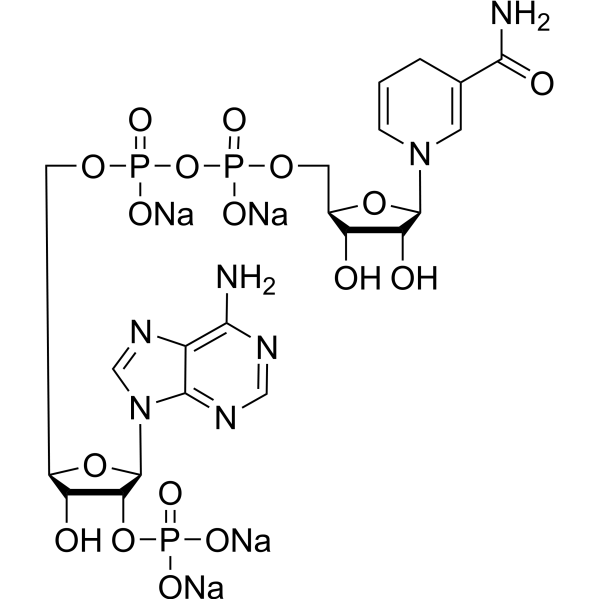
    NADPH tetrasodium salt
    15+ Cited Publications

    Ferroptosis Endogenous Metabolite Metabolic Disease Cancer
    NADPH tetrasodium salt functions as an important cofactor in a variety of metabolic and biosynthetic pathways. NADPH tetrasodium salt is an endogenous inhibitor of ferroptosis. NADPH tetrasodium salt plays a vital role in the biosynthesis of agents, chiral alcohols, fatty acids and biopolymers, while also being required for lipid biosynthesis, biomass formation, and cell replication .
    NADPH tetrasodium salt
  • HY-113679

    Telomerase Metabolic Disease Endocrinology
    Ceramides Mixture is an endogenous ceramide and consists of hydroxy and non-hydroxy fatty acid-containing ceramides. Ceramides Mixture is a main lipid component of the permeability barrier in epidermis. Ceramides Mixture is involved in the regulation of growth inhibition, cell cycle arrest, and modulation of telomerase activity .
    Ceramides Mixture
  • HY-113168
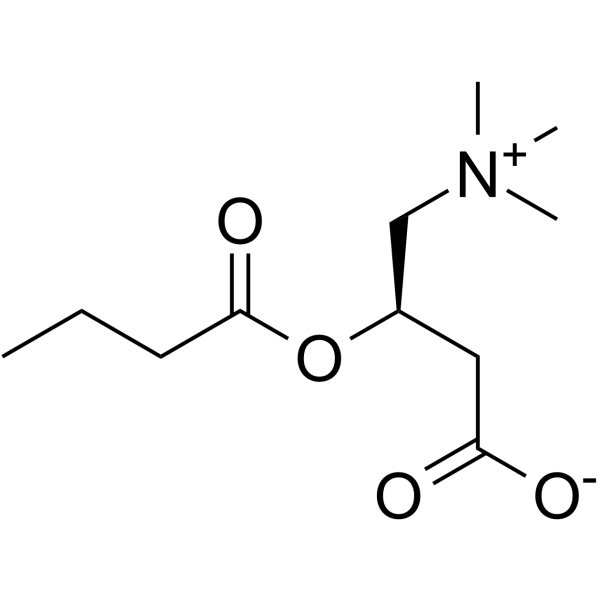
    Butyrylcarnitine
    1 Publications Verification

    Endogenous Metabolite Cardiovascular Disease Metabolic Disease Cancer
    Butyrylcarnitine is an endogenous metabolite found in plasma. Elevated levels of Butyrylcarnitine are closely associated with abnormalities in lipid and energy metabolism. Butyrylcarnitine can serve as a diagnostic and prognostic indicator for certain diseases, such as heart failure and head and neck cancer .
    Butyrylcarnitine
  • HY-W074890
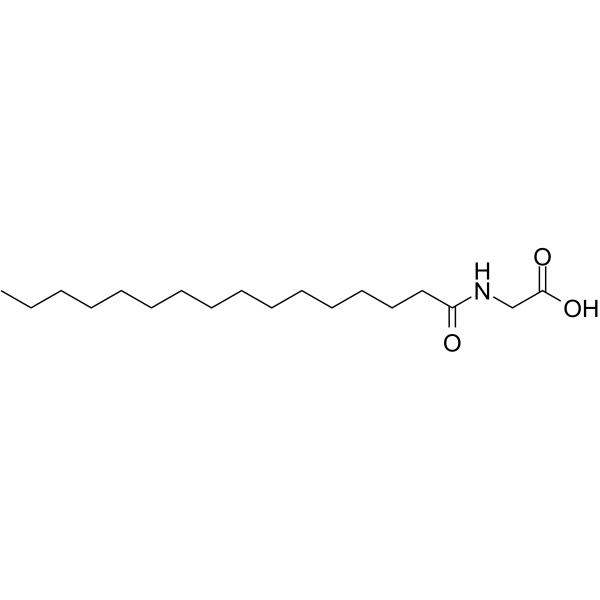
    Palmitoylglycine
    1 Publications Verification

    N-palmitoyl glycine

    Calcium Channel NO Synthase Neurological Disease Inflammation/Immunology
    Palmitoylglycine (N-palmitoyl glycine), an endogenous lipid that acts as a modulator of calcium influx and nitric oxide () production in sensory neurons. Palmitoylglycine is linked to an increased risk of Background Brugada syndrome (BrS) and interacts with BrS-associated proteins, demonstrating moderate binding affinities for DCC, CR1, CTSB, NAAA, DEFB1, EPHA1, IGF1/IGFBP3/ALS, and LTA .
    Palmitoylglycine
  • HY-113202
    Stearoylcarnitine
    1 Publications Verification

    Endogenous Metabolite PKC GlyT Neurological Disease Metabolic Disease
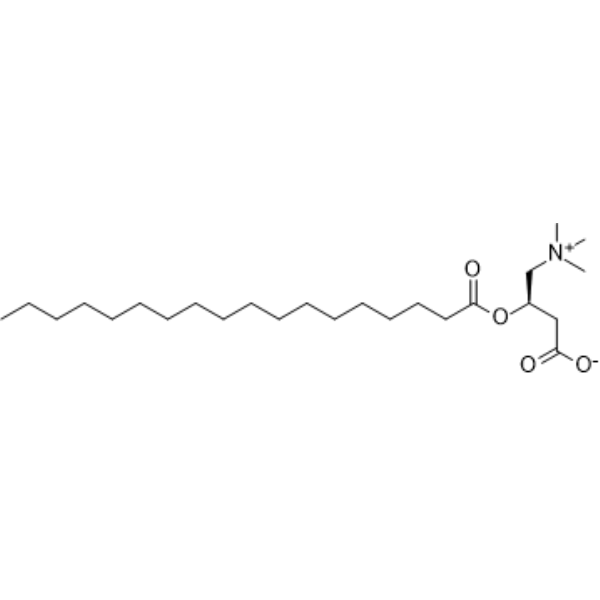
    Stearoylcarnitine, a fatty ester lipid molecule, is an endogenous metabolite. Stearoylcarnitine can be used as PKC inhibitor. Stearoylcarnitine accumulates in β cells, leading to arrest of insulin synthesis and energy deficiency in type 2 diabetes mouse. Stearoylcarnitine inhibits lecithin cholesterol acyltransferase (LCAT) in rat and rabbits plasma. Stearoylcarnitine acts as a metabolomics biomarker for Parkinson’s disease. Stearoylcarnitine is a less potent inhibitor of GlyT2 .
    Stearoylcarnitine
  • HY-175751

    mTOR Cancer
    LRK-4189 is an orally active PIP4K2C (a regulator of mTOR complex) degrader and type 1 immune activator. LRK-4189 induces the degradation of the lipid kinase PIP4K2C. LRK-4189 triggers the interferon signaling pathway in microsatellite-stable (MSS) colorectal cancer cells, activates immunogenic tumor killing, and induces endogenous cell death. LRK-4189 sensitizes microsatellite-stable colorectal cancer tumors to NK cell killing and dendritic cell phagocytosis. LRK-4189 can be used for the research of microsatellite-stable colorectal cancer .
    LRK-4189
  • HY-B2004

    Environmental Pollutants Fungal Mitochondrial Metabolism Infection
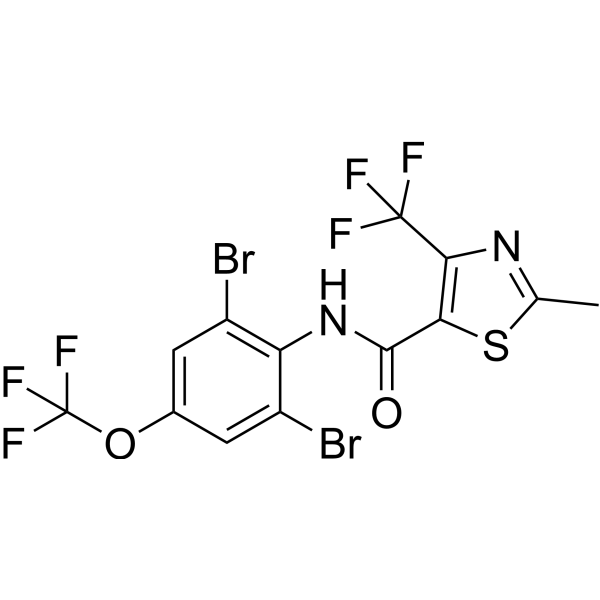
    Thifluzamide is a fungicide that inhibits fungal respiration by blocking the ubiquinone-binding site in mitochondrial complex II. Thifluzamide exhibits significant activity against Basidiomycota pathogens (such as Rhizoctonia cerealis, Ustilago and Puccinia genera) and is commonly used in studies on wheat sharp eyespot. Thifluzamide displays a dual mechanism in regulating lipid metabolism: it reduces fatty acid synthase activity to inhibit endogenous fatty acid synthesis, and increases carnitine palmitoyltransferase-I activity to accelerate fatty acid β-oxidation, thereby reducing total cholesterol and triglyceride levels in the liver. Thifluzamide also induces hepatotoxicity in zebrafish models and carries a risk of developmental toxicity. Thifluzamide inhibition of Rhizoctonia cerealis may result in low to moderate levels of drug resistance, leading to the generation of stable drug-resistant mutants .
    Thifluzamide
  • HY-F0003A
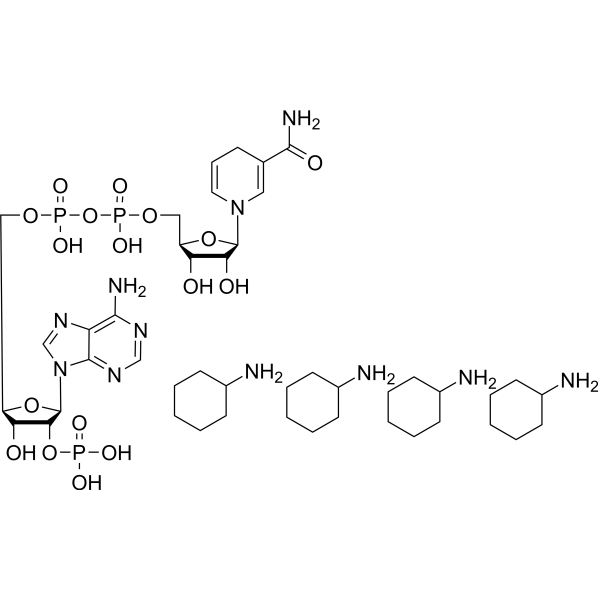
    NADPH tetracyclohexanamine
    15+ Cited Publications

    Ferroptosis Endogenous Metabolite Metabolic Disease Cancer
    NADPH tetracyclohexanamine functions as an important cofactor in a variety of metabolic and biosynthetic pathways. NADPH tetracyclohexanamine is an endogenous inhibitor of ferroptosis. NADPH tetracyclohexanamine plays a vital role in the biosynthesis of agents, chiral alcohols, fatty acids and biopolymers, while also being required for lipid biosynthesis, biomass formation, and cell replication .
    NADPH tetracyclohexanamine
  • HY-W015780

    Environmental Pollutants Endogenous Metabolite Metabolic Disease
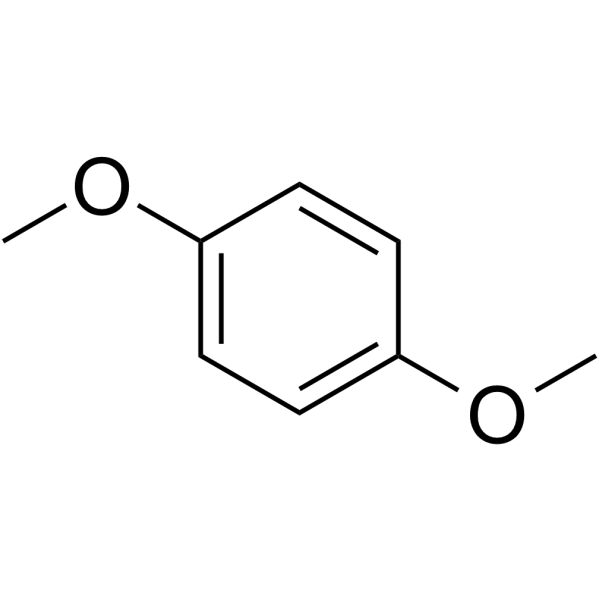
    1,4-Dimethoxybenzene is an endogenous metabolite. 1,4-Dimethoxybenzene has an anti-anxiety effect, increasing atherogenic index (AI) levels in rabbits and inducing sedentary behavior. Sedentary behavior may increase blood cholesterol levels and disrupt blood lipids . 1,4-Dimethoxybenzene considers to be not clastogenic in the in vivo micronucleus test .
    1,4-Dimethoxybenzene
  • HY-154974

    Liposome Cancer
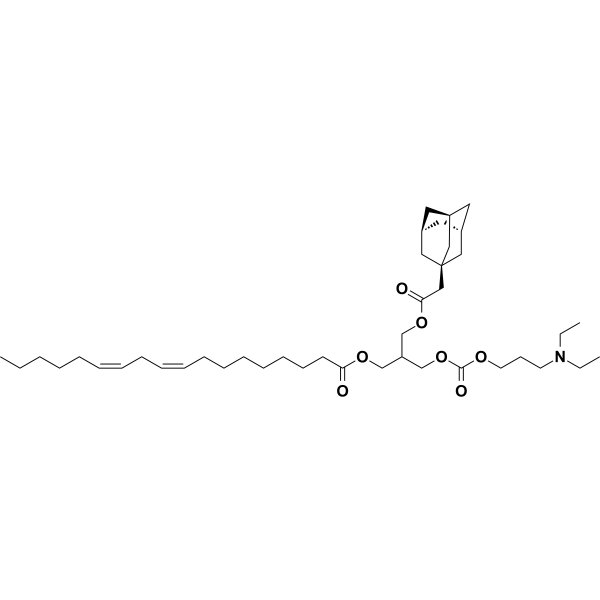
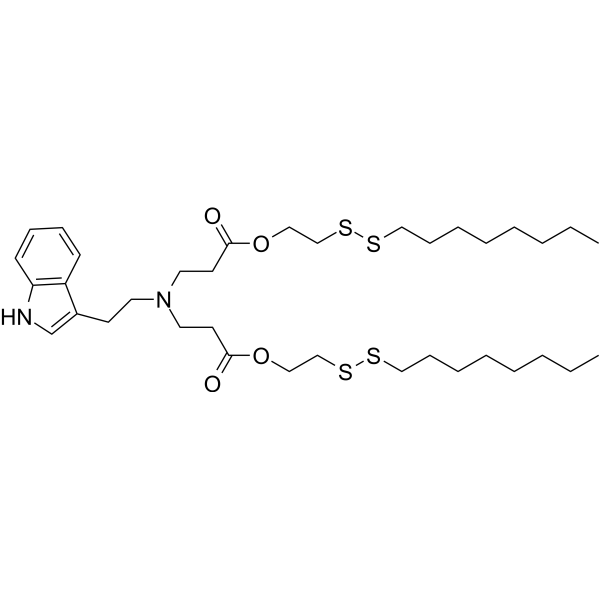
    LNP Lipid-8 (11-A-M) is an ionizable single-tail multi-head lipid that can be used as a lipid nanoparticle (LNP) to deliver siRNA to T cells without targeting ligands. LNP Lipid-8 is more selective for T cells than other cell types such as hepatocytes. LNP Lipid-8 selectively delivers siRNA/sgRNA to T cells (especially CD8+ T cells) through endogenous lipid transport pathways, and can enter cells and release RNA through endocytosis to achieve gene silencing. LNP Lipid-8 loaded with GFP siRNA (siGFP) significantly led to GFP gene silencing in mouse models. LNP Lipid-8 showed good efficacy and safety in both cells and animals, without obvious liver targeting and toxicity. LNP Lipid-8 can be used for RNA delivery research in the fields of tumor immunotherapy and T cell-mediated autoimmune diseases .
    LNP Lipid-8
  • HY-126359

    SLPC; 18:0-18:2 PC

    Endogenous Metabolite Cardiovascular Disease Metabolic Disease
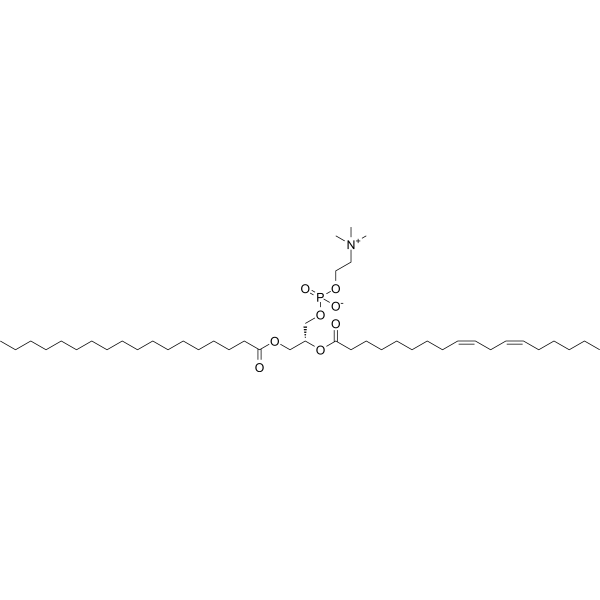
    1-Stearoyl-2-linoleoyl-sn-glycero-3-phosphocholine (SLPC; 18:0-18:2 PC) is an endogenous phospholipid marker molecule in the glycerophospholipid metabolic pathway. 1-Stearoyl-2-linoleoyl-sn-glycero-3-phosphocholine is a core component of the phospholipid bilayer of biological membranes and a key responsive lipid for radiation injury and cardiometabolic diseases. 1-Stearoyl-2-linoleoyl-sn-glycero-3-phosphocholine constitutes the phospholipid bilayers of cell membranes and high-density lipoprotein (HDL), and regulates the core activity of lipoprotein functional homeostasis. The content of 1-Stearoyl-2-linoleoyl-sn-glycero-3-phosphocholine in mouse serum shows a significant dose-dependent decrease with increasing ionizing radiation dose, and its level in human HDL also decreases significantly in metabolic syndrome. 1-Stearoyl-2-linoleoyl-sn-glycero-3-phosphocholine can serve as a biological dosimeter marker for ionizing radiation injury, and is used for rapid and accurate assessment of radiation absorbed dose in exposed individuals. 1-Stearoyl-2-linoleoyl-sn-glycero-3-phosphocholine can also act as a lipidomics research target for cardiometabolic diseases such as lipid metabolic syndrome and early-onset coronary heart disease .
    1-Stearoyl-2-linoleoyl-sn-glycero-3-phosphocholine
  • HY-120657

    CGRP Receptor NF-κB Neurological Disease Metabolic Disease Inflammation/Immunology
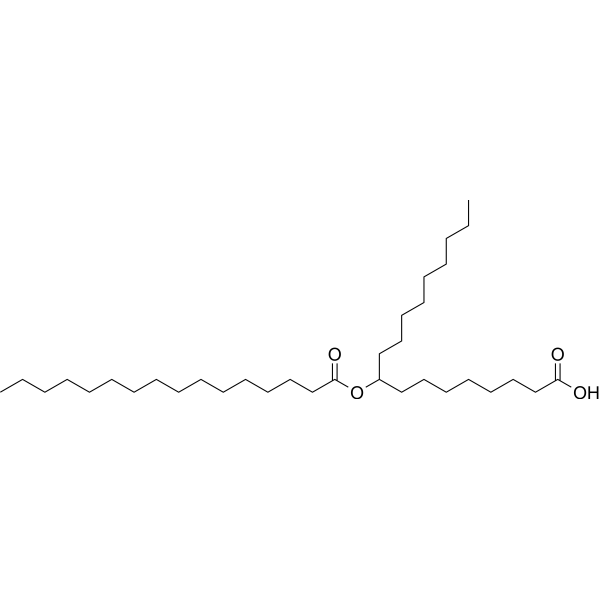
    9-PAHSA is an orally active endogenous GPR120 agonist (EC50=18 μM). 9-PAHSA significantly inhibits LPS-induced inflammatory responses by blocking the NF-κB pathway. 9-PAHSA induces adipocyte browning, enhances glucose uptake and reduces lipid accumulation, while improving mitochondrial function and the survival rate of steatotic hepatocytes. In terms of neuroprotection, 9-PAHSA regulates the expression of REST and BDNF in the prefrontal cortex of diabetic mice, and effectively prevents spatial working memory deficits and abnormal social behaviors. 9-PAHSA does not directly regulate insulin secretion or improve systemic insulin sensitivity, and possesses specific anti-inflammatory, metabolic regulatory and neuroprotective properties. 9-PAHSA can be used in the research of diabetes-related cognitive impairment, obesity and non-alcoholic fatty liver disease .
    9-PAHSA
  • HY-N7390

    Endogenous Metabolite Metabolic Disease
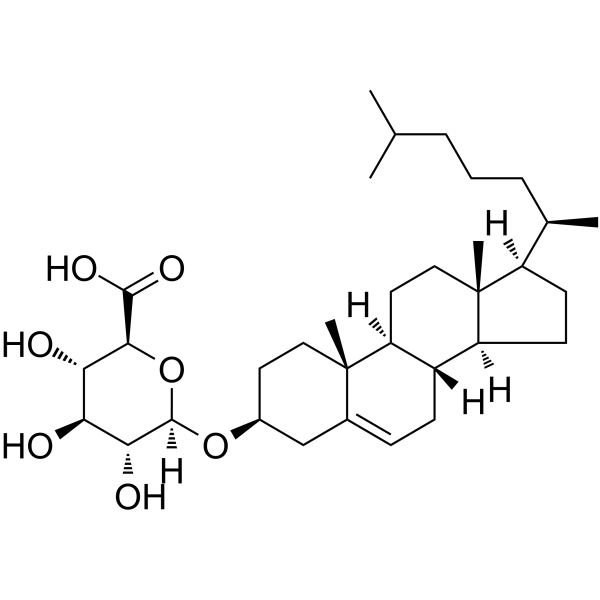
    Cholesterol glucuronide is an endogenous metabolite of lipid generated in the liver by UDP glucuonyltransferase .
    Cholesterol glucuronide
  • HY-F0003R

    Reference Standards Ferroptosis Endogenous Metabolite Metabolic Disease Cancer
    NADPH tetrasodium salt (Standard) is the analytical standard of NADPH tetrasodium salt (HY-F0003). This product is intended for research and analytical applications. NADPH tetrasodium salt functions as an important cofactor in a variety of metabolic and biosynthetic pathways. NADPH tetrasodium salt is an endogenous inhibitor of ferroptosis. NADPH tetrasodium salt plays a vital role in the biosynthesis of agents, chiral alcohols, fatty acids and biopolymers, while also being required for lipid biosynthesis, biomass formation, and cell replication.
    NADPH tetrasodium salt (Standard)
  • HY-N10423

    (-)-Cubebin

    Cholinesterase (ChE) Bacterial Fungal Parasite p38 MAPK Infection Neurological Disease Metabolic Disease Inflammation/Immunology Cancer
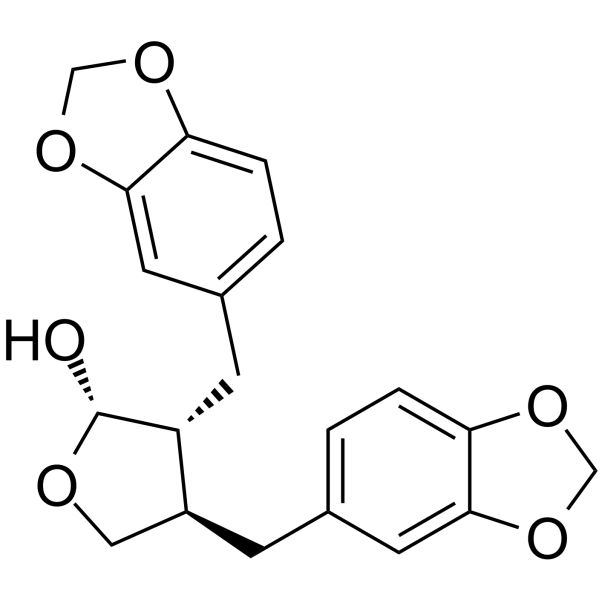
    Cubebin ((-)-Cubebin), a dibenzyl butyrolactone lignan, is an orally active AChE inhibitor. Cubebin binds to active sites of NF-κB, TNF-α, and TGF-β1 via hydrogen and hydrophobic interactions, obstructing critical residues to inhibit pro-inflammatory or renal fibrosis-related activity. Cubebin enhances p38 MAPK phosphorylation to increase tyrosinase gene expression, stimulating melanogenesis via elevated tyrosinase activity, expression, and mRNA levels. Cubebin reduces oxidative stress via enhanced endogenous antioxidant enzyme activity and inhibited lipid peroxidation, regulates lipid metabolism, improves glycemic control, and exerts renoprotective effects via reduced renal dysfunction markers and improved renal architecture. Cubebin shows antimicrobial activity. Cubebin exerts larvicidal activity against Angiostrongylus cantonensis larvae, with no cytotoxicity toward monkey or human cell lines or Caenorhabditis elegans. Cubebin can be used for the research of diabetic nephropathy, melanoma, colon adenocarcinoma, neuroangiostrongyliasis, Alzheimer’s disease (AD) and depression .
    Cubebin
  • HY-108460

    TRP Channel Neurological Disease
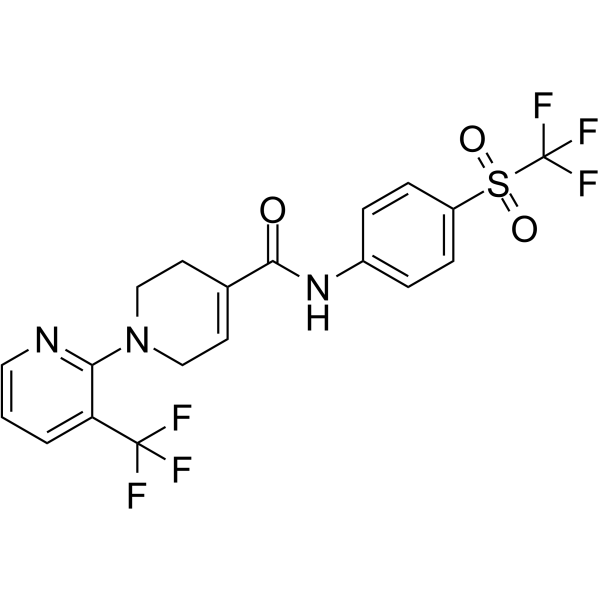
    A-784168 is a potent and orally active inhibitor of vanilloid receptor type 1 (TRPV1). Vanilloid receptor type 1 (TRPV1) is a ligand-gated nonselective cation channel that is considered to be an important integrator of various pain stimuli such as endogenous lipids, capsaicin, heat, and low pH. A-784168 has good CNS penetration .
    A-784168
  • HY-132280

    U 74006F free base

    Reactive Oxygen Species (ROS) SARS-CoV Virus Protease Neurological Disease Inflammation/Immunology
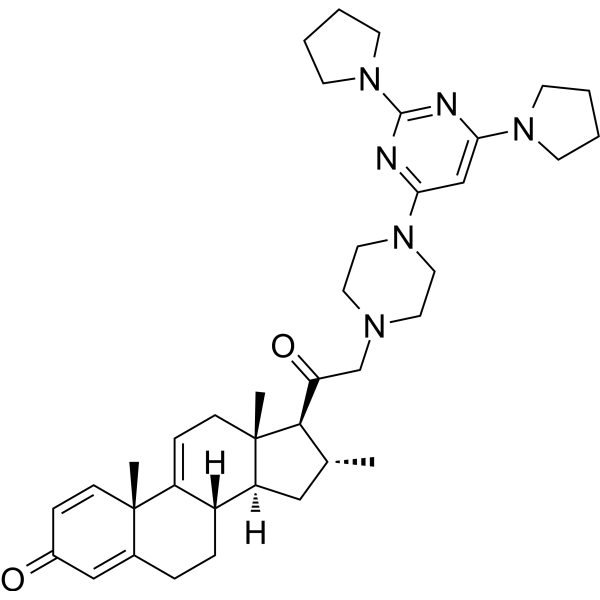
    Tirilazad (U 74006F free base) is a neuroprotective agent. Tirilazad can also bind tightly to the main protease of the COVID-19 virus and exert anti-SARS-CoV-2 activity. Tirilazad scavenges hydroxyl and lipid peroxyl free radicals and maintains the levels of endogenous antioxidants. Tirilazad reduces cerebral infarct volume and improves neurobehavioral scores in animal models of focal ischemia. Tirilazad can be used in research related to ischemic stroke and subarachnoid hemorrhage .
    Tirilazad
  • HY-137499

    Liposome Endogenous Metabolite Neurological Disease
    NT1-O12B, an endogenous chemical and a neurotransmitter-derived lipidoid (NT-lipidoid), is an effective carrier for enhanced brain delivery of several blood-brain barrier (BBB)-impermeable cargos. Doping NT1-O12B into BBB-impermeable lipid nanoparticles (LNPs) gives the LNPs the ability to cross the BBB. NT-lipidoids formulation not only facilitate cargo crossing of the BBB, but also delivery of the cargo into neuronal cells for functional gene silencing or gene recombination .
    NT1-O12B
  • HY-168376

    9(10)-Nitrated oleic acid

    PPAR ERK Akt NO Synthase Metabolic Disease Inflammation/Immunology
    9 (10)-Nitrooleate (9(10)-Nitrated oleic acid) is an endogenous lipid signaling mediator with vasoprotective effects. 9 (10)-Nitrooleate enhances enzymatic activity and improves nitric oxide bioavailability by inducing phosphorylation of Akt and ERK1/2, regulating the multi-site phosphorylation status of eNOS and optimizing its interaction with Hsp90. 9 (10)-Nitrooleate also activates PPARα, PPARδ and PPARγ receptors, thereby regulating adipogenesis, glucose uptake and inflammation-related gene expression, and exhibits immunosuppressive effects by inhibiting neutrophil migration and cytokine secretion. 9 (10)-Nitrooleate is widely used in studies of sepsis and related inflammatory diseases .
    9(10)-Nitrooleate
  • HY-N15841

    Ceramidase Others
    C25 Ceramide (d18:1/25:0) is an endogenous ultra-long-chain ceramide that antagonizes the detrimental effects of long-chain ceramides on insulin sensitivity. C25 Ceramide (d18:1/25:0) is specifically enriched in oxidative skeletal muscle fibers, where it serves dual roles in providing structural support to cell membranes and regulating cellular signaling. By participating in the regulation of lipid homeostasis within muscle fibers, C25 Ceramide (d18:1/25:0) helps maintain normal insulin signaling. C25 Ceramide (d18:1/25:0) is primarily utilized in research concerning metabolic diseases—particularly in mechanistic studies investigating the muscle fiber type-specific aspects of insulin resistance .
    C25 Ceramide (d18:1/25:0)
  • HY-117586

    Endogenous Metabolite Metabolic Disease Inflammation/Immunology
    9-PAHPA is a fatty acid esters of hydroxy fatty acid (FAHFA). FAHFAs are a new family of endogenous lipids, have antidiabetic and anti-inflammatory effects .
    9-PAHPA
  • HY-124081

    Apoptosis Metabolic Disease
    N-Oleoyl-L-Serine is an endogenous amide of long-chain fatty acids with ethanolamine (N-acyl amides). N-Oleoyl-L-Serine is a lipid regulator of bone remodeling and stimulates osteoclast apoptosis. N-Oleoyl-L-Serine can be used for antiosteoporotic drug discovery development .
    N-Oleoyl-L-serine
  • HY-P10380

    Neuropeptide FF Receptor Neurological Disease Metabolic Disease
    palm11-PrRP31 is a lipidized endogenous appetite inhibitory neuropeptide (PrRP) analogue. palm11-PrRP31 is GPR10 (EC50=39 pM) and NPFF-R2 effective dual agonists. palm11-PrRP31 is able to mimic the natural function of PrRP by binding to these receptors to reduce food intake. palm11-PrRP31 can be used as a potential anti-obesity agent and for the study of neuropeptide-receptor interaction .
    palm11-PrRP31
  • HY-W074890R

    N-palmitoyl glycine (Standard)

    Reference Standards Calcium Channel NO Synthase Neurological Disease Inflammation/Immunology
    Palmitoylglycine (Standard) is the analytical standard of Palmitoylglycine. This product is intended for research and analytical applications. Palmitoylglycine (N-palmitoyl glycine), an endogenous lipid that acts as a modulator of calcium influx and nitric oxide () production in sensory neurons. Palmitoylglycine is linked to an increased risk of Background Brugada syndrome (BrS) and interacts with BrS-associated proteins, demonstrating moderate binding affinities for DCC, CR1, CTSB, NAAA, DEFB1, EPHA1, IGF1/IGFBP3/ALS, and LTA[1][2][3].
    Palmitoylglycine (Standard)
  • HY-139286

    Pacsph; Pacsphingosine (d18:1)

    Biochemical Assay Reagents Others
    Photoclick sphingosine (Pacsph) is a photosensitizing and clickable sphingosine analog. Photoclick sphingosine is metabolized in cells into endogenous lipid metabolic pathways and can be visualized by its clickable alkyne group. Photoclick sphingosine can be used to study intracellular sphingolipid metabolism and subcellular localization .
    Photoclick sphingosine
  • HY-W709961

    1-(3-Carboxypropyl)tetradecyl (9Z)-9-octadecenoate

    Endogenous Metabolite Metabolic Disease Inflammation/Immunology
    5-OAHSA (1-(3-Carboxypropyl)tetradecyl (9Z)-9-octadecenoate) is a endogenous lipid. 5-OAHSA reduces the level of blood glucose, improves the glucose tolerance, and stimulates the the secretion of GLP-1 and insulin. 5-OAHSA exhibits potential in regulating metabolic and inflammatory responses .
    5-OAHSA
  • HY-W770410

    Isotope-Labeled Compounds CGRP Receptor NF-κB Others
    9-PAHSA- 13C4 is 13C-labeled 9-PAHSA. 9-PAHSAis an orally active endogenous GPR120 agonist (EC50=18 μM). 9-PAHSAsignificantly inhibits LPS-induced inflammatory responses by blocking the NF-κB pathway. 9-PAHSAinduces adipocyte browning, enhances glucose uptake and reduces lipid accumulation, while improving mitochondrial function and the survival rate of steatotic hepatocytes. In terms of neuroprotection, 9-PAHSAregulates the expression of REST and BDNF in the prefrontal cortex of diabetic mice, and effectively prevents spatial working memory deficits and abnormal social behaviors. 9-PAHSAdoes not directly regulate insulin secretion or improve systemic insulin sensitivity, and possesses specific anti-inflammatory, metabolic regulatory and neuroprotective properties. 9-PAHSAcan be used in the research of diabetes-related cognitive impairment, obesity and non-alcoholic fatty liver disease .
    9-PAHSA-13C4
  • HY-133878

    Endogenous Metabolite Others
    Octadeca-9,12-dienamide is an endogenous lipid .
    Octadeca-9,12-dienamide
  • HY-113202S

    Isotope-Labeled Compounds Endogenous Metabolite PKC GlyT Neurological Disease Metabolic Disease
    Stearoyl-L-carnitine-d3 is the deuterium labeled Stearoylcarnitine. Stearoylcarnitine, a fatty ester lipid molecule, is an endogenous metabolite. Stearoylcarnitine can be used as PKC inhibitor. Stearoylcarnitine accumulates in β cells, leading to arrest of insulin synthesis and energy deficiency in type 2 diabetes mouse. Stearoylcarnitine inhibits lecithin cholesterol acyltransferase (LCAT) in rat and rabbits plasma. Stearoylcarnitine acts as a metabolomics biomarker for Parkinson’s disease. Stearoylcarnitine is a less potent inhibitor of GlyT2 .
    Stearoyl-L-carnitine-d3
  • HY-127023

    EPA-5-HT

    Endogenous Metabolite FAAH Interleukin Related Tyrosine Hydroxylase Metabolic Disease
    Eicosapentaenoyl serotonin (EPA-5-HT) is an endogenous fatty acid-serotonin conjugate lipid mediator. Eicosapentaenoyl serotonin acts as an inhibitor of fatty acid amide hydrolase (FAAH). Eicosapentaenoyl serotonin suppresses IL-17 release in Concanavalin A (HY-P2149)-stimulated human peripheral blood mononuclear cells. Eicosapentaenoyl serotonin is regulated by polyunsaturated fatty acids and modulates intestinal immunity and Th17 signaling. Eicosapentaenoyl serotonin can be used for the study of inflammatory bowel disease-related mechanisms .
    Eicosapentaenoyl serotonin
  • HY-P10380A

    Neuropeptide FF Receptor Neurological Disease Metabolic Disease
    palm11-PrRP31 TFA is a lipidized endogenous appetite inhibitory neuropeptide (PrRP) analogue. palm11-PrRP31 TFA is GPR10 (EC50=39 pM) and NPFF-R2 effective dual agonists. palm11-PrRP31 TFA is able to mimic the natural function of PrRP by binding to these receptors to reduce food intake. palm11-PrRP31 TFA can be used as a potential anti-obesity agent and for the study of neuropeptide-receptor interaction .
    palm11-PrRP31 TFA
  • HY-120657S

    Isotope-Labeled Compounds CGRP Receptor NF-κB Others
    9-PAHSA-d4 is the deuterium labeled 9-PAHSA. 9-PAHSA is an orally active endogenous GPR120 agonist (EC50=18 μM). 9-PAHSA significantly inhibits LPS-induced inflammatory responses by blocking the NF-κB pathway. 9-PAHSA induces adipocyte browning, enhances glucose uptake and reduces lipid accumulation, while improving mitochondrial function and the survival rate of steatotic hepatocytes. In terms of neuroprotection, 9-PAHSA regulates the expression of REST and BDNF in the prefrontal cortex of diabetic mice, and effectively prevents spatial working memory deficits and abnormal social behaviors. 9-PAHSA does not directly regulate insulin secretion or improve systemic insulin sensitivity, and possesses specific anti-inflammatory, metabolic regulatory and neuroprotective properties. 9-PAHSA can be used in the research of diabetes-related cognitive impairment, obesity and non-alcoholic fatty liver disease .
    9-PAHSA-d4
  • HY-A0231

    Gondafon; Glycodiazine

    Insulin Receptor Metabolic Disease
    Glymidine sodium is an oral active antidiabetic. Glymidine sodium is the inhibitor of hepatic lipolysis. Glymidine sodium inhibits the glucose formation and supresses the elevated pyruvate oxidation which results from the inhibition of endogenous lipid mobilization .
    Glymidine sodium
  • HY-157184

    Nuclear Factor of activated T Cells (NFAT) Others
    1-Deoxydihydroceramide is an endogenous chaperone lipid that binds underneath the antigen and pushes the antigen toward the TCR .
    1-Deoxydihydroceramide
  • HY-W127334

    Biochemical Assay Reagents Others
    N-Palmitoyl phosphatidylethanolamine (Tripelargonin) is endogenous lipid anorectic hormone, significantly reduces food intake in a dose-dependent manner
    N-Palmitoyl phosphatidylethanolamine
  • HY-113369S

    Isotope-Labeled Compounds Endogenous Metabolite Bacterial Infection
    Cholesteryl arachidonate-d8 is deuterium labeled Cholesteryl arachidonate (HY-113369). Cholesteryl arachidonate, a lipid, is an endogenous metabolite. Cholesteryl arachidonate has antibacterial activity .
    Cholesteryl arachidonate-d8
  • HY-152014S

    Isotope-Labeled Compounds Endogenous Metabolite Neurological Disease
    Stearoylcarnitine-d3-1 (hydrochloride) is deuterium labeled Stearoylcarnitine. Stearoylcarnitine, a fatty ester lipid molecule, is a human endogenous metabolite. Stearoylcarnitine acts as a metabolomics biomarker for early-onset-preeclampsia and late-onset-preeclampsia .
    Stearoylcarnitine-d3-1 hydrochloride
  • HY-152007S

    Isotope-Labeled Compounds Endogenous Metabolite Cardiovascular Disease Metabolic Disease Cancer
    Butyrylcarnitine-d3 hydrochloride is deuterium labeled Butyrylcarnitine (HY-113168). Butyrylcarnitine is an endogenous metabolite found in plasma. Elevated levels of Butyrylcarnitine are closely associated with abnormalities in lipid and energy metabolism. Butyrylcarnitine can serve as a diagnostic and prognostic indicator for certain diseases, such as heart failure and head and neck cancer .
    Butyrylcarnitine-d3 hydrochloride
  • HY-113168R

    Reference Standards Endogenous Metabolite Cardiovascular Disease Metabolic Disease Cancer
    Butyrylcarnitine (Standard) is the analytical standard of Butyrylcarnitine (HY-113168). This product is intended for research and analytical applications. Butyrylcarnitine is an endogenous metabolite found in plasma. Elevated levels of Butyrylcarnitine are closely associated with abnormalities in lipid and energy metabolism. Butyrylcarnitine can serve as a diagnostic and prognostic indicator for certain diseases, such as heart failure and head and neck cancer .
    Butyrylcarnitine (Standard)
  • HY-171942A

    C24:1-GM2 ammonium

    Endogenous Metabolite Neurological Disease
    C24:1 Ganglioside GM2 (d18:1/24:1) (ammonium) is an endogenous monosialylated ganglioside. C24:1 Ganglioside GM2 (d18:1/24:1) (ammonium) is a self-lipid that can bind to CD1d in HEK293T cells .
    C24:1 Ganglioside GM2 (d18:1/24:1) ammonium
  • HY-113202S1

    Isotope-Labeled Compounds GlyT Endogenous Metabolite PKC Neurological Disease Metabolic Disease
    Stearoyl-L-carnitine-d9 chloride is the deuterium labeled Stearoyl-L-carnitine chloride. Stearoyl-L-carnitine chloride, a fatty ester lipid molecule, is an endogenous metabolite. Stearoyl-L-carnitine chloride can be used as PKC inhibitor. Stearoyl-L-carnitine chloride accumulates in β cells, leading to arrest of insulin synthesis and energy deficiency in type 2 diabetes mouse. Stearoyl-L-carnitine chloride inhibits lecithin cholesterol acyltransferase (LCAT) in rat and rabbits plasma. Stearoyl-L-carnitine chloride acts as a metabolomics biomarker for Parkinson’s disease. Stearoyl-L-carnitine chloride is a less potent inhibitor of GlyT2 .
    Stearoyl-L-carnitine-d9 chloride
  • HY-132280R

    U 74006F free base (Standard)

    Reference Standards Reactive Oxygen Species (ROS) SARS-CoV Virus Protease Neurological Disease Inflammation/Immunology
    Tirilazad (U 74006F free base) Standard is the analytical standard of Tirilazad (HY-132280). This product is intended for research and analytical applications. Tirilazad (U 74006F free base) is a neuroprotective agent. Tirilazad can also bind tightly to the main protease of the COVID-19 virus and exert anti-SARS-CoV-2 activity. Tirilazad scavenges hydroxyl and lipid peroxyl free radicals and maintains the levels of endogenous antioxidants. Tirilazad reduces cerebral infarct volume and improves neurobehavioral scores in animal models of focal ischemia. Tirilazad can be used in research related to ischemic stroke and subarachnoid hemorrhage .
    Tirilazad (Standard)
  • HY-B2004R

    Reference Standards Fungal Mitochondrial Metabolism Infection
    Thifluzamide (Standard) is the analytical standard of Thifluzamide. This product is intended for research and analytical applications. Thifluzamide is a fungicide that inhibits fungal respiration by blocking the ubiquinone-binding site in mitochondrial complex II. Thifluzamide exhibits significant activity against Basidiomycota pathogens (such as Rhizoctonia cerealis, Ustilago and Puccinia genera) and is commonly used in studies on wheat sharp eyespot. Thifluzamide displays a dual mechanism in regulating lipid metabolism: it reduces fatty acid synthase activity to inhibit endogenous fatty acid synthesis, and increases carnitine palmitoyltransferase-I activity to accelerate fatty acid β-oxidation, thereby reducing total cholesterol and triglyceride levels in the liver. Thifluzamide also induces hepatotoxicity in zebrafish models and carries a risk of developmental toxicity. Thifluzamide inhibition of Rhizoctonia cerealis may result in low to moderate levels of drug resistance, leading to the generation of stable drug-resistant mutants .
    Thifluzamide (Standard)
  • HY-120657R

    Reference Standards CGRP Receptor NF-κB Cardiovascular Disease Inflammation/Immunology
    Flumethrin (Standard) is the analytical standard of Flumethrin. This product is intended for research and analytical applications. 9-PAHSA is an orally active endogenous GPR120 agonist (EC50=18 μM). 9-PAHSA significantly inhibits LPS-induced inflammatory responses by blocking the NF-κB pathway. 9-PAHSA induces adipocyte browning, enhances glucose uptake and reduces lipid accumulation, while improving mitochondrial function and the survival rate of steatotic hepatocytes. In terms of neuroprotection, 9-PAHSA regulates the expression of REST and BDNF in the prefrontal cortex of diabetic mice, and effectively prevents spatial working memory deficits and abnormal social behaviors. 9-PAHSA does not directly regulate insulin secretion or improve systemic insulin sensitivity, and possesses specific anti-inflammatory, metabolic regulatory and neuroprotective properties. 9-PAHSA can be used in the research of diabetes-related cognitive impairment, obesity and non-alcoholic fatty liver disease .
    9-PAHSA (Standard)
  • HY-144026S

    CGRP Receptor NF-κB Inflammation/Immunology
    9-PAHSA-d9 is the deuterium labeled 9-PAHSA (HY-120657). 9-PAHSA is an orally active endogenous GPR120 agonist (EC50=18 μM). 9-PAHSA significantly inhibits LPS-induced inflammatory responses by blocking the NF-κB pathway. 9-PAHSA induces adipocyte browning, enhances glucose uptake and reduces lipid accumulation, while improving mitochondrial function and the survival rate of steatotic hepatocytes. In terms of neuroprotection, 9-PAHSA regulates the expression of REST and BDNF in the prefrontal cortex of diabetic mice, and effectively prevents spatial working memory deficits and abnormal social behaviors. 9-PAHSA does not directly regulate insulin secretion or improve systemic insulin sensitivity, and possesses specific anti-inflammatory, metabolic regulatory and neuroprotective properties. 9-PAHSA can be used in the research of diabetes-related cognitive impairment, obesity and non-alcoholic fatty liver disease .
    9-PAHSA-d9
  • HY-120657S1

    Isotope-Labeled Compounds CGRP Receptor NF-κB Others
    9-PAHSA-d31 is the deuterium labeled 9-PAHSA. 9-PAHSA is an orally active endogenous GPR120 agonist (EC50=18 μM). 9-PAHSA significantly inhibits LPS-induced inflammatory responses by blocking the NF-κB pathway. 9-PAHSA induces adipocyte browning, enhances glucose uptake and reduces lipid accumulation, while improving mitochondrial function and the survival rate of steatotic hepatocytes. In terms of neuroprotection, 9-PAHSA regulates the expression of REST and BDNF in the prefrontal cortex of diabetic mice, and effectively prevents spatial working memory deficits and abnormal social behaviors. 9-PAHSA does not directly regulate insulin secretion or improve systemic insulin sensitivity, and possesses specific anti-inflammatory, metabolic regulatory and neuroprotective properties. 9-PAHSA can be used in the research of diabetes-related cognitive impairment, obesity and non-alcoholic fatty liver disease .
    9-PAHSA-d31
  • HY-108460R

    Reference Standards TRP Channel Neurological Disease
    A-784168 (Standard) is the analytical standard of A-784168 (HY-108460). This product is intended for research and analytical applications. A-784168 is a potent and orally active inhibitor of vanilloid receptor type 1 (TRPV1). Vanilloid receptor type 1 (TRPV1) is a ligand-gated nonselective cation channel that is considered to be an important integrator of various pain stimuli such as endogenous lipids, capsaicin, heat, and low pH. A-784168 has good CNS penetration .
    A-784168 (Standard)
  • HY-172765

    Endogenous Metabolite Metabolic Disease
    10-POHSA is a newly identified endogenous lipid that belongs to a collection of branched fatty acid esters of hydroxy fatty acids (FAHFAs). 10-POHSA may be a bioactive lipid with roles in metabolic syndrome and inflammation.
    10-POHSA
  • HY-158651

    Endogenous Metabolite Others
    10-SAHSA is an endogenous lipid that belongs to branched fatty acid esters of hydroxy fatty acids (FAHFAs)
    10-SAHSA
  • HY-158597

    Endogenous Metabolite Others
    13-PAHSA is an endogenous lipid that belongs to branched fatty acid esters of hydroxy fatty acids (FAHFAs)
    13-PAHSA

Inquiry Online

Your information is safe with us. * Required Fields.

Salutation


Country or Region *

Applicant Name *


Organization Name *

Department *


Email Address *


Product Name *

Cat. No.


Requested quantity *

Phone Number *


Remarks

Inquiry Online

Inquiry Information

Product Name:
Cat. No.:
Quantity:
MCE Japan Authorized Agent:

