

1. Search Result
Search Result
Results for "

enzymatic substrate

" in MedChemExpress (MCE) Product Catalog:

72

Inhibitors & Agonists

1

Screening Libraries

10

Fluorescent Dyes

8

Biochemical Assay Reagents

25

Peptides

1

Inhibitory Antibodies

5

Natural
Products

Targets Recommended:
Cat. No. Product Name Target Research Areas Chemical Structure
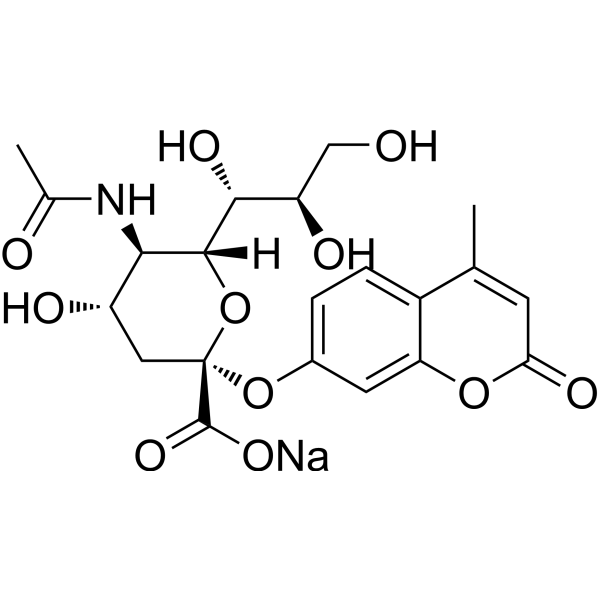
  • HY-W019823
    4-MUNANA
    2 Publications Verification

    Fluorescent Dye Infection Neurological Disease
    4-MUNANA is a substrate of influenza virus neuraminidase (NA) with high selectivity and irreversible reaction. In the enzymatic reaction, 4-MUNANA is hydrolyzed by NA to generate fluorescent 4-methylumbelliferone (4-MU). By detecting the fluorescence intensity of 4-MU, quantitative analysis of NA activity can be achieved. 4-MUNANA can be used in influenza-related research, such as screening NA inhibitors, developing new anti-influenza drugs, and studying the infection mechanism of influenza viruses .
    4-MUNANA
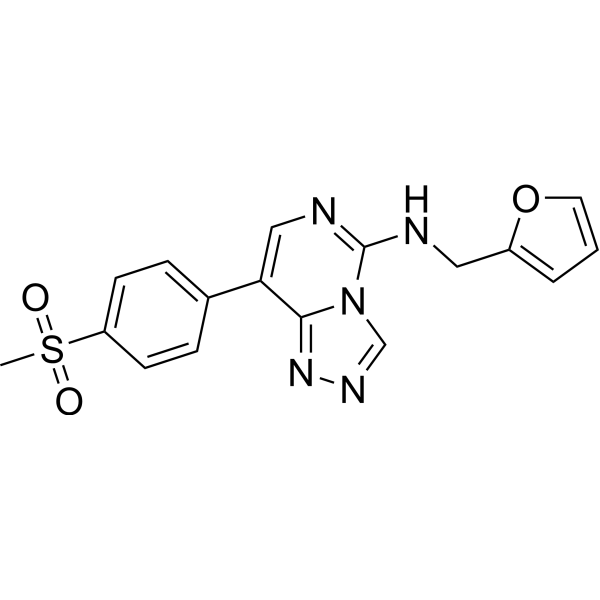
  • HY-101117
    EED226
    Maximum Cited Publications
    14 Publications Verification

    Histone Methyltransferase Cancer
    EED226 is a polycomb repressive complex 2 (PRC2) inhibitor, which binds to the K27me3-pocket on embryonic ectoderm development (EED) and shows strong antitumor activity in xenograft mice model . EED226 is a potent, selective, and orally bioavailable EED inhibitor . EED226 inhibits PRC2 with an IC50 of 23.4 nM when the H3K27me0 peptide is used as a substrate in the in vitro enzymatic assays .
    EED226
  • HY-W012145

    Others Metabolic Disease
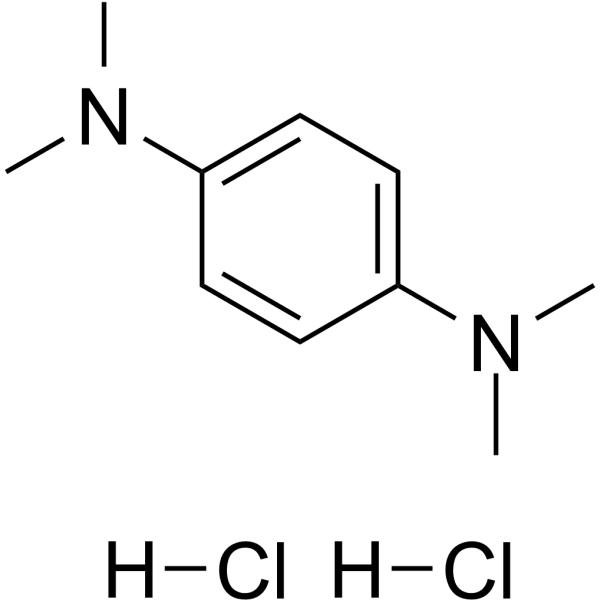
    TMPD dihydrochloride, a readily oxidizable compound, is an enzymatically convert redox active substrate molecule. TMPD dihydrochloride is also an electron donor and serves as a reducing cosubstrate for heme peroxidases . TMPD dihydrochloride is also a complex IV substrate .
    TMPD dihydrochloride
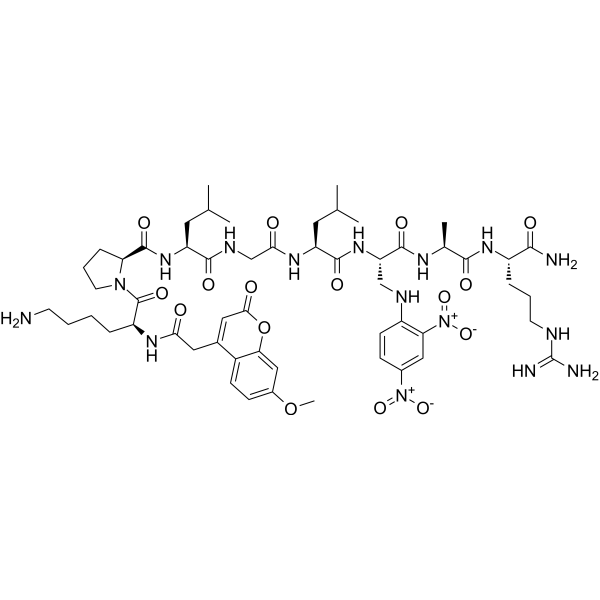
  • HY-P4931
    Mca-KPLGL-Dap(Dnp)-AR-NH2
    1 Publications Verification

    MMP Cancer
    Mca-Lys-Pro-Leu-Gly-Leu-Dap(Dnp)-Ala-Arg-NH2 (FS-6) is a fluorescent peptide that is a quenched MMP peptide substrate. Mca-Lys-Pro-Leu-Gly-Leu-Dap(Dnp)-Ala-Arg-NH2 can be used for real-time quantification of MMP enzymatic activity. Mca-Lys-Pro-Leu-Gly-Leu-Dap(Dnp)-Ala-Arg-NH2 is an elongated peptide of MMP substrate (FS-1) and is active against collagenases (MMP-1, MMP-8, MMP-13 ) and MT1-MMP with higher specificity constants than FS-1 . (Ex/Em=325 nm/400 nm)
    Mca-KPLGL-Dap(Dnp)-AR-NH2
  • HY-125773

    Beta-cyano-l-alanine

    Endogenous Metabolite Neurological Disease
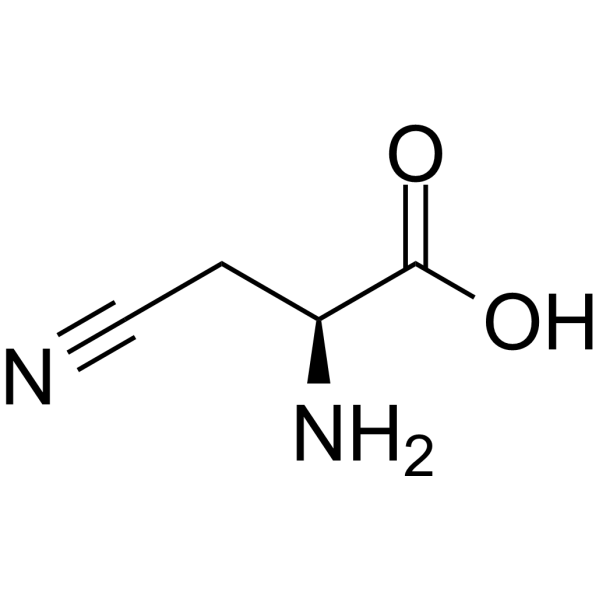
    β-cyano-L-Alanine (Beta-cyano-l-alanine), a nitrile of widespread occurrence in higher plants, is enzymatically produced by cyanoalanine synthase from cyanide and cysteine as substrates . β-cyano-L-Alanine abolishes the protective effect of ethanol on cerebral ischemia/reperfusion (I/R) injury .
    β-cyano-L-Alanine
  • HY-131498

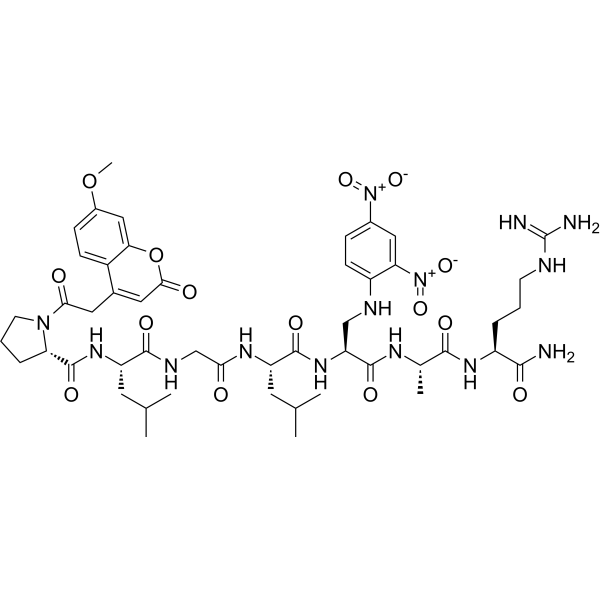
    Mca-Pro-Leu-Gly-Leu-Dpa-Ala-Arg-NH2

    Fluorescent Dye MMP Cancer
    MOCAc-PLGL (Dpa) AR (Mca-Pro-Leu-Gly-Leu-Dpa-Ala-Arg-NH2) is a synthetic fluorescent substrate mainly used for in vitro enzymatic activity assays of MMP-7 (detection at 393 nm after excitation at 328 nm). MOCAc-PLGL (Dpa) AR is specifically cleaved and hydrolyzed by MMP-7 at the Gly-Leu peptide bond, allowing enzymatic activity to be monitored via fluorometry or HPLC (DMSO is usually added to ensure sufficient dissolution when determining kinetic parameters). MOCAc-PLGL (Dpa) AR is used to accurately evaluate the catalytic activity and pH dependence of recombinant mature human MMP-7 in vitro. MOCAc-PLGL (Dpa) AR is suitable for research on the mechanisms of tumor metastasis and invasion, particularly in fields such as prostate cancer, colon cancer, lung cancer and breast cancer .\n
    MOCAc-PLGL(Dpa)AR
  • HY-164899

    2-aminopyridine-3-carboxylic acid imidazolide

    Transmembrane Glycoprotein Cancer
    2A3 (2-aminopyridine-3-carboxylic acid imidazolide) is a T cell activator that specifically binds to CEACAM6 and CEACAM5. 2A3 exhibits enzymatic activity that catalyzes the glucuronidation of specific substrates (e.g., 1-naphthol), and possesses significant cytotoxic activity. When integrated into CAR T cells or used alone, 2A3 acts by inducing cytokine release, degranulation, and direct cytotoxicity. 2A3 kills pancreatic and breast cancer cells with high target antigen expression in vitro, and significantly inhibits the growth of pancreatic cancer xenografts in vivo. 2A3 broadly targets malignant tumors with overexpressed CEACAM5, CEACAM6, or co-expressed both, and shows high expression mainly in tissues such as the liver and colon. 2A3 serves as an important research tool for the immunotherapy of pancreatic and breast cancer . 2A3 is a novel SHAPE reagent, which can be used for the analysis of RNA structure both in vitro and in vivo . 2A3 is an electrophilic chemical probe that acylates the 2'-OH in the RNA backbone. 2A3 can be used for RNA SHAPE-MaP experiments and is capable of analyzing the RNA secondary structures at single nucleotide resolution.
    2A3
  • HY-W013168

    4-Nitrophenyl hexadecanoate; p-Nitrophenyl Palmitate; pNpp

    Lipase Others
    4-Nitrophenyl palmitate (4-Nitrophenyl hexadecanoate) is a chromogenic substrate for lipases and esterases. Upon enzymatic hydrolysis, 4-Nitrophenyl palmitate releases p-nitrophenol, which can be quantified by colorimetric detection at 410 nm as a measure of enzymatic activity. 4-Nitrophenyl palmitate is used to characterize the activity of various bacterial and mammalian enzymes, including those from Burkholderia and porcine pancreatic lipase .
    4-Nitrophenyl palmitate
  • HY-P2295
    Dabcyl-KTSAVLQSGFRKME-Edans TFA
    2 Publications Verification

    SARS-CoV Others
    Dabcyl-KTSAVLQSGFRKME-Edans TFA is a fluorogenic peptide. Dabcyl-KTSAVLQSGFRKME-Edans TFA is used as the substrate to measure the enzymatic activities of protease forms. Dabcyl-KTSAVLQSGFRKME-Edans TFA has the potential for study 2019-nCoV (COVID-19) infection .
    Dabcyl-KTSAVLQSGFRKME-Edans TFA
  • HY-137824

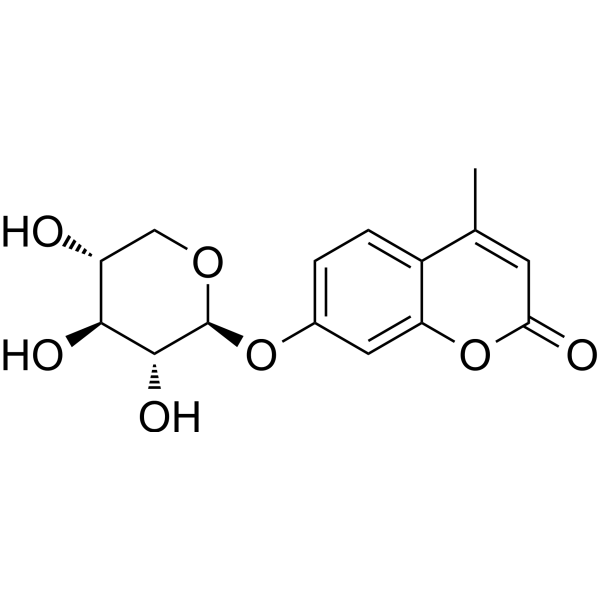
    4-Methylumbelliferyl-β-D-xyloside

    Biochemical Assay Reagents Others
    4-Methylumbelliferyl-β-D-xylopyranoside (4-Methylumbelliferyl-β-D-xyloside) is an enzymatically hydrolyzable β-D-xylopyranoside substrate. The enzymatic hydrolysis of 4-Methylumbelliferyl-β-D-xylopyranoside is mediated by the stereochemistry-retaining β-D-xylosidase GSXynB2 via a two-step catalytic process (xylosylation followed by dexylosidation). 4-Methylumbelliferyl-β-D-xylopyranoside serves as a substrate for the β-xylosidase of Trichoderma reesei QM 9414, and its enzymatic hydrolysis process is limited by the dexylosidation step.
    4-Methylumbelliferyl-β-D-xylopyranoside
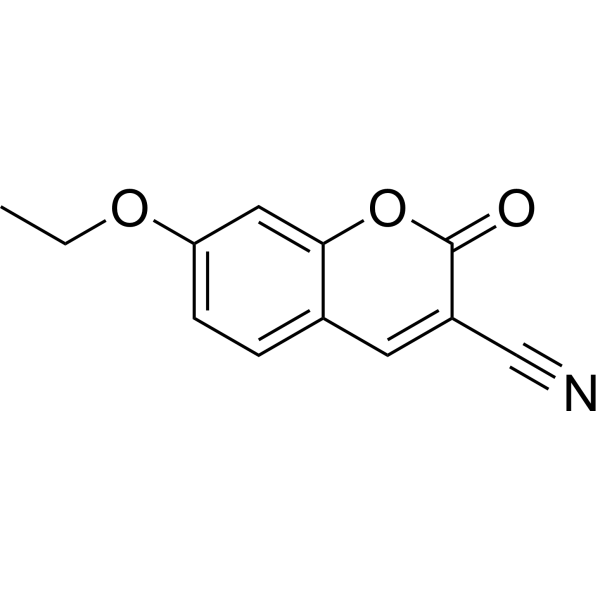
  • HY-D0055
    3-Cyano-7-ethoxycoumarin
    1 Publications Verification

    Cytochrome P450 Others
    3-Cyano-7-ethoxycoumarin is a fluorescent cytochrome P-450 substrate that generates a blue fluorescent product upon enzymatic cleavage. 3-Cyano-7-ethoxycoumarin is used to detect the activity of mixed-function oxidases in isolated rat hepatocytes. 3-Cyano-7-ethoxycoumarin serves as a biological dye and indicator for research .
    3-Cyano-7-ethoxycoumarin
  • HY-112624H

    Dextran 2; Dextran D2; Dextran T2(MW 1600-2400)

    Biochemical Assay Reagents Others
    Dextran T2 (Dextran 2; Dextran T2(MW 1600-2400)) is a natural high molecular weight polysaccharide, the glycosidic bonds in its structure can be recognized by endo-dextranase and exo-dextranase. Dextran T2 (MW 2,000) breaks the glycosidic bonds in the enzymatic hydrolysis mechanism, releasing products such as D-glucose, Isomaltose (IM2), and Isomaltotriose (IM3). Dextran T2 (MW 2,000) can be used as a model substrate to characterize the catalytic properties of dextranase (such as optimal pH, temperature and product specificity), and to study enzymatic mechanism research and polysaccharide degradation pathways in glycobiology. The Dextran series of compounds are also a natural polysaccharide drug carrier, which can be connected to drugs through covalent bonding methods such as ester bonds, amide bonds or click chemistry, or self-assembled to form carriers such as nanoparticles and hydrogels. Dextran is biodegradable and biocompatible, and can achieve targeted delivery and controlled release of drugs. Dextran derivatives can prolong drug half-life, increase local concentration and reduce immune clearance activity .
    Dextran T2 (MW 2,000)
  • HY-P990091

    SAR 445088

    Complement System Inflammation/Immunology
    Riliprubart (SAR 445088) is an anti-C1s humanized IgG4 monoclonal antibody that inhibits activated C1s in the proximal portion of the classical complement system. Riliprubart selectively inhibits activated C1s and prevents the enzymatic action of C1 on its substrates C4 and C2, thus inhibiting the formation of the classical pathway C3 convertase, C4b2a. Riliprubart can be used to study complement-mediated diseases such as systemic lupus erythematosus. Recommend Isotype Controls: Human IgG4 (S228P) kappa, Isotype Control (HY-P99003) .
    Riliprubart
  • HY-146248B

    Poly(ADP-ribose) Glycohydrolase (PARG) SARS-CoV Protease Activated Receptor (PAR) Metabolic Disease
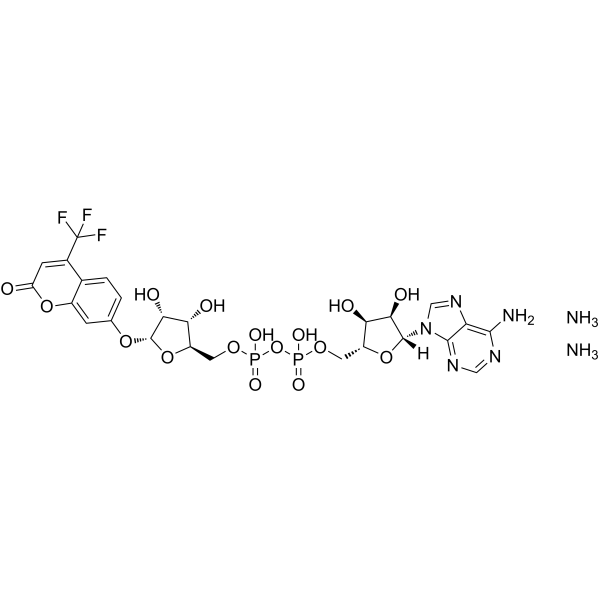
    TFMU-ADPr diammonium is a selective reporter substrate of SARS-CoV-2 Macro1 (IC50=0.59 μM), with an excitation wavelength (λEx) of 385 nm, and an emission wavelength (λEm) of 502 nm (or 495 nm). TFMU-ADPr diammonium can also undergo enzymatic hydrolysis with Poly(ADP-ribose) Glycohydrolase (PARG) sourced from human, Tetrahymena thermophila and ADP-ribosylhydrolase 3 from human to release fluorophores, thereby directly reporting total poly (ADP-ribose) hydrolase activity. TFMU-ADPr diammonium binds to the ADPr-binding site of SARS-CoV-2 Macro1, and its TFMU moiety inserts into the narrow hydrophobic groove of this protein. TFMU-ADPr diammonium can thus be used to evaluate small-molecule inhibitors targeting PAR hydrolases under in vitro conditions, to investigate the regulatory mechanisms of ADP-ribosyl catabolic enzymes, or to detect PAR hydrolase activity in whole-cell lysate assays. TFMU-ADPr diammonium is also applicable to COVID-19-related research .
    TFMU-ADPr diammonium
  • HY-P5990

    PSMA Cancer
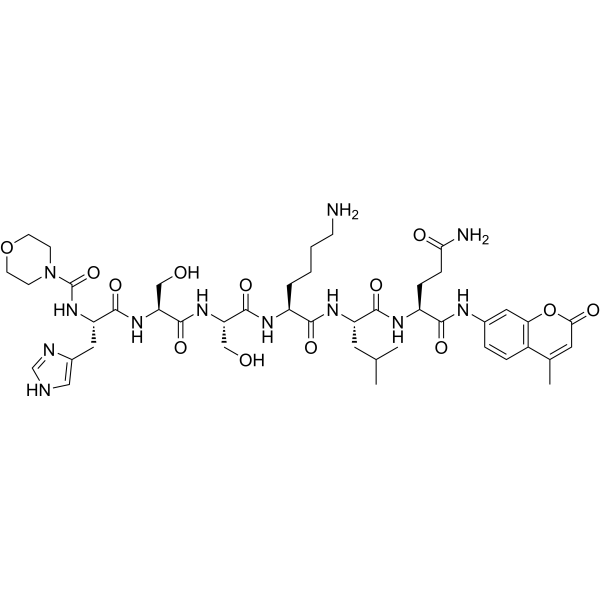
    Prostate Specific Antigen Substrate is a prostate specific antigen (PSA) fluorescent substrate. Prostate Specific Antigen Substrate can be used for detect enzymatic activity of PSA .
    Prostate Specific Antigen Substrate
  • HY-D0905

    Biochemical Assay Reagents Others
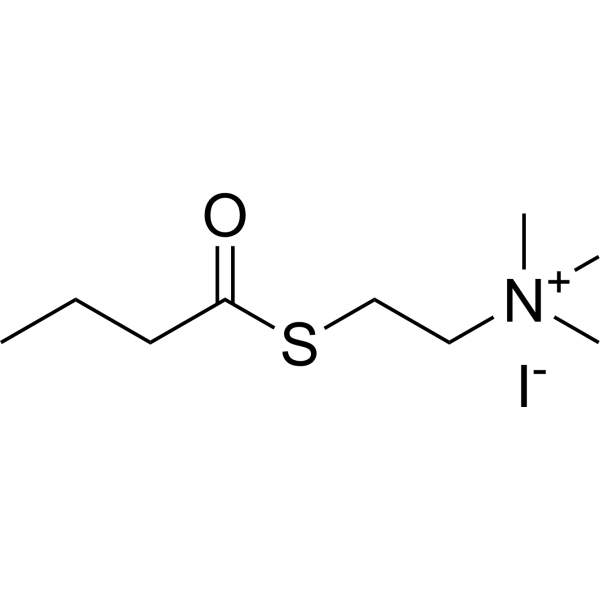
    S-n-Butyrylthiocholine iodide is a substrate of BChE. S-n-Butyrylthiocholine iodide commonly used for in vitro enzymatic experiments .
    S-n-Butyrylthiocholine iodide
  • HY-137878

    PNP-α-NeuNAc

    Biochemical Assay Reagents Others
    2-O-(p-Nitrophenyl)-α-D-N-acetylneuraminic acid (PNP-α-NeuNAc) is a classic chromogenic substrate for neuraminidase. 2-O-(p-Nitrophenyl)-α-D-N-acetylneuraminic acid releases p-nitrophenol upon enzymatic hydrolysis, allowing quantification of enzyme activity and inhibitory effects via spectrophotometry. 2-O-(p-Nitrophenyl)-α-D-N-acetylneuraminic acid (PNP-α-NeuNAc) acts as a sialyl donor in the process of enzyme-catalyzed trans-sialylation .
    2-O-(p-Nitrophenyl)-α-D-N-acetylneuraminic acid
  • HY-P2237
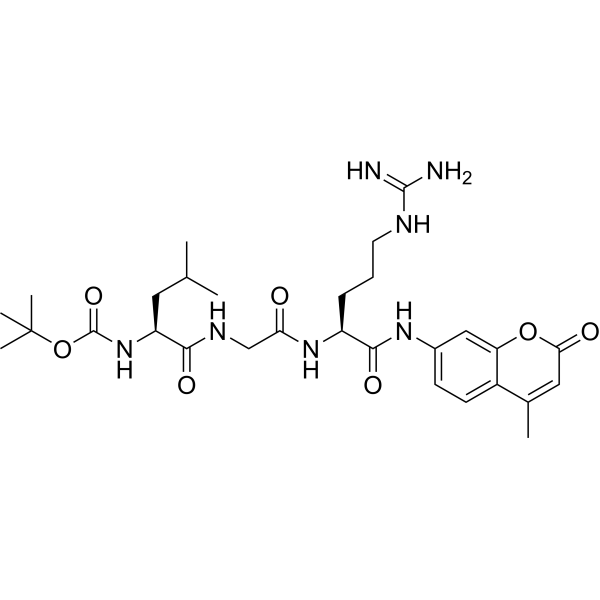
    Boc-Leu-Gly-Arg-AMC
    1 Publications Verification

    Amino Acid Derivatives Endocrinology
    Boc-Leu-Gly-Arg-AMC is a fluorogenic AMC substrate for the convertases. Boc-Leu-Gly-Arg-AMC can be used in enzymatic assays .
    Boc-Leu-Gly-Arg-AMC
  • HY-W105506

    s,s-Dimethyl-β-propionic acid thetine

    Drug Intermediate Others
    Dimethylpropiothetin hydrochloride is a dimethylsulfide precursor. Dimethylpropiothetin hydrochloride can be isolated from the marine coccolithophore Hymenomonas carterae. Dimethylpropiothetin hydrochloride participates in the maintenance of cellular osmotic pressure .
    Dimethylpropiothetin hydrochloride
  • HY-DY1034

    Fluorescent Dye Infection Neurological Disease
    4-MUNANA (solution) is a substrate of influenza virus neuraminidase (NA) with high selectivity and irreversible reaction. In the enzymatic reaction, 4-MUNANA is hydrolyzed by NA to generate fluorescent 4-methylumbelliferone (4-MU). By detecting the fluorescence intensity of 4-MU, quantitative analysis of NA activity can be achieved. 4-MUNANA can be used in influenza-related research, such as screening NA inhibitors, developing new anti-influenza drugs, and studying the infection mechanism of influenza viruses .
    Solvent and Concentration: Sterile water: 10 mM
    4-MUNANA (solution)
  • HY-173447

    NTPDase CD73 Cancer
    8-BuS-AMP is a NTPDase1 inhibitor and a CD73/CD39 inhibitor, with an IC50 of 35 μM and a Ki value of 0.292 μM against human NTPDase1; its Ki values against human CD73 and CD39 are 1.19 μM and 0.847 μM, respectively. 8-BuS-AMP binds to the substrate-binding pockets of NTPDase1 and CD73 to effectively block the conversion of ATP and AMP to adenosine, thereby enhancing the activation and proliferation of human peripheral T lymphocytes. 8-BuS-AMP possesses excellent enzymatic hydrolysis resistance and metabolic stability, resists hydrolysis by multiple NTPDase subtypes, and shows no activity against P2Y1 and P2Y12 receptors. 8-BuS-AMP can be used in purinergic signaling pathway and cancer-related studies .
    8-BuS-AMP
  • HY-146248

    SARS-CoV Poly(ADP-ribose) Glycohydrolase (PARG) Protease Activated Receptor (PAR) Infection
    TFMU-ADPr is a selective reporter substrate of SARS-CoV-2 Macro1 (IC50=0.59 μM), with an excitation wavelength (λEx) of 385 nm, and an emission wavelength (λEm) of 502 nm (or 495 nm). TFMU-ADPr can also undergo enzymatic hydrolysis with Poly(ADP-ribose) Glycohydrolase (PARG) sourced from human, Tetrahymena thermophila and ADP-ribosylhydrolase 3 from human to release fluorophores, thereby directly reporting total poly (ADP-ribose) hydrolase activity. TFMU-ADPr binds to the ADPr-binding site of SARS-CoV-2 Macro1, and its TFMU moiety inserts into the narrow hydrophobic groove of this protein. TFMU-ADPr can thus be used to evaluate small-molecule inhibitors targeting PAR hydrolases under in vitro conditions, to investigate the regulatory mechanisms of ADP-ribosyl catabolic enzymes, or to detect PAR hydrolase activity in whole-cell lysate assays. TFMU-ADPr is also applicable to COVID-19-related research .
    TFMU-ADPr
  • HY-169491

    Fluorescent Dye Metabolic Disease
    Pantothenate-AMC is a fluorogenic substrate used for detecting the enzymatic activity of vanin-1, an enzyme involved in the recycling of L-pantothenic acid. Upon enzymatic cleavage by vanin-1, 7-amino-7-methylcoumarin (AMC) is released, and its fluorescence can be used to quantify vanin-1 activity. The excitation/emission maxima of AMC are 340-360 nm and 440-460 nm, respectively .
    Pantothenate-AMC
  • HY-P4341A

    PAI-1 Fluorescent Dye Others
    D-Val-Leu-Lys-AMC TFA is a selective fluorogenic peptide substrate of plasmin. D-Val-Leu-Lys-AMC TFA can be used for the quantification of enzymatic activity of plasmin. Ex: 360-380 nm, Em: 440-460 nm .
    D-Val-Leu-Lys-AMC TFA
  • HY-D1021

    Aminoallyl-dUTP sodium salt

    DNA/RNA Synthesis Others
    AA-dUTP (Aminoallyl-dUTP) sodium salt is a reverse transcriptase and DNA polymerase I substrate with probe precursor activity. AA-dUTP sodium salt undergoes enzymatic incorporation into DNA during cDNA synthesis and nick translation. AA-dUTP sodium salt generates amine-modified DNA, which can be used for labeling with amine-reactive fluorescent dyes .
    AA-dUTP sodium salt
  • HY-P5485

    Bacterial Others
    Dabcyl-QALPETGEE-Edans is a synthetic peptide substrate for fluorescence resonance energy transfer (FRET) detection of Sortase A (SrtA) enzymatic activity. Dabcyl-QALPETGEE-Edans is labeled at both ends with the fluorescent group Edans (donor) and the quencher Dabcyl (acceptor), respectively. Dabcyl-QALPETGEE-Edans's central sequence contains a conserved motif specifically recognized by SrtA. Dabcyl-QALPETGEE-Edans demonstrates high sensitivity in vitro assays, enabling precise determination of the half-maximal inhibitory concentration of SrtA .
    Dabcyl-QALPETGEE-Edans
  • HY-P10043

    MMP Others
    MMP-1 Substrate is a matrix metalloproteinase-1 (MMP-1) selective substrate that can be used for the fluorometric determination of MMP-1 enzymatic activity .
    MMP-1 Substrate
  • HY-P4254

    PAI-1 Ser/Thr Protease Others
    H-Gly-Glu-pNA is a chromogenic peptide substrate that can be widely used in enzymatic analysis, including trypsin and urokinase-type plasminogen activator (uPA) .
    H-Gly-Glu-pNA
  • HY-130767A

    Biochemical Assay Reagents Cancer
    Naphthol AS-TR Phosphate disodium is a water-soluble dye commonly used as an enzymatic substrate in various biochemical assays to detect alkaline phosphatase activity. Naphthol AS-TR Phosphate disodium has unique chemical properties that allow it to be hydrolyzed by alkaline phosphatase, forming a colored product that can be detected spectrophotometrically. This makes it a useful tool for monitoring enzyme activity in biological samples such as serum or urine.
    Naphthol AS-TR phosphate disodium
  • HY-111522

    Sirtuin c-Myc Cancer
    RK-9123016 is a potent inhibitor of SIRT2. RK-9123016 inhibits the enzymatic activity of SIRT2 with an IC50 value of 0.18 µM but not other human sirtuin members including SIRT1 and SIRT3 at 100 µM. RK-9123016 increases the acetylation level of eukaryotic translation initiation factor 5A (eIF5A), a physiological substrate of SIRT2, and reduces cell viability of human breast cancer cells accompanied with a decrease in c-Myc expression .
    RK-9123016
  • HY-160841

    DNA Stain DNA/RNA Synthesis Others
    Biotin-16-dCTP is a biotinylated deoxycytidine triphosphate that serves as an important DNA labeling substrate. Biotin-16-dCTP can be enzymatically incorporated into the 3' end of DNA probes via terminal deoxynucleotidyl transferase, forming a 1-3 nucleotide-long tail to achieve biotinylation of the probes. Biotin-16-dCTP enhances chemiluminescent detection of low-abundance targets such as specific tRNA isoacceptors through Northern blotting. Biotin-16-dCTP can also replace conventional dCTP to be integrated into single-stranded DNA generated by asymmetric polymerase chain reaction, which is applicable for bioconjugation or pull-down assays. Repeated freeze-thaw cycles of Biotin-16-dCTP should be avoided to prevent degradation of its function for probe biotinylation .
    Biotin-16-dCTP
  • HY-137421

    Biochemical Assay Reagents Others
    4-Nitrophenyl N-acetyl-α-D-glucosaminide is a 4-nitrophenyl- conjugated substrate for determining the enzymatic specificity .
    4-Nitrophenyl N-acetyl-α-D-glucosaminide
  • HY-P5027

    Ser/Thr Protease Kallikrein Factor Xa Thrombin Cardiovascular Disease
    Cbz-Lys-Arg-pNA is a peptide substrate containing pNA as the chromogenic group. Cbz-Lys-Arg-pNA is widely used in enzymatic analysis, including thrombin, plasmin, factor Xa and Kallikrein .
    Cbz-Lys-Arg-pNA
  • HY-D1647

    Phospholipase Others
    7-Hydroxycoumarinyl-γ-linolenate is a cytosolic phospholipase A2 (cPLA2) fluorogenic substrate. 7-Hydroxycoumarinyl-γ-linolenate can be used to monitor the enzymatic activity of cPLA2 .
    7-Hydroxycoumarinyl-γ-linolenate
  • HY-P4341

    PAI-1 Fluorescent Dye Others
    D-Val-Leu-Lys-AMC is a selective fluorogenic peptide substrate of plasmin. D-Val-Leu-Lys-AMC can be used for the quantification of enzymatic activity of plasmin. Ex: 360-380 nm, Em: 440-460 nm .
    D-Val-Leu-Lys-AMC
  • HY-W008919

    N-Alpha,N-epsilon-di-Boc-L-lysine 4-nitrophenyl ester

    Amino Acid Derivatives Others
    Boc-Lys(Boc)-Onp (N-Alpha,N-epsilon-di-Boc-L-lysine 4-nitrophenyl ester) is a lysine with a Boc protecting group. Boc-Lys(Boc)-Onp was used as a substrate for a catalyst model to study its enzymatic hydrolysis reaction catalyzed by a copper(II) complex .
    Boc-Lys(Boc)-Onp
  • HY-160963

    Drug Derivative Others
    S-Adenosyl-L-ethionine is S-Adenosyl-L-methione analog. S-Adenosyl-L-ethionine is able to replace S-Adenosyl-L-methione during HydG catalysis. HydG can utilize S-Adenosyl-L-ethionine as an effective alternative cosubstrate to S-Adenosyl-L-methione under normal enzymatic turnover conditions, producing the Ω intermediate and allowing efficient catalytic turnover of substrate L-tyrosine .
    S-Adenosyl-L-ethionine
  • HY-P3123A

    Fluorescent Dye Others
    Dnp-RPLALWRS TFA is a fluorescent peptide substrate designed for human matrilysin (MMP-7). After enzymatic cleavage of Dnp-RPLALWRS TFA at the alanine-leucine bond, the release of the Dnp group alleviates fluorescence quenching, thereby enabling real-time quantitative analysis of MMP-7 activity by increasing tryptophan emission. Dnp-RPLALWRS TFA provides a sensitive and efficient detection method for kinetic studies and inhibitor screenin .
    Dnp-RPLALWRS TFA
  • HY-123000

    Biochemical Assay Reagents
    4-Methylumbelliferyl 2-acetamido-2-deoxy-α-D-galactopyranoside is a fluorogenic substrate for studying the enzymatic activity of α-galactosidase. 4-Methylumbelliferyl 2-acetamido-2-deoxy-α-D-galactopyranoside is used to analyze enzyme activity in various biological samples, helping scientists gain insight into the function of the enzyme in vivo. 4-Methylumbelliferyl 2-acetamido-2-deoxy-α-D-galactopyranoside can also be used to screen potential compounds to inhibit or activate this enzyme.
    4-Methylumbelliferyl 2-acetamido-2-deoxy-α-D-galactopyranoside
  • HY-P10050

    Proteasome Others
    Calpain substrate is the membrane non-permeable fluorogenic calpain substrate and can be used in Calpain enzymatic activity assay .
    Calpain substrate
  • HY-146248A

    Poly(ADP-ribose) Glycohydrolase (PARG) SARS-CoV Protease Activated Receptor (PAR) Others
    TFMU-ADPr triethylamine is a selective reporter substrate of SARS-CoV-2 Macro1 (IC50=0.59 μM), with an excitation wavelength (λEx) of 385 nm, and an emission wavelength (λEm) of 502 nm (or 495 nm). TFMU-ADPr triethylamine can also undergo enzymatic hydrolysis with Poly(ADP-ribose) Glycohydrolase (PARG) sourced from human, Tetrahymena thermophila and ADP-ribosylhydrolase 3 from human to release fluorophores, thereby directly reporting total poly (ADP-ribose) hydrolase activity. TFMU-ADPr triethylamine binds to the ADPr-binding site of SARS-CoV-2 Macro1, and its TFMU moiety inserts into the narrow hydrophobic groove of this protein. TFMU-ADPr triethylamine can thus be used to evaluate small-molecule inhibitors targeting PAR hydrolases under in vitro conditions, to investigate the regulatory mechanisms of ADP-ribosyl catabolic enzymes, or to detect PAR hydrolase activity in whole-cell lysate assays. TFMU-ADPr triethylamine is also applicable to COVID-19-related research .
    TFMU-ADPr triethylamine
  • HY-P11406

    Fluorescent Dye Others
    Ac-RSLK-AMC is a fluorogenic substrate, can be used to measure the enzymatic activities of site-1 protease (S1P) .
    Ac-RSLK-AMC
  • HY-P4399

    Bacterial ClpP Others
    Z-Gly-Gly-Leu-AMC is the substrate of ClpP1 and ClpP2, to detect the enzymatic activity in the presence of the activating peptide Z-Leu-Leu .
    Z-Gly-Gly-Leu-AMC
  • HY-W099563

    Biochemical Assay Reagents Others
    4-Nitrophenyl stearate, which is an ester formed by the condensation of stearic acid and 4-nitrophenol, is commonly used as a substrate for enzymatic assays, where the hydrolysis of ester bonds by esterase and lipase can be measured by absorbance or ratio In addition, 4-Nitrophenyl stearate has been used as a model compound to study the enzymatic activity and selectivity of lipases and esterases from various sources. The long hydrophobic tail of the molecule makes it suitable for use in lipophilic Good solubility in the environment makes it a useful probe for studying lipid metabolism.
    4-Nitrophenyl stearate
  • HY-137798

    Fluorescent Dye Others
    Chromozym PL is a chromogenic substrate for plasmin, and the enzymatic reaction can be carried out in 0.1mL Tris-HCl buffer (50 mM, pH 7.8). 100 μM Chromozym PL was dissolved and prepared. After adding the hydrolase, the generation of p-nitroaniline (pNA) at 405 nm was continuously observed, and the hydrolysis products were calculated .
    Chromozym PL
  • HY-112944A

    CMP-NeuNAz sodium

    Sialyltransferase Infection
    CMP-SiaNAz (CMP-NeuNAz) sodium is a sialic acid nucleotide sugar derivative. CMP-SiaNAz sodium is integrated into the glycosidic chain through the action of STs in the Golgi apparatus, forming SiaNAz substances. CMP-SiaNAz sodium can serve as a substrate for bacterial-derived sialic acid transferases and is used for chemical enzymatic labeling and imaging of cell surface glycosides .
    CMP-SiaNAz sodium
  • HY-N12962

    Others Others
    11S(12R)-EET is a dominant enantiomer of epoxytrienoic acid (EET) that is metabolized at a higher rate in rat organs. It shows enantiomeric-dependent reaction selectivity in hydration, especially in the case of 11,12-EET, where water addition is non-regioselective, while in 8,9-EET, water addition occurs mainly at the C9 position. In addition, 11S(12R)-EET generates diol products with specific stereochemistry through enzymatic hydration reactions, which are affected by the selective recognition of epoxidases, reaction conversion rates, and substrate binding parameters .
    11S(12R)-EET
  • HY-P2296

    Fluorescent Dye Others
    Abz-FRLKGGAPIKGV-EDDNP TFA is a fluorogenic substrate used to measure the enzymatic activities of protease forms, such as papain-like protease 2 (PLP2) from severe acute respiratory syndrome coronavirus (SARS-CoV). Abz-FRLKGGAPIKGV-EDDNP TFA has the potential for study 2019-nCoV (COVID-19) infection .
    Abz-FRLKGGAPIKGV-EDDNP TFA
  • HY-P2344

    HIV Protease Infection
    HIV Protease Substrate 1, a fiuorogenic HIV protease substrate, can be used to study enzymatic activity of HIV protease .
    HIV Protease Substrate 1
  • HY-P2344A

    HIV Protease Infection
    HIV Protease Substrate 1 TFA, a fiuorogenic HIV protease substrate, can be used to study enzymatic activity of HIV protease .
    HIV Protease Substrate 1 TFA

Inquiry Online

Your information is safe with us. * Required Fields.

Salutation


Country or Region *

Applicant Name *


Organization Name *

Department *


Email Address *


Product Name *

Cat. No.


Requested quantity *

Phone Number *


Remarks

Inquiry Online

Inquiry Information

Product Name:
Cat. No.:
Quantity:
MCE Japan Authorized Agent:

