79 Results for "

enzyme active sites

" in MedChemExpress (MCE) Product Catalog:
Products (79)

79 Results for "enzyme active sites" in MCE Product Catalog:

5
5 Cited Publications
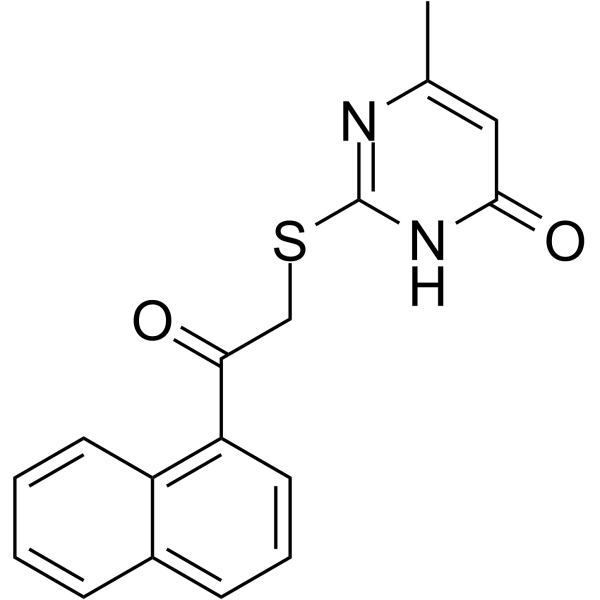
Cat. No.: HY-128206
CAS No.: 459420-09-8
Purity:  99.98%
Synonyms: HMPSNE
Target:  

Hippo (MST)

Research Areas:  

Metabolic Disease

I3MT-3 (HMPSNE) is a potent, selective, and cell-membrane permeable inhibitor of 3-Mercaptopyruvate sulfurtransferase (3MST) (IC50=2.7 μM). I3MT-3 is inactive for other H2S/sulfane sulfur-producing enzymes.?I3MT-3 targets a persulfurated cysteine residue located in the active site of 3MST .
loading...
    loading...
3
3 Cited Publications
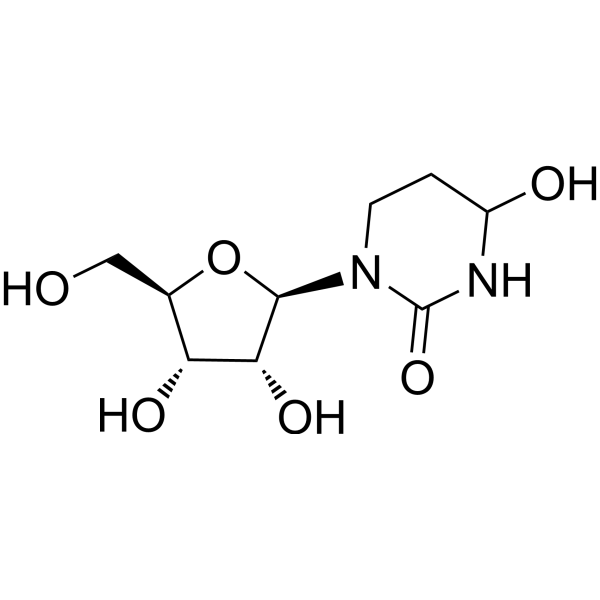
Cat. No.: HY-15345A
CAS No.: 18771-50-1
Purity:  99.89%
Synonyms: THU; NSC-112907
Target:  

DNA/RNA Synthesis

Research Areas:  

Cancer

Tetrahydrouridine dihydrate is potent inhibitor of cytidine deaminase (CDA), which competitively blocks the enzyme's active site more effectively than intrinsic cytidine .
loading...
    loading...
3
3 Cited Publications
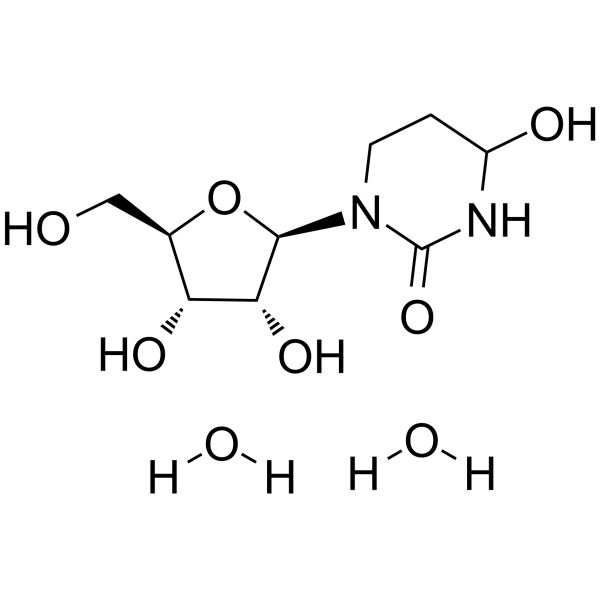
Cat. No.: HY-15345
Purity:  99.79%
Synonyms: THU dihydrate; NSC-112907 dihydrate
Target:  

DNA/RNA Synthesis

Research Areas:  

Cancer

Tetrahydrouridine dihydrate (THU dihydrate) is potent inhibitor of cytidine deaminase (CDA), which competitively blocks the enzyme's active site more effectively than intrinsic cytidine.
loading...
    loading...
2
2 Cited Publications
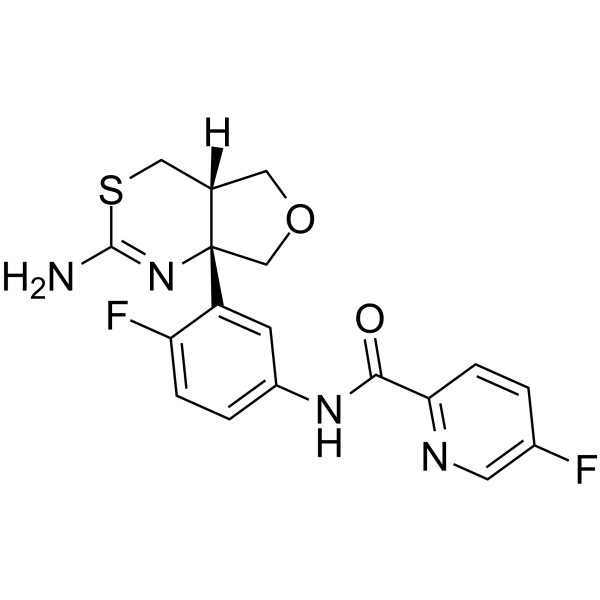
Cat. No.: HY-13240
CAS No.: 1262036-50-9
Purity:  99.72%
Target:  

Beta-secretase

Research Areas:  

Neurological Disease

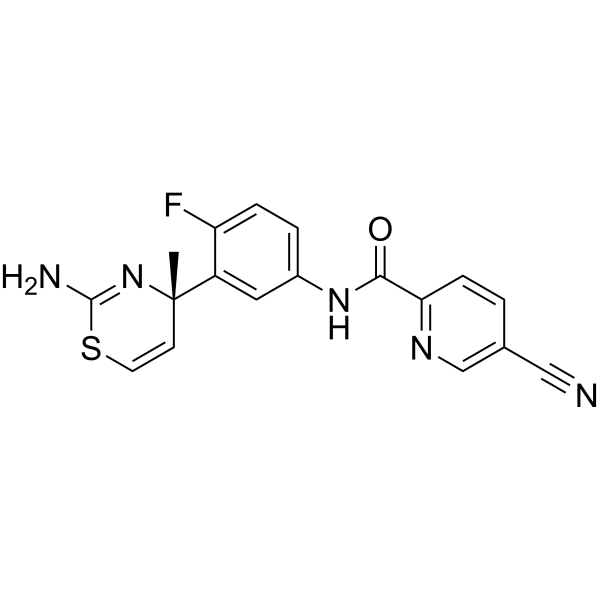
LY2886721 is a potent, selective and orally active beta-site amyloid precursor protein cleaving enzyme 1 (BACE1) inhibitor with an IC50 of 20.3 nM for recombinant human BACE1. LY2886721 is selectivity against cathepsin D, pepsin, and renin, but lacking selectivity against BACE2 (IC50 of 10.2 nM). LY2886721 can across blood-brain barrier and has the potential for Alzheimer's disease treatment .
loading...
    loading...
2
2 Cited Publications
Cat. No.: HY-108474
CAS No.: 152946-68-4
Purity:  98.38%
Synonyms: AG 337
Target:  

Thymidylate Synthase

Research Areas:  

Cancer

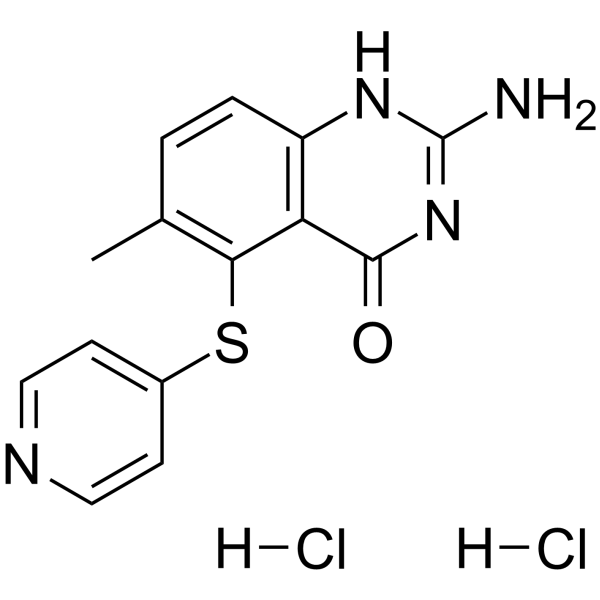
Nolatrexed dihydrochloride (AG 337) is an orally active and non-competitive lipophilic inhibitor of thymidylate synthase with a Ki of 11 nM for human thymidylate synthase. Nolatrexed dihydrochloride interacts at the folate cofactor binding site of the enzyme. Nolatrexed dihydrochloride increases sulfotransferases. Nolatrexed dihydrochloride induces cell cycle arrest in S phase of cancer cells. Nolatrexed dihydrochloride exhibits anticancer activity against cervical cancer.
loading...
    loading...
2
2 Cited Publications
Cat. No.: HY-N0419
CAS No.: 491-50-9
Synonyms: Quercetin-7-O-β-D-glucopyranoside
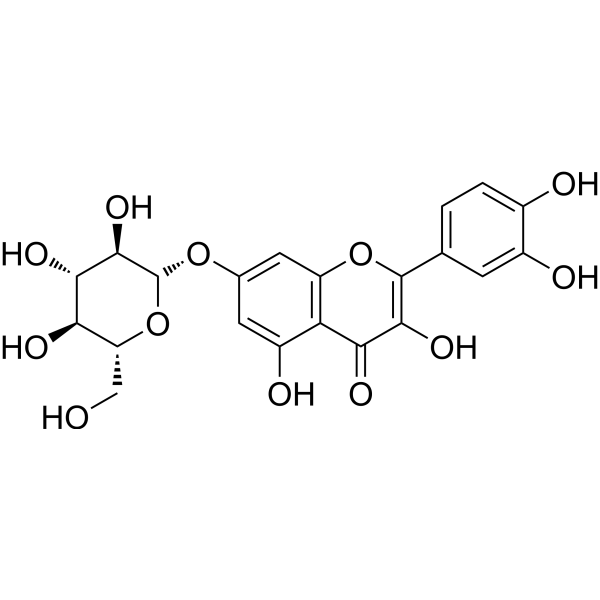
Quercimeritrin (Quercetin-7-O-β-D-glucopyranoside) is an orally active α-glucosidase inhibitor (with an IC50 of 79.88 μM against the Saccharomyces cerevisiae enzyme) and a P-gp substrate, with anti-angiogenic and antioxidant activities. Quercimeritrin does not cross the blood-brain barrier and does not inhibit cytochrome P450 enzymes. Quercimeritrin precisely binds to and inhibits the active sites of c-Kit, MMP-2, Aurora-A kinases and α-glucosidase, thereby disrupting target functions. Quercimeritrin effectively regulates postprandial blood glucose and also exhibits significant anti-angiogenic activity, which inhibits endothelial cell proliferation and microvascular growth. Quercimeritrin can be used in the research of diabetes and breast cancer .
loading...
    loading...
1
1 Cited Publications
Cat. No.: HY-402410
CAS No.: 1451750-73-4
Target:  

TET Protein

Research Areas:  

Cancer

TETi76 is an orally active TET family inhibitor with IC50 values ??of 1.5, 9.4 and 8.8 μM for TET1, TET2 and TET3, respectively. TETi76 competitively binds to the active site of TET enzymes, reduces cytosine hydroxymethylation and restricts clonal growth of TET2 mutants in vitro and in vivo, but does not affect the growth of normal hematopoietic precursor cells. TETi76 can be used for leukemia research .
loading...
    loading...
1
1 Cited Publications
Cat. No.: HY-B2228
CAS No.: 9001-92-7
Proteinase, Aspergillus oryzae is a serine protease that hydrolyzes peptide bonds in protein substrates, preferring alkaline conditions (optimal pH 10.5). It efficiently degrades casein, poly-L-glutamic acid, and poly-L-lysine, with activity irreversibly inhibited by diisopropylfluorophosphate (DFP) and potato inhibitor. This enzyme catalyzes proteolysis via serine residues in its active site, finding applications in food processing (e.g., soy sauce fermentation), detergents, and leather industries due to its high yield in solid-state fermentation and cost-effective production.
loading...
    loading...
1
1 Cited Publications
Cat. No.: HY-109052
CAS No.: 1200493-78-2
Purity:  99.77%
Synonyms: JNJ-54861911
Target:  

Beta-secretase

Research Areas:  

Neurological Disease

Atabecestat (JNJ-54861911) is a potent brain-penetrant and orally active β-site amyloid precursor protein cleaving enzyme 1 (BACE1) inhibitor, achieves robust and high CSF Aβ reduction. Atabecestat s tolerated and displays a sustained pharmacokinetic (PK) and pharmacodynamic (PD) characteristics. Atabecestat has the potential for Alzheimer's Disease treatment .
loading...
    loading...
1
1 Cited Publications
Cat. No.: HY-142035
CAS No.: 58160-95-5
Purity:  99.70%
N-Propargylglycine is a brain-penetrant and orally active PRODH inhibitor. N-Propargylglycine covalently modifies enzyme-bound FAD and active site lysine, causing enzyme structural distortion, protein decay, and irreversible inhibition of proline and 4-hydroxyproline catabolism. N-Propargylglycine induces UPRmt, upregulates mitochondrial chaperones and YME1L1, enhances mitochondrial proteostasis, blocks astrocytic L-proline consumption, and abolishes L-proline’s ATP-maintaining and viability-protective effects. N-Propargylglycine stimulates neural processes, increases brain proline, hydroxyproline, and sarcosine levels, partially normalizes Huntington’s disease whole brain transcriptomes. N-Propargylglycine reduces hyperoxaluria, prevents calcium oxalate stone formation, reduces kidney tubular damage, and restores weight and survival in Grhpr knockout mice. N-Propargylglycine can be used for the research of breast cancer, neurodegenerative disorders, Huntington’s disease, and primary hyperoxaluria type 2 .
loading...
    loading...
Cat. No.: HY-134136A
CAS No.: 324518-20-9
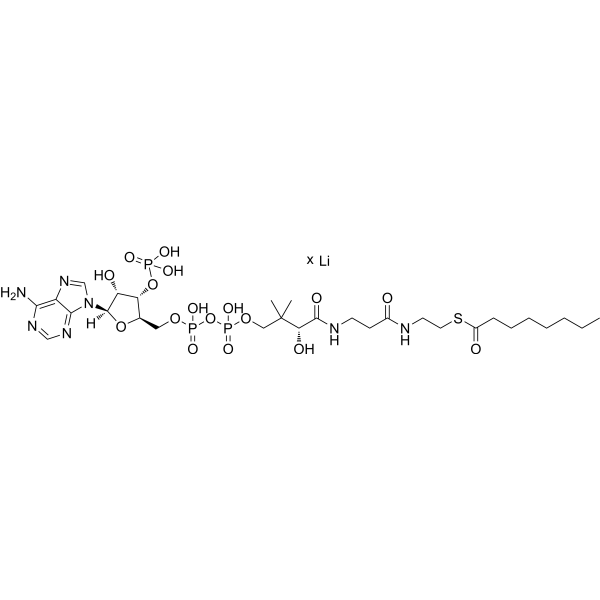
Octanoyl coenzyme A lithium is an enoyl-CoA hydratase binder. Octanoyl coenzyme A lithium binds to the active site of enoyl-CoA hydratase, occupies the binding pocket for the fatty acid tail of the enzyme's substrate, and induces a conformational shift in a flexible protein loop via its longer octanoyl chain, forming an open channel leading to the inter-trimer gap .
loading...
    loading...
Cat. No.: HY-B1451
CAS No.: 89396-94-1
Synonyms: TA-6366
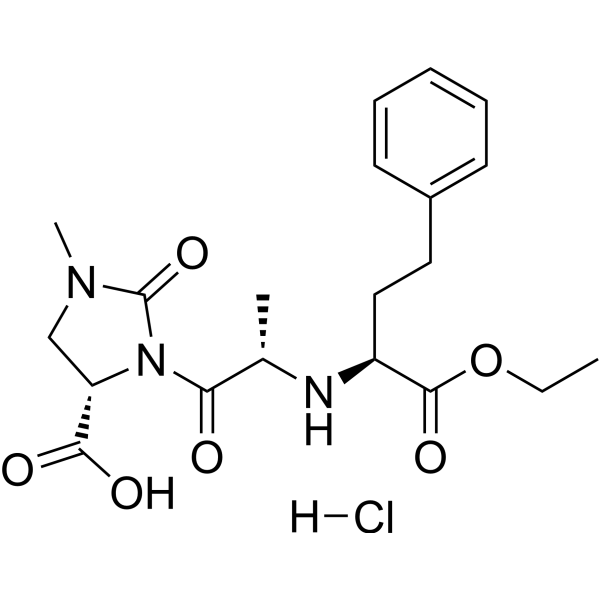
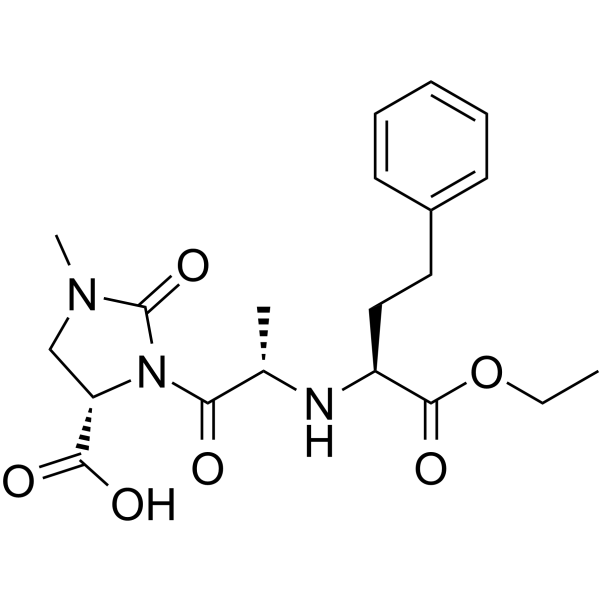
Imidapril hydrochloride (TA-6366) is an orally active dual inhibitor of angiotensin-converting enzyme (ACE) and MMP-9. Imidapril hydrochloride inhibits lipopolysaccharide-induced phosphorylation of c-Jun, MKK4 and JNK in monocytes, and downregulates the production of specific inflammatory factors such as TNF-α and IP-10, thereby exerting anti-inflammatory activity. Imidapril hydrochloride also effectively ameliorates mesangial expansion and reduces urinary albumin excretion by inhibiting angiotensin AngII production, lowering glomerular pressure and oxidative stress, thus delaying disease progression. Imidapril hydrochloride can also directly bind to the active site of MMP-9 to inhibit gelatinase activity, and suppress the enlargement of cerebral aneurysms without altering systemic blood pressure. Imidapril hydrochloride is widely applicable to related studies on autoimmune glomerulonephritis, diabetic nephropathy, cerebral aneurysms and other conditions .
loading...
    loading...
Cat. No.: HY-157521
CAS No.: 3055162-52-9
Target:  

Acyltransferase

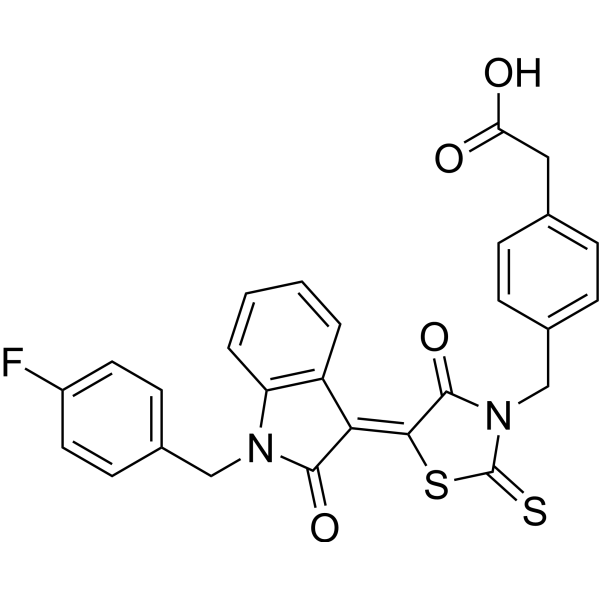
AANAT-IN-1 is an arylalkylamine N-acetyltransferase (AANAT) inhibitor with a sheep AANAT IC50 of 9.9 μM. AANAT-IN-1 binds to the active site of sheep AANAT, interacting with amino acid residues via hydrogen bonds, hydrophobic interactions, ionic interactions, and water bridges, inhibiting the enzyme's catalytic activity. AANAT-IN-1 can be used for the researches of circadian rhythm-associated neuropsychiatric conditions, seasonal affective disorder, and other diseases associated with abnormally elevated melatonin levels .
loading...
    loading...
Cat. No.: HY-N1341
CAS No.: 54835-70-0
Research Areas:  

Infection

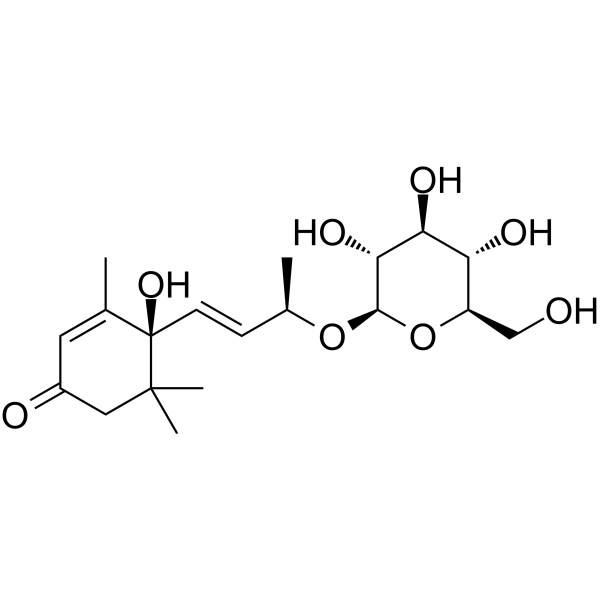
Roseoside is an inhibitor of DNA gyrase and HAV 3C protease, and also inhibits HCV NS5A/B replicase in human systems with an IC50 of 20 μM. Roseoside binds to the active site of enzymes and stabilizes the interaction by forming hydrogen bonds with key amino acid residues. Roseoside inhibits the growth of Gram-positive bacteria, Gram-negative bacteria, and Candida albicans, and interferes with HCV RNA replication in vitro by inhibiting HCV NS5A/B replicase (IC50=20 μM). Roseoside shows no cytotoxicity and serves as a research tool for studies related to bacterial infections, candidiasis, HAV and HCV .
loading...
    loading...
Cat. No.: HY-114196
CAS No.: 2082752-83-6
Purity:  ≥98.0%
Synonyms: ZGN-1061
Target:  

MetAP

Research Areas:  

Metabolic Disease Cancer

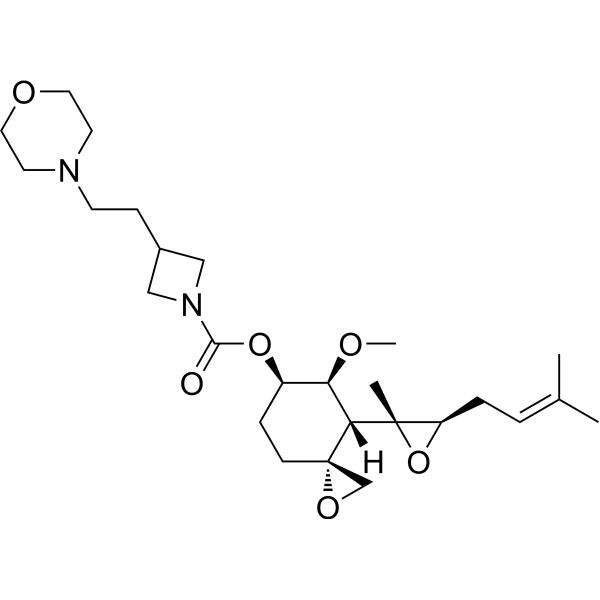
Aclimostat (ZGN-1061) is a methionine aminopeptidase 2 (MetAP2) inhibitor. Aclimostat exhibits anti-obesity, anti-diabetic and ovarian cancer-related activities, and does not readily distribute to the central nervous system. Aclimostat acts on the active site of MetAP2 via irreversible covalent binding, and blocks enzyme activity through interactions with His231 and His339. Aclimostat regulates gene expression, reduces fat mass, plasma glucose, insulin levels, LDL-C, hs-CRP and leptin levels, while increasing adiponectin levels. Aclimostat can be used in research related to type 2 diabetes, overweight, obesity and ovarian cancer .
loading...
    loading...
Cat. No.: HY-171036
CAS No.: 252212-58-1
Research Areas:  

Metabolic Disease

GAPDH-IN-1 (Compound F8) is a GAPDH inhibitor (IC50 of 39.31 μM for GAPDH enzymatic activity). GAPDH-IN-1 forms a covalent adduct with an aspartic acid in the active site to displace NAD +, a cofactor of the enzyme, with concomitant enhancement of the cysteine-reactive probe reaction with the catalytic cysteine .
loading...
    loading...
Cat. No.: HY-W284558
CAS No.: 1120-01-0
Sodium hexadecyl sulfate is a long-chain anionic surfactant. Sodium hexadecyl sulfate can act as an interface-regulating substance to form a soft layer on the surface of carbon nanotubes, guide proteins to adsorb in the correct orientation with active sites facing outward through electrostatic interactions, and significantly enhance the activity of immobilized enzymes. Sodium hexadecyl sulfate can replace or supplement SDS (HY-Y0316) in capillary gel electrophoresis (CGE) .
loading...
    loading...
Cat. No.: HY-N10686
CAS No.: 61077-78-9
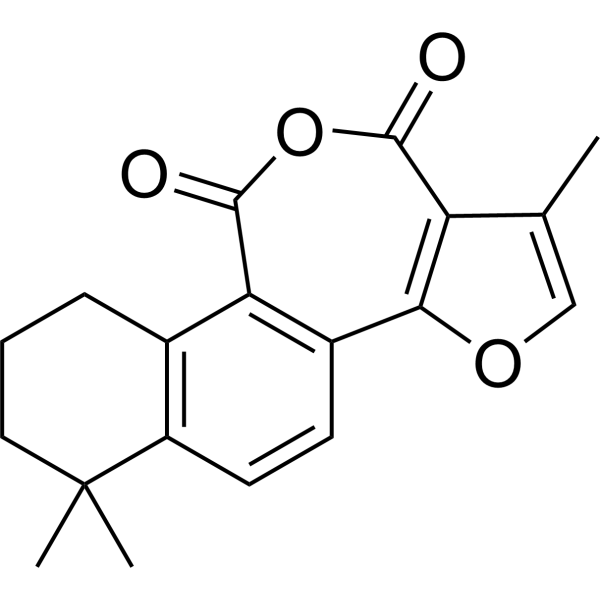
Tanshinone IIA anhydride, present in root extracts of Salvia miltiorrhiza, acts as an inhibitor of human carboxylesterase (CE). Tanshinone IIA anhydride has a Ki value of 1.9 nM against hCE1 and a Ki value of 1.4 nM against hiCE. Tanshinone IIA anhydride forms a stable covalent complex with serine Ser221 at the active site of hCE1, blocking the catalytic cycle of carboxylesterase, and the activity of the inactivated enzyme cannot recover spontaneously. Tanshinone IIA anhydride is applicable in metabolism-related studies .
loading...
    loading...
Cat. No.: HY-178124
Target:  

Deubiquitinase

Research Areas:  

Neurological Disease Cancer

Huib32 is a potent small-molecule inhibitor of USP32 (IC50 = 21.2 nM), exhibiting high selectivity over other closely related deubiquitinating enzymes (DUBs), such as USP8/10/16, UCHL1 and OTUB2. Huib32 reversibly inhibits USP32 by covalently binding to the active site Cys743, which enhances substrate ubiquitination, alters endosomal morphology, and mimics USP32 depletion. Huib32 can be used for breast, ovarian, and lung cancer and Alzheimer's and Parkinson’s diseases research .
loading...
    loading...
Cat. No.: HY-B1451A
CAS No.: 89371-37-9
Synonyms: TA-6366 free base
Imidapril (TA-6366 free base) is an orally active dual inhibitor of angiotensin-converting enzyme (ACE) and MMP-9. Imidapril inhibits lipopolysaccharide-induced phosphorylation of c-Jun, MKK4 and JNK in monocytes, and downregulates the production of specific inflammatory factors such as TNF-α and IP-10, thereby exerting anti-inflammatory activity. Imidapril also effectively ameliorates mesangial expansion and reduces urinary albumin excretion by inhibiting angiotensin AngII production, lowering glomerular pressure and oxidative stress, thus delaying disease progression. Imidapril can also directly bind to the active site of MMP-9 to inhibit gelatinase activity, and suppress the enlargement of cerebral aneurysms without altering systemic blood pressure. Imidapril is widely applicable to related studies on autoimmune glomerulonephritis, diabetic nephropathy, cerebral aneurysms and other conditions .
loading...
    loading...

