Search Result
Results for "
ethanol-induced
" in MedChemExpress (MCE) Product Catalog:
1
Isotope-Labeled Compounds
| Cat. No. |
Product Name |
Target |
Research Areas |
Chemical Structure |
-
- HY-N1445
-
|
Isoquercetin; Quercetin 3-glucoside
|
NF-κB
NO Synthase
|
Inflammation/Immunology
Cancer
|
|
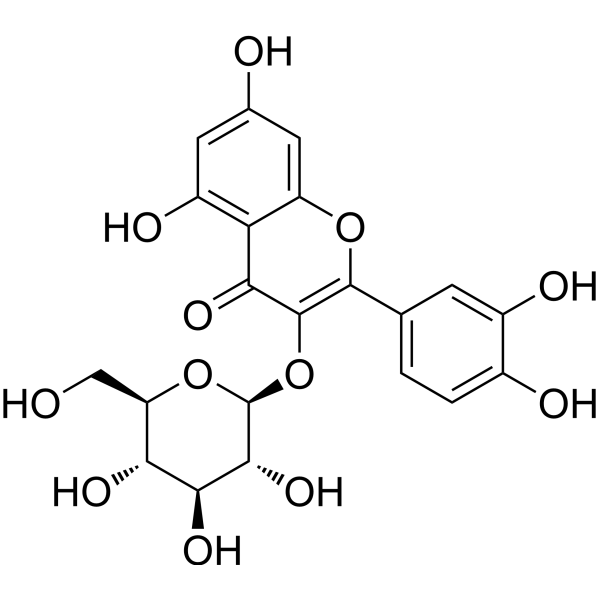
Isoquercetin (Quercetin 3-glucoside) is a naturally occurring polyphenol that has antioxidant, anti-proliferative, and anti-inflammatory properties. Isoquercetin alleviates ethanol-induced hepatotoxicity, oxidative stress, and inflammatory responses via the Nrf2/ARE antioxidant signaling pathway . Isoquercetin regulates the expression of nitric oxide synthase 2 (NO2) via modulating the nuclear factor-κB (NF-κB) transcription regulation system. Isoquercetin has high bioavailability and low toxicity, is a promising candidate agent to prevent birth defects in diabetic pregnancies .
|
-
-
- HY-N0115
-
Gastrodin
Maximum Cited Publications
18 Publications Verification
Gastrodine
|
Apoptosis
Ferroptosis
|
Cardiovascular Disease
Neurological Disease
Inflammation/Immunology
|
|
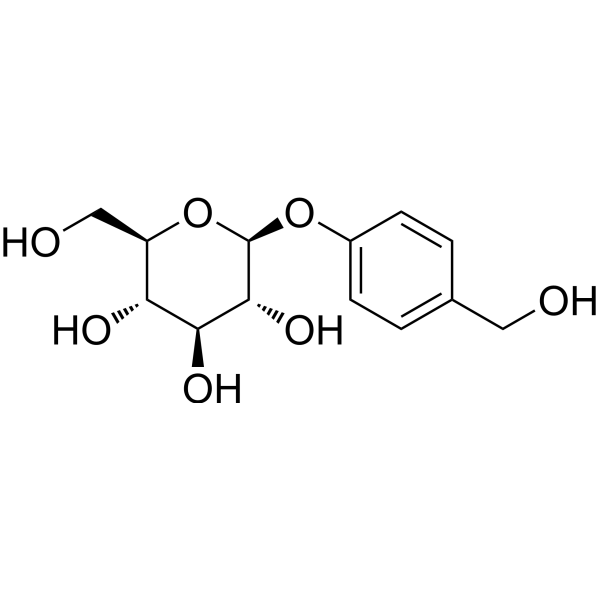
Gastrodin, a main constituent of a Chinese herbal medicine Tianma, has been known to display anti-inflammatory effects. Gastrodin inhibits ethanol-induced hepatocellular apoptosis. Gastrodin inhibits H2O2-induced ferroptosis through its antioxidative effect. Gastrodin can be used for study of dizziness, epilepsy, stroke and dementia .
|
-
-
- HY-12688A
-
|
|
Mitochondrial Metabolism
Reactive Oxygen Species (ROS)
Amyloid-β
|
Neurological Disease
Inflammation/Immunology
|
|
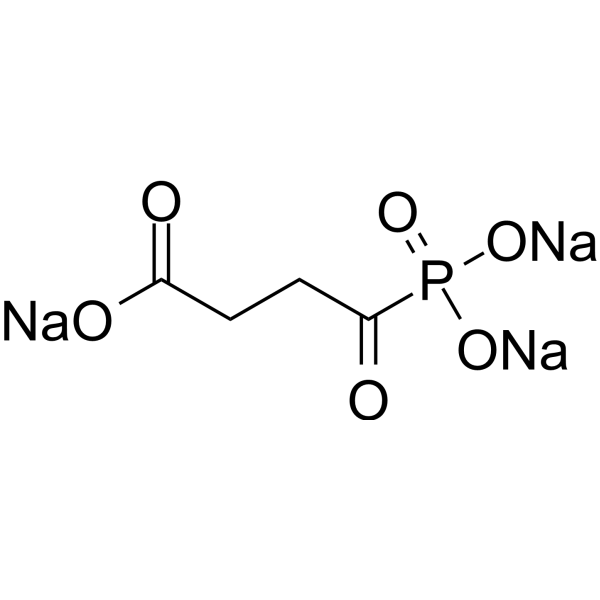
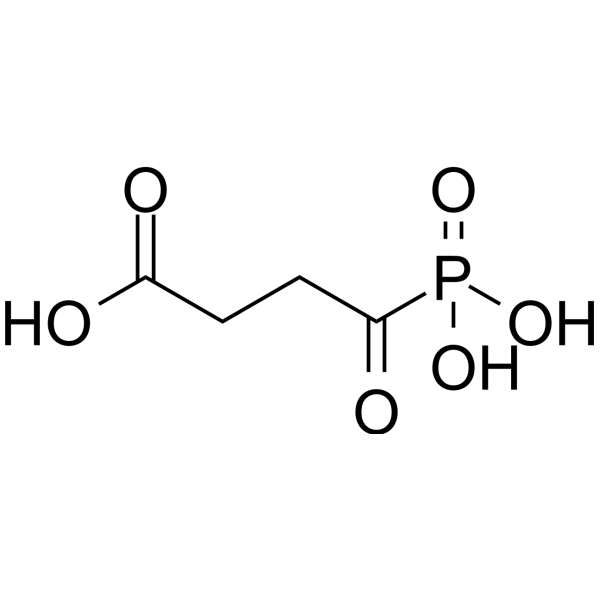
Succinyl phosphonate trisodium salt is a α-Ketoglutarate Dehydrogenase Complex (KGDHC) modulator with neuroprotective activity. Succinyl phosphonate trisodium salt protects this complex, reduces cellular succinyl-CoA concentration, downregulates protein succinylation levels, and inhibits the activity of the α-ketoglutarate dehydrogenase complex. Succinyl phosphonate trisodium salt corrects hypoxic or ethanol-induced behavioral impairments, modulates exploratory behavior and emotional stress responses, and improves hypoxia tolerance. Succinyl phosphonate trisodium salt reduces glutamate excitotoxicity, restores the activity of the α-ketoglutarate dehydrogenase complex, reverses the changes in glutamate dehydrogenase and glutamine synthetase activities induced by β-amyloid (Amyloid-β), modulates cognitive function, and prevents β-amyloid-induced neuronal damage. Succinyl phosphonate trisodium salt improves microglial senescence, alleviates neuroinflammation, reactive oxygen species (ROS) production, lipid peroxidation, and the expression of proinflammatory cytokines. Succinyl phosphonate trisodium salt can be used in the research of Alzheimer's disease, aging-related neuroinflammation, and Parkinson's disease .
|
-
-
- HY-N0554
-
|
|
HIV Protease
Monoamine Oxidase
|
Infection
Inflammation/Immunology
Cancer
|
|
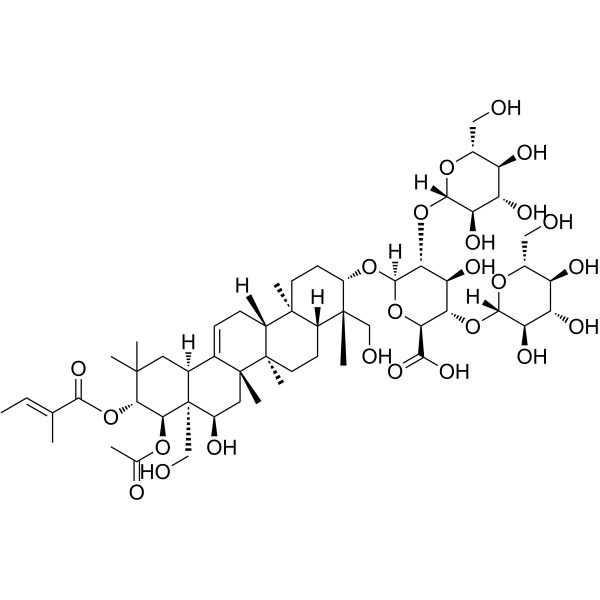
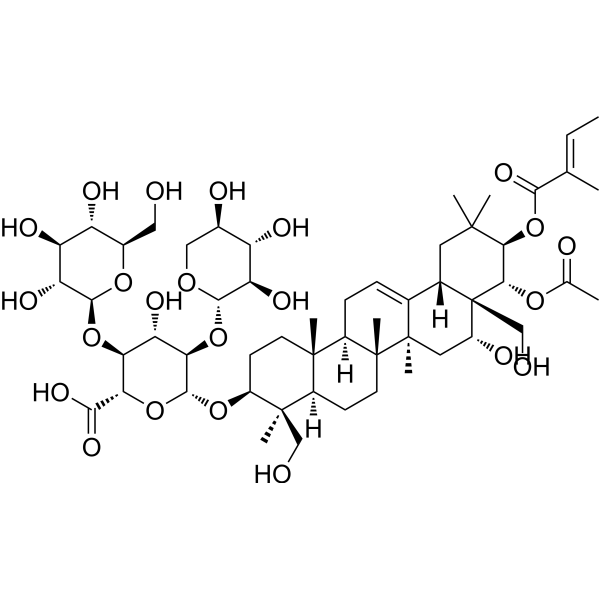
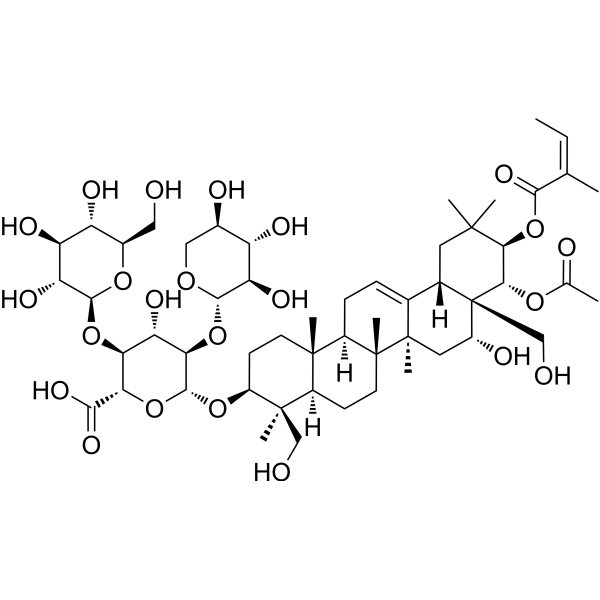
Escin IA is an oral LOXL2 inhibitor and EMT inhibitor, with selectivity for LOXL2-expressing cells. Escin IA suppresses invasion, migration, and metastasis of breast cancer cells, and acts as the primary anti-TNBC metastasis constituent of Aesculus chinensis Bunge fruit saponin fraction. Escin IA can be used for the research of triple-negative breast cancer, acute inflammation, and ethanol-induced gastric mucosal lesions .
|
-
-
- HY-N0611
-
|
α-Boswellic acid
|
Others
|
Neurological Disease
Inflammation/Immunology
Cancer
|
|
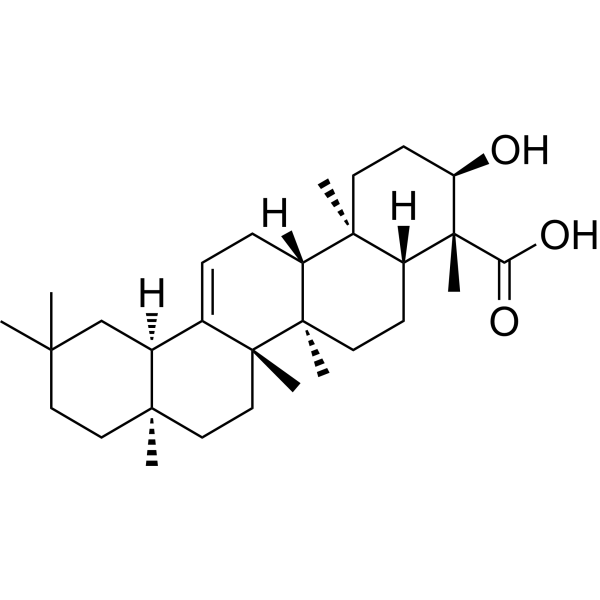
alpha-Boswellic acid (α-Boswellic acid) is an orally active pentacyclic triterpenoid compound that can be extracted from frankincense. alpha-Boswellic acid has anti-inflammatory and antitumor activities. alpha-Boswellic acid can be used in Alzheimer's disease (AD) research .
|
-
-
- HY-B0344
-
|
(-)-Scopolamine methyl bromide; Hyoscine methyl bromide
|
mAChR
|
Neurological Disease
|
|
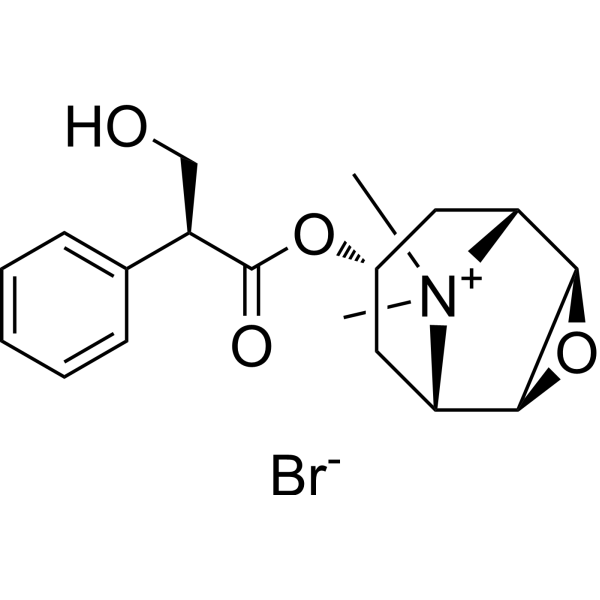
Methscopolamine bromide ((-)-Scopolamine methyl bromide; Hyoscine methyl bromide) is a peripherally acting muscarinic receptor (mAChR) antagonist that cannot cross the blood-brain barrier. Methscopolamine bromide blocks the muscarinic negative feedback regulation of acetylcholine release from striatal cholinergic terminals, thereby increasing acetylcholine release in the striatum of freely moving rats. Methscopolamine bromide does not induce motor excitation in freely moving rats, nor does it alter the duration of ethanol-induced loss of righting reflex in mice. Methscopolamine bromide fails to antagonize the arecoline-mediated reduction in the duration of ethanol-induced loss of righting reflex in mice .
|
-
-
- HY-171844
-
|
|
iGluR
|
Neurological Disease
Inflammation/Immunology
|
|
CX1739 is an orally active, blood-brain barrier permeable, low-efficacy AMPA-glutamate receptor (AMPAR) potentiator. CX1739 enhances excitatory neurotransmission by potentiating glutamate-induced excitatory currents and promoting in vivo long-term potentiation. CX1739 eliminates amphetamine-induced locomotor activity, reverses opioid-, pentobarbital- and ethanol-induced respiratory depression, and exerts pro-cognitive effects in animals. CX1739 impairs motor function recovery and increases the risk of post-injury complications. CX1739 can be used in research related to attention-deficit/hyperactivity disorder, dementia, respiratory depression and spinal cord injury .
|
-
-
- HY-N7905
-
|
|
Others
|
Inflammation/Immunology
|
|
Myricetin 3'-glucoside is a glycoside derivative of quercetin. Myricetin 3'-glucoside significantly prevents ethanol-induced hepatotoxicity by reducing hepatic transaminase activity and inflammatory response in HepG2 cells. Myricetin 3'-glucoside has a certain protective effect on alcohol-induced liver injury .
|
-
-
- HY-N6655
-
|
|
Amino Acid Derivatives
|
Inflammation/Immunology
|
|
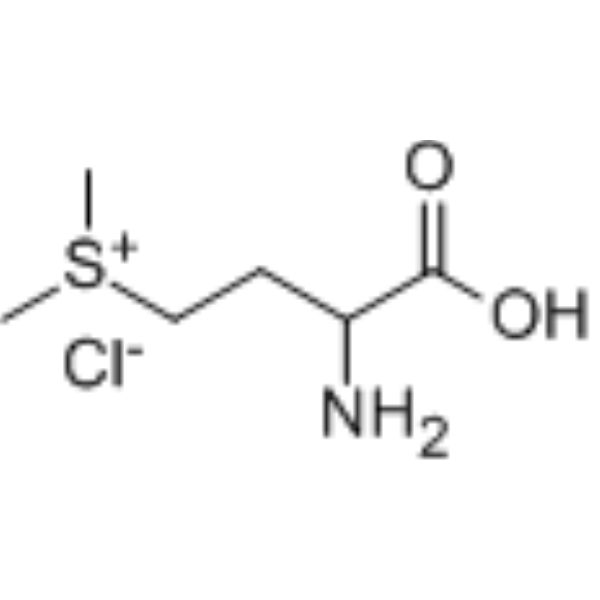
DL-methionine methylsulfonium chloride is a naturally occurring methionine derivative. DL-methionine methylsulfonium chloride protects gastric mucosal from ethanol-induced damage .
|
-
-
- HY-N1445R
-
|
Isoquercetin (Standard); Quercetin 3-glucoside (Standard)
|
Reference Standards
NF-κB
NO Synthase
|
Inflammation/Immunology
Cancer
|
|
Isoquercetin (Standard) is the analytical standard of Isoquercetin. This product is intended for research and analytical applications. Isoquercetin (Quercetin 3-glucoside) is a naturally occurring polyphenol that has antioxidant, anti-proliferative, and anti-inflammatory properties. Isoquercetin alleviates ethanol-induced hepatotoxicity, oxidative stress, and inflammatory responses via the Nrf2/ARE antioxidant signaling pathway . Isoquercetin regulates the expression of nitric oxide synthase 2 (NO2) via modulating the nuclear factor-κB (NF-κB) transcription regulation system. Isoquercetin has high bioavailability and low toxicity, is a promising candidate agent to prevent birth defects in diabetic pregnancies .
|
-
-
- HY-N12717
-
|
|
PAK
FASTK
HSP
p38 MAPK
NF-κB
NO Synthase
COX
HSV
Caspase
TNF Receptor
Fungal
Apoptosis
|
Infection
Inflammation/Immunology
Cancer
|
|
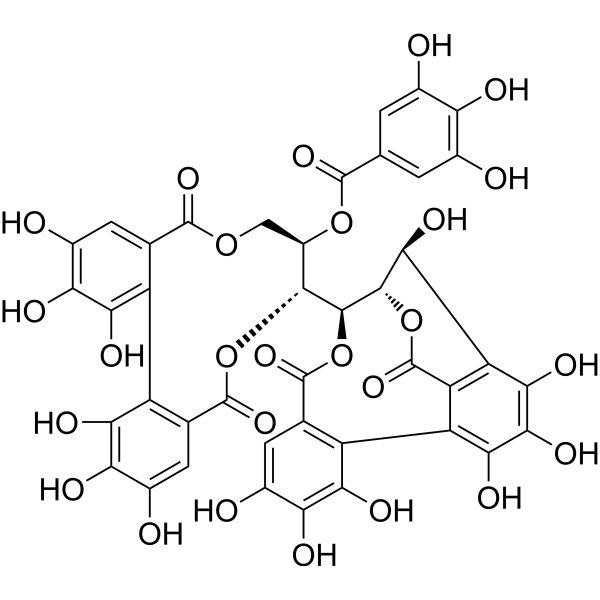
Casuarinin is an orally active antiproliferative, anti-inflammatory, antifungal, virucidal and gastroprotective agent. Casuarinin upregulates the expression of p21/WAF1, Fas/APO‑1, mFasL, sFasL and HSP‑70, arrests cell cycle, induces apoptosis and inhibits cancer cell proliferation. Casuarinin inhibits TNF‑α-induced phosphorylation of MAPK and activation of NF‑κB, downregulates the expression of iNOS, NF‑κB, COX‑2 and ICAM‑1, and reduces the production of proinflammatory mediators. Casuarinin attenuates ethanol-induced activation of caspase‑3 and elevation of TNF‑α, inhibits the growth of Candida albicans, and inhibits HSV‑2. Casuarinin can be used in research related to mammary adenocarcinoma, inflammatory skin diseases, gastric ulcers, candidiasis and herpes simplex virus infections .
|
-
-
- HY-W097625
-
|
|
Toll-like Receptor (TLR)
MyD88
p38 MAPK
NF-κB
Heme Oxygenase (HO)
|
Neurological Disease
Inflammation/Immunology
Cancer
|
|
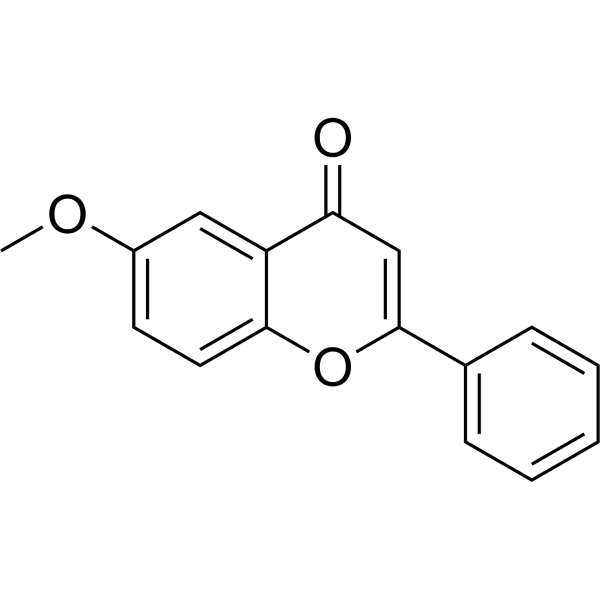
6-Methoxyflavone is an orally active methoxyflavone. 6-Methoxyflavone suppresses neuroinflammation in microglia through the inhibition of TLR4/MyD88/p38 MAPK/NF-κB dependent pathways and the activation of HO-1/NQO-1 signaling. 6-Methoxyflavone induces S-phase arrest through the CCNA2/CDK2/p21CIP1 signaling pathway in HeLa cells. 6-Methoxyflavone inhibits NFAT Translocation into the nucleus and suppresses T cell activation. 6-Methoxyflavone partially restores chronic ethanol-induced behavioral deficits in mice. 6-Methoxyflavone antagonizes chronic constriction injury and diabetes associated neuropathic nociception expression. 6-Methoxyflavone can be used for the study of cancer, inflammation and neurological diseases .
|
-
-
- HY-12688
-
|
|
Mitochondrial Metabolism
Reactive Oxygen Species (ROS)
Amyloid-β
|
Neurological Disease
Inflammation/Immunology
|
|
Succinyl phosphonate is a α-Ketoglutarate Dehydrogenase Complex (KGDHC) modulator with neuroprotective activity. Succinyl phosphonate protects this complex, reduces cellular succinyl-CoA concentration, downregulates protein succinylation levels, and inhibits the activity of the α-ketoglutarate dehydrogenase complex. Succinyl phosphonate corrects hypoxic or ethanol-induced behavioral impairments, modulates exploratory behavior and emotional stress responses, and improves hypoxia tolerance. Succinyl phosphonate reduces glutamate excitotoxicity, restores the activity of the α-ketoglutarate dehydrogenase complex, reverses the changes in glutamate dehydrogenase and glutamine synthetase activities induced by β-amyloid (Amyloid-β), modulates cognitive function, and prevents β-amyloid-induced neuronal damage. Succinyl phosphonate improves microglial senescence, alleviates neuroinflammation, reactive oxygen species (ROS) production, lipid peroxidation, and the expression of proinflammatory cytokines. Succinyl phosphonate can be used in the research of Alzheimer's disease, aging-related neuroinflammation, and Parkinson's disease .
|
-
-
- HY-B0203B
-
|
(Rac)-R 065824
|
Adrenergic Receptor
NADPH Oxidase
|
Cardiovascular Disease
|
|
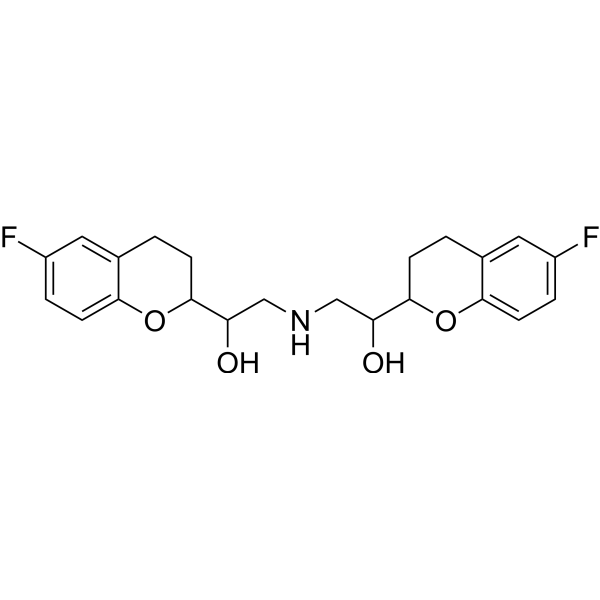
(Rac)-Nebivolol ((Rac)-R 065824) is a racemic isomer of Nebivolol. Nebivolol is a selective β1-adrenergic receptor antagonist with an IC50 value of 0.8 nM. Nebivolol can prevent up-regulation of Nox2/NADPH oxidase and lipoperoxidation in the early stages of ethanol-induced cardiac toxicity. Vasodilatory activity .
|
-
-
- HY-161254
-
|
|
Apoptosis
MDM-2/p53
|
Inflammation/Immunology
Cancer
|
|
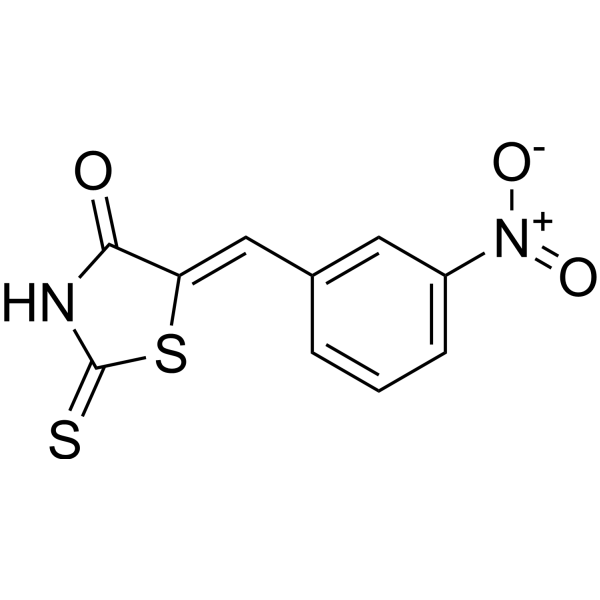
ATPase-IN-3 (compound 6) is a ATPase inhibitor. ATPase-IN-3 has Gastroprotective effect in ethanol-induced gastric ulcers by contribution of anti-apoptotic (BCL-2) and tumor suppressor (P53) proteins .
|
-
-
- HY-107248
-
|
|
Others
|
Inflammation/Immunology
|
|
Escin IIa, isolated from horse chestnut, the seeds of Aesculus hippocastanum L., has positive effects on acute inflammation in animals. Escin IIa has gastroprotections on ethanol-induced gastric mucosal lesions in rats .
|
-
-
- HY-107247
-
|
|
Others
|
Inflammation/Immunology
|
|
Escin IIb, isolated from horse chestnut, the seeds of Aesculus hippocastanum L., has positive effects on acute inflammation in animals . Escin IIb showed potent protective effects against ethanol-induced gastric mucosal lesions .
|
-
-
- HY-176224
-
|
|
Bacterial
|
Infection
Inflammation/Immunology
|
|
Anti-virulence factor-IN-2 (compound C7) is an inhibitor targeting the virulence factor KpsM in Escherichia coli. kpsM mediates the translocation of capsular polysaccharides to the cell surface, allowing kpsM-positive E. coli to escape the phagocytosis of the scavenger receptor Marco on liver Kupffer cells, leading to bacterial dissemination. kpsM-positive E. coli exacerbates ethanol-induced liver disease. Anti-virulence factor-IN-2 can inhibit the ethanol-induced liver disease model caused by kpsM-dependent capsid in mice and has anti-infective activity. Anti-virulence factor-IN-2 can be used for the study of alcoholic hepatitis .
|
-
-
- HY-125540
-
|
|
Influenza Virus
|
Infection
Inflammation/Immunology
|
|
Saussureamine C shows gastroprotective effect on acidified ethanol-induced gastric mucosal lesions in rats. Saussureamine C inhibits H274Y and N294S mutants and can be used for research of influenza virus infection. Saussureamine C can be isolated from the dried roots of Saussurea lappa Clarke .
|
-
-
- HY-170586
-
-
-
- HY-B0203BS2
-
|
(Rac)-R 065824-d2,15N
|
NADPH Oxidase
Adrenergic Receptor
Isotope-Labeled Compounds
|
Cardiovascular Disease
|
|
(Rac)-Nebivolol-d2, 15N is 15N and deuterated labeled (Rac)-Nebivolol (HY-B0203B). (Rac)-Nebivolol ((Rac)-R 065824) is a racemic isomer of Nebivolol. Nebivolol is a selective β1-adrenergic receptor antagonist with an IC50 value of 0.8 nM. Nebivolol can prevent up-regulation of Nox2/NADPH oxidase and lipoperoxidation in the early stages of ethanol-induced cardiac toxicity. Vasodilatory activity .
|
-
-
- HY-N0611R
-
|
α-Boswellic acid (Standard)
|
Reference Standards
Others
|
Neurological Disease
Inflammation/Immunology
Cancer
|
|
alpha-Boswellic acid (Standard) is the analytical standard of alpha-Boswellic acid. This product is intended for research and analytical applications. alpha-Boswellic acid (α-Boswellic acid) is an orally active pentacyclic triterpenoid compound that can be extracted from frankincense. alpha-Boswellic acid has anti-inflammatory and antitumor activities. alpha-Boswellic acid can be used in Alzheimer's disease (AD) research .
|
-
-
- HY-106322
-
|
|
Bacterial
|
Infection
|
|
IO-21 (Compound 3) is a candidate cytoprotective agent. IO-21 exhibits a marked cytoprotective effect. IO-21 shows a potent inhibitory activity against HCl•ethanol-induced lesions. IO-21 shows a MIC of 50 μg/mL against Helicobacter pylori 7795. IO-21 can be used in the research of gastric mucosal ulcers .
|
-
-
- HY-165489
-
|
|
Endogenous Metabolite
|
Inflammation/Immunology
Endocrinology
|
AU-006 is an orally active inhibitor of gastric acid secretion, with anti-ulcer effects. AU-006 does not rely on NO and mucus regulation. AU-006 significantly prevents 95% of gastric mucosal damage caused by ethanol and has broad-spectrum protective effects against chemical corrosive damage. AU-006 can be used for research on gastric ulcers . .
|
-
-
- HY-180348
-
|
|
p38 MAPK
ATP Synthase
|
Inflammation/Immunology
|
|
KFP-H008 is an orally active potassium-competitive acid blocker. KFP-H008 inhibits gastric acid secretion through blocking H +-K +-ATPase. KFP-H008 reduces ethanol-induced gastric ulcer index and malonaldehyde as well as proinflammatory cytokine expression in vivo. KFP-H008 downregulates p-p38 MAPK and p65 NF-κB expression. KFP-H008 blocks histamine-stimulated acid secretion in rat and dog models. KFP-H008 can be studied in research on acid-related disease, such as ethanol-induced gastric ulcer and gastric epithelial cell damage .
|
-
-
- HY-N6655R
-
|
|
Amino Acid Derivatives
Reference Standards
|
Inflammation/Immunology
|
|
DL-Methionine methylsulfonium (chloride) (Standard) is the analytical standard of DL-Methionine methylsulfonium (chloride) (HY-N6655). This product is intended for research and analytical applications. DL-methionine methylsulfonium chloride is a naturally occurring methionine derivative. DL-methionine methylsulfonium chloride protects gastric mucosal from ethanol-induced damage .
|
-
-
- HY-W097625R
-
|
|
Toll-like Receptor (TLR)
MyD88
p38 MAPK
NF-κB
Heme Oxygenase (HO)
Reference Standards
PERK
|
Neurological Disease
Metabolic Disease
Inflammation/Immunology
Cancer
|
|
6-Methoxyflavone (Standard) is the analytical standard of 6-Methoxyflavone (HY-W097625). This product is intended for research and analytical applications. 6-Methoxyflavone is an orally active methoxyflavone. 6-Methoxyflavone suppresses neuroinflammation in microglia through the inhibition of TLR4/MyD88/p38 MAPK/NF-κB dependent pathways and the activation of HO-1/NQO-1 signaling. 6-Methoxyflavone induces S-phase arrest through the CCNA2/CDK2/p21CIP1 signaling pathway and activates the PERK/EIF2a/ATF4/CHOP pathway in HeLa cells. 6-Methoxyflavone acts as a Flumazenil (HY-B0009)-insensitive positive allosteric modulator at human recombinant α1β2γ2L and α2β2γ2L GABAα receptors. 6-Methoxyflavone inhibits NFAT Translocation into the nucleus and suppresses T cell activation. 6-Methoxyflavone partially restores chronic ethanol-induced behavioral deficits in mice. 6-Methoxyflavone antagonizes chronic constriction injury and diabetes associated neuropathic nociception expression. 6-Methoxyflavone can be used for the study of cancer, inflammation and neurological diseases .
|
-
| Cat. No. |
Product Name |
Target |
Research Area |
| Cat. No. |
Product Name |
Category |
Target |
Chemical Structure |
-
- HY-N1445
-
-
-
- HY-N0115
-
-
-
- HY-12688A
-
|
|
Structural Classification
Classification of Application Fields
Ketones, Aldehydes, Acids
Metabolic Disease
Endogenous metabolite
Disease Research Fields
Source Classification
Cancer
|
Mitochondrial Metabolism
Reactive Oxygen Species (ROS)
Amyloid-β
|
|
Succinyl phosphonate trisodium salt is a α-Ketoglutarate Dehydrogenase Complex (KGDHC) modulator with neuroprotective activity. Succinyl phosphonate trisodium salt protects this complex, reduces cellular succinyl-CoA concentration, downregulates protein succinylation levels, and inhibits the activity of the α-ketoglutarate dehydrogenase complex. Succinyl phosphonate trisodium salt corrects hypoxic or ethanol-induced behavioral impairments, modulates exploratory behavior and emotional stress responses, and improves hypoxia tolerance. Succinyl phosphonate trisodium salt reduces glutamate excitotoxicity, restores the activity of the α-ketoglutarate dehydrogenase complex, reverses the changes in glutamate dehydrogenase and glutamine synthetase activities induced by β-amyloid (Amyloid-β), modulates cognitive function, and prevents β-amyloid-induced neuronal damage. Succinyl phosphonate trisodium salt improves microglial senescence, alleviates neuroinflammation, reactive oxygen species (ROS) production, lipid peroxidation, and the expression of proinflammatory cytokines. Succinyl phosphonate trisodium salt can be used in the research of Alzheimer's disease, aging-related neuroinflammation, and Parkinson's disease .
|
-
-
- HY-N0554
-
-
-
- HY-N0611
-
-
-
- HY-N7905
-
-
-
- HY-N6655
-
-
-
- HY-N1445R
-
|
Isoquercetin (Standard); Quercetin 3-glucoside (Standard)
|
Apocynaceae
Flavonols
Structural Classification
Flavonoids
Phenols
Polyphenols
Plants
Apocynum venetum Linn.
Source Classification
|
Reference Standards
NF-κB
NO Synthase
|
|
Isoquercetin (Standard) is the analytical standard of Isoquercetin. This product is intended for research and analytical applications. Isoquercetin (Quercetin 3-glucoside) is a naturally occurring polyphenol that has antioxidant, anti-proliferative, and anti-inflammatory properties. Isoquercetin alleviates ethanol-induced hepatotoxicity, oxidative stress, and inflammatory responses via the Nrf2/ARE antioxidant signaling pathway . Isoquercetin regulates the expression of nitric oxide synthase 2 (NO2) via modulating the nuclear factor-κB (NF-κB) transcription regulation system. Isoquercetin has high bioavailability and low toxicity, is a promising candidate agent to prevent birth defects in diabetic pregnancies .
|
-
-
- HY-N12717
-
|
|
Terminalia arjuna (Roxb. ex DC.) Wight & Arn.
Structural Classification
Combretaceae
Phenols
Polyphenols
Plants
Source Classification
|
PAK
FASTK
HSP
p38 MAPK
NF-κB
NO Synthase
COX
HSV
Caspase
TNF Receptor
Fungal
Apoptosis
|
|
Casuarinin is an orally active antiproliferative, anti-inflammatory, antifungal, virucidal and gastroprotective agent. Casuarinin upregulates the expression of p21/WAF1, Fas/APO‑1, mFasL, sFasL and HSP‑70, arrests cell cycle, induces apoptosis and inhibits cancer cell proliferation. Casuarinin inhibits TNF‑α-induced phosphorylation of MAPK and activation of NF‑κB, downregulates the expression of iNOS, NF‑κB, COX‑2 and ICAM‑1, and reduces the production of proinflammatory mediators. Casuarinin attenuates ethanol-induced activation of caspase‑3 and elevation of TNF‑α, inhibits the growth of Candida albicans, and inhibits HSV‑2. Casuarinin can be used in research related to mammary adenocarcinoma, inflammatory skin diseases, gastric ulcers, candidiasis and herpes simplex virus infections .
|
-
-
- HY-W097625
-
|
|
Flavonoids
Flavones
Thymelaeaceae
Plants
Pimelea simplex F.Muell.
Source Classification
|
Toll-like Receptor (TLR)
MyD88
p38 MAPK
NF-κB
Heme Oxygenase (HO)
|
|
6-Methoxyflavone is an orally active methoxyflavone. 6-Methoxyflavone suppresses neuroinflammation in microglia through the inhibition of TLR4/MyD88/p38 MAPK/NF-κB dependent pathways and the activation of HO-1/NQO-1 signaling. 6-Methoxyflavone induces S-phase arrest through the CCNA2/CDK2/p21CIP1 signaling pathway in HeLa cells. 6-Methoxyflavone inhibits NFAT Translocation into the nucleus and suppresses T cell activation. 6-Methoxyflavone partially restores chronic ethanol-induced behavioral deficits in mice. 6-Methoxyflavone antagonizes chronic constriction injury and diabetes associated neuropathic nociception expression. 6-Methoxyflavone can be used for the study of cancer, inflammation and neurological diseases .
|
-
-
- HY-12688
-
|
|
Structural Classification
Neurological Disease
Classification of Application Fields
Ketones, Aldehydes, Acids
Endogenous metabolite
Disease Research Fields
Source Classification
|
Mitochondrial Metabolism
Reactive Oxygen Species (ROS)
Amyloid-β
|
|
Succinyl phosphonate is a α-Ketoglutarate Dehydrogenase Complex (KGDHC) modulator with neuroprotective activity. Succinyl phosphonate protects this complex, reduces cellular succinyl-CoA concentration, downregulates protein succinylation levels, and inhibits the activity of the α-ketoglutarate dehydrogenase complex. Succinyl phosphonate corrects hypoxic or ethanol-induced behavioral impairments, modulates exploratory behavior and emotional stress responses, and improves hypoxia tolerance. Succinyl phosphonate reduces glutamate excitotoxicity, restores the activity of the α-ketoglutarate dehydrogenase complex, reverses the changes in glutamate dehydrogenase and glutamine synthetase activities induced by β-amyloid (Amyloid-β), modulates cognitive function, and prevents β-amyloid-induced neuronal damage. Succinyl phosphonate improves microglial senescence, alleviates neuroinflammation, reactive oxygen species (ROS) production, lipid peroxidation, and the expression of proinflammatory cytokines. Succinyl phosphonate can be used in the research of Alzheimer's disease, aging-related neuroinflammation, and Parkinson's disease .
|
-
-
- HY-107248
-
-
-
- HY-107247
-
-
-
- HY-125540
-
-
-
- HY-N0611R
-
-
-
- HY-N6655R
-
-
-
- HY-W097625R
-
|
|
Structural Classification
Flavonoids
Flavones
Thymelaeaceae
Plants
Pimelea simplex F.Muell.
Source Classification
|
Toll-like Receptor (TLR)
MyD88
p38 MAPK
NF-κB
Heme Oxygenase (HO)
Reference Standards
PERK
|
|
6-Methoxyflavone (Standard) is the analytical standard of 6-Methoxyflavone (HY-W097625). This product is intended for research and analytical applications. 6-Methoxyflavone is an orally active methoxyflavone. 6-Methoxyflavone suppresses neuroinflammation in microglia through the inhibition of TLR4/MyD88/p38 MAPK/NF-κB dependent pathways and the activation of HO-1/NQO-1 signaling. 6-Methoxyflavone induces S-phase arrest through the CCNA2/CDK2/p21CIP1 signaling pathway and activates the PERK/EIF2a/ATF4/CHOP pathway in HeLa cells. 6-Methoxyflavone acts as a Flumazenil (HY-B0009)-insensitive positive allosteric modulator at human recombinant α1β2γ2L and α2β2γ2L GABAα receptors. 6-Methoxyflavone inhibits NFAT Translocation into the nucleus and suppresses T cell activation. 6-Methoxyflavone partially restores chronic ethanol-induced behavioral deficits in mice. 6-Methoxyflavone antagonizes chronic constriction injury and diabetes associated neuropathic nociception expression. 6-Methoxyflavone can be used for the study of cancer, inflammation and neurological diseases .
|
-
| Cat. No. |
Product Name |
Chemical Structure |
-
- HY-B0203BS2
-
|
|
|
(Rac)-Nebivolol-d2, 15N is 15N and deuterated labeled (Rac)-Nebivolol (HY-B0203B). (Rac)-Nebivolol ((Rac)-R 065824) is a racemic isomer of Nebivolol. Nebivolol is a selective β1-adrenergic receptor antagonist with an IC50 value of 0.8 nM. Nebivolol can prevent up-regulation of Nox2/NADPH oxidase and lipoperoxidation in the early stages of ethanol-induced cardiac toxicity. Vasodilatory activity .
|
-
Your information is safe with us. * Required Fields.
Inquiry Information
- Product Name:
- Cat. No.:
- Quantity:
- MCE Japan Authorized Agent:

