From 11:00 pm to 12:00 pm EST ( 8:00 pm to 9:00 pm PST ) on January 6th, the website will be under maintenance. We are sorry for the inconvenience. Please arrange your schedule properly.
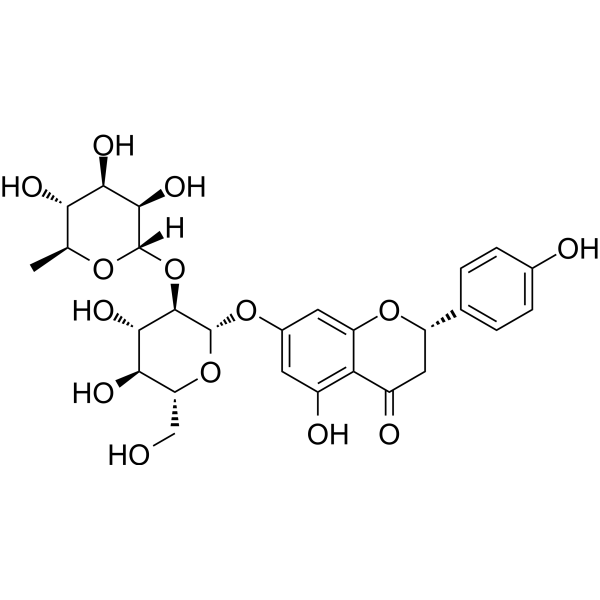
Naringin is a major flavanone glycoside obtained from tomatoes, grapefruits, and many other citrus fruits. Naringin exhibits biological properties such as antioxidant, anti-inflammatory, and antiapoptotic activities. Naringin also inhibits proliferation and invasion and induces apoptosis in human osteosarcoma cells by inhibiting zinc finger E-box binding homeobox 1 (Zeb1) .
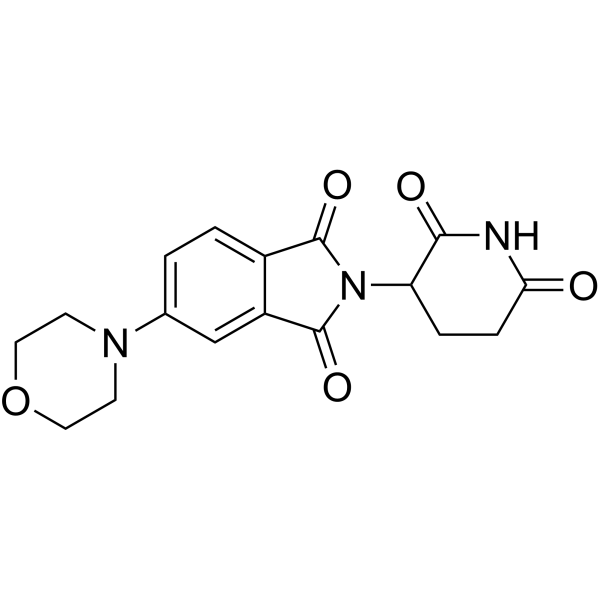
PT-179 is an orthogonal Thalidomide (HY-14658) derivative that targets cereblon without causing off-target degradation effects. PT-179 is able to specifically bind CRBN, form a ternary complex with a target protein fused to a zinc finger (ZF) degron, and mediate the degradation of the tagged protein. For example, PT-179 binds to the ubiquitin ligase substrate receptor cereblon by forming a complex with SD40 and efficiently degrades proteins N- or C-terminally fused to SD40 or SD36 (DC50 for eGFP: 4.5 nM and 14.3 nM). PT-179 can be used to develop compact protein degradation tagging platforms .
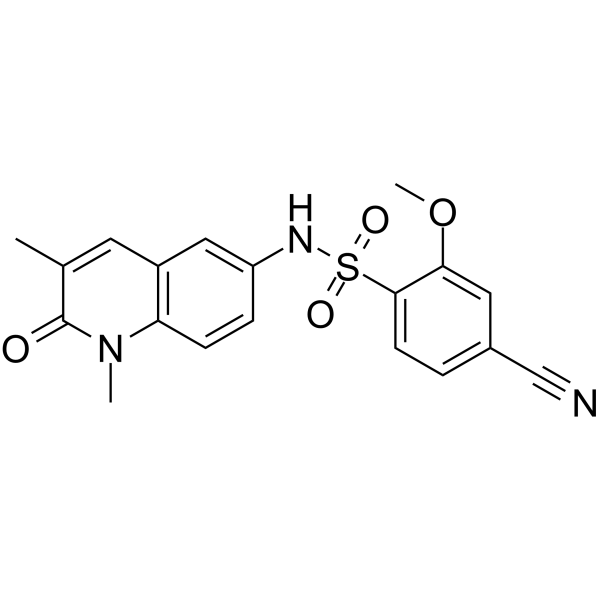
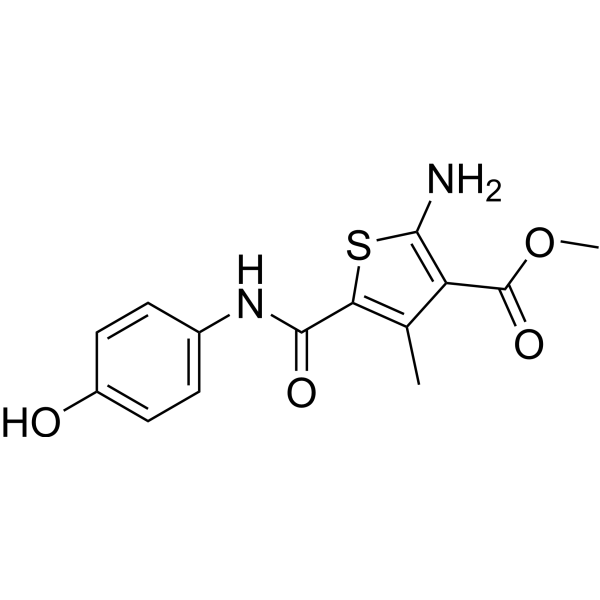
EGR-1-IN-1 is a EGR-1 inhibitor with an IC50 of 1.86 μM. EGR-1-IN-1 binds to the zinc finger DNA-binding domain of EGR-1 and promotes the dissociation of the EGR-1-DNA complex. EGR-1-IN-1 reduces the mRNA expression levels of EGR-1-regulated inflammatory genes induced by TNFα. EGR-1-IN-1 alleviates atopic dermatitis-like lesions in the ear skin of mice. EGR-1-IN-1 serves as a lead compound for the development of targeted compounds for inflammatory skin diseases. EGR-1-IN-1 can be used in studies related to atopic dermatitis .
NI-57, a chemical probe, is an inhibitor of bromodomain and plant homeodomain finger-containing (BRPF) famlily of proteins, with IC50s of 3.1, 46 and 140 nM for BRPF1, BRPF2 (BRD1) and BRPF3, respectively.
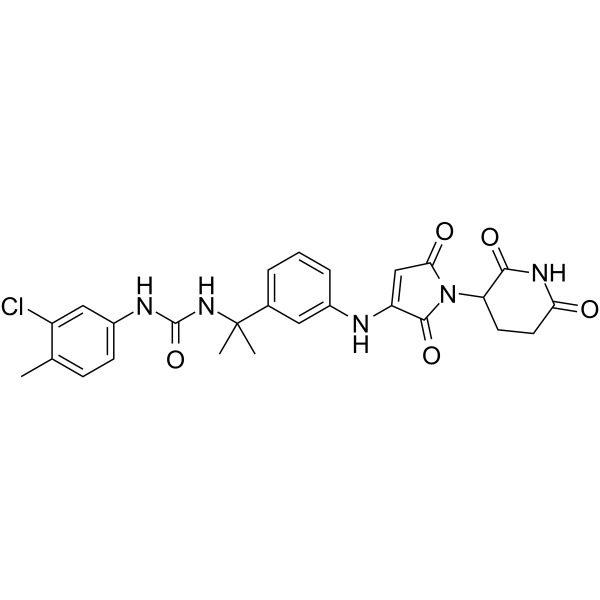
ALV2 is a potent and selective Helios molecular glue degrader. ALV2 binds CRBN, with an IC50 of 0.57 μM. Helios is the zinc-finger transcription factor that can maintain a stable Treg cell phenotype in the inflammatory tumor microenvironment .
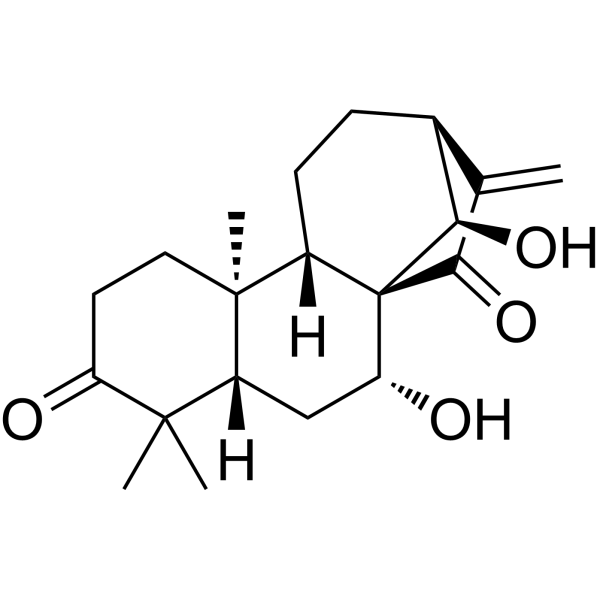
Glaucocalyxin A, an ent-kauranoid diterpene from Rabdosia japonica var., induces apoptosis in osteosarcoma by inhibiting nuclear translocation of Five-zinc finger Glis 1 (GLI1) via regulating PI3K/Akt signaling pathway. Glaucocalyxin A has antitumor effect .
FPFT-2216, a “molecular glue” compound, degrades phosphodiesterase 6D (PDE6D), zinc finger transcription factors Ikaros (IKZF1), Aiolos (IKZF3), and casein kinase 1α (CK1α). FPFT-2216 can be used for the research of cancer and inflammatory disease .
MyoMed 205 is an orally active muscle ring finger protein 1 (MuRF1) inhibitor. MyoMed-205 reduces ubiquitination and subsequent proteasomal degradation of muscle proteins by inhibiting MuRF1 activity. MyoMed 205 augments muscle performance, attenuates muscle weight loss and alleviates disease-induced weight loss. MyoMed 205 can be used for the research of cancer cachexia, type 2 diabetes mellitus, and heart failure with preserved ejection fraction .
USP5-IN-1 (compound 64) is a selective competitive inhibitor of USP5 zinc finger ubiquitin binding domain (ZnF-UBD) (KD=2.8 μM). USP5-IN-1 competitively blocks the binding of ubiquitin to ZnF-UBD, inhibits the catalytic activity of USP5, and thus hinders the hydrolysis of ubiquitin chains. USP5-IN-1 can inhibit USP5 cleavage of Lys48-linked diubiquitin substrates in vitro and is a potential USP5 chemical probe and potential inhibitor of USP5-related cancers.
NV03 is a potent and selective antagonist of Ubiquitin-like with PHD and RING finger domains 1 (UHRF1)-H3K9me3 interaction by binding to UHRF1 tandem tudor domain, with a Kd of 2.4 μM. NV03 is also a ligand for E3 ligase. NV03 can be studied in anticancer research .
(S,S)-PLX-4545 (Compound I) is an orally active and cereblon-based molecular glue degrader of IKZF2 (zinc finger transcription factor Helios). (S,S)-PLX-4545 can be used for the study of IKZF2-mediated diseases or disorders, such as proliferative diseases or disorders and/or cancer .
Cyano-myracrylamide is an inhibitor of zinc finger DHHC domain-containing palmitoyltransferase 20 (zDHHC20) with an IC50 value of 1.35 µM. Cyano-myracrylamide also inhibits the S-Acylation of EGFR and CD36. Cyano-myracrylamide also inhibits S-acylation of Legionella E3 ligase GobX, MyD88, and Ras, which are substrates of zDHHC20, zDHHC9, and zDHHC6, respectively, in HEK293T cells expressing recombinant Legionella GobX, recombinant human MyD88, or endogenous Ras .
(1S,2S,3R)-PLX-4545 is the (1S,2S,3R) enantiomer of PLX-4545 (HY-159647). PLX-4545 is an orally active and selective cereblon-based molecular glue degrader of IKZF2 (zinc finger transcription factor Helios). PLX-4545 can reprogram immunosuppressive regulatory T cells into pro-inflammatory effector T cells, thereby enhancing anti-tumor immune responses .
PNR-7-02 inhibits Pol η function with an IC50 value of near 8 μM, which binds to the little finger domain. PNR-7-02 is also an inhibitor against hRev1 and hpol lambda (λ). PNR-7-02 acts synergistically with Cisplatin (HY-17394) to kill chronic myeloid leukaemia and ovarian cancer cell lines. PNR-7-02 is an indole thio-barbituric acid (ITBA) derivative with both N-napthoyl moiety and 5-chloro substituent on the indole ring .
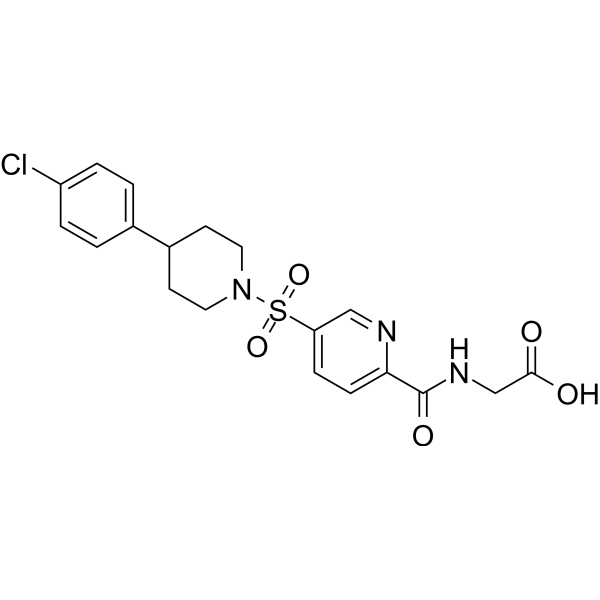
Tilivapram (AVE8112) is an orally active PDE4 inhibitor with procognitive effects. Tilivapram exhibits in vivo efficacy and improves processing speed and psychomotor speed. Oral administration of tilivapram may induce dose-related adverse reactions such as nausea and dizziness, but transdermal delivery enables slow, controlled elevation of plasma concentrations, thereby significantly reducing gastrointestinal discomfort and dizziness. Tilivapram is applicable to research related to neuropsychiatric disorders .
DC-BPi-11 hydrochloride is an inhibitor of bromodomain PHD finger transcription factor (BPTF), with an IC50 value of 698 nM. DC-BPi-11 hydrochloride shows remarkable inhibition against leukemia cell proliferation .
Naringin is a major flavanone glycoside obtained from tomatoes, grapefruits, and many other citrus fruits. Naringin exhibits biological properties such as antioxidant, anti-inflammatory, and antiapoptotic activities. Naringin also inhibits proliferation and invasion and induces apoptosis in human osteosarcoma cells by inhibiting zinc finger E-box binding homeobox 1 (Zeb1) .
TRIM24/BRPF1-IN-2 (compound 20l) is a potent TRIM24/BRPF1 dual inhibitor, with IC50 values of 0.98 and 1.16 μM, respectively. TRIM24/BRPF1-IN-2 shows TRIM24/BRPF1 bromodomain binding affinity. TRIM24/BRPF1-IN-2 can be used for prostate cancer research .
DC-BPi-11 is an inhibitor of bromodomain PHD finger transcription factor (BPTF), with an IC50 value of 698 nM. DC-BPi-11 shows remarkable inhibition against leukemia cell proliferation .
Cbl-b-IN-15 (compound 25) is an inhibitor of the RING finger E3 ligase Cbl (IC50: 15 nM). Cbl-b refers to Casitas B-lineage lymphoma proto-oncogene-b, which inhibits T-cell, natural killer (NK) cell, and B-cell activation. Cbl-b-IN-15 activates T cell function with EC50=0.41 μM .
Cisd2 agonist 2 (compound 6) is a Cisd2 activator (EC50=191 nM), and Cisd2 levels are associated with non-alcoholic fatty liver disease (NAFLD). Cisd2 agonist 2 has no significant in vivo toxicity in Cisd2hKO-het mice (heterozygous hepatocyte-specific Cisd2 knockout). Cisd2 (CDGSH iron sulfur domain 2) is a zinc finger protein that is mainly localized in the endoplasmic reticulum or mitochondrial membrane. Cisd2 participates in mitochondrial function by forming homodimers containing two redox-active 2Fe-2S clusters .
HDAC6/8/BRPF1-IN-1 is a dual inhibitor of both HDAC6/8 and the bromodomain and PHD finger containing protein 1 (BRPF1). HDAC6/8/BRPF1-IN-1 has inhibitory activity for HDAC1, HDAC6 and HDAC8 with IC50 values of 797 nM, 344 nM and 908 nM, respectively. HDAC6/8/BRPF1-IN-1 has inhibitory activity for BRPF1 with an Kd value of 175.2 nM. HDAC6/8/BRPF1-IN-1 can be used for the research of cancer .
Hexyl nicotinate is a lipid-soluble nicotinic acid ester and cutaneous vasodilator.Hexyl nicotinate induces localized cutaneous vasodilation and increases blood flow.Hexyl nicotinate can be used for the research of Raynaud's phenomenon .
(S)-GSK1379725A (compound AU1) is a selective bromodomain and PHD finger containing transcription factor (BPTF) bromodomain inhibitor with a Kd of 2.8 μM. (S)-GSK1379725A shows to be selective for BPTF over BRD4 bromodomain. (S)-GSK1379725A shows antimalarial activity .
Mambalgin-1 is a toxin isolated from black mamba venom. Mambalgin-1 is a disulfide-rich polypeptide consisting of 57 amino acids and belongs to the family of three-finger toxins. Mambalgin-1 can bind to and stabilize ASICs (acid-sensing ion channels) in a physiologically relevant closed-channel conformation .
ZNF207-IN-1 (compound C16) is a potent inhibitor of Zinc Finger Protein 207 (ZNF207), with IC50 values ranging from 0.5–2.5 μM for inhibiting sphere formation and 0.5–15 μM for cytotoxicity. ZNF207-IN-1 exhibites efficient permeability across the blood–brain barrier .
MP-1 is a potent Fumarate hydratase-dependent hit. MP-1 engages an array of functional cysteines, including one lying in the Zn-finger domain of the tRNA methyltransferase enzyme TRMT1. MP-1 causes fumarate hydratase-dependent synthetic lethality in a metastatic hereditary leiomyomatosis and renal cell carcinoma cell line .
PROTAC HDAC6 degrader 7 is an orally active, highly efficient, and selective PROTAC degrader targeting histone deacetylase 6 (HDAC6) (IC50 = 118 nM). PROTAC HDAC6 degrader 7 can eliminate both the catalytic and zinc-finger ubiquitin-binding domain. PROTAC HDAC6 degrader 7 inhibits NLRP3 inflammasome assembly and activation, as well as blocks NF-κB signaling, thereby reducing the transcription and release of key inflammatory factors. PROTAC HDAC6 degrader 7 can reduce the mRNA levels of NLRP3, pro-IL-1β, TNF-α, and IL-6. PROTAC HDAC6 degrader 7 can be used for the study of inflammatory bowel disease (IBD) .
IKZF-IN-1 (Compound I) is the molecular glue, that degrades ikaros zinc finger family (IKZF) IKZF 1/2/3/4, and can be used as an immunomodulator in research of cancer and viral infections .
YPC-22026 is a zinc-finger protein 143 (ZNF143) inhibitor with an IC50 value of 9.0 μM. YPC-22026 is a potent tumor regression inducer. YPC-22026 exhibits anti‐tumor activities .
SARS-CoV-2-IN-68 (compound 6C) is a covalent SARS-CoV-2 PLpro/Mpro inhibitor with potent antiviral activities. SARS-CoV-2-IN-68 binds to Zn-finger domain of PLpro .
WIZ degrader 1 (Compound 141) is a degrader for widely interspaced zinc finger motifs (WIZ) with an AC50 of 2 nM. WIZ degrader 1 induces the expression of fetal hemoglobin (HbF) with an EC50 of 6 mM. WIZ degrader 1 is used in research of inherited blood disorders .
Human GATA2 mRNA encodes the human GATA binding protein 2 (GATA2) protein, a member of the GATA family of zinc-finger transcription factors. GATA2 plays an essential role in regulating transcription of genes involved in the development and proliferation of hematopoietic and endocrine cell lineages.
Human GATA4 mRNA encodes the human GATA binding protein 4 (GATA4) protein, a member of the GATA family of zinc-finger transcription factors. GATA4 is thought to regulate genes involved in embryogenesis and in myocardial differentiation and function. It is also necessary for normal testicular development.
WIZ degrader 2 (Compound 142) is a degrader for widely interspaced zinc finger motifs with an AC50 of 0.011 μM. WIZ degrader 2 induces the expression of fetal hemoglobin (HbF) with an EC50 of 0.038 μM. WIZ degrader 2 can be used in research about inherited blood disorders .
WIZ degrader 3 (Compound 29) is a degrader for widely interspaced zinc finger motifs (WIZ), with an AC50 of 6.4 nM. WIZ degrader 3 induces the expression of fetal hemoglobin (HbF), with an EC50 of 45 nM. WIZ degrader 3 can be used for the research of blood disorders, such as sickle cell disease and β- thalassemia .
HDAC6-IN-72 is a HDAC6 zinc finger ubiquitin-binding domain (ZnF-UBD) inhibitor that inhibits the interaction between HDAC6 ZnF-UBD and ubiquitin with an IC50 of 2.7 μM. HDAC6-IN-72 can be used for the research of breast cancer, colorectal cancer, multiple myeloma .
Human ZIC1 mRNA encodes the human Zic family member 1 (ZIC1) protein, a member of the ZIC family of C2H2-type zinc finger proteins. ZIC1 plays important roles in the early stage of organogenesis of the CNS, as well as during dorsal spinal cord development and maturation of the cerebellum.
Ishophloroglucin A is an orally active phlorotannin compound found in Ishige okamurae. Ishophloroglucin A can alleviate Dexamethasone (HY-14648)-induced muscle atrophy through muscle protein metabolism. Ishophloroglucin A can improve impaired protein synthesis (PI3K and Akt) or degradation (muscle-specific ubiquitin ligase muscle RING finger and atrogin-1). Ishophloroglucin A can be used for research of muscle atrophy-related diseases .
Cochlioquinone is a sesquiterpene metabolite originally isolated from C. miyabeanus. It is a phytotoxin that inhibits root growth of finger millet (E. coracana) and rice plants (O. sativa) by 59.9 and 51.7%, respectively, when used at a concentration of 100 ppm.2 Cochlioquinone B inhibits NADH oxidase and NADH-2,3-dimethoxy-5-pentyl-1,4-benzoquinone reductase from bovine heart mitochondria.
6''-O-(3'''-Hydroxy-3'''-methylglutaryl) vitexin is an orally active flavonoid glycoside and insecticide that can be isolated from the twigs of Eleusine coracana. 6''-O-(3'''-Hydroxy-3'''-methylglutaryl) vitexin exhibits distinct antifeedant activity against Nilaparvata lugens (brown planthopper) nymphs and effectively inhibits their feeding behavior. 6''-O-(3'''-Hydroxy-3'''-methylglutaryl) vitexin can serve as a plant-derived natural defense substance for regulating pest behavior and investigating potential control mechanisms of agricultural pests .
Mambalgin-1 is a toxin isolated from black mamba venom. Mambalgin-1 is a disulfide-rich polypeptide consisting of 57 amino acids and belongs to the family of three-finger toxins. Mambalgin-1 can bind to and stabilize ASICs (acid-sensing ion channels) in a physiologically relevant closed-channel conformation .
Naringin is a major flavanone glycoside obtained from tomatoes, grapefruits, and many other citrus fruits. Naringin exhibits biological properties such as antioxidant, anti-inflammatory, and antiapoptotic activities. Naringin also inhibits proliferation and invasion and induces apoptosis in human osteosarcoma cells by inhibiting zinc finger E-box binding homeobox 1 (Zeb1) .
Glaucocalyxin A, an ent-kauranoid diterpene from Rabdosia japonica var., induces apoptosis in osteosarcoma by inhibiting nuclear translocation of Five-zinc finger Glis 1 (GLI1) via regulating PI3K/Akt signaling pathway. Glaucocalyxin A has antitumor effect .
Naringin is a major flavanone glycoside obtained from tomatoes, grapefruits, and many other citrus fruits. Naringin exhibits biological properties such as antioxidant, anti-inflammatory, and antiapoptotic activities. Naringin also inhibits proliferation and invasion and induces apoptosis in human osteosarcoma cells by inhibiting zinc finger E-box binding homeobox 1 (Zeb1) .
Ishophloroglucin A is an orally active phlorotannin compound found in Ishige okamurae. Ishophloroglucin A can alleviate Dexamethasone (HY-14648)-induced muscle atrophy through muscle protein metabolism. Ishophloroglucin A can improve impaired protein synthesis (PI3K and Akt) or degradation (muscle-specific ubiquitin ligase muscle RING finger and atrogin-1). Ishophloroglucin A can be used for research of muscle atrophy-related diseases .
Cochlioquinone is a sesquiterpene metabolite originally isolated from C. miyabeanus. It is a phytotoxin that inhibits root growth of finger millet (E. coracana) and rice plants (O. sativa) by 59.9 and 51.7%, respectively, when used at a concentration of 100 ppm.2 Cochlioquinone B inhibits NADH oxidase and NADH-2,3-dimethoxy-5-pentyl-1,4-benzoquinone reductase from bovine heart mitochondria.
6''-O-(3'''-Hydroxy-3'''-methylglutaryl) vitexin is an orally active flavonoid glycoside and insecticide that can be isolated from the twigs of Eleusine coracana. 6''-O-(3'''-Hydroxy-3'''-methylglutaryl) vitexin exhibits distinct antifeedant activity against Nilaparvata lugens (brown planthopper) nymphs and effectively inhibits their feeding behavior. 6''-O-(3'''-Hydroxy-3'''-methylglutaryl) vitexin can serve as a plant-derived natural defense substance for regulating pest behavior and investigating potential control mechanisms of agricultural pests .
ZBTB7B; Zinc finger and BTB domain-containing protein 7B; Krueppel-related zinc finger protein cKrox; hcKrox; T-helper-inducing POZ/Krueppel-like factor; Zinc finger and BTB domain-containing protein 15; Zinc finger protein 67 homolog; Zfp-67; Zinc finger protein 857B; Zinc finger protein Th-POK
The ZBTB7B protein is a transcriptional regulator that determines the lineage commitment of T cell precursors, which is critical for the fate of CD4 and CD8 cells. Essential for CD4 commitment, its absence results in CD8 commitment. ZBTB7B Protein, Human (sf9) is the recombinant human-derived ZBTB7B protein, expressed by sf9 insect cells , with tag free.
The RNF141 protein emerged as a potential player in spermatogenesis, suggesting a role in male germ cell development. This implication highlights its importance in the complex regulatory networks that control reproductive biology. RNF141 Protein, Human is the recombinant human-derived RNF141 protein, expressed by E. coli , with tag free.
ZBTB7B; Zinc finger and BTB domain-containing protein 7B; Krueppel-related zinc finger protein cKrox; hcKrox; T-helper-inducing POZ/Krueppel-like factor; Zinc finger and BTB domain-containing protein 15; Zinc finger protein 67 homolog; Zfp-67; Zinc finger protein 857B; Zinc finger protein Th-POK
The ZBTB7B protein is a transcriptional regulator that determines the lineage commitment of T cell precursors, which is critical for the fate of CD4 and CD8 cells. Essential for CD4 commitment, its absence results in CD8 commitment. ZBTB7B Protein, Human (sf9, His, Strep) is the recombinant human-derived ZBTB7B protein, expressed by sf9 insect cells , with N-Strep, N-8*His labeled tag.
TRIM3 protein is an E3 ubiquitin ligase that regulates neuronal plasticity, learning, and memory. TRIM3 Protein, Human is the recombinant human-derived TRIM3 protein, expressed by E. coli , with tag free.
The RNF141 protein emerged as a potential player in spermatogenesis, suggesting a role in male germ cell development. This implication highlights its importance in the complex regulatory networks that control reproductive biology. RNF141 Protein, Human (His) is the recombinant human-derived RNF141 protein, expressed by E. coli , with N-6*His labeled tag.
TRIM3 protein is an E3 ubiquitin ligase that regulates neuronal plasticity, learning, and memory. TRIM3 Protein, Human (GST) is the recombinant human-derived TRIM3 protein, expressed by E. coli , with N-GST labeled tag.
Zinc finger and BTB Domain-Containing Protein 17; Myc-Interacting Zinc finger Protein 1; Miz-1; Zinc finger Protein 151; Zinc finger Protein 60; ZBTB17; MIZ1; ZNF151; ZNF60
The ZBTB17 protein is a multifunctional transcription factor that functions as a binding partner-based activator or repressor and a targeted regulator of cell cycle progression. It is essential for early lymphocyte development, preventing apoptosis and ensuring lineage commitment. ZBTB17 Protein, Human (His) is the recombinant human-derived ZBTB17 protein, expressed by E. coli , with N-6*His labeled tag.
GZF1, a transcriptional repressor, regulates gene expression by binding to the GZF1 responsive element (GRE) with the consensus sequence 5'-TGCGCN[TG][CA]TATA-3'. Its role includes potential regulation of VSX2/HOX10 expression, and it interacts with NCL, suggesting a molecular association that contributes to its transcriptional modulatory activities. GZF1 Protein, Human (sf9) is the recombinant human-derived GZF1 protein, expressed by sf9 insect cells , with tag free.
ZMYND19 Protein, implicated in GPR24/MCH-R1 signaling, suggests a role in modulating the associated pathways. Its interaction with GPR24/MCH-R1 indicates regulatory involvement. Mechanisms and downstream effects of ZMYND19 in GPR24/MCH-R1 signaling require further elucidation. Exploring ZMYND19's functions may provide insights into its role in cellular responses, offering potential interventions in G protein-coupled receptor pathways. ZMYND19 Protein, Human (His) is the recombinant human-derived ZMYND19 protein, expressed by E. coli , with N-6*His labeled tag.
The ZFAND5 protein is a key player in protein degradation by the ubiquitin-proteasome system and serves as a potential anchor for ubiquitinated proteins, promoting their proteasomal targeting. It regulates NF-kappa-B activation and apoptosis by inhibiting NF-kappa-B activation induced by various stimuli, including RIPK1 and TRAF6 overexpression. ZFAND5 Protein, Human (sf9) is the recombinant human-derived ZFAND5 protein, expressed by sf9 insect cells , with tag free.
The ZNF70 protein itself is a potential regulator of transcriptional processes, suggesting that it may play a role in shaping cellular function through gene expression control. Although the specific mechanisms and target genes affected by ZNF70 are not fully understood, its versatility in transcriptional regulation implies potential effects on a variety of cellular pathways. ZNF70 Protein, Human (His) is the recombinant human-derived ZNF70 protein, expressed by E. coli , with N-6*His labeled tag.
GZF1, a transcriptional repressor, regulates gene expression by binding to the GZF1 responsive element (GRE) with the consensus sequence 5'-TGCGCN[TG][CA]TATA-3'. Its role includes potential regulation of VSX2/HOX10 expression, and it interacts with NCL, suggesting a molecular association that contributes to its transcriptional modulatory activities. GZF1 Protein, Human (sf9, His, Strep) is the recombinant human-derived GZF1 protein, expressed by sf9 insect cells , with N-Strep, N-8*His labeled tag.
The RING finger (RNF) protein contains the RING domain, and exerts E3 ubiquitin ligase that mediates the covalent attachment of ubiquitin to target proteins. RNF113B belongs to the RNF protein family. RNF113B Protein, Human is the recombinant human-derived RNF113B protein, expressed by E. coli , with tag free.
UHRF2; E3 ubiquitin-protein ligase UHRF2; Np95/ICBP90-like RING finger protein; Np95-like RING finger protein; Nuclear protein 97; Nuclear zinc finger protein Np97; RING finger protein 107; RING-type E3 ubiquitin transferase UHRF2; Ubiquitin-like PHD and RING finger domain-containing protein 2; Ubiquitin-like-containing PHD and RING finger domains protein 2
UHRF2 protein is an E3 ubiquitin ligase involved in DNA methylation, histone modification, cell cycle regulation and DNA repair. UHRF2 Protein, Human (His, SUMO) is the recombinant human-derived UHRF2 protein, expressed by E. coli , with N-6*His, N-SUMO labeled tag.
UHRF2; E3 ubiquitin-protein ligase UHRF2; Np95/ICBP90-like RING finger protein; Np95-like RING finger protein; Nuclear protein 97; Nuclear zinc finger protein Np97; RING finger protein 107; RING-type E3 ubiquitin transferase UHRF2; Ubiquitin-like PHD and RING finger domain-containing protein 2; Ubiquitin-like-containing PHD and RING finger domains protein 2
UHRF2 protein is an E3 ubiquitin ligase involved in DNA methylation, histone modification, cell cycle regulation and DNA repair. UHRF2 Protein, Human is the recombinant human-derived UHRF2 protein, expressed by E. coli.
The ZFAND5 protein is a key player in protein degradation by the ubiquitin-proteasome system and serves as a potential anchor for ubiquitinated proteins, promoting their proteasomal targeting. It regulates NF-kappa-B activation and apoptosis by inhibiting NF-kappa-B activation induced by various stimuli, including RIPK1 and TRAF6 overexpression. ZFAND5 Protein, Human (sf9, His, Strep) is the recombinant human-derived ZFAND5 protein, expressed by sf9 insect cells , with N-Strep, N-8*His labeled tag.
RIZ1 Protein, an S-adenosyl-L-methionine-dependent histone methyltransferase, specifically methylates 'Lys-9' of histone H3. Additionally, it acts as a DNA-binding transcription factor, showing affinity for the MTE within the HMOX1 gene. Implicated as a potential activator, RIZ1 suggests a regulatory role in HMOX1 gene expression beyond histone modification. RIZ1 Protein, Human is the recombinant human-derived RIZ1 protein, expressed by E. coli , with tag free.
The RING finger (RNF) protein contains the RING domain, and exerts E3 ubiquitin ligase that mediates the covalent attachment of ubiquitin to target proteins. RNF113B belongs to the RNF protein family. RNF113B Protein, Human (His) is the recombinant human-derived RNF113B protein, expressed by E. coli , with N-6*His labeled tag.
RIZ1 Protein, an S-adenosyl-L-methionine-dependent histone methyltransferase, specifically methylates 'Lys-9' of histone H3. Additionally, it acts as a DNA-binding transcription factor, showing affinity for the MTE within the HMOX1 gene. Implicated as a potential activator, RIZ1 suggests a regulatory role in HMOX1 gene expression beyond histone modification. RIZ1 Protein, Human (His) is the recombinant human-derived RIZ1 protein, expressed by E. coli , with N-6*His labeled tag.
RIZ1 Protein, an S-adenosyl-L-methionine-dependent histone methyltransferase, specifically methylates 'Lys-9' of histone H3. Additionally, it acts as a DNA-binding transcription factor, showing affinity for the MTE within the HMOX1 gene. Implicated as a potential activator, RIZ1 suggests a regulatory role in HMOX1 gene expression beyond histone modification. RIZ1 Protein, Human (GST) is the recombinant human-derived RIZ1 protein, expressed by E. coli , with N-GST labeled tag.
The OTUD7B protein acts as a negative regulator to inhibit the non-canonical NF-kappa-B pathway by deubiquitinating TRAF3, thereby inhibiting B cell responses. It prevents degradation of “Lys-48”-linked polyubiquitin chains on TRAF3 during atypical NF-kappa-B stimulation, avoiding overactivation of the pathway and affecting mucosal immunity. OTUD7B Protein, Human (sf9) is the recombinant human-derived OTUD7B protein, expressed by sf9 insect cells , with tag free.
The RNF114 protein is an E3 ubiquitin protein ligase that critically regulates a variety of cellular processes by ubiquitinating various substrates. RNF114 is involved in cell cycle progression, apoptosis, osteoclastogenesis and immunity, serving as a negative regulator of NF-kappa-B-dependent transcription, affecting immune responses by ubiquitinating TNFAIP3 and potentially TRAF6. RNF114 Protein, Human is the recombinant human-derived RNF114 protein, expressed by E. coli , with tag free.
The OTUD7B protein acts as a negative regulator to inhibit the non-canonical NF-kappa-B pathway by deubiquitinating TRAF3, thereby inhibiting B cell responses. It prevents degradation of “Lys-48”-linked polyubiquitin chains on TRAF3 during atypical NF-kappa-B stimulation, avoiding overactivation of the pathway and affecting mucosal immunity. OTUD7B Protein, Human (sf9, His, Strep) is the recombinant human-derived OTUD7B protein, expressed by sf9 insect cells , with N-Strep, N-8*His labeled tag.
KIAA0136; Microrchidia 3; MORC family CW type zinc finger 3; MORC family CW type zinc finger protein 3; MORC family CW-type zinc finger protein 3; MORC3; MORC3_HUMAN; Nuclear matrix protein 2; Nuclear matrix protein NXP2; NXP2; ZCW5; ZCWCC3
MORC3 protein is a nuclear matrix protein that forms MORC3-NB through an ATP-dependent mechanism to restrict viruses through IFN response regulation, which is critical for innate immunity.It regulates IFNB1 activation and has secondary IFN inhibitory functions.MORC3 Protein, Human (His-SUMO) is the recombinant human-derived MORC3 protein, expressed by E.coli , with N-His, N-SUMO labeled tag.
The RNF11 protein is an important component of protein complexes that regulate inflammatory signaling pathways. RNF11 Protein, Human is the recombinant human-derived RNF11 protein, expressed by E. coli , with tag free.
RNF113A is an important spliceosome component that participates in pre-mRNA splicing and contributes to U12-type intron splicing within the small spliceosome. As an E3 ubiquitin protein ligase, it catalyzes the transfer of ubiquitin to target proteins. RNF113A Protein, Human is the recombinant human-derived RNF113A protein, expressed by E. coli , with tag free.
The ZNF100 protein emerged as a potential regulator of transcriptional processes, suggesting that it may influence cellular function through gene expression control. Although the specific mechanisms and target genes are not fully understood, the multifunctional nature of ZNF100 in the field of transcriptional regulation suggests its potential impact on various cellular pathways. ZNF100 Protein, Human (His) is the recombinant human-derived ZNF100 protein, expressed by E. coli , with N-6*His labeled tag.
The RNF11 protein is an important component of protein complexes that regulate inflammatory signaling pathways. RNF11 Protein, Human (His) is the recombinant human-derived RNF11 protein, expressed by E. coli , with N-6*His labeled tag.
CHFR; E3 ubiquitin-protein ligase CHFR; Checkpoint with forkhead and RING finger domains protein; RING finger protein 196; RING-type E3 ubiquitin transferase CHFR
The CHFR protein is an E3 ubiquitin protein ligase that delays mitosis by microtubule toxicants. CHFR Protein, Human is the recombinant human-derived CHFR protein, expressed by E. coli , with tag free.
RNF113A is an important spliceosome component that participates in pre-mRNA splicing and contributes to U12-type intron splicing within the small spliceosome. As an E3 ubiquitin protein ligase, it catalyzes the transfer of ubiquitin to target proteins. RNF113A Protein, Human (His) is the recombinant human-derived RNF113A protein, expressed by E. coli , with N-6*His labeled tag.
CHFR; E3 ubiquitin-protein ligase CHFR; Checkpoint with forkhead and RING finger domains protein; RING finger protein 196; RING-type E3 ubiquitin transferase CHFR
The CHFR protein is an E3 ubiquitin protein ligase that delays mitosis by microtubule toxicants. CHFR Protein, Human (His) is the recombinant human-derived CHFR protein, expressed by E. coli , with N-6*His labeled tag.
The ZNF75A protein appears to be a potential influencer of transcriptional regulation, suggesting that it may play a role in shaping cellular function through gene expression control. Although the specific mechanisms and target genes affected by ZNF75A are not fully understood, its multifunctional nature in transcriptional regulation implies potential effects on a variety of cellular pathways. ZNF75A Protein, Human (His) is the recombinant human-derived ZNF75A protein, expressed by E. coli , with N-6*His labeled tag.
RFPL3 protein actively boosts Human Immunodeficiency Virus 1 (HIV-1) pre-integration complex activity during microbial infection. RFPL3 Protein, Human is the recombinant human-derived RFPL3 protein, expressed by E. coli , with tag free.
ZNRF3, as an E3 ubiquitin protein ligase, plays a crucial role as a negative regulator in the Wnt signaling pathway. It does this by mediating the ubiquitination and subsequent degradation of components within the Wnt receptor complex, namely Frizzled and LRP6. ZNRF3 Protein, Human (HEK293, His) is the recombinant human-derived ZNRF3 protein, expressed by HEK293 , with C-6*His labeled tag.
The BRPF3 protein is a scaffold in various HAT complexes such as MOZ/MORF and HBO1 and is critical for histone H3 acetylation, especially in directing the specificity of KAT7/HBO1 for H3K14ac. In the HBO1 complex, BRPF3 promotes DNA replication initiation and activates replication origins. BRPF3 Protein, Human is the recombinant human-derived BRPF3 protein, expressed by E. coli , with tag free.
RFPL3 protein actively boosts Human Immunodeficiency Virus 1 (HIV-1) pre-integration complex activity during microbial infection. RFPL3 Protein, Human (His) is the recombinant human-derived RFPL3 protein, expressed by E. coli , with N-6*His labeled tag.
The BRPF3 protein is a scaffold in various HAT complexes such as MOZ/MORF and HBO1 and is critical for histone H3 acetylation, especially in directing the specificity of KAT7/HBO1 for H3K14ac. In the HBO1 complex, BRPF3 promotes DNA replication initiation and activates replication origins. BRPF3 Protein, Human (His) is the recombinant human-derived BRPF3 protein, expressed by E. coli , with N-6*His labeled tag.
ZNRF2 protein is an E3 ubiquitin protein ligase that plays a crucial role in neuronal transmission and plasticity. It ubiquitinates Na(+)/K(+) ATPase α-1 subunit/ATP1A1, affecting its endocytosis or degradation, which is critical for neuronal function. ZNRF2 Protein, Human is the recombinant human-derived ZNRF2 protein, expressed by E. coli , with tag free.
RNF4; E3 ubiquitin-protein ligase RNF4; RING finger protein 4; RING-type E3 ubiquitin transferase RNF4; Small nuclear ring finger protein; Protein SNURF
RNF4 protein is an E3 ubiquitin protein ligase that can uniquely bind and ubiquitinate polyubiquitination chains, mediating "Lys-6", "Lys-11", "Lys-48" and "Lys- 63"-linked polyubiquitination to promote proteasomal degradation. Its multiple substrates, including PML and PEA3, regulate various cellular processes. RNF4 Protein, Human (Active, 71a.a) is the recombinant human-derived RNF4 protein, expressed by E. coli , with tag free.
ZNRF2 protein is an E3 ubiquitin protein ligase that plays a crucial role in neuronal transmission and plasticity. It ubiquitinates Na(+)/K(+) ATPase α-1 subunit/ATP1A1, affecting its endocytosis or degradation, which is critical for neuronal function. ZNRF2 Protein, Human (His) is the recombinant human-derived ZNRF2 protein, expressed by E. coli , with N-6*His labeled tag.
ZBTB9 protein is a potential regulator of transcriptional processes involved in gene regulation and cellular homeostasis. ZBTB9 Protein, Human (His) is the recombinant human-derived ZBTB9 protein, expressed by E. coli , with C-6*His labeled tag.
RNF4; E3 ubiquitin-protein ligase RNF4; RING finger protein 4; RING-type E3 ubiquitin transferase RNF4; Small nuclear ring finger protein; Protein SNURF
RNF4 protein is an E3 ubiquitin protein ligase that can uniquely bind and ubiquitinate polyubiquitination chains, mediating "Lys-6", "Lys-11", "Lys-48" and "Lys- 63"-linked polyubiquitination to promote proteasomal degradation. Its multiple substrates, including PML and PEA3, regulate various cellular processes. RNF4 Protein, Human (Active, 71a.a, GST) is the recombinant human-derived RNF4 protein, expressed by E. coli , with N-GST labeled tag.
ZNHIT1 is a key chromatin remodeling protein that regulates gene expression by promoting the incorporation of histone variants H2AZ1/H2A.Z. In muscle differentiation, ZNHIT1 is recruited to the MYOG promoter, mediating H2AZ1 binding and inducing muscle-specific gene expression. ZNHIT1 Protein, Human (His) is the recombinant human-derived ZNHIT1 protein, expressed by E. coli , with N-6*His labeled tag.
RNF135; E3 ubiquitin-protein ligase RNF135; RIG-I E3 ubiquitin ligase; REUL; RING finger protein 135; RING finger protein leading to RIG-I activation; Riplet; RING-type E3 ubiquitin transferase RNF135
The RNF135 protein acts as an E2-dependent E3 ubiquitin protein ligase and serves as a RIGI coreceptor for viral RNA sensing and activation of antiviral innate immune responses. RNF135 Protein, Human is the recombinant human-derived RNF135 protein, expressed by E. coli , with tag free.
The BRPF1 protein is a key scaffold in HAT complexes such as MOZ/MORF and HBO1, and has histone H3 acetyltransferase activity. In the HBO1 complex, BRPF1 directs the specificity of KAT7/HBO1 for H3K14ac. BRPF1 Protein, Human is the recombinant human-derived BRPF1 protein, expressed by E. coli , with tag free.
RNF181 Protein, an E3 ubiquitin-protein ligase, mediates the monoubiquitination of the 26S proteasome subunit PSMC2/RPT1. This suggests a role in regulating the 26S proteasome, a vital cellular machinery for protein degradation. RNF181's capacity to modulate PSMC2/RPT1 implies involvement in the intricate regulatory network governing cellular protein homeostasis. RNF181 Protein, Human is the recombinant human-derived RNF181 protein, expressed by E. coli , with tag free.
RNF135; E3 ubiquitin-protein ligase RNF135; RIG-I E3 ubiquitin ligase; REUL; RING finger protein 135; RING finger protein leading to RIG-I activation; Riplet; RING-type E3 ubiquitin transferase RNF135
The RNF135 protein acts as an E2-dependent E3 ubiquitin protein ligase and serves as a RIGI coreceptor for viral RNA sensing and activation of antiviral innate immune responses. RNF135 Protein, Human (His) is the recombinant human-derived RNF135 protein, expressed by E. coli , with N-6*His labeled tag.
E3 ubiquitin-protein ligase MARCHF2; Membrane-associated RING finger protein 2; Membrane-associated RING-CH protein II; MARCH-II; RING finger protein 172; RING-type E3 ubiquitin transferase MARCHF2
The MARCH2 protein acts as an E3 ubiquitin protein ligase, promoting endocytosis and sorting of TFRC and CD86 to lysosomes. MARCH2 Protein, Human (Cell-Free, His, SUMO) is the recombinant human-derived MARCH2 protein, expressed by E. coli Cell-free , with N-6*His, N-SUMO labeled tag.
CTCF protein is a chromatin-binding factor that plays multiple roles in transcriptional regulation and epigenetic control. It binds to DNA at specific sites and acts as a transcriptional repressor by binding to chromatin insulators to prevent undesirable interactions between promoters and neighboring enhancers or silencers. CTCF Protein, Human is the recombinant human-derived CTCF protein, expressed by E. coli , with tag free.
The BRPF1 protein is a key scaffold in HAT complexes such as MOZ/MORF and HBO1, and has histone H3 acetyltransferase activity. In the HBO1 complex, BRPF1 directs the specificity of KAT7/HBO1 for H3K14ac. BRPF1 Protein, Human (His) is the recombinant human-derived BRPF1 protein, expressed by E. coli , with N-6*His labeled tag.
RNF181 Protein, an E3 ubiquitin-protein ligase, mediates the monoubiquitination of the 26S proteasome subunit PSMC2/RPT1. This suggests a role in regulating the 26S proteasome, a vital cellular machinery for protein degradation. RNF181's capacity to modulate PSMC2/RPT1 implies involvement in the intricate regulatory network governing cellular protein homeostasis. RNF181 Protein, Human (His) is the recombinant human-derived RNF181 protein, expressed by E. coli , with N-6*His labeled tag.
RNF8 protein is an important E3 ubiquitin protein ligase that participates in the recruitment of repair proteins through "Lys-63" linked histone ubiquitination and "Lys-48" linked ubiquitination to clear damage sites. target protein, thereby participating in DNA damage signaling. RNF8 is recruited by ATM-phosphorylated MDC1 to form ionizing radiation-induced foci of TP53BP1 and BRCA1 at double-strand breaks. RNF8 Protein, Human (sf9, His, Myc) is the recombinant human-derived RNF8, expressed by Sf9 insect cells, with C-Myc, N-10*His labeled tag.
The TRIM5 protein is a capsid-specific restriction factor that prevents non-host adapted retroviral infection. TRIM5 acts as a pattern recognition receptor that activates innate immune signaling by triggering E3 ubiquitin ligase activity upon binding to viral capsids. TRIM5 restricts various retroviruses and regulates autophagy. TRIM5 Protein, Human (His) is the recombinant human-derived TRIM5 protein, expressed by E. coli , with N-6*His labeled tag.
RNF43 is an E3 ubiquitin protein ligase and a key negative regulator in the Wnt signaling pathway. Its role involves mediating the ubiquitination, endocytosis, and subsequent degradation of components within the Wnt receptor complex, particularly Frizzled. RNF43 Protein, Human (HEK293, Fc) is the recombinant human-derived RNF43 protein, expressed by HEK293 , with C-hFc labeled tag.
RNF43 protein is encoded by the RNF43 gene and is a RING-type E3 ubiquitin ligase. It negatively regulates Wnt signaling by increasing ubiquitination of Frizzled receptors, resulting in reduced surface levels of these receptors. RNF43 Protein, Human (HEK293, His) is the recombinant human-derived RNF43 protein, expressed by HEK293 , with C-His labeled tag.
The RNF216 protein accepts ubiquitin from specific enzymes and transfers it to the substrate, promoting its ubiquitination. It has antiviral activity, inhibits TNF- and IL-1-mediated NF-kappa-B activation, and promotes TNF- and RIP-mediated apoptosis. RNF216 Protein, Human is the recombinant human-derived RNF216 protein, expressed by E. coli , with tag free.
The RNF216 protein accepts ubiquitin from specific enzymes and transfers it to the substrate, promoting its ubiquitination. It has antiviral activity, inhibits TNF- and IL-1-mediated NF-kappa-B activation, and promotes TNF- and RIP-mediated apoptosis. RNF216 Protein, Human (His) is the recombinant human-derived RNF216 protein, expressed by E. coli , with N-6*His labeled tag.
The TRIM5 protein is a capsid-specific restriction factor that prevents non-host adapted retroviral infection. TRIM5 acts as a pattern recognition receptor that activates innate immune signaling by triggering E3 ubiquitin ligase activity upon binding to viral capsids. TRIM5 restricts various retroviruses and regulates autophagy. TRIM5 Protein, Human (N-His) is the recombinant human-derived TRIM5 protein, expressed by E. coli , with N-6*His labeled tag.
ZFAND3 is a transcriptional regulatory protein that regulates the expression of adhesion and invasion related genes, and can drive the invasion of glioblastoma. In addition, ZFAND3 can improve glucose tolerance by improving insulin resistance and inhibiting gluconeogenesis, and is identified as a susceptibility gene for type 2 diabetes. ZFAND3 Protein, Human (sf9) is the recombinant human-derived ZFAND3 protein, expressed by sf9 insect cells , with tag free.
The RNF5 protein is a membrane-bound E3 ubiquitin protein ligase that is critical for ubiquitination of target proteins and can cooperate with UBE2D1/UBCH5A and UBE2D2/UBC4 to achieve ubiquitination over a broad substrate range. Notably, it mediates PXN/paxillin ubiquitination, affecting cell motility and cell positioning. RNF5 Protein, Human (Cell-Free, His) is the recombinant human-derived RNF5 protein, expressed by E. coli Cell-free , with N-10*His labeled tag.
ZFAND3 is a transcriptional regulatory protein that regulates the expression of adhesion and invasion related genes, and can drive the invasion of glioblastoma. In addition, ZFAND3 can improve glucose tolerance by improving insulin resistance and inhibiting gluconeogenesis, and is identified as a susceptibility gene for type 2 diabetes. ZFAND3 Protein, Human (sf9, His, Strep) is the recombinant human-derived ZFAND3 protein, expressed by sf9 insect cells , with N-Strep, N-8*His labeled tag.
AMFR protein is an E3 ubiquitin protein ligase that targets proteins such as CD3D, CYP3A4, CFTR, INSIG1, SOAT2/ACAT2, and APOB for degradation. AMFR Protein, Human (Cell-Free, His) is the recombinant human-derived AMFR protein, expressed by E. coli Cell-free , with N-10*His labeled tag.
BPTF proteins are regulatory subunits in the NURF-1 and NURF-5 ISWI chromatin remodeling complexes that assemble ordered nucleosome arrays to access DNA during replication, transcription, and repair. The NURF-1 complex is critical for brain development and actively regulates the expression of En1 and En2. BPTF Protein, Human is the recombinant human-derived BPTF protein, expressed by E. coli , with tag free.
As an E3-type SUMO ligase, ZBED1 protein catalyzes CHD3/Mi2-α sumoylation, relieves transcriptional repression and promotes the recruitment of RNA polymerase II to gene promoters. This positively regulates H1-5, RPS6, RPL10A and RPL12 transcription, enhancing cell proliferation and growth. ZBED1 Protein, Human (His) is the recombinant human-derived ZBED1 protein, expressed by E. coli , with C-6*His labeled tag.
ZRANB1 is a ubiquitin thioesterase that specifically hydrolyzes “Lys-29”-linked and “Lys-33”-linked diubiquitins, with additional activity on “Lys-63”-linked chains. It positively regulates the Wnt pathway by deubiquitinating APC, an inhibitor of Wnt-mediated transcription. ZRANB1 Protein, Human (sf9) is the recombinant human-derived ZRANB1 protein, expressed by sf9 insect cells , with tag free.
BPTF proteins are regulatory subunits in the NURF-1 and NURF-5 ISWI chromatin remodeling complexes that assemble ordered nucleosome arrays to access DNA during replication, transcription, and repair. The NURF-1 complex is critical for brain development and actively regulates the expression of En1 and En2. BPTF Protein, Human (His) is the recombinant human-derived BPTF protein, expressed by E. coli , with N-6*His labeled tag.
ZRANB1 is a ubiquitin thioesterase that specifically hydrolyzes “Lys-29”-linked and “Lys-33”-linked diubiquitins, with additional activity on “Lys-63”-linked chains. It positively regulates the Wnt pathway by deubiquitinating APC, an inhibitor of Wnt-mediated transcription. ZRANB1 Protein, Human (sf9, His) is the recombinant human-derived ZRANB1 protein, expressed by sf9 insect cells , with C-8*His labeled tag.
RNF8 protein is an important E3 ubiquitin protein ligase that participates in the recruitment of repair proteins through "Lys-63" linked histone ubiquitination and "Lys-48" linked ubiquitination to clear damage sites. target protein, thereby participating in DNA damage signaling. RNF8 is recruited by ATM-phosphorylated MDC1 to form ionizing radiation-induced foci of TP53BP1 and BRCA1 at double-strand breaks. RNF8 Protein, Human is the recombinant human-derived RNF8 protein, expressed by E. coli , with tag free.
RNF43 Protein, a receptor tyrosine kinase, regulates the Wnt signaling pathway by promoting the degradation of Frizzled receptors. It plays a crucial role in embryonic development and tissue homeostasis. Dysregulation of RNF43 Protein is associated with various cancers, making it a potential therapeutic target in cancer treatment. RNF43 Protein, Mouse (HEK293, Fc) is the recombinant mouse-derived RNF43 protein, expressed by HEK293 , with C-hFc labeled tag.
RNF8 protein is an important E3 ubiquitin protein ligase that participates in the recruitment of repair proteins through "Lys-63" linked histone ubiquitination and "Lys-48" linked ubiquitination to clear damage sites. target protein, thereby participating in DNA damage signaling. RNF8 is recruited by ATM-phosphorylated MDC1 to form ionizing radiation-induced foci of TP53BP1 and BRCA1 at double-strand breaks. RNF8 Protein, Human (His) is the recombinant human-derived RNF8 protein, expressed by E. coli , with N-6*His labeled tag.
The RNF14 protein is a critical E3 ubiquitin protein ligase that leads to activation of the RNF14-RNF25 translation quality control pathway during ribosome stalling. RNF14 is recruited by GCN1 to ubiquitinate and degrade translation factors, mainly EEF1A1/eEF1A, as well as ETF1/eRF1 and ribosomal proteins (RPL0, RPL1, RPL12, RPS13, RPS17). RNF14 Protein, Human is the recombinant human-derived RNF14 protein, expressed by E. coli , with tag free.
RBCK1 is an E3 ubiquitin protein ligase that cooperates with specific E2 enzymes such as UBE2L3/UBCM4 to transfer ubiquitin to substrates. It acts as an E3 ligase that oxidizes IREB2, relying on heme and oxygen for IREB2 ubiquitination. RBCK1 Protein, Human is the recombinant human-derived RBCK1 protein, expressed by E. coli , with tag free.
The RNF14 protein is a critical E3 ubiquitin protein ligase that leads to activation of the RNF14-RNF25 translation quality control pathway during ribosome stalling. RNF14 is recruited by GCN1 to ubiquitinate and degrade translation factors, mainly EEF1A1/eEF1A, as well as ETF1/eRF1 and ribosomal proteins (RPL0, RPL1, RPL12, RPS13, RPS17). RNF14 Protein, Human (His) is the recombinant human-derived RNF14 protein, expressed by E. coli , with N-6*His labeled tag.
ANKFY1 is a proposed Rab5 effector that critically participates in endosomal dynamics by binding to PI(3)P, promoting homotypic early endosomal fusion and participating in heterotypic fusion. It plays a crucial role in macropinocytosis, is dependent on Rab5-GTP, and is essential for the correct localization of activated tyrosine kinase receptors such as PDGFRB. ANKFY1 Protein, Human (sf9, His, Strep) is the recombinant human-derived ANKFY1 protein, expressed by sf9 insect cells , with N-Strep, N-8*His labeled tag.
The DTX3 protein is a multifunctional regulator of Notch signaling that regulates intercellular communication and cell fate decisions. Its effects are context-dependent, exhibiting positive and negative regulation depending on the developmental and cellular environment. DTX3 Protein, Human is the recombinant human-derived DTX3 protein, expressed by E. coli , with tag free.
TRIM2, an UBE2D1-dependent E3 ubiquitin-protein ligase, mediates the ubiquitination of NEFL and phosphorylated BCL2L11. Beyond its ligase role, TRIM2 has neuroprotective functions and aids neuronal rapid ischemic tolerance. It crucially participates in antiviral immunity, restricting New World arenavirus infection. This highlights TRIM2's multifaceted involvement in cellular processes beyond ubiquitin-mediated protein degradation. TRIM2 Protein, Human is the recombinant human-derived TRIM2 protein, expressed by E. coli , with tag free.
TRIM2, an UBE2D1-dependent E3 ubiquitin-protein ligase, mediates the ubiquitination of NEFL and phosphorylated BCL2L11. Beyond its ligase role, TRIM2 has neuroprotective functions and aids neuronal rapid ischemic tolerance. It crucially participates in antiviral immunity, restricting New World arenavirus infection. This highlights TRIM2's multifaceted involvement in cellular processes beyond ubiquitin-mediated protein degradation. TRIM2 Protein, Human (GST) is the recombinant human-derived TRIM2 protein, expressed by E. coli , with N-GST labeled tag.
BRAP protein acts as a negative regulator of MAP kinase activation, inhibits the formation of the Raf/MEK complex, and may inactivate the KSR1 scaffolding protein. As a Ras-responsive E3 ubiquitin ligase, BRAP undergoes autopolyubiquitination upon Ras activation, releasing its inhibitory effect on Raf/MEK complex formation. BRAP Protein, Human is the recombinant human-derived BRAP protein, expressed by E. coli , with tag free.
The PHF8 protein is a histone lysine demethylase that plays a key role in cell cycle progression, rDNA transcription, and brain development. It selectively demethylates H3 'Lys-9' (H3K9Me1 and H3K9Me2), H3 'Lys-27' (H3K27Me2) and H4 'Lys-20' (H4K20Me1). PHF8 Protein, Human is the recombinant human-derived PHF8 protein, expressed by E. coli , with tag free.
BCL6 is a key transcriptional repressor of germinal centers and regulates multiple biological functions and lineages. It forms a complex with corepressors and histone deacetylase, directly binds to 5'-TTCCTAGAA-3', and inhibits genes involved in differentiation, inflammation, apoptosis and cell cycle control in GC B cells. BCL6 Protein, Human is the recombinant human-derived BCL6 protein, expressed by E. coli , with tag free.
CKBBP1; CKII beta binding protein 1; CKII beta-binding protein 1; Rbx 2; Rbx2; RBX2_HUMAN; Regulator of cullins 2; RING box protein 2; RING finger protein 7; RING-box protein 2; RNF 7; RNF7; ROC 2; ROC2; SAG; Sensitive to apoptosis gene; Sensitive to apoptosis gene protein; Zinc RING finger protein SAG
SWSAP1, an ATPase selectively activated by single-stranded DNA, is vital for homologous recombination repair (HRR). In addition to ATPase activity, SWSAP1 independently binds DNA. Teaming up with ZSWIM7, it forms a complex crucial for HRR, with mutual stabilization. SWSAP1 interacts with key HRR proteins—RAD51, RAD51B, RAD51C, RAD51D, and XRCC3—underscoring its role in facilitating homologous recombination repair processes. SWSAP1 Protein, Human (His) is the recombinant human-derived SWSAP1 protein, expressed by E. coli , with N-6*His labeled tag.
The PHF8 protein is a histone lysine demethylase that plays a key role in cell cycle progression, rDNA transcription, and brain development. It selectively demethylates H3 'Lys-9' (H3K9Me1 and H3K9Me2), H3 'Lys-27' (H3K27Me2) and H4 'Lys-20' (H4K20Me1). PHF8 Protein, Human (His) is the recombinant human-derived PHF8 protein, expressed by E. coli , with N-6*His labeled tag.
BCL6 is a key transcriptional repressor of germinal centers and regulates multiple biological functions and lineages. It forms a complex with corepressors and histone deacetylase, directly binds to 5'-TTCCTAGAA-3', and inhibits genes involved in differentiation, inflammation, apoptosis and cell cycle control in GC B cells. BCL6 Protein, Human (GST) is the recombinant human-derived BCL6 protein, expressed by E. coli , with N-GST labeled tag.
CKBBP1; CKII beta binding protein 1; CKII beta-binding protein 1; Rbx 2; Rbx2; RBX2_HUMAN; Regulator of cullins 2; RING box protein 2; RING finger protein 7; RING-box protein 2; RNF 7; RNF7; ROC 2; ROC2; SAG; Sensitive to apoptosis gene; Sensitive to apoptosis gene protein; Zinc RING finger protein SAG
rHuEarly growth response protein 1/EGR1, His; EGR-1; Early growth response protein 1; Zif268; zinc finger protein 225; NGFI-A ; nerve growth factor-induced protein A;
The EGR1/ZNF225 protein is a multifunctional transcriptional regulator that binds to the EGR site in the promoter of target genes and is independent of cytosine methylation. It controls the transcription of multiple target genes, affecting responses to growth factors, DNA damage, and ischemia. EGR1/ZNF225 Protein, Human (His) is the recombinant human-derived EGR1/ZNF225 protein, expressed by E. coli , with N-6*His labeled tag.
Marchf9; E3 ubiquitin-protein ligase MARCHF9; Membrane-associated RING finger protein 9; Membrane-associated RING-CH protein IX (MARCH-IX); RING-type E3 ubiquitin transferase MARCHF9
RING finger protein 88; RNF88; TRIM5; TRIM5_HUMAN; TRIM5alpha; Tripartite motif containing 5; tripartite motif protein TRIM5; Tripartite motif-containing protein 5
The TRIM5 protein is a capsid-specific restriction factor that prevents non-host adapted retroviral infection. TRIM5 acts as a pattern recognition receptor that activates innate immune signaling by triggering E3 ubiquitin ligase activity upon binding to viral capsids. TRIM5 restricts various retroviruses and regulates autophagy. TRIM5 Protein, Human (His, B2M) is the recombinant human-derived TRIM5 protein, expressed by E. coli , with N-His, B2M labeled tag.
Together with its regulatory partners CCNH and MNAT1, CDK7 functions as an important serine/threonine kinase in cell cycle regulation and RNA polymerase II-mediated transcription. As the catalytic subunit of the CDK-activated kinase (CAK) complex, CDK7 plays a key role in activating CDK1/cyclin-B and CDK2/cyclin during cell cycle transitions. CDK7-CCNH-MNAT1 Protein, Human (sf9) is the recombinant human-derived CDK7-CCNH-MNAT1 protein, expressed by sf9 insect cells , with tag free.
SH3RF3 protein is an E3 ubiquitin protein ligase that plays a key role in mediating the transfer of ubiquitin to target proteins, affecting protein degradation, cell signaling, and various biological processes. As an E3 ligase, SH3RF3 may promote ubiquitin-mediated proteasomal degradation of specific substrate proteins, thereby affecting their cellular levels and activity. SH3RF3 Protein, Human (His) is the recombinant human-derived SH3RF3 protein, expressed by E. coli , with N-6*His labeled tag.
HLTF protein has helicase and E3 ubiquitin ligase activities and has intrinsic ATP-dependent nucleosome remodeling ability. It is critical for the transcriptional regulation of specific promoters such as SERPINE1, HIV-1 and SV40. HLTF Protein, Human is the recombinant human-derived HLTF protein, expressed by E. coli , with tag free.
HLTF protein has helicase and E3 ubiquitin ligase activities and has intrinsic ATP-dependent nucleosome remodeling ability. It is critical for the transcriptional regulation of specific promoters such as SERPINE1, HIV-1 and SV40. HLTF Protein, Human (His) is the recombinant human-derived HLTF protein, expressed by E. coli , with N-6*His labeled tag.
KDM2A; Lysine-specific demethylase 2A; CXXC-type zinc finger protein 8; F-box and leucine-rich repeat protein 11; F-box protein FBL7; F-box protein Lilina; F-box/LRR-repeat protein 11; JmjC domain-containing histone demethylation protein 1A; [Histone-H3]-lysine-36 demethylase 1A
The KDM2A protein is a histone demethylase targeting "Lys-36" of histone H3. It plays a key role in the histone code, especially the demethylation of dimethylated H3 "Lys-36". Methylation. In addition to histone demethylation, KDM2A also recognizes and binds phosphorylated proteins, promoting their ubiquitination and degradation. KDM2A Protein, Human is the recombinant human-derived KDM2A protein, expressed by E. coli , with tag free.
KDM2A; Lysine-specific demethylase 2A; CXXC-type zinc finger protein 8; F-box and leucine-rich repeat protein 11; F-box protein FBL7; F-box protein Lilina; F-box/LRR-repeat protein 11; JmjC domain-containing histone demethylation protein 1A; [Histone-H3]-lysine-36 demethylase 1A
The KDM2A protein is a histone demethylase targeting "Lys-36" of histone H3. It plays a key role in the histone code, especially the demethylation of dimethylated H3 "Lys-36". Methylation. In addition to histone demethylation, KDM2A also recognizes and binds phosphorylated proteins, promoting their ubiquitination and degradation. KDM2A Protein, Human (His) is the recombinant human-derived KDM2A protein, expressed by E. coli , with N-6*His labeled tag.
TRIM24 protein is a multifunctional coactivator that dynamically interacts with nuclear receptors and coactivators to influence target gene transcription. It binds preferentially to unmodified H3K4me0 and acetylated H3K23. TRIM24 Protein, Human (P. pastoris, His) is the recombinant human-derived TRIM24 protein, expressed by P. pastoris , with N-6*His labeled tag.
AXOT, MARCH7, RNF177, MARCH-VII, Axotrophin, Membrane-associated RING finger protein 7, RING finger protein 177, RING-type E3 ubiquitin transferase MARCHF7
WB, IHC-P, ICC/IF
Human, Rat
MARCH7 Antibody is a Rabbit-derived and non-conjugated IgG polyclonal antibody, targeting to MARCH7.
RCHY1; ARNIP; CHIMP; PIRH2; RNF199; ZNF363; RING finger and CHY zinc finger domain-containing protein 1; Androgen receptor N-terminal-interacting protein; CH-rich-interacting match with PLAG1; E3 ubiquitin-protein ligase Pirh2; RING finger
WB
Human
Pirh2 Antibody (YA1743) is a Rabbit-derived and non-conjugated IgG monoclonal antibody, targeting to Pirh2.
RCHY1; ARNIP; CHIMP; PIRH2; RNF199; ZNF363; RING finger and CHY zinc finger domain-containing protein 1; Androgen receptor N-terminal-interacting protein; CH-rich-interacting match with PLAG1; E3 ubiquitin-protein ligase Pirh2; RING finger
WB, ICC/IF, IP
Human, Mouse
Pirh2 Antibody (YA5020) is a Rabbit-derived and non-conjugated monoclonal antibody, targeting to Pirh2.
Ac2-121; AL022808; E3 ubiquitin-protein ligase UHRF1; FLJ21925; Hnp95 Huhrf1; HuNp95; ICBP90; Inverted CCAAT box binding protein of 90 kDa; Inverted CCAAT box binding protein, 90-Kd; Inverted CCAAT box-binding protein of 90 kDa; Liver regeneration-related protein LRRG126; MGC138707; NP95; Nuclear phosphoprotein, 95-KD; Nuclear protein 95; Nuclear zinc finger protein Np95; RING finger protein 106; RNF106; Transcription factor ICBP90; Ubiquitin like containing PHD and RING finger domains protein 1; Ubiquitin like PHD and RING finger domain containing protein 1; Ubiquitin-like PHD and RING finger domain-containing protein 1; Ubiquitin-like protein containing PHD and RING finger domains 1; Ubiquitin-like with PHD and ring finger domains 1; Ubiquitin-like, containing PHD and RING finger domains, 1; Ubiquitin-like-containing PHD and RING finger domains protein 1; UHRF1; UHRF1_HUMAN.
WB
Human, Mouse
UHRF1(N-term) Antibody (YA5175) is a Mouse-derived and non-conjugated monoclonal antibody, targeting to UHRF1(N-term).
CJS antibody; Gli 2 antibody; GLI family zinc finger 2 antibody; GLI Kruppel family member GLI2 antibody; GLI2 antibody; GLI2_HUMAN antibody; Glioma associated oncogene family zinc finger antibody; HPE9 antibody; Oncogene GLI2 antibody; PHS2 antibody; CJS antibody; Gli 2 antibody; GLI family zinc finger 2 antibody; GLI Kruppel family member GLI2 antibody; GLI2 antibody; GLI2_HUMAN antibody; Glioma associated oncogene family zinc finger antibody; HPE9 antibody; Oncogene GLI2 antibody; PHS2 antibody; Tax helper protein 1 antibody; Tax helper protein 2 antibody; Tax helper protein antibody; Tax responsive element 2 holding protein antibody; Tax responsive element 25 bp sequence binding protein antibody; THP antibody; THP1 antibody; THP2 antibody; Zinc finger protein GLI2 antibody;
WB
Human, Mouse, Rat
Gli2 Antibody (YA6586) is a Rabbit-derived and non-conjugated IgG monoclonal antibody, targeting to Gli2.
BOP; CD8 beta opposite; CD8b opposite; Histone lysine N methyltransferase SMYD1; KMT3D; SET and MYND domain-containing protein 1; SMYD1; SMYD1_HUMAN; Zinc finger MYND domain containing 18; ZMYND18; ZMYND22; zinc finger, MYND domain containing 18.
WB
Rat
SMYD1 Antibody (YA5193) is a Mouse-derived and non-conjugated monoclonal antibody, targeting to SMYD1.
PML; MYL; RNF71; TRIM19; Protein PML; Promyelocytic leukemia protein; RING finger protein 71; Tripartite motif-containing protein 19
WB, IHC-P
Human
Phospho-PML Protein (Ser518) Antibody (YA2632) is a Rabbit-derived and non-conjugated IgG monoclonal antibody, targeting to Phospho-PML Protein (Ser518).
PML; MYL; RNF71; TRIM19; Protein PML; Promyelocytic leukemia protein; RING finger protein 71; Tripartite motif-containing protein 19
WB, IHC-P
Human
Phospho-PML Protein (Ser518) Antibody (YA2632) is a Rabbit-derived and non-conjugated IgG monoclonal antibody, targeting to Phospho-PML Protein (Ser518).
TNFAIP3; OTUD7C; Tumor necrosis factor alpha-induced protein 3; TNF alpha-induced protein 3; OTU domain-containing protein 7C; Putative DNA-binding protein A20; Zinc finger protein A20
WB, IHC-F, IHC-P, ICC/IF
Human
TNFAIP3 Antibody (YA2231) is a Rabbit-derived and non-conjugated IgG monoclonal antibody, targeting to TNFAIP3.
TNFAIP3; OTUD7C; Tumor necrosis factor alpha-induced protein 3; TNF alpha-induced protein 3; OTU domain-containing protein 7C; Putative DNA-binding protein A20; Zinc finger protein A20
WB, IHC-F, IHC-P, ICC/IF
Human
TNFAIP3 Antibody (YA2231) is a Rabbit-derived and non-conjugated IgG monoclonal antibody, targeting to TNFAIP3.
TRAF4; CART1; MLN62; RNF83; TNF receptor-associated factor 4; Cysteine-rich domain associated with RING and Traf domains protein 1; Metastatic lymph node gene 62 protein; MLN 62; RING finger protein 83
WB, ICC/IF, FC
Human, Mouse
TRAF4 Antibody (YA2808) is a Rabbit-derived and non-conjugated IgG monoclonal antibody, targeting to TRAF4.
TRIM28; KAP1; RNF96; TIF1B; Transcription intermediary factor 1-beta; TIF1-beta; E3 SUMO-protein ligase TRIM28; KRAB-associated protein 1; KAP-1; KRAB-interacting protein 1; KRIP-1; Nuclear corepressor KAP-1; RING finger protein 96; Tripart
WB, IHC-P, IP, Dot Blot, ICC/IF
Human, Mouse, Rat
Phospho-KAP1 (Ser824) Antibody (YA9816) is a Rabbit-derived and non-conjugated IgG Recombinant, Monoclonal antibody, targeting to Phospho-KAP1 (Ser824).
Histone methyltransferase SMYD2; HSKM B; HSKM-B; HSKMB; KMT3C; Lysine N-methyltransferase 3C; MGC119305; N lysine methyltransferase SMYD2; N-lysine methyltransferase SMYD2; SET and MYND domain containing 2; SET and MYND domain containing protein 2; SET and MYND domain-containing protein 2; Smyd2; SMYD2_HUMAN; Zinc finger MYND domain containing 14; ZMYND14.
WB, IHC-P, IF-Tissue
Human, Mouse
SMYD2 Antibody is a Rabbit-derived and non-conjugated polyclonal antibody, targeting to SMYD2.
Human GATA2 mRNA encodes the human GATA binding protein 2 (GATA2) protein, a member of the GATA family of zinc-finger transcription factors. GATA2 plays an essential role in regulating transcription of genes involved in the development and proliferation of hematopoietic and endocrine cell lineages.
Human GATA4 mRNA encodes the human GATA binding protein 4 (GATA4) protein, a member of the GATA family of zinc-finger transcription factors. GATA4 is thought to regulate genes involved in embryogenesis and in myocardial differentiation and function. It is also necessary for normal testicular development.
Human ZIC1 mRNA encodes the human Zic family member 1 (ZIC1) protein, a member of the ZIC family of C2H2-type zinc finger proteins. ZIC1 plays important roles in the early stage of organogenesis of the CNS, as well as during dorsal spinal cord development and maturation of the cerebellum.
Inquiry Online
Your information is safe with us. * Required Fields.
Western blot analysis of extracts from THP-1(lane 2(20μg), Jurkat (lane 3(20μg) and NIH3T3(lane 4(20μg) using FOXO1A (HY-P80132) Rabbit mAb. Proteins were transferred
to a PVDF membrane and blocked with 5% non-fat milk in TBST for 2 hour at room temperature. The primary antibody (1/1000) and Loading control antibody (Beta Actin, HY-P80438, 1/10000) was
used in 5% non-fat milk in TBST at 4°C overnight. Goat Anti-Mouse/Rabbit IgG-HRP Secondary Antibody (1/10000) was used for 1 hour at room temperature.
Western blot analysis of extracts from THP-1(lane 2(20μg), Jurkat (lane 3(20μg) and NIH3T3(lane 4(20μg) using FOXO1A (HY-P80132) Rabbit mAb. Proteins were transferred
to a PVDF membrane and blocked with 5% non-fat milk in TBST for 2 hour at room temperature. The primary antibody (1/1000) and Loading control antibody (Beta Actin, HY-P80438, 1/10000) was
used in 5% non-fat milk in TBST at 4°C overnight. Goat Anti-Mouse/Rabbit IgG-HRP Secondary Antibody (1/10000) was used for 1 hour at room temperature.
Western blot analysis of extracts from THP-1(lane 2(20μg), Jurkat (lane 3(20μg) and NIH3T3(lane 4(20μg) using FOXO1A (HY-P80132) Rabbit mAb. Proteins were transferred
to a PVDF membrane and blocked with 5% non-fat milk in TBST for 2 hour at room temperature. The primary antibody (1/1000) and Loading control antibody (Beta Actin, HY-P80438, 1/10000) was
used in 5% non-fat milk in TBST at 4°C overnight. Goat Anti-Mouse/Rabbit IgG-HRP Secondary Antibody (1/10000) was used for 1 hour at room temperature.
Western blot analysis of extracts from THP-1(lane 2(20μg), Jurkat (lane 3(20μg) and NIH3T3(lane 4(20μg) using FOXO1A (HY-P80132) Rabbit mAb. Proteins were transferred
to a PVDF membrane and blocked with 5% non-fat milk in TBST for 2 hour at room temperature. The primary antibody (1/1000) and Loading control antibody (Beta Actin, HY-P80438, 1/10000) was
MedchemExpress Validation 03
Western blot analysis of extracts from THP-1(lane 2(20μg), Jurkat (lane 3(20μg) and NIH3T3(lane 4(20μg) using FOXO1A (HY-P80132) Rabbit mAb. Proteins were transferred
MedchemExpress Validation 04
Western blot analysis of extracts from THP-1(lane 2(20μg), Jurkat (lane 3(20μg) and NIH3T3(lane 4(20μg) using FOXO1A (HY-P80132) Rabbit mAb. Proteins were transferred
to a PVDF membrane and blocked with 5% non-fat milk in TBST for 2 hour at room temperature. The primary antibody (1/1000) and Loading control antibody (Beta Actin, HY-P80438, 1/10000) was
used in 5% non-fat milk in TBST at 4°C overnight. Goat Anti-Mouse/Rabbit IgG-HRP Secondary Antibody (1/10000) was used for 1 hour at room temperature.
MedchemExpress Validation
Western blot analysis of extracts from THP-1(lane 2(20μg), Jurkat (lane 3(20μg) and NIH3T3(lane 4(20μg) using FOXO1A (HY-P80132) Rabbit mAb. Proteins were transferred
to a PVDF membrane and blocked with 5% non-fat milk in TBST for 2 hour at room temperature. The primary antibody (1/1000) and Loading control antibody (Beta Actin, HY-P80438, 1/10000) was
used in 5% non-fat milk in TBST at 4°C overnight. Goat Anti-Mouse/Rabbit IgG-HRP Secondary Antibody (1/10000) was used for 1 hour at room temperature.
Western blot analysis of extracts from THP-1(lane 2(20μg), Jurkat (lane 3(20μg) and NIH3T3(lane 4(20μg) using FOXO1A (HY-P80132) Rabbit mAb. Proteins were transferred
to a PVDF membrane and blocked with 5% non-fat milk in TBST for 2 hour at room temperature. The primary antibody (1/1000) and Loading control antibody (Beta Actin, HY-P80438, 1/10000) was
used in 5% non-fat milk in TBST at 4°C overnight. Goat Anti-Mouse/Rabbit IgG-HRP Secondary Antibody (1/10000) was used for 1 hour at room temperature.
MedchemExpress Validation
Western blot analysis of extracts from THP-1(lane 2(20μg), Jurkat (lane 3(20μg) and NIH3T3(lane 4(20μg) using FOXO1A (HY-P80132) Rabbit mAb. Proteins were transferred
to a PVDF membrane and blocked with 5% non-fat milk in TBST for 2 hour at room temperature. The primary antibody (1/1000) and Loading control antibody (Beta Actin, HY-P80438, 1/10000) was
used in 5% non-fat milk in TBST at 4°C overnight. Goat Anti-Mouse/Rabbit IgG-HRP Secondary Antibody (1/10000) was used for 1 hour at room temperature.
MedchemExpress Validation
Western blot analysis of extracts from THP-1(lane 2(20μg), Jurkat (lane 3(20μg) and NIH3T3(lane 4(20μg) using FOXO1A (HY-P80132) Rabbit mAb. Proteins were transferred
to a PVDF membrane and blocked with 5% non-fat milk in TBST for 2 hour at room temperature. The primary antibody (1/1000) and Loading control antibody (Beta Actin, HY-P80438, 1/10000) was
used in 5% non-fat milk in TBST at 4°C overnight. Goat Anti-Mouse/Rabbit IgG-HRP Secondary Antibody (1/10000) was used for 1 hour at room temperature.
MedchemExpress Validation
Western blot analysis of extracts from THP-1(lane 2(20μg), Jurkat (lane 3(20μg) and NIH3T3(lane 4(20μg) using FOXO1A (HY-P80132) Rabbit mAb. Proteins were transferred
to a PVDF membrane and blocked with 5% non-fat milk in TBST for 2 hour at room temperature. The primary antibody (1/1000) and Loading control antibody (Beta Actin, HY-P80438, 1/10000) was
used in 5% non-fat milk in TBST at 4°C overnight. Goat Anti-Mouse/Rabbit IgG-HRP Secondary Antibody (1/10000) was used for 1 hour at room temperature.
MedchemExpress Validation
Western blot analysis of extracts from THP-1(lane 2(20μg), Jurkat (lane 3(20μg) and NIH3T3(lane 4(20μg) using FOXO1A (HY-P80132) Rabbit mAb. Proteins were transferred
to a PVDF membrane and blocked with 5% non-fat milk in TBST for 2 hour at room temperature. The primary antibody (1/1000) and Loading control antibody (Beta Actin, HY-P80438, 1/10000) was
used in 5% non-fat milk in TBST at 4°C overnight. Goat Anti-Mouse/Rabbit IgG-HRP Secondary Antibody (1/10000) was used for 1 hour at room temperature.
MedchemExpress Validation
Western blot analysis of extracts from THP-1(lane 2(20μg), Jurkat (lane 3(20μg) and NIH3T3(lane 4(20μg) using FOXO1A (HY-P80132) Rabbit mAb. Proteins were transferred
to a PVDF membrane and blocked with 5% non-fat milk in TBST for 2 hour at room temperature. The primary antibody (1/1000) and Loading control antibody (Beta Actin, HY-P80438, 1/10000) was
used in 5% non-fat milk in TBST at 4°C overnight. Goat Anti-Mouse/Rabbit IgG-HRP Secondary Antibody (1/10000) was used for 1 hour at room temperature.
MedchemExpress Validation
Western blot analysis of extracts from THP-1(lane 2(20μg), Jurkat (lane 3(20μg) and NIH3T3(lane 4(20μg) using FOXO1A (HY-P80132) Rabbit mAb. Proteins were transferred
to a PVDF membrane and blocked with 5% non-fat milk in TBST for 2 hour at room temperature. The primary antibody (1/1000) and Loading control antibody (Beta Actin, HY-P80438, 1/10000) was
used in 5% non-fat milk in TBST at 4°C overnight. Goat Anti-Mouse/Rabbit IgG-HRP Secondary Antibody (1/10000) was used for 1 hour at room temperature.
MedChemExpress values your privacy and your trust is important to us. We use cookies to enhance your website experience. Some cookies are necessary to run the website.
Privacy and Cookie Policy

