1. Search Result
Search Result
Results for "

flavonoid derivative

" in MedChemExpress (MCE) Product Catalog:

29

Inhibitors & Agonists

1

Bibliotecas de Screening

18

Natural
Products

1

Isotope-Labeled Compounds

Targets Recommended:
Cat. No. Nombre del producto Target Áreas de investigación Chemical Structure
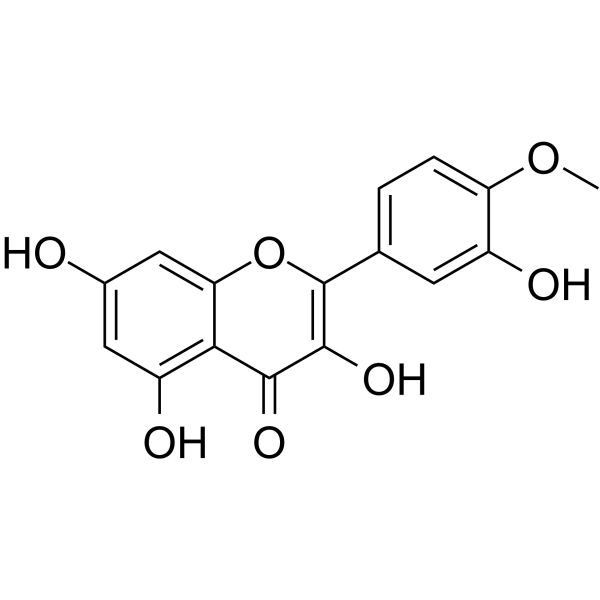
  • HY-N1181
    Tamarixetin
    2 Publications Verification

    4'-O-Methyl Quercetin

    Endogenous Metabolite ClpP Bacterial Apoptosis Akt Interleukin Related COX JNK p38 MAPK Reactive Oxygen Species (ROS) Infection Cardiovascular Disease Inflammation/Immunology Cancer
    Tamarixetin (4'-O-Methyl Quercetin) is an orally active natural flavonoid derivative of quercetin and caseinolytic protease p (ClpP) inhibitor with anti-inflammatory, antioxidant and antitumor effects. Tamarixetin inhibits the hydrolytic activity of ClpP to the fluorescent substrate Suc-LY-AMC with an IC50 of 49.73 μM, which can be used for the study of Staphylococcus aureus infection. Tamarixetin inhibits tumor cell growth, induces apoptosis, and cell cycle arrest. Tamarixetin prevents cardiac hypertrophy by inhibiting the NFAT and AKT pathways .
    Tamarixetin
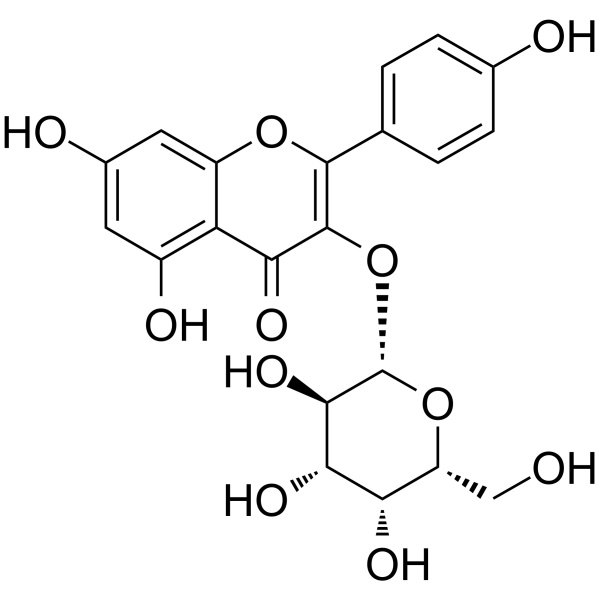
  • HY-N6605
    Kaempferol 3-O-β-D-galactopyranoside
    1 Publications Verification

    Trifolin

    Apoptosis Cardiovascular Disease Cancer
    Kaempferol 3-O-β-D-galactopyranoside (Trifolin) is an orally active flavonoid derivative that can be found in the aerial parts of Consolida oliverana. Kaempferol 3-O-β-D-galactopyranoside exhibits antitumor and cardioprotective effects .
    Kaempferol 3-O-β-D-galactopyranoside
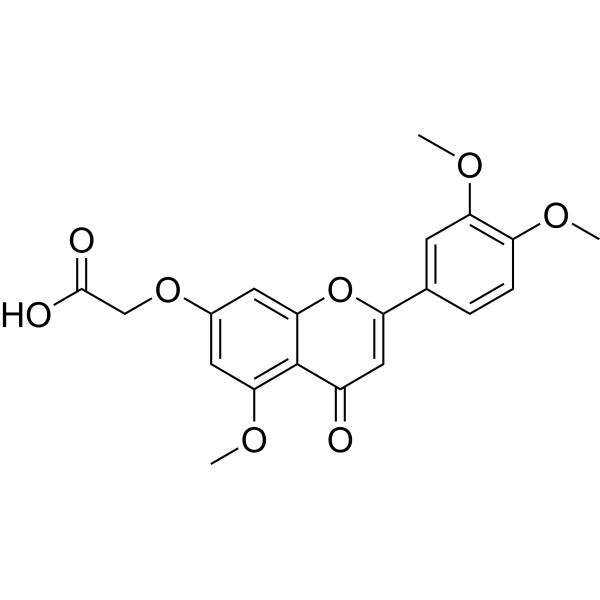
  • HY-106449

    DA-6034 free acid

    NF-κB COX Apoptosis ERK Calcium Channel Inflammation/Immunology Cancer
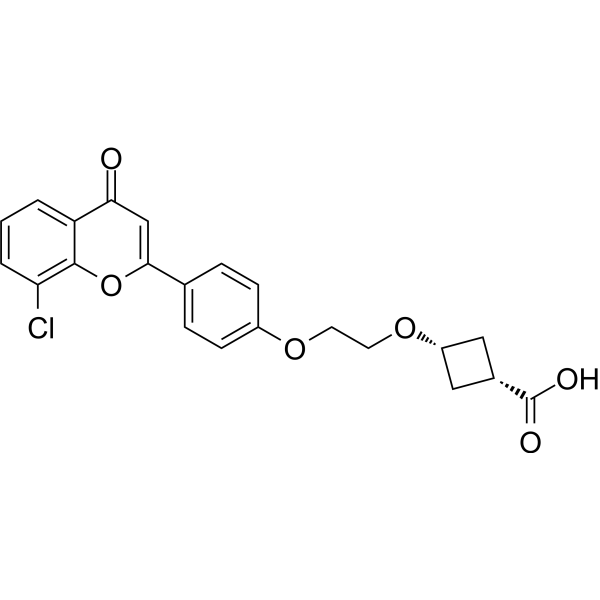
    Recoflavone (DA-6034 (free acid)), a synthetic derivative of the flavonoid Eupatilin (HY-N0783), is orally active. Recoflavone can inhibit the NF-κB pathway and induce [Ca( 2+)]i increase in epithelial cells. Recoflavone exhibits activities such as anti-inflammation, anti-tumor effects, protection of gastric and intestinal mucosa, and promotion of secretion in the ocular surface and salivary glands. Recoflavone can be used for the research of diseases such as dry eye, gastric injury, and intestinal injury .
    Recoflavone
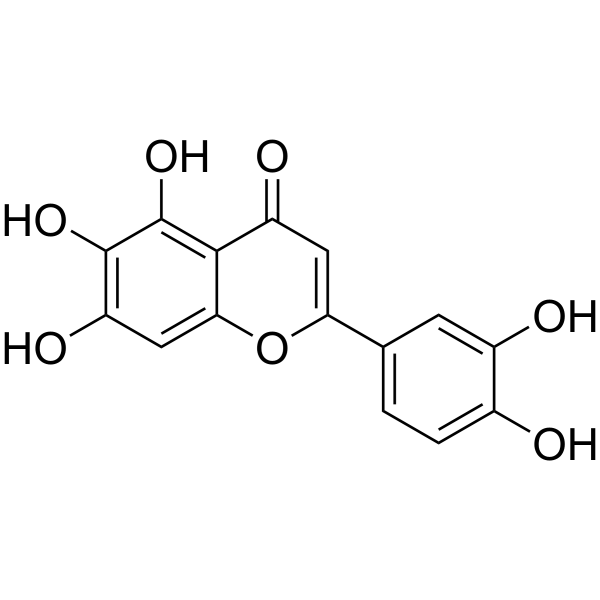
  • HY-151231

    Aldose Reductase Neurological Disease Metabolic Disease
    6-Hydroxyluteolin (Compound 17) is a flavonoid derivative and also an inhibitor of Aldose reductase, with an experimental -log IC50 value of 6.690. 6-Hydroxyluteolin can be isolated from the leaves of multiple plant families, including Plantaginaceae, Globulariaceae and Labiatae. 6-Hydroxyluteolin serves as a phylogenetic marker for higher plants. 6-Hydroxyluteolin can be used in the research of diabetic cataract .
    6-Hydroxyluteolin
  • HY-N8920

    Others Metabolic Disease
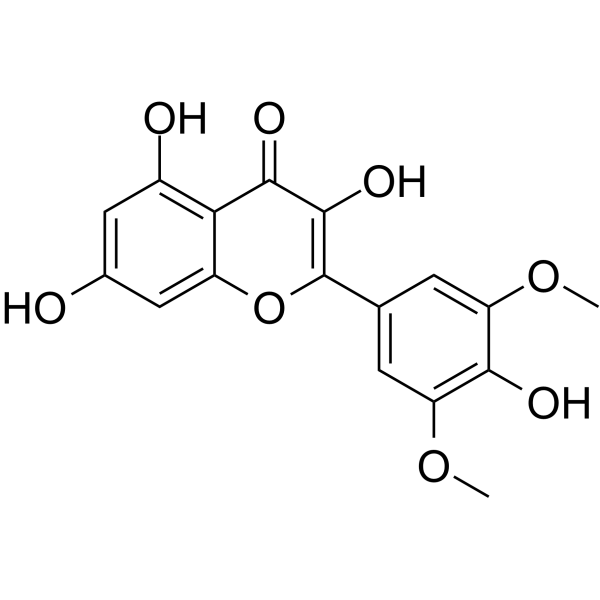
    Syringetin, a flavonoid derivative, is associated with increased BMP-2 production. Syringetin stimulates osteoblast differentiation at various stages, from maturation to terminally differentiated osteoblasts .
    Syringetin
  • HY-N11658

    4-Coumaroyl-CoA; p-coumaroylcoenzyme A

    Biochemical Assay Reagents Others
    p-Coumaroyl-CoA (4-Coumaroyl-CoA; p-coumaroylcoenzyme A) is a coenzyme A derivative . p-Coumaroyl-CoA serves as a key intermediate in the biosynthesis of lignin and flavonoids .
    p-Coumaroyl-CoA
  • HY-N2054

    Kaempferol 4'-β-glucoside

    Drug Derivative Others
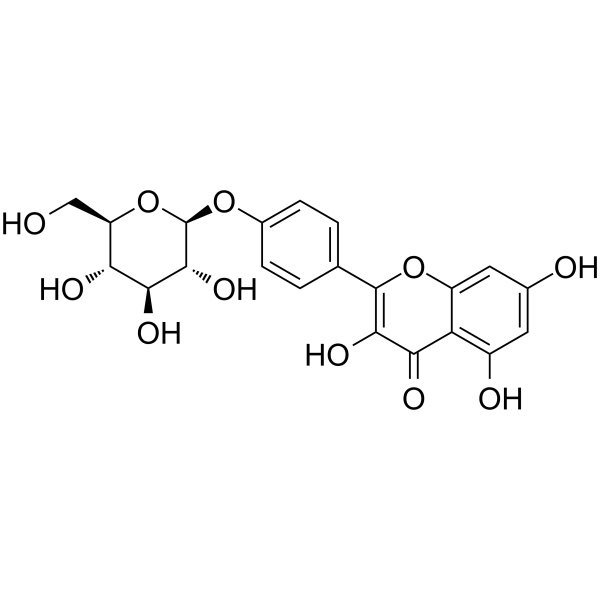
    Kaempferol 4'-glucoside (Kaempferol 4'-β-glucoside) is a glycosylated form of Kaempferol (HY-14590). Kaempferol 4'-glucoside interacts with SBE-β-CD (HY-17031). Kaempferol 4'-glucoside can be used in the food and active compound industries .
    Kaempferol 4'-glucoside
  • HY-N0172S

    3,4-Dihydroxycinnamic acid-13C3

    Bacterial Fungal Infection
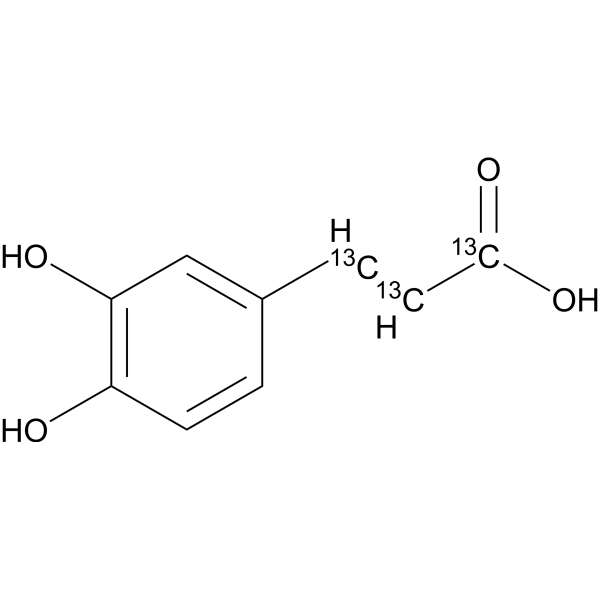
    Caffeic acid- 13C3 is an 13C labeled caffeic acid. Caffeic acid is a phytonutrient belonging to the flavonoids. Caffeic acid and its derivatives, are potential antimicrobial agents, chronic infection induced by microbes such as bacteria, fungi, and viruses .
    Caffeic acid-13C3
  • HY-148560B

    HBV Infection
    cis-ccc_R08 (compound 1) is a flavonoid derivative that can be used in the study of hepatitis B virus (HBV) infection. cis-ccc_R08 is a cccDNA (covalently closed circular DNA) inhibitor .
    cis-ccc_R08
  • HY-N11499

    Bacterial Infection Inflammation/Immunology
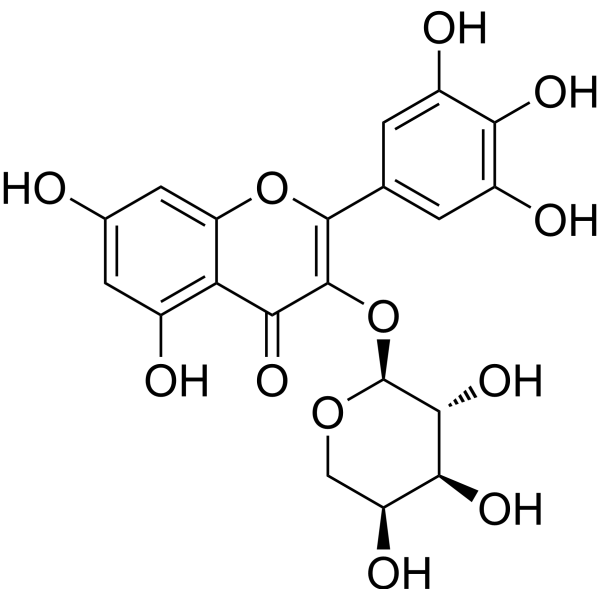
    Myricetin 3-O-α-L-arabinopyranoside is a quercetin derivative and plant flavonoid with antioxidant, antibacterial and antiurease effects. Myricetin 3-O-α-L-arabinopyranoside inhibits A2E photooxidation-induced RPE cell death. Myricetin 3-O-α-L-arabinopyranoside is protective against retinal degeneration and protects against blue light (BL)-induced damage in RPE cells and mouse models .
    Myricetin 3-O-α-L-arabinopyranoside
  • HY-N2857

    Others Others
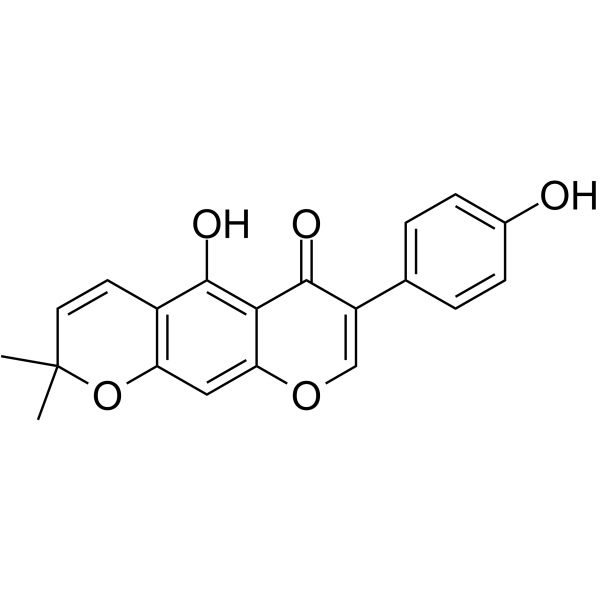
    Alpinumisoflavone (compound 2) is a flavonoid derivative isolated from the stem bark of Erythrina lysistemon Hutch .
    Alpinumisoflavone
  • HY-N1181R

    4'-O-Methyl Quercetin (Standard)

    Reference Standards Endogenous Metabolite ClpP Bacterial Apoptosis Akt Interleukin Related COX JNK p38 MAPK Reactive Oxygen Species (ROS) Infection Cardiovascular Disease Inflammation/Immunology Cancer
    Tamarixetin (Standard) is the analytical standard of Tamarixetin. This product is intended for research and analytical applications. Tamarixetin (4'-O-Methyl Quercetin) is an orally active natural flavonoid derivative of quercetin and caseinolytic protease p (ClpP) inhibitor with anti-inflammatory, antioxidant and antitumor effects. Tamarixetin inhibits the hydrolytic activity of ClpP to the fluorescent substrate Suc-LY-AMC with an IC50 of 49.73 μM, which can be used for the study of Staphylococcus aureus infection. Tamarixetin inhibits tumor cell growth, induces apoptosis, and cell cycle arrest. Tamarixetin prevents cardiac hypertrophy by inhibiting the NFAT and AKT pathways .
    Tamarixetin (Standard)
  • HY-W510941

    Drug Derivative Others
    Hesperetin dihydrochalcone is a flavonoid derivative with a flavoring activity .
    Hesperetin dihydrochalcone
  • HY-156332

    PARP Cancer
    TNKS-2-IN-2 is a potent and selective inhibitor of TNKS2 with an IC50 of 22 nM .
    TNKS-2-IN-2
  • HY-116135

    Apoptosis Reactive Oxygen Species (ROS) Cancer
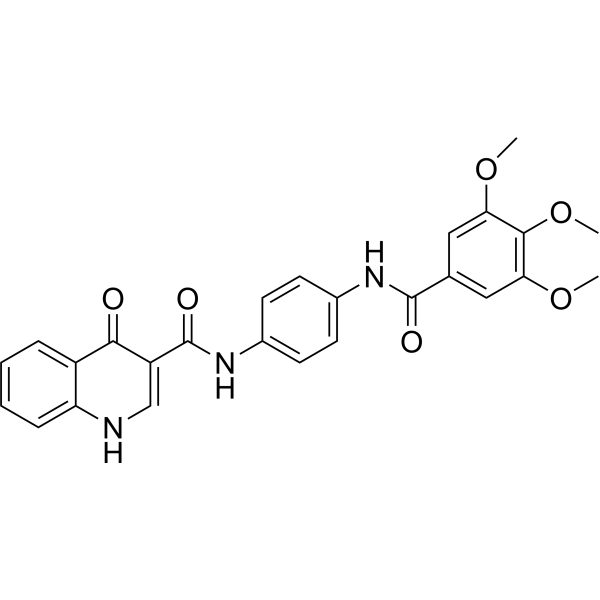
    R24 is a type of flavonoid derivative. R24 exhibits strong anti-angiogenic and anti-proliferative effects. R24 induces cell apoptosis and promotes the production of reactive oxygen species (ROS). R24 can be used for the study of cancers such as lung cancer and colorectal cancer .
    R24
  • HY-126422

    Others Cancer
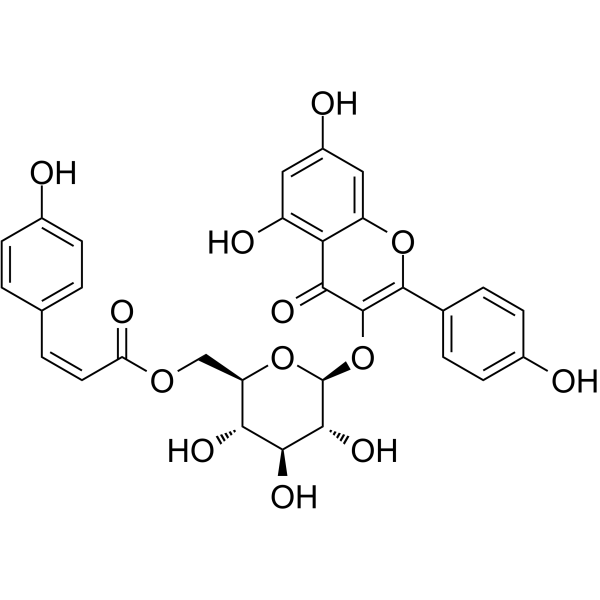
    cis-Tiliroside, a kaempferol derivative, is a flavonoid glycoside. cis-Tiliroside exhibits better cytotoxic activity than trans-Tiliroside in A549 cell line .
    cis-Tiliroside
  • HY-N7321A

    Bacterial Infection Cancer
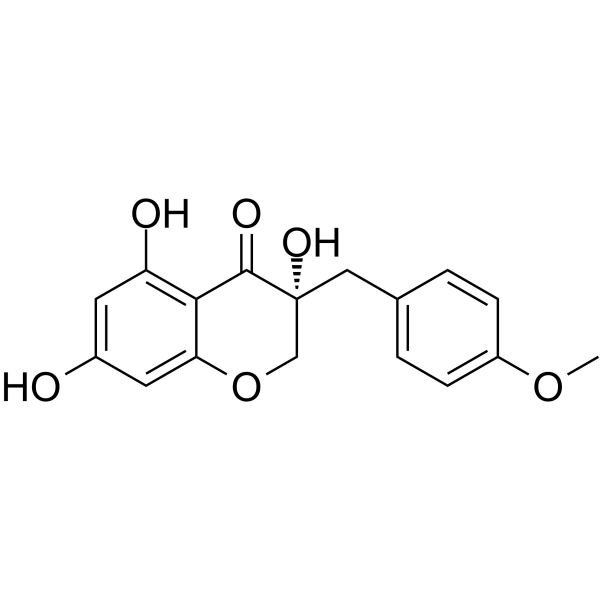
    (R)-Eucomol, a flavonoid derivative, displays marginal antibacterial activity. (R)-Eucomol shows cytotoxic activity against KB and P-388 cells .
    (R)-Eucomol
  • HY-N12669

    Bacterial Reactive Oxygen Species (ROS) Apoptosis JNK Caspase Neurological Disease
    Curcumin monoglucoside is a flavonoid derivative possessing antioxidant, anti-apoptotic, neuroprotective effects, and antibacterial activity. Curcumin monoglucoside can be used in research on Parkinson's disease.
    Curcumin monoglucoside
  • HY-158053

    Fungal Infection
    Antifungal agent 94 (Compound 49) is a Flavonoid derivative, which exhibits antifungal activity with EC50 of 0.28 μM and a half-maximal effective concentration of 0.46 μg/mL against Rhizoctonia solani .
    Antifungal agent 94
  • HY-N12309

    Others Others
    2′-O-Methylphloretin (compound 3) is a flavonoid derivative. 2′-O-Methylphloretin can be isolated from the leaves of Melodorum siamensis. 2′-O-Methylphloretin inhibits the tumor cell line replication .
    2′-O-Methylphloretin
  • HY-N12138

    Glycosidase Metabolic Disease
    Flaccidoside III is a triterpenoid isolated from the aerial parts of N. sativa (Ranunculaceae). Flaccidoside III inhibits α-Glucosidase (IC50: 256.7 μM) and has potential antioxidant and antidiabetic activities .
    Flaccidoside III
  • HY-N8618

    Others Others
    Erythro-guaiacylglycerol-β-O-4'-dihydroconiferyl alcohol was identified as one of the phenolic compounds isolated from Canadian maple syrup (MS-BuOH). It exhibited antioxidant properties along with other phenolic compounds and coumarins isolated from the syrup. These compounds showed varying degrees of antioxidant activity, with phenolic derivatives and coumarins showing superior activity, more so than lignans and flavonoids. This study marks the first time that 16 of the 23 phenolic compounds, including Erythro-guaiacylglycerol-β-O-4'-dihydroconiferyl alcohol, have been identified in maple syrup .
    Erythro-guaiacylglycerol-β-O-4'-dihydroconiferyl alcohol
  • HY-N11464

    Others Others
    Kuwanon O is a flavonoid derivative with a fused dihydrochalcone partial moiety, that can be isolated from the root bark of Morus lhou (set.) Koidz .
    Kuwanon O
  • HY-N18765

    Bacterial Infection Inflammation/Immunology
    Dragons blood extract contains a variety of bioactive compounds, including alkaloids, flavonoids, phenolic acids, and chalcone derivatives, which have antibacterial, anti-inflammatory, antioxidant, and wound-healing effects.
    Dragons blood extract
  • HY-N18680

    Others Neurological Disease
    Melissa officinalis extract is rich in various bioactive compounds, such as citronellol, geraniol, glycosides, caffeic acid derivatives, flavonoids, and triterpenoids. Melissa officinalis extract can be used in research on conditions such as nervous tension, anxiety, insomnia, and menstrual disorders.
    Melissa officinalis extract
  • HY-N11839

    Drug Derivative Others
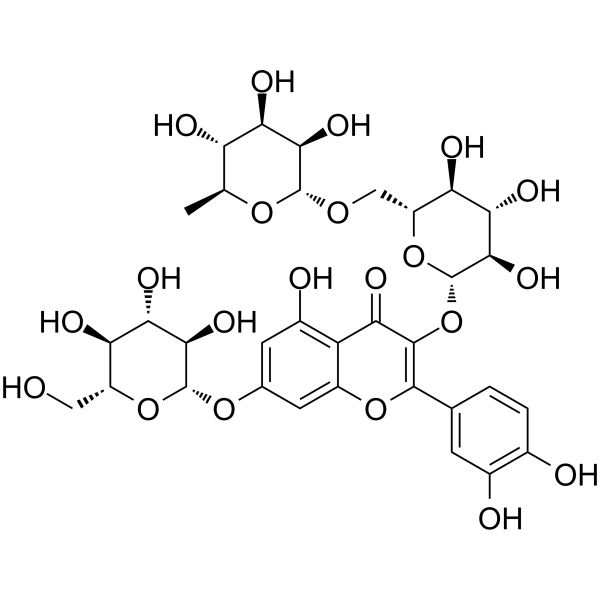
    Quercetin 7,4′-diglucoside is a flavonol diglucoside and a derivative of Quercetin (HY-18085) that can be found in Allium cepa L. Quercetin is a natural flavonoid compound that can activate or inhibit the activity of many proteins .
    Quercetin 7,4′-diglucoside
  • HY-179371

    Pyruvate Kinase Interleukin Related Inflammation/Immunology
    LIQ1, a flavonoid derivative, is a potent Pyruvate kinase M2 (PKM2) allosteric inhibitor (IC50 = 0.39 μM; Kd = 4.5 μM) targeting Arg43 within the polyarginine pocket. LIQ1 exhibits efficacy in a mouse model of LPS (HY-D1056)-induced endotoxemia, preventing the nuclear translocation of PKM2 and inhibiting its binding to HIF-1α, thereby suppressing IL-1β transcription. LIQ1 can be used for the research of endotoxemia [1].
    LIQ1
  • HY-181638

    Drug Derivative Metabolic Disease
    4-Cl-Benzodioxolyl chalcone is a type of chalcone. It reduces the viability of endometriotic cells while maintaining or increasing the viability of normal endometrial cells. 4-Cl-Benzodioxolyl chalcone can be used in the research of endometriosis .
    4-Cl-Benzodioxolyl chalcone
  • HY-106449R

    DA-6034 free acid (Standard)

    Reference Standards NF-κB COX Apoptosis ERK Calcium Channel Inflammation/Immunology Cancer
    Recoflavone (Standard) is the analytical standard of Recoflavone (HY-106449). This product is intended for research and analytical applications. Recoflavone (DA-6034 (free acid)), a synthetic derivative of the flavonoid Eupatilin (HY-N0783), is orally active. Recoflavone can inhibit the NF-κB pathway and induce [Ca(2+)]i increase in epithelial cells. Recoflavone exhibits activities such as anti-inflammation, anti-tumor effects, protection of gastric and intestinal mucosa, and promotion of secretion in the ocular surface and salivary glands. Recoflavone can be used for the research of diseases such as dry eye, gastric injury, and intestinal injury .
    Recoflavone (Standard)

Consulta en línea

Your information is safe with us. * Required Fields.

Saludo


Country or Region *

Nombre del solicitante *


Nombre de la Organizaciòn *

Department *


Direcciòn del E-mail *


Nombre del producto *

Cat. No.


Requested quantity *

Número de teléfono *


Observaciones

Consulta en línea

Inquiry Information

Nombre del producto:
Cat. No.:
Cantidad:
MCE Japan Authorized Agent:

