
1. Search Result
Search Result
Results for "

human AChE

" in MedChemExpress (MCE) Product Catalog:

69

Inhibitors & Agonists

1

Fluorescent Dyes

1

Inhibitory Antibodies

10

Natural
Products

2

Recombinant Proteins

7

Isotope-Labeled Compounds

2

Antibodies

3

Oligonucleotides

Targets Recommended:
Cat. No. Product Name Target Research Areas Chemical Structure
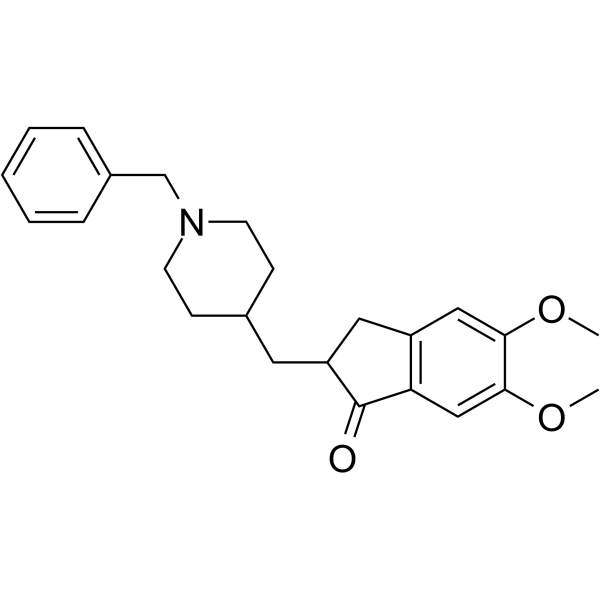
  • HY-14566
    Donepezil
    Maximum Cited Publications
    24 Publications Verification

    E2020 free base

    Cholinesterase (ChE) Neurological Disease Cancer
    Donepezil (E2020 free base) is a specific and potent AChE inhibitor with IC50s of 8.12 nM and 11.6 nM for bovine AChE and human AChE, respectively .
    Donepezil
  • HY-B0815
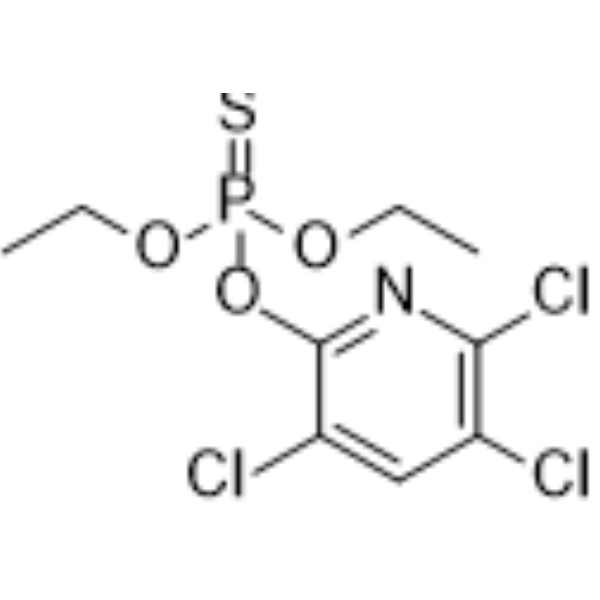
    Chlorpyrifos
    2 Publications Verification

    Environmental Pollutants Cholinesterase (ChE) Neurological Disease
    Chlorpyrifos is a neurotoxic insecticide that belongs to the class of thionite esters. Chlorpyrifos is also a AChE inhibitor that affects neurological function in insects, humans and other animals. Chlorpyrifos interferes with cell replication and differentiation, ultimately altering synaptic transmission in neurons .
    Chlorpyrifos
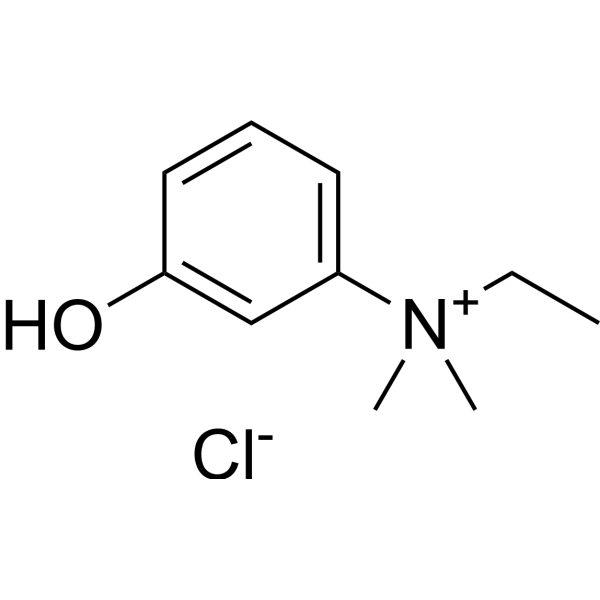
  • HY-B0882

    Cholinesterase (ChE) Neurological Disease Inflammation/Immunology
    Edrophonium chloride is a short-acting acetylcholinesterase (AChE) inhibitor. Edrophonium chloride has Ki values of 0.2, 0.2, and 0.4 μM and IC50 values of 0.2, 0.05, and 0.5 μM for AChE in human erythrocytes, purified calf forebrain, and purified octopus brain, respectively. Edrophonium chloride can be used to detect early digitalis toxicity and in the study of myasthenia gravis .
    Edrophonium chloride
  • HY-A0009
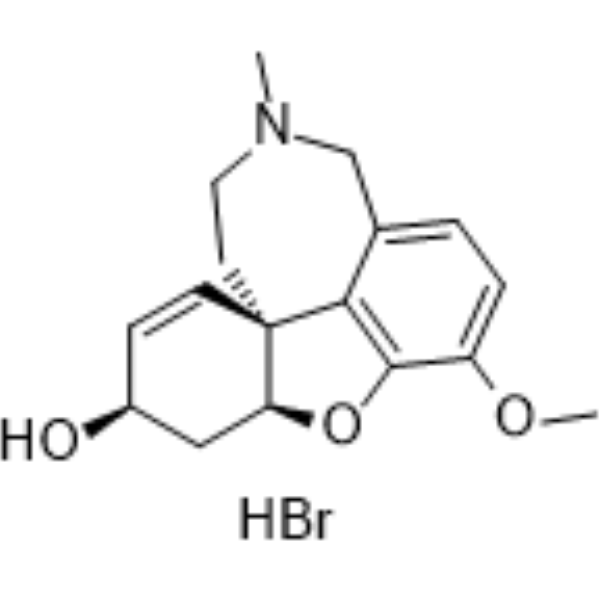
    Galanthamine hydrobromide
    10+ Cited Publications

    Galantamine hydrobromide

    Cholinesterase (ChE) nAChR Neurological Disease
    Galanthamine hydrobromide (Galantamine hydrobromide) is a selective, reversible, competitive, alkaloid AChE inhibitor, with an IC50 of 0.35 µM. Galanthamine hydrobromide is a potent allosteric potentiating ligand (APL) of human α3β4, α4β2, α6β4 nicotinic receptors ( nAChRs). Galanthamine hydrobromide is developed for the research of Alzheimer's disease (AD) .
    Galanthamine hydrobromide
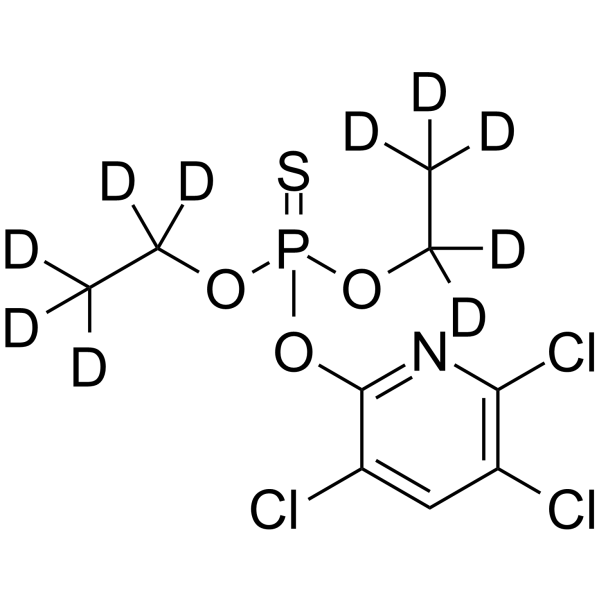
  • HY-B0815S

    Cholinesterase (ChE) Neurological Disease
    Chlorpyrifos-d10 is the deuterium labeled Chlorpyrifos. Chlorpyrifos is an organophosphate insecticide that is classified as a phosphorothionate. The oxon metabolite of Chlorpyrifos is an inhibitor of acetylcholinesterase (AChE), affecting neurological function in insects, humans, and other animals. The Chlorpyrifos oxon (CPO) metabolite is hydrolyzed by the plasma enzyme paraoxonase 1 (PON1), and susceptibility to neurotoxicity associated with CPO exposure is mitigated by PON1 overexpression.
    Chlorpyrifos-d10
  • HY-100919

    WIN 8077 chloride

    Cholinesterase (ChE) Others
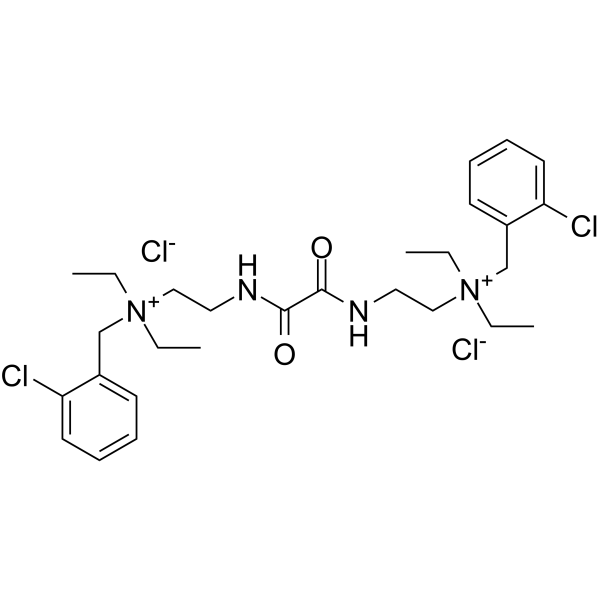
    Ambenonium (WIN 8077) chloride is an orally active and reversible inhibitor of Acetyicholinesterase (AChE) with high affinity. Ambenonium chloride inhibits human AChE with an IC50 value of 0.7 nM (hAChE) .
    Ambenonium chloride
  • HY-B1113
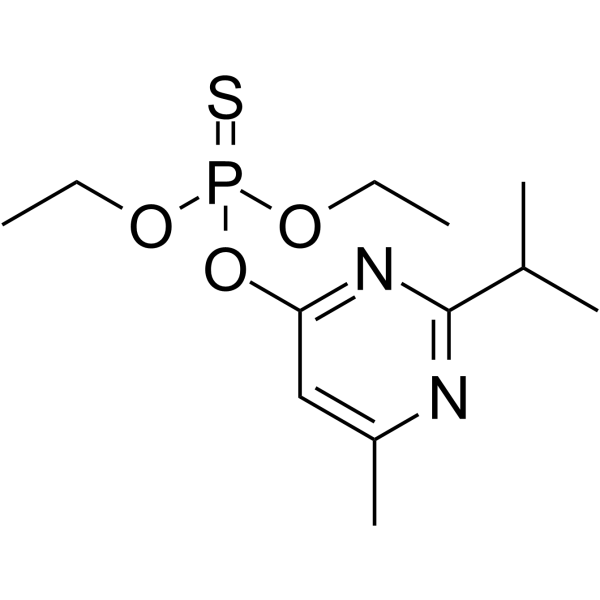
    Diazinon
    2 Publications Verification

    Dimpylate

    Environmental Pollutants Parasite Infection
    Diazinon is an orally active, irreversible AChE inhibitor and insecticide that can be absorbed through the digestive system, skin or respiratory tract. Diazinon inhibits AChE, leading to accumulation of acetylcholine, which in turn overstimulates ACh receptors and affects the nervous system. Diazinon also produces reactive oxygen species (ROS), which induce oxidative stress in various tissues. Diazinon is mainly used in the agricultural field as an insecticide and may have potential effects on human and animal health .
    Diazinon
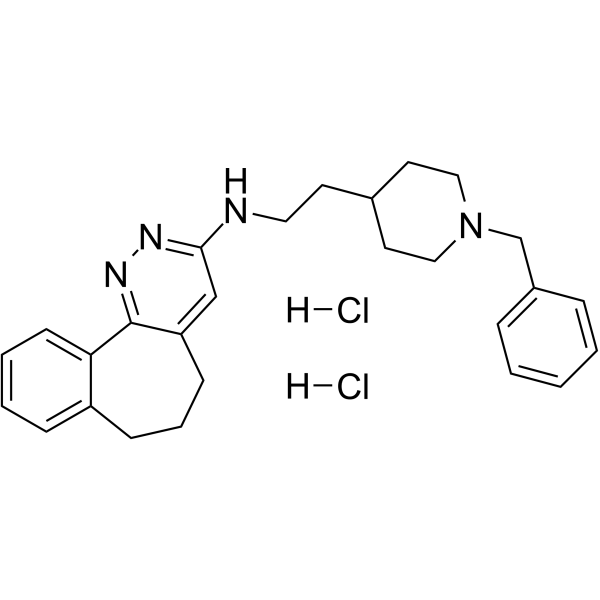
  • HY-122203
    PCS1055 dihydrochloride
    2 Publications Verification

    mAChR Cholinesterase (ChE) Neurological Disease
    PCS1055 dihydrochloride is a potent, selective and competitive muscarinic M4 receptor antagonist with an IC50 of 18.1 nM and a Kd of 5.72 nM. PCS1055 dihydrochloride inhibits radioligand [ 3H]-NMS binding to the M4 receptor with a Ki of 6.5 nM. PCS1055 dihydrochloride exhibits >100-fold selectivity over M1-, M3-, and M5-receptors and 30-fold selectivity at the M2 receptor. PCS1055 dihydrochloride is also a potent AChE inhibitor with IC50 s of 22 nM and 120 nM for electric eel and human AChE, respectively .
    PCS1055 dihydrochloride
  • HY-W130236

    Cholinesterase (ChE) Cancer
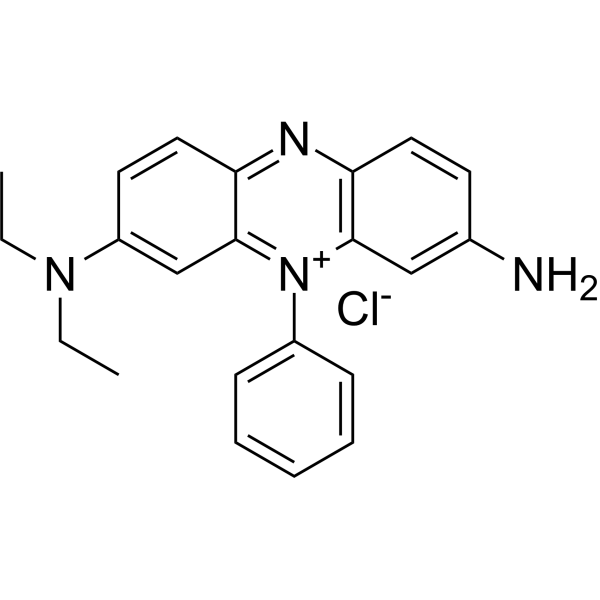
    Methylene Violet 3RAX is a phenazine dye to stain the mitochondria of cells. Methylene Violet 3RAX can change the molecular structure of DNA, undermine the module of DNA, and induce the generation of the reactive singlet oxygen. Methylene Violet 3RAX shows inhibition for human erythrocyte AChE and human plasma BChE with an Kis of 1.58, 0.51 μM, respectively. Methylene Violet 3RAX has the potential for the research of potential photosensitizers for mitochondrial targeting action in PDT (photodynamic therapy) .
    Methylene Violet 3RAX
  • HY-N10423

    (-)-Cubebin

    Cholinesterase (ChE) Bacterial Fungal Parasite p38 MAPK Infection Neurological Disease Metabolic Disease Inflammation/Immunology Cancer
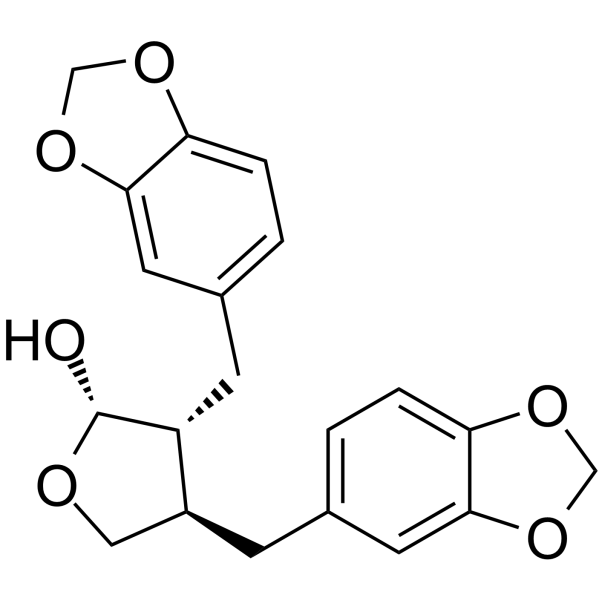
    Cubebin ((-)-Cubebin), a dibenzyl butyrolactone lignan, is an orally active AChE inhibitor. Cubebin binds to active sites of NF-κB, TNF-α, and TGF-β1 via hydrogen and hydrophobic interactions, obstructing critical residues to inhibit pro-inflammatory or renal fibrosis-related activity. Cubebin enhances p38 MAPK phosphorylation to increase tyrosinase gene expression, stimulating melanogenesis via elevated tyrosinase activity, expression, and mRNA levels. Cubebin reduces oxidative stress via enhanced endogenous antioxidant enzyme activity and inhibited lipid peroxidation, regulates lipid metabolism, improves glycemic control, and exerts renoprotective effects via reduced renal dysfunction markers and improved renal architecture. Cubebin shows antimicrobial activity. Cubebin exerts larvicidal activity against Angiostrongylus cantonensis larvae, with no cytotoxicity toward monkey or human cell lines or Caenorhabditis elegans. Cubebin can be used for the research of diabetic nephropathy, melanoma, colon adenocarcinoma, neuroangiostrongyliasis, Alzheimer’s disease (AD) and depression .
    Cubebin
  • HY-142026

    (+)-Vitisin A

    Caspase ERK NF-κB Influenza Virus PAK LDLR PPAR PCSK9 Androgen Receptor Keap1-Nrf2 Monoamine Oxidase Cholinesterase (ChE) IKK Wnt β-catenin Reactive Oxygen Species (ROS) Apoptosis Cuproptosis Infection Neurological Disease Metabolic Disease Inflammation/Immunology Cancer
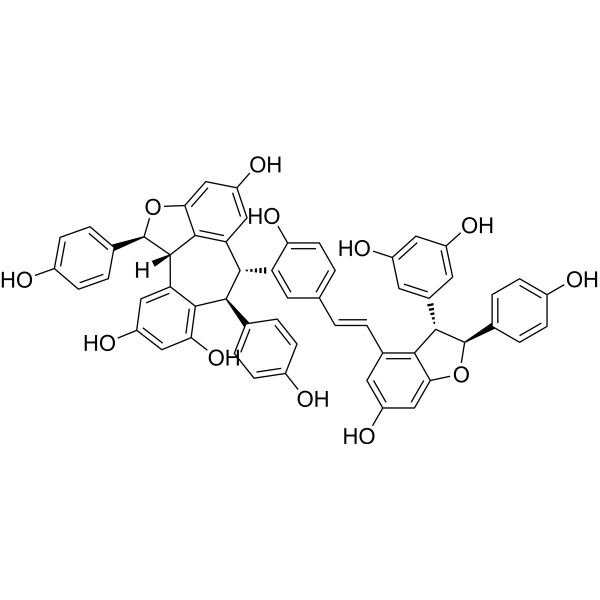
    Vitisin A ((+)-Vitisin A) is an orally active natural product with multiple pharmacological activities including anti-inflammatory, anti-tumor, anti-oxidant, anti-pathogenic microorganism, hypoglycemic and lipid-regulating, anti-osteoporotic, neuroprotective and cardiovascular protective effects. Vitisin A exhibits inhibitory effects on human AChE and MAO-B with IC50 values of 1.29 µM and 4.94 µM, respectively. Vitisin A inhibits the ERK, MAPK, NF-κB, STAT1, HMGCR and TRAF6 pathways, downregulates the related phosphorylation and protein expression, while activates the Nrf2/HO-1 pathway and upregulates p21 expression. Vitisin A induces tumor cell apoptosis and cell cycle arrest, inhibits adipogenesis and lipid accumulation, while alleviates oxidative stress, suppresses inflammatory responses, blocks hepatic fibrosis, Cuproptosis and cholesterol synthesis, and increases the expression levels of central BDNF and TrkB. Vitisin A can be used in the research of tumors, infectious diseases, metabolic diseases, bone and joint diseases, liver diseases, skin injuries, as well as neurodegenerative and cognitive dysfunction-related diseases .
    Vitisin A
  • HY-B0815R

    Reference Standards Cholinesterase (ChE) Neurological Disease
    Chlorpyrifos (Standard) is the analytical standard of Chlorpyrifos. This product is intended for research and analytical applications. Chlorpyrifos is a neurotoxic insecticide that belongs to the class of thionite esters. Chlorpyrifos is also a AChE inhibitor that affects neurological function in insects, humans and other animals. Chlorpyrifos interferes with cell replication and differentiation, ultimately altering synaptic transmission in neurons .
    Chlorpyrifos (Standard)
  • HY-122203A
    PCS1055
    2 Publications Verification

    mAChR Cholinesterase (ChE) Neurological Disease
    PCS1055 is a selective and competitive antagonist for muscarinic M4 receptor with an IC50 of 18.1 nM and a Kd of 5.72 nM. PCS1055 inhibits radioligand [ 3H]-NMS binding to the M4 receptor with a Ki of 6.5 nM. PCS1055 is also an inhibitor for AChE with IC50 of 22 nM and 120 nM for electric eel and human AChE, respectively .
    PCS1055
  • HY-134137

    Cholinesterase (ChE) Drug Metabolite Neurological Disease
    Donepezil N-oxide, a metabolite of Donepezil (HY-14566), is human erythrocyte acetylcholinesterase (AChE) inhibitor .
    Donepezil N-oxide
  • HY-151562

    Cholinesterase (ChE) Monoamine Oxidase Neurological Disease
    AChE/BuChE/MAO-B-IN-1 (compound 19) is an inhibitor of human acetyl- (hAChE), butyrylcholinesterase (hBuChE) and monoamine oxidase-B (hMAO-B) with IC50s of 4.8 μM, 13.7 μM, and 1.11 μM, respectively. AChE/BuChE/MAO-B-IN-1 also exhibits high affinity to both the σ1 and σ2 receptors with Ki values of 42.8 nM (human σ1 receptor) and 191 nM (rat σ2 receptor), respectively. AChE/BuChE/MAO-B-IN-1 can be used for Alzheimer’s disease research .
    AChE/BuChE/MAO-B-IN-1
  • HY-14566S

    E2020-d7

    Isotope-Labeled Compounds Cholinesterase (ChE) Neurological Disease
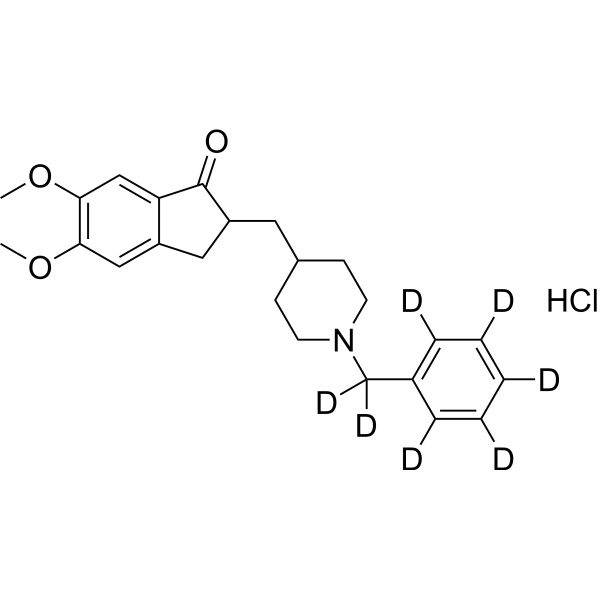
    Donepezil-d7 (hydrochloride) is the deuterium labeled Donepezil. Donepezil (E2020 free base) is a specific and potent AChE inhibitor with IC50s of 8.12 nM and 11.6 nM for bovine AChE and human AChE, respectively .
    Donepezil-d7 hydrochloride
  • HY-119292

    Cholinesterase (ChE) Amyloid-β Neurological Disease
    AP2238 is a dual-function acetylcholinesterase (AChE) inhibitor with Ki values for human AChE (HuAChE) and butyrylcholinesterase (BuChE) of 21.7 and 48.9 μM respectively. AP2238 blocks the pro-fibrotic interaction between the peripheral site of AChE and , and can inhibit Aβ aggregation. AP2238 can be used for the research of Alzheimer's disease .
    AP2238
  • HY-B0882S

    Isotope-Labeled Compounds Cholinesterase (ChE) Neurological Disease Inflammation/Immunology
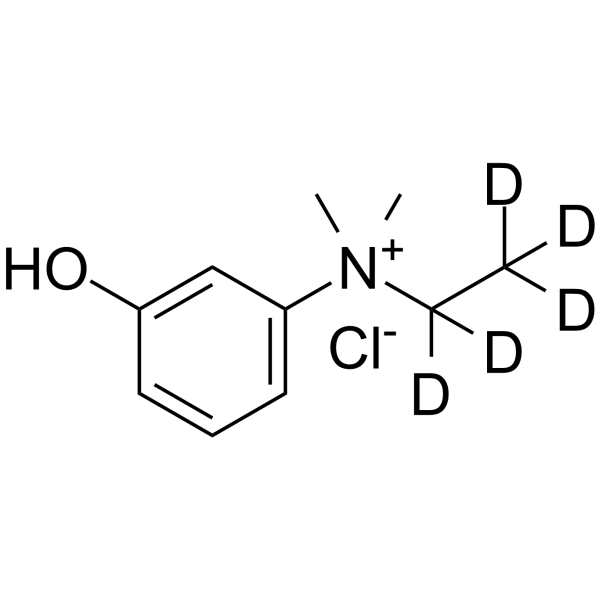
    Edrophonium-d5 chloride is the deuterium labeled Edrophonium chloride (HY-B0882). Edrophonium chloride is a short-acting acetylcholinesterase (AChE) inhibitor. Edrophonium chloride has Ki values of 0.2, 0.2, and 0.4 μM and IC50 values of 0.2, 0.05, and 0.5 μM for AChE in human erythrocytes, purified calf forebrain, and purified octopus brain, respectively. Edrophonium chloride can be used to detect early digitalis toxicity and in the study of myasthenia gravis .
    Edrophonium-d5 chloride
  • HY-148412

    EN101; ODN 7040; BL 7040

    Cholinesterase (ChE) Others
    Monarsen (EN101) is a synthetic 20-base antisense oligodeoxynucleotide directed against the human AChE gene. Monarsen is used in the study of Autoimmune myasthenia gravis (MG), a neuromuscular disorder caused by autoantibodies directed against the acetylcholine receptor (AChR).
    Monarsen
  • HY-W643128

    Cholinesterase (ChE) Infection
    Carlina oxide is an AChE inhibitor and antioxidant that kills Culex pipiens larvae (LC50=1.39 μg/mL). Carlina oxide is cytotoxic to vertebrate cells, human dermis, HCT116 and MDA-MB231 cell lines .
    Carlina oxide
  • HY-119398

    Amyloid-β Cholinesterase (ChE) Apoptosis Neurological Disease Cancer
    Lanuginosine is an alkaloid. Lanuginosine can be isolated from the stems of Xylopia laevigata (Annonaceae) and the leaves of Magnolia grandiflora. Lanuginosine induces Apoptosis. Lanuginosine inhibits AChE (IC50: 10.9 μM). Lanuginosine inhibits aggregation. Lanuginosine exhibits anticancer activity against hepatocellular carcinoma, human promyelocytic leukemia, human chronic myeloid leukemia, melanoma, and brain tumors. Lanuginosine can be used in the research of Alzheimer's disease .
    Lanuginosine
  • HY-155822

    Cholinesterase (ChE) Apoptosis Caspase Neurological Disease
    TZ3O is an anticholinergic agent with neuroprotective effects. TZ3O inhibits acetylcholinesterase (AChE) activity in human plasma with an IC50 of 304.5 μM. TZ3O can improve memory impairment and cognitive decline in rats in the Scopolamine (HY-N0296)-induced Alzheimer-type model. TZ3O could be used in Alzheimer’s research .
    TZ3O
  • HY-A0009R

    Galantamine hydrobromide (Standard)

    nAChR Cholinesterase (ChE) Reference Standards Neurological Disease
    Galanthamine (hydrobromide) (Standard) is the analytical standard of Galanthamine (hydrobromide). This product is intended for research and analytical applications. Galanthamine hydrobromide (Galantamine hydrobromide) is a selective, reversible, competitive, alkaloid AChE inhibitor, with an IC50 of 0.35 µM. Galanthamine hydrobromide is a potent allosteric potentiating ligand (APL) of human α3β4, α4β2, α6β4 nicotinic receptors ( nAChRs). Galanthamine hydrobromide is developed for the research of Alzheimer's disease (AD) .
    Galanthamine hydrobromide (Standard)
  • HY-RS00156

    Small Interfering RNA (siRNA) Cholinesterase (ChE) Others

    ACHE Human Pre-designed siRNA Set A contains three designed siRNAs for ACHE gene (Human), as well as a negative control, a positive control, and a FAM-labeled negative control.

    ACHE Human Pre-designed siRNA Set A
    ACHE Human Pre-designed siRNA Set A
  • HY-146665

    Cholinesterase (ChE) Neurological Disease
    AChE/BChE-IN-5 (BMC-16) is a dual AChE and BChE inhibitor with IC50 values of 266 nM and 10.6 nM against human AChE (hAChE) and human BChE (hBChE), respectively. AChE/BChE-IN-5 can cross the BBB .
    AChE/BChE-IN-5
  • HY-14566S1

    E2020-d5 free base

    Cholinesterase (ChE) Neurological Disease
    Donepezil-d5 is deuterium labeled Donepezil. Donepezil (E2020 free base) is a specific and potent AChE inhibitor with IC50s of 8.12 nM and 11.6 nM for bovine AChE and human AChE, respectively .
    Donepezil-d5
  • HY-152113

    Monoamine Oxidase Cholinesterase (ChE) Neurological Disease
    AChE/BChE/MAO-B-IN-3, an indan-1-one derivative, is a potent MAO-B inhibitor with an IC50 of 0.0359 μM for human MAO-B. AChE/BChE/MAO-B-IN-3 is a potent AChE and BChE enzyme inhibitor, with IC50s of 0.0473 μM and 0.0782 μM for human AChE and BChE enzyme, respectively. AChE/BChE/MAO-B-IN-3 shows significant antioxidant activity and has the potential for Alzheimer's disease (AD) research .
    AChE/BChE/MAO-B-IN-3
  • HY-174462

    Cholinesterase (ChE) Neurological Disease
    AChE-IN-90 (Compound 5b) is an orally active, brain-penetrant and potent acetylcholinesterase (AChE) inhibitor with an IC50 value of 0.023 μM against human AChE and lower selectivity for butyrylcholinesterase (BuChE) (IC50 1.8 μM). AChE-IN-90 increases acetylcholine levels in the synaptic cleft. AChE-IN-90 is promising for research of neurodegenerative diseases such as Alzheimer's disease .
    AChE-IN-90
  • HY-152111

    Cholinesterase (ChE) Monoamine Oxidase Amyloid-β Neurological Disease
    AChE/MAO-B-IN-3 (Compound D30) is a dual AChE and MAO-B inhibitor with IC50s of 0.0257 μM and 0.0456 μM against human AChE and MAO-B, respectively. AChE/MAO-B-IN-3 can be used for the research of Alzheimer’s disease .
    AChE/MAO-B-IN-3
  • HY-152114

    Monoamine Oxidase Cholinesterase (ChE) Neurological Disease
    AChE/BChE/MAO-B-IN-4, an indan-1-one derivative, is a potent MAO-B inhibitor with an IC50 of 0.0393 μM for human MAO-B. AChE/BChE/MAO-B-IN-4 is a potent AChE and BChE enzyme inhibitor, with IC50s of 0.0458 μM and 0.075 μM for human AChE and BChE enzyme, respectively. AChE/BChE/MAO-B-IN-4 shows significant antioxidant activity and prevent β-amyloid plaque aggregation. AChE/BChE/MAO-B-IN-4 has the potential for Alzheimer's disease (AD) research .
    AChE/BChE/MAO-B-IN-4
  • HY-146039

    Cholinesterase (ChE) Neurological Disease
    AChE-IN-15 (Compound 3d) is a reversible human acetylcholinesterase (huAChE) (IC50=6.8 μM) and human butyrylcholinesterase (huBChE) (IC50=16.1 μM) inhibitor. AChE-IN-15 shows significant antioxidant potency, AChE-IN-15 can be used for the research of Alzheimer’s disease .
    AChE-IN-15
  • HY-152109

    Cholinesterase (ChE) Monoamine Oxidase Amyloid-β Neurological Disease
    AChE/MAO-IN-1 (Compound D28) is a potent AChE, MAO-A and MAO-B inhibitor with IC50s of 0.0248, 0.0409 and 0.1108 μM against human AChE, MAO-B and MAO-A, respectively .
    AChE/MAO-IN-1
  • HY-14566R

    E2020 free base (Standard)

    Reference Standards Cholinesterase (ChE) Neurological Disease Cancer
    Donepezil (Standard) is the analytical standard of Donepezil. This product is intended for research and analytical applications. Donepezil (E2020 free base) is a specific and potent AChE inhibitor with IC50s of 8.12 nM and 11.6 nM for bovine AChE and human AChE, respectively .
    Donepezil (Standard)
  • HY-14566S3

    E2020-d4 free base

    Isotope-Labeled Compounds Neurological Disease Cancer
    Donepezil-d4 (E2020-d4 (free base)) is deuterium labeled Donepezil. Donepezil (E2020 free base) is a specific and potent AChE inhibitor with IC50s of 8.12 nM and 11.6 nM for bovine AChE and human AChE, respectively .
    Donepezil-d4
  • HY-W727525

    E2020-d7 free base

    Isotope-Labeled Compounds Cholinesterase (ChE) Neurological Disease Cancer
    Donepezil-d7 (E2020-d7 (free base)) is deuterium labeled Donepezil. Donepezil (E2020 free base) is a specific and potent AChE inhibitor with IC50s of 8.12 nM and 11.6 nM for bovine AChE and human AChE, respectively .
    Donepezil-d7
  • HY-118533A

    WIN 8077 dichloride tetrahydrate

    Cholinesterase (ChE) Neurological Disease
    Ambenonium (WIN 8077) dichloride tetrahydrate is an orally active and reversible inhibitor of Acetyicholinesterase (AChE) with high affinity. Ambenonium dichloride tetrahydrate inhibits human AChE with an IC50 value of 0.7 nM (hAChE) .
    Ambenonium dichloride tetrahydrate
  • HY-146762

    Monoamine Oxidase Cholinesterase (ChE) Reactive Oxygen Species (ROS) Neurological Disease Inflammation/Immunology
    MAO-B-IN-7 is a potent and blood-brain barrier permeable MAO-B and AChE inhibitor with IC50s of 41 nM, 87 nM and 0.3 μM for human AChE, electric eel AChE and MAO-B, respectively. MAO-B-IN-7 can effectively alleviate oxidative stress and neuroinflammatory damage .
    MAO-B-IN-7
  • HY-146035

    Cholinesterase (ChE) Histamine Receptor Neurological Disease
    AChE-IN-14 (compound 5) is a potent cholinesterase inhibitor with IC50s of 0.46 , 0.48, and 0.44 μM for electric eel acetylcholinesterase (eeAChE), human recombinant acetylcholinesterase (hAChE), and equine serum butyrylcholinesterase (eqBuChE), respectively. AChE-IN-14 exhibits high affinity toward human H3 receptor (H3R; Ki= 159.8 nM). AChE-IN-14 can be used for the research of Alzheimer’s disease .
    AChE-IN-14
  • HY-145695

    Cholinesterase (ChE) Monoamine Oxidase Neurological Disease
    Dual AChE-MAO B-IN-1 (compound 15) is an orally bioavailable CNS-permeant potent inhibitor of both human AChE (IC50=550 nM) and MAO B (IC50=8.2 nM). Dual AChE-MAO B-IN-1 behaves as a safe and metabolically stable neuroprotective agent, devoid of cytochrome liability .
    Dual AChE-MAO B-IN-1
  • HY-159898

    Cholinesterase (ChE) Amyloid-β Tau Protein NOD-like Receptor (NLR) Reactive Oxygen Species (ROS) Mitochondrial Metabolism Neurological Disease
    AChE/BChE-IN-23 (Compound 6e) is an AChE/BChE inhibitor (IC50: 0.91 μM, 1.19 μM and 1.01 μM for hAChE, eq BChE and hBChE, respectively). AChE/BChE-IN-23 has antioxidant activity and inhibits 1-42 and Tau protein aggregation. AChE/BChE-IN-23 also inhibits microglial activation by reducing ROS release and mitochondrial injury. AChE/BChE-IN-23 suppresses NLRP3 inflammasome and pro-inflammatory cytokines in human microglial cells. AChE/BChE-IN-23 also reverses the Scopolamine (HY-N0296)-induced memory impairment in mice model .
    AChE/BChE-IN-23
  • HY-100919R

    WIN 8077 chloride (Standard)

    Reference Standards Cholinesterase (ChE) Others
    Ambenonium (chloride) (Standard) is the analytical standard of Ambenonium (chloride). This product is intended for research and analytical applications. Ambenonium (WIN 8077) chloride is an orally active and reversible inhibitor of Acetyicholinesterase (AChE) with high affinity. Ambenonium chloride inhibits human AChE with an IC50 value of 0.7 nM (hAChE) .
    Ambenonium chloride (Standard)
  • HY-145833A

    Epoxide Hydrolase Cholinesterase (ChE) Neurological Disease Cancer
    sEH/AChE-IN-4 (compound (+)-15) is a potent and BBB-penetrated dual inhibitor of sEH (soluble epoxide hydrolase) and AChE (acetylcholinesterase), with IC50 values of 3.1 nM (hsEH), 1660 nM (hAChE), 179 nM (hBChE, human butyrylcholinesterase), 14.5 nM (msEH), and 102 nM (mAChE), respectively .
    sEH/AChE-IN-4
  • HY-145833

    Epoxide Hydrolase Cholinesterase (ChE) Neurological Disease Cancer
    sEH/AChE-IN-3 (compound (−)-15) is a potent and BBB-penetrated dual inhibitor of sEH (soluble epoxide hydrolase) and AChE (acetylcholinesterase), with IC50 values of 0.4 nM (hsEH), 1.94 nM (hAChE), 615 (hBChE, human butyrylcholinesterase), 4.3 nM (msEH), and 2.61 nM (mAChE), respectively .
    sEH/AChE-IN-3
  • HY-119592

    Cholinesterase (ChE) Neurological Disease
    Cyclophostin is an acetylcholinesterase (AChE) inhibitor with IC50 values of 45, 0.76 and 1.3 nM for humans and two different insects, respectively .
    Cyclophostin
  • HY-157437

    Cholinesterase (ChE) Reactive Oxygen Species (ROS) Neurological Disease Inflammation/Immunology
    AChE/BChE-IN-16 (compound C7) is a potent cholinesterase (ChE) inhibitor with IC50s of 30 nM and 48 nM for human acetylcholinesterase (hAChE) and human butyrylcholinesterase (hBChE), respectively. AChE/BChE-IN-16 exhibits a remarkable capacity to safeguard PC12 cells against H2O2-induced apoptosis and effectively suppresses the production of reactive oxygen species (ROS) .
    AChE/BChE-IN-16
  • HY-112013

    Cholinesterase (ChE) Neurological Disease
    Isodimethoate is a thermal decomposition product of Dimethoate (HY-B1946). Isodimethoate is a direct anticholinesterase agent and shows an inhibition to human red blood cell acetylcholinesterase (AChE) .
    Isodimethoate
  • HY-134006

    Cholinesterase (ChE) Neurological Disease Inflammation/Immunology
    Stemoninine is a lycoris alkaloid that can be used as an antitussive. Stemoninine has significant inhibitory activity against human acetylcholinesterase (AChE) (IC50=5.52 μM) .
    Stemoninine
  • HY-148412A

    EN101 sodium; ODN 7040 sodium; BL 7040 sodium

    Cholinesterase (ChE) Others
    Monarsen sodium is a synthetic 20-base antisense oligodeoxynucleotide directed against the human AChE gene. Monarsen sodium is used in the study of Autoimmune myasthenia gravis (MG), a neuromuscular disorder caused by autoantibodies directed against the acetylcholine receptor (AChR).
    Monarsen sodium
  • HY-149300

    Cholinesterase (ChE) Neurological Disease
    SB-1436 is an Cholinesterase (ChE) inhibitor, inhibits acetylcholinesterase (AChE), butyrylcholinesterase (BChE) and recombinant human acetylcholinesterase (rHuAChE) with IC50s of 0.176, 0.37 and 0.08 μM, respectively. SB-1436 inhibits AChE and BChE in a non-competitive manner with Kis of 0.046 and 0.115 μM, respectively. SB-1436 significantly stops the self-aggregation of Aβ, and can be used for neurological disease research .
    SB-1436
  • HY-B0882R

    Reference Standards Cholinesterase (ChE) Neurological Disease Inflammation/Immunology
    Edrophonium chloride (Standard) is the analytical standard of Edrophonium chloride (HY-B0882). This product is intended for research and analytical applications. Edrophonium chloride is a short-acting acetylcholinesterase (AChE) inhibitor. Edrophonium chloride has Ki values of 0.2, 0.2, and 0.4 μM and IC50 values of 0.2, 0.05, and 0.5 μM for AChE in human erythrocytes, purified calf forebrain, and purified octopus brain, respectively. Edrophonium chloride can be used to detect early digitalis toxicity and in the study of myasthenia gravis.
    Edrophonium chloride (Standard)

Inquiry Online

Your information is safe with us. * Required Fields.

Salutation


Country or Region *

Applicant Name *


Organization Name *

Department *


Email Address *


Product Name *

Cat. No.


Requested quantity *

Phone Number *


Remarks

Inquiry Online

Inquiry Information

Product Name:
Cat. No.:
Quantity:
MCE Japan Authorized Agent:

