



1. Search Result
Search Result
Pathways Recommended: Stem Cell/Wnt Cell Cycle/DNA Damage
Results for "

human bone cell

" in MedChemExpress (MCE) Product Catalog:

97

Inhibitors & Agonists

2

Screening Libraries

4

Fluorescent Dyes

5

Biochemical Assay Reagents

10

Peptides

12

Inhibitory Antibodies

14

Natural
Products

1

Recombinant Proteins

1

Isotope-Labeled Compounds

2

Antibodies

1

Click Chemistry

4

Oligonucleotides

2

GMP Molecules

Cat. No. Product Name Target Research Areas Chemical Structure
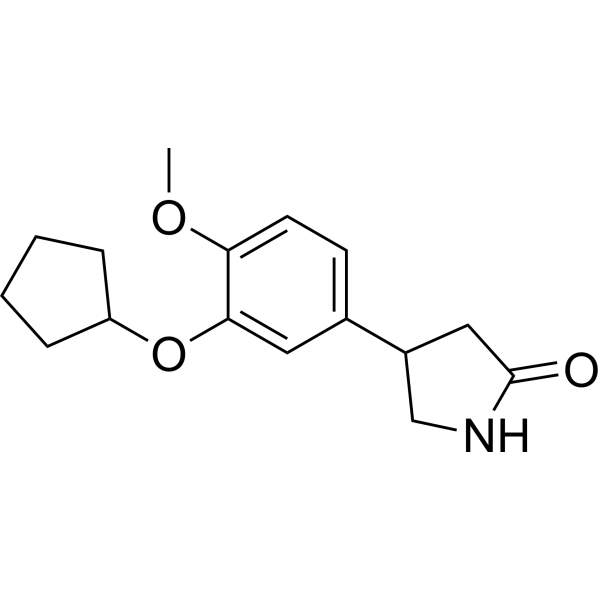
  • HY-16900
    Rolipram
    Maximum Cited Publications
    19 Publications Verification

    (R,S)-Rolipram; (±)-Rolipram; ZK 62711

    Bacterial HIV Phosphodiesterase (PDE) Epigenetic Reader Domain Amyloid-β Infection Neurological Disease Cancer
    Rolipram is a PDE4 inhibitor, with blood-brain barrier permeability, that reverses β-amyloid-induced learning and memory impairment in rats. Rolipram elevates intracellular cAMP and clevels and regulates the cAMP/CREB signaling pathway, thereby alleviating neuroinflammation and apoptotic responses. Rolipram promotes neuronal differentiation of human bone marrow mesenchymal stem cells and inhibits Methamphetamine- and morphine-induced hyperlocomotion in mice. Rolipram also reduces the viability of glioblastoma stem-like cells and enhances Bevacizumab (HY-P9906)-induced cell death. Rolipram inhibits the expression of proinflammatory cytokines and enhances central noradrenergic transmission. Rolipram is mainly used in studies related to various central nervous system diseases including Alzheimer's disease, major depressive disorder, glioblastoma multiforme, and multiple sclerosis .
    Rolipram
  • HY-N6973
    Boldine
    1 Publications Verification

    RANKL/RANK Apoptosis Inflammation/Immunology Cancer
    Boldine is an apomorphine isoquinoline alkaloid extracted from the root of the pheasant pepper (Litsea cubeba). Boldine is an oral effective antioxidant, anti-inflammatory, antitumor agent, and can inhibit osteoclast formation. Boldine induces apoptosis of human bladder cancer cells by regulating ERK, AKT and GSK-3β. Boldine ameliorates bone destruction by down-regulating the OPG/RANKL/RANK signaling pathway. It can be used in rheumatoid arthritis research .
    Boldine
  • HY-W592871

    10-HDA; Queen Bee Acid

    mTOR Apoptosis ERK MDM-2/p53 GSK-3 AMPK Interleukin Related TNF Receptor Caspase NF-κB Bacterial Fungal Cardiovascular Disease Neurological Disease Inflammation/Immunology Cancer
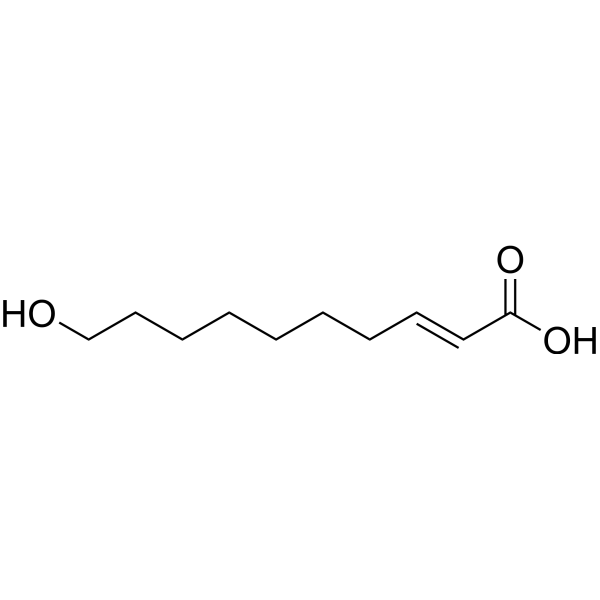
    10-Hydroxy-2-decenoic acid (10-HDA) is an orally active unsaturated medium-chain fatty acid with various physiological activities. 10-Hydroxy-2-decenoic acid induces ROS-mediated apoptosis in A549 cells. 10-Hydroxy-2-decenoic acid inhibits VEGF-induced angiogenesis in human venous endothelial cells. 10-Hydroxy-2-decenoic acid alleviates non-alcoholic fatty liver disease (NAFLD) by activating the AMPK-α signaling pathway. 10-Hydroxy-2-decenoic acid protects against bone loss by inhibiting NF-κB signaling downstream of FFAR4. 10-Hydroxy-2-decenoic acid is an antibiotic against many bacteria and fungi, such as Neurospora sitophila, molds and Staphylococcus aureus. 10-Hydroxy-2-decenoic acid has longevity-promoting effects in C. elegans. 10-Hydroxy-2-decenoic acid prevents osteoarthritis by targeting aspartyl β hydroxylase and inhibiting chondrocyte senescence .
    10-Hydroxy-2-decenoic acid
  • HY-P99111

    CNTO-148

    TNF Receptor Apoptosis Interleukin Related Caspase Inflammation/Immunology Cancer
    Golimumab (CNTO-148) is a potent human IgG1 TNFα antagonist monoclonal antibody. Golimumab has anti-inflammation activitity and inhibits IL-6 and IL-1β production. Golimumab acts via targeting and neutralizing TNF to prevent inflammation and destruction of cartilage and bone. Golimumab has the anticancer activity and induces cell apoptosis. Golimumab can be used for rheumatoid arthritis, Crohn's disease and cancer research .
    Golimumab
  • HY-N0481
    Roburic acid
    1 Publications Verification

    COX TNF Receptor NO Synthase Interleukin Related NF-κB Apoptosis p38 MAPK JNK ERK Keap1-Nrf2 RANKL/RANK Neurological Disease Inflammation/Immunology Cancer
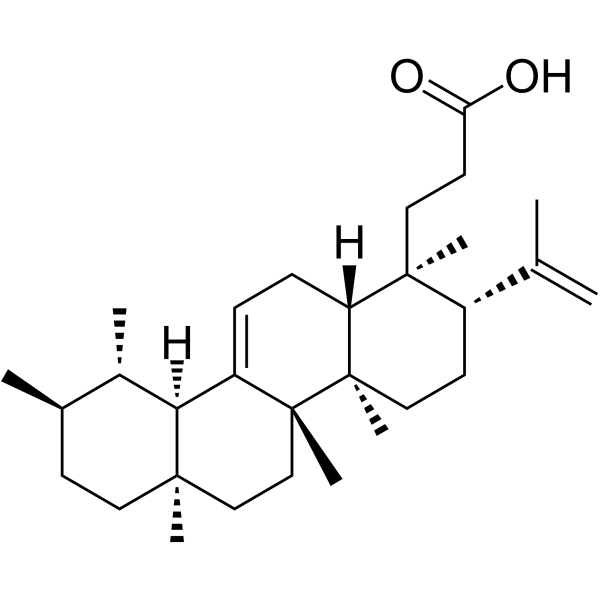
    Roburic acid acts as an anti-inflammatory, anti-tumor and osteoclastogenesis inhibitor, with a Ki of 7.066 μM against human TNF, an IC50 of 9 μM against human COX-2, and an IC50 of 5 μM against ovine COX-1. Roburic acid reduces the production of inflammatory mediators such as NO and IL-6 in macrophages by inhibiting the NF-κB and MAPK (p38/JNK) pathways. By competitively inhibiting the TNF-TNF-R1 interaction, Roburic acid blocks the downstream NF-κB signaling pathway, thereby inducing cell cycle arrest and apoptosis in cancer cells. Roburic acid specifically inhibits osteoclastogenesis and bone resorption by suppressing the RANKL/TRAF6/NF-κB/NFATc1 axis. Roburic acid can be used in research related to osteolytic diseases such as osteoporosis, colorectal cancer and inflammatory diseases .
    Roburic acid
  • HY-A0020
    Eldecalcitol
    4 Publications Verification

    ED-71; 2-(3-hydroxypropoxy)-1,25-dihydroxyvitamin D3

    VD/VDR Apoptosis Metabolic Disease Inflammation/Immunology Cancer
    Eldecalcitol (ED-71) is an orally active vitamin D3 analogue, inhibits bone resorption and increases bone mineral density. Eldecalcitol (ED-71) displays anti-tumor effect and inhibits cell proliferation, migration and induces apoptosis by suppressing GPx-1 .
    Eldecalcitol
  • HY-101898
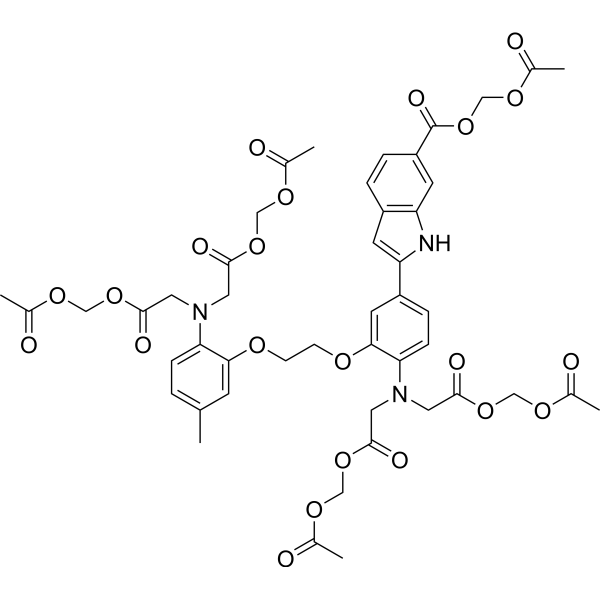
    Indo-1 AM
    1 Publications Verification

    Indo-1 Acetoxymethyl ester

    Fluorescent Dye Others
    Calcium is an important part of the human body, usually in the form of calcium, a large number of bones and teeth of the human body, a small amount of blood and tissues. MCE calcium ion detection probe can specifically identify intracellular calcium ions, with high sensitivity, low cytotoxicity, increased AM acetylmethyl ester can enter the cell well, after being sheared by the intracellular esterase stay in the cell to bind to calcium ions, produce strong fluorescence, in addition, Mag-indo-1/AM and Mag-Fluo-4 AM at a certain concentration (usually 5 mM) can effectively identify intracellular magnesium ions .
    Indo-1 AM
  • HY-168034

    STING Integrin NF-κB SARS-CoV Infection Inflammation/Immunology
    diABZI-4 is a STING activator and broad-spectrum antiviral agent with immunostimulatory activity. diABZI-4 triggers the TBK1-IRF3 and NF-κB signaling cascades by inducing STING oligomerization, thereby promoting the production of type I/III interferons and various proinflammatory cytokines. diABZI-4 exhibits broad-spectrum antiviral activity and effectively inhibits the replication of influenza A virus, SARS-CoV-2, herpes simplex virus, and other viruses. diABZI-4 also activates lymphocytes and macrophages to provide significant pre- and post-exposure protection in viral disease models. diABZI-4 can be used to study COVID-19, respiratory viral infections, and related immunopathological mechanisms .
    diABZI-4
  • HY-N6670

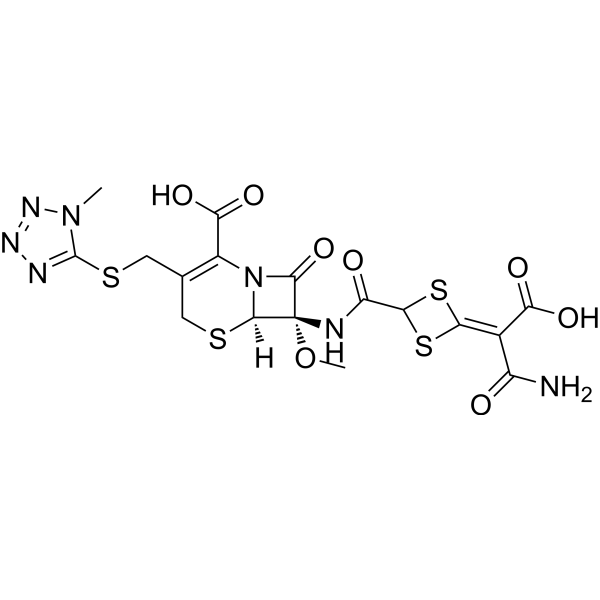
    Antibiotic Raf ERK Ras MEK Bacterial Infection
    Cefotetan is a binding agent that targets human Raf1 kinase inhibitor protein (hRKIP). Cefotetan binds to hRKIP, reduces the binding space between hRKIP and Raf1 kinase, relieves hRKIP's inhibition of the Ras/Raf1/MEK/ERK signaling pathway, and enhances ERK phosphorylation. Cefotetan can be used to study diseases associated with dysregulated Ras/Raf1/MEK/ERK signaling pathways. Cefotetan is also a broad-spectrum antibacterial agent that disrupts cell wall synthesis by binding to bacterial penicillin-binding proteins (PBPs). It is used to study bacterial infections such as bone, skin, urinary tract, and lower respiratory tract .
    Cefotetan
  • HY-P9992

    BAY-2315497; PSMA-TTC

    PSMA Apoptosis Cancer
    Peligifatamab is a PSMA-targeted α-radioimmunoconjugate with an EC50 of 1.2 nM against human targets. Peligifatamab induces DNA damage, DNA double-strand breaks, cell cycle arrest and apoptosis (Apoptosis) in PSMA-positive prostate cancer cells. Peligifatamab reduces cell viability in a manner dependent on cellular PSMA expression levels. Peligifatamab inhibits tumor growth and tumor-induced abnormal bone growth in prostate cancer bone metastasis models. Peligifatamab exhibits antitumor efficacy in subcutaneous prostate cancer models and xenograft models. Peligifatamab can be used for the research of metastatic castration-resistant prostate cancer .
    Pelgifatamab
  • HY-P99152

    Muromanab-CD3

    CD3 Interleukin Related IFNAR Inflammation/Immunology Cancer
    Muromonab (Muromonab-CD3; OKT3) is a mouse monoclonal antibody targeting the CD3 antigen. Muromonab specifically binds to the CD3 antigen on the surface of human and higher primate T cells. Muromonab blocks the function of T cell receptors to recognize foreign antigens and inhibits T cell-mediated immune responses, including cell-mediated lymphocyte lysis and T cell proliferation responses. Muromonab can be used to study acute kidney, liver, heart and combined kidney-pancreas transplant rejection, and can also be used to study graft-versus-host disease in bone marrow transplant patients .
    Muromonab
  • HY-N6588

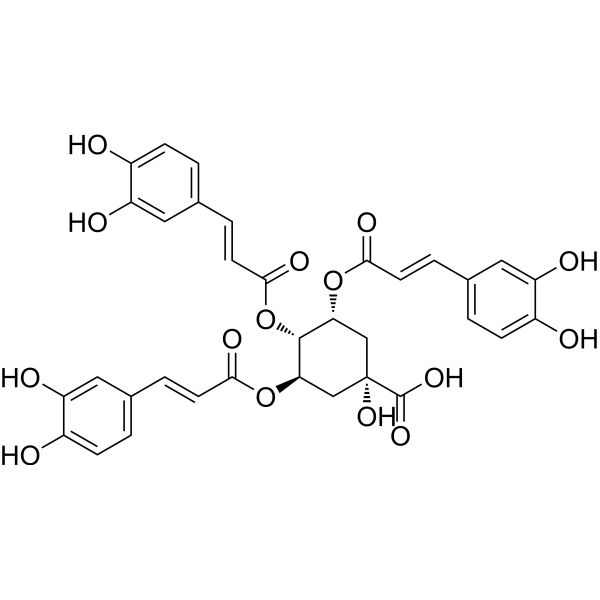
    3,4,5-triCQA

    Akt NF-κB Inflammation/Immunology Cancer
    3,4,5-Tricaffeoylquinic acid (3,4,5-triCQA) inhibits tumor necrosis factor-α-stimulated production of inflammatory mediators in keratinocytes via suppression of Akt- and NF-κB-pathways. 3,4,5-Tricaffeoylquinic acid induces cell cycle arrest at G0/G1, actin cytoskeleton organization, chromatin remodeling, neuronal differentiation, and bone morphogenetic protein signaling in human neural stem cells. 3,4,5-Tricaffeoylquinic acid has the potential for the research of aging-associated diseases .
    3,4,5-Tricaffeoylquinic acid
  • HY-P99781

    MLN-1202

    CCR Inflammation/Immunology Cancer
    Plozalizumab (MLN-1202) is a humanized anti-CCR2 IgG1 monoclonal antibody. Plozalizumab blocks the recruitment of myeloid cells to the tumor microenvironment by inhibiting the CCL2/CCR2 axis. In addition, Plozalizumab also ameliorates synovial inflammation in rheumatoid arthritis. Plozalizumab can be used in the research of malignant melanoma and bone metastasis-related cancers. Recommended isotype control: Human IgG1 kappa, Isotype Control (HY-P99001) .
    Plozalizumab
  • HY-19695
    (-)-p-Bromotetramisole oxalate
    1 Publications Verification

    L-p-Bromotetramisole oxalate; 6-Bromolevamisole oxalate

    Phosphatase Cancer
    (-)-p-Bromotetramisole oxalate (L-p-Bromotetramisole oxalate) is an alkaline phosphatase inhibitor. (-)-p-Bromotetramisole (oxalate) is applicable to research related to erythroleukemia .
    (-)-p-Bromotetramisole oxalate
  • HY-N7114A
    Chloramphenicol succinate sodium
    3 Publications Verification

    Bacterial P2Y Receptor Succinate Dehydrogenase Drug Intermediate Infection Inflammation/Immunology
    Chloramphenicol succinate sodium is a prodrug of Chloramphenicol (HY-B0239), acting as a P2Y14R inhibitor with an IC50 of 1.585 nM. Chloramphenicol succinate sodium serves as a competitive substrate and inhibitor of succinate dehydrogenase (SDH), which may account for its toxicity. Chloramphenicol succinate sodium exerts a significant inhibitory effect on colitis. Chloramphenicol succinate sodium can be used in research related to myelosuppression, gray baby syndrome, aplastic anemia, bacterial meningitis and inflammatory bowel disease .
    Chloramphenicol succinate sodium
  • HY-N0819
    Raddeanin A
    1 Publications Verification

    Apoptosis PI3K Akt ERK mTOR Wnt β-catenin Wee1 JNK VEGFR CDK Neurological Disease Inflammation/Immunology Cancer
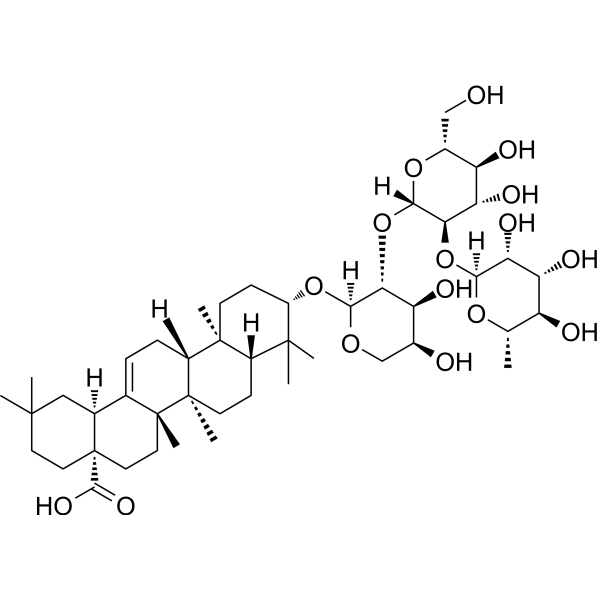
    Raddeanin A is an oleanane-type triterpenoid saponin with oral activity. Raddeanin A inhibits SRC, mTOR, JNK, VEGFR2, NLRP3 inflammasome, Wnt/β-catenin, Wee1, PI3K/AKT signaling pathway, MAPK/ERK signaling pathway, AR-FL, AR-Vs, and downregulates the expression of p-PI3K and p-AKT. Raddeanin A inhibits osteoclast formation, bone resorption, osteolysis, cancer cell invasion, migration, proliferation, angiogenesis and epithelial-mesenchymal transition, while induces apoptosis, cell cycle arrest, ROS production, immunogenic cell death and dendritic cell maturation. Raddeanin A improves blood-retinal barrier function, alleviates inflammation, regulates the tumor microenvironment, and enhances the activity of anti-PD-1 antibody. Raddeanin A is applicable to the research of breast cancer-associated osteolysis, human osteosarcoma, colorectal cancer, glioblastoma, Alzheimer's disease, cholangiocarcinoma, melanoma, non-small cell lung cancer, castration-resistant prostate cancer and multiple myeloma .
    Raddeanin A
  • HY-N5048

    6'-O-Galloyl paeoniflorin

    NF-κB ERK JNK Nuclear Factor of activated T Cells (NFAT) Keap1-Nrf2 PI3K Akt Reactive Oxygen Species (ROS) Apoptosis DNA/RNA Synthesis Infection Neurological Disease Metabolic Disease Inflammation/Immunology
    Galloylpaeoniflorin (6'-O-Galloyl paeoniflorin) is an orally active galloylated derivative of Paeoniflorin (HY-N0293) found in peony roots with various anti-inflammatory and antioxidant activities. Galloylpaeoniflorin suppresses RANKL-induced activation of ERK, JNK, c-Fos, c-Jun, and NFATc1, and reduces osteoclast-specific gene expression. Galloylpaeoniflorin activates Nrf2 and PI3K/Akt pathways, inhibits NF-κB activation, and scavenges ROS to reduce oxidative DNA, lipid, and protein damage. Galloylpaeoniflorin attenuates neuroinflammation, inhibits apoptosis, reduces Helicobacter pylori-induced gastric mucosa injury and UVB-induced cell damage. Galloylpaeoniflorin can be used for the research of osteoporosis, gastritis, ischemic stroke and skin diseases .
    Galloylpaeoniflorin
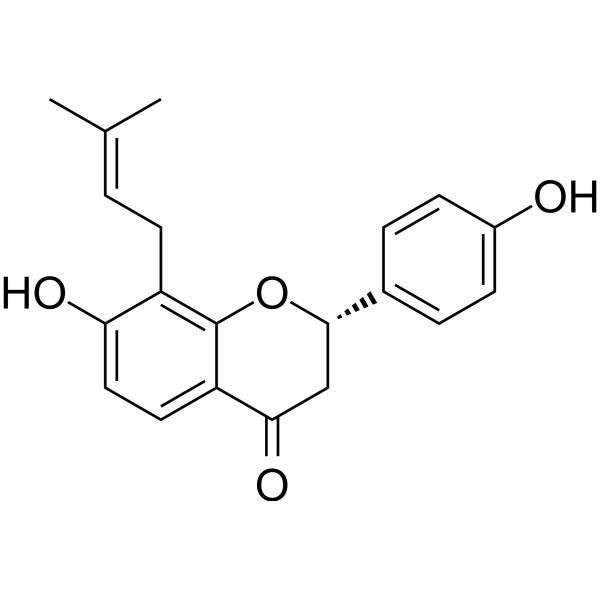
  • HY-N0762
    Isobavachin
    5 Publications Verification

    Cytochrome P450 UGT p38 MAPK NF-κB NO Synthase COX Fc Receptor (FcR) RANKL/RANK Keap1-Nrf2 Reactive Oxygen Species (ROS) Apoptosis Autophagy Neurological Disease Metabolic Disease Inflammation/Immunology Cancer
    Isobavachin is an orally active, blood-brain barrier-penetrating prenylated flavonoid present in Psoralea corylifolia. Isobavachin inhibits human CYP2B6, CYP2C9, CYP2C19, UGT1A1, UGT1A9, and UGT2B7. Isobavachin suppresses MAPK activation, NF-κB nuclear translocation, overexpression of iNOS/COX-2, FcεRI-mediated signaling pathways, and RANKL-induced osteoclastogenesis. Isobavachin induces autophagy, cytotoxicity, neuronal differentiation, and NRF2 activation; it alleviates oxidative damage, inflammatory responses, apoptosis, iron accumulation, mitochondrial biogenesis, and mast cell degranulation. Isobavachin is applicable to research related to liver injury, inflammatory diseases, osteoporosis, liver cancer, prostate cancer, glioma, periodontitis-induced bone loss, and Alzheimer's disease .
    Isobavachin
  • HY-P5558

    VEGFR Neurological Disease
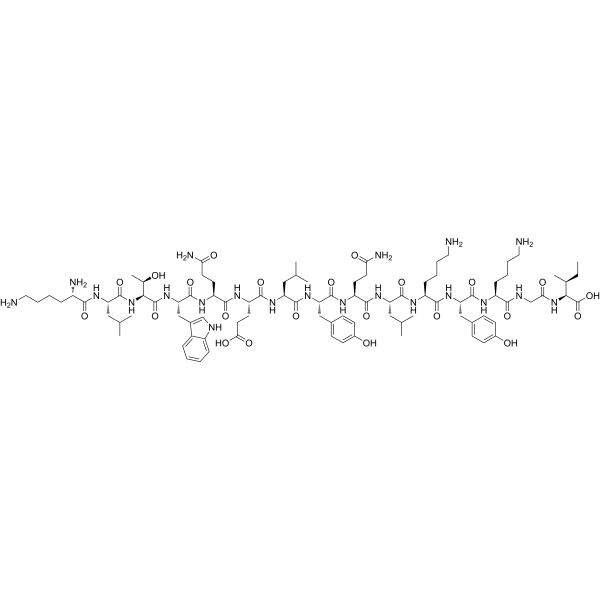
    KLTWQELYQLKYKGI is a VEGF mimetic peptide designed based on the VEGF helix sequence 17-25, with the ability to activate VEGF receptors and exert pro-angiogenic biological activity. KLTWQELYQLKYKGI effectively promotes the attachment, spreading and proliferation of human umbilical vein endothelial cells. KLTWQELYQLKYKGI enhances the proliferation, migration and osteogenic differentiation of bone marrow stromal cells (BMSCs). KLTWQELYQLKYKGI synergistically accelerates angiogenesis and bone regeneration in rat cranial defect models. KLTWQELYQLKYKGI can be used for the research of brain tissue engineering and traumatic brain injury repair and biomaterials for bone tissue engineering and bone repair .
    KLTWQELYQLKYKGI
  • HY-P99291

    LM609; MEDI-522

    Integrin Apoptosis Akt Cancer
    Etaracizumab (LM 609) is an αvβ3 integrin IgG mAb. Etaracizumab is developed to target αvβ3+ cancer cells via NK cell-mediated cytotoxicity. Etaracizumab sterically hinders access of large ligands to the RGD-binding pocket, without obstructing it. Etaracizumab decreases p-Akt in vitro. Etaracizumab can decrease cancer proliferation and invasion. Etaracizumab induces tumor cell apoptosis, and inhibition ofαvβ3-mediated cell adhesion, endothelial cell migration and osteoclast-mediated bone resorption. Etaracizumab can be studied in anti-tumor research against cancers such as ovarian cancer, metastatic melanoma as well as advanced solid tumors. Recommend Isotype Control: Human IgG1 kappa, Isotype Control (HY-P99001) .
    Etaracizumab
  • HY-15130

    Endogenous Metabolite Metabolic Disease
    DL-O-Phosphoserine is a normal metabolite in human biofluids and is a mixture of phosphoserine with two stereochemical structures (D-type and L-type O-phospho-serine). O-phospho-L-serine is a competitive inhibitor of serine racemase and phagocytosis. O-phospho-L-serine inhibits the enzymatic reaction by competing with the active site of serine racemase, thereby affecting the production of D-serine. O-phospho-L-serine also mimics the phosphatidylserine head group, binds to the phosphatidylserine receptor, interferes with phagocytic signal transduction, and partially blocks the phagocytosis of apoptotic cells by cells. O-phospho-L-serin can be used in the research of retinal regeneration, bone repair, and insect growth and development .
    DL-O-Phosphoserine
  • HY-119443

    Phosphatase Metabolic Disease
    Neridronate is an aminobisphosphonate. Neridronate induces osteoblast differentiation, enhances alkaline phosphatase activity and mineralized nodule formation. Neridronate inhibits endothelial cell proliferation, fibroblast growth factor-2-induced capillary-like tube formation, and angiogenesis. Neridronate can be used for osteogenesis imperfecta and Paget’s disease of bone .
    Neridronate
  • HY-P11328

    Integrin Others
    GFOGER peptide is an artificially synthesized collagen-mimetic sequence. GFOGER peptide acts as a ligand for α2β1, α11β1 and α1β1 integrins, thereby supporting integrin-mediated cell adhesion to collagen. GFOGER peptide triggers signaling pathways mediated by the α2β1 integrin receptor and upregulates osteoblast differentiation. GFOGER peptide accelerates and enhances bone formation at sites of refractory femoral defects. GFOGER peptide can be passively adsorbed onto polymer scaffolds for cell-free/growth factor-free bone formation. GFOGER peptide is used in biomaterials such as hydrogels and 3D bioinks for tissue engineering research including bone formation .
    GFOGER peptide
  • HY-144012

    16:0 PEG2000 PE ammonium; 1,2-Dipalmitoyl-sn-glycero-3-phosphoethanolamine-N-[methoxy(polyethylene glycol)-2000] ammonium

    Liposome Others
    DPPE-PEG2000 ammonium (16:0 PEG5000 PE) is a polymer-lipid conjugate and LipoParticle stabilizer with a PEG chain of 5,000 g/mol molecular weight attached to its polar head, and it can be internalized by biological membranes. DPPE-PEG2000 ammonium enables LipoParticle to maintain colloidal stability after 20-fold dilution in PBS or cell culture medium, and prevents aggregate formation during lyophilization and rehydration. DPPE-PEG2000 ammonium helps enhance the non-cytotoxic property of LipoParticle formulations against human osteoblasts. DPPE-PEG2000 ammonium serves as a PEG lipid functional end group for synthesizing liposomes (LPs), is used in the design of conjugated polymer nanoparticles, and applies to research related to bone and joint infections .
    DPPE-PEG2000 ammonium
  • HY-B1016

    AR-12008

    PDGFR Phosphodiesterase (PDE) Prostaglandin Receptor Cardiovascular Disease Neurological Disease
    Trapidil (AR-12008) is an orally active vasodilator and antiplatelet agent. Trapidil antagonizes platelet-derived growth factor (PDGF), inhibits phosphodiesterase, thromboxane A2 synthesis and pro-inflammatory cytokine production. Trapidil promotes prostacyclin biosynthesis, reduces lipid peroxidation, regulates nitric oxide metabolism, and inhibits cell proliferation and migration. Trapidil exerts tissue-protective effects, regulates bone turnover, and inhibits pyroptosis via the GPX3/Nrf2 pathway. Trapidil is applicable to research related to renal ischemia-reperfusion injury, chronic stable angina, restenosis, meningioma, diabetic cardiomyopathy and peripheral nerve crush injury .
    Trapidil
  • HY-144012H

    16:0 PEG5000 PE; 1,2-Dipalmitoyl-sn-glycero-3-phosphoethanolamine-N-[methoxy(polyethylene glycol)-5000] ammonium

    Liposome Others
    DPPE-PEG5000 (16:0 PEG5000 PE) is a polymer-lipid conjugate and LipoParticle stabilizer with a PEG chain of 5,000 g/mol molecular weight attached to its polar head, and it can be internalized by biological membranes. DPPE-PEG5000 enables LipoParticle to maintain colloidal stability after 20-fold dilution in PBS or cell culture medium, and prevents aggregate formation during lyophilization and rehydration. DPPE-PEG5000 helps enhance the non-cytotoxic property of LipoParticle formulations against human osteoblasts. DPPE-PEG5000 serves as a PEG lipid functional end group for synthesizing liposomes (LPs), is used in the design of conjugated polymer nanoparticles, and applies to research related to bone and joint infections .
    DPPE-PEG5000
  • HY-P990552A

    PAI-1 Integrin Cancer
    huATN-658 is an inhibitor that specifically targets the DIII domain of human urokinase plasminogen activator receptor (uPAR). huATN-658 neutralizes uPAR function by blocking the interaction between uPAR and integrins, without interfering with the binding of uPA or vitronectin to uPAR. huATN-658 inhibits the proliferation and invasion of breast cancer cells, slows the growth of primary breast tumors, reduces breast cancer-induced bone lesions and decreases osteoclast activity. huATN-658 also alters the gene expression of the TGF-β receptor complex signaling pathway. huATN-658 exerts synergistic anticancer effects when combined with Zoledronic Acid (HY-13777), and does not cause physiological or behavioral abnormalities in immunodeficient mice. huATN-658 can be used in research related to breast cancer, metastatic breast cancer and breast cancer-induced bone disease .
    huATN-658
  • HY-P11460

    Drug Derivative Infection
    Vectofusin-1 is a histidine-rich cationic amphipathic peptide derived from the LAH4 (HY-P0311) peptide family, and also acts as a Viral entry enhancer. Vectofusin-1 promotes the adhesion and fusion of retroviral/lentiviral vectors with cell membranes during viral entry, thereby improving transduction efficiency. Vectofusin-1 potently enhances lentiviral transduction of cells .
    Vectofusin-1
  • HY-P10086
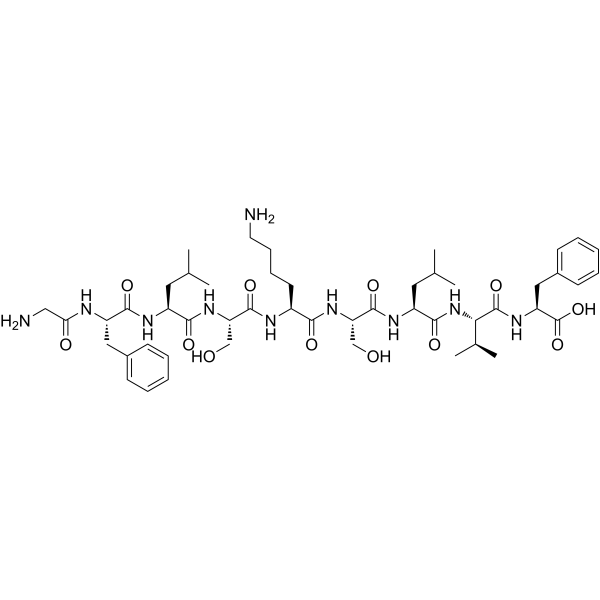
    TREM-1 inhibitory peptide GF9
    1 Publications Verification

    human TREM-1(213-221)

    TREM receptor TNF Receptor Interleukin Related c-Fms Neurological Disease Inflammation/Immunology Cancer
    TREM-1 inhibitory peptide GF9 (Human TREM-1 (213-221)) is a TREM-1 inhibitor. TREM-1 inhibitory peptide GF9 blocks the TREM-1 signaling pathway via a ligand-independent mechanism, spontaneously inserts into the cell membrane to dissociate TREM-1 from DAP-12, and functions through the Signaling Chain Homooligomerization (SCHOOL) model. TREM-1 inhibitory peptide GF9 reduces the levels of TNFα, IL-1β, IL-6, and M-CSF. TREM-1 inhibitory peptide GF9 inhibits tumor growth, prolongs the survival of mice with pancreatic cancer models, ameliorates collagen-induced arthritis, and exerts protective effects on bone and cartilage simultaneously. TREM-1 inhibitory peptide GF9 can be used in research related to arthritis, pancreatic cancer, retinopathy, alcoholic liver disease, and liver cancer .
    TREM-1 inhibitory peptide GF9
  • HY-101960A

    AG-183

    EGFR Cancer
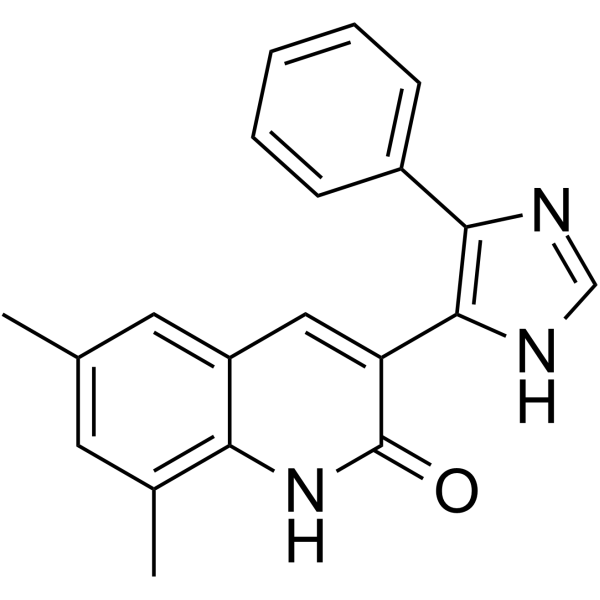
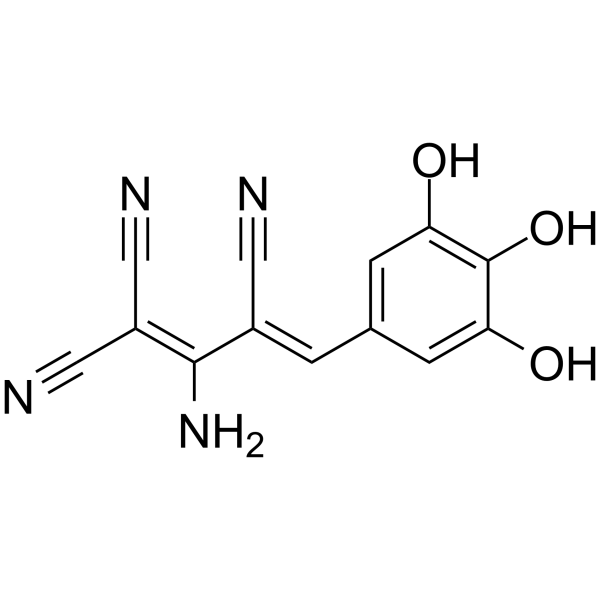
    Tyrphostin A51 is a potent protein tyrosine kinase (PTK) inhibitor. Tyrphostin A51 inhibits the volume-dependent release of [ 3H]taurine in a dose-dependent manner. Tyrphostin A51 markedly reduces cellular tyrosyl phosphorylation level. Tyrphostin A51 inhibits both basal and EGF-induced human bone cell proliferation .
    Tyrphostin A51
  • HY-128591
    DIPQUO
    2 Publications Verification

    Phosphatase Metabolic Disease
    DIPQUO is an activator of the bone marker alkaline phosphatase (ALP), with an EC50 of 6.27 μM in C2C12 cells. DIPQUO promotes mouse and human osteoblast differentiation via activation of p38 MAPK-β .
    DIPQUO
  • HY-P11087

    Collagen Others
    P15 is a collagen mimetic peptide with the sequence of GTPGPQGIAGQRGVV. P15 can mimic the cell-binding domain of human type I collagen. P15 is capable of promoting the adhesion, proliferation, and differentiation of osteoblasts. Biomaterials modified with P15 can be used in research related to bone regeneration .
    P15
  • HY-106850

    AzdU; AzddU; CS-87

    HIV Infection
    3′-Azido-2′,3′-dideoxyuridine (AzdU) is a nucleoside analog of Zidovudine (HY-17413). 3′-Azido-2′,3′-dideoxyuridine is a potent inhibitor of human immunodeficiency virus (HIV) replication in human peripheral blood mononuclear cells (PBMC) with limited toxicity for human bone marrow cells (BMC) . 3′-Azido-2′,3′-dideoxyuridine is a click chemistry reagent, it contains an Azide group and can undergo copper-catalyzed azide-alkyne cycloaddition reaction (CuAAc) with molecules containing Alkyne groups. It can also undergo strain-promoted alkyne-azide cycloaddition (SPAAC) reactions with molecules containing DBCO or BCN groups.
    3′-Azido-2′,3′-dideoxyuridine
  • HY-N1746

    2'-O-Methylkurarinone

    RANKL/RANK Metabolic Disease Inflammation/Immunology Cancer
    (2S)-2'-Methoxykurarinone, a compound isolated from the roots of Sophora flavescens, has anti-inflammatory, antipyretic, antidiabetic, and antineoplastic effects. (2S)-2'-Methoxykurarinone (MK) inhibits osteoclastogenesis and bone resorption through down-regulation of RANKL signaling. (2S)-2'-Methoxykurarinone (MK) displays cytotoxic activity against human myeloid leukemia HL-60 cells .
    (2S)-2'-Methoxykurarinone
  • HY-P2612

    TNF Receptor RANKL/RANK Apoptosis Inflammation/Immunology
    WP9QY is an inhibitor targeting TNFα and RANKL, which blocks the TNFα-TNFR1 interaction and inhibits TNFα-mediated apoptosis, cytotoxicity and bone destruction. WP9QY inhibits osteoclastogenesis and promotes osteoblast differentiation, induces chondrocyte proliferation and glycosaminoglycan production, and synergizes with TGF-β3 to promote chondrogenesis. WP9QY effectively repairs full-thickness articular cartilage defects in rabbits via intra-articular injection, and inhibits methylmercury-induced reduction of NeuN-positive cells in mouse brain slices. WP9QY can be applied to the research of diseases related to methylmercury-induced neuronal death, cartilage injury, osteoarthritis and bone loss .
    WP9QY
  • HY-142026

    (+)-Vitisin A

    Caspase ERK NF-κB Influenza Virus PAK LDLR PPAR PCSK9 Androgen Receptor Keap1-Nrf2 Monoamine Oxidase Cholinesterase (ChE) IKK Wnt β-catenin Reactive Oxygen Species (ROS) Apoptosis Cuproptosis Infection Neurological Disease Metabolic Disease Inflammation/Immunology Cancer
    Vitisin A ((+)-Vitisin A) is an orally active natural product with multiple pharmacological activities including anti-inflammatory, anti-tumor, anti-oxidant, anti-pathogenic microorganism, hypoglycemic and lipid-regulating, anti-osteoporotic, neuroprotective and cardiovascular protective effects. Vitisin A exhibits inhibitory effects on human AChE and MAO-B with IC50 values of 1.29 µM and 4.94 µM, respectively. Vitisin A inhibits the ERK, MAPK, NF-κB, STAT1, HMGCR and TRAF6 pathways, downregulates the related phosphorylation and protein expression, while activates the Nrf2/HO-1 pathway and upregulates p21 expression. Vitisin A induces tumor cell apoptosis and cell cycle arrest, inhibits adipogenesis and lipid accumulation, while alleviates oxidative stress, suppresses inflammatory responses, blocks hepatic fibrosis, Cuproptosis and cholesterol synthesis, and increases the expression levels of central BDNF and TrkB. Vitisin A can be used in the research of tumors, infectious diseases, metabolic diseases, bone and joint diseases, liver diseases, skin injuries, as well as neurodegenerative and cognitive dysfunction-related diseases .
    Vitisin A
  • HY-P2588

    Osteocalcin (1-49) (human)

    Endogenous Metabolite Metabolic Disease Cancer
    Osteocalcin (Osteocalcin (1-49)) (human) is a vitamin K-dependent bone specific protein. Osteocalcin (human) is chemotactic for several of the cell types frequently found at bone remodeling surfaces .
    Osteocalcin (human)
  • HY-124478

    Ethyl 2,5-dihydroxybenzoate

    Phosphatase Metabolic Disease
    Ethyl gentisate (Ethyl 2,5-dihydroxybenzoate) is a dual modulator for cell differentiation, that enhances the osteogenic differentiation of human mesenchymal stem cells (hMSCs) and alkaline phosphatase activity, inhibits RANKL-activated osteoclastogenesis in RAW264.7 cells, and balances the bone remodeling process .
    Ethyl gentisate
  • HY-163707

    Apoptosis Cancer
    UR778Br targets the GTPase-activating protein-related domain (GRD domain) of IQGAP1 proteins. UR778Br inhibits the proliferation of human acute myeloid leukemia (AML), arrests the cell cycle at the G2/M phase, and induces apoptosis. UR778Br inhibits colony formation of primary and AML cells, without significant impacts on normal bone marrow cells .
    UR778Br
  • HY-110218
    CW 008
    2 Publications Verification

    PKA Epigenetic Reader Domain Others
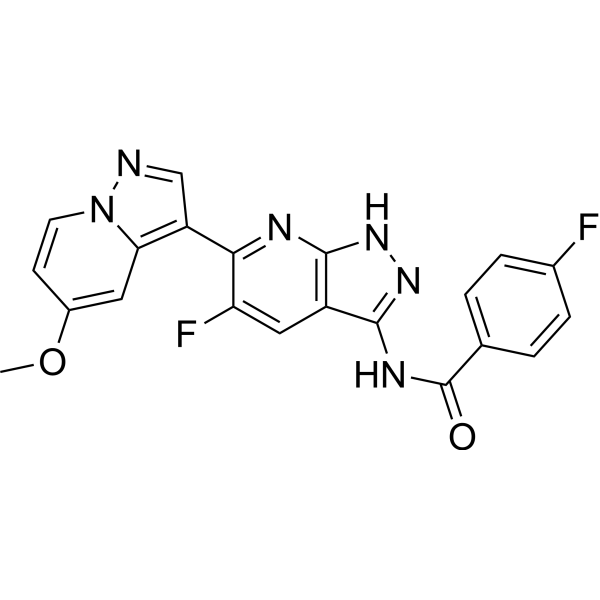
    CW 008, a derivative of pyrazole-pyridine, is a CREB or PKA pathway agonist. CW 008 also is a stem cell differentiating agent. CW 008 stimulates osteoblast differentiation of human MSCs and increases bone formation in ovariectomized mice. CW008 promotes osteogenesis by activating cAMP/PKA/CREB signaling pathway and inhibiting leptin secretion .
    CW 008
  • HY-P991517

    Transmembrane Glycoprotein Reactive Oxygen Species (ROS) Cardiovascular Disease Cancer
    BI-836858 is a fully human anti-CD33 monoclonal antibody. BI-836858 reduces CD33+ cells via antibody-dependent cellular cytotoxicity (ADCC), blocks downstream signaling of S100A9/CD33, decreases the secretion of immunosuppressive cytokines and reactive oxygen species-induced genomic instability, and restores bone marrow hematopoietic function. BI-836858 is applicable to the research of myelodysplastic syndrome (MDS) and AML .
    BI-836858
  • HY-P990144

    Integrin Inflammation/Immunology Cancer
    Anti-Mouse/Human VLA-4/CD49d Antibody (PS/2) is an anti-mouse/human VLA-4/CD49d IgG2b monoclonal antibody. Anti-Mouse/Human VLA-4/CD49d Antibody (PS/2) can reduce VLA-4 positive cells. Anti-Mouse/Human VLA-4/CD49d Antibody (PS/2) can inhibit the migration of Tc1 cells to tumors. Anti-Mouse/Human VLA-4/CD49d Antibody (PS/2) inhibits the retention of leukemia cells in the spleen and bone marrow by blocking VLA-4. Anti-Mouse/Human VLA-4/CD49d Antibody (PS/2) can be used for research on inflammation conditions and cancer such as experimental autoimmune encephalomyelitis (EAE), melanoma and leukemia .
    Anti-Mouse/Human VLA-4/CD49d Antibody (PS/2)
  • HY-113790

    PPAR FABP Others
    ISX-1 is an isoxazole. ISX-1 has anti-adipogenic and pro-osteogenic activities. ISX-1 can be used for the research of osteopenia and osteoporosis .
    ISX-1
  • HY-101188

    Histamine Receptor Infection
    INCB38579 is an orally active, highly brain penetrable, and selective histamine H4 receptor (HH4R) antagonist (hH4R IC50=4.8 nM, mH4R IC50=42 nM, rH4R IC50=32 nM). INCB38579 shows anti-inflammatory pain and anti-pruritic activities .
    INCB38579
  • HY-120314

    Apoptosis Caspase Endogenous Metabolite Inflammation/Immunology
    GEA 3162 is an orally active compound that acts as a NO/ONOO⁻ donor. GEA 3162 significantly inhibits the activation of human polymorphonuclear leukocytes (PMNs) through the cGMP pathway, inhibits the release of inflammatory mediators, and exerts anti-inflammatory and protective effects. GEA 3162 induces apoptosis of neutrophils and bone marrow cells by activating caspase-2/3/8/9 through the ONOO⁻ pathway. GEA 3162 has a bidirectional effect in the rat gastric ulcer model: at low doses, it significantly reduces gastric mucosal damage, while at high doses, it aggravates the ulcer area. GEA 3162 can be used for research on inflammatory conditions such as gastric ulcers .
    GEA 3162
  • HY-170788

    Phosphodiesterase (PDE) Metabolic Disease
    PDE7A-IN-1 is an orally active and selective PDE7A inhibitor with an IC50 of 0.0037 μM against PDE7A. PDE7A-IN-1 shows excellent isozyme selectivity over PDE7B. PDE7A-IN-1 elevates intracellular cAMP levels, suppresses ECR5 enhancer activity and reduces sclerostin expression. PDE7A-IN-1 significantly increases bone mineral density in rats. PDE7A-IN-1 can be used for the study of osteoporosis .
    PDE7A-IN-1
  • HY-126346

    GPR84 Inflammation/Immunology
    DL-175 (compound 13) is a selective GPR84 agonist with biased agonistic activity. DL-175 can selectively activate functional responses in immune cells and induce enhanced chemotaxis and phagocytosis of human bone marrow cells. DL-175 is a potential chemical probe .
    DL-175
  • HY-147011

    Fat Mass and Obesity-associated Protein (FTO) Cancer
    FTO-IN-7 (compound 17) is an inhibitor of FTO (fat mass and obesity-associated protein) with an IC50 of <1 μM. FTO-IN-7 can be used for the study of small-cell lung cancers and human bone marrow striated muscle cancer .
    FTO-IN-7
  • HY-P4866

    Integrin Transglutaminase Akt p38 MAPK ERK Caspase Apoptosis Cardiovascular Disease Metabolic Disease Inflammation/Immunology
    Q-Peptide is an angiopoietin-1 derived peptide (QHREDGS). Q-Peptide interacts with β1-integrin, binds to integrins on the surface of osteoblasts, and serves as an acyl donor substrate for Streptomyces mobaraensis transglutaminase. Q-Peptide activates Akt, MAPKp42/44, ILK, ERK1/2, and downregulates caspase-3/7. Q-Peptide inhibits cell apoptosis, enhances cell adhesion and migration, and promotes osteoblast differentiation, bone matrix deposition and mineralization. Q-Peptide can be used in studies related to myocardial infarction, bone regeneration, diabetic wound repair and human induced pluripotent stem cells .
    Q-Peptide
  • HY-173070

    Toll-like Receptor (TLR) IFNAR PD-1/PD-L1 ADC Payload Inflammation/Immunology Cancer
    TLR7 agonist 29 (Compound 1) is the agonist for TLR7 with an EC50 of 5.2 nM for human TLR7 (EC50 for mouse TLR7 is 48.2 nM). TLR7 agonist 29 activates bone marrow-derived macrophages (BMDMs), stimulates myeloid cells in the tumor microenvironment, promotes the expression of PD-L1, CD86 and IFN-α. TLR7 agonist 29 can be used as payload for synthesis of ADC .
    TLR7 agonist 29

Inquiry Online

Your information is safe with us. * Required Fields.

Salutation


Country or Region *

Applicant Name *


Organization Name *

Department *


Email Address *


Product Name *

Cat. No.


Requested quantity *

Phone Number *


Remarks

Inquiry Online

Inquiry Information

Product Name:
Cat. No.:
Quantity:
MCE Japan Authorized Agent:

