1. Search Result
Search Result
Pathways Recommended: Stem Cell/Wnt Cell Cycle/DNA Damage
Results for "

human mast cell

" in MedChemExpress (MCE) Product Catalog:

40

Inhibitors & Agonists

6

Peptides

4

Inhibitory Antibodies

9

Natural
Products

26

Recombinant Proteins

6

Antibodies

1

Oligonucleotides

Cat. No. Nombre del producto Target Áreas de investigación Chemical Structure
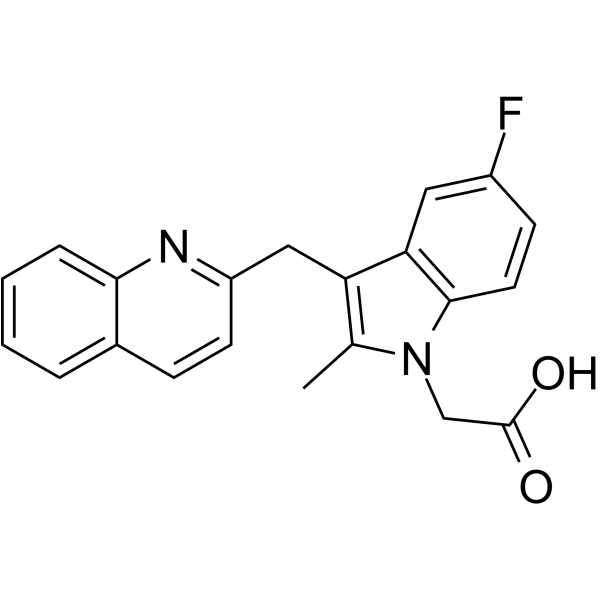
  • HY-19989
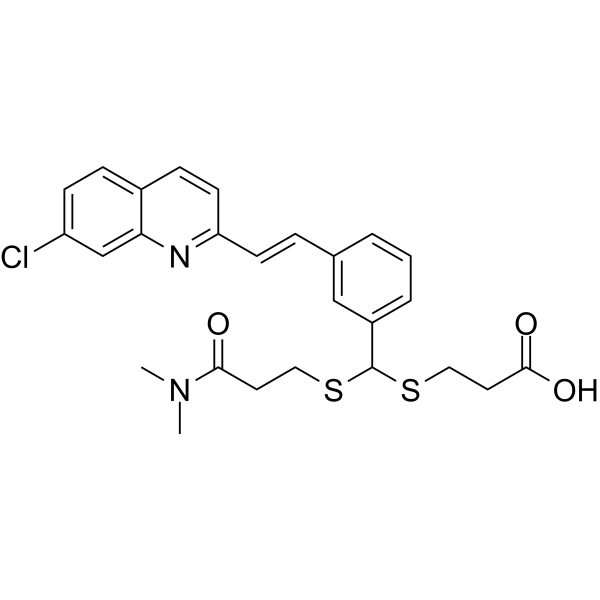
    MK-571
    Maximum Cited Publications
    33 Publications Verification

    L-660711

    P-glycoprotein LPL Receptor Leukotriene Receptor Inflammation/Immunology
    MK-571 (L-660711) is an orally active, potent and selective competitive leukotriene D4 (LTD4) receptor antagonist, with Ki values of 0.22 and 2.1 nM in guinea pig and human lung membranes, respectively. MK-571 is also a MRP4 and ABCC1 (MRP1) inhibitor. MK-571 inhibits constitutive and antigen-stimulated S1P (sphingosine-1-phosphate) release .
    MK-571
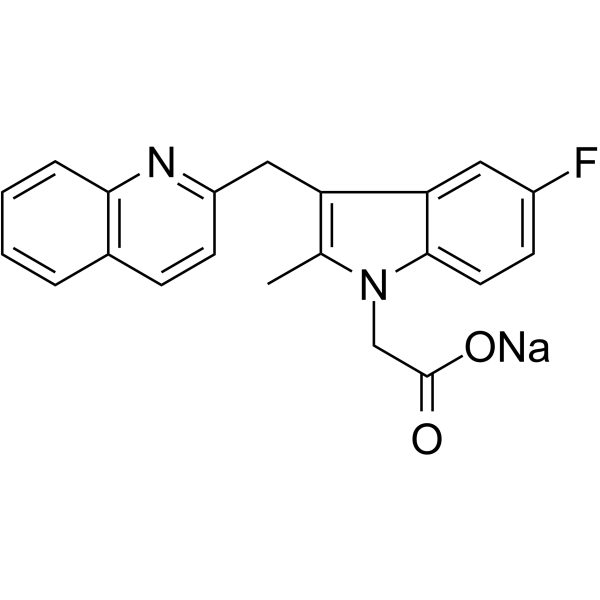
  • HY-19989A
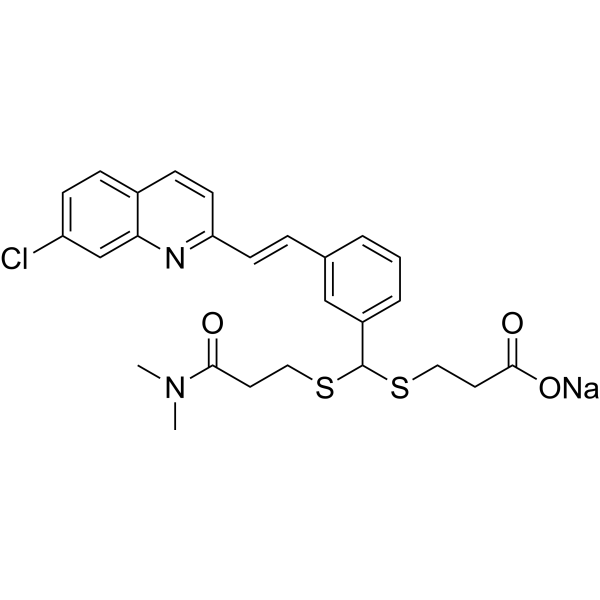
    MK-571 sodium
    Maximum Cited Publications
    33 Publications Verification

    L-660711 sodium

    P-glycoprotein LPL Receptor Leukotriene Receptor Inflammation/Immunology
    MK-571 (L-660711) sodium is an orally active, potent and selective competitive leukotriene D4 (LTD4) receptor antagonist, with Ki values of 0.22 and 2.1 nM in guinea pig and human lung membranes, respectively. MK-571 sodium is also a inhibitor of multidrug resistance-associated protein MRP4 (ABCC4) and ABCC1 (MRP1). MK-571 sodium inhibits constitutive and antigen-stimulated S1P (sphingosine-1-phosphate) release .
    MK-571 sodium
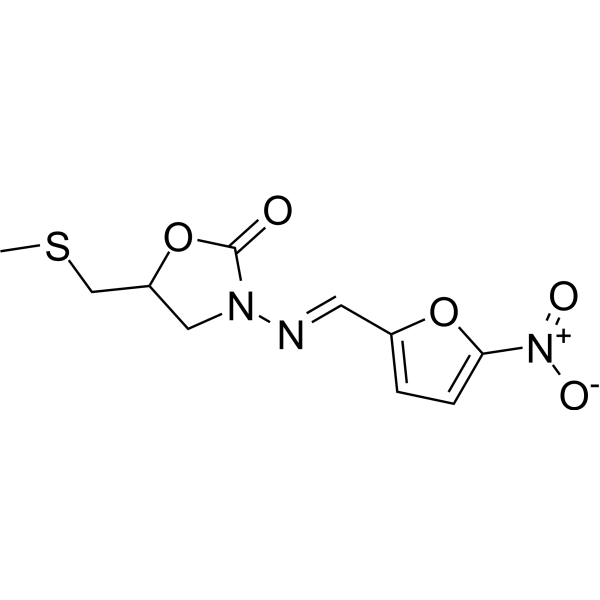
  • HY-A0059
    Nifuratel
    3 Publications Verification

    NF 113; SAP 113; Methylmercadone

    Bacterial Parasite Antibiotic Fungal Apoptosis STAT Interleukin Related TNF Receptor Infection Inflammation/Immunology Cancer
    Nifuratel (NF 113) is an orally active broad-spectrum antibiotic with antiprotozoal, antibacterial, anticancer and anti-inflammatory activities, and has good inhibitory effects on Candida and Trichomonas. Nifuratel is also a STAT3 inhibitor, which significantly inhibits the growth and proliferation of human gastric cancer cells and induces apoptosis. In addition, Nifuratel also inhibits mast cell-mediated antigen hypersensitivity reactions and can be used in the study of IgE-mediated allergic diseases .
    Nifuratel
  • HY-130592
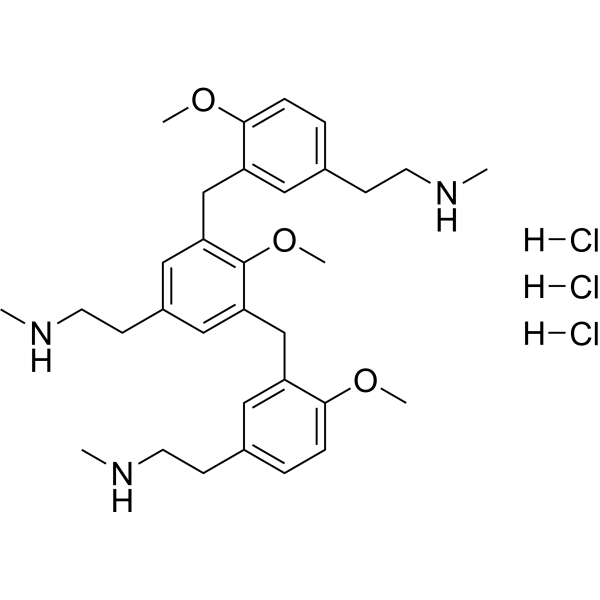
    Compound 48/80 trihydrochloride
    5 Publications Verification

    C48/80 trihydrochloride

    Phospholipase Neurological Disease
    Compound 48/80 trihydrochloride (C48/80 trihydrochloride) is a mixture of condensation products of N-methyl-p-methoxyphenethylamine with formaldehyde. Compound 48/80 trihydrochloride is also a histamine releaser and a mast cell degranulator. Compound 48/80 inhibits phosphatidylinositol-specific phospholipase C activity from human platelets .
    Compound 48/80 trihydrochloride
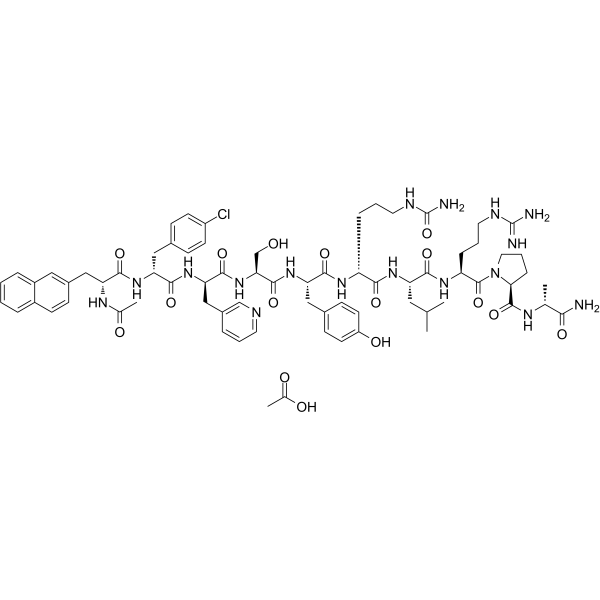
  • HY-P991636

    Transmembrane Glycoprotein Inflammation/Immunology
    AK006 is a humanized IgG1 monoclonal antibody agonist targeting Sialic acid-binding immunoglobulin-like lectin6 (Siglec-6). AK006 potently inhibits IgE-mediated human mast cell activation. AK006 can be used for inflammatory diseases like chronic urticaria (CU) and asthma research .
    AK006
  • HY-P99371

    AK002; Antolimab

    Apoptosis Inflammation/Immunology
    Lirentelimab (AK002) is a humanized IgG1 monoclonal antibody that targets sialic acid-binding Ig-like lectin 8 (SIGLEC8). Lirentelimab induces cell apoptosis of IL-5-activated eosinophils and inhibits IgE-mediated mast cell activation. Lirentelimab can be used for the research of eosinophilic gastritis and duodenitis .
    Lirentelimab
  • HY-N0762
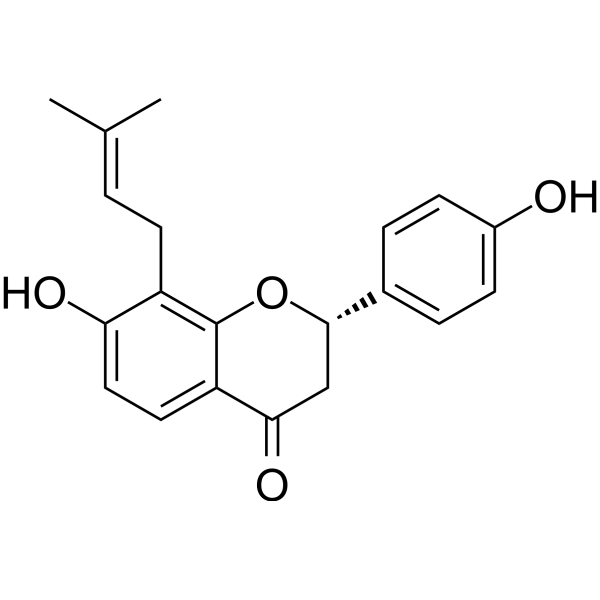
    Isobavachin
    5 Publications Verification

    Cytochrome P450 UGT p38 MAPK NF-κB NO Synthase COX Fc Receptor (FcR) RANKL/RANK Keap1-Nrf2 Reactive Oxygen Species (ROS) Apoptosis Autophagy Neurological Disease Metabolic Disease Inflammation/Immunology Cancer
    Isobavachin is an orally active, blood-brain barrier-penetrating prenylated flavonoid present in Psoralea corylifolia. Isobavachin inhibits human CYP2B6, CYP2C9, CYP2C19, UGT1A1, UGT1A9, and UGT2B7. Isobavachin suppresses MAPK activation, NF-κB nuclear translocation, overexpression of iNOS/COX-2, FcεRI-mediated signaling pathways, and RANKL-induced osteoclastogenesis. Isobavachin induces autophagy, cytotoxicity, neuronal differentiation, and NRF2 activation; it alleviates oxidative damage, inflammatory responses, apoptosis, iron accumulation, mitochondrial biogenesis, and mast cell degranulation. Isobavachin is applicable to research related to liver injury, inflammatory diseases, osteoporosis, liver cancer, prostate cancer, glioma, periodontitis-induced bone loss, and Alzheimer's disease .
    Isobavachin
  • HY-15342
    Timapiprant
    4 Publications Verification

    OC000459

    Prostaglandin Receptor Inflammation/Immunology Endocrinology
    Timapiprant (OC000459) is a potent, selective, and orally active D prostanoid receptor 2 (DP2, also known as CRTH2) antagonist. Timapiprant (OC000459) potently displaces [ 3H] PGD2 from human recombinant DP2 (Ki=13 nM), rat recombinant DP2 (Ki=3 nM), and human native DP2 (Ki=4 nM). Timapiprant (OC000459) inhibits mast cell activation of Th2 lymphocytes and eosinophils .
    Timapiprant
  • HY-19393

    Phosphodiesterase (PDE) Cardiovascular Disease Inflammation/Immunology Cancer
    SCH 351591 is a highly selective, orally active PDE4 inhibitor, with IC50 values of 58 nM and 153 nM in humans and rats, respectively. SCH 351591 effectively inhibits pathological processes such as cytokine production, eosinophilia, airway hyperresponsiveness and bronchospasm. SCH 351591 also induces microvascular injury, activates mast cells and endothelial cells, and causes increases in serum histamine and various inflammatory factors, leading to early vascular damage. SCH 351591 has been widely used in studies related to asthma, chronic obstructive pulmonary disease and drug-induced vascular injury .
    SCH 351591
  • HY-123205

    KW-4354

    Histamine Receptor P2X Receptor 5-HT Receptor Apoptosis PERK p38 MAPK COX Inflammation/Immunology
    Oxatomide (KW-4354) is an orally active dual antagonist of the H1-histamine receptor and the P2X7 receptor, as well as an inhibitor of serotonin. Oxatomide possesses antihistaminic, antiallergic and anti-inflammatory activities. Oxatomide can be used in the research of allergic diseases .
    Oxatomide
  • HY-P4476
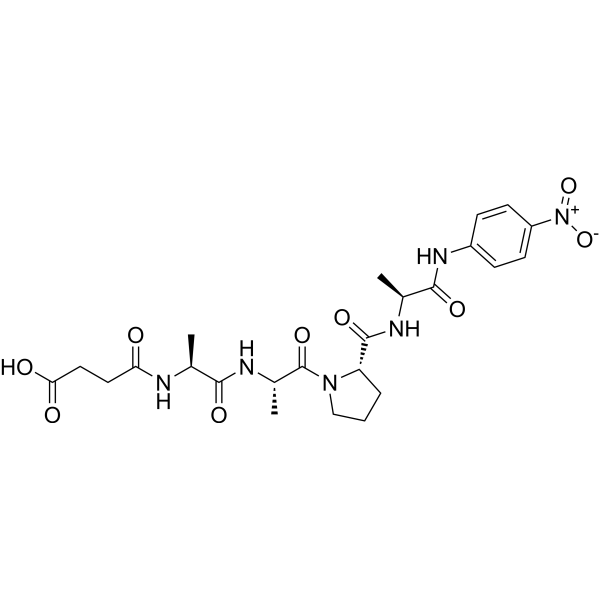
    Suc-AAPA-pNA
    1 Publications Verification

    Ser/Thr Protease Others
    Suc-AAPA-pNA is a substrate for chymotrypsin A and elastase. Suc-AAPA-pNA can be used for enzyme activity assay .
    Suc-AAPA-pNA
  • HY-N4126
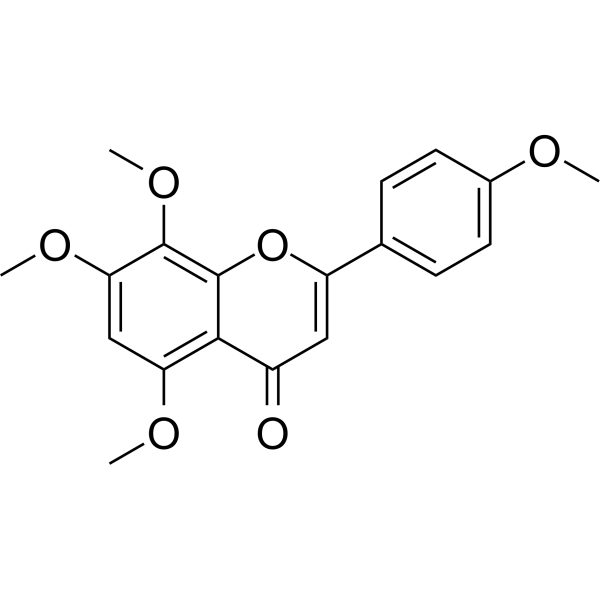
    6-Demethoxytangeretin
    1 Publications Verification

    Anaplastic lymphoma kinase (ALK) p38 MAPK Interleukin Related ERK JNK JAK STAT Akt Neurological Disease Inflammation/Immunology
    6-Demethoxytangeretin is a flavonoid compound that can be isolated from Citrus reticulata. 6-Demethoxytangeretin has anti-inflammatory and anti-allergic activities and can inhibit the production of IL-6 and the expression of related genes in human mast cells through the ALK and MAPK pathways. 6-Demethoxytangeretin can promote CRE-mediated transcription in hippocampal neurons .
    6-Demethoxytangeretin
  • HY-15342A
    Timapiprant sodium
    4 Publications Verification

    OC000459 sodium

    Prostaglandin Receptor Inflammation/Immunology Endocrinology
    Timapiprant sodium (OC000459 sodium) is a potent, selective, and orally active D prostanoid receptor 2 (DP2, also known as CRTH2) antagonist. Timapiprant sodium (OC000459 sodium) potently displaces [ 3H] PGD2 from human recombinant DP2 (Ki=13 nM), rat recombinant DP2 (Ki=3 nM), and human native DP2 (Ki=4 nM). Timapiprant sodium (OC000459 sodium) inhibits mast cell activation of Th2 lymphocytes and eosinophils .
    Timapiprant sodium
  • HY-172458
    Z-3578
    1 Publications Verification

    Mas-related G-protein-coupled Receptor (MRGPR) TNF Receptor Inflammation/Immunology
    Z-3578 is an orally active small-molecule antagonist of MrgX2 with potent antipseudoallergic activity, exhibiting a KD value of 729 nM. Z-3578 effectively inhibits mast cell degranulation induced by substance P (SP) and C48/80, suppresses the release of β-hexosaminidase, significantly reduces the release of histamine and TNF-α, and decreases intracellular calcium flux. In a mouse pseudoallergy model, Z-3578 significantly alleviates paw swelling and dye extravasation, and reduces serum histamine levels. Z-3578 can be used for the study of pseudoallergic reactions .
    Z-3578
  • HY-103183

    2-Phenylaminoadenosine

    Adenosine Receptor Endogenous Metabolite Inflammation/Immunology
    CV1808 (2-Phenylaminoadenosine) is a non-selective A2 adenosine receptor (A2 AR) agonist with Kis of 76 and 1450 nM for A2A and A3 adenosine receptor subtypes, respectively .
    CV1808
  • HY-106481

    GPR35 Histamine Receptor Inflammation/Immunology
    Bufrolin is a Cromoglycate (histamine release inhibitor) analog and a high potency agonist of GPR35. Bufrolin promotes interactions between β-arrestin-2 and either human GPR35a or rat GPR35. Bufrolin also serves as antiallergic mast cell stabilizer and inhibit an anti-inflammatory response inducible by the internalization peptide. Bufrolin acts as an anti-inflammatory agent to be used in research of delivering pharmacol linked with internalization peptide .
    Bufrolin
  • HY-P5641
    Pleurocidin
    1 Publications Verification

    Bacterial p38 MAPK NF-κB NADH Dehydrogenase Antibiotic Infection Inflammation/Immunology
    Pleurocidin is an Antimicrobial peptide. Pleurocidin is derived from the skin mucosa or intestinal secretions of Pseudopleuronectes americanus. Pleurocidin inhibits the expression of key proteins in the MAPK and NF-κB inflammatory signaling pathways. Pleurocidin alters serum inflammatory and immune cytokine levels, regulates the down-regulation of tight junction proteins, and modulates the intestinal flora. Pleurocidin exerts antibacterial activity by inducing bacterial membrane damage, hydroxyl radical formation, and NADH depletion, and also produces a synergistic effect with Antibiotics. Pleurocidin alleviates DSS-induced ulcerative colitis. Pleurocidin can be used for research on ulcerative colitis, bacterial infections, and bacterial biofilm-related infections .
    Pleurocidin
  • HY-100269

    Proteasome Inflammation/Immunology
    Chymase-IN-1 is a potent, selective, orally active, nonpeptide inhibitor of human mast cell chymase with an IC50 of 29 nM.
    Chymase-IN-1
  • HY-N3421

    Interleukin Related TNF Receptor Influenza Virus Infection Inflammation/Immunology Cancer
    Koaburaside is a cytoprotective and anti-inflammatory natural compound. Koaburaside shows antioxidant activity with an IC50 of 9.0 μM for DPPH-free radical scavenging assay. Koaburaside inhibits histamine release and expressions of IL-6 and TNF-α in human mast cells. Koaburaside also effectively inhibits influenza A neuraminidase .
    Koaburaside
  • HY-138961
    ER-27319
    1 Publications Verification

    Syk Inflammation/Immunology
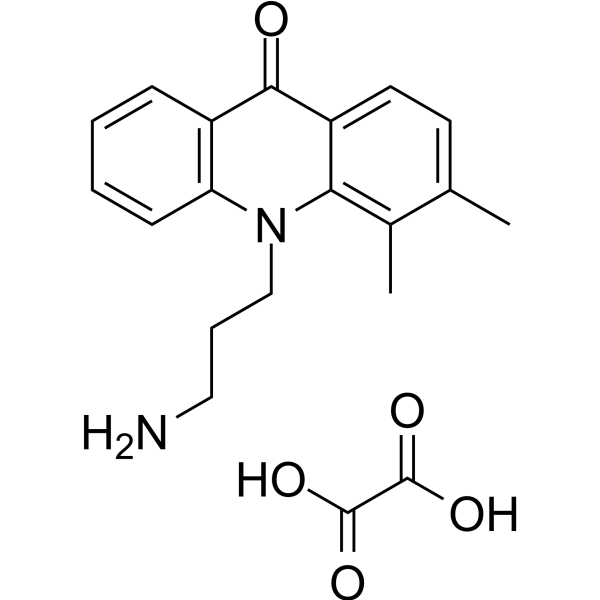
    ER-27319, an acridone derivative, is a potent and selective SYK inhibitor, and inhibits the tyrosine phosphorylation of SYK and its activity. ER-27319 inhibits the release of antigen-induced allergic mediators from human and rat mast cells with an IC50 of 10 μM and can be used for study in allergic diseases .
    ER-27319
  • HY-P5727

    Bacterial Infection
    HR1 is a mastoid protease. HR1 can increase the permeability of human erythrocyte membrane. HR1 can induce cytoplasmic membrane permeation in bacteria and mast cells .
    HR1
  • HY-110013

    Btk Antibiotic Infection Inflammation/Immunology
    Terreic acid, a quinone epoxide antibiotic, acts as an effective Btk inhibitor. Terreic acid blocks the interaction between PKC and the pleckstrin homology domain of Btk. Terreic acid inhibits the binding of GST-BtkPH to PKC in lysates of HMC-1 human mast cells with an IC50 of approximately 100 μM .
    Terreic acid
  • HY-108489
    ER-27319 maleate
    1 Publications Verification

    Syk Inflammation/Immunology
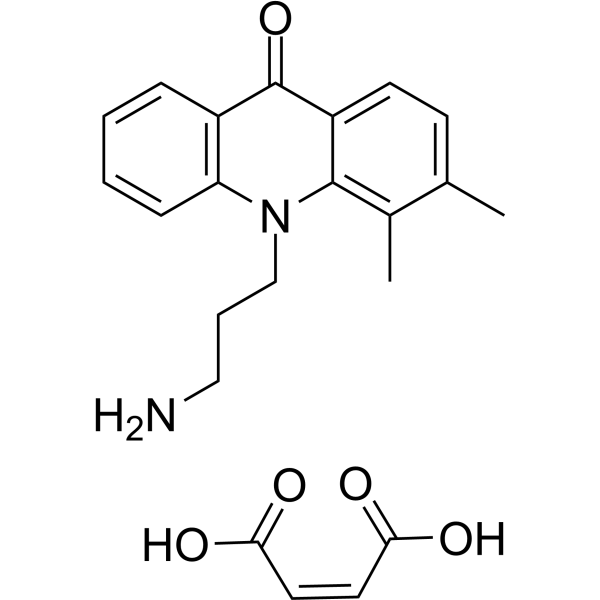
    ER-27319 (maleate), an acridone derivative, is a potent and selective SKY inhibitor, and inhibits the tyrosine phosphorylation of SYK and its activity. ER-27319 (maleate) inhibits the release of antigen-induced allergic mediators from human and rat mast cells with an IC50 of 10 μM and can be used for study in allergic diseases [1] [2] .
    ER-27319 maleate
  • HY-N11691

    Thapsigargicine

    Others Inflammation/Immunology
    Thapsigargicin (Thapsigargicine) is a activator of mast cells and leukocytes. Thapsigargicin induces histamine release from rat peritoneal mast cells and human basophil leukocytes. Thapsigargicin increases the cytoplasmic free calcium level in intact human blood platelets .
    Thapsigargicin
  • HY-174607

    mRNA Inflammation/Immunology
    Human IL33 mRNA encodes the human interleukin 33 (IL33) protein, a cytokine that binds to the IL1RL1/ST2 receptor. IL33 is involved in the maturation of Th2 cells and the activation of mast cells, basophils, eosinophils and natural killer cells.
    Human IL33 mRNA
  • HY-105999A

    Ser/Thr Protease Inflammation/Immunology
    APC 366 hydrochloride is a selective inhibitor of mast cell trypsin activity. APC 366 hydrochloride is able to inhibit trypsin-induced histamine release in human tonsil and lung cells. APC 366 hydrochloride may have important applications in regulating allergic reactions and inflammation .
    APC 366 hydrochloride
  • HY-P991467

    Interleukin Related Inflammation/Immunology
    RG-7258 is a human monoclonal antibody (mAb) targeting CRLF2. RG-7258 blocks dendritic cell activation and mast cell cytokine release. RG-7258 reduces Th2 inflammation in a non-human primate model of allergic lung inflammation. RG-7258 can be used in asthma research .
    RG-7258
  • HY-101225

    5-HT Receptor Histamine Receptor Inflammation/Immunology
    8 Hydroxy PIPAT oxalate is a selective 5-HT1A receptor agonist that promotes the release of histamine from enteric mast cells. 8 Hydroxy PIPAT oxalate activates serotonergic signaling pathways, leading to the degranulation of mast cells in both guinea pig and human intestinal preparations. 8 Hydroxy PIPAT oxalate enhances the spontaneous release of histamine, which may contribute to the regulation of gastrointestinal functions. 8 Hydroxy PIPAT oxalate has potential implications for understanding and treating functional gastrointestinal disorders such as irritable bowel syndrome.
    8 Hydroxy PIPAT oxalate
  • HY-E70840

    c-Kit Cancer
    Kit is a type III receptor protein-tyrosine kinase. Signaling by stem cell factor and Kit, its receptor, play important roles in gametogenesis, hematopoiesis, mast cell development and function, and melanogenesis. KIT Recombinant Human Active Protein Kinase is a recombinant KIT protein that can be used to study KIT-related functions .
    KIT Recombinant Human Active Protein Kinase
  • HY-P3006

    Drug Metabolite Cardiovascular Disease
    Des-Leu10-angiotensin I is a nonapeptide that inhibits rabbit lung angiotensin-converting enzyme peptidyl-dipeptide hydrolase with a Ki value of 31 μM, which is generated from angiotensin I by the action of carboxypeptidase-like activities residing in the human platelet and mast cell .
    Des-Leu10-angiotensin I
  • HY-103183R

    2-Phenylaminoadenosine (Standard)

    Reference Standards Adenosine Receptor Endogenous Metabolite Inflammation/Immunology
    CV1808 (Standard) is the analytical standard of CV1808. This product is intended for research and analytical applications. CV1808?(2-Phenylaminoadenosine) is a non-selective A2?adenosine receptor (A2 AR) agonist with Kis of 76 and 1450 nM for A2A and A3 adenosine receptor subtypes, respectively .
    CV1808 (Standard)
  • HY-19108

    Reactive Oxygen Species (ROS) Histamine Receptor Inflammation/Immunology Endocrinology
    CI-959 is an inhibitor of inflammatory cell activation. CI-959 exhibits anti-inflammatory and anti-allergic activities. CI-959 can inhibit the production of reactive oxygen species by neutrophils, as well as neutrophil adhesion, respiratory burst, and histamine release from mast cells. CI-959 can also inhibit the release of inflammatory mediators such as histamine, leukotrienes, and thromboxane from guinea-pig and human lung tissues, and effectively suppress anti-IgE-induced contractions of human bronchial smooth muscle. CI-959 can be used in the research of inflammatory and allergic diseases, such as asthma .
    CI-959
  • HY-158316

    Fc Receptor (FcR) Others
    BTL-MK (Compound 19) an orally active antiallergic agent, that inhibits degranulation of mast cells with an IC50 of 6.7 μM, through binding to the inhibitory receptor FcγRIIB. BTL-MK improves the metaboilic stability in human liver microsomes. BTL-MK ameliorates the allergic response in Ovalbumin, low endotoxin (HY-W250978A)-induced food allergy mice model. BTL-MK exhibits a good pharmacokinetic character with metabolic stability .
    BTL-MK
  • HY-P5357

    Protease Activated Receptor (PAR) Others
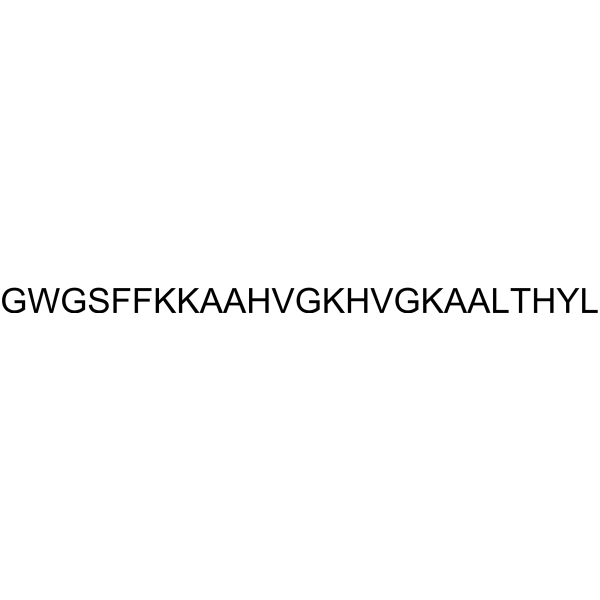
    SFNGGP-NH2 is a biological active peptide. (PAR-3 is a high-affinity thrombin receptor. PAR-3 mRNA is expressed in the cutaneous mast cells of humans. Protease-Activated Receptors (PARs) have been studied for their roles in itch and their itch-associated response through histamine-dependent/independent pathways have been reported. PAR-3 has been shown not to induce itching alone but possibly in conjunction with PAR-4. Co-expression of PAR-3 and PAR-4 enhances thrombin action suggesting that PAR-3 alone does not mediate transmembrane signaling but instead functions as a cofactor to activate PAR-4.)
    SFNGGP-NH2
  • HY-P3395A

    PERK JNK p38 MAPK Inflammation/Immunology
    Catestatin sCst is a negative control peptide with a scrambled amino acid sequence. Catestatin sCst fails to activate human mast cells and is used to verify the specificity of Catestatin action .
    Catestatin sCst
  • HY-126980

    Ser/Thr Protease Inflammation/Immunology
    AMG-126737 is an orally active and highly selective human mast cell tryptase inhibitor with a Ki of 90 nM. AMG-126737 suppresses early/late-phase bronchoconstriction in sheep models. AMG-126737 is promising for research of asthma and allergic diseases .
    AMG-126737
  • HY-180131

    ASB17061

    Proteasome Inflammation/Immunology
    INVA8001 (ASB17061) is a highly selective and orally active chymase inhibitor with IC50 values for human chymase and mouse mast cell proteinase 4 (mMCP-4) of 0.02 and 0.03 μM, respectively. INVA8001 exhibits IC50 values for bovine α-chymotrypsin and human cathesin G of 3.4 and 32.1 μM, respectively, and it shows over 1000-fold selectivity for other related serine proteases. INVA8001 inhibits mast cells in a mouse primary sclerosing cholangitis (PSC) model, improves bile duct pathology, and alleviates bile stasis, demonstrating anti-inflammatory and anti-fibrotic effects .
    INVA8001
  • HY-N17651

    Reactive Oxygen Species (ROS) Fc Receptor (FcR) Heme Oxygenase (HO) Inflammation/Immunology
    Tricetinidin chloride is an antioxidant. Tricetinidin chloride protects rat renal cells against oxidative stress and DNA damage by reducing ROS production, increasing GSH levels, restoring mitochondrial membrane potential, and upregulating HO-1 expression. Tricetinidin chloride also inhibits the expression of IgE receptors on human mast cells. Tricetinidin chloride can be used in the research of inflammatory and allergic diseases .
    Tricetinidin chloride
  • HY-N17821

    Sirtuin Aurora Kinase Akt GSK-3 β-catenin TGF-β Receptor Apoptosis Reactive Oxygen Species (ROS) Wnt NF-κB TNF Receptor Interleukin Related IKK Neurological Disease Inflammation/Immunology Cancer
    Butrin is a compound found in Butea monosperma flowers. Butrin reduces expression of SIRT1, AURKB, cyclin D1, pAKT, GSK-3β, β-catenin, and TGF-3β expression, enhances apoptosis and ROS production in cancer cells. Butrin downregulates Wnt and NF-κB signaling, mitigates oxidative stress, reduces proinflammatory cytokine (TNF-α, IL-6 and IL-8) production and suppresses neuroinflammation. Butrin inhibits IKK enzyme activity. Butrin can be used for the researches of colorectal cancer, Alzheimer’s disease, and rheumatoid arthritis .
    Butrin
  • HY-P992440

    Interleukin Related Inflammation/Immunology
    PF-06817024 is a high affinity, humanized antibody that binds IL-33. PF-06817024 binds to IL-33, prevents IL-33 from binding to receptor ST2, and inhibits downstream type 2 inflammatory responses. PF-06817024 can be used for the research of allergic diseases .
    PF-06817024

Consulta en línea

Your information is safe with us. * Required Fields.

Saludo


Country or Region *

Nombre del solicitante *


Nombre de la Organizaciòn *

Department *


Direcciòn del E-mail *


Nombre del producto *

Cat. No.


Requested quantity *

Número de teléfono *


Observaciones

Consulta en línea

Inquiry Information

Nombre del producto:
Cat. No.:
Cantidad:
MCE Japan Authorized Agent:

