


29 Results for "

human osteoblasts

" in MedChemExpress (MCE) Product Catalog:
Products (29)

29 Results for "human osteoblasts" in MCE Product Catalog:

2
2 Cited Publications
Cat. No.: HY-P0254
CAS No.: 374675-21-5
Target:  

Kisspeptin Receptor

Research Areas:  

Cardiovascular Disease Cancer

Kisspeptin-10, human is a potent vasoconstrictor and inhibitor of angiogenesis. Kisspeptin-10, human acts as a tumor metastasis suppressor via its receptor GPR54. Kisspeptin-10-GPR54 system plays an important role in embryonic kidney development. Kisspeptin-10/GPR54 signaling induces osteoblast differentiation via NFATc4-mediated BMP2 expression .
loading...
    loading...
2
2 Cited Publications
Cat. No.: HY-128591
CAS No.: 1269365-82-3
Purity:  98.70%
Target:  

Phosphatase

Research Areas:  

Metabolic Disease

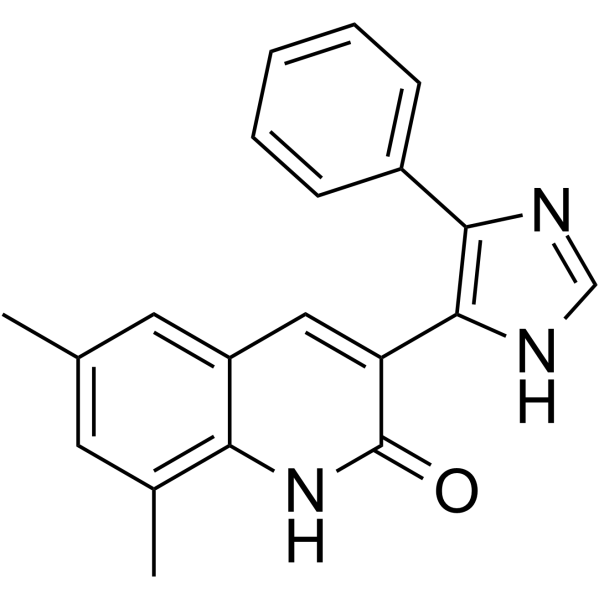
DIPQUO is an activator of the bone marker alkaline phosphatase (ALP), with an EC50 of 6.27 μM in C2C12 cells. DIPQUO promotes mouse and human osteoblast differentiation via activation of p38 MAPK-β .
loading...
    loading...
2
2 Cited Publications
Cat. No.: HY-110218
CAS No.: 1134613-19-6
Purity:  98.15%
Research Areas:  

Others

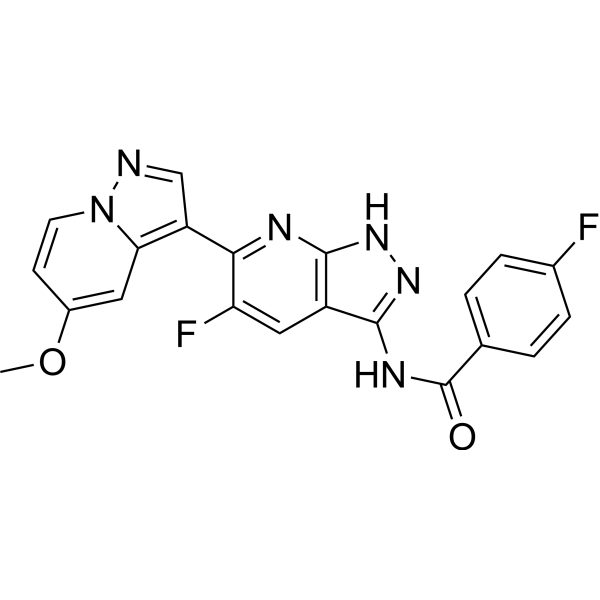
CW 008, a derivative of pyrazole-pyridine, is a CREB or PKA pathway agonist. CW 008 also is a stem cell differentiating agent. CW 008 stimulates osteoblast differentiation of human MSCs and increases bone formation in ovariectomized mice. CW008 promotes osteogenesis by activating cAMP/PKA/CREB signaling pathway and inhibiting leptin secretion .
loading...
    loading...
2
2 Cited Publications
Cat. No.: HY-P0254A
Target:  

Kisspeptin Receptor

Research Areas:  

Cardiovascular Disease Cancer

Kisspeptin-10, human TFA is a potent vasoconstrictor and inhibitor of angiogenesis. Kisspeptin-10, human TFA acts as a tumor metastasis suppressor via its receptor GPR54. Kisspeptin-10-GPR54 system plays an important role in embryonic kidney development. Kisspeptin-10/GPR54 signaling induces osteoblast differentiation via NFATc4-mediated BMP2 expression .
loading...
    loading...
1
1 Cited Publications
Cat. No.: HY-N0008
CAS No.: 21082-33-7
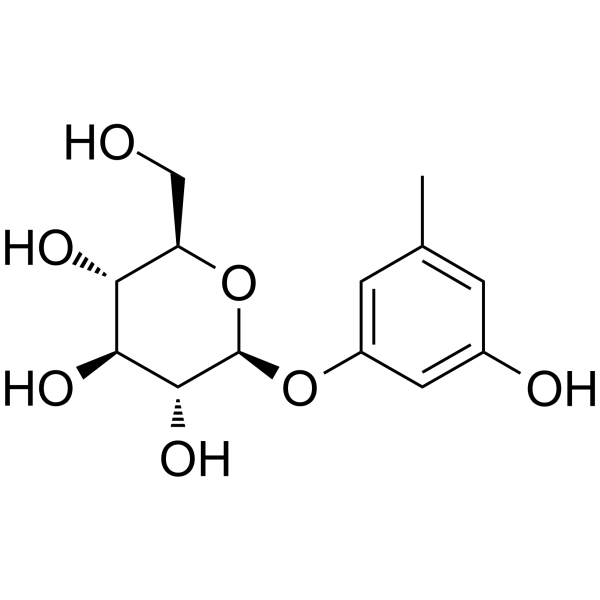
Orcinol glucoside is an orally active, blood-brain barrier permeable osteoblast proliferation promoter that targets the Nrf2/Keap1, mTOR and p38 signaling pathways. Orcinol glucoside promotes Nrf2 nuclear translocation, upregulates antioxidant enzyme levels, enhances the phosphorylation of mTOR and p70S6K, and inhibits the enzymatic activity of HAS2 as well as the nuclear translocation of GR. Orcinol glucoside also alleviates oxidative stress, inhibits autophagic flux, osteoclastogenesis and TGF-β1-induced M2 polarization, while reducing collagen deposition and effectively promoting the proliferation, differentiation and mineralization of osteoblasts. Orcinol glucoside also exhibits anti-pulmonary fibrosis, anxiolytic and antidepressant activities. Orcinol glucoside can be used in the research of senile and glucocorticoid-induced osteoporosis, idiopathic pulmonary fibrosis (IPF), anxiety and other related diseases .
loading...
    loading...
Cat. No.: HY-P11070
CAS No.: 1927877-75-5
Target:  

Peptides

Research Areas:  

Others

SDSSD is an osteoblast-targeting peptide. SDSSD selectively binds to periostin on osteoblasts and mediates targeted delivery to these cells. SDSSD can endow calcium phosphate nanocomposites with bone-targeting properties, and these materials exhibit osteointegrative capacity in both in vitro and in vivo models. When conjugated with polyurethane nanomicelles, SDSSD enables targeted delivery of siRNA/microRNA to osteoblasts .
loading...
    loading...
Cat. No.: HY-N2983
CAS No.: 32884-36-9
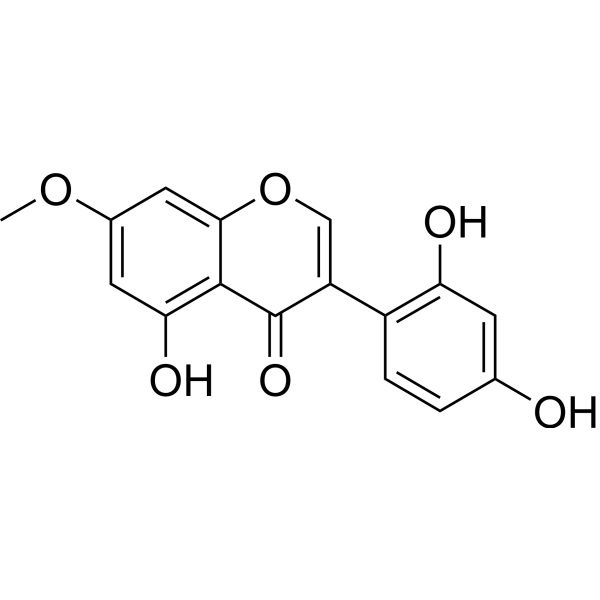
Cajanin is a potent and orally active anti-melanogenic agent. Cajanin shows antiproliferative activity in MNT1 Cells. Cajanin efficiently decreases the melanin content. Cajanin down-regulates the mRNA and protein expression levels of MITF, tyrosinase, TRP-1 and Dct (TRP-2). Cajanin induces cell cycle arrest at G2/M and S phase. Cajanin stimulates osteoblast proliferation. Cajanin has the potential for the research of human hyperpigmented disorders and menopausal osteoporosis .
loading...
    loading...
Cat. No.: HY-119443
CAS No.: 79778-41-9
Purity:  ≥98.0%
Target:  

Apoptosis

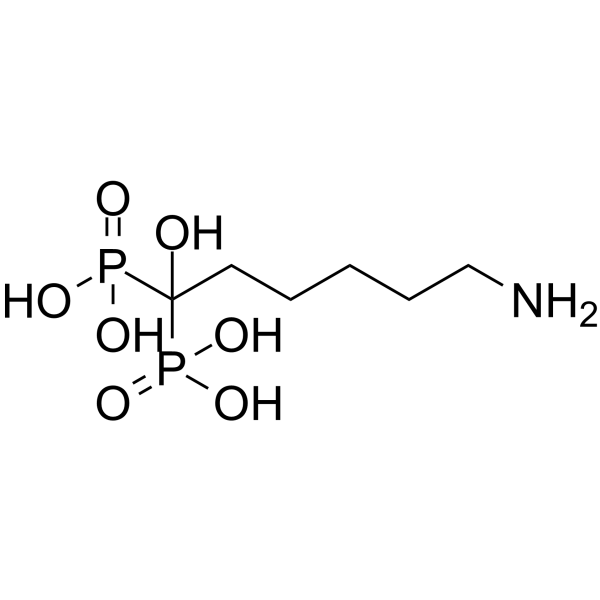
Neridronate is a bisphosphonate. Bisphosphonates initiate the Apoptotic process. Neridronate sodium reduces the levels of bone resorption, bone turnover markers, the degree of back pain, and the risk of fractures. Neridronate inhibits capillary tube formation. Neridronate itself has weak anticancer activity, but liposomal encapsulation enhances this activity. Neridronate can be used in research related to demineralizing metabolic bone diseases, thalassemia-associated osteoporosis, chronic inflammatory diseases, cancer, and osteogenesis imperfecta .
loading...
    loading...
Cat. No.: HY-144012
CAS No.: 474922-84-4
Purity:  99.83%
Synonyms: 16:0 PEG2000 PE ammonium; 1,2-Dipalmitoyl-sn-glycero-3-phosphoethanolamine-N-[methoxy(polyethylene glycol)-2000] ammonium
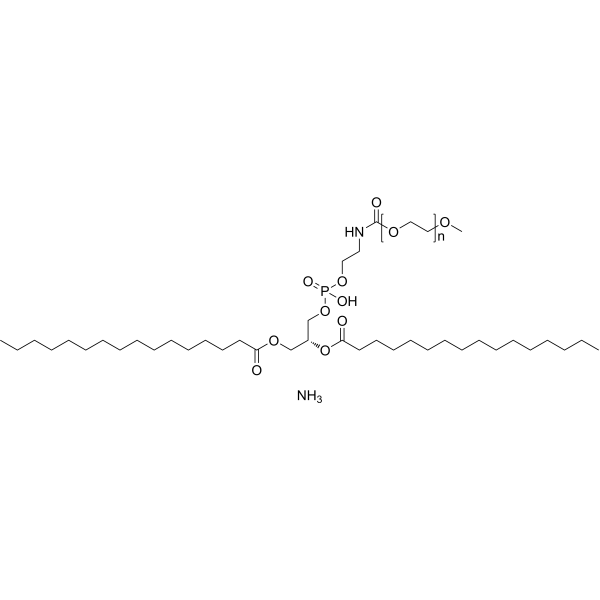
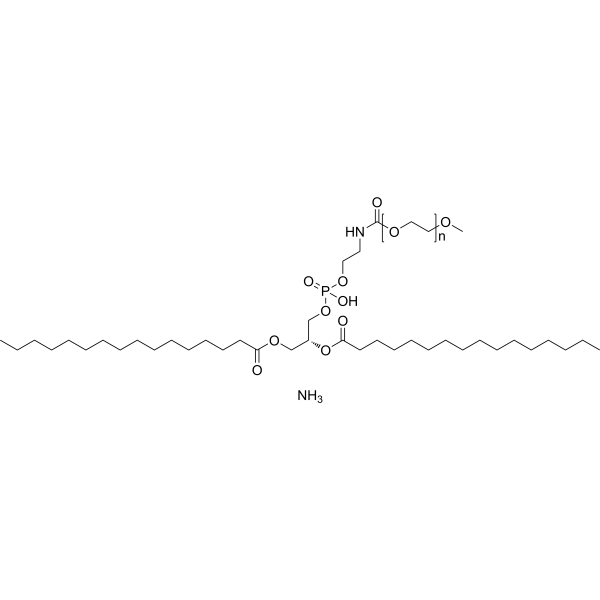
DPPE-PEG2000 ammonium (16:0 PEG5000 PE) is a polymer-lipid conjugate and LipoParticle stabilizer with a PEG chain of 5,000 g/mol molecular weight attached to its polar head, and it can be internalized by biological membranes. DPPE-PEG2000 ammonium enables LipoParticle to maintain colloidal stability after 20-fold dilution in PBS or cell culture medium, and prevents aggregate formation during lyophilization and rehydration. DPPE-PEG2000 ammonium helps enhance the non-cytotoxic property of LipoParticle formulations against human osteoblasts. DPPE-PEG2000 ammonium serves as a PEG lipid functional end group for synthesizing liposomes (LPs), is used in the design of conjugated polymer nanoparticles, and applies to research related to bone and joint infections .
loading...
    loading...
Cat. No.: HY-103322
CAS No.: 1135306-29-4
Target:  

PKA Potassium Channel

Research Areas:  

Metabolic Disease Cancer

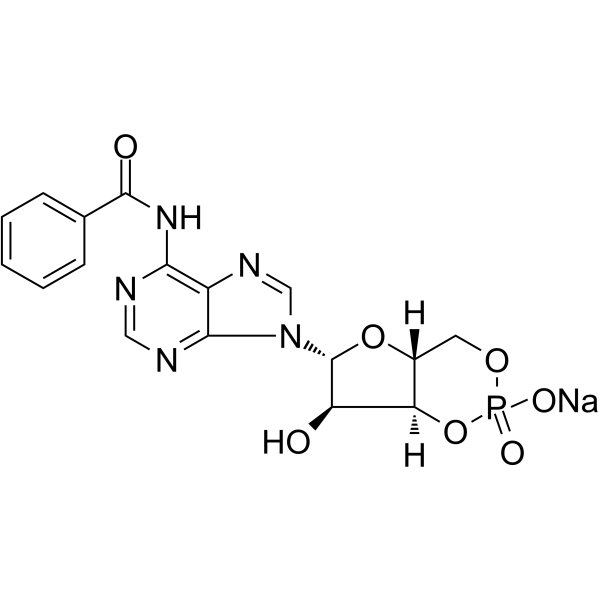
6-Bnz-cAMP sodium, a derivative of cyclic adenosine monophosphate (cAMP), is a selective PKA activator with inhibitory activity against the bTREK-1 K + channel. 6-Bnz-cAMP sodium does not activate the Epac signaling pathway. It inhibits the bTREK-1 K + channel via a voltage-independent, ATP-dependent mechanism that is independent of the PKA/Epac/calmodulin kinase/MAP kinase pathway. 6-Bnz-cAMP sodium activates CREB phosphorylation to regulate osteoblast-specific gene expression, induces osteoblast differentiation, promotes extracellular matrix mineralization, supports osteoblast proliferation, and shows no cytotoxicity toward osteoblasts. It can be used in studies related to bone tissue repair and regeneration .
loading...
    loading...
Cat. No.: HY-B1016
CAS No.: 15421-84-8
Synonyms: AR-12008
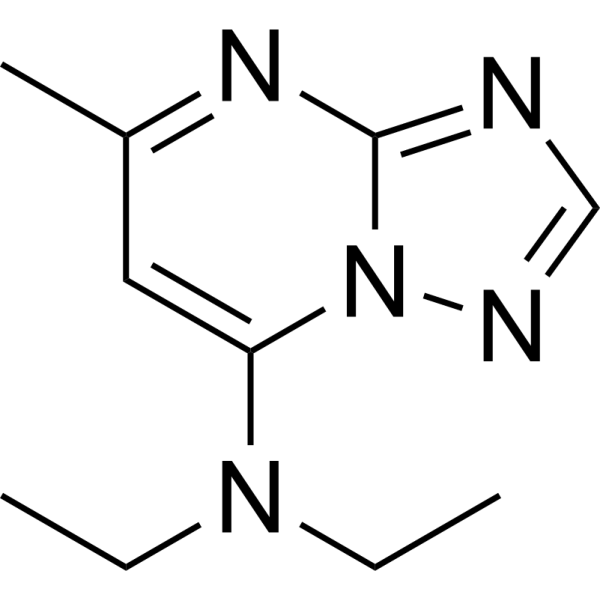
Trapidil (AR-12008) is an orally active vasodilator and antiplatelet agent. Trapidil antagonizes platelet-derived growth factor (PDGF), inhibits phosphodiesterase, thromboxane A2 synthesis and pro-inflammatory cytokine production. Trapidil promotes prostacyclin biosynthesis, reduces lipid peroxidation, regulates nitric oxide metabolism, and inhibits cell proliferation and migration. Trapidil exerts tissue-protective effects, regulates bone turnover, and inhibits pyroptosis via the GPX3/Nrf2 pathway. Trapidil is applicable to research related to renal ischemia-reperfusion injury, chronic stable angina, restenosis, meningioma, diabetic cardiomyopathy and peripheral nerve crush injury .
loading...
    loading...
Cat. No.: HY-144012H
CAS No.: 474922-84-4
Synonyms: 16:0 PEG5000 PE; 1,2-Dipalmitoyl-sn-glycero-3-phosphoethanolamine-N-[methoxy(polyethylene glycol)-5000] ammonium
DPPE-PEG5000 (16:0 PEG5000 PE) is a polymer-lipid conjugate and LipoParticle stabilizer with a PEG chain of 5,000 g/mol molecular weight attached to its polar head, and it can be internalized by biological membranes. DPPE-PEG5000 enables LipoParticle to maintain colloidal stability after 20-fold dilution in PBS or cell culture medium, and prevents aggregate formation during lyophilization and rehydration. DPPE-PEG5000 helps enhance the non-cytotoxic property of LipoParticle formulations against human osteoblasts. DPPE-PEG5000 serves as a PEG lipid functional end group for synthesizing liposomes (LPs), is used in the design of conjugated polymer nanoparticles, and applies to research related to bone and joint infections .
loading...
    loading...
Cat. No.: HY-P4823
CAS No.: 136799-54-7
Target:  

Adenylate Cyclase PTHR

Research Areas:  

Metabolic Disease

PTH (1-37) human is an adenylate cyclase stimulator and a normocalcemic regulator. PTH (1-37) human participates in cAMP-dependent signal transduction to affect the proliferation of skeletal tissue cells and bone metabolism. PTH (1-37) human induces cyclic adenosine monophosphate responses in human primary osteoblast-like cells and is also widely used in osteoporosis-related research .
loading...
    loading...
Cat. No.: HY-N2135
CAS No.: 114240-18-5
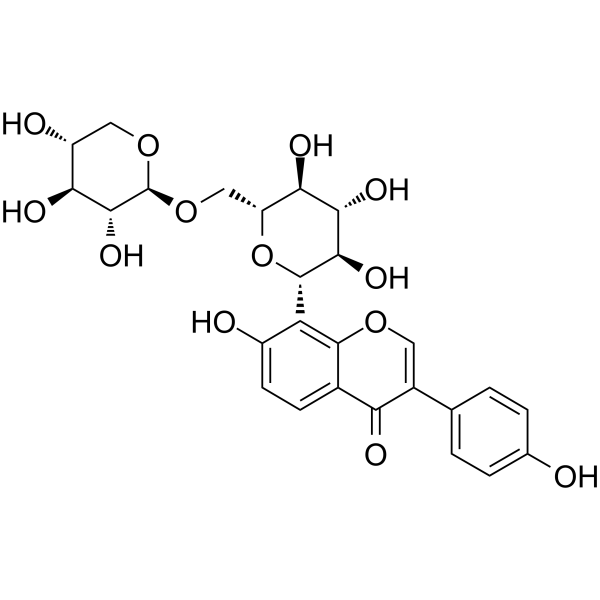
Puerarin 6''-O-Xyloside is one of the major iso-flavones found in P. lobata. Puerarin 6''-O-Xyloside inhibits cancer cells proliferation, induces apoptosis by upregulating cleaved caspase-3, 7, 9, Bax and downregulating Bcl-2 levles and inhibits tumor growth in mice. Puerarin 6''-O-Xyloside has anti-osteoporotic activity in ovariectomized mice. Puerarin 6''-O-Xyloside inhibits mushroom tyrosinase with an IC50 of 513.8 μM. Puerarin 6''-O-Xyloside can be used for the research of human lung carcinoma, osteoporosis, melanosis and melanomar .
loading...
    loading...
Cat. No.: HY-P4866
CAS No.: 1361235-89-3
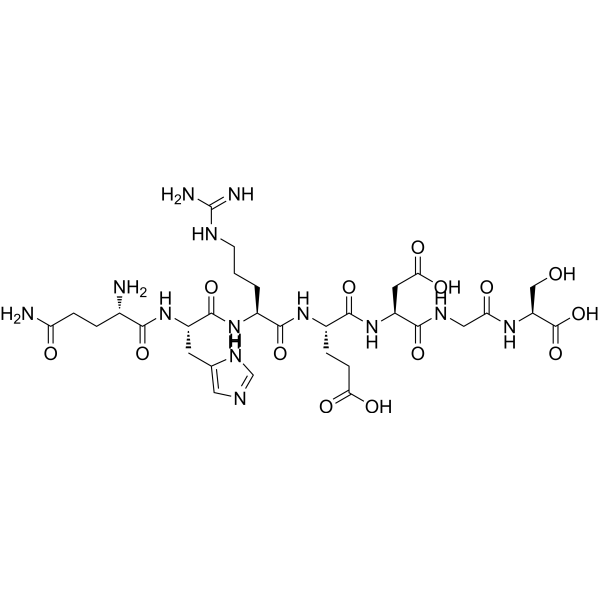
Q-Peptide is an angiopoietin-1 derived peptide (QHREDGS). Q-Peptide interacts with β1-integrin, binds to integrins on the surface of osteoblasts, and serves as an acyl donor substrate for Streptomyces mobaraensis transglutaminase. Q-Peptide activates Akt, MAPKp42/44, ILK, ERK1/2, and downregulates caspase-3/7. Q-Peptide inhibits cell apoptosis, enhances cell adhesion and migration, and promotes osteoblast differentiation, bone matrix deposition and mineralization. Q-Peptide can be used in studies related to myocardial infarction, bone regeneration, diabetic wound repair and human induced pluripotent stem cells .
loading...
    loading...
Cat. No.: HY-W250160
CAS No.: 100403-24-5
Synonyms: Polydeoxyribonucleotide
PDRN (Polydeoxyribonucleotide) is a deoxynucleotide polymer mainly derived from the sperm of rainbow trout or salmon. PDRN inhibits pro-inflammatory factors and promotes VEGF expression via the cAMP-PKA pathway by activating the adenosine A2A receptor (A2AR), thereby driving angiogenesis and collagen deposition in fibroblasts. Degradation products of PDRN provide DNA raw materials for proliferating cells through the salvage synthesis pathway, accelerating re-epithelialization. PDRN reduces melanin synthesis and cell apoptosis by upregulating ERK/AKT phosphorylation and inhibiting the activities of MITF and tyrosinase, and resists skin aging by attenuating nuclear autophagy and blocking the interaction between LC3-SIRT1. PDRN is mainly used for wound repair, post-aesthetic surgery recovery and anti-aging research .
loading...
    loading...
Cat. No.: HY-13906
CAS No.: 1009815-87-5
Synonyms: (+)-Largazole
Largazole ((+)-Largazole) is an orally active, blood-brain barrier-permeable class I histone deacetylase (HDAC) inhibitor with in vivo anticancer activity and osteogenic efficacy. As a prodrug, Largazole hydrolyzes to Largazole thiol (HY-170890), which has a Ki value of 0.07 nM against human HDAC2. Largazole regulates the cell cycle, induces apoptosis, upregulates tumor suppressors and osteoblast differentiation markers, inhibits osteoclast formation, and upregulates neuroprotection-related genes. Largazole can be used in the research of various cancers including colorectal cancer, as well as neurodegenerative diseases .
loading...
    loading...
Cat. No.: HY-108303
CAS No.: 80729-79-9
Neridronate sodium is a bisphosphonate. Bisphosphonates initiate the Apoptotic process. Neridronate sodium reduces the levels of bone resorption, bone turnover markers, the degree of back pain, and the risk of fractures. Neridronate sodium inhibits capillary tube formation. Neridronate sodium itself has weak anticancer activity, but liposomal encapsulation enhances this activity. Neridronate sodium can be used in research related to demineralizing metabolic bone diseases, thalassemia-associated osteoporosis, chronic inflammatory diseases, cancer, and osteogenesis imperfecta .
loading...
    loading...
Cat. No.: HY-13752
CAS No.: 1118915-78-8
Research Areas:  

Cancer

STA-1474 is an orally active and highly selective HSP90 inhibitor, as well as a phosphate prodrug of the HSP90 inhibitor STA-9090 (HY-15205). STA-1474 disrupts the chaperone function of HSP90 and promotes the degradation of client proteins. STA-1474 inhibits the phosphorylation of Met, Akt and STAT3, thereby blocking related signaling pathways. STA-1474 induces apoptosis and inhibits proliferation of osteosarcoma cells, and triggers the up-regulation of HSP70 and HSP90. STA-1474 induces tumor regression and caspase-3 activation in mouse osteosarcoma xenograft models. STA-1474 can be used in the research of osteosarcoma .
loading...
    loading...
ODN MT01
0 Images
DNA, d(A-C-C-C-C-C-T-C-T-A-C-C-C-C-C-T-C-T-A-C-C-C-C-C-T-C-T)
Cat. No.: HY-150214
CAS No.: 1817821-77-4
ODN MT01 was designed based on human mitochondrial DNA sequences, which is an inhibitory ODN that promotes osteocyte differentiation. ODN MT01 could promote osteoblast maturation and activation in rats, reduce rat alveolar bone absorption caused by periodontitis, regulate the expression levels of osteogenesis-related factors.
loading...
    loading...

