1. Search Result
Search Result
Results for "

hydrogen interactions

" in MedChemExpress (MCE) Product Catalog:

83

Inhibitors & Agonists

3

Screening Libraries

3

Fluorescent Dye

3

Biochemical Assay Reagents

3

Peptides

16

Natural
Products

1

Isotope-Labeled Compounds

Targets Recommended:
Cat. No. Product Name Target Research Areas Chemical Structure
  • HY-W020780

    mPEG5000-Maleimide

    Biochemical Assay Reagents Cancer
    mPEG5000-Mal (mPEG5000-Maleimide) is a PEG-derived selective covalent binding agent for sulfhydryl groups (RSGs), which can form irreversible thioether bonds with sulfhydryl groups under near-neutral conditions via the maleimide group. The mechanism of action of mPEG5000-Mal can be divided into two categories: firstly, as an enzyme modifier, it binds to target proteins through hydrophobic interactions, hydrogen bonds, and van der Waals forces, altering the protein's secondary structure; secondly, as a nanoparticle surface modifier, it covalently binds to sulfhydryl groups on the surface of red blood cells, changing the surface properties and morphology of the red blood cells, leading to their phagocytosis by macrophages of the reticuloendothelial system. mPEG5000-Mal can react with free cysteine in proteins, increasing the apparent molecular weight of the modified protein by 10-15 kDa for detection purposes. mPEG5000-Mal can enhance the thermal stability and catalytic activity of enzymes, and improve the macrophage targeting of nanoparticles, enabling targeted drug delivery. mPEG5000-Mal can be applied in enzyme engineering research in the food industry and in oncology, assisting radiotherapy by inhibiting tumor-associated macrophage infiltration and enhancing anti-tumor immune responses .
    mPEG5000-Mal
  • HY-W127329

    Biochemical Assay Reagents Others
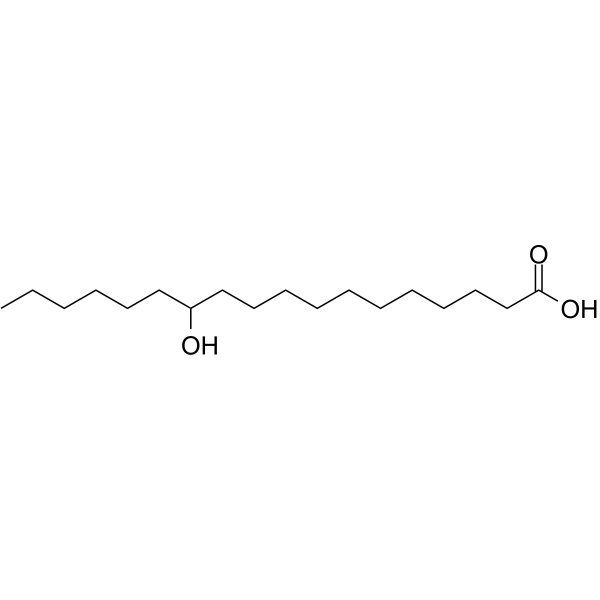
    12-Hydroxystearic acid is a structurally simple and cost-effective low molecular weight organogelator, and its metal salts and derivatives find roles in many important applications .
    12-Hydroxystearic acid
  • HY-151108
    IDO1/TDO-IN-4
    1 Publications Verification

    Indoleamine 2,3-Dioxygenase (IDO) Neurological Disease Inflammation/Immunology
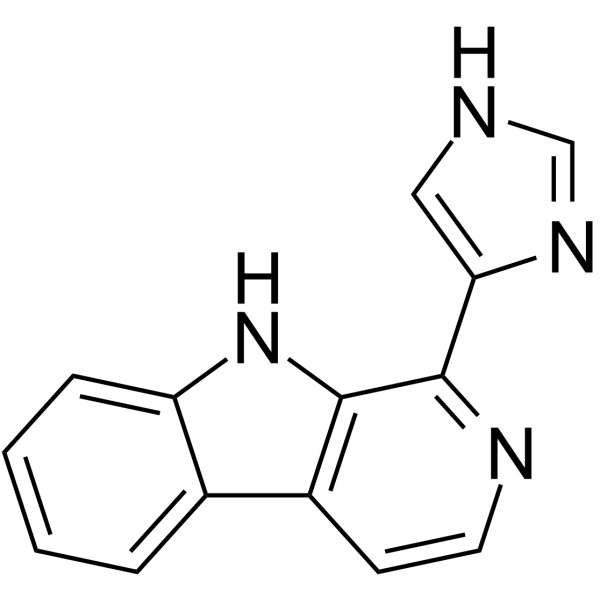
    IDO1/TDO-IN-4 is a potent IDO1/TDO dual inhibitor, with IC50 values of 3.53 μM (IDO1) and 1.15 μM (TDO). IDO1/TDO-IN-4 forms hydrogen bond with IDO1, and π−π stacking interaction with TDO. IDO1/TDO-IN-4 can be used in the research of depression, and depression-induced infectious, metabolic, and autoimmune disorders .
    IDO1/TDO-IN-4
  • HY-W250727
    TNS sodium
    1 Publications Verification

    6-(p-Tolylamino)naphthalene-2-sulfonate sodium

    Fluorescent Dye Others
    TNS (6-(p-Tolylamino) naphthalene-2-sulfonate) sodium is a fluorescent probe used to detect the conformational state of proteins. TNS sodium binds to the central hydrophobic calyx of β-lactoglobulin (β-LG) to form a 1:1 complex, which stabilizes the folded conformation of β-LG. TNS sodium shows weak fluorescent signals in aqueous solution, but its fluorescence intensity increases significantly upon binding to the hydrophobic domains of proteins, with the maximum excitation wavelength and maximum emission wavelength located at 321 nm and 446 nm, respectively .
    TNS sodium
  • HY-W039897
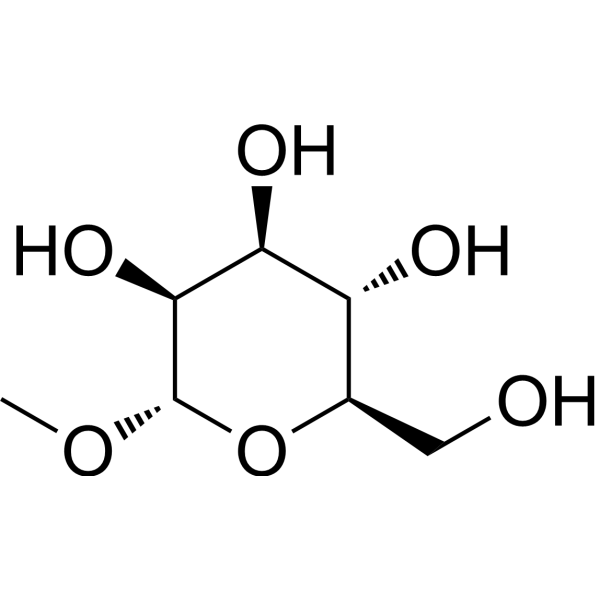
    Methyl α-D-mannopyranoside
    1 Publications Verification

    α-Methyl-D-mannoside

    Environmental Pollutants Bacterial Infection
    Methyl α-D-mannopyranoside (α-Methyl-D-mannoside) is a methyl glycoside derivative and conformational stabilizer of α-D-mannopyranose. The glycosidic bond conformation of Methyl α-D-mannopyranoside is significantly affected by the environment. In aqueous solution, Methyl α-D-mannopyranoside stabilizes into a trans conformation via intermolecular hydrogen bonds; in the gas phase, however, steric interactions drive Methyl α-D-mannopyranoside to prefer a clockwise gauche conformation. Methyl α-D-mannopyranoside also serves as a major component of secondary cell wall polymers in some bacteria and an active precursor site for virus-targeted glycoproteins. Methyl α-D-mannopyranoside acts as an acceptor substrate for alternansucrase, mediating the transfer of D-glucopyranosyl groups to generate a variety of glycosylated oligosaccharide products, with methyl α-D-glucopyranosyl-(1→6)-α-D-mannopyranoside as the main component. Methyl α-D-mannopyranoside is applicable to studies on bacterial pathogenic mechanisms associated with mannose-specific fimbrial lectins .
    Methyl α-D-mannopyranoside
  • HY-121930

    Fluorescent Dye Inflammation/Immunology
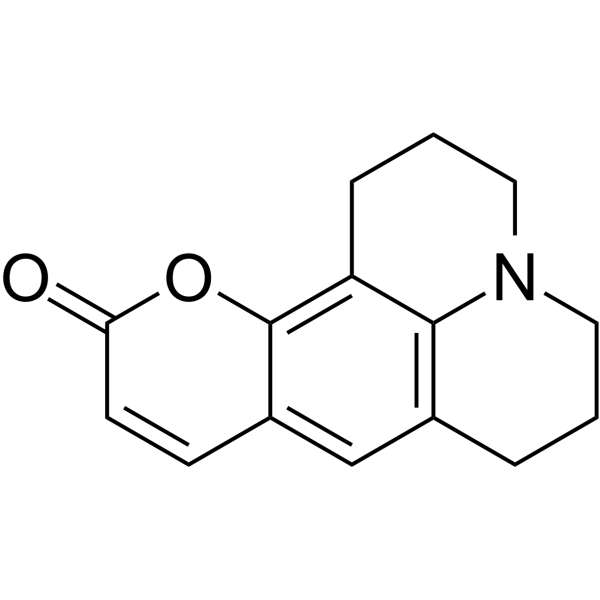
    Coumarin 6H, a Coumarin (HY-N0709) derivative, is a laser dye. The fluorescence emission of Coumarin 6H can be enhanced by hydrogen bonding interactions .
    Coumarin 6H
  • HY-N2204

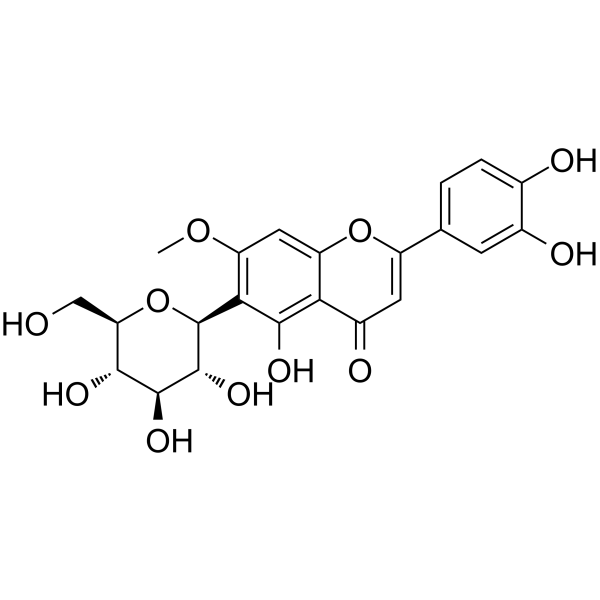
    Tyrosinase Reactive Oxygen Species (ROS) Inflammation/Immunology
    Swertiajaponin is a tyrosinase inhibitor, forms multiple hydrogen bonds and hydrophobic interactions with the binding pocket of tyrosinase, with an IC50 of 43.47 μM. Swertiajaponin also inhibits oxidative stress-mediated MAPK/MITF signaling, leading to decrease in tyrosinase protein level. Swertiajaponin suppresses melanin accumulation and exhibits strong anti-oxidative activity .
    Swertiajaponin
  • HY-W094710

    Sodium hydrogen diacetate

    Environmental Pollutants Bacterial Infection
    Sodium diacetate (Sodium hydrogen diacetate) is a multifunctional biochemical reagent with antibacterial (bacteria) and antifungal (fungi) activities. Sodium diacetate exerts its antimicrobial effect mainly by effectively penetrating the cell walls of microorganisms and interfering with enzyme interactions. Sodium diacetate inhibits the growth and survival of fungi such as Botrytis cinerea, as well as bacteria such as Listeria and Escherichia coli. Sodium diacetate inhibits the growth of endothelial cells. Sodium diacetate can be used in the synthesis of food preservatives, flavoring agents and pH control additives .
    Sodium diacetate
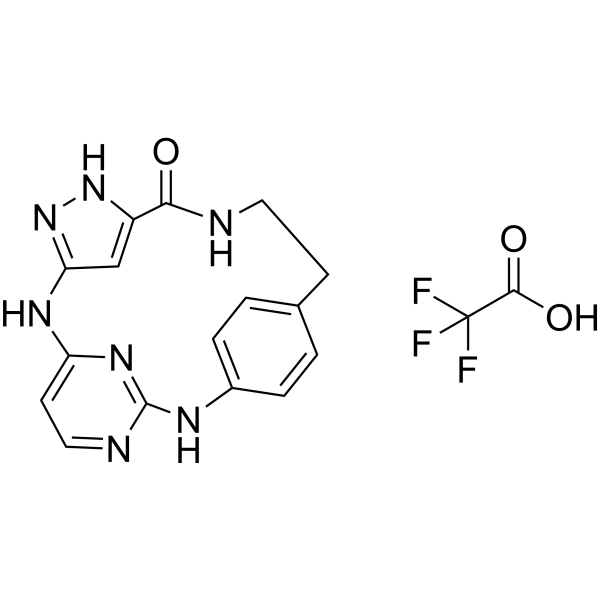
  • HY-154970A

    TGF-β Receptor GSK-3 Cardiovascular Disease Neurological Disease Cancer
    BMPR2-IN-1 TFA is a selective BMPR2 inhibitor with a human BMPR2 IC50 of 506 nM and a Kd of 83.5 nM. BMPR2-IN-1 TFA functions as an ATP mimetic, forming hydrogen bonds with the BMPR2 kinase domain backbone and hydrophobic interactions with specific residues, and demonstrates high selectivity for BMPR2 over other kinases.BMPR2-IN-1 TFA can be used for the researches of cancer, pulmonary arterial hypertension and Alzheimer’s disease .
    BMPR2-IN-1 TFA
  • HY-107207
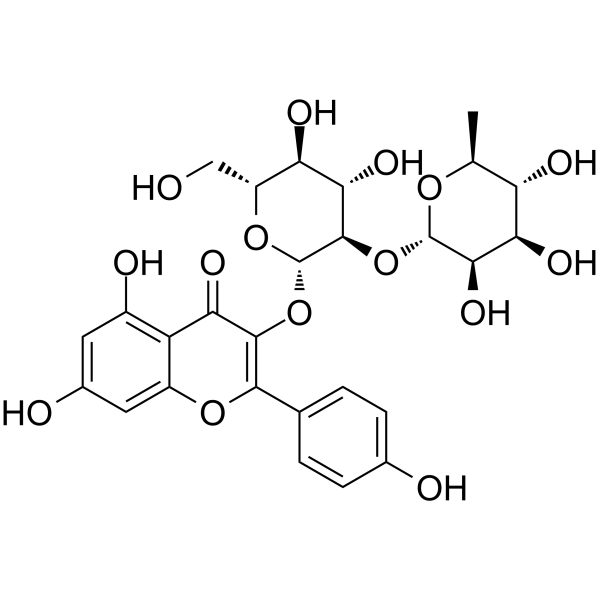
    Kaempferol 3-neohesperidoside
    3 Publications Verification

    Kaempferol 3-O-neohesperidoside

    Insulin Receptor PI3K PKC Metabolic Disease
    Kaempferol 3-neohesperidoside (Kaempferol 3-O-neohesperidoside) is a flavonoid. Kaempferol 3-neohesperidoside mimics insulin action via the PI3K/PKC pathway, significantly promoting glucose uptake and increasing muscle glycogen content in rat soleus muscles. Kaempferol 3-neohesperidoside also exhibits anti-glycation activity. Kaempferol 3-neohesperidoside binds to albumin through hydrogen bonding and hydrophobic interactions, and inhibits the formation of advanced glycation end products. Kaempferol 3-neohesperidoside can be used in studies of diabetes and its related complications .
    Kaempferol 3-neohesperidoside
  • HY-157521

    Acyltransferase Neurological Disease Metabolic Disease
    AANAT-IN-1 is an arylalkylamine N-acetyltransferase (AANAT) inhibitor with a sheep AANAT IC50 of 9.9 μM. AANAT-IN-1 binds to the active site of sheep AANAT, interacting with amino acid residues via hydrogen bonds, hydrophobic interactions, ionic interactions, and water bridges, inhibiting the enzyme's catalytic activity. AANAT-IN-1 can be used for the researches of circadian rhythm-associated neuropsychiatric conditions, seasonal affective disorder, and other diseases associated with abnormally elevated melatonin levels .
    AANAT-IN-1
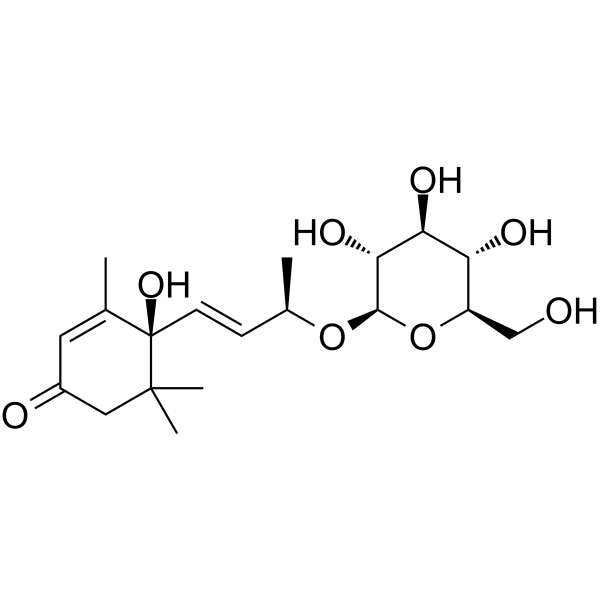
  • HY-N1341

    HCV HCV Protease DNA/RNA Synthesis Bacterial Infection
    Roseoside is an inhibitor of DNA gyrase and HAV 3C protease, and also inhibits HCV NS5A/B replicase in human systems with an IC50 of 20 μM. Roseoside binds to the active site of enzymes and stabilizes the interaction by forming hydrogen bonds with key amino acid residues. Roseoside inhibits the growth of Gram-positive bacteria, Gram-negative bacteria, and Candida albicans, and interferes with HCV RNA replication in vitro by inhibiting HCV NS5A/B replicase (IC50=20 μM). Roseoside shows no cytotoxicity and serves as a research tool for studies related to bacterial infections, candidiasis, HAV and HCV .
    Roseoside
  • HY-177063

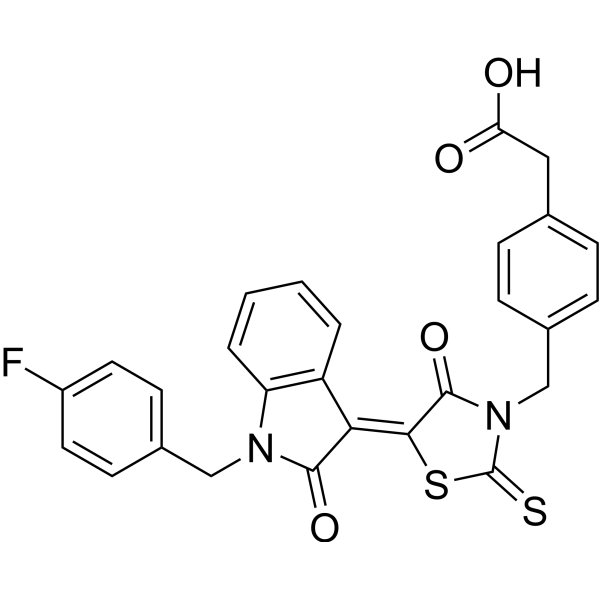
    Interleukin Related Infection Inflammation/Immunology
    IL-6-IN-2 is an interleukin-6 (IL-6) inhibitor. IL-6-IN-2 binds to IL-6 at Lys66, Phe74, Gln175, Ser176, and Arg179 via π-π, π-alkyl, hydrogen bond, and hydrophobic interactions to block IL-6/IL-6R heterocomplex formation. IL-6-IN-2 exhibits low gastrointestinal absorption rate. IL-6-IN-2 can be used for the research of cytokine release syndrome, covid-19 .
    IL-6-IN-2
  • HY-78985

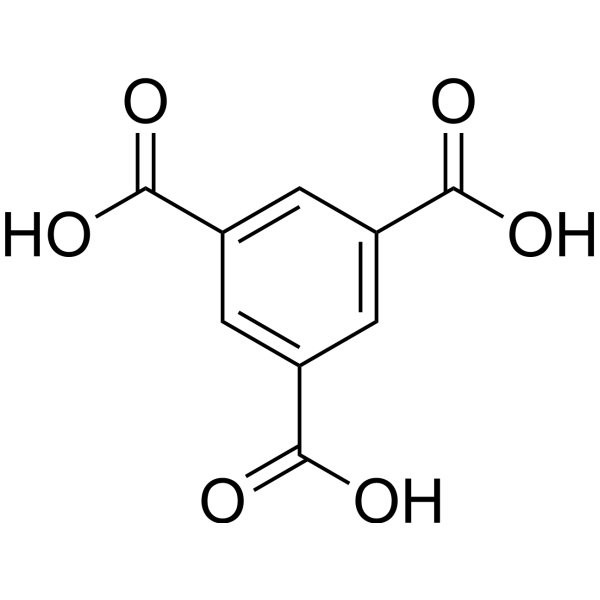
    Trimesic acid

    MOFs Biochemical Assay Reagents Others
    Benzene-1,3,5-tricarboxylic acid (Trimesic acid) is a rigid planar small-molecule scaffold and crosslinker. Benzene-1,3,5-tricarboxylic acid induces bicyclic peptides to adopt a planar conformation, so as to maximize surface area and bind to the flat protein surfaces involved in protein-protein interactions. Benzene-1,3,5-tricarboxylic acid forms ionic crosslinks, hydrogen bonds and π-π bonds with chitosan, thereby constructing a hydrogel network. Benzene-1,3,5-tricarboxylic acid endows chitosan hydrogel systems with specific mechanical properties, enabling sustained release of cancer therapeutic drugs including 5-Fluorouracil (HY-90006) .
    Benzene-1,3,5-tricarboxylic acid
  • HY-172997

    iGluR Neurological Disease
    GluN1/3A-IN-1 (Compound GM-10) is a GluN1/GluN3A NMDA receptor inhibitor. GluN1/3A-IN-1 exhibits potent inhibitory activity against GluN1/GluN3A (IC50: 0.98 µM). GluN1/3A-IN-1 exerts its inhibitory effect by targeting the pre-M1 region and forming hydrogen bond interactions with key residues. GluN1/3A-IN-1 can be used to study GluN1/GluN3A-related neurological diseases .
    GluN1/3A-IN-1
  • HY-18071
    BI-9627
    3 Publications Verification

    Na+/H+ Exchanger (NHE) Autophagy Cardiovascular Disease
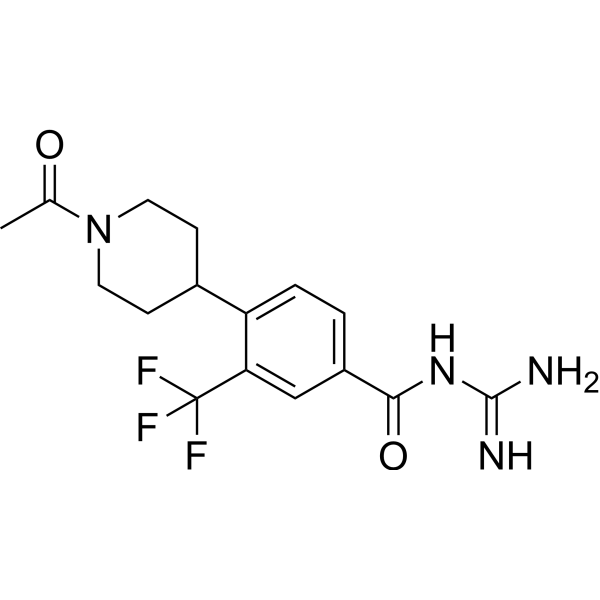
    BI-9627, a chemical probe, is a potent sodium-hydrogen exchanger isoform 1 (NHE1) inhibitor (IC50 = 6 and 31 nM in intracellular pH recovery (pHi) and human platelet swelling assays). BI-9627 displays >30-fold selectivity against NHE2 and with no measurable inhibitory activity against the NHE3 isoform. BI-9627 decreases autophagy in HTR-8/SVneo cells. BI-9627 can significantly reduce the pHi of human sperm and partially reverse the effect of DMA. BI-9627 prolongs Ca 2+ recovery time in KO hiPSC-CMs. BI-9627 shows low DDI (agent-agent interaction) potential, excellent pharmacokinetics in rat and dog, and remarkably potent activity in the isolated heart model of ischemia-reperfusion injury .
    BI-9627
  • HY-W587839

    Pregnane X Receptor (PXR) Endocrinology
    4,8-Dioxa-3H-perfluorononanoic acid is an ether-substituted polyfluoroalkyl compound and also a ligand of human pregnane X receptor (hPXR), which binds to the ligand-binding domain of hPXR. 4,8-Dioxa-3H-perfluorononanoic acid targets Arg-410, Lys-210, Lys-226, Met-323 and His-327 residues. Its binding process relies on long-range electrostatic interactions, and no significant hydrogen bonds form with hPXR residues. 4,8-Dioxa-3H-perfluorononanoic acid is used as a substitute for PFOA in Germany. 4,8-Dioxa-3H-perfluorononanoic acid is detectable in environmental matrices such as river water near fluoride production plants, accumulates in organisms including grass, deer liver and locusts, and is present in plasma samples of populations in southern Germany .
    4,8-Dioxa-3H-perfluorononanoic acid
  • HY-N4031

    Anaplastic lymphoma kinase (ALK) METTL3 Inflammation/Immunology
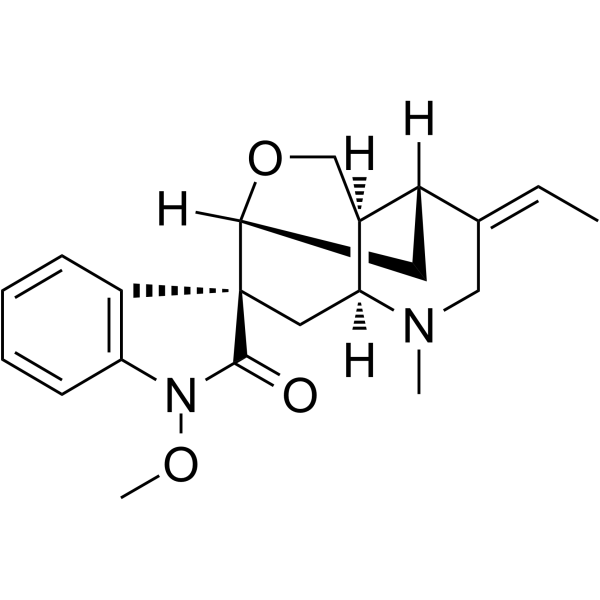
    Humantenine is a highly toxic indole alkaloid from Gelsemium elegans (Gardn. & Champ.) Benth. that binds to RNA m6A modification regulatory proteins (ALKBH5, METTL). Humantenine stably binds via hydrogen bonding and hydrophobic interactions and disrupts the m6A methylation level of target genes, thereby impairing the expression of intestinal epithelial cell tight junction and cytoskeleton-related genes, causing intestinal barrier dysfunction and significant intestinal cytotoxicity. The intraperitoneal injection LD50 values of Humantenine are <1 mg/kg in mice, 1.2 mg/kg in male rats and 1.5 mg/kg in female rats, respectively. Species differences exist in the metabolism of Humantenine in human, porcine, goat and rat liver microsomes, and demethylation, dehydrogenation and oxidation occur in liver microsomes .
    Humantenine
  • HY-N10423

    (-)-Cubebin

    Cholinesterase (ChE) Bacterial Fungal Parasite p38 MAPK Infection Neurological Disease Metabolic Disease Inflammation/Immunology Cancer
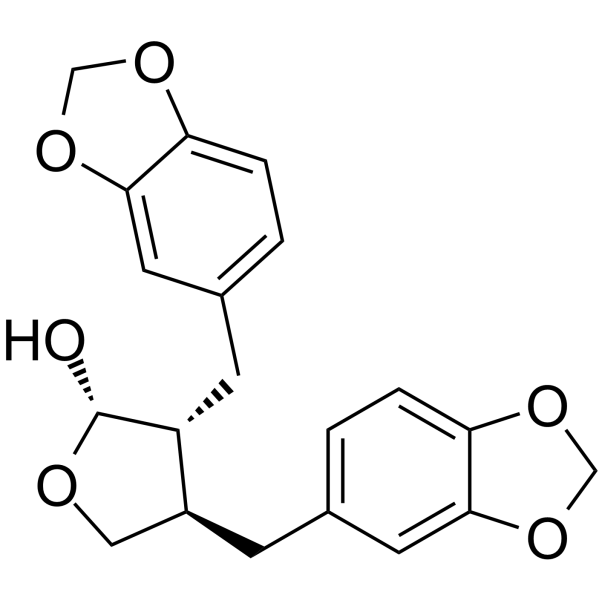
    Cubebin ((-)-Cubebin), a dibenzyl butyrolactone lignan, is an orally active AChE inhibitor. Cubebin binds to active sites of NF-κB, TNF-α, and TGF-β1 via hydrogen and hydrophobic interactions, obstructing critical residues to inhibit pro-inflammatory or renal fibrosis-related activity. Cubebin enhances p38 MAPK phosphorylation to increase tyrosinase gene expression, stimulating melanogenesis via elevated tyrosinase activity, expression, and mRNA levels. Cubebin reduces oxidative stress via enhanced endogenous antioxidant enzyme activity and inhibited lipid peroxidation, regulates lipid metabolism, improves glycemic control, and exerts renoprotective effects via reduced renal dysfunction markers and improved renal architecture. Cubebin shows antimicrobial activity. Cubebin exerts larvicidal activity against Angiostrongylus cantonensis larvae, with no cytotoxicity toward monkey or human cell lines or Caenorhabditis elegans. Cubebin can be used for the research of diabetic nephropathy, melanoma, colon adenocarcinoma, neuroangiostrongyliasis, Alzheimer’s disease (AD) and depression .
    Cubebin
  • HY-176892

    Src Neurological Disease
    Papaveroline is an orally active Fyn tyrosine kinase inhibitor. Papaveroline stably binds to the active site of Fyn tyrosine kinase via hydrogen bonding and hydrophobic interactions, thereby inhibiting kinase activity associated with the pathogenesis of Alzheimer's disease. Papaveroline can be used for the research of Alzheimer's disease .
    Papaveroline
  • HY-N2452

    GLP Receptor Cardiovascular Disease Infection Metabolic Disease
    Cochinchinenin C is a GLP-1R agonist that binds to the extracellular domain of the receptor via hydrophobic interactions and hydrogen bonds, and promotes glucose-dependent insulin secretion from pancreatic β-cells. Cochinchinenin C also increases intracellular cAMP and ATP levels. At low concentrations, Cochinchinenin C binds to human serum albumin, alters its microenvironment, and induces dominant static fluorescence quenching. Cochinchinenin C shows almost no cytotoxicity to pancreatic β-cells, and exerts a synergistic effect with Loureirin A (HY-N1505) when binding to human serum albumin. Cochinchinenin C has been widely used in studies of type 2 diabetes, Helicobacter pylori infection, thrombotic diseases, and other conditions .
    Cochinchinenin C
  • HY-18071A
    BI-9627 hydrochloride
    3 Publications Verification

    Na+/H+ Exchanger (NHE) Autophagy Cardiovascular Disease
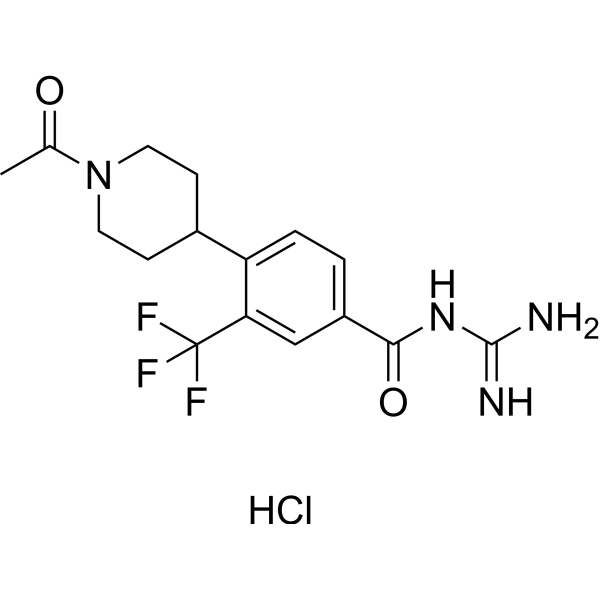
    BI-9627 hydrochloride is a potent sodium-hydrogen exchanger isoform 1 (NHE1) inhibitor (IC50 = 6 and 31 nM in intracellular pH recovery (pHi) and human platelet swelling assays). BI-9627 hydrochloride displays >30-fold selectivity against NHE2 and with no measurable inhibitory activity against the NHE3 isoform. BI-9627 hydrochloride decreases autophagy in HTR-8/SVneo cells. BI-9627 hydrochloride can significantly reduce the pHi of human sperm and partially reverse the effect of DMA. BI-9627 hydrochloride prolongs Ca 2+ recovery time in KO hiPSC-CMs. BI-9627 hydrochloride shows low DDI (agent-agent interaction) potential, excellent pharmacokinetics in rat and dog, and remarkably potent activity in the isolated heart model of ischemia-reperfusion injury .
    BI-9627 hydrochloride
  • HY-W009641

    PyM; 1-HMP

    Biochemical Assay Reagents Others
    1-Pyrenemethanol is an organic compound that can be used to prepare graphene films with excellent thermal conductivity, flexibility and mechanical properties. 1-Pyrenemethanol binds to graphene oxide sheets through hydrogen bonds and π-π interactions to form GO-PyM films, increasing the dispersion and stability of the material .
    1-Pyrenemethanol
  • HY-33821

    LXR Others
    LXRβ ligand 1 is a LXR β ligand-binding domain agonist, with an EC50 of 57 μM and a Ki of 28 μM against human LXR β. LXRβ ligand 1 forms hydrogen bonds with His435, stabilizes the His-Trp activation switch, and locks the ligand-binding domain in an agonist conformation; its tert-butyl moiety occupies a hydrophobic subpocket, while its phenyl moiety forms a π-π stacking interaction with Phe329. LXRβ ligand 1 serves as a structural unit for the development of LXRβ modulators .
    LXRβ ligand 1
  • HY-D1633A

    Fluorescent Dye Others
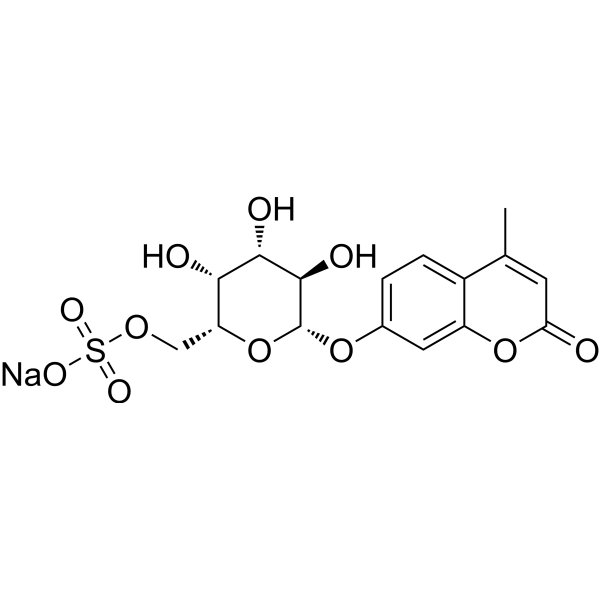
    4-Methylumbelliferyl-β-D-galactopyranoside 6-sulfate sodium is a fluorescent dye. 4-Methylumbelliferyl-β-D-galactopyranoside 6-sulfate sodium undergoes desulphation by galactose-6-sulphate sulphatase to form 4-methylumbelliferyl-β-D-galactopyranoside, which is cleaved by β-galactosidase to release fluorescent 4-methylumbelliferone. 4-Methylumbelliferyl-β-D-galactopyranoside 6-sulfate sodium interacts with N-acetylgalactosamine-6-sulfate sulfatase (GALNS) via hydrogen bonds, electrostatic interactions, and steric interactions. 4-Methylumbelliferyl-β-D-galactopyranoside 6-sulfate sodium serves as a substrate in assays measuring galactose-6-sulphate sulphatase and GALNS activity. 4-Methylumbelliferyl-β-D-galactopyranoside 6-sulfate sodium can be used for the research of Morquio disease type A (mucopolysaccharidosis IV A) .
    4-Methylumbelliferyl-β-D-galactopyranoside 6-sulfate sodium
  • HY-D1633

    Fluorescent Dye Metabolic Disease
    4-Methylumbelliferyl-β-D-galactopyranoside 6-sulfate is a fluorescent dye. 4-Methylumbelliferyl-β-D-galactopyranoside 6-sulfate undergoes desulphation by galactose-6-sulphate sulphatase to form 4-methylumbelliferyl-β-D-galactopyranoside, which is cleaved by β-galactosidase to release fluorescent 4-methylumbelliferone. 4-Methylumbelliferyl-β-D-galactopyranoside 6-sulfate interacts with N-acetylgalactosamine-6-sulfate sulfatase (GALNS) via hydrogen bonds, electrostatic interactions, and steric interactions. 4-Methylumbelliferyl-β-D-galactopyranoside 6-sulfate serves as a substrate in assays measuring galactose-6-sulphate sulphatase and GALNS activity. 4-Methylumbelliferyl-β-D-galactopyranoside 6-sulfate can be used for the research of Morquio disease type A (mucopolysaccharidosis IV A) .
    4-Methylumbelliferyl-β-D-galactopyranoside 6-sulfate
  • HY-N10219

    Tyrosinase Fungal Infection
    Dihydroaltenuene B is a potent mushroom tyrosinase inhibitor with an IC50 of 38.33 µM. Dihydroaltenuene B shows the hydrogen bonding interactions between the 3-OH and 4’-OH and the His244, Met280 and Gly281 residues of tyrosinase .
    Dihydroaltenuene B
  • HY-B1349

    Biochemical Assay Reagents Others
    Mepiroxol can form various interactions with key residues of specific proteins. It establishes salt bridges with Arg-153 and Arg-74, and forms two hydrogen bonds with Asp-50 and Gly-96 through its terminal hydroxyl group, these interactions help enhance its binding affinity and lead to a higher docking score .
    Mepiroxol
  • HY-169228

    Btk Cancer
    WS-11 is a non-covalent reversible BTK inhibitor with IC50s of 3.9 nM and 2.2 nM for wild type, C481S mutation BTK, respectively. WS-11 can form strong π-π interaction with PHE540 and form p-π interaction with LYS430 within the active pocket, besides the strong hydrogen bonds .
    WS-11
  • HY-121125

    Others Others
    Aucubigenin, the aglycone of the iridoid glycoside aucubin, has been characterized through X-ray diffraction analysis. Its crystal structure reveals monoclinic symmetry with specific conformations adopted by its cyclopentane and pyran rings. The study also determined the absolute configurations of both aucubin and aucubigenin. Significant O-H O hydrogen bonding interactions were observed in the crystal lattices of both compounds, highlighting their structural stability and potential for intermolecular interactions .
    Aucubigenin
  • HY-174254

    Akt Apoptosis Caspase PARP β-catenin Cancer
    AKT-IN-28 is an Akt allosteric inhibitor, a derivative of Shikonin (HY-N0822). AKT-IN-28 effectively binds to the allosteric site of Akt through hydrophobic and hydrogen interactions with Kd of 2.07 μM. AKT-IN-28 significantly inhibits Akt activity, induces cell apoptosis, arrests cell cycle in G2/M phase, and suppresses proliferation, migration and metabolism of KRAS mutant colorectal cancer cells .
    AKT-IN-28
  • HY-150579

    Keap1-Nrf2 Inflammation/Immunology Cancer
    Keap1-Nrf2-IN-13 is a Keap1-Nrf2 protein–protein interaction (PPI) inhibitor with an IC50 value of 0.15 μM. Keap1-Nrf2-IN-13 has strong binding affinities to the Keap1 protein by forming hydrogen bond with the key polar residues (Asn414, Arg415, Arg483, Gln530). Keap1-Nrf2-IN-13 can be used in the research of oxidative stress-related and inflammatory diseases, including pulmonary fibrosis, chronic obstructive pulmonary disorder (COPD) and cancers .
    Keap1-Nrf2-IN-13
  • HY-121571

    Insecticide Infection Cancer
    Prallethrin, a spatial mosquito repellent, is a non-fluorinated pyrethroid targeting lung surfactant proteins (SPs). prallethrin has vapor toxicity and can bind with the lung SPs by hydrogen and hydrophobic interactions, impairing functions of SPs. Prallethrin can be used for respiratory illness, pathogenic infections and malignancy research .
    Prallethrin
  • HY-W127329R

    Reference Standards Others Others
    12-Hydroxystearic acid (Standard) is the analytical standard of 12-Hydroxystearic acid. This product is intended for research and analytical applications. 12-Hydroxystearic acid is a structurally simple and cost-effective low molecular weight organogelator, and its metal salts and derivatives find roles in many important applications .
    12-Hydroxystearic acid (Standard)
  • HY-W006069

    Protease Activated Receptor (PAR) Others
    H-Phe(3,5-DiF)-OH is a difluorophenylalanines in the L-configuration [L-(F2)Phe]. H-Phe(3,5-DiF)-OH can be incorporated into the thrombin receptor-tethered ligand peptide SFLLRNP to identify the phenyl hydrogens of the Phe-2 residue involved in the CH/π receptor interaction .
    H-Phe(3,5-DiF)-OH
  • HY-150772

    Microtubule/Tubulin HDAC Apoptosis Mitochondrial Metabolism Cancer
    Tubulin/HDAC-IN-1 is a dual tubulin and HDAC-IN-1 inhibitor through CH/π interaction with tubulin and hydrogen bond interaction with HDAC8. Tubulin/HDAC-IN-1 inhibits tubulin polymerization and selectively inhibits HDAC8 (IC50: 150 nM). Tubulin/HDAC-IN-1 has cytotoxicity against various human cancer cells, also arrests cell cycle in the G2/M phase and induces cell apoptosis. Tubulin/HDAC-IN-1 can be used in the research of hematologic and solid tumors such as neuroblastoma, leukemia .
    Tubulin/HDAC-IN-1
  • HY-156405

    Fat Mass and Obesity-associated Protein (FTO) Autophagy Metabolic Disease
    FTO-IN-10 (compound 7) is a potent human demethylase FTO (the fat mass and obesity-associated protein) inhibitor with an IC50 of 4.5 μM. FTO-IN-10 enters the FTO’s structural domain II binding pocket through hydrophobic and hydrogen bonding interactions. FTO-IN-10 induces DNA damage and autophagic cell death in A549 cells .
    FTO-IN-10
  • HY-159893

    Smo Hedgehog Apoptosis Cancer
    SMO-IN-5 ((Compound 25(B31)) is a potent and competitive inhibitor of smoothened (SMO) that can inhibit Hedgehog (Hh) signaling. SMO-IN-5 interacts with Smo through hydrogen bonds, hydrophobic interactions, and electrostatic forces. SMO-IN-5 inhibits PC cell proliferation, migration, and induces apoptosis by suppressing Gli1 expression. SMO-IN-5 exhibits antitumor activity in pancreatic cancer. .
    SMO-IN-5
  • HY-156078

    Glycosidase Metabolic Disease
    α-Glucosidase-IN-32 (compound f26) is a reversible, noncompetitive and orally active α-glucosidase inhibitor with an IC50 value of 3.07 μM. α-Glucosidase-IN-32 complex with α-glucosidase through hydrogen bonds and hydrophobic interactions, led to changes in the conformation and secondary strictures of α-glucosidase and further the inhibition of the enzymatic activity. α-Glucosidase-IN-32 can be used for diabetic disease research .
    α-Glucosidase-IN-32
  • HY-146464

    Fungal Infection
    Antifungal agent 30 (compound A18) is a potent antifungal agent. Antifungal agent 30 shows excellent antifungal activity against Candida albicans (CPCC400616) and Aspergillus fumigatus, with MIC of 0.03 and 0.5 μg/mL, respectively. Antifungal agent 30 also shows excellent antifungal activity against fluconazole-resistant strains. The potent antifungal activity of Antifungal agent 30 mainly causes by hydrogen and coordination bond interaction with the CYP51 .
    Antifungal agent 30
  • HY-N15365

    Virus Protease SARS-CoV Infection
    Antcin B is a SARS-CoV-2 3-chymotrypsin-like protease (3CL Pro) inhibitor. Antcin B binds to multiple key amino acid residues of 3CL Pro(such as Leu141, Asn142, Glu166, His163, etc.) through hydrogen bonds, salt bridges, and hydrophobic interactions, thereby inhibiting the activity of 3CL Pro, blocking the cleavage process of viral polyproteins, and suppressing the replication of the SARS-CoV-2 virus in host cells. Antcin B is promising for research of COVID-19 .
    Antcin B
  • HY-155817

    Histone Methyltransferase Others
    UNC7096 (compound 53) is a biotinylated affinity reagent. The phenyl ring of UNC7096 replaces the pyrimidine ring in UNC6934 (HY-145103) and introduces biotin at the para position of the phenyl ring, which has a high binding affinity to the NSD2-PWWP1 domain (Kd=46 nM). UNC7096 blocks the interaction between NSD2-PWWP1 and nucleosomal H3K36me2 by occupying the methyl-lysine binding pocket of NSD2-PWWP1. This binding is achieved by covalent binding through the formation of hydrogen bonds and a specific aromatic cage structure. UNC7096 can be used to capture proteins that interact with the NSD2-PWWP1 domain to further analyze the biological significance of these interactions .
    UNC7096
  • HY-145538

    5'-Deoxyguanylic acid disodium hydrate

    DNA/RNA Synthesis Others
    2'-Deoxyguanosine 5'-monophosphate (5'-Deoxyguanylic acid; dGMP) disodium hydrate is an oxidizable target of the photosensitizer pterin (PT) and can be used to evaluate the photosensitizing properties of biopterins (such as Bip, Fop and Cap) . Pterin causes a photosensitive reaction of dGMP under UV-A radiation, causing damage to DNA molecules. There are two main mechanisms for the photosensitive oxidation of purine nucleotides by pterin in vitro: one is the hydrogen abstraction reaction of electron transfer from dGMP to the triplet excited state of pterin (type I mechanism), and the other is the interaction between dGMP and pterin. The reaction produces singlet molecular oxygen (1O2) (Type II mechanism) .
    2'-Deoxyguanosine 5'-monophosphate disodium hydrate
  • HY-107207R

    Kaempferol 3-O-neohesperidoside (Standard)

    Reference Standards Others Metabolic Disease
    Kaempferol 3-neohesperidoside (Kaempferol 3-O-neohesperidoside) Standard is the analytical standard of Kaempferol 3-neohesperidoside (HY-107207). This product is intended for research and analytical applications. Kaempferol 3-neohesperidoside (Kaempferol 3-O-neohesperidoside) is a flavonoid. Kaempferol 3-neohesperidoside mimics insulin action via the PI3K/PKC pathway, significantly promoting glucose uptake and increasing muscle glycogen content in rat soleus muscles. Kaempferol 3-neohesperidoside also exhibits anti-glycation activity. Kaempferol 3-neohesperidoside binds to albumin through hydrogen bonding and hydrophobic interactions, and inhibits the formation of advanced glycation end products. Kaempferol 3-neohesperidoside can be used in studies of diabetes and its related complications .
    Kaempferol 3-neohesperidoside (Standard)
  • HY-78985S

    Trimesic acid-d3

    Isotope-Labeled Compounds Biochemical Assay Reagents MOFs Others
    Benzene-1,3,5-tricarboxylic acid-d3 (Trimesic acid-d3) is the deuterium labeled Benzene-1,3,5-tricarboxylic acid (HY-78985). Benzene-1,3,5-tricarboxylic acid (Trimesic acid) is a rigid planar small-molecule scaffold and crosslinker. Benzene-1,3,5-tricarboxylic acid induces bicyclic peptides to adopt a planar conformation, so as to maximize surface area and bind to the flat protein surfaces involved in protein-protein interactions. Benzene-1,3,5-tricarboxylic acid forms ionic crosslinks, hydrogen bonds and π-π bonds with chitosan, thereby constructing a hydrogel network. Benzene-1,3,5-tricarboxylic acid endows chitosan hydrogel systems with specific mechanical properties, enabling sustained release of cancer therapeutic drugs including 5-Fluorouracil (HY-90006) .
    Benzene-1,3,5-tricarboxylic acid-d3
  • HY-W020018

    Biochemical Assay Reagents Others
    N-Methylacetamide is a hydrogen bond-forming agent that mimics the intermolecular interactions of intrinsically disordered proteins. N-Methylacetamide is used to investigate the hydration properties of peptide bonds, peptide bond-water interactions, and the aggregation of intrinsically disordered proteins .
    N-Methylacetamide
  • HY-181705

    PROTACs Nucleoside Antimetabolite/Analog Metabolic Disease
    PROTAC RTA Degrader-1 (Compound 3A) is a ricin toxin A chain (RTA) PROTAC degrader. PROTAC RTA Degrader-1 forms stable ternary complexes, maintains sustained hydrogen bonding interactions, and exhibits distinct interaction energy. PROTAC RTA Degrader-1 is applicable to research related to ricin toxin poisoning .
    PROTAC RTA Degrader-1
  • HY-W173361

    Epigenetic Reader Domain Others
    CBP/p300-IN-24 (compound 1) is a CBP bromodomain inhibitor with an IC50 of 32 μM and selectivity over BRD4 BD-1 bromodomain.CBP/p300-IN-24 binds to the acetyl lysine binding pocket, forms hydrogen bonds with Asn1168 and a solvent-mediated hydrogen bond with Tyr1125, and forms hydrophobic interactions with Leu1120, Ile1122, and Val1174 .
    CBP/p300-IN-24
  • HY-176892A

    Src Neurological Disease
    Papaveroline hydrochloride is an orally active Fyn tyrosine kinase inhibitor. Papaveroline hydrochloride stably binds to the active site of Fyn tyrosine kinase via hydrogen bonding and hydrophobic interactions, thereby inhibiting kinase activity associated with the pathogenesis of Alzheimer's disease. Papaveroline hydrochloride can be used for the research of Alzheimer's disease .
    Papaveroline hydrochloride
  • HY-181779

    Bacterial Infection
    Pyridomycin-4-F, Pyridomycin (HY-111402) derivative, is an antimycobacterial agent targeting fatty acid synthesis enzyme InhA (enoyl ACP reductase). Pyridomycin-4-F binds to the pyridomycin binding pocket of InhA, forms hydrogen bond interactions with Lys-165. Pyridomycin-4-F can be used for the research of tuberculosis .
    Pyridomycin-4-F

Inquiry Online

Your information is safe with us. * Required Fields.

Salutation


Country or Region *

Applicant Name *


Organization Name *

Department *


Email Address *


Product Name *

Cat. No.


Requested quantity *

Phone Number *


Remarks

Inquiry Online

Inquiry Information

Product Name:
Cat. No.:
Quantity:
MCE Japan Authorized Agent:

