1. Search Result
Search Result
Results for "

hyperactivity

" in MedChemExpress (MCE) Product Catalog:

104

Inhibitors & Agonists

2

Fluorescent Dye

1

Inhibitory Antibodies

8

Natural
Products

9

Isotope-Labeled Compounds

2

Oligonucleotides

Cat. No. Product Name Target Research Areas Chemical Structure
  • HY-B1081A
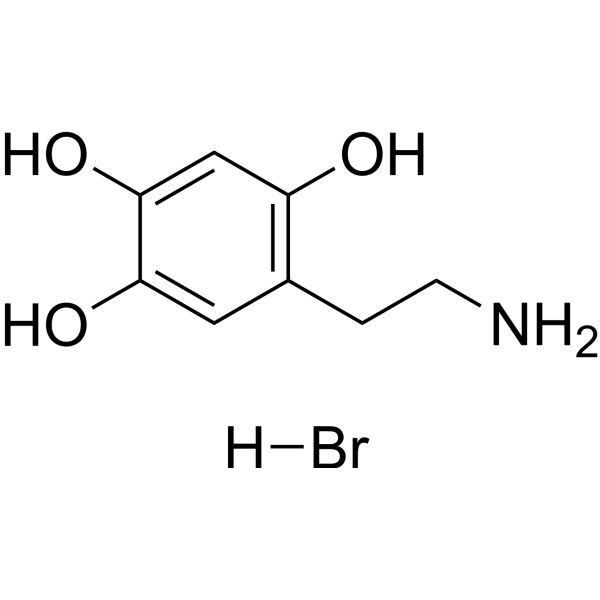
    Oxidopamine hydrobromide
    Maximum Cited Publications
    41 Publications Verification

    6-Hydroxydopamine hydrobromide; 6-OHDA hydrobromide

    Dopamine Receptor Autophagy Mitophagy COX PGE synthase Interleukin Related p38 MAPK Apoptosis Caspase Neurological Disease Cancer
    Oxidopamine (6-OHDA) hydrobromide is an antagonist of the neurotransmitter dopamine. Oxidopamine hydrobromide is a widely used neurotoxin and selectively destroys dopaminergic neurons. Oxidopamine hydrobromide promotes COX-2 activation, leading to PGE2 synthesis and pro-inflammatory cytokine IL-1β secretion. Oxidopamine hydrobromide can be used for the research of Parkinson’s disease (PD), attention-deficit hyperactivity disorder (ADHD), and Lesch-Nyhan syndrome .
    Oxidopamine hydrobromide
  • HY-B1081
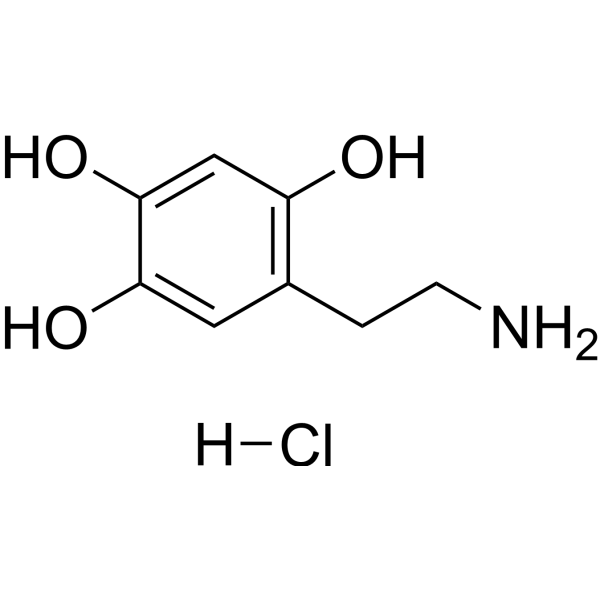
    Oxidopamine hydrochloride
    Maximum Cited Publications
    41 Publications Verification

    6-Hydroxydopamine Hydrochloride

    Dopamine Receptor Autophagy Mitophagy COX PGE synthase Interleukin Related p38 MAPK Apoptosis Caspase Neurological Disease Cancer
    Oxidopamine (6-OHDA) hydrochloride is an antagonist of the neurotransmitter dopamine. Oxidopamine hydrochloride is a widely used neurotoxin and selectively destroys dopaminergic neurons. Oxidopamine hydrochloride promotes COX-2 activation, leading to PGE2 synthesis and pro-inflammatory cytokine IL-1β secretion. Oxidopamine hydrochloride can be used for the research of Parkinson’s disease (PD), attention-deficit hyperactivity disorder (ADHD), and Lesch-Nyhan syndrome .
    Oxidopamine hydrochloride
  • HY-13458

    L-DOPS; DOPS; SM5688

    Adrenergic Receptor Cardiovascular Disease Neurological Disease
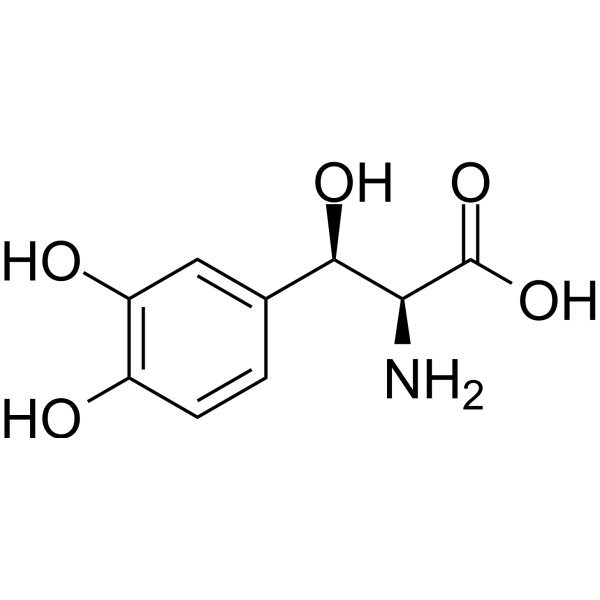
    Droxidopa (L-DOPS; SM5688) is a potent, orally active norepinephrine precursor. Droxidopa increases standing blood pressure, ameliorates symptoms of orthostatic hypotension and improves standing ability. Droxidopa has the potential for the research of neurogenic orthostatic hypotension (nOH) and alternative ADHD (attention deficit hyperactivity disorder) .
    Droxidopa
  • HY-17416
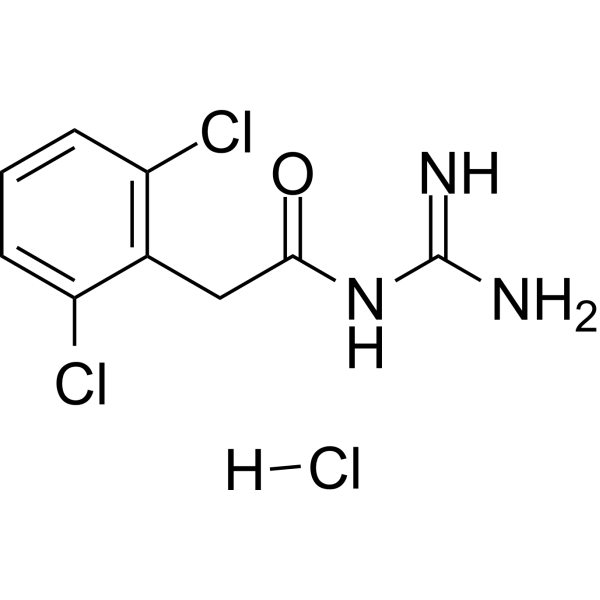
    Guanfacine hydrochloride
    3 Publications Verification

    Adrenergic Receptor Cardiovascular Disease Infection Neurological Disease Metabolic Disease
    Guanfacine hydrochloride is an orally active and blood-brain barrier permeability noradrenergic α2A agonist and has high selective for the α2A receptor subtype. Guanfacine has effects in producing hypotension and sedation. Guanfacine can be used for the research of a variety of prefrontal cortex (PFC) cognitive disorders, including tourette's syndrome and attention deficit hyperactivity disorder (ADHD) .
    Guanfacine hydrochloride
  • HY-17385
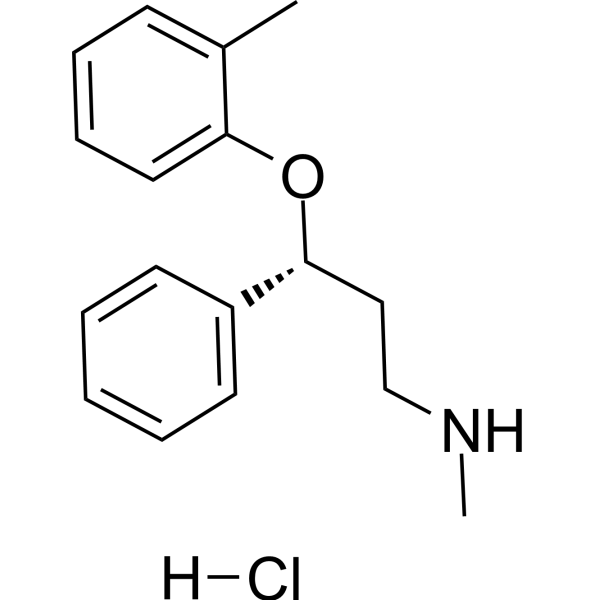
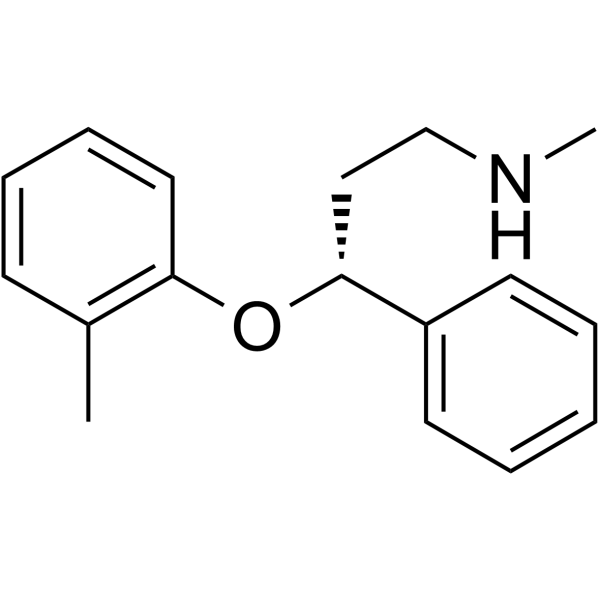
    Atomoxetine hydrochloride
    4 Publications Verification

    Tomoxetine hydrochloride; (R)-Tomoxetine hydrochloride; LY 139603

    Adrenergic Receptor Serotonin Transporter Sodium Channel Neurological Disease Cancer
    Atomoxetine (Tomoxetine) hydrochloride is a selective noradrenaline reuptake inhibitor with Ki values of 5 nM, 77 nM and 1451 nM for norepinephrine (NE), serotonin (5-HT) and dopamine (DA) transporters, respectively. Atomoxetine hydrochloride is a potent Na + channels (VGSCs) blocker. Atomoxetine hydrochloride can be used for attention-deficit hyperactivity disorder (ADHD) research .
    Atomoxetine hydrochloride
  • HY-17416A
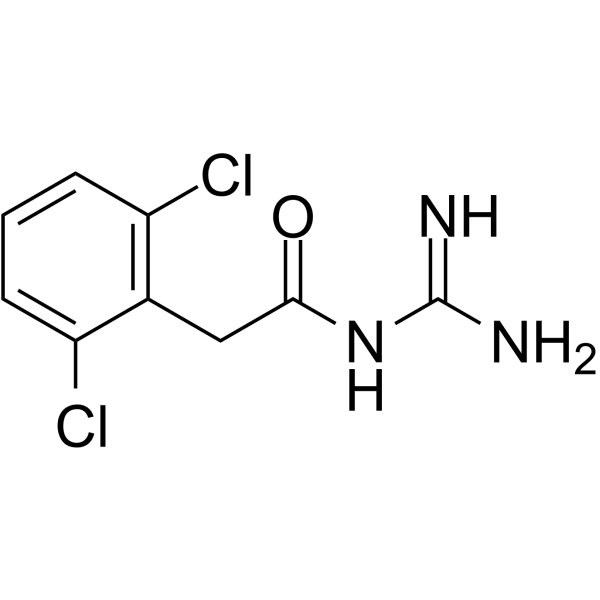
    Guanfacine
    3 Publications Verification

    Adrenergic Receptor Cardiovascular Disease Neurological Disease Endocrinology
    Guanfacine is an orally active noradrenergic α2A agonist and has high selective for the α2A receptor subtype. Guanfacine has effects in producing hypotension and sedation. Guanfacine can be used for the research of a variety of prefrontal cortex (PFC) cognitive disorders, including tourette's syndrome and attention deficit hyperactivity disorder (ADHD) .
    Guanfacine
  • HY-B1306
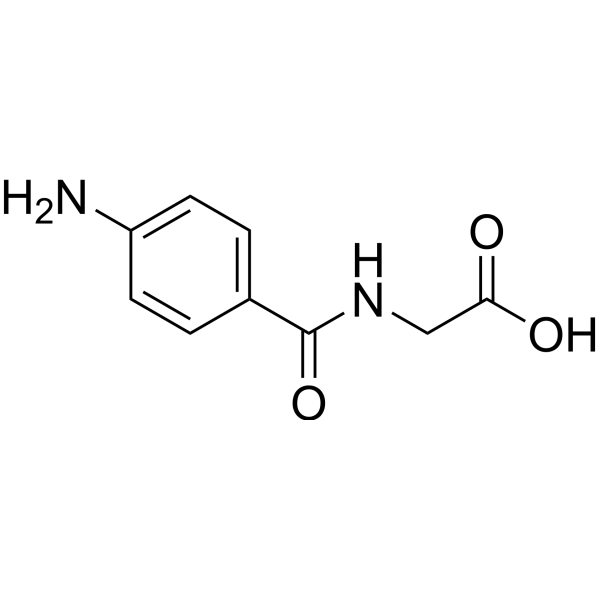
    4-Aminohippuric acid
    4 Publications Verification

    p-Aminohippuric acid

    Others Neurological Disease Metabolic Disease
    4-Aminohippuric acid (p-Aminohippuric acid) is a coordination ligand for metal ions (such as Cu 2+, Fe 3+, Hg 2+) and a functionalization reagent for nanomaterials. 4-Aminohippuric acid can coordinate with metal ions or modify the surface of materials such as carbon nanotubes and gold nanoparticles through amino and carboxyl groups. 4-Aminohippuric acid can form stable complexes with metal ions or participate in the synthesis of nanomaterials as a reducing agent/stabilizer, enriching metal ions or giving nanoparticles peroxidase-mimicking activity. 4-Aminohippuric acid can be used to construct highly sensitive electrochemical sensors or colorimetric sensors to detect and quantitatively analyze heavy metal ions such as copper, iron, and mercury in environmental water samples and biological samples. 4-Aminohippuric acid may also be a biomarker for attention-deficit/hyperactivity disorder (ADHD) .
    4-Aminohippuric acid
  • HY-D0939
    Direct Blue 1
    2 Publications Verification

    Chicago Sky Blue 6B

    Amyloid-β NF-κB Inflammation/Immunology
    Direct Blue 1 (Chicago Sky Blue 6B) is a complex dye for background autofluorescence in immunofluorescence histochemistry. Direct Blue 1 is a potent and competitive VGLUT inhibitor. Direct Blue 1 can inhibit the Aβ-binding small molecule PrP ligand. Direct Blue 1 has anti-inflammatory activity .
    Direct Blue 1
  • HY-N8157
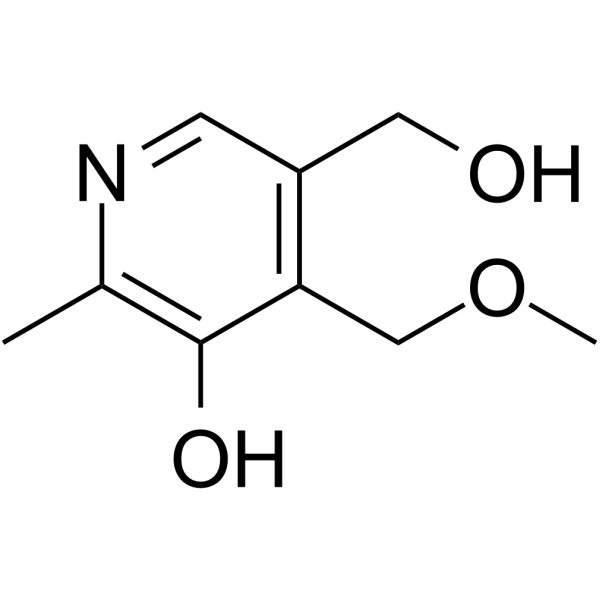
    4'-O-Methylpyridoxine
    1 Publications Verification

    Others Cardiovascular Disease Neurological Disease
    4'-O-Methylpyridoxine is an orally active antivitamin B6 compound found in Ginkgo biloba seeds and leaves. 4'-O-Methylpyridoxine inhibits pyridoxal kinase. 4'-O-Methylpyridoxine reduces brain pyridoxal-5'-phosphate (PLP) levels, decreases gamma-aminobutyric acid/glutamate (GABA/Glu) ratio. 4'-O-Methylpyridoxine increases plasma levels of pyridoxal-5'-phosphate and pyridoxal. 4'-O-Methylpyridoxine induces hyperactivity, convulsions, pathological tissue changes, organ damage in rodent brain and heart .
    4'-O-Methylpyridoxine
  • HY-W380450

    Viloxazin; Emovit

    5-HT Receptor Neurological Disease
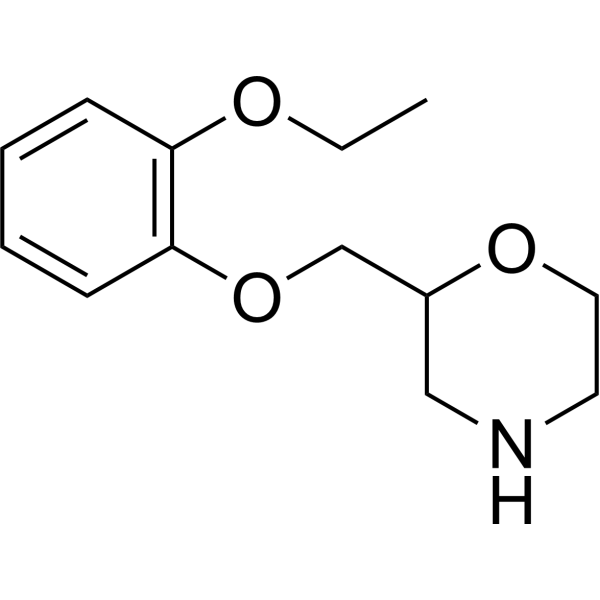
    Viloxazine is a non-brain-penetrant, selective norepinephrine transporter (NET) inhibitor (IC50= 0.26 μM) and 5-HT receptor modulator. Viloxazine antagonizes 5-HT2B receptors (Ki=4.2 μM) and agonizes 5-HT2C receptors (EC50= 32 μM), respectively, and enhances 5-HT neurotransmission by modulating 5-HT2B/C receptors. Viloxazine also competitively inhibits NET from increasing NE and DA levels in the synaptic cleft, and can be used in the study of attention deficit hyperactivity disorder (ADHD) .
    Viloxazine
  • HY-125784

    Viloxazin hydrochloride; Emovit hydrochloride

    5-HT Receptor Neurological Disease
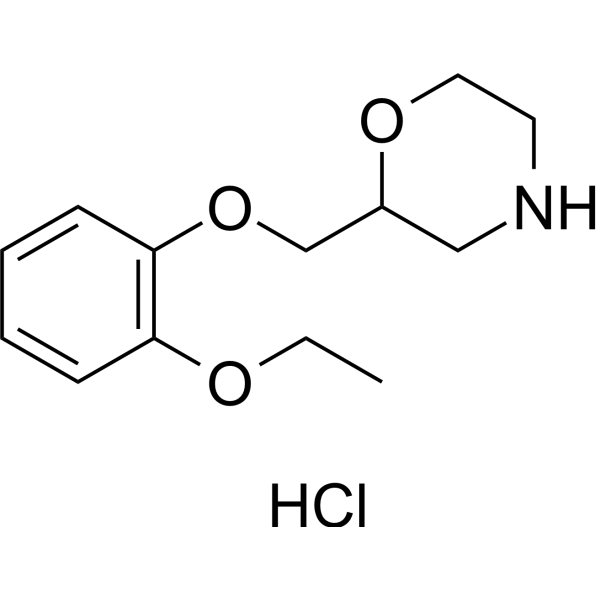
    Viloxazine hydrochloride is a non-brain-penetrant, selective norepinephrine transporter (NET) inhibitor (IC50=0.26 μM) and 5-HT receptor modulator. Viloxazine antagonizes 5-HT2B receptors (Ki=4.2 μM) and agonizes 5-HT2C receptors (EC50=32 μM), respectively, and enhances 5-HT neurotransmission by modulating 5-HT2B/C receptors. Viloxazine also competitively inhibits NET from increasing NE and DA levels in the synaptic cleft, and can be used in the study of attention deficit hyperactivity disorder (ADHD) .
    Viloxazine hydrochloride
  • HY-145404
    Mitragynine pseudoindoxyl
    1 Publications Verification

    Opioid Receptor Metabolic Disease
    Mitragynine pseudoindoxyl is a potent orally active agonist of the μ-opioid receptor (MOR-1, Ki=0.8 nM) and an antagonist of the δ-opioid receptor (DOR-1, Ki=3.0 nM). Mitragynine pseudoindoxyl has moderate affinity for the κ-opioid receptor (KOR-1, Ki=24 nM) and does not recruit β-arrestin-2, acting through G protein-mediated signaling pathways without β-arrestin-2-related activation. Mitragynine pseudoindoxyl produces potent analgesic activity through a mixed μ-agonist/δ-antagonist mechanism, with low side effects such as physical dependence, respiratory depression, and constipation, and no rewarding or aversive behaviors. Mitragynine pseudoindoxyl reduces hyperactivity, inhibits GI transit, and enhances characteristics, making it a potential analgesic .
    Mitragynine pseudoindoxyl
  • HY-14880

    JNJ-31001074

    Histamine Receptor Neurological Disease Metabolic Disease
    Bavisant (JNJ-31001074) is an orally active, potent, brain-penetrating and highly selective antagonist of the histamine H3 receptor. Bavisant can be used for attention-deficit hyperactivity disorder (ADHD) research .
    Bavisant
  • HY-19348
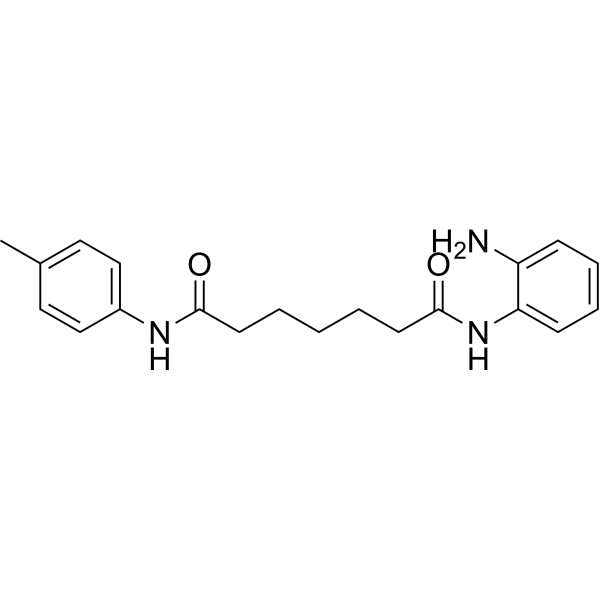
    Pimelic Diphenylamide 106
    5 Publications Verification

    RGFA-8; TC-H 106; Histone Deacetylase Inhibitor VII

    HDAC Monoamine Transporter Neurological Disease Cancer
    Pimelic Diphenylamide 106 (TC-H 106) is a slow, tight binding class I HDAC inhibitor (inhibits HDAC1, 2, and 3 with IC50 values of 150 nM, 760 nM, and 370 nM, respectively), with no activity against class II HDACs. Pimelic Diphenylamide 106 modulates dopamine concentration and protects dopamine cells by inducing VMAT2 expression. Pimelic Diphenylamide 106 can be used in the study of neuropsychiatric diseases such as attention deficit hyperactivity disorder (ADHD) .
    Pimelic Diphenylamide 106
  • HY-154980

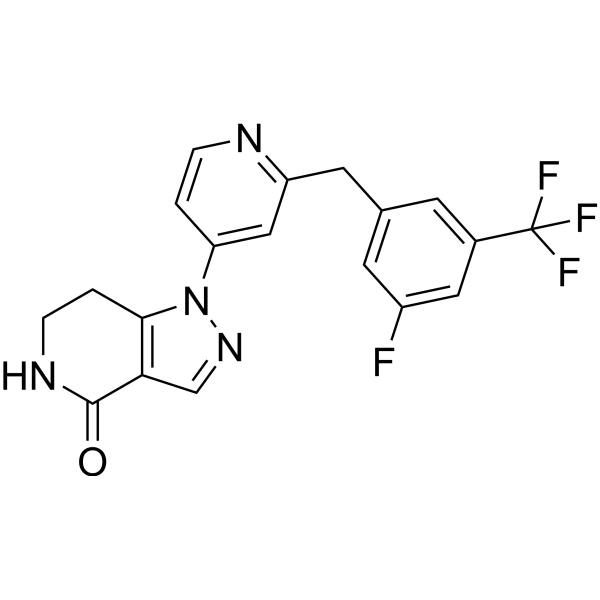
    GPR52 Neurological Disease
    NXE0041178 is an orally active and BBB-penetrant full GPR52 agonist, with a pEC50 of 7.5 for human GPR52 and an EC50 of 27.5 nM (pEC50 = 7.55) for rat GPR52. NXE0041178 shows no significant inhibition on hERG, hNaV1.5 and cytochrome P450 isoforms. NXE0041178 can reduce d-amphetamine-induced hyperactivity in rats. NXE0041178 can be used for research of Neurological disease .
    NXE0041178
  • HY-171844

    iGluR Neurological Disease Inflammation/Immunology
    CX1739 is an orally active, blood-brain barrier permeable, low-efficacy AMPA-glutamate receptor (AMPAR) potentiator. CX1739 enhances excitatory neurotransmission by potentiating glutamate-induced excitatory currents and promoting in vivo long-term potentiation. CX1739 eliminates amphetamine-induced locomotor activity, reverses opioid-, pentobarbital- and ethanol-induced respiratory depression, and exerts pro-cognitive effects in animals. CX1739 impairs motor function recovery and increases the risk of post-injury complications. CX1739 can be used in research related to attention-deficit/hyperactivity disorder, dementia, respiratory depression and spinal cord injury .
    CX1739
  • HY-107481

    NS 105

    mGluR Neurological Disease
    Fasoracetam (NS 105) is the activator of metabotropic glutamate receptor (mGluR). Fasoracetam (NS 105) has the potential for the research of attention-deficit hyperactivity disorder (ADHD) and Alzheimer's disease (AD) .
    Fasoracetam
  • HY-139897

    iGluR Neurological Disease
    CX 717 is a positive allosteric modulator of AMPA receptor. Antidepressant-like effect. CX 717 can be used for the research of adult attention deficit hyperactivity disorder (ADHD) .
    CX 717
  • HY-P99031

    CAM 3001

    c-Fms Cardiovascular Disease Inflammation/Immunology
    Mavrilimumab (CAM 3001) is a monoclonal antibody that binds to the α subunit of the granulocyte-macrophage colony stimulating factor (GM-CSF) receptor and blocks intracellular signalling downstream of GM-CSF. GM-CSF might be a mediator of the hyperactive inflammatory response associated with respiratory failure and death .
    Mavrilimumab
  • HY-15543A
    CP-809101 hydrochloride
    1 Publications Verification

    5-HT Receptor Neurological Disease
    CP-809101 hydrochloride is a potent and highly selective 5-HT2C receptor agonist, with pEC50s of 9.96, 7.19 and 6.81 M for human 5HT2C, 5HT2B and 5HT2A receptor. CP-809101 hydrochloride inhibits conditioned avoidance responding in rats and antagonizes both PCP (phencyclidine hydrochloride)- and d-amphetamine-induced hyperactivity. CP-809101 hydrochloride also reduces food and nicotine dependence in rats, can be used in studies of antipsychotic and nicotine dependence .
    CP-809101 hydrochloride
  • HY-W042214

    Ritalinate

    Drug Metabolite Others
    Ritalinic acid (Ritalinate) is the main inactive urinary metabolite of Methylphenidate. Methylphenidate has the potential for attention-deficit hyperactivity disorder and narcolepsy research .
    Ritalinic acid
  • HY-14824

    ABT 894

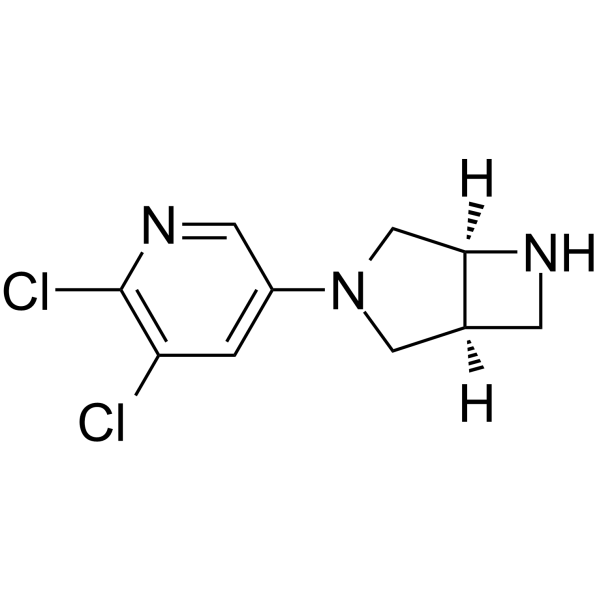
    nAChR Neurological Disease
    Sofiniclin (ABT 894), an agonist of nicotinic acetylcholine receptor (nAChR), is used as a potential non-stimulant research for attention-deficit/hyperactivity disorder (ADHD) .
    Sofiniclin
  • HY-101248

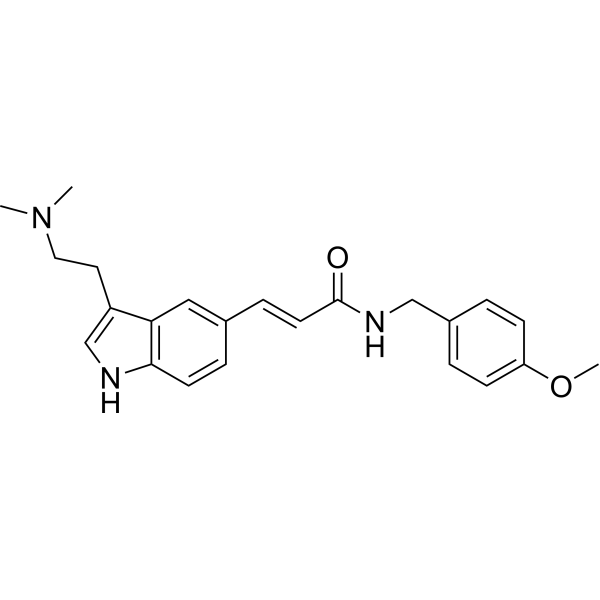
    5-HT Receptor Cancer
    GR-46611 is a 5-HT1D receptor agonist. GR-46611 can be used in the research of bladder hyperactivity, leukemia .
    GR-46611
  • HY-W018171
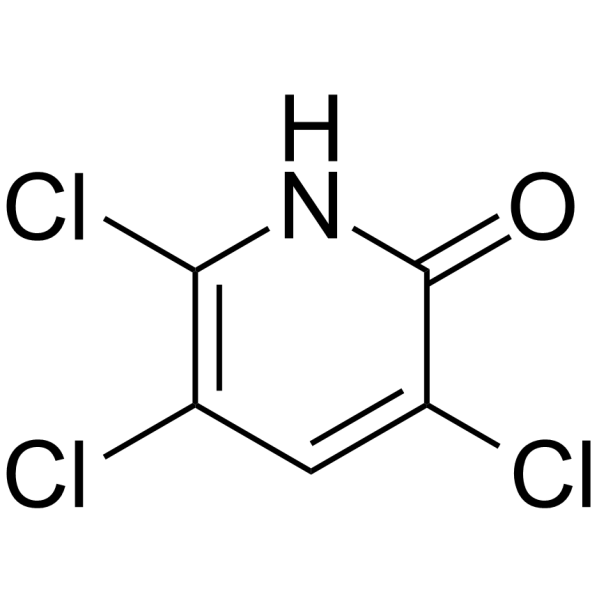
    3,5,6-Trichloro-2-pyridinol
    1 Publications Verification

    TCPy

    Environmental Pollutants Herbicide Metabolic Disease Inflammation/Immunology
    3,5,6-Trichloro-2-pyridinol (TCPy) is a chloride of 2-pyridone with oral activity. 3,5,6-Trichloro-2-pyridinol is the main degradation product of the herbicide Triclopyr and the insecticides Chlorpyrifos and chlorpyrifos-methyl. 3,5,6-Trichloro-2-pyridinol is associated with attention deficit hyperactivity disorder (ADHD) and decreased testosterone levels. 3,5,6-Trichloro-2-pyridinol causes hearing loss, hepatotoxicity and nephrotoxicity in mice .
    3,5,6-Trichloro-2-pyridinol
  • HY-125931

    DM232

    iGluR Neurological Disease Inflammation/Immunology
    Unifiram (DM232) is a AMPA receptor activator and cognitive enhancer. Unifiram activates the AMPA-mediated neurotransmission system. Unifiram reverses NBQX-induced amnesia in the passive avoidance test in mice. Unifiram reverses the antagonistic effect of kynurenic acid on NMDA-mediated [ 3H]NA release in rat hippocampal slices. Unifiram enhances excitatory synaptic transmission in the rat hippocampus in vitro. Unifiram can be used in studies related to amnesia and cognitive dysfunction, including age-related memory decline, neurodegenerative diseases such as Alzheimer's disease or Parkinson's disease, multiple sclerosis, schizophrenia, and attention deficit hyperactivity disorder .
    Unifiram
  • HY-147395

    GPR52 Neurological Disease
    GPR52 agonist-1 is a potent, orally active and blood-brain barrier (BBB) penetrant GPR52 agonist with an pEC50 value of 7.53. GPR52 agonist-1 affects cAMP accumulation through direct interaction with GPR52. GPR52 agonist-1 can significantly suppress Methamphetamine-induced hyperactivity in mice. Antipsychotic activity .
    GPR52 agonist-1
  • HY-108512
    PD 144418
    1 Publications Verification

    Sigma Receptor Neurological Disease
    PD 144418 is a highly affinity, potent and selective sigma 1 (σ1) receptor ligand (Ki values of 0.08 nM and 1377 nM for σ1 and σ2 respectively). PD 144418 devoids of any significant affinity for other receptors, ion channels and enzymes. PD 144418 shows potential antipsychotic activity .
    PD 144418
  • HY-136569

    Phosphodiesterase (PDE) Neurological Disease
    DSR-141562 is a novel, orally active, and selective brain-penetrant phosphodiesterase 1 (PDE1) inhibitor. DSR-141562 shows preferential selectivity for human PDE1B with an IC50 of 43.9 nM, and the IC50 values for human PDE1A and 1C are 97.6 and 431.8 nM, respectively. DSR-141562 can be used for the study of positive symptoms, negative symptoms and cognitive impairments associated with schizophrenia .
    DSR-141562
  • HY-110168

    nAChR Neurological Disease
    NS9283 is a positive positive allosteric modulator of (α4)3(β2)2 nicotinic ACh receptors. NS9283 can be used in a series of neurological conditions such as attention deficit hyperactivity disorder (ADHD), schizophrenia, Parkinson's disease and Alzheimer's disease .
    NS 9283
  • HY-N7491A

    Calcium Channel Cancer
    ent-(+)-verticilide is a potent and selective inhibitor of cardiac ryanodine receptor (RyR2) calcium release channels with antiarrhythmic activity. ent-(+)-verticilide inhibits RyR2-mediated diastolic Ca2+ leak and exhibits higher potency and a distinct mechanism of action compared with theDantrolene and Tetracaine. ent-(+)-verticilide is a useful tool to investigate the therapeutic potential of targeting RyR2 hyperactivity in heart and brain pathologies .
    Ent-(+)-Verticilide
  • HY-110168R

    nAChR Neurological Disease
    NS 9283 (Standard) is the analytical standard of NS 9283. This product is intended for research and analytical applications. NS9283 is a positive positive allosteric modulator of (α4)3(β2)2 nicotinic ACh receptors. NS9283 can be used in a series of neurological conditions such as attention deficit hyperactivity disorder (ADHD), schizophrenia, Parkinson's disease and Alzheimer's disease .
    NS 9283 (Standard)
  • HY-15413A

    LY 2216684 hydrochloride

    Serotonin Transporter Neurological Disease
    Edivoxetine (LY 2216684) hydrochloride is a potent and selective norepinephrine reuptake inhibitor. Edivoxetine hydrochloride can be used for the study of major depressive disorder (MDD) and attention-deficit/hyperactivity disorder (ADHD) .
    Edivoxetine hydrochloride
  • HY-107370
    Atomoxetine
    4 Publications Verification

    Tomoxetine; (R)-Tomoxetine

    Serotonin Transporter Sodium Channel Neurological Disease Cancer
    Atomoxetine (Tomoxetine) is a selective noradrenaline reuptake inhibitor with Ki values of 5, 77 and 1451 nM for norepinephrine (NE), serotonin (5-HT) and dopamine (DA) transporters, respectively. Atomoxetine (Tomoxetine) increases of DAEX and NEEX in the PFC and enhances catecholaminergic neurotransmission. Atomoxetine (Tomoxetine) is a potent Na + channels (VGSCs) blocker. Atomoxetine (Tomoxetine) can be used for attention-deficit hyperactivity disorder (ADHD) research .
    Atomoxetine
  • HY-169784

    Drug Derivative Metabolic Disease
    PPI-1040 is an orally bioavailable vinyl ether synthetic plasmalogen. PPI-1040 acts as a precursor of plasmalogen. PPI-1040 increases plasmalogen levels in plasmalogen-deficient mice and normalizes hyperactive behaviors in these mice. In wild-type mice, PPI-1040 retains the sn-1 vinyl ether group and sn-3 phosphoethanolamine group, and is converted into endogenous ethanolamine plasmalogen. PPI-1040 can be used in studies related to rhizomelic chondrodysplasia punctata .
    PPI-1040
  • HY-14880B

    JNJ31001074AAC; JNJ31001074 dihydrochloride hydrate

    Histamine Receptor Neurological Disease Metabolic Disease
    Bavisant (JNJ31001074AAC) dihydrochloride hydrate is an orally active, potent, brain-penetrating and highly selective antagonist of the histamine H3 receptor. Bavisant dihydrochloride hydrate can be used for attention-deficit hyperactivity disorder (ADHD) research .
    Bavisant dihydrochloride hydrate
  • HY-108512A
    PD 144418 oxalate
    1 Publications Verification

    Sigma Receptor Neurological Disease
    PD 144418 oxalate is a highly affinity, potent and selective sigma 1 (σ1) receptor ligand (Ki values of 0.08 nM and 1377 nM for σ1 and σ2 respectively). PD 144418 oxalate devoids of any significant affinity for other receptors, ion channels and enzymes. PD 144418 oxalate shows potential antipsychotic activity .
    PD 144418 oxalate
  • HY-100610

    STAT Cancer
    S3I-1757 is a STAT3 inhibitor. S3I-1757 inhibits the phosphorylation and dimerization of STAT3. S3I-1757 can be used for the research of STAT3 hyperactive cancers such as melanoma .
    S3I-1757
  • HY-W206911

    Environmental Pollutants Biochemical Assay Reagents Others
    Erythrosin B sodium salt, is a synthetic azo dye commonly used as a food colorant and textile dye. It is a water-soluble compound that produces a bright red color and is often used to improve the appearance of products. Erythrosin B sodium salt is also used in the textile industry for dyeing wool, silk and leather. However, it has been linked to potentially negative health effects, such as allergic reactions and hyperactivity in children.
    Erythrosin B sodium salt
  • HY-148325

    nAChR Neurological Disease
    α7 Nicotinic receptor agonist-1 (Preparation 5) is an α7 nAChR agonist. α7 Nicotinic receptor agonist-1 can be used in studies of psychiatric disorders (such as schizophrenia, manic or hypomanic depression and anxiety disorders) and intellectual disorders (such as alzheimer's disease, learning deficits, cognitive deficits, attention deficits, memory loss, lewy body dementia and attention deficit hyperactivity disorder) .
    α7 Nicotinic receptor agonist-1
  • HY-B1306R

    p-Aminohippuric acid (Standard)

    Reference Standards Biochemical Assay Reagents Neurological Disease Metabolic Disease
    4-Aminohippuric acid (p-Aminohippuric acid) (Standard) is the analytical standard of 4-Aminohippuric acid (HY-B1306). This product is intended for research and analytical applications. 4-Aminohippuric acid (p-Aminohippuric acid) is a coordination ligand for metal ions (such as Cu 2+, Fe 3+, Hg 2+) and a functionalization reagent for nanomaterials. 4-Aminohippuric acid can coordinate with metal ions or modify the surface of materials such as carbon nanotubes and gold nanoparticles through amino and carboxyl groups. 4-Aminohippuric acid can form stable complexes with metal ions or participate in the synthesis of nanomaterials as a reducing agent/stabilizer, enriching metal ions or giving nanoparticles peroxidase-mimicking activity. 4-Aminohippuric acid can be used to construct highly sensitive electrochemical sensors or colorimetric sensors to detect and quantitatively analyze heavy metal ions such as copper, iron, and mercury in environmental water samples and biological samples. 4-Aminohippuric acid may also be a biomarker for attention-deficit/hyperactivity disorder (ADHD) .
    4-Aminohippuric acid (Standard)
  • HY-156532

    5-HT Receptor Neurological Disease
    5-HT2C agonist-3 ((+)-19) is a selective 5-HT2C agonist (EC50: 24 nM, Ki: 78 nM). 5-HT2C agonist-3 has antipsychotic drug-like activity. 5-HT2C agonist-3 blocks Amphetamine-induced hyperactivity .
    5-HT2C agonist-3
  • HY-13458A

    L-DOPS hydrochloride; DOPS hydrochloride; SM5688 hydrochloride

    Adrenergic Receptor Cardiovascular Disease Neurological Disease
    Droxidopa (L-DOPS) hydrochloride is a potent, orally active norepinephrine precursor. Droxidopa hydrochloride increases standing blood pressure, ameliorates symptoms of orthostatic hypotension and improves standing ability. Droxidopa hydrochloride has the potential for the research of neurogenic orthostatic hypotension (nOH) and alternative ADHD (attention deficit hyperactivity disorder) .
    Droxidopa hydrochloride
  • HY-W773779

    GSK-3 Neurological Disease Metabolic Disease Cancer
    GSK3-IN-9 (Compound 0713) is a selective glycogen synthase kinase 3 (GSK3) inhibitor. GSK3-IN-9 Fragile X syndrome, attention deficit hyperactivity disorder (ADHD), childhood seizure, intellectual disability, diabetes, acute myeloid leukemia (AML), autism, and psychiatric disorder .
    GSK3-IN-9
  • HY-B1306S

    p-Aminohippuric acid-d4

    Biochemical Assay Reagents Neurological Disease Metabolic Disease
    4-Aminohippuric acid-d4 (p-Aminohippuric acid-d4) is the deuterium labeled 4-Aminohippuric acid (HY-B1306). 4-Aminohippuric acid (p-Aminohippuric acid) is a coordination ligand for metal ions (such as Cu 2+, Fe 3+, Hg 2+) and a functionalization reagent for nanomaterials. 4-Aminohippuric acid can coordinate with metal ions or modify the surface of materials such as carbon nanotubes and gold nanoparticles through amino and carboxyl groups. 4-Aminohippuric acid can form stable complexes with metal ions or participate in the synthesis of nanomaterials as a reducing agent/stabilizer, enriching metal ions or giving nanoparticles peroxidase-mimicking activity. 4-Aminohippuric acid can be used to construct highly sensitive electrochemical sensors or colorimetric sensors to detect and quantitatively analyze heavy metal ions such as copper, iron, and mercury in environmental water samples and biological samples. 4-Aminohippuric acid may also be a biomarker for attention-deficit/hyperactivity disorder (ADHD) .
    4-Aminohippuric acid-d4
  • HY-B1495

    5-HT Receptor Neurological Disease
    Quipazine maleate is a 5-HT agonist that causes behavioural changes such as hyperactivity. Quipazine maleate also shows a weak reversible MAO inhibitory activity .
    Quipazine maleate
  • HY-177509

    Cholecystokinin Receptor Metabolic Disease
    BBL454 (Compound 43) is a Cholecystokinin 2B (CCK2B) receptor agonist. BBL454 induces hyperactivity and improves memory in rat models while it has weak activity on the peripheral CCK2 receptor and no anxiogenic activity. BBL454 increases gastric acid output in anesthetised rat models. BBL454 can be used for diabetes research .
    BBL454
  • HY-120741

    Phosphodiesterase (PDE) Neurological Disease
    PF-04822163 is an orally active, selective, and blood-brain barrier permeable PDE1 inhibitor with IC50 values of 2 nM, 2.4 nM, and 7 nM for PDE1A, PDE1B, and PDE1C respectively. PF-04822163 can be used in the research of attention deficit hyperactivity disorder or Parkinson's disease .
    PF-04822163
  • HY-170499

    BI02982816

    mGluR Neurological Disease
    VU6024578 (BI02982816) is a selective, orally active positive allosteric modulator (PAM) for metabotropic glutamate receptor (mGluR1), that activates human mGluR1 and rat mGluR1 with EC50 of 54 nM and 46 nM. VU6024578 exhibits antipsychotic activity in rats amphetamine-induced hyperactivity models and MK-801 (HY-15084B)-induced novel object recognition (NOR) models. VU6024578 is blood brain barrier penetrable .
    VU6024578
  • HY-106993

    GT-2331

    Histamine Receptor Neurological Disease Endocrinology
    Cipralisant (GT-2331) is an orally active, low-toxicity, potent, selective, high affinity histamine H3 receptor full antagonist in vivo, and an agonist in vitro, with a pKi of 9.9 for histamine H3 receptor and a Ki of 0.47 nM for rat histamine H3 receptor. Cipralisant has the potential for attention-deficit hyperactivity disorder research . Cipralisant is a click chemistry reagent, it contains an Alkyne group and can undergo copper-catalyzed azide-alkyne cycloaddition (CuAAc) with molecules containing Azide groups.
    Cipralisant
  • HY-15543

    5-HT Receptor Neurological Disease
    CP-809101 is a potent and highly selective 5-HT2C receptor agonist, with pEC50s of 9.96, 7.19 and 6.81 M for human 5HT2C, 5HT2B and 5HT2A receptor. CP-809101 inhibits conditioned avoidance responding in rats and antagonizes both PCP (phencyclidine hydrochloride)- and d-amphetamine-induced hyperactivity. CP-809101 also reduces food and nicotine dependence in rats, can be used in studies of antipsychotic and nicotine dependence .
    CP-809101

Inquiry Online

Your information is safe with us. * Required Fields.

Salutation


Country or Region *

Applicant Name *


Organization Name *

Department *


Email Address *


Product Name *

Cat. No.


Requested quantity *

Phone Number *


Remarks

Inquiry Online

Inquiry Information

Product Name:
Cat. No.:
Quantity:
MCE Japan Authorized Agent:

