
Search Result
Results for "
immunosuppressive agent
" in MedChemExpress (MCE) Product Catalog:
11
Isotope-Labeled Compounds
| Cat. No. |
Product Name |
Target |
Research Areas |
Chemical Structure |
-
- HY-16569
-
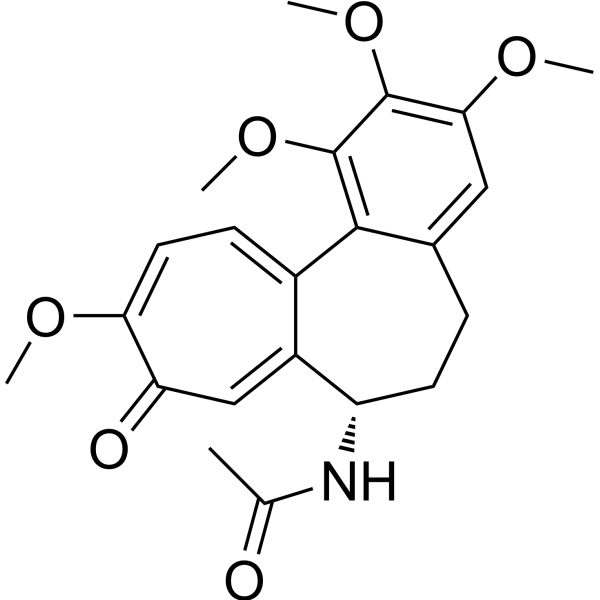
Colchicine
Maximum Cited Publications
62 Publications Verification
|
Environmental Pollutants
Apoptosis
Autophagy
Microtubule/Tubulin
NOD-like Receptor (NLR)
|
Cancer
|
|
Colchicine, an orally active alkaloid, is a potent tubulin inhibitor and a microtubule disrupting agent. Colchicine inhibits microtubule polymerization with an IC50 of 3 nM. Colchicine is also a competitive antagonist of the α3 glycine receptors (GlyRs). Colchicine prevents non-steroidal anti-inflammatory drug (NSAID)-induced small intestinal injury by inhibiting activation of the NLRP3 inflammasome. Colchicine has extensive anti-inflammatory, immunosuppressive and strong anti-fibrosis effects and has the potential for gouty arthritis research .
|
-
-
- HY-B0245
-
-
-
- HY-13677
-
-
-
- HY-B0214
-
-
-
- HY-17420A
-
|
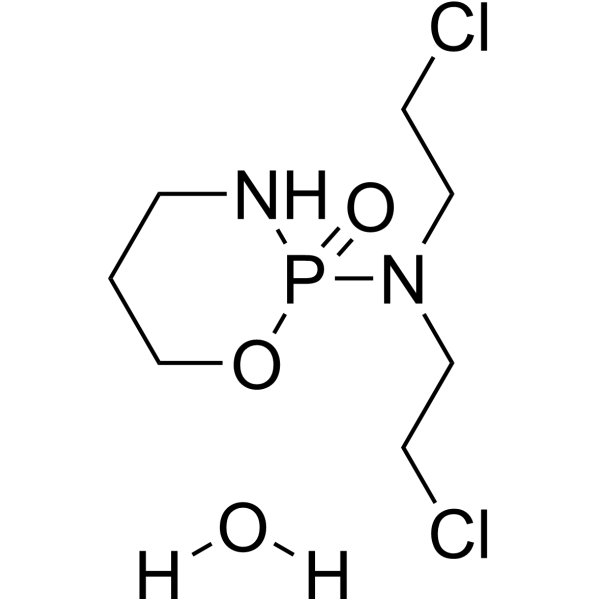
Cyclophosphamide monohydrate
|
DNA Alkylator/Crosslinker
|
Cancer
|
|
Cyclophosphamide hydrate is a synthetic alkylating agent chemically related to the nitrogen mustards with antineoplastic and immunosuppressive activities.
|
-
-
- HY-B0256
-
|
BW 57-322
|
Apoptosis
|
Inflammation/Immunology
Cancer
|
|
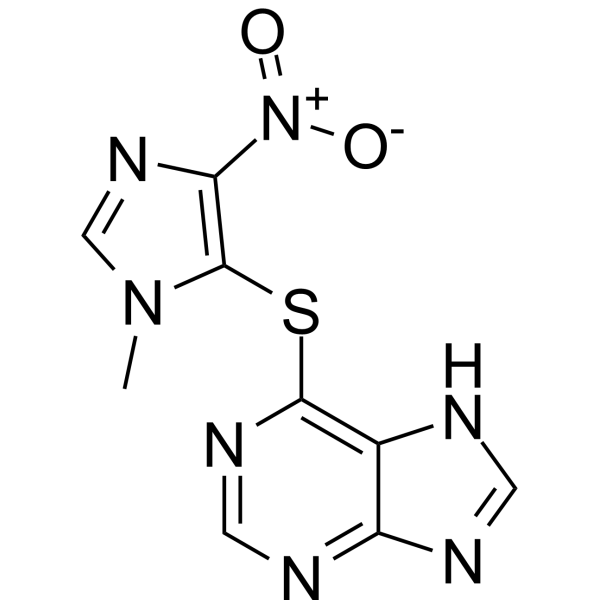
Azathioprine (BW 57-322) is an orally active immunosuppressive agent. Azathioprine can be converted in vivo to the active metabolite 6-mercaptopurine (6-MP). Azathioprine has myelosuppressive effects and induces apoptosis .
|
-
-
- HY-B0421
-
-
-
- HY-13677A
-
|
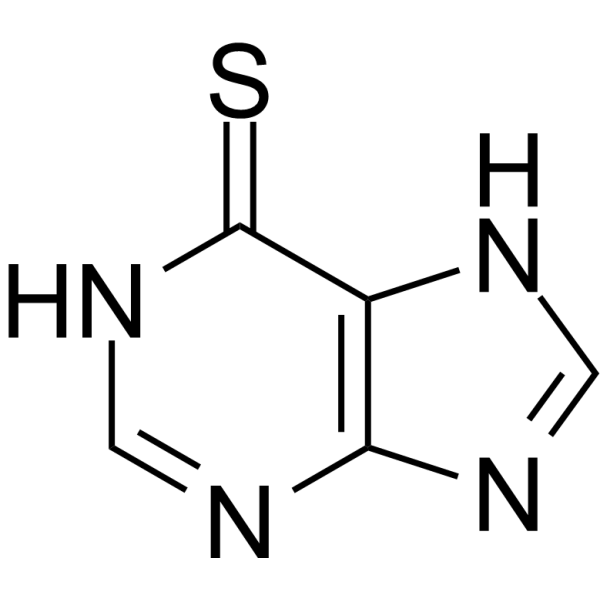
Mercaptopurine hydrate; 6-MP hydrate
|
Nucleoside Antimetabolite/Analog
|
Cancer
|
|
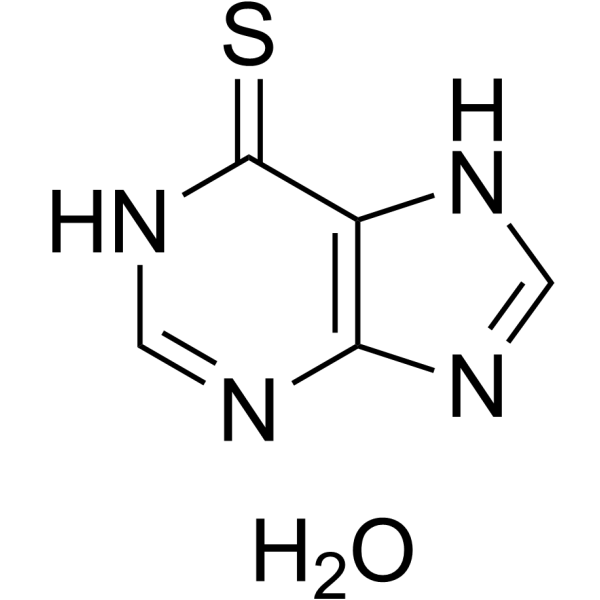
6-Mercaptopurine hydrate (Mercaptopurine hydrate; 6-MP hydrate) is a purine analogue which acts as an antagonist of the endogenous purines and has been widely used as antileukemic agent and immunosuppressive agent.
|
-
-
- HY-B0421S
-
|
Mycophenolate-d3
|
Bacterial
Apoptosis
Fungal
Antibiotic
Endogenous Metabolite
Isotope-Labeled Compounds
Flavivirus
|
Others
|
|
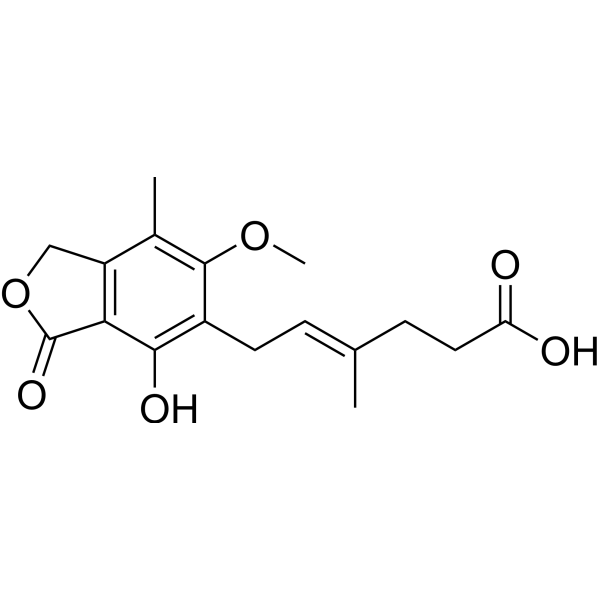
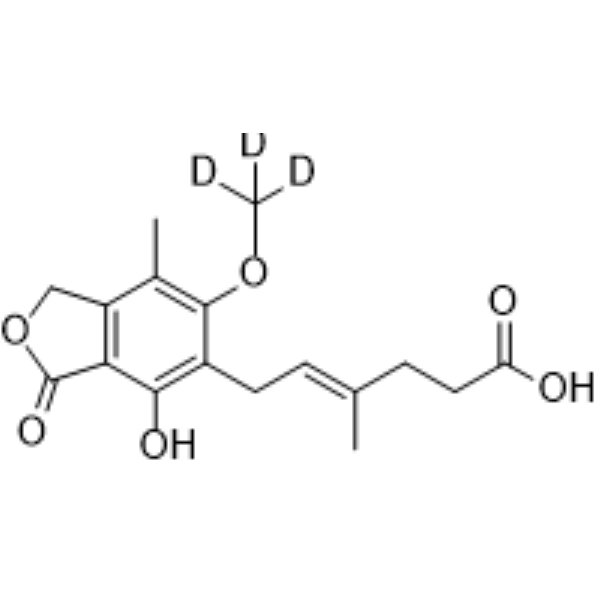
Mycophenolic acid-d3 (Mycophenolate-d3) is deuterium labeled Mycophenolic acid (HY-B0421). Mycophenolic acid is a potent uncompetitive inosine monophosphate dehydrogenase (IMPDH) inhibitor with an EC50 of 0.24 μM. Mycophenolic acid demonstrates antiviral effects against a wide range of RNA viruses including influenza. Mycophenolic acid is an immunosuppressive agent. Antiangiogenic and antitumor effects.
|
-
-
- HY-P99728
-
|
RG7835; RO7049665
|
Interleukin Related
|
Metabolic Disease
Inflammation/Immunology
|
|
Melredableukin alfa (RG7835) is a bivalent conjugate composed of a human IL-2 mutant (T3A, N88D, C125A) and human IgG1. Melredableukin alfa exhibits enhanced Treg cell selectivity in cynomolgus monkey and humanized mouse models. Melredableukin alfa can be used in research related to ulcerative colitis and autoimmune hepatitis .
|
-
-
- HY-112613
-
UCB9608
1 Publications Verification
|
PI4K
|
Inflammation/Immunology
|
|
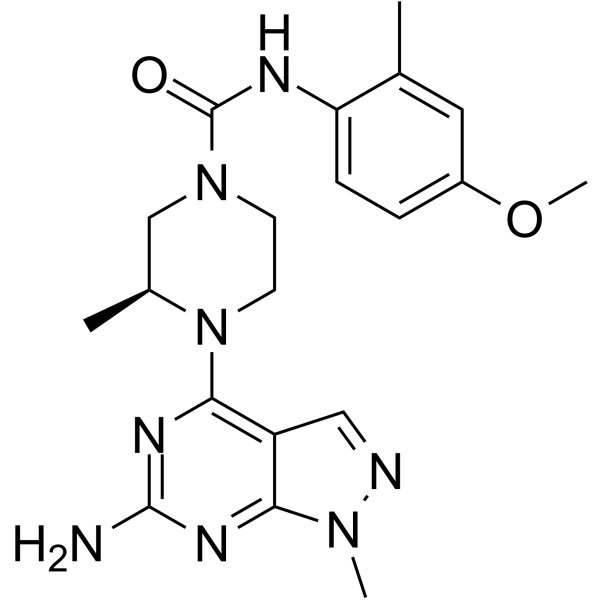
UCB9608 is a potent, selective and orally active PI4KIIIβ inhibitor, with an IC50 of 11 nM, selective over PI3KC2 α, β, and γ lipid kinases. UCB9608 improves metabolic stability and exhibits excellent pharmacokinetic profile, acts as a potent immunosuppressive agent .
|
-
-
- HY-P99325
-
|
IDEC-131; Anti-Human CD40 ligand Recombinant Antibody
|
TNF Receptor
|
Inflammation/Immunology
|
|
Toralizumab (IDEC-131) is a humanized monoclonal antibody (mAb) against CD40L (CD154) comprised of human gamma 1 heavy chains and human kappa light chains. Toralizumab binds specifically to human CD40L on T cells, thereby preventing CD40 signaling. Toralizumab is an immunosuppressive agent. Toralizumab can lead to increased thrombosis. Toralizumab can be studied in research for diseases such as multiple sclerosis, systemic lupus erythematosus (SLE), and Crohn’s disease .
|
-
-
- HY-P99292
-
|
HuZAF; Anti-Human IFNG Recombinant Antibody
|
IFNAR
|
Inflammation/Immunology
|
|
Fontolizumab (HuZAF) is a humanized monoclonal anti-IFN-gamma antibody. Fontolizumab is an immunosuppressive agent. Fontolizumab can be used in research of Crohn’s disease .
|
-
-
- HY-B0245S
-
|
|
DNA Alkylator/Crosslinker
Apoptosis
|
Inflammation/Immunology
Cancer
|
|
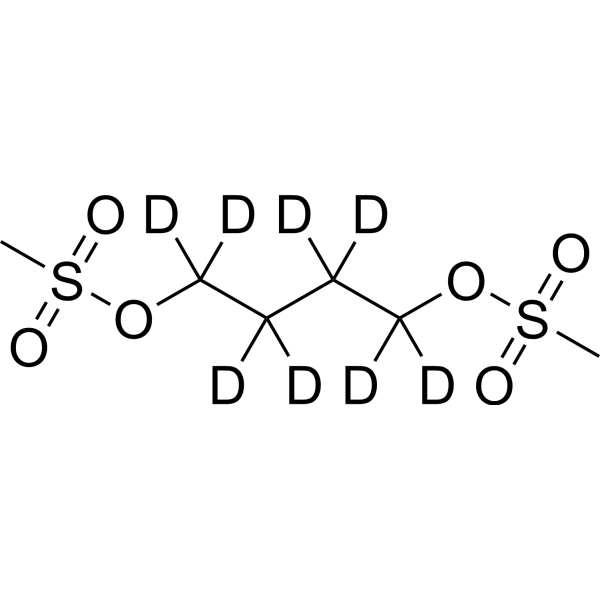
Busulfan-d8 is a deuterium labeled Busulfan. Busulfan is a potent alkylating antineoplastic agent. Busulfan causes DNA damage by cross-linking DNAs and DNA and proteins. Busulfan inhibits thioredoxin reductase. Busulfan induces apoptosis. Busulfan is an immunosuppressive and myeloablative chemotherapeutic agent .
|
-
-
- HY-B0421A
-
-
-
- HY-128747
-
-
-
- HY-101603
-
|
FK778
|
Biochemical Assay Reagents
|
Inflammation/Immunology
|
|
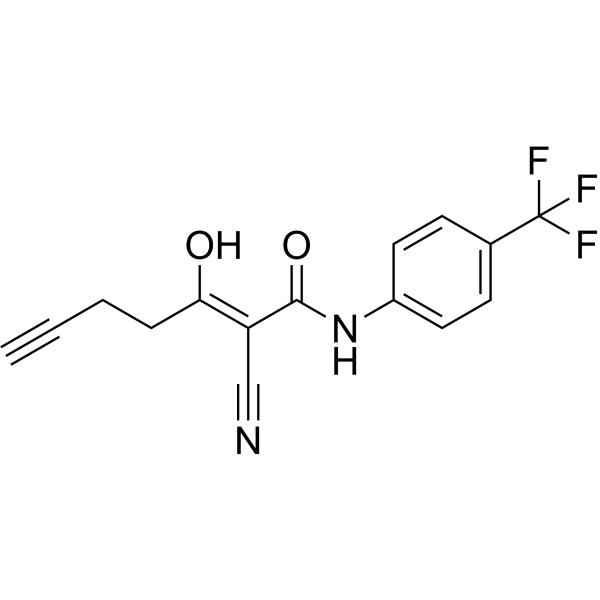
Manitimus is an inhibitor of dehydroorotate dehydrogenase, and a potent immunosuppressive agent. Manitimus is a click chemistry reagent, it contains an Alkyne group and can undergo copper-catalyzed azide-alkyne cycloaddition (CuAAc) with molecules containing Azide groups.
|
-
-
- HY-B0245R
-
|
|
DNA Alkylator/Crosslinker
Apoptosis
Reference Standards
|
Inflammation/Immunology
Cancer
|
|
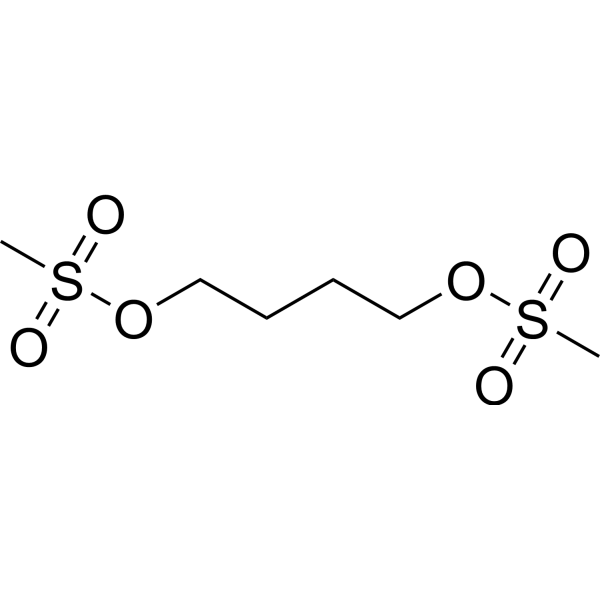
Busulfan (Standard) is the analytical standard of Busulfan. This product is intended for research and analytical applications. Busulfan is a potent alkylating antineoplastic agent. Busulfan causes DNA damage by cross-linking DNAs and DNA and proteins. Busulfan inhibits thioredoxin reductase. Busulfan induces apoptosis. Busulfan is an immunosuppressive and myeloablative chemotherapeutic agent .
|
-
-
- HY-101813
-
|
HR325
|
Dihydroorotate Dehydrogenase
DNA/RNA Synthesis
Prostaglandin Receptor
|
Inflammation/Immunology
|
|
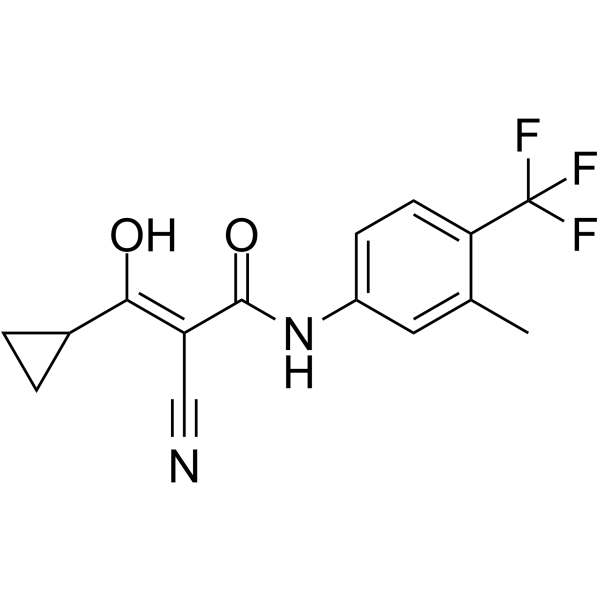
Laflunimus (HR325) is an immunosuppressive agent and an analogue of the Leflunomide-active metabolite A77 1726. Laflunimus is an orally active inhibitor of dihydroorotate dehydrogenase (DHODH). Laflunimus suppresses immunoglobulin (Ig) secretion, with IC50 values of 2.5 and 2 µM for IgM and IgG, respectively. Laflunimus also is a prostaglandin endoperoxide H synthase (PGHS) -1 and -2 inhibitor .
|
-
-
- HY-N7700A
-
|
G2013 sodium
|
VEGFR
Toll-like Receptor (TLR)
COX
NO Synthase
NF-κB
MMP
|
Inflammation/Immunology
Cancer
|
|
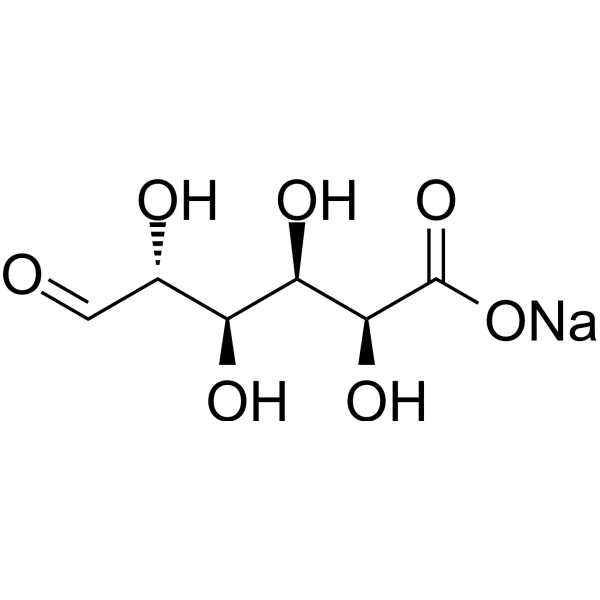
Guluronic acid (G2013) sodium is an orally active oxidative stress regulator and anti-inflammatory agent that exerts pharmacological effects by down-regulating various pro-inflammatory and oxidative stress-related genes (such as TLR4, NF-κB, iNOS, etc.) and inhibiting the activities of COX-2, MMPs and VEGF. Low-dose Guluronic acid sodium up-regulates the expression of immunoregulatory genes SHIP1 and SOCS1, thereby effectively inhibiting cancer-related inflammation, tumor angiogenesis, cell adhesion and metastasis, while reducing the accumulation of immunosuppressive cells. Guluronic acid sodium significantly prolongs the survival time of tumor-bearing hosts within a concentration range without direct cytotoxicity, demonstrating favorable safety. Guluronic acid sodium has involved in the research of multiple sclerosis, ankylosing spondylitis, breast cancer and other inflammatory diseases .
|
-
-
- HY-N7700
-
|
G2013
|
MMP
COX
VEGFR
Toll-like Receptor (TLR)
NF-κB
NO Synthase
|
Inflammation/Immunology
Cancer
|
|
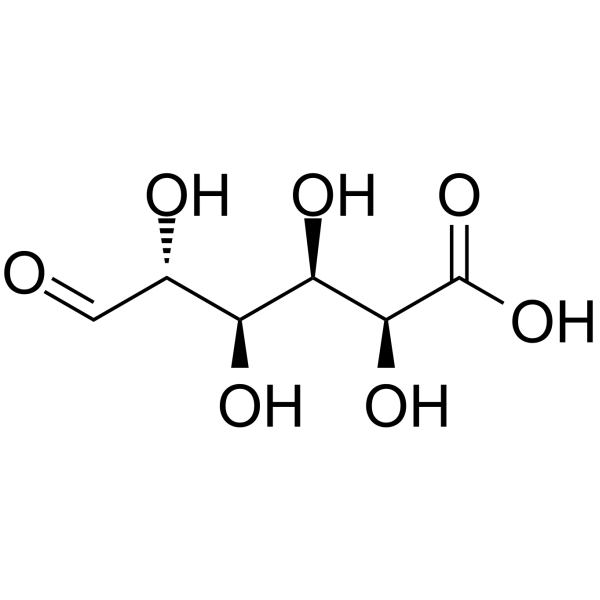
Guluronic acid (G2013) is an orally active oxidative stress regulator and anti-inflammatory agent that exerts pharmacological effects by down-regulating various pro-inflammatory and oxidative stress-related genes (such as TLR4, NF-κB, iNOS, etc.) and inhibiting the activities of COX-2, MMPs and VEGF. Low-dose Guluronic acid up-regulates the expression of immunoregulatory genes SHIP1 and SOCS1, thereby effectively inhibiting cancer-related inflammation, tumor angiogenesis, cell adhesion and metastasis, while reducing the accumulation of immunosuppressive cells. Guluronic acid significantly prolongs the survival time of tumor-bearing hosts within a concentration range without direct cytotoxicity, demonstrating favorable safety. Guluronic acid has involved in the research of multiple sclerosis, ankylosing spondylitis, breast cancer and other inflammatory diseases .
|
-
-
- HY-110044
-
-
-
- HY-17420AR
-
|
Cyclophosphamide monohydrate (Standard)
|
Reference Standards
DNA Alkylator/Crosslinker
|
Cancer
|
|
Cyclophosphamide (hydrate) (Standard) is the analytical standard of Cyclophosphamide (hydrate). This product is intended for research and analytical applications. Cyclophosphamide hydrate is a synthetic alkylating agent chemically related to the nitrogen mustards with antineoplastic and immunosuppressive activities.
|
-
-
- HY-13677S1
-
|
Mercaptopurine-13C2,15N; 6-MP-13C2,15N
|
Nucleoside Antimetabolite/Analog
Autophagy
Endogenous Metabolite
|
Cancer
|
|
6-Mercaptopurine- 13C2, 15N is the 13C- and 15N-labeled 6-Mercaptopurine. 6-Mercaptopurine is a purine analogue which acts as an antagonist of the endogenous purines and has been widely used as antileukemic agent and immunosuppressive agent.
|
-
-
- HY-B0214R
-
-
-
- HY-B0421R
-
-
-
- HY-16569R
-
|
|
Reference Standards
Microtubule/Tubulin
NOD-like Receptor (NLR)
Autophagy
Apoptosis
|
Cancer
|
|
Colchicine (Standard) is the analytical standard of Colchicine. This product is intended for research and analytical applications. Colchicine, an orally active alkaloid, is a potent tubulin inhibitor and a microtubule disrupting agent. Colchicine inhibits microtubule polymerization with an IC50 of 3 nM. Colchicine is also a competitive antagonist of the α3 glycine receptors (GlyRs). Colchicine prevents non-steroidal anti-inflammatory drug (NSAID)-induced small intestinal injury by inhibiting activation of the NLRP3 inflammasome. Colchicine has extensive anti-inflammatory, immunosuppressive and strong anti-fibrosis effects and has the potential for gouty arthritis research .
|
-
-
- HY-P10862
-
|
|
Exosomes
Virus Protease
|
Infection
Cancer
|
AH-D peptide is a brain-penetrant antiviral agent disrupting highly curved lipid membranes. AH-D peptide exhibits broad-spectrum antiviral activity against ZIKV, Dengue virus, Chikungunya virus, yellow fever virus and Japanese encephalitis virus, with IC50 values of 11.9, 12.5, 35.7, 206 and 136 nM, respectively. AH-D peptide reduces the viral load in the brain, suppresses inflammation, protects neurons, and does not damage the blood brain barrier. AH-D peptide restores antitumor immunity by decreasing circulating PD-L1 + exosomes, reducing intratumoral immunosuppressive cells (regulatory T cells, myeloid-derived suppressor cells), and enhancing T cell function. AH-D peptide inhibits membrane-enveloped viruses and cancer cell metastasis in vivo. AH-D peptide exhibits no immunogenicity and has negligible effects on normal tissues. AH-D peptide can be used for research in Zika virus and other mosquito-borne viruses, cancer immunotherapy and metastasis .
|
-
-
- HY-13677AR
-
|
Mercaptopurine hydrate (Standard); 6-MP hydrate (Standard)
|
Reference Standards
Nucleoside Antimetabolite/Analog
|
Cancer
|
|
6-Mercaptopurine hydrate (Standard) is the analytical standard of 6-Mercaptopurine hydrate. This product is intended for research and analytical applications. 6-Mercaptopurine hydrate (Mercaptopurine hydrate; 6-MP hydrate) is a purine analogue which acts as an antagonist of the endogenous purines and has been widely used as antileukemic agent and immunosuppressive agent.
|
-
-
- HY-Z8754
-
|
Tacrolimus EP impurity D; 8-epi-Tacrolimus
|
Phosphatase
|
Inflammation/Immunology
|
|
Tacrolimus anhydrous 8-epimer (Tacrolimus EP impurity D) is a l-pipecolic acid macrolide lactone, an important immunosuppressive agent that blocks T cell proliferation in vitro by inhibiting the generation of several lymphokines, especially IL-2 .
|
-
-
- HY-B0256R
-
|
BW 57-322 (Standard)
|
Reference Standards
Apoptosis
|
Inflammation/Immunology
Cancer
|
|
Azathioprine (Standard) is the analytical standard of Azathioprine. This product is intended for research and analytical applications. Azathioprine (BW 57-322) is an orally active immunosuppressive agent. Azathioprine can be converted in vivo to the active metabolite 6-mercaptopurine (6-MP). Azathioprine has myelosuppressive effects and induces apoptosis .
|
-
-
- HY-128747R
-
|
|
Reference Standards
Endogenous Metabolite
|
Cardiovascular Disease
Metabolic Disease
Inflammation/Immunology
|
|
α-D-Glucose-1-phosphate disodium (Standard) is the analytical standard of α-D-Glucose-1-phosphate disodium (HY-128747). This product is intended for research and analytical applications.
α-D-Glucose-1-phosphate disodium is used as a starting material for synthesis of glucuronic acid. α-D-Glucose-1-phosphate disodium can be used as a cytostatic compound essential for cardiopathic therapy, as an antibiotic, as an immunosuppressive agent, and as a circulatory system therapy element.
|
-
-
- HY-13677S
-
-
-
- HY-P1355A
-
|
|
Calcineurin
Cyclophilin
|
Others
|
|
Cyclosporin A-Derivative 1 (Free base) is a crystalline intermediate derived from the opening of cyclosporin A extracted from patent WO 2013167703 A1. Cyclosporin A is an immunosuppressive agent which can bind to the cyclophilin and inhibit calcineurin.
|
-
-
- HY-100711A
-
|
Prodigiosine hydrochloride
|
Bacterial
Apoptosis
Fungal
Wnt
Parasite
|
Infection
Inflammation/Immunology
Cancer
|
|
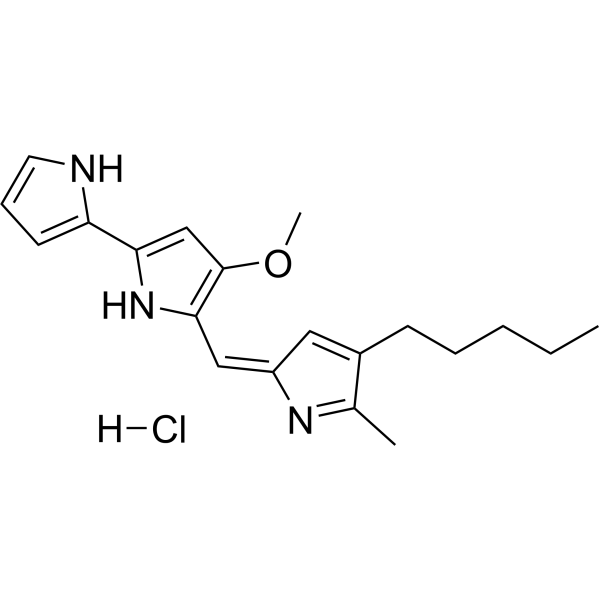
Prodigiosin (Prodigiosine) hydrochloride is a red pigment produced by bacteria as a bioactive secondary metabolite. Prodigiosin hydrochloride is a potent proapoptotic agent, and inhibits Wnt/β-catenin pathway. Prodigiosin hydrochloride has antibacterial, antifungal, antiprotozoal, antimalarial, immunosuppressive, and anticancer properties .
|
-
-
- HY-P991543
-
|
|
CD2
|
Inflammation/Immunology
Cancer
|
|
BTI-322 is a human IgG1κ antibody directed against the CD2 antigen on T cells and NK cells. BTI-322 can block primary and memory alloantigen proliferative responses in vitro. BTI-322 recognizes over 90% of E-rosette-forming peripheral blood lymphocytes and T-cell leukemias. BTI-322 has immunosuppressive activity. BTI-322 effectively inhibits T cell responses in vitro to allogeneic cells. BTI-322 can be used as a T-cell deplting agent. BTI-322 can be studied in research for renal allograft rejection and steroid-refractory acute graft-versus-host disease .
|
-
-
- HY-P1354
-
|
|
Calcineurin
Cyclophilin
|
Others
|
|
Cyclosporin A-Derivative 2 is a novel derivative from cyclosporin A. Cyclosporin A is an immunosuppressive agent which can bind to the cyclophilin and inhibit calcineurin.
|
-
-
- HY-118047
-
-
-
- HY-P1355
-
|
|
Calcineurin
Cyclophilin
|
Inflammation/Immunology
|
|
Cyclosporin A-Derivative 1 is a crystalline intermediate derived from the opening of cyclosporin A extracted from patent WO 2013167703 A1. Cyclosporin A is an immunosuppressive agent which can bind to the cyclophilin and inhibit calcineurin.
|
-
-
- HY-B0214S2
-
-
-
- HY-13677R
-
|
Mercaptopurine (Standard); 6-MP (Standard)
|
Reference Standards
Nucleoside Antimetabolite/Analog
Autophagy
Endogenous Metabolite
|
Cancer
|
|
6-Mercaptopurine (Standard) is the analytical standard of 6-Mercaptopurine. This product is intended for research and analytical applications. 6-Mercaptopurine is a purine analogue which acts as an antagonist of the endogenous purines and has been widely used as antileukemic agent and immunosuppressive drug.
|
-
-
- HY-107338
-
|
Vratizolin; Wratizolin
|
VZV
HSV
Interleukin Related
|
Infection
Inflammation/Immunology
Cancer
|
|
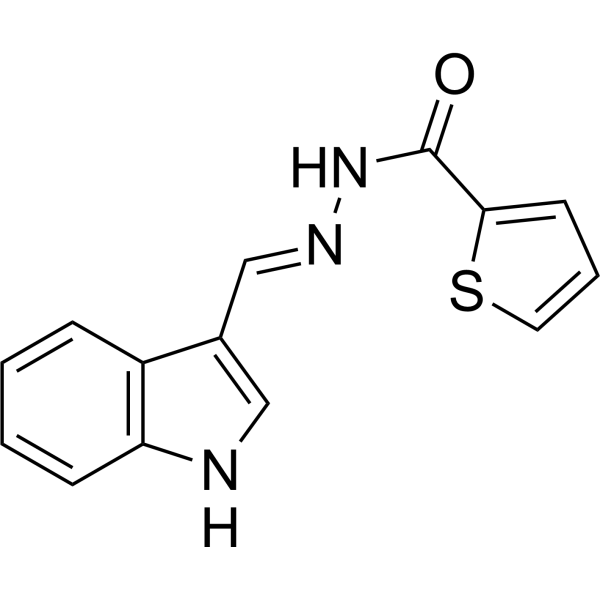
Denotivir (Vratizolin) is an orally active antiviral agent for herpes simplex virus (HSV) and varicella-zoster virus (VZV). Denotivir inhibits the proliferation of various cancer cells, and exhibits anti-leukemic activity. Denotivir inhibits the generation of TNF-α, IL-1 and IL-6, exhibits immunosuppressive efficacy .
|
-
-
- HY-B0421S2
-
|
Mycophenolate-13C17
|
Isotope-Labeled Compounds
Flavivirus
|
Cancer
|
|
Mycophenolic acid-13C17 (Mycophenolate-13C17) is the 13C labeled Mycophenolic acid (HY-B0421). Mycophenolic acid is a potent uncompetitive inosine monophosphate dehydrogenase (IMPDH) inhibitor with an EC50 of 0.24 μM. Mycophenolic acid demonstrates antiviral effects against a wide range of RNA viruses including influenza. Mycophenolic acid is an immunosuppressive agent. Antiangiogenic and antitumor effects.
|
-
-
- HY-156565
-
|
|
LPL Receptor
|
Inflammation/Immunology
|
|
S1P1 agonist 6 (Compound I) is a S1P1 agonist that reduces autoimmune ability by blocking the transportation of lymphocytes. S1P1 agonist 6 can be used as an immunosuppressive agent in the study of various autoimmune diseases research .
|
-
-
- HY-116662
-
-
-
- HY-106445
-
-
-
- HY-17420AS
-
|
Cyclophosphamide-d8 monohydrate
|
Isotope-Labeled Compounds
DNA Alkylator/Crosslinker
|
Cancer
|
|
Cyclophosphamide-d8 (hydrate) is the deuterium labeled Cyclophosphamide hydrate. Cyclophosphamide hydrate is a synthetic alkylating agent chemically related to the nitrogen mustards with antineoplastic and immunosuppressive activities .
|
-
-
- HY-148432
-
|
|
HIV
|
Inflammation/Immunology
|
|
FGF22-IN-1 (compound c1) is a potent CD4 D1 inhibitor. FGF22-IN-1 can be used as immunosuppressive agent .
|
-
-
- HY-108050
-
|
|
Bacterial
|
Infection
Inflammation/Immunology
|
|
4-Hydroxyoxyphenbutazone kills both replicating and nonreplicating (NR) Mycobacterium tuberculosis (Mtb), including Mtb resistant to standard agents. 4-Hydroxyoxyphenbutazone is a potent inhibitor of cytokine production. 4-Hydroxyoxyphenbutazone is an immunosuppressive agent and has the potential for rheumatoid arthritis research .
|
-
-
- HY-B0256A
-
-
- HY-B0214S1
-
-
- HY-135670
-
|
|
Glycosidase
|
Metabolic Disease
|
|
Glycosidase-IN-1 (Compound 9) is a glycosidase inhibitor synthesized from D-mannose. Glycosidase-IN-1 be used to synthesize some immunosuppressive agents and β-glucosidase inhibitors. Glycosidase-IN-1 has hypoglycemic activity .
|
-
- HY-156565A
-
|
S1P1 agonist 6 hemicalcium
|
LPL Receptor
|
Inflammation/Immunology
|
|
S1P1 agonist 6 hemicalcium (Compound I) is a S1P1 agonist that reduces autoimmune ability by blocking the transportation of lymphocytes. S1P1 agonist 6 hemicalcium can be used as an immunosuppressive agent in the study of various autoimmune diseases research .
|
-
- HY-175390
-
|
TGDP sodium; 6-Thio-GDP sodium
|
Endogenous Metabolite
|
Inflammation/Immunology
Cancer
|
|
6-Thioguanosine-5'-O-diphosphate sodium (6-Thio-GDP sodium) (TGDP sodium) is an active metabolite of 6-Mercaptopurine (HY-13677). 6-Mercaptopurine is a purine analogue which acts as an antagonist of the endogenous purines and has been widely used as antileukemic agent and immunosuppressive drug .
|
-
- HY-B0421AR
-
|
Mycophenolate sodium (Standard)
|
Dengue Virus
Reference Standards
Apoptosis
Bacterial
Fungal
Antibiotic
Endogenous Metabolite
Flavivirus
|
Infection
Inflammation/Immunology
Cancer
|
|
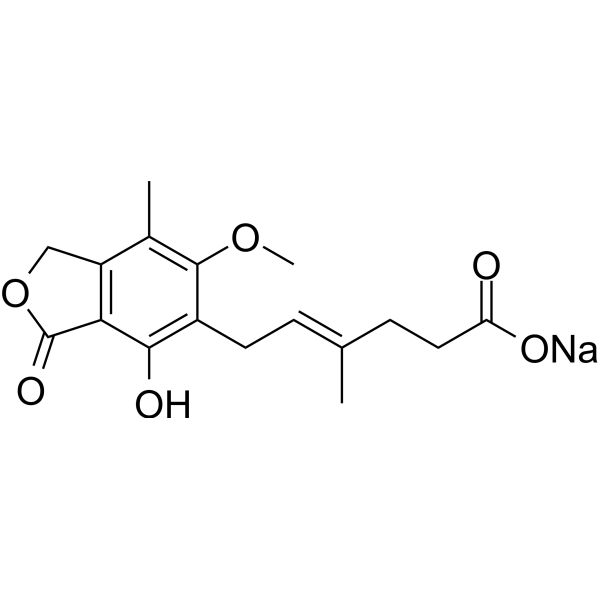
Mycophenolic acid (sodium) (Standard) is the analytical standard of Mycophenolic acid (sodium). This product is intended for research and analytical applications. Mycophenolic acid sodium is a potent uncompetitive inosine monophosphate dehydrogenase (IMPDH) inhibitor with an EC50 of 0.24 μM. Mycophenolic acid sodium demonstrates antiviral effects against a wide range of RNA viruses including influenza. Mycophenolic acid sodium is an immunosuppressive agent. Antiangiogenic and antitumor effects .
|
-
- HY-B0214S3
-
-
- HY-B0256S
-
|
BW 57-322-d3
|
Isotope-Labeled Compounds
|
Others
|
|
Azathioprine-d3 (BW 57-322-d3) is the deuterium labeled Azathioprine (HY-B0256). Azathioprine (BW 57-322) is an orally active immunosuppressive agent. Azathioprine can be converted in vivo to the active metabolite 6-mercaptopurine (6-MP). Azathioprine has myelosuppressive effects and induces apoptosis .
|
-
- HY-B0256S1
-
|
BW 57-322-13C4
|
Isotope-Labeled Compounds
|
Others
|
|
Azathioprine- 13C4 (BW 57-322- 13C4) is the 13C labeled Azathioprine (HY-B0256). Azathioprine (BW 57-322) is an orally active immunosuppressive agent. Azathioprine can be converted in vivo to the active metabolite 6-mercaptopurine (6-MP). Azathioprine has myelosuppressive effects and induces apoptosis .
|
-
- HY-101813R
-
|
HR325 (Standard)
|
Reference Standards
Dihydroorotate Dehydrogenase
DNA/RNA Synthesis
Prostaglandin Receptor
|
Inflammation/Immunology
|
|
Laflunimus (Standard) is the analytical standard of Laflunimus. This product is intended for research and analytical applications. Laflunimus (HR325) is an immunosuppressive agent and an analogue of the Leflunomide-active metabolite A77 1726. Laflunimus is an orally active inhibitor of dihydroorotate dehydrogenase (DHODH). Laflunimus suppresses immunoglobulin (Ig) secretion, with IC50 values of 2.5 and 2 μM for IgM and IgG, respectively. Laflunimus also is a prostaglandin endoperoxide H synthase (PGHS) -1 and -2 inhibitor .
|
-
- HY-119681
-
|
|
Others
|
Inflammation/Immunology
|
|
YM 11124 is an orally active selective immunosuppressive agent. YM 11124 can inhibit cell-mediated immune responses (type IV allergic reactions, such as delayed-type hypersensitivity and allogenic skin graft rejection) and type III allergic reactions (such as passive Arthus reaction). YM 11124 has no effect on type I, type II allergic reactions or acute inflammation. YM 11124 can be used in research related to organ transplantation and immune hypersensitivity .
|
-
- HY-P3316
-
|
|
Potassium Channel
|
Neurological Disease
Inflammation/Immunology
|
|
OSK-1 is a potent Kv channel blocker with IC50s of of 0.6 nM, 5.4 nM, 0.014 nM for Kv1.1, Kv1.2 and Kv1.3, respectively. OSK1 is a moderate blocker of Ca 2+-activated KCa3.1 channel with an IC50 of 225 nM. OSK-1 belongs to α-KTx3 toxins and is used as a immunosuppressive agent .
|
-
- HY-145492
-
|
N-(3-Oxo-7Z-tetradecenoyl)-L-homoserine lactone
|
Drug Derivative
|
Inflammation/Immunology
|
|
Δ7(Z)-C14-HSL (Compound 12) is an immunosuppressive agent that can inhibit the proliferation of mouse splenic cells with an IC50 of 17 μM. Δ7(Z)-C14-HSL can be used for further studying its potential as a molecular mechanism in TNF-R-driven immune diseases, especially autoimmune diseases such as psoriasis, rheumatoid arthritis, and type 1 diabetes .
|
-
- HY-145536
-
-
- HY-N9754
-
-
- HY-W741136
-
|
|
Drug Isomer
Microtubule/Tubulin
NOD-like Receptor (NLR)
Autophagy
Apoptosis
|
Inflammation/Immunology
|
|
(R)-Colchicine is the R-isomer of Colchicine (HY-16569). Colchicine, an orally active alkaloid, is a potent tubulin inhibitor and a microtubule disrupting agent. Colchicine inhibits microtubule polymerization with an IC50 of 3 nM. Colchicine is also a competitive antagonist of the α3 glycine receptors (GlyRs). Colchicine prevents non-steroidal anti-inflammatory drug (NSAID)-induced small intestinal injury by inhibiting activation of the NLRP3 inflammasome. Colchicine has extensive anti-inflammatory, immunosuppressive and strong anti-fibrosis effects and has the potential for gouty arthritis research .
|
-
| Cat. No. |
Product Name |
Target |
Research Area |
-
- HY-P10862
-
|
|
Exosomes
Virus Protease
|
Infection
Cancer
|
AH-D peptide is a brain-penetrant antiviral agent disrupting highly curved lipid membranes. AH-D peptide exhibits broad-spectrum antiviral activity against ZIKV, Dengue virus, Chikungunya virus, yellow fever virus and Japanese encephalitis virus, with IC50 values of 11.9, 12.5, 35.7, 206 and 136 nM, respectively. AH-D peptide reduces the viral load in the brain, suppresses inflammation, protects neurons, and does not damage the blood brain barrier. AH-D peptide restores antitumor immunity by decreasing circulating PD-L1 + exosomes, reducing intratumoral immunosuppressive cells (regulatory T cells, myeloid-derived suppressor cells), and enhancing T cell function. AH-D peptide inhibits membrane-enveloped viruses and cancer cell metastasis in vivo. AH-D peptide exhibits no immunogenicity and has negligible effects on normal tissues. AH-D peptide can be used for research in Zika virus and other mosquito-borne viruses, cancer immunotherapy and metastasis .
|
-
- HY-P1355A
-
|
|
Calcineurin
Cyclophilin
|
Others
|
|
Cyclosporin A-Derivative 1 (Free base) is a crystalline intermediate derived from the opening of cyclosporin A extracted from patent WO 2013167703 A1. Cyclosporin A is an immunosuppressive agent which can bind to the cyclophilin and inhibit calcineurin.
|
-
- HY-P1354
-
|
|
Calcineurin
Cyclophilin
|
Others
|
|
Cyclosporin A-Derivative 2 is a novel derivative from cyclosporin A. Cyclosporin A is an immunosuppressive agent which can bind to the cyclophilin and inhibit calcineurin.
|
-
- HY-P1355
-
|
|
Calcineurin
Cyclophilin
|
Inflammation/Immunology
|
|
Cyclosporin A-Derivative 1 is a crystalline intermediate derived from the opening of cyclosporin A extracted from patent WO 2013167703 A1. Cyclosporin A is an immunosuppressive agent which can bind to the cyclophilin and inhibit calcineurin.
|
-
- HY-P3316
-
|
|
Potassium Channel
|
Neurological Disease
Inflammation/Immunology
|
|
OSK-1 is a potent Kv channel blocker with IC50s of of 0.6 nM, 5.4 nM, 0.014 nM for Kv1.1, Kv1.2 and Kv1.3, respectively. OSK1 is a moderate blocker of Ca 2+-activated KCa3.1 channel with an IC50 of 225 nM. OSK-1 belongs to α-KTx3 toxins and is used as a immunosuppressive agent .
|
-
- HY-N9754
-
| Cat. No. |
Product Name |
Target |
Research Area |
Image |
-
- HY-P99728
-
|
RG7835; RO7049665
|
Interleukin Related
|
Metabolic Disease
Inflammation/Immunology
|
|
Melredableukin alfa (RG7835) is a bivalent conjugate composed of a human IL-2 mutant (T3A, N88D, C125A) and human IgG1. Melredableukin alfa exhibits enhanced Treg cell selectivity in cynomolgus monkey and humanized mouse models. Melredableukin alfa can be used in research related to ulcerative colitis and autoimmune hepatitis .
|
-
(5)
-
- HY-P99325
-
|
IDEC-131; Anti-Human CD40 ligand Recombinant Antibody
|
TNF Receptor
|
Inflammation/Immunology
|
|
Toralizumab (IDEC-131) is a humanized monoclonal antibody (mAb) against CD40L (CD154) comprised of human gamma 1 heavy chains and human kappa light chains. Toralizumab binds specifically to human CD40L on T cells, thereby preventing CD40 signaling. Toralizumab is an immunosuppressive agent. Toralizumab can lead to increased thrombosis. Toralizumab can be studied in research for diseases such as multiple sclerosis, systemic lupus erythematosus (SLE), and Crohn’s disease .
|
-
(5)
-
- HY-P99292
-
|
HuZAF; Anti-Human IFNG Recombinant Antibody
|
IFNAR
|
Inflammation/Immunology
|
|
Fontolizumab (HuZAF) is a humanized monoclonal anti-IFN-gamma antibody. Fontolizumab is an immunosuppressive agent. Fontolizumab can be used in research of Crohn’s disease .
|
-
(5)
-
- HY-P99726
-
-
(5)
-
- HY-P991543
-
|
|
CD2
|
Inflammation/Immunology
Cancer
|
|
BTI-322 is a human IgG1κ antibody directed against the CD2 antigen on T cells and NK cells. BTI-322 can block primary and memory alloantigen proliferative responses in vitro. BTI-322 recognizes over 90% of E-rosette-forming peripheral blood lymphocytes and T-cell leukemias. BTI-322 has immunosuppressive activity. BTI-322 effectively inhibits T cell responses in vitro to allogeneic cells. BTI-322 can be used as a T-cell deplting agent. BTI-322 can be studied in research for renal allograft rejection and steroid-refractory acute graft-versus-host disease .
|
-
(5)
| Cat. No. |
Product Name |
Category |
Target |
Chemical Structure |
-
- HY-16569
-
-
-
- HY-13677
-
-
-
- HY-B0214
-
-
-
- HY-B0421
-
-
-
- HY-B0421A
-
-
-
- HY-128747
-
-
-
- HY-N7700A
-
|
G2013 sodium
|
Structural Classification
Classification of Application Fields
Ketones, Aldehydes, Acids
Endogenous metabolite
Inflammation/Immunology
Disease Research Fields
Source Classification
|
VEGFR
Toll-like Receptor (TLR)
COX
NO Synthase
NF-κB
MMP
|
|
Guluronic acid (G2013) sodium is an orally active oxidative stress regulator and anti-inflammatory agent that exerts pharmacological effects by down-regulating various pro-inflammatory and oxidative stress-related genes (such as TLR4, NF-κB, iNOS, etc.) and inhibiting the activities of COX-2, MMPs and VEGF. Low-dose Guluronic acid sodium up-regulates the expression of immunoregulatory genes SHIP1 and SOCS1, thereby effectively inhibiting cancer-related inflammation, tumor angiogenesis, cell adhesion and metastasis, while reducing the accumulation of immunosuppressive cells. Guluronic acid sodium significantly prolongs the survival time of tumor-bearing hosts within a concentration range without direct cytotoxicity, demonstrating favorable safety. Guluronic acid sodium has involved in the research of multiple sclerosis, ankylosing spondylitis, breast cancer and other inflammatory diseases .
|
-
-
- HY-B0421R
-
-
-
- HY-16569R
-
|
|
Structural Classification
Natural Products
other families
Plants
Source Classification
|
Reference Standards
Microtubule/Tubulin
NOD-like Receptor (NLR)
Autophagy
Apoptosis
|
|
Colchicine (Standard) is the analytical standard of Colchicine. This product is intended for research and analytical applications. Colchicine, an orally active alkaloid, is a potent tubulin inhibitor and a microtubule disrupting agent. Colchicine inhibits microtubule polymerization with an IC50 of 3 nM. Colchicine is also a competitive antagonist of the α3 glycine receptors (GlyRs). Colchicine prevents non-steroidal anti-inflammatory drug (NSAID)-induced small intestinal injury by inhibiting activation of the NLRP3 inflammasome. Colchicine has extensive anti-inflammatory, immunosuppressive and strong anti-fibrosis effects and has the potential for gouty arthritis research .
|
-
-
- HY-100711A
-
-
-
- HY-13677R
-
-
-
- HY-B0421AR
-
-
-
- HY-N9754
-
-
| Cat. No. |
Product Name |
Chemical Structure |
-
- HY-B0421S
-
|
|
|
Mycophenolic acid-d3 (Mycophenolate-d3) is deuterium labeled Mycophenolic acid (HY-B0421). Mycophenolic acid is a potent uncompetitive inosine monophosphate dehydrogenase (IMPDH) inhibitor with an EC50 of 0.24 μM. Mycophenolic acid demonstrates antiviral effects against a wide range of RNA viruses including influenza. Mycophenolic acid is an immunosuppressive agent. Antiangiogenic and antitumor effects.
|
-
-
- HY-B0245S
-
|
|
|
Busulfan-d8 is a deuterium labeled Busulfan. Busulfan is a potent alkylating antineoplastic agent. Busulfan causes DNA damage by cross-linking DNAs and DNA and proteins. Busulfan inhibits thioredoxin reductase. Busulfan induces apoptosis. Busulfan is an immunosuppressive and myeloablative chemotherapeutic agent .
|
-
-
- HY-13677S1
-
|
|
|
6-Mercaptopurine- 13C2, 15N is the 13C- and 15N-labeled 6-Mercaptopurine. 6-Mercaptopurine is a purine analogue which acts as an antagonist of the endogenous purines and has been widely used as antileukemic agent and immunosuppressive agent.
|
-
-
- HY-13677S
-
|
|
|
6-Mercaptopurine-d2 is the deuterium labeled 6-Mercaptopurine. 6-Mercaptopurine is a purine analogue which acts as an antagonist of the endogenous purines and has been widely used as antileukemic agent and immunosuppressive agent .
|
-
-
- HY-B0214S2
-
|
|
|
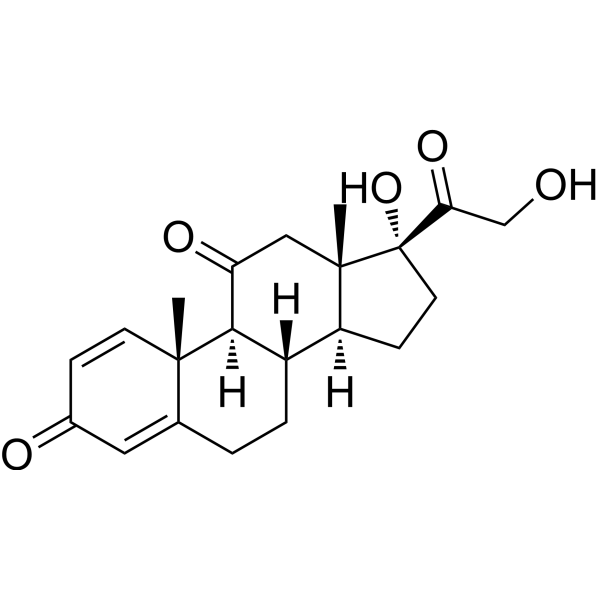
Prednisone-d4 is deuterated labeled Prednisone (HY-B0214). Prednisone (Adasone) is a corticosteroid agent with anti-inflammatory and immunosuppressive effects that can be used to study diseases related to systemic lupus erythematosus .
|
-
-
- HY-B0421S2
-
|
|
|
Mycophenolic acid-13C17 (Mycophenolate-13C17) is the 13C labeled Mycophenolic acid (HY-B0421). Mycophenolic acid is a potent uncompetitive inosine monophosphate dehydrogenase (IMPDH) inhibitor with an EC50 of 0.24 μM. Mycophenolic acid demonstrates antiviral effects against a wide range of RNA viruses including influenza. Mycophenolic acid is an immunosuppressive agent. Antiangiogenic and antitumor effects.
|
-
-
- HY-17420AS
-
|
|
|
Cyclophosphamide-d8 (hydrate) is the deuterium labeled Cyclophosphamide hydrate. Cyclophosphamide hydrate is a synthetic alkylating agent chemically related to the nitrogen mustards with antineoplastic and immunosuppressive activities .
|
-
-
- HY-B0214S1
-
|
|
|
Prednisone-d7 (Dehydrocortisone-d7) is deuterium labeled Prednisone. Prednisone (Adasone) is a corticosteroid agent with anti-inflammatory and immunosuppressive effects that can be used to study diseases related to systemic lupus erythematosus .
|
-
-
- HY-B0214S3
-
|
|
|
Prednisone- 13C2,d2 (Dehydrocortisone- 13C2,d2) is 13C labeled Prednisone. Prednisone (Adasone) is a corticosteroid agent with anti-inflammatory and immunosuppressive effects that can be used to study diseases related to systemic lupus erythematosus .
|
-
-
- HY-B0256S
-
|
|
|
Azathioprine-d3 (BW 57-322-d3) is the deuterium labeled Azathioprine (HY-B0256). Azathioprine (BW 57-322) is an orally active immunosuppressive agent. Azathioprine can be converted in vivo to the active metabolite 6-mercaptopurine (6-MP). Azathioprine has myelosuppressive effects and induces apoptosis .
|
-
-
- HY-B0256S1
-
|
|
|
Azathioprine- 13C4 (BW 57-322- 13C4) is the 13C labeled Azathioprine (HY-B0256). Azathioprine (BW 57-322) is an orally active immunosuppressive agent. Azathioprine can be converted in vivo to the active metabolite 6-mercaptopurine (6-MP). Azathioprine has myelosuppressive effects and induces apoptosis .
|
-
| Cat. No. |
Product Name |
|
Classification |
-
- HY-101603
-
|
FK778
|
|
Alkynes
|
|
Manitimus is an inhibitor of dehydroorotate dehydrogenase, and a potent immunosuppressive agent. Manitimus is a click chemistry reagent, it contains an Alkyne group and can undergo copper-catalyzed azide-alkyne cycloaddition (CuAAc) with molecules containing Azide groups.
|
Your information is safe with us. * Required Fields.
Inquiry Information
- Product Name:
- Cat. No.:
- Quantity:
- MCE Japan Authorized Agent:

