

1. Search Result
Search Result
Results for "

inflammatory gene

" in MedChemExpress (MCE) Product Catalog:

194

Inhibitors & Agonists

2

Screening Libraries

4

Biochemical Assay Reagents

18

Peptides

6

Inhibitory Antibodies

59

Natural
Products

1

Recombinant Proteins

14

Isotope-Labeled Compounds

1

Oligonucleotides

Cat. No. Product Name Target Research Areas Chemical Structure
  • HY-N7038
    Phytohemagglutinin
    5+ Cited Publications

    PHA-M

    NF-κB COX Interleukin Related Reactive Oxygen Species (ROS) Neurological Disease Inflammation/Immunology Cancer
    Phytohemagglutinin (PHA-M), the major seed lectin of the common bean, Phaseolus vulgaris, is a T-cell activator. Phytohemagglutinin stimulates human mononuclear leukocytes, inducing the expression of ChAT mRNA and potentiating ACh synthesis. Phytohemagglutinin induces dose- and time-dependent toxicity in THP-1 monocytes/macrophages, alters cellular morphology, causes organelle dysfunction, and increases the expression of NF-κB, COX2, IL-1β .
    Phytohemagglutinin
  • HY-13580
    Budesonide
    5+ Cited Publications

    Glucocorticoid Receptor ADC Payload Inflammation/Immunology Cancer
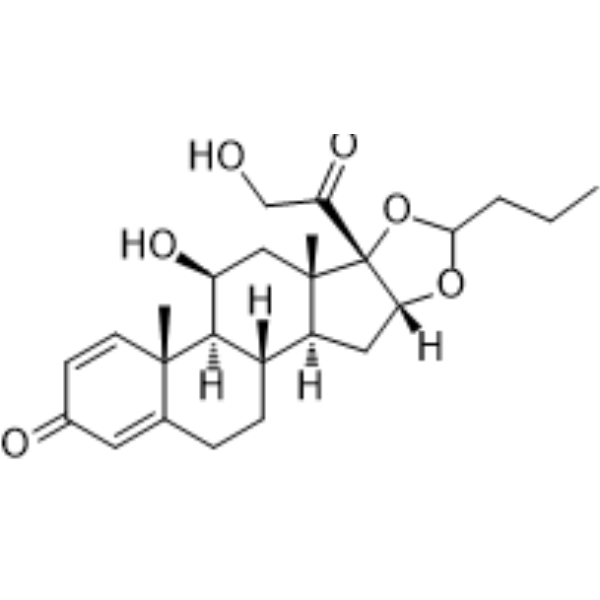
    Budesonide, an inhaled glucocortical steroid, is an orally active glucocorticoid receptor agonist. Budesonide decreases the size of lung tumors, reverses DNA hypomethylation and modulates mRNA expression of genes. Budesonide is an anti-inflammatory agent used for asthma .
    Budesonide
  • HY-N0292
    Oleuropein
    5+ Cited Publications

    Cytochrome P450 PPAR Apoptosis Cardiovascular Disease Inflammation/Immunology Cancer
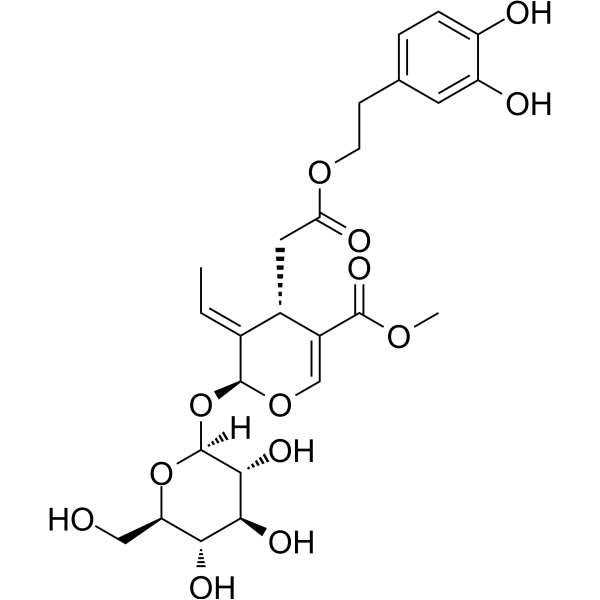
    Oleuropein, found in olive leaves and oil, exerts antioxidant, anti-inflammatory and anti-atherogenic effects through direct inhibition of PPARγ transcriptional activity . Oleuropein induces apoptosis in breast cancer cells via the p53-dependent pathway and through the regulation of Bax and Bcl2 genes. Oleuropein also inhibits aromatase .
    Oleuropein
  • HY-N0184A
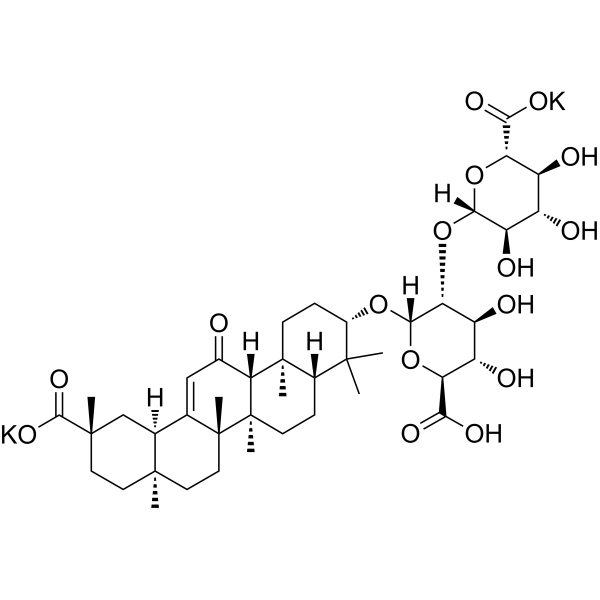
    Dipotassium glycyrrhizinate
    Maximum Cited Publications
    59 Publications Verification

    Glycyrrhizic acid dipotassium; Dipotassium glycyrrhizate

    Virus Protease Metabolic Disease Inflammation/Immunology
    Dipotassium glycyrrhizinate is a HMGB1 inhibitor, inhibits atopic dermatitis-related gene expression with anti-anti-inflammatory activity .
    Dipotassium glycyrrhizinate
  • HY-13570
    Betamethasone
    3 Publications Verification

    Glucocorticoid Receptor Apoptosis Inflammation/Immunology Endocrinology Cancer
    Betamethasone is a synthetic glucocorticoid with anti-inflammatory and immunosuppressive activities. Betamethasone accelerates fetal lung maturation and induces gene expression and apoptosis .
    Betamethasone
  • HY-18300
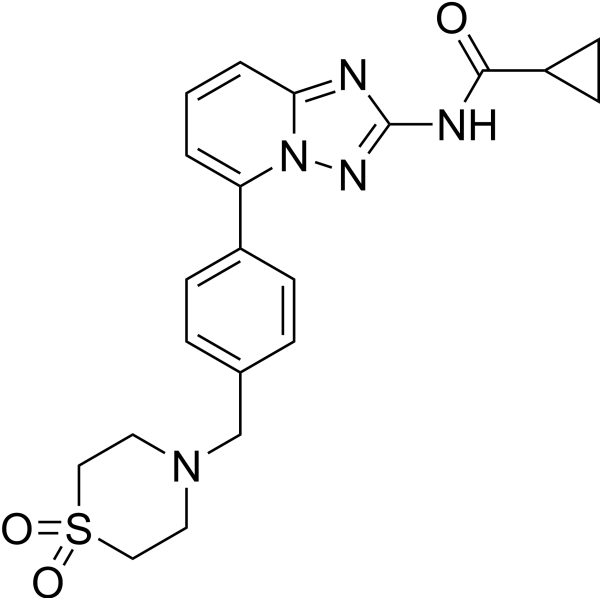
    Filgotinib
    20+ Cited Publications

    GLPG0634

    JAK HIV Cancer
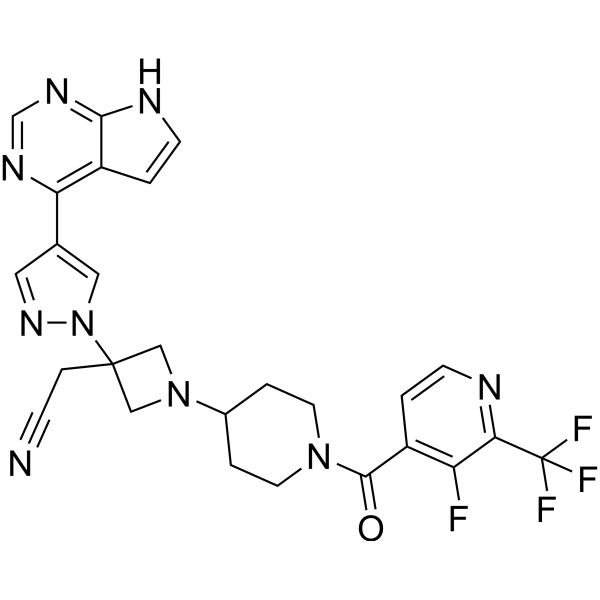
    Filgotinib (GLPG0634) is a selective, orally available JAK1 inhibitor with anti-inflammatory and antiviral activities. Filgotinib can effectively inhibit the activities of JAK1, JAK2, JAK3 and TYK2 with IC50 values of 10 nM, 28 nM, 810 nM and 116 nM, respectively. Filgotinib also inhibits HIV-1 driven gene transcription and reduces proliferation of HIV-1 infected cells. Filgotinib can be used in the study of rheumatoid arthritis and inflammatory bowel disease .
    Filgotinib
  • HY-B0464
    Hydralazine hydrochloride
    3 Publications Verification

    PGE synthase NO Synthase Reactive Oxygen Species (ROS) DNA Methyltransferase COX Cardiovascular Disease Inflammation/Immunology Cancer
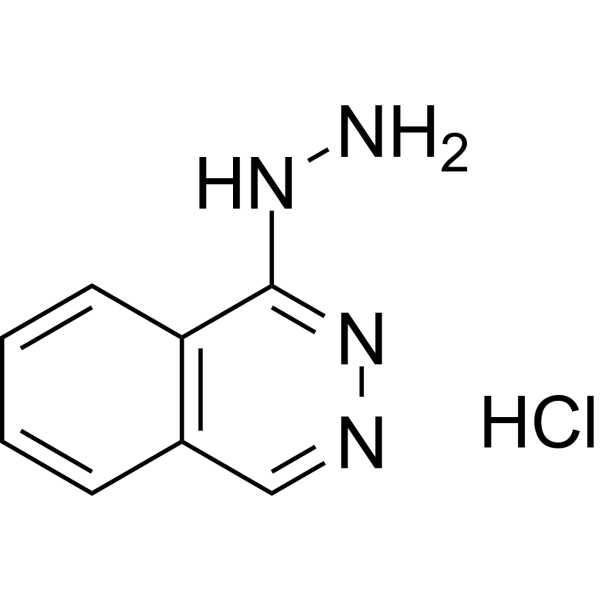
    Hydralazine hydrochloride is an orally active, blood-brain barrier-permeable DNA methyltransferase inhibitor with vasodilatory, arterial smooth muscle relaxant and hypotensive activities. Hydralazine hydrochloride reactivates silenced tumor suppressor genes via mediating DNA demethylation, while exerting neuroprotective and anti-inflammatory properties. Hydralazine hydrochloride inhibits NOS-2 (iNOS) and COX-2, and reduces the production of NO and PGEE2; meanwhile, Hydralazine hydrochloride scavenges reactive oxygen species and inhibits macrophage activation. Hydralazine hydrochloride alleviates motor dysfunction, neuropathic inflammatory pain, and formalin-induced somatic and emotional pain responses. In addition, Hydralazine hydrochloride directly induces DNA strand breaks and sister chromatid exchange, exhibiting certain mutagenic characteristics. Hydralazine hydrochloride has been widely used in studies on hypertension, various cancers (such as cervical cancer, leukemia), spinal cord injury and the mechanisms of inflammatory pain .
    Hydralazine hydrochloride
  • HY-N0158
    Oxymatrine
    15+ Cited Publications

    TGF-beta/Smad Apoptosis Infection Inflammation/Immunology Cancer
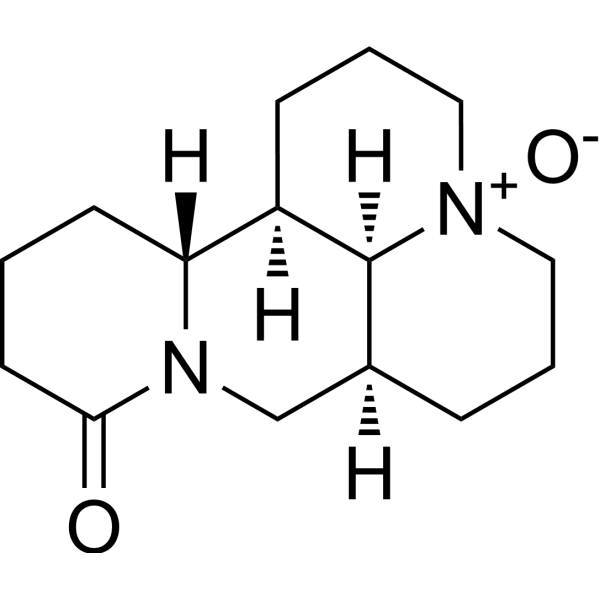
    Oxymatrine, an alkaloid from Sophora flavescens Alt. with anti-inflammatory, antifibrosis, and antitumor effects, inhibits the iNOS expression and TGF-β/Smad pathway. Oxymatrine inhibits bocavirus minute virus of canines (MVC) replication, reduces viral gene expression and decreases apoptosis induced by viral infection .
    Oxymatrine
  • HY-B1060
    Methylprednisolone succinate sodium
    2 Publications Verification

    Methylprednisolone hydrogen succinate sodium

    Glucocorticoid Receptor Infection Neurological Disease Inflammation/Immunology Cancer
    Methylprednisolone succinate (Methylprednisolone hydrogen succinate) sodium is a prodrug of Methylprednisolone (HY-B0260) and glucocorticoid with immunosuppressant and anti-inflammatory activity. Methylprednisolone succinate sodium binds cytosolic glucocorticoid receptors, translocates to nuclei, and modulates target gene transcription. Methylprednisolone succinate sodium alters Bax, Bcl-2, occludin, and ZO-1 expression; attenuates TLR4/NF-κB signaling; suppresses proinflammatory cytokine production and immune cell activation. Methylprednisolone succinate sodium can be used for the research of intracranial haemorrhage, rheumatoid arthritis, multiple sclerosis, preterminal cancer, inflammatory conditions, shock, immediate-type hypersensitivity, acute myocardial ischemia, hypoxic heart muscle damage, and traumatic spinal cord injury .
    Methylprednisolone succinate sodium
  • HY-B0167A
    Sodium Salicylate
    10+ Cited Publications

    Salicylic acid sodium salt; 2-Hydroxybenzoic acid sodium salt

    Environmental Pollutants Ribosomal S6 Kinase (RSK) Endogenous Metabolite Apoptosis COX Autophagy NF-κB Inflammation/Immunology Cancer
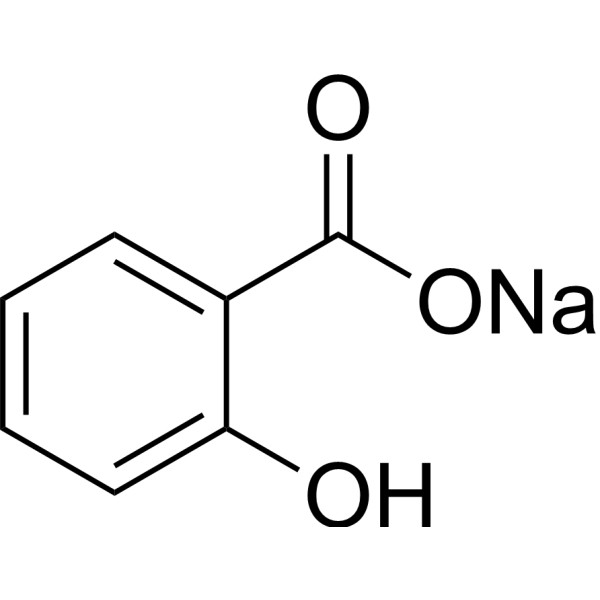
    Sodium Salicylate (Salicylic acid sodium salt) inhibits cyclo-oxygenase-2 (COX-2) activity independently of transcription factor (NF-κB) activation . Sodium Salicylate is also a S6K inhibitor.Sodium Salicylate is a NF-κB inhibitor that decreases inflammatory gene expression and improves repair in aged muscle .
    Sodium Salicylate
  • HY-N1934

    Potassium Channel HSP Cardiovascular Disease Inflammation/Immunology Cancer
    Dihydroberberine is a naturally occurring isoquinoline alkaloid with anti-inflammatory, anti-atherosclerotic, hypolipidemic and anti-tumor activities. Dihydroberberine inhibits the human ether-related gene (hERG) channel and significantly reduces the expression of heat shock protein 90 (Hsp90) and its interaction with hERG. Dihydroberberine also blocks the TLR4/MyD88/NF-κB signaling pathway to reduce pro-inflammatory cytokines and immunoglobulins, and has inhibitory effects on DSS (HY-116282C)-induced experimental colitis. Dihydroberberine also increases the sensitivity of lung cancer to sunitinib (HY-10255A), with synergistic efficacy .
    Dihydroberberine
  • HY-N2908

    Methyl atrarate

    Environmental Pollutants NF-κB Androgen Receptor p38 MAPK NO Synthase Inflammation/Immunology Cancer
    Atraric acid (Methyl atrarate) is a specific androgen receptor (AR) antagonist with anti-inflammatory and anticancer effects. Atraric acid represses the expression of the endogenous prostate specific antigen gene in both LNCaP and C4-2 cells. Atraric acid can also inhibit the synthesis of NO and cytokine, and suppress the MAPK-NFκB signaling pathway. Atraric acid can be used to research prostate diseases and inflammatory diseases .
    Atraric acid
  • HY-167874

    Heme Oxygenase (HO) NF-κB Transmembrane Glycoprotein Cardiovascular Disease
    ASP-8731 is an orally active BACH1 inhibitor. ASP-8731 activates antioxidant, anti-inflammatory and globin gene pathways by relieving the inhibitory effect of BACH1 on NRF2-mediated gene transcription. ASP-8731 significantly upregulates the expression of HMOX1, FTH1 and various globins (such as HGB, HBG, HBA), increases fetal hemoglobin (HbF) levels, and effectively induces F-cell production in hydroxyurea-unresponsive cells. Meanwhile, ASP-8731 reduces inflammatory responses and white blood cell counts by downregulating VCAM1, ICAM-1 and the phosphorylation level of NF-κB(p65), and blocks heme-induced glutathione depletion and microcirculatory stasis. ASP-8731 holds potential for inhibiting sickle cell disease and related hematological disorders .
    ASP-8731
  • HY-163731
    EGR-1-IN-1
    2 Publications Verification

    DNA Methyltransferase Interleukin Related Inflammation/Immunology
    EGR-1-IN-1 is a EGR-1 inhibitor with an IC50 of 1.86 μM. EGR-1-IN-1 binds to the zinc finger DNA-binding domain of EGR-1 and promotes the dissociation of the EGR-1-DNA complex. EGR-1-IN-1 reduces the mRNA expression levels of EGR-1-regulated inflammatory genes induced by TNFα. EGR-1-IN-1 alleviates atopic dermatitis-like lesions in the ear skin of mice. EGR-1-IN-1 serves as a lead compound for the development of targeted compounds for inflammatory skin diseases. EGR-1-IN-1 can be used in studies related to atopic dermatitis .
    EGR-1-IN-1
  • HY-10447

    EM-1421

    Survivin COX TNF Receptor Apoptosis Infection Inflammation/Immunology Cancer
    Terameprocol is an inhibitor targeting the Sp1 transcription factor, which can selectively inhibit the transcription of Sp1-dependent genes. Terameprocol exerts its effects by inhibiting Sp1-mediated gene transcription, such as reducing the expression of genes like CDC2, survivin and HMGB1, thereby arresting the cell cycle, inducing apoptosis, and suppressing the inflammatory response. Terameprocol exhibits anti-proliferative, pro-apoptotic, and anti-inflammatory activities and is currently mainly used in the research of diseases such as cancer and pulmonary arterial hypertension[1][2][3].
    Terameprocol
  • HY-N0168A

    TGF-beta/Smad NF-κB Infection Inflammation/Immunology Cancer
    (Rac)-Hesperetin is the racemate of Hesperetin (HY-N0168), an orally active multi-target inhibitor. (Rac)-Hesperetin exhibits significant anti-tumor and anti-inflammatory activities by blocking the TGF-β1-mediated Fyn/RhoA signaling axis and the TLR4-MyD88-NF-κB inflammatory pathway. (Rac)-Hesperetin inhibits the formation of actin stress fibers and the migration and invasion of cancer cells, and is suitable for triple-negative breast cancer research. In inflammation models, (Rac)-Hesperetin effectively alleviates lung injury by reducing the release of pro-inflammatory mediators and regulating the activity of oxidative stress enzymes, and is suitable for acute lung injury research. (Rac)-Hesperetin also interferes with the entry and early replication processes of channel catfish virus, inhibits viral gene expression and progeny virus production, thereby protecting cells from virus-induced cytopathic effects .
    (Rac)-Hesperetin
  • HY-B1051
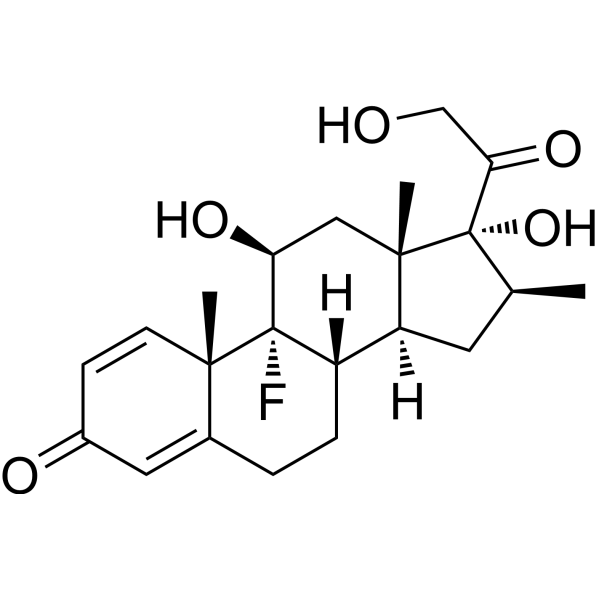
    Flumethasone
    1 Publications Verification

    Flumetasone

    Glucocorticoid Receptor TNF Receptor Interleukin Related Keap1-Nrf2 Inflammation/Immunology Endocrinology Cancer
    Flumethasone (Flumetasone) is an orally active, high selective and potent glucocorticoid receptor (GR) agonist. Flumethasone activates GR to inhibit nuclear factor kappa B (NF-κB)-mediated pro-inflammatory cytokine production (TNF-α, IL-1β) and promotes anti-inflammatory gene expression (IL-10), while also regulating metabolic enzyme activity (tyrosine aminotransferase induction). Flumethasone is promising for research of inflammatory diseases, cancer, and endocrine regulation .
    Flumethasone
  • HY-101087

    Carbonic Anhydrase Amyloid-β Reactive Oxygen Species (ROS) Neurological Disease Inflammation/Immunology Cancer
    Benzenesulphonamide (Compound 1) is a carbonic anhydrase inhibitor. Benzenesulphonamide exhibits CA II inhibitory activity. Benzenesulphonamide reduces ROS and improves the gene expression of amyloid-β40 and 42. Benzenesulphonamide is beneficial for Alzheimer's disease. Benzenesulphonamide derivatives have anticancer, anti-inflammatory, and anticonvulsant activities. Benzenesulphonamide can be used in the research of Alzheimer's disease, epilepsy, inflammatory diseases, leukemia, melanoma, lung cancer, and colon cancer .
    Benzenesulphonamide
  • HY-N0184AR

    Glycyrrhizic acid dipotassium (Standard); Dipotassium glycyrrhizate (Standard)

    Reference Standards Virus Protease Metabolic Disease Inflammation/Immunology
    Dipotassium glycyrrhizinate (Standard) is the analytical standard of Dipotassium glycyrrhizinate. This product is intended for research and analytical applications. Dipotassium glycyrrhizinate is a HMGB1 inhibitor, inhibits atopic dermatitis-related gene expression with anti-anti-inflammatory activity .
    Dipotassium glycyrrhizinate (Standard)
  • HY-148853
    SRI-42127
    1 Publications Verification

    HuR Others
    SRI-42127 is a HuR translocation inhibitor. HuR is an RNA regulator that binds to AREs, and HuR translocations promote the production of inflammatory cytokines in glial cells. However, SRI-42127 can destroy mRNA stability and inhibit gene promoter activation. SRI-42127 also inhibits microglial cell activation and attenuates recruitment/chemotaxis of neutrophils and monocytes .
    SRI-42127
  • HY-17569

    Phospholipase Inflammation/Immunology
    Difluprednate is a glucocorticoid receptor (GC receptor) agonist with a Ki of 0.78 nM. Difluprednate's active metabolite 21-deacetylated difluprednate (DFB) is a competitive agonist of GC receptors with a Ki of 0.061 nM. Difluprednate binds to GC receptors through metabolism to DFB, regulating the transcription of inflammatory mediator genes, thereby exerting anti-inflammatory activity. Difluprednate can be used for research related to ocular inflammation, such as postoperative inflammation, anterior uveitis, etc .
    Difluprednate
  • HY-W012732
    Isoquinoline
    2 Publications Verification

    Environmental Pollutants Parasite Drug Isomer TNF Receptor HIV NF-κB Interleukin Related Neurological Disease Cancer
    Isoquinoline is an analog of pyridine. Isoquinoline-based alkaloids, such as p-tolyl bisisoquinoline, phthaloyl isoquinoline, and naphthyl isoquinoline, exhibit anticancer activity. Berberine, an isoquinoline alkaloid, exerts anti-inflammatory effects in diabetic mice by downregulating the gene expression ratios of pro-/anti-inflammatory and Th1/Th2 cytokines. Additionally, some isoquinoline-based compounds also possess antidepressant, antibacterial, antimalarial, and anti-HIV activities .
    Isoquinoline
  • HY-W011849

    NF-κB COX NO Synthase MMP Cancer
    Phenyl β-D-glucopyranoside is a component isolated from Phellodendron amurense, which has anti-inflammatory and anti-tumor activities. Phenyl β-D-glucopyranoside inhibits nitric oxide (NO) production, and the expression of iNOS and COX-2. Phenyl β-D-glucopyranoside also inhibits the nuclear translocation of NF-κB. Phenyl β-D-glucopyranoside inhibits the expression of pro-inflammatory cytokines and related genes .
    Phenyl β-D-glucopyranoside
  • HY-18300A
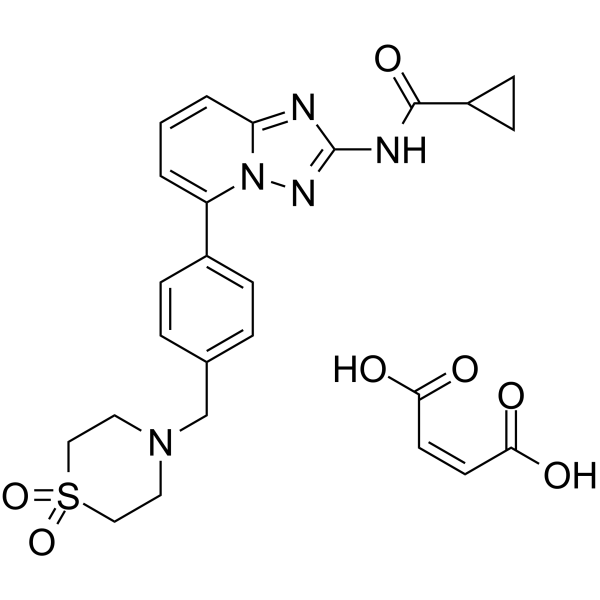
    Filgotinib maleate
    20+ Cited Publications

    GLPG0634 maleate

    JAK HIV Inflammation/Immunology
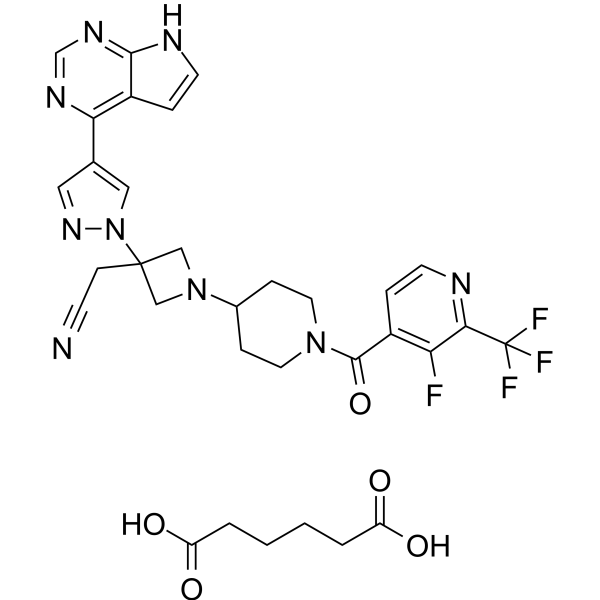
    Filgotinib maleate (GLPG0634 maleate) is a selective, orally available JAK1 inhibitor with anti-inflammatory and antiviral activities. Filgotinib maleate can effectively inhibit the activities of JAK1, JAK2, JAK3 and TYK2 with IC50 values ​​of 10 nM, 28 nM, 810 nM and 116 nM, respectively. Filgotinib maleate also inhibits HIV-1 driven gene transcription and reduces proliferation of HIV-1 infected cells. Filgotinib maleate can be used in the study of rheumatoid arthritis and inflammatory bowel disease .
    Filgotinib maleate
  • HY-13580S

    Glucocorticoid Receptor Inflammation/Immunology Cancer
    Budesonide-d8 is the deuterium labeled Budesonide. Budesonide, an inhaled glucocortical steroid, is an orally active glucocorticoid receptor agonist. Budesonide decreases the size of lung tumors, reverses DNA hypomethylation and modulates mRNA expression of genes. Budesonide is an anti-inflammatory agent used for asthma .
    Budesonide-d8
  • HY-B0464A
    Hydralazine
    3 Publications Verification

    DNA Methyltransferase Reactive Oxygen Species (ROS) COX NO Synthase PGE synthase Cardiovascular Disease Neurological Disease Inflammation/Immunology Cancer
    Hydralazine is an orally active, blood-brain barrier-permeable DNA methyltransferase inhibitor with vasodilatory, arterial smooth muscle relaxant and hypotensive activities. Hydralazine reactivates silenced tumor suppressor genes via mediating DNA demethylation, while exerting neuroprotective and anti-inflammatory properties. Hydralazine inhibits NOS-2 (iNOS) and COX-2, and reduces the production of NO and PGEE2; meanwhile, Hydralazine scavenges reactive oxygen species and inhibits macrophage activation. Hydralazine alleviates motor dysfunction, neuropathic inflammatory pain, and formalin-induced somatic and emotional pain responses. In addition, Hydralazine directly induces DNA strand breaks and sister chromatid exchange, exhibiting certain mutagenic characteristics. Hydralazine has been widely used in studies on hypertension, various cancers (such as cervical cancer, leukemia), spinal cord injury and the mechanisms of inflammatory pain .
    Hydralazine
  • HY-N3026
    Soyasaponin Ab
    1 Publications Verification

    PPAR Apoptosis Reactive Oxygen Species (ROS) Neurological Disease Metabolic Disease Inflammation/Immunology
    Soyasaponin Ab is an orally active soyasaponin. Soyasaponin Ab inhibits PPARγ transcriptional activity. Soyasaponin Ab induces apoptosis in high concentrations. Soyasaponin Ab exerts anti-obesity, anti-oxidation, anti-inflammation, anti-aging effects. Soyasaponin Ab prevents Scopolamine (HY-N0296)-induced memory impairment .
    Soyasaponin Ab
  • HY-124686

    STAT Interleukin Related TNF Receptor Inflammation/Immunology
    ER-464195-01 is an orally active calreticulin (CRT) and integrin α subunits (ITGAs) binding inhibitor. ER-464195-01 inhibits leukocyte infiltration and subsequent inflammatory cascade reactions by dissociating the binding between CRT and ITGA. ER-464195-01 down-regulates the expression of pro-inflammatory genes (such as TNF-α, IL-1β, IL-6, IL-17f) induced by DSS (HY-116282C), and inhibit the phosphorylation of STAT3 and the production of serum amyloid A (SAA). ER-464195-01 can be used for the study of inflammatory bowel disease (IBD) .
    ER-464195-01
  • HY-136741
    BOT-64
    2 Publications Verification

    IKK Inflammation/Immunology
    BOT-64 is an inhibitory κB (IκB) kinase β (IKKβ) inhibitor with an IC50 of 1 µM. BOT-64 blocks lipopolysaccharide-induced nuclear factor-κB activation and nuclear factor-κB-regulated inflammatory gene transcription .
    BOT-64
  • HY-N2459
    Peonidin chloride
    1 Publications Verification

    YGM-6 chloride

    Interleukin Related Neurological Disease Inflammation/Immunology Cancer
    Peonidin (YGM-6) chloride is an anthocyanin compound found in plants such as grapes and purple-fleshed sweet potatoes. Peonidin chloride alone exerts no stable inhibitory effect on LPS (HY-D1056)-mediated inflammatory gene expression. The acylated form of Peonidin chloride exhibits antimutagenic activity .
    Peonidin chloride
  • HY-116474

    ERK JNK MMP p38 MAPK STAT Fungal Bacterial NO Synthase PGE synthase NF-κB Wnt β-catenin Infection Metabolic Disease Inflammation/Immunology
    Viridicatol is a quinolone alkaloid with anti-inflammatory, antibacterial, antifungal, osteogenic and chondrogenic activities. Viridicatol reduces the phosphorylation levels of ERK, JNK, p38 and STAT6; inhibits MMP-2, MMP-9, NF-κB signaling pathway and PTP1B; downregulates genes related to mast cell activation; and binds to SHN3 to activate the Wnt/SHN3 signaling pathway. Viridicatol inhibits the expression of pro-inflammatory mediators and cytokines, and promotes osteogenic/chondrogenic differentiation. Viridicatol can be used in studies related to fibrosarcoma, allergy, bacterial infection, fungal infection and osteoporosis .
    Viridicatol
  • HY-151262
    JAK-IN-23
    1 Publications Verification

    JAK STING NF-κB STAT Inflammation/Immunology
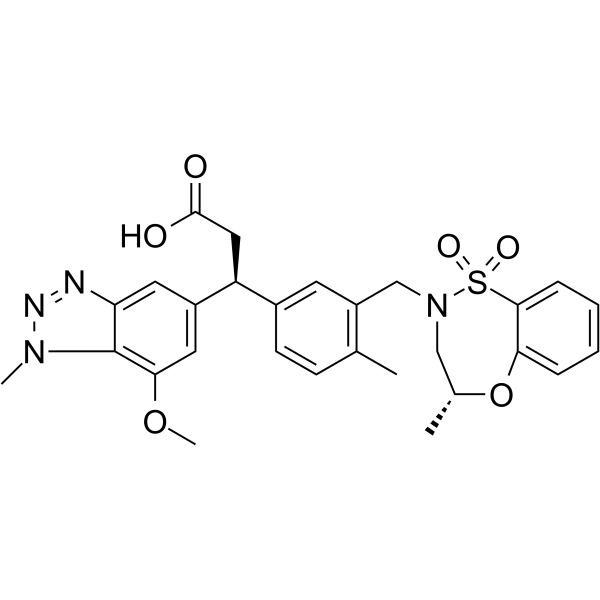
    JAK-IN-23 is an orally active double inhibitor of JAK/STAT and NF-κB. JAK-IN-23 can inhibit JAK1/2/3 with IC50 values of 8.9 nM, 15 nM and 46.2 nM, respectively. JAK-IN-23 has potent inhibitory activities against interferon-stimulated genes (ISG) and NF-κB pathways with IC50 values of 3.3 nM and 150.7 nM, respectively. JAK-IN-23 has great anti-inflammatory that decreases the release of various proinflammatory factors. JAK-IN-23 can be used for the research of inflammatory bowel disease (IBD) .
    JAK-IN-23
  • HY-P0203B

    Calcitonin gene-related peptide 2 (mouse); CGRP II (mouse)

    CGRP Receptor Cardiovascular Disease Neurological Disease Metabolic Disease Inflammation/Immunology
    β-CGRP (mouse) is a calcitonin gene-related peptide that induces vasodilation. β-CGRP (mouse) can be utilized in cardiovascular, pro-inflammatory, migraine and metabolic research .
    β-CGRP (mouse)
  • HY-N4028

    MMP COX Interleukin Related p38 MAPK ERK Keap1-Nrf2 Inflammation/Immunology
    Hydrangenol is an orally active antiphotoaging compound. It can be isolated from Hydrangea serrata leaves. Hydrangenol prevents wrinkle formation by reducing MMP and inflammatory cytokine expression and increasing moisturizing factors and antioxidant genes level .
    Hydrangenol
  • HY-N7700A
    Guluronic acid sodium
    1 Publications Verification

    G2013 sodium

    VEGFR Toll-like Receptor (TLR) COX NO Synthase NF-κB MMP Inflammation/Immunology Cancer
    Guluronic acid (G2013) sodium is an orally active oxidative stress regulator and anti-inflammatory agent that exerts pharmacological effects by down-regulating various pro-inflammatory and oxidative stress-related genes (such as TLR4, NF-κB, iNOS, etc.) and inhibiting the activities of COX-2, MMPs and VEGF. Low-dose Guluronic acid sodium up-regulates the expression of immunoregulatory genes SHIP1 and SOCS1, thereby effectively inhibiting cancer-related inflammation, tumor angiogenesis, cell adhesion and metastasis, while reducing the accumulation of immunosuppressive cells. Guluronic acid sodium significantly prolongs the survival time of tumor-bearing hosts within a concentration range without direct cytotoxicity, demonstrating favorable safety. Guluronic acid sodium has involved in the research of multiple sclerosis, ankylosing spondylitis, breast cancer and other inflammatory diseases .
    Guluronic acid sodium
  • HY-N7700

    G2013

    MMP COX VEGFR Toll-like Receptor (TLR) NF-κB NO Synthase Inflammation/Immunology Cancer
    Guluronic acid (G2013) is an orally active oxidative stress regulator and anti-inflammatory agent that exerts pharmacological effects by down-regulating various pro-inflammatory and oxidative stress-related genes (such as TLR4, NF-κB, iNOS, etc.) and inhibiting the activities of COX-2, MMPs and VEGF. Low-dose Guluronic acid up-regulates the expression of immunoregulatory genes SHIP1 and SOCS1, thereby effectively inhibiting cancer-related inflammation, tumor angiogenesis, cell adhesion and metastasis, while reducing the accumulation of immunosuppressive cells. Guluronic acid significantly prolongs the survival time of tumor-bearing hosts within a concentration range without direct cytotoxicity, demonstrating favorable safety. Guluronic acid has involved in the research of multiple sclerosis, ankylosing spondylitis, breast cancer and other inflammatory diseases .
    Guluronic acid
  • HY-N8593

    Environmental Pollutants p38 MAPK TNF Receptor NF-κB Interleukin Related Histamine Receptor PKA Inflammation/Immunology Endocrinology
    Undecane is a potent cAMP agonist with anti-allergic and anti-inflammatory activities. Undecane inhibits degranulation and the secretion of histamine and TNF-α. Undecane reverses the increased levels of p38 phosphorylation, NF-κB transcriptional activity and target cytokine/chemokine genes, including thymus and activation-regulated chemokine (TARC), macrophage-derived chemokine (MDC) and interleukin-8 (IL-8). Undecane can be used for the study of skin inflammatory disorders, such as atopic dermatitis .
    Undecane
  • HY-13570R
    Betamethasone (Standard)
    3 Publications Verification

    Reference Standards Glucocorticoid Receptor Apoptosis Inflammation/Immunology Endocrinology Cancer
    Betamethasone (Standard) is the analytical standard of Betamethasone. This product is intended for research and analytical applications. Betamethasone is a synthetic glucocorticoid with anti-inflammatory and immunosuppressive activities. Betamethasone accelerates fetal lung maturation and induces gene expression and apoptosis .
    Betamethasone (Standard)
  • HY-135646

    Influenza Virus Infection Inflammation/Immunology
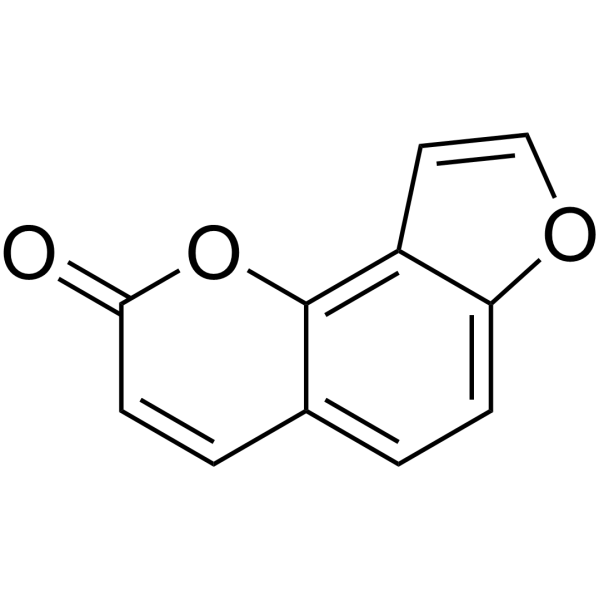
    Eleutheroside B1, a coumarin compound, has a wide spectrum of anti-human influenza virus efficacy, with an IC50 value of 64-125 µg/ml. Eleutheroside B1 mediates its anti-influenza activity through POLR2A and N-glycosylation. Eleutheroside B1 inhibits the mRNA expression of several chemokine genes and the influenza nucleoprotein (NP) gene, and exhibits low cytotoxicity. Antiviral and anti-inflammatory activities .
    Eleutheroside B1
  • HY-N0902

    13,14-Dihydrosanguinarine

    Fungal Bacterial Interleukin Related Infection Inflammation/Immunology
    Dihydrosanguinarine (13,14-Dihydrosanguinarine) is an alkaloid with antibacterial and anti-inflammatory activities, and also an important precursor of Sanguinarine (HY-N0052). Dihydrosanguinarine targets and regulates the TNF/IL-17/PI3K signaling pathway, downregulates the levels of pro-inflammatory factors such as IL-17A, TNF-α and IL-6, upregulates the expression of TGF-β, inhibits myeloperoxidase activity, and regulates the transcription of multiple inflammation-related genes. Dihydrosanguinarine exhibits antibacterial activity against a variety of oral microorganisms. Dihydrosanguinarine can be used in research related to liver inflammation and oral flora dysbiosis .
    Dihydrosanguinarine
  • HY-N4126
    6-Demethoxytangeretin
    1 Publications Verification

    Anaplastic lymphoma kinase (ALK) p38 MAPK Interleukin Related ERK JNK JAK STAT Akt Neurological Disease Inflammation/Immunology
    6-Demethoxytangeretin is a flavonoid compound that can be isolated from Citrus reticulata. 6-Demethoxytangeretin has anti-inflammatory and anti-allergic activities and can inhibit the production of IL-6 and the expression of related genes in human mast cells through the ALK and MAPK pathways. 6-Demethoxytangeretin can promote CRE-mediated transcription in hippocampal neurons .
    6-Demethoxytangeretin
  • HY-N7697A

    Others Inflammation/Immunology
    Chitopentaose pentahydrochloride is a chitosan oligosaccharide with anti-inflammatory effect. Chitopentaose pentahydrochloride is a substrate of gene encoding chitinase B (FjchiB) .
    Chitopentaose pentahydrochloride
  • HY-161612

    Tyrosinase SOD COX NO Synthase Keap1-Nrf2 Inflammation/Immunology
    Mycosporine 2 glycine is an anti-inflammatory agent and TYRP1 inhibitor. Mycosporine 2 glycine inhibits the expression of inflammatory genes and reduces nitric oxide production. Mycosporine 2 glycine binds tightly to the active pocket of TYRP1 and inhibits the activity of melanogenesis-related enzymes. Mycosporine 2 glycine can be used in the research of hyperpigmentation and inflammation-related diseases .
    Mycosporine 2 glycine
  • HY-P3342

    PD-1/PD-L1 Apoptosis Inflammation/Immunology
    [D-Leu-4]-OB3 inhibits expressions of pro-inflammatory, proliferative and metastatic genes and PD-L1 expression. [D-Leu-4]-OB3 stimulates expression of pro-apoptotic genes .
    [D-Leu-4]-OB3
  • HY-164049

    Prostaglandin Receptor Inflammation/Immunology
    TG8-260 is a second-generation EP2 antagonist developed to alleviate the pathology of central nervous system and peripheral diseases driven by inflammation. TG8-260 can reduce neuroinflammation and gliosis in the hippocampus of rats after pilocarpine-induced persistent epileptic status. Pharmacokinetic data of TG8-260 showed that its plasma half-life was 2.14 hours and its oral bioavailability was 77.3%. TG8-260 is also a potent inhibitor of CYP450 and shows antagonistic activity in inhibiting EP2 receptor-mediated inflammatory gene expression in BV2-hEP2 microglia, which is suitable for studying anti-inflammatory pathways in animal models of peripheral inflammatory diseases .
    TG8-260
  • HY-112291

    p38 MAPK Src PKC Inflammation/Immunology
    SB 220025 is a reversible, orally active, cell-permeable, ATP-competitive and selective human p38 MAPK inhibitor (IC50 = 60 nM). SB 220025 also inhibits p56 Lck and PKC with IC50 values of 3.5 and 2.89 µM, respectively. SB 220025 inhibits the expression of IL-8 gene in response to globular adiponectin (gAd), reduces inflammatory cytokine production and inhibits angiogenesis. SB 220025 effectively prevents the progression of arthritis in a chronic inflammatory disease model and can be used in the study of inflammation .
    SB 220025
  • HY-13580R
    Budesonide (Standard)
    5+ Cited Publications

    Reference Standards Glucocorticoid Receptor ADC Payload Inflammation/Immunology Cancer
    Budesonide (Standard) is the analytical standard of Budesonide. This product is intended for research and analytical applications. Budesonide, an inhaled glucocortical steroid, is an orally active glucocorticoid receptor agonist. Budesonide decreases the size of lung tumors, reverses DNA hypomethylation and modulates mRNA expression of genes. Budesonide is an anti-inflammatory agent used for asthma .
    Budesonide (Standard)
  • HY-P11208C

    GABA Receptor Inflammation/Immunology
    mNLS-CPP-WSTF TFA is the trifluoroacetate salt of mNLS-CPP-WSTF (HY-P11208). mNLS-CPP-WSTF is a nuclear localization signal (NLS)-cell-penetrating peptide based on the mouse WSTF sequence. mNLS-CPP-WSTF significantly inhibits the GABARAP-WSTF interaction, WSTF degradation and inflammatory gene expression. mNLS-CPP-WSTF effectively attenuates chronic inflammation, liver fibrosis and cartilage damage in metabolic-dysfunction-associated steatohepatitis (MASH) and osteoarthritis (OA) mice model. mNLS-CPP-WSTF is promising for research of chronic inflammatory diseases such as MASH and OA .
    mNLS-CPP-WSTF TFA
  • HY-B0464S1

    Isotope-Labeled Compounds PGE synthase NO Synthase Reactive Oxygen Species (ROS) DNA Methyltransferase COX Cancer
    Hydralazine-d5 (hydrochloride) is deuterium-labeled Hydralazine (hydrochloride) (HY-B0464). Hydralazine hydrochloride is an orally active, blood-brain barrier-permeable DNA methyltransferase inhibitor with vasodilatory, arterial smooth muscle relaxant and hypotensive activities. Hydralazine hydrochloride reactivates silenced tumor suppressor genes via mediating DNA demethylation, while exerting neuroprotective and anti-inflammatory properties. Hydralazine hydrochloride inhibits NOS-2 (iNOS) and COX-2, and reduces the production of NO and PGEE2; meanwhile, Hydralazine hydrochloride scavenges reactive oxygen species and inhibits macrophage activation. Hydralazine hydrochloride alleviates motor dysfunction, neuropathic inflammatory pain, and formalin-induced somatic and emotional pain responses. In addition, Hydralazine hydrochloride directly induces DNA strand breaks and sister chromatid exchange, exhibiting certain mutagenic characteristics. Hydralazine hydrochloride has been widely used in studies on hypertension, various cancers (such as cervical cancer, leukemia), spinal cord injury and the mechanisms of inflammatory pain .
    Hydralazine-d5 hydrochloride
  • HY-172661

    Thyroid Hormone Receptor Interleukin Related LDLR Infection Metabolic Disease
    KYLO-0603 is an orally active, selective THR-β agonist (EC50 : 31.07 nM). KYLO-0603 has significant activity in lowering serum cholesterol and low-density lipoprotein cholesterol. KYLO-0603 upregulates the expression of THR-regulated genes (including iodothyronine deiodinase 1 (Dio1), malic enzyme 1 (Me1), and thyroid hormone response (Thrsp) gene) and inhibits the expression of inflammatory and fibrotic genes (low-density lipoprotein receptor (LDL-R) gene) by activating THR-β receptors. KYLO-0603 can be used to treat metabolic dysfunction-associated steatohepatitis (MASH) and liver fibrosis research .
    Kylo-0603

Inquiry Online

Your information is safe with us. * Required Fields.

Salutation


Country or Region *

Applicant Name *


Organization Name *

Department *


Email Address *


Product Name *

Cat. No.


Requested quantity *

Phone Number *


Remarks

Inquiry Online

Inquiry Information

Product Name:
Cat. No.:
Quantity:
MCE Japan Authorized Agent:

