



1. Search Result
Search Result
Results for "

inflammatory mediator release

" in MedChemExpress (MCE) Product Catalog:

93

Inhibitors & Agonists

3

Biochemical Assay Reagents

4

Peptides

28

Natural
Products

16

Isotope-Labeled Compounds

1

Click Chemistry

4

Oligonucleotides

Targets Recommended:
Cat. No. Product Name Target Research Areas Chemical Structure
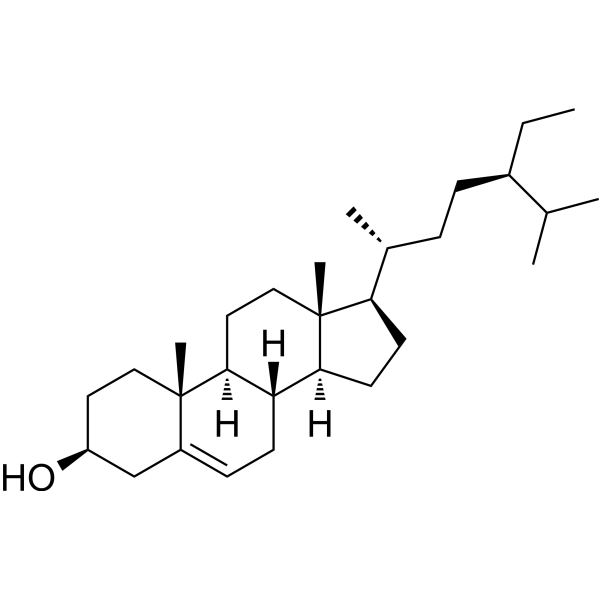
  • HY-N0171A
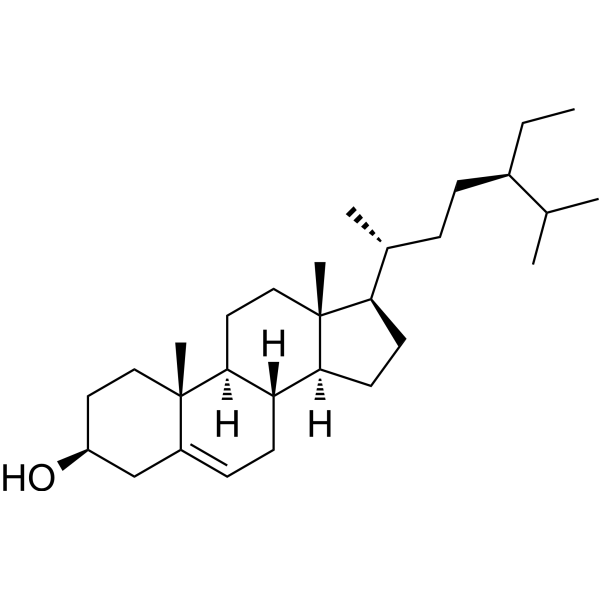
    Beta-Sitosterol (purity>98%)
    15+ Cited Publications

    β-Sitosterol (purity>98%); 22,23-Dihydrostigmasterol (purity>98%)

    Bacterial Apoptosis Reactive Oxygen Species (ROS) MDM-2/p53 Caspase PARP MMP Bcl-2 Family HIF/HIF Prolyl-Hydroxylase TNF Receptor Interleukin Related NF-κB mTOR Lactate Dehydrogenase CDK Glutathione Peroxidase SOD Infection Cardiovascular Disease Inflammation/Immunology Cancer
    Beta-Sitosterol (purity>98%) is orally active. Beta-Sitosterol exhibits multiple activities, including anti-inflammatory, anticancer, antioxidant, antimicrobial, antidiabetic, antioxidant enzyme, and analgesic. Beta-Sitosterol inhibits inflammation and impaired adipogenesis in bovine mammary epithelial cells by reducing levels of ROS, TNF-α, IL-1β, and NF-κB p65 and restoring the activity of the HIF-1α/mTOR signaling pathway. Beta-Sitosterol induces apoptosis in cancer cells through ROS-mediated mitochondrial dysregulation and p53 activation. Beta-Sitosterol exerts its anticancer effects in cancer cells by activating caspase-3, caspase-8, and caspase-9, mediating PARP inactivation, MMP loss, altered Bcl-2-Bax ratio, and cytochrome c release. Beta-Sitosterol modulates macrophage polarization and reduces rheumatoid inflammation in mice. Beta-Sitosterol inhibits tumor growth in multiple mouse cancer models. Beta-Sitosterol can be used in the research of arthritis, lung cancer, breast cancer and other cancers, diabetes, etc .
    Beta-Sitosterol (purity>98%)
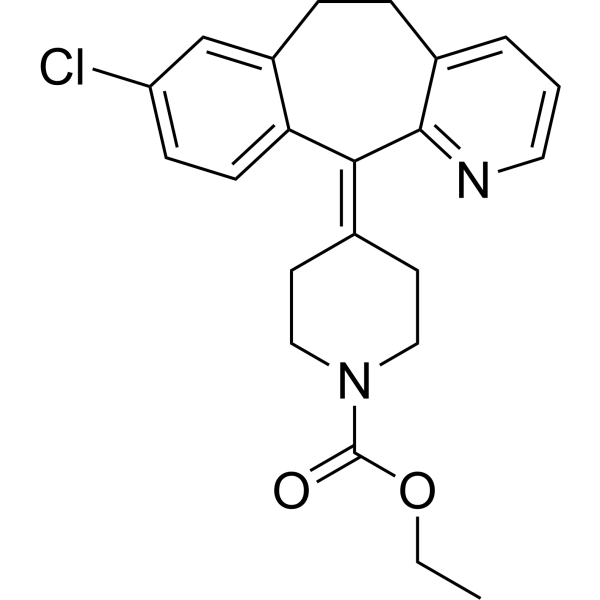
  • HY-17043
    Loratadine
    10+ Cited Publications

    Loratidine; SCH 29851

    Flavivirus Dengue Virus Histamine Receptor Infection Inflammation/Immunology Endocrinology Cancer
    Loratadine (SCH-29851) is a selective inverse peripheral histamine H1-receptor agonist with an IC50 of >32 μM. Loratadine has anti-dengue-virus (DENV) activity. Loratadine can inhibit immunologic release of inflammatory mediators.
    Loratadine
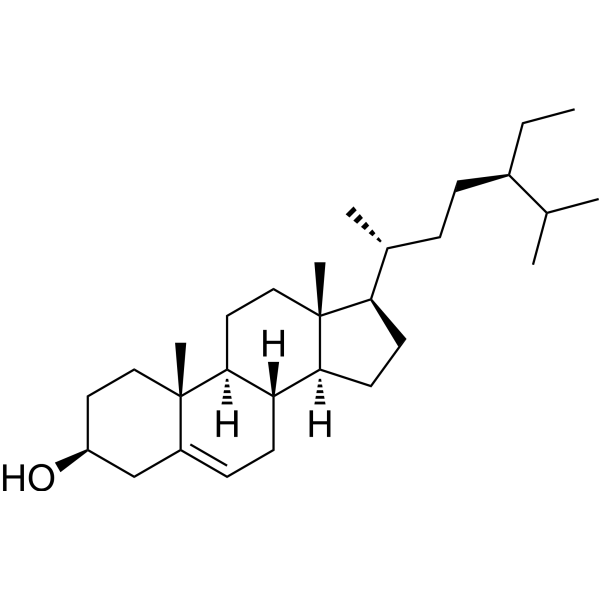
  • HY-N0171
    Beta-Sitosterol (purity>80%)
    20+ Cited Publications

    Apoptosis Endogenous Metabolite Cardiovascular Disease Inflammation/Immunology Cancer
    Beta-Sitosterol (purity≥80%) is orally active. Beta-Sitosterol exhibits multiple activities, including anti-inflammatory, anticancer, antioxidant, antimicrobial, antidiabetic, antioxidant enzyme, and analgesic. Beta-Sitosterol inhibits inflammation and impaired adipogenesis in bovine mammary epithelial cells by reducing levels of ROS, TNF-α, IL-1β, and NF-κB p65 and restoring the activity of the HIF-1α/mTOR signaling pathway. Beta-Sitosterol induces apoptosis in cancer cells through ROS-mediated mitochondrial dysregulation and p53 activation. Beta-Sitosterol exerts its anticancer effects in cancer cells by activating caspase-3, caspase-8, and caspase-9, mediating PARP inactivation, MMP loss, altered Bcl-2-Bax ratio, and cytochrome c release. Beta-Sitosterol modulates macrophage polarization and reduces rheumatoid inflammation in mice. Beta-Sitosterol inhibits tumor growth in multiple mouse cancer models. Beta-Sitosterol can be used in the research of arthritis, lung cancer, breast cancer and other cancers, diabetes, etc .
    Beta-Sitosterol (purity>80%)
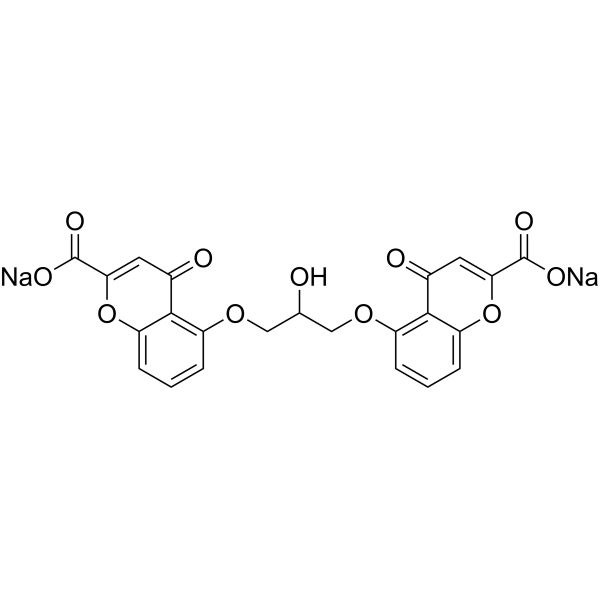
  • HY-B0320A
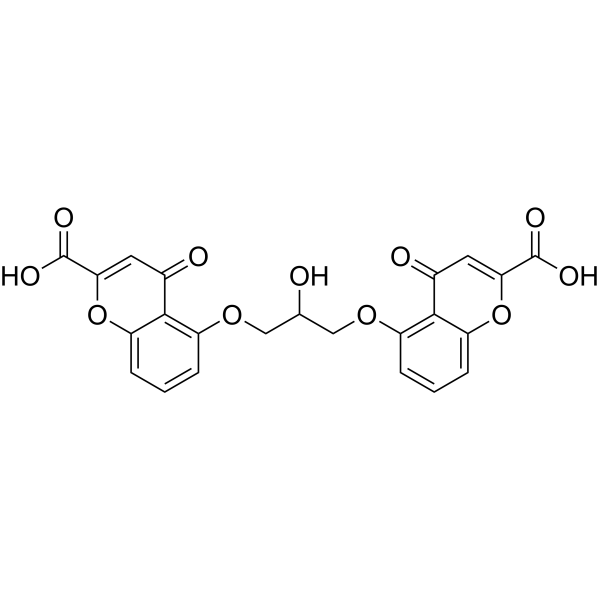
    Cromolyn disodium
    5+ Cited Publications

    Cromoglycate disodium; Cromoglicic acid disodium; FPL-670

    GSK-3 NF-κB Amyloid-β Neurological Disease Metabolic Disease Inflammation/Immunology Cancer
    Cromolyn (Cromoglycate) disodium is an orally active GSK-3β inhibitor with an IC50 of 2.0 μM. Cromolyn disodium is also a mast cell stabilizer that can inhibit the release of mediators from mast cells, regulate reflex bronchoconstriction, and reduce non-specific bronchial hyperreactivity, and Cromolyn disodium can be used in the research of bronchial asthma. In addition, Cromolyn disodium has multiple activities such as anti-inflammatory, anti-allergic, anti-histamine, anti-cancer, and neuroprotective effects .
    Cromolyn disodium
  • HY-W251428

    Egg PG

    Biochemical Assay Reagents Others
    Phosphatidylglycerols (PG) is a selective inhibitor targeting the TLR4 accessory protein CD14/MD-2 complex, inhibiting LPS or virus (such as RSV)-mediated inflammatory signaling pathways through competitive binding. Phosphatidylglycerols directly bind to viral particles to block infection, inhibit COX-2 expression to reduce the release of inflammatory factors (IL-6, IL-8), and improve oxidative stress by regulating mitochondrial membrane phospholipid remodeling. Phosphatidylglycerols can be taken orally or by inhalation and can be used in the study of chronic inflammatory diseases (such as atherosclerosis) and respiratory viral infections (such as RSV) .
    Phosphatidylglycerols (egg) sodium salt
  • HY-130413

    Neuroprotectin D1; NPD1

    Endogenous Metabolite PI3K Akt HIF/HIF Prolyl-Hydroxylase Reactive Oxygen Species (ROS) Caspase Interleukin Related MicroRNA Cardiovascular Disease Neurological Disease Inflammation/Immunology
    Protectin D1, a neuroprotectin D1 produced by neuronal cells, is a member of a newly discovered family of bioactive products derived from docosahexaenoic acid. Protectin D1 also serves as a specialized pro-resolving mediator, exhibiting effective in vivo pro-resolving activity in various human disease models. Additionally, Protectin D1 is an inhibitor of NALP3 inflammasomes and regulates the PI3K/AKT and HIF-1α signaling pathways. Protectin D1 exerts anti-inflammatory effects by reducing ROS levels, inhibiting the expression of NALP3, ASC, and Caspase-1, and consequently decreasing the release of pro-inflammatory cytokines IL-1β and IL-18. Furthermore, Protectin D1 enhances miRNA-210 expression, activates the PI3K/AKT signaling pathway, and exerts cardioprotective effects. Protectin D1 holds promise for research in cardiovascular diseases and inflammatory disorders .
    Protectin D1
  • HY-P3029
    Phospholipase A2
    1 Publications Verification

    PLA2

    Phospholipase Cardiovascular Disease Inflammation/Immunology
    Phospholipase A2 (PLA2) is a calcium-dependent, heat-stable enzyme that catalyzes the hydrolysis of glycerophospholipids at the sn-2 position of cellular membranes, thereby releasing Arachidonic Acid (AA) (HY-109590). Phospholipase A2 is a key mediator in the biosynthesis of pro-inflammatory lipid mediators, critically involved in inflammatory processes. Phospholipase A2 can be used for cardiovascular and inflammatory diseases research .
    Phospholipase A2
  • HY-P4744
    LL-37 amide
    2 Publications Verification

    Formyl Peptide Receptor (FPR) Bacterial Infection Cancer
    LL-37 amide is a selective agonist of formyl peptide receptor-like FPRL1, effectively inhibiting periodontal pathogens (ED99=8.5-8.7 μg/mL). LL-37 amide exerts its bactericidal effect by activating FPRL1-mediated immune cell chemotaxis and disrupting bacterial cell membrane integrity. It can also regulate inflammatory responses (inhibiting the release of factors such as TNF-α) and promote angiogenesis. Amidation modification reduces its sensitivity to serum inhibition and improves its stability. LL-37 amide possesses key activities in bactericidal action, immunomodulation, and wound healing, and is mainly used in research on infection-related diseases such as periodontal disease and deep tissue injuries (pressure ulcers), and wound healing .
    LL-37 amide
  • HY-125474
    Carrageenan
    1 Publications Verification

    Environmental Pollutants HIV HSV Infection Cancer
    Carrageenan is an antiviral and anticancer agent. Carrageenan inhibits herpes simplex virus (HSV), HIV, and hepatitis A virus (HAV) by directly binding to the viral capsid to block the attachment of viruses such as HPV to HSPG factors on the cell surface. Carrageenan delays and arrests cell cycle progression, exhibits cytotoxicity against HeLa cancer cells, and can be applied to studies related to cervical cancer, genital warts, hepatitis A, and other conditions. Carrageenan also induces acute non-immune inflammation, triggers a three-phase inflammatory response involving the release of multiple proinflammatory mediators, and causes persistent edema, hyperalgesia, and neutrophil recruitment in mice .
    Carrageenan
  • HY-N0631
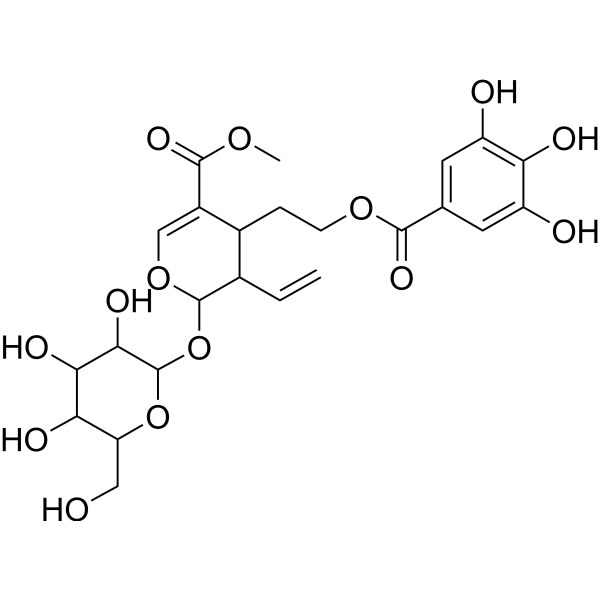
    Cornuside
    5+ Cited Publications

    p38 MAPK NF-κB JNK Cholinesterase (ChE) Acyltransferase NO Synthase Interleukin Related TNF Receptor Prostaglandin Receptor ERK COX Neurological Disease Inflammation/Immunology
    Cornuside is an iridoid glycoside with anti-allergic, anti-inflammatory, and neuroprotective activities. Cornuside exerts anti-allergic activity by downregulating the p38 MAPK, JNK, and NF-κB signaling pathways, and inhibits IgE-mediated histamine release from mast cells. Cornuside improves cognitive impairment in mice by inhibiting BACE1 activity (IC50 = 55.84 μg/mL) and enhancing ChAT activity. Cornuside inhibits LPS (HY-D1056)-induced inflammatory mediators, including iNOS, COX-2, PGE2, TNF-α, IL-6, and IL-1β, by suppressing NF-κB activation .
    Cornuside
  • HY-N0168A

    TGF-beta/Smad NF-κB Infection Inflammation/Immunology Cancer
    (Rac)-Hesperetin is the racemate of Hesperetin (HY-N0168), an orally active multi-target inhibitor. (Rac)-Hesperetin exhibits significant anti-tumor and anti-inflammatory activities by blocking the TGF-β1-mediated Fyn/RhoA signaling axis and the TLR4-MyD88-NF-κB inflammatory pathway. (Rac)-Hesperetin inhibits the formation of actin stress fibers and the migration and invasion of cancer cells, and is suitable for triple-negative breast cancer research. In inflammation models, (Rac)-Hesperetin effectively alleviates lung injury by reducing the release of pro-inflammatory mediators and regulating the activity of oxidative stress enzymes, and is suitable for acute lung injury research. (Rac)-Hesperetin also interferes with the entry and early replication processes of channel catfish virus, inhibits viral gene expression and progeny virus production, thereby protecting cells from virus-induced cytopathic effects .
    (Rac)-Hesperetin
  • HY-N0493
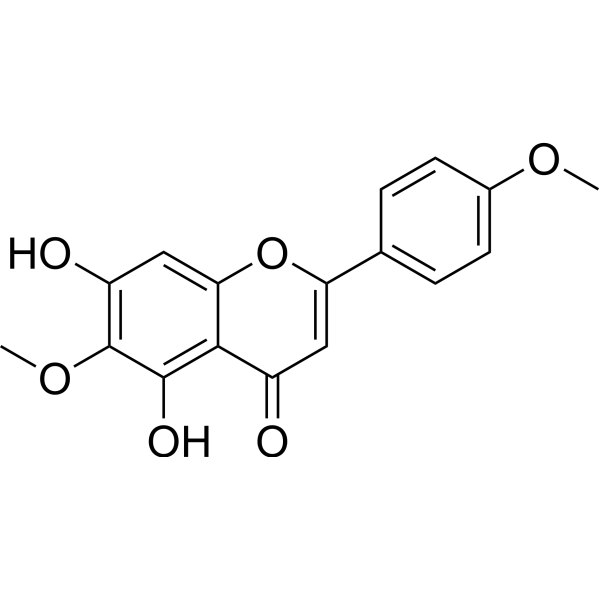
    Pectolinarigenin
    2 Publications Verification

    COX Lipoxygenase NF-κB p38 MAPK ERK HIF/HIF Prolyl-Hydroxylase Keap1-Nrf2 PI3K Apoptosis Autophagy Neurological Disease Inflammation/Immunology Cancer
    Pectolinarigenin is an orally active dual inhibitor of COX-2/5-LOX with anti-inflammatory, antioxidant, antitumor and neuroprotective activities. Pectolinarigenin exerts neuroprotective and anti-inflammatory effects on astrocyte inflammation via the NFκB and MAPK pathways. Pectolinarigenin inhibits LPS-induced phosphorylation of ERK1/2, N-FκB and p38MAPK, directly inhibits the enzymatic activity or binding of COX-2, 5-LOX and HIF-1α, and reduces the level of XIAP. Pectolinarigenin modifies Keap1 to promote nuclear accumulation of Nrf2, induces ARE-mediated antioxidant enzyme expression, and possesses direct free radical scavenging activity. Pectolinarigenin reduces the release of NO, proinflammatory mediators and leukotrienes, and increases the level of IL-10. Pectolinarigenin induces G2/M cell cycle arrest, apoptosis (Apoptosis) and autophagy (Autophagy) via the PI3K/AKT/mTOR signaling pathway. Pectolinarigenin reduces renal crystal deposition and inhibits melanin synthesis. Pectolinarigenin inhibits inflammation and alleviates allergy in mouse models of inflammation. Pectolinarigenin alleviates renal injury, inflammation and oxidative stress in mice by inhibiting HIF-1α activity. Pectolinarigenin can be used for the research of neurodegenerative diseases, inflammatory/allergic diseases, calcium oxalate nephrocalcinosis, gastric cancer, melasma, post-inflammatory diseases and chloasma .
    Pectolinarigenin
  • HY-113509
    Lipoxin A4
    1 Publications Verification

    LXA4

    Interleukin Related Endogenous Metabolite Inflammation/Immunology
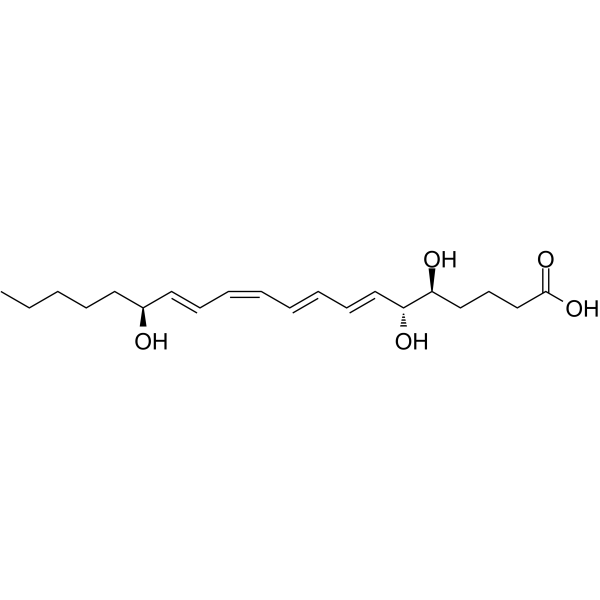
    Lipoxin A4 (LXA4), an endogenous lipoxygenase-derived eicosanoid mediator, has potent dual pro-resolving and anti-inflammatory properties . Lipoxin A4 inhibits proliferation and inflammatory cytokine/chemokine production of human epidermal keratinocytes (NHEKs) associated with the ERK1/2 and NF-kB pathways . Lipoxin A4 inhibits serum amyloid A (SAA)-mediated IL-8 release with an IC50 value of 25.74 nM .
    Lipoxin A4
  • HY-P1137
    10Panx
    1 Publications Verification

    Gap Junction Protein Others
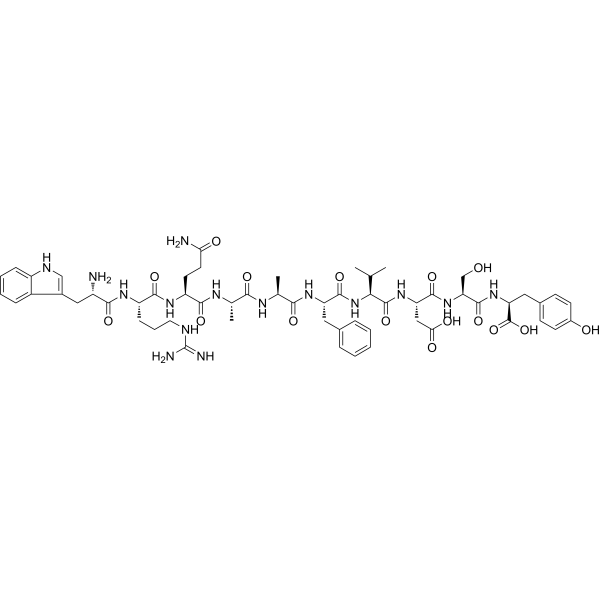
    10Panx is a competitive inhibitor of selective Pannexin 1 (PANX1) channels. 10Panx blocks the opening of PANX1 channels, inhibits ATP release and downstream P2X7 receptor-mediated signaling pathways, thereby reducing cell death and inflammatory responses. 10Panx can be used in the study of diseases such as neuropathic pain, inflammatory bowel disease, and Clostridioides difficile infection. 10Panx can effectively reduce mechanical hyperalgesia and enhanced C-reflexes, and inhibit the expression of pro-inflammatory factors such as IL-6[1][2][3].
    10Panx
  • HY-B1619
    Cromolyn
    5+ Cited Publications

    Cromoglycate; Cromoglicic acid; FPL-670 free acid

    GSK-3 NF-κB Amyloid-β Neurological Disease Metabolic Disease Inflammation/Immunology Cancer
    Cromolyn (Cromoglycate) is an orally active GSK-3β inhibitor with an IC50 of 2.0 μM. Cromolyn is also a mast cell stabilizer that can inhibit the release of mediators from mast cells, regulate reflex bronchoconstriction, and reduce non-specific bronchial hyperreactivity, and Cromolyn can be used in the research of bronchial asthma. In addition, Cromolyn has multiple activities such as anti-inflammatory, anti-allergic, anti-histamine, anti-cancer, and neuroprotective effects .
    Cromolyn
  • HY-13568

    LRCL 3794

    Cytochrome P450 COX Lipoxygenase PGE synthase Inflammation/Immunology
    Benoxaprofen (LRCL 3794) is a nonsteroidal anti-inflammatory agent that blocks the biosynthesis of inflammatory mediators such as leukotrienes and prostaglandins by inhibiting 5-LOX, PGH2 synthase and cytochrome P-450. Benoxaprofen exhibits significant toxicity: it not only alters cellular redox status, uncouples oxidative phosphorylation and disrupts calcium ion homeostasis, but also causes liver injury through the formation of covalent adducts between its active metabolites and hepatic proteins. Benoxaprofen shows strong phototoxicity under ultraviolet irradiation, and induces erythrocyte lysis, mast cell degranulation and histamine release. Benoxaprofen is widely used in studies of urticaria and related phototoxic mechanisms .
    Benoxaprofen
  • HY-N0171R
    Beta-Sitosterol (Standard)
    5+ Cited Publications

    β-Sitosterol (Standard); 22,23-Dihydrostigmasterol (Standard))

    Reference Standards Apoptosis Endogenous Metabolite Cardiovascular Disease Inflammation/Immunology Cancer
    Beta-Sitosterol (Standard) is the analytical standard of Beta-Sitosterol. This product is intended for research and analytical applications. Beta-Sitosterol (purity≥80%) is orally active. Beta-Sitosterol exhibits multiple activities, including anti-inflammatory, anticancer, antioxidant, antimicrobial, antidiabetic, antioxidant enzyme, and analgesic. Beta-Sitosterol inhibits inflammation and impaired adipogenesis in bovine mammary epithelial cells by reducing levels of ROS, TNF-α, IL-1β, and NF-κB p65 and restoring the activity of the HIF-1α/mTOR signaling pathway. Beta-Sitosterol induces apoptosis in cancer cells through ROS-mediated mitochondrial dysregulation and p53 activation. Beta-Sitosterol exerts its anticancer effects in cancer cells by activating caspase-3, caspase-8, and caspase-9, mediating PARP inactivation, MMP loss, altered Bcl-2-Bax ratio, and cytochrome c release. Beta-Sitosterol modulates macrophage polarization and reduces rheumatoid inflammation in mice. Beta-Sitosterol inhibits tumor growth in multiple mouse cancer models. Beta-Sitosterol can be used in the research of arthritis, lung cancer, breast cancer and other cancers, diabetes, etc.
    Beta-Sitosterol (Standard)
  • HY-W089845
    Heneicosane
    1 Publications Verification

    Environmental Pollutants Fungal Sex Pheromone Infection Endocrinology
    Heneicosane is a royal-specific pheromone of insects (such as subterranean termites) and is an identification signal for queens and kings in termites. Heneicosane mediates royal recognition and the maintenance of social division of labor by being sensed by worker ants and triggering vibrations and antennal behaviors. Heneicosane can exert anti-inflammatory, analgesic and antipyretic activities by inhibiting the release of inflammatory mediators (such as prostaglandins and cytokines). At the same time, Heneicosane can also inhibit the mycelial growth of aflatoxin-producing fungi and inhibit the production of aflatoxin. Heneicosane can be used in insect chemical ecology research to analyze the regulatory mechanism of termite social behavior, and is also a potential target for new anti-inflammatory drugs .
    Heneicosane
  • HY-W127758
    Alginic acid
    1 Publications Verification

    Histamine Receptor Apoptosis Autophagy Endogenous Metabolite Inflammation/Immunology Endocrinology
    Alginic acid is a natural polysaccharide, which has been widely concerned and applied due to its excellent water solubility, film formation, biodegradability and biocompatibility. Alginic acid induces oxidative stress-mediated hormone secretion disorder, apoptosis and autophagy in mouse granulosa cells and ovaries. Alginic acid has an inhibitory effect on histamine release. Anti-anaphylactic and anti-inflammatory properties .
    Alginic acid
  • HY-N0392

    Toll-like Receptor (TLR) PI3K Akt NF-κB MDM-2/p53 Caspase MEK Bcl-2 Family p38 MAPK Mitophagy Reactive Oxygen Species (ROS) Apoptosis Calcium Channel Cardiovascular Disease Infection Neurological Disease
    Polygalasaponin F is an orally active triterpenoid saponin monomer. Polygalasaponin F downregulates the expression of Bax, p53, caspase-3, NF-κB p65 and MEK1; restores and upregulates the expression of Bcl-2; activates the PI3K/Akt signaling pathway; inhibits the phosphorylation of p38 MAPK, nuclear translocation of NF-κB, TLR4-mediated signaling pathway, mitophagy (Mitophagy) and ROS production; enhances cell viability and suppresses apoptosis (Apoptosis). Polygalasaponin F maintains mitochondrial function, alleviates Ca 2+ overload, upregulates pCREB and BDNF, preserves cell viability and inhibits the release of inflammatory cytokines. Polygalasaponin F alleviates lung injury induced by influenza A H1N1 and cerebral ischemia-reperfusion injury. Polygalasaponin F is applicable to researches related to Parkinson's disease, cerebral ischemia, pneumonia induced by influenza A H1N1, stroke and Alzheimer's disease .
    Polygalasaponin F
  • HY-B0426A

    ALO4943A; KW4679

    Histamine Receptor CXCR Infection Neurological Disease Metabolic Disease Inflammation/Immunology
    Olopatadine hydrochloride (ALO4943A; KW4679) is an orally active histamine H1 receptor antagonist and mast cell stabilizer. Olopatadine hydrochloride exerts antiallergic effects by blocking histamine H1 receptor-mediated activities. Olopatadine hydrochloride inhibits exocytosis, chemokine release, F-actin polymerization, CXCL10-induced calcium influx, and T cell chemotactic activity. Olopatadine hydrochloride also reduces the expression levels of CXCR3 on the surface of CD4 + and CD8 + T cells. Olopatadine hydrochloride inhibits scratching behavior, improves dermatitis scores, and suppresses intraepidermal neurite outgrowth. Olopatadine hydrochloride simultaneously decreases the levels of inflammatory markers, growth factors, histamine, and specific IgE, while increasing the expression of ErbB3A/HER3A. Olopatadine hydrochloride can be used in research related to seasonal pollinosis, chronic rhinitis, urticaria, allergic conjunctivitis, alopecia areata, and atopic dermatitis .
    Olopatadine hydrochloride
  • HY-N7926

    Environmental Pollutants Apoptosis Parasite TNF Receptor Interleukin Related Infection Inflammation/Immunology
    Pentadecane is an orally active natural plant volatile alkane with anti-inflammatory, analgesic, antipyretic and anti-leishmanial activities. Pentadecane presents IC50 values of 65.3 μM, 60.5 μM and 194.8 μM against Leishmania infantum promastigotes, amastigotes and intracellular amastigotes, respectively. Pentadecane downregulates the mRNA expression of TNF-α and IL-12 and inhibits the release of inflammatory mediators. Pentadecane arrests the cell cycle of Leishmania infantum and induces apoptosis. Pentadecane can be applied to the research of inflammation and leishmaniasis .
    Pentadecane
  • HY-13954
    A 839977
    1 Publications Verification

    P2X Receptor Neurological Disease Inflammation/Immunology
    A 839977 is a P2X7 selective antagonist; it blocks BzATP-evoked calcium influx at recombinant human, rat and mouse P2X7 receptors (IC50 values are 20 nM, 42 nM and 150 nM respectively) and reduces inflammatory and neuropathic pain in animal models; the antihyperalgesic effects of P2X7 receptor blockade are mediated by blocking the release of IL-1beta .
    A 839977
  • HY-126328

    PKC Interleukin Related Inflammation/Immunology
    PKC-theta inhibitor 1 is an orally active and selective ATP-competitive inhibitor of Protein Kinase Cθ (PKCθ), with a Ki value of 6 nM. PKC-theta inhibitor 1 inhibits T-cell-mediated inflammatory responses by suppressing the release of proinflammatory cytokines (IL-2 IC50 = 0.21 μM in anti-CD3/CD28-stimulated PBMCs; IL-17 IC50 = 1 μM in CD3/CD28-stimulated Th17 cells) PKC-theta inhibitor 1 significantly reduces symptoms in mice with ongoing experimental autoimmune encephalomyelitis (EAE). PKC-theta inhibitor 1 can be used for the study of T-cell-mediated inflammatory diseases such as multiple sclerosis .
    PKC-theta inhibitor 1
  • HY-E70127

    Brasan; Dasen

    Ser/Thr Protease COX Bacterial Prostaglandin Receptor Interleukin Related Cardiovascular Disease Infection Neurological Disease Inflammation/Immunology Cancer
    Serratiopeptidase (Brasan; Dasen) is an orally active zinc-containing metalloprotease belonging to the serralysin family. Serratiopeptidase reduces the release of inflammatory mediators such as prostaglandins, thromboxanes and interleukins by inhibiting COX, thereby relieving pain, swelling and redness. Serratiopeptidase exhibits antibiofilm, mucolytic and wound-healing activities. As a serine protease, Serratiopeptidase has the ability to dissolve blood clots, fibrin and atherosclerotic plaques. Serratiopeptidase degrades amyloid fibrils and has potential anti-Alzheimer's effects. Serratiopeptidase shows cytotoxicity against colon cancer cells .
    Serratiopeptidase
  • HY-17043S1

    Loratidine-d5; SCH 29851-d5

    Isotope-Labeled Compounds Histamine Receptor Infection Inflammation/Immunology Endocrinology
    Loratadine-d5 is the deuterium labeled Loratadine. Loratadine (SCH-29851) is a selective inverse peripheral histamine H1-receptor agonist with an IC50 of >32 μM. Loratadine has anti-dengue-virus (DENV) activity. Loratadine can inhibit immunologic release of inflammatory mediators.
    Loratadine-d5
  • HY-N0074
    Byakangelicol
    1 Publications Verification

    COX Inflammation/Immunology
    Byakangelicol, isolated from Angelica dahurica, inhibits interleukin-1beta (IL-1beta) -induced prostaglandin E2 (PGE2) release in A549 cells mediated by suppression of cyclooxygenase-2 (COX-2) expression and the activity of COX-2 enzyme. Byakangelicol has therapeutic potential as an anti-inflammatory agent on airway inflammation .
    Byakangelicol
  • HY-172458
    Z-3578
    1 Publications Verification

    Mas-related G-protein-coupled Receptor (MRGPR) TNF Receptor Inflammation/Immunology
    Z-3578 is an orally active small-molecule antagonist of MrgX2 with potent antipseudoallergic activity, exhibiting a KD value of 729 nM. Z-3578 effectively inhibits mast cell degranulation induced by substance P (SP) and C48/80, suppresses the release of β-hexosaminidase, significantly reduces the release of histamine and TNF-α, and decreases intracellular calcium flux. In a mouse pseudoallergy model, Z-3578 significantly alleviates paw swelling and dye extravasation, and reduces serum histamine levels. Z-3578 can be used for the study of pseudoallergic reactions .
    Z-3578
  • HY-P4744A
    LL-37 amide TFA
    2 Publications Verification

    Formyl Peptide Receptor (FPR) Bacterial Infection Cancer
    LL-37 amide TFA is a selective agonist of formyl peptide receptor-like FPRL1, effectively inhibiting periodontal pathogens (ED99=8.5-8.7 μg/mL). LL-37 amide TFA exerts its bactericidal effect by activating FPRL1-mediated immune cell chemotaxis and disrupting bacterial cell membrane integrity. It can also regulate inflammatory responses (inhibiting the release of factors such as TNF-α) and promote angiogenesis. Amidation modification reduces its sensitivity to serum inhibition and improves its stability. LL-37 amide TFA possesses key activities in bactericidal action, immunomodulation, and wound healing, and is mainly used in research on infection-related diseases such as periodontal disease and deep tissue injuries (pressure ulcers), and wound healing .
    LL-37 amide TFA
  • HY-17639

    RX-10045

    Biochemical Assay Reagents Inflammation/Immunology
    Navamepent is an analog of naturally occurring resolvin E1 (a major dietary omega-3 polyunsaturated fatty-acid metabolite) with potent anti-inflammatory and cell survival benefits. Navamepent is highly effective against dry eye and goblet cell loss thereby accelerating tear production. Also, Navamepent can reduce corneal inflammation, epithelial damage, and accelerate corneal tissue repair. In addition, Navamepent can inhibit the release of several key proinflammatory mediators from corneal epithelial cells. Navamepent is a click chemistry reagent, it contains an Alkyne group and can undergo copper-catalyzed azide-alkyne cycloaddition (CuAAc) with molecules containing Azide groups.
    Navamepent
  • HY-W062109

    Histamine Receptor CXCR Inflammation/Immunology
    Olopatadine (ALO4943A; KW4679) is an orally active histamine H1 receptor antagonist and mast cell stabilizer. Olopatadine exerts antiallergic effects by blocking histamine H1 receptor-mediated activities. Olopatadine inhibits exocytosis, chemokine release, F-actin polymerization, CXCL10-induced calcium influx, and T cell chemotactic activity. Olopatadine also reduces the expression levels of CXCR3 on the surface of CD4 + and CD8 + T cells. Olopatadine inhibits scratching behavior, improves dermatitis scores, and suppresses intraepidermal neurite outgrowth. Olopatadine simultaneously decreases the levels of inflammatory markers, growth factors, histamine, and specific IgE, while increasing the expression of ErbB3A/HER3A. Olopatadine can be used in research related to seasonal pollinosis, chronic rhinitis, urticaria, allergic conjunctivitis, alopecia areata, and atopic dermatitis .
    Olopatadine
  • HY-N1733
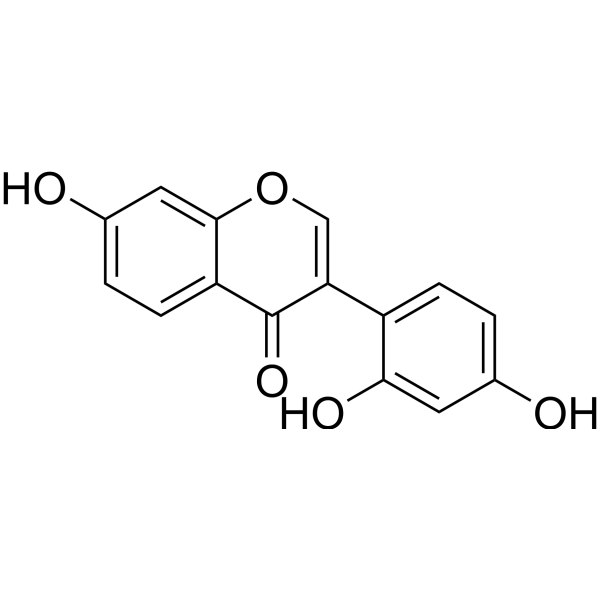
    2′-Hydroxydaidzein
    2 Publications Verification

    β-glucuronidase Inflammation/Immunology
    2′-Hydroxydaidzein is a metabolite. 2′-Hydroxydaidzein inhibits the release of chemical mediator from inflammatory cells. 2′-Hydroxydaidzein significantly inhibits lysozyme and β-glucuronidase release from rat neutrophils, which is stimulated with fMLP/CB, respectively .
    2′-Hydroxydaidzein
  • HY-17043R

    Loratidine (Standard); SCH 29851 (Standard)

    Dengue Virus Flavivirus Reference Standards Histamine Receptor Infection Inflammation/Immunology Endocrinology Cancer
    Loratadine (Standard) is the analytical standard of Loratadine. This product is intended for research and analytical applications. Loratadine (SCH-29851) is a selective inverse peripheral histamine H1-receptor agonist with an IC50 of >32 μM. Loratadine has anti-dengue-virus (DENV) activity. Loratadine can inhibit immunologic release of inflammatory mediators.
    Loratadine (Standard)
  • HY-120314

    Apoptosis Caspase Endogenous Metabolite Inflammation/Immunology
    GEA 3162 is an orally active compound that acts as a NO/ONOO⁻ donor. GEA 3162 significantly inhibits the activation of human polymorphonuclear leukocytes (PMNs) through the cGMP pathway, inhibits the release of inflammatory mediators, and exerts anti-inflammatory and protective effects. GEA 3162 induces apoptosis of neutrophils and bone marrow cells by activating caspase-2/3/8/9 through the ONOO⁻ pathway. GEA 3162 has a bidirectional effect in the rat gastric ulcer model: at low doses, it significantly reduces gastric mucosal damage, while at high doses, it aggravates the ulcer area. GEA 3162 can be used for research on inflammatory conditions such as gastric ulcers .
    GEA 3162
  • HY-N10379

    Akt mTOR Apoptosis Reactive Oxygen Species (ROS) CDK Ras HSP VEGFR TNF Receptor Interleukin Related Inflammation/Immunology
    19-epi-Scholaricine is an orally active indole alkaloid. 19-epi-Scholaricine downregulates the expression of profibrotic/apoptotic proteins (HRAS, HSP90AA1, KDR) and upregulates the expression of cell cycle-related protein (CDK2). 19-epi-Scholaricine suppresses ROS production and reduces the release of inflammatory mediators, thereby attenuating podocyte apoptosis, renal inflammation and oxidative stress by inhibiting AKT/mTOR. 19-epi-Scholaricine can be used in the research of chronic glomerulonephritis and membranous nephropathy .
    19-epi-Scholaricine
  • HY-N7064

    Pyruvate Kinase COX STAT TNF Receptor NO Synthase Interleukin Related HIF/HIF Prolyl-Hydroxylase Cardiovascular Disease Inflammation/Immunology
    Iminostilbene is a chemical precursor of carbamazepine. Additionally, Iminostilbene is an orally active inhibitor of PKM2 (Pyruvate Kinase M2) and COX2 (Cyclooxygenase-2). Iminostilbene exerts its effects by inhibiting PKM2 and its interaction with HIF-1α and STAT3, reducing COX2 and iNOS expression, and decreasing LPS-induced release of IL-1β, IL-6, TNF-α, and MCP-1, thereby suppressing macrophage-mediated inflammatory responses and improving myocardial ischemia/reperfusion (MI/R) injury. Iminostilbene holds promise for research in inflammation regulation, cardiovascular diseases (such as MI/R injury), and macrophage-mediated immune-related diseases .
    Iminostilbene
  • HY-113509B

    15-epi-LXA4

    STAT COX Lipoxygenase JNK Endogenous Metabolite Neurological Disease Inflammation/Immunology
    15 (R)-Lipoxin A4 (15-epi-LXA4) is a specialized pro-resolving mediator and an acetylated derivative of COX2. 15 (R)-Lipoxin A4 is present in neurons. 15 (R)-Lipoxin A4 induces the SPM synthases ALOX12 and ALOX15, as well as the pro-resolving receptor ALX. 15 (R)-Lipoxin A4 inhibits protein kinases, including JNK1/2/3, Lyn, STAT-3 and STAT-6. 15 (R)-Lipoxin A4 enhances the release of pro-resolving mediators. 15 (R)-Lipoxin A4 alleviates the pro-inflammatory phenotype of tendon-derived stromal cells. 15 (R)-Lipoxin A4 promotes the resolution of neuroinflammation. 15 (R)-Lipoxin A4 is applicable to research related to achilles tendinitis, achilles tendon rupture and Alzheimer’s disease .
    15(R)-Lipoxin A4
  • HY-P3318

    L-BOC2

    Leukotriene Receptor Inflammation/Immunology
    Boc-Phe-Leu-Phe-Leu-Phe (Boc-FLFLF) is a N-formyl peptide receptors (FPR) inhibitor. Boc-Phe-Leu-Phe-Leu-Phe abolishes the FMLP-induced release of peptide leukotrienes. Boc-Phe-Leu-Phe-Leu-Phe inhibits the sprouting of human umbilical vein endothelial cell (HUVEC) spheroids mediated by proliferative diabetic retinopathy (PDR) vitreous and vascular endothelial growth factor (VEGF) respectively in a three-dimensional fibrin gel. Boc-Phe-Leu-Phe-Leu-Phe inhibits the anti-inflammatory and antifibrotic effects of Ac2-26 (HY-P1098). Boc-Phe-Leu-Phe-Leu-Phe can be used for the study of immunology .
    Boc-Phe-Leu-Phe-Leu-Phe
  • HY-B0320AR

    Cromoglycate disodium (Standard); Cromoglicic acid disodium (Standard); FPL-670 (Standard)

    Reference Standards GSK-3 NF-κB Amyloid-β Neurological Disease Metabolic Disease Inflammation/Immunology Cancer
    Cromolyn disodium (Standard) (Cromoglycate disodium (Standard)) is the analytical standard of Cromolyn disodium (HY-B0320A). This product is intended for research and analytical applications. Cromolyn (Cromoglycate) disodium is an orally active GSK-3β inhibitor with an IC50 of 2.0 μM. Cromolyn disodium is also a mast cell stabilizer that can inhibit the release of mediators from mast cells, regulate reflex bronchoconstriction, and reduce non-specific bronchial hyperreactivity, and Cromolyn disodium can be used in the research of bronchial asthma. In addition, Cromolyn disodium has multiple activities such as anti-inflammatory, anti-allergic, anti-histamine, anti-cancer, and neuroprotective effects .
    Cromolyn disodium (Standard)
  • HY-150744A

    Toll-like Receptor (TLR) Inflammation/Immunology
    ODN 24888 sodium is an guanine-modified inhibitory oligonucleotides (INH-ODN), shows potent inhibition on TLR7/TLR9-mediated signaling. ODN 24888 sodium impairs IFN-α level and NF-κB activation, inhibits IL-6 release. ODN 24888 sodium involves in immune and inflammatory responses, can be used as a vaccine adjuvant .
    ODN 24888 sodium
  • HY-N0168AS1

    Isotope-Labeled Compounds NF-κB TGF-beta/Smad Neurological Disease Cancer
    (Rac)-Hesperetin- 13C,d3 is the 13C- and deuterium labeled (Rac)-Hesperetin. (Rac)-Hesperetin is the racemate of Hesperetin (HY-N0168), an orally active multi-target inhibitor. (Rac)-Hesperetin exhibits significant anti-tumor and anti-inflammatory activities by blocking the TGF-β1-mediated Fyn/RhoA signaling axis and the TLR4-MyD88-NF-κB inflammatory pathway. (Rac)-Hesperetin inhibits the formation of actin stress fibers and the migration and invasion of cancer cells, and is suitable for triple-negative breast cancer research. In inflammation models, (Rac)-Hesperetin effectively alleviates lung injury by reducing the release of pro-inflammatory mediators and regulating the activity of oxidative stress enzymes, and is suitable for acute lung injury research. (Rac)-Hesperetin also interferes with the entry and early replication processes of channel catfish virus, inhibits viral gene expression and progeny virus production, thereby protecting cells from virus-induced cytopathic effects .
    (Rac)-Hesperetin-13C,d3
  • HY-W062109S

    Isotope-Labeled Compounds Histamine Receptor CXCR Inflammation/Immunology
    Olopatadine-d6 is the deuterium labeled Olopatadine. Olopatadine hydrochloride (ALO4943A; KW4679) is an orally active histamine H1 receptor antagonist and mast cell stabilizer. Olopatadine hydrochloride exerts antiallergic effects by blocking histamine H1 receptor-mediated activities. Olopatadine hydrochloride inhibits exocytosis, chemokine release, F-actin polymerization, CXCL10-induced calcium influx, and T cell chemotactic activity. Olopatadine hydrochloride also reduces the expression levels of CXCR3 on the surface of CD4 + and CD8 + T cells. Olopatadine hydrochloride inhibits scratching behavior, improves dermatitis scores, and suppresses intraepidermal neurite outgrowth. Olopatadine hydrochloride simultaneously decreases the levels of inflammatory markers, growth factors, histamine, and specific IgE, while increasing the expression of ErbB3A/HER3A. Olopatadine hydrochloride can be used in research related to seasonal pollinosis, chronic rhinitis, urticaria, allergic conjunctivitis, alopecia areata, and atopic dermatitis .
    Olopatadine-d6
  • HY-12521
    GSK-5498A
    3 Publications Verification

    CRAC Channel Inflammation/Immunology
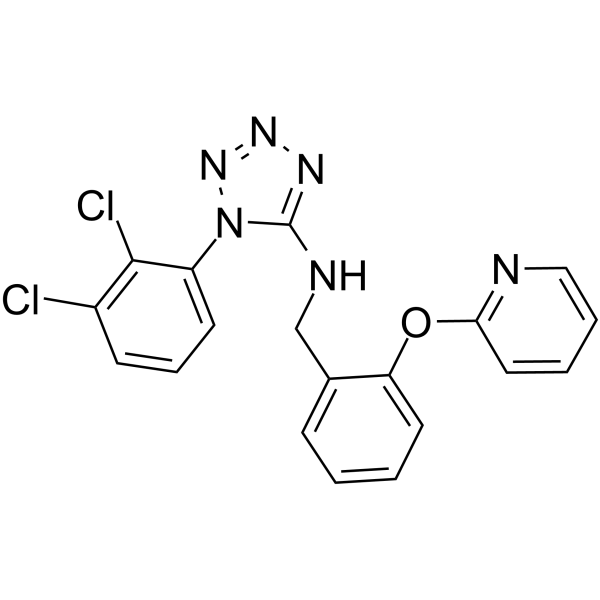
    GSK-5498A is a selective CARC channel inhibitor (IC50: 1 μM). GSK-5498A inhibits mediators release from mast cells and pro-inflammatory cytokines release from T cells. GSK-5498A can be used in the research of inflammatory disorders .
    GSK-5498A
  • HY-176767

    Mas-related G-protein-coupled Receptor (MRGPR) Inflammation/Immunology
    MrgprX2-IN-1 (Compound 2-10) is a selective Mas-related G-protein coupled receptor X2 (MRGPRX2) antagonist. MrgprX2-IN-1 blocks IgE-independent immune responses by inhibiting MRGPRX2-mediated mast cell degranulation and release of inflammatory mediators. MrgprX2-IN-1 is promising for research of pseudo-allergic reactions, chronic pruritus, and inflammatory diseases .
    MrgprX2-IN-1
  • HY-176768

    Mas-related G-protein-coupled Receptor (MRGPR) Inflammation/Immunology
    MrgprX2-IN-2 (Compound example 12) is a selective Mas-related G-protein coupled receptor X2 (MRGPRX2) antagonist. MrgprX2-IN-2 blocks IgE-independent immune responses by inhibiting MRGPRX2-mediated mast cell degranulation and release of inflammatory mediators. MrgprX2-IN-2 is promising for research of pseudo-allergic reactions, chronic pruritus, and inflammatory diseases .
    MrgprX2-IN-2
  • HY-A0150

    7a-​Chloro-​16a-​methyl prednisolone

    Glucocorticoid Receptor Inflammation/Immunology Cancer
    Alclometasone (7a-Chloro-16a-methyl prednisolone) is a glucocorticoid and inhibits the release of pro-inflammatory mediators from leukocytes. Alclometasone can be used to relieve corticosteroid-responsive dermatoses, including atopic dermatitis, eczema, psoriasis and allergic dermatitis .
    Alclometasone
  • HY-150744

    Toll-like Receptor (TLR) Inflammation/Immunology
    ODN 24888 is an guanine-modified inhibitory oligonucleotides (INH-ODN), shows potent inhibition on TLR7/TLR9-mediated signaling. ODN 24888 impairs IFN-α level and NF-κB activation, inhibits IL-6 release. ODN 24888 involves in immune and inflammatory responses, can be used as a vaccine adjuvant .
    ODN 24888
  • HY-113509S

    LXA4-d5

    Interleukin Related Endogenous Metabolite Inflammation/Immunology
    Lipoxin A4-d5 is the deuterium labeled Lipoxin A4. Lipoxin A4 (LXA4), an endogenous lipoxygenase-derived eicosanoid mediator, has potent dual pro-resolving and anti-inflammatory properties . Lipoxin A4 inhibits proliferation and inflammatory cytokine/chemokine production of human epidermal keratinocytes (NHEKs) associated with the ERK1/2 and NF-kB pathways . Lipoxin A4 inhibits serum amyloid A (SAA)-mediated IL-8 release with an IC50 value of 25.74 nM .
    Lipoxin A4-d5
  • HY-137418

    2-Methylthio-ATP

    P2Y Receptor Others Inflammation/Immunology
    2-MeS-ATP (2-Methylthio-ATP) is an analog of adenosine nucleotides and acts as a P2Y purinergic receptor agonist specific for adenosine nucleotide activation. 2-MeS-ATP is also able to inhibit the release of toxic mediators from macrophages stimulated by endotoxin (LPS). 2-MeS-ATP can be used in the study of endotoxin shock and inflammatory diseases .
    2-MeS-ATP
  • HY-119094

    Phospholipase Inflammation/Immunology
    WAY-196025 is a selective and orally active indole cytosolic phospholipase A2 alpha (cPLA2α) inhibitor with an IC50 of 0.01μM and a Kd of 0.013 μM. WAY-196025 can inhibit the production of prostaglandins (such as PGE2) and leukotrienes (such as LTB4), and reduce the release of inflammatory mediators. WAY-196025 can be used for the researches of inflammation and immunology, such as asthma .
    WAY-196025

Inquiry Online

Your information is safe with us. * Required Fields.

Salutation


Country or Region *

Applicant Name *


Organization Name *

Department *


Email Address *


Product Name *

Cat. No.


Requested quantity *

Phone Number *


Remarks

Inquiry Online

Inquiry Information

Product Name:
Cat. No.:
Quantity:
MCE Japan Authorized Agent:

