
1. Search Result
Search Result
Results for "

inner

" in MedChemExpress (MCE) Product Catalog:

87

Inhibitors & Agonists

1

Screening Libraries

13

Fluorescent Dye

4

Biochemical Assay Reagents

15

Peptides

14

Natural
Products

5

Recombinant Proteins

4

Isotope-Labeled Compounds

4

Antibodies

1

Click Chemistry

4

Oligonucleotides

Cat. No. Product Name Target Research Areas Chemical Structure
  • HY-103466
    FM4-64
    Maximum Cited Publications
    22 Publications Verification

    Fluorescent Dye Others
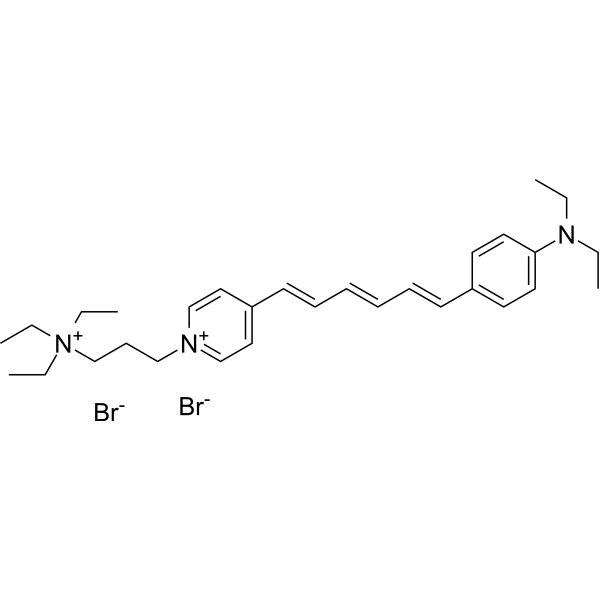
    FM4-64 is a very lipophilic, water-soluble styrene dyes, can specifically bind to cell membranes and inner membrane organelles to produce fluorescence. FM4-64 is widely used in endocytic and exospic membrane structure markers.
    FM4-64
  • HY-N0322A
    Cholesterol (Water Soluble)
    80+ Cited Publications

    Liposome Others
    Cholesterol Water Soluble is a major sterol in mammals, constituting 20-25% of the structural composition of the plasma membrane. The plasma membrane is highly permeable to water but relatively impermeable to ions and protons. Cholesterol Water Soluble plays an important role in determining the fluidity and permeability characteristics of membranes and the function of transporters and signaling proteins. Cholesterol Water Soluble is also an endogenous estrogen-related receptor alpha (ERRα) agonist. Cholesterol Water Soluble can be used to study the effects of cholesterol on potassium currents in inner hair cells .
    (Note: This product is a mixture of Cholesterol and Methyl-β-cyclodextrin. The product specifications below only indicate the effective content of Cholesterol.)
    Cholesterol (Water Soluble)
  • HY-128853
    Taurodeoxycholate sodium
    5+ Cited Publications

    Endogenous Metabolite G protein-coupled Bile Acid Receptor 1 PARP Apoptosis NF-κB PKA Neurological Disease Inflammation/Immunology
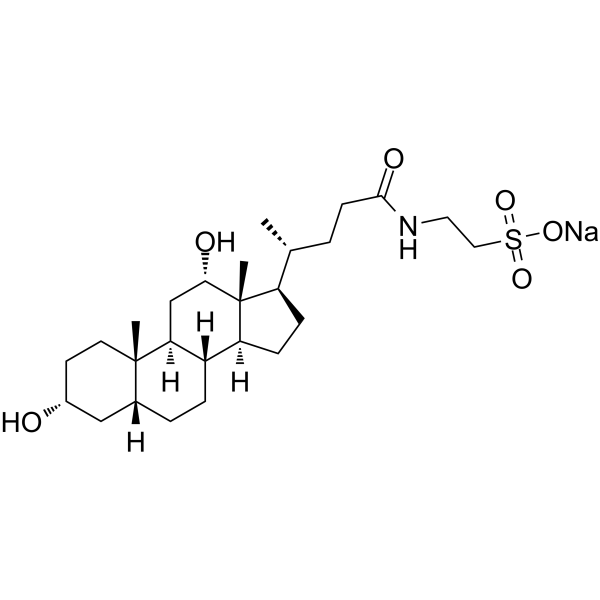
    Taurodeoxycholate sodium salt is a bile salt-related anionic detergent. Taurodeoxycholate sodium salt is formed in the liver by conjugation of deoxycholate with Taurine (HY-B0351). Taurodeoxycholate sodium salt is used for isolation of membrane proteins including inner mitochondrial membrane proteins. Taurodeoxycholate (TDCA) exhibits anti-inflammatory and neuroprotective effects .
    Taurodeoxycholate sodium
  • HY-136406
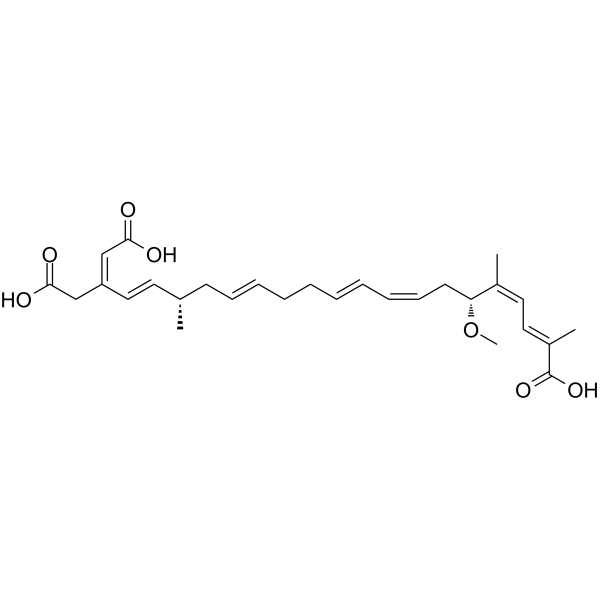
    Bongkrekic acid
    1 Publications Verification

    ATP Synthase Infection Cancer
    Bongkrekic acid is a mitochondrial toxin secreted by the bacteria Pseudomonas cocovenenans . Bongkrekic acid specific ligand for mitochondrial adenine nucleotide translocase (ANT) rather than the electron transport chain. Bongkrekic acid has to cross the mitochondrial inner membrane to produce its inhibitory effect on ADP/ATP transport .
    Bongkrekic acid
  • HY-B1899
    Taurodeoxycholic acid
    5+ Cited Publications

    Taurodeoxycholate

    Endogenous Metabolite G protein-coupled Bile Acid Receptor 1 PARP Apoptosis NF-κB PKA Neurological Disease Inflammation/Immunology
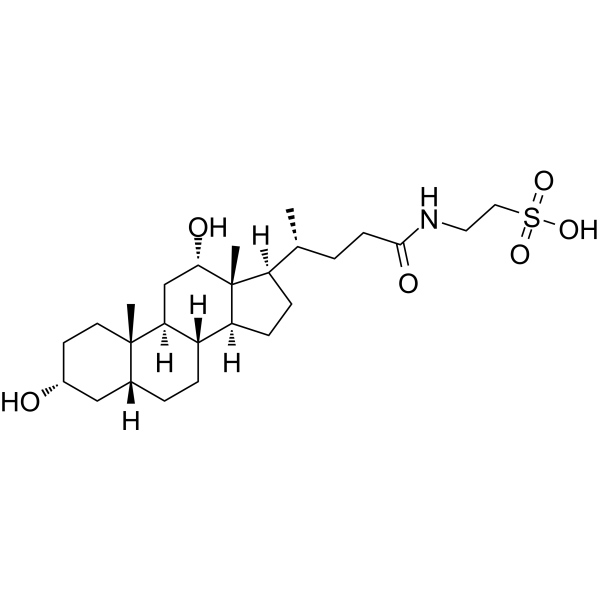
    Taurodeoxycholate sodium salt is a bile salt-related anionic detergent. Taurodeoxycholic acid is formed in the liver by conjugation of deoxycholate with Taurine (HY-B0351). Taurodeoxycholic acid is used for isolation of membrane proteins including inner mitochondrial membrane proteins. Taurodeoxycholic acid (TDCA) exhibits anti-inflammatory and neuroprotective effects .
    Taurodeoxycholic acid
  • HY-16468
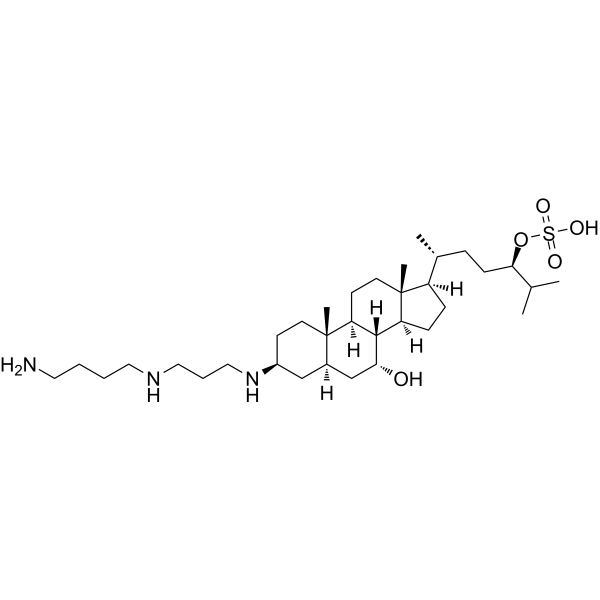
    Squalamine
    1 Publications Verification

    MSI-1256; ENT-01 free acid

    Bacterial HBV FAK Dengue Virus Infection Neurological Disease Cancer
    Squalamine (MSI-1256) is an aminosterol compound with broad-spectrum antiviral activity. Squalamine makes cells less conducive to certain viral replication by altering the electrostatic interactions in the inner membrane of host cells. Squalamine also has antibacterial and antitumor activities. Squalamine has broad-spectrum antibacterial activity against Gram-negative and Gram-positive bacteria, fungi and protozoa. Squalamine inhibits tumor-related angiogenesis and the growth of human breast cancer cells. Squalamine restores the function of enteric nervous system in Parkinson ,s disease mouse models .
    Squalamine
  • HY-D1434
    FM1-43
    5+ Cited Publications

    Fluorescent Dye Neurological Disease
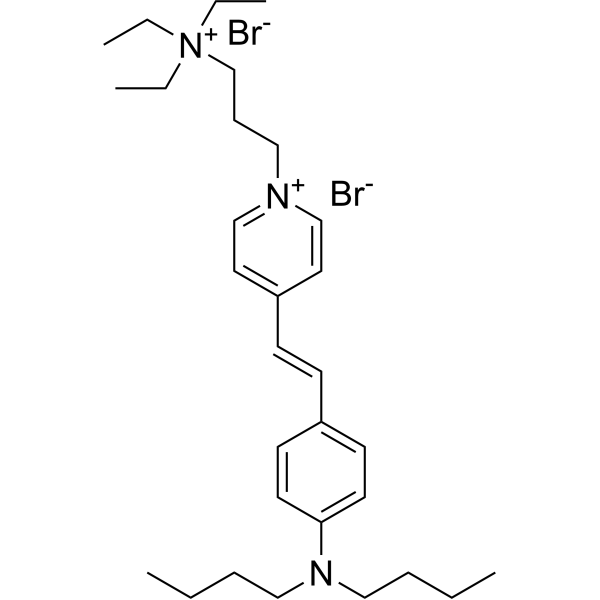
    FM1-43 is a very lipophilic, water-soluble styrene dyes, can specifically bind to cell membranes and inner membrane organelles to produce fluorescence. FM1-43 is widely used in endocytic and exospic membrane structure markers.
    FM1-43
  • HY-B1241

    DHSM sulfate

    Antibiotic Bacterial Infection
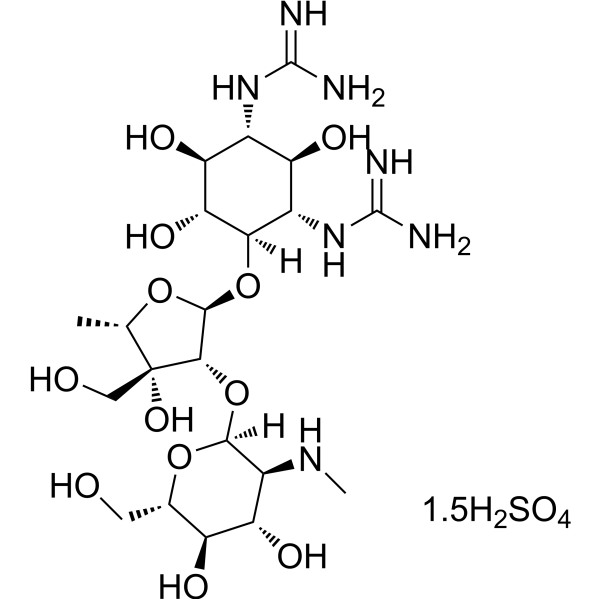
    Dihydrostreptomycin sulfate (DHSM sulfate) is the sulfate salt form of Dihydrostreptomycin (HY-B1241A). Dihydrostreptomycin sulfate is an aminoglycoside antibiotic with antibacterial effect against Gram-negative bacteria. Dihydrostreptomycin sulfate exhibits ototoxicity that causes irreversible damage in inner ear hair cells, leading to hearing loss .
    Dihydrostreptomycin sulfate
  • HY-W009756
    N-Phenylnaphthalen-1-amine
    3 Publications Verification

    Fluorescent Dye Others
    N-Phenyl-1-naphthylamine is a dye that fluoresces strongly when bound to the inner phospholipid bilayer of Gram-negative bacteria. N-Phenyl-1-naphthylamine can be used to measure outer membrane permeability. N-Phenylnaphthalen-1-amine is a fluorescence probe for odorant-binding proteins (OBP) with a dissociation constant of 1.67 μM. N-Phenylnaphthalen-1-amine exhibits an excitation wavelength of 337 nM and an emission wavelength of 407 nM .
    N-Phenylnaphthalen-1-amine
  • HY-125623
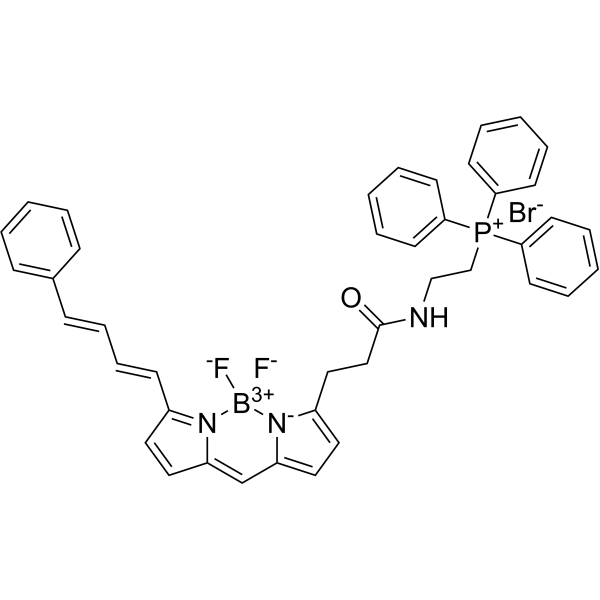
    MitoPerOx
    3 Publications Verification

    Fluorescent Dye Others
    MitoPerOx is a mitochondrial-targeted, lipid peroxidation-indicating fluorescent probe with BODIPY581/591 fluorophores. The triphenylphosphine cation (TPP+) of MitoPerOx can be selectively enriched in mitochondria (depending on membrane potential) and can be used to detect lipid peroxidation in the inner mitochondrial membrane. Under the action of lipid peroxides, the BODIPY581/591 fluorophores of MitoPerOx shift their emission wavelength from 590 nm (reduced state) to 520 nm (oxidized state), and ratiometric detection can be performed at an excitation wavelength of 488 nm. MitoPerOx can specifically monitor the peroxidation of mitochondrial phospholipids (especially cardiolipin) and is used in the study of oxidative stress-related diseases (such as aging, neurodegenerative diseases, and mitochondrial dysfunction)[1][2].
    MitoPerOx
  • HY-W089835
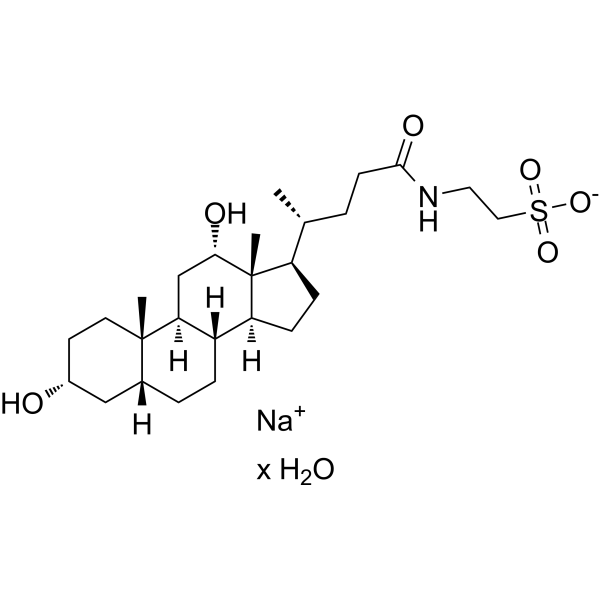
    Sodium taurodeoxycholate hydrate
    1 Publications Verification

    G protein-coupled Bile Acid Receptor 1 Endogenous Metabolite PARP Apoptosis NF-κB PKA Neurological Disease Inflammation/Immunology
    Sodium taurodeoxycholate hydrate is a bile salt-related anionic detergent. Sodium taurodeoxycholate hydrate is formed in the liver by conjugation of deoxycholate with Taurine (HY-B0351). Sodium taurodeoxycholate hydrate is used for isolation of membrane proteins including inner mitochondrial membrane proteins. Taurodeoxycholate-d6 (TDCA) exhibits anti-inflammatory and neuroprotective effects .
    Sodium taurodeoxycholate hydrate
  • HY-101867
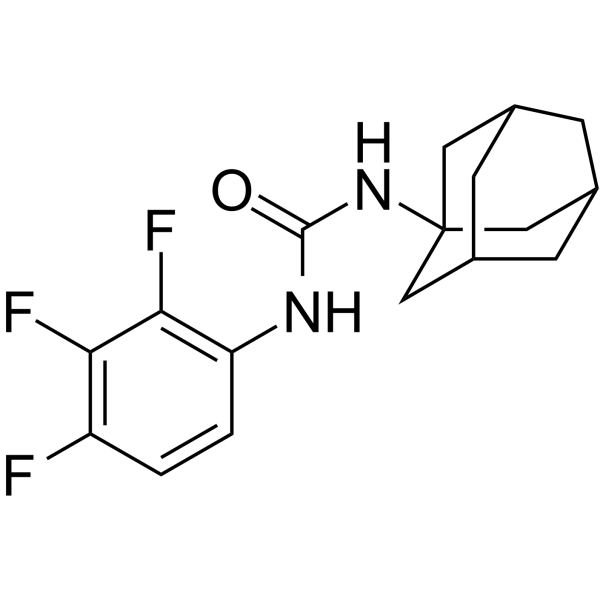
    AU1235
    3 Publications Verification

    Bacterial Infection Cancer
    AU1235, an adamantyl urea, is a potent MmpL3 inhibitor. The Mycobacterium tuberculosis protein MmpL3 performs an essential role in cell wall synthesis, since it effects the transport of trehalose monomycolates across the inner membrane .
    AU1235
  • HY-106467B

    iGluR Neurological Disease
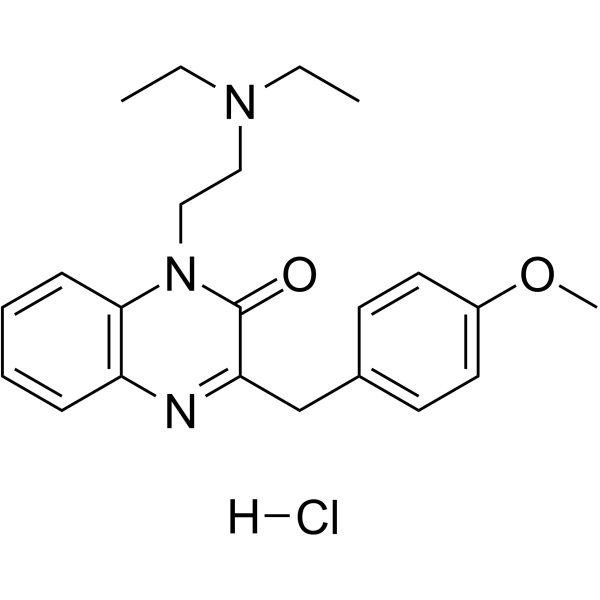
    Caroverine hydrochloride is a potent, competitive and reversible antagonist of NMDA and AMPA glutamate receptor. Caroverine hydrochloride is also an antioxidant and calcium-blocking agent that exhibits vasorelaxant action. Caroverine hydrochloride can be used for the research of inner ear tinnitus .
    Caroverine hydrochloride
  • HY-W002620A

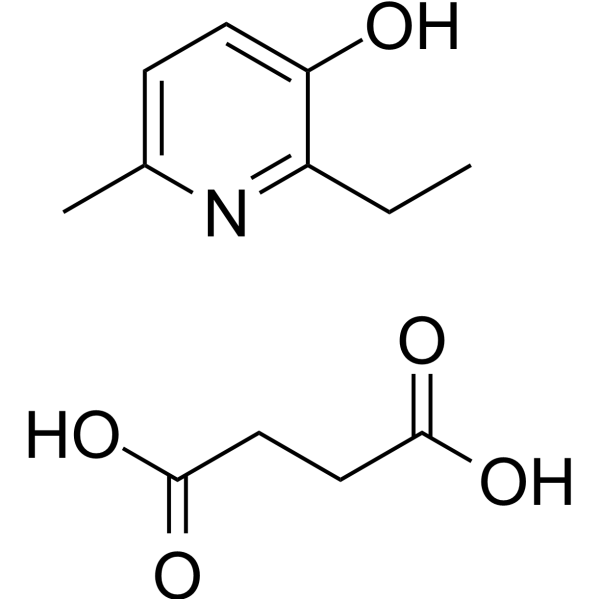
    2-Ethyl-3-hydroxy-6-methylpyridine succinate

    Reactive Oxygen Species (ROS) Infection Inflammation/Immunology
    Emoxypine succinate is an antioxidant. Emoxypine succinate can be used for the research of post-traumatic .
    Emoxypine succinate
  • HY-DY1031

    Fluorescent Dye Others
    FM4-64 (solution) is a very lipophilic, water-soluble styrene dyes, can specifically bind to cell membranes and inner membrane organelles to produce fluorescence. FM4-64 is widely used in endocytic and exospic membrane structure markers.
    Solvent and concentration: DMSO: 5 mM
    FM4-64 (solution)
  • HY-P3003

    Potassium Channel Apoptosis Autophagy Reactive Oxygen Species (ROS) Mitochondrial Metabolism Infection Neurological Disease Metabolic Disease Inflammation/Immunology
    Cereulide is an orally active, blood-brain barrier-permeable emetic toxin. Cereulide acts as a potassium ionophore that inserts into membranes, forms complexes with K +, and transports K + from the cytoplasm into the mitochondrial matrix. Cereulide disrupts the electrochemical gradient of the inner mitochondrial membrane, leading to mitochondrial swelling and dysfunction, uncoupling of oxidative phosphorylation, inhibition of ATP synthesis, ROS accumulation, and ultimately triggering apoptosis and autophagy. Cereulide exhibits multi-organ toxicity and can be used for research on emetic food poisoning .
    Cereulide
  • HY-DY1073

    Fluorescent Dye Others
    MitoPerOx (solution) is a mitochondrial-targeted, lipid peroxidation-indicating fluorescent probe with BODIPY581/591 fluorophores. The triphenylphosphine cation (TPP+) of MitoPerOx can be selectively enriched in mitochondria (depending on membrane potential) and can be used to detect lipid peroxidation in the inner mitochondrial membrane. Under the action of lipid peroxides, the BODIPY581/591 fluorophores of MitoPerOx shift their emission wavelength from 590 nm (reduced state) to 520 nm (oxidized state) , and ratiometric detection can be performed at an excitation wavelength of 488 nm. MitoPerOx can specifically monitor the peroxidation of mitochondrial phospholipids (especially cardiolipin) and is used in the study of oxidative stress-related diseases (such as aging, neurodegenerative diseases, and mitochondrial dysfunction) .
    Solvent and concentration: DMSO: 2 mM
    MitoPerOx (solution)
  • HY-148009

    16:0-18:1 Cardiolipin sodium

    Biochemical Assay Reagents Others
    Cardiolipin (16:0/18:1/16:0/18:1) (16:0-18:1 Cardiolipin) sodium is a di-saturated mitochondrial-specific anionic phospholipid sodium salt containing the long-chain fatty acid palmitic acid (HY-N0830) and the monounsaturated fatty acid oleic acid (HY-N1446). Cardiolipin (16:0/18:1/16:0/18:1) sodium undergoes in-source fragmentation via diglyceride (DG)-H2O fragment formation and (DG-H2O) fragment loss pathways. Cardiolipin (16:0/18:1/16:0/18:1) sodium can be used in the synthesis of lipid nanodiscs for application in in situ mass spectrometry .
    Cardiolipin (16:0/18:1/16:0/18:1) sodium
  • HY-W017424

    Drug Intermediate Caspase Apoptosis Neurological Disease Cancer
    2-Aminobenzothiazole acts as a caspase 3/7 activator, an anticancer cytotoxic agent, and also exhibits neurotoxicity. 2-Aminobenzothiazole drives the apoptotic pathway by activating caspase 3/7, induces mitochondrial inner membrane depolarization, and triggers both early and late apoptosis via a caspase-dependent pathway. In zebrafish models, 2-Aminobenzothiazole induces oxidative damage in brain tissues and inhibits genes related to GABA and 5-HT synthesis pathways. Long-term exposure to 2-Aminobenzothiazole impairs motor ability, social behavior, anxiety-like state and cognitive function. 2-Aminobenzothiazole can be used in studies of human laryngeal carcinoma and related neurotoxicity .
    2-Aminobenzothiazole
  • HY-148979

    SAPE

    Biochemical Assay Reagents Others
    1-Stearoyl-2-arachidonoyl-sn-glycero-3-phosphorylethanolamine (SAPE) is a naturally-occurring phospholipid that can be found in inner mitochondrial membrane (MITO) .
    1-Stearoyl-2-arachidonoyl-sn-glycero-3-phosphorylethanolamine
  • HY-DY1059

    Fluorescent Dye Neurological Disease
    FM1-43 (solution) is a very lipophilic, water-soluble styrene dyes, can specifically bind to cell membranes and inner membrane organelles to produce fluorescence. FM1-43 is widely used in endocytic and exospic membrane structure markers.
    Solvent and concentration: DMSO: 10 mM
    FM1-43 (solution)
  • HY-N6711

    HIV Integrase Bacterial Antibiotic Reactive Oxygen Species (ROS) STAT AMPK 11β-HSD Infection Metabolic Disease
    Equisetin is an N-methylserine-derived acyl tetramic acid, quorum sensing inhibitor (QSI), herbicides and antibiotics. Equisetin specifically inhibits the anionic carriers of substrates in the inner mitochondrial membrane. Equisetin inhibits the activity of HIV-1 integrase, 11β-HSD1, and 2,4-dinitrophenol (Dnp)-stimulated ATPase (IC50 = ~8 nmol per mg of protein). Equisetin exhibits growth inhibition of bacteria, anti-inflammatory, amelioration of lipid-associated disorders, and cytotoxic effects .
    Equisetin
  • HY-D0876

    Biochemical Assay Reagents Others
    POPSO is a zwitterionic buffer, increases osmolality and shows marked inhibition of anion uniport. POPSO inhibits chloride uniport with an IC50 value of 24 mM. POPSO enhances copper uptake and toxicity in alga, impairs mitochondrial inner membrane. The working pH range of POPSO sesquisodium salt is 7.2-8.5 .
    POPSO
  • HY-D2346
    HBmito Crimson
    3 Publications Verification

    Fluorescent Dye Others
    HBmito Crimson is a deep red fluorescent probe (λex: 658 nm, λem: 678 nm) for the inner mitochondrial membrane. HBmito Crimson is a cell membrane-permeable probe with high selectivity for the mitochondrial inner membrane, suitable for specific fluorescence staining of the inner mitochondrial membrane in living cells. HBmito Crimson has high photostability and brightness, suitable for long-term dynamic fluorescence imaging.
    HBmito Crimson
  • HY-16386

    Mitochondrial Metabolism Cancer
    PENAO is a potent tumour cell mitochondrial toxin. PENAO inactivates tumor cell mitochondria by targeting inner-membrane adenine nucleotide transferase .
    PENAO
  • HY-150407

    Ligands for Target Protein for PROTAC Autophagy Others Neurological Disease Cancer
    TSPO ligand-1 is the ligand of AUTAC4 (HY-134640) that can be used in the synthesis of PROTACs. TSPO ligand-1 is a mitochondrial outer membrane transmembrane structural domain protein can bind to AUTAC4 and regulate mitochondrial autophagy to promote targeted mitochondrial renewal. TSPO ligand-1 is also involved in the transport of cholesterol from the outer to inner mitochondrial membrane and serves as a sensitive biomarker of brain injury and neurodegeneration .
    TSPO ligand-1
  • HY-13973A
    GSK-3 inhibitor 1
    1 Publications Verification

    GSK-3 Metabolic Disease
    GSK-3 inhibitor 1 (compound core 3) is a GSK-3 inhibitor that induces stem/progenitor cell self-renewal (e.g. induces stem/progenitor cell proliferation while maintaining the ability to differentiate into tissue cells in the progeny) .
    GSK-3 inhibitor 1
  • HY-W020784

    Biochemical Assay Reagents Others
    3-(N-Maleimidopropionyl)biocytin is a cysteine-specific labeling reagent and non-membrane-permeable probe. 3-(N-Maleimidopropionyl)biocytin covalently modifies the exposed cysteine residues of yeast Tim44, conjugating the biotin moiety to the polypeptide chain. 3-(N-Maleimidopropionyl)biocytin determines the topology of membrane proteins by modifying the exposed cysteine residues on the outer side of the inner mitochondrial membrane .
    3-(N-Maleimidopropionyl)biocytin
  • HY-16386A

    Mitochondrial Metabolism Cancer
    PENAO TFA is the trifluoroacetic acid of PENAO (HY-16386). PENAO is a potent tumour cell mitochondrial toxin. PENAO inactivates tumor cell mitochondria by targeting inner-membrane adenine nucleotide transferase .
    PENAO TFA
  • HY-W687022A

    Polyvinyl chloride

    Environmental Pollutants Biochemical Assay Reagents Endocrinology
    Chloroethene polymer (Polyvinyl chloride) is an orally active vinyl chloride polymer. Chloroethene polymer is cytotoxic, reproductively toxic, and an endocrine disruptor. Chloroethene polymer can be used in the research of packaging inner surfaces, food wrapping paper, agricultural crop coverings, and plastic bottles .
    Chloroethene (polymer)
  • HY-130323

    Bacterial Infection
    13-HPOT is a linolenic acid hydroperoxide and an antibacterial agent. 13-HPOT interacts with lipid representatives of bacterial inner membranes. 13-HPOT exerts dose-dependent in vitro antibacterial activity against Pectobacterium carotovorum, Pseudomonas syringae pv. syringae DC3000, and Xanthomonas translucens pv. translucens .
    13-HPOT
  • HY-P3003S

    Isotope-Labeled Compounds Apoptosis Potassium Channel Mitochondrial Metabolism Autophagy Reactive Oxygen Species (ROS) Infection Neurological Disease Metabolic Disease Inflammation/Immunology
    Cereulide- 13C6 is a deuterated form of Cereulide. Cereulide is an orally active, blood-brain barrier-permeable emetic toxin. Cereulide acts as a potassium ionophore that inserts into membranes, forms complexes with K +, and transports K + from the cytoplasm into the mitochondrial matrix. Cereulide disrupts the electrochemical gradient of the inner mitochondrial membrane, leading to mitochondrial swelling and dysfunction, uncoupling of oxidative phosphorylation, inhibition of ATP synthesis, ROS accumulation, and ultimately triggering apoptosis and autophagy. Cereulide exhibits multi-organ toxicity and can be used for research on emetic food poisoning.
    Cereulide-13C6
  • HY-D1240

    Biochemical Assay Reagents Others
    Rhodamine 101 inner salt is a bright fluorescent dye with excitation and emission maxima at 565 and 595 nm, respectively. It can be used in various biological applications such as fluorescence microscopy, flow cytometry, fluorescence correlation spectroscopy, and ELISA.
    Rhodamine 101 inner salt
  • HY-P5753

    Bacterial Infection
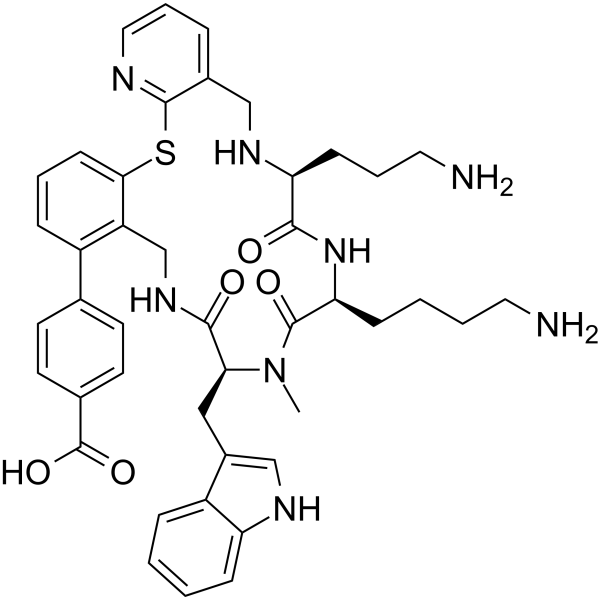
    JB-95, a β-hairpin macrocyclic peptide, exhibits potent antimicrobial activity against Escherichia coli. JB-95 can selectively disrupt the outer membrane but not the inner membrane of E. coli .
    JB-95
  • HY-126463

    Bacterial Infection
    LolCDE-IN-4 (Compound 1) is exhibits antibacterial efficacy against gram negative bacteria Escherichia coli (MIC of 0.25-32 µg/ml) and Haemophilus influenzae, through inhibition LolCDE complex and disruption of lipoproteins release from the inner membrane .
    LolCDE-IN-4
  • HY-B1899R

    Taurodeoxycholate (Standard)

    Reference Standards Endogenous Metabolite G protein-coupled Bile Acid Receptor 1 PARP Apoptosis NF-κB PKA Neurological Disease Inflammation/Immunology
    Taurodeoxycholic acid (Standard) is the analytical standard of Taurodeoxycholic acid. This product is intended for research and analytical applications. Taurodeoxycholate sodium salt is a bile salt-related anionic detergent. Taurodeoxycholic acid is formed in the liver by conjugation of deoxycholate with Taurine (HY-B0351). Taurodeoxycholic acid is used for isolation of membrane proteins including inner mitochondrial membrane proteins. Taurodeoxycholic acid (TDCA) exhibits anti-inflammatory and neuroprotective effects[1][2][3][9][10].
    Taurodeoxycholic acid (Standard)
  • HY-14738

    TAK-599 free acid; PPI0903 free acid

    Bacterial Antibiotic Infection
    Ceftaroline fosamil (inner) (TAK-599 free acid), a cephalosporin derivative, is an N-phosphono proagent of anti-methicillin-resistant Staphylococcus aureus (MRSA) T-91825. Ceftaroline fosamil (inner) can be used for the research of MRSA infection .
    Ceftaroline fosamil (inner)
  • HY-136406S
    Bongkrekic acid-13C28
    1 Publications Verification

    Isotope-Labeled Compounds ATP Synthase Cancer
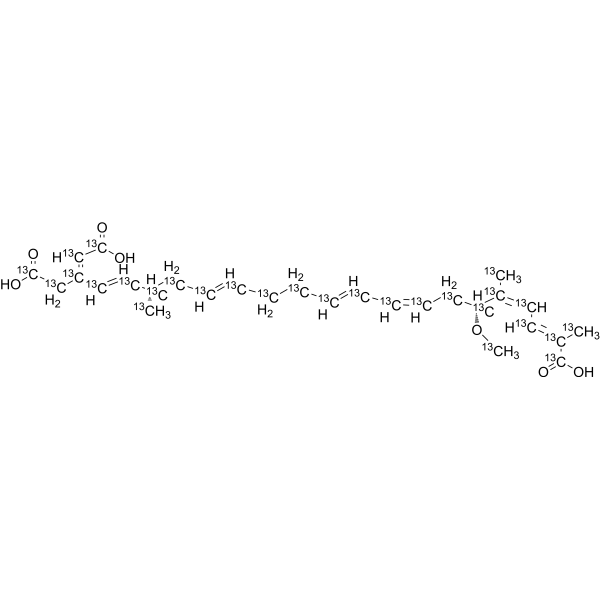
    Bongkrekic acid- 13C28 is the 13C labeled Bongkrekic acid (HY-136406). Bongkrekic acid is a mitochondrial toxin secreted by the bacteria Pseudomonas cocovenenans. Bongkrekic acid specific ligand for mitochondrial adenine nucleotide translocase (ANT) rather than the electron transport chain. Bongkrekic acid has to cross the mitochondrial inner membrane to produce its inhibitory effect on ADP/ATP transport .
    Bongkrekic acid-13C28
  • HY-P10980

    DNA/RNA Synthesis Bacterial Infection
    Citrocin is a potent bacterial RNA polymerase (RNAP) inhibitor. Citrocin shows significant inhibitory activity against Escherichia coli RNAP with an MIC range of 16-125 μM. Citrocin specifically binds to and inhibits RNA polymerase to block bacterial transcription and enters cells mainly through inner membrane protein SbmA. Citrocin is promising for research of Gram-negative bacterial infections, such as enterohemorrhagic E. coli .
    Citrocin
  • HY-128853S

    Endogenous Metabolite G protein-coupled Bile Acid Receptor 1 PARP Apoptosis NF-κB PKA Neurological Disease Inflammation/Immunology
    Taurodeoxycholate-d6 sodium salt is a bile salt-related anionic detergent. Taurodeoxycholate-d6 sodium salt is formed in the liver by conjugation of deoxycholate with Taurine (HY-B0351). Taurodeoxycholate-d6 sodium salt is used for isolation of membrane proteins including inner mitochondrial membrane proteins. Taurodeoxycholate-d6 (TDCA) exhibits anti-inflammatory and neuroprotective effects .
    Taurodeoxycholate-d6 sodium
  • HY-N3554

    (+)-Catechol 7-β-D-xylopyranoside

    Others Others
    Catechin-7-O-β-D-xylopyranoside is an antioxidant compound with strong DPPH free radical scavenging ability. Catechin-7-O-β-D-xylopyranoside can be extracted from birch inner bark and nepeta stem bark .
    Catechin-7-O-β-D-xylopyranoside
  • HY-B1241A

    DHSM

    Antibiotic Bacterial Infection
    Dihydrostreptomycin (DHSM) is an aminoglycoside antibiotic with antibacterial effect against Gram-negative bacteria. Dihydrostreptomycin exhibits ototoxicity that causes irreversible damage in inner ear hair cells, leading to hearing loss .
    Dihydrostreptomycin
  • HY-P10618

    Bacterial Infection
    BTM-P1 is a polycationic peptide that exhibits antibacterial activity against both Gram-positive and Gram-negative bacteria. BTM-P1 can form ion-permeable channels in the inner mitochondrial membrane to interfere with mitochondrial energy processes .
    BTM-P1
  • HY-N16300

    Fluorescent Dye Others
    Mito-laurdan bromide, a derivative of Laurdan (HY-D0080), is a fluorescent probe. Mito-laurdan bromide contains a cationic triphenylphosphonium moiety, which accumulates at the inner mitochondrial membrane due to its negative membrane potential, connected via a 3 carbon linker .
    Mito-laurdan bromide
  • HY-W013727

    Potassium Channel Inflammation/Immunology
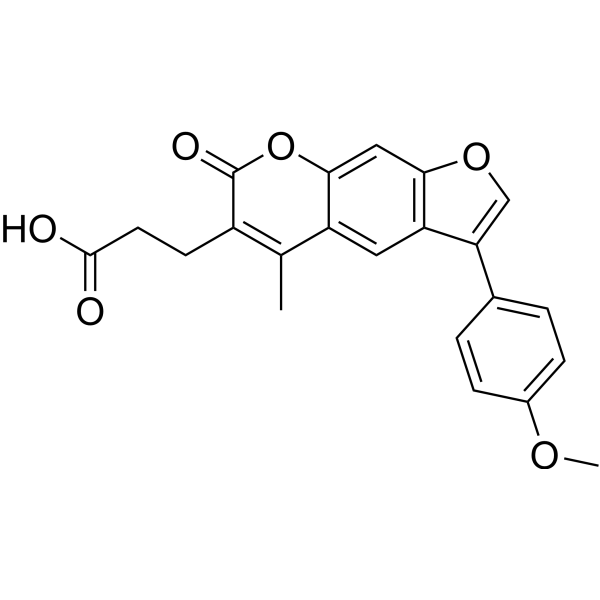
    UK-78282, a novel piperidine, potent and selective Kv1.3 blocker with an IC50 of 200 nM. UK-78,282 effectively suppresses human T-lymphocyte activation in vitro. UK-78,282 binds to residues at the inner surface of the channel overlapping the site of action of verapamil .
    UK-78282 hydrochloride
  • HY-144169

    Dihydroorotate Dehydrogenase DNA/RNA Synthesis Inflammation/Immunology Cancer
    DHODH-IN-19 is a potent inhibitor of DHODH. DHODH is present in the inner membrane of human mitochondria and is an iron-containing flavin-dependent enzyme. DHODH-IN-19 inhibits tumor growth. DHODH-IN-19 has the potential for the research of cancer and inflammation disease (extracted from patent WO2021238881A1, compound 1) .
    DHODH-IN-19
  • HY-P10356

    TRP Channel Others
    T100-Mut is a cell-permeable peptide whose N-terminus is conjugated with a myristoylated group to enable T100-Mut to penetrate and localize to the inner side of the plasma membrane, thus mimicking the topology of Tmem100-3Q. T100-Mut can alleviate TRPA1-mediated pain .
    T100-Mut
  • HY-172140

    Potassium Channel Neurological Disease
    Ebio3 is a selective potassium channel (KCNQ2) inhibitor with an IC50 of 1.2 nM. Ebio3 binds to the KCNQ2 channel through its hydrophobic tail, causing the S6 helix to move inward, which leads to the closure of the inner gate. The inhibitory effect of Ebio3 is also effective in pathogenic mutants of KCNQ2 (such as R75C and I238L), where it can inhibit outward currents by more than 80%. Ebio3 is expected to be used in the research of neurological diseases such as epilepsy .
    Ebio3
  • HY-P11250

    Bacterial NO Synthase Interleukin Related Reactive Oxygen Species (ROS) Toll-like Receptor (TLR) ERK JNK p38 MAPK Infection Inflammation/Immunology
    HVF18-a3-d is an antimicrobial peptide. HVF18-a3-d reduces NO production. HVF18-a3-d inhibits the production of TNF-α and IL-6, reduces ROS production, and suppresses the TLR4 signaling pathway, as well as LPS-induced phosphorylation of ERK, JNK, and p38 MAPK. HVF18-a3-d exhibits antimicrobial activity against a variety of bacteria by disrupting their outer and inner membranes. HVF18-a3-d protects mice from fatal septic shock induced by Acinetobacter baumannii resistant to Carbapenem. HVF18-a3-d shows anti-inflammatory and antioxidant effects .
    HVF18-a3-d
  • HY-121667
    Scaff10-8
    1 Publications Verification

    ROCK Neurological Disease Endocrinology
    Scaff10-8 is a RhoA inhibitor. Scaff10-8 binds to RhoA, inhibits AKAP-Lbc-mediated RhoA activation. Scaff10-8 can be used for research on diabetes insipidus and bipolar disorder .
    Scaff10-8

Inquiry Online

Your information is safe with us. * Required Fields.

Salutation


Country or Region *

Applicant Name *


Organization Name *

Department *


Email Address *


Product Name *

Cat. No.


Requested quantity *

Phone Number *


Remarks

Inquiry Online

Inquiry Information

Product Name:
Cat. No.:
Quantity:
MCE Japan Authorized Agent:

