


Delivery of temperature sensitive items including proteins and kits will be paused on 6/19 for the Juneteenth holiday. For urgent orders please contact customer service.
Tocilizumab (Anti-Human IL6R, Humanized Antibody) is an anti-human interleukin-6 receptor (IL-6R) neutralizing antibody, prevents binding of IL-6 to the IL-6R, thereby inhibiting both classic and trans-signaling. Tocilizumab (Anti-Human IL6R, Humanized Antibody) can be used for the treatment of rheumatoid arthritis . Tocilizumab is remarkablely effective for the study of severe COVID-19 (coronavirus disease) .
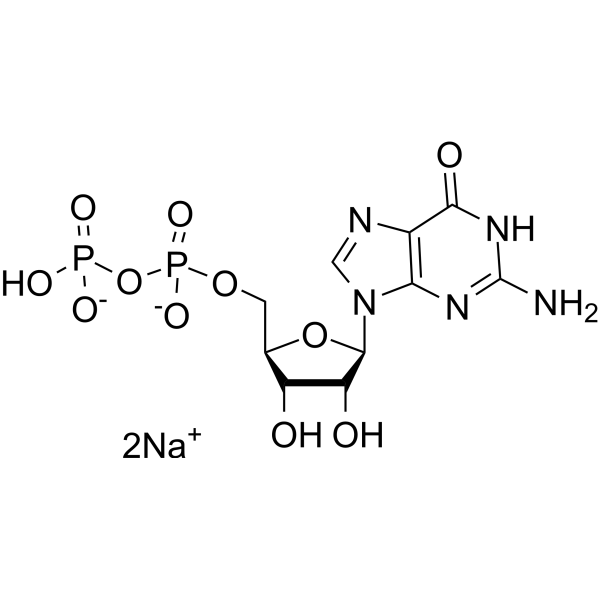
Guanosine 5'-diphosphate (GDP) disodium salt, a purine nucleoside diphosphate, is interconverted to guanosine by the action of exonucleotidase and phosphorylation of nucleoside to guanine. Guanosine 5'-diphosphate disodium salt activates adenosine 5'-triphosphate-sensitive K + channel and is used to study the kinetics and characteristics of GTPases such as those associated with G-protein coupled receptors (GPCR). Guanosine 5'-diphosphate disodium salt is a potential iron mobilizer, which prevents the Hepcidin (HY-P70400)-ferroportin interaction and modulates the interleukin-6 (IL-6)/stat-3 pathway. Elevated levels of guanosine 5’-diphosphate are associated with the pathogenesis of neurological diseases. Guanosine 5'-diphosphate disodium salt is promising for the research of inflammation, such as anemia of inflammation (AI) .
Siltuximab is an anti-IL-6(interleukin-6) monoclonal antibody, and shows antitumor activity. Siltuximab can be used in Multicentric Castleman's Disease (MCD) and COVID-19 research .
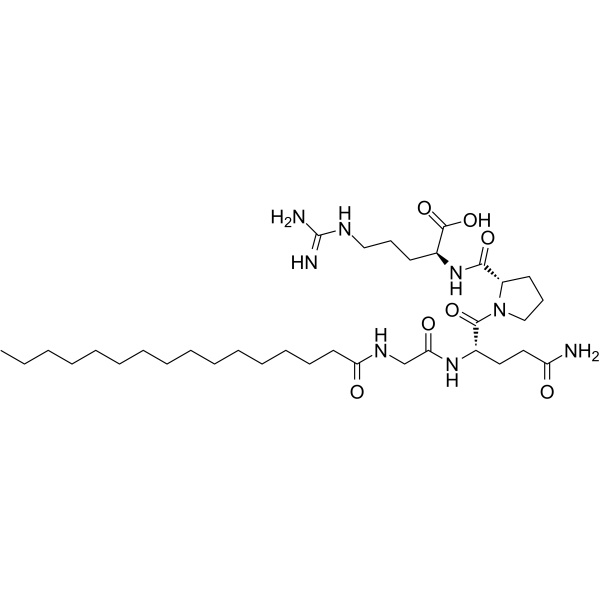
Palmitoyl Tetrapeptide-3 (Palmitoyl Tetrapeptide-7) is a synthetic peptide corresponding to amino acids 341-344 of the human immunoglobulin heavy chain, with the ability to stimulate phagocytosis. Palmitoyl tetrapeptide-3 reduces interleukin-6 (IL-6) secretion in keratinocytes and inhibits the UVB radiation-exposure inflammatory response of skin. Palmitoyl tetrapeptide-3 It also has anti-inflammatory and anti-aging effects, reducing skin wrinkles by promoting the production of elastic fibers in the papillary dermis .
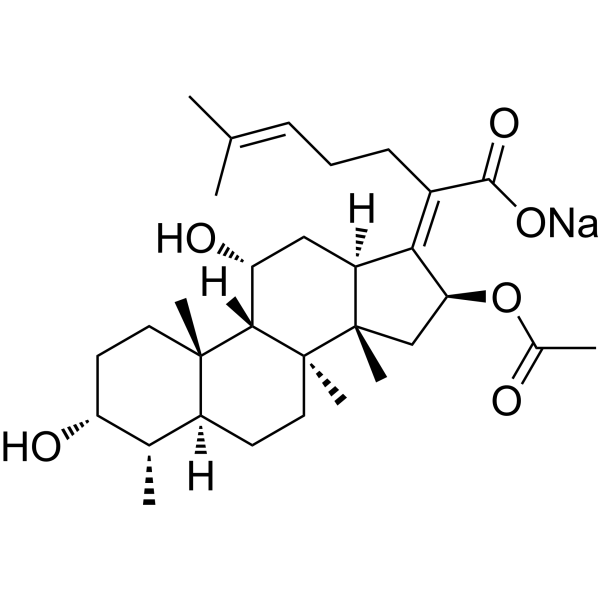
Fusidic acid sodium salt is an orally available antibacterial agent that inhibits bacterial protein synthesis by preventing the release of translation elongation factor G (EF-G) from ribosomes. Fusidic acid sodium salt inhibits the inhibitory and activating effects of interleukinsIL-1 and IL-6 on glucose-induced insulin production and exhibits antidiabetic effects in a rat model. Fusidic acid sodium salt improves the symptoms of colitis in rats and inhibits the growth of Toxoplasma gondii and Listeria monocytogenes EGD in vitro, but not in mice .
Olokizumab (CDP 6038) is a humanized monoclonal antibody that targets interleukin-6 (IL-6). Olokizumab inhibits IL-6-inducedSTAT-3 phosphorylation. Olokizumab is used in the study of arthritis .
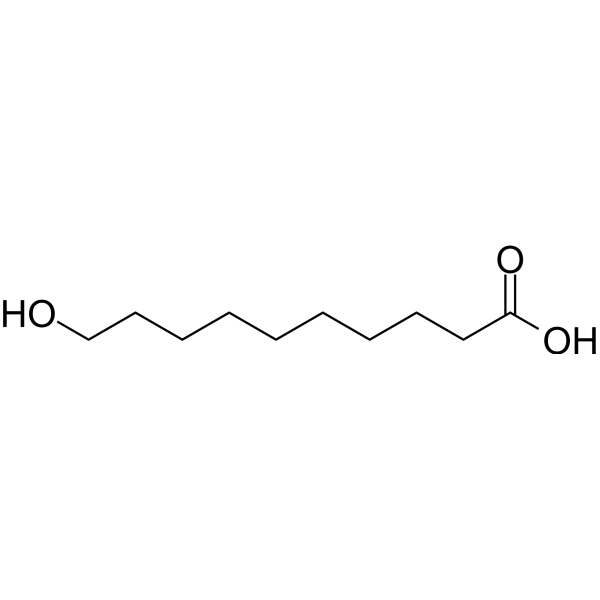
10-Hydroxydecanoic acid (10-HDAA) is a saturated fatty acid derived from 10-hydroxy-trans-2-decenoic acid, which can be isolated from royal jelly. 10-Hydroxydecanoic acid exhibits various biological activities, including anti-inflammatory, insecticidal, anti-malarial, and anti-Leishmania properties, as well as enhancing antigen-specific immune responses. The anti-inflammatory effects of 10-Hydroxydecanoic acid are primarily mediated by inhibiting the activation of NF-κB and the translation of interferon regulatory factor 1 (IRF-1), which reduces the production of interleukin 6 (IL-6) and nitric oxide (NO) in inflammatory cells. Additionally, 10-Hydroxydecanoic acid alleviates neuroinflammatory responses through the p53-autophagy pathway and the p53-NLRP3 pathway. Finally, 10-Hydroxydecanoic acid enhances antigen-specific immune responses by promoting the effective uptake of antigens by microfold cells .
IL-6-IN-2 is an interleukin-6(IL-6) inhibitor. IL-6-IN-2 binds to IL-6 at Lys66, Phe74, Gln175, Ser176, and Arg179 via π-π, π-alkyl, hydrogen bond, and hydrophobic interactions to block IL-6/IL-6R heterocomplex formation. IL-6-IN-2 exhibits low gastrointestinal absorption rate. IL-6-IN-2 can be used for the research of cytokine release syndrome, covid-19 .
Sirukumab (CNTO-136) is a humanized monoclonal anti-IL6 (Interleukin Related) IgG1κ antibody. Sirukumab binds to IL6, preventing IL6-mediated signal transduction and activation of transcriptional activators, thereby blocking the downstream biological effects of IL6. Sirukumab can be used in the study of active lupus nephritis and rheumatoid arthritis .
Elsilimomab (B-E8) is a IgG1 monoclonal antibody against interleukin-6 (IL-6), with a KD of 22 pM and an IC50 of 1.4 nM. Elsilimomab can be used for the research of multiple myeloma, renal cell carcinoma, and rheumatoid arthritis (RA) .
Clazakizumab is a monoclonal antibody with high affinity and specificity for the IL-6 (interleukin-6) cytokine. Clazakizumab may be helpful in inhibiting the cytokine response to SARS-CoV-2 in COVID-19. Clazakizumab can be used for the research of psoriatic arthritis (PsA) and renal antibody-mediated rejection .
GNE-2256 (molecule 19), a chemical probe, is an orally active IRAK4(Interleukin 1 receptor associated kinase 4) inhibitor (IRAK4 Ki=1.4 nM; IL-6IC50=190 nM) .
Guanosine 5'-diphosphate- 13C10 (GDP- 13C10) dilithium is 13C-labeled Guanosine 5'-diphosphate (HY-113066). Guanosine 5'-diphosphate (GDP) is a nucleoside diphosphate that activates adenosine 5'-triphosphate-sensitive K + channel. Guanosine 5'-diphosphate is a potential iron mobilizer, which prevents the hepcidin-ferroportin interaction and modulates the interleukin-6 (IL-6)/stat-3 pathway. Guanosine 5'-diphosphate can be used in the research of inflammation, such as anemia of inflammation (AI).
Levilimab (BCD-089) is a fully humanized anti-interleukin-6 receptor (IL-6R) monoclonal antibody. Levilimab is an inflammation-alleviating antibody. Levilimab can be used for the research of rheumatoid .
Guanosine 5'-diphosphate- 15N5 (GDP- 15N5) dilithium is 15N labeled Guanosine 5'-diphosphate (HY-113066). Guanosine 5'-diphosphate (GDP) is a nucleoside diphosphate that activates adenosine 5'-triphosphate-sensitive K + channel. Guanosine 5'-diphosphate is a potential iron mobilizer, which prevents the hepcidin-ferroportin interaction and modulates the interleukin-6 (IL-6)/stat-3 pathway. Guanosine 5'-diphosphate can be used in the research of inflammation, such as anemia of inflammation (AI) .
Guanosine 5'-diphosphate (disodium salt) (Standard) is the analytical standard of Guanosine 5'-diphosphate (disodium salt). This product is intended for research and analytical applications. Guanosine 5'-diphosphate (GDP) disodium salt, a purine nucleoside diphosphate, is interconverted to guanosine by the action of exonucleotidase and phosphorylation of nucleoside to guanine. Guanosine 5'-diphosphate disodium salt activates adenosine 5'-triphosphate-sensitive K+ channel and is used to study the kinetics and characteristics of GTPases such as those associated with G-protein coupled receptors (GPCR). Guanosine 5'-diphosphate disodium salt is a potential iron mobilizer, which prevents the Hepcidin (HY-P70400)-ferroportin interaction and modulates the interleukin-6 (IL-6)/stat-3 pathway. Elevated levels of guanosine 5’-diphosphate are associated with the pathogenesis of neurological diseases. Guanosine 5'-diphosphate disodium salt is promising for the research of inflammation, such as anemia of inflammation (AI) .
Gerilimzumab (GB224) is a humanized monoclonal antibody inhibitor targeting interleukin-6 (IL-6). Gerilimzumab is promising for research of autoimmune diseases such as rheumatoid arthritis .
Y13g dihydrochloride is the potent inhibitor of both AChE and IL-6. Interleukin-6 (IL-6) and acetylcholinesterase (AChE) are two important targets implicated in progression of Alzheimer's Disease (AD). Y13g dihydrochloride reverses the STZ (HY-13753)-induced memory deficit, and shows histopathology similarly as in normal animals .
DPP-4-IN-8 (compound 27) is a potent and selective DPP4 (dipeptidyl peptidase 4) inhibitor, with a Ki of 0.96 μM. DPP-4-IN-8 blocks the dipeptidase activity of DPP4 in both Caco-2 and HepG-2 cells. DPP-4-IN-8 also dose-dependently suppresses the expression levels of the chemokines tumor necrosis factor-α (TNF-α), interleukin-6 (IL-6), and interleukin-1β (IL-1β) .
DW18134 is an inhibitor for interleukin receptor-associated kinase 4 (IRAK 4) with an IC50 of 11.2 nM. DW18134 inhibits phosphorylation of IRAK4 and IKK, downregulates the secretion of TNF-α and IL-6. DW18134 attenuates the Lipopolysaccharides (HY-D1056)-induced peritonitis and DSS-induced colitis in mouse models, and protects the intestinal barrier function .
4'-Acetoxy resveratrol is a Resveratrol (HY-16561) derivative. 4'-Acetoxy resveratrol upregulates gene expression of elastin, collagen types III and IV, superoxide dismutase (SOD), and catalase (CAT), while downregulating interleukins (IL-1A, IL-1R2, IL-6, IL-8) and cyclooxygenase-2 (COX-2) in human skin models. 4'-Acetoxy resveratrol can be used for skin reasearch .
Y13g is the potent inhibitor of both AChE and IL-6. Interleukin-6 (IL-6) and acetylcholinesterase (AChE) are two important targets implicated in progression of Alzheimer's Disease (AD). Y13g reverses the STZ (HY-13753)-induced memory deficit, and shows histopathology similarly as in normal animals .
Anti-inflammatory agent 77 (C12) is a β-cycloacinamide derived mono-carbonyl curcumin analog and an inhibitor of interleukin-6 (IL-6). Anti-inflammatory agent 77 can be used in the study of wound healing .
Human IL6 mRNA encodes the human interleukin 6 (IL6) protein, a cytokine that functions in inflammation and the maturation of B cells. IL6 has been shown to be an endogenous pyrogen capable of inducing fever in people with autoimmune diseases or infections. The functioning of this gene is implicated in a wide variety of inflammation-associated disease states, including suspectibility to diabetes mellitus and systemic juvenile rheumatoid arthritis.
INCB16562 is an orally active and selective inhibitor against JAK1/2 markedly selective over JAK3. INCB16562 potently inhibits interleukin-6 (IL-6)-induced phosphorylation of STAT3. Additionally, INCB16562 inhibits the proliferation and survival of myeloma cells dependent on IL-6 for growth, as well as the IL-6–induced growth of primary bone marrow-derived plasma cells. INCB16562 antagonizes the growth of myeloma xenografts in mice with antitumor activity. INCB16562 is promising for research of multiple myeloma .
Metamizole (Dipyrone) hemimagnesium is an anti-inflammatory and antioxidant agent with the property of reducing body temperature. Metamizole hemimagnesium can decrease the levels of C-reactive protein (CRP) and interleukin 6 (IL-6). It is also an orally active cyclooxygenase (COX) inhibitor. Metamizole hemimagnesium can inhibit cell proliferation and promote apoptosis. It can be used in the research of inflammation and fever .
Narchinol B (Compound 4) is a sesquiter penoid
compound. Narchinol B has anti-inflammatory effects. Narchinol B works by
inhibiting proinflammatory mediators, including prostaglandin E2 (PGE2),
inducible nitric oxide synthase (iNOS), and cyclooxygenase-2 (COX-2) proteins,
as well as proinflammatory cytokines, such as interleukin-1b, IL-6, and tumor
necrosis factor-α (TNF-α). Narchinol B significantly inhibits LPS-induced
overproduction of NO in BV2 cells (IC50=2.43 μM)
.
ST-899 is a novel platelet-activating factor (PAF) receptor antagonist. ST-899 can significantly reduce the mortality of mice with endotoxin (LPS)-induced shock. ST-899 can significantly inhibit the increase in serum tumor necrosis factor (TNF) levels induced by LPS, but has no effect on interleukin-6 (IL-6). The regulatory mechanism of ST-899 is to block the positive feedback loop between PAF and TNF, thereby reducing the inflammatory response. ST-899 can be used to study inflammatory diseases such as septic shock .
Guanosine 5'-diphosphate ditromethamine is a nucleoside diphosphate that activates adenosine 5'-triphosphate-sensitive K + channel. Guanosine 5'-diphosphate ditromethamine is a potential iron mobilizer, which prevents the hepcidin-ferroportin interaction and modulates the interleukin-6 (IL-6)/stat-3 pathway. Guanosine 5'-diphosphate ditromethamine can be used in the research of inflammation, such as anemia of inflammation (AI) .
Guanosine 5'-diphosphate-d13 (GDP-d13) dilithium is deuterium labeled Guanosine 5'-diphosphate (HY-113066). Guanosine 5'-diphosphate (GDP) is a nucleoside diphosphate that activates adenosine 5'-triphosphate-sensitive K + channel. Guanosine 5'-diphosphate is a potential iron mobilizer, which prevents the hepcidin-ferroportin interaction and modulates the interleukin-6 (IL-6)/stat-3 pathway. Guanosine 5'-diphosphate can be used in the research of inflammation, such as anemia of inflammation (AI).
Guanosine 5'-diphosphate- 13C10, 15N5 (GDP- 13C10, 15N5) dilithium is 13C and 15N-labeled Guanosine 5'-diphosphate (HY-113066). Guanosine 5'-diphosphate (GDP) is a nucleoside diphosphate that activates adenosine 5'-triphosphate-sensitive K + channel. Guanosine 5'-diphosphate is a potential iron mobilizer, which prevents the hepcidin-ferroportin interaction and modulates the interleukin-6 (IL-6)/stat-3 pathway. Guanosine 5'-diphosphate can be used in the research of inflammation, such as anemia of inflammation (AI).
10-Hydroxydecanoic acid (Standard) is the analytical standard of 10-Hydroxydecanoic acid. This product is intended for research and analytical applications. 10-Hydroxydecanoic acid (10-HDAA) is a saturated fatty acid derived from 10-hydroxy-trans-2-decenoic acid, which can be isolated from royal jelly. 10-Hydroxydecanoic acid exhibits various biological activities, including anti-inflammatory, insecticidal, anti-malarial, and anti-Leishmania properties, as well as enhancing antigen-specific immune responses. The anti-inflammatory effects of 10-Hydroxydecanoic acid are primarily mediated by inhibiting the activation of NF-κB and the translation of interferon regulatory factor 1 (IRF-1), which reduces the production of interleukin 6 (IL-6) and nitric oxide (NO) in inflammatory cells. Additionally, 10-Hydroxydecanoic acid alleviates neuroinflammatory responses through the p53-autophagy pathway and the p53-NLRP3 pathway. Finally, 10-Hydroxydecanoic acid enhances antigen-specific immune responses by promoting the effective uptake of antigens by microfold cells[1][2][3][4][5].
Human IL6R mRNA encodes the human interleukin 6 receptor (IL6R) protein, a subunit of the interleukin 6 (IL6) receptor complex. Interleukin 6 is a potent pleiotropic cytokine that regulates cell growth and differentiation and plays an important role in the immune response.
Serrumab is a human monoclonal antibody that counteracts the biochemical and immunological effects of Tityus serrulatus venom. Serrumab inhibits the TsV-induced increase in the production of IL-6, TNFα and IL-10. Serrumab also prevents TsV-induced elevations in plasma urea, creatinine, aspartate transaminase and glucose levels, as well as the TsV-induced increase in neutrophil recruitment. Serrumab can be used in research related to envenoming by the Brazilian yellow scorpion .
Palmitoyl Tetrapeptide-3 (Palmitoyl Tetrapeptide-7) is a synthetic peptide corresponding to amino acids 341-344 of the human immunoglobulin heavy chain, with the ability to stimulate phagocytosis. Palmitoyl tetrapeptide-3 reduces interleukin-6 (IL-6) secretion in keratinocytes and inhibits the UVB radiation-exposure inflammatory response of skin. Palmitoyl tetrapeptide-3 It also has anti-inflammatory and anti-aging effects, reducing skin wrinkles by promoting the production of elastic fibers in the papillary dermis .
MCE HOLO Human Interleukin-6 (IL-6) Detection Kit is a homogeneous luminescence-based assay used for the quantitative detection of human IL-6 concentrations in biological samples such as buffer solutions, cell culture supernatants, or serum.
MCE HOLO Mouse Interleukin-6 (IL-6) Detection Kit is a homogeneous luminescence-based assay used for the quantitative detection of Mouse IL-6 concentrations in biological samples such as buffer solutions, cell culture supernatants, or serum.
Tocilizumab (Anti-Human IL6R, Humanized Antibody) is an anti-human interleukin-6 receptor (IL-6R) neutralizing antibody, prevents binding of IL-6 to the IL-6R, thereby inhibiting both classic and trans-signaling. Tocilizumab (Anti-Human IL6R, Humanized Antibody) can be used for the treatment of rheumatoid arthritis . Tocilizumab is remarkablely effective for the study of severe COVID-19 (coronavirus disease) .
Siltuximab is an anti-IL-6(interleukin-6) monoclonal antibody, and shows antitumor activity. Siltuximab can be used in Multicentric Castleman's Disease (MCD) and COVID-19 research .
Olokizumab (CDP 6038) is a humanized monoclonal antibody that targets interleukin-6 (IL-6). Olokizumab inhibits IL-6-inducedSTAT-3 phosphorylation. Olokizumab is used in the study of arthritis .
Sirukumab (CNTO-136) is a humanized monoclonal anti-IL6 (Interleukin Related) IgG1κ antibody. Sirukumab binds to IL6, preventing IL6-mediated signal transduction and activation of transcriptional activators, thereby blocking the downstream biological effects of IL6. Sirukumab can be used in the study of active lupus nephritis and rheumatoid arthritis .
Elsilimomab (B-E8) is a IgG1 monoclonal antibody against interleukin-6 (IL-6), with a KD of 22 pM and an IC50 of 1.4 nM. Elsilimomab can be used for the research of multiple myeloma, renal cell carcinoma, and rheumatoid arthritis (RA) .
Clazakizumab is a monoclonal antibody with high affinity and specificity for the IL-6 (interleukin-6) cytokine. Clazakizumab may be helpful in inhibiting the cytokine response to SARS-CoV-2 in COVID-19. Clazakizumab can be used for the research of psoriatic arthritis (PsA) and renal antibody-mediated rejection .
Levilimab (BCD-089) is a fully humanized anti-interleukin-6 receptor (IL-6R) monoclonal antibody. Levilimab is an inflammation-alleviating antibody. Levilimab can be used for the research of rheumatoid .
Gerilimzumab (GB224) is a humanized monoclonal antibody inhibitor targeting interleukin-6 (IL-6). Gerilimzumab is promising for research of autoimmune diseases such as rheumatoid arthritis .
Serrumab is a human monoclonal antibody that counteracts the biochemical and immunological effects of Tityus serrulatus venom. Serrumab inhibits the TsV-induced increase in the production of IL-6, TNFα and IL-10. Serrumab also prevents TsV-induced elevations in plasma urea, creatinine, aspartate transaminase and glucose levels, as well as the TsV-induced increase in neutrophil recruitment. Serrumab can be used in research related to envenoming by the Brazilian yellow scorpion .
Guanosine 5'-diphosphate (GDP) disodium salt, a purine nucleoside diphosphate, is interconverted to guanosine by the action of exonucleotidase and phosphorylation of nucleoside to guanine. Guanosine 5'-diphosphate disodium salt activates adenosine 5'-triphosphate-sensitive K + channel and is used to study the kinetics and characteristics of GTPases such as those associated with G-protein coupled receptors (GPCR). Guanosine 5'-diphosphate disodium salt is a potential iron mobilizer, which prevents the Hepcidin (HY-P70400)-ferroportin interaction and modulates the interleukin-6 (IL-6)/stat-3 pathway. Elevated levels of guanosine 5’-diphosphate are associated with the pathogenesis of neurological diseases. Guanosine 5'-diphosphate disodium salt is promising for the research of inflammation, such as anemia of inflammation (AI) .
Fusidic acid sodium salt is an orally available antibacterial agent that inhibits bacterial protein synthesis by preventing the release of translation elongation factor G (EF-G) from ribosomes. Fusidic acid sodium salt inhibits the inhibitory and activating effects of interleukinsIL-1 and IL-6 on glucose-induced insulin production and exhibits antidiabetic effects in a rat model. Fusidic acid sodium salt improves the symptoms of colitis in rats and inhibits the growth of Toxoplasma gondii and Listeria monocytogenes EGD in vitro, but not in mice .
10-Hydroxydecanoic acid (10-HDAA) is a saturated fatty acid derived from 10-hydroxy-trans-2-decenoic acid, which can be isolated from royal jelly. 10-Hydroxydecanoic acid exhibits various biological activities, including anti-inflammatory, insecticidal, anti-malarial, and anti-Leishmania properties, as well as enhancing antigen-specific immune responses. The anti-inflammatory effects of 10-Hydroxydecanoic acid are primarily mediated by inhibiting the activation of NF-κB and the translation of interferon regulatory factor 1 (IRF-1), which reduces the production of interleukin 6 (IL-6) and nitric oxide (NO) in inflammatory cells. Additionally, 10-Hydroxydecanoic acid alleviates neuroinflammatory responses through the p53-autophagy pathway and the p53-NLRP3 pathway. Finally, 10-Hydroxydecanoic acid enhances antigen-specific immune responses by promoting the effective uptake of antigens by microfold cells .
Guanosine 5'-diphosphate (disodium salt) (Standard) is the analytical standard of Guanosine 5'-diphosphate (disodium salt). This product is intended for research and analytical applications. Guanosine 5'-diphosphate (GDP) disodium salt, a purine nucleoside diphosphate, is interconverted to guanosine by the action of exonucleotidase and phosphorylation of nucleoside to guanine. Guanosine 5'-diphosphate disodium salt activates adenosine 5'-triphosphate-sensitive K+ channel and is used to study the kinetics and characteristics of GTPases such as those associated with G-protein coupled receptors (GPCR). Guanosine 5'-diphosphate disodium salt is a potential iron mobilizer, which prevents the Hepcidin (HY-P70400)-ferroportin interaction and modulates the interleukin-6 (IL-6)/stat-3 pathway. Elevated levels of guanosine 5’-diphosphate are associated with the pathogenesis of neurological diseases. Guanosine 5'-diphosphate disodium salt is promising for the research of inflammation, such as anemia of inflammation (AI) .
Narchinol B (Compound 4) is a sesquiter penoid
compound. Narchinol B has anti-inflammatory effects. Narchinol B works by
inhibiting proinflammatory mediators, including prostaglandin E2 (PGE2),
inducible nitric oxide synthase (iNOS), and cyclooxygenase-2 (COX-2) proteins,
as well as proinflammatory cytokines, such as interleukin-1b, IL-6, and tumor
necrosis factor-α (TNF-α). Narchinol B significantly inhibits LPS-induced
overproduction of NO in BV2 cells (IC50=2.43 μM)
.
10-Hydroxydecanoic acid (Standard) is the analytical standard of 10-Hydroxydecanoic acid. This product is intended for research and analytical applications. 10-Hydroxydecanoic acid (10-HDAA) is a saturated fatty acid derived from 10-hydroxy-trans-2-decenoic acid, which can be isolated from royal jelly. 10-Hydroxydecanoic acid exhibits various biological activities, including anti-inflammatory, insecticidal, anti-malarial, and anti-Leishmania properties, as well as enhancing antigen-specific immune responses. The anti-inflammatory effects of 10-Hydroxydecanoic acid are primarily mediated by inhibiting the activation of NF-κB and the translation of interferon regulatory factor 1 (IRF-1), which reduces the production of interleukin 6 (IL-6) and nitric oxide (NO) in inflammatory cells. Additionally, 10-Hydroxydecanoic acid alleviates neuroinflammatory responses through the p53-autophagy pathway and the p53-NLRP3 pathway. Finally, 10-Hydroxydecanoic acid enhances antigen-specific immune responses by promoting the effective uptake of antigens by microfold cells[1][2][3][4][5].
IL-6 is a multifunctional cytokine that binds to IL6R and forms a complex with IL6ST/gp130 to initiate intracellular signaling. It induces "classical signaling" and "trans signaling" by interacting with membrane-bound IL6R or soluble IL6R. IL-6 Protein, Canine is the recombinant canine-derived IL-6 protein, expressed by E. coli , with tag free.
IL-6 protein is a crucial cytokine in immunity, tissue regeneration and metabolism. It binds to IL6R and forms a complex that binds to IL6ST/gp130, triggering intracellular IL6 signaling. Membrane-bound IL6:IL6R complexes induce "cluster signaling" that activates IL6ST receptors on neighboring cells. IL-6 Protein, Equine is the recombinant equine-derived IL-6 protein, expressed by E. coli , with tag free.
IL-6 protein is a multifunctional cytokine that plays multiple biological functions in immunity, tissue regeneration, and metabolism. After binding to IL6R, the resulting complex binds to the signaling subunit IL6ST/gp130, triggering the intracellular IL6 signaling pathway. IL-6 Protein, Human (Biotinylated, HEK293) is the recombinant human-derived IL-6 protein, expressed by HEK293 , with N-Avi labeled tag.
IL-6 protein is involved in various functions such as immunity, tissue regeneration and metabolism. IL-6 Protein, Mouse (Biotinylated, HEK293, His-Avi) is the recombinant mouse-derived IL-6 protein, expressed by HEK293 , with N-His, N-Avi labeled tag. The total length of IL-6 Protein, Mouse (Biotinylated, HEK293, His-Avi) is 187 a.a., with molecular weight of 28-35 kDa.
IL-6 is a cytokine with multiple functions in immunity, tissue regeneration, and metabolism, coordinating complex signaling. Binding to IL6R initiates the IL6 signaling pathway through a complex with the signaling subunit IL6ST/gp130. IL-6 Protein, Cynomolgus (HEK293, His) is the recombinant cynomolgus-derived IL-6 protein, expressed by HEK293 , with C-His labeled tag.
IL-6 is a cytokine with multiple functions in immunity, tissue regeneration, and metabolism, coordinating complex signaling. Binding to IL6R initiates the IL6 signaling pathway through a complex with the signaling subunit IL6ST/gp130. IL-6 Protein, Cynomolgus (Biotinylated, HEK293, His, Avi) is the recombinant cynomolgus-derived IL-6 protein, expressed by HEK293, with N-His and N-Avi labeled tag.
IL-6 protein is a multifunctional cytokine that participates in immune, regenerative and metabolic processes by binding to IL6R and forming a complex with IL6ST/gp130. This activates the IL6 signaling pathway, initiating "classical signaling" via membrane-bound IL6R and IL6ST, "trans signaling" via binding of IL6 and soluble IL6R to IL6ST, and "cluster signaling" via the IL6:IL6R complex ". IL-6 Protein, Pig is the recombinant pig-derived IL-6 protein, expressed by E. coli , with tag free.
IL-6 protein is a multifunctional cytokine that plays multiple biological functions in immunity, tissue regeneration, and metabolism. After binding to IL6R, the resulting complex binds to the signaling subunit IL6ST/gp130, triggering the intracellular IL6 signaling pathway. GMP IL-6 Protein, Human is the recombinant human-derived IL-6 protein, expressed by E. coli , with tag free. GMP IL-6 Protein, Human, has molecular weight of ~20.0 kDa.
IL-6 protein is a multifunctional cytokine that plays multiple biological functions in immunity, tissue regeneration, and metabolism. After binding to IL6R, the resulting complex binds to the signaling subunit IL6ST/gp130, triggering the intracellular IL6 signaling pathway. Animal-Free IL-6 Protein, Human (His) is the recombinant human-derived animal-FreeIL-6 protein, expressed by E. coli , with C-His labeled tag. This product is for cell culture use only.
IL-6 protein is a multifunctional cytokine that plays multiple biological functions in immunity, tissue regeneration, and metabolism. After binding to IL6R, the resulting complex binds to the signaling subunit IL6ST/gp130, triggering the intracellular IL6 signaling pathway. IL-6 Protein, Human (HEK293, His) is the recombinant human-derived IL-6 protein, expressed by HEK293, with N-His labeled tag.
IL-6 protein is a multifunctional cytokine that participates in immune, regenerative and metabolic processes by binding to IL6R and forming a complex with IL6ST/gp130. This activates the IL6 signaling pathway, initiating "classical signaling" via membrane-bound IL6R and IL6ST, "trans signaling" via binding of IL6 and soluble IL6R to IL6ST, and "cluster signaling" via the IL6:IL6R complex ". Animal-Free IL-6 Protein, Pig (His) is the recombinant pig-derived animal-FreeIL-6 protein, expressed by E. coli , with C-His labeled tag. This product is for cell culture use only.
IL-6R alpha is a subunit alpha of IL-6 receptors, also shared by other interleukin receptors. IL-6R alpha acts as IL-6 agonist and involves in JAK/STAT, MAPK, and Akt signaling pathway. IL-6R alpha, Canine consists of 462 amino acids (M1-R462) and is produced in HEK293 cells with a C-Terminal His-tag.
IL-6R alpha is a subunit alpha of IL-6 receptors, also shared by other interleukin receptors. IL-6R alpha acts as IL-6 agonist and involves in JAK/STAT, MAPK, and Akt signaling pathway. IL-6R alpha, Rat consists of 462 amino acids (M1-R462) with a fibronectin type-III-like domain contained in the N-terminal part (215-313 a.a) and a transmembrane domain (365-385 a.a). Soluble IL-6R (sIL-6R) interacts with SORL1 to conduct internalization and binds IL-6 and dimerized gp130 to deliver trans signalin. IL-6R alpha, Rat (I44-E357) is soluble form and produced in HEK293 cells with a C-Terminal His-tag.
IL-6R alpha is a subunit alpha of IL-6 receptors, also shared by other interleukin receptors. IL-6R alpha acts as IL-6 agonist and involves in JAK/STAT, MAPK, and Akt signaling pathway. with a fibronectin type-III-like domain contained in the N-terminal part and a transmembrane domain. Soluble IL-6R (sIL-6R) interacts with SORL1 to conduct internalization and binds IL-6 and dimerized gp130 to deliver trans signalin. IL-6R alpha, Rat is soluble form and produced in HEK293 cells with a C-Terminal hFc-tag.
IL-6R alpha is a subunit alpha of IL-6 receptors, also shared by other interleukin receptors. IL-6R alpha acts as IL-6 agonist and involves in JAK/STAT, MAPK, and Akt signaling pathway. IL-6R alpha/CD126, Human consists of 468 amino acids (M1-R468) with two fibronectin type-III-like domains contained in the N-terminal part (113-217 a.a, 218-316 a.a), and a soluble form (1-365 a.a). Soluble IL-6R (sIL-6R) binds IL-6 and dimerized gp130 to achieve trans signaling, and exhibits a tissue expression property in some immune systems. IL-6R alpha Protein, Human (M1-P365) is soluble form and produced in HEK293 cells with a C-Terminal hFc-tag.
IL-6R alpha is a subunit alpha of IL-6 receptors, also shared by other interleukin receptors. IL-6R alpha acts as IL-6 agonist and involves in JAK/STAT, MAPK, and Akt signaling pathway. IL-6R alpha, Rhesus Macaque consists of 365 amino acids (M1-P365) and is produced in HEK293 cells with a C-Terminal His-tag.
IL-6R alpha is a subunit alpha of IL-6 receptors, also shared by other interleukin receptors. IL-6R alpha acts as IL-6 agonist and involves in JAK/STAT, MAPK, and Akt signaling pathway. IL-6R alpha, Mouse consists of 460 amino acids (M1-R460) with two fibronectin type-III-like domains contained in the N-terminal part (109-214 a.a, 215-313 a.a). Soluble IL-6R (sIL-6R) can be detected in the cerebrospinal fluid, conducts trans signaling by binding IL-6 and dimerized gp130, and exhibits a immune tissue expression property. IL-6R alpha Protein, Mouse (HEK293, His) is soluble form and produced in HEK293 cells with a C-Terminal His-tag.
Glycoprotein 130 (gp130) is a trans-membrane protein, is the common signal-transducing receptor subunit of the interleukin-6 (IL-6) family. gp130 inhibits the cell growth and migration, decreases the STAT3 phosphorylation induced by IL-6, and decreases IL-6-induced increase of Ki67. gp130 shows anti-tumor, anti-inflammation and anti-nociceptive activity. gp130/IL6ST Protein, Human (HEK293) is a recombinant protein consisting of 596 amino acids (M23-I618) and is produced by HEK293 cells.
Glycoprotein 130 (gp130) is a trans-membrane protein, is the common signal-transducing receptor subunit of the interleukin-6 (IL-6) family. gp130 inhibits the cell growth and migration, decreases the STAT3 phosphorylation induced by IL-6, and decreases IL-6-induced increase of Ki67. gp130 shows anti-tumor, anti-inflammation and anti-nociceptive activity. gp130/IL6ST Protein, Mouse (HEK293, Fc) is a recombinant protein with a Fc labe.
Glycoprotein 130 (gp130) is a trans-membrane protein, is the common signal-transducing receptor subunit of the interleukin-6 (IL-6) family. gp130 inhibits the cell growth and migration, decreases the STAT3 phosphorylation induced by IL-6, and decreases IL-6-induced increase of Ki67. gp130 shows anti-tumor, anti-inflammation and anti-nociceptive activity. gp130/IL6ST Protein, Mouse (617a.a, HEK293, His) is a recombinant protein with a His label and is produced by HEK293 cells.
Glycoprotein 130 (gp130) is a trans-membrane protein, is the common signal-transducing receptor subunit of the interleukin-6 (IL-6) family. gp130 inhibits the cell growth and migration, decreases the STAT3 phosphorylation induced by IL-6, and decreases IL-6-induced increase of Ki67. gp130 shows anti-tumor, anti-inflammation and anti-nociceptive activity. gp130/IL6ST Protein, Rat (HEK293, His) is a recombinant protein with a His label that consists of 614 amino acids (M4-E618) and is produced by HEK293 cells.
Glycoprotein 130 (gp130) is a trans-membrane protein, is the common signal-transducing receptor subunit of the interleukin-6 (IL-6) family. gp130 inhibits the cell growth and migration, decreases the STAT3 phosphorylation induced by IL-6, and decreases IL-6-induced increase of Ki67. gp130 shows anti-tumor, anti-inflammation and anti-nociceptive activity. gp130/IL6ST Protein, Human (HEK293, Fc) is a recombinant protein with a Fc tag produced by HEK293 cells.
gp130/IL6ST is an important signal transduction molecule that can form high-affinity receptor complexes for cytokines such as IL6, LIF, and OSM. Upon IL6 binding, gp130/IL6ST homodimerizes and activates the JAK-MAPK and JAK-STAT3 pathways, leading to the phosphorylation of IL6ST tyrosine residues and subsequent activation of STAT3. gp130/IL6ST Protein, Human (HEK293, His) is the recombinant human-derived gp130/IL6ST protein, expressed by HEK293 , with C-His labeled tag.
Glycoprotein 130 (gp130) is a trans-membrane protein, is the common signal-transducing receptor subunit of the interleukin-6 (IL-6) family. gp130 inhibits the cell growth and migration, decreases the STAT3 phosphorylation induced by IL-6, and decreases IL-6-induced increase of Ki67. gp130 shows anti-tumor, anti-inflammation and anti-nociceptive activity. gp130/IL6ST Protein, Rat (HEK293, His-Fc) is produced by HEK293 cells.
IL-6R alpha is a subunit alpha of IL-6 receptors, also shared by other interleukin receptors. IL-6R alpha acts as IL-6 agonist and involves in JAK/STAT, MAPK, and Akt signaling pathway. IL-6R alpha/CD126, Human consists of 468 amino acids (M1-R468) with two fibronectin type-III-like domains contained in the N-terminal part (113-217 a.a, 218-316 a.a), and a soluble form (1-365 a.a). Soluble IL-6R (sIL-6R) binds IL-6 and dimerized gp130 to achieve trans signaling, and exhibits a tissue expression property in some immune systems.IL-6R alpha Protein, Human (HEK293, His) is soluble form and produced in HEK293 cells with a C-Terminal His-tag.
Glycoprotein 130 (gp130) is a trans-membrane protein, is the common signal-transducing receptor subunit of the interleukin-6 (IL-6) family. gp130 inhibits the cell growth and migration, decreases the STAT3 phosphorylation induced by IL-6, and decreases IL-6-induced increase of Ki67. gp130 shows anti-tumor, anti-inflammation and anti-nociceptive activity. gp130/IL6ST Protein, Human (HEK293, His-Fc) is a recombinant protein with a His-Fc tag, produced by HEK293 cells.
Glycoprotein 130 (gp130) is a trans-membrane protein, is the common signal-transducing receptor subunit of the interleukin-6 (IL-6) family. gp130 inhibits the cell growth and migration, decreases the STAT3 phosphorylation induced by IL-6, and decreases IL-6-induced increase of Ki67. gp130 shows anti-tumor, anti-inflammation and anti-nociceptive activity. gp130/IL6ST Protein, Rhesus Macaque (HEK293, Fc) is a recombinant protein with a Fc label and is produced by HEK293 cells.
Glycoprotein 130 (gp130) is a trans-membrane protein, is the common signal-transducing receptor subunit of the interleukin-6 (IL-6) family. gp130 inhibits the cell growth and migration, decreases the STAT3 phosphorylation induced by IL-6, and decreases IL-6-induced increase of Ki67. gp130 shows anti-tumor, anti-inflammation and anti-nociceptive activity. gp130/IL6ST Protein, Rhesus Macaque (HEK293, His) is a recombinant protein with a His label that consists of 618 amino acids (M1-I618) and is produced by HEK293 cells.
IL-6R alpha is a subunit alpha of IL-6 receptors, also shared by other interleukin receptors. IL-6R alpha acts as IL-6 agonist and involves in JAK/STAT, MAPK, and Akt signaling pathway. IL-6R alpha/CD126, Human consists of 468 amino acids (M1-R468) with two fibronectin type-III-like domains contained in the N-terminal part (113-217 a.a, 218-316 a.a), and a soluble form (1-365 a.a). Soluble IL-6R (sIL-6R) binds IL-6 and dimerized gp130 to achieve trans signaling, and exhibits a tissue expression property in some immune systems. IL-6R alpha Protein, Human (L20-P365) is soluble and biotinylated recombinant protein expressed by HEK293 cells with a C-Terminal Avi-tag and a C-Terminal His-tag.
Guanosine 5'-diphosphate- 13C10 (GDP- 13C10) dilithium is 13C-labeled Guanosine 5'-diphosphate (HY-113066). Guanosine 5'-diphosphate (GDP) is a nucleoside diphosphate that activates adenosine 5'-triphosphate-sensitive K + channel. Guanosine 5'-diphosphate is a potential iron mobilizer, which prevents the hepcidin-ferroportin interaction and modulates the interleukin-6 (IL-6)/stat-3 pathway. Guanosine 5'-diphosphate can be used in the research of inflammation, such as anemia of inflammation (AI).
Guanosine 5'-diphosphate- 15N5 (GDP- 15N5) dilithium is 15N labeled Guanosine 5'-diphosphate (HY-113066). Guanosine 5'-diphosphate (GDP) is a nucleoside diphosphate that activates adenosine 5'-triphosphate-sensitive K + channel. Guanosine 5'-diphosphate is a potential iron mobilizer, which prevents the hepcidin-ferroportin interaction and modulates the interleukin-6 (IL-6)/stat-3 pathway. Guanosine 5'-diphosphate can be used in the research of inflammation, such as anemia of inflammation (AI) .
Guanosine 5'-diphosphate-d13 (GDP-d13) dilithium is deuterium labeled Guanosine 5'-diphosphate (HY-113066). Guanosine 5'-diphosphate (GDP) is a nucleoside diphosphate that activates adenosine 5'-triphosphate-sensitive K + channel. Guanosine 5'-diphosphate is a potential iron mobilizer, which prevents the hepcidin-ferroportin interaction and modulates the interleukin-6 (IL-6)/stat-3 pathway. Guanosine 5'-diphosphate can be used in the research of inflammation, such as anemia of inflammation (AI).
Guanosine 5'-diphosphate- 13C10, 15N5 (GDP- 13C10, 15N5) dilithium is 13C and 15N-labeled Guanosine 5'-diphosphate (HY-113066). Guanosine 5'-diphosphate (GDP) is a nucleoside diphosphate that activates adenosine 5'-triphosphate-sensitive K + channel. Guanosine 5'-diphosphate is a potential iron mobilizer, which prevents the hepcidin-ferroportin interaction and modulates the interleukin-6 (IL-6)/stat-3 pathway. Guanosine 5'-diphosphate can be used in the research of inflammation, such as anemia of inflammation (AI).
Guanosine 5'-diphosphate (GDP) disodium salt, a purine nucleoside diphosphate, is interconverted to guanosine by the action of exonucleotidase and phosphorylation of nucleoside to guanine. Guanosine 5'-diphosphate disodium salt activates adenosine 5'-triphosphate-sensitive K + channel and is used to study the kinetics and characteristics of GTPases such as those associated with G-protein coupled receptors (GPCR). Guanosine 5'-diphosphate disodium salt is a potential iron mobilizer, which prevents the Hepcidin (HY-P70400)-ferroportin interaction and modulates the interleukin-6 (IL-6)/stat-3 pathway. Elevated levels of guanosine 5’-diphosphate are associated with the pathogenesis of neurological diseases. Guanosine 5'-diphosphate disodium salt is promising for the research of inflammation, such as anemia of inflammation (AI) .
Human IL6 mRNA encodes the human interleukin 6 (IL6) protein, a cytokine that functions in inflammation and the maturation of B cells. IL6 has been shown to be an endogenous pyrogen capable of inducing fever in people with autoimmune diseases or infections. The functioning of this gene is implicated in a wide variety of inflammation-associated disease states, including suspectibility to diabetes mellitus and systemic juvenile rheumatoid arthritis.
Human IL6R mRNA encodes the human interleukin 6 receptor (IL6R) protein, a subunit of the interleukin 6 (IL6) receptor complex. Interleukin 6 is a potent pleiotropic cytokine that regulates cell growth and differentiation and plays an important role in the immune response.
Inquiry Online
Your information is safe with us. * Required Fields.
Western blot analysis of extracts from THP-1(lane 2(20μg), Jurkat (lane 3(20μg) and NIH3T3(lane 4(20μg) using FOXO1A (HY-P80132) Rabbit mAb. Proteins were transferred
to a PVDF membrane and blocked with 5% non-fat milk in TBST for 2 hour at room temperature. The primary antibody (1/1000) and Loading control antibody (Beta Actin, HY-P80438, 1/10000) was
used in 5% non-fat milk in TBST at 4°C overnight. Goat Anti-Mouse/Rabbit IgG-HRP Secondary Antibody (1/10000) was used for 1 hour at room temperature.
Western blot analysis of extracts from THP-1(lane 2(20μg), Jurkat (lane 3(20μg) and NIH3T3(lane 4(20μg) using FOXO1A (HY-P80132) Rabbit mAb. Proteins were transferred
to a PVDF membrane and blocked with 5% non-fat milk in TBST for 2 hour at room temperature. The primary antibody (1/1000) and Loading control antibody (Beta Actin, HY-P80438, 1/10000) was
used in 5% non-fat milk in TBST at 4°C overnight. Goat Anti-Mouse/Rabbit IgG-HRP Secondary Antibody (1/10000) was used for 1 hour at room temperature.
Western blot analysis of extracts from THP-1(lane 2(20μg), Jurkat (lane 3(20μg) and NIH3T3(lane 4(20μg) using FOXO1A (HY-P80132) Rabbit mAb. Proteins were transferred
to a PVDF membrane and blocked with 5% non-fat milk in TBST for 2 hour at room temperature. The primary antibody (1/1000) and Loading control antibody (Beta Actin, HY-P80438, 1/10000) was
used in 5% non-fat milk in TBST at 4°C overnight. Goat Anti-Mouse/Rabbit IgG-HRP Secondary Antibody (1/10000) was used for 1 hour at room temperature.
Western blot analysis of extracts from THP-1(lane 2(20μg), Jurkat (lane 3(20μg) and NIH3T3(lane 4(20μg) using FOXO1A (HY-P80132) Rabbit mAb. Proteins were transferred
to a PVDF membrane and blocked with 5% non-fat milk in TBST for 2 hour at room temperature. The primary antibody (1/1000) and Loading control antibody (Beta Actin, HY-P80438, 1/10000) was
MedchemExpress Validation 03
Western blot analysis of extracts from THP-1(lane 2(20μg), Jurkat (lane 3(20μg) and NIH3T3(lane 4(20μg) using FOXO1A (HY-P80132) Rabbit mAb. Proteins were transferred
MedchemExpress Validation 04
Western blot analysis of extracts from THP-1(lane 2(20μg), Jurkat (lane 3(20μg) and NIH3T3(lane 4(20μg) using FOXO1A (HY-P80132) Rabbit mAb. Proteins were transferred
to a PVDF membrane and blocked with 5% non-fat milk in TBST for 2 hour at room temperature. The primary antibody (1/1000) and Loading control antibody (Beta Actin, HY-P80438, 1/10000) was
used in 5% non-fat milk in TBST at 4°C overnight. Goat Anti-Mouse/Rabbit IgG-HRP Secondary Antibody (1/10000) was used for 1 hour at room temperature.
MedchemExpress Validation
Western blot analysis of extracts from THP-1(lane 2(20μg), Jurkat (lane 3(20μg) and NIH3T3(lane 4(20μg) using FOXO1A (HY-P80132) Rabbit mAb. Proteins were transferred
to a PVDF membrane and blocked with 5% non-fat milk in TBST for 2 hour at room temperature. The primary antibody (1/1000) and Loading control antibody (Beta Actin, HY-P80438, 1/10000) was
used in 5% non-fat milk in TBST at 4°C overnight. Goat Anti-Mouse/Rabbit IgG-HRP Secondary Antibody (1/10000) was used for 1 hour at room temperature.
Western blot analysis of extracts from THP-1(lane 2(20μg), Jurkat (lane 3(20μg) and NIH3T3(lane 4(20μg) using FOXO1A (HY-P80132) Rabbit mAb. Proteins were transferred
to a PVDF membrane and blocked with 5% non-fat milk in TBST for 2 hour at room temperature. The primary antibody (1/1000) and Loading control antibody (Beta Actin, HY-P80438, 1/10000) was
used in 5% non-fat milk in TBST at 4°C overnight. Goat Anti-Mouse/Rabbit IgG-HRP Secondary Antibody (1/10000) was used for 1 hour at room temperature.
MedchemExpress Validation
Western blot analysis of extracts from THP-1(lane 2(20μg), Jurkat (lane 3(20μg) and NIH3T3(lane 4(20μg) using FOXO1A (HY-P80132) Rabbit mAb. Proteins were transferred
to a PVDF membrane and blocked with 5% non-fat milk in TBST for 2 hour at room temperature. The primary antibody (1/1000) and Loading control antibody (Beta Actin, HY-P80438, 1/10000) was
used in 5% non-fat milk in TBST at 4°C overnight. Goat Anti-Mouse/Rabbit IgG-HRP Secondary Antibody (1/10000) was used for 1 hour at room temperature.
MedchemExpress Validation
Western blot analysis of extracts from THP-1(lane 2(20μg), Jurkat (lane 3(20μg) and NIH3T3(lane 4(20μg) using FOXO1A (HY-P80132) Rabbit mAb. Proteins were transferred
to a PVDF membrane and blocked with 5% non-fat milk in TBST for 2 hour at room temperature. The primary antibody (1/1000) and Loading control antibody (Beta Actin, HY-P80438, 1/10000) was
used in 5% non-fat milk in TBST at 4°C overnight. Goat Anti-Mouse/Rabbit IgG-HRP Secondary Antibody (1/10000) was used for 1 hour at room temperature.
MedchemExpress Validation
Western blot analysis of extracts from THP-1(lane 2(20μg), Jurkat (lane 3(20μg) and NIH3T3(lane 4(20μg) using FOXO1A (HY-P80132) Rabbit mAb. Proteins were transferred
to a PVDF membrane and blocked with 5% non-fat milk in TBST for 2 hour at room temperature. The primary antibody (1/1000) and Loading control antibody (Beta Actin, HY-P80438, 1/10000) was
used in 5% non-fat milk in TBST at 4°C overnight. Goat Anti-Mouse/Rabbit IgG-HRP Secondary Antibody (1/10000) was used for 1 hour at room temperature.
MedchemExpress Validation
Western blot analysis of extracts from THP-1(lane 2(20μg), Jurkat (lane 3(20μg) and NIH3T3(lane 4(20μg) using FOXO1A (HY-P80132) Rabbit mAb. Proteins were transferred
to a PVDF membrane and blocked with 5% non-fat milk in TBST for 2 hour at room temperature. The primary antibody (1/1000) and Loading control antibody (Beta Actin, HY-P80438, 1/10000) was
used in 5% non-fat milk in TBST at 4°C overnight. Goat Anti-Mouse/Rabbit IgG-HRP Secondary Antibody (1/10000) was used for 1 hour at room temperature.
MedchemExpress Validation
Western blot analysis of extracts from THP-1(lane 2(20μg), Jurkat (lane 3(20μg) and NIH3T3(lane 4(20μg) using FOXO1A (HY-P80132) Rabbit mAb. Proteins were transferred
to a PVDF membrane and blocked with 5% non-fat milk in TBST for 2 hour at room temperature. The primary antibody (1/1000) and Loading control antibody (Beta Actin, HY-P80438, 1/10000) was
used in 5% non-fat milk in TBST at 4°C overnight. Goat Anti-Mouse/Rabbit IgG-HRP Secondary Antibody (1/10000) was used for 1 hour at room temperature.
MedchemExpress Validation
Western blot analysis of extracts from THP-1(lane 2(20μg), Jurkat (lane 3(20μg) and NIH3T3(lane 4(20μg) using FOXO1A (HY-P80132) Rabbit mAb. Proteins were transferred
to a PVDF membrane and blocked with 5% non-fat milk in TBST for 2 hour at room temperature. The primary antibody (1/1000) and Loading control antibody (Beta Actin, HY-P80438, 1/10000) was
used in 5% non-fat milk in TBST at 4°C overnight. Goat Anti-Mouse/Rabbit IgG-HRP Secondary Antibody (1/10000) was used for 1 hour at room temperature.
MedChemExpress values your privacy and your trust is important to us. We use cookies to enhance your website experience. Some cookies are necessary to run the website.
Privacy and Cookie Policy

