




From 11:00 pm to 12:00 pm EST ( 8:00 pm to 9:00 pm PST ) on January 6th, the website will be under maintenance. We are sorry for the inconvenience. Please arrange your schedule properly.
Cholesterol Water Soluble is a major sterol in mammals, constituting 20-25% of the structural composition of the plasma membrane. The plasma membrane is highly permeable to water but relatively impermeable to ions and protons. Cholesterol Water Soluble plays an important role in determining the fluidity and permeability characteristics of membranes and the function of transporters and signaling proteins. Cholesterol Water Soluble is also an endogenous estrogen-related receptor alpha (ERRα) agonist. Cholesterol Water Soluble can be used to study the effects of cholesterol on potassium currents in inner hair cells . (Note: This product is a mixture of Cholesterol and Methyl-β-cyclodextrin. The product specifications below only indicate the effective content of Cholesterol.)
β-N-methylamino-L-alanine hydrochloride (BMAA hydrochloride) is a neurotoxin produced by cyanobacteria. β-N-methylamino-L-alanine hydrochloride activates mGluR3 and inhibits PKC. β-N-methylamino-L-alanine hydrochloride can be used in the research of neurodegenerative diseases and immune diseases .
C-Laurdan is a modified Laurdan (HY-D0080) probe that imaging lipid rafts with environmentally sensitive fluorescence. C-Laurdan can be used in research of lipid arrangement and fluidity in biological membranes or artificial lipid membranes .
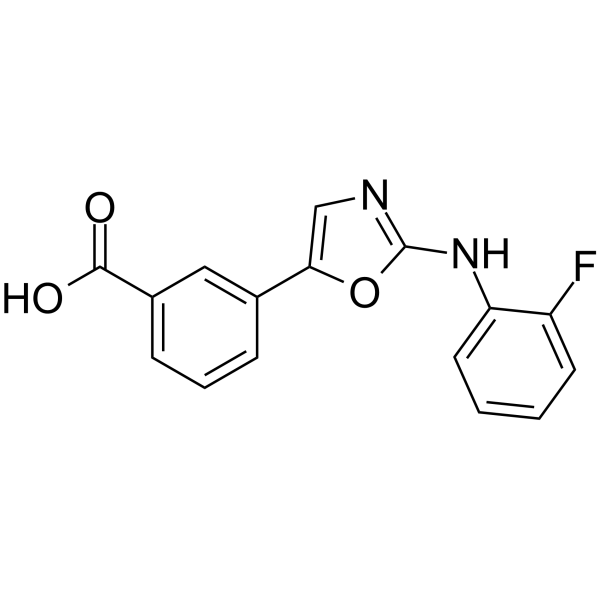
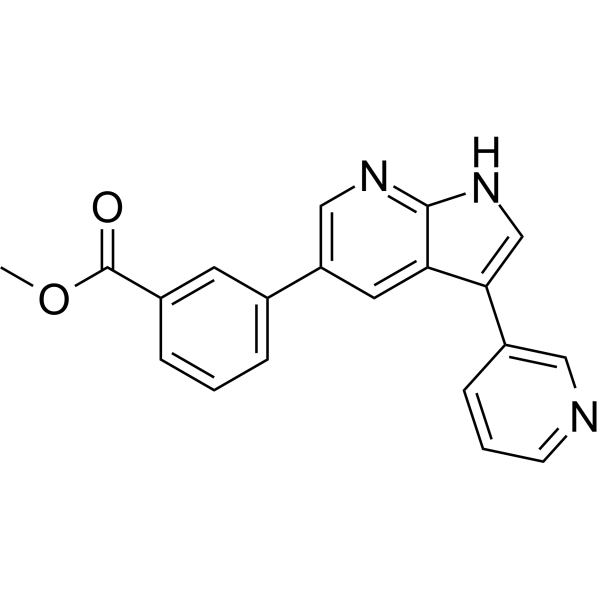
NF-κΒ activator 2 is a potent and orally active NF- B activator, with an EC50 of 1.58 μM. NF-κΒ activator 2 induces SOD2 through increasing NF- B expression and activation. NF-κΒ activator 2 can be used for the research of amyotrophic lateral sclerosis (ALS) .
Tofersen (BIIB067) sodium is an antisense oligonucleotide and SOD1 mRNA inhibitor with an IC50 of 320 pM. Tofersen sodium mediates RNase H-dependent degradation of SOD1 mRNA to reduce SOD1 protein levels in cerebrospinal fluid and serum. Tofersen sodium downregulates cerebrospinal fluid neurofilament light chain, neurofilament heavy chain, amyloid-beta 1-40, amyloid-beta 1-42, neuropeptide Y, ubiquitin C-terminal hydrolase L1, neuropentraxins 1, 2, R, corticotropin-releasing hormone, IL-15, and serum neurofilament light chain, neurofilament heavy chain. Tofersen sodium can be used for the research of superoxide dismutase 1-associated amyotrophic lateral sclerosis .
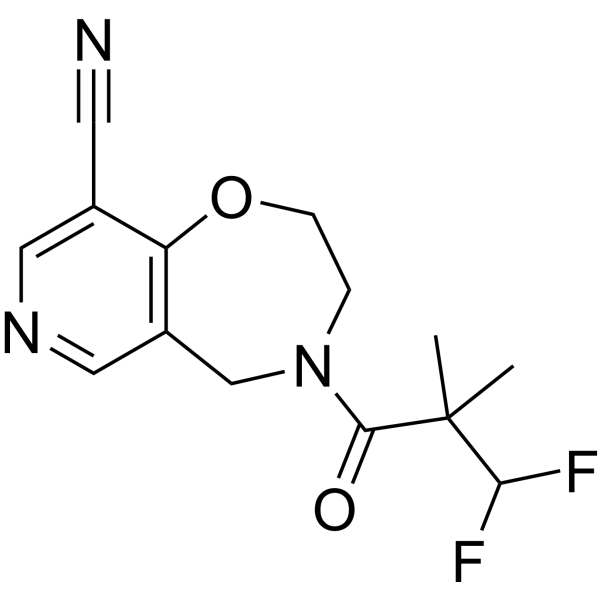
GNE-8505 is an orally active, blood-brain barrier-permeable selective dual leucine zipper kinase (DLK) inhibitor. GNE-8505 has an IC50 of 0.144 μM for pJNK, and EC50 of 0.457 μM for DRG. GNE-8505 inhibits the DLK/JNK pathway, reduces stress-induced c-Jun phosphorylation levels, decreases neuronal death and suppresses axonal degeneration. GNE-8505 reduces phosphorylated c-Jun levels in the retina, spinal cord and brain tissues of mice. GNE-8505 is applicable to research related to Alzheimer's disease and amyotrophic lateral sclerosis (ALS) .
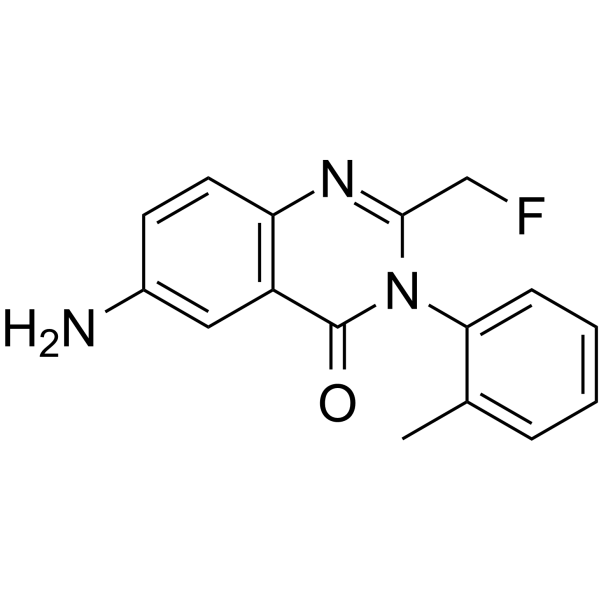
Afloqualone (HQ-495) is an orally active central muscle relaxant and antivertiginous agent that can increase the sensitivity of GABA receptors in neurons of the lateral vestibular nucleus. Afloqualone (HQ-495) can be used in the research of low back pain and neck-arm-shoulder syndrome .
Ginkgo biloba extract is a natural product that can be isolated from Ginkgo biloba leaves . Ginkgo biloba extract alleviates oxidative stress-induced neuronal apoptosis (Apoptosis) by stabilizing mitochondrial function, regulating Bcl-2 family proteins and inhibiting caspase activation. Ginkgo biloba extract alleviates testicular injury by upregulating SKP2 and inhibiting Beclin1-independent autophagy (Autophagy) . Ginkgo biloba extract alleviates various types of neuronal damage in animal models. Ginkgo biloba extract reduces behavioral sensitization in rats. Ginkgo biloba extract counteracts Aβ-induced neurotoxicity by blocking a series of Aβ-triggered events, including glucose uptake, ROS accumulation, AKT activation, mitochondrial dysfunction, JNK and ERK 1/2 pathways, and apoptosis, and also interferes with the formation of Aβ oligomers. Ginkgo biloba extract is applicable to research related to cerebral hypoperfusion, testicular injury, Alzheimer's disease, Parkinson's disease, multi-infarct dementia, stroke, traumatic brain injury and amyotrophic lateral sclerosis .
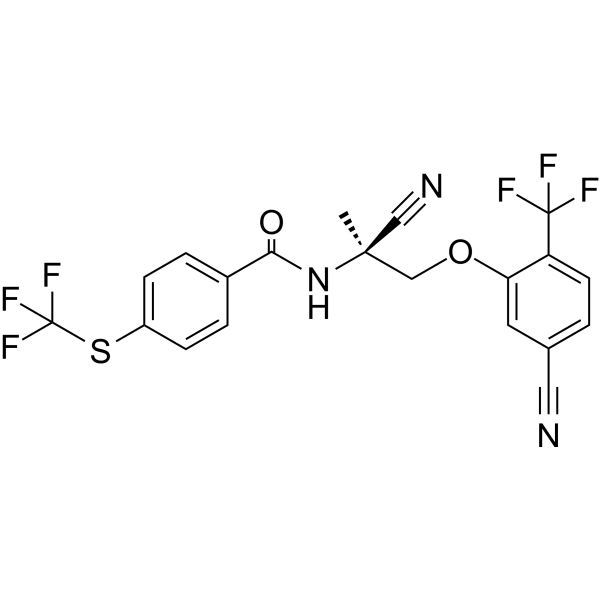
Monepantel (AAD1566, NUZ-001), an antiparasitic agent, is an orally active mTOR inhibitor. Monepantel triggers autophagy through the deactivation of mTOR/p70S6K signalling pathway. Monepantel is a positive allosteric modulator of a nematode-specific clade of nAChR subunits. Monepantel can be used for the study of amyotrophic lateral sclerosis (ALS) and ovarian cancer .
Ulefnersen (ION363) is an Antisense Oligonucleotide (ASO) directed against the 6th intron of the fused-in sarcoma (FUS) transcript to silence FUS in a non-allele-specific manner. Ulefnersen can reduce postnatal levels of FUS protein in the brain and spinal cord in disease-relevant mouse model of ALS-FUS , delaying motor neuron degeneration. Ulefnersen can be used in the research of Amyotrophic Lateral Sclerosis (ALS) .
N-Acetyl-L-tryptophan is an antagonist of the neurokinin-1 receptor (NK-1R), disrupting the binding of substance P (SP) to NK-1R. This action provides neuroprotective effects, improving memory deficits and motor impairments. N-Acetyl-L-tryptophan is also an inhibitor of cytochrome c (Cytochrome c), and it exerts antioxidant and anti-inflammatory effects by inhibiting the expression of IL-1β and the activation of caspase-1. N-Acetyl-L-tryptophan holds promise for research in neurodegenerative and inflammatory diseases .
Fosigotifator (ABBV-CLS-7262) THAM sodium is a brain penetrant, orally active EIF2b (eukaryotic initiation factor) activator. Fosigotifator THAM sodium stabilizes the elF2B complex and boosts the activity, including that of complexes carrying pathogenic vanishing white matter (VWM) mutations. Fosigotifator THAM sodium is an integrated stress response inhibitor (ISRI). Fosigotifator THAM sodium can be used for amyotrophic lateral sclerosis research .
Atibuclimab (IC14), is a chimeric monoclonal antibody directed against CD14 and is composed of murine variable and human IgG4 Fc regions. Atibuclimab attenuates Lipopolysaccharides (HY-D1056) (LPS)-induced symptoms and strongly inhibits LPS-induced proinflammatory cytokine release, while only delaying the release of the anti-inflammatory cytokines soluble TNF receptor type I and IL-1 receptor antagonist. Atibuclimab can be used for the research of amyotrophic lateral sclerosis, sepsis, community-acquired pneumonia, or acute lung injury .
BSc5367 is a potent Nek1 inhibitor with an IC50 of 11.5 nM. NIMA-related protein kinase Nek1 is crucially involved in cell cycle regulation, DNA repair and microtubule regulation and dysfunctions of Nek1 play key roles in amyotrophic lateral sclerosis (ALS), polycystic kidney disease (PKD) and several types of radiotherapy resistant cancer .
Xaliproden (SR57746) hydrochloride (SR57746A) is an orally active, highly selective 5-HT1A receptor agonist. Xaliproden hydrochloride activates pertussis toxin-sensitive G protein-coupled signaling cascades, as well as the PKC, ERK1/ERK2, Akt and p21Ras/MEK-1 pathways. Xaliproden hydrochloride also downregulates the JNK/p66/c-Jun signaling pathway, induces phosphorylation of the shc adaptor protein, regulates extracellular dopamine and 5-HT levels, and induces [ 35S]GTPγS labeling in rat brain structures rich in 5-HT1A receptors. Xaliproden hydrochloride exerts neurotrophic, neuroprotective, renoprotective, anti-inflammatory, anti-apoptotic, anti-fibrotic and analgesic effects. Xaliproden hydrochloride also enhances NGF-induced neurite outgrowth, promotes motor neuron survival, attenuates renal tubular injury and inhibits chemotherapy-induced mechanical allodynia, without activating or altering NGF-induced TrkA receptor activation. Xaliproden hydrochloride can be used in the research of motor neuron disease, diabetic nephropathy, chemotherapy-induced peripheral neuropathy, amyotrophic lateral sclerosis, Alzheimer's disease, acute tonic nociceptive pain, inflammatory pain, depression and anxiety .
Oditrasertib (SAR443820) is an orally active, BBB-penetrable and selective reversible inhibitor of RIPK1. Oditrasertib can be used in the research of chronic inflammatory central nervous system diseases, such as amyotrophic lateral sclerosis and multiple sclerosis .
rTRD01 is an orally active, specific TDP-43 binder that targets the RRM1 and RRM2 domains of TDP-43. rTRD01 partially disrupts the interaction between TDP-43 and c9orf72 repeat RNA, but does not affect the binding of TDP-43 to canonical binding sequences. rTRD01 exhibits significant neuroprotective effects in zebrafish models, improves motor function and protects against paraquat (a widely used herbicide)-induced neurodegeneration, with no teratogenicity at high concentrations. rTRD01 is not a general antioxidant and cannot counteract Rotenone (HY-B1756)-induced neuronal death. rTRD01 can be used to study amyotrophic lateral sclerosis and other TDP-43 proteinopathies .
Famlasertib is a potent, brain-penetrant MAP4K inhibitor with IC50s value of 0.3 nM, 23.7 nM, and 44.7 nM for HGK (MAP4K4), MLK3, and MLK1, respectively. Famlasertib shows motor neuron protection and anti-inflammatory properties. Famlasertib can be used for the study of amyotrophic lateral sclerosis (ALS) .
Utreloxastat (PTC857) is an orally active and blood-brain barrier-permeable 15-lipooxygenase inhibitor. Utreloxastat is a weak inhibitor of CYP1A2 and 2B6 with an IC50 of >5.3 μM. Utreloxastat reduces oxidative stress and inhibits the consumption of reduced glutathione and ferroptosis. Utreloxastat can be used in the study of neurodegenerative diseases characterized by high levels of oxidative stress and mitochondrial pathology, such as amyotrophic lateral sclerosisc .
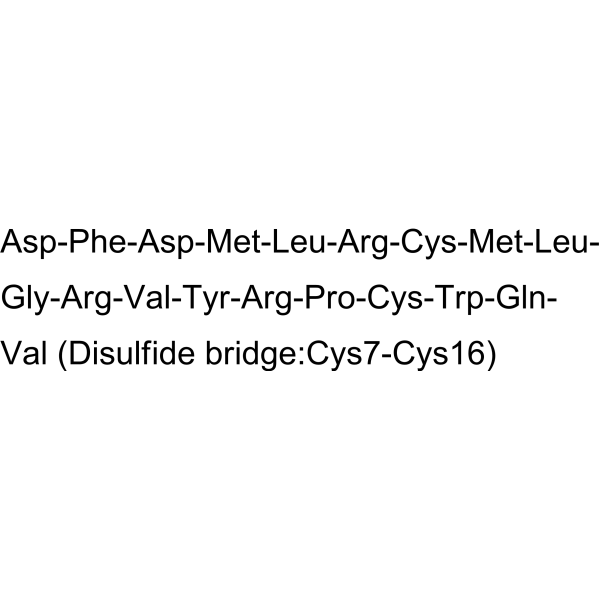
Proteasome-activating peptide 1 TFA is a peptide and a potent proteasome activator. Proteasome-activating peptide 1 TFA increases the chymotrypsin-like proteasomal catalytic activity and, consequently, proteolytic rates both in vitro and in culture. Proteasome-activating peptide 1 TFA prevents protein aggregation in a cellular model of amyotrophic lateral sclerosis .
PDGFR Tyrosine kinase-IN-1, a multikinase inhibitor, inhibits PDGFR, EGFR, FGFR, PKA, and PKC, respectively. PDGFR Tyrosine kinase-IN-1 can be used for the research of amyotrophic lateral sclerosis .
EPI-589, a quinone derivative, is a safe and well tolerated oxidoreductase enzyme inhibitor and a free radical scavenger, with blood-brain barrier permeable and orally available. EPI-589 is a redox-active neuroprotectant that effectively delays the symptoms of motor neuron disease in wobbler mice. EPI-589 can be used in amyotrophic lateral sclerosis (ALS) research .
TDP-43 ligand-1 is a specific ligand for TDP43, and its Ki value for binding to TDP-43 protein aggregates is 78 nM. TDP-43 ligand-1 can be used in the research of PET imaging probes for TDP-43 proteinopathies.
TTBK1-IN-2 (compound 29) is a potent Tau-Tubulin kinase (TTBK1) inhibitor with IC50s of 0.24 and 4.22 µM, respectively. TTBK1-IN-2 reveals good brain penetration in vivo and is able to reduce TDP-43 phosphorylation not only in cell cultures but also in the spinal cord of transgenic TDP-43 mice .
TDP-43 degrader-1 (Compound example 7) is a TDP-43 degrader. TDP-43 degrader-1 reduces the aggregation of TDP-43-positive HuR stress granules in cells and promotes the relocalization of abnormally distributed TDP-43 in the cytoplasm to the nucleus. TDP-43 degrader-1 can be used in the study of amyotrophic lateral sclerosis and Alzheimer's disease .
NAT1-IN-1 (compound 350) is a potent N-acetyltransferase 1 (NAT1)-targeted inhibitor, with an IC50 of 44 nM. NAT1-IN-1 can be used for the research of hypermetabolic diseases such as amyotrophic lateral sclerosis, cancer cachexia, and sepsis .
UCPH-102 is a highly selective EAAT1 inhibitor with an IC50 of 0.43 µM. UCPH-102 exhibits a specific anti-proliferative effect on T-ALL cells. UCPH-102 also shows good blood-brain permeability, which can be used in studies of amyotrophic lateral sclerosis, Alzheimer’s disease, chronic pain and obsessive compulsive disorder .
Ulefnersen sodium (ION363) is an Antisense Oligonucleotide (ASO) directed against the 6th intron of the fused-in sarcoma (FUS) transcript to silence FUS in a non-allele-specific manner. Ulefnersen sodium can reduce postnatal levels of FUS protein in the brain and spinal cord in disease-relevant mouse model of ALS-FUS , delaying motor neuron degeneration. Ulefnersen sodium can be used in the research of Amyotrophic Lateral Sclerosis (ALS) .
GDC-0134 (RG6000) is a modulator targeting dual leucine zipper kinase (DLK) that can cross the blood-brain barrier. By inhibiting the kinase activity of DLK, GDC-0134 blocks the activation of the downstream JNK signaling pathway, suppresses DLK-dependent retrograde signal transduction of axon-to-soma degeneration, and exerts neuroprotective activity. GDC-0134 reduces TDP-43 protein aggregation and decreases the degree of neuromuscular junction denervation in motor neurons. GDC-0134 can be used in the research of amyotrophic lateral sclerosis (ALS), Alzheimer's disease and other DLK-related neurodegenerative diseases .
AIM4 is a compound that can inhibit the aggregation of TDP-43. AIM4 has good biocompatibility and anti-inflammatory activity. AIM4 can be used in the research of diseases such as amyotrophic lateral sclerosis .
C20 Sphingomyelin (d18:1/20:1) is a sphingomyelin substance. The level of C20 Sphingomyelin (d18:1/20:1) is associated with amyotrophic lateral sclerosis and primary lateral sclerosis .
NUCC-0000323 is a potent superoxide dismutase 1 (SOD1) inhibitor. NUCC-0000323 inhibits SOD1 expression. NUCC-0000323 can be used in research of amyotrophic lateral sclerosis (ALS) .
SARM1-IN-5 (compound 1-23-a) is a SARM1 inhibitor. SARM1-IN-5 can be used in the study of axonal degeneration related diseases such as Alzheimer’s disease, Parkinson’s disease, amyotrophic lateral sclerosis (ALS), and multiple sclerosis (MS) .
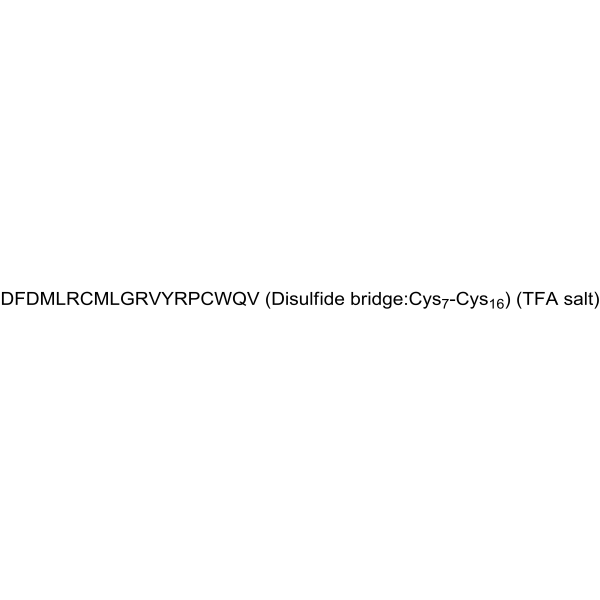
APY-d3 is a EphA4-LBD antagonistic peptide with a Kd of 138 nM. APY-d3 is constrained into a bioactive β-hairpin conformation via a head-to-tail disulfide bond. APY-d3 can be used for cancers like gastric and pancreatic cancers and neurodegenerative diseases like amyotrophic lateral sclerosis and Alzheimer’s disease research .
SOD1-Derlin-1 inhibitor-2 (compound 56-59) is an inhibitor of SOD1-Derlin-1 interaction. SOD1-Derlin-1 inhibitor-2 attenuates the interactions between Derlin-1 and SOD1 mut. SOD1-Derlin-1 inhibitor-2 can be used for the research of amyotrophic lateral sclerosis (ALS) .
SOD1-Derlin-1 inhibitor-1 (compound 56-20) is an inhibitor of SOD1-Derlin-1 interaction. SOD1-Derlin-1 inhibitor-1 inhibits SOD1 G93A-Derlin-1 complex with an IC50 value of 7.11 μM. SOD1-Derlin-1 inhibitor-1 can be used for the research of amyotrophic lateral sclerosis .
CB096 is an r(G4C2) exp RNA binder with EC50 values of 19 μM, 20 μM and 33 μM. CB096 selectively interacts with the 5′CGG/3′GGC 1×1 GG internal loop motif of folded r(G4C2) exp RNA, alters motif dynamics and closed base pairs, and rescues disease-related pathways. CB096 can be used for research on inherited amyotrophic lateral sclerosis/frontotemporal dementia (c9ALS/FTD) .
UBI (31-38) is a Ubiquicidin-derived octapeptide and anti-bacterial agent. UBI (31-38) selectively interacts with anionic phospholipid membranes and restricts lipid lateral motion. UBI (31-38) induces anionic vesicle aggregation via electrostatic repulsion screening, and undergoes conformational changes in membrane-mimicking environments. UBI (31-38) can be used for the research of infection imaging probes .
Proteasome-activating peptide 1 is a peptide, which increases the chymotrypsin-like proteasomal catalytic activity and, consequently, proteolytic rates both in vitro and in culture. Proteasome-activating peptide 1 prevents protein aggregation in a cellular model of amyotrophic lateral sclerosis .
BNN27 is the agonist for TrkA receptor and p75NTR receptor, that exhibits neurotrophic and anti-apoptotic effects. BNN27 increases the levels of glutamate, GABA, and glutamine in the rat hippocampus and prefrontal cortex, improves glutamate turnover. BNN27 exhibits neuroprotective efficacy in mouse amyotrophic lateral sclerosis (ALS) model, exhibits anti-inflammatory efficacy in experimental autoimmune encephalomyelitis (EAE) model, exhibits retinal protective efficacy in rat diabete models. BNN27 is blood-brain barrier penetrable .
CMB-087229 is a mutant superoxide dismutase 1 (SOD1) protein aggregation inhibitor with IC50 of 67 nM, which can be used in the research of amyotrophic lateral sclerosis .
Fosigotifator (ABBV-CLS-7262) is a brain penetrant, orally active EIF2b (eukaryotic initiation factor) activator. Fosigotifator stabilizes the elF2B complex and boosts the activity, including that of complexes carrying pathogenic vanishing white matter (VWM) mutations. Fosigotifator is an integrated stress response inhibitor (ISRI). Fosigotifator can be used for amyotrophic lateral sclerosis research .
ElteN378 is an inhibitors of FKBP12e. ElteN378 can be used in study Alzheimer disease, Parkinson disease, Amyotrophic Lateral Sclerosis, proliferation disorders and cancer .
nTRD22 is an RNA-binding allosteric modulator targeting TDP-43. nTRD22 binds to the N-terminal domain of TDP-43, thereby allosterically regulating the RNA-binding domain of TDP-43 and reducing its RNA-binding ability. nTRD22 decreases the TDP-43 protein level in primary motor neurons. nTRD22 alleviates motor dysfunction in amyotrophic lateral sclerosis models. nTRD22 is applicable to related research on amyotrophic lateral sclerosis .
c-ABL-IN-2 is a potent inhibitor of c-Abl. Activation of c-Abl has been implicated in various diseases, notably cancer. c-ABL-IN-2 has the potential for the research of neurodegenerative diseases (amyotrophic lateral sclerosis (ALS) and Parkinson’s disease (PD) and cancer (extracted from patent WO2020260871A1, compound 25) . c-ABL-IN-2 is a click chemistry reagent, it contains an Alkyne group and can undergo copper-catalyzed azide-alkyne cycloaddition (CuAAc) with molecules containing Azide groups.
SOD1-aggregation-IN-1 (compound 20) is a potent SOD aggregation inhibitor. SOD1-aggregation-IN-1 inhibits MG132 (HY-13259)-induced mutant SOD1 intracellular aggregation in PC12-SOD1 G85R YFP cells with an EC50 of 2.63 μM. SOD1-aggregation-IN-1 can be used for amyotrophic lateral sclerosis (ALS) research .
ML404 (Compound 38) is an inhibitor of the mitochondrial permeability transition pore (mtPTP), which can suppress mitochondrial swelling (EC50=4.9 nM) and only disrupts mitochondrial coupling (an adverse effect) at concentrations > 100 μM. ML404 can be utilized in research related to multiple sclerosis (MS), amyotrophic lateral sclerosis (ALS), Alzheimer's disease (AD), muscular dystrophies (MD), myocardial infarction, and stroke .
JAX-44 is a potent root architecture modulator. JAX-44 maintains primary root length while substantially increasing lateral root numbers, thereby optimizing the plant’s overall root system. JAX-44 is the metabolic precursor of JAX-77 (HY-178359) and can be converted to Indole-3-butyric acid (IBA) (HY-N0186). JAX-44 can be used for auxin biology and root development research .
MGF24 is a modified protease-resistant MGF derivative. MGF24 protects dopaminergic neurons from 6-Hydroxydopamine (6-OHDA) (HY-113028)-induced apoptosis by inducing Heme oxygenase-1 (HO-1). MGF24 activates PKC-ε, which in turn activates Nrf2, up-regulating HO-1. MGF24 has neuroprotective activity and reduces myocardial infarct size in sheep models of myocardial ischemia. MGF24 can be used for neurological diseases like stroke, nerve injury and amyotrophic lateral sclerosis research .
Feruloyl tyramine, an amide compound, can be isolated from ethanol extract of hemp seed. Feruloyl tyramine injected into the lateral ventricle caused hypothermia and dyskinesia in mice .
IPL344 protects cells of various types from pro-apoptotic pressures and activates the Akt signaling system. IPL344 can be used for research of amyotrophic lateral sclerosis (ALS) .
Naxillin is a non-auxin-like molecule, which can promote the lateral root branching in the basal meristem of the root, through the conversion of the auxin precursor indole-3-butyric acid (IBA) to the active auxin indole-3-acetic acid (IAA) .
Neboglamine (CR-2249; XY-2401) is a modulator for N-methyl-D-aspartate (NMDA) receptor. Neboglamine increases the levels of fos-like immunoreactivity (FLI)-positive cells in the prefrontal cortex, nucleus accumbens, and lateral septal nucleus in rat models, .restores NMDA (HY-17551) -mediated neurotransmitter release, and inhibits phencyclidine-induced hyperlocomotion .
Afloqualone (Standard) is the analytical standard of Afloqualone. This product is intended for research and analytical applications. Afloqualone (HQ-495) is an orally active central muscle relaxant and antivertiginous agent that can increase the sensitivity of GABA receptors in neurons of the lateral vestibular nucleus. Afloqualone (HQ-495) can be used in the research of low back pain and neck-arm-shoulder syndrome .
MP-010 is a FKBP12 ligand that regulates cytosolic calcium by stabilizing RyR channel activity. MP-010 promotes functional improvement in SOD1 G93A amyotrophic lateral sclerosis (ALS) mice, as evidenced by improved motor coordination, increased integrity of neuromuscular junctions, and significantly enhanced survival of spinal motor neurons. MP-010 can be used for research in the field of neurological diseases .
c-ABL-IN-3 is a potent inhibitor of c-Abl. Activation of c-Abl has been implicated in various diseases, notably cancer. c-ABL-IN-3 has the potential for the research of neurodegenerative diseases (amyotrophic lateral sclerosis (ALS) and Parkinson’s disease (PD) and cancer (extracted from patent WO2021048567A1, compound 50) .
c-ABL-IN-4 is a potent inhibitor of c-Abl. Activation of c-Abl has been implicated in various diseases, notably cancer. c-ABL-IN-4 has the potential for the research of neurodegenerative diseases (amyotrophic lateral sclerosis (ALS) and Parkinson’s disease (PD) and cancer (extracted from patent WO2021048567A1, compound 54) .
JGK-263 is an orally active Glycogen synthase kinase-3β (GSK-3β) inhibitor. JGK-263 exhibits neuroprotective effect and can improve motor function. JGK-263 can be used for the research of neurological disease, such as amyotrophic lateral sclerosis (ALS) .
BN-82451 dihydrochloride, an orally active and CNS-penetrated antioxidant and a multitargeting neuroprotective agent, exert a significant protection in experimental animal models mimicking aspects of cerebral ischemia, Parkinson disease, Huntington disease, and more particularly amyotrophic lateral sclerosis .
6-Deoxyjacareubin is a natural xanthone, that can be isolated from the leaves of Vismia latifolia. 6-Deoxyjacareubin protects against non-apoptotic cell death by inhibiting ROS production. 6-Deoxyjacareubin ameliorates neurodegeneration in a mouse model of familial amyotrophic lateral sclerosis (ALS) .
SOD1 (147-153) human is a peptide fragment of Cu/Zn superoxide dismutase (SOD1) with a high propensity to form amyloid fibrils. SOD1 (147-153) human may trigger the aggregation of full-length SOD1 and is a common molecular determinant of familial amyotrophic lateral sclerosis (fALS) and sporadic amyotrophic lateral sclerosis (sALS) .
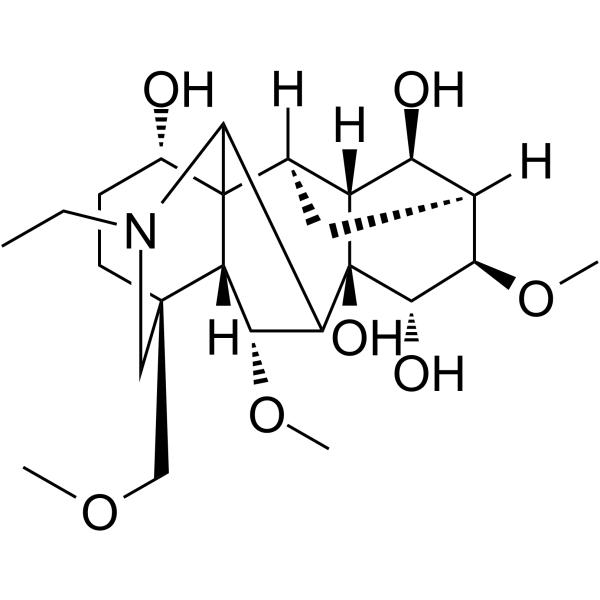
Fuziline (Standard) is the analytical standard of Fuziline. This product is intended for research and analytical applications. Fuziline is a alkaloid isolated from the lateral roots of Aconitum carmichaelii .
Trans-FAAzo-4 is a photo-switchable fatty acid analogue used in photo-pharmacology. Trans-FAAzo-4 is able to alter membrane lateral pressure and thus control opening and closing of mechanosensitive ion channels .
Nerisopam is an orally active gamma-aminobutyric acid (GABA) receptor agonist. Nerisopam is an anxiolytic and antipsychotic homophthalazine. Nerisopam induces rapid, intense expression of Fos-like immunoreactivity in the rostral, dorsomedial and lateral parts of the striatum in the rat .
N-Isobutyl decanamide is a plant growth regulator. N-Isobutyl decanamide promotes the development of adventitious roots in hypocotyl explants of A. thaliana and lateral roots in taproot explants. N-Isobutyl decanamide induces the accumulation of NO in the proliferative sites of adventitious roots .
Aspinolide B is a pentaketide and a 10-membered lactone with plant growth regulatory activity, which can be extracted from Aspergillus ochraceus. Aspinolide B promotes the growth of lateral roots in S. lycopersicum and can be utilized in related research .
C175-0062 is a monoamine oxidase B (MAO-B) inhibitor. C175-0062 can be used for the research of neurodegenerative disorders, including Parkinson's disease (PD), Alzheimer’s disease (AD), and amyotrophic lateral sclerosis (ALS) .
Methylcobalamin Hydrate is a coenzyme required for methionine biosynthesis. Vitamins (hematopoiesis). It acts as a histamine receptor, Alzheimer study. Methylcobalamin is also used in the research of peripheral neuropathy, diabetic neuropathy, and as an initial research for amyotrophic lateral sclerosis. It can be used to prevent or research pathologies caused by vitamin B12 deficiency, such as pernicious anemia.
Cedrene regulates auxin transport and signal transduction in Arabidopsis, and thus stimulates the plants root development. Cedrene affects the Arabidopsis roots morphology by increasing the lateral roots, promoting the elongation of primary roots, affecting the expression of the auxin response gene DR5 and auxin transporters such as PIN2 and PIN3 .
Afloqualone-d7 (HQ-495-d7) is deuterium labeled Afloqualone. Afloqualone (HQ-495) is an orally active central muscle relaxant and antivertiginous agent that can increase the sensitivity of GABA receptors in neurons of the lateral vestibular nucleus. Afloqualone (HQ-495) can be used in the research of low back pain and neck-arm-shoulder syndrome .
ROCK2-IN-5 (compound 1d) is a hybrid compound containing structural fragments of the Rho kinase inhibitor fasudil and the NRF2 inducers caffeic and ferulic acids. ROCK2-IN-5 has good multitarget profile and good tolerability. ROCK2-IN-5 has the potential for thr research of Amyotrophic lateral sclerosis (ALS) with a SOD1 mutation .
ASN04421891 is a GPR17 agonist with nanomolar EC50 and high specificity. ASN04421891 promotes oligodendrocyte precursor cell maturation to mature myelinating oligodendrocytes. ASN04421891 can be used for the research of cerebral ischaemia, cardiac ischaemia, renal ischaemia, cerebral trauma, multiple sclerosis, schizophrenia, depression, alzheimer's disease, alzheimer-like dementia, parkinson's disease, huntington's chorea, amyotrophic lateral sclerosis (ALS), neuroinflammatory disorders .
Karacolidine (compound 9) is an aconitine-type alkaloid. Karacolidine can be found in the lateral root of Aconitum carmichaeli Debx. (Radix Aconiti Lateralis) .
16a,17-Dihydroxy lepenine (compound 1) is a C20 diterpenoid alkaloid with an atisine-denudatine skeleton. 16a,17-Dihydroxy lepenine can be isolated from the lateral roots of Aconitum carmichaelii .
SRI-22818 is a NF-κB activator with an EC50 of 0.5 μM. SRI-22818 upregulates the expression of NF-κB and promotes its activation. SRI-22818 increases the level of SOD2. SRI-22818 exhibits activity in the SOD1G93A model of amyotrophic lateral sclerosis (ALS). SRI-22818 can be used for research related to amyotrophic lateral sclerosis .
K811 is an orally active ASK1 inhibitor with an IC50 of 6 nM. K811 inhibits glial cell activation in the lumbar spinal cord of SOD1 G93A transgenic mice. K811 extends the survival of SOD1 G93A transgenic mice, a mouse model of amyotrophic lateral sclerosis. K811 can be used in studies related to amyotrophic lateral sclerosis .
Bevemipretide trihydrochloride (SBT-272 trihydrochloride) is a blood-brain barrier-permeable mitochondrial function repair agent. Bevemipretide trihydrochloride stabilizes cardiolipin in the inner mitochondrial membrane, restores mitochondrial structure, respiratory function, motor capacity and upper motor neuron health. Bevemipretide trihydrochloride reduces astrogliosis and microgliosis in mice with amyotrophic lateral sclerosis. Bevemipretide trihydrochloride prevents stroke-induced mitochondrial dysfunction . Bevemipretide trihydrochloride is applicable to research related to amyotrophic lateral sclerosis, Parkinson's disease, dementia with Lewy bodies and Huntington's disease .
PAS-003 is a humanized monoclonal antibody targerting α5β1 integrin. PAS-003 modulates immune cell migration, immune cell adhesion, improves behavior, and improves survival in ALS mouse models. PAS-003 can be used for the research of amyotrophic lateral sclerosis .
K812 is an orally active ASK1 inhibitor with a 6 nM IC50 against ASK1. K812 selectively inhibits ASK1 activation. K812 inhibits glial activation in the lumbar spinal cord. K812 extends survival of SOD1 G93A transgenic mice. K812 can be used for the research of amyotrophic lateral sclerosis .
JAX-77 is a potent root architecture modulator. JAX-77 maintains primary root length while substantially increasing lateral root numbers, thereby optimizing the plant’s overall root system. JAX-77 is the key intermediate metabolite formed from the hydrolysis of JAX-44 (HY-178358) and can be converted to Indole-3-butyric acid (IBA) (HY-N0186). JAX-77 can be used for auxin biology and root development research .
UM-259 hydrochloride is a STING inhibitor with activity against both murine and human STING (including the STINGR232 mutant). UM-259 hydrochloride inhibits STING-dependent signaling pathways, blocks STING oligomerization, and acts on human primary CD14 + monocytes. UM-259 hydrochloride can be used for research on amyotrophic lateral sclerosis, lupus erythematosus, Aicardi-Goutières syndrome, and infant-onset STING-associated vasculopathy .
eIF2B activator-1 (Compound 7a) is a eIF2B activator with a pEC50 value of 7.3. eIF2B activator-1 exhibits significant hERG inhibitory activity, with a pIC50 value of 5.7. eIF2B activator-1 can be used in research related to Huntington's disease, Parkinson's disease, and amyotrophic lateral sclerosis (ALS).
NLRP3-IN-89 is a NOD-like receptor protein 3 (NLRP3) inflammasome inhibitor. NLRP3-IN-89 inhibits the NLRP3 inflammasome pathway, reduces IL-1β secretion, and exhibits minimal interference with the NF-κB pathway. NLRP3-IN-89 can be used for the research of Parkinson's disease, frontotemporal dementia, multiple system atrophy, Alzheimer's disease, multiple sclerosis, amyotrophic lateral sclerosis, or brain injury .
Normethyl-ZCAN262 (Normethyl-262) is a blood-brain barrier-permeable selective GluR2/AMPAR receptor modulator. Normethyl-ZCAN262 inhibits AMPA-mediated neurotoxicity, the formation of the GAPDH-GluR2 complex, and GluR2/AMPAR neurotoxicity. Normethyl-ZCAN262 enables in vivo imaging of brain AMPA receptors and is used in research related to multiple sclerosis, amyotrophic lateral sclerosis, neuroinflammation, stroke, epilepsy, Parkinson's disease, Alzheimer's disease, dementia, and Huntington's disease .
KZR-8445 TFA, a cyclic depsipeptide, is a client-selective Sec61 inhibitor. KZR-8445 TFA binds to the fully opened Sec61 lateral gate, blocks lumenal plug domain access, stabilizes lateral gate helices, traps select signal peptides, and disrupts secretory and membrane protein biogenesis. KZR-8445 TFA inhibits pro-inflammatory cytokine secretion in primary immune cells. KZR-8445 TFA inhibits SARS-CoV-2 replication, virus-induced cytotoxicity, and spike protein biogenesis. KZR-8445 TFA blocks disease progression in a mouse model of rheumatoid arthritis. KZR-8445 TFA can be used for the researches of rheumatoid arthritis and SARS-CoV-2 infection .
KZR-8445, a cyclic depsipeptide, is a client-selective Sec61 inhibitor. KZR-8445 binds to the fully opened Sec61 lateral gate, blocks lumenal plug domain access, stabilizes lateral gate helices, traps select signal peptides, and disrupts secretory and membrane protein biogenesis. KZR-8445 inhibits pro-inflammatory cytokine secretion in primary immune cells. KZR-8445 inhibits SARS-CoV-2 replication, virus-induced cytotoxicity, and spike protein biogenesis. KZR-8445 blocks disease progression in a mouse model of rheumatoid arthritis. KZR-8445 can be used for the researches of rheumatoid arthritis and SARS-CoV-2 infection .
HDAC1 activator-1 is a specific HDAC1 activator with orally activity, exerting no significant effects on other HDAC family members. HDAC1 activator-1 exhibits neuroprotective activity, ameliorates cognitive and motor function deficits by reducing neuronal loss and gliosis. HDAC1 activator-1 specifically activates HDAC1 in SH-SY5Y cells and exerts regulatory effects on aberrant cell cycle and DNA damage. HDAC1 activator-1 can be used for the research of TDP-43 proteinopat1-related neurodegenerative diseases including Amyotrophic Lateral Sclerosis (ALS) and cerebral ischemia-related neurological injury .
RAPID DiI is a cyanine dye with orange-red fluorescenc (EX≈550 nm; Em≈565 nm). RAPID DiI is a lipophilic dye that labels cell membranes by inserting its two long hydrocarbon (C18 carbon) chains into the lipid bilayer. RAPID DiI is weakly fluorescent until incorporated into membranes. RAPID DiI diffuses laterally to stain the entire cell, allowing it to be used as an anterograde and retrograde tracer of neurons.
NT-0527 is a selective, orally active, and brain-permeable NLRP3 inflammasome inhibitor. NT-0527 can specifically block the formation of the NLRP3 inflammasome, resulting in the reduction in the maturation and release of IL-1β, exhibit inhibition on CYP2C19. NT-0527 displays anti-inflammatory activity in the mouse LPS (HY-D1056) /ATP (HY-B2176)-induced peritonitis model. NT-0527 can be used for the research of neuroinflammatory disorders (Parkinson's disease, Alzheimer's disease, amyotrophic lateral sclerosis) and peripheral inflammatory disorders (type II diabetes, atherosclerosis, gout, etc.) associated with NLRP3 inflammasome .
RAPID DiO (Dilinoleyl DiO) is a cyanine dye with green fluorescence (EX≈490 nm; Em≈505 nm). RAPID DiO is a lipophilic dye that labels cell membranes by inserting its two long hydrocarbon (C18 carbon) chains into the lipid bilayer. RAPID DiO is weakly fluorescent until incorporated into membranes. RAPID DiO diffuses laterally to stain the entire cell, allowing it to be used as an anterograde and retrograde tracer of neurons.
(R)-SARM1-IN-5 is the (R)-enantiomer of SARM1-IN-5 (HY-172967). SARM1-IN-5 (compound 1-23-a) is a SARM1 inhibitor. SARM1-IN-5 can be used in the study of axonal degeneration related diseases such as Alzheimer’s disease, Parkinson’s disease, amyotrophic lateral sclerosis (ALS), and multiple sclerosis (MS) .
Anti-WNV E protein DIII-LR Antibody (E16) reacts with the domain III lateral ridge (DIII-LR) of the envelope (E) protein of West Nile Virus (WNV). Anti-Mouse CD11b Antibody (5C6) protects mice from WNV infection. Recommend Isotype Controls: Mouse IgG2b kappa, Isotype Control (HY-P99982) .
Razobazam (Hoe 175) is a benzodiazepine derivative with cognitive activity. Razobazam has been shown to improve learning performance in socially deprived rats. Razobazam increased avoidance scores by 18% after training. Razobazam caused significant changes in the optical density of certain areas of the rat brain, including a 22% decrease in the lateral habenula and a 25% increase in the ventral tegmental area. Razobazam also caused a 13% increase in optical density in the prefrontal cortex of rats .
LB244 is a homologue of BB-Cl-amidine, which is an orally effective STING inhibitor (EC50=0.8 μM) and can be used to inhibit STING-dependent inflammatory diseases. The pharmacokinetic properties of LB244 indicate limited oral activity in mice .
Clenbuterol (Standard) is the analytical standard of Clenbuterol. This product is intended for research and analytical applications. Clenbuterol (NAB-365) is a β2-adrenergic receptor agonist with an EC50 of 31.9 nM . Clenbuterol is a very potent inhibitor of the lipopolysaccharide (LPS)-induced release of TNF-α and IL-1β. Clenbuterol can inhibit the inflammatory process. Clenbuterol is a bronchodilator .
CLR01 sodium is a blood-brain barrier-permeable anti-aggregation agent. CLR01 sodium inhibits the de novo aggregation of Amyloid-β 40/42, α-synuclein, IAPP, tau protein and SOD1. CLR01 sodium reduces amyloid plaque burden in the cortex of triple-transgenic mice and improves the memory and motor abilities of these mice. CLR01 sodium can be used in research related to Alzheimer's disease, Parkinson's disease, and amyotrophic lateral sclerosis (ALS) .
di-Ellipticine-RIBOTAC is a RNase recruiting chimera (RIBOTAC) degrader, capable of specifically binding and degrading expanded G4C2 RNA repeat (r(G4C2) exp). di-Ellipticine-RIBOTAC selectively binds the three-dimensional (3D) structure formed by r(G4C2) exp and that recruits an endogenous ribonuclease (RNase) to cleave r(G4C2) exp. di-Ellipticine-RIBOTAC selectively degrades the mutant chromosome 9 open reading frame 72 (C9orf72) allele and reduces quantities of toxic dipeptide repeat proteins (DPRs) translated from r(G4C2) exp. di-Ellipticine-RIBOTAC significantly improves the pathological phenotype of amyotrophic lateral sclerosis/ frontotemporal dementia (c9ALS/FTD) in cells and mouse models. di-Ellipticine-RIBOTAC can be used for the study of amyotrophic lateral sclerosis (ALS) and frontotemporal dementia (FTD) .
SARM1-IN-4 (Compound 7) is an orally active SARM1 inhibitor. After being orally administered at a dose of 50 mg/kg in a mouse model, it can reduce the level of plasma neurofilament light chain (NfL). SARM1-IN-4 prevents programmed axonal degeneration by inhibiting the NAD+ hydrolase activity of SARM1, and it can be used in research related to neurodegenerative diseases and neurological disorders (such as multiple sclerosis, amyotrophic lateral sclerosis, Parkinson's disease, and peripheral neuropathies, etc.).
AMPAR modulator-12 is a blood-brain barrier-permeable AMPAR positive allosteric modulator. AMPAR modulator-12 reduces NOX-1 expression, enhances AMPAR-mediated currents, promotes excitatory postsynaptic transmission and restores AMPAR function. AMPAR modulator-12 enhances excitatory and inhibitory synaptic transmission, reduces burst firing in the lateral habenula after withdrawal, and produces rapid and sustained antidepressant-like effects. AMPAR modulator-12 is applicable for the research of depression .
RC-33 hydrochloride is a selective and metabolically stable σ receptor agonist with activity in enhancing nerve growth factor (NGF)-induced neurite outgrowth. Both enantiomers of RC-33 hydrochloride bind to the σ receptor with similar affinity and show almost equal effectiveness as σ receptor agonists. The R-configured enantiomer of RC-33 hydrochloride shows higher liver metabolic stability in the presence of NADPH. RC-33 hydrochloride was selected as the best candidate for further in vivo studies in animal models of amyotrophic lateral sclerosis .
di-Ellipticine-RIBOTAC TFA is a RNase recruiting chimera (RIBOTAC) degrader, capable of specifically binding and degrading expanded G4C2 RNA repeat (r(G4C2) exp). di-Ellipticine-RIBOTAC TFA selectively binds the three-dimensional (3D) structure formed by r(G4C2) exp and that recruits an endogenous ribonuclease (RNase) to cleave r(G4C2) exp. di-Ellipticine-RIBOTAC TFA selectively degrades the mutant chromosome 9 open reading frame 72 (C9orf72) allele and reduces quantities of toxic dipeptide repeat proteins (DPRs) translated from r(G4C2) exp. di-Ellipticine-RIBOTAC TFA significantly improves the pathological phenotype of amyotrophic lateral sclerosis/ frontotemporal dementia (c9ALS/FTD) in cells and mouse models. di-Ellipticine-RIBOTAC TFA can be used for the study of amyotrophic lateral sclerosis (ALS) and frontotemporal dementia (FTD) .
Anti-Zika virus E protein DIII-LR Antibody (ZV-67) reacts with Zika virus envelope (E) protein at the lateral ridge of domain III (DIII-LR). Anti-Zika virus E protein DIII-LR Antibody (ZV-67) specifically detects the recombinant ZIKV E protein DIII and ZIKV E protein reporter virus particles (RVPs) in transfected cells. Recommend Isotype Controls: Mouse IgG2c kappa, Isotype Control (HY-P99981) .
Anti-Dengue virus type 2 E protein DIII Antibody (DV2-96) reacts with sites along the lateral ridge of the DIII domain on the E protein of dengue virus serotype 2 (DENV-2). Anti-Dengue virus type 2 E protein DIII Antibody (DV2-96) against DENV-2 new Guinea C (NGC) infection in mice. Recommend Isotype Controls: Mouse IgG2c kappa, Isotype Control (HY-P99981) .
Alirinetide (Standard) (GM604 (Standard)) is the analytical standard of Alirinetide (HY-107130). This product is intended for research and analytical applications. Alirinetide (GM604) is an oligopeptide containing 6 amino acids. Alirinetide can cross the blood-brain barrier and can be used for the research of multiple neurodegenerative diseases .
CDDO-TFEA (RTA 404; TP-500) is a trifluoroacetamide derivative of CDDO with enhanced ability to cross the blood-brain barrier. CDDO is an Nrf2 activator that inhibits proliferation and induces differentiation and apoptosis in various cancer cells. CDDO-TFEA can enhance Nrf2 expression and signaling in various neurodegenerative disease models, including those mimicking multiple sclerosis, amyotrophic lateral sclerosis, and Huntington's disease. CDDO-TFEA induces apoptosis and blocks colony formation in Ewing's sarcoma and neuroblastoma cell lines with IC50 values ranging from 85-170 nM.
MAP4K4-IN-6 (Compound 15f) is a MAP4K4 inhibitor (IC50: 80 nM). MAP4K4-IN-6 reduces the c-Jun phosphorylation. MAP4K4-IN-6 has neuroprotective effects. MAP4K4-IN-6 increases the viability of motor neurons. MAP4K4-IN-6 can be used for research of Amyotrophic lateral sclerosis (ALS) .
Ruvonoflast (NT-0796) is an orally active, selective and CNS-penetrant NLRP3 inflammasome inhibitor. Ruvonoflast inhibits IL-1β release in human PBMC cells with an IC50 value of 0.32 nM. Ruvonoflast is an isopropyl ester that undergoes intracellular conversion to Ruvonoflast, the carboxylic acid active species. Ruvonoflast reverses high fat diet-induced obesity, systemic inflammation and astrogliosis in the diet-induced obesity mouse model. Ruvonoflast is promising for research of neurodegenerative disorders, including Alzheimer’s disease, Parkinson’s disease, multiple sclerosis, and amyotrophic lateral sclerosis .
Avicin G is a sphingomyelinase inhibitor and plasma membrane disruptor. Avicin G inhibits the enzymatic activities of neutral sphingomyelinases (SMPD2/3) and acid sphingomyelinase (SMPD1), elevates intracellular sphingomyelin levels, and alters the distribution of sphingomyelin. Avicin G interferes with the lateral segregation of GTP- and GDP-bound H-Ras, inhibits the signal output of oncogenic K-Ras and H-Ras, reduces the phosphorylation of ERK and Akt, increases lysosomal pH, and inhibits the endocytic recycling of epidermal growth factor receptor. Avicin G can be used in research related to pancreatic ductal adenocarcinoma and non-small cell lung cancer .
FP802 is an orally active potent TwinF interface inhibitor that disrupts and detoxifies the NMDAR/TRPM4 death complex. FP802 exerts powerful neuroprotective effects in the 5xFAD mouse model of Alzheimer’s disease (AD) by preventing cognitive decline, preserving neuronal structural integrity, reducing amyloid-β plaque formation, and mitigating mitochondrial pathology . FP802 stops loss of motor neurons, reduces serum neurofilament light chain (NfL) levels, improves motor performance, and extends life in a mouse model of amyotrophic lateral sclerosis (ALS). FP802 can be used for AD and ALS research .
RNA binder 1 (Compound 4b) is a blood-brain permeable RNA binder. RNA binder 1 can selectively bind to the G-quadruplex structure of the G4C2 repeat sequence RNA of the C9orf72 gene. RNA binder 1 significantly reduces the levels of toxic polypeptides poly(GA) and poly(GP) produced by the G4C2 repeat sequence in amyotrophic lateral sclerosis (ALS) patient-derived cells. RNA binder 1 has no significant effect on the antisense polypeptide poly(PR), showing selectivity for sense RNA. RNA binder 1 can be used in the study of ALS and frontotemporal dementia (FTD) .
FP802 dihydrochloride is an orally active potent TwinF interface inhibitor that disrupts and detoxifies the NMDAR/TRPM4 death complex. FP802 dihydrochloride exerts powerful neuroprotective effects in the 5xFAD mouse model of Alzheimer’s disease (AD) by preventing cognitive decline, preserving neuronal structural integrity, reducing amyloid-β plaque formation, and mitigating mitochondrial pathology . FP802 dihydrochloride stops loss of motor neurons, reduces serum neurofilament light chain (NfL) levels, improves motor performance, and extends life in a mouse model of amyotrophic lateral sclerosis (ALS) . FP802 dihydrochloride can be used for AD and ALS research .
Glutathione monoethyl ester is a glutathione derivative that can be transported into cells and hydrolyzed into glutathione. Glutathione monoethyl ester downregulates the gene expression of TEN1 and CTC1 while upregulating TERT expression. Glutathione monoethyl ester enhances telomerase activity, promotes proliferation and differentiation in aged bone marrow stromal cells, while elevating glutathione levels and reducing oxidative stress, protein aggregation and cell death in motor neuronal cells. Glutathione monoethyl ester confers broad multi-organ protection against cerebral ischemia, renal injury, liver damage, and pancreatitis. Glutathione monoethyl ester can be used for the research of amyotrophic lateral sclerosis, stroke, acute renal failure, liver injury, and acute pancreatitis .
Tofersen (BIIB067) is an antisense oligonucleotide and SOD1 mRNA inhibitor with an IC50 of 320 pM. Tofersen mediates RNase H-dependent degradation of SOD1 mRNA to reduce SOD1 protein levels in cerebrospinal fluid and serum. Tofersen downregulates cerebrospinal fluid neurofilament light chain, neurofilament heavy chain, amyloid-beta 1-40, amyloid-beta 1-42, neuropeptide Y, ubiquitin C-terminal hydrolase L1, neuropentraxins 1, 2, R, corticotropin-releasing hormone, IL-15, and serum neurofilament light chain, neurofilament heavy chain. Tofersen can be used for the research of superoxide dismutase 1-associated amyotrophic lateral sclerosis .
MCH (human, mouse, rat) TFA is a cyclic neuropeptide mainly synthesized by neurons in the lateral hypothalamic area. MCH (human, mouse, rat) TFA also serves as an endogenous ligand for the melanin-concentrating hormone receptor (MHC receptor), with a binding IC50 of 0.3 nM and 1.5 nM for human MCH-1R and MCH-2R, respectively; its functional EC50 values are 3.9 nM and 88.7 nM. MCH (human, mouse, rat) TFA acts not only as an orexigenic signal but also as a key integrating and regulatory hormone for energy homeostasis and sleep-wake cycles. MCH (human, mouse, rat) TFA can be used in studies related to obesity, sleep disorders, and other associated conditions .
MCH (human, mouse, rat) is a cyclic neuropeptide mainly synthesized by neurons in the lateral hypothalamic area. MCH (human, mouse, rat) also serves as an endogenous ligand for the melanin-concentrating hormone receptor (MHC receptor), with a binding IC50 of 0.3 nM and 1.5 nM for human MCH-1R and MCH-2R, respectively; its functional EC50 values are 3.9 nM and 88.7 nM. MCH (human, mouse, rat) acts not only as an orexigenic signal but also as a key integrating and regulatory hormone for energy homeostasis and sleep-wake cycles. MCH (human, mouse, rat) can be used in studies related to obesity, sleep disorders, and other associated conditions .
Tofersen-d27 (BIIB067-d27) is the deuterium labeled Tofersen (HY-132580). Tofersen (BIIB067) is an antisense oligonucleotide and SOD1 mRNA inhibitor with an IC50 of 320 pM. Tofersen mediates RNase H-dependent degradation of SOD1 mRNA to reduce SOD1 protein levels in cerebrospinal fluid and serum. Tofersen downregulates cerebrospinal fluid neurofilament light chain, neurofilament heavy chain, amyloid-beta 1-40, amyloid-beta 1-42, neuropeptide Y, ubiquitin C-terminal hydrolase L1, neuropentraxins 1, 2, R, corticotropin-releasing hormone, IL-15, and serum neurofilament light chain, neurofilament heavy chain. Tofersen can be used for the research of superoxide dismutase 1-associated amyotrophic lateral sclerosis.
ACI-19278 is a TDP-43 PET tracer with an average Kd of 25 nM. ACI-19278 only binds to pathological TDP-43 aggregates and does not cross-react with Aβ, Tau, etc. [ 18F]ACI-19278 successfully visualized the TDP-43 pathology in the human brain through positron emission computed tomography. ACI-19278 can be used for in vivo diagnosis of TDP-43 protein lesions .
Cromolyn (Standard) is the analytical standard of Cromolyn. This product is intended for research and analytical applications. Cromolyn (Cromoglycate) is an orally active GSK-3β inhibitor with an IC50 of 2.0 μM. Cromolyn is also a mast cell stabilizer that can inhibit the release of mediators from mast cells, regulate reflex bronchoconstriction, and reduce non-specific bronchial hyperreactivity, and Cromolyn can be used in the research of bronchial asthma. In addition, Cromolyn has multiple activities such as anti-inflammatory, anti-allergic, anti-histamine, anti-cancer, and neuroprotective effects .
Cromolyn (Cromoglycate) disodium is an orally active GSK-3β inhibitor with an IC50 of 2.0 μM. Cromolyn disodium is also a mast cell stabilizer that can inhibit the release of mediators from mast cells, regulate reflex bronchoconstriction, and reduce non-specific bronchial hyperreactivity, and Cromolyn disodium can be used in the research of bronchial asthma. In addition, Cromolyn disodium has multiple activities such as anti-inflammatory, anti-allergic, anti-histamine, anti-cancer, and neuroprotective effects .
Cromolyn (Cromoglycate) is an orally active GSK-3β inhibitor with an IC50 of 2.0 μM. Cromolyn is also a mast cell stabilizer that can inhibit the release of mediators from mast cells, regulate reflex bronchoconstriction, and reduce non-specific bronchial hyperreactivity, and Cromolyn can be used in the research of bronchial asthma. In addition, Cromolyn has multiple activities such as anti-inflammatory, anti-allergic, anti-histamine, anti-cancer, and neuroprotective effects .
RADA is a fluorescent D-amino acid (FDAA) with high photostability and thermostability, which emits yellow-to-orange fluorescence. RADA shows low outer membrane permeability in wild-type Gram-negative Escherichia coli, but it targets penicillin-binding proteins and L,D-transpeptidases, mimics the interaction between acyl acceptors and enzyme intermediates, and integrates into peptidoglycan during biosynthesis. As a peptidoglycan labeling reagent, RADA metabolically integrates into the nascent peptidoglycan of live bacterial cells, labels the peptidoglycan at the poles and lateral walls of mycobacteria, and enables visualization of peptidoglycan synthesis and remodeling processes. RADA serves as a non-specific stain for fixed cells, is non-toxic to bacterial cells, and its red-shifted excitation/emission spectra reduce phototoxicity. RADA also supports virtual pulse-chase labeling experiments and stochastic optical reconstruction microscopy for sub-diffraction-limited imaging of bacterial cell walls .
Alogabat is a positive allosteric modulator (PAM) and agonist (Ki <100 nM) of the GABAA α5 receptor, targeting the α5β3γ2 subunit with a Ki of 8.7 nM. Alogabat increases the expression level of α5β3γ2 in oocytes (1.97-fold). GABAA has been implicated in cognitive impairment associated with central nervous system (CNS) disorders, brain cancer (including brain tumors such as medulloblastoma), and can be used in the study of mild cognitive impairment (MCI), amnestic MCI (aMCI), age-associated memory impairment (AAMI), age-related cognitive decline (ARCD), dementia, Alzheimer's disease (AD), prodromal AD, post-traumatic stress disorder (PTSD), schizophrenia, bipolar disorder, amyotrophic lateral sclerosis (ALS), cognitive impairment associated with cancer treatment, mental retardation, Parkinson's disease (PD), autism spectrum disorder, fragile X, Rett syndrome, obsessive-compulsive behavior, and substance addiction .
P110 heptapeptide is a peptide inhibitor of the Drp1-Fis1 interaction. P110 heptapeptide has anti-inflammatory, immunomodulatory, mitochondrial protective, and neuroprotective activities. Without blocking the physiological functions of Drp1, P110 heptapeptide reduces pathological functions in many models of neurodegeneration, ischemia, and sepsis. P110 heptapeptide can be used for research on neurological and inflammatory diseases .
CK147 is a Sec61α translocase inhibitor that blocks the co-translational translocation of proteins by binding to and inhibiting the Sec61 protein translocation channel on the endoplasmic reticulum membrane. CK147 exhibits potent CD4 downregulation activity with an IC50 of 0.04 µM. CK147 prevents HIV entry into host cells and shows significant cytotoxicity. CK147 can be used in studies related to HIV infection .
Methyl pyruvate is a methyl ester derivative of pyruvic acid. Methyl pyruvate induces insulin release and membrane depolarization. Methyl pyruvate rescues proteasome damage and nuclear localization of TdP-43 caused by overexpression of σ1RE102Q by enhancing ATP synthesis. Methyl pyruvate selectively protects normal lung fibroblasts from cell death induced by Irinotecan (HY-16562). Methyl pyruvate promotes apoptosis and necrosis in cancer cells and downregulates angiogenesis and cell cycle pathways. Methyl pyruvate is an effective substrate for dihydrodihydrogen dehydrogenase.
AZD 2066 sulfate is a mGluR5 antagonist and also the sulfate salt of 4-(5-{(1R)-1-ethoxy}-4-methyl-4H-1,2,4-triazol-3-yl) pyridine. AZD 2066 sulfate is used in research on various diseases including Alzheimer's disease, autism, and obesity .
ML132 (NCGC-00183434) is a selective caspase 1 inhibitor with an IC50 value of 0.023 nM. ML132 has good stability and can be used as a caspase 1 molecular probe. ML132 is applicable to research in the fields of anticancer and anti-inflammatory studies .
Crisdesalazine (AAD-2004) is a microsomal prostaglandin E2 synthase-1 (mPGES-1) inhibitor. Crisdesalazine acts as a potent free radical scavenger that directly neutralizes reactive oxygen species (ROS) including hydrogen peroxide, exerting neuroprotective effects against apoptosis and axonal damage. Crisdesalazine inhibits PGE2 production, mediates inflammatory responses, and promotes the conversion of macrophages from the pro-inflammatory M1 phenotype to the anti-inflammatory M2 phenotype. Crisdesalazine is applicable to neuroprotection research in multiple sclerosis and spinal cord injury .
SARM1-IN-9 (Compound MY-13B) is a stereoselective SARM1 inhibitor. SARM1-IN-9 is applicable to research related to axon degeneration-dependent neurological diseases .
Xaliproden (SR57746) free base is an orally active, highly selective 5-HT1A receptor agonist. Xaliproden free base activates pertussis toxin-sensitive G protein-coupled signaling cascades, as well as the PKC, ERK1/ERK2, Akt and p21Ras/MEK-1 pathways. Xaliproden free base also downregulates the JNK/p66/c-Jun signaling pathway, induces phosphorylation of the shc adaptor protein, regulates extracellular dopamine and 5-HT levels, and induces [ 35S]GTPγS labeling in rat brain structures rich in 5-HT1A receptors. Xaliproden free base exerts neurotrophic, neuroprotective, renoprotective, anti-inflammatory, anti-apoptotic, anti-fibrotic and analgesic effects. Xaliproden free base also enhances NGF-induced neurite outgrowth, promotes motor neuron survival, attenuates renal tubular injury and inhibits chemotherapy-induced mechanical allodynia, without activating or altering NGF-induced TrkA receptor activation. Xaliproden free base can be used in the research of motor neuron disease, diabetic nephropathy, chemotherapy-induced peripheral neuropathy, amyotrophic lateral sclerosis, Alzheimer's disease, acute tonic nociceptive pain, inflammatory pain, depression and anxiety .
Tetracycline/BSA is a tetracycline-carrier protein conjugate of Tetracycline (HY-A0107) and bovine serum albumin (BSA). Tetracycline/BSA can be used as an immobilized capture antigen for the detection of tetracycline residues in milk .
Calcitonin gene-related peptide (CGRP) free acid is a 37-amino acid neuropeptide, which represents the deamidated form of α-CGRP (human) (HY-P1071). Calcitonin gene-related peptide free acid is produced in the central and peripheral nervous systems of rats, and localizes to specific sensory, integrative and motor neuron systems, including those involved in nociception/thermoreception, feeding behavior, olfaction and visceral motor functions .
UPG-108, a peptide compound, is a non-competitive allosteric modulator of Urotensin II receptors (UTR). UPG-108 significantly enhances the efficacy of UTR agonists but reduces the potency of UTR agonists. UPG-111 efficiently induces calcium release and does not cause contraction of rat aortic rings without endothelial denudation. UPG-111 can be used to study various diseases related to the angiotensinergic system .
Xaliproden (hydrochloride) (Standard) is the analytical standard of Xaliproden (hydrochloride). This product is intended for research and analytical applications. Xaliproden (SR57746) hydrochloride (SR57746A) is an orally active, highly selective 5-HT1A receptor agonist. Xaliproden hydrochloride activates pertussis toxin-sensitive G protein-coupled signaling cascades, as well as the PKC, ERK1/ERK2, Akt and p21Ras/MEK-1 pathways. Xaliproden hydrochloride also downregulates the JNK/p66/c-Jun signaling pathway, induces phosphorylation of the shc adaptor protein, regulates extracellular dopamine and 5-HT levels, and induces [ 35S]GTPγS labeling in rat brain structures rich in 5-HT1A receptors. Xaliproden hydrochloride exerts neurotrophic, neuroprotective, renoprotective, anti-inflammatory, anti-apoptotic, anti-fibrotic and analgesic effects. Xaliproden hydrochloride also enhances NGF-induced neurite outgrowth, promotes motor neuron survival, attenuates renal tubular injury and inhibits chemotherapy-induced mechanical allodynia, without activating or altering NGF-induced TrkA receptor activation. Xaliproden hydrochloride can be used in the research of motor neuron disease, diabetic nephropathy, chemotherapy-induced peripheral neuropathy, amyotrophic lateral sclerosis, Alzheimer's disease, acute tonic nociceptive pain, inflammatory pain, depression and anxiety .
UPG-111 is a peptide compound that acts as a negative allosteric modulator of the Urotensin II receptor (UTR). UPG-111 exhibits a dual inhibitory effect on the vasoconstriction induced by UTR agonists - it reduces both the maximum response intensity and the sensitivity of the agonist. UPG-111 does not induce calcium release or cause contraction of the endothelium-deprived rat aortic rings. UPG-111 can be used for the study of various diseases related to the angiotensinergic system .
NTRK1-ligand-1 (Compound 15) is a NTRK1 ligand. NTRK1-ligand-1 serves as a Ligand for Target Protein for PROTAC, which is applicable to the development and design of PROTAC NTRK1 degraders, such as PROTAC NTRK1 degrader-1 (HY-181052). NTRK1-ligand-1 can be used in the research of solid tumors .
MAPK families play an important role in complex cellular programs like proliferation, differentiation, development, transformation, and apoptosis. In mammalian cells, four MAPK families have been clearly characterized: ERK1/2, C-Jun N-terminal kinse/stress-activated protein kinase (JNK/SAPK) , p38 kinase and ERK5. They respond to different signals. Each MAPK-related cascade consists of three enzymes that are activated in series: a MAPK kinase kinase (MAPKKK), a MAPK kinase (MAPKK) and a MAP kinase (MAPK). MAPK signaling pathways has been implicated in the development of many human diseases including Alzheimer's disease (AD), Parkinson's disease (PD), amyotrophic lateral sclerosis (ALS) and various types of cancers.
MCE designs a unique collection of 1,063 MAPK signaling pathway inhibitors that act as a useful tool for MAPK-related drug screening and disease research.
Neurodegenerative diseases are incurable and life-threatening conditions that result in progressive degeneration and/or death of nerve cells. Some common neurodegenerative diseases include Alzheimer’s Disease (AD), Parkinson’s Disease (PD), Motor Neuron Disease (MND), Huntington’s Disease (HD), Spino-Cerebellar Ataxia (SCA), Spinal Muscular Atrophy (SMA), and Amyotrophic Lateral Sclerosis (ALS). Because the pathophysiology of neurodegenerative disorders is generally poorly understood, it is difficult to identify promising molecular targets and validate them. At the same time, about 85% of the drugs fail in clinical trials. Therefore, validating new targets and discovering new drugs to mitigate neurodegenerative disorders is need of the hour.
MCE offers a unique collection of 3,545 compounds with anti-Neurodegenerative Diseases activities or targeting the unique targets of neurodegenerative diseases. MCE Neurodegenerative Disease-related Compound Library is a useful tool for exploring the mechanism of neurodegenerative diseases and discovering new drugs for neurodegenerative diseases.
C-Laurdan is a modified Laurdan (HY-D0080) probe that imaging lipid rafts with environmentally sensitive fluorescence. C-Laurdan can be used in research of lipid arrangement and fluidity in biological membranes or artificial lipid membranes .
RAPID DiI is a cyanine dye with orange-red fluorescenc (EX≈550 nm; Em≈565 nm). RAPID DiI is a lipophilic dye that labels cell membranes by inserting its two long hydrocarbon (C18 carbon) chains into the lipid bilayer. RAPID DiI is weakly fluorescent until incorporated into membranes. RAPID DiI diffuses laterally to stain the entire cell, allowing it to be used as an anterograde and retrograde tracer of neurons.
RAPID DiO (Dilinoleyl DiO) is a cyanine dye with green fluorescence (EX≈490 nm; Em≈505 nm). RAPID DiO is a lipophilic dye that labels cell membranes by inserting its two long hydrocarbon (C18 carbon) chains into the lipid bilayer. RAPID DiO is weakly fluorescent until incorporated into membranes. RAPID DiO diffuses laterally to stain the entire cell, allowing it to be used as an anterograde and retrograde tracer of neurons.
RADA is a fluorescent D-amino acid (FDAA) with high photostability and thermostability, which emits yellow-to-orange fluorescence. RADA shows low outer membrane permeability in wild-type Gram-negative Escherichia coli, but it targets penicillin-binding proteins and L,D-transpeptidases, mimics the interaction between acyl acceptors and enzyme intermediates, and integrates into peptidoglycan during biosynthesis. As a peptidoglycan labeling reagent, RADA metabolically integrates into the nascent peptidoglycan of live bacterial cells, labels the peptidoglycan at the poles and lateral walls of mycobacteria, and enables visualization of peptidoglycan synthesis and remodeling processes. RADA serves as a non-specific stain for fixed cells, is non-toxic to bacterial cells, and its red-shifted excitation/emission spectra reduce phototoxicity. RADA also supports virtual pulse-chase labeling experiments and stochastic optical reconstruction microscopy for sub-diffraction-limited imaging of bacterial cell walls .
Cholesterol Water Soluble is a major sterol in mammals, constituting 20-25% of the structural composition of the plasma membrane. The plasma membrane is highly permeable to water but relatively impermeable to ions and protons. Cholesterol Water Soluble plays an important role in determining the fluidity and permeability characteristics of membranes and the function of transporters and signaling proteins. Cholesterol Water Soluble is also an endogenous estrogen-related receptor alpha (ERRα) agonist. Cholesterol Water Soluble can be used to study the effects of cholesterol on potassium currents in inner hair cells . (Note: This product is a mixture of Cholesterol and Methyl-β-cyclodextrin. The product specifications below only indicate the effective content of Cholesterol.)
Methylcobalamin Hydrate is a coenzyme required for methionine biosynthesis. Vitamins (hematopoiesis). It acts as a histamine receptor, Alzheimer study. Methylcobalamin is also used in the research of peripheral neuropathy, diabetic neuropathy, and as an initial research for amyotrophic lateral sclerosis. It can be used to prevent or research pathologies caused by vitamin B12 deficiency, such as pernicious anemia.
Tetracycline/BSA is a tetracycline-carrier protein conjugate of Tetracycline (HY-A0107) and bovine serum albumin (BSA). Tetracycline/BSA can be used as an immobilized capture antigen for the detection of tetracycline residues in milk .
P110 heptapeptide is a peptide inhibitor of the Drp1-Fis1 interaction. P110 heptapeptide has anti-inflammatory, immunomodulatory, mitochondrial protective, and neuroprotective activities. Without blocking the physiological functions of Drp1, P110 heptapeptide reduces pathological functions in many models of neurodegeneration, ischemia, and sepsis. P110 heptapeptide can be used for research on neurological and inflammatory diseases .
Alirinetide (GM604) is an oligopeptide containing 6 amino acids. Alirinetide can cross the blood-brain barrier and can be used for the research of multiple neurodegenerative diseases .
MCH (human, mouse, rat) TFA is a cyclic neuropeptide mainly synthesized by neurons in the lateral hypothalamic area. MCH (human, mouse, rat) TFA also serves as an endogenous ligand for the melanin-concentrating hormone receptor (MHC receptor), with a binding IC50 of 0.3 nM and 1.5 nM for human MCH-1R and MCH-2R, respectively; its functional EC50 values are 3.9 nM and 88.7 nM. MCH (human, mouse, rat) TFA acts not only as an orexigenic signal but also as a key integrating and regulatory hormone for energy homeostasis and sleep-wake cycles. MCH (human, mouse, rat) TFA can be used in studies related to obesity, sleep disorders, and other associated conditions .
Calcitonin gene-related peptide (CGRP) free acid is a 37-amino acid neuropeptide, which represents the deamidated form of α-CGRP (human) (HY-P1071). Calcitonin gene-related peptide free acid is produced in the central and peripheral nervous systems of rats, and localizes to specific sensory, integrative and motor neuron systems, including those involved in nociception/thermoreception, feeding behavior, olfaction and visceral motor functions .
Proteasome-activating peptide 1 TFA is a peptide and a potent proteasome activator. Proteasome-activating peptide 1 TFA increases the chymotrypsin-like proteasomal catalytic activity and, consequently, proteolytic rates both in vitro and in culture. Proteasome-activating peptide 1 TFA prevents protein aggregation in a cellular model of amyotrophic lateral sclerosis .
APY-d3 is a EphA4-LBD antagonistic peptide with a Kd of 138 nM. APY-d3 is constrained into a bioactive β-hairpin conformation via a head-to-tail disulfide bond. APY-d3 can be used for cancers like gastric and pancreatic cancers and neurodegenerative diseases like amyotrophic lateral sclerosis and Alzheimer’s disease research .
UBI (31-38) is a Ubiquicidin-derived octapeptide and anti-bacterial agent. UBI (31-38) selectively interacts with anionic phospholipid membranes and restricts lipid lateral motion. UBI (31-38) induces anionic vesicle aggregation via electrostatic repulsion screening, and undergoes conformational changes in membrane-mimicking environments. UBI (31-38) can be used for the research of infection imaging probes .
MCH (human, mouse, rat) is a cyclic neuropeptide mainly synthesized by neurons in the lateral hypothalamic area. MCH (human, mouse, rat) also serves as an endogenous ligand for the melanin-concentrating hormone receptor (MHC receptor), with a binding IC50 of 0.3 nM and 1.5 nM for human MCH-1R and MCH-2R, respectively; its functional EC50 values are 3.9 nM and 88.7 nM. MCH (human, mouse, rat) acts not only as an orexigenic signal but also as a key integrating and regulatory hormone for energy homeostasis and sleep-wake cycles. MCH (human, mouse, rat) can be used in studies related to obesity, sleep disorders, and other associated conditions .
Proteasome-activating peptide 1 is a peptide, which increases the chymotrypsin-like proteasomal catalytic activity and, consequently, proteolytic rates both in vitro and in culture. Proteasome-activating peptide 1 prevents protein aggregation in a cellular model of amyotrophic lateral sclerosis .
MGF24 is a modified protease-resistant MGF derivative. MGF24 protects dopaminergic neurons from 6-Hydroxydopamine (6-OHDA) (HY-113028)-induced apoptosis by inducing Heme oxygenase-1 (HO-1). MGF24 activates PKC-ε, which in turn activates Nrf2, up-regulating HO-1. MGF24 has neuroprotective activity and reduces myocardial infarct size in sheep models of myocardial ischemia. MGF24 can be used for neurological diseases like stroke, nerve injury and amyotrophic lateral sclerosis research .
IPL344 protects cells of various types from pro-apoptotic pressures and activates the Akt signaling system. IPL344 can be used for research of amyotrophic lateral sclerosis (ALS) .
SOD1 (147-153) human is a peptide fragment of Cu/Zn superoxide dismutase (SOD1) with a high propensity to form amyloid fibrils. SOD1 (147-153) human may trigger the aggregation of full-length SOD1 and is a common molecular determinant of familial amyotrophic lateral sclerosis (fALS) and sporadic amyotrophic lateral sclerosis (sALS) .
UPG-111 is a peptide compound that acts as a negative allosteric modulator of the Urotensin II receptor (UTR). UPG-111 exhibits a dual inhibitory effect on the vasoconstriction induced by UTR agonists - it reduces both the maximum response intensity and the sensitivity of the agonist. UPG-111 does not induce calcium release or cause contraction of the endothelium-deprived rat aortic rings. UPG-111 can be used for the study of various diseases related to the angiotensinergic system .
KZR-8445 TFA, a cyclic depsipeptide, is a client-selective Sec61 inhibitor. KZR-8445 TFA binds to the fully opened Sec61 lateral gate, blocks lumenal plug domain access, stabilizes lateral gate helices, traps select signal peptides, and disrupts secretory and membrane protein biogenesis. KZR-8445 TFA inhibits pro-inflammatory cytokine secretion in primary immune cells. KZR-8445 TFA inhibits SARS-CoV-2 replication, virus-induced cytotoxicity, and spike protein biogenesis. KZR-8445 TFA blocks disease progression in a mouse model of rheumatoid arthritis. KZR-8445 TFA can be used for the researches of rheumatoid arthritis and SARS-CoV-2 infection .
KZR-8445, a cyclic depsipeptide, is a client-selective Sec61 inhibitor. KZR-8445 binds to the fully opened Sec61 lateral gate, blocks lumenal plug domain access, stabilizes lateral gate helices, traps select signal peptides, and disrupts secretory and membrane protein biogenesis. KZR-8445 inhibits pro-inflammatory cytokine secretion in primary immune cells. KZR-8445 inhibits SARS-CoV-2 replication, virus-induced cytotoxicity, and spike protein biogenesis. KZR-8445 blocks disease progression in a mouse model of rheumatoid arthritis. KZR-8445 can be used for the researches of rheumatoid arthritis and SARS-CoV-2 infection .
Alirinetide (Standard) (GM604 (Standard)) is the analytical standard of Alirinetide (HY-107130). This product is intended for research and analytical applications. Alirinetide (GM604) is an oligopeptide containing 6 amino acids. Alirinetide can cross the blood-brain barrier and can be used for the research of multiple neurodegenerative diseases .
UPG-108, a peptide compound, is a non-competitive allosteric modulator of Urotensin II receptors (UTR). UPG-108 significantly enhances the efficacy of UTR agonists but reduces the potency of UTR agonists. UPG-111 efficiently induces calcium release and does not cause contraction of rat aortic rings without endothelial denudation. UPG-111 can be used to study various diseases related to the angiotensinergic system .
Ozanezumab (GSK1223249) is a humanized, Fc-inactivated monoclonal antibody that targets the nervous system protein Nogo-A. Ozanezumab promotes neurite outgrowth and axonal regeneration by neutralizing Nogo-A signaling. Ozanezumab is used for research on neurodegenerative diseases such as amyotrophic lateral sclerosis and multiple sclerosis [1] .
Atibuclimab (IC14), is a chimeric monoclonal antibody directed against CD14 and is composed of murine variable and human IgG4 Fc regions. Atibuclimab attenuates Lipopolysaccharides (HY-D1056) (LPS)-induced symptoms and strongly inhibits LPS-induced proinflammatory cytokine release, while only delaying the release of the anti-inflammatory cytokines soluble TNF receptor type I and IL-1 receptor antagonist. Atibuclimab can be used for the research of amyotrophic lateral sclerosis, sepsis, community-acquired pneumonia, or acute lung injury .
Anti-Dengue virus type 2 E protein DIII Antibody (DV2-96) reacts with sites along the lateral ridge of the DIII domain on the E protein of dengue virus serotype 2 (DENV-2). Anti-Dengue virus type 2 E protein DIII Antibody (DV2-96) against DENV-2 new Guinea C (NGC) infection in mice. Recommend Isotype Controls: Mouse IgG2c kappa, Isotype Control (HY-P99981) .
PAS-003 is a humanized monoclonal antibody targerting α5β1 integrin. PAS-003 modulates immune cell migration, immune cell adhesion, improves behavior, and improves survival in ALS mouse models. PAS-003 can be used for the research of amyotrophic lateral sclerosis .
Anti-WNV E protein DIII-LR Antibody (E16) reacts with the domain III lateral ridge (DIII-LR) of the envelope (E) protein of West Nile Virus (WNV). Anti-Mouse CD11b Antibody (5C6) protects mice from WNV infection. Recommend Isotype Controls: Mouse IgG2b kappa, Isotype Control (HY-P99982) .
Anti-Zika virus E protein DIII-LR Antibody (ZV-67) reacts with Zika virus envelope (E) protein at the lateral ridge of domain III (DIII-LR). Anti-Zika virus E protein DIII-LR Antibody (ZV-67) specifically detects the recombinant ZIKV E protein DIII and ZIKV E protein reporter virus particles (RVPs) in transfected cells. Recommend Isotype Controls: Mouse IgG2c kappa, Isotype Control (HY-P99981) .
Cholesterol Water Soluble is a major sterol in mammals, constituting 20-25% of the structural composition of the plasma membrane. The plasma membrane is highly permeable to water but relatively impermeable to ions and protons. Cholesterol Water Soluble plays an important role in determining the fluidity and permeability characteristics of membranes and the function of transporters and signaling proteins. Cholesterol Water Soluble is also an endogenous estrogen-related receptor alpha (ERRα) agonist. Cholesterol Water Soluble can be used to study the effects of cholesterol on potassium currents in inner hair cells . (Note: This product is a mixture of Cholesterol and Methyl-β-cyclodextrin. The product specifications below only indicate the effective content of Cholesterol.)
β-N-methylamino-L-alanine hydrochloride (BMAA hydrochloride) is a neurotoxin produced by cyanobacteria. β-N-methylamino-L-alanine hydrochloride activates mGluR3 and inhibits PKC. β-N-methylamino-L-alanine hydrochloride can be used in the research of neurodegenerative diseases and immune diseases .
Ginkgo biloba extract is a natural product that can be isolated from Ginkgo biloba leaves . Ginkgo biloba extract alleviates oxidative stress-induced neuronal apoptosis (Apoptosis) by stabilizing mitochondrial function, regulating Bcl-2 family proteins and inhibiting caspase activation. Ginkgo biloba extract alleviates testicular injury by upregulating SKP2 and inhibiting Beclin1-independent autophagy (Autophagy) . Ginkgo biloba extract alleviates various types of neuronal damage in animal models. Ginkgo biloba extract reduces behavioral sensitization in rats. Ginkgo biloba extract counteracts Aβ-induced neurotoxicity by blocking a series of Aβ-triggered events, including glucose uptake, ROS accumulation, AKT activation, mitochondrial dysfunction, JNK and ERK 1/2 pathways, and apoptosis, and also interferes with the formation of Aβ oligomers. Ginkgo biloba extract is applicable to research related to cerebral hypoperfusion, testicular injury, Alzheimer's disease, Parkinson's disease, multi-infarct dementia, stroke, traumatic brain injury and amyotrophic lateral sclerosis .
N-Acetyl-L-tryptophan is an antagonist of the neurokinin-1 receptor (NK-1R), disrupting the binding of substance P (SP) to NK-1R. This action provides neuroprotective effects, improving memory deficits and motor impairments. N-Acetyl-L-tryptophan is also an inhibitor of cytochrome c (Cytochrome c), and it exerts antioxidant and anti-inflammatory effects by inhibiting the expression of IL-1β and the activation of caspase-1. N-Acetyl-L-tryptophan holds promise for research in neurodegenerative and inflammatory diseases .
C20 Sphingomyelin (d18:1/20:1) is a sphingomyelin substance. The level of C20 Sphingomyelin (d18:1/20:1) is associated with amyotrophic lateral sclerosis and primary lateral sclerosis .
Feruloyl tyramine, an amide compound, can be isolated from ethanol extract of hemp seed. Feruloyl tyramine injected into the lateral ventricle caused hypothermia and dyskinesia in mice .
6-Deoxyjacareubin is a natural xanthone, that can be isolated from the leaves of Vismia latifolia. 6-Deoxyjacareubin protects against non-apoptotic cell death by inhibiting ROS production. 6-Deoxyjacareubin ameliorates neurodegeneration in a mouse model of familial amyotrophic lateral sclerosis (ALS) .
Fuziline (Standard) is the analytical standard of Fuziline. This product is intended for research and analytical applications. Fuziline is a alkaloid isolated from the lateral roots of Aconitum carmichaelii .
Trans-FAAzo-4 is a photo-switchable fatty acid analogue used in photo-pharmacology. Trans-FAAzo-4 is able to alter membrane lateral pressure and thus control opening and closing of mechanosensitive ion channels .
Cedrene regulates auxin transport and signal transduction in Arabidopsis, and thus stimulates the plants root development. Cedrene affects the Arabidopsis roots morphology by increasing the lateral roots, promoting the elongation of primary roots, affecting the expression of the auxin response gene DR5 and auxin transporters such as PIN2 and PIN3 .
Clenbuterol (Standard) is the analytical standard of Clenbuterol. This product is intended for research and analytical applications. Clenbuterol (NAB-365) is a β2-adrenergic receptor agonist with an EC50 of 31.9 nM . Clenbuterol is a very potent inhibitor of the lipopolysaccharide (LPS)-induced release of TNF-α and IL-1β. Clenbuterol can inhibit the inflammatory process. Clenbuterol is a bronchodilator .
Karacolidine (compound 9) is an aconitine-type alkaloid. Karacolidine can be found in the lateral root of Aconitum carmichaeli Debx. (Radix Aconiti Lateralis) .
16a,17-Dihydroxy lepenine (compound 1) is a C20 diterpenoid alkaloid with an atisine-denudatine skeleton. 16a,17-Dihydroxy lepenine can be isolated from the lateral roots of Aconitum carmichaelii .
Avicin G is a sphingomyelinase inhibitor and plasma membrane disruptor. Avicin G inhibits the enzymatic activities of neutral sphingomyelinases (SMPD2/3) and acid sphingomyelinase (SMPD1), elevates intracellular sphingomyelin levels, and alters the distribution of sphingomyelin. Avicin G interferes with the lateral segregation of GTP- and GDP-bound H-Ras, inhibits the signal output of oncogenic K-Ras and H-Ras, reduces the phosphorylation of ERK and Akt, increases lysosomal pH, and inhibits the endocytic recycling of epidermal growth factor receptor. Avicin G can be used in research related to pancreatic ductal adenocarcinoma and non-small cell lung cancer .
The CDK15ic protein, functioning as an antiapoptotic kinase, counteracts TRAIL/TNFSF10-induced apoptosis by phosphorylating BIRC5 at 'Thr-34'. This regulatory role crucially inhibits programmed cell death triggered by TRAIL/TNFSF10, highlighting the heterodimer's active contribution to antiapoptotic signaling. CDK15-CCNY Heterodimer Protein, Human (sf9, GST, Flag) is the recombinant human-derived CDK15-CCNY, expressed by Sf9 insect cells, with GST, Flag labeled tag.
The CDK15ic protein, functioning as an antiapoptotic kinase, counteracts TRAIL/TNFSF10-induced apoptosis by phosphorylating BIRC5 at 'Thr-34'. This regulatory role crucially inhibits programmed cell death triggered by TRAIL/TNFSF10, highlighting the heterodimer's active contribution to antiapoptotic signaling. CDK15-CCNY Heterodimer Protein, Human (sf9) is a recombinant protein dimer complex containing human-derived CDK15-CCNY Heterodimer protein, expressed by sf9 insect cells , with tag free.
Tofersen-d27 (BIIB067-d27) is the deuterium labeled Tofersen (HY-132580). Tofersen (BIIB067) is an antisense oligonucleotide and SOD1 mRNA inhibitor with an IC50 of 320 pM. Tofersen mediates RNase H-dependent degradation of SOD1 mRNA to reduce SOD1 protein levels in cerebrospinal fluid and serum. Tofersen downregulates cerebrospinal fluid neurofilament light chain, neurofilament heavy chain, amyloid-beta 1-40, amyloid-beta 1-42, neuropeptide Y, ubiquitin C-terminal hydrolase L1, neuropentraxins 1, 2, R, corticotropin-releasing hormone, IL-15, and serum neurofilament light chain, neurofilament heavy chain. Tofersen can be used for the research of superoxide dismutase 1-associated amyotrophic lateral sclerosis.
Afloqualone-d7 (HQ-495-d7) is deuterium labeled Afloqualone. Afloqualone (HQ-495) is an orally active central muscle relaxant and antivertiginous agent that can increase the sensitivity of GABA receptors in neurons of the lateral vestibular nucleus. Afloqualone (HQ-495) can be used in the research of low back pain and neck-arm-shoulder syndrome .
Cholesterol Water Soluble is a major sterol in mammals, constituting 20-25% of the structural composition of the plasma membrane. The plasma membrane is highly permeable to water but relatively impermeable to ions and protons. Cholesterol Water Soluble plays an important role in determining the fluidity and permeability characteristics of membranes and the function of transporters and signaling proteins. Cholesterol Water Soluble is also an endogenous estrogen-related receptor alpha (ERRα) agonist. Cholesterol Water Soluble can be used to study the effects of cholesterol on potassium currents in inner hair cells . (Note: This product is a mixture of Cholesterol and Methyl-β-cyclodextrin. The product specifications below only indicate the effective content of Cholesterol.)
Tofersen (BIIB067) is an antisense oligonucleotide and SOD1 mRNA inhibitor with an IC50 of 320 pM. Tofersen mediates RNase H-dependent degradation of SOD1 mRNA to reduce SOD1 protein levels in cerebrospinal fluid and serum. Tofersen downregulates cerebrospinal fluid neurofilament light chain, neurofilament heavy chain, amyloid-beta 1-40, amyloid-beta 1-42, neuropeptide Y, ubiquitin C-terminal hydrolase L1, neuropentraxins 1, 2, R, corticotropin-releasing hormone, IL-15, and serum neurofilament light chain, neurofilament heavy chain. Tofersen can be used for the research of superoxide dismutase 1-associated amyotrophic lateral sclerosis .
C-Laurdan is a modified Laurdan (HY-D0080) probe that imaging lipid rafts with environmentally sensitive fluorescence. C-Laurdan can be used in research of lipid arrangement and fluidity in biological membranes or artificial lipid membranes .
Tofersen (BIIB067) sodium is an antisense oligonucleotide and SOD1 mRNA inhibitor with an IC50 of 320 pM. Tofersen sodium mediates RNase H-dependent degradation of SOD1 mRNA to reduce SOD1 protein levels in cerebrospinal fluid and serum. Tofersen sodium downregulates cerebrospinal fluid neurofilament light chain, neurofilament heavy chain, amyloid-beta 1-40, amyloid-beta 1-42, neuropeptide Y, ubiquitin C-terminal hydrolase L1, neuropentraxins 1, 2, R, corticotropin-releasing hormone, IL-15, and serum neurofilament light chain, neurofilament heavy chain. Tofersen sodium can be used for the research of superoxide dismutase 1-associated amyotrophic lateral sclerosis .
Ulefnersen (ION363) is an Antisense Oligonucleotide (ASO) directed against the 6th intron of the fused-in sarcoma (FUS) transcript to silence FUS in a non-allele-specific manner. Ulefnersen can reduce postnatal levels of FUS protein in the brain and spinal cord in disease-relevant mouse model of ALS-FUS , delaying motor neuron degeneration. Ulefnersen can be used in the research of Amyotrophic Lateral Sclerosis (ALS) .
Ulefnersen sodium (ION363) is an Antisense Oligonucleotide (ASO) directed against the 6th intron of the fused-in sarcoma (FUS) transcript to silence FUS in a non-allele-specific manner. Ulefnersen sodium can reduce postnatal levels of FUS protein in the brain and spinal cord in disease-relevant mouse model of ALS-FUS , delaying motor neuron degeneration. Ulefnersen sodium can be used in the research of Amyotrophic Lateral Sclerosis (ALS) .
Tofersen-d27 (BIIB067-d27) is the deuterium labeled Tofersen (HY-132580). Tofersen (BIIB067) is an antisense oligonucleotide and SOD1 mRNA inhibitor with an IC50 of 320 pM. Tofersen mediates RNase H-dependent degradation of SOD1 mRNA to reduce SOD1 protein levels in cerebrospinal fluid and serum. Tofersen downregulates cerebrospinal fluid neurofilament light chain, neurofilament heavy chain, amyloid-beta 1-40, amyloid-beta 1-42, neuropeptide Y, ubiquitin C-terminal hydrolase L1, neuropentraxins 1, 2, R, corticotropin-releasing hormone, IL-15, and serum neurofilament light chain, neurofilament heavy chain. Tofersen can be used for the research of superoxide dismutase 1-associated amyotrophic lateral sclerosis.
Western blot analysis of extracts from THP-1(lane 2(20μg), Jurkat (lane 3(20μg) and NIH3T3(lane 4(20μg) using FOXO1A (HY-P80132) Rabbit mAb. Proteins were transferred
to a PVDF membrane and blocked with 5% non-fat milk in TBST for 2 hour at room temperature. The primary antibody (1/1000) and Loading control antibody (Beta Actin, HY-P80438, 1/10000) was
used in 5% non-fat milk in TBST at 4°C overnight. Goat Anti-Mouse/Rabbit IgG-HRP Secondary Antibody (1/10000) was used for 1 hour at room temperature.
Western blot analysis of extracts from THP-1(lane 2(20μg), Jurkat (lane 3(20μg) and NIH3T3(lane 4(20μg) using FOXO1A (HY-P80132) Rabbit mAb. Proteins were transferred
to a PVDF membrane and blocked with 5% non-fat milk in TBST for 2 hour at room temperature. The primary antibody (1/1000) and Loading control antibody (Beta Actin, HY-P80438, 1/10000) was
used in 5% non-fat milk in TBST at 4°C overnight. Goat Anti-Mouse/Rabbit IgG-HRP Secondary Antibody (1/10000) was used for 1 hour at room temperature.
Western blot analysis of extracts from THP-1(lane 2(20μg), Jurkat (lane 3(20μg) and NIH3T3(lane 4(20μg) using FOXO1A (HY-P80132) Rabbit mAb. Proteins were transferred
to a PVDF membrane and blocked with 5% non-fat milk in TBST for 2 hour at room temperature. The primary antibody (1/1000) and Loading control antibody (Beta Actin, HY-P80438, 1/10000) was
used in 5% non-fat milk in TBST at 4°C overnight. Goat Anti-Mouse/Rabbit IgG-HRP Secondary Antibody (1/10000) was used for 1 hour at room temperature.
Western blot analysis of extracts from THP-1(lane 2(20μg), Jurkat (lane 3(20μg) and NIH3T3(lane 4(20μg) using FOXO1A (HY-P80132) Rabbit mAb. Proteins were transferred
to a PVDF membrane and blocked with 5% non-fat milk in TBST for 2 hour at room temperature. The primary antibody (1/1000) and Loading control antibody (Beta Actin, HY-P80438, 1/10000) was
MedchemExpress Validation 03
Western blot analysis of extracts from THP-1(lane 2(20μg), Jurkat (lane 3(20μg) and NIH3T3(lane 4(20μg) using FOXO1A (HY-P80132) Rabbit mAb. Proteins were transferred
MedchemExpress Validation 04
Western blot analysis of extracts from THP-1(lane 2(20μg), Jurkat (lane 3(20μg) and NIH3T3(lane 4(20μg) using FOXO1A (HY-P80132) Rabbit mAb. Proteins were transferred
to a PVDF membrane and blocked with 5% non-fat milk in TBST for 2 hour at room temperature. The primary antibody (1/1000) and Loading control antibody (Beta Actin, HY-P80438, 1/10000) was
used in 5% non-fat milk in TBST at 4°C overnight. Goat Anti-Mouse/Rabbit IgG-HRP Secondary Antibody (1/10000) was used for 1 hour at room temperature.
MedchemExpress Validation
Western blot analysis of extracts from THP-1(lane 2(20μg), Jurkat (lane 3(20μg) and NIH3T3(lane 4(20μg) using FOXO1A (HY-P80132) Rabbit mAb. Proteins were transferred
to a PVDF membrane and blocked with 5% non-fat milk in TBST for 2 hour at room temperature. The primary antibody (1/1000) and Loading control antibody (Beta Actin, HY-P80438, 1/10000) was
used in 5% non-fat milk in TBST at 4°C overnight. Goat Anti-Mouse/Rabbit IgG-HRP Secondary Antibody (1/10000) was used for 1 hour at room temperature.
Western blot analysis of extracts from THP-1(lane 2(20μg), Jurkat (lane 3(20μg) and NIH3T3(lane 4(20μg) using FOXO1A (HY-P80132) Rabbit mAb. Proteins were transferred
to a PVDF membrane and blocked with 5% non-fat milk in TBST for 2 hour at room temperature. The primary antibody (1/1000) and Loading control antibody (Beta Actin, HY-P80438, 1/10000) was
used in 5% non-fat milk in TBST at 4°C overnight. Goat Anti-Mouse/Rabbit IgG-HRP Secondary Antibody (1/10000) was used for 1 hour at room temperature.
MedchemExpress Validation
Western blot analysis of extracts from THP-1(lane 2(20μg), Jurkat (lane 3(20μg) and NIH3T3(lane 4(20μg) using FOXO1A (HY-P80132) Rabbit mAb. Proteins were transferred
to a PVDF membrane and blocked with 5% non-fat milk in TBST for 2 hour at room temperature. The primary antibody (1/1000) and Loading control antibody (Beta Actin, HY-P80438, 1/10000) was
used in 5% non-fat milk in TBST at 4°C overnight. Goat Anti-Mouse/Rabbit IgG-HRP Secondary Antibody (1/10000) was used for 1 hour at room temperature.
MedchemExpress Validation
Western blot analysis of extracts from THP-1(lane 2(20μg), Jurkat (lane 3(20μg) and NIH3T3(lane 4(20μg) using FOXO1A (HY-P80132) Rabbit mAb. Proteins were transferred
to a PVDF membrane and blocked with 5% non-fat milk in TBST for 2 hour at room temperature. The primary antibody (1/1000) and Loading control antibody (Beta Actin, HY-P80438, 1/10000) was
used in 5% non-fat milk in TBST at 4°C overnight. Goat Anti-Mouse/Rabbit IgG-HRP Secondary Antibody (1/10000) was used for 1 hour at room temperature.
MedchemExpress Validation
Western blot analysis of extracts from THP-1(lane 2(20μg), Jurkat (lane 3(20μg) and NIH3T3(lane 4(20μg) using FOXO1A (HY-P80132) Rabbit mAb. Proteins were transferred
to a PVDF membrane and blocked with 5% non-fat milk in TBST for 2 hour at room temperature. The primary antibody (1/1000) and Loading control antibody (Beta Actin, HY-P80438, 1/10000) was
used in 5% non-fat milk in TBST at 4°C overnight. Goat Anti-Mouse/Rabbit IgG-HRP Secondary Antibody (1/10000) was used for 1 hour at room temperature.
MedchemExpress Validation
Western blot analysis of extracts from THP-1(lane 2(20μg), Jurkat (lane 3(20μg) and NIH3T3(lane 4(20μg) using FOXO1A (HY-P80132) Rabbit mAb. Proteins were transferred
to a PVDF membrane and blocked with 5% non-fat milk in TBST for 2 hour at room temperature. The primary antibody (1/1000) and Loading control antibody (Beta Actin, HY-P80438, 1/10000) was
used in 5% non-fat milk in TBST at 4°C overnight. Goat Anti-Mouse/Rabbit IgG-HRP Secondary Antibody (1/10000) was used for 1 hour at room temperature.
MedchemExpress Validation
Western blot analysis of extracts from THP-1(lane 2(20μg), Jurkat (lane 3(20μg) and NIH3T3(lane 4(20μg) using FOXO1A (HY-P80132) Rabbit mAb. Proteins were transferred
to a PVDF membrane and blocked with 5% non-fat milk in TBST for 2 hour at room temperature. The primary antibody (1/1000) and Loading control antibody (Beta Actin, HY-P80438, 1/10000) was
used in 5% non-fat milk in TBST at 4°C overnight. Goat Anti-Mouse/Rabbit IgG-HRP Secondary Antibody (1/10000) was used for 1 hour at room temperature.
MedchemExpress Validation
Western blot analysis of extracts from THP-1(lane 2(20μg), Jurkat (lane 3(20μg) and NIH3T3(lane 4(20μg) using FOXO1A (HY-P80132) Rabbit mAb. Proteins were transferred
to a PVDF membrane and blocked with 5% non-fat milk in TBST for 2 hour at room temperature. The primary antibody (1/1000) and Loading control antibody (Beta Actin, HY-P80438, 1/10000) was
used in 5% non-fat milk in TBST at 4°C overnight. Goat Anti-Mouse/Rabbit IgG-HRP Secondary Antibody (1/10000) was used for 1 hour at room temperature.
MedChemExpress values your privacy and your trust is important to us. We use cookies to enhance your website experience. Some cookies are necessary to run the website.
Privacy and Cookie Policy

