

Search Result
Results for "
limbic
" in MedChemExpress (MCE) Product Catalog:
2
Biochemical Assay Reagents
5
Isotope-Labeled Compounds
| Cat. No. |
Product Name |
Target |
Research Areas |
Chemical Structure |
-
- HY-B1618
-
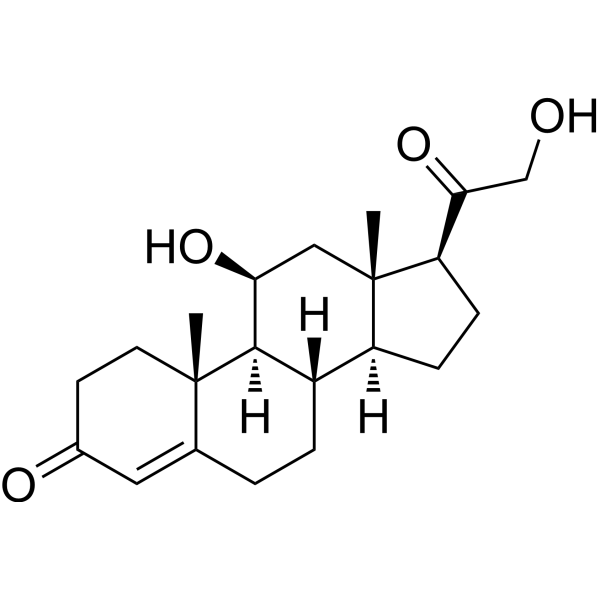
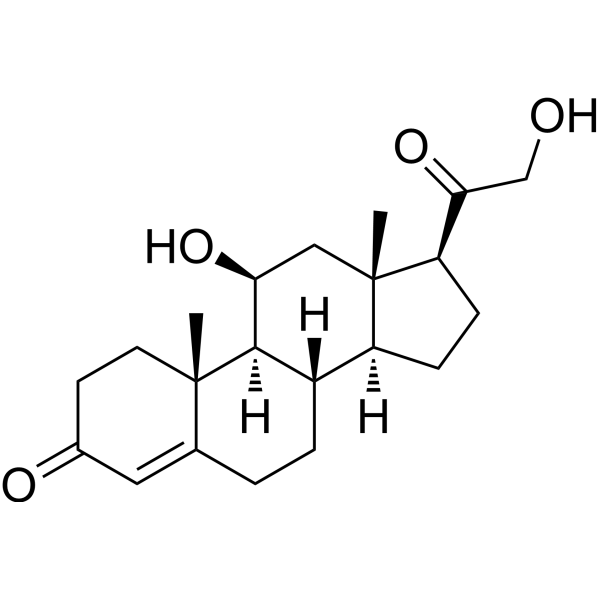
Corticosterone
Maximum Cited Publications
64 Publications Verification
17-Deoxycortisol; 11β,21-Dihydroxyprogesterone; Kendall's compound B
|
Glucocorticoid Receptor
Endogenous Metabolite
iGluR
|
Neurological Disease
Inflammation/Immunology
Endocrinology
|
|
Corticosterone (17-Deoxycortisol) is an orally active and adrenal cortex-produced glucocorticoid, which plays an important role in regulating neuronal functions of the limbic system (including hippocampus, prefrontal cortex, and amygdala). Corticosterone increases the Rab-mediated AMPAR membrane traffic via SGK-induced phosphorylation of GDI. Corticosterone also interferes with the maturation of dendritic cells and shows a good immunosuppressive effect .
|
-
-
- HY-16268
-
|
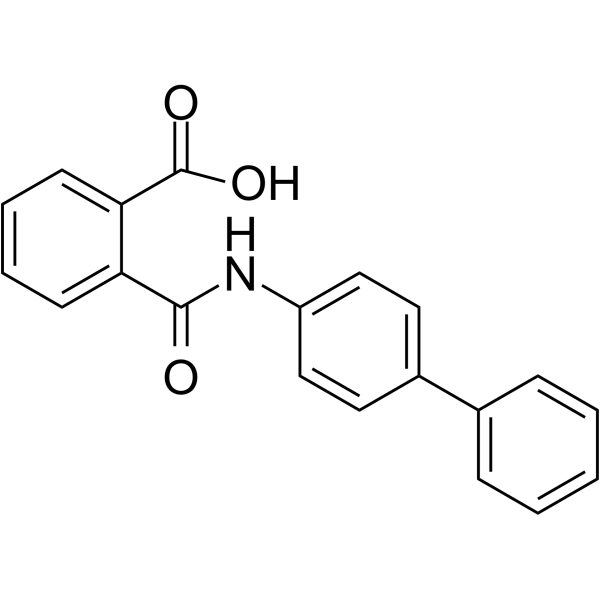
KGN
|
TGF-beta/Smad
|
Inflammation/Immunology
|
|
Kartogenin (KGN) is an inducer of chondrogenic tissue formation (EC50: 100 nM). Kartogenin induces chondrogenesis by binding to fibrin A, disrupting its interaction with the transcription factor core binding factor beta subunit (CBFβ), and by modulating the CBFβ-RUNX1 transcriptional program. Kartogenin also promotes tendon-bone junction (TBJ) wound healing by stimulating collagen synthesis. Kartogenin is widely used in cell-free therapy in the field of regeneration for cartilage regeneration and protection, tendon-bone healing, wound healing and limb development. Kartogenin promotes cartilage repair, coordinates limb development, and is also used in osteoarthritis (OA) research .
|
-
-
- HY-D0227
-
THAM
1 Publications Verification
Tris; Tris(hydroxymethyl)aminomethane
|
Biochemical Assay Reagents
|
Metabolic Disease
|
|
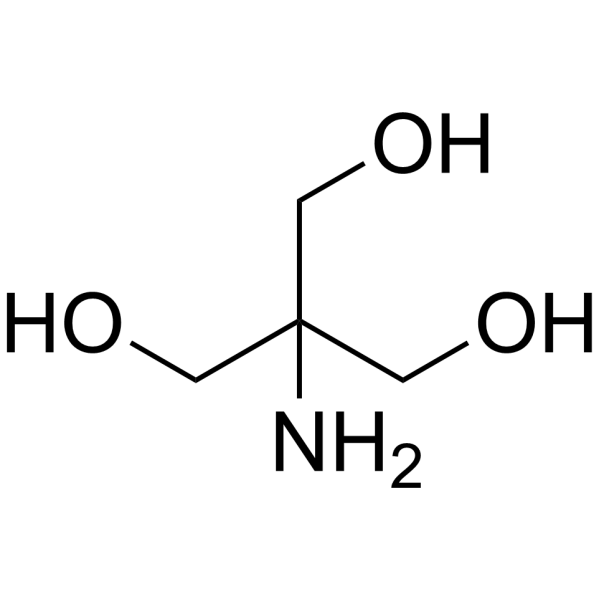
THAM (Tris) is a low-toxicity amino alcohol buffer, a specific CO2-consuming proton acceptor that buffers carbon dioxide and acid both in vitro and in vivo. THAM binds protons to form bicarbonate, reduces PaCO2, and induces intracellular alkalization, thereby ameliorating hypercapnia-induced elevation of pulmonary blood vessels and pulmonary arterial pressure. THAM may cause PaCO2 rebound, hypoglycemia, and respiratory depression. THAM removes amniotic epithelium and preserves the basement membrane, but depletes extracellular matrix and reduces the adhesion rate of limbal epithelial cells. THAM can act as a CO2 carrier to enhance the productivity and carbon utilization rate of Scenedesmus obliquus. THAM is a key component of buffer solutions used in various biological, cell culture, biochemical, and molecular biology applications .
|
-
-
- HY-108786
-
|
ENB-0040
|
Phosphatase
|
Metabolic Disease
|
|
Asfotase alfa (ENB-0040) is a bone-targeted genetically engineered glycoprotein. Asfotase alfa increases the survival rate, bone mineralization and bone length and prevents mineralization defects of the feet, rib cage, lower limbs, jaw bones in Akp2 / knockout mice. Asfotase alfa can be used for the research of perinatal, infantile, and juvenile-onset hypophosphatasia (HPP) .
|
-
-
- HY-B0199A
-
|
RS 61443 hydrochloride; TM-MMF hydrochloride
|
Interleukin Related
|
Inflammation/Immunology
|
|
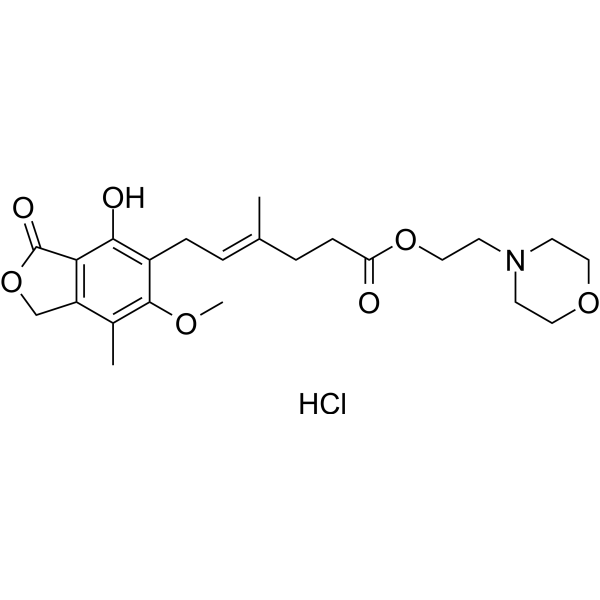
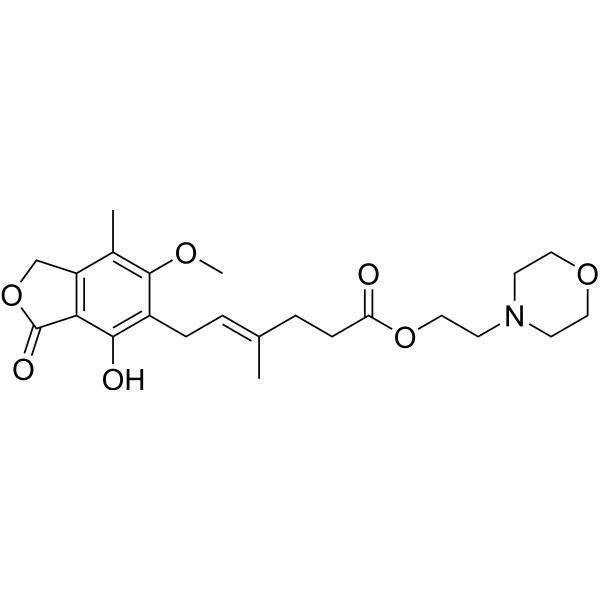
Mycophenolate mofetil (RS 61443; TM-MMF) hydrochloride is an orally active antimetabolic immunosuppressant with antiproliferative and anti-inflammatory properties. Mycophenolate mofetil hydrochloride significantly inhibits the production of B, T lymphocytes and the proliferation of smooth muscle cells by selectively blocking the de novo purine synthesis pathway. Mycophenolate mofetil hydrochloride effectively reduces adventitial inflammation, medial necrosis and intimal thickening in rat aortic allografts, and decreases the number of lymphocytes expressing the IL-2 receptor, thereby delaying xenograft rejection. Mycophenolate mofetil hydrochloride shows certain toxicity in a hamster-to-rat limb xenotransplantation model when used in combination with FK506 (HY-13756). Mycophenolate mofetil hydrochloride is widely used in studies related to allograft arteriosclerosis (chronic rejection) .
|
-
-
- HY-147332
-
|
|
Liposome
|
Neurological Disease
|
|
TCL053 is an ionizable lipid carrier and used to introduce active components, in particular nucleic acids, into cells with excellent efriciency. TCL053, together with DPPC (Dipalmitoylphosphatidylcholine), PEG-DMG (Polyethylene glycoldimyristoyl glycerol), and cholesterol, forms lipid nanoparticle (LNP) which is able to deliver Cas9 mRNA and sgRNA into skeletal muscle .
|
-
-
- HY-B1618R
-
|
17-Deoxycortisol(Standard); 11β,21-Dihydroxyprogesterone(Standard); Kendall's compound B (Standard)
|
Reference Standards
Glucocorticoid Receptor
Endogenous Metabolite
iGluR
|
Neurological Disease
Inflammation/Immunology
Endocrinology
|
|
Corticosterone (Standard) is the analytical standard of Corticosterone. This product is intended for research and analytical applications. Corticosterone (17-Deoxycortisol) is an orally active and adrenal cortex-produced glucocorticoid, which plays an important role in regulating neuronal functions of the limbic system (including hippocampus, prefrontal cortex, and amygdala). Corticosterone increases the Rab-mediated AMPAR membrane traffic via SGK-induced phosphorylation of GDI. Corticosterone also interferes with the maturation of dendritic cells and shows a good immunosuppressive effect .
|
-
-
- HY-D0227J
-
|
Tris HCl (≥99%, for cell culture); Tris hydrochloride (≥99%, for cell culture)
|
Biochemical Assay Reagents
|
Metabolic Disease
|
|
THAM hydrochloride (≥99%, for cell culture) is a low-toxicity amino alcohol buffer, a specific CO2-consuming proton acceptor that buffers carbon dioxide and acid both in vitro and in vivo. THAM hydrochloride (≥99%, for cell culture) binds protons to form bicarbonate, reduces PaCO2, and induces intracellular alkalization, thereby ameliorating hypercapnia-induced elevation of pulmonary blood vessels and pulmonary arterial pressure. THAM hydrochloride (≥99%, for cell culture) may cause PaCO2 rebound, hypoglycemia, and respiratory depression. THAM hydrochloride (≥99%, for cell culture) removes amniotic epithelium and preserves the basement membrane, but depletes extracellular matrix and reduces the adhesion rate of limbal epithelial cells. THAM hydrochloride (≥99%, for cell culture) can act as a CO2 carrier to enhance the productivity and carbon utilization rate of Scenedesmus obliquus. THAM hydrochloride (≥99%, for cell culture) is a key component of buffer solutions used in various biological, cell culture, biochemical, and molecular biology applications .
|
-
-
- HY-P99588
-
|
MYO-029
|
TGF-β Receptor
|
Metabolic Disease
|
|
Stamulumab (MYO-029) is a recombinant human IgG1λ antibody that binds to myostatin and neutralizes its activity by preventing binding to its endogenous high-affinity receptor ActRIIB. Stamulumab leads to muscle fiber hypertrophy and not hyperplasia in SCID mice. Stamulumab has the potential for Becker muscular dystrophy (BMD), facioscapulohumeral dystrophy (FSHD), and limb-girdle muscular dystrophy (LGMD) research .
|
-
-
- HY-119176
-
|
|
Environmental Pollutants
Protoporphyrinogen IX oxidase
Herbicide
|
Others
|
|
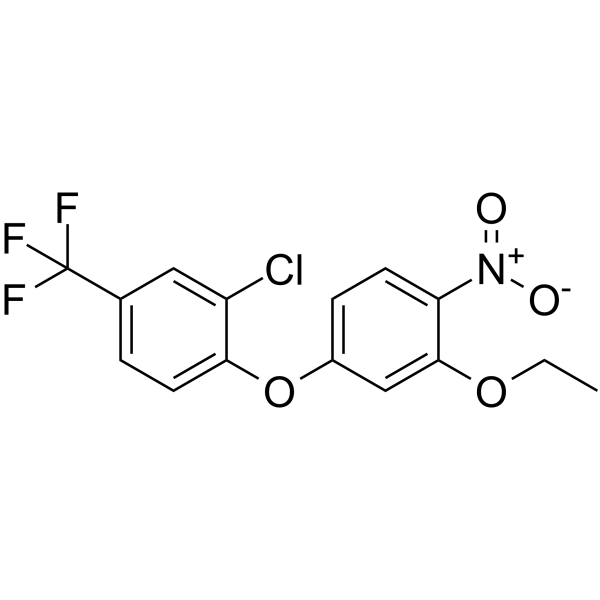
Oxyfluorfen is a pre- and post-emergence diphenyl ether herbicide to control annual broad-leaved and grass weeds. Oxyfluorfen is a protoporphyrinogen oxidase inhibitor and inhibits photosynthesis by blocking chlorophyll synthesis. Oxyfluorfen can inhibit cell growth. Oxyfluorfen induces DNA damage and exhibits toxicity toward aquatic organisms such as Paramisgurnus dabryanus. Oxyfluorfen has genome-level deleterious effects on fish that can lead to stunted skeletal growth. Oxyfluorfen induces transverse limb deficiency or craniosynostosis .
|
-
-
- HY-135700
-
|
|
Calcineurin
Ras
HMG-CoA Reductase (HMGCR)
|
Metabolic Disease
Inflammation/Immunology
|
|
Mevalonolactone is an intermediate metabolite in the eukaryotic mevalonate pathway, serving as the stable δ-lactone form of mevalonate with oral activity. Mevalonolactone exhibits binding affinity for ZNF384 (Ka = 12.6 μM) and inhibitory activity against aconitase (aconitase). Mevalonolactone promotes the nuclear localization of ZNF384 and enhances its binding to the GGPPS promoter. Mevalonolactone induces insulin resistance, disrupts glucose and lipid metabolism, enhances the isoprenylation of K-Ras, and inhibits the activation of the insulin signaling pathway. Mevalonolactone inhibits polypeptide synthesis of HMG-CoA reductase in isolated rat hepatocytes, promotes its degradation, and reduces its enzymatic activity. Mevalonolactone impairs mitochondrial function in rat brains. Mevalonolactone promotes the development of metabolically unhealthy obesity. Mevalonolactone can be used in research related to metabolically abnormal obesity, mevalonic aciduria, HMGCR-related limb-girdle myopathy, and statin-induced myopathy .
|
-
-
- HY-176886
-
|
|
Large Tumor Suppressor (LATS)
YAP
|
Others
|
LATS-IN-2 is an efficiently acting LATS (large tumor suppressor kinase) inhibitor. LATS-IN-2 shows potent inhibitory activity against LATS1 with an IC50 value of 1.3 nM. LATS-IN-2 suppresses the phosphorylation of YAP by inhibiting LATS kinase activity. LATS-IN-2 increases the thickness of the epidermis in mice. LATS-IN-2 can be used for the study of ocular diseases such as limbal stem cell deficiency and corneal endothelial dysfunction .
|
-
-
- HY-P5911
-
|
|
iGluR
|
Inflammation/Immunology
|
|
GluN1 (359-378) is an anti-N-methyl-D-aspartate
receptor (NMDAR) peptide. GluN1 (359-378) can cross the blood-brain barrier.
GluN1 (359-378) can be used to study anti-NMDAR encephalitis therapy targeting
the immune system .
|
-
-
- HY-165607S
-
|
|
Piezo Channel
Isotope-Labeled Compounds
ERK
CaMK
|
Metabolic Disease
|
|
MCB-22-174 is a deuterated Piezo1 agonist, with an EC50 value of 6.28 μM. MCB-22-174 remarkably activates the CaMKII/ERK signaling pathway and initiates Ca 2+ influx in rMSCs. MCB-22-174 significantly decreases the expression of chondrogenesis markers (Comp, Acan) and adipogenesis markers (Lpl, Fabp4) in MSCs. MCB-22-174 can effectively improve bone quality in hind-limb unloading (HU) model rats. MCB-22-174 can be used for the study of disuse osteoporosis (OP) .
|
-
-
- HY-B0199S
-
|
|
Isotope-Labeled Compounds
Interleukin Related
|
Cancer
|
|
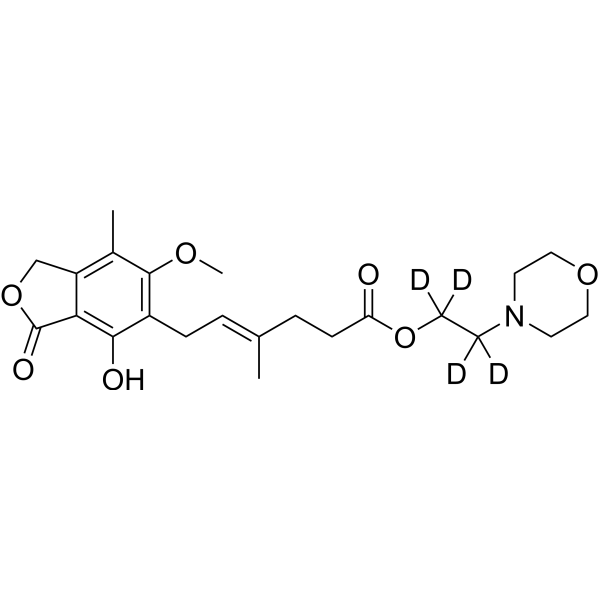
Mycophenolate Mofetil-d4 is the deuterium labeled Mycophenolate Mofetil. Mycophenolate mofetil (RS 61443; TM-MMF) hydrochloride is an orally active antimetabolic immunosuppressant with antiproliferative and anti-inflammatory properties. Mycophenolate mofetil hydrochloride significantly inhibits the production of B, T lymphocytes and the proliferation of smooth muscle cells by selectively blocking the de novo purine synthesis pathway. Mycophenolate mofetil hydrochloride effectively reduces adventitial inflammation, medial necrosis and intimal thickening in rat aortic allografts, and decreases the number of lymphocytes expressing the IL-2 receptor, thereby delaying xenograft rejection. Mycophenolate mofetil hydrochloride shows certain toxicity in a hamster-to-rat limb xenotransplantation model when used in combination with FK506 (HY-13756). Mycophenolate mofetil hydrochloride is widely used in studies related to allograft arteriosclerosis (chronic rejection) .
|
-
-
- HY-16268A
-
|
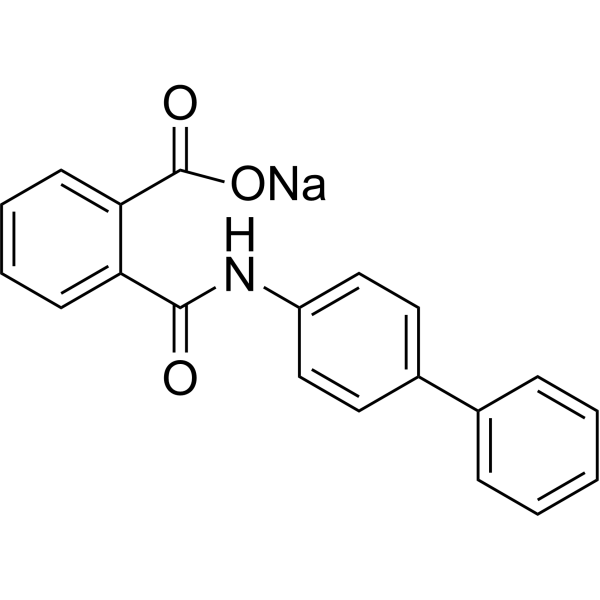
KGN sodium
|
TGF-beta/Smad
|
Inflammation/Immunology
|
|
Kartogenin (KGN) sodium is an inducer of chondrogenic tissue formation (EC50: 100 nM). Kartogenin sodium induces chondrogenesis by binding to fibrin A, disrupting its interaction with the transcription factor core binding factor beta subunit (CBFβ), and by modulating the CBFβ-RUNX1 transcriptional program. Kartogenin sodium also promotes tendon-bone junction (TBJ) wound healing by stimulating collagen synthesis. Kartogenin sodium is widely used in cell-free therapy in the field of regeneration for cartilage regeneration and protection, tendon-bone healing, wound healing and limb development. Kartogenin sodium promotes cartilage repair, coordinates limb development, and is also used in osteoarthritis (OA) research .
|
-
-
- HY-P10586A
-
|
MALP-2 TFA
|
Toll-like Receptor (TLR)
NO Synthase
|
Cardiovascular Disease
Metabolic Disease
|
|
Macrophage-activating lipopeptide 2 TFA is an agonist of Toll like receptors TLR-2/TLR-6. Macrophage-activating lipopeptide-2 enhances endothelial nitric oxide synthase (eNOS) phosphorylation and endothelial cell release of NO, thereby improving vasodilation. Macrophage-activating lipopeptide-2 enhances endothelial adhesion of white blood cells and improve perfusion recovery and collateral growth in the hind limbs of hypercholesterolemic Apoe deficient mice undergoing experimental femoral artery ligation (FAL) .
|
-
-
- HY-D0227B
-
|
Tris acetate; Tris(hydroxymethyl)aminomethane acetate
|
Biochemical Assay Reagents
|
Metabolic Disease
|
|
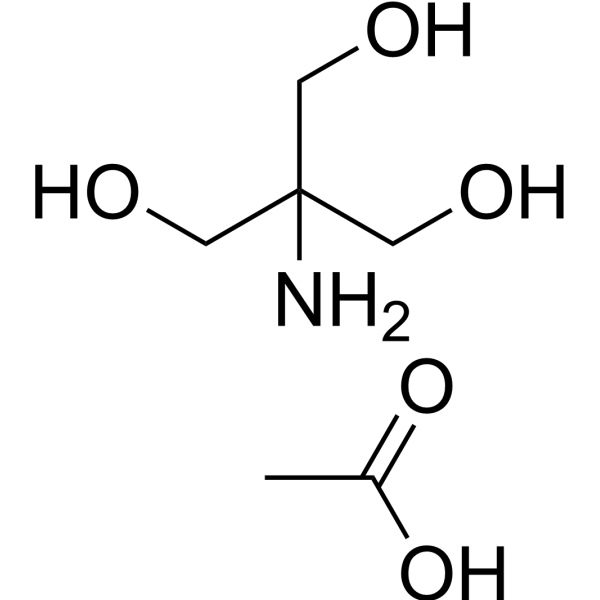
THAM acetate is a low-toxicity amino alcohol buffer, a CO2-consuming proton acceptor that buffers carbon dioxide and acid both in vitro and in vivo. THAM acetate binds protons to form bicarbonate, reduces PaCO2, and induces intracellular alkalization, thereby ameliorating hypercapnia-induced elevation of pulmonary blood vessels and pulmonary arterial pressure. THAM acetate may cause PaCO2 rebound, hypoglycemia, and respiratory depression. THAM acetate removes amniotic epithelium and preserves the basement membrane, but depletes extracellular matrix and reduces the adhesion rate of limbal epithelial cells. THAM acetate can act as a CO2 carrier to enhance the productivity and carbon utilization rate of Scenedesmus obliquus. THAM acetate is a key component of buffer solutions used in various biological, cell culture, biochemical, and molecular biology applications .
|
-
-
- HY-B0199R
-
|
RS 61443 (Standard); TM-MMF (Standard)
|
Reference Standards
Interleukin Related
|
Cancer
|
|
Mycophenolate Mofetil (Standard) is the analytical standard of Mycophenolate Mofetil. This product is intended for research and analytical applications. Mycophenolate mofetil (RS 61443; TM-MMF) hydrochloride is an orally active antimetabolic immunosuppressant with antiproliferative and anti-inflammatory properties. Mycophenolate mofetil hydrochloride significantly inhibits the production of B, T lymphocytes and the proliferation of smooth muscle cells by selectively blocking the de novo purine synthesis pathway. Mycophenolate mofetil hydrochloride effectively reduces adventitial inflammation, medial necrosis and intimal thickening in rat aortic allografts, and decreases the number of lymphocytes expressing the IL-2 receptor, thereby delaying xenograft rejection. Mycophenolate mofetil hydrochloride shows certain toxicity in a hamster-to-rat limb xenotransplantation model when used in combination with FK506 (HY-13756). Mycophenolate mofetil hydrochloride is widely used in studies related to allograft arteriosclerosis (chronic rejection) .
|
-
-
- HY-142693
-
|
|
HIF/HIF Prolyl-Hydroxylase
|
Metabolic Disease
|
|
Angiogenesis agent 1 (compound C-31) is a salidroside-derivated glycoside analogue. Angiogenesis agent 1 is an activator of the HIF-1α pathway. Angiogenesis agent 1 has the potential for the research of diabetic hind limb ischemia .
|
-
-
- HY-W751099
-
|
17-Deoxycortisol-13C3; 11β,21-Dihydroxyprogesterone-13C3; Kendall's compound B-13C3
|
Isotope-Labeled Compounds
|
Others
|
|
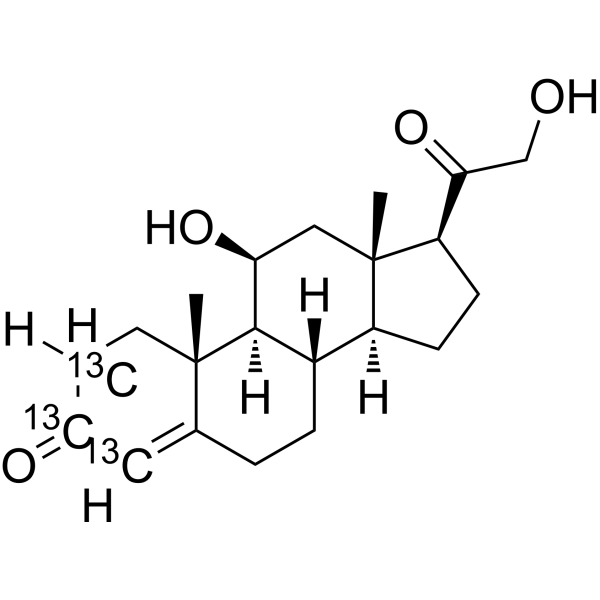
Corticosterone- 13C3 is a 13C-labeled corticosterone (HY-B1618). Corticosterone (17-Deoxycortisol) is an orally available glucocorticoid that can regulate limbic system neurons and has good immunosuppressive activity.
|
-
-
- HY-P10586
-
|
MALP-2
|
Toll-like Receptor (TLR)
NO Synthase
|
Cardiovascular Disease
|
|
Macrophage-activating lipopeptide 2 (MALP-2) is an agonist of Toll like receptors TLR-2/TLR-6. Macrophage-activating lipopeptide-2 can enhance endothelial nitric oxide synthase (eNOS) phosphorylation and endothelial cell release of NO, thereby improving vasodilation. Macrophage-activating lipopeptide-2 can enhance endothelial adhesion of white blood cells and improve perfusion recovery and collateral growth in the hind limbs of hypercholesterolemic Apoe deficient mice undergoing experimental femoral artery ligation (FAL) .
|
-
-
- HY-106943
-
|
|
Dopamine Receptor
5-HT Receptor
|
Neurological Disease
|
|
1192U90 is an antipsychotic agent, dopamine D2 receptor antagonist as well as serotonin 5-HT1a receptor agonist. 1192U90 reduces the number of spontaneously firing neurons in the limbic dopamine system .
|
-
-
- HY-174702
-
|
|
mRNA
|
Neurological Disease
|
|
Human FGF2 mRNA encodes the human fibroblast growth factor 2 (FGF2) protein, a member of the fibroblast growth factor (FGF) family. FGF2 has been implicated in diverse biological processes, such as limb and nervous system development, wound healing, and tumor growth.
|
-
-
- HY-N6609
-
|
|
nAChR
|
Others
|
|
Magnocurarine is a neuromuscular junction blocker that inhibits muscle contraction by functionally blocking signal transmission without directly damaging nerve or muscle tissues. In frog, mouse and rabbit models, Magnocurarine exerts a dose-dependent paralytic effect, which progresses gradually from limb weakness and loss of righting reflex to respiratory depression and even cardiac arrest. Although high doses cause complete cessation of movement, Magnocurarine does not affect the spinal multineuronal reflex in frogs. Magnocurarine exhibits biological activity similar to that of tubocurarine (HY-125901) in various animal models .
|
-
-
- HY-B0199AS
-
|
RS 61443-d4 hydrochloride; TM-MMF-d4 hydrochloride
|
Isotope-Labeled Compounds
Interleukin Related
|
Cancer
|
|
Mycophenolate Mofetil-d4 hydrochloride is deuterated labeled Mycophenolate mofetil hydrochloride (HY-B0199A). Mycophenolate mofetil (RS 61443; TM-MMF) hydrochloride is an orally active antimetabolic immunosuppressant with antiproliferative and anti-inflammatory properties. Mycophenolate mofetil hydrochloride significantly inhibits the production of B, T lymphocytes and the proliferation of smooth muscle cells by selectively blocking the de novo purine synthesis pathway. Mycophenolate mofetil hydrochloride effectively reduces adventitial inflammation, medial necrosis and intimal thickening in rat aortic allografts, and decreases the number of lymphocytes expressing the IL-2 receptor, thereby delaying xenograft rejection. Mycophenolate mofetil hydrochloride shows certain toxicity in a hamster-to-rat limb xenotransplantation model when used in combination with FK506 (HY-13756). Mycophenolate mofetil hydrochloride is widely used in studies related to allograft arteriosclerosis (chronic rejection) .
|
-
-
- HY-B1971S
-
|
Decamethrin-d5
|
Isotope-Labeled Compounds
Endogenous Metabolite
|
Cancer
|
|
Deltamethrin-d5 is the deuterium labeled Deltamethrin. Deltamethrin (Decamethrin), a neurotoxic pyrethroid insecticide, produces a reversible sequence of motor symptoms in rats involving hind limb rigidity and choreoathetosis .
|
-
-
- HY-174477
-
|
|
mRNA
|
Cardiovascular Disease
|
|
Mouse Tbx5 mRNA encodes the mouse T-box 5 (Tbx5) protein, a DNA-binding protein that regulates the transcription of several genes. Tbx5 is involved in heart development and limb pattern formation.
|
-
-
- HY-174554
-
|
|
mRNA
|
Cancer
|
|
Human PAX9 mRNA encodes the human paired box 9 (PAX9) protein, a member of the paired box (PAX) family. PAX9 is required for normal development of thymus, parathyroid glands, ultimobranchial bodies, teeth, skeletal elements of skull and larynx as well as distal limbs.
|
-
-
- HY-146435
-
|
|
TNF Receptor
|
Inflammation/Immunology
|
|
Anti-inflammatory agent 22 (compound 14a) is an orally active anti-inflammatory agent. Anti-inflammatory agent 22 inhibits LPS-induced TNF-α production with an IC50 value of 14.6 μM. Anti-inflammatory agent 22 has preventive effects on lymphedematous tissue via suppression of adipogenesis. Anti-inflammatory agent 22 suppresses limb lymphedema volume in mice .
|
-
-
- HY-118233
-
|
M 17055
|
Chloride Channel
|
Neurological Disease
|
|
Alilusem potassium is a diuretic. In anesthetized dogs undergoing water diuresis, Alilusem potassium effectively decreased free water clearance and increased Na+ and Cl- levels in excreted urine. When combined with Furosemide (HY-B0135) or Hydrochlorothiazid, Alilusem potassium further inhibited free water clearance. Alilusem potassium inhibited the lumen-positive transepithelial voltage and lumen-to-cistern Cl- flux in isolated rabbit cortical thick ascending limbs of Henle .
|
-
-
- HY-119176R
-
|
|
Herbicide
Reference Standards
Protoporphyrinogen IX oxidase
|
Others
|
|
Oxyfluorfen (Standard) is the analytical standard of Oxyfluorfen. This product is intended for research and analytical applications. Oxyfluorfen is a pre- and post-emergence diphenyl ether herbicide to control annual broad-leaved and grass weeds. Oxyfluorfen is a protoporphyrinogen oxidase inhibitor and inhibits photosynthesis by blocking chlorophyll synthesis. Oxyfluorfen can inhibit cell growth. Oxyfluorfen induces DNA damage and exhibits toxicity toward aquatic organisms such as Paramisgurnus dabryanus. Oxyfluorfen has genome-level deleterious effects on fish that can lead to stunted skeletal growth. Oxyfluorfen induces transverse limb deficiency or craniosynostosis .
|
-
-
- HY-178016
-
|
|
Histamine Receptor
|
Neurological Disease
|
|
H3R antagonist 8 is a selective nonimidazole histamine H3 receptor antagonist (IC50 = 0.35 μM). H3R antagonist 8 exhibits hERG channel blockade activity (IC50 = 0.67 μM). H3R antagonist 8 inhibits seizures by antagonizing H3 receptor. H3R antagonist 8 reduces tonic hind limb extension (THLE) in mice in the maximal electroshock seizure (MES) model (ED50 = 20.21 mg/kg) and and shortens pentylenetetrazol (PTZ)-induced total movement distance in AB strain zebrafish larvae. H3R antagonist 8 can be used for the study of epilepsy .
|
-
-
- HY-180422
-
|
|
Dopamine Receptor
|
Neurological Disease
|
|
(-)-UH 232 is a central dopamine (DA) receptor agonist. (-)-UH 232 weakly decreases 3, 4-dihydroxyphenylalanine (DOPA) formation in striatal and limbic brain regions in rats. (-)-UH 232 can be used for the research of neurological diseases including parkinson's disease and schizophrenia .
|
-
-
- HY-125347
-
|
|
Drug Derivative
|
Others
|
|
TA-993 is a compound that increases limb blood flow. Its effect of increasing limb blood flow is mediated through the sympathetic nervous system, but not through adrenergic receptors, and its mechanism of action on heart rate may be different.
|
-
-
- HY-14835
-
|
SSR240600
|
Others
|
Others
|
|
Burapitant (SSR240600) is a compound that modulates cholinergic transmission and regulates acetylcholine release in the limbic/prefrontal region of the rat striatum, with its effects being influenced by the interaction of 5-HT? and 5-HT? receptors.
|
-
-
- HY-174538
-
|
|
mRNA
|
Cardiovascular Disease
|
|
Human TBX5 mRNA encodes the human T-box transcription factor 5 (TBX5) protein, a member of a phylogenetically conserved family. TBX5 is a DNA-binding protein that regulates the transcription of several genes and also involved in heart development and limb pattern formation.
|
-
-
- HY-N6609B
-
|
|
nAChR
|
Cardiovascular Disease
|
|
Magnocurarine chloride is a neuromuscular junction blocker that inhibits muscle contraction by functionally blocking signal transmission without directly damaging nerve or muscle tissues. In frog, mouse and rabbit models, Magnocurarine chloride exerts a dose-dependent paralytic effect, which progresses gradually from limb weakness and loss of righting reflex to respiratory depression and even cardiac arrest. Although high doses cause complete cessation of movement, Magnocurarine chloride does not affect the spinal multineuronal reflex in frogs. Magnocurarine chloride exhibits biological activity similar to that of tubocurarine (HY-125901) in various animal models .
|
-
-
- HY-183764
-
|
|
COX
Lipoxygenase
TNF Receptor
Interleukin Related
MMP
|
Inflammation/Immunology
|
|
COX-2/5-LOX-IN-8 is an orally active dual COX-2/5-LOX inhibitor, with an IC50 of 6.30 μM against sheep-derived COX-2 and an IC50 of 8.09 μM against 5-LOX. COX-2/5-LOX-IN-8 acts as a membrane stabilizer that stabilizes erythrocyte membranes against hypotonicity-induced hemolysis. COX-2/5-LOX-IN-8 functions as a protein stabilizer that inhibits heat-induced denaturation of bovine serum albumin. COX-2/5-LOX-IN-8 reduces paw swelling, improves hind limb weight-bearing function, decreases serum levels of pro-inflammatory cytokines (TNF-α, IL-1β, IL-6, CRP), and lowers serum levels of cartilage degradation biomarkers (COMP, MMP-3, CTX-II). COX-2/5-LOX-IN-8 can be used in the research of osteoarthritis .
|
-
-
- HY-182386
-
|
|
NKCC
|
Metabolic Disease
Endocrinology
|
|
Triflocin is an orally active diuretic and Na +-K +-2Cl − cotransporter inhibitor with an IC50 of 3×10 -5 M. Triflocin inhibits the outward basolateral electrogenic Na-(HCO3) n>1 cotransport in the proximal tubule. Triflocin has no tendency to induce hyperglycemia, and its blood glucose-elevating effect is extremely weak, such that an increase in blood glucose levels can only be detected under special conditions such as glucose loading. Triflocin is more prone to induce hypoglycemia .
|
-
| Cat. No. |
Product Name |
Type |
-
- HY-147332
-
|
|
Biochemical Assay Reagents
|
|
TCL053 is an ionizable lipid carrier and used to introduce active components, in particular nucleic acids, into cells with excellent efriciency. TCL053, together with DPPC (Dipalmitoylphosphatidylcholine), PEG-DMG (Polyethylene glycoldimyristoyl glycerol), and cholesterol, forms lipid nanoparticle (LNP) which is able to deliver Cas9 mRNA and sgRNA into skeletal muscle .
|
-
- HY-D0227J
-
|
Tris HCl (≥99%, for cell culture); Tris hydrochloride (≥99%, for cell culture)
|
Biochemical Assay Reagents
|
|
THAM hydrochloride (≥99%, for cell culture) is a low-toxicity amino alcohol buffer, a specific CO2-consuming proton acceptor that buffers carbon dioxide and acid both in vitro and in vivo. THAM hydrochloride (≥99%, for cell culture) binds protons to form bicarbonate, reduces PaCO2, and induces intracellular alkalization, thereby ameliorating hypercapnia-induced elevation of pulmonary blood vessels and pulmonary arterial pressure. THAM hydrochloride (≥99%, for cell culture) may cause PaCO2 rebound, hypoglycemia, and respiratory depression. THAM hydrochloride (≥99%, for cell culture) removes amniotic epithelium and preserves the basement membrane, but depletes extracellular matrix and reduces the adhesion rate of limbal epithelial cells. THAM hydrochloride (≥99%, for cell culture) can act as a CO2 carrier to enhance the productivity and carbon utilization rate of Scenedesmus obliquus. THAM hydrochloride (≥99%, for cell culture) is a key component of buffer solutions used in various biological, cell culture, biochemical, and molecular biology applications .
|
| Cat. No. |
Product Name |
Target |
Research Area |
-
- HY-P5911
-
|
|
iGluR
|
Inflammation/Immunology
|
|
GluN1 (359-378) is an anti-N-methyl-D-aspartate
receptor (NMDAR) peptide. GluN1 (359-378) can cross the blood-brain barrier.
GluN1 (359-378) can be used to study anti-NMDAR encephalitis therapy targeting
the immune system .
|
-
- HY-P10586A
-
|
MALP-2 TFA
|
Toll-like Receptor (TLR)
NO Synthase
|
Cardiovascular Disease
Metabolic Disease
|
|
Macrophage-activating lipopeptide 2 TFA is an agonist of Toll like receptors TLR-2/TLR-6. Macrophage-activating lipopeptide-2 enhances endothelial nitric oxide synthase (eNOS) phosphorylation and endothelial cell release of NO, thereby improving vasodilation. Macrophage-activating lipopeptide-2 enhances endothelial adhesion of white blood cells and improve perfusion recovery and collateral growth in the hind limbs of hypercholesterolemic Apoe deficient mice undergoing experimental femoral artery ligation (FAL) .
|
-
- HY-P3765
-
|
|
Peptides
|
Cardiovascular Disease
|
|
Auriculin A is a synthetic atrial natriuretic factor (ANF) with hemodynamic effect. Auriculin A antagonizes renal vasoconstriction in the dog, and influences on arterial baroreflex control of heart rate, systemic blood pressure, and perfusion pressure in the hind limb (perfused at constant flow) in rabbits .
|
-
- HY-P10586
-
|
MALP-2
|
Toll-like Receptor (TLR)
NO Synthase
|
Cardiovascular Disease
|
|
Macrophage-activating lipopeptide 2 (MALP-2) is an agonist of Toll like receptors TLR-2/TLR-6. Macrophage-activating lipopeptide-2 can enhance endothelial nitric oxide synthase (eNOS) phosphorylation and endothelial cell release of NO, thereby improving vasodilation. Macrophage-activating lipopeptide-2 can enhance endothelial adhesion of white blood cells and improve perfusion recovery and collateral growth in the hind limbs of hypercholesterolemic Apoe deficient mice undergoing experimental femoral artery ligation (FAL) .
|
| Cat. No. |
Product Name |
Target |
Research Area |
Image |
-
- HY-108786
-
|
ENB-0040
|
Phosphatase
|
Metabolic Disease
|
|
Asfotase alfa (ENB-0040) is a bone-targeted genetically engineered glycoprotein. Asfotase alfa increases the survival rate, bone mineralization and bone length and prevents mineralization defects of the feet, rib cage, lower limbs, jaw bones in Akp2 / knockout mice. Asfotase alfa can be used for the research of perinatal, infantile, and juvenile-onset hypophosphatasia (HPP) .
|
-
(5)
-
- HY-P99588
-
|
MYO-029
|
TGF-β Receptor
|
Metabolic Disease
|
|
Stamulumab (MYO-029) is a recombinant human IgG1λ antibody that binds to myostatin and neutralizes its activity by preventing binding to its endogenous high-affinity receptor ActRIIB. Stamulumab leads to muscle fiber hypertrophy and not hyperplasia in SCID mice. Stamulumab has the potential for Becker muscular dystrophy (BMD), facioscapulohumeral dystrophy (FSHD), and limb-girdle muscular dystrophy (LGMD) research .
|
-
(5)
| Cat. No. |
Product Name |
Category |
Target |
Chemical Structure |
-
- HY-B1618
-
-
-
- HY-B0199A
-
|
RS 61443 hydrochloride; TM-MMF hydrochloride
|
Structural Classification
Monophenols
Classification of Application Fields
Phenols
Endogenous metabolite
Disease Research Fields
Source Classification
Cancer
|
Interleukin Related
|
|
Mycophenolate mofetil (RS 61443; TM-MMF) hydrochloride is an orally active antimetabolic immunosuppressant with antiproliferative and anti-inflammatory properties. Mycophenolate mofetil hydrochloride significantly inhibits the production of B, T lymphocytes and the proliferation of smooth muscle cells by selectively blocking the de novo purine synthesis pathway. Mycophenolate mofetil hydrochloride effectively reduces adventitial inflammation, medial necrosis and intimal thickening in rat aortic allografts, and decreases the number of lymphocytes expressing the IL-2 receptor, thereby delaying xenograft rejection. Mycophenolate mofetil hydrochloride shows certain toxicity in a hamster-to-rat limb xenotransplantation model when used in combination with FK506 (HY-13756). Mycophenolate mofetil hydrochloride is widely used in studies related to allograft arteriosclerosis (chronic rejection) .
|
-
-
- HY-B1618R
-
-
-
- HY-135700
-
|
|
Structural Classification
Microorganisms
Other Phenylpropanoids
Phenylpropanoids
Source Classification
|
Calcineurin
Ras
HMG-CoA Reductase (HMGCR)
|
|
Mevalonolactone is an intermediate metabolite in the eukaryotic mevalonate pathway, serving as the stable δ-lactone form of mevalonate with oral activity. Mevalonolactone exhibits binding affinity for ZNF384 (Ka = 12.6 μM) and inhibitory activity against aconitase (aconitase). Mevalonolactone promotes the nuclear localization of ZNF384 and enhances its binding to the GGPPS promoter. Mevalonolactone induces insulin resistance, disrupts glucose and lipid metabolism, enhances the isoprenylation of K-Ras, and inhibits the activation of the insulin signaling pathway. Mevalonolactone inhibits polypeptide synthesis of HMG-CoA reductase in isolated rat hepatocytes, promotes its degradation, and reduces its enzymatic activity. Mevalonolactone impairs mitochondrial function in rat brains. Mevalonolactone promotes the development of metabolically unhealthy obesity. Mevalonolactone can be used in research related to metabolically abnormal obesity, mevalonic aciduria, HMGCR-related limb-girdle myopathy, and statin-induced myopathy .
|
-
-
- HY-B0199R
-
|
RS 61443 (Standard); TM-MMF (Standard)
|
Structural Classification
Monophenols
Phenols
Endogenous metabolite
Source Classification
|
Reference Standards
Interleukin Related
|
|
Mycophenolate Mofetil (Standard) is the analytical standard of Mycophenolate Mofetil. This product is intended for research and analytical applications. Mycophenolate mofetil (RS 61443; TM-MMF) hydrochloride is an orally active antimetabolic immunosuppressant with antiproliferative and anti-inflammatory properties. Mycophenolate mofetil hydrochloride significantly inhibits the production of B, T lymphocytes and the proliferation of smooth muscle cells by selectively blocking the de novo purine synthesis pathway. Mycophenolate mofetil hydrochloride effectively reduces adventitial inflammation, medial necrosis and intimal thickening in rat aortic allografts, and decreases the number of lymphocytes expressing the IL-2 receptor, thereby delaying xenograft rejection. Mycophenolate mofetil hydrochloride shows certain toxicity in a hamster-to-rat limb xenotransplantation model when used in combination with FK506 (HY-13756). Mycophenolate mofetil hydrochloride is widely used in studies related to allograft arteriosclerosis (chronic rejection) .
|
-
-
- HY-N6609
-
-
-
- HY-N6609B
-
|
|
Structural Classification
Alkaloids
Tiliacora racemosa Colebr.
Plants
Isoquinoline Alkaloids
Menispermaceae
Source Classification
|
nAChR
|
|
Magnocurarine chloride is a neuromuscular junction blocker that inhibits muscle contraction by functionally blocking signal transmission without directly damaging nerve or muscle tissues. In frog, mouse and rabbit models, Magnocurarine chloride exerts a dose-dependent paralytic effect, which progresses gradually from limb weakness and loss of righting reflex to respiratory depression and even cardiac arrest. Although high doses cause complete cessation of movement, Magnocurarine chloride does not affect the spinal multineuronal reflex in frogs. Magnocurarine chloride exhibits biological activity similar to that of tubocurarine (HY-125901) in various animal models .
|
-
| Cat. No. |
Compare |
Product Name |
Species |
Source |
Image |
Compare Products
|
| Products |
|
| Cat. No. |
|
| Species |
|
| Source |
|
| Tag |
|
| Accession |
|
| Gene ID |
|
| Molecular Weight |
|
| Purity |
|
| Endotoxin Level |
|
| Biological Activity |
|
| Appearance |
|
| Formulation |
|
| Storage & Stability |
|
| Shipping |
|
| Free Sample |
Yes
No
|
| Size |
* This product has been "discontinued".
Optimized version of product available:
|
| Cat. No. |
Product Name |
Chemical Structure |
-
- HY-165607S
-
|
|
|
MCB-22-174 is a deuterated Piezo1 agonist, with an EC50 value of 6.28 μM. MCB-22-174 remarkably activates the CaMKII/ERK signaling pathway and initiates Ca 2+ influx in rMSCs. MCB-22-174 significantly decreases the expression of chondrogenesis markers (Comp, Acan) and adipogenesis markers (Lpl, Fabp4) in MSCs. MCB-22-174 can effectively improve bone quality in hind-limb unloading (HU) model rats. MCB-22-174 can be used for the study of disuse osteoporosis (OP) .
|
-
-
- HY-B0199S
-
|
|
|
Mycophenolate Mofetil-d4 is the deuterium labeled Mycophenolate Mofetil. Mycophenolate mofetil (RS 61443; TM-MMF) hydrochloride is an orally active antimetabolic immunosuppressant with antiproliferative and anti-inflammatory properties. Mycophenolate mofetil hydrochloride significantly inhibits the production of B, T lymphocytes and the proliferation of smooth muscle cells by selectively blocking the de novo purine synthesis pathway. Mycophenolate mofetil hydrochloride effectively reduces adventitial inflammation, medial necrosis and intimal thickening in rat aortic allografts, and decreases the number of lymphocytes expressing the IL-2 receptor, thereby delaying xenograft rejection. Mycophenolate mofetil hydrochloride shows certain toxicity in a hamster-to-rat limb xenotransplantation model when used in combination with FK506 (HY-13756). Mycophenolate mofetil hydrochloride is widely used in studies related to allograft arteriosclerosis (chronic rejection) .
|
-
-
- HY-W751099
-
|
|
|
Corticosterone- 13C3 is a 13C-labeled corticosterone (HY-B1618). Corticosterone (17-Deoxycortisol) is an orally available glucocorticoid that can regulate limbic system neurons and has good immunosuppressive activity.
|
-
-
- HY-B0199AS
-
|
|
|
Mycophenolate Mofetil-d4 hydrochloride is deuterated labeled Mycophenolate mofetil hydrochloride (HY-B0199A). Mycophenolate mofetil (RS 61443; TM-MMF) hydrochloride is an orally active antimetabolic immunosuppressant with antiproliferative and anti-inflammatory properties. Mycophenolate mofetil hydrochloride significantly inhibits the production of B, T lymphocytes and the proliferation of smooth muscle cells by selectively blocking the de novo purine synthesis pathway. Mycophenolate mofetil hydrochloride effectively reduces adventitial inflammation, medial necrosis and intimal thickening in rat aortic allografts, and decreases the number of lymphocytes expressing the IL-2 receptor, thereby delaying xenograft rejection. Mycophenolate mofetil hydrochloride shows certain toxicity in a hamster-to-rat limb xenotransplantation model when used in combination with FK506 (HY-13756). Mycophenolate mofetil hydrochloride is widely used in studies related to allograft arteriosclerosis (chronic rejection) .
|
-
-
- HY-B1971S
-
|
|
|
Deltamethrin-d5 is the deuterium labeled Deltamethrin. Deltamethrin (Decamethrin), a neurotoxic pyrethroid insecticide, produces a reversible sequence of motor symptoms in rats involving hind limb rigidity and choreoathetosis .
|
-
| Cat. No. |
Product Name |
|
Classification |
-
- HY-147332
-
|
|
|
Cationic Lipids
|
|
TCL053 is an ionizable lipid carrier and used to introduce active components, in particular nucleic acids, into cells with excellent efriciency. TCL053, together with DPPC (Dipalmitoylphosphatidylcholine), PEG-DMG (Polyethylene glycoldimyristoyl glycerol), and cholesterol, forms lipid nanoparticle (LNP) which is able to deliver Cas9 mRNA and sgRNA into skeletal muscle .
|
-
- HY-174702
-
|
|
|
mRNA
Chemokine & Receptors
|
|
Human FGF2 mRNA encodes the human fibroblast growth factor 2 (FGF2) protein, a member of the fibroblast growth factor (FGF) family. FGF2 has been implicated in diverse biological processes, such as limb and nervous system development, wound healing, and tumor growth.
|
-
- HY-174477
-
|
|
|
mRNA
Transcription Factors
|
|
Mouse Tbx5 mRNA encodes the mouse T-box 5 (Tbx5) protein, a DNA-binding protein that regulates the transcription of several genes. Tbx5 is involved in heart development and limb pattern formation.
|
-
- HY-174554
-
|
|
|
mRNA
|
|
Human PAX9 mRNA encodes the human paired box 9 (PAX9) protein, a member of the paired box (PAX) family. PAX9 is required for normal development of thymus, parathyroid glands, ultimobranchial bodies, teeth, skeletal elements of skull and larynx as well as distal limbs.
|
-
- HY-174538
-
|
|
|
mRNA
Transcription Factors
|
|
Human TBX5 mRNA encodes the human T-box transcription factor 5 (TBX5) protein, a member of a phylogenetically conserved family. TBX5 is a DNA-binding protein that regulates the transcription of several genes and also involved in heart development and limb pattern formation.
|
Your information is safe with us. * Required Fields.
Inquiry Information
- Product Name:
- Cat. No.:
- Quantity:
- MCE Japan Authorized Agent:

