



164 Results for "

lipid lowering

" in MedChemExpress (MCE) Product Catalog:
Products (164)

164 Results for "lipid lowering" in MCE Product Catalog:

45
45 Publications Verification
Cat. No.: HY-114118
CAS No.: 910463-68-2
Purity:  99.84%
Semaglutide is a long-acting, selective, competitive GLP-1R agonist that can penetrate the blood-brain barrier. After activating GLP-1R, Semaglutide promotes insulin secretion, inhibits gastric emptying and appetite, and at the same time enhances autophagy, inhibits oxidative stress and apoptosis. Semaglutide also regulates mitochondrial function and lipid metabolism (such as reducing de novo lipogenesis in the liver). Semaglutide has activities such as lowering blood sugar, reducing weight, neuroprotection (such as improving motor function in Parkinson's disease models, reducing α-synuclein aggregation) and improving hepatic steatosis. Semaglutide can be used for the study of neurodegenerative diseases and liver diseases such as type 2 diabetes, obesity, Parkinson's disease, metabolic associated fatty liver disease (MASLD), and cancer .
loading...
    loading...
45
45 Publications Verification
Cat. No.: HY-114118B
CAS No.: 1997361-85-9
Purity:  99.92%
Semaglutide acetate is a long-acting, selective, competitive GLP-1R agonist that can penetrate the blood-brain barrier. After activating GLP-1R, Semaglutide acetate promotes insulin secretion, inhibits gastric emptying and appetite, and at the same time enhances autophagy, inhibits oxidative stress and apoptosis. Semaglutide acetate also regulates mitochondrial function and lipid metabolism (such as reducing de novo lipogenesis in the liver). Semaglutide acetate has activities such as lowering blood sugar, reducing weight, neuroprotection (such as improving motor function in Parkinson's disease models, reducing α-synuclein aggregation) and improving hepatic steatosis. Semaglutide acetate can be used for the study of neurodegenerative diseases and liver diseases such as type 2 diabetes, obesity, Parkinson's disease, metabolic associated fatty liver disease (MASLD), and cancer .
loading...
    loading...
45
45 Publications Verification
Cat. No.: HY-114118A
Purity:  99.92%
Semaglutide TFA is a long-acting, selective, competitive GLP-1R agonist that can penetrate the blood-brain barrier. After activating GLP-1R, Semaglutide TFA promotes insulin secretion, inhibits gastric emptying and appetite, and at the same time enhances autophagy, inhibits oxidative stress and apoptosis. Semaglutide TFA also regulates mitochondrial function and lipid metabolism (such as reducing de novo lipogenesis in the liver). Semaglutide TFA has activities such as lowering blood sugar, reducing weight, neuroprotection (such as improving motor function in Parkinson's disease models, reducing α-synuclein aggregation) and improving hepatic steatosis. Semaglutide TFA can be used for the study of neurodegenerative diseases and liver diseases such as type 2 diabetes, obesity, Parkinson's disease, metabolic associated fatty liver disease (MASLD), and cancer .
loading...
    loading...
13
13 Cited Publications
Cat. No.: HY-16643
CAS No.: 1345982-69-5
Synonyms: GSK2330672
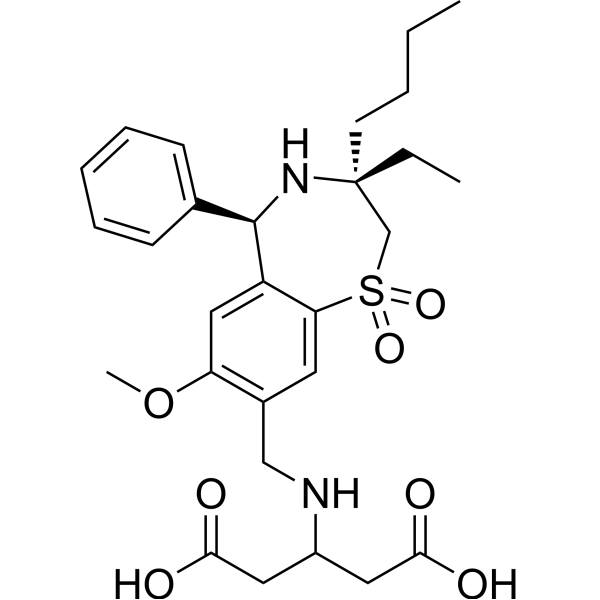
Linerixibat (GSK2330672) is a highly potent, nonabsorbable and orally active apical sodium-dependent bile acid transporter (ASBT) inhibitor with an IC50 of 42 nM human ASBT. Linerixibat can be used as lipid-lowering agent. Linerixibat has the potential for type 2 diabetes and Primary Biliary Cholangitis treatment .
loading...
    loading...
11
11 Cited Publications
Cat. No.: HY-N0264
CAS No.: 1124-11-4
Synonyms: Chuanxiongzine; Tetramethylpyrazine
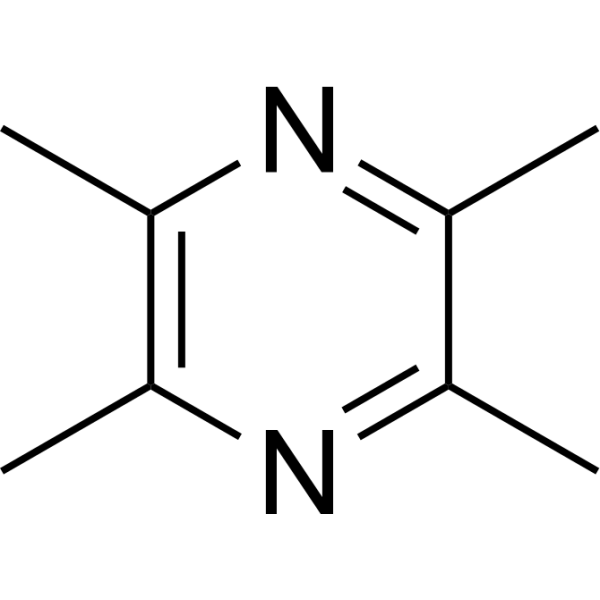
Ligustrazine (Chuanxiongzine) is an orally active, blood-brain barrier-permeable alkaloid. It can be isolated from Ligusticum striatum DC. Ligustrazine reduces ROS, upregulates the levels of p-Akt/Akt and p-eNOS/eNOS, and decreases ALT and AST. It inhibits glutamate excitotoxicity, calcium overload, oxidative stress, ischemia-reperfusion injury and atherosclerotic plaque progression, enhances synaptic plasticity, and improves neurological function, cerebral infarct volume and brain water content. Ligustrazine possesses anti-inflammatory, antioxidant, lipid-lowering, endothelial protective and hepatoprotective activities. It can be used in studies related to ischemic stroke, cerebral ischemia-reperfusion injury and atherosclerosis .
loading...
    loading...
11
11 Cited Publications
Cat. No.: HY-N0935
CAS No.: 76494-51-4
Synonyms: Chuanxiongzine hydrochloride; Tetramethylpyrazine hydrochloride
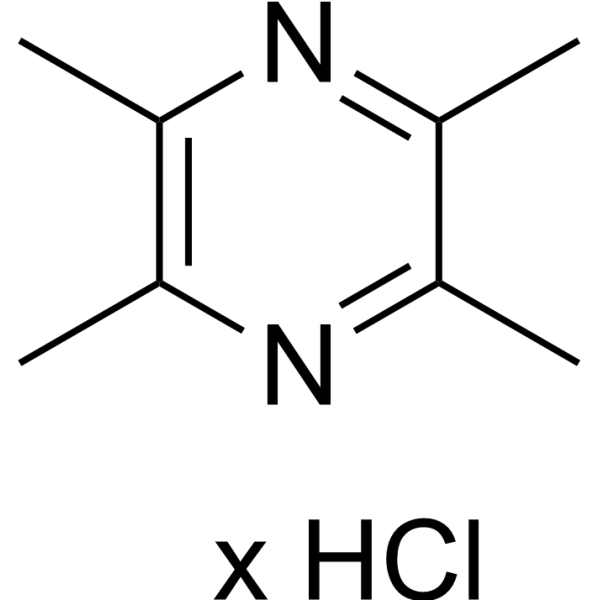
Ligustrazine hydrochloride (Chuanxiongzine hydrochloride) is an orally active, blood-brain barrier-permeable alkaloid. It can be isolated from Ligusticum striatum DC. Ligustrazine hydrochloride reduces ROS, upregulates the levels of p-Akt/Akt and p-eNOS/eNOS, and decreases ALT and AST. It inhibits glutamate excitotoxicity, calcium overload, oxidative stress, ischemia-reperfusion injury and atherosclerotic plaque progression, enhances synaptic plasticity, and improves neurological function, cerebral infarct volume and brain water content. Ligustrazine hydrochloride possesses anti-inflammatory, antioxidant, lipid-lowering, endothelial protective and hepatoprotective activities. It can be used in studies related to ischemic stroke, cerebral ischemia-reperfusion injury and atherosclerosis .
loading...
    loading...
9
9 Cited Publications
Cat. No.: HY-N6653
CAS No.: 37339-90-5
Lentinan is an orally active biocompatible multifunctional polysaccharide with biological activities such as anti-inflammatory, antioxidant, immune regulation, anti-tumor, hypoglycemic, and lipid-lowering [1][4].
loading...
    loading...
7
7 Cited Publications
Cat. No.: HY-17408
CAS No.: 73573-88-3
Synonyms: Compactin; ML236B
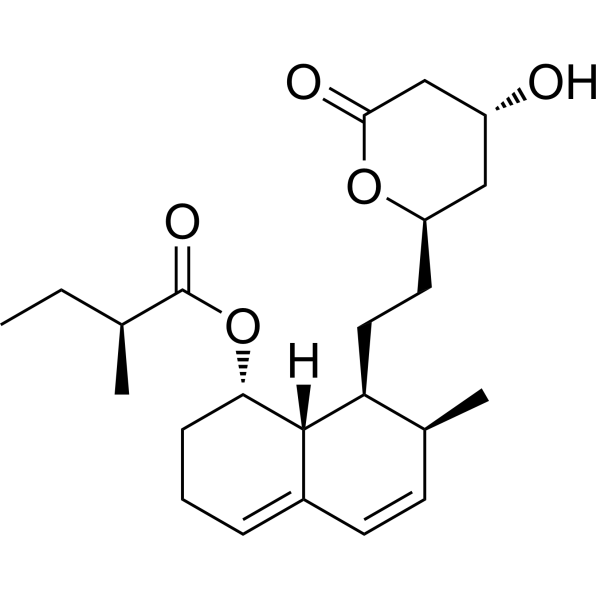
Mevastatin (Compactin) is a first HMG-CoA reductase inhibitor that belongs to the statins class. Mevastatin is a lipid-lowering agent, and induces apoptosis, arrests cancer cells in G0/G1 phase. Mevastatin also increases endothelial nitric oxide synthase (eNOS) mRNA and protein levels. Mevastatin has antitumor activity and has the potential for cardiovascular diseases treatment .
loading...
    loading...
7
7 Cited Publications
Cat. No.: HY-14668
CAS No.: 202914-84-9
Purity:  99.57%
Synonyms: AEGR-733 mesylate; BMS-201038 mesylate
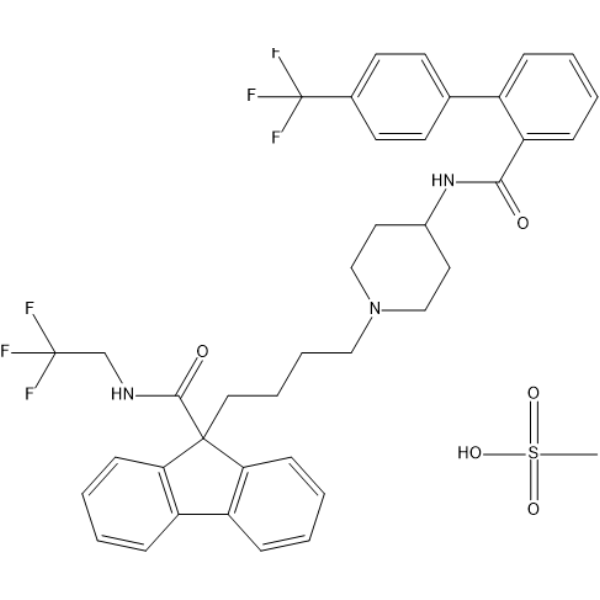
Lomitapide (AEGR-733; BMS-201038) mesylate is an orally active microsomal triglyceride transfer protein (MTP) inhibitor and a selective mTORC1 inhibitor with lipid-lowering activity and BBB permeability. Lomitapide mesylate significantly reduces plasma LDL levels by blocking the assembly and secretion of very-low-density lipoprotein (VLDL). Lomitapide mesylate inhibits mTORC1 in an ATP-dependent manner, thereby inducing AMPK-independent autophagic cell death and suppressing cancer cell growth and apoptosis. Lomitapide mesylate also enhances tumor infiltration of CD8 + T cells. In addition, Lomitapide mesylate inhibits HDAC, improves endothelial function, effectively alleviates vascular inflammation and oxidative stress, and exerts neuroprotective effects in a cerebral ischemia/reperfusion injury model. Lomitapide mesylate can be used in research on related diseases such as colorectal cancer, breast cancer, melanoma, ischemic stroke, and familial hypercholesterolemia .
loading...
    loading...
6
6 Cited Publications
Cat. No.: HY-B0258
CAS No.: 25812-30-0
Synonyms: CI-719
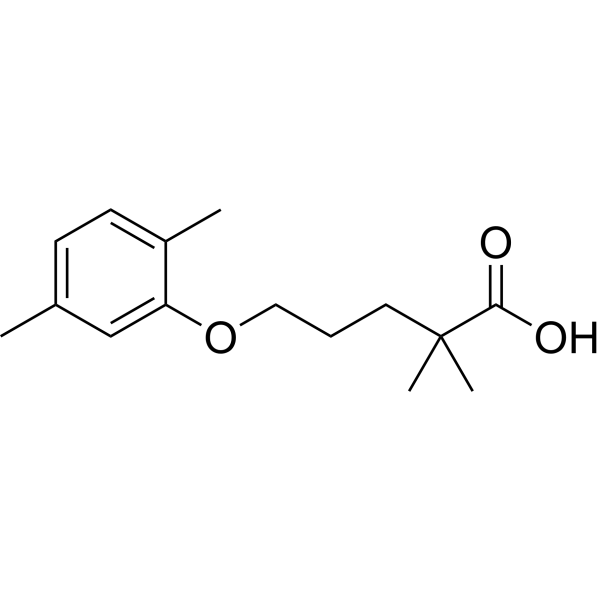
Gemfibrozil is an activator of PPAR-α, used as a lipid-lowering agent; Gemfibrozil is also a nonselective inhibitor of several P450 isoforms, with Ki values for CYP2C9, 2C19, 2C8, and 1A2 of 5.8, 24, 69, and 82 μM, respectively.
loading...
    loading...
6
6 Cited Publications
Cat. No.: HY-100313A
CAS No.: 182959-33-7
Purity:  98.23%
Research Areas:  

Infection Metabolic Disease

YM-53601, a squalene synthase inhibitor, reduces plasma cholesterol and triglyceride levels in vivo . YM-53601 inhibits squalene synthase derived from human hepatoma cells with an IC50 of 79 nM. Lipid-lowering agent . YM-53601 is also an inhibitor of farnesyl-diphosphate farnesyltransferase 1 (FDFT1) enzyme activity and abrogates HCV propagation .
loading...
    loading...
5
5 Cited Publications
Cat. No.: HY-B1028
CAS No.: 16816-67-4
Synonyms: D-Pantethine; LBF disulfide
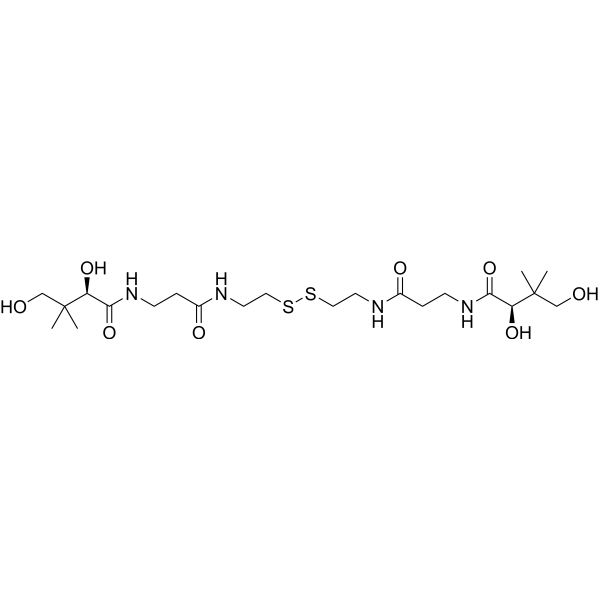
Pantethine is an orally active lipid-lowering agent. Pantethine has anti-tumor, anti-inflammatory and anti-SARS-COV virus activities. Pantethine is also a neuroprotective agent. Pantethine can be used in the study of Alzheimer's disease, Parkinson's disease, major depression, systemic sclerosis and pantothenate kinase-related neurodegeneration .
loading...
    loading...
4
4 Cited Publications
Cat. No.: HY-N7075
CAS No.: 9005-80-5
Inulin is an orally active prebiotic targeting the intestinal microbiota, selectively promoting the proliferation and activity of beneficial bacteria such as bifidobacteria and lactic acid bacteria, and playing a role in regulating the intestinal microecology. The functions of Inulin include: Fermentation by probiotics in the colon to produce short-chain fatty acids (such as butyrate and propionate), lowering the intestinal pH and inhibiting the overgrowth of harmful bacteria; Enhancing the intestinal barrier function and reducing endotoxin translocation; Directly scavenging free radicals (such as superoxide free radicals, hydroxyl free radicals) and activating antioxidant enzymes (SOD, CAT) to reduce oxidative stress. Inulin can also be used in the study of intestinal diseases (constipation, IBD), metabolic syndrome (diabetes, obesity) and liver damage by regulating glucose and lipid metabolism (such as reducing triglycerides, improving insulin sensitivity) and immune response (enhancing NK cell activity, inhibiting inflammatory factors)[1][2][3][4].
loading...
    loading...
3
3 Cited Publications
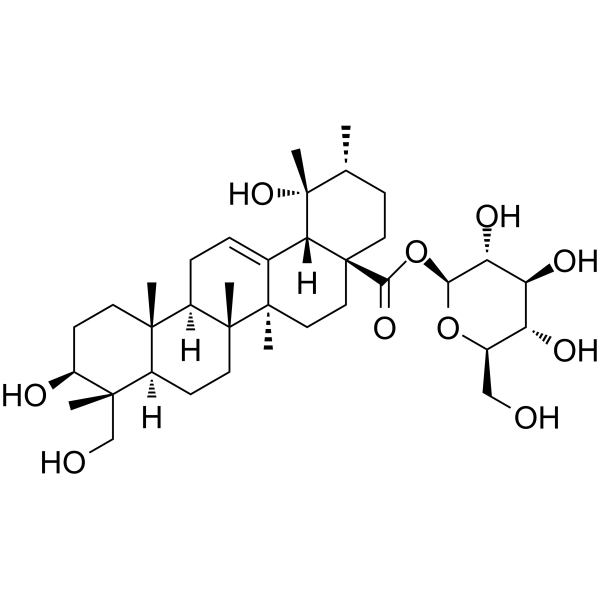
Cat. No.: HY-N0458
CAS No.: 42719-32-4
Pedunculoside exerts lipid-lowering effects partly through the regulation of?lipogenesis?and?fatty acid β-oxidation .
loading...
    loading...
2
2 Cited Publications
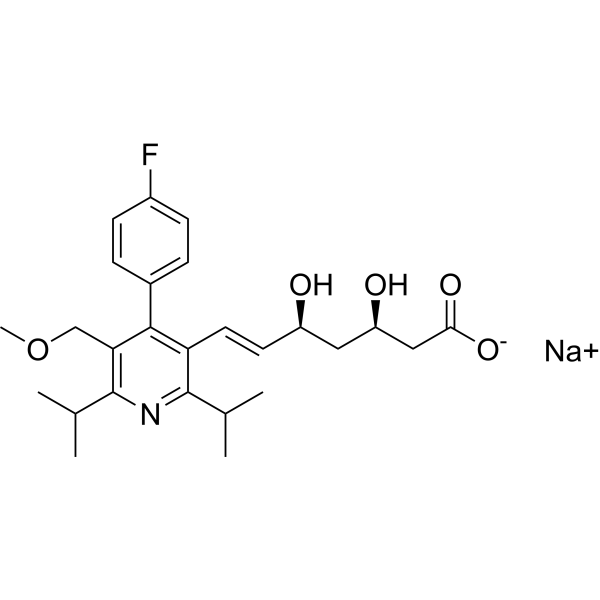
Cat. No.: HY-109523
CAS No.: 143201-11-0
Purity:  99.84%
Cerivastatin sodium is a synthetic lipid-lowering agent and a highly potent, well-tolerated and orally active HMG-CoA reductase inhibitor, with a Ki of 1.3 nM/L. Cerivastatin sodium reduces low-density lipoprotein cholesterol levels. Cerivastatin sodium also inhibits proliferation and invasiveness of MDA-MB-231 cells, mainly by RhoA inhibition, and has anti-cancer effect .
loading...
    loading...
2
2 Cited Publications
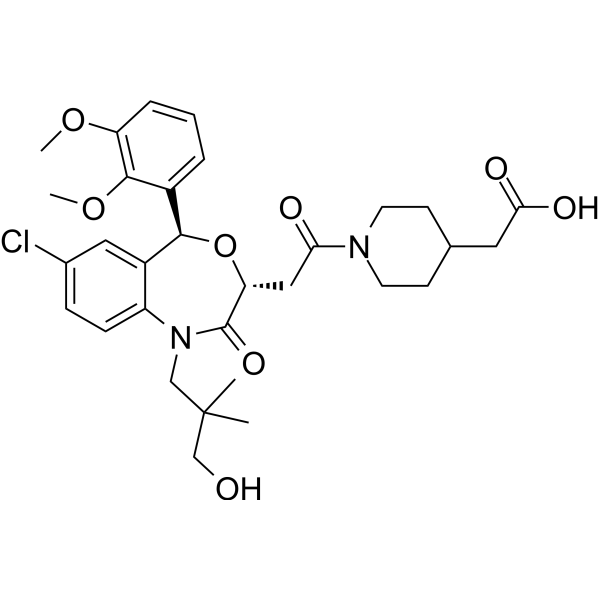
Cat. No.: HY-14925
CAS No.: 189059-71-0
Purity:  99.81%
Synonyms: T-91485
Lapaquistat (T-91485), a cholesterol biosynthesis inhibitor, is the active metabolite of Lapaquistat acetate (HY-16274). Lapaquistat can decrease statin-induced myotoxicity in lipid-lowering therapy .
loading...
    loading...
1
1 Cited Publications
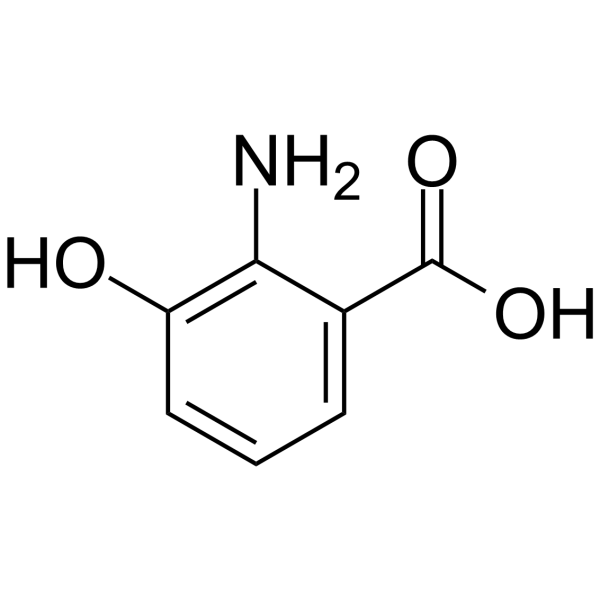
Cat. No.: HY-W001171
CAS No.: 548-93-6
3-Hydroxyanthranilic acid is a tryptophan metabolite in the kynurenine pathway.3-hydroxyanthranilic acid has anti-inflammatory, neuroprotective, and lipid-lowering effects. 3-hydroxyanthranilic acid can be used for researches of cardiovascular diseases, tumors, and metabolic diseases .
loading...
    loading...
1
1 Cited Publications
Cat. No.: HY-122778
CAS No.: 25612-59-3
Purity:  98.10%
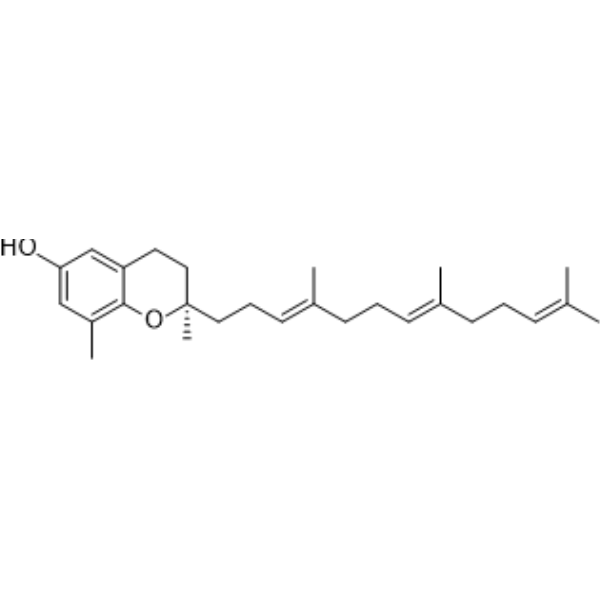
δ-Tocotrienol is a Vitamin E in vegetables, fruits, seeds, nuts, grains and oils. Vitamin E has become well known for its role as an antioxidant, in lowering cholesterol and other lipids, as a neuroprotective and anticancer agent, and in cardiovascular disease protection.
loading...
    loading...
1
1 Cited Publications
Cat. No.: HY-N0224
CAS No.: 1072-93-1
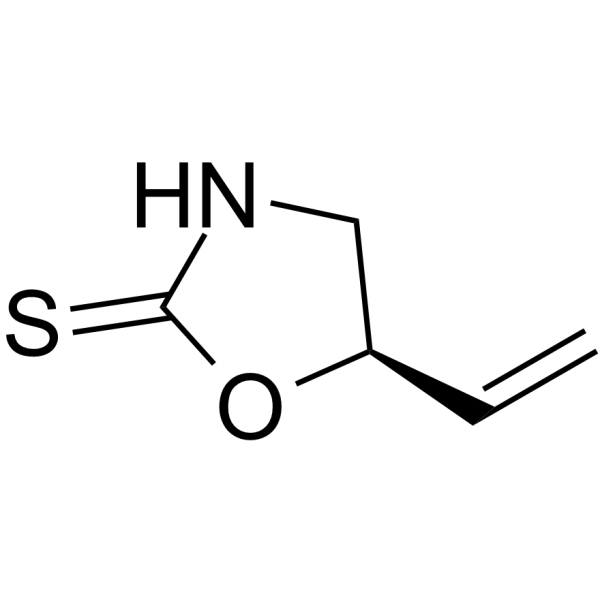
Epigoitrin is a natural alkaloid that provides protection against influenza infection by reducing the host’s susceptibility to influenza virus under stress. Epigoitrin exerts antiviral activity against influenza A1 virus FM1 via inhibiting virus attachment and multiplication in vitro. Epigoitrin also has lipid-lowering effects .
loading...
    loading...
1
1 Cited Publications
Cat. No.: HY-N0309
CAS No.: 114590-20-4
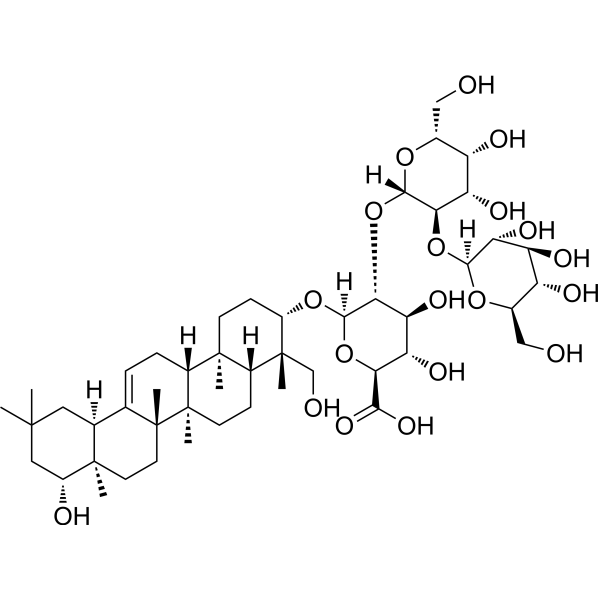
Soyasaponin Ba is a soyasaponin that can be isolated from Phaseolus vulgaris, acts as an aldose reductase inhibitor (ARI). Soyasaponin Ba activates Akt/GSK3β/β-catenin signaling pathway, reduces lipid accumulation, lowers ROS generation, improves mitochondrial membrane potential, ATP levels, and morphology, and inhibits apoptosis. Soyasaponin Ba can be used for the research of lipid accumulation and secondary diabetic complications .
loading...
    loading...

