1. Search Result
Search Result
Results for "

lipophilic agent

" in MedChemExpress (MCE) Product Catalog:

32

Inhibitors & Agonists

2

Biochemical Assay Reagents

2

Isotope-Labeled Compounds

Cat. No. Product Name Target Research Areas Chemical Structure
  • HY-114299
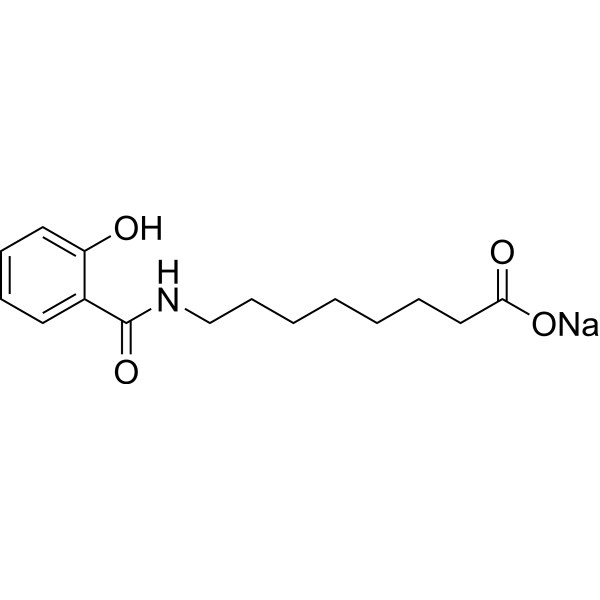
    Salcaprozate sodium
    4 Publications Verification

    SNAC

    Biochemical Assay Reagents Others
    Salcaprozate sodium (SNAC), an oral absorption promoter, and has the potential as a delivery agent for oral forms of heparin and insulin. Salcaprozate sodium could increase passive transcellular permeation across small intestinal epithelia based on increased lipophilicity arising from non-covalent macromolecule complexation .
    Salcaprozate sodium
  • HY-13538
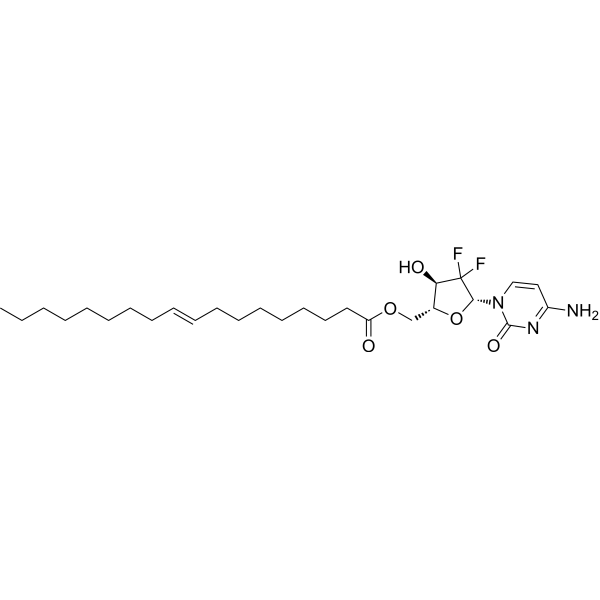
    Gemcitabine elaidate
    5 Publications Verification

    CP-4126; CO-101; Gemcitabine 5'-elaidate

    Nucleoside Antimetabolite/Analog Autophagy Apoptosis Inflammation/Immunology Cancer
    Gemcitabine elaidate (CP-4126) is lipophilic pro-agent of Gemcitabine. Gemcitabine elaidate is converted to Gemcitabine by esterases in order to be phosphorylated. Gemcitabine elaidate exhibits anti-tumor activity .
    Gemcitabine elaidate
  • HY-B0567

    Potassium Channel nAChR Apoptosis Bacterial Parasite Infection Cancer
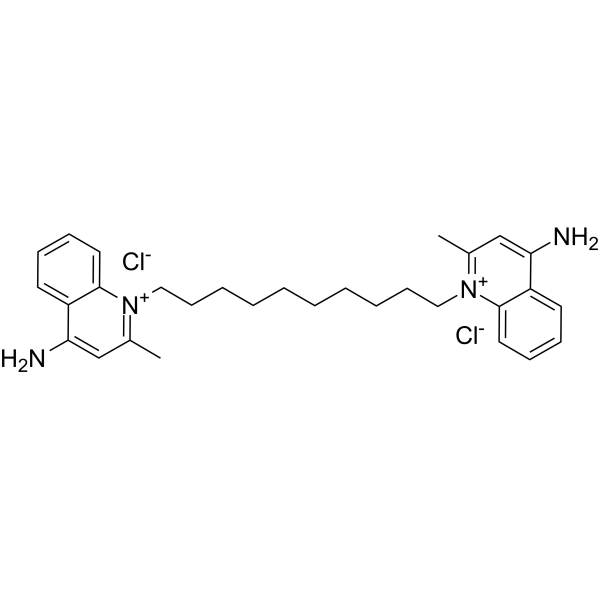
    Dequalinium chloride is an Apamin (HY-P0256)-sensitive potassium channel selective blocker. Dequalinium chloride is a cationic, lipophilic mitochondrial poison. Dequalinium chloride is also an antagonist pf α7 nAChR, and an anti-microbial antiseptic agent with a broad bactericidal and fungicidal activity .
    Dequalinium Chloride
  • HY-17403
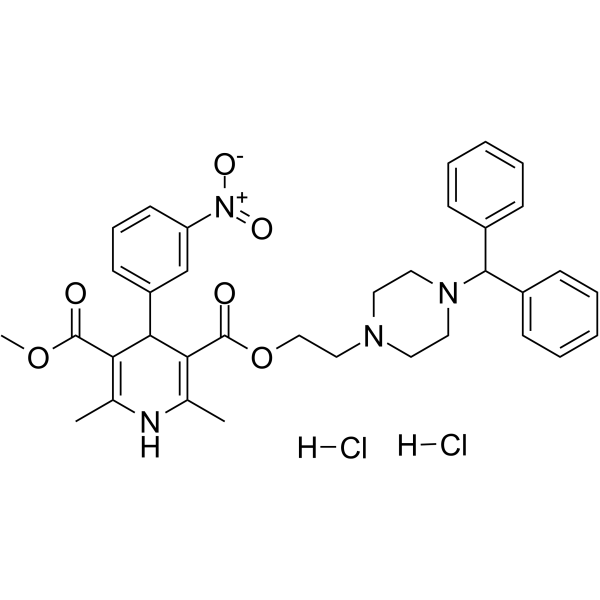
    Manidipine dihydrochloride
    3 Publications Verification

    CV-4093

    Calcium Channel NF-κB Infection Cardiovascular Disease Metabolic Disease Inflammation/Immunology
    Manidipine dihydrochloride is a third-generation, lipophilic, orally active and highly vasoselective calcium channel antagonist (IC50 = 2.6 nM in guinea-pig ventricular cells) and acts as an antihypertensive agent. Manidipine effectively reduces blood pressure as well as improving insulin sensitivity, renal protection, and antiatherosclerotic activity. Manidipine also exerts anti-inflammatory activity mediated by NF-κB and antiviral activity against many flavivirus and negative-strand RNA viruses through the inhibition of calcium channel. Manidipine is widely applied to research of cardiovascular, metabolic disease and infection .
    Manidipine dihydrochloride
  • HY-133079

    tetra-isopalmitoyl Ascorbic acid; IPAA; Tetrahexyldecyl Ascorbate

    Prostaglandin Receptor Endocrinology
    Ascorbyl tetra-2-hexyldecanoate (tetra-isopalmitoyl Ascorbic acid; IPAA) is a lipophilic derivative of vitamin C (L-ascorbic acid). Ascorbyl tetra-2-hexyldecanoate (100 μM ) can prevent the decrease in viability of HaCaT keratinocytes induced by UVB, hydrogen peroxide, or tert-butyl hydroperoxide, and reduce the production of IL-1α and prostaglandin E2 (PGE2). Topical application of ascorbyl tetra-2-hexyldecanoate (1%) increases epidermal viability thickness, stratum corneum water content, and skin smoothness, and reduces skin roughness in hairless mice. Ascorbyl tetra-2-hexyldecanoate can be used to develop skin whitening agents in the beauty industry.
    Ascorbyl tetra-2-hexyldecanoate
  • HY-122402

    Bacterial Inflammation/Immunology
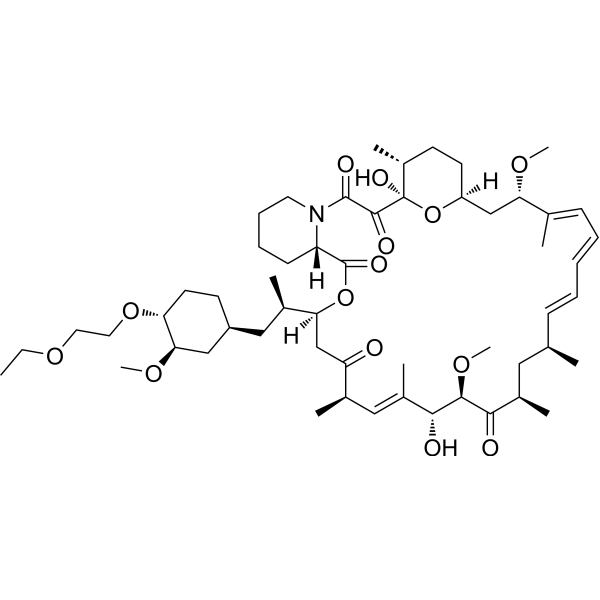
    Umirolimus, a macrocyclic triene lactone Rapamycin derivative, is powerful immunosuppressant and anti-inflammatory agent. Umirolimus has highly lipophilicity and can be used agent-eluting stent (DES) applications .
    Umirolimus
  • HY-16405

    DNA Alkylator/Crosslinker Cancer
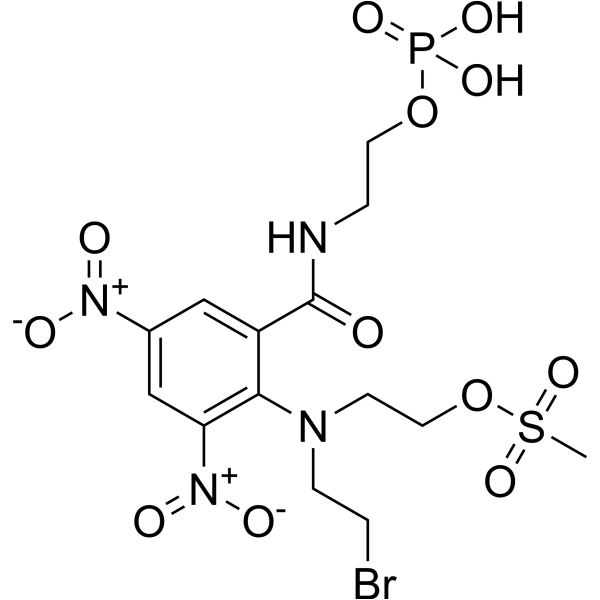
    PR-104 is a selective hypoxia-activated DNA cross-linking agent and can be used for the research of multiple tumor xenograft models. PR-104, as a nitrogen mustard pre-proagent, is converted efficiently to the more lipophilic dinitrobenzamide mustards alcohol PR-104A .
    PR-104
  • HY-114299S

    SNAC-d4 sodium

    Isotope-Labeled Compounds Others
    Salcaprozate-d4 (sodium) is a deuterated labeled Salcaprozate (sodium) . Salcaprozate sodium (SNAC), an oral absorption promoter, and has the potential as a delivery agent for oral forms of heparin and insulin. Salcaprozate sodium could increase passive transcellular permeation across small intestinal epithelia based on increased lipophilicity arising from non-covalent macromolecule complexation .
    Salcaprozate-d4 sodium
  • HY-128866

    Bacterial Infection
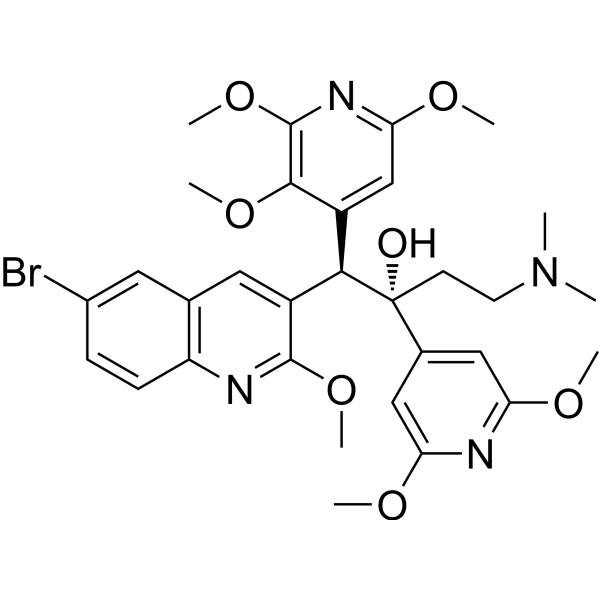
    TBAJ-876 is an orally active diarylquinoline anti-Mycobacterium agent. TBAJ-876 regulates energy metabolism by targeting the c and ε subunits of Mycobacterium tuberculosis F-ATP synthase, exerts bactericidal activity against replicating Mycobacterium tuberculosis, and retains activity against strains carrying the Rv0678 mutation. TBAJ-876 undergoes N-demethylation in vivo to form its major active metabolite TBAJ-876-M3, which has lower lipophilicity and hERG potassium channel binding affinity. TBAJ-876 is well tolerated in BALB/c mice and significantly reduces the colony-forming units of Mycobacterium tuberculosis in the lungs. In addition, TBAJ-876 exhibits inhibitory activity against Mycobacterium abscessus, reduces bacterial loads in the lungs and spleens of infected mice, and shows no antagonistic effect when used in combination with common antibiotics. TBAJ-876 can be used in studies related to tuberculosis and Mycobacterium abscessus pulmonary diseases .
    TBAJ-876
  • HY-126369

    HM-PAO

    Biochemical Assay Reagents Others
    Exametazime (HM-PAO) is a lipophilic agent used for the preparation of brain imaging radiopharmaceuticals. 99Tcm-Exametazime is an effective in vitro leukocyte labeling agent .
    Exametazime
  • HY-13538A
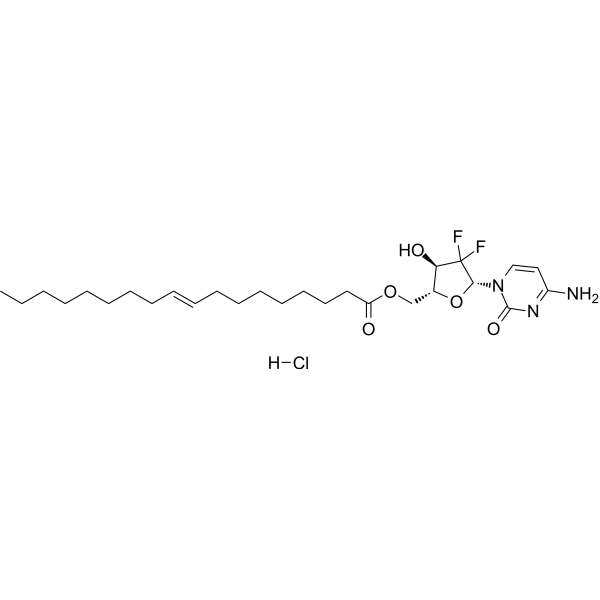
    Gemcitabine elaidate hydrochloride
    5 Publications Verification

    CP-4126 hydrochloride; CO-101 hydrochloride; Gemcitabine 5'-elaidate hydrochloride

    Nucleoside Antimetabolite/Analog Autophagy Apoptosis Cancer
    Gemcitabine elaidate (CP-4126) hydrochloride is lipophilic pro-agent of Gemcitabine. Gemcitabine elaidate hydrochloride is converted to Gemcitabine by esterases in order to be phosphorylated. Gemcitabine elaidate hydrochloride exhibits anti-tumor activity .
    Gemcitabine elaidate hydrochloride
  • HY-114299R

    SNAC (Standard)

    Biochemical Assay Reagents Reference Standards Others
    Salcaprozate (sodium) (Standard) is the analytical standard of Salcaprozate (sodium). This product is intended for research and analytical applications. Salcaprozate sodium (SNAC), an oral absorption promoter, and has the potential as a delivery agent for oral forms of heparin and insulin. Salcaprozate sodium could increase passive transcellular permeation across small intestinal epithelia based on increased lipophilicity arising from non-covalent macromolecule complexation .
    Salcaprozate sodium (Standard)
  • HY-107133

    Topoisomerase Cytochrome P450 Cancer
    Simmitecan hydrochloride, a 9-substituted lipophilic Camptothecin (HY-16560) derivative, is a potent topoisomerase I inhibitor. Simmitecan hydrochloride is an anticancer agent .
    Simmitecan hydrochloride
  • HY-122402S

    Isotope-Labeled Compounds Bacterial Inflammation/Immunology
    Umirolimus-d5 is the deuterium labeled Umirolimus (HY-122402). Umirolimus, a macrocyclic triene lactone Rapamycin derivative, is powerful immunosuppressant and anti-inflammatory agent. Umirolimus has highly lipophilicity and can be used agent-eluting stent (DES) applications .
    Umirolimus-d5
  • HY-19688B

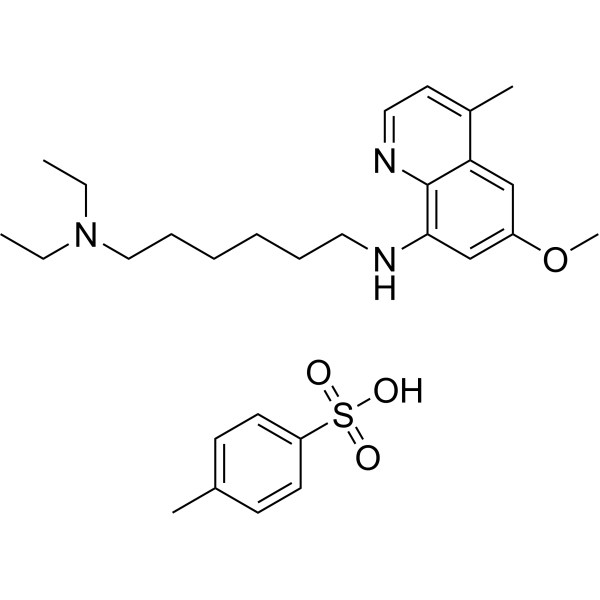
    WR 6026 tosylate

    Parasite Mitochondrial Metabolism Infection
    Sitamaquine (WR6026) tosylate, an orally active 8-aminoquinoline analog, is an antileishmanial agent. Sitamaquine tosylate inhibits mitochondrial complex II (succinate dehydrogenase). Sitamaquine tosylate is a lipophilic weak base that rapidly accumulates in acidic compartments of Leishmania spp., mainly in acidocalcisomes .
    Sitamaquine tosylate
  • HY-B0567R

    Reference Standards Potassium Channel nAChR Apoptosis Bacterial Parasite Infection Cancer
    Dequalinium (Chloride) (Standard) is the analytical standard of Dequalinium (Chloride). This product is intended for research and analytical applications. Dequalinium chloride is an Apamin (HY-P0256)-sensitive potassium channel selective blocker. Dequalinium chloride is a cationic, lipophilic mitochondrial poison. Dequalinium chloride is also an antagonist pf α7 nAChR, and an anti-microbial antiseptic agent with a broad bactericidal and fungicidal activity .
    Dequalinium Chloride (Standard)
  • HY-W250129

    Biochemical Assay Reagents Others
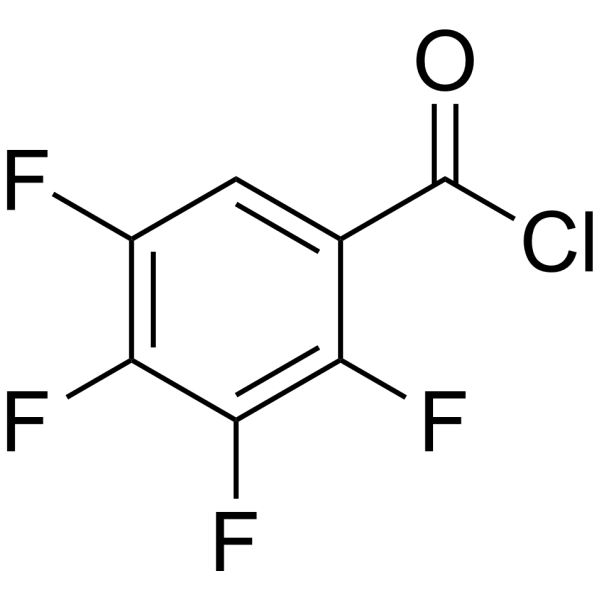
    2,3,4,5-Tetrafluorobenzoyl chloride is a fluorinated organic compound that belongs to the class of benzoyl chlorides. It is a colorless liquid with a pungent smell and is mainly used as an intermediate in the synthesis of various pharmaceutical and pesticide compounds. 2,3,4,5-Tetrafluorobenzoyl chloride is an acylating agent that can react with a variety of nucleophiles, including amines, alcohols, and thiols, to form amides, esters, or thioesters, respectively. Its unique fluorine-containing structure can impart desired properties to target molecules, such as increased lipophilicity or increased stability against metabolic degradation. However, due to its high reactivity and potential health hazards, proper safety measures and handling procedures must be followed when using this compound.
    2,3,4,5-Tetrafluorobenzoyl chloride
  • HY-155278

    Others Cancer
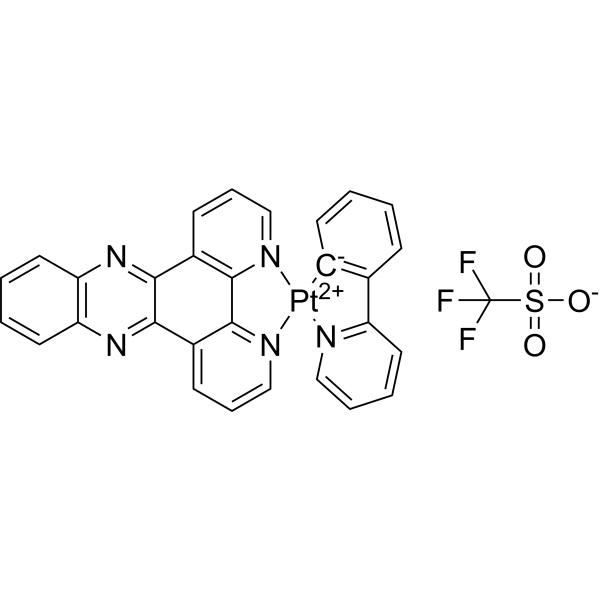
    Anticancer agent 162 (compound 1d) is an effective anticancer agent. Anticancer agent 162 induces oncosis of Hela cells with lipophilicity and cytotoxicity selectivity .
    Anticancer agent 162
  • HY-147151

    Biochemical Assay Reagents Others
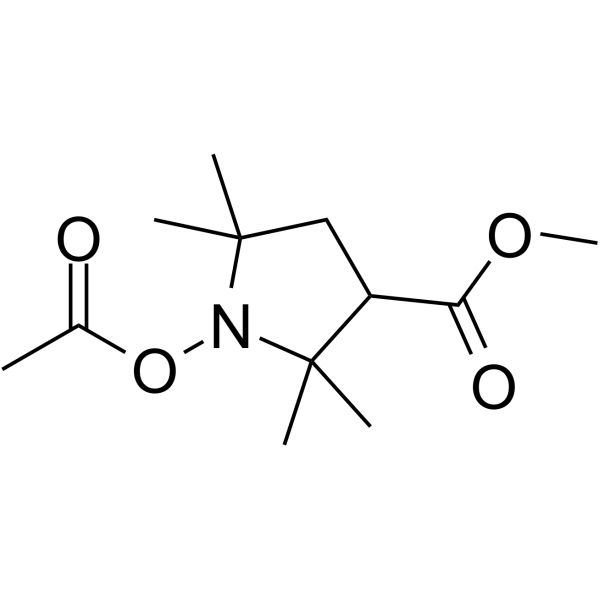
    AMCPy is a potent electron paramagnetic resonance (EPR) brain imaging agent, possessing excellent lipophilicity for blood brain barrier (BBB) penetration .
    AMCPy
  • HY-151965

    Parasite Infection
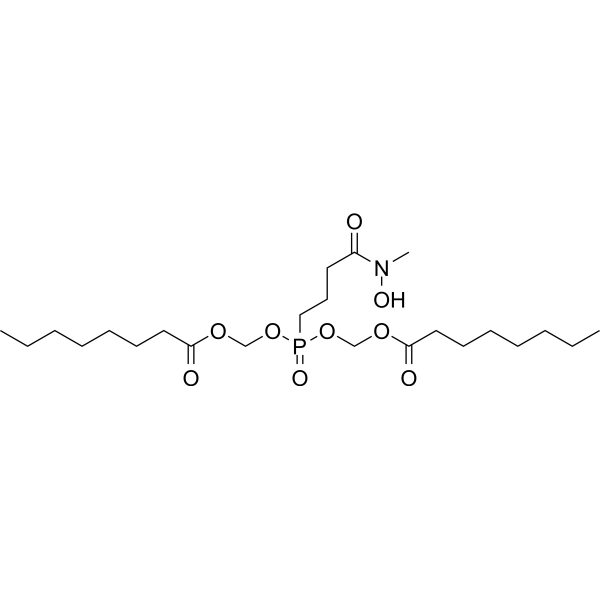
    Antimalarial agent 18 is an potent antimalarial agent, based on electronic, highly lipophilic and siderophoric properties. Antimalarial agent 18 belongs to acyloxymethyl series, as a fosmidomycin surrogate, which is potent IspC inhibitor against the non-mevalonate isoprenoid biosynthesis pathway. Antimalarial agent 18 inhibits P. falciparum (IC50=50 nM) and A. baumanii (IC50=390 nM) .
    Antimalarial agent 18
  • HY-19688A

    WR 6026 hydrochloride

    Parasite Mitochondrial Metabolism Infection
    Sitamaquine (WR6026) hydrochloride, an orally active 8-aminoquinoline analog, is an antileishmanial agent. Sitamaquine hydrochloride inhibits mitochondrial complex II (succinate dehydrogenase). Sitamaquine hydrochloride is a lipophilic weak base that rapidly accumulates in acidic compartments of Leishmania spp., mainly in acidocalcisomes .
    Sitamaquine hydrochloride
  • HY-163994

    KWD 2058 hydrochloride

    Adrenergic Receptor Others
    Ibuterol (KWD 2058) hydrochloride, a diester of Terbutaline (HY-B0802A), is an orally active, selective and effective β-stimulating agent with lipophilic activities. Ibuterol hydrochloride is also an orally active ocular hypotensive agent. Ibuterol hydrochloride relieves bronchial obstruction in asthma without causing circulatory effects. Ibuterol hydrochloride is proming for rasearch of intraocular hypertension, asthma and bronchitis .
    Ibuterol hydrochloride
  • HY-16406

    DNA Alkylator/Crosslinker Cancer
    PR-104 (sodium) is a selective hypoxia-activated DNA cross-linking agent and can be used for the research of multiple tumor xenograft models. PR-104 (sodium), as a nitrogen mustard pre-proagent, is converted efficiently to the more lipophilic dinitrobenzamide mustards alcohol PR-104A .
    PR-104 sodium
  • HY-106546

    KC 9147

    Fungal Infection
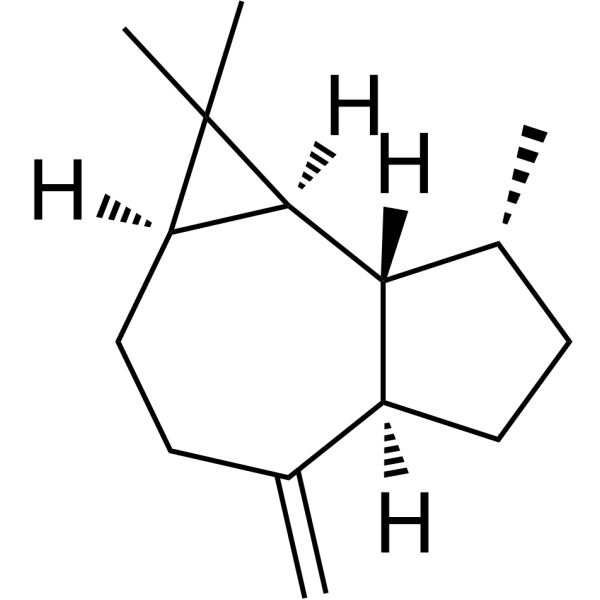
    Tolciclate (KC 9147) is an antifungal agent with in vitro inhibitory activity against dermatophytes, effective at concentrations of 0.01-0.1 μg/mL. Tolciclate is colorless and soluble in well-tolerated excipients, and it is more lipophilic than Tolnaftate (HY-B0370). Tolciclate can be used in research related to antifungal infections .
    Tolciclate
  • HY-W440902

    Biochemical Assay Reagents Others
    DSPE-PEG3400-IA is an iodoacetyll PEG lipid. The polymer can form lipid bilayer or micelles spontaneoulsy in water. The lipophilic tails can be used to encapsulate hydrophobic therapeutic agents while the hydrophilic head can be used to encapuslate hydrophilic drugs/nutrient, such as antibody, mRNA/DNA. The iodoacetyl group is reactive with thiol to produce a thioether linkage.
    DSPE-PEG3400-IA
  • HY-144456

    Xanthine Oxidase Metabolic Disease
    Xanthine oxidase-IN-5 is an effective and orally active xanthine oxidase (XO) inhibitor with IC50 value of 0.70 μM. Xanthine oxidase-IN-5 displays favorable agent-like properties with ligand efficiency (LE) and lipophilic ligand efficiency (LLE) values of 0.33 and 3.41, respectively. Xanthine oxidase-IN-5 shows potent hypouricemic effects in hyperuricemic rat model .
    Xanthine oxidase-IN-5
  • HY-183712

    Bacterial DNA/RNA Synthesis Drug Derivative Infection
    Antibacterial agent 345 is a Ciprofloxacin (HY-B0356)-lipophilic derivative and is an antibacterial agent. Antibacterial agent 345 inhibits DNA gyrase and inhibits bacterial DNA replication and transcription. Antibacterial agent 345 inhibits bacterial biofilm formation. Antibacterial agent 345 can be used for the research of bacterial infections, such as Pseudomonas aeruginosa infection .
    Antibacterial agent 345
  • HY-153271

    Bacterial Infection
    Antifungal agent 147 (compound 2) is a lipophilic antibacterial agent with dark toxicity. Antifungal agent 147 shows a phototoxic effect on S. aureus and E. coli. Antifungal agent 147 can penetrate the bacterial cell membrane and disturb its structure, leading to dark toxicity. Antifungal agent 147 can be used for bacteria infection research .
    Antibacterial agent 321
  • HY-182267

    Bacterial Interleukin Related TNF Receptor Infection Inflammation/Immunology
    Antibiofilm agent-20 is an orally active Escherichia coli biofilm inhibitor (IC50 = 5.5 μg/mL) and show low antibacterial activity (MIC >128 μg/mL). Antibiofilm agent-20 exhibits high lipophilicity and low solubility, resulting in low colon delivery rate. Antibiofilm agent-20 demonstrates anti-inflammatory and reduces IL-17 and TNF-α levels. Antibiofilm agent-20 can be used for the research of inflammatory bowel disease .
    Antibiofilm agent-20
  • HY-185585

    Drug Intermediate Cancer
    JNJ-27548547, Mitomycin C (HY-13316) prodrug, is a Mitomycin C and lipophilic group conjugate. JNJ-27548547 undergoes thiolytic cleavage of its dithiobenzyl linker in the presence of reducing agents to release active substance Mitomycin C. JNJ-27548547 is formulated into pegylated liposomes (PL-MLP) with high antitumor activity in mice models .
    JNJ-27548547
  • HY-17403R

    CV-4093 (Standard)

    Calcium Channel NF-κB Reference Standards Infection Cardiovascular Disease Metabolic Disease Inflammation/Immunology
    Manidipine (dihydrochloride) (Standard) is the analytical standard of Manidipine (dihydrochloride). This product is intended for research and analytical applications. Manidipine dihydrochloride is a third-generation, lipophilic, orally active and highly vasoselective calcium channel antagonist (IC50 = 2.6 nM in guinea-pig ventricular cells) and acts as an antihypertensive agent. Manidipine effectively reduces blood pressure as well as improving insulin sensitivity, renal protection, and antiatherosclerotic activity. Manidipine also exerts anti-inflammatory activity mediated by NF-κB and antiviral activity against many flavivirus and negative-strand RNA viruses through the inhibition of calcium channel. Manidipine is widely applied to research of cardiovascular, metabolic disease and infection .
    Manidipine dihydrochloride (Standard)
  • HY-181431

    TGF-beta/Smad Inflammation/Immunology
    PXS 64, a mannose-6-phosphate (M6P) analogue. a lipophilic prodrug of PXS 25 (HY-181430). PXS 64 is an effective anti-fibrotic agent by inhibiting the activation of latent TGF-β1. PXS64, inhibits fibrosis via TGF-β1 pathway in human lung fibroblasts. PXS 64 reduces TGFβ-mediated collagen IV, fibronectin, MCP-1, and phospho-smad2 expression in kidney cells. PXS 64 reduces collagen deposition in dermal scar fibroblasts. PXS 64 can be used for the research of chronic kidney disease, idiopathic pulmonary fibrosis, scarring .
    PXS 64

Inquiry Online

Your information is safe with us. * Required Fields.

Salutation


Country or Region *

Applicant Name *


Organization Name *

Department *


Email Address *


Product Name *

Cat. No.


Requested quantity *

Phone Number *


Remarks

Inquiry Online

Inquiry Information

Product Name:
Cat. No.:
Quantity:
MCE Japan Authorized Agent:

