

1. Search Result
Search Result
Results for "

low affinity

" in MedChemExpress (MCE) Product Catalog:

212

Inhibitors & Agonists

5

Screening Libraries

11

Fluorescent Dyes

7

Biochemical Assay Reagents

17

Peptides

9

Inhibitory Antibodies

14

Natural
Products

46

Recombinant Proteins

11

Isotope-Labeled Compounds

16

Antibodies

4

Oligonucleotides

Targets Recommended:
Cat. No. Product Name Target Research Areas Chemical Structure
  • HY-Y0320C
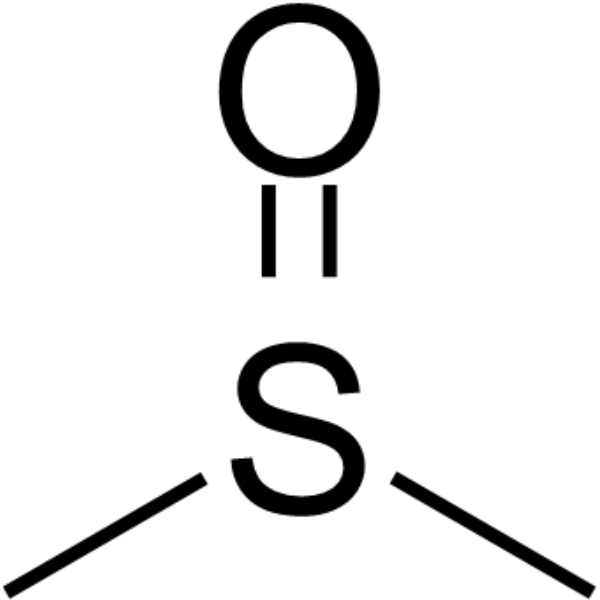
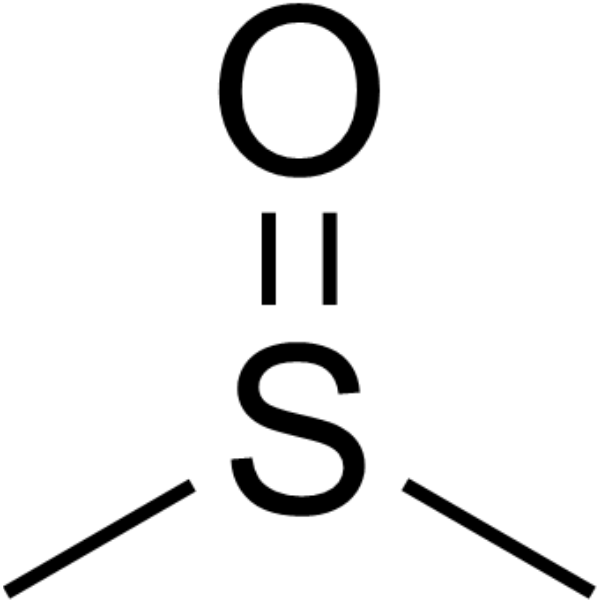
    Dimethyl sulfoxide
    30+ Cited Publications

    DMSO

    Environmental Pollutants Bacterial Cholinesterase (ChE) Inflammation/Immunology
    Dimethyl sulfoxide (DMSO) is an aprotic solvent that can dissolve water-insoluble therapeutic and toxic agents. Dimethyl sulfoxide (DMSO) has a strong affinity for water and has the ability to rapidly penetrate or enhance the penetration of other substances through biological membranes. Dimethyl sulfoxide also has potential free radical scavenging and anticholinesterase effects and may affect coagulation activity. Dimethyl sulfoxide also induces histamine release from mast cells but is thought to have low systemic toxicity .
    Low endotoxin, can be used in various biochemical experiments such as drug dissolution.
    Dimethyl sulfoxide
  • HY-12497
    ANA-12
    35+ Cited Publications

    Trk Receptor Neurological Disease
    ANA-12 is a potent and selective TrkB antagonist with IC50s of 45.6 nM and 41.1 μM for the high and low affinity sites, respectively.
    ANA-12
  • HY-50669
    MK-0812
    1 Publications Verification

    CCR Inflammation/Immunology Endocrinology
    MK-0812 is a potent and selective CCR2 antagonist with low nM affinity for CCR2.
    MK-0812
  • HY-14121
    MRS 1754
    5+ Cited Publications

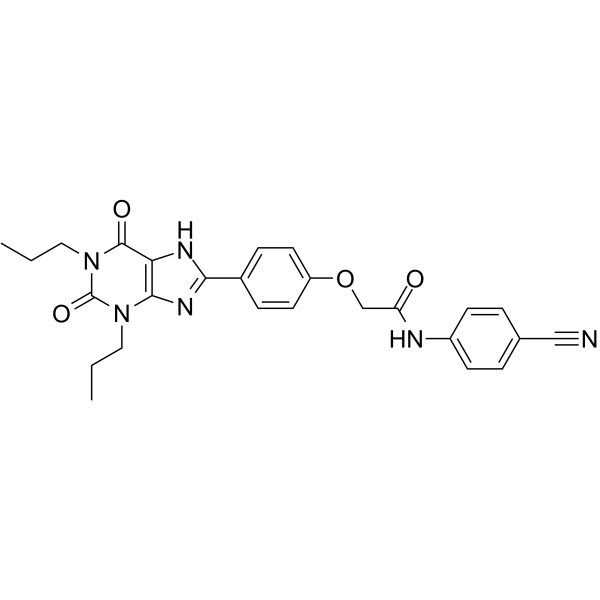
    Adenosine Receptor Metabolic Disease Inflammation/Immunology
    MRS 1754 is a selective antagonist radioligand for A2B adenosine receptor with very low affinity for A1 and A3 receptors of both humans and rats .
    MRS 1754
  • HY-15234

    Glucocorticoid Receptor Inflammation/Immunology
    Fluticasone furoate is a topical, intranasal, enhanced-affinity synthetic trifluorinated corticosteroid with a Kd of 0.3 nM. Fluticasone furoate has potent anti-inflamatory and anti-asthmatic activity, and low systemic exposure. Fluticasone furoate has the potential for allergic rhinitis treatment .
    Fluticasone furoate
  • HY-107397
    Ch55
    2 Publications Verification

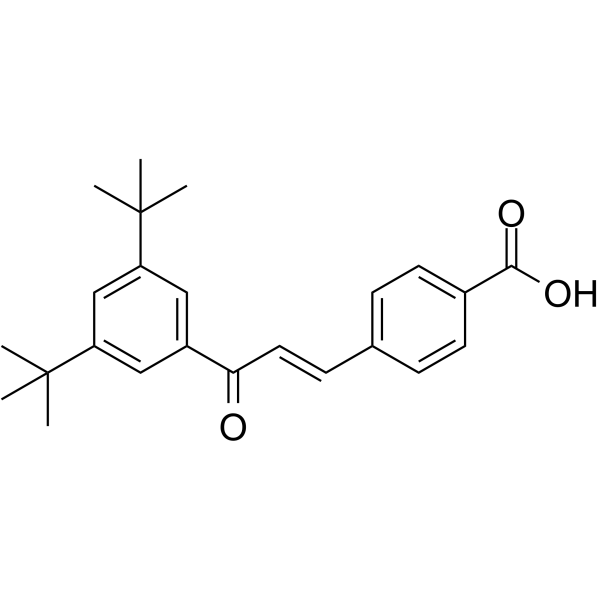
    RAR/RXR Cancer
    Ch55 is a potent synthetic retinoid. Ch55 binds to RAR-α and RAR-β receptors with high affinity. Ch55 displays low affinity for cellular retinoic acid binding protein (CRABP). Ch55 is a potent inducer of the differentiation of HL60 cells with an EC50 of 200 nM. Ch55 can be used for cancer research .
    Ch55
  • HY-P99300
    Ligelizumab
    1 Publications Verification

    QGE 031; Anti-IGHE Recombinant Antibody

    Fc Receptor (FcR) Inflammation/Immunology
    Ligelizumab (QGE 031) is a humanized high-affinity anti-immunoglobulin IgE monoclonal antibody. Ligelizumab selectively inhibits the binding of IgE to the high-affinity receptor FcεRI, while the inhibitory effect on the low-affinity receptor CD23 is weak. Ligelizumab can inhibit the activation of effector cells such as mast cells and Basophil, while reducing the production of IgE by B cells, and restoring the IFN-α production and regulatory T cell (Treg) induction function of plasmacytoid dendritic cells (pDC). Ligelizumab can be used in the study of allergic diseases (such as chronic spontaneous urticaria, allergic asthma) .
    Ligelizumab
  • HY-D2348A

    Fluorescent Dye Infection
    ACE TFA is a low-background, photostable fluorophore with nanomolar binding affinity for the Okra RNA aptamer. ACE TFA enables clear visualization of mRNA in live bacteria and mammalian cells, including tracking the trafficking of mRNA to stress granules and dual-color super-resolution imaging of RNA in live cells. (Ex=488 nm, Em=555 nm) .
    ACE TFA
  • HY-10684

    ACR16; ASP2314; FR310826

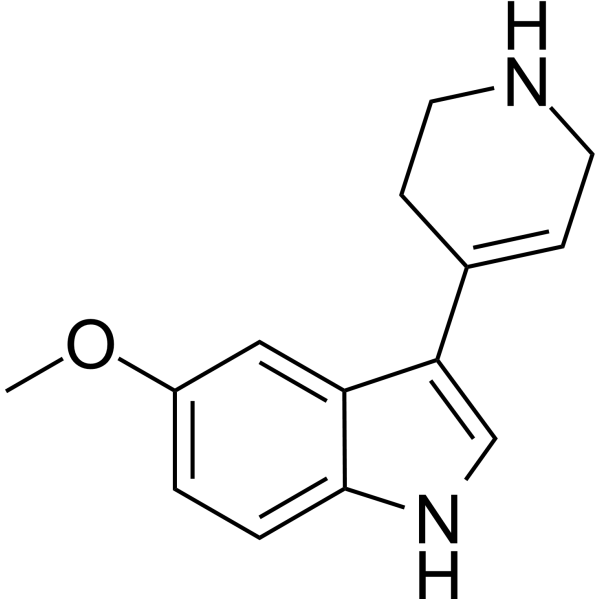
    Dopamine Receptor Neurological Disease
    Pridopidine, a dopamine (DA) stabilizer, acts as a low affinity dopamine D2 receptor (D2R) antagonist. Pridopidine exerts high affinity towards sigma 1 receptor (S1R) with Ki between 70 and 80 nM, which is ~100× higher than its affinity toward D2R.
    Pridopidine
  • HY-16688
    RU 24969
    1 Publications Verification

    5-HT Receptor Neurological Disease
    RU 24969 is a preferential 5-HT1B agonist, with a Ki of 0.38 nM, but also displays appreciable affinity for the 5-HT1A receptor (Ki=2.5 nM), and has low affinity for other receptor sites in the brain. RU 24969 could decrease fluid consumption and increase forward locomotion .
    RU 24969
  • HY-122025
    AC-262536
    1 Publications Verification

    Androgen Receptor Metabolic Disease
    AC-262536 is a selective and non-steroidal androgen receptor modulators (SARMs) with beneficial anabolic effects. AC-262536 exhibits potent agonist activity at the androgen receptor, with an affinity in the low nanomolar range (1-10 nM) .
    AC-262536
  • HY-108022
    Azemiglitazone
    1 Publications Verification

    MSDC-0602

    Mitochondrial Metabolism PPAR Neurological Disease Metabolic Disease Inflammation/Immunology
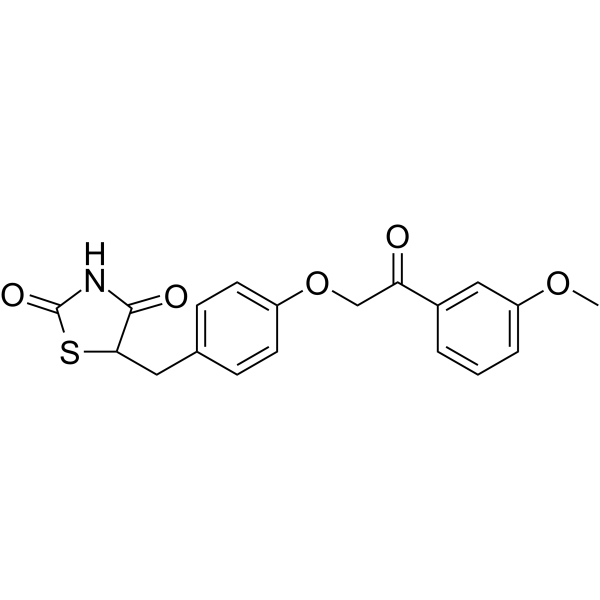
    Azemiglitazone (MSDC-0602) is an orally active thiazolidinedione (TZD) -like molecule, which binds to PPARγ with low binding and activating affinity. Azemiglitazone inhibits mitochondrial pyruvate carrier (MPC), which inhibits Alzheimer’s disease and diminishes nonalcoholic steatohepatitis (NASH) caused liver injury .
    Azemiglitazone
  • HY-110399
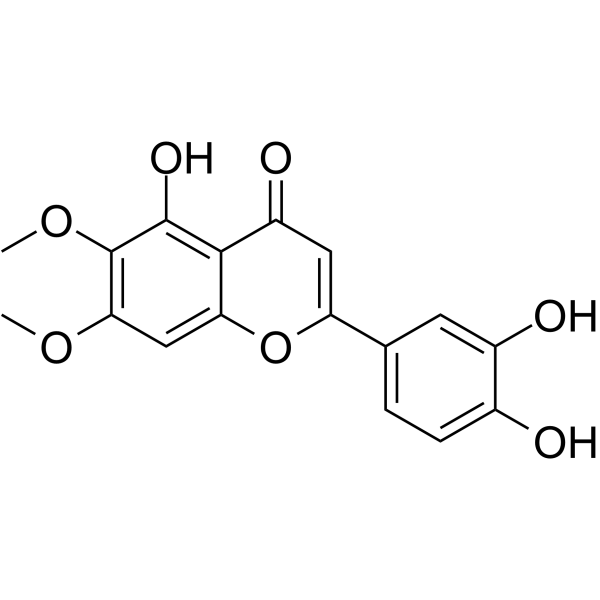
    Cirsiliol
    2 Publications Verification

    Lipoxygenase Neurological Disease
    Cirsiliol is a potent and selective 5-lipoxygenase inhibitor and a competitive low affinity benzodiazepine receptor ligand.
    Cirsiliol
  • HY-132189

    P-glycoprotein Neurological Disease
    Laniquidar is a non-competitive P-gp inhibitor with an IC50 of 0.51 μM. Laniquidar binds to the P-gp transporter with high affinity and exhibits low activity as a substrate. Laniquidar is applicable to epilepsy-related research .
    Laniquidar
  • HY-136933

    Na+/K+ ATPase Cardiovascular Disease
    Gitoxin is a degradation metabolite of Digitoxin (HY-B1357) and a non-competitive Na +/K +-ATPase inhibitor, with an IC50 of 1.18e-6 M against the porcine high-affinity subtype and an IC50 of 2.85e-5 M against the porcine low-affinity subtype. Gitoxin regulates atrial contractility and rhythmicity. Gitoxin is applicable to research related to congestive heart failure .
    Gitoxin
  • HY-10473

    KB2115

    Thyroid Hormone Receptor Metabolic Disease Endocrinology
    Eprotirome (KB2115) is a liver-selective thyroid hormone receptor (TR) agonist. KB2115 has modestly higher affinity for TRβ than for TRα. Eprotirome reduces low-density lipoprotein (LDL) cholesterol concentrations. Eprotirome can be used for dyslipidemias and obesity research .
    Eprotirome
  • HY-P10762

    CBP-1008; LDC 10B

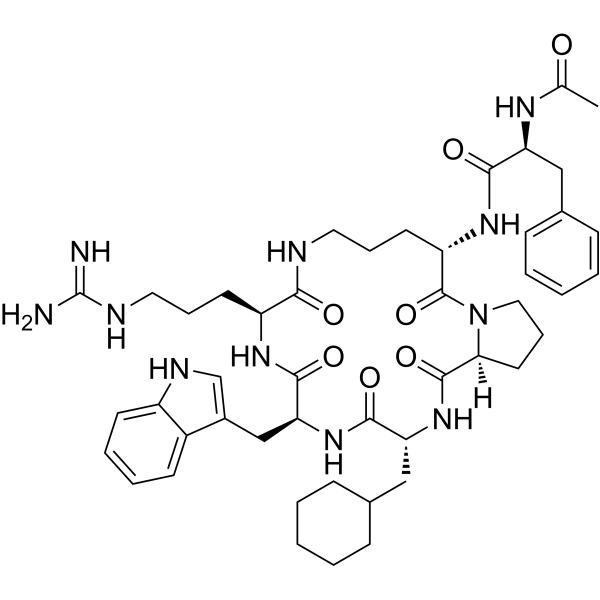
    Peptide-Drug Conjugates (PDCs) Folate Receptor (FR) TRP Channel Cancer
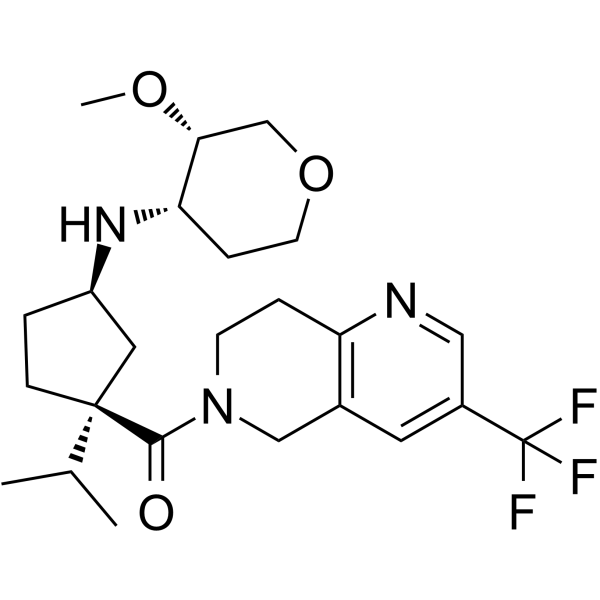
    Ricorfotide vedotin (CBP-1008) is a dual-ligand peptide-drug conjugate (PDC) conjugated to MMAE (HY-15162), targeting Folate receptor α (FRα) and TRPV6. Ricorfotide vedotin binds to FRα with high affinity and TRPV6 with low affinity. Ricorfotide vedotin has antitumor activity, and can be used in advanced solid tumor research (eg: colorectal cancer, breast cancer, non-small cell lung cancer, ovarian cancer, adrenocortical carcinoma and follicular dendritic cell sarcoma) .
    Ricorfotide vedotin
  • HY-P10502

    LDLR Infection
    L57 is a low-density lipoprotein receptor-related protein 1 (LRP1)-binding peptide. L57 exhibits high affinity for LRP1, with an EC50 of 45 nM. L57 possesses blood-brain barrier (BBB) permeability and plasma stability. L57 can serve as a carrier for central nervous system drug delivery .
    L57
  • HY-W001909

    nAChR Metabolic Disease
    Myosmine, a specific tobacco alkaloid in nuts and nut products, has low affinity for a4b2 nicotinic acetylcholinergic receptors (nAChR) with a Ki of 3300 nM .
    Myosmine
  • HY-P9973

    DLX1008; ESBA 1008; RTH258

    VEGFR Cancer
    Brolucizumab (DLX1008) is a single-chain anti-VEGF-A antibody fragment with low picomolar affinity (KD=1.05 pM). Brolucizumab can be used for the research of cancer .
    Brolucizumab
  • HY-P5411

    SIITFEKL, OVA (257-264) Variant

    MHC Others
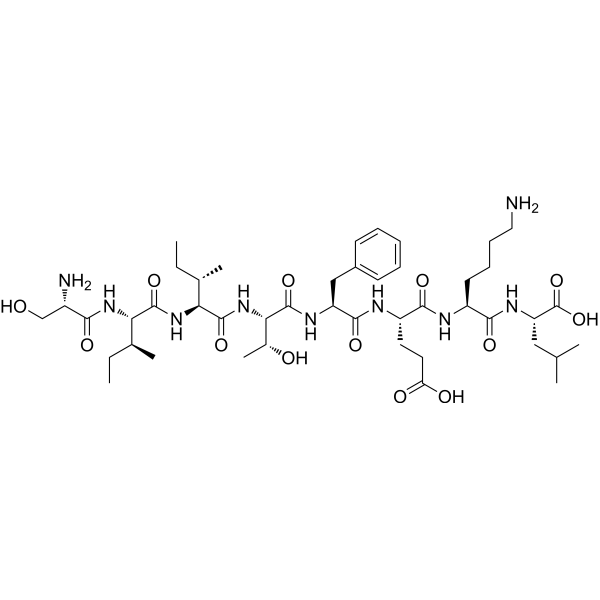
    OVA-T4 Peptide (SIITFEKL, OVA (257-264) Variant) is a low-affinity variant of OVA (257-264) (SIINFEKL). OVA-T4 Peptide has similar binding to H-2Kb MHC class I molecules as OVA (257-264), but has a much lower affinity for the OT-I TCR25 .
    OVA-T4 Peptide
  • HY-P99940

    ABT-122

    TNF Receptor Interleukin Related Inflammation/Immunology
    Remtolumab is a bispecific variable domain immunoglobulin molecule with human affinities for TNFα and IL-17 in the low pM range of Kd. Remtolumab can be used in research related to rheumatoid arthritis, psoriatic arthritis, and moderate-to-severe plaque psoriasis .
    Remtolumab
  • HY-100703

    Floropipamide; McN-JR 3345; R 3345

    5-HT Receptor Dopamine Receptor Neurological Disease
    Pipamperone (Floropipamide) is a butyrophenone derivative and high-affinity antagonist of 5-HT2A receptor (pKi=8.2) and D4 receptor (pKi=8.0). Pipamperone is also a low-affinity antagonist of D2 receptor (pKi=6.7). Pipamperone affects neurotransmitter functions and exerts antipsychotic activity. Pipamperone is used in the research of mental disorders such as autism-related behavioral disorders and Alzheimer's disease .
    Pipamperone
  • HY-136587

    Histamine Receptor mGluR Inflammation/Immunology
    Oxomemazine is a phenothiazine-based histamine H1-receptor blocker. Oxomemazine is a selective antagonist for muscarinic M1 receptor, displays about 20-fold difference in the affinity for high (Ki = 84 nM, M1 receptor) and low (Ki = 1.65 μM, M2 receptor) affinity sites. Oxomemazine is an antihistamine and anticholinergic agent used for the study of cough treatment. Oxomemazine is protective against anaphylactic microshock in guinea pigs .
    Oxomemazine
  • HY-14567

    FUB-359

    Histamine Receptor Neurological Disease Endocrinology
    Ciproxifan (FUB 359) is a potent, selective, orally bioavailable and competitive antagonist of histamine H3-receptor, with an IC50 of 9.2 nM. Ciproxifan displays low apparent affinity at other receptor subtypes. Ciproxifan can be used for the research of aging disorders and Alzheimer's disease .
    Ciproxifan
  • HY-D2348

    Fluorescent Dye Infection Others
    ACE is a low-background, photostable fluorophore with nanomolar binding affinity for the Okra RNA aptamer. ACE enables clear visualization of mRNA in live bacteria and mammalian cells, including tracking the trafficking of mRNA to stress granules and dual-color super-resolution imaging of RNA in live cells. (Ex=488 nm, Em=555 nm) .
    ACE
  • HY-117959

    LPL Receptor Inflammation/Immunology
    TAK-615 is a negative allosteric modulator (NAM) of the LPA1 receptor for the research of pulmonary fibrosis. TAK-615 binds the LPA1 receptor with high affinity (Kd high affinity of 1.7 nM and Kd low affinity of 14.5 nM) .
    TAK-615
  • HY-101356

    mGluR Neurological Disease
    CPCCOEt is a low affinity, selective, non-competitive and reversible antagonist of metabotropic glutamate receptor 1b (mGluR1b) .
    CPCCOEt
  • HY-101232
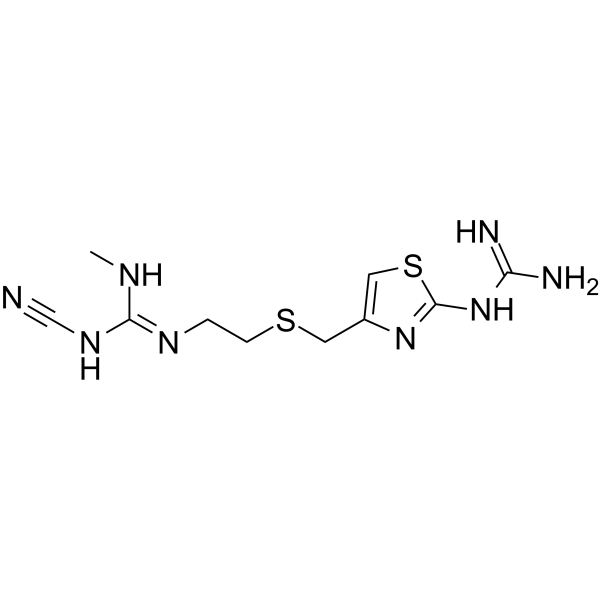
    Tiotidine
    2 Publications Verification

    ICI 125211

    Histamine Receptor Cardiovascular Disease
    Tiotidine (ICI 125211) is a potent and selective antagonist of histamine H2-receptor (pA2=7.3-7.8 for guinea-pig right atrium). Tiotidine has low affinity for both the H1 and the H3 receptors .
    Tiotidine
  • HY-15289

    FUB 359 maleate

    Histamine Receptor Neurological Disease Endocrinology
    Ciproxifan maleate (FUB 359 maleate) is a potent, selective, orally bioavailable and competitive antagonist of histamine H3-receptor, with an IC50 of 9.2 nM. Ciproxifan maleate displays low apparent affinity at other receptor subtypes. Ciproxifan maleate can be used for the research of aging disorders and Alzheimer's disease .
    Ciproxifan maleate
  • HY-130245

    PCSK9 Metabolic Disease
    PCSK9 degrader 1 (Compound 16) is a small molecule ligand for proprotein convertase substilisin-like/kexin type 9 (PCSK9) and shows high affinity to PCSK9 with a Ki of 107 nM. PCSK9 degrader 1 can involve in a protein-protein interaction with the low-density lipoprotein (LDL) receptor .
    PCSK9 degrader 1
  • HY-P10502A

    LDLR Others
    L57 acetate is a Low-density lipoprotein receptor-related protein 1 (LRP1)-binding peptide. L57 acetate exhibits high affinity to LRP1 with Ki of 45 nM. L57 acetate exhibits blood-brain barrier (BBB) permeability and plasma stability. L57 acetate can be utilized as the carrier for CNS drug delivery .
    L57 acetate
  • HY-P990071

    LY-3016859

    EGFR Neurological Disease Metabolic Disease Inflammation/Immunology
    Fepixnebart (LY3016859) is a humanized monoclonal hIgG4 antibody, which binds and neutralizes only TGFα and epiregulin with high affinity. Fepixnebart can be used for the study of diabetic nephropathy and broad-spectrum chronic pain, including diabetic peripheral neuropathic pain (DPNP), signs and symptoms of osteoarthritis (OA), and chronic low back pain (CLBP) .
    Fepixnebart
  • HY-121301

    5-HT Receptor Neurological Disease
    Amperozide is an atypical antipsychotic that acts as an antagonist of the 5-HT2 receptor with a Ki value of 26 nM. Amperozide has a low affinity for D2 receptors .
    Amperozide
  • HY-107579

    AY 25712

    GPR109A Cardiovascular Disease
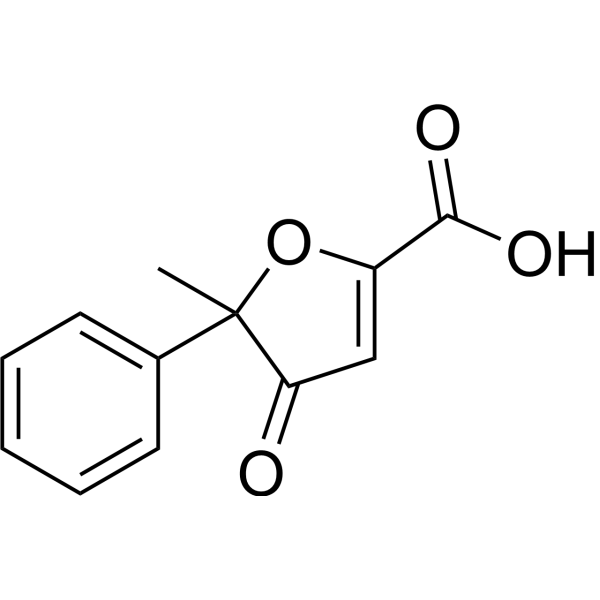
    Acifran (AY 25712), an antihyperlipidemic agent, is an orally active agonist of GPR109A (HM74A) and GPR109B, the high and low affinity receptors for Niacin .
    Acifran
  • HY-W009234

    6-Chloroguanosine

    Nucleoside Antimetabolite/Analog Others
    6-Chloroguanineriboside (6-Chloroguanosine) is a purine nucleoside analog. 6-Chloroguanineriboside has extremely low affinity for guanosine binding sites in rat brain (Ki: 253.1 μM) .
    6-Chloroguanineriboside
  • HY-119993

    BMH-23

    DNA/RNA Synthesis Cancer
    AR03 (BMH-23) is an apurinic/apyrimidinic endonuclease 1 (Ape1) inhibitor with an IC50 of 2.1 µM. AR03 has low affinity for double-stranded DNA. AR03 potentiates the cytotoxicity of methyl methanesulfonate and temozolomide in SF767 cells .
    AR03
  • HY-122653A

    PROTACs Cancer
    CCT367766 formic is a potent and the third generation heterobifunctional and Cereblon-based pirin targeting protein degradation probe (PDP, or PROTAC), depletes pirin protein expression at low concentration. CCT367766 formic exhibits a moderate affinity for the CRBN-DDB1 complex with an IC50 value of 490 nM. CCT367766 formic reveals a good affinity for the recombinant pirin and CRBN with Kd values of 55 nM and 120 nM, respectively. CCT367766 formic provides a potential chemical tool to study a largely unexplored protein .
    CCT367766 formic
  • HY-15234S

    Isotope-Labeled Compounds Glucocorticoid Receptor Inflammation/Immunology
    Fluticasone furoate-d3 is deuterium labeled Fluticasone furoate. Fluticasone furoate is a topical, intranasal, enhanced-affinity synthetic trifluorinated corticosteroid with a Kd of 0.3 nM. Fluticasone furoate has potent anti-inflamatory and anti-asthmatic activity, and low systemic exposure. Fluticasone furoate has the potential for allergic rhinitis treatment .
    Fluticasone furoate-d3
  • HY-B0371B

    Adrenergic Receptor Endocrinology
    (R)-Terazosin is an active R-enantiomer of Terazosin. (R)-Terazosin is a potent α1-adrenoceptor antagonist with Ki values of 6.51 nM, 1.01 nM and 1.97 nM for α1a, α1b and α1d-adrenoceptor, respectively .
    (R)-Terazosin
  • HY-14953

    AWD 131-138

    GABA Receptor Neurological Disease
    Imepitoin (AWD 131-138) is a new low-affinity partial benzodiazepine receptor agonist with potent anticonvulsant and anxiolytic properties in rodent models.
    Imepitoin
  • HY-135239

    Fluorescent Dye Others
    Fura-FF pentapotassium is a low-affinity fluorescent dye for calcium (Ex/Em: 365/514 nm in the absence of calcium; 339/507 nm in the presence of a high calcium concentration) .
    Fura-FF pentapotassium
  • HY-W001909S

    nAChR Metabolic Disease
    Myosmine-d4 is the deuterium labeled Myosmine. Myosmine, a specific tobacco alkaloid in nuts and nut products, has low affinity for a4b2 nicotinic acetylcholinergic receptors (nAChR) with a Ki of 3300 nM .
    Myosmine-d4
  • HY-160604

    FPL 12924; PR 934-423; FPL 13592

    iGluR Neurological Disease
    Remacemide (FPL 12924) is an orally active, non-competitive, low-affinity NMDA receptor antagonist. Remacemide shows neuroprotection activity in animal models of hypoxia and ischemic stroke. Remacemide is also an anticonvulsant, and can be used in Parkinson's disease and Huntington's disease research .
    Remacemide
  • HY-106100A

    EMD 38362

    Dopamine Receptor Serotonin Transporter Neurological Disease
    Roxindole hydrochloride (EMD 38362), an indot-alkyl-pipenidine, is a potent agonist at dopamine autoreceptors, with an affinity for the D2-like subtype in the low nanomolar range. Roxindole can be used for the research of positive and negative schizophrenic symptoms. Roxindole is a 5-HT1A agonist and 5-HT uptake inhibitor with high affinity for 5-HT1A (IC50=0.9 nM). Antipsychotic and antidepressant activities .
    Roxindole hydrochloride
  • HY-N11978

    6-HKA

    iGluR Neurological Disease
    6-Hydroxykynurenic acid (6-HKA) is a derivative of kynurenic acid (KYNA) and can be isolated from Ginkgo leaves. 6-Hydroxykynurenic acid is a low-affinity NMDAR antagonist (IC50: 59 μM) .
    6-Hydroxykynurenic acid
  • HY-P3912A

    Interleukin Related Infection
    Endotoxin inhibitor TFA is a synthetic peptide that binds lipid A with high affinity, thereby detoxifying LPS (HY-D1056) and preventing LPS-induced cytokine release in vivo. Endotoxin inhibitor TFA inhibits the febrile response to LPS with very low toxicity and lethality .
    Endotoxin inhibitor TFA
  • HY-172915

    MDM-2/p53 DNA-PK Apoptosis Cancer
    p53 Stabilizer 2 is a 9'-cycloheptylselenomethyl-noscapine derivative and DNA-PKcs-dependent p53 stabilizer with low tubulin-binding affinity.p53 Stabilizer 2 induces S-phase arrest and apoptosis in cancer cells.p53 Stabilizer 2 can be used for the research of cancer .
    p53 Stabilizer 2
  • HY-137103

    Fluorescent Dye Others
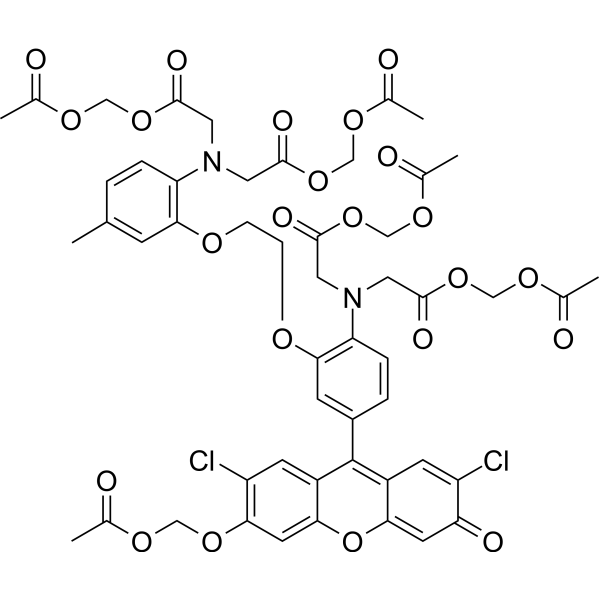
    BTC-AM is a low affinity calcium indicator. BTC-AM has substantial calcium-independent fluorescence at all excitation wavelengths. BTC-AM is readily loaded into neurons and is rapidly hydrolysed .
    BTC-AM
  • HY-153756

    Prion Protein Infection
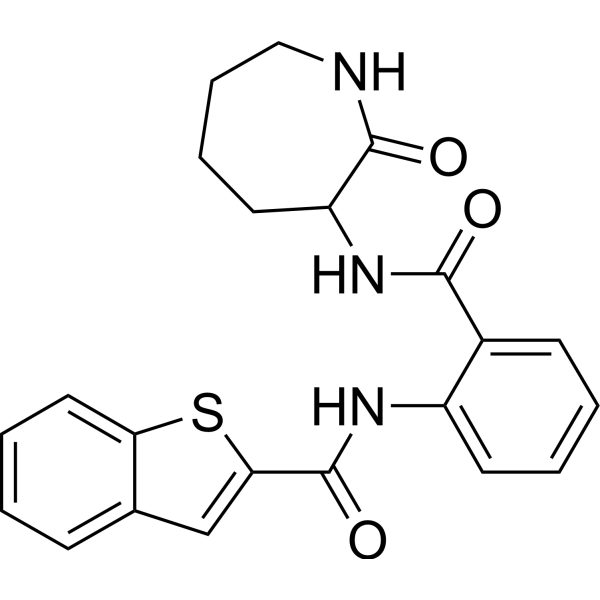
    GFP16 is a low affinity antiprion compound. GFP16 can be used for research of antiprion drug discovery .
    GFP16

Inquiry Online

Your information is safe with us. * Required Fields.

Salutation


Country or Region *

Applicant Name *


Organization Name *

Department *


Email Address *


Product Name *

Cat. No.


Requested quantity *

Phone Number *


Remarks

Inquiry Online

Inquiry Information

Product Name:
Cat. No.:
Quantity:
MCE Japan Authorized Agent:

