
1. Search Result
Search Result
Results for "

lung fibroblasts

" in MedChemExpress (MCE) Product Catalog:

82

Inhibitors & Agonists

1

Biochemical Assay Reagents

4

Peptides

5

Inhibitory Antibodies

18

Natural
Products

3

Isotope-Labeled Compounds

1

Click Chemistry

Cat. No. Product Name Target Research Areas Chemical Structure
  • HY-12678
    Entrectinib
    Maximum Cited Publications
    28 Publications Verification

    NMS-E628; RXDX-101

    ROS Kinase Trk Receptor Anaplastic lymphoma kinase (ALK) Autophagy Cancer
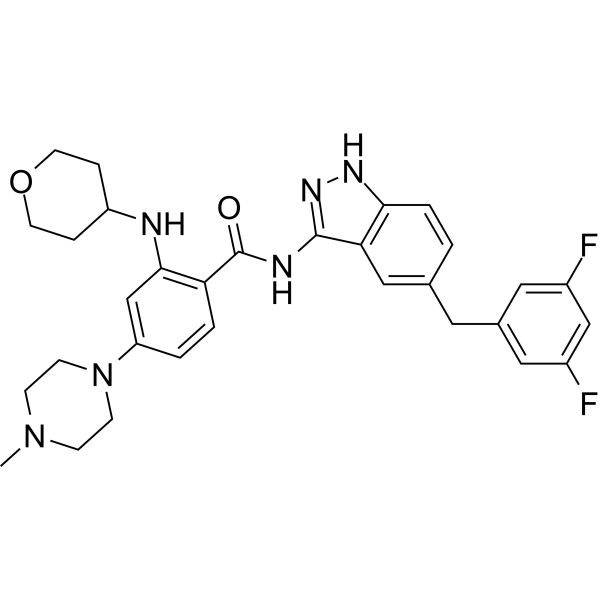
    Entrectinib (NMS-E628) is an orally active, BBB-penetrated and centrally active inhibitor of TrkA/B/C, ROS1 and ALK, with IC50 values of 1, 3, 5, 12 and 7 nM, respectively. Entrectinib induces apoptosis and cycle arrest in cancer cells, has antitumor activity, and attenuates bleomycin-induced lung fibrosis in mice .
    Entrectinib
  • HY-B1777
    Spermine
    Maximum Cited Publications
    8 Publications Verification

    NSC 268508; Neuridine

    Endogenous Metabolite Bacterial Reactive Oxygen Species (ROS) DNA/RNA Synthesis Infection Neurological Disease Inflammation/Immunology
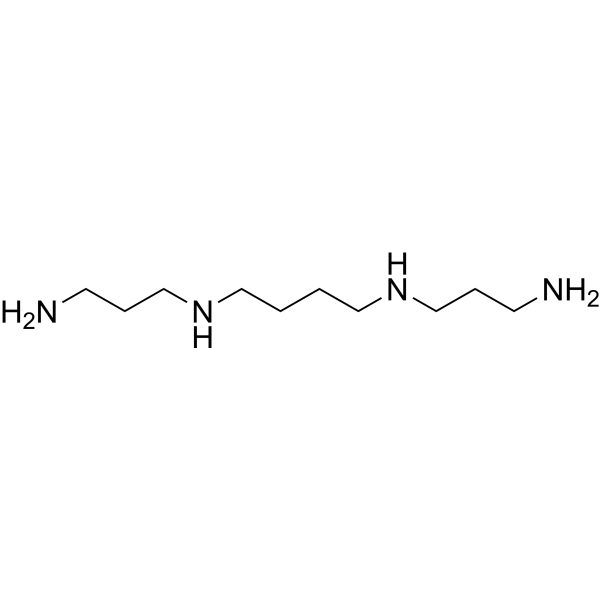
    Spermine is a natural antioxidant and anti-inflammatory agent. Spermine is known to inhibit some bacterial cultures, especially strains of Staphylococcus aureus. Spermine induces neurotoxicity in the striarum dose-dependently. Spermine can reversibly inhibits DNA synthetic response, mixed lymphocyte response and the induction of cytolytic lymphocyte response in primary cultures of murine spleen cells. Spermine tetrahydrochloride is a polyamine nitric oxide donor that can provide nitric oxide to platelets and inhibit platelet activation to a certain extent concentration-dependently. Spermine tetrahydrochloride occurs in mammalian tissues, plants, bacteria, ribosomes and bacteriophage. Spermine tetrahydrochloride inhibits primary human embryo lung fibroblasts in vitro .
    Spermine
  • HY-P99269
    Sibrotuzumab
    1 Publications Verification

    BIBH 1; Anti-Human FAP Recombinant Antibody

    FAP Cancer
    Sibrotuzumab (BIBH 1) is a humanized IgG1 monoclonal antibody targets fibroblast activation protein (FAP). Sibrotuzumab can be used for the research of colorectal cancer and non-small cell lung cancer (NSCLC) .
    Sibrotuzumab
  • HY-107588
    TC-I 15
    2 Publications Verification

    Integrin Cardiovascular Disease
    TC-I 15 (TC-I-15) is a type of allosteric collagen-binding integrin α2β1 inhibitor, and it also inhibits α1β1 and α11β1. TC-I 15 inhibits platelet adhesion to collagen and thrombus deposition. TC-I 15 prevents the formation of a pre-metastatic microenvironment by inhibiting the uptake of cancer-associated fibroblast (CAF) extracellular vesicles (EVs) by lung fibroblasts, which reduces the metastasis of salivary gland adenocystic carcinoma (SACC) to the lungs in mouse models, .
    TC-I 15
  • HY-P991218
    Anti-IL11 Antibody (X203)
    2 Publications Verification

    EnX203

    Interleukin Related ERK STAT CDK Cadherin Inflammation/Immunology
    Anti-IL11 Antibody (X203) (EnX203) is a human-derived IgG1, κ type antibody inhibitor, targeting to human IL-11 . Recommend Isotype Controls: Human IgG1 kappa, Isotype Control (HY-P99001).
    Anti-IL11 Antibody (X203)
  • HY-P10944

    NNS309

    FAP Inflammation/Immunology Cancer
    Unlabeled FXX489 (NNS309) is a fibroblast activation protein (FAP)-targeting ligand. Unlabeled FXX489 can be labeled with 68Ga and 177Lu and shows anticancer effects. Unlabeled FXX489 can be used for the study of pancreatic ductal adenocarcinoma (PDAC), non-small cell lung cancer (NSCLC), breast cancer (BC), and colorectal cancer (CRC) .
    Unlabeled FXX489
  • HY-B1777AS

    Isotope-Labeled Compounds Endogenous Metabolite Reactive Oxygen Species (ROS) Bacterial DNA/RNA Synthesis Metabolic Disease
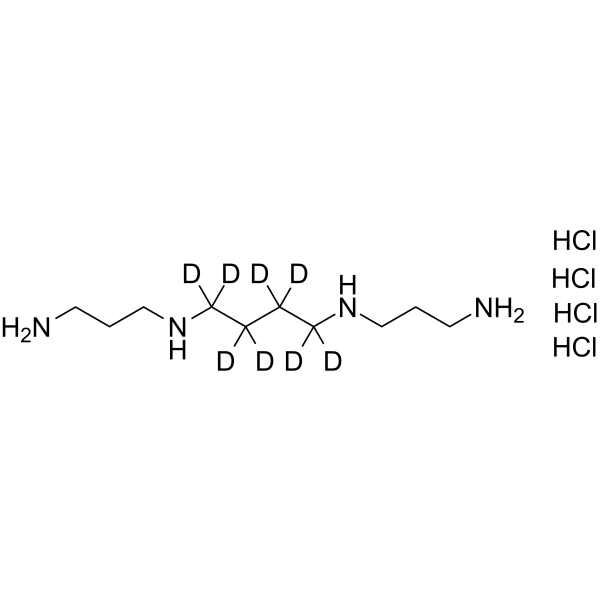
    Spermine-d8 (tetrahydrochloride) is the deuterium labeled Spermine tetrahydrochloride. Spermine tetrahydrochloride is a polyamine nitric oxide donor that can provide nitric oxide to platelets and inhibit platelet activation to a certain extent concentration-dependently. Spermine tetrahydrochloride occurs in mammalian tissues, plants, bacteria, ribosomes and bacteriophage. Spermine tetrahydrochloride inhibits primary human embryo lung fibroblasts in vitro. Spermine is a natural antioxidant and anti-inflammatory agent. Spermine is known to inhibit some bacterial cultures, especially strains of Staphylococcus aureus. Spermine induces neurotoxicity in the striarum dose-dependently. Spermine can reversibly inhibits DNA synthetic response, mixed lymphocyte response and the induction of cytolytic lymphocyte response in primary cultures of murine spleen cells .
    Spermine-d8 tetrahydrochloride
  • HY-129630

    Microtubule/Tubulin Neurological Disease Cancer
    Tetrahydrocortisol is a cortisol metabolite that inhibits dexamethasone-induced formation of cross-linked actin networks. Tetrahydrocortisol can be used in the research of primary open-angle glaucoma, glucocorticoid-induced ocular hypertension, Lewis lung carcinoma, and EMT-6 mouse breast cancer .
    Tetrahydrocortisol
  • HY-N0671
    Rhapontin
    2 Publications Verification

    Rhaponiticin

    Apoptosis Cardiovascular Disease Metabolic Disease Inflammation/Immunology Cancer
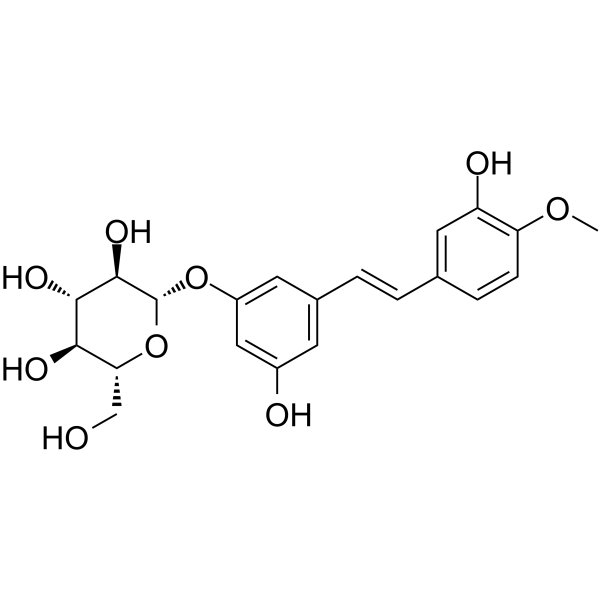
    Rhapontin (Rhaponiticin) is an orally aactive SIRT1 agonist and AMPK activator with anti-inflammatory and anti-fibrotic activities. Rhapontin inhibits NLRP3 inflammasome activation by activating SIRT1 and inhibits TGF-β/Smad signaling via the AMPK pathway. Rhapontin reduces intestinal and lung inflammation, inhibits fibroblast differentiation and extracellular matrix deposition, and enhances tight junction protein expression to repair epithelial barriers. Rhapontin can be used in the study of inflammatory bowel diseases (such as ulcerative colitis) and pulmonary fibrosis .
    Rhapontin
  • HY-B1777A
    Spermine tetrahydrochloride
    Maximum Cited Publications
    8 Publications Verification

    Endogenous Metabolite Bacterial Reactive Oxygen Species (ROS) DNA/RNA Synthesis Infection Neurological Disease Inflammation/Immunology
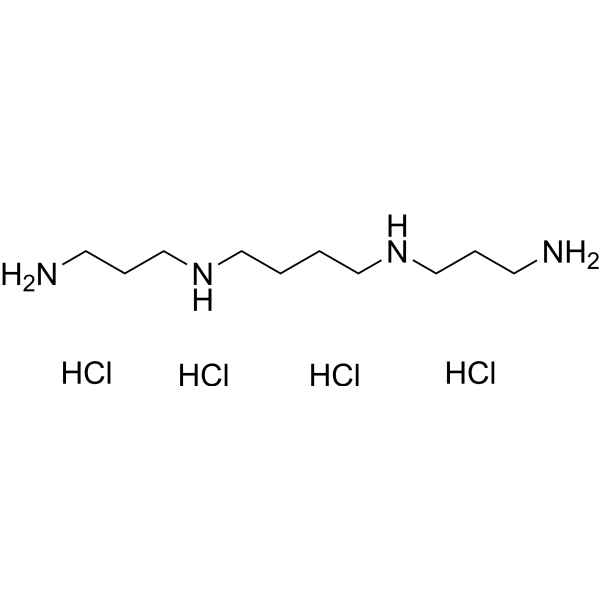
    Spermine tetrahydrochloride is a polyamine nitric oxide donor that can provide nitric oxide to platelets and inhibit platelet activation to a certain extent concentration-dependently. Spermine tetrahydrochloride occurs in mammalian tissues, plants, bacteria, ribosomes and bacteriophage. Spermine tetrahydrochloride inhibits primary human embryo lung fibroblasts in vitro. Spermine is a natural antioxidant and anti-inflammatory agent. Spermine is known to inhibit some bacterial cultures, especially strains of Staphylococcus aureus. Spermine induces neurotoxicity in the striarum dose-dependently. Spermine can reversibly inhibits DNA synthetic response, mixed lymphocyte response and the induction of cytolytic lymphocyte response in primary cultures of murine spleen cells .
    Spermine tetrahydrochloride
  • HY-168034

    STING Integrin NF-κB SARS-CoV Infection Inflammation/Immunology
    diABZI-4 is a STING activator and broad-spectrum antiviral agent with immunostimulatory activity. diABZI-4 triggers the TBK1-IRF3 and NF-κB signaling cascades by inducing STING oligomerization, thereby promoting the production of type I/III interferons and various proinflammatory cytokines. diABZI-4 exhibits broad-spectrum antiviral activity and effectively inhibits the replication of influenza A virus, SARS-CoV-2, herpes simplex virus, and other viruses. diABZI-4 also activates lymphocytes and macrophages to provide significant pre- and post-exposure protection in viral disease models. diABZI-4 can be used to study COVID-19, respiratory viral infections, and related immunopathological mechanisms .
    diABZI-4
  • HY-W010653

    lrganox 1010; AT1010

    Environmental Pollutants Biochemical Assay Reagents Others
    Antioxidant 1010 (lrganox 1010; AT1010) is a hindered phenolic antioxidant. Antioxidant 1010 does not inhibit intercellular gap-junctional communication. Antioxidant 1010 exhibits antioxidant efficacy in plastic, rubber and synthetic fiber .
    Antioxidant 1010
  • HY-N0353
    Curdione
    2 Publications Verification

    (+)-Curdione

    Ferroptosis Apoptosis Reactive Oxygen Species (ROS) Autophagy Glutathione Peroxidase Keap1-Nrf2 Heme Oxygenase (HO) TGF-β Receptor Indoleamine 2,3-Dioxygenase (IDO) Cardiovascular Disease Neurological Disease Cancer
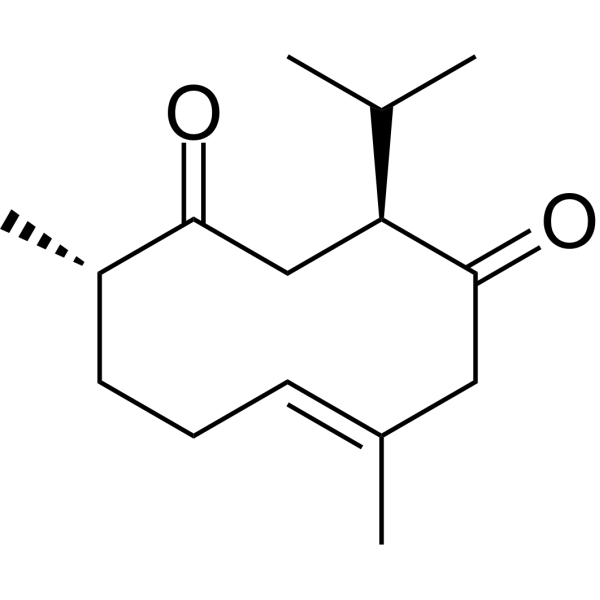
    Curdione ((+)-Curdione) is an orally active sesquiterpenoid. Curdione inhibits platelet aggregation. Curdione induces ferroptosis in colorectal cancer via m6A methylation mediated by METTL14 and YTHDF2. Curdione inhibits ferroptosis in Isoproterenol (HY-B0468)-induced myocardial infarction by regulating the Keap1/Trx1/GPX4 signaling pathway, suppressing oxidative stress (ROS) and apoptosis. Curdione ameliorates Doxorubicin (HY-15142)-induced cardiotoxicity by inhibiting oxidative stress (ROS) and activating the Nrf2/HO-1 pathway. Curdione ameliorates sepsis-induced lung injury by inhibiting platelet-mediated neutrophil extracellular trap formation. Curdione ameliorates Bleomycin (HY-17565A)-induced pulmonary fibrosis by inhibiting TGF-β-induced fibroblast-to-myofibroblast differentiation. Curdione exhibits neuroprotective effects against focal cerebral ischemia-reperfusion injury in rats. Curdione exerts antiproliferative effects against human uterine leiomyosarcoma by targeting IDO1. Curdione protects vascular endothelial cells and atherosclerosis by regulating DNMT1-mediated ERBB4 promoter methylation. Curdione inhibits inducible prostaglandin E2 production (IC50 = 1.1 μM) and cyclooxygenase 2 expression .
    Curdione
  • HY-114169
    WRG-28
    2 Publications Verification

    Discoidin Domain Receptor Inflammation/Immunology Cancer
    WRG-28 is a selective, extracellularly acting DDR2 allosteric inhibitor, with an IC50 of 230 nM. WRG-28 inhibits tumor invasion, migration and tumor-supporting effects of cancer-associated fibroblasts (CAFs). WRG-28 inhibits metastatic breast tumor cell colonization in the lungs. WRG-28 also shows good activity of relieving rheumatoid arthritis in CAIA model of mice .
    WRG-28
  • HY-N4089

    Aldose Reductase Cytochrome P450 Metabolic Disease Cancer
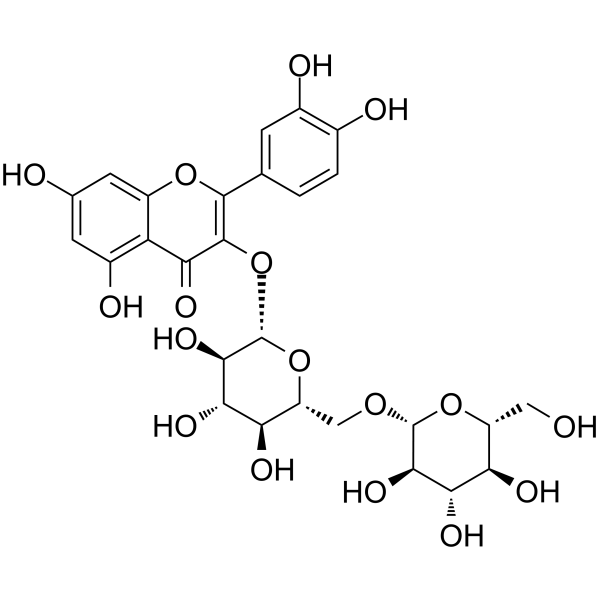
    Quercetin 3-gentiobioside is a flavonoid found in Artemisia iwayomogi. Quercetin 3-gentiobioside inhibits aromatase with an Ki of 46.77 nM. Quercetin 3-gentiobioside inhibits aldose reductase (AR) and the formation of advanced glycation end products (AGEs), with IC50 values of 10.60 μM and 109.46 μM, respectively. Quercetin 3-gentiobioside inhibits proliferation of cancer cells and fibroblast-like synoviocytes. Quercetin 3-gentiobioside can be used for the research of cancer, such as lung carcinoma .
    Quercetin 3-gentiobioside
  • HY-158742
    SBB-Analogue (GL13) Biotin
    1 Publications Verification

    GL13; SBB-A-B

    Tyrosinase Others
    SBB-Analogue (GL13) Biotin (GL13; SBB-A-B) consists of a Sudan Black B (SBB) (HY-D0213) derivative conjugated with biotin. SBB-Analogue (GL13) Biotin potently detects senescent cells and eliminates the drawback of false-positive staining caused by serum starvation and cell fusion in SA-β-gal assays. SBB-Analogue (GL13) Biotin can be used in flow cytometry, immunofluorescence analysis, and other applications .
    SBB-Analogue (GL13) Biotin
  • HY-Y0030

    3-hydroxypyridine-2-carboxylic acid

    Biochemical Assay Reagents Drug Intermediate Infection Cancer
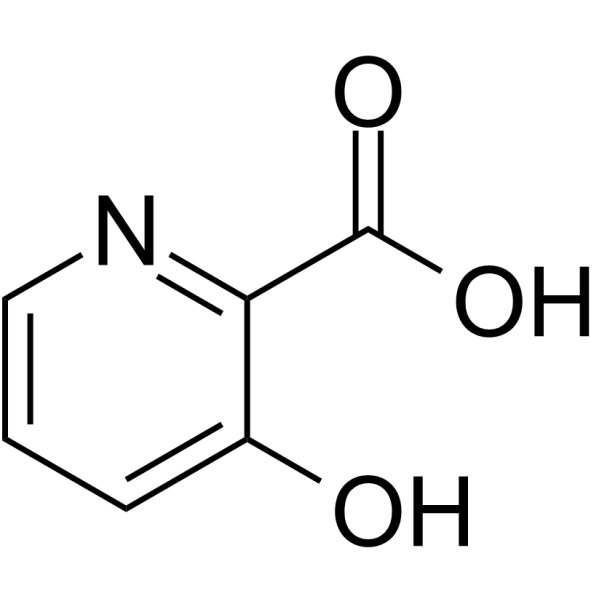
    3-Hydroxypicolinic acid is a heterocyclic carboxylic acid ligand and cytotoxin, with a MIC90 of >25 μg/mL against Mycobacterium tuberculosis H37Rv. 3-Hydroxypicolinic acid inhibits the growth of cancer cells and normal fibroblasts. 3-Hydroxypicolinic acid is applicable to research related to chronic myeloid leukemia, human lung adenocarcinoma, and tuberculosis .
    3-Hydroxypicolinic acid
  • HY-P991400

    TNF Receptor Apoptosis Interleukin Related NF-κB JNK p38 MAPK Inflammation/Immunology
    GSK1995057 is a human monoclonal antibody (mAb) targeting TNFRSF1A. GSK1995057 selectively binds to TNFR1, blocks the binding of TNF-α and LT-α, and does not interfere with TNFR2 signaling. GSK1995057 inhibits the activation of NF-κB, JNK and MAPK pathways, alleviates apoptosis (apoptosis) and inflammatory responses (inhibiting IL-1β, IL-6, IL-10, TNF-α), and prevents viability loss of human nucleus pulposus cells. GSK1995057 inhibits the expression of cytokines and neutrophil adhesion molecules in human pulmonary microvascular endothelial cell monolayers, and reduces inflammatory responses and lung injury symptoms in non-human primates. GSK1995057 forms complexes with HAVH autoantibodies, thereby activating TNFR1 and triggering the release of cytokines and IL-8 in human cells. GSK1995057 can be used in research related to intervertebral disc degeneration and acute lung injury .
    GSK1995057
  • HY-W020955

    Chloro(triphenylphosphine)gold(I)

    Biochemical Assay Reagents Apoptosis DNA Alkylator/Crosslinker Lipoxygenase Cancer
    Triphenylphosphinechlorogold (Chloro(triphenylphosphine)gold(I)) is a gold complex, Apoptosis inducer, and catalyst. Triphenylphosphinechlorogold exhibits high LOX inhibitory activity. Triphenylphosphinechlorogold induces cell cycle arrest and apoptosis. Triphenylphosphinechlorogold catalyzes the peroxidation of linoleic acid. A weak interaction exists between Triphenylphosphinechlorogold and DNA. Triphenylphosphinechlorogold displays antiproliferative activity against breast cancer cells .
    Triphenylphosphinechlorogold
  • HY-N2217

    Akt mTOR p38 MAPK Apoptosis Phosphatase Interleukin Related NF-κB PI3K Keap1-Nrf2 Heme Oxygenase (HO) Toll-like Receptor (TLR) Reactive Oxygen Species (ROS) Metabolic Disease Inflammation/Immunology Cancer
    Rotundic acid is an orally effective triterpenoid with a Kd value of 51.3 µM for PTP1B. Rotundic acid downregulates the AKT/mTOR pro-survival pathway and modulates the MAPK pathway. Rotundic acid induces cell cycle S-phase arrest, DNA damage and apoptosis; it inhibits migration, invasion, angiogenesis and proliferation of cancer cells. Rotundic acid improves leptin sensitivity, regulates gut microbiota and reduces cellular senescence. Rotundic acid can be used in research related to hepatocellular carcinoma, obesity, aging, acute lung injury and type 2 diabetes .
    Rotundic acid
  • HY-124211

    Environmental Pollutants MDM-2/p53 Aryl Hydrocarbon Receptor Cancer
    Dibenzo (a,i) pyrene is a polycyclic aromatic hydrocarbon and also a carcinogenic ligand of the TCDD (Ah) receptor. Dibenzo (a,i) pyrene binds to the TCDD (Ah) receptor in rat liver. Dibenzo (a,i) pyrene induces DNA adduct formation and upregulates the protein levels of p53 and p21 WAF1 in diploid lung fibroblasts. Dibenzo (a,i) pyrene alters the cell cycle distribution of diploid lung fibroblasts, increasing the proportion of cells in the S phase, decreasing the proportions of cells in the G0/G1 and G2/M phases, and causing S phase delay/arrest. Dibenzo (a,i) pyrene is applicable for cancer research .
    Dibenzo(a,i)pyrene
  • HY-P99223

    MEDI-575

    PDGFR Cancer
    Tovetumab (MEDI-575) is an anti-PDGFRα monoclonal antibody that selectively blocks the PDGFRα signal transduction. Tovetumab can be used in the research of glioblastoma and non-small cell lung cancer (NSCLC) .
    Tovetumab
  • HY-169259

    HDAC DNA/RNA Synthesis Reactive Oxygen Species (ROS) Apoptosis Caspase p38 MAPK Cancer
    HDAC9-IN-1 is a selective class IIa HDAC inhibitor that binds to HDAC9 with an IC50 of 40 nM. HDAC9-IN-1 potently inhibits HDACs 4 and 7 while showing weak activity against HDAC6 (IC50 values: 180 nM (HDAC4), 190 nM (HDAC7), 970 nM (HDAC6)). HDAC9-IN-1 significantly inhibits several human cancer cells, induces apoptosis and DNA damage in human cancer cells, and modulates caspase-related proteins and p38 in human cancer cells. HDAC9-IN-1 can be used for the research of oral cancer, breast cancer, gastric cancer .
    HDAC9-IN-1
  • HY-W012985

    ATP Synthase Apoptosis Metabolic Disease Cancer
    Methyl pyruvate is a methyl ester derivative of pyruvic acid. Methyl pyruvate induces insulin release and membrane depolarization. Methyl pyruvate rescues proteasome damage and nuclear localization of TdP-43 caused by overexpression of σ1RE102Q by enhancing ATP synthesis. Methyl pyruvate selectively protects normal lung fibroblasts from cell death induced by Irinotecan (HY-16562). Methyl pyruvate promotes apoptosis and necrosis in cancer cells and downregulates angiogenesis and cell cycle pathways. Methyl pyruvate is an effective substrate for dihydrodihydrogen dehydrogenase.
    Methyl pyruvate
  • HY-136093B
    Lixumistat
    1 Publications Verification

    IM156 free base; HL156A free base; HL271 free base

    Mitochondrial Metabolism AMPK Neurological Disease Inflammation/Immunology
    Lixumistat (IM156 free base) is a potent and orally active AMPK activator and OXPHOS inhibitor. Lixumistat strongly activates AMPK, while it lacks the systemic metabolic regulatory effects of classic metformin, such as hypoglycemic and weight-lowering activities. Lixumistat exhibits significant therapeutic effects on cognitive decline associated with brain aging and pulmonary fibrosis .
    Lixumistat
  • HY-103544

    JNK Interleukin Related Bombesin Receptor Inflammation/Immunology Cancer
    [D-Arg1,D-Phe5,D-Trp7,9,Leu11]-Substance P, a Substance P derivative, is a biased agonist toward neuropeptide and chemokine receptors. [D-Arg1,D-Phe5,D-Trp7,9,Leu11]-Substance P activates G12. [D-Arg1,D-Phe5,D-Trp7,9,Leu11]-Substance P binds to IL-8 and GRP receptors. [D-Arg1,D-Phe5,D-Trp7,9,Leu11]-Substance P inhibits ERK-2 activation, activates JNK activity. [D-Arg1,D-Phe5,D-Trp7,9,Leu11]-Substance P stimulates an increase in neutrophil migration and Ca 2+ mobilization. [D-Arg1,D-Phe5,D-Trp7,9,Leu11]-Substance P is also a bombesin antagonist, and inhibits the growth of small cell lung cancer
    [D-Arg1,D-Phe5,D-Trp7,9,Leu11]-Substance P
  • HY-N0671R
    Rhapontin (Standard)
    2 Publications Verification

    Rhaponiticin (Standard)

    Reference Standards Apoptosis Cardiovascular Disease Metabolic Disease Inflammation/Immunology Cancer
    Rhapontin (Standard) is the analytical standard of Rhapontin (HY-N0671). This product is intended for research and analytical applications. Rhapontin (Rhaponiticin) is an orally aactive SIRT1 agonist and AMPK activator with anti-inflammatory and anti-fibrotic activities. Rhapontin inhibits NLRP3 inflammasome activation by activating SIRT1 and inhibits TGF-β/Smad signaling via the AMPK pathway. Rhapontin reduces intestinal and lung inflammation, inhibits fibroblast differentiation and extracellular matrix deposition, and enhances tight junction protein expression to repair epithelial barriers. Rhapontin can be used in the study of inflammatory bowel diseases (such as ulcerative colitis) and pulmonary fibrosis .
    Rhapontin (Standard)
  • HY-175806

    TrxR Reactive Oxygen Species (ROS) Ferroptosis Cancer
    CS47 is a Thioredoxin Reductase 1 (TRXR1) inhibitor and ferroptosis inducer. CS47 binds non-covalently to sites between the FAD and NADPH pockets of TRXR1. CS47 drives glutathione depletion, lipid reactive oxygen species accumulation, HMOX1-dependent iron overload, and selective cytotoxicity in lung cancer cells. CS47 can be used for the research of lung cancer .
    CS47
  • HY-155328

    HDAC Inflammation/Immunology
    GK444 (Compound 15a) is a HDAC1/2 inhibitor (IC50: 100 and 92 nM for HDAC1/2 respectively). GK444 inhibits Caco-2 cells with IC50 of 4.1 μM. GK444 also reduces TGF-β1 induced COL1A1 mRNA levels in primary normal human lung fibroblasts. GK444 inhibits Bleomycin (HY-108345)-induced lung fibrosis in mice .
    GK444
  • HY-12678S1

    NMS-E628-d8; RXDX-101-d8

    Isotope-Labeled Compounds Autophagy Anaplastic lymphoma kinase (ALK) Trk Receptor ROS Kinase Cancer
    Entrectinib-d8 (NMS-E628-d8; RXDX-101-d8) is a deuterated version of Entrectinib (HY-12678). Entrectinib (NMS-E628) is an orally available, blood-brain barrier permeable, central nervous system active TrkA/B/C, ROS1 and ALK inhibitor with IC50 values of 1, 3, 5, 12 and 12, respectively. 7 nM. Entrectinib induces apoptosis and cycle arrest in cancer cells, has anti-tumor activity, and also alleviates bleomycin-induced pulmonary fibrosis in mice .
    Entrectinib-d8
  • HY-175809

    CD44 Src EGFR MAPKAPK2 (MK2) Cancer
    SRT6 is a CD44 inhibitor. SRT6 exerts antiproliferative activity in CD44 + breast cancer and lung cancer cells. SRT6 inhibits CD44-associated SRC kinase, as well as EGFR, ERBB2, ERBB4, MAP3K10 and MAPKAPK2. SRT6 can be used for the research of breast cancer and lung cancer .
    SRT6
  • HY-145555

    DWN12088

    Aminoacyl-tRNA Synthetase Inflammation/Immunology
    Bersiporocin (DWN12088) is an orally effective prolyl-tRNA synthetase (PRS) inhibitor. Bersiporocin exerts antifibrotic effects by inhibiting collagen synthesis. Bersiporocin can be used in the research of pulmonary fibrosis .
    Bersiporocin
  • HY-155732

    Parasite Infection
    NPD-2975 (compound 30) is an orally active antitrypanosomal agent, against Human African Trypanosomiasis (HAT). NPD-2975 has low toxicity potential against human MRC-5 lung fibroblasts, and acute mouse model of T. b. brucei infection. NPD-2975 shows acceptable metabolic stability, inhibits T. b. brucei with IC500 of 70 nM in vitro. NPD-2975 also inhibits CYP enzymes resulted in IC50 values of 0.16 and 0.42 μM against CYP1A2 and CYP2C19, respectively .
    NPD-2975
  • HY-155191

    Galectin Inflammation/Immunology Cancer
    Galectin-3/galectin-8-IN-1 (Compound 53) is a dual Galectin-3 and galectin-8 C-terminal domain inhibitor, with Kd values of 4.12 μM and 6.04 μM respectively. Galectin-3/galectin-8-IN-1 inhibits the MRC-5 lung fibroblast cells migration. Galectin-3/galectin-8-IN-1 can be used for research of cancer and tissue fibrosis .
    Galectin-3/galectin-8-IN-1
  • HY-155192

    Galectin Inflammation/Immunology Cancer
    Galectin-3/galectin-8-IN-2 (Compound 57) is a dual Galectin-3 and galectin-8 C-terminal domain inhibitor, with Kd values of 12.8 μM and 2.06 μM respectively. Galectin-3/galectin-8-IN-2 inhibits the MRC-5 lung fibroblast cells migration. Galectin-3/galectin-8-IN-2 can be used for research of cancer and tissue fibrosis .
    Galectin-3/galectin-8-IN-2
  • HY-147802

    EGFR Apoptosis Cancer
    EGFR-IN-59 (Compound 8c) is a EGFR inhibitor (IC50=190 nM) and apoptosis inducer. EGFR-IN-59 exhibits cytotoxicity against non-small lung cancer cell lines (A549) and normal lung fibroblasts (WI38) with IC50s of 8.62 and 52.6 µM, respectively. EGFR-IN-59 can be used for the research of various cancers such as non-small cell lung cancer (NSCLC), head and neck cancer, breast cancer and colorectal cancer .
    EGFR-IN-59
  • HY-170776

    PDGFR VEGFR FGFR Apoptosis Cancer
    AXL/Angiokinase-IN-1 (compound 11b) is an AXL/triple angiokinase inhibitor, IC50=3.75 nM (AXL expression). AXL/Angiokinase-IN-1 inhibits epithelial-mesenchymal transition (EMT) in Bxpc-3, blocking lung cancer cell metastasis. AXL/Angiokinase-IN-1 also inhibits vascular and fibroblast functions, promoting apoptosis (apoptosis) in cancer cells and fibroblasts. AXL/Angiokinase-IN-1 features low toxicity and good metabolic stability .
    AXL/Angiokinase-IN-1
  • HY-P11254

    Radionuclide-Drug Conjugates (RDCs) Cancer
    DOTA-FAPT is a novel targeting FAP tracer. DOTA-FAPT can be radiolabeled with gallium-68 and lutetium-177. DOTA-FAPT can be used for PET imaging studies of cancer-associated fibroblasts .
    DOTA-FAPT
  • HY-149022

    HSV Orthopoxvirus Infection
    HSV-1/HSV-2-IN-1 (compound 7d) is a HSV-1 and HSV-2 inhibitor, with EC50s of 7.6, 7.6, 4, and 12 μM for HSV-1 (KOS), HSV-2 (G), HSV-1 TK - KOS ACV r and vaccinia virus in human embryonic lung fibroblast cell cultures .
    HSV-1/HSV-2-IN-1
  • HY-12678R

    NMS-E628 (Standard); RXDX-101 (Standard)

    Reference Standards ROS Kinase Trk Receptor Anaplastic lymphoma kinase (ALK) Autophagy Cancer
    Entrectinib (Standard) is the analytical standard of Entrectinib. This product is intended for research and analytical applications. Entrectinib (NMS-E628) is an orally active, BBB-penetrated and centrally active inhibitor of TrkA/B/C, ROS1 and ALK, with IC50 values of 1, 3, 5, 12 and 7 nM, respectively. Entrectinib induces apoptosis and cycle arrest in cancer cells, has antitumor activity, and attenuates bleomycin-induced lung fibrosis in mice .
    Entrectinib (Standard)
  • HY-175662

    TGF-beta/Smad Inflammation/Immunology
    TGF-β/Smad-IN-2 is an orally active TGF-β/Smad inhibitor. TGF-β/Smad-IN-2 inhibits TGF-β-induced fibroblast-to-myofibroblast differentiation and collagen deposition, with an IC50 value of 102 μM for collagen reduction in LL29 cells. TGF-β/Smad-IN-2 exerts its effects through modulation of the SMAD3/SMAD7 signaling pathway. TGF-β/Smad-IN-2 reduces lung index in pulmonary fibrosis mice. TGF-β/Smad-IN-2 can be used for the study of pulmonary fibrosis .
    TGF-β/Smad-IN-2
  • HY-157404

    Pim Cancer
    Pim-1/2 kinase inhibitor 2 (compound 5b) is a competitive PIM-1 and PIM-2 kinase inhibitor with IC50s of 1.31 μM and 0.67 μM, respectively. Pim-1/2 kinase inhibitor 2 shows in-vitro low cytotoxicity against normal human lung fibroblast Wi-38 cell line and potent in-vitro anticancer activity against myeloid leukaemia (NFS-60), liver (HepG-2), prostate (PC-3), and colon (Caco-2) cancer cell lines .
    Pim-1/2 kinase inhibitor 2
  • HY-B1777S

    NSC 268508-15N2; Neuridine-15N2

    Isotope-Labeled Compounds Endogenous Metabolite Bacterial Reactive Oxygen Species (ROS) DNA/RNA Synthesis Infection Neurological Disease Inflammation/Immunology
    Spermine- 15N2 (NSC 268508- 15N2) is the 15N-labeled Spermine (HY-B1777). Spermine is a natural antioxidant and anti-inflammatory agent. Spermine is known to inhibit some bacterial cultures, especially strains of Staphylococcus aureus. Spermine induces neurotoxicity in the striarum dose-dependently. Spermine can reversibly inhibits DNA synthetic response, mixed lymphocyte response and the induction of cytolytic lymphocyte response in primary cultures of murine spleen cells. Spermine tetrahydrochloride is a polyamine nitric oxide donor that can provide nitric oxide to platelets and inhibit platelet activation to a certain extent concentration-dependently. Spermine tetrahydrochloride occurs in mammalian tissues, plants, bacteria, ribosomes and bacteriophage. Spermine tetrahydrochloride inhibits primary human embryo lung fibroblasts in vitro .
    Spermine-15N2
  • HY-N15657

    Apoptosis COX Caspase Microtubule/Tubulin Monoamine Oxidase Cancer
    Geiparvarin is an anticancer agent and an inhibitor of MAO-B (pIC50 = 6.84 μM). Geiparvarin exerts anti-tumor effects by downregulating COX2 expression and inhibiting angiogenesis. Geiparvarin blocks the cell cycle at the G1 phase and induces apoptosis of cancer cells. Geiparvarin has anti-microtubule activity and destroys the cytoskeleton to exert anti-proliferative effects. Geiparvarin has research significance for lung cancer, leukemia, and breast cancer .
    Geiparvarin
  • HY-118081

    STAT Cancer
    inS3-54-A26 is a STAT3 inhibitor. inS3-54-A26 has a toxic IC50 of 4.0 μM for non-cancerous lung fibroblasts .
    inS3-54-A26
  • HY-162721

    Biochemical Assay Reagents Cancer
    Anticancer agent 242 (7) possesses anticancer activity in A2780 (IC50 = 0.24 μM, ovarian adenocarcinoma), A2780cis (IC50 = 0.45 μM, resistant derivative of A2780), CCD18Co (IC50 = 0.59 μM, non-malignant human fibroblasts), A549 (IC50 = 0.32 μM, lung carcinoma), HT29 (IC50 = 0.26 μM, colorectal adenocarcinoma), and MCF7 (IC50 = 0.55 μM, breast adenocarcinoma) .
    Anticancer agent 242
  • HY-N1031

    12-epi-Vitexolide D; Curcucomosin C

    Bacterial Cancer
    Vitexolide E is a diterpenoid compound isolated from the leaves of the Malaysian species Vitex vestita. Vitexolide E shows cytotoxic activities against the HCT-116 cancer cell line and human fetal lung fibroblast MRC5 cell line .
    Vitexolide E
  • HY-173367

    EGFR PI3K mTOR Cancer
    Anticancer agent 271 (compound 5C) has antiproliferative activity against lung (A549), colon (Caco-2) cancer cell lines, and human lung fibroblast (WI38) with an IC50 value of 9.18 μM on A549 cells. Anticancer agent 271 downregulates PI3K and mTOR gene expression that can be used for cancer research .
    Anticancer agent 271
  • HY-137630

    Ras Metabolic Disease
    Sp-8-pCPT-2'-O-Me-cAMPS is an activator of EPAC. Sp-8-pCPT-2'-O-Me-cAMPS can be used in endocrine metabolism related research .
    Sp-8-pCPT-2'-O-Me-cAMPS
  • HY-P3600

    Apoptosis Inflammation/Immunology
    FIZZ-1 (32-51) (mouse) is a cysteine-rich secretory protein that is highly expressed by macrophages, bronchial epithelial and type II alveolar epithelial cells (AEC) in allergic airway inflammation. FIZZ1 (32-51) (mouse) also shows an antiapoptotic effect on lung fibroblasts. FIZZ-1 (32-51) (mouse) can be used in the study of allergic pneumonia .
    FIZZ-1 (32-51) (mouse)

Inquiry Online

Your information is safe with us. * Required Fields.

Salutation


Country or Region *

Applicant Name *


Organization Name *

Department *


Email Address *


Product Name *

Cat. No.


Requested quantity *

Phone Number *


Remarks

Inquiry Online

Inquiry Information

Product Name:
Cat. No.:
Quantity:
MCE Japan Authorized Agent:

