
1. Search Result
Search Result
Results for "

mRNA stability

" in MedChemExpress (MCE) Product Catalog:

39

Inhibitors & Agonists

6

Biochemical Assay Reagents

4

Natural
Products

3

Isotope-Labeled Compounds

10

Oligonucleotides

Targets Recommended:
Cat. No. Product Name Target Research Areas Chemical Structure
  • HY-112582C

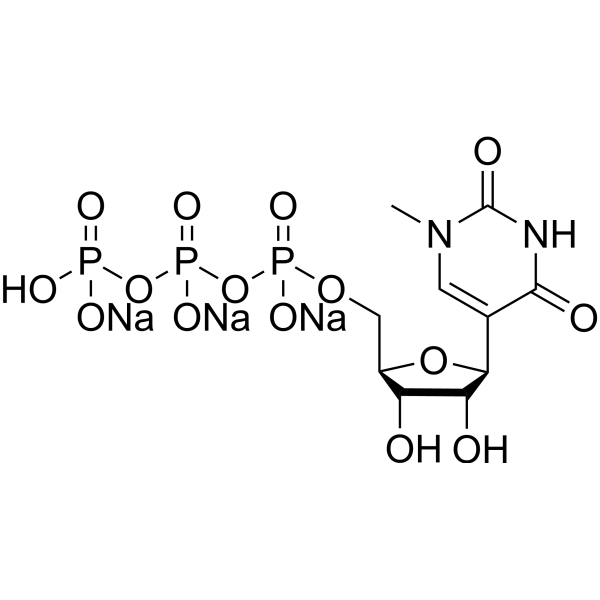
    1-Methylpseudouridine-5′-triphosphate trisodium; N1-Me-Pseudo UTP trisodium; N1-Methyl-Pseudo-UTP trisodium

    Nucleoside Antimetabolite/Analog DNA/RNA Synthesis Cardiovascular Disease
    N1-Methylpseudouridine-5′-triphosphate (1-Methylpseudouridine-5′-triphosphate) trisodium solution (100 mM) is a nucleobase-modified nucleotide. N1-Methylpseudouridine-5′-triphosphate (1-Methylpseudouridine-5′-triphosphate) trisodium solution (100 mM) is used for synthesizing mRNA with reduced immunogenicity and improved stability .
    N1-Methylpseudouridine-5′-triphosphate trisodium solution (100 mM)
  • HY-W019670
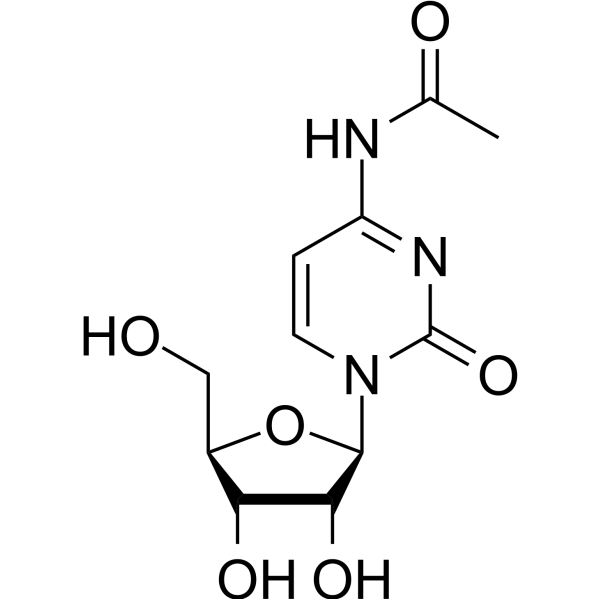
    N4-Acetylcytidine
    1 Publications Verification

    Endogenous Metabolite Histone Acetyltransferase Enterovirus NOD-like Receptor (NLR) Infection Neurological Disease Metabolic Disease Inflammation/Immunology Cancer
    N4-acetylcytidine (N4A) is an endogenous nucleoside metabolite from the degradation of tRNA. N4-Acetylcytidine is formed by N-acetyltransferase 10 and other enzymes. N4-acetylcytidine might sustain NLRP3 inflammasome activation via induction of HMGB1 expression and releasee. N4-Acetylcytidine modifies mRNA, tRNA and rRNA, affecting their stability, translation efficiency (such as enterovirus 71 RNA). N4-Acetylcytidine is used in the study of cancer, neuroinflammatory diseases, viral infections and obesity .
    N4-Acetylcytidine
  • HY-112582A

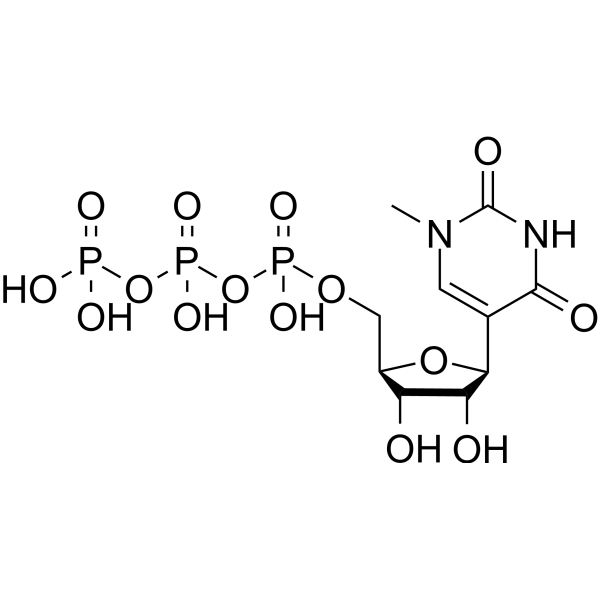
    1-Methylpseudouridine-5′-triphosphate

    Nucleoside Antimetabolite/Analog DNA/RNA Synthesis Cardiovascular Disease Others
    N1-Methylpseudouridine-5′-triphosphate (1-Methylpseudouridine-5′-triphosphate) is a nucleobase-modified nucleotide, used for synthesizing mRNA with reduced immunogenicity and improved stability.
    N1-Methylpseudouridine-5′-triphosphate solution (100 mM)
  • HY-153083

    mRNA SARS-CoV Infection
    COVID-19 Spike Protein mRNA (N1-Me-Pseudo UTP) is an mRNA encoding the SARS-CoV-2 spike protein with enhanced performance via chemical modification. COVID-19 Spike Protein mRNA (N1-Me-Pseudo UTP) replaces natural uridine (UTP) with N1-Me-Pseudo UTP, which effectively reduces immunogenicity and improves stability and translation efficiency. The 3' UTR of COVID-19 Spike Protein mRNA (N1-Me-Pseudo UTP) optimizes AU-rich elements through HuR anchor sites, exhibiting higher translation efficiency. COVID-19 Spike Protein mRNA is widely used in COVID-19-related scientific research and vaccine development .
    COVID-19 Spike Protein mRNA(N1-Me-Pseudo UTP)
  • HY-145974A

    m7G(5')ppp(5')(2'OMeA)pG ammonium

    DNA/RNA Synthesis Eukaryotic Initiation Factor (eIF) Others
    m7GpppAmpG ammonium (m7G(5')ppp(5')(2'OMeA)pG ammonium) is a trinucleotide 5′ end cap analog. m7GpppAmpG ammonium binds to eIF4E with a KD value of 45.6 nM. m7GpppAmpG ammonium caps RNA with a capping efficiency of 90%. m7GpppAmpG ammonium enhances mRNA stability and translation efficiency. m7GpppAmpG ammonium is used in mRNA therapeutic research .
    m7GpppAmpG ammonium solution (100 mM)
  • HY-148853
    SRI-42127
    1 Publications Verification

    HuR Others
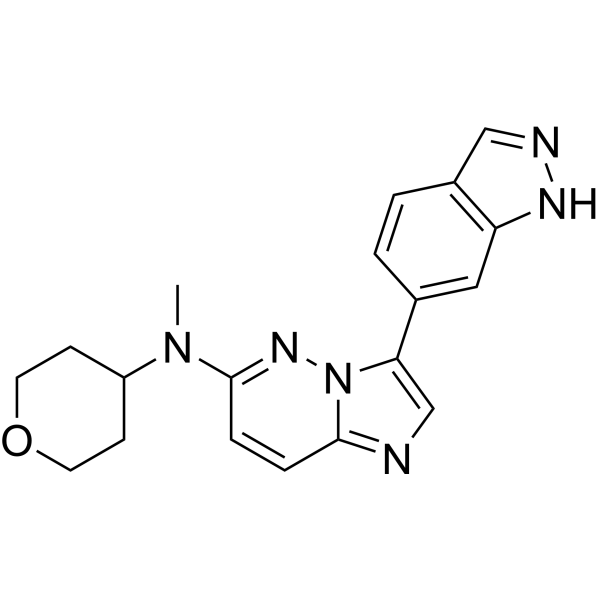
    SRI-42127 is a HuR translocation inhibitor. HuR is an RNA regulator that binds to AREs, and HuR translocations promote the production of inflammatory cytokines in glial cells. However, SRI-42127 can destroy mRNA stability and inhibit gene promoter activation. SRI-42127 also inhibits microglial cell activation and attenuates recruitment/chemotaxis of neutrophils and monocytes .
    SRI-42127
  • HY-N3415
    Kumatakenin
    1 Publications Verification

    Apoptosis Autophagy Caspase Ferroptosis SARS-CoV Neurological Disease Inflammation/Immunology Cancer
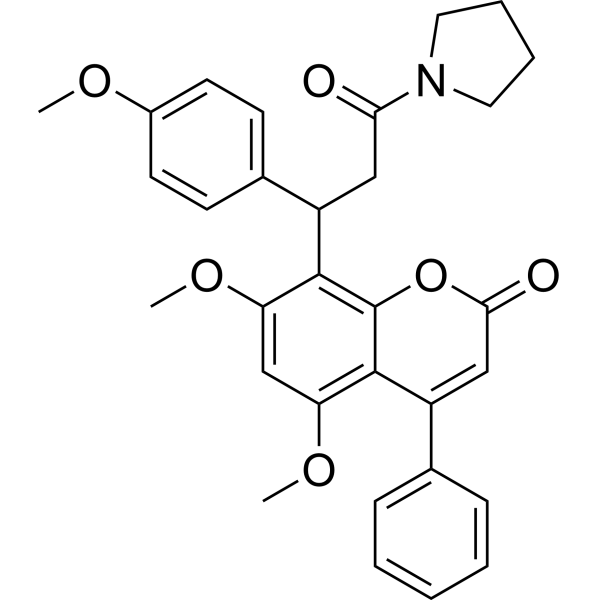
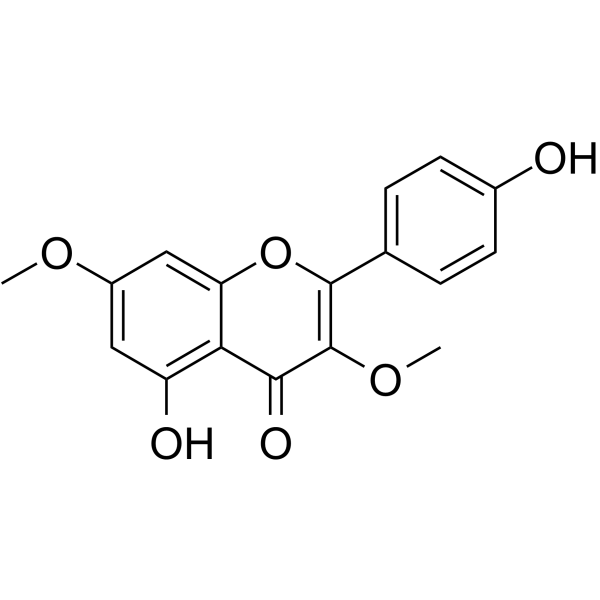
    Kumatakenin is an orally active apoptosis inducer and autophagy inhibitor, with a Kd value of 2.94 μM for mouse ATG5. Kumatakenin increases the activities of caspase-3, caspase-8 and caspase-9, thereby inducing caspase-dependent apoptosis in ovarian cancer cells. Kumatakenin reduces the expression of chemokines and pro-oncogenic factors in ovarian cancer cells, and inhibits M2 macrophage polarization. Kumatakenin inactivates TRIM65 function, reduces the expression and stability of FASN, and thus inhibits the proliferation, migration, invasion and tumor progression of esophageal cancer cells. Kumatakenin interacts with ATG5 to reduce its protein level, decrease LC3 level, and reduce the number of autophagosomes in the hippocampus. Kumatakenin binds to Eno3 to upregulate its expression, reduce the stability and expression level of IRP1 mRNA, inhibit ferroptosis, alleviate intestinal inflammation, and restore epithelial barrier function. Kumatakenin enhances the efficacy of antibiotics against pathogenic bacteria, inhibits SARS-CoV-2 replication, and reduces cytokine production. Kumatakenin is applicable to research related to ovarian cancer, esophageal cancer, depression and colitis .
    Kumatakenin
  • HY-124828
    CMLD-2
    2 Publications Verification

    HuR Cancer
    CMLD-2, an inhibitor of HuR-ARE interaction, competitively binds HuR protein disrupting its interaction with adenine-uridine rich elements (ARE)-containing mRNAs (Ki=350 nM). CMLD-2 induces apoptosis exhibits antitumor activity in different cancer cells as colon, pancreatic, thyroid and lung cancer cell lines. Hu antigen R (HuR) is an RNA binding protein, can regulate target mRNAs stability and translation .
    CMLD-2
  • HY-147338A

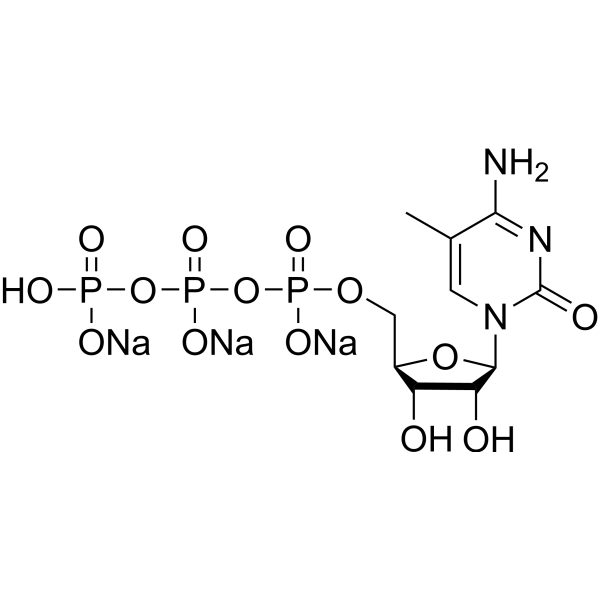
    5-Methyl-CTP trisodium

    DNA/RNA Synthesis Others
    5-Methylcytidine 5′-triphosphate (5-Methyl-CTP) trisodium is a modified nucleoside triphosphate. 5-Methylcytidine 5′-triphosphate trisodium can apply in replacing unmodified mRNA, resulting in the increase of translational properties and stability, as well as the reduction of innate immune responses in human and other mammalian cells .
    5-Methylcytidine 5′-triphosphate trisodium
  • HY-170704

    Liposome Metabolic Disease Cancer
    DSPE-PEG2000-TCO is a click chemistry coupling partner. DSPE-PEG2000-TCO undergoes a reverse electron-demand Diels-Alder click reaction to form a covalent linkage with tetrazine-modified Cetuximab (HY-P9905). DSPE-PEG2000-TCO maintains the stability of lipid nanoparticles (LNPs) and has high mRNA encapsulation efficiency, which supports cellular uptake and mRNA transfection. DSPE-PEG2000-TCO is used to prepare EGFR-targeted and APN-targeted mRNA-loaded LNPs, mediating receptor-dependent endocytosis, mRNA delivery, and intestinal epithelial transcytosis .
    DSPE-PEG2000-TCO
  • HY-153108

    ARCA cap solution (100 mM)

    DNA/RNA Synthesis Others
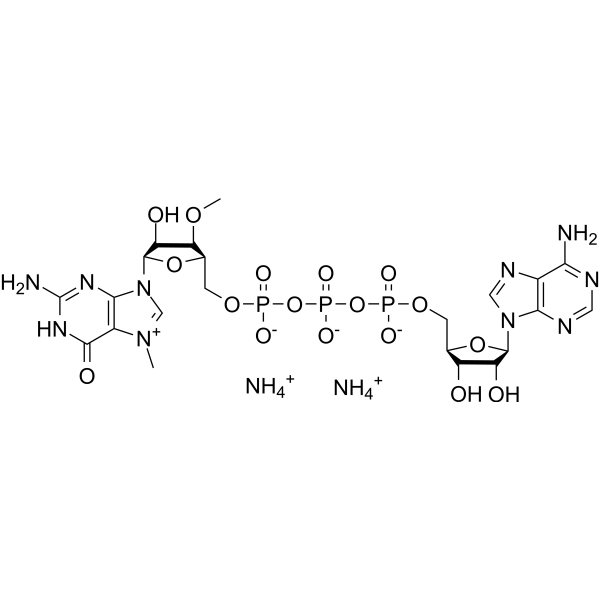
    3'-O-Me-m7G(5')ppp(5')A (ARCA cap) solution (100 mM), anti-reverse cap analog, has a special RNA cap structure. 3'-O-Me-m7G(5')ppp(5')A solution (100 mM) improves mRNA translation efficiency and stability, reduces translational inhibition by proteins such as IFIT1, and enables stronger and longer-lasting expression of the target protein. The RNA cap structure is a common feature of mRNAs in some RNA viruses and eukaryotes, and it serves as a signal for translation initiation .
    3'-O-Me-m7G(5')ppp(5')A solution (100 mM)
  • HY-141567A

    Pseudo-UTP trisodium solution (100 mM)

    DNA/RNA Synthesis Infection
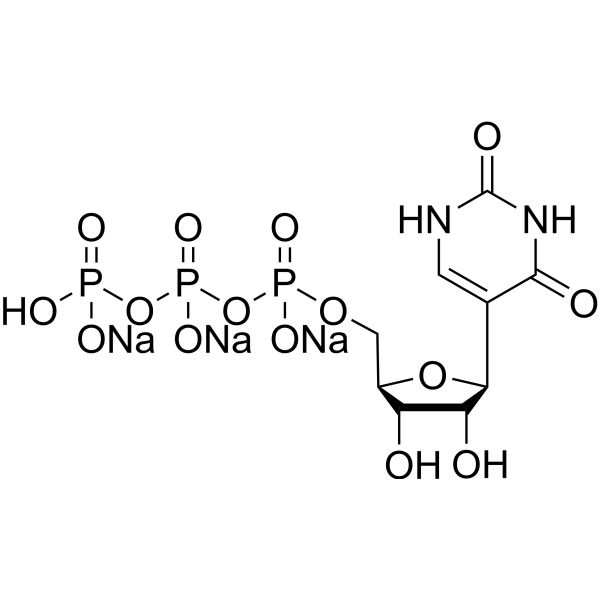
    Pseudouridine 5'-triphosphate (Pseudo-UTP) trisodium solution (100 mM) is a modified ribonucleoside triphosphate and uracil base-modified UTP derivative. Pseudouridine 5'-triphosphate trisodium solution (100 mM) enhances translational properties and stability of mRNA, reduces innate immune responses in mammalian cells, and inhibits signal-dependent transcription termination of vaccinia virus early gene transcription while supporting transcription elongation. Pseudouridine 5'-triphosphate trisodium solution (100 mM) can be used for the research of vaccinia virus infection .
    Pseudouridine 5'-triphosphate trisodium solution (100 mM)
  • HY-101082

    Fat Mass and Obesity-associated Protein (FTO) Metabolic Disease
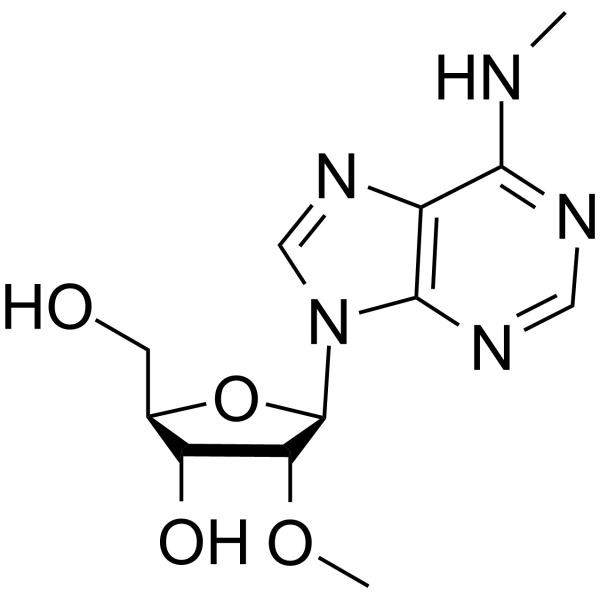
    N6,2′-O-Dimethyladenosine is a substrate of fat mass and obesity-associated gene (FTO) and mRNA cap modification. N6,2′-O-Dimethyladenosine dynamically regulates mRNA stability, translation efficiency, and protein expression. N6,2′-O-Dimethyladenosine can regulate obesity .
    N6,2′-O-Dimethyladenosine
  • HY-W753593

    Isotope-Labeled Compounds Enterovirus NOD-like Receptor (NLR) Histone Acetyltransferase Endogenous Metabolite Infection Neurological Disease Metabolic Disease Inflammation/Immunology Cancer
    N4-Acetylcytidine- 13C5 is the 13C-labeled N4-Acetylcytidine (HY-W019670). N4-acetylcytidine (N4A) is an endogenous nucleoside metabolite from the degradation of tRNA. N4-Acetylcytidine is formed by N-acetyltransferase 10 and other enzymes. N4-acetylcytidine might sustain NLRP3 inflammasome activation via induction of HMGB1 expression and releasee. N4-Acetylcytidine modifies mRNA, tRNA and rRNA, affecting their stability, translation efficiency (such as enterovirus 71 RNA). N4-Acetylcytidine is used in the study of cancer, neuroinflammatory diseases, viral infections and obesity .
    N4-Acetylcytidine-13C5
  • HY-148062

    PROTACs CDK AAK1 Cyclin G-associated Kinase (GAK) Salt-inducible Kinase (SIK) LIM Kinase (LIMK) Wee1 SnRK Others
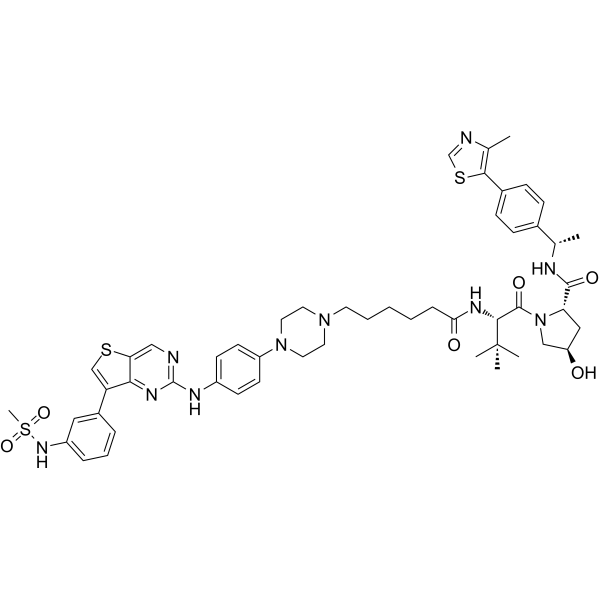
    RSS0680 is a small noncoding RNA (sRNA) targeting the mRNA ribosome binding site (RBS) and a PROTAC with protein kinase degradation activity (Pink: FLT3-IN-17 (HY-148070); Black: Linker (HY-W041970); Blue: E3 ligase Ligand (HY-112078)). RSS0680 competitively binds to RBS through the conserved CCUCCUCCC anti-Shine-Dalgarno (aSD) sequence and inhibits the translation initiation of target genes. RSS0680 can interact with the DUF1127 protein CcaF1, regulate its own stability and participate in bacterial oxidative stress defense, enhancing the host's resistance to heat shock and oxidative damage by affecting pathways such as C1 metabolism and pyruvate dehydrogenase complex. RSS0680 degrades AAK1, CDK1, CDK16, CDK2, CDK4, CDK6, EIF2AK4, GAK, LATSl, LIMK2, MAPK6, MAPKAPK5, MARK2, MARK4, MKNK2, NEK9, RPS6KB1, SIK2, SNRK, STK17A, STK17B, STK35, and WEEl. RSS0680 can be used to study diseases or disorders mediated by aberrant kinase activity and regulatory mechanisms of noncoding RNAs in α-proteobacteria[1][2].
    RSS0680
  • HY-124713

    DNA/RNA Synthesis Neurological Disease
    ML372 inhibits survival motor neuron (SMN) protein ubiquitination, increases SMN protein stability without affecting mRNA expression. ML372 improves spinal muscular atrophy (SMA) in mice. ML372 is brain penetrant and has a reasonable exposure and half-life in vivo .
    ML372
  • HY-141567

    Pseudo-UTP

    DNA/RNA Synthesis Infection
    Pseudouridine 5'-triphosphate (Pseudo-UTP) is a modified ribonucleoside triphosphate and uracil base-modified UTP derivative. Pseudouridine 5'-triphosphate enhances translational properties and stability of mRNA, reduces innate immune responses in mammalian cells, and inhibits signal-dependent transcription termination of vaccinia virus early gene transcription while supporting transcription elongation. Pseudouridine 5'-triphosphate can be used for the research of vaccinia virus infection .
    Pseudouridine 5'-triphosphate
  • HY-W019670R

    Reference Standards Endogenous Metabolite Histone Acetyltransferase Enterovirus NOD-like Receptor (NLR) Infection Neurological Disease Metabolic Disease Inflammation/Immunology Cancer
    N4-acetylcytidine (N4A) is an endogenous nucleoside metabolite from the degradation of tRNA. N4-Acetylcytidine is formed by N-acetyltransferase 10 and other enzymes. N4-acetylcytidine might sustain NLRP3 inflammasome activation via induction of HMGB1 expression and releasee. N4-Acetylcytidine modifies mRNA, tRNA and rRNA, affecting their stability, translation efficiency (such as enterovirus 71 RNA). N4-Acetylcytidine is used in the study of cancer, neuroinflammatory diseases, viral infections and obesity .
    N4-Acetylcytidine (Standard)
  • HY-147338

    5-Methyl-CTP

    DNA/RNA Synthesis Others
    5-Methylcytidine 5′-triphosphate (5-Methyl-CTP) is a modified nucleoside triphosphates. 5-Methylcytidine 5′-triphosphate can apply in replacing unmodified mRNA, resulting in the increase of translational properties and stability, as well as the reduction of innate immune responses in human and other mammalian cells .
    5-Methylcytidine 5′-triphosphate
  • HY-145974

    m7G(5')ppp(5')(2'OMeA)pG

    DNA/RNA Synthesis Eukaryotic Initiation Factor (eIF) Others
    m7GpppAmpG (m7G(5')ppp(5')(2'OMeA)pG) is a trinucleotide 5′ end cap analog. m7GpppAmpG binds to eIF4E with a KD value of 45.6 nM. m7GpppAmpG caps RNA with a capping efficiency of 90%. m7GpppAmpG enhances mRNA stability and translation efficiency. m7GpppAmpG is used in mRNA therapeutic research .
    m7GpppAmpG
  • HY-169402A

    Phosphodiesterase (PDE) NO Synthase Reactive Oxygen Species (ROS) Interleukin Related Inflammation/Immunology
    PDE1-IN-9 (Compound 7a) hydrochloride is a selective inhibitor for phosphodiesterase 1 (PDE1), that inhibits PDE1C with an IC50 of 11 nM. PDE1-IN-9 hydrochloride reduces mRNA expression of IL-1β, IL-6, TNF-α and iNOS, inhibits the production of nitric oxide (NO) and reactive oxygen species (ROS). PDE1-IN-9 hydrochloride exhibits good metabolic stability in rat liver microsomes .
    PDE1-IN-9 hydrochloride
  • HY-164984

    DNA/RNA Synthesis Others
    m3227G(5)ppp(5')A is a specific mRNA molecule structure, which is composed of a 3227-methylguanine (m3227G) cap, a triphosphate group and an adenosine. m3227G(5)ppp(5')A affects the stability and translation efficiency of mRNA .
    m3227G(5)ppp(5')A
  • HY-171898

    Liposome Inflammation/Immunology Cancer
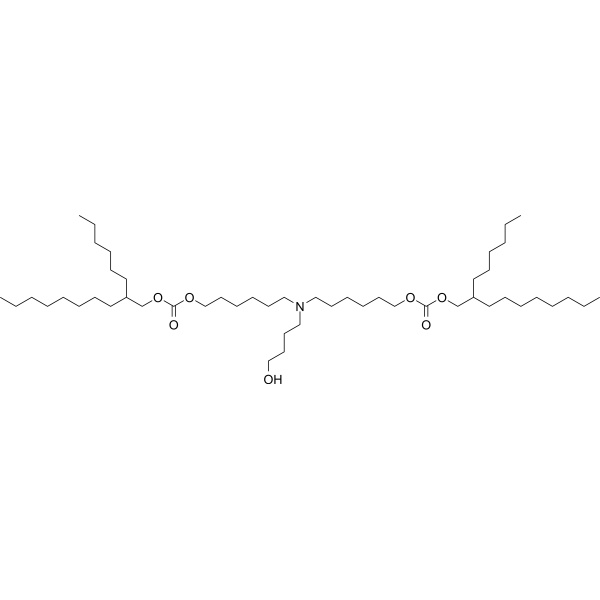
    Lipid I97 is an ionizable lipid derived from vitamin B5 (pKa = 6.23). Lipid I97 can be used to generate lipid nanoparticles (LNPs) for mRNA delivery in vivo. Lipid I97 can be studied in research for enhancing mRNA transfection efficiency and long-term stability as well as formulation of mRNA vaccines .
    Lipid I97
  • HY-112582B

    1-Methylpseudouridine-5′-triphosphate tetralithium

    DNA/RNA Synthesis Nucleoside Antimetabolite/Analog Others
    N1-Methylpseudouridine-5′-triphosphate (1-Methylpseudouridine-5′-triphosphate) tetralithium is a nucleobase-modified nucleotide, used for synthesizing mRNA with reduced immunogenicity and improved stability .
    N1-Methylpseudouridine-5′-triphosphate tetralithium
  • HY-112582AGL

    1-Methylpseudouridine-5′-triphosphate (GMP like)

    Nucleoside Antimetabolite/Analog DNA/RNA Synthesis Others
    N1-Methylpseudouridine-5′-triphosphate (GMP like) (1-Methylpseudouridine-5′-triphosphate (GMP like)) is N1-Methylpseudouridine-5′-triphosphate (HY-112582A) produced by using GMP like guidelines. GMP Like small molecules works appropriately as an auxiliary reagent for cell therapy manufacture. N1-Methylpseudouridine-5′-triphosphate (1-Methylpseudouridine-5′-triphosphate) is a nucleobase-modified nucleotide, used for synthesizing mRNA with reduced immunogenicity and improved stability.
    N1-Methylpseudouridine-5′-triphosphate (GMP like)
  • HY-129108

    (9Z)-UAB-30

    Oct3/4 Microtubule/Tubulin E1/E2/E3 Enzyme Proteasome Neurological Disease Cancer
    9-cis-UAB30 is a rexinoid agonist. 9-cis-UAB30 significantly decreases the proliferation, viability, and motility of both patient-derived xenografts (PDXs). 9-cis-UAB30 induced cell-cycle arrest as demonstrated by the significant increase in the percentage of cells in G1 and a decrease in the percentage of cells in S phase by downregulating SKP2 and/or 20S proteasome activity, which leads to increased p27kip1 protein stability. 9-cis-UAB30 downregulates the abundance of stem cell marker mRNAs (Oct4, Nanog, Sox2, nestin) and upregulates the abundance of differentiation marker mRNAs (β3-tubulin, NSE, HOXC9, GAP43). 9-cis-UAB30 has no adverse effects on the central nervous system and cardiovascular system at the tested dose. 9-cis-UAB30 can be used for the study of neuroblastoma, cutaneous T-cell lymphomas, and breast cancer .
    9-cis-UAB30
  • HY-164985

    DNA/RNA Synthesis Others
    m3227G(5)ppp(5')Am is a specific mRNA molecule structure, which is composed of a 3227-methylguanine (m3227G) cap, a triphosphate group and a 2'-O-methyladenosine. Am is a reversible modification located on the first coding nucleotide near the 5' cap of mRNA, that can affect the stability of mRNA .
    m3227G(5)ppp(5')Am
  • HY-164986

    DNA/RNA Synthesis Others
    m3227G(5)ppp(5')m6Am is a specific RNA molecule structure, which is composed of a 3227-methylguanine (m3227G) cap, a triphosphate group and a N6,2'-O-dimethyladenosine. m6Am is a reversible modification located on the first coding nucleotide near the 5' cap of mRNA, that can affect the stability of mRNA .
    m3227G(5)ppp(5')m6Am
  • HY-164985A

    DNA/RNA Synthesis Others
    m3227G(5)ppp(5')Am triammonium is the triammonium salt form of m3227G(5)ppp(5')Am (HY-164985). m3227G(5)ppp(5')Am is a specific mRNA molecule structure, which is composed of a 3227-methylguanine (m3227G) cap, a triphosphate group and a 2'-O-methyladenosine. Am is a reversible modification located on the first coding nucleotide near the 5' cap of mRNA, that can affect the stability of mRNA .
    m3227G(5)ppp(5')Am triammonium
  • HY-164986A

    DNA/RNA Synthesis Others
    m3227G(5)ppp(5')m6Am triammonium is the triammonium salt form of m3227G(5)ppp(5')m6Am (HY-164986). m3227G(5)ppp(5')m6Am triammonium is a specific mRNA molecule structure, which is composed of a 3227-methylguanine (m3227G) cap, a triphosphate group and a N6,2'-O-dimethyladenosine. m6Am is a reversible modification located on the first coding nucleotide near the 5' cap of mRNA, that can affect the stability of mRNA .
    m3227G(5)ppp(5')m6Am triammonium
  • HY-164984A

    DNA/RNA Synthesis Others
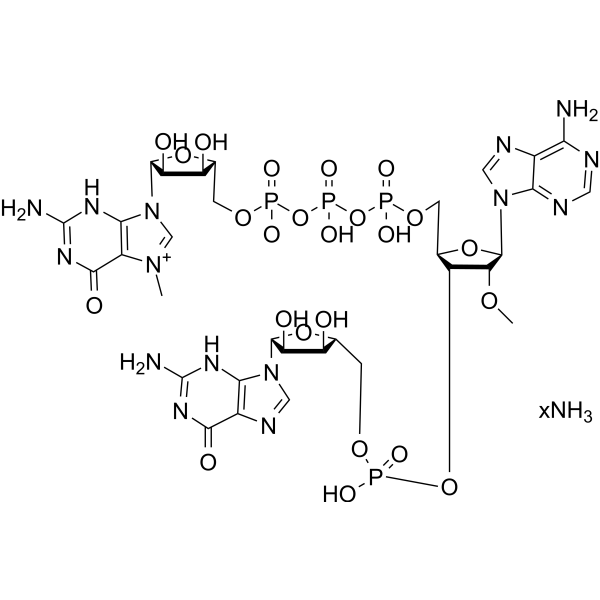
    m3227G(5)ppp(5')A triammonium is the triammonium salt form of m3227G(5)ppp(5')A (HY-164984). m3227G(5)ppp(5')A triammonium is a specific mRNA molecule structure, which is composed of a 3227-methylguanine (m3227G) cap, a triphosphate group and an adenosine. m3227G(5)ppp(5')A triammonium affects the stability and translation efficiency of mRNA .
    m3227G(5)ppp(5')A triammonium
  • HY-169402

    Phosphodiesterase (PDE) NO Synthase Reactive Oxygen Species (ROS) Interleukin Related Inflammation/Immunology
    PDE1-IN-9 (Compound 7a) is a selective inhibitor for phosphodiesterase 1 (PDE1), that inhibits PDE1C with an IC50 of 11 nM. PDE1-IN-9 reduces mRNA expression of IL-1β, IL-6, TNF-α and iNOS, inhibits the production of nitric oxide (NO) and reactive oxygen species (ROS). PDE1-IN-9 exhibits good metabolic stability in rat liver microsomes .
    PDE1-IN-9
  • HY-147338S

    5-Methyl-CTP-d3 trisodium

    DNA/RNA Synthesis Isotope-Labeled Compounds Others
    5-Methylcytidine 5′-triphosphate-d3 trisodium is the deuterium labeled 5-Methylcytidine 5’-triphosphate trisodium (HY-147338A). 5-Methylcytidine 5′-triphosphate (5-Methyl-CTP) trisodium is a modified nucleoside triphosphate. 5-Methylcytidine 5′-triphosphate trisodium can apply in replacing unmodified mRNA, resulting in the increase of translational properties and stability, as well as the reduction of innate immune responses in human and other mammalian cells .
    5-Methylcytidine 5′-triphosphate-d3 trisodium
  • HY-147338S2

    5-Methyl-CTP-d8 trisodium

    Isotope-Labeled Compounds Inflammation/Immunology
    5-Methylcytidine 5'-triphosphate-d8 trisodium is the deuterium-labeled form of 5-Methylcytidine 5'-triphosphate trisodium (HY-147338A). 5-Methylcytidine 5'-triphosphate (5-Methyl-CTP) trisodium is a modified nucleoside triphosphate. 5-Methylcytidine 5'-triphosphate trisodium can be used to replace unmodified mRNA, resulting in the increase of translational properties and stability, as well as the reduction of innate immune responses in human and other mammalian cells .
    5-Methylcytidine 5′-triphosphate-d8 trisodium
  • HY-168526

    Keap1-Nrf2 Inflammation/Immunology
    Keap1-Nrf2-IN-24 (compound 57) is a potent Keap1-Nrf2 inhibitor with a Ki value of 13 nM. Keap1-Nrf2-IN-24 increases the protein expression of TRXR1 and NQO1. Keap1-Nrf2-IN-24 increases the AKR1B10 mRNA expression. Keap1-Nrf2-IN-24 shows good metabolic stability .
    Keap1-Nrf2-IN-24
  • HY-165413

    HIF/HIF Prolyl-Hydroxylase VEGFR Cancer
    KST012174 hydrochloride is a potent HIF-1α-p300/CBP interaction inhibitor with an IC50 of 107 μM. KST012174 hydrochloride completely blocks the binding of HIF-1α to p300 protein at a concentration of 100 μM, without affecting the expression stability of HIF-1α protein itself. By directly interfering with the binding between the C-terminal transactivation domain (C-TAD) of HIF-1α and the CH1 domain of p300, KST012174 inhibits the transcriptional activation function of HIF-1α, thereby significantly downregulating the mRNA expression level of its downstream target gene VEGF and exerting core activity in inhibiting tumor angiogenesis. KST012174 hydrochloride is applicable for research on cancer occurrence and development as well as hypoxia pathway-targeted strategies .
    KST012174 hydrochloride
  • HY-N12104

    BMS-182123

    TNF Receptor Infection
    Trichodimerol (BMS-182123) is a TNF-α promoter inhibitor that inhibits the activity of lipopolysaccharide-induced cytokine secretion. Trichodimerol inhibits lipopolysaccharide-induced TNF-α promoter activity, reduces steady-state TNF-α mRNA expression, and does not alter the stability of TNF-α mRNA. Trichodimerol inhibits lipopolysaccharide-induced TNF-α secretion in murine and human immune cells. Trichodimerol reduces lipopolysaccharide-induced IL-1β secretion by 25%-50% in vitro. Trichodimerol does not alter total protein synthesis or constitutive lysozyme secretion at effective concentrations. Trichodimerol can be used for the research of septic shock .
    Trichodimerol
  • HY-178672A

    Anti-Reverse cap analog triammonium solution (100 mM); m2 7,3′O GpppG triammonium solution (100 mM)

    DNA/RNA Synthesis Cancer
    ARCA (Anti-Reverse cap analog) triammonium solution (100 mM) is a 5′-cap analogue. ARCA triammonium solution (100 mM) caps mRNA. ARCA triammonium solution (100 mM) can be used in protein expression studies .
    ARCA triammonium solution (100 mM)
  • HY-182042

    Dengue Virus Infection
    DENV-IN-15 is a sulfonyl anthranilic acid derivative and a pan-serotype anti-dengue virus (DENV) inhibitor with broad-spectrum anti-RNA virus activity. The EC50 value of DENV-IN-15 against DENV-2 in Huh-7 cells is 0.7 μM. DENV-IN-15 selectively regulates the translation of mRNAs encoding translation-related proteins and containing a 5'-oligopyrimidine tract. DENV-IN-15 reduces the expression of specific ribosomal proteins, thereby inhibiting viral replication. DENV-IN-15 exhibits enhanced membrane permeability, human plasma stability and human liver microsomal metabolic stability. DENV-IN-15 is applicable to research related to dengue virus infection .
    DENV-IN-15

Inquiry Online

Your information is safe with us. * Required Fields.

Salutation


Country or Region *

Applicant Name *


Organization Name *

Department *


Email Address *


Product Name *

Cat. No.


Requested quantity *

Phone Number *


Remarks

Inquiry Online

Inquiry Information

Product Name:
Cat. No.:
Quantity:
MCE Japan Authorized Agent:

