1. Search Result
Search Result
Pathways Recommended: Anti-infection
Results for "

microbial infection

" in MedChemExpress (MCE) Product Catalog:

46

Inhibitors & Agonists

2

Screening Libraries

1

Fluorescent Dyes

3

Biochemical Assay Reagents

5

Peptides

16

Natural
Products

2

Isotope-Labeled Compounds

2

Oligonucleotides

Cat. No. Product Name Target Research Areas Chemical Structure
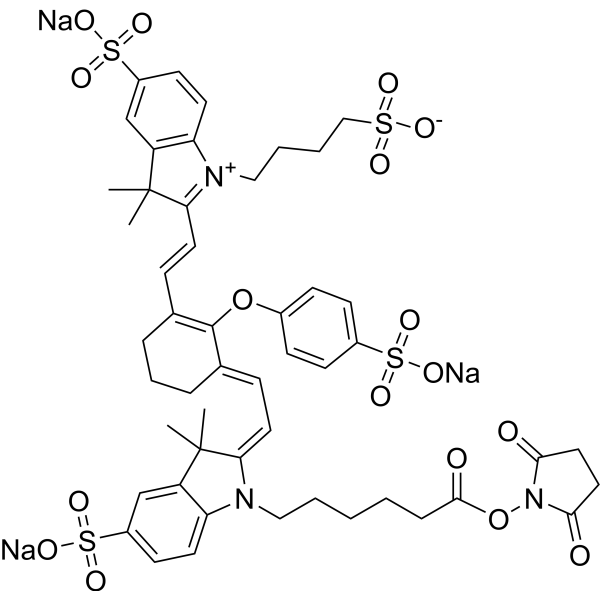
  • HY-D1872

    Fluorescent Dye Others
    800CW NHS ester is a near-infrared fluorescent dye active ester that can conjugate with amine-containing small molecules, antibodies, peptides, and other substances to form fluorescent conjugates. 800CW NHS ester exhibits high fluorescence quantum yield and low non-specific binding properties. 800CW NHS ester can be used in biomedical research such as microbial infection imaging, tumor imaging, and biochemical detection .
    800CW NHS ester
  • HY-12638
    Dichlorophen
    1 Publications Verification

    DDM

    Environmental Pollutants Fungal Parasite Bacterial Infection
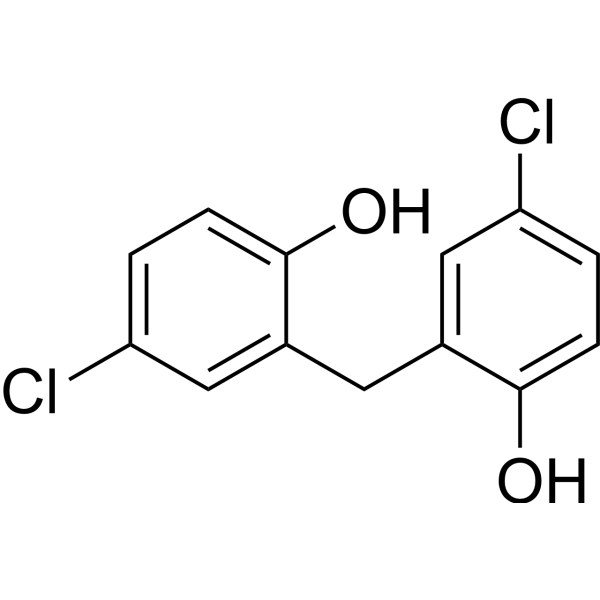
    Dichlorophen is a chlorophenol antimicrobial agent that can destroy the integrity of microbial cell membranes and interfere with the activity of metabolic enzymes. Dichlorophen can covalently bind to the thiol groups of microbial proteins and has broad-spectrum antibacterial, antifungal and anthelmintic activity. Dichlorophen can be used as an antimicrobial agent in the study of drug-resistant bacterial infections .
    Dichlorophen
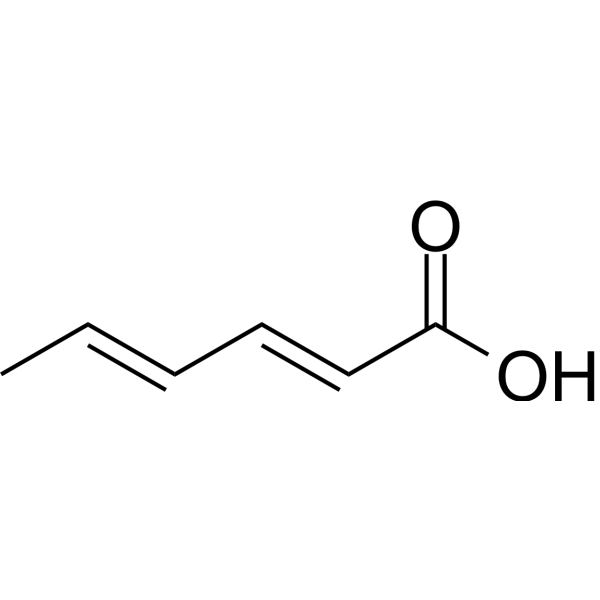
  • HY-N0626

    Environmental Pollutants Bacterial Endogenous Metabolite Fungal Antibiotic Infection Neurological Disease Cancer
    Sorbic acid is an antibacterial preservative effective against most molds, yeasts, and some bacterial species. Sorbic acid inhibits microbial growth. Sorbic acid suppresses the activity of intestinal microorganisms in zebrafish, alters the composition of intestinal flora, and reduces the levels of intestinal immune biomarkers, including IgG, IL-1β, and TNF-α. Sorbic acid can be used in research on the prevention and treatment of mold, yeast, and bacterial infections .
    Sorbic acid
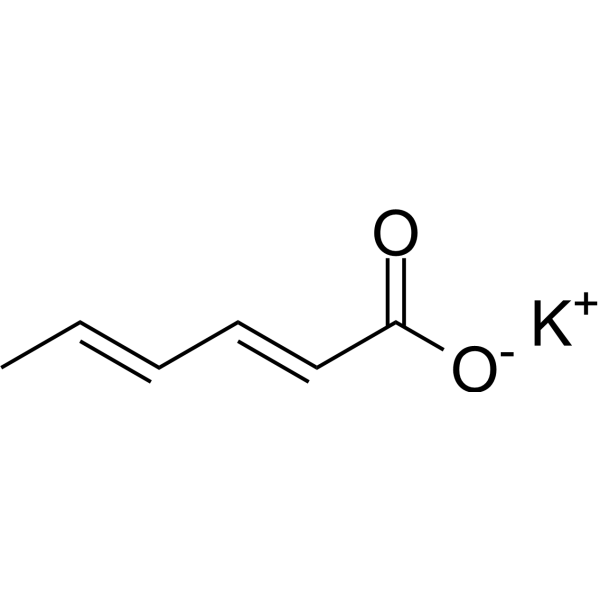
  • HY-N0626A

    Sorbic acid potassium

    Environmental Pollutants Endogenous Metabolite Antibiotic Bacterial Fungal Infection
    Potassium sorbate (Sorbic acid potassium) is an antibacterial preservative effective against most molds, yeasts, and some bacterial species. Potassium sorbate inhibits microbial growth. Potassium sorbate suppresses the activity of intestinal microorganisms in zebrafish, alters the composition of intestinal flora, and reduces the levels of intestinal immune biomarkers, including IgG, IL-1β, and TNF-α. Potassium sorbate can be used in research on the prevention and treatment of mold, yeast, and bacterial infections .
    Potassium sorbate
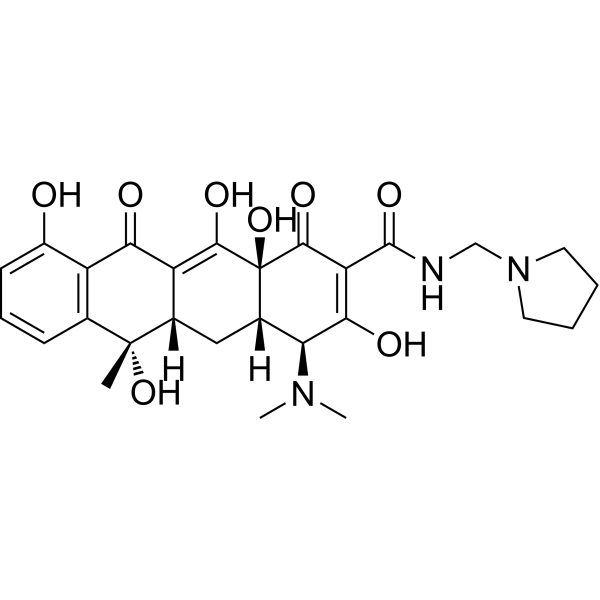
  • HY-18257

    Antibiotic Bacterial Dengue Virus Amyloid-β HIV Integrase Infection Neurological Disease Inflammation/Immunology
    Rolitetracycline is a highly soluble, broad-spectrum antibiotic derived from tetracycline. Rolitetracycline binds to and stabilizes bovine serum albumin, and also inhibits HIV-1 integrase, blocks Aβ fibril formation and suppresses dengue virus proliferation. Rolitetracycline mediates the inhibition of Aβ fibrils via a specific three-dimensional pharmacophore conformation, and exerts bacteriostatic and bactericidal activities. Rolitetracycline acts synergistically with Penicillin G (HY-N7139) or Cephalothin (HY-B1275A) to alter the effects on microbial growth. Rolitetracycline serves as an important tool compound for the study of bacterial infections (urinary tract infections, sepsis), HIV-1 and dengue virus infections, as well as Alzheimer's disease .
    Rolitetracycline
  • HY-48814

    Bacterial FXR Infection Inflammation/Immunology
    3-Epideoxycholic acid is a secondary bile acid and a microbial metabolite of Deoxycholic acid (HY-N0593). 3-Epideoxycholic acid targets FXR in dendritic cells, reduces their immunostimulatory properties, promotes the generation of Treg cells, and exerts anti-inflammatory activity. 3-Epideoxycholic acid can promote the growth of the bacterium Bacteroides. 3-Epideoxycholic acid can be used in research related to inflammatory and immune diseases as well as bacterial infections .
    3-Epideoxycholic acid
  • HY-P5645
    LEAP-2
    1 Publications Verification

    Human liver expressed antimicrobial peptide-2

    GHSR Interleukin Related IFNAR TNF Receptor Bacterial Infection Metabolic Disease Inflammation/Immunology
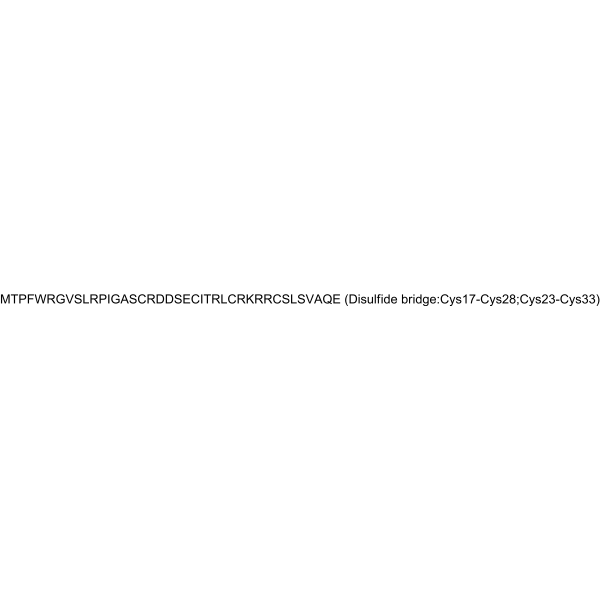
    LEAP-2 (Human liver expressed antimicrobial peptide-2) is a GHS-R1a antagonist, with an IC50 of 6.0 nM. LEAP-2 suppresses the orexigenic effect of ghrelin. LEAP-2 attenuates ghrelin-induced growth hormone (GH) release and reduces basal food intake. LEAP-2 exhibits antimicrobial activity against microbial model organisms. LEAP-2 can be used for the study of obesity and infection .
    LEAP-2
  • HY-W250308A

    Epsilon-polylysine hydrochloride (MV 2000-5000); ε-Polylysine hydrochloride (MV 2000-5000); ε-PL hydrochloride (MV 2000-5000)

    Bacterial Fungal Reactive Oxygen Species (ROS) Infection
    ε-Poly-L-lysine (Epsilon-polylysine; ε-Polylysine) hydrochloride (MV 2000-5000) is a polycationic antibacterial agent with broad-spectrum activity against Gram-positive bacteria, Gram-negative bacteria, fungi, yeasts and specific bacteriophages. ε-Poly-L-lysine hydrochloride (MV 2000-5000) exerts bactericidal effects through mechanisms such as disrupting microbial membranes, inducing ROS production, inhibiting metabolism and spore germination. ε-Poly-L-lysine hydrochloride (MV 2000-5000) also regulates the expression of multiple key genes including sodA, oxyR and recA. ε-Poly-L-lysine hydrochloride (MV 2000-5000) exhibits properties such as low eukaryotic cytotoxicity, thermal stability and pH stability, and supports tissue regeneration and anti-tumor applications. ε-Poly-L-lysine hydrochloride (MV 2000-5000) can be applied in research fields including bacterial and fungal infections, diabetic ulcers, and methicillin-resistant Staphylococcus aureus infections .
    ε-Poly-L-lysine hydrochloride (MV 2000-5000)
  • HY-121310

    MOFs Bacterial Infection Cancer
    Phthalocyanine is a photosensitizer. Phthalocyanine has a light-killing effect on bacterial biofilms, effectively inactivating bacteria. Phthalocyanine can be linked to anticancer drugs to target cancer. Phthalocyanine can also be used to develop chemical sensors for studying microbial infections and tumors .
    Phthalocyanine
  • HY-136436

    Drug Metabolite Antibiotic Bacterial Fungal Infection Inflammation/Immunology
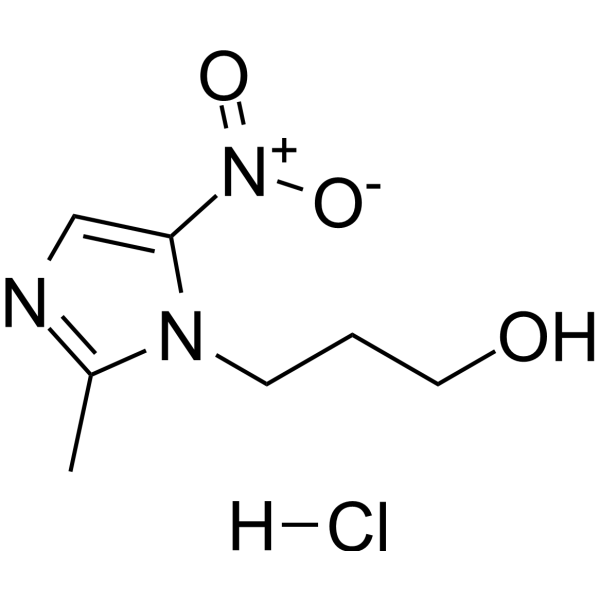
    Ternidazole hydrochloride is a nitroimidazole Antibiotic with anti-pathogenic microbial activity. Ternidazole hydrochloride kills and inhibits the visible growth of Clostridium perfringens type A in vitro. Ternidazole hydrochloride helps improve the therapeutic efficacy against bacterial vaginosis, candidal vaginitis and mixed vaginitis. Ternidazole hydrochloride effectively alleviates chronic alcoholism. Ternidazole hydrochloride can be used in research related to vaginitis, pathogenic microbial infections and chronic alcoholism .
    Ternidazole hydrochloride
  • HY-P2124

    Antibiotic Bacterial Infection
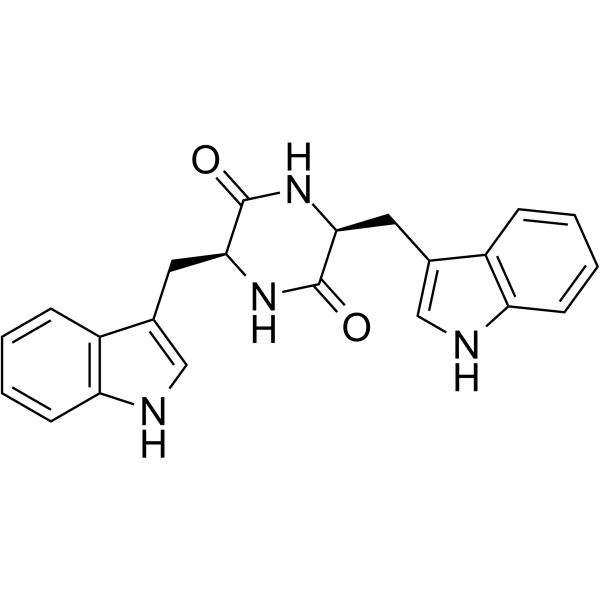
    Cyclo(L-Trp-L-Trp) is an antibiotic, and shows antimicrobial activity. Cyclo(L-Trp-L-Trp) can inhibit A. baumannii, as well as Candida albicans, Bacillus subtilis, Micrococcus luteus, Saccharomyces cerevisiae, Aspergillus niger, Staphylococcus aureus. Cyclo(L-Trp-L-Trp) can be used in microbial infection research .
    Cyclo(L-Trp-L-Trp)
  • HY-N16690

    Bacterial Fungal Infection
    3-Hydroxy-4-methoxycinnamaldehyde (compound 2) is a cinnamaldehyde from the stem bark of Flemingia paniculata Wall. 3-Hydroxy-4-methoxycinnamaldehyde exhibits antibacterial (both Gram-positive and Gram-negative) and antifungal activities (MIC = 12.5-50 μg/mL). 3-Hydroxy-4-methoxycinnamaldehyde can be used for microbial infections research .
    3-Hydroxy-4-methoxycinnamaldehyde
  • HY-120568

    Bacterial Infection Inflammation/Immunology
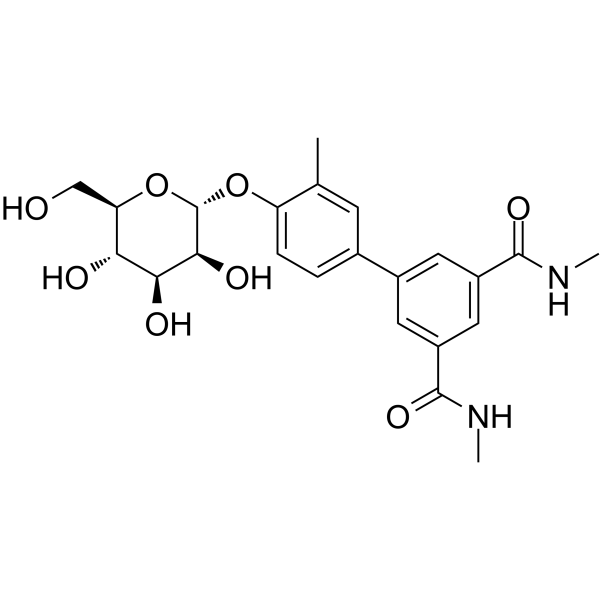
    M4284 is a selective and orally active biphenyl mannoside FimH antagonist. M4284 has activities against different UPEC (Urinary tract infections (UTI) caused by uropathogenic E. coli) strains in different host genetic backgrounds and gut microbial community contexts .
    M4284
  • HY-134090

    Antibiotic TS 885; NSC 248958

    Bacterial VSV Infection
    9-Methylstreptimidone is a microbial metabolite originally isolated from Streptomyces sp. S-885 that has antifungal and antiviral activities. It is active against several fungi, including S. sake, S. fragilis, R. rubra, T. rubra, and C. albidus (MICs=4-20 μg/mL) and has antiviral activity against poliovirus, vesicular stomatitis virus (VSV), and Newcastle disease virus (NDV) in vitro (MIC=0.02 μg/mL for all). 9-Methylstreptimidone increases survival in mouse models of infection with influenza A2 (H2N2) or C. albicans when administered prior to infection.
    9-Methylstreptimidone
  • HY-N0626AR

    Sorbic acid potassium (Standard)

    Reference Standards Environmental Pollutants Bacterial Endogenous Metabolite Fungal Antibiotic Infection
    Potassium sorbate (Standard) is the analytical standard of Potassium sorbate. This product is intended for research and analytical applications. Potassium sorbate (Sorbic acid potassium) is an antibacterial preservative effective against most molds, yeasts, and some bacterial species. Potassium sorbate inhibits microbial growth. Potassium sorbate suppresses the activity of intestinal microorganisms in zebrafish, alters the composition of intestinal flora, and reduces the levels of intestinal immune biomarkers, including IgG, IL-1β, and TNF-α. Potassium sorbate can be used in research on the prevention and treatment of mold, yeast, and bacterial infections .
    Potassium sorbate (Standard)
  • HY-162836

    4-O-(Carboxymethyl)-Rifamycin

    Antibiotic Bacterial Infection
    Rifamycin B (4-O-(Carboxymethyl)-Rifamycin) is a member of ansamycin antibiotics family with an anti-mycobacterial activity against tuberculosis, leprosy and AIDS-related mycobacterial infections. Rifamycin B is a metabolic product of Nocardia inediterranei, which can yield Rifamycin O and Rifamycin S (HY-125365) by microbial transformation .
    Rifamycin B
  • HY-N0626R

    Reference Standards Environmental Pollutants Bacterial Endogenous Metabolite Fungal Antibiotic Infection
    Sorbic acid (Standard) is the analytical standard of Sorbic acid (HY-N0626). This product is intended for research and analytical applications. Sorbic acid is an antibacterial preservative effective against most molds, yeasts, and some bacterial species. Sorbic acid inhibits microbial growth. Sorbic acid suppresses the activity of intestinal microorganisms in zebrafish, alters the composition of intestinal flora, and reduces the levels of intestinal immune biomarkers, including IgG, IL-1β, and TNF-α. Sorbic acid can be used in research on the prevention and treatment of mold, yeast, and bacterial infections .
    Sorbic acid (Standard)
  • HY-W116336B

    Biochemical Assay Reagents Fungal Bacterial Infection Cancer
    Zinc oxide, 99.99% metals basis is a versatile wide-bandgap semiconductor with superior comprehensive properties. Zinc oxide, 99.99% metals basis serves as raw material for Schottky diodes, functional nanostructures, sensors, energy harvesters and photocatalysts for hydrogen production. Zinc oxide, 99.99% metals basis acts as a non-toxic antibacterial agent and selective cytotoxin against multiple bacteria, fungi and spores. Zinc oxide, 99.99% metals basis induces cancer cell death. Zinc oxide, 99.99% metals basis is applicable to drug delivery, biosensing, bioimaging and researches on cancer, microbial infections and skin diseases .
    Zinc oxide, 99.99% metals basis
  • HY-N15194A

    Bacterial Apoptosis Infection Cancer
    Inostamycin A sodium is an inhibitor of cytidine-5'-diphosphate-1,2-diacyl-sn-glycerol (CDP-DG):inositol transferase. Inostamycin A sodium reduces phosphatidylinositol turnover, and inhibits cell proliferation and transformation. Inostamycin A sodium inhibits cancer cell proliferation, induces apoptosis, and prevents tumor recurrence. Inostamycin A sodium exhibits antibacterial activity. Inostamycin A sodium is applicable to research related to infection and cancer .
    Inostamycin A sodium
  • HY-W023331

    Glutathione Peroxidase Bacterial Infection
    (R)-β-Aminoisobutyric acid is a β-amino acid. (R)-β-Aminoisobutyric acid boosts myeloperoxidase microbicidal activity against susceptible microorganisms. (R)-β-Aminoisobutyric acid can be used for the research of bacterial infections .
    (R)-b-Aminoisobutyric acid
  • HY-136436A

    Drug Metabolite Parasite Infection Inflammation/Immunology
    Ternidazole is a nitroimidazole Antibiotic with anti-pathogenic microbial activity. Ternidazole kills and inhibits the visible growth of Clostridium perfringens type A in vitro. Ternidazole helps improve the therapeutic efficacy against bacterial vaginosis, candidal vaginitis and mixed vaginitis. Ternidazole effectively alleviates chronic alcoholism. Ternidazole can be used in research related to vaginitis, pathogenic microbial infections and chronic alcoholism .
    Ternidazole
  • HY-N16441

    Endogenous Metabolite Influenza Virus Infection
    Pulvic acid (Compound 3), a butenolide, is a microbial secondary metabolite. Pulvic acid can be isolated from the marine-derived fungus Aspergillus terreus Gwq-48. Pulvic acid has significant antiviral activity with an IC50 of 29.1 μg/mL for influenza A H1N1 virus. Pulvic acid can be used for influenza virus infections research .
    Pulvic acid
  • HY-146330

    Bacterial Infection
    FtsZ-IN-2 (Compound 19) is an inhibitor of the bacterial cell division protein FtsZ with GTPase inhibitory activity. FtsZ-IN-2 exhibits anti-staphylococcal activity with MIC values of 2 µg/ml for MSSA and MRSA .
    FtsZ-IN-2
  • HY-P5288

    Antibiotic Infection Cancer
    BMAP-28 is an antibiotic peptide and an inducer of the mitochondrial permeability transition pore. BMAP-28 induces cell death through opening of the mitochondrial permeability transition pore. BMAP-28 can be used in study of microbial infections and cancer .
    BMAP-28
  • HY-B0273B
    Sulfadiazine 100 µg/mL in methanol
    Maximum Cited Publications
    8 Publications Verification

    Parasite Bacterial Environmental Pollutants Infection
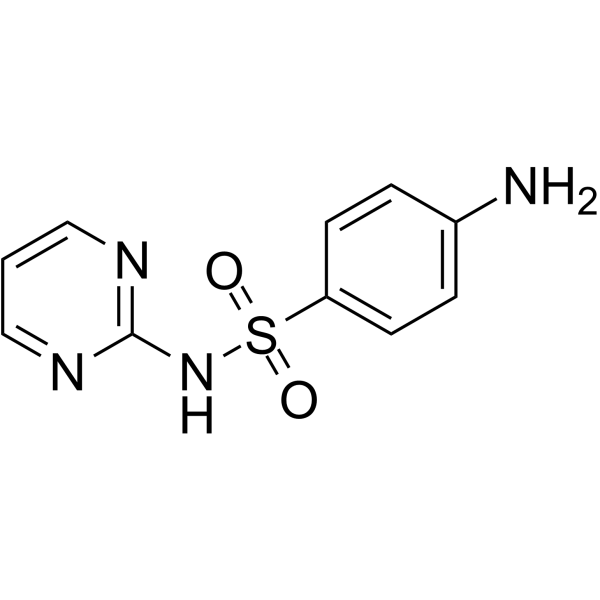
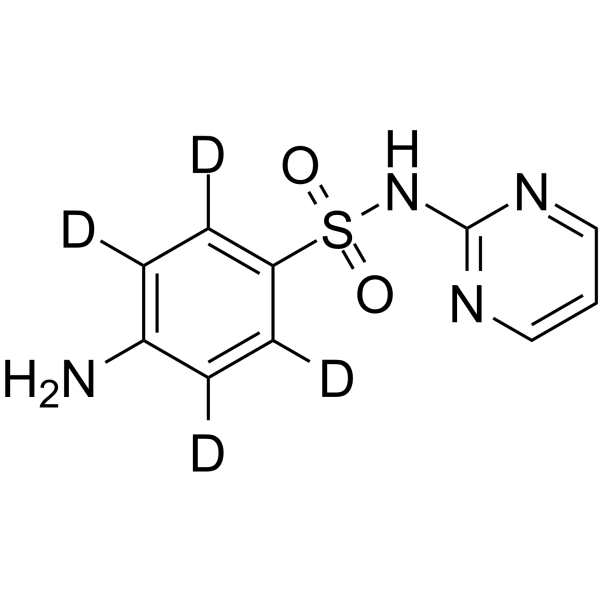
    Sulfadiazine 100 µg/mL in methanol is an orally active sulfonamide antibiotic. Sulfadiazine 100 µg/mL in methanol competitively inhibits p-aminobenzoic acid in the folic-acid-metabolism cycle, inhibiting multiplication of most Gram-positive and many Gram-negative bacteria. Sulfadiazine 100 µg/mL in methanol persists in soil long-term, and exerts selective pressure for sulfonamide-resistant microbial populations. Sulfadiazine 100 µg/mL in methanol targets Toxoplasma gondii DHPS enzyme. Sulfadiazine 100 µg/mL in methanol can be used for the research of congenital toxoplasmosis and bacterial infection .
    Sulfadiazine 100 µg/mL in methanol
  • HY-W016758

    1-Butyl-3-methylimidazolium chloride

    Bacterial Infection
    [BMIM]Cl (1-butyl-3-methylimidazolium chloride) is an alkyl-imidazolium chloride compound and a persistent aquatic pollutant. [BMIM]Cl exhibits antimicrobial activity against S. aureus (MIC = 25 mM), E. coli (MIC = 50 mM), and P. aeruginosa (MIC = 100 mM). It possesses moderate membrane permeability and cytotoxicity, directly affecting microorganisms and mammalian cells at high concentrations, but can inhibit the function of complex ecosystems (e.g., anaerobic digestion) even at environmentally relevant low concentrations by disrupting microbial community structures. [BMIM]Cl can be used in research related to bacterial infections .
    [BMIM]Cl
  • HY-175338

    Bacterial Infection
    Anti-MRSA agent 34 (Compound 6) is an antimicrobial agent targeting methicillin-resistant Staphylococcus aureus (MRSA) (MIC=14 μg/mL). Anti-MRSA agent 34 is promising for research of microbial infection .
    Anti-MRSA agent 34
  • HY-10234S

    AZD0530-d3

    Src Infection
    Saracatinib-d3 (AZD0530-d3) (ZG5129) is the deuterium-labeled analog of Saracatinib (HY-10234). Saracatinib-d3 is an inhibitor of the Src kinase, which can inhibit severe sepsis caused by bacterial or various microbial infections .
    Saracatinib-d3
  • HY-N12918

    Others Infection
    Lewis X tetrasaccharide is a cell surface glycan that can be used for diagnosis of microbial infections.
    Lewis X tetrasaccharide
  • HY-123209

    WS-9659 A

    Antibiotic Bacterial Infection Cancer
    Lavanducyanin (WS-9659 A) is an antibiotic targeting microbial cell membranes. Lavanducyanin is promising for research of infections and cancer adjuvants .
    Lavanducyanin
  • HY-N12260

    HIV Bacterial Infection
    Benanomicin A is a microbial metabolite and can be isolated from Actinomycetes.Benanomicin has antifungal activitya and inhibits HIV-1 viral infection in MT-4 cells .
    Benanomicin A
  • HY-P5020

    Bacterial Infection Cancer
    Crotalicidin is an antimicrobial peptide and anti-tumor peptide that can effectively inhibit the activity of Gram-negative bacteria and tumor cells. Crotalicidin can be obtained from rattlesnake venom. Crotalicidin can be used in the study of microbial infections and cancer .
    Crotalicidin
  • HY-12638R

    DDM (Standard)

    Reference Standards Bacterial Fungal Parasite Infection
    Dichlorophen (Standard) is the analytical standard of Dichlorophen (HY-12638). This product is intended for research and analytical applications. Dichlorophen is a chlorophenol antimicrobial agent that can destroy the integrity of microbial cell membranes and interfere with the activity of metabolic enzymes. Dichlorophen can covalently bind to the thiol groups of microbial proteins and has broad-spectrum antibacterial, antifungal and anthelmintic activity. Dichlorophen can be used as an antimicrobial agent in the study of drug-resistant bacterial infections .
    Dichlorophen (Standard)
  • HY-136436S

    Isotope-Labeled Compounds Endogenous Metabolite Infection Inflammation/Immunology
    Ternidazole-d6 hydrochloride is the deuterium labeled Ternidazole hydrochloride (HY-136436). Ternidazole hydrochloride is a nitroimidazole Antibiotic with anti-pathogenic microbial activity. Ternidazole hydrochloride kills and inhibits the visible growth of Clostridium perfringens type A in vitro. Ternidazole hydrochloride helps improve the therapeutic efficacy against bacterial vaginosis, candidal vaginitis and mixed vaginitis. Ternidazole hydrochloride effectively alleviates chronic alcoholism. Ternidazole hydrochloride can be used in research related to vaginitis, pathogenic microbial infections and chronic alcoholism .
    Ternidazole-d6 hydrochloride
  • HY-136436R

    Reference Standards Endogenous Metabolite Infection Inflammation/Immunology
    Ternidazole hydrochloride (Standard) is the analytical standard of Ternidazole hydrochloride (HY-136436). This product is intended for research and analytical applications. Ternidazole hydrochloride is a nitroimidazole Antibiotic with anti-pathogenic microbial activity. Ternidazole hydrochloride kills and inhibits the visible growth of Clostridium perfringens type A in vitro. Ternidazole hydrochloride helps improve the therapeutic efficacy against bacterial vaginosis, candidal vaginitis and mixed vaginitis. Ternidazole hydrochloride effectively alleviates chronic alcoholism. Ternidazole hydrochloride can be used in research related to vaginitis, pathogenic microbial infections and chronic alcoholism .
    Ternidazole hydrochloride (Standard)
  • HY-174662

    mRNA Inflammation/Immunology
    Human IFNG mRNA encodes the human interferon gamma (IFNG) protein, a member of the type II interferon class. IFNG is secreted by cells of both the innate and adaptive immune systems. The active protein is a homodimer that binds to the interferon gamma receptor which triggers a cellular response to viral and microbial infections.
    Human IFNG mRNA
  • HY-N12497

    Fungal Infection
    Moracin B is a phytoalexin with antifungal activity. Moracin B can be isolated from the cortex and phloem tissues of mulberry (Morus alba Linne) infected with Fusarium solani f. sp. mori. Moracin B can be used to study plant disease resistance mechanisms against microbial infections, particularly showing potential application value in the field of plant disease control .
    Moracin B
  • HY-N12106

    Fumicycline

    Endogenous Metabolite Fungal Infection
    Neosartoricin (Fumicycline) (Compound 3), a prenylated anthracenone, is a microbial secondary metabolite. Neosartoricin can be isolated from Aspergillus fumigatus and Neosartorya fischeri. Neosartoricin has immunosuppressive activity, and significantly inhibits T-cell proliferative activity with an IC50 of 3 μM. Neosartoricin may be beneficial to fungal defense, facilitating infection through suppressing the host adaptive immunity without involvement of primary virulence .
    Neosartoricin
  • HY-168204

    Bacterial Fungal Infection
    3-Acetyl-28-N–(3–guanidinobutoxy)-oleanolic acid (compound J1) is a potent antimicrobial agent. 3-Acetyl-28-N–(3–guanidinobutoxy)-oleanolic acid shows anti-gram-positive bacteria and fungi activity. 3-Acetyl-28-N–(3–guanidinobutoxy)-oleanolic acid can be used as antibiotic adjuvants. 3-Acetyl-28-N–(3–guanidinobutoxy)-oleanolic disrupts the bacterial cell membrane, inserts into the DNA, and binds to DNA gyrase. 3-Acetyl-28-N–(3–guanidinobutoxy)-oleanolic reduces microbial count in a mouse MRSA skin infection model and accelerates wound healing .
    3-Acetyl-28-N-(3-guanidinobutoxy)-oleanolic acid
  • HY-182588

    Bacterial HIV Dengue Virus Infection
    Circulin B is a macrocyclic plant cyclopeptide. Circulin B functions as a plant defense peptide and exhibits antibacterial and anti-HIV activities. Circulin B has high binding affinity for the envelope protein of dengue virus, showing potential anti-dengue virus activity. Circulin B can be used in studies related to dengue virus infection, human immunodeficiency virus infection and microbial infection .
    Circulin B
  • HY-183176

    Bacterial Fungal Infection
    Laurolinium acetate is a cationic antimicrobial agent. Laurolinium acetate exerts activity against Gram-positive and Gram-negative bacteria, and fungi. Laurolinium acetate can be used for the research of microbial infection .
    Laurolinium acetate
  • HY-W158616

    Fungal Infection
    3-Methyl-1-hexanol, a volatile organic compound, is a microbial antagonist that can be isolated from Aureobasidium pullulans. 3-Methyl-1-hexanol has antifungal activities against Alternaria alternate and Botrytis cinerea. 3-Methyl-1-hexanol can be used for microbial infections research .
    3-Methyl-1-hexanol
  • HY-N16429

    Endogenous Metabolite Others
    Neosartoricin D, a polyketide, is a microbial secondary metabolite. Neosartoricin D can be isolated from the cultural of Aspergillus nidulans. Neosartoricin D is an analog of Neosartoricin B (HY-N10311). Neosartoricin B is the secondary metabolite, which can be produced by Aspergillus nidulans. Neosartoricin B may regulate immunomodulatory effects with the host during infection and colonization by pathogenic fungi .
    Neosartoricin D
  • HY-P11607

    Bacterial Infection
    CyLip-10 is a microbial-derived cyclic-lipid antimicrobial peptide. CyLip-10 has broad-spectrum antimicrobial efficacy, low hemolytic activity, and excellent stability. CyLip-10 can disrupt membrane integrity, inhibit biofilm formation and induce membrane permeabilization and bacterial cell death. CyLip-10 reduces bacterial load, promotes wound healing, and alleviates inflammatory responses in a mouse Methicillin (HY-121544)-resistant Staphylococcus aureus skin wound infection model. CyLip-10 can be used for the bacterial infection .
    CyLip-10
  • HY-W110755

    Bacterial Infection
    Poly diallyldimethylammonium chloride is a cationic antimicrobial polymer with quaternary ammonium side chains, and it exhibits microbicidal activity. Poly diallyldimethylammonium (chloride) can be used in studies of bacterial and fungal infections (E. coli, S. aureus, C. albicans infections) .
    Poly diallyldimethylammonium chloride
  • HY-W792760

    Bacterial Infection
    (E)-2-(4-Cinnamoylphenoxy)acetic acid is an antimicrobial agent with a minimum inhibitory concentration of 125 μg/mL against Mycobacterium smegmatis, Staphylococcus aureus, and Candida albicans .
    (E)-2-(4-Cinnamoylphenoxy)acetic acid

Inquiry Online

Your information is safe with us. * Required Fields.

Salutation


Country or Region *

Applicant Name *


Organization Name *

Department *


Email Address *


Product Name *

Cat. No.


Requested quantity *

Phone Number *


Remarks

Inquiry Online

Inquiry Information

Product Name:
Cat. No.:
Quantity:
MCE Japan Authorized Agent:

