

34 Results for "

mitochondria DNA

" in MedChemExpress (MCE) Product Catalog:
Products (34)

34 Results for "mitochondria DNA" in MCE Product Catalog:

6
6 Publications Verification
Cat. No.: HY-126124
CAS No.: 1429061-80-2
Purity:  96.35%
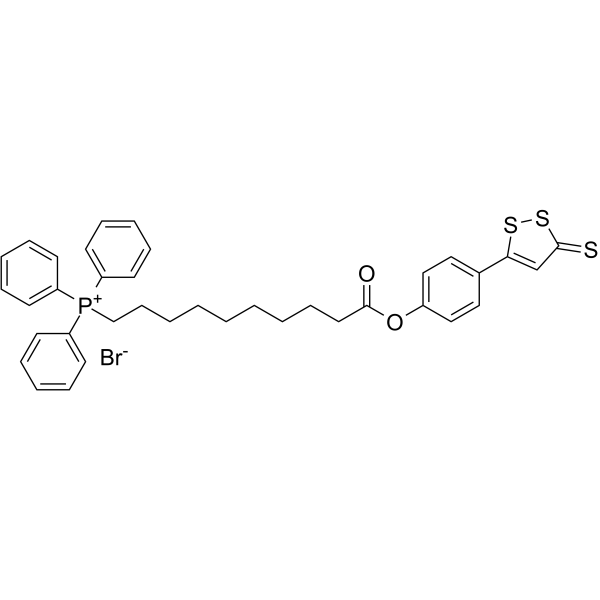
AP39 is a triphenylphosphonium derivatised anethole dithiolethione and mitochondria-targeting hydrogen sulfide (H2S) donor. AP39 increases intracellular H2S levels. AP39 exerts cytoprotective effects and maintains mitochondrial DNA integrity under oxidative stress conditions. AP39 protects against myocardial reperfusion injury in mice model and has the potential for Alzheimer's disease research .
loading...
    loading...
1
1 Cited Publications
Cat. No.: HY-N10470
CAS No.: 11116-32-8
Synonyms: Pingyangmycin
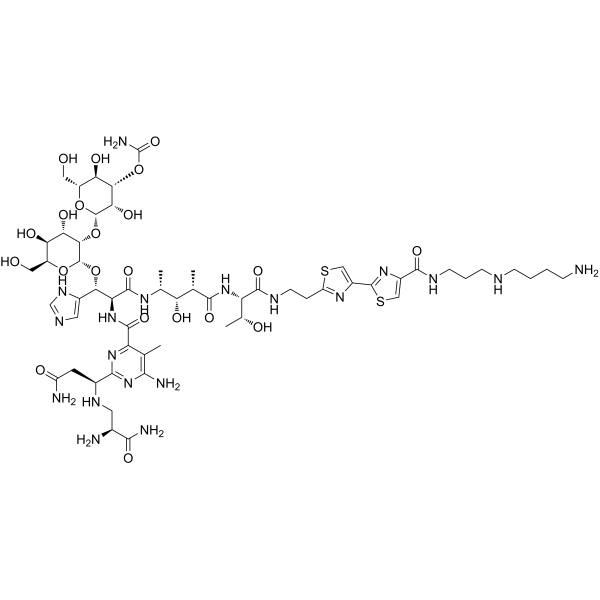
Bleomycin A5 (Pingyangmycin) is a glycopeptide antibiotic with multiple biological activities, which can be isolated from Streptomyces. Bleomycin A5 exerts cytotoxic effects by binding to Fe 2+ to form a complex, inducing single-strand and double-strand DNA breaks, and inhibiting DNA replication. Bleomycin A5 inhibits Drp1-mediated mitochondrial fission and suppresses PINK1/Parkin pathway-mediated mitophagy, ultimately triggering mitochondria-mediated cellular apoptosis. Bleomycin A5 can be used in cancer research .
loading...
    loading...
1
1 Cited Publications
Cat. No.: HY-P2048A
MOTS-c (human) acetate is a blood-brain barrier-penetrating, mitochondrial-derived peptide that modulates the AMPK/PGC-1α pathway to enhance insulin sensitivity. MOTS-c (human) acetate inhibits the folate cycle and de novo purine synthesis, increases AICAR levels to activate AMPK, and then regulates the Nrf2/Keap1 antioxidant pathway and inhibits the NF-κB inflammatory pathway, while promoting mitochondrial biogenesis and energy metabolism. MOTS-c (human) acetate has the effects of improving glucose and lipid metabolism, anti-oxidative stress, anti-inflammatory and neuroprotection, and can be used in the study of type 2 diabetes, traumatic brain injury, inflammatory diseases and aging-related metabolic disorders .
loading...
    loading...
Cat. No.: HY-W018587
CAS No.: 26040-51-7
TBPH is a brominated flame retardant. TBPH enhances hepatic steatosis, inflammation, and fibrosis in mice with nonalcoholic steatohepatitis (NASH). TBPH induces dysregulation of phospholipid metabolism, reducing cardiolipin (CL) and phosphatidylserine (PS) levels. TBPH leads to impaired endoplasmic reticulum-mitochondria (ER-Mito) contacts, subsequently causing mitochondrial dysfunction. TBPH induces lung injury through an inflammatory response mediated by mitochondria-derived ds-DNA. TBPH can be used to study the role of MFN2-mediated ER-mitochondria contacts in lipid metabolism homeostasis .
loading...
    loading...
Cat. No.: HY-D0996
CAS No.: 181885-68-7
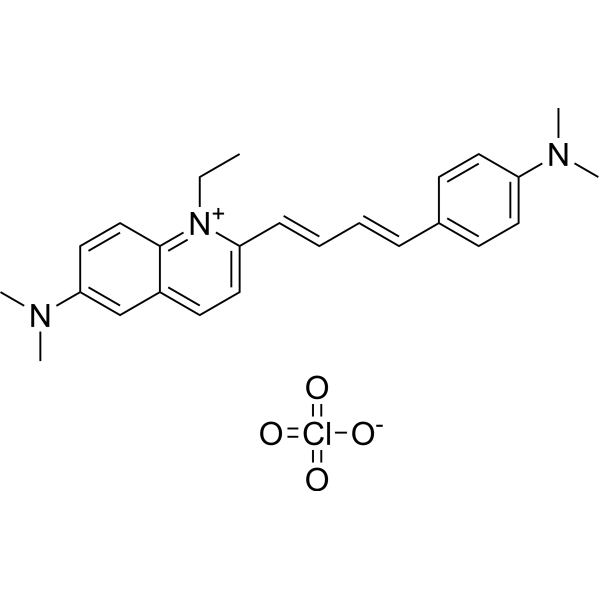
Lds-751 is a nucleic acid stain that mainly detects DNA. Lds-751 is a nucleic acid stain that mainly detects DNA. Lds-751 has a high affinity for DNA and fluorescence is enhanced after binding, but the maximum emission wavelength is 670nm. Lds-751 and Thiazole orange can be used for the differentiation of red blood cells, platelets, reticulocytes, and nucleated cells and can be stimulated at 488nm. Studies have shown that LDS-751 binds almost exclusively to mitochondria when incubated with nucleated living cells. After nucleated Acridine Orange (HY-101879) staining and LDS-751 treatment of cells, confocal microscopy revealed almost no co-location of the cells. Staining with Rhodamine 123 (HY-D0816), a dye known to bind polarized mitochondria, was almost identical to the pattern observed with LDS-751 .
loading...
    loading...
Cat. No.: HY-W010451
CAS No.: 533-73-3
Synonyms: Hydroxyhydroquinone
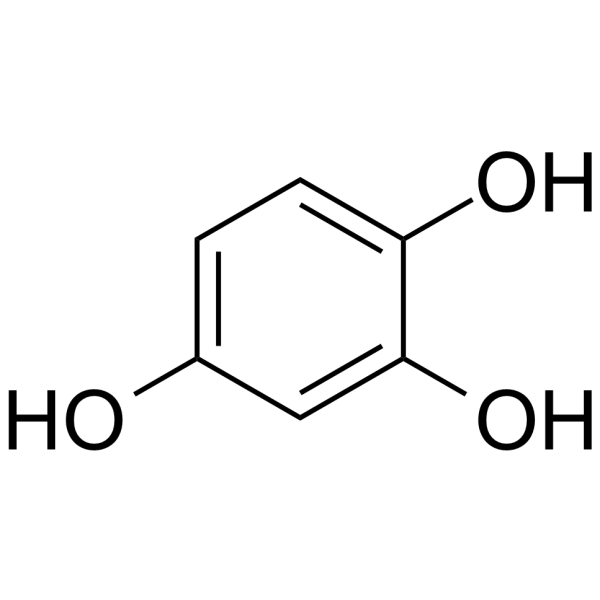
1,2,4-Trihydroxybenzene (Hydroxyhydroquinone) is an ER stress inducer that targets proteins such as PKR-like ER kinase PERK to induce cytotoxicity. 1,2,4-Trihydroxybenzene selectively activates eIF2α phosphorylation, activates the PERK-eIF2α signaling pathway and induces stress granule formation. 1,2,4-Trihydroxybenzene subsequently exacerbates oxidative stress and causes DNA double-strand breaks, destroying organelles such as mitochondria and ER, and inducing cell death. 1,2,4-Trihydroxybenzene also has the potential to exhibit anti-tumor effect, increase blood pressure, and relieve spasm .
loading...
    loading...
Cat. No.: HY-W020955
CAS No.: 14243-64-2
Synonyms: Chloro(triphenylphosphine)gold(I)
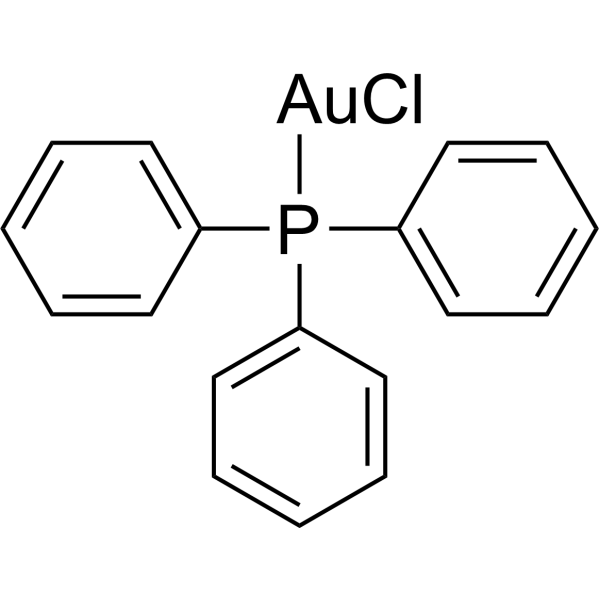
Triphenylphosphinechlorogold (Chloro(triphenylphosphine)gold(I)) is a gold complex, Apoptosis inducer, and catalyst. Triphenylphosphinechlorogold exhibits high LOX inhibitory activity. Triphenylphosphinechlorogold induces cell cycle arrest and apoptosis. Triphenylphosphinechlorogold catalyzes the peroxidation of linoleic acid. A weak interaction exists between Triphenylphosphinechlorogold and DNA. Triphenylphosphinechlorogold displays antiproliferative activity against breast cancer cells .
loading...
    loading...
Cat. No.: HY-P10409
CAS No.: 1191923-93-9
Synonyms: Small humanin-like peptide 2
SHLP2 (Small humanin-like peptide 2) is a small molecule peptide encoded by mitochondrial DNA, belonging to mitochondria derived peptide. SHLP2 has the activity of regulating apoptosis and inhibits cell death. SHLP2 binds to mitochondrial complex 1. SHLP2 improves mitochondrial metabolism by increasing respiration and biogenesis, reducing ROS, and decreasing mtDNA oxidation. SHLP2 also regulated energy homeostasis through the activation of hypothalamic neurons. SHLP2 can be used in the study of diseases related to mitochondrial dysfunction and anti-aging diseases, such as age-related macular degeneration and Parkinson’s disease .
loading...
    loading...
Cat. No.: HY-W130236
CAS No.: 4569-86-2
Target:  

Cholinesterase (ChE)

Research Areas:  

Cancer

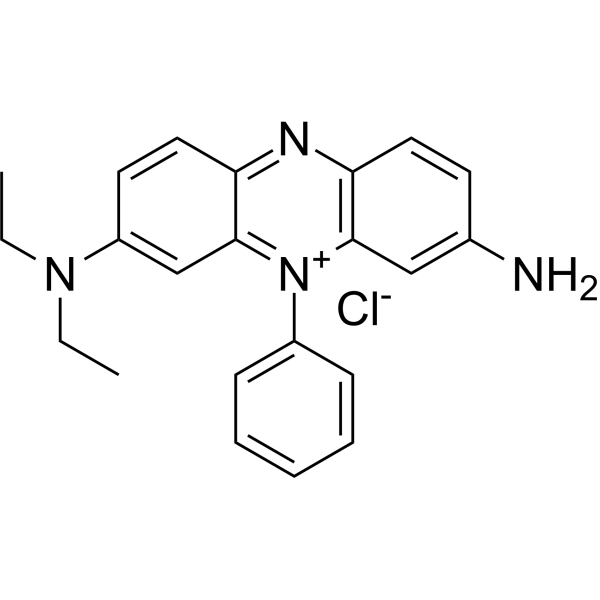
Methylene Violet 3RAX is a phenazine dye to stain the mitochondria of cells. Methylene Violet 3RAX can change the molecular structure of DNA, undermine the module of DNA, and induce the generation of the reactive singlet oxygen. Methylene Violet 3RAX shows inhibition for human erythrocyte AChE and human plasma BChE with an Kis of 1.58, 0.51 μM, respectively. Methylene Violet 3RAX has the potential for the research of potential photosensitizers for mitochondrial targeting action in PDT (photodynamic therapy) .
loading...
    loading...
Cat. No.: HY-116364B
CAS No.: 106060-92-8
Purity:  99.45%
Synonyms: 3'-Azido-3'-deoxythymidine-5'-triphosphate tetraammonium
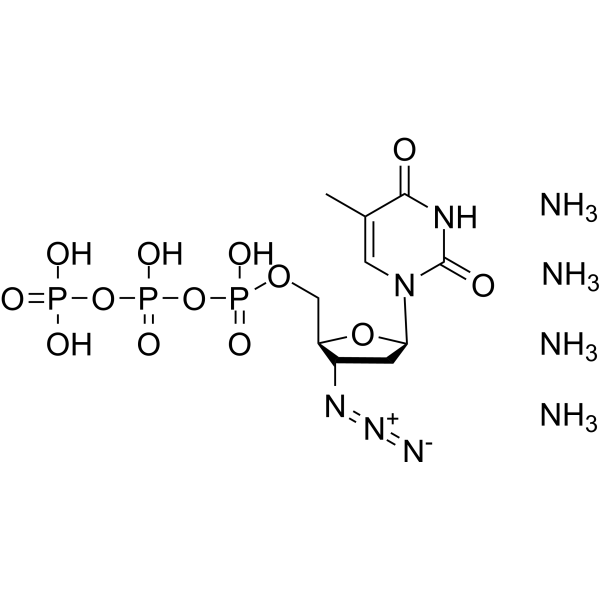
AZT triphosphate (3'-Azido-3'-deoxythymidine-5'-triphosphate) tetraammonium is an active triphosphate metabolite of Zidovudine (AZT). AZT triphosphate tetraammonium exhibits antiretroviral activity and inhibits replication of HIV. AZT triphosphate tetraammonium also inhibits the DNA polymerase of HBV. AZT triphosphate tetraammonium activates the mitochondria-mediated apoptosis pathway .
loading...
    loading...
Cat. No.: HY-125918
CAS No.: 55658-47-4
Synonyms: Pingyangmycin hydrochloride
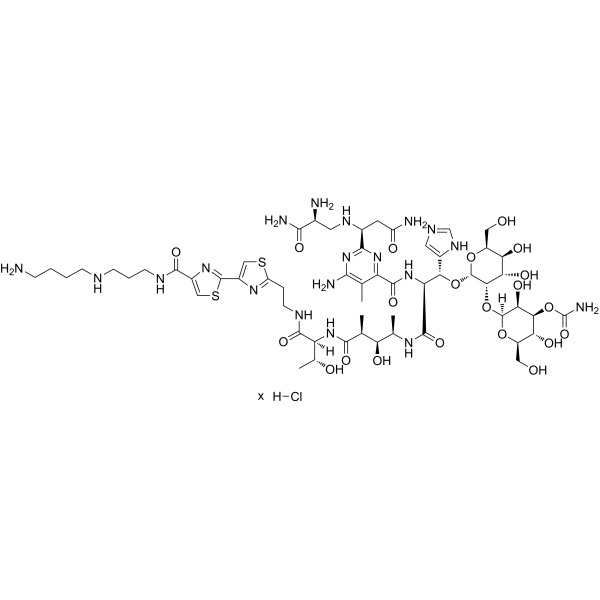
Bleomycin A5 (Pingyangmycin) hydrochloride is a glycopeptide antibiotic with multiple biological activities, which can be isolated from Streptomyces. Bleomycin A5 hydrochloride exerts cytotoxic effects by binding to Fe 2+ to form a complex, inducing single-strand and double-strand DNA breaks, and inhibiting DNA replication. Bleomycin A5 hydrochloride inhibits Drp1-mediated mitochondrial fission and suppresses PINK1/Parkin pathway-mediated mitophagy, ultimately triggering mitochondria-mediated cellular apoptosis. Bleomycin A5 hydrochloride can be used in cancer research .
loading...
    loading...
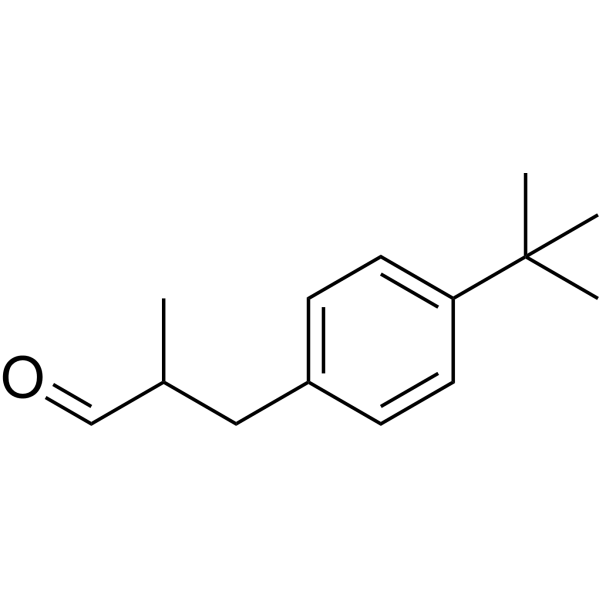
Cat. No.: HY-W014684
CAS No.: 80-54-6
Lilial is a widely used synthetic fragrance and ester in consumer products. Lilial possesses estrogenic activity in vitro. Lilial can induce a toxic effect on mitochondria that causes a decrease in the viability of HaCaT cells. Lilial can increase NRF2 protein level in vitro. Lilial is able to target respiratory chain complexes, inhibit complexes I and II of the electron transport chain, increase the generation of reactive oxygen species, and decrease the level of intracellular ATP. Lilial can induce systemic toxicity in vivo. Lilial induces significant DNA strand breaks .
loading...
    loading...
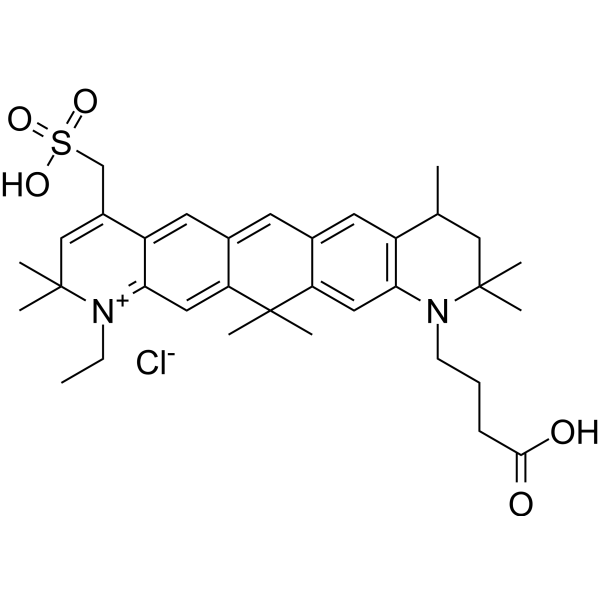
Cat. No.: HY-D1991
CAS No.: 906664-68-4
ATTO 647 is a carborhodamine fluorophore and imaging tracer with photostable properties. ATTO 647 serves as a fluorescent probe to investigate cell membrane structure and diffusion characteristics. When conjugated with wheat germ agglutinin, ATTO 647 specifically binds to N-acetyl-β-D-glucosamine and sialic acid residues on membrane glycoproteins, enabling single-molecule tracing of glycoprotein diffusion. ATTO 647 exhibits highly stable fluorescence properties with significantly reduced blinking in mounting media such as ROXS (AA/MV) and ROXS (TX/TQ), whereas its brightness properties vary in Ibidi-MM and Vectashield. ATTO 647 can also be used to label histone H2B-GFP in fixed cells for confocal microscopy photobleaching experiments .
loading...
    loading...
Cat. No.: HY-N9279
CAS No.: 23291-96-5
Synonyms: Monocrotaline pyrrole; MCTP; 3,8-Didehydromonocrotaline
Dehydromonocrotaline is a mitochondrial respiratory chain complex I NADH oxidase inhibitor, with a IC50 of 62.06 μM and a Ki of 8.1 μM in rats. Dehydromonocrotaline exerts non-competitive inhibitory effects by modifying cysteine thiol groups on complex I, and does not bind to the NADH-binding site. Dehydromonocrotaline dissipates mitochondrial membrane potential and reduces ATP levels. Dehydromonocrotaline can be used in studies related to hepatotoxicity, pulmonary hypertension and liver tumors .
loading...
    loading...
Cat. No.: HY-P2892
CAS No.: 9032-88-6
Target:  

Endogenous Metabolite

Research Areas:  

Metabolic Disease

Fumarase catalyses the conversion of l-malic acid to fumaric acid. Fumarase participates in the tricarboxylic acid cycle in mitochondria. Fumarase participates in the cellular response to DNA double strand breaks .
loading...
    loading...
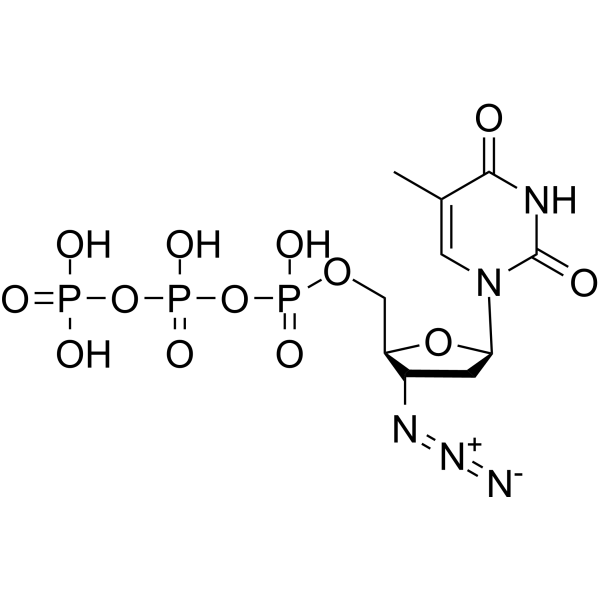
Cat. No.: HY-116364
CAS No.: 92586-35-1
Synonyms: 3'-Azido-3'-deoxythymidine-5'-triphosphate
AZT triphosphate (3'-Azido-3'-deoxythymidine-5'-triphosphate) is a active triphosphate metabolite of Zidovudine (AZT). AZT triphosphate exhibits antiretroviral activity and inhibits replication of HIV. AZT triphosphate also inhibits the DNA polymerase of HBV. AZT triphosphate activates the mitochondria-mediated apoptosis pathway .
loading...
    loading...
Cat. No.: HY-108385
CAS No.: 1448049-50-0
Ochratoxin A-D4 (Phe-​OTA-D4) is the deuterium labeled Ochratoxin A. Ochratoxin A is an orally active food-borne mycotoxin that can cross the blood-brain barrier. Ochratoxin A is a secondary metabolite of fungi belonging to the genera Aspergillus and Penicillium, and is classified as a Group 2B carcinogen. Ochratoxin A exerts its effects through multiple pathways, including inducing oxidative stress, inhibiting mitochondrial respiration, causing oxidative DNA damage, disrupting the PPAR-γ-CD36 axis, inducing immunosuppression, generating ROS, mediating mitochondria-dependent apoptosis, inhibiting glutamate uptake, triggering demyelination and neuroinflammation, inducing DNA hypomethylation, and inhibiting cell proliferation. Ochratoxin A can induce nephrotoxicity, hepatotoxicity, immunotoxicity, and neurotoxicity, and also exhibits mutagenicity, teratogenicity, and carcinogenicity.
loading...
    loading...
Cat. No.: HY-W014684R
CAS No.: 80-54-6
Lilial (Standard) is the analytical standard of Lilial. This product is intended for research and analytical applications. Lilial is a widely used synthetic fragrance and ester in consumer products. Lilial possesses estrogenic activity in vitro. Lilial can induce a toxic effect on mitochondria that causes a decrease in the viability of HaCaT cells. Lilial can increase NRF2 protein level in vitro. Lilial is able to target respiratory chain complexes, inhibit complexes I and II of the electron transport chain, increase the generation of reactive oxygen species, and decrease the level of intracellular ATP. Lilial can induce systemic toxicity in vivo. Lilial induces significant DNA strand breaks .
loading...
    loading...
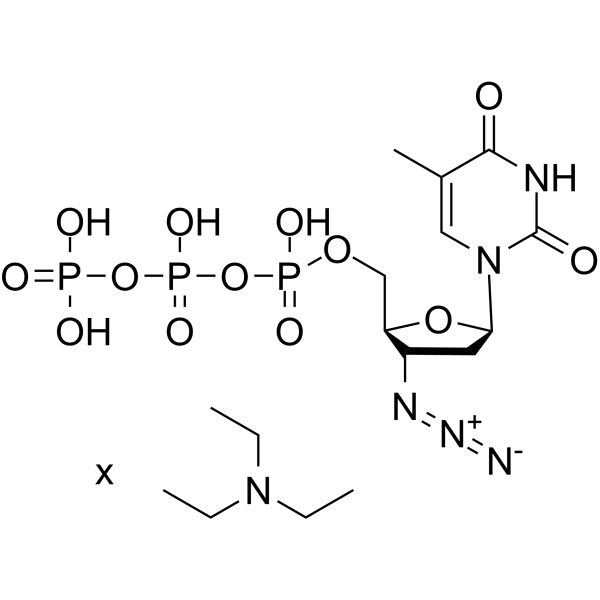
Cat. No.: HY-116364A
Synonyms: 3'-Azido-3'-deoxythymidine-5'-triphosphate TEA
AZT triphosphate (3'-Azido-3'-deoxythymidine-5'-triphosphate) TEA is a active triphosphate metabolite of Zidovudine (AZT). AZT triphosphate TEA exhibits antiretroviral activity and inhibits replication of HIV. AZT triphosphate TEA also inhibits the DNA polymerase of HBV. AZT triphosphate TEA activates the mitochondria-mediated apoptosis pathway .
loading...
    loading...
Cat. No.: HY-169225A
CAS No.: 3040919-39-6
Synonyms: PDIC-NS
PDIC-NN dimethanesulfonate (PDIC-NS) is a STING activator with anticancer activity. PDIC-NN dimethanesulfonate promotes the content and biostability of endogenous cyclic dinucleotides (CDNs). PDIC-NN dimethanesulfonate triggers ROS burst and causes serious damage to mitochondria. PDIC-NN dimethanesulfonate induces cell apoptosis and inhibits DNA replication. PDIC-NN dimethanesulfonate activates cGAS-STING signaling pathway, enhances the immunogenicity of tumor cells and activates a robust innate immune response .
loading...
    loading...

