

1. Search Result
Search Result
Results for "

mitochondrial marker

" in MedChemExpress (MCE) Product Catalog:

37

Inhibitors & Agonists

2

Fluorescent Dyes

2

Peptides

8

Natural
Products

4

Isotope-Labeled Compounds

Cat. No. Product Name Target Research Areas Chemical Structure
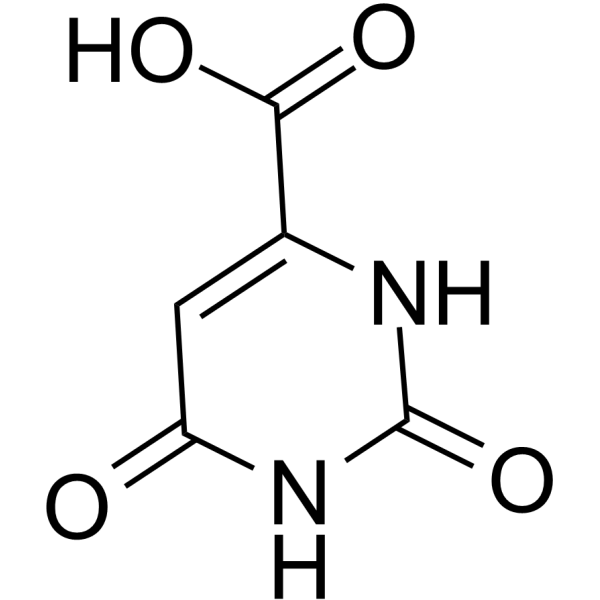
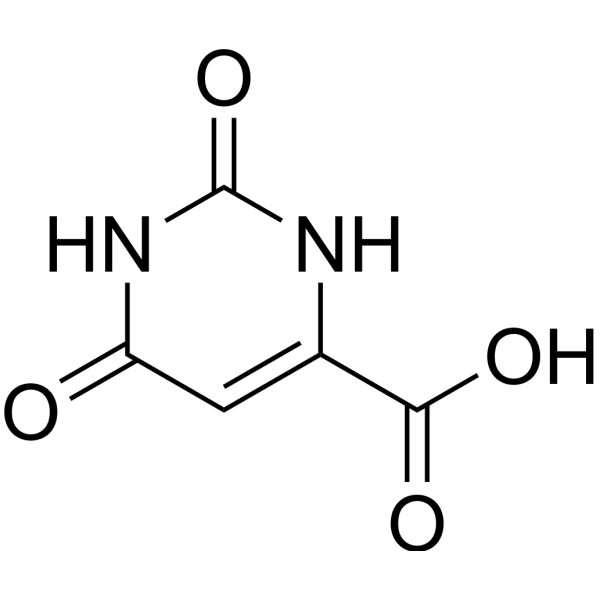
  • HY-N0157
    Orotic acid
    3 Publications Verification

    6-Carboxyuracil; Vitamin B13

    Nucleoside Antimetabolite/Analog Endogenous Metabolite Metabolic Disease
    Orotic acid (6-Carboxyuracil), a precursor in biosynthesis of pyrimidine nucleotides and RNA, is released from the mitochondrial dihydroorotate dehydrogenase (DHODH) for conversion to UMP by the cytoplasmic UMP synthase enzyme. Orotic acid is a marker for measurement in routine newborn screening for urea cycle disorders. Orotic acid can induce hepatic steatosis and hepatomegaly in rats .
    Orotic acid
  • HY-175739

    Mitochondrial Metabolism CXCR Neurological Disease Metabolic Disease Inflammation/Immunology
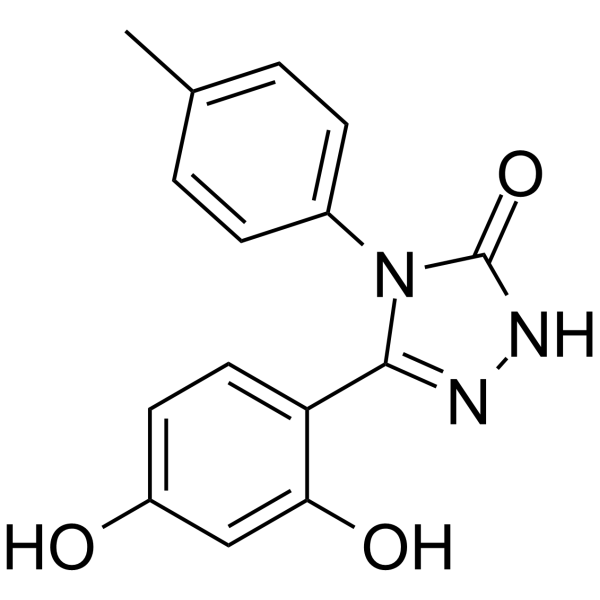
    TFAM activator 1 is a TFAM activator. TFAM activator 1 increases TFAM protein levels, promotes mitochondrial DNA stability, increases mitochondrial DNA copy number, and prevents mitochondrial DNA from escaping into the cytoplasm. TFAM activator 1 improves cellular energy metabolism in cybrid cells. TFAM activator 1 reduces fibrosis markers in fibroblasts. TFAM activator 1 can be used in the research of mitochondrial encephalomyopathy, lactic acidosis, and stroke-like episodes syndrome, systemic sclerosis, and autoimmune diseases .
    TFAM activator 1
  • HY-P3016A

    EC 2.6.1.1, porcine heart; GOT, porcine heart; AST, porcine heart

    Aminotransferases (Transaminases) Cardiovascular Disease
    Aspartate aminotransferase (EC 2.6.1.1), porcine heart is a metabolic regulator with the highest activity in the heart, liver and skeletal muscle. Aspartate aminotransferase, porcine heart comprises two isozymes: the cytoplasmic form (AST1) and the mitochondrial form (AST2). By catalyzing reversible transamination reactions between oxaloacetate, L-glutamate and other substances, it is deeply involved in key physiological processes such as amino acid metabolism, the tricarboxylic acid cycle and neurotransmitter synthesis. Aspartate aminotransferase, porcine heart also provides substrate support for the synthesis of urea and purines/pyrimidines. Aspartate aminotransferase, porcine heart is a serum marker reflecting cardiac and hepatic injury, and its abnormal levels are also closely associated with myocardial infarction, cardiovascular diseases and various cancers .
    Aspartate aminotransferase, porcine heart
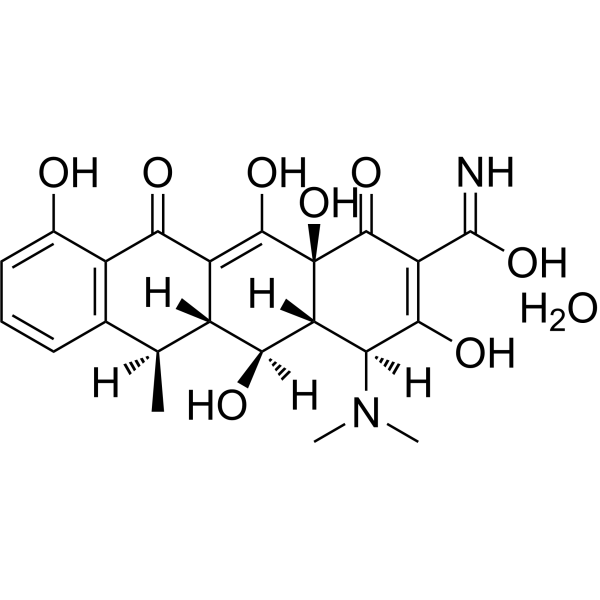
  • HY-W008923
    Doxycycline monohydrate
    Maximum Cited Publications
    173 Publications Verification

    MMP Parasite Bacterial Antibiotic Apoptosis Akt PI3K Infection Neurological Disease Inflammation/Immunology Cancer
    Doxycycline monohydrate is an orally active highly lipophilic, tissue-permeable MMP inhibitor with broad-spectrum antibacterial activity. Doxycycline monohydrate is also a semi-synthetic antibiotic with chelating properties, which blocks bacterial protein synthesis and inhibits extracellular matrix degradation through interactions with zinc and calcium atoms. Doxycycline monohydrate also inhibits mitochondrial biogenesis, translation, and the expression of respiratory chain proteins. Doxycycline monohydrate induces apoptosis, inhibits autophagy and EMT, downregulates stem cell markers, and activates the PI3K-AKT pathway, thereby effectively inhibiting the viability and proliferation of cancer cells such as breast cancer cells. Doxycycline monohydrate also promotes the survival and self-renewal of embryonic stem cells and neural stem cells, and reduces the frequency of medium changes in culture. Doxycycline monohydrate has been applied in studies related to breast cancer, prostate cancer, bladder cancer, and other cancers .
    Doxycycline monohydrate
  • HY-D0060

    Fluorescent Dye Others
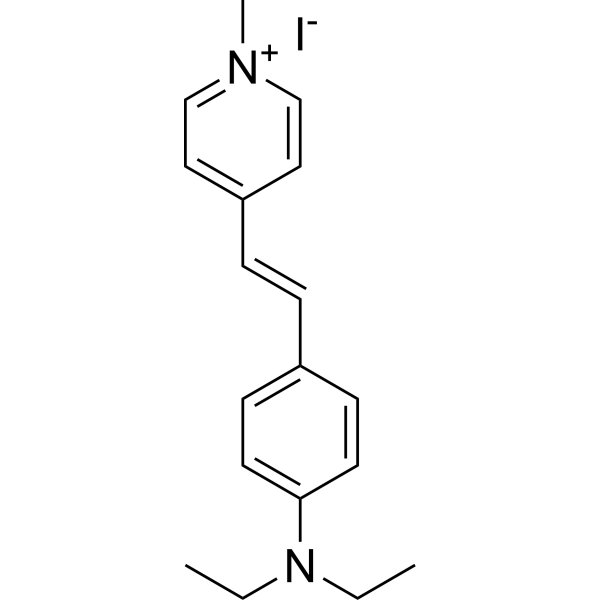
    4-Di-2-ASP, a styryl pyridinium fluorescent dye, is a vital mitochondrial marker. 4-Di-2-ASP shows reliable and specific labelling of pulmonary NEBs (neuroepithelial bodies) .
    4-Di-2-ASP
  • HY-N0430

    Coptisin

    Indoleamine 2,3-Dioxygenase (IDO) NF-κB p38 MAPK PI3K Akt Apoptosis Reactive Oxygen Species (ROS) Mitochondrial Metabolism DNA/RNA Synthesis ROCK LDLR Cardiovascular Disease Neurological Disease Metabolic Disease Inflammation/Immunology Cancer
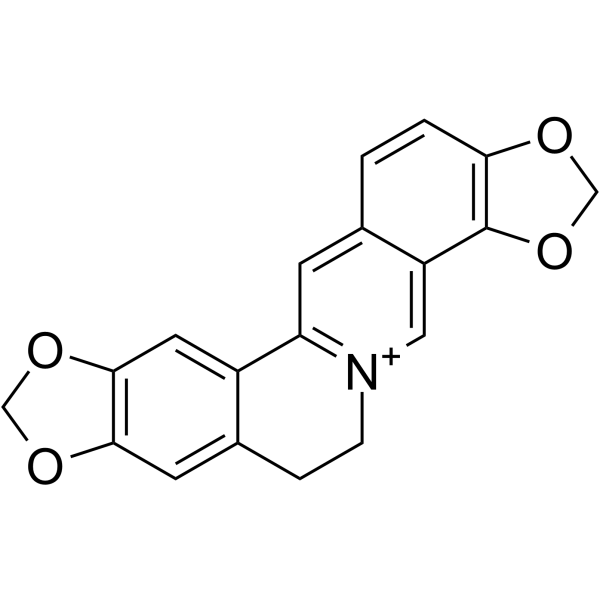
    Coptisine is an orally active and brain-penetrant alkaloid found in Coptis chinensis. Coptisine is a reversible, uncompetitive IDO inhibitor with a Ki of 5.8 μM and an IC50 of 6.3 μM. Coptisine suppresses neuroinflammation, reduces Aβ plaque burden and shows neuroprotective activity. Coptisine shows anti-inflammation activity by blocking NF-κB, MAPK, and PI3K/Akt activation. Coptisine inhibits cancer cells proliferation, induces DNA damage, G2/M phase cell cycle arrest, apoptosis, ROS production and mitochondrial dysfunction. Coptisine inhibits Rho/ROCK pathway activation, reduces arrhythmia, limits cardiac injury marker release, reduces infarct size, and preserves cardiac function in rat myocardial ischemia/reperfusion models. Coptisine downregulates HMGCR and upregulates LDLR and CYP7A1 to modulate cholesterol metabolism, reduces abnormal serum lipid levels, and promotes fecal bile acid excretion. Coptisine can be used for the research of cancer, hypercholesterolemia, Alzheimer’s disease, inflammatory disorders and cardiovascular disease .
    Coptisine
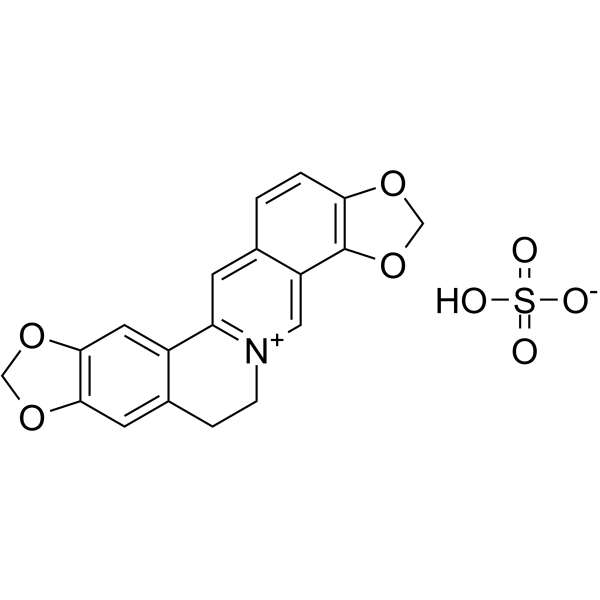
  • HY-N0430A
    Coptisine Sulfate
    5 Publications Verification

    Indoleamine 2,3-Dioxygenase (IDO) NF-κB p38 MAPK PI3K Akt Apoptosis Reactive Oxygen Species (ROS) Mitochondrial Metabolism DNA/RNA Synthesis ROCK LDLR Cardiovascular Disease Neurological Disease Metabolic Disease Inflammation/Immunology Cancer
    Coptisine Sulfate is an orally active and brain-penetrant alkaloid found in Coptis chinensis. Coptisine Sulfate is a reversible, uncompetitive IDO inhibitor with a Ki of 5.8 μM and an IC50 of 6.3 μM. Coptisine Sulfate suppresses neuroinflammation, reduces Aβ plaque burden and shows neuroprotective activity. Coptisine Sulfate shows anti-inflammation activity by blocking NF-κB, MAPK, and PI3K/Akt activation. Coptisine Sulfate inhibits cancer cells proliferation, induces DNA damage, G2/M phase cell cycle arrest, apoptosis, ROS production and mitochondrial dysfunction. Coptisine Sulfate inhibits Rho/ROCK pathway activation, reduces arrhythmia, limits cardiac injury marker release, reduces infarct size, and preserves cardiac function in rat myocardial ischemia/reperfusion models. Coptisine Sulfate downregulates HMGCR and upregulates LDLR and CYP7A1 to modulate cholesterol metabolism, reduces abnormal serum lipid levels, and promotes fecal bile acid excretion. Coptisine Sulfate be used for the research of cancer, hypercholesterolemia, Alzheimer’s disease, inflammatory disorders and cardiovascular disease .
    Coptisine Sulfate
  • HY-W002199

    6:2 FTOH; 1H,1H,2H,2H-Perfluoro-1-octanol; 2-(Perfluorohexyl)ethanol

    Bacterial Apoptosis ERK TNF Receptor Infection Neurological Disease
    6:2 Fluorotelomer alcohol (6:2 FTOH) is an orally active, blood-brain barrier-permeable modulator of cyclin D1 and ETS1. 6:2 Fluorotelomer alcohol downregulates cyclin D1 expression, upregulates ETS1 via the TNF-α/ERK 1/2 pathway, impairs mitochondrial membrane potential and respiratory function, increases reactive oxygen species levels, disrupts calcium homeostasis and activates endoplasmic reticulum stress markers, and induces cell proliferation inhibition and endothelial-mesenchymal transition. Furthermore, 6:2 Fluorotelomer alcohol induces morphological abnormalities in zebrafish embryos and liver developmental damage, while disrupting the brain immune microenvironment in mice, causing systemic toxicity and delayed pup maturation in CD-1 mice. 6:2 Fluorotelomer alcohol also induces cortical neuron apoptosis, glial cell activation, synaptic abnormalities, colonic barrier damage, intestinal dysbiosis and autism spectrum disorder-like symptoms in mice. 6:2 Fluorotelomer alcohol shows no mutagenic, clastogenic, primary skin/eye irritation or skin sensitizing effects, exhibits no selective reproductive toxicity in CD-1 mice, and is classified as GHS Category 4 for acute oral toxicity. 6:2 Fluorotelomer alcohol can be used in studies of neurodevelopmental disorders and autism spectrum disorders .
    6:2 Fluorotelomer alcohol
  • HY-D1116

    Fluorescent Dye Others
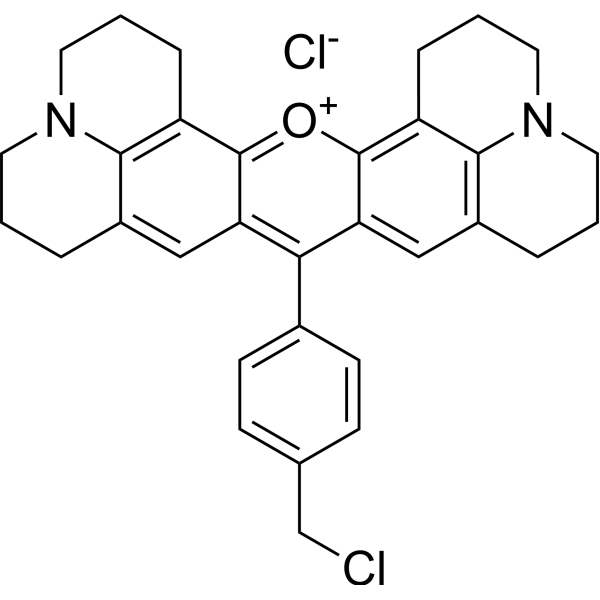
    MitoMark Red I is a fluorescent mitochondrial marker. MitoMark Red I is a red fluorescent dye which accumulates in mitochondria in viable cells and has an excitation wavelength of 578 nm and emission of 599 nm .
    MitoMark Red I
  • HY-130687A

    DL-Psicose

    PI3K mTOR Akt IGF-1R Inflammation/Immunology
    Psicose is a natural and low-calorie sweetener. Psicose can activate the PI3K/Akt/mTOR pathway to promote muscle synthesis. Psicose can upregulate IGF-1 and downregulate Myostatin. Psicose regulates mitochondrial function by increasing G6P activity. Psicose enhances antioxidant enzyme activity and reduces oxidative stress markers. Psicose reduces plasma triglycerides and total cholesterol. Psicose can improve muscle fiber size and reduce fibrosis. Psicose can be used for research on sarcopenia .
    Psicose
  • HY-128578
    KPLH1130
    2 Publications Verification

    PDHK NO Synthase Interleukin Related HIF/HIF Prolyl-Hydroxylase Metabolic Disease Inflammation/Immunology
    KPLH1130 is a pyruvate dehydrogenase kinase (PDK) inhibitor. KPLH1130 potently inhibits M1 macrophage polarization by reducing the expression of pro-inflammatory cytokines, decreasing the levels of M1 phenotype markers (HIF-1α, iNOS) and nitric oxide (NO) production. KPLH1130 prevents the reduction of mitochondrial oxygen consumption rate (OCR) induced by inflammatory stimuli (LPS ((HY-D1056) + IFN-γ) in various macrophage types. KPLH1130 improves glucose tolerance in HFD-fed mice. KPLH1130 can be used for the study of obesity-associated metabolic disorders and other inflammatory conditions .
    KPLH1130
  • HY-P3016

    EC 2.6.1.1; GOT; AST

    Aminotransferases (Transaminases) Cardiovascular Disease
    Aspartate aminotransferase (EC 2.6.1.1), Genetically engineered bacteria is a metabolic regulator with the highest activity in the heart, liver and skeletal muscle. Aspartate aminotransferase, Genetically engineered bacteria comprises two isozymes: the cytoplasmic form (AST1) and the mitochondrial form (AST2). By catalyzing reversible transamination reactions between oxaloacetate, L-glutamate and other substances, it is deeply involved in key physiological processes such as amino acid metabolism, the tricarboxylic acid cycle and neurotransmitter synthesis. Aspartate aminotransferase, Genetically engineered bacteria also provides substrate support for the synthesis of urea and purines/pyrimidines. Aspartate aminotransferase, Genetically engineered bacteria is a serum marker reflecting cardiac and hepatic injury, and its abnormal levels are also closely associated with myocardial infarction, cardiovascular diseases and various cancers .
    Aspartate aminotransferase, Genetically engineered bacteria
  • HY-N0565S1

    Isotope-Labeled Compounds MMP Parasite Bacterial Antibiotic Apoptosis Akt PI3K Infection Neurological Disease Inflammation/Immunology Cancer
    Doxycycline-d3 hyclate (major) is the deuterium labeled Doxycycline hyclate (HY-N0565B). Doxycycline hyclate is an orally active highly lipophilic, tissue-permeable MMP inhibitor with broad-spectrum antibacterial activity. Doxycycline hyclate is also a semi-synthetic antibiotic with chelating properties, which blocks bacterial protein synthesis and inhibits extracellular matrix degradation through interactions with zinc and calcium atoms. Doxycycline hyclate also inhibits mitochondrial biogenesis, translation, and the expression of respiratory chain proteins. Doxycycline hyclate induces apoptosis, inhibits autophagy and EMT, downregulates stem cell markers, and activates the PI3K-AKT pathway, thereby effectively inhibiting the viability and proliferation of cancer cells such as breast cancer cells. Doxycycline hyclate also promotes the survival and self-renewal of embryonic stem cells and neural stem cells, and reduces the frequency of medium changes in culture. Doxycycline hyclate has been applied in studies related to breast cancer, prostate cancer, bladder cancer, and other cancers .
    Doxycycline-d3 (hyclate) (major)
  • HY-N0157R

    6-Carboxyuracil (Standard); Vitamin B13 (Standard)

    Reference Standards Nucleoside Antimetabolite/Analog Endogenous Metabolite Metabolic Disease
    Orotic acid (Standard) is the analytical standard of Orotic acid. This product is intended for research and analytical applications. Orotic acid (6-Carboxyuracil), a precursor in biosynthesis of pyrimidine nucleotides and RNA, is released from the mitochondrial dihydroorotate dehydrogenase (DHODH) for conversion to UMP by the cytoplasmic UMP synthase enzyme. Orotic acid is a marker for measurement in routine newborn screening for urea cycle disorders. Orotic acid can induce hepatic steatosis and hepatomegaly in rats .
    Orotic acid (Standard)
  • HY-N0565AR

    Reference Standards MMP Parasite Bacterial Antibiotic Apoptosis Akt PI3K Infection Neurological Disease Inflammation/Immunology Cancer
    Doxycycline hydrochloride (Standard) is the analytical standard of Doxycycline hydrochloride (HY-N0565A). This product is intended for research and analytical applications. Doxycycline hydrochloride is an orally active highly lipophilic, tissue-permeable MMP inhibitor with broad-spectrum antibacterial activity. Doxycycline hydrochloride is also a semi-synthetic antibiotic with chelating properties, which blocks bacterial protein synthesis and inhibits extracellular matrix degradation through interactions with zinc and calcium atoms. Doxycycline hydrochloride also inhibits mitochondrial biogenesis, translation, and the expression of respiratory chain proteins. Doxycycline hydrochloride induces apoptosis, inhibits autophagy and EMT, downregulates stem cell markers, and activates the PI3K-AKT pathway, thereby effectively inhibiting the viability and proliferation of cancer cells such as breast cancer cells. Doxycycline hydrochloride also promotes the survival and self-renewal of embryonic stem cells and neural stem cells, and reduces the frequency of medium changes in culture. Doxycycline hydrochloride has been applied in studies related to breast cancer, prostate cancer, bladder cancer, and other cancers .
    Doxycycline (hydrochloride) (Standard)
  • HY-N0565R

    Reference Standards MMP Parasite Bacterial Antibiotic Apoptosis Akt PI3K Infection Neurological Disease Inflammation/Immunology Cancer
    Doxycycline (Standard) is the analytical standard of Doxycycline (HY-N0565). This product is intended for research and analytical applications. Doxycycline is an orally active highly lipophilic, tissue-permeable MMP inhibitor with broad-spectrum antibacterial activity. Doxycycline is also a semi-synthetic antibiotic with chelating properties, which blocks bacterial protein synthesis and inhibits extracellular matrix degradation through interactions with zinc and calcium atoms. Doxycycline also inhibits mitochondrial biogenesis, translation, and the expression of respiratory chain proteins. Doxycycline induces apoptosis, inhibits autophagy and EMT, downregulates stem cell markers, and activates the PI3K-AKT pathway, thereby effectively inhibiting the viability and proliferation of cancer cells such as breast cancer cells. Doxycycline also promotes the survival and self-renewal of embryonic stem cells and neural stem cells, and reduces the frequency of medium changes in culture. Doxycycline has been applied in studies related to breast cancer, prostate cancer, bladder cancer, and other cancers .
    Doxycycline (Standard)
  • HY-N0565BR

    Doxycycline (hydrochloride hemiethanolate hemihydrate) (Standard); WC2031 (Standard)

    Reference Standards MMP Parasite Bacterial Antibiotic Apoptosis Akt PI3K Infection Neurological Disease Inflammation/Immunology Cancer
    Doxycycline hyclate (Standard) is the analytical standard of Doxycycline hyclate (HY-N0565B). This product is intended for research and analytical applications. Doxycycline hyclate is an orally active highly lipophilic, tissue-permeable MMP inhibitor with broad-spectrum antibacterial activity. Doxycycline hyclate is also a semi-synthetic antibiotic with chelating properties, which blocks bacterial protein synthesis and inhibits extracellular matrix degradation through interactions with zinc and calcium atoms. Doxycycline hyclate also inhibits mitochondrial biogenesis, translation, and the expression of respiratory chain proteins. Doxycycline hyclate induces apoptosis, inhibits autophagy and EMT, downregulates stem cell markers, and activates the PI3K-AKT pathway, thereby effectively inhibiting the viability and proliferation of cancer cells such as breast cancer cells. Doxycycline hyclate also promotes the survival and self-renewal of embryonic stem cells and neural stem cells, and reduces the frequency of medium changes in culture. Doxycycline hyclate has been applied in studies related to breast cancer, prostate cancer, bladder cancer, and other cancers .
    Doxycycline hyclate (Standard)
  • HY-P2961

    Glutathione S-transferase Cancer
    Glutathione S-transferase is a phase II metabolic enzyme consisting of three superfamilies: cytosolic, mitochondrial, and microsomal. Glutathione S-transferase possesses various catalytic activities such as catalytic detoxification and thiol transfer, as well as chaperone function. GSTP1, a subtype of Glutathione S-transferase, is highly expressed in malignant tissues and serves as a tumor marker .
    Glutathione S-transferase
  • HY-N13009

    Raf HIF/HIF Prolyl-Hydroxylase ERK MEK Reactive Oxygen Species (ROS) Apoptosis Caspase Cancer
    MO-2097 is a RAF-1/HIF-1α inhibitor. MO-2097 induces RAF-1 destabilization, leading to a reduction in EMT-associated transcription factors and mesenchymal markers. MO-2097 inhibits HIF-1a protein expression mediated by hnRNPA2B1 under hypoxic and mimetic hypoxia. MO-2097 induces mitochondrial ROS, which leads to apoptosis in cells. MO-2097 effectively suppresses colorectal cancer metastasis by inhibiting the RAF/MEK/ERK signaling pathway. MO-2097 attenuates tumor growth in a xenograft HCT116 cell mouse model. MO-2097 can be used for the study of colorectal cancer .
    MO-2097
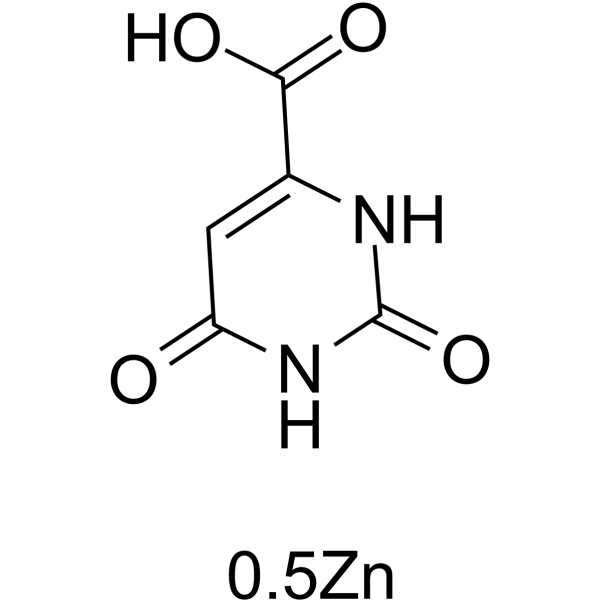
  • HY-N0157A
    Orotic acid zinc
    3 Publications Verification

    6-Carboxyuracil zinc; Vitamin B13 zinc

    Nucleoside Antimetabolite/Analog Endogenous Metabolite Metabolic Disease
    Orotic acid (zinc), a precursor in biosynthesis of pyrimidine nucleotides and RNA, is released from the mitochondrial dihydroorotate dehydrogenase (DHODH) for conversion to UMP by the cytoplasmic UMP synthase enzyme. Orotic acid (zinc) is a marker for measurement in routine newborn screening for urea cycle disorders. Orotic acid (zinc) can induce hepatic steatosis and hepatomegaly in rats .
    Orotic acid zinc
  • HY-131688

    PARP Caspase Inflammation/Immunology
    2-Chlorohexadecanoic acid, an inflammatory lipid mediator, interferes with protein palmitoylation,induces ER-stress markers, reduced the ER ATP content, and activates transcription and secretion of IL-6 as well as IL-8.2-Chlorohexadecanoic acid disrupts the mitochondrial membrane potential and induces procaspase-3 and PARP cleavage.2-Chlorohexadecanoic acid can across blood-brain barrier (BBB) and compromises ER- and mitochondrial functions in the human brain endothelial cell line hCMEC/D3 .
    2-Chlorohexadecanoic acid
  • HY-164548

    HSP Apoptosis PI3K Akt NF-κB Inflammation/Immunology Cancer
    WK88-1 is an apoptosis inducer and Hsp90 client protein inhibitor with antiproliferative and immunomodulatory activities. WK88-1 inhibits signaling pathways such as PI3K/Akt and NF-κB, and induces mitochondrial dysfunction and cell cycle arrest. WK88-1 effectively suppresses cancer cell migration and invasion, and reverses various EGFR mutations and resistance to Gefitinib (HY-50895). WK88-1 also regulates the differentiation of monocytes and dendritic cells, blocks the expression of multiple chemokines, inhibits immune cell migration and M1 marker transcription, and restores impaired endocytic activity. WK88-1 has been used in studies of breast cancer, non-small cell lung cancer with various EGFR mutations or Met amplification, and atherosclerosis and other related diseases .
    WK88-1
  • HY-N0565AS

    Isotope-Labeled Compounds MMP Parasite Bacterial Antibiotic Apoptosis Akt PI3K Infection Neurological Disease Inflammation/Immunology Cancer
    Doxycycline-d3 hydrochloride is deuterium labeled Doxycycline hydrochloride (HY-N0565A). Doxycycline hydrochloride is an orally active highly lipophilic, tissue-permeable MMP inhibitor with broad-spectrum antibacterial activity. Doxycycline hydrochloride is also a semi-synthetic antibiotic with chelating properties, which blocks bacterial protein synthesis and inhibits extracellular matrix degradation through interactions with zinc and calcium atoms. Doxycycline hydrochloride also inhibits mitochondrial biogenesis, translation, and the expression of respiratory chain proteins. Doxycycline hydrochloride induces apoptosis, inhibits autophagy and EMT, downregulates stem cell markers, and activates the PI3K-AKT pathway, thereby effectively inhibiting the viability and proliferation of cancer cells such as breast cancer cells. Doxycycline hydrochloride also promotes the survival and self-renewal of embryonic stem cells and neural stem cells, and reduces the frequency of medium changes in culture. Doxycycline hydrochloride has been applied in studies related to breast cancer, prostate cancer, bladder cancer, and other cancers .
    Doxycycline-d3 (hydrochloride)
  • HY-N0565S3

    Isotope-Labeled Compounds MMP Parasite Bacterial Antibiotic Apoptosis Akt PI3K Infection Neurological Disease Inflammation/Immunology Cancer
    Doxycycline- 13C,d3 is 13C and deuterium labeled Doxycycline (HY-N0565). Doxycycline is an orally active highly lipophilic, tissue-permeable MMP inhibitor with broad-spectrum antibacterial activity. Doxycycline is also a semi-synthetic antibiotic with chelating properties, which blocks bacterial protein synthesis and inhibits extracellular matrix degradation through interactions with zinc and calcium atoms. Doxycycline also inhibits mitochondrial biogenesis, translation, and the expression of respiratory chain proteins. Doxycycline induces apoptosis, inhibits autophagy and EMT, downregulates stem cell markers, and activates the PI3K-AKT pathway, thereby effectively inhibiting the viability and proliferation of cancer cells such as breast cancer cells. Doxycycline also promotes the survival and self-renewal of embryonic stem cells and neural stem cells, and reduces the frequency of medium changes in culture. Doxycycline has been applied in studies related to breast cancer, prostate cancer, bladder cancer, and other cancers .
    Doxycycline-13C,d3
  • HY-W001245

    Apoptosis Reactive Oxygen Species (ROS) Caspase Mitochondrial Metabolism Cancer
    4-Methylthiazole is an Apoptosis trigger. 4-Methylthiazole markedly reduces CD45 and CD123 surface markers, increases ROS levels, Caspase-3 protein levels. 4-Methylthiazole triggers Apoptosis and mitochondrial disruption. 4-Methylthiazole can be used in the research of acute promyelocytic leukemia .
    4-Methylthiazole
  • HY-N0157S1

    6-Carboxyuracil-13C,15N2 monohydrate; Vitamin B13-13C,15N2 monohydrate

    Nucleoside Antimetabolite/Analog Endogenous Metabolite Metabolic Disease
    Orotic acid- 13C, 15N2 (monohydrate) is the 13C and 15N labeled Orotic acid . Orotic acid (6-Carboxyuracil), a precursor in biosynthesis of pyrimidine nucleotides and RNA, is released from the mitochondrial dihydroorotate dehydrogenase (DHODH) for conversion to UMP by the cytoplasmic UMP synthase enzyme. Orotic acid is a marker for measurement in routine newborn screening for urea cycle disorders. Orotic acid can induce hepatic steatosis and hepatomegaly in rats .
    Orotic acid-13C,15N2 monohydrate
  • HY-103305

    Fluorescent Dye Calcium Channel Others
    cis-Ned19 is an irreversible nicotinic acid adenine dinucleotide phosphate (NAADP) antagonist. cis-Ned19 localizes to lysosomes and endolysosomal vesicles, stains two-pore calcium channels and fluorescently labels NAADP receptors (Ex/Em = 365/410 nm) .
    cis-Ned19
  • HY-P3016B

    EC 2.6.1.1, Human liver; GOT, Human liver; AST, Human liver

    Aminotransferases (Transaminases) Cardiovascular Disease
    Aspartate aminotransferase (EC 2.6.1.1), Human liver is a metabolic regulator with the highest activity in the heart, liver and skeletal muscle. Aspartate aminotransferase, Human liver comprises two isozymes: the cytoplasmic form (AST1) and the mitochondrial form (AST2). By catalyzing reversible transamination reactions between oxaloacetate, L-glutamate and other substances, it is deeply involved in key physiological processes such as amino acid metabolism, the tricarboxylic acid cycle and neurotransmitter synthesis. Aspartate aminotransferase, Human liver also provides substrate support for the synthesis of urea and purines/pyrimidines. Aspartate aminotransferase, Human liver is a serum marker reflecting cardiac and hepatic injury, and its abnormal levels are also closely associated with myocardial infarction, cardiovascular diseases and various cancers .
    Aspartate aminotransferase, Human liver
  • HY-P10132

    Ferroptosis Metabolic Disease
    PRDX3(103-112), human is a marker for ferroptosis. PRDX3 is hyperoxidated by mitochondrial lipid peroxides. PRDX3 inhibits cystine uptake after hyperoxidization .
    PRDX3(103-112), human
  • HY-N0565C

    MMP Parasite Bacterial Antibiotic Apoptosis Akt PI3K Infection Neurological Disease Inflammation/Immunology Cancer
    Doxycycline calcium is an orally active highly lipophilic, tissue-permeable MMP inhibitor with broad-spectrum antibacterial activity. Doxycycline calcium is also a semi-synthetic antibiotic with chelating properties, which blocks bacterial protein synthesis and inhibits extracellular matrix degradation through interactions with zinc and calcium atoms. Doxycycline calcium also inhibits mitochondrial biogenesis, translation, and the expression of respiratory chain proteins. Doxycycline calcium induces apoptosis, inhibits autophagy and EMT, downregulates stem cell markers, and activates the PI3K-AKT pathway, thereby effectively inhibiting the viability and proliferation of cancer cells such as breast cancer cells. Doxycycline calcium also promotes the survival and self-renewal of embryonic stem cells and neural stem cells, and reduces the frequency of medium changes in culture. Doxycycline calcium has been applied in studies related to breast cancer, prostate cancer, bladder cancer, and other cancers .
    Doxycycline calcium
  • HY-W008923R

    Reference Standards MMP Parasite Bacterial Antibiotic Apoptosis Akt PI3K Infection Neurological Disease Inflammation/Immunology Cancer
    Doxycycline monohydrate (Standard) is the analytical standard of Doxycycline monohydrate (HY-W008923). Doxycycline monohydrate is an orally active highly lipophilic, tissue-permeable MMP inhibitor with broad-spectrum antibacterial activity. Doxycycline monohydrate is also a semi-synthetic antibiotic with chelating properties, which blocks bacterial protein synthesis and inhibits extracellular matrix degradation through interactions with zinc and calcium atoms. Doxycycline monohydrate also inhibits mitochondrial biogenesis, translation, and the expression of respiratory chain proteins. Doxycycline monohydrate induces apoptosis, inhibits autophagy and EMT, downregulates stem cell markers, and activates the PI3K-AKT pathway, thereby effectively inhibiting the viability and proliferation of cancer cells such as breast cancer cells. Doxycycline monohydrate also promotes the survival and self-renewal of embryonic stem cells and neural stem cells, and reduces the frequency of medium changes in culture. Doxycycline monohydrate has been applied in studies related to breast cancer, prostate cancer, bladder cancer, and other cancers .
    Doxycycline monohydrate (Standard)
  • HY-N0157AR

    6-Carboxyuracil zinc (Standard); Vitamin B13 zinc (Standard)

    Nucleoside Antimetabolite/Analog Endogenous Metabolite Reference Standards Metabolic Disease
    Orotic acid (zinc) (Standard) is the analytical standard of Orotic acid (zinc). This product is intended for research and analytical applications. Orotic acid (zinc), a precursor in biosynthesis of pyrimidine nucleotides and RNA, is released from the mitochondrial dihydroorotate dehydrogenase (DHODH) for conversion to UMP by the cytoplasmic UMP synthase enzyme. Orotic acid (zinc) is a marker for measurement in routine newborn screening for urea cycle disorders. Orotic acid (zinc) can induce hepatic steatosis and hepatomegaly in rats .
    Orotic acid zinc (Standard)
  • HY-P11489

    Cyclophilin Reactive Oxygen Species (ROS) NF-κB Caspase Apoptosis Metabolic Disease
    RN-0001 is a cyclophilin (Cyp) inhibitor with Ki values of 4.1 nM and 12.0 nM against CypA and CypD, respectively, and an EC50 of 916 nM for CypD. RN-0001 binds directly to CypD, inhibits the peptidyl-prolyl cis-trans isomerase activities of CypD and CypA, and prevents CypD-dependent mitochondrial permeability transition pore opening. RN-0001 improves mitochondrial function, reduces ROS production, inhibits the expression of lipogenic markers, blocks the nuclear translocation of NF-κB p65, and decreases the release of activated caspase-3 and cytochrome c. RN-0001 can be used in the research of alcohol-associated liver disease .
    RN-0001
  • HY-183538

    Necroptosis Reactive Oxygen Species (ROS) Mitochondrial Metabolism Mixed Lineage Kinase RIP kinase Cancer
    Necroptosis inducer 2 is a necroptosis inducer and copper chelator. Necroptosis inducer 2 chelates intracellular free copper ions, disrupts redox homeostasis, elevates ROS levels, disrupts mitochondrial membrane potential, and induces cancer cell necroptosis. Necroptosis inducer 2 upregulates the necroptosis markers p-MLKL and p-RIP3 expression. Necroptosis inducer 2 exhibits anti-tumor activity in mice. Necroptosis inducer 2 can be used for the research of cancer, such as triple-negative breast cancer .
    Necroptosis inducer 2
  • HY-W750419

    Palmitoleoylcarnitine (C16:1)

    Endogenous Metabolite Metabolic Disease Inflammation/Immunology
    cis-9-Hexadecenoylcarnitine inner salt (Palmitoleoylcarnitine (C16:1)) is a long-chain acylcarnitine controlling fatty acid metabolism and mitochondrial function. cis-9-Hexadecenoylcarnitine inner salt accumulates in colorectal cancer cells. cis-9-Hexadecenoylcarnitine inner salt exists in plants and mediates lipid anabolic development. cis-9-Hexadecenoylcarnitine inner salt acts as a metabolic marker for type 1 diabetes and inflammatory bowel disease plasma. cis-9-Hexadecenoylcarnitine inner salt can be used for research on diabetes, metabolism, and inflammatory bowel disease .
    cis-9-Hexadecenoylcarnitine inner salt
  • HY-183057

    G Protein-coupled Receptor Kinase (GRK) HDAC Neurological Disease
    GRK2 modulator 1 is an orally active, brain-penetrant and selective GRK2 modulator. GRK2 modulator 1 enhances the active, non-phosphorylated GRK2 and prevents mitochondrial GRK2 and TOMM6 aggregation. GRK2 modulator 1 enhances the non-amyloidogenic processing of APP and prevent PHF-tau, neurodegeneration, and neuronal loss. GRK2 modulator 1 decreases the senescence marker, UPAR, reduces the Alzheimer disease (AD)-related mortality, and prolongs survival. GRK2 modulator 1 exerts neuroprotection by inhibiting HDAC6, and counteracts age-related cardiac dysfunction. GRK2 modulator 1 can be used for research on AD .
    GRK2 modulator 1
  • HY-P3016C

    EC 2.6.1.1, Human (HEK293); GOT, Human (HEK293); AST, Human (HEK293)

    Aminotransferases (Transaminases) Cardiovascular Disease
    Aspartate aminotransferase (EC 2.6.1.1), Human (HEK293) is a metabolic regulator with the highest activity in the heart, liver and skeletal muscle. Aspartate aminotransferase, Human (HEK293) comprises two isozymes: the cytoplasmic form (AST1) and the mitochondrial form (AST2). By catalyzing reversible transamination reactions between oxaloacetate, L-glutamate and other substances, it is deeply involved in key physiological processes such as amino acid metabolism, the tricarboxylic acid cycle and neurotransmitter synthesis. Aspartate aminotransferase, Human (HEK293) also provides substrate support for the synthesis of urea and purines/pyrimidines. Aspartate aminotransferase, Human (HEK293) is a serum marker reflecting cardiac and hepatic injury, and its abnormal levels are also closely associated with myocardial infarction, cardiovascular diseases and various cancers .
    Aspartate aminotransferase, Human (HEK293)

Inquiry Online

Your information is safe with us. * Required Fields.

Salutation


Country or Region *

Applicant Name *


Organization Name *

Department *


Email Address *


Product Name *

Cat. No.


Requested quantity *

Phone Number *


Remarks

Inquiry Online

Inquiry Information

Product Name:
Cat. No.:
Quantity:
MCE Japan Authorized Agent:

