

1. Search Result
Search Result
Results for "

mouse embryonic fibroblast

" in MedChemExpress (MCE) Product Catalog:

28

Inhibitors & Agonists

2

Fluorescent Dye

4

Peptides

2

Natural
Products

Targets Recommended:
Cat. No. Product Name Target Research Areas Chemical Structure
  • HY-16160
    Cysmethynil
    1 Publications Verification

    Autophagy ICMT Neurological Disease Cancer
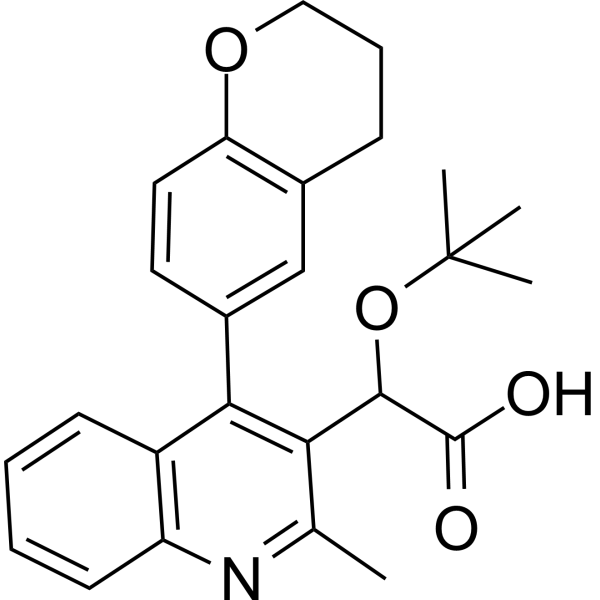
    Cysmethynil is an Icmt inhibitor(IC50 = 2.4 μM). Cysmethynil inhibites RAS membrane binding and EGF signal transduction. Cysmethynil prevents the cells in the G1 phase and induces autophagy. Cysmethynil inhibits PC3 cells proliferation, has synergistic effect with Paclitaxel (HY-B0015) and Doxorubicin (HY-15142A). Cysmethynil has anti-tumor effects and can be used for solid tumor (such as prostate cancer et al.) research .
    Cysmethynil
  • HY-13488
    HG-10-102-01
    1 Publications Verification

    LRRK2 MNK Neurological Disease
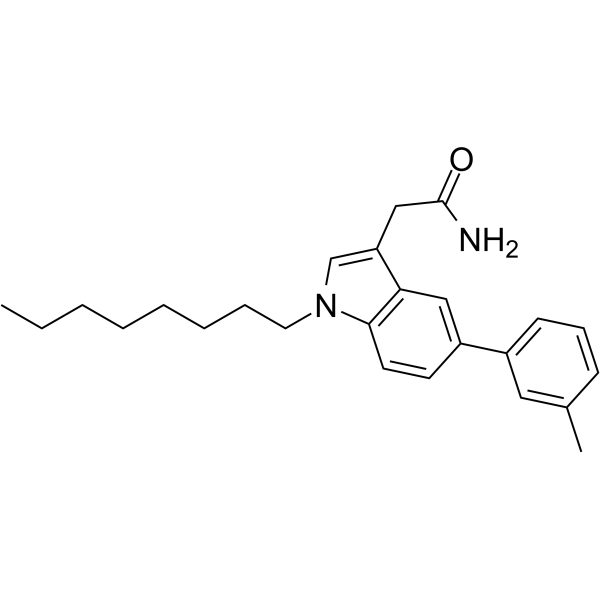
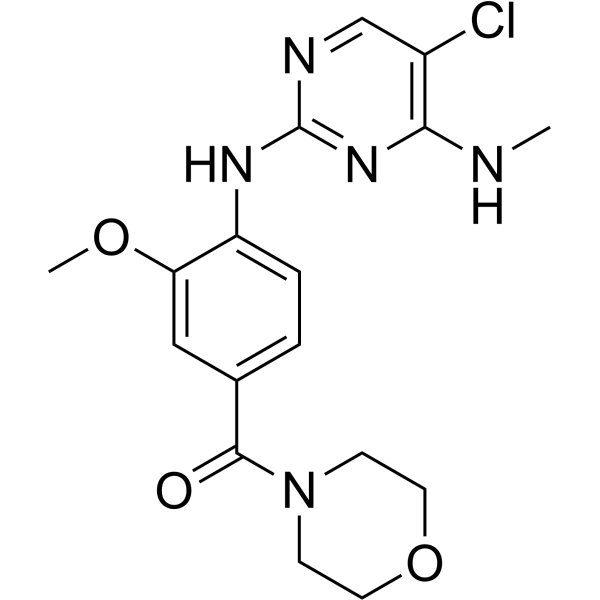
    HG-10-102-01 is a highly potent, selective, and brain-penetrable LRRK2 inhibitor, with IC50 values of 20.3 and 3.2 nM against wild-type LRRK2 and LRRK2[G2019S], respectively. HG-10-102-01 also inhibits MNK2 and MLK1, with IC50 values of 0.6 and 2.1 μM. HG-10-102-01 can be used for Parkinson's disease (PD) research .
    HG-10-102-01
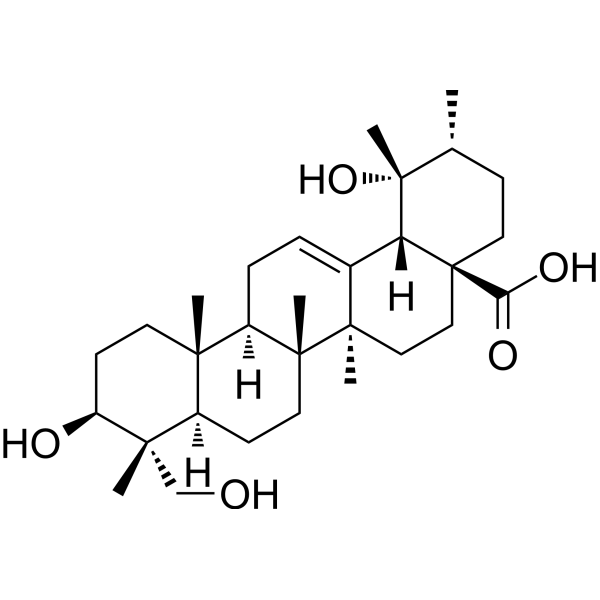
  • HY-N2217

    Akt mTOR p38 MAPK Apoptosis Phosphatase Interleukin Related NF-κB PI3K Keap1-Nrf2 Heme Oxygenase (HO) Toll-like Receptor (TLR) Reactive Oxygen Species (ROS) Metabolic Disease Inflammation/Immunology Cancer
    Rotundic acid is an orally effective triterpenoid with a Kd value of 51.3 µM for PTP1B. Rotundic acid downregulates the AKT/mTOR pro-survival pathway and modulates the MAPK pathway. Rotundic acid induces cell cycle S-phase arrest, DNA damage and apoptosis; it inhibits migration, invasion, angiogenesis and proliferation of cancer cells. Rotundic acid improves leptin sensitivity, regulates gut microbiota and reduces cellular senescence. Rotundic acid can be used in research related to hepatocellular carcinoma, obesity, aging, acute lung injury and type 2 diabetes .
    Rotundic acid
  • HY-18601
    (±)-BI-D
    Maximum Cited Publications
    6 Publications Verification

    HIV HIV Integrase Infection
    (±)-BI-D is a potent ALLINI (allosteric integrase inhibitor). (±)-BI-D binds integrase at the LEDGF/p75 binding site. (±)-BI-D inhibits HIV-Luc infection in cells (IC50: 0.16 μM in Psip1 knockout E9 mouse embryonic fibroblasts, 2.9 μM in wild-type E9 mouse embryonic fibroblasts) .
    (±)-BI-D
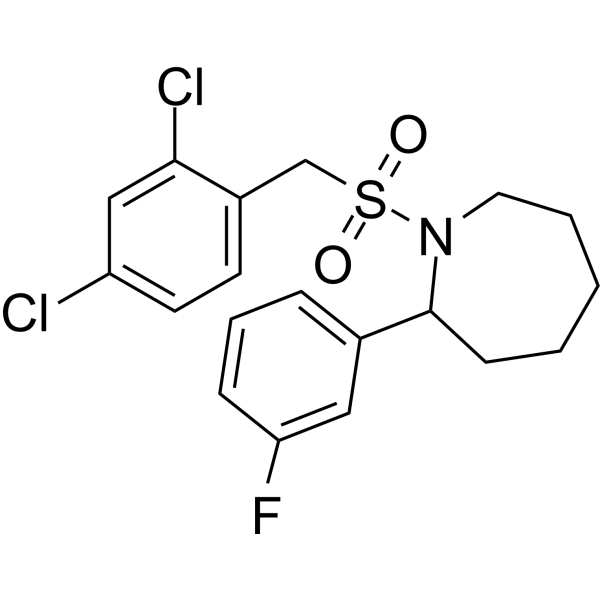
  • HY-141591

    Biochemical Assay Reagents Others
    CYT296 is a target chromatin de-condensation compound. CYT296 can improve the induction of induced pluripotent stem cell (iPSCs) mediated by defined factors (OSKM) and induce an open chromatin state in Mouse Embryonic Fibroblast (MEFs) to facilitate somatic cell reprogramming. CYT296 can be used for cell replacement therapies and drug screening research .
    CYT296
  • HY-D0967

    Fluorescent Dye Others
    Cy5-bifunctional dye is a bifunctional dye used for covalent labeling of primary amines on proteins or oligonucleotides (Ex/Em = 649 nm/670 nm). Cy5-bifunctional dye can label recombinant annexin-V to assess phosphatidylserine exposure on the cell surface via flow cytometry. Cy5-bifunctional dye can label anti-human IgG (H + L) secondary antibodies. Cy5-bifunctional dye is applicable to studies of glanders and melioidosis .
    Cy5-bifunctional dye
  • HY-160222

    HSV STING IFNAR NF-κB Infection
    HSV-60mer sodium is a 60 bp double-stranded DNA oligonucleotide derived from the HSV-1 genome, and also an IFNβ inducer. HSV-60mer sodium colocalizes with endogenous cytoplasmic IFI16 in immune cells. HSV-60mer sodium activates the transcription factors IRF3 and NF-κB, induces the production of proinflammatory cytokines, and inhibits HSV-1 replication in immune cells. HSV-60mer sodium can be used in studies related to herpes simplex virus type 1 infection .
    HSV-60mer sodium
  • HY-115701

    1-Stearoyl-2-15(S)-HpETE-sn-glycero-3-phosphoethanolamine; 15(S)-HpETE-SAPE; 15(S)-hydroperoxyeicostetraenoic acid-SAPE

    Ferroptosis Inflammation/Immunology
    1-Stearoyl-2-15(S)-HpETE-sn-glycero-3-Pe is a phospholipid that contains stearic acid (HY-B2219) at the sn-1 position and 15(S)-HpETE at the sn-2 position. It is produced via oxidation of 1-stearoyl-2-arachidonoyl-sn-glycero-3-Pe (SAPE) by 15-lipoxygenase (15-LO). 1-Stearoyl-2-15(S)-HpETE-sn-glycero-3-Pe (0.6 and 0.9 μM) increases ferroptotic cell death in wild-type and Acsl4 knockout Pfa1 mouse embryonic fibroblasts (MEFs) treated with the GPX4 inhibitor RSL3.
    1-Stearoyl-2-15(S)-Hpete-Sn-Glycero-3-Pe
  • HY-115930

    Bcl-2 Family Cardiovascular Disease
    Bim-IN-1 is a potent Bim expression inhibitor. Bim-IN-1 reduces Bim expression levels and has little inhibitory effect upon protein kinase A activity and minimal toxicity .
    Bim-IN-1
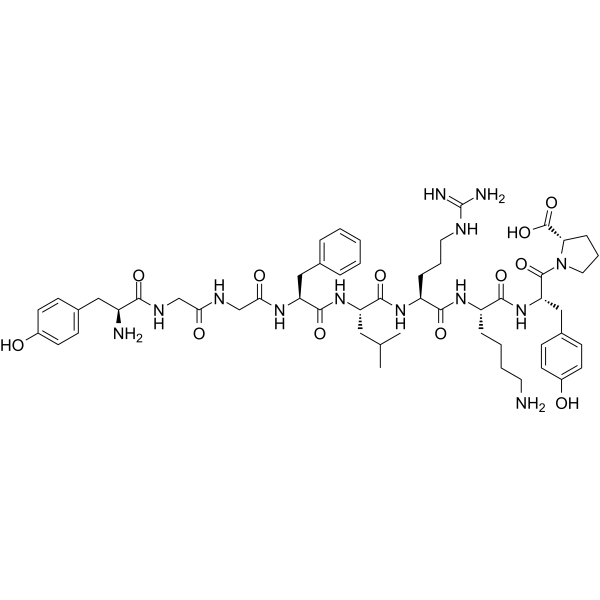
  • HY-P3513

    ERK MMP Neurological Disease
    β-Neo-Endorphin is an endogenous opioid peptide. β-Neo-Endorphin is a hypothalamic “big” Leu-enkephalin of porcine origin. β-Neo-Endorphin shows activation of the Erk1/2, MMP-2 and MMP-9 .
    β-Neo-Endorphin
  • HY-136093B
    Lixumistat
    1 Publications Verification

    IM156 free base; HL156A free base; HL271 free base

    Mitochondrial Metabolism AMPK Neurological Disease Inflammation/Immunology
    Lixumistat (IM156 free base) is a potent and orally active AMPK activator and OXPHOS inhibitor. Lixumistat strongly activates AMPK, while it lacks the systemic metabolic regulatory effects of classic metformin, such as hypoglycemic and weight-lowering activities. Lixumistat exhibits significant therapeutic effects on cognitive decline associated with brain aging and pulmonary fibrosis .
    Lixumistat
  • HY-117987

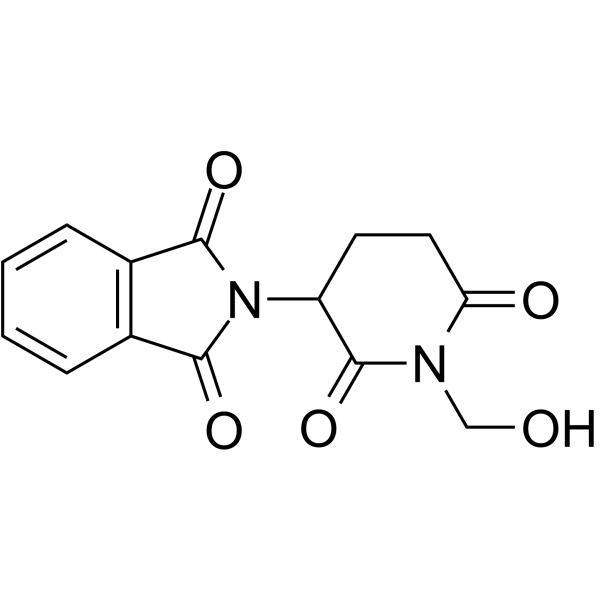
    N-(Hydroxymethyl)thalidomide

    Nuclear Factor of activated T Cells (NFAT) NF-κB Reactive Oxygen Species (ROS) Cancer
    CPS-11 (N-(Hydroxymethyl)thalidomide) a Thalidomide (HY-14658) analogue, is a potent anti-cancer agent. CPS-11 inhibits NF-κB, activates NFAT, and repress cytokine expression through elevated ROS. CPS-11 exhibits a wider activity spectrum and higher potency against MM (multiple myeloma) cell lines .
    CPS-11
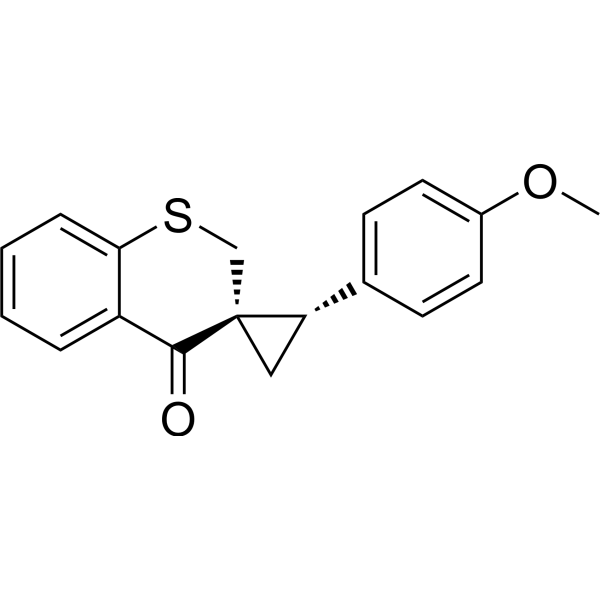
  • HY-128034

    PIN1 Cancer
    PPIase-Parvulin inhibitor (compound B) is a cell-permeable inhibitor targeting PPIase Pin1 and Par14, with IC50s of 1.5 and 1.0 µM, respectively. PPIase-Parvulin inhibitor has anticancer activity and inhibits the growth and proliferation of mouse embryonic fibroblasts (MEFs) .
    PPIase-Parvulin inhibitor
  • HY-153413

    Ras Cancer
    Kras4B G12D-IN-1 is a Kras4B G12D inhibitor with anticancer effects. Kras4B G12D-IN-1 decreases Kras protein expression in mouse embryonic fibroblasts (MEF) expressing Kras4B G12D (WO2016179558A1, Comp 994566) .
    Kras4B G12D-IN-1
  • HY-124514

    SOS1 Ras ERK Cancer
    UC-857993 is a selective SOS1-Ras inhibitor (Kd=14.7 μM, His6-SOS1cat), suppressing catalytic activity. UC-857993 also inhibits ERK and Ras activation, suppresses the growth of mouse embryonic fibroblasts (MEFs) .
    UC-857993
  • HY-139062

    C6 Ceramide (d18:1/6:0) Urea; Cer(d18:1/6:0) Urea; D-erythro-Urea-C6-Ceramide

    Apoptosis Ceramidase Autophagy β-catenin Cancer
    C6 Urea Ceramide (Cer(d18:1/6:0) Urea) is an inhibitor of neutral ceramidase. C6 Urea Ceramide increases total ceramide levels in wild-type mouse embryonic fibroblasts (MEFs) and HT-29 colon cancer cells. C6 Urea Ceramide (5-10 μM) inhibits proliferation of HT-29 cells and induces apoptosis and autophagy, but is not toxic to non-cancerous cells. C6 Urea Ceramide decreases total and phosphorylated β-catenin levels in HT-29 and HCT116 cells, and induces colocalization of β-catenin with the 20S proteasome. C6 Urea Ceramide (1.25, 2.5, and 5 mg/kg) reduced tumor growth and increased C16, C18, C20, and C24 ceramide levels in tumor tissues in the HT-29 mouse xenograft model.
    C6 Urea Ceramide
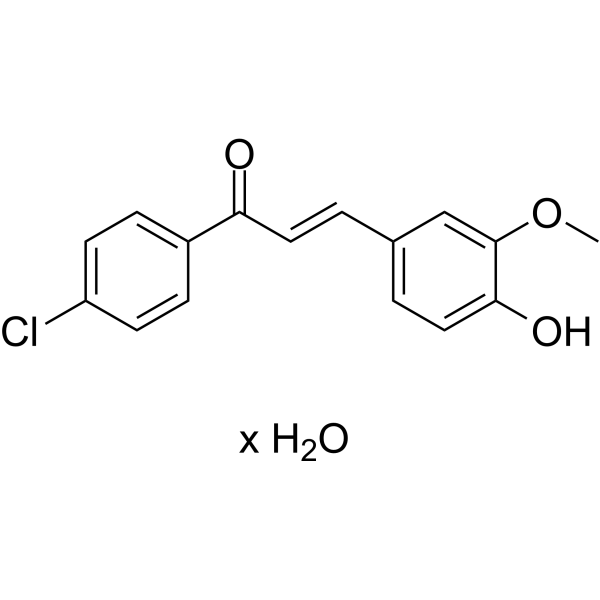
  • HY-115550

    Parasite Infection
    Chalcone 4 hydrate is an anti-parasitic agent. Chalcone 4 hydrate inhibits the growth and proliferation of Babesia and Theileria in vitro. Chalcone 4 hydrate reduces the viability of mammalian fibroblasts and kidney cells in vitro. Chalcone 4 hydrate can be used for the research of parasitic infections .
    Chalcone 4 hydrate
  • HY-P5891

    PKC Cardiovascular Disease
    TAT-SAMβA is the peptide consist of RNAENFDRF (SAMβA; HY-P3429) conjugated to the cell penetrating TAT protein-derived peptide TAT47–57. TAT-SAMβA is a selective antagonist of Mfn1-βIIPKC association. TAT-SAMβA protects mouse embryonic fibroblast cells (MEFs) against oxidative stress-induced cytotoxicity .
    TAT-SAMβA
  • HY-116540A

    7DMB-Forskolin

    Adenylate Cyclase Cardiovascular Disease
    L 858051 (7DMB-Forskolin) dihydrochloride, an analog of Forskolin (HY-15371), is an adenylyl cyclase stimulator. L 858051 dihydrochloride directly activates adenylyl cyclase to increase intracellular, cellular, and ciliary cAMP levels. L 858051 dihydrochloride activates recombinant cyclic nucleotide-gated (E583M CNGA2) channels to induce a non-selective, Mg 2+-sensitive current in adult rat ventricular myocytes. L 858051 dihydrochloride maximally stimulates L-type Ca 2+ current in adult rat ventricular myocytes. L 858051 dihydrochloride increases total PDE3 and PDE4 activities in adult rat ventricular myocytes, with effects insensitive to PKA inhibition. L 858051 dihydrochloride serves as a tool to elevate intracellular cAMP for studying subsarcolemmal cAMP dynamics and compartmentation in adult rat ventricular myocytes .
    L 858051 dihydrochloride
  • HY-167835A

    Bacterial Infection
    Tembetarine chloride is a alkaloid that can be isolated from Tinospora cordifolia that exhibits antibacterial activity. Tembetarine chloride exhibits weak cytotoxicity against mouse fibroblasts (L929) and human embryonic kidney cells (HEK293) with IC50 of 1245.33 μg/mL and 1642.81 μg/mL, respectively .
    Tembetarine chloride
  • HY-P3513A

    ERK MMP Neurological Disease
    β-Neo-Endorphin acetate is an endogenous opioid peptide. β-Neo-Endorphin acetate is a hypothalamic "big" Leu-enkephalin of porcine origin. β-Neo-Endorphin acetate shows activation of the Erk1/2, MMP-2 and MMP-9 .
    β-Neo-Endorphin acetate
  • HY-116540

    7DMB-Forskolin free base

    Adenylate Cyclase Cardiovascular Disease
    L 858051 (7DMB-Forskolin free base), an analog of Forskolin (HY-15371), is an adenylyl cyclase stimulator. L 858051 directly activates adenylyl cyclase to increase intracellular, cellular, and ciliary cAMP levels. L 858051 activates recombinant cyclic nucleotide-gated (E583M CNGA2) channels to induce a non-selective, Mg 2+-sensitive current in adult rat ventricular myocytes. L 858051 maximally stimulates L-type Ca 2+ current in adult rat ventricular myocytes. L 858051 increases total PDE3 and PDE4 activities in adult rat ventricular myocytes, with effects insensitive to PKA inhibition. L 858051 serves as a tool to elevate intracellular cAMP for studying subsarcolemmal cAMP dynamics and compartmentation in adult rat ventricular myocytes .
    L 858051
  • HY-P4083A

    Fluorescent Dye Others
    (Arg)9,TAMRA-labeled acetate is a TAMRA-labeled, membrane-permeable cationic cell-penetrating polyarginine peptide. (Arg)9,TAMRA-labeled acetate acts as a cell-penetrating peptide for drug delivery .
    (Arg)9,TAMRA-labeled acetate
  • HY-D3283

    Fluorescent Dye Others
    Ctrl-CCF1 is a control probe for CCF1. Ctrl-CCF1 can be used to distinguish copper-dependent responses from potential dye-dependent variations, such as cellular uptake, retention, subcellular accumulation, and changes in pH, redox or hydrophobic/hydrophilic environments .
    Ctrl-CCF1
  • HY-182266

    Mitochondrial Metabolism Apoptosis Reactive Oxygen Species (ROS) DNA/RNA Synthesis Cancer
    FBP is a mitochondria-targeted, selective anticancer agent. FBP induces oxidative stress and mitochondrial dysfunction, leading to Apoptosis. FBP generates ROS and causes double-strand DNA breaks in cancer cells. FBP exhibits cytotoxic efficacy against cancer cells, with cervical cancer cells being the most sensitive. FBP can be used for the research of cervical cancer, lung cancer, melanoma and breast cancer .
    FBP
  • HY-120031

    STAT PARP Apoptosis Cancer
    NSC-368262 is a STAT3 inhibitor. NSC-368262 selectively alkylates and covalently modifies STAT3 Cys468 at the DNA-binding interface of STAT3, blocks the DNA-binding activity of STAT3, and inhibits the phosphorylation of STAT3. NSC-368262 blocks the accumulation of activated STAT3 in the nucleus of cancer cells, induces PARP cleavage and apoptosis in cells, and inhibits tumor growth in mouse models. NSC-368262 can be used in research related to breast cancer and cervical cancer .
    NSC-368262
  • HY-183788

    EGFR Apoptosis Cancer
    EGFR-IN-212 is an EGFR inhibitor with human IC50 values of 1.83 μM. EGFR-IN-212 reduces EGFR mRNA expression and induces apoptosis. EGFR-IN-212 can be used for the research of non-small cell lung carcinoma .
    EGFR-IN-212
  • HY-182917

    Cancer
    MMB-DTCs-1,3-diaminopropane-DTCs-MMB is a Cuproptosis/Ferroptosis/Apoptosis inducer, and serves as the active metabolite of DMAPT-DTCs-1,3-diaminopropane-DTCs-DMAPT dimethanesulfonate (HY-182918). MMB-DTCs-1,3-diaminopropane-DTCs-MMB induces mitochondrial dysfunction, promotes reactive oxygen species (ROS) production, disrupts redox homeostasis, and triggers apoptosis, ferroptosis and cuproptosis in lung cancer cells. MMB-DTCs-1,3-diaminopropane-DTCs-MMB can be used in the research of lung cancer .
    MMB-DTCs-1,3-diaminopropane-DTCs-MMB

Inquiry Online

Your information is safe with us. * Required Fields.

Salutation


Country or Region *

Applicant Name *


Organization Name *

Department *


Email Address *


Product Name *

Cat. No.


Requested quantity *

Phone Number *


Remarks

Inquiry Online

Inquiry Information

Product Name:
Cat. No.:
Quantity:
MCE Japan Authorized Agent:

