Search Result
Results for "
oocyte
" in MedChemExpress (MCE) Product Catalog:
2
Biochemical Assay Reagents
3
Isotope-Labeled Compounds
| Cat. No. |
Product Name |
Target |
Research Areas |
Chemical Structure |
-
- HY-134124
-
|
|
Reactive Oxygen Species (ROS)
|
Metabolic Disease
|
|
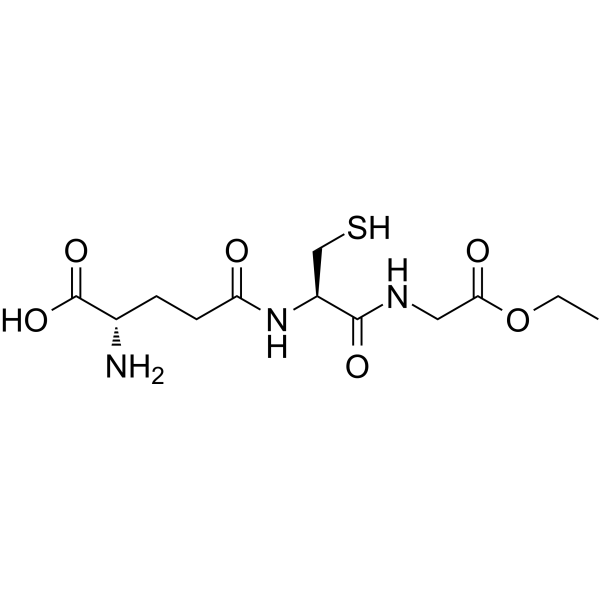
Glutathione ethyl ester is a cell-permeable GSH donor and provides an efficient supply of GSH to the oocyte. Glutathione ethyl ester shows positive effect on the in vitro production of embryos by enhancement of the antioxidative defense .
|
-
-
- HY-B0463
-
|
Clomifene citrate
|
Estrogen Receptor/ERR
|
Neurological Disease
Endocrinology
Cancer
|
|
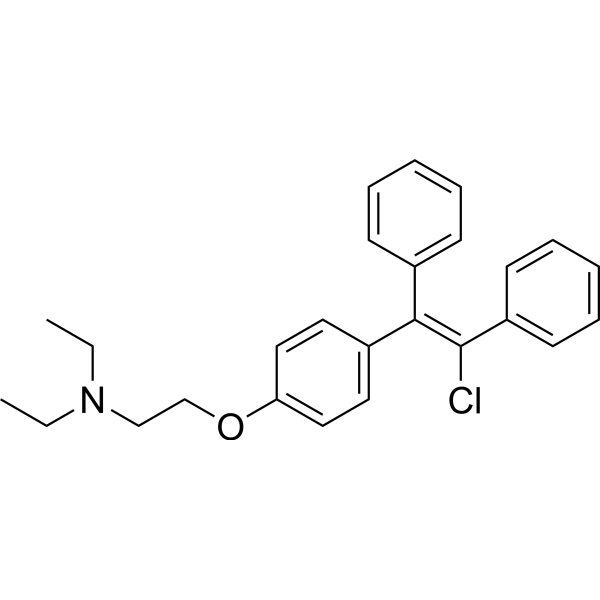
Clomiphene citrate (Clomifene citrate) is an orally active estrogen-receptor modulator. Clomiphene citrate has anti-cancer actixity, induces perturbations during meiotic maturation and cytogenetic abnormalities and ameliorates in managing psychiatric and cognitive impairment .
|
-
-
- HY-B0942
-
|
|
Environmental Pollutants
nAChR
Bacterial
Apoptosis
Caspase
|
Infection
Neurological Disease
Cancer
|
|
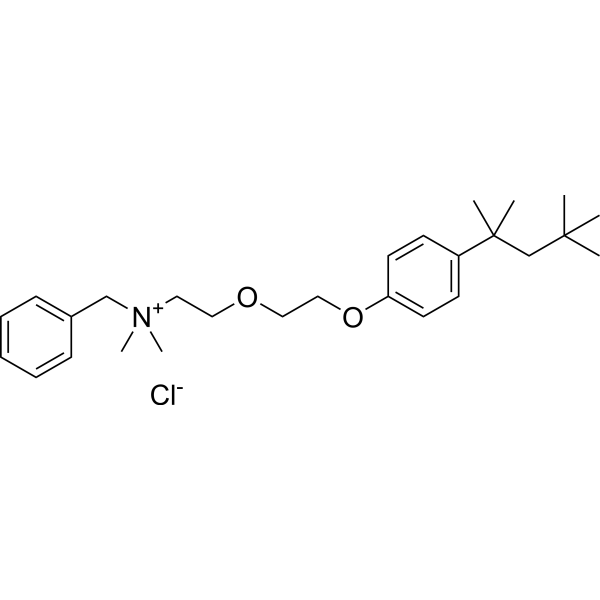
Benzethonium chloride inhibits nicotinic acetylcholine receptors in human recombinant α7 and α4β2 neurons in Xenopus laevis oocytes, which has antibacterial, anticancer, antisepsis and disinfection activity. Benzethonium chloride induced Apoptosis and activated caspases in cancer cell lines. Benzethonium chloride ablates the tumor-forming ability of FaDu cells, delays the growth of xenograft tumors in vivo .
|
-
-
- HY-W010128
-
|
6-Dimethylaminopurine; 6-DMAP
|
CDK
DNA/RNA Synthesis
Apoptosis
|
Cancer
|
|
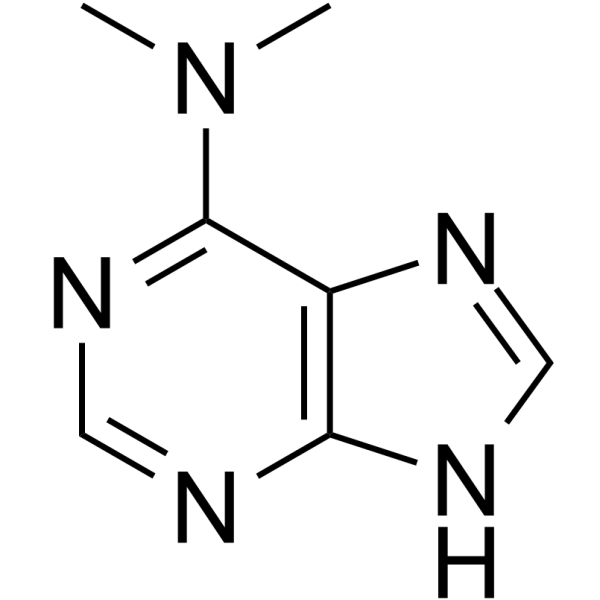
6-(Dimethylamino) purine (6-Dimethylaminopurine) is a serine threonine protein kinase inhibitor. 6-(Dimethylamino) purine can inhibit prolactin induced expression of lactoprotein genes in rabbit mammary gland cells. 6-(Dimethylamino) purine can affect the maturation of mammalian oocytes. 6-(Dimethylamino) purine can lead to downregulation of genes related to cell proliferation and cell cycle progression, such as proliferating cell nuclear antigen, insulin-like gene 1, and serine protease inhibitor 2 genes, and induce apoptosis in lymphoma cells (apoptosis) .
|
-
-
- HY-D0791
-
TRITC
1 Publications Verification
5(6)-Tetramethylrhodamine isothiocyanate
|
Fluorescent Dye
|
Others
|
|
TRITC (5(6)-Tetramethylrhodamine isothiocyanate) is a commonly used fluorescent dye, belonging to the Rhodamine derivative family. It exhibits red fluorescence properties (Ex/Em ≈ 550/580 nm). TRITC can be used for cell labeling and imaging .
|
-
-
- HY-113306
-
|
|
Endogenous Metabolite
|
Others
|
|
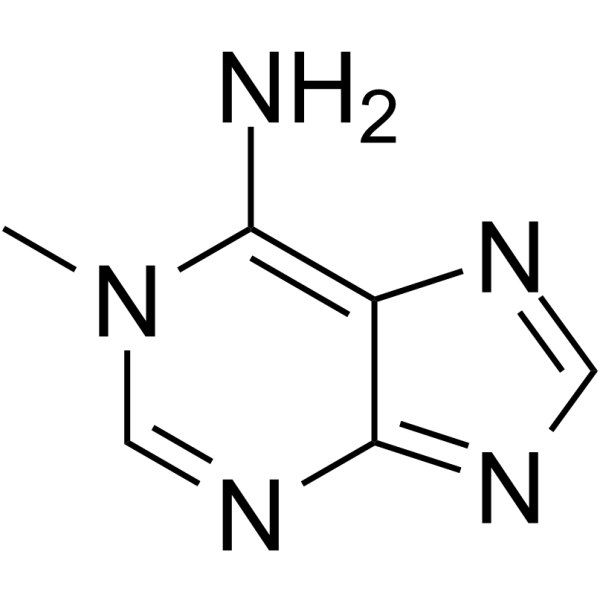
1-Methyladenine is a gonad maturation-promoting regulator. 1-Methyladenine is produced in testes and ovarian follicle cells of starfish under the induction of gonad-stimulating substance (GSS). 1-Methyladenine promotes starfish oocyte maturation and spawning, and modifies bases that regulate DNA structure. 1-Methyladenine converts T-A base pairs in double-stranded DNA into non-disruptive T (anti)m1A (syn) Hoogsteen conformation. If this conformational base is not repaired in a timely manner, 1-Methyladenine transforms into cytotoxic DNA damage and blocks the replication process .
|
-
-
- HY-131686
-
|
|
Akt
mTOR
EGFR
ERK
|
Infection
Neurological Disease
Metabolic Disease
Inflammation/Immunology
Cancer
|
|
Ganglioside GT1b (bovine) ammonium is a member of the ganglioside family. Ganglioside GT1b (bovine) ammonium acts as a protective signal against nerve injury-induced spinal synapse elimination. Ganglioside GT1b (bovine) ammonium induces HA synthesis and the phosphorylation of Akt/mTOR in orbital fibroblasts. Ganglioside GT1b (bovine) ammonium enhances porcine oocyte maturation and induce activation of EGFR and ERK1/2 signaling. Ganglioside GT1b (bovine) ammonium is a putative host cell receptor for the Merkel cell polyomavirus. Ganglioside GT1b (bovine) ammonium can be used for the researches of cancer, infection, immunology, endocrinology and neurological disease, such as Thyroid eye disease .
|
-
-
- HY-B1167
-
|
Cardiorythmine; (+)-Ajmaline
|
Sodium Channel
|
Cardiovascular Disease
|
|
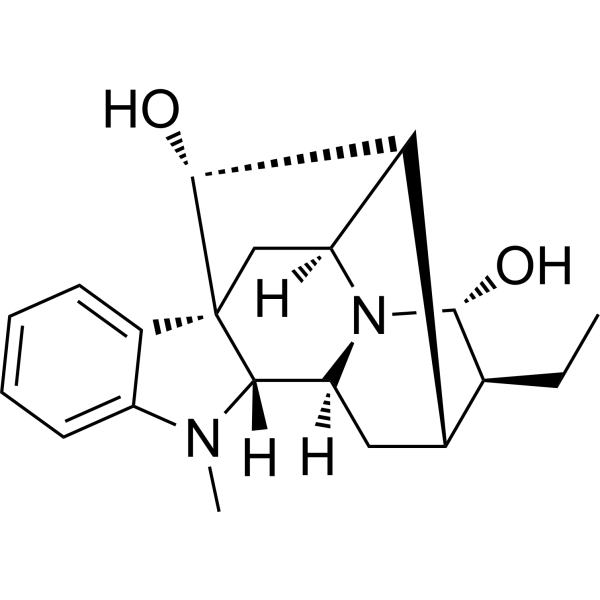
Ajmaline (Cardiorythmine) is a sodium channel blocking, class 1A anti-arrhythmic agent. Ajmaline blocks HERG currents with an IC50 of 1 μM in HEK cells and 42.3 μM in Xenopus oocytes. Ajmaline can be used for the research of the ventricular tachyarrhythmia .
|
-
-
- HY-119283
-
-
-
- HY-110135
-
|
|
IGF-1R
|
Neurological Disease
Inflammation/Immunology
|
|
NBI-31772 is a non-selective IGFBP inhibitor (Ki=47 nM). NBI-31772 has neuroprotective effects and reduces infarct volume during cerebral ischemia. NBI-31772 can also restore or enhance proteoglycan synthesis in osteoarticular chondrocytes. In addition, NBI-31772 also increases the effect of IGF3 on zebrafish oocyte maturation .
|
-
-
- HY-N6746
-
|
NSC 186
|
Bacterial
Fungal
Endogenous Metabolite
Apoptosis
|
Infection
Neurological Disease
Cancer
|
|
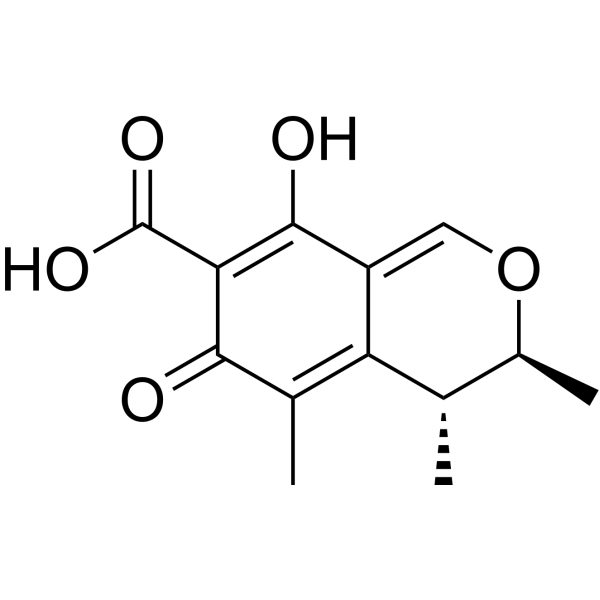
Citrinin (NSC 186) is a mycotoxin that causes food contamination and has different toxic effects. Citrinin is an effective oral anticancer agent. Citrinin has various regulatory effects on mouse immune system, including regulating the number of immune cells, inducing apoptosis and autophagy of immune cells, altering toll-like receptor expression and cytokine production. Citrinin can induce oxidative stress and lead to early apoptosis of oocytes. Low doses of Citrinin have neuroprotective effects against glutamate-induced excitotoxicity in rat cortical neurons. In addition, Citrinin also has antibacterial activity .
|
-
-
- HY-145757
-
|
JB3-22
|
HDAC
Apoptosis
Caspase
|
Cancer
|
|
Elevenostat (JB3-22) is a selective HDAC11 inhibitor with an IC50 of 0.235 µM. Elevenostat can induce apoptosis of multiple myeloma cells and has anti-tumor effect. In addition, Elevenostat inhibits the maturation of mouse oocytes .
|
-
-
- HY-174166
-
|
|
Aquaporin
|
Metabolic Disease
|
|
AqF026 is an aquaporin 1 (AQP1) agonist. AqF026 enhances the channel activity of human AQP1 in the Xenopus laevis oocyte system. AqF026 enhances the osmotic transport of water across the peritoneum in a mouse model of peritoneal dialysis. AqF026 can be used in studies related to ultrafiltration failure in peritoneal dialysis .
|
-
-
- HY-B2046
-
-
-
- HY-16916
-
NS1643
1 Publications Verification
|
Potassium Channel
Autophagy
|
Cancer
|
|
NS1643 is a partial agonist of human ether-a-go-go-related gene (hERG) K + channels with an EC50 of 10.5 μM. NS1643 inhibits the growth of breast cancer tumors in TNBC mouse models. NS1643 inhibits cell migration and invasion of breast cancer cells .
|
-
-
- HY-13710A
-
-
-
- HY-101310
-
|
|
iGluR
EAAT
Bcl-2 Family
Caspase
|
Cardiovascular Disease
Neurological Disease
Inflammation/Immunology
|
|
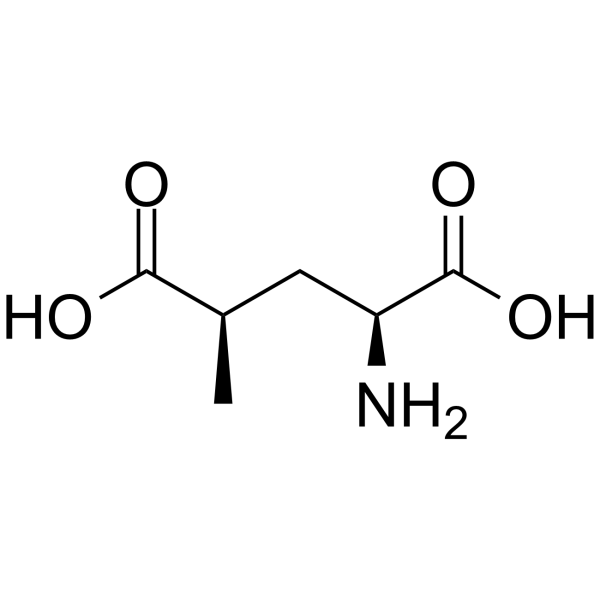
SYM 2081 is a kainate receptor agonist. SYM 2081 is a substrate of EAAT1 (Km of 54 μM). SYM 2081 inhibits EAAT2-mediated glutamate transport (Kb is 3.4 μM in Xenopus oocytes), modulates Apoptotic signaling pathways (increases Bcl-2 and decreases Bax/caspase-3 expression). SYM 2081 exhibits neuroprotective activity. SYM 2081 can be used in the study of hypoxic-ischemic brain damage and inflammatory or neuropathic pain .
|
-
-
- HY-D0976
-
NF279
1 Publications Verification
|
P2X Receptor
HIV
NTPDase
CXCR
|
Infection
|
|
NF279 is a selective P2X1 receptor antagonist and NTPDase inhibitor, with a P2X1 IC50 value of 19 nM. NF279 suppresses GABA-evoked currents, reduces ATP-excited respiratory activity, alters hypoglossal nerve burst parameters, and blocks CXCR4, CCR5, CXCR3, and CXCR7-mediated calcium responses. NF279 arrests HIV-1 fusion downstream of CD4 binding, inhibits R5- and X4-tropic HIV-1 strains. NF279 can be used for the research of HIV-1 infection .
|
-
-
- HY-N0500
-
|
|
Glycosidase
Autophagy
|
Metabolic Disease
Endocrinology
|
|
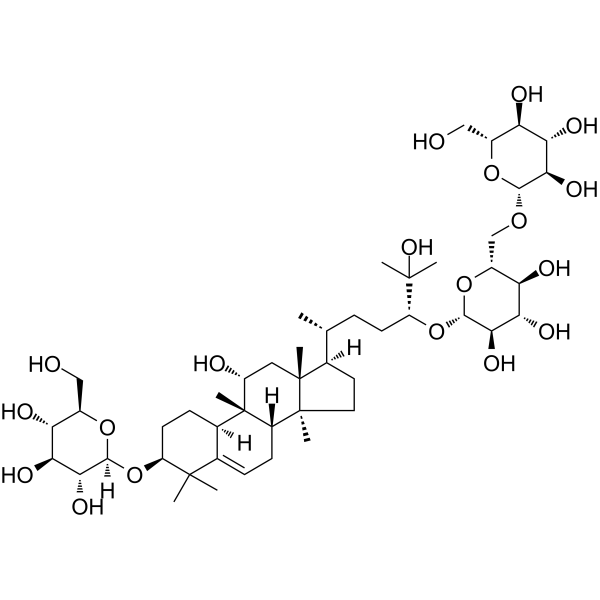
Mogroside III is a triterpenoid glycoside. Mogroside III exhibits maltase inhibitory effect with an IC50 value of 1.6 mM. Mogroside III enhances oocyte developmental potential by promoting autophagy in cumulus cells. Mogroside III, as the active ingredient of the low-polarity glycoside component (L-SGgly), L-SGgly can increase serum GLP-1 levels, improve insulin resistance, and reduce IL-6 levels, and has hypoglycemic, lipid-regulating and anti-inflammatory effects. Mogroside III can be used for the studies of type 2 diabetes mellitus (T2DM) and assisted reproductive technology .
|
-
-
- HY-12151
-
|
NSC 213859
|
nAChR
|
Neurological Disease
|
|
NS 1738 (NSC 213859) is a novel positive allosteric modulator of the α7 nAChR, with respect to positive modulation of α7 nAChR (EC50=3.4 μM in oocyte experiments).
|
-
-
- HY-P4376A
-
|
|
CaSR
|
Neurological Disease
|
|
Gamma-Glu-Abu TFA is the TFA salt form of Gamma-Glu-Abu (HY-P4376). Gamma-Glu-Abu TFA is an agonist for calcium sensing receptor (CaSR), that activates the CaSR with an EC50 of 0.21 μM in HEK-293 cell .
|
-
-
- HY-128036B
-
|
2',3'-Dideoxyadenosine 5'-triphosphate trisodium
|
DNA/RNA Synthesis
HIV
|
Infection
|
|
ddATP (2',3'-Dideoxyadenosine 5'-triphosphate) trisodium, an active metabolite of 2',3'-dideoxyinosine, is a chain-elongating inhibitor of DNA polymerase. ddATP trisodium can be used for Sanger method for DNA sequencing and research of virus infection .
|
-
-
- HY-110200
-
|
m-Phenylenediacrylic acid; m-Benzenediacrylic acid
|
Aquaporin
|
Metabolic Disease
Cancer
|
|
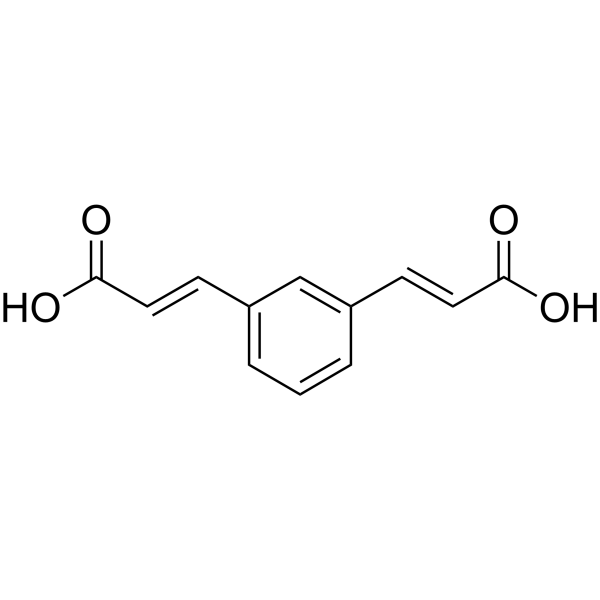
TC AQP1 1 (m-Phenylenediacrylic acid) is a potent AQP1 inhibitor. TC AQP1 1 inhibits AQP1-mediated water flux in oocytes, with an IC50 of 8 μM .
|
-
-
- HY-101043
-
|
|
Sigma Receptor
iGluR
|
Neurological Disease
|
|
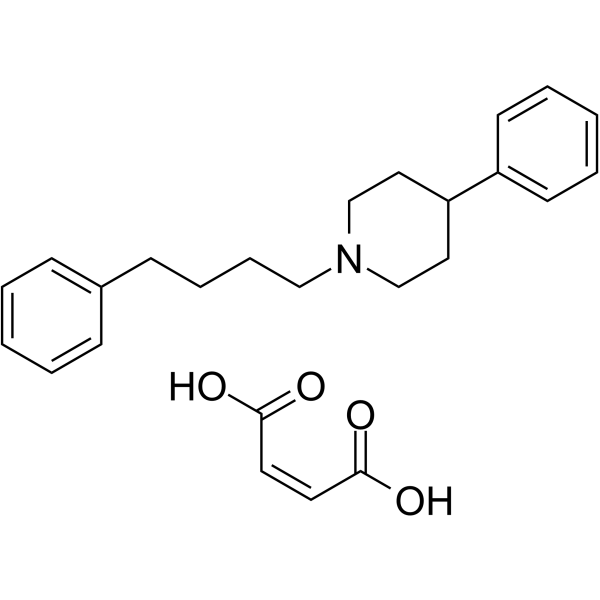
4-PPBP maleate is a potent σ 1 receptor ligand and agonist. 4-PPBP maleate is a non-competitive, selective NR1a/2B NMDA receptors (expressed in Xenopus oocytes) antagonist. 4-PPBP maleate provides neuroprotection .
|
-
-
- HY-N7710
-
|
|
Others
|
Metabolic Disease
|
|
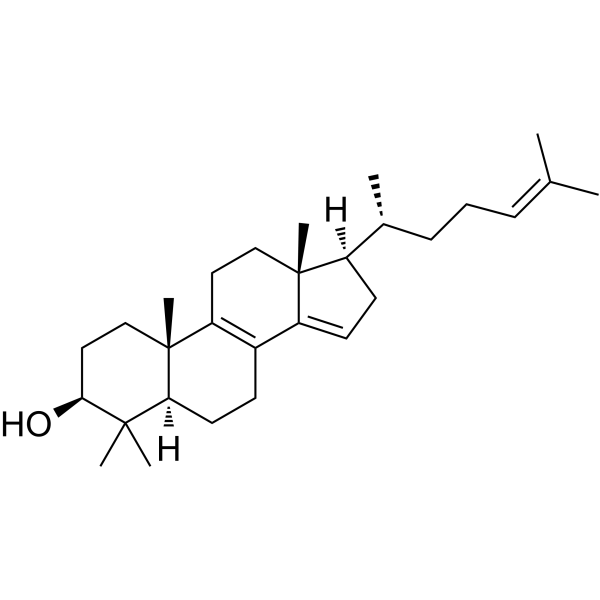
FF-MAS is a potent meiotic maturation agonist. FF-MAS promotes meiotic maturation and preimplantation development of mouse oocytes maturing in vitro. FF-MAS promotes the completion of meiotic maturation to metaphase II (MII) and improves competence to complete the 2-cell stage to blastocyst transition .
|
-
-
- HY-B1404
-
|
Buphenine hydrochloride
|
iGluR
Influenza Virus
|
Infection
Cardiovascular Disease
Inflammation/Immunology
|
|
Nylidrin hydrochloride (Buphenine hydrochloride) is an orally active β-adrenergic agonist. Nylidrin hydrochloride antagonizes NR1A/2B NMDA receptors (IC50 = 0.18 μM in Xenopus oocytes). Nylidrin hydrochloride reduces the levels of NP, HA, and M1. Nylidrin hydrochloride has antiviral activity against multiple H1N1 subtype influenza A viruses. Nylidrin hydrochloride improves hemorrhagic shock and anti-allergic effects .
|
-
-
- HY-D0872
-
|
|
Biochemical Assay Reagents
|
Others
|
|
DIPSO is a biological zwitterionic buffer with the useful pH range from 7.0 to 8.2. DIPSO can interfere meiotic regulation in mouse oocytes. DIPSO also has surfactant activity at 10 mM .
|
-
-
- HY-B0942R
-
|
|
Reference Standards
nAChR
Bacterial
|
Neurological Disease
|
|
Benzethonium (chloride) (Standard) is the analytical standard of Benzethonium (chloride). This product is intended for research and analytical applications. Benzethonium chloride inhibits nicotinic acetylcholine receptors in human recombinant α7 and α4β2 neurons in Xenopus laevis oocytes.
|
-
-
- HY-108235A
-
|
AZD6765 dihydrochloride; ARL 15896AR
|
iGluR
|
Neurological Disease
|
|
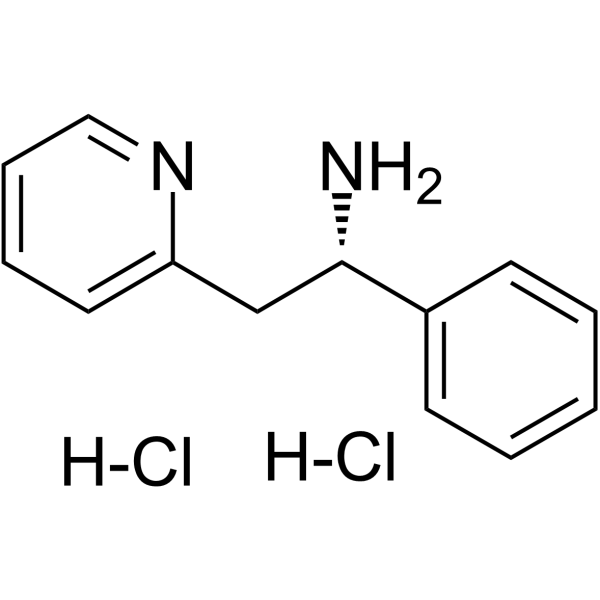
Lanicemine (AZD6765) dihydrochloride is a low-trapping NMDA channel blocker (Ki of 0.56-2.1 μM for NMDA receptor; IC50s of 4-7 μM and 6.4 μM in CHO and Xenopus oocyte cells, respectively). Antidepressant effects .
|
-
-
- HY-116483
-
|
|
iGluR
|
Neurological Disease
|
|
MPX-007 is a GluN2A antagonist (IC50: 27 nM). MPX-007 is a tools to probe GluN2A physiology, and to study neuropsychiatric and developmental disorders .
|
-
-
- HY-148939
-
|
|
iGluR
|
Neurological Disease
|
MPX-004 is a potent GluN2A antagonist. MPX-004 inhibits GluN2A-containing NMDA receptors expressed in HEK cells with an IC50 of 79 nM. MPX-004 has no inhibitory effect on GluN2B or GluN2D receptor-mediated responses. MPX-004 has the potential for neuropsychiatric and developmental disorders research .
|
-
-
- HY-19411
-
|
|
nAChR
|
Neurological Disease
|
|
SSR180711 hydrochloride is an orally active, selective and reversible α7 acetylcholine nicotinic receptor (n-AChRs) partial agonist. SSR180711 hydrochloride can act on rat α7 n-AChR (Ki=22 nM; IC50=30 nM) and human α7 n-AChR (Ki=14 nM; IC50=18 nM). SSR180711 hydrochloride increases glutamatergic neurotransmission, ACh release and long-term potentiation (LTP) in the hippocampus .
|
-
-
- HY-103067
-
|
S20951
|
Potassium Channel
|
Cardiovascular Disease
Neurological Disease
|
|
A1899 is a potent and highly selective blocker of the K2P channel TASK-1. A1899 has IC50 values of 35.1 nM and 7 nM for TASK-1 channels expressed in oocytes and CHO cells, respectively. A1899 is also an IKur blocker that can be used for the research of cardiovascular diseases .
|
-
-
- HY-N11274
-
|
4,4-Dimethylzymosterol; 14-Norlanosterol
|
Endogenous Metabolite
Drug Intermediate
|
Others
|
|
T-MAS (4,4-Dimethylzymosterol) serves as an intermediate in cholesterol biosynthesis, stimulating oocytes for meiosis and modulating cumulus expansion .
|
-
-
- HY-A0287
-
|
Clomifene; (Z/E)-Enclomiphene; (Z/E)-Enclomifene
|
Estrogen Receptor/ERR
|
Metabolic Disease
Cancer
|
|
Clomiphene (Clomifene; (Z/E)-Enclomiphene; (Z/E)-Enclomifene) is an orally active ovulation-inducing agent. Clomiphene binds to hypothalamic estrogen receptors to elevate FSH levels, and exhibits antiestrogenic or estrogenic properties. Clomiphene can induce erturbations during meiotic maturation and cytogenetic abnormalities in mouse oocytes. Clomiphene ameliorates memory impairment in PCOS models. Clomiphene mobilizes cytosolic calcium and reduces viability in prostate cancer cells. Clomiphene can be used for the research of polycystic ovary syndrome (PCOS) and prostate cancer .
|
-
-
- HY-P5785A
-
|
|
Potassium Channel
|
Neurological Disease
|
|
Heteropodatoxin-2 (TFA), a peptides of 30-amino acid, is a heteropodatoxin. Heteropodatoxin-2 blocks Kv4.2 current expressed in Xenopus laevis oocytes in a voltage-dependent manner, with less block at more positive potentials .
|
-
-
- HY-B0463R
-
|
Clomifene citrate (Standard)
|
Reference Standards
Estrogen Receptor/ERR
|
Neurological Disease
Endocrinology
Cancer
|
|
Clomiphene (citrate) (Standard) is the analytical standard of Clomiphene (citrate). This product is intended for research and analytical applications. Clomiphene citrate (Clomifene citrate) is an orally active estrogen-receptor modulator. Clomiphene citrate has anti-cancer actixity, induces perturbations during meiotic maturation and cytogenetic abnormalities and ameliorates in managing psychiatric and cognitive impairment .
|
-
-
- HY-13710
-
-
-
- HY-P5823
-
|
|
nAChR
|
Neurological Disease
|
|
Azemiopsin is a potent nicotinic acetylcholine receptor (nAChR) inhibitor with IC50s of 0.18 μM and 22 μM against T. californica nAChR and human α7 nAChR, respectively. Azemiopsin blocks acetylcholine-induced currents in Xenopus oocytes heterologously expressing human muscle-type nAChR .
|
-
-
- HY-108235
-
|
AZD6765
|
iGluR
|
Neurological Disease
|
|
Lanicemine (AZD6765) is a low-trapping NMDA channel blocker (Ki of 0.56-2.1 μM for NMDA receptor; IC50s of 4-7 μM and 6.4 μM in CHO and Xenopus oocyte cells, respectively). Antidepressant effects .
|
-
-
- HY-P5809
-
-
-
- HY-106316
-
|
|
GABA Receptor
|
Neurological Disease
|
|
CGS 20625 is a potent, selective and orally active partial agonist for the central benzodiazepine receptor. CGS 20625 inhibits [3H]-flunitrazepam binding to central benzodiazepine receptors with an IC50 of 1.3 nM. CGS 20625 enhances GABA in Xenopus laevis oocytes . CGS 20625 can be used for the research of pentylenetetrazol-induced seizures and anxiety .
|
-
-
- HY-A0287S
-
|
Clomifene-d5 hydrochloride; (Z/E)-Enclomiphene-d5 hydrochloride; (Z/E)-Enclomifene-d5 hydrochloride
|
Isotope-Labeled Compounds
Estrogen Receptor/ERR
|
Metabolic Disease
Cancer
|
|
Clomifene (Clomifene; (Z/E)-Enclomiphene; (Z/E)-Enclomifene)-d5 hydrochloride is a deuterium labeled Clomifene hydrochloride (HY-A0287A). Clomiphene hydrochloride is an orally active ovulation-inducing agent. Clomiphene hydrochloride binds to hypothalamic estrogen receptors to elevate FSH levels, and exhibits antiestrogenic or estrogenic properties. Clomiphene hydrochloride can induce erturbations during meiotic maturation and cytogenetic abnormalities in mouse oocytes. Clomiphene hydrochloride ameliorates memory impairment in PCOS models. Clomiphene hydrochloride mobilizes cytosolic calcium and reduces viability in prostate cancer cells. Clomiphene hydrochloride can be used for the research of polycystic ovary syndrome (PCOS) and prostate cancer .
|
-
-
- HY-105191
-
|
RS-21607
|
Cytochrome P450
Reactive Oxygen Species (ROS)
|
Metabolic Disease
|
|
Azalanstat (RS-21607) is an inhibitor of heme oxygenase and lanosterol 14α-demethylase, with inhibitory activity against HO-1 (IC50 = 5.5 µM) and HO-2 (IC50 = 24.5 µM). Azalanstat reduces the maturation rate of rat oocytes, increases rat oocyte degeneration, and partially inhibits progesterone production in preovulatory follicles of rats .
|
-
-
- HY-117611
-
-
-
- HY-131686A
-
|
|
Akt
mTOR
EGFR
ERK
|
Infection
Neurological Disease
Metabolic Disease
Inflammation/Immunology
Cancer
|
|
Ganglioside GT1b (porcine) ammonium is a member of the ganglioside family. Ganglioside GT1b (porcine) ammonium acts as a protective signal against nerve injury-induced spinal synapse elimination. Ganglioside GT1b (porcine) ammonium induces HA synthesis and the phosphorylation of Akt/mTOR in orbital fibroblasts. Ganglioside GT1b (porcine) ammonium enhances porcine oocyte maturation and induces activation of EGFR and ERK1/2 signaling. Ganglioside GT1b (porcine) ammonium is a putative host cell receptor for the Merkel cell polyomavirus. Ganglioside GT1b (porcine) ammonium can be used for the researches of cancer, infection, immunology, endocrinology and neurological disease, such as Thyroid eye disease .
|
-
-
- HY-122504
-
|
|
Potassium Channel
|
Neurological Disease
|
|
Linoleoyl glycine is a modified polyunsaturated fatty acid. Linoleoyl glycine has activating effects on human KCNQ1/KCNE1 (hKCNQ1/hKCNE1) channels expressed in Xenopus oocytes .
|
-
-
- HY-129517
-
|
|
iGluR
|
Neurological Disease
|
|
UBP714 exhibts agonistic activity for recombinant GluN1/GluN2 receptor by binding to the positive allosteric site (PAM) of NMDARs. UBP714 enhances NMDAR-mediated field excitatory postsynaptic potentials (f-EPSPs) in Xenopus oocytes .
|
-
-
- HY-D0152
-
|
|
Fluorescent Dye
|
Others
|
|
Tetramethylrhodamine-6-maleimide is a fluorescent dye with a reactive sulfhydryl-specific moiety is covalently coupled to this cysteine. Tetramethylrhodamine-6-maleimide can be used as labels to detect local protein motions of the fully active Na+/K+-ATPase in real time .
|
-
-
- HY-128036
-
|
2',3'-Dideoxyadenosine 5'-triphosphate
|
DNA/RNA Synthesis
HIV
|
Infection
|
|
ddATP (2',3'-Dideoxyadenosine 5'-triphosphate), an active metabolite of 2',3'-dideoxyinosine, is a chain-elongating inhibitor of DNA polymerase. ddATP can be used for Sanger method for DNA sequencing and research of virus infection .
|
-
- HY-103522
-
|
|
GABA Receptor
|
Neurological Disease
|
|
AA29504 is a ethyl carbamate with γ-aminobutyric acid (GABAA(HY-L120) receptor activity. AA29504 inhibits the delivery of the neurotransmitter gamma-aminobutyric acid in the central nervous system. AA29504 can be used to research anxiety, insomnia and other neuropsychiatric diseases .
|
-
- HY-A0287A
-
|
Clomifene hydrochloride; (Z/E)-Enclomiphene hydrochloride; (Z/E)-Enclomifene hydrochloride
|
Estrogen Receptor/ERR
|
Metabolic Disease
Cancer
|
|
Clomiphene (Clomifene; (Z/E)-Enclomiphene; (Z/E)-Enclomifene) hydrochloride is an orally active ovulation-inducing agent. Clomiphene hydrochloride binds to hypothalamic estrogen receptors to elevate FSH levels, and exhibits antiestrogenic or estrogenic properties. Clomiphene hydrochloride can induce erturbations during meiotic maturation and cytogenetic abnormalities in mouse oocytes. Clomiphene hydrochloride ameliorates memory impairment in PCOS models. Clomiphene hydrochloride mobilizes cytosolic calcium and reduces viability in prostate cancer cells. Clomiphene hydrochloride can be used for the research of polycystic ovary syndrome (PCOS) and prostate cancer .
|
-
- HY-155516A
-
|
|
Potassium Channel
|
Inflammation/Immunology
|
|
cis-KV1.3-IN-1 (Compound cis-18) is a cis-isomer of KV1.3-IN-1 (HY-155516). cis-KV1.3-IN-1 is an inhibitor of the KV1.3 channel. cis-KV1.3-IN-1 (10 μM) inhibits KV1.3 by 25.53% in Xenopus oocytes expressing human hKV1.3 .
|
-
- HY-W010128R
-
|
6-Dimethylaminopurine (Standard); 6-DMAP (Standard)
|
Reference Standards
CDK
DNA/RNA Synthesis
Apoptosis
|
Cancer
|
|
6-(Dimethylamino) purine (6-Dimethylaminopurine) is a serine threonine protein kinase inhibitor. 6-(Dimethylamino) purine can inhibit prolactin induced expression of lactoprotein genes in rabbit mammary gland cells. 6-(Dimethylamino) purine can affect the maturation of mammalian oocytes. 6-(Dimethylamino) purine can lead to downregulation of genes related to cell proliferation and cell cycle progression, such as proliferating cell nuclear antigen, insulin-like gene 1, and serine protease inhibitor 2 genes, and induce apoptosis in lymphoma cells (apoptosis) .
|
-
- HY-175251
-
|
|
GABA Receptor
|
Neurological Disease
|
|
GABAA receptor modulator-9 is and positive allosteric modulator of a1β2y2 subtype GABAA that can cross the blood-brain barrier. GABAA receptor modulator-9 exhibits comparable activity on α1β2γ2 (EC50: 0.9 μM in oocytes, 0.2 μM in CHO cells) and on α1β2, α3β2γ2 and α1β3γ2 (EC50s of 1.3, 3.4 and 1.1 μM). GABAA receptor modulator-9 significantly suppresses seizure progression and reduces delayed mortality. GABAA receptor modulator-9 can be used for the study of status epilepticus (SE) .
|
-
- HY-B0942S
-
-
- HY-168494
-
|
|
iGluR
|
Neurological Disease
|
|
GluN2A Allosteric modulator 1 (Compound 11) is an orally active, BBB-penetrable and highly selective GluN2A negative allosteric modulator. GluN2A Allosteric modulator 1 has IC50 values of 0.042 μM and 13 μM for GluN2A and GluN2B, respectively. GluN2A Allosteric modulator 1 can be used for the research of nervous system diseases .
|
-
- HY-174716
-
|
|
mRNA
|
Inflammation/Immunology
|
|
Human EREG mRNA encodes the human epiregulin (EREG) protein, a member of the epidermal growth factor family. EREG may be involved in a wide range of biological processes including inflammation, wound healing, oocyte maturation, and cell proliferation.
|
-
- HY-P5785
-
|
|
Potassium Channel
|
Neurological Disease
|
|
Heteropodatoxin-2, a peptides of 30-amino acid, is a heteropodatoxin. Heteropodatoxin-2 blocks Kv4.2 current expressed in Xenopus laevis oocytes in a voltage-dependent manner, with less block at more positive potentials .
|
-
- HY-W011711R
-
|
|
Reference Standards
URAT1
|
Metabolic Disease
|
|
Benzarone (Standard) is the analytical standard of Benzarone. This product is intended for research and analytical applications. Benzarone is a potent human uric acid transporter 1 (hURAT1) inhibitor, with an IC50 of 2.8 μM in oocyte. Benzarone could lower uric acid serum levels .
|
-
- HY-P3894
-
|
|
Microtubule/Tubulin
Mitosis
|
Others
|
|
P34cdc2 Kinase Fragment is associated with the completion of DNA replication in yeast mitosis. P34cdc2 Kinase can phosphorylate mitogen-activated protein 2 (MAP2) to regulate microtubules polymerization in Xenopus oocytes meiosis .
|
-
- HY-P5788
-
|
|
Potassium Channel
|
Neurological Disease
|
|
Hemitoxin, a scorpion-venom peptide, is a K + channel blocker. Hemitoxin blocks rat Kv1.1, Kv1.2 and Kv1.3 channels expressed in Xenopus oocytes with IC50 values of 13 nM, 16 nM and 2 nM, respectively .
|
-
- HY-137639
-
|
|
HCN Channel
|
Neurological Disease
|
|
Sp-8-Br-cGMPS is an analog of cGMP. Sp-8-Br-cGMPS is an agonist for cGMP-gated cation channels (CNG channels), with an EC50 of 106.5 μM. Sp-8-Br-cGMPS induces the currents, without the ability to stabilize the channel open state as a full agonist .
|
-
- HY-120367
-
|
|
Carbonic Anhydrase
|
Cancer
|
|
DTP348 is an inhibitor for carbonic anhydrase IX with a Ki of 8.3 nM in vitro and an IC50 of 19.26 μM in Xenopus oocytes. DTP348 exhibits slight toxicity in zebrafish embryos with LD50 of 3.5 mM. DTP348 can be used in the anti-cancer research .
|
-
- HY-P5180
-
|
|
Sodium Channel
|
Neurological Disease
|
|
Jingzhaotoxin-V is a peptide that inhibits potassium currents in Xenopus laevis oocytes with an IC50 value of 604.2 nM. Jingzhaotoxin-V also inhibits tetrodotoxin-resistant and tetrodotoxin-sensitive sodium currents in rat dorsal root ganglion neurons with IC50 values of 27.6 and 30.2 nM, respectively .
|
-
- HY-108235B
-
|
(Rac)-AZD6765
|
iGluR
|
Neurological Disease
|
|
(Rac)-Lanicemine ((Rac)-AZD6765) is the racemate of Lanicemine. Lanicemine (AZD6765) is a low-trapping NMDA channel blocker (Ki of 0.56-2.1 μM for NMDA receptor; IC50s of 4-7 μM and 6.4 μM in CHO and Xenopus oocyte cells, respectively). Antidepressant effects .
|
-
- HY-174779
-
|
|
mRNA
|
Cancer
|
|
Human AREG mRNA encodes the human amphiregulin (AREG) protein, a member of the epidermal growth factor family. AREG interacts with the EGF/TGF-alpha receptor to promote the growth of normal epithelial cells, and inhibits the growth of certain aggressive carcinoma cell lines. It also functions in mammary gland, oocyte and bone tissue development.
|
-
- HY-120029
-
|
|
Phosphodiesterase (PDE)
|
Endocrinology
|
|
Org-9935 is a selective inhibitor of PDE3 with an IC50 of 50 nM. Org-9935 inhibits maturation of oocyte in naturally selected dominant follicle in rhesus macaques. Org-9935 can augment glucose-induced insulin release in isolated rat islets with an EC50 of 20 μM .
|
-
- HY-P5810
-
|
CcoTx2; β-TRTX-cm1b
|
Sodium Channel
|
Neurological Disease
|
|
Ceratotoxin-2 (CcoTx2) is a voltage-gated sodium channel blocker with IC50s of 8 nM and 88 nM against Nav1.2/β1 and Nav1.3/β1, respectively .
|
-
- HY-B1167R
-
|
Cardiorythmine (Standard); (+)-Ajmaline (Standard)
|
Reference Standards
Sodium Channel
|
Cardiovascular Disease
|
|
Ajmaline (Standard) is the analytical standard of Ajmaline. This product is intended for research and analytical applications. Ajmaline (Cardiorythmine) is a sodium channel blocking, class 1A anti-arrhythmic agent. Ajmaline blocks HERG currents with an IC50 of 1 μM in HEK cells and 42.3 μM in Xenopus oocytes. Ajmaline can be used for the research of the ventricular tachyarrhythmia .
|
-
- HY-108235C
-
|
(R)-AZD6765
|
iGluR
|
Neurological Disease
|
|
(R)-Lanicemine ((R)-AZD6765) is the less active R-enantiomer of Lanicemine. Lanicemine (AZD6765) is a low-trapping NMDA channel blocker (Ki of 0.56-2.1 μM for NMDA receptor; IC50s of 4-7 μM and 6.4 μM in CHO and Xenopus oocyte cells, respectively). Antidepressant effects .
|
-
- HY-130656
-
|
cis-8-Eicosenoic acid
|
Endogenous Metabolite
|
Metabolic Disease
|
|
8(Z)-Eicosenoic acid is a cis-unsaturated free fatty acid with a 20-carbon chain. It potentiates acetylcholine (ACh) receptor channel currents without depression and enhances PCKε phosphorylation of a substrate peptide in Xenopus oocytes. 8(Z)-Eicosenoic acid constitutes 6% of the fatty acid pool in seed oil isolated from B. collina.
|
-
- HY-P5871A
-
|
JzTx-XII TFA
|
Potassium Channel
|
Others
|
|
Jingzhaotoxin-XII (JzTx-XII) TFA is a specific Kv4.1 channel inhibitor with an IC50 of 0.363 μM. Jingzhaotoxin-XII TFA interacts with the channels by modifying the gating behavior .
|
-
- HY-P5871
-
|
JzTx-XII
|
Potassium Channel
|
Others
|
|
Jingzhaotoxin-XII (JzTx-XII) is a specific Kv4.1 channel inhibitor with an IC50 of 0.363 μM. Jingzhaotoxin-XII interacts with the channels by modifying the gating behavior .
|
-
- HY-P5770
-
|
|
Sodium Channel
|
Neurological Disease
|
|
Jingzhaotoxin-V, a 29-residue polypeptide, is derived from the venom of the spider Chilobrachys jingzhao. Jingzhaotoxin-V inhibits tetrodotoxin-resistant and tetrodotoxin-sensitive sodium currents in rat dorsal root ganglion neurons with IC50 values of 27.6 nM and 30.2 nM, respectively. Jingzhaotoxin-V also inhibits Kv4.2 potassium currents expressed in Xenpus Laevis oocytes (IC50 of 604.2 nM) .
|
-
- HY-108235BR
-
|
(Rac)-AZD6765 (Standard)
|
iGluR
Reference Standards
|
Neurological Disease
|
|
(Rac)-Lanicemine (Standard) is the analytical standard of (Rac)-Lanicemine. This product is intended for research and analytical applications. (Rac)-Lanicemine ((Rac)-AZD6765) is the racemate of Lanicemine. Lanicemine (AZD6765) is a low-trapping NMDA channel blocker (Ki of 0.56-2.1 μM for NMDA receptor; IC50s of 4-7 μM and 6.4 μM in CHO and Xenopus oocyte cells, respectively). Antidepressant effects .
|
-
- HY-103066
-
|
|
nAChR
|
Neurological Disease
|
|
Br-PBTC is a potent, 2/4 subtype-selective positive allosteric modulator of nAChRs (nicotinic acetylcholine receptors) with α2β2, α2β4, α4β2, α4β4, (α4β2)2α4 and (α4β2)2β2 EC50 ranges from 0.1-0.6 μM. Br-PBTC acts from the c-tail of an α subunit .
|
-
- HY-13710AR
-
|
|
Reference Standards
Histamine Receptor
Endogenous Metabolite
|
Inflammation/Immunology
|
|
Dimethindene (maleate) (Standard) is the analytical standard of Dimethindene (maleate). This product is intended for research and analytical applications. Dimethindene maleate is a selective histamine H1 antagonist with antihistamine effects. Dimethindene maleate can be used for the research of hypersensitivity reactions .
|
-
- HY-110135R
-
|
|
IGF-1R
|
Neurological Disease
Inflammation/Immunology
|
|
NBI-31772 (Standard) is the analytical standard of NBI-31772. This product is intended for research and analytical applications. NBI-31772 is a non-selective IGFBP inhibitor (Ki=47 nM). NBI-31772 has neuroprotective effects and reduces infarct volume during cerebral ischemia. NBI-31772 can also restore or enhance proteoglycan synthesis in osteoarticular chondrocytes. In addition, NBI-31772 also increases the effect of IGF3 on zebrafish oocyte maturation .
|
-
- HY-P5860
-
|
Micrurotoxin 1
|
GABA Receptor
|
Neurological Disease
|
|
MmTx1 toxin (Micrurotoxin 1) is an allosteric GABAA receptor modulator that increases GABAA receptor susceptibility to agonist .
|
-
- HY-B1404R
-
|
Buphenine hydrochloride (Standard)
|
Reference Standards
iGluR
Influenza Virus
|
Infection
Cardiovascular Disease
Inflammation/Immunology
|
|
Nylidrin (hydrochloride) (Standard) is the analytical standard of Nylidrin hydrochloride (HY-B1404). This product is intended for research and analytical applications. Nylidrin hydrochloride (Buphenine hydrochloride) is an orally active β-adrenergic agonist. Nylidrin hydrochloride antagonizes NR1A/2B NMDA receptors (IC50 = 0.18 μM in Xenopus oocytes). Nylidrin hydrochloride reduces the levels of NP, HA, and M1. Nylidrin hydrochloride has antiviral activity against multiple H1N1 subtype influenza A viruses. Nylidrin hydrochloride improves hemorrhagic shock and anti-allergic effects .
|
-
- HY-119886
-
|
|
iGluR
|
Neurological Disease
|
BMS-986169 is an inhibitor of the glutamate N-methyl-D-aspartate 2B receptor (GluN2B). BMS-986169 has a high binding affinity for the allosteric regulatory site of the GluN2B subunit, with a Ki value of 4.03-6.3 nM. BMS-986169 can inhibit the function of GluN2B receptors in Xenopus oocytes, with an IC50 value of 24.1 nM. BMS-986169 can also inhibit the activity of the hERG channel, with an IC50 value of 28.4 μM. BMS-986169 can be used in research on treatment-resistant depression .
|
-
- HY-105353
-
|
|
iGluR
|
Neurological Disease
|
|
CEB-1604 is an NMDA receptor antagonist. CEB-1604 inhibits NMDA-induced currents in oocytes transfected with NMDA receptor isoforms (NR1/NR2A, NR1/NR2B, NR1/NR2C, NR1/NR2D) with IC50 values ranging from 5 to 12 μM. CEB-1604 abolishes NMDA-dependent epileptiform discharges in rat cortical wedge preparations and reduces the depolarizing effects of NMDA. CEB-1604 can be used in the research field of neurological damage diseases .
|
-
- HY-W005255R
-
|
|
Reference Standards
Endogenous Metabolite
|
Cardiovascular Disease
|
|
Citrinin (Standard) is the analytical standard of Citrinin. This product is intended for research and analytical applications. Citrinin (NSC 186) is a mycotoxin that causes food contamination and has different toxic effects. Citrinin is an effective oral anticancer agent. Citrinin has various regulatory effects on mouse immune system, including regulating the number of immune cells, inducing apoptosis and autophagy of immune cells, altering toll-like receptor expression and cytokine production. Citrinin can induce oxidative stress and lead to early apoptosis of oocytes. Low doses of Citrinin have neuroprotective effects against glutamate-induced excitotoxicity in rat cortical neurons. In addition, Citrinin also has antibacterial activity .
|
-
- HY-N6746R
-
|
NSC 186 (Standard)
|
Reference Standards
Bacterial
Fungal
Endogenous Metabolite
Apoptosis
|
Infection
Neurological Disease
Cancer
|
|
Citrinin (Standard) is the analytical standard of Citrinin. This product is intended for research and analytical applications. Citrinin (NSC 186) is a mycotoxin that causes food contamination and has different toxic effects. Citrinin is an effective oral anticancer agent. Citrinin has various regulatory effects on mouse immune system, including regulating the number of immune cells, inducing apoptosis and autophagy of immune cells, altering toll-like receptor expression and cytokine production. Citrinin can induce oxidative stress and lead to early apoptosis of oocytes. Low doses of Citrinin have neuroprotective effects against glutamate-induced excitotoxicity in rat cortical neurons. In addition, Citrinin also has antibacterial activity .
|
-
- HY-B1167A
-
|
Cardiorythmine hydrochloride; (+)-Ajmaline hydrochloride
|
Others
|
Cardiovascular Disease
|
|
Ajmaline hydrochloride is a Class Ia antiarrhythmic agent. It inhibits HERG potassium channels with IC50s of 1.0 μmol/l and 42.3 μmol/l in HEK cells and moth spider oocytes respectively. The inhibitory effect of Ajmaline hydrochloride is rapid, reversible, and positive frequency dependent. It acts primarily on the open state of the HERG channel and may also be combined with the inactivated state. The inhibitory effect of ajmaline hydrochloride is dependent on aromatic residues in the S6 domain, and the sensitivity is significantly reduced in the inactivation-deficient HERG S620T channel. It can also slightly affect the activation voltage of HERG channels. Ajmaline hydrochloride's inhibitory effect on HERG channels may contribute to both its potent antiarrhythmic effects and its potential proarrhythmic risk.
|
-
- HY-N6746S1
-
|
NSC 186-13C13
|
Isotope-Labeled Compounds
Apoptosis
Bacterial
Autophagy
|
Infection
Neurological Disease
Cancer
|
|
Citrinin- 13C13 (NSC 186- 13C13) is the 13C labeled Citrinin (HY-N6746). Citrinin (NSC 186) is a mycotoxin that causes food contamination and has different toxic effects. Citrinin is an effective oral anticancer agent. Citrinin has various regulatory effects on mouse immune system, including regulating the number of immune cells, inducing apoptosis and autophagy of immune cells, altering toll-like receptor expression and cytokine production. Citrinin can induce oxidative stress and lead to early apoptosis of oocytes. Low doses of Citrinin have neuroprotective effects against glutamate-induced excitotoxicity in rat cortical neurons. In addition, Citrinin also has antibacterial activity .
|
-
- HY-W782762
-
|
|
Endogenous Metabolite
|
Metabolic Disease
|
|
Dihydro FF-MAS is a steroid triterpenoid compound. Dihydro FF-MAS is an intermediate in the cholesterol synthesis pathway. Dihydro FF-MAS triggers the resumption of meiosis in cultured mouse oocytes in vitro, but not in vivo. Dihydro FF-MAS can be used in studies of reproduction and lipid metabolism .
|
-
- HY-B1509A
-
|
|
Parasite
|
Infection
Endocrinology
|
|
Trypaflavin is an acridine compound and antimalarial agent. Trypaflavin invades germ cells. Trypaflavin induces aberrations in unfertilized oocytes. Trypaflavin increases the frequency of chromosomal aberrations. Trypaflavin shows weak mutagenicity. Trypaflavin is highly toxic to Leishmania, causing immediate lysis of the leptomonads .
|
-
- HY-B1509B
-
|
|
Parasite
|
Infection
Endocrinology
|
|
Trypaflavin bromide is an orally active acridine compound and antimalarial agent. Trypaflavin bromide invades germ cells. Trypaflavin bromide induces aberrations in unfertilized oocytes. Trypaflavin bromide increases the frequency of chromosomal aberrations. Trypaflavin bromide shows weak mutagenicity. Trypaflavin bromide is highly toxic to Leishmania, causing immediate lysis of the leptomonads .
|
-
- HY-182715
-
|
|
P2X Receptor
|
Neurological Disease
|
|
PSB-10211 is a P2X2 receptor antagonist with an IC50 of 0.086 μM against rat P2X2 receptors. PSB-10211 inhibits ATP-mediated currents of rat P2X2 receptors expressed in Xenopus oocytes. PSB-10211 can be used in studies related to pain and urinary incontinence .
|
-
- HY-185310
-
|
|
MASTL
c-Myc
DNA/RNA Synthesis
|
Cancer
|
|
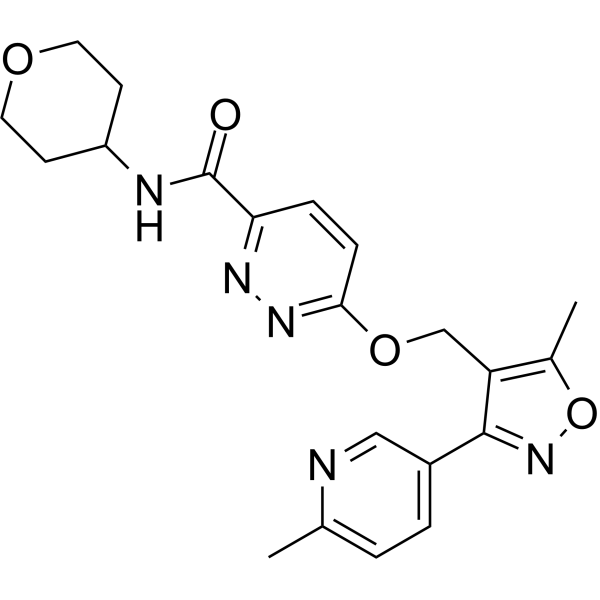
MKI-2 is a selective MASTL inhibitor with an IC50 of 37.44 nM. MKI-2 induces mitotic catastrophe resulting from the modulation of the MASTL-PP2A axis in breast cancer cells. MKI-2 reduces phospho-ENSA, total, phospho-c-Myc levels. MKI-2 inhibts cancer cells proliferation, migration and induces DNA damage. MKI-2 inhibits germinal vesicle breakdown in mouse oocytes. MKI-2 can be used for the research of cancer, such as breast cancer .
|
-
- HY-105191A
-
|
RS-21607 dihydrochloride
|
Heme Oxygenase (HO)
|
Metabolic Disease
|
|
Azalanstat dihydrochloride (RS-21607 dihydrochloride) is an inhibitor of heme oxygenase and lanosterol 14α-demethylase, with inhibitory activity against HO-1 (IC50 = 5.5 µM) and HO-2 (IC50 = 24.5 µM). Azalanstat dihydrochloride reduces the maturation rate of rat oocytes, increases rat oocyte degeneration, and partially inhibits progesterone production in preovulatory follicles of rats .
|
-
- HY-117503
-
|
|
Influenza Virus
|
Infection
|
|
M2WJ332 is an inhibitor of the M2 proton channel of the influenza A virus M2 S31N mutant M2. M2WJ332 potently inhibits the influenza A virus A/M2-S31N proton channel in Xenopus laevis oocytes, with an IC50 of 16 μM. M2WJ332 completely inhibits plaque formation by the influenza A virus carrying the M2 S31N mutant. M2WJ332 is applicable to research related to influenza A virus infection .
|
-
- HY-108235AR
-
|
AZD6765 dihydrochloride (Standard); ARL 15896AR (Standard)
|
Reference Standards
iGluR
|
Neurological Disease
|
|
Lanicemine dihydrochloride (Standard) is the analytical standard of Lanicemine (dihydrochloride) (HY-108235A). This product is intended for research and analytical applications. Lanicemine (AZD6765) dihydrochloride is a low-trapping NMDA channel blocker (Ki of 0.56-2.1 μM for NMDA receptor; IC50s of 4-7 μM and 6.4 μM in CHO and Xenopus oocyte cells, respectively). Antidepressant effects .
|
-
- HY-106131
-
|
PD-123497
|
Sodium Channel
Opioid Receptor
|
Cardiovascular Disease
|
|
RSD-921 (PD-123497) is a potent Na + channel blocker with anti-arrhythmic activity. RSD-921 displays a low affinity for κ-opioid receptors and behaves as a weak κ-agonist in vitro. RSD 921 displays state-, time- and voltage-dependent block of the open state of cardiac, skeletal muscle and neuronal Na + channels expressed in Xenopus oocytes. RSD-921 can be used for cardiac arrhythmias research .
|
-
- HY-180559
-
|
|
nAChR
Interleukin Related
|
Inflammation/Immunology
|
|
nAChR antagonist 2 is a selective nAChR antagonist. nAChR antagonist 2 inhibits nAChR subtype including hα9α10, hα9, and hα7 with IC50 values of 16.0 nM, 26.2 nM, and 336.3 nM, respectively, in Xenopus oocytes. nAChR antagonist 2 suppresses ATP-induced IL-1β release at nanomolar concentrations. nAChR antagonist 2 can be used for nonopioid analgesics and immunomodulators research .
|
-
- HY-W673613
-
|
|
Estrogen Receptor/ERR
|
Metabolic Disease
|
|
ADX68692 is an orally active negative allosteric modulators of follicle-stimulating hormone receptor with a log IC50 of -5.71. ADX68692 can inhibit hCG-induced cAMP production and s ß-arrestin 2 recruitment in HEK293 cells. ADX68692 exhibits a partial effect in both mLTC-1 and primary rat Leydig cells. ADX68692 inhibits FSHR-promoted cAMP, progesterone and estradiol production. ADX68692 can reduce the number of oocytes recovered from the ampullae .
|
-
- HY-101310R
-
|
|
iGluR
Reference Standards
EAAT
Bcl-2 Family
Caspase
|
Cardiovascular Disease
Neurological Disease
Inflammation/Immunology
|
|
SYM 2081 (Standard) is the analytical standard of SYM 2081 (HY-101310). This product is intended for research and analytical applications. SYM 2081 is a kainate receptor agonist. SYM 2081 is a substrate of EAAT1 (Km of 54 μM). SYM 2081 inhibits EAAT2-mediated glutamate transport (Kb is 3.4 μM in Xenopus oocytes), modulates Apoptotic signaling pathways (increases Bcl-2 and decreases Bax/caspase-3 expression). SYM 2081 exhibits neuroprotective activity. SYM 2081 can be used in the study of hypoxic-ischemic brain damage and inflammatory or neuropathic pain .
|
-
- HY-116153
-
|
|
Cholinesterase (ChE)
|
Neurological Disease
|
|
HUHS2002 is a free fatty acid derivative with the ability to enhance α7 cholinergic receptor activity. HUHS2002 enhances whole-cell membrane currents of α7 ACh receptors expressed in Xenopus oocytes in a concentration-dependent manner. The effects of HUHS2002 were blocked in the presence of the Ca2 /calmodulin-dependent protein kinase II (CaMKII) inhibitor KN-93. HUHS2002 activated CaMKII in cultured rodent hippocampal neurons, and this activation was abolished by KN-93. HUHS2002 also partially inhibited the activity of protein phosphatase 1 (PP1) in a cell-free PP1 activity assay .
|
-
- HY-131691
-
|
|
iGluR
Calcium Channel
|
Neurological Disease
|
|
NMDAR blocker 1 is an NMDA receptor channel blocker with an IC50 of 5.0 μM. NMDAR blocker 1 exhibits fast on-off blockade kinetics and strong voltage dependence, and does not compete with glutamate or glycine. NMDAR blocker 1 prevents glutamate/NMDA-induced intracellular Ca 2+ overload, modulates the glutamate-nitric oxide-cGMP pathway. NMDAR blocker 1 prevents in vitro excitotoxic neurodegeneration of cultured cerebellar and hippocampal neurons. NMDAR blocker 1 attenuates excitotoxic insult in an mouse model of hyperammonemia-induced excitotoxicity. NMDAR blocker 1 can be used for the research of neurodegenerative diseases .
|
-
- HY-108960
-
|
|
P2X Receptor
Interleukin Related
|
Neurological Disease
|
|
PPADS is a P2X receptor (P2X Receptor) antagonist and a reversible competitive antagonist of NAADP receptors, with IC50 values of 68 nM (P2X1) and 214 nM (P2X3), respectively. PPADS alleviates pain-related behaviors in the central and peripheral nervous systems of mice after peripheral neuropathy, inhibits the overproduction of IL-1β, IL-6, iNOS and nNOS, and suppresses the hydrolytic activity of extracellular ATPase. PPADS blocks ATP-mediated inward currents on recombinant rat P2X1 and P2X3 receptors, and inhibits purinergic nerve stimulation-induced contraction of rabbit bladder detrusor muscle. PPADS is applicable to research related to neuropathic pain .
|
-
- HY-132806
-
|
RG-7816; RO-7017773
|
GABA Receptor
|
Neurological Disease
|
|
Alogabat is a positive allosteric modulator (PAM) and agonist (Ki <100 nM) of the GABAA α5 receptor, targeting the α5β3γ2 subunit with a Ki of 8.7 nM. Alogabat increases the expression level of α5β3γ2 in oocytes (1.97-fold). GABAA has been implicated in cognitive impairment associated with central nervous system (CNS) disorders, brain cancer (including brain tumors such as medulloblastoma), and can be used in the study of mild cognitive impairment (MCI), amnestic MCI (aMCI), age-associated memory impairment (AAMI), age-related cognitive decline (ARCD), dementia, Alzheimer's disease (AD), prodromal AD, post-traumatic stress disorder (PTSD), schizophrenia, bipolar disorder, amyotrophic lateral sclerosis (ALS), cognitive impairment associated with cancer treatment, mental retardation, Parkinson's disease (PD), autism spectrum disorder, fragile X, Rett syndrome, obsessive-compulsive behavior, and substance addiction .
|
-
- HY-124057
-
|
|
nAChR
|
Neurological Disease
|
|
RO5126946 is a selective, orally active α7 nAChR allosteric potentiator with EC50 values of 0.06 μM (hα7 nAChR) and 770 nM (α7 nAChR), and it crosses the blood-brain barrier. RO5126946 enhances synaptic transmission and positively modulates GABA-ergic responses by increasing peak current, slowing current decay, and elevating the frequency of spontaneous inhibitory postsynaptic currents, without affecting the recovery of receptors from the desensitized state. RO5126946 not only enhances subthreshold nicotine effects and improves associative learning, but also does not interfere with the original pro-cognitive effects of nicotine. RO5126946 can be used to study cognitive impairments associated with diseases such as Alzheimer's disease and schizophrenia .
|
-
- HY-P1073
-
|
|
Calcium Channel
Potassium Channel
Sodium Channel
TRP Channel
|
Neurological Disease
Cancer
|
ProTx-I is a toxin derived from Thrixopelma pruriens and a peptide inhibitor targeting TTX-resistant sodium channels. ProTx-I interacts with voltage sensors of multiple domains such as NaV1.7, reduces neuronal excitability through allosteric modulation of channel gating and alteration of voltage dependence. The IC50 values of ProTx-I against human NaV1.7, NaV1.2, NaV1.6, and NaV1.5 are 95 nM, 104 nM, 21 nM, and 358 nM, respectively; ProTx-I also potently inhibits Ba 2+ currents of hCav3.1, while its inhibitory potency against hCav3.2 is approximately 160-fold lower. ProTx-I is applicable to the research of chronic pain .
|
-
- HY-183857
-
|
|
TRP Channel
|
Neurological Disease
|
|
DD-161515 is a TRPV1/VR1 inhibitor with an IC50 of 0.7 μM in rats. DD-161515 binds to an allosteric site of TRPV1 distinct from that of capsaicin, blocks channel opening, inhibits receptor-mediated calcium ion influx, reduces the excitability of peripheral sensory nerve fibers, and thereby inhibits nociception induced by heat and transmission of chemically induced pain signals. DD-161515 can be used in studies related to inflammatory pain .
|
-
- HY-182459
-
|
|
HCN Channel
|
Neurological Disease
|
|
Org 34167 freebase is a blood-brain barrier permeable HCN channel modulator. Org 34167 freebase possesses high Caco-2 cell permeability. Org 34167 freebase modulates HCN channel function to alter activation properties and suppress neuronal hyperexcitability. Org 34167 freebase induces tremors in mice at specific doses. Org 34167 freebase acts as a research tool for studies on developmental and epileptic encephalopathies as well as depression .
|
-
- HY-W011428
-
|
|
CDK
|
Others
Cancer
|
|
Olomoucine is an ATP competitive inhibitor of CDKs. Olomoucine is a purine (HY-34431) derivative and inhibits CDC2/cyclin B, Cdk2/cyclin A, Cdk2/cyclin E (both IC50=7 μM), CDK/p35 kinase (IC50=3 μM) and ERK1/p44 MAP kinase (IC50=25 μM) . Olomoucine regulates cell cycle and shows anti-melanin tumor activity .
|
-
- HY-W011428R
-
|
|
Reference Standards
CDK
|
Others
Cancer
|
|
Olomoucine is an ATP competitive inhibitor of CDKs. Olomoucine is a purine (HY-34431) derivative and inhibits CDC2/cyclin B, Cdk2/cyclin A, Cdk2/cyclin E (both IC50=7 μM), CDK/p35 kinase (IC50=3 μM) and ERK1/p44 MAP kinase (IC50=25 μM) . Olomoucine regulates cell cycle and shows anti-melanin tumor activity .
|
-
- HY-156505A
-
|
|
iGluR
|
Neurological Disease
|
|
R-(+)-EU-1180-453 is a positive allosteric modulator targeting NMDA receptors containing GluN2C and GluN2D subunits, with a pEC50 value of 5.5 for both rat receptor subtypes, and it can cross the blood-brain barrier. R-(+)-EU-1180-453 increases the potency of glutamate, enhances receptor responses to maximally effective concentrations of agonists, and acts only on receptors bound to both co-agonists. R-(+)-EU-1180-453 is applicable to research related to Alzheimer's disease, Parkinson's disease, epilepsy, and neuropathic pain .
|
-
- HY-114269
-
|
|
nAChR
|
Neurological Disease
Inflammation/Immunology
|
|
(-)-(S)-B-973B is an allosteric activator of α7 nicotinic acetylcholine receptor (α7 nAChR). (-)-(S)-B-973B alleviates pain behaviors. (-)-(S)-B-973B can be used for the research of inflammatory pain .
|
-
- HY-182707
-
|
|
nAChR
Interleukin Related
TNF Receptor
NF-κB
|
Neurological Disease
|
|
JWX-A0108 is a selective human α7 nAChR positive allosteric modulator with an EC50 of 4.35 μM. JWX-A0108 potentiates α7 nAChR currents only in the presence of acetylcholine, with no direct activating effect or alteration of desensitization. JWX-A0108 enhances hippocampal GABAergic synaptic transmission by increasing spontaneous inhibitory postsynaptic currents. JWX-A0108 reduces the brain expression levels of IL-1β, TNF-α, and IL-6 by blocking the NF-κB signaling pathway, and reduces microglial activation by downregulating Iba1. JWX-A0108 effectively improves cognitive deficits, neuroinflammation, and hippocampal neuronal damage in mouse models of schizophrenia and Alzheimer's disease. JWX-A0108 can be used for research related to schizophrenia and Alzheimer's disease .
|
-
- HY-46286
-
|
N-(4-tert-butyl-1,3-thiazol-2-yl)-3-fluorobenzamide
|
5-HT Receptor
nAChR
GABA Receptor
Glycine Receptor (GlyR)
|
Neurological Disease
|
|
TTFB (N-(4-tert-butyl-1,3-thiazol-2-yl)-3-fluorobenzamide) is a selective, non-competitive zinc-activated channel (ZAC) antagonist. TTFB inhibits Zn 2+- and H +-induced ZAC currents with IC50 values of 3 μM and 8.5 μM, respectively, and has an IC50 of 4.7 μM against spontaneous activity. TTFB shows no significant agonistic, antagonistic or modulatory activity towards representative classical Cys-loop receptors including m5-HT3AR, hα3β4 nAChR, hα1β2γ2S GABAAR and hα1 GlyR. TTFB can be used to investigate the physiological and pathological functions of ZAC.
|
-
- HY-P992149
-
|
|
GnRH Receptor
|
Endocrinology
|
|
Lutropin alfa is a recombinant human luteinizing hormone (LH). Lutropin alfa consists of non-covalently linked α and β subunits, and its activity is similar to that of natural luteinizing hormone. Lutropin alfa is used to stimulate follicular development in infertility .
|
-
- HY-W040176
-
|
N-Palmitoyl-tyrosine phosphoric acid ammonium
|
LPL Receptor
|
Cardiovascular Disease
Neurological Disease
Inflammation/Immunology
|
|
N-PTyrosine PA (N-Palmitoyl-tyrosine phosphoric acid) ammonium is a lysophosphatidic acid (LPA) receptor modulator, which exhibits weak inhibitory activity against LPA1 and partial agonist properties towards LPA5. N-PTyrosine PA ammonium inhibits the activation of LPA receptors and downstream responses by competing with agonists for binding sites. N-PTyrosine PA ammonium can induce morphological changes and aggregation, and also inhibit LPA-induced morphological changes through receptor desensitization caused by pre-incubation. N-PTyrosine PA ammonium can be used in the research of related diseases such as atherosclerosis and acute ischemic syndromes (e.g., unstable angina, myocardial infarction, stroke) .
|
-
- HY-W073501
-
|
trans-2-Pentenedioic acid
|
Drug Isomer
Endogenous Metabolite
|
Cardiovascular Disease
Metabolic Disease
|
|
trans-Glutaconic acid (trans-2-Pentenedioic acid) is the trans isomer of Glutaconic acid (HY-W073501A). trans-Glutaconic acid is a neurotoxic metabolite. trans-Glutaconic acid induces weak neurotoxicity in cultured cerebral neocortical neurons. trans-Glutaconic acid elicits significant electrophysiological responses in rat neocortical wedge preparations at high concentrations. trans-Glutaconic acid can be used in studies related to glutaric acidemia type 1 .
|
-
- HY-B2021
-
|
|
Insecticide
|
Neurological Disease
|
|
τ-Fluvalinate is an insecticide and in-hive miticide, with its mechanism involving interfering with nervous systems. τ-Fluvalinate binds to the open state of Varroa destructor (VdNaV1) and Apis mellifera (AmNaV1) voltage-dependent sodium channels, with EC50 values of 160 nM and 60 nM respectively. τ-Fluvalinate has higher affinity for AmNaV1, which causes sublethal toxicity to honeybees. τ-Fluvalinate can be applied for research on Varroa destructor infestation in honeybee colonies .
|
-
- HY-100834A
-
|
5,7-DCKA sodium
|
iGluR
|
Neurological Disease
|
|
5,7-Dichlorokynurenic acid (5,7-DCKA) sodium is a selective and competitive antagonist of the glycine site on NMDA receptor with a KB of 65 nM. 5,7-Dichlorokynurenic acid sodium reduces NMDA-induced neuron injury. 5,7-Dichlorokynurenic acid sodium increases social interaction time, increases open arm exploration time, disinhibits suppressed conflict responding in rodent models. 5,7-Dichlorokynurenic acid sodium exhibits anxiolytic-like activity in rodent models and supports exploration of glycine’s role in NMDA receptor-mediated synaptic transmission .
|
-
- HY-100834
-
|
5,7-DCKA
|
iGluR
|
Neurological Disease
|
|
5,7-Dichlorokynurenic acid (5,7-DCKA) is a selective and competitive antagonist of the glycine site on NMDA receptor with a KB of 65 nM. 5,7-Dichlorokynurenic acid reduces NMDA-induced neuron injury. 5,7-Dichlorokynurenic acid increases social interaction time, increases open arm exploration time, disinhibits suppressed conflict responding in rodent models. 5,7-Dichlorokynurenic acid exhibits anxiolytic-like activity in rodent models and supports exploration of glycine’s role in NMDA receptor-mediated synaptic transmission .
|
-
- HY-W001692
-
|
DOV 273547
|
GABA Receptor
|
Neurological Disease
|
|
Ocinaplon (DOV 273547) is an orally active positive allosteric modulator of GABAA receptor, with an EC50 ranging from 3.07 μM (α1β2γ2 subtype) to 10.03 μM (α1β2γ3 subtype). Ocinaplon enhances GABA-stimulated chloride currents across multiple GABAA receptor subtypes, with varying potency between different subtypes. Ocinaplon exerts anxiolytic and anticonvulsant effects, and causes motor impairment at high doses. Ocinaplon can be used for research on generalized anxiety disorder .
|
-
- HY-W654323
-
|
|
Topoisomerase
Drug Metabolite
|
Others
|
|
PNU-142586 sodiu) is the major metabolite of Linezolid (HY-10394). PNU-142586 can inhibit the activity of DNA topoisomerase 2-α (TOP2A) and DNA topoisomerase 2-β (TOP2B). PNU-142586 interferes with DNA replication and transcription by blocking the binding of DNA to TOP2 and inhibiting ATP hydrolysis, ultimately leading to antiproliferative and cytotoxic effects, including mitochondrial dysfunction. PNU-142586 can be used to study Linezolid-induced hematotoxicity and its molecular mechanism .
|
-
- HY-182646
-
|
|
Potassium Channel
|
Cardiovascular Disease
|
|
NE-10133 is a ISK and IKS potassium channel (Potassium Channel) inhibitor. NE-10133 inhibits voltage-dependent and slowly activated delayed rectifier potassium currents. NE-10133 exhibits class III antiarrhythmic activity. NE-10133 is applicable for research related to arrhythmias .
|
-
- HY-N4246
-
|
|
Aquaporin
PKC
Akt
PI3K
Apoptosis
Monoamine Oxidase
Pregnane X Receptor (PXR)
|
Cardiovascular Disease
Neurological Disease
Inflammation/Immunology
Cancer
|
Bacopaside I is an orally active aquaporin AQP1 inhibitor and PKC modulator with neuroprotective and anticancer activities. Bacopaside I specifically blocks the water channel and cGMP-gated ion channel activities of AQP1 without affecting AQP4, thereby inhibiting the migration of colon cancer cells expressing AQP1. Bacopaside I activates the Akt pathway by interacting with PI3K, specifically inhibits MAO-A, effectively alleviates neuron necrosis and apoptosis induced by oxygen-glucose deprivation, reduces oxidative stress, and regulates the surface expression of neuroreceptors. When combined with Bacopaside II (HY-N6016), Bacopaside I significantly reduces the viability, proliferation and invasion ability of breast cancer cells, and binds to the pregnane X receptor (PXR). Bacopaside I is applicable to the research of colon cancer, breast cancer, vascular dementia, cerebral ischemia and other related diseases .
|
-
- HY-183666
-
|
|
nAChR
Serotonin Transporter
|
Neurological Disease
|
|
NS3956 is a blood-brain barrier-permeable human α4β2-nicotinic acetylcholine receptor (nAChR) agonist (Ki = 0.36 nM). NS3956 induces dopamine release, produces analgesic effects, modulates rotational behavior in 6-OHDA-lesioned rats, and potentiates the effects of SSRI/SNRI in the forced swim test in mice. NS3956 can be used in research related to depression, Parkinson's disease, and acute pain .
|
-
| Cat. No. |
Product Name |
Type |
-
- HY-D0791
-
TRITC
1 Publications Verification
5(6)-Tetramethylrhodamine isothiocyanate
|
Fluorescent Dye
|
|
TRITC (5(6)-Tetramethylrhodamine isothiocyanate) is a commonly used fluorescent dye, belonging to the Rhodamine derivative family. It exhibits red fluorescence properties (Ex/Em ≈ 550/580 nm). TRITC can be used for cell labeling and imaging .
|
-
- HY-D0152
-
|
|
Fluorescent Dye
|
|
Tetramethylrhodamine-6-maleimide is a fluorescent dye with a reactive sulfhydryl-specific moiety is covalently coupled to this cysteine. Tetramethylrhodamine-6-maleimide can be used as labels to detect local protein motions of the fully active Na+/K+-ATPase in real time .
|
| Cat. No. |
Product Name |
Type |
-
- HY-D0872
-
|
|
Biochemical Assay Reagents
|
|
DIPSO is a biological zwitterionic buffer with the useful pH range from 7.0 to 8.2. DIPSO can interfere meiotic regulation in mouse oocytes. DIPSO also has surfactant activity at 10 mM .
|
-
- HY-128036
-
|
2',3'-Dideoxyadenosine 5'-triphosphate
|
Biochemical Assay Reagents
|
|
ddATP (2',3'-Dideoxyadenosine 5'-triphosphate), an active metabolite of 2',3'-dideoxyinosine, is a chain-elongating inhibitor of DNA polymerase. ddATP can be used for Sanger method for DNA sequencing and research of virus infection .
|
| Cat. No. |
Product Name |
Target |
Research Area |
-
- HY-134124
-
|
|
Reactive Oxygen Species (ROS)
|
Metabolic Disease
|
|
Glutathione ethyl ester is a cell-permeable GSH donor and provides an efficient supply of GSH to the oocyte. Glutathione ethyl ester shows positive effect on the in vitro production of embryos by enhancement of the antioxidative defense .
|
-
- HY-P4376A
-
|
|
CaSR
|
Neurological Disease
|
|
Gamma-Glu-Abu TFA is the TFA salt form of Gamma-Glu-Abu (HY-P4376). Gamma-Glu-Abu TFA is an agonist for calcium sensing receptor (CaSR), that activates the CaSR with an EC50 of 0.21 μM in HEK-293 cell .
|
-
- HY-P1073
-
|
|
Calcium Channel
Potassium Channel
Sodium Channel
TRP Channel
|
Neurological Disease
Cancer
|
ProTx-I is a toxin derived from Thrixopelma pruriens and a peptide inhibitor targeting TTX-resistant sodium channels. ProTx-I interacts with voltage sensors of multiple domains such as NaV1.7, reduces neuronal excitability through allosteric modulation of channel gating and alteration of voltage dependence. The IC50 values of ProTx-I against human NaV1.7, NaV1.2, NaV1.6, and NaV1.5 are 95 nM, 104 nM, 21 nM, and 358 nM, respectively; ProTx-I also potently inhibits Ba 2+ currents of hCav3.1, while its inhibitory potency against hCav3.2 is approximately 160-fold lower. ProTx-I is applicable to the research of chronic pain .
|
-
- HY-P5785A
-
|
|
Potassium Channel
|
Neurological Disease
|
|
Heteropodatoxin-2 (TFA), a peptides of 30-amino acid, is a heteropodatoxin. Heteropodatoxin-2 blocks Kv4.2 current expressed in Xenopus laevis oocytes in a voltage-dependent manner, with less block at more positive potentials .
|
-
- HY-P5823
-
|
|
nAChR
|
Neurological Disease
|
|
Azemiopsin is a potent nicotinic acetylcholine receptor (nAChR) inhibitor with IC50s of 0.18 μM and 22 μM against T. californica nAChR and human α7 nAChR, respectively. Azemiopsin blocks acetylcholine-induced currents in Xenopus oocytes heterologously expressing human muscle-type nAChR .
|
-
- HY-P5809
-
-
- HY-P5785
-
|
|
Potassium Channel
|
Neurological Disease
|
|
Heteropodatoxin-2, a peptides of 30-amino acid, is a heteropodatoxin. Heteropodatoxin-2 blocks Kv4.2 current expressed in Xenopus laevis oocytes in a voltage-dependent manner, with less block at more positive potentials .
|
-
- HY-P3894
-
|
|
Microtubule/Tubulin
Mitosis
|
Others
|
|
P34cdc2 Kinase Fragment is associated with the completion of DNA replication in yeast mitosis. P34cdc2 Kinase can phosphorylate mitogen-activated protein 2 (MAP2) to regulate microtubules polymerization in Xenopus oocytes meiosis .
|
-
- HY-P5788
-
|
|
Potassium Channel
|
Neurological Disease
|
|
Hemitoxin, a scorpion-venom peptide, is a K + channel blocker. Hemitoxin blocks rat Kv1.1, Kv1.2 and Kv1.3 channels expressed in Xenopus oocytes with IC50 values of 13 nM, 16 nM and 2 nM, respectively .
|
-
- HY-P5180
-
|
|
Sodium Channel
|
Neurological Disease
|
|
Jingzhaotoxin-V is a peptide that inhibits potassium currents in Xenopus laevis oocytes with an IC50 value of 604.2 nM. Jingzhaotoxin-V also inhibits tetrodotoxin-resistant and tetrodotoxin-sensitive sodium currents in rat dorsal root ganglion neurons with IC50 values of 27.6 and 30.2 nM, respectively .
|
-
- HY-P5810
-
|
CcoTx2; β-TRTX-cm1b
|
Sodium Channel
|
Neurological Disease
|
|
Ceratotoxin-2 (CcoTx2) is a voltage-gated sodium channel blocker with IC50s of 8 nM and 88 nM against Nav1.2/β1 and Nav1.3/β1, respectively .
|
-
- HY-P5871A
-
|
JzTx-XII TFA
|
Potassium Channel
|
Others
|
|
Jingzhaotoxin-XII (JzTx-XII) TFA is a specific Kv4.1 channel inhibitor with an IC50 of 0.363 μM. Jingzhaotoxin-XII TFA interacts with the channels by modifying the gating behavior .
|
-
- HY-P5871
-
|
JzTx-XII
|
Potassium Channel
|
Others
|
|
Jingzhaotoxin-XII (JzTx-XII) is a specific Kv4.1 channel inhibitor with an IC50 of 0.363 μM. Jingzhaotoxin-XII interacts with the channels by modifying the gating behavior .
|
-
- HY-P5770
-
|
|
Sodium Channel
|
Neurological Disease
|
|
Jingzhaotoxin-V, a 29-residue polypeptide, is derived from the venom of the spider Chilobrachys jingzhao. Jingzhaotoxin-V inhibits tetrodotoxin-resistant and tetrodotoxin-sensitive sodium currents in rat dorsal root ganglion neurons with IC50 values of 27.6 nM and 30.2 nM, respectively. Jingzhaotoxin-V also inhibits Kv4.2 potassium currents expressed in Xenpus Laevis oocytes (IC50 of 604.2 nM) .
|
-
- HY-P5860
-
|
Micrurotoxin 1
|
GABA Receptor
|
Neurological Disease
|
|
MmTx1 toxin (Micrurotoxin 1) is an allosteric GABAA receptor modulator that increases GABAA receptor susceptibility to agonist .
|
-
- HY-P11148
-
|
|
Peptides
|
Others
|
|
Hym-355 is a Hydra neuropeptide. Hym-355 can induce oocyte maturation and spawning .
|
| Cat. No. |
Product Name |
Target |
Research Area |
Image |
-
- HY-P992149
-
|
|
GnRH Receptor
|
Endocrinology
|
|
Lutropin alfa is a recombinant human luteinizing hormone (LH). Lutropin alfa consists of non-covalently linked α and β subunits, and its activity is similar to that of natural luteinizing hormone. Lutropin alfa is used to stimulate follicular development in infertility .
|
-
(5)
| Cat. No. |
Product Name |
Category |
Target |
Chemical Structure |
-
- HY-W010128
-
|
6-Dimethylaminopurine; 6-DMAP
|
Classification of Application Fields
Other Diseases
Disease Research Fields
|
CDK
DNA/RNA Synthesis
Apoptosis
|
|
6-(Dimethylamino) purine (6-Dimethylaminopurine) is a serine threonine protein kinase inhibitor. 6-(Dimethylamino) purine can inhibit prolactin induced expression of lactoprotein genes in rabbit mammary gland cells. 6-(Dimethylamino) purine can affect the maturation of mammalian oocytes. 6-(Dimethylamino) purine can lead to downregulation of genes related to cell proliferation and cell cycle progression, such as proliferating cell nuclear antigen, insulin-like gene 1, and serine protease inhibitor 2 genes, and induce apoptosis in lymphoma cells (apoptosis) .
|
-
-
- HY-113306
-
-
-
- HY-B1167
-
-
-
- HY-N6746
-
-
-
- HY-N0500
-
-
-
- HY-N4246
-
|
|
Triterpenes
Structural Classification
Terpenoids
Scrophulariaceae
Plants
Bacopa monnieri (Linn.) Wettst.
Source Classification
|
Aquaporin
PKC
Akt
PI3K
Apoptosis
Monoamine Oxidase
Pregnane X Receptor (PXR)
|
Bacopaside I is an orally active aquaporin AQP1 inhibitor and PKC modulator with neuroprotective and anticancer activities. Bacopaside I specifically blocks the water channel and cGMP-gated ion channel activities of AQP1 without affecting AQP4, thereby inhibiting the migration of colon cancer cells expressing AQP1. Bacopaside I activates the Akt pathway by interacting with PI3K, specifically inhibits MAO-A, effectively alleviates neuron necrosis and apoptosis induced by oxygen-glucose deprivation, reduces oxidative stress, and regulates the surface expression of neuroreceptors. When combined with Bacopaside II (HY-N6016), Bacopaside I significantly reduces the viability, proliferation and invasion ability of breast cancer cells, and binds to the pregnane X receptor (PXR). Bacopaside I is applicable to the research of colon cancer, breast cancer, vascular dementia, cerebral ischemia and other related diseases .
|
-
-
- HY-N7710
-
-
-
- HY-N11274
-
-
-
- HY-13710
-
-
-
- HY-B1167R
-
-
-
- HY-W005255R
-
|
|
Structural Classification
Monophenols
Microorganisms
Ketones, Aldehydes, Acids
Phenols
Endogenous metabolite
Source Classification
|
Reference Standards
Endogenous Metabolite
|
|
Citrinin (Standard) is the analytical standard of Citrinin. This product is intended for research and analytical applications. Citrinin (NSC 186) is a mycotoxin that causes food contamination and has different toxic effects. Citrinin is an effective oral anticancer agent. Citrinin has various regulatory effects on mouse immune system, including regulating the number of immune cells, inducing apoptosis and autophagy of immune cells, altering toll-like receptor expression and cytokine production. Citrinin can induce oxidative stress and lead to early apoptosis of oocytes. Low doses of Citrinin have neuroprotective effects against glutamate-induced excitotoxicity in rat cortical neurons. In addition, Citrinin also has antibacterial activity .
|
-
-
- HY-N6746R
-
|
NSC 186 (Standard)
|
Structural Classification
Microorganisms
Ketones, Aldehydes, Acids
Source Classification
|
Reference Standards
Bacterial
Fungal
Endogenous Metabolite
Apoptosis
|
|
Citrinin (Standard) is the analytical standard of Citrinin. This product is intended for research and analytical applications. Citrinin (NSC 186) is a mycotoxin that causes food contamination and has different toxic effects. Citrinin is an effective oral anticancer agent. Citrinin has various regulatory effects on mouse immune system, including regulating the number of immune cells, inducing apoptosis and autophagy of immune cells, altering toll-like receptor expression and cytokine production. Citrinin can induce oxidative stress and lead to early apoptosis of oocytes. Low doses of Citrinin have neuroprotective effects against glutamate-induced excitotoxicity in rat cortical neurons. In addition, Citrinin also has antibacterial activity .
|
-
-
- HY-B1167A
-
|
Cardiorythmine hydrochloride; (+)-Ajmaline hydrochloride
|
Rauvolfia verticillata (Lour.) Baill.
Apocynaceae
Natural Products
Plants
Source Classification
|
Others
|
|
Ajmaline hydrochloride is a Class Ia antiarrhythmic agent. It inhibits HERG potassium channels with IC50s of 1.0 μmol/l and 42.3 μmol/l in HEK cells and moth spider oocytes respectively. The inhibitory effect of Ajmaline hydrochloride is rapid, reversible, and positive frequency dependent. It acts primarily on the open state of the HERG channel and may also be combined with the inactivated state. The inhibitory effect of ajmaline hydrochloride is dependent on aromatic residues in the S6 domain, and the sensitivity is significantly reduced in the inactivation-deficient HERG S620T channel. It can also slightly affect the activation voltage of HERG channels. Ajmaline hydrochloride's inhibitory effect on HERG channels may contribute to both its potent antiarrhythmic effects and its potential proarrhythmic risk.
|
-
| Cat. No. |
Compare |
Product Name |
Species |
Source |
Image |
Compare Products
|
| Products |
|
| Cat. No. |
|
| Species |
|
| Source |
|
| Tag |
|
| Accession |
|
| Gene ID |
|
| Molecular Weight |
|
| Purity |
|
| Endotoxin Level |
|
| Biological Activity |
|
| Appearance |
|
| Formulation |
|
| Storage & Stability |
|
| Shipping |
|
| Free Sample |
Yes
No
|
| Size |
* This product has been "discontinued".
Optimized version of product available:
|
| Cat. No. |
Product Name |
Chemical Structure |
-
- HY-A0287S
-
|
|
|
Clomifene (Clomifene; (Z/E)-Enclomiphene; (Z/E)-Enclomifene)-d5 hydrochloride is a deuterium labeled Clomifene hydrochloride (HY-A0287A). Clomiphene hydrochloride is an orally active ovulation-inducing agent. Clomiphene hydrochloride binds to hypothalamic estrogen receptors to elevate FSH levels, and exhibits antiestrogenic or estrogenic properties. Clomiphene hydrochloride can induce erturbations during meiotic maturation and cytogenetic abnormalities in mouse oocytes. Clomiphene hydrochloride ameliorates memory impairment in PCOS models. Clomiphene hydrochloride mobilizes cytosolic calcium and reduces viability in prostate cancer cells. Clomiphene hydrochloride can be used for the research of polycystic ovary syndrome (PCOS) and prostate cancer .
|
-
-
- HY-B0942S
-
|
|
|
Benzethonium-d7 chloride is the deuterium labeled Benzethonium chloride. Benzethonium chloride inhibit human recombinant α7 and α4β2 neuronal nicotinic acetylcholine receptors in Xenopus oocytes.
|
-
-
- HY-N6746S1
-
|
|
|
Citrinin- 13C13 (NSC 186- 13C13) is the 13C labeled Citrinin (HY-N6746). Citrinin (NSC 186) is a mycotoxin that causes food contamination and has different toxic effects. Citrinin is an effective oral anticancer agent. Citrinin has various regulatory effects on mouse immune system, including regulating the number of immune cells, inducing apoptosis and autophagy of immune cells, altering toll-like receptor expression and cytokine production. Citrinin can induce oxidative stress and lead to early apoptosis of oocytes. Low doses of Citrinin have neuroprotective effects against glutamate-induced excitotoxicity in rat cortical neurons. In addition, Citrinin also has antibacterial activity .
|
-
| Cat. No. |
Product Name |
|
Classification |
-
- HY-128036
-
|
2',3'-Dideoxyadenosine 5'-triphosphate
|
|
Nucleotide Analogs
|
|
ddATP (2',3'-Dideoxyadenosine 5'-triphosphate), an active metabolite of 2',3'-dideoxyinosine, is a chain-elongating inhibitor of DNA polymerase. ddATP can be used for Sanger method for DNA sequencing and research of virus infection .
|
-
- HY-174716
-
|
|
|
mRNA
|
|
Human EREG mRNA encodes the human epiregulin (EREG) protein, a member of the epidermal growth factor family. EREG may be involved in a wide range of biological processes including inflammation, wound healing, oocyte maturation, and cell proliferation.
|
-
- HY-174779
-
|
|
|
mRNA
|
|
Human AREG mRNA encodes the human amphiregulin (AREG) protein, a member of the epidermal growth factor family. AREG interacts with the EGF/TGF-alpha receptor to promote the growth of normal epithelial cells, and inhibits the growth of certain aggressive carcinoma cell lines. It also functions in mammary gland, oocyte and bone tissue development.
|
Your information is safe with us. * Required Fields.
Inquiry Information
- Product Name:
- Cat. No.:
- Quantity:
- MCE Japan Authorized Agent:

