
661 Results for "

oxidation product

" in MedChemExpress (MCE) Product Catalog:
Products (661)

661 Results for "oxidation product" in MCE Product Catalog:

64
64 Publications Verification
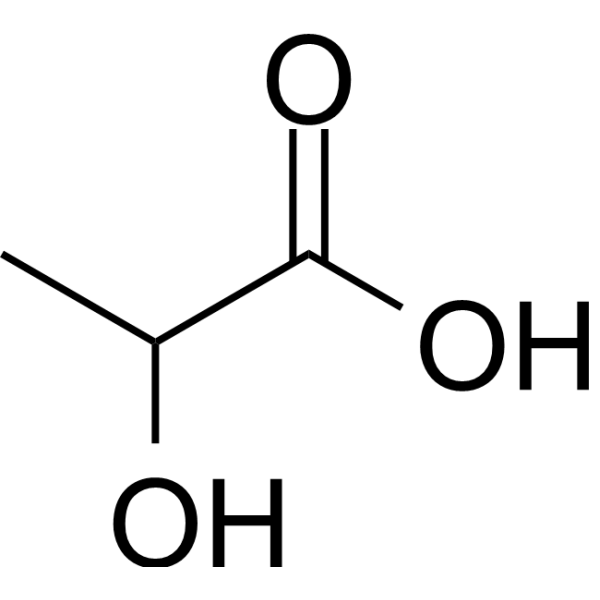
Cat. No.: HY-B2227
CAS No.: 50-21-5
Synonyms: DL-Lactic acid; E-270
Lactic acid (DL-Lactic acid) is a hydroxycarboxylic acid receptor 1 (HCAR1) activator and an epigenetic modulator inducing lysine residues lactylation. Lactic acid is a glycolysis end-product, bridging the gap between glycolysis and oxidative phosphorylation. Lactic acid is an oncometabolite and has immune protective role of lactate in anti-tumor immunity . Lactic acid also has antimicrobial activity, which can be used as a food preservative .
loading...
    loading...
63
63 Cited Publications
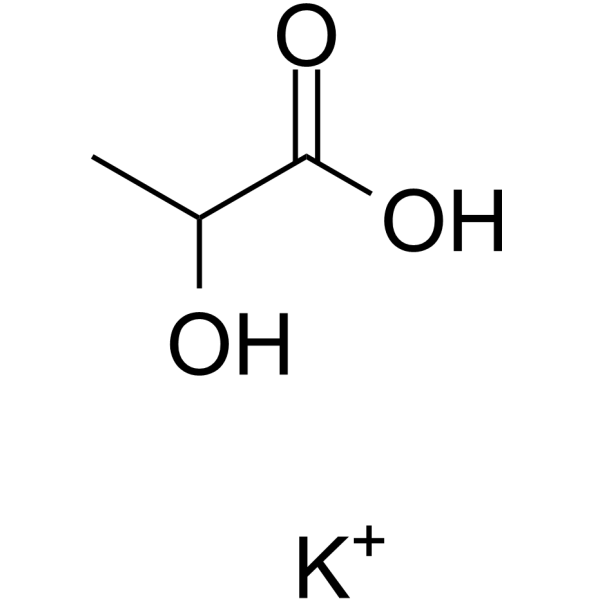
Cat. No.: HY-B2227C
CAS No.: 996-31-6
Synonyms: DL-Lactic acid potassium; E-270 potassium
Lactic acid (DL-Lactic acid) potassium is a hydroxycarboxylic acid receptor 1 (HCAR1) activator and an epigenetic modulator inducing lysine residues lactylation. Lactic acid potassium is a glycolysis end-product, bridging the gap between glycolysis and oxidative phosphorylation. Lactic acid potassium is an oncometabolite and has immune protective role of lactate in anti-tumor immunity . Lactic acid also potassium has antimicrobial activity, which can be used as a food preservative .
loading...
    loading...
63
63 Cited Publications
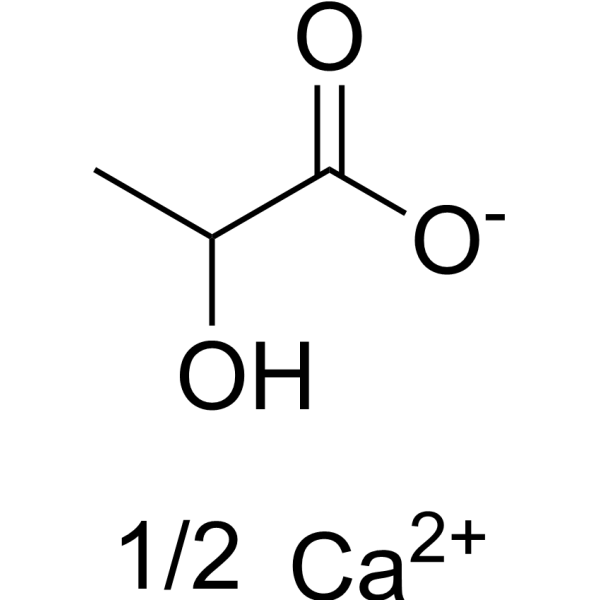
Cat. No.: HY-B2227A
CAS No.: 814-80-2
Synonyms: DL-Lactic acid calcium; E-270 calcium
Lactic acid (DL-Lactic acid) calcium is a hydroxycarboxylic acid receptor 1 (HCAR1) activator and an epigenetic modulator inducing lysine residues lactylation. Lactic acid calcium is a glycolysis end-product, bridging the gap between glycolysis and oxidative phosphorylation. Lactic acid calcium is an oncometabolite and has immune protective role of lactate in anti-tumor immunity . Lactic acid calcium also has antimicrobial activity, which can be used as a food preservative .
loading...
    loading...
63
63 Cited Publications
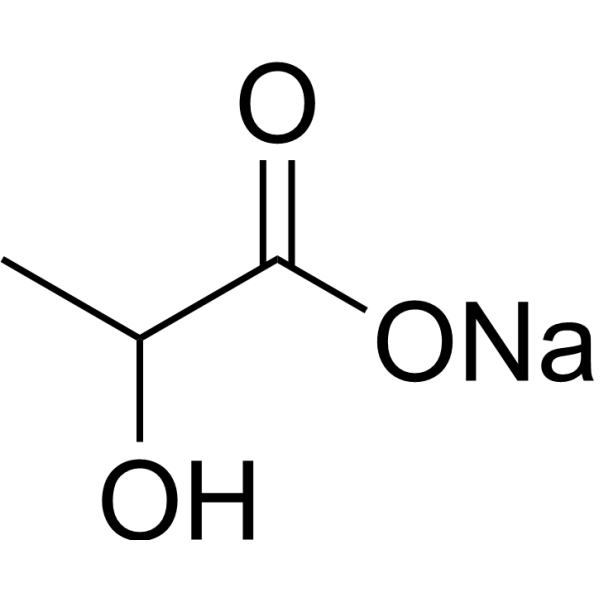
Cat. No.: HY-B2227B
CAS No.: 72-17-3
Synonyms: DL-Lactic acid sodium; E-270 sodium
Lactic acid (DL-Lactic acid) sodium (60% w/w in water) is a hydroxycarboxylic acid receptor 1 (HCAR1) activator and an epigenetic modulator inducing lysine residues lactylation. Lactic acid sodium (60% w/w in water) is a glycolysis end-product, bridging the gap between glycolysis and oxidative phosphorylation. Lactic acid sodium (60% w/w in water) is an oncometabolite and has immune protective role of lactate in anti-tumor immunity . Lactic acid sodium (60% w/w in water) also has antimicrobial activity, which can be used as a food preservative .
This product has a content (w/w) of 60%, and 1 mL of the system contains 798 mg of Lactic acid sodium, i.e., a concentration of 798 mg/mL (i.e., 7.12 M).
loading...
    loading...
19
19 Cited Publications
Cat. No.: HY-B2227D
CAS No.: 5743-47-5
Calcium 2-hydroxypropanoate (pentahydrate) is a hydroxycarboxylic acid receptor 1 (HCAR1) activator and an epigenetic modulator inducing lysine residues lactylation. Calcium 2-hydroxypropanoate (pentahydrate) is a glycolysis end-product, bridging the gap between glycolysis and oxidative phosphorylation. Calcium 2-hydroxypropanoate (pentahydrate) is an oncometabolite and has immune protective role of lactate in anti-tumor immunity .
loading...
    loading...
10
10 Cited Publications
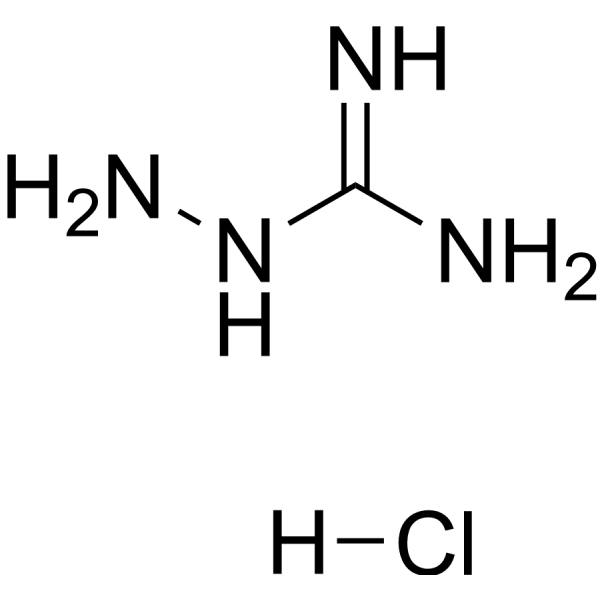
Cat. No.: HY-B1041
CAS No.: 1937-19-5
Synonyms: Pimagedine hydrochloride; GER-11; Aminoguanidinium hydrochloride
Target:  

NO Synthase Apoptosis ERK

Aminoguanidine (Pimagedine) hydrochloride is an inhibitor of diamine oxidase (DAO) and nitric oxide synthase (NOS). Aminoguanidine hydrochloride can reduce the formation of advanced glycation end products (AGEs). Aminoguanidine hydrochloride has a dose-dependent inhibitory effect on Doxorubicin (HY-15142)-induced cell apoptosis. Aminoguanidine hydrochloride has antioxidant properties. Aminoguanidine hydrochloride can be used in the research of diabetic nephropathy .
loading...
    loading...
10
10 Cited Publications
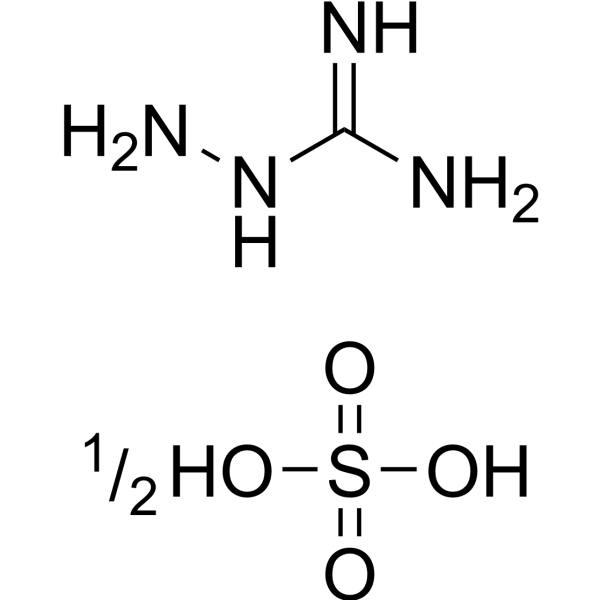
Cat. No.: HY-W020772
CAS No.: 996-19-0
Synonyms: Pimagedine hemisulfate; GER-11 hemisulfate; Aminoguanidinium hemisulfate
Target:  

NO Synthase Apoptosis ERK

Aminoguanidine (Pimagedine) hemisulfate is an inhibitor of diamine oxidase (DAO) and nitric oxide synthase (NOS). Aminoguanidine hemisulfate can reduce the formation of advanced glycation end products (AGEs). Aminoguanidine hemisulfate has a dose-dependent inhibitory effect on Doxorubicin (HY-15142)-induced cell apoptosis. Aminoguanidine hemisulfate has antioxidant properties. Aminoguanidine hemisulfate can be used in the research of diabetic nephropathy .
loading...
    loading...
8
8 Cited Publications
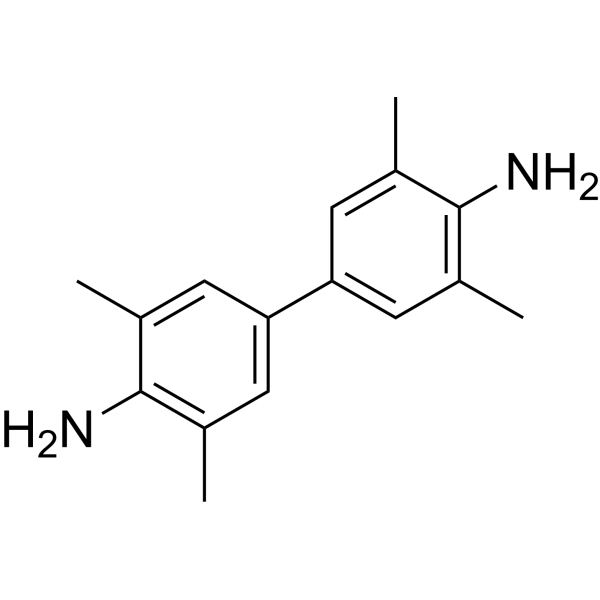
Cat. No.: HY-15930
CAS No.: 54827-17-7
Synonyms: BM blue; Sure Blue TMB
TMB is a non-toxic, non-mutagenic, colorless dye that is also used as a chromogenic agent in enzyme detection systems based on horseradish peroxidase (HRP). TMB can function as a photoacoustic probe for reactive oxygen and nitrogen species (ROS/RNS), reacting with hypochlorite, hydrogen peroxide, singlet oxygen, and nitrogen dioxide to produce blue oxidation products. TMB can detect the singlet oxygen produced by the outer membrane of Escherichia coli ATCC 25922 .
loading...
    loading...
8
8 Cited Publications
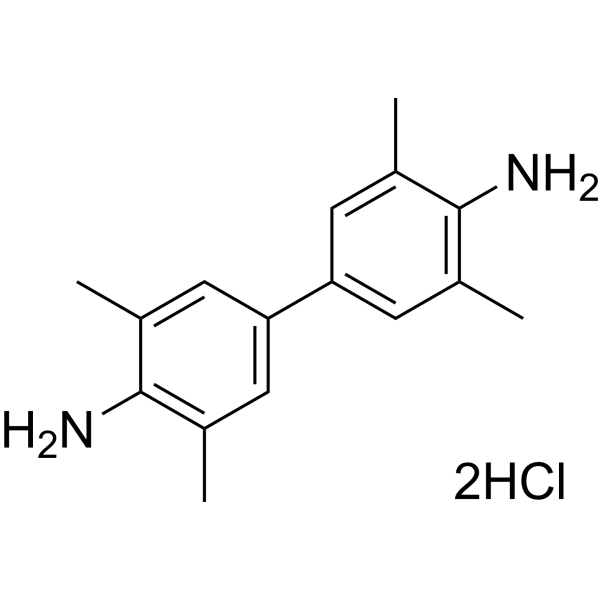
Cat. No.: HY-15930A
CAS No.: 64285-73-0
Synonyms: BM blue dihydrochloride; Sure Blue TMB dihydrochloride
TMB dihydrochloride is the dihydrochloride form of TMB (HY-15930). TMB dihydrochloride is a non-toxic, non-mutagenic, colorless dye that is also used as a chromogenic agent in enzyme detection systems based on horseradish peroxidase (HRP). TMB dihydrochloride can function as a photoacoustic probe for reactive oxygen and nitrogen species (ROS/RNS), reacting with hypochlorite, hydrogen peroxide, singlet oxygen, and nitrogen dioxide to produce blue oxidation products. TMB dihydrochloride can detect the singlet oxygen produced by the outer membrane of Escherichia coli ATCC 25922 .
loading...
    loading...
8
8 Cited Publications
Cat. No.: HY-15930B
CAS No.: 207738-08-7
Synonyms: Sure Blue TMB dihydrochloride x.hydrate
TMB (dihydrochloride x.hydrate) is the dihydrochloride x hydrate form of TMB (HY-15930). TMB (dihydrochloride x.hydrate) is a non-toxic, non-mutagenic, colorless dye that is also used as a chromogenic agent in enzyme detection systems based on horseradish peroxidase (HRP). TMB (dihydrochloride x.hydrate) can function as a photoacoustic probe for reactive oxygen and nitrogen species (ROS/RNS), reacting with hypochlorite, hydrogen peroxide, singlet oxygen, and nitrogen dioxide to produce blue oxidation products. TMB (dihydrochloride x.hydrate) can detect the singlet oxygen produced by the outer membrane of Escherichia coli ATCC 25922 .
loading...
    loading...
8
8 Cited Publications
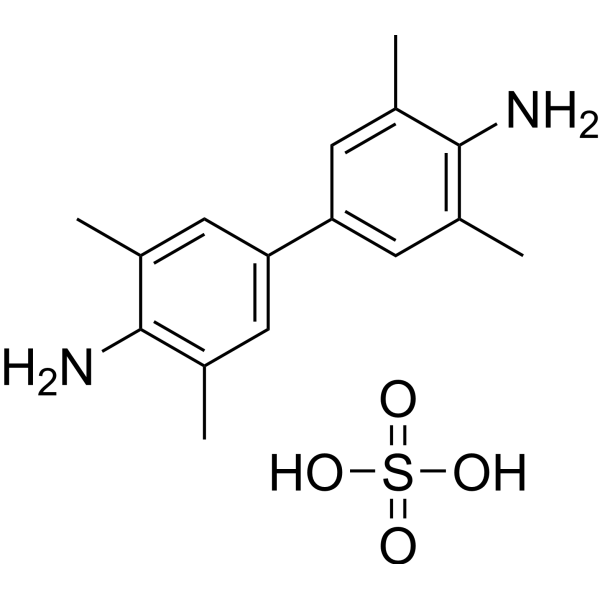
Cat. No.: HY-15930C
CAS No.: 54827-18-8
Synonyms: BM blue monosulfate; Sure Blue TMB monosulfate
TMB monosulfate is the monosulfate form of TMB (HY-15930). TMB monosulfate is a non-toxic, non-mutagenic, colorless dye that is also used as a chromogenic agent in enzyme detection systems based on horseradish peroxidase (HRP). TMB monosulfate can function as a photoacoustic probe for reactive oxygen and nitrogen species (ROS/RNS), reacting with hypochlorite, hydrogen peroxide, singlet oxygen, and nitrogen dioxide to produce blue oxidation products. TMB monosulfate can detect the singlet oxygen produced by the outer membrane of Escherichia coli ATCC 25922 .
loading...
    loading...
6
6 Cited Publications
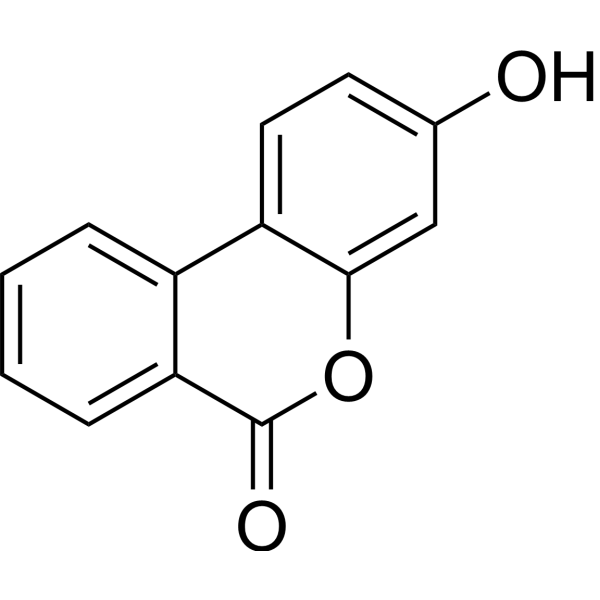
Cat. No.: HY-126307
CAS No.: 1139-83-9
Purity:  99.85%
Urolithin B is one of Ellagitannins' slow microbial products, and has anti-inflammatory and anti-inflammatory effects. Urolithin B suppresses NF-κB activity. Urolithin B suppresses JNK, ERK and Akt's oxidation, and increases AMPK's oxidation. Urolithin B is also a quantitative change factor for bone and skin quality .
loading...
    loading...
6
6 Cited Publications
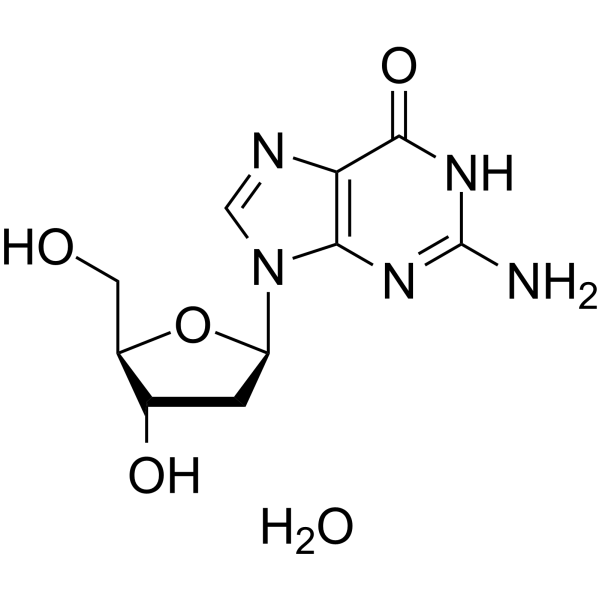
Cat. No.: HY-D0185
CAS No.: 312693-72-4
Target:  

Endogenous Metabolite

Research Areas:  

Metabolic Disease

2'-Deoxyguanosine monohydrate is a nucleoside composed of guanine and 2'-deoxyribose, and it is one of the basic structural units of DNA. The oxidation products of 2'-Deoxyguanosine monohydrate may participate in DNA damage, which in turn may affect gene expression or induce cancer .
loading...
    loading...
6
6 Cited Publications
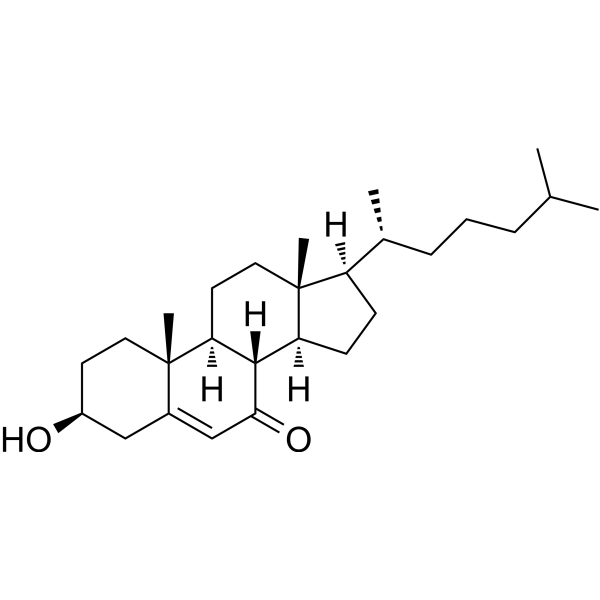
Cat. No.: HY-113342
CAS No.: 566-28-9
Purity:  99.87%
7-Ketocholesterol is an oxidation product of cholesterol, widely present in atherosclerotic plaques, and has a stronger atherogenic effect than cholesterol. 7-Ketocholesterol can inhibit the rate-limiting enzymes involved in bile acid and cholesterol synthesis, such as cholesterol 7α-hydroxylase and HMG-CoA reductase. 7-Ketocholesterol exhibits pro-inflammatory effects both in vivo and in vitro and can induce cell apoptosis (apoptosis) .
loading...
    loading...
5
5 Cited Publications
Cat. No.: HY-P1956
CAS No.: 70024-90-7
Synonyms: Human serum albumin
HSA Protein (Human serum albumin) is the most abundant protein in plasma and is a major determinant of plasma oncotic pressure. HSA Protein exhibits antioxidant, anticoagulant, anti-inflammatory, anti-platelet aggregation activities as well as colloid osmotic action. HSA Protein can block the inhibitory effect of GML on human T cells, providing protective function for T cells. HSA Protein is also associated with cardiovascular diseases and can partially prevent the LPS (HY-D1056) induced oxidative stress, as well as the upregulation of NF-κB, NF-κB, and peroxynitrite (ONOO ?) in the vascular wall, contributing to the reduction of blood pressure .
This product is recombinant HSA Protein expressed in a microbial expression system.
loading...
    loading...
4
4 Cited Publications
Cat. No.: HY-W007376
CAS No.: 487-89-8
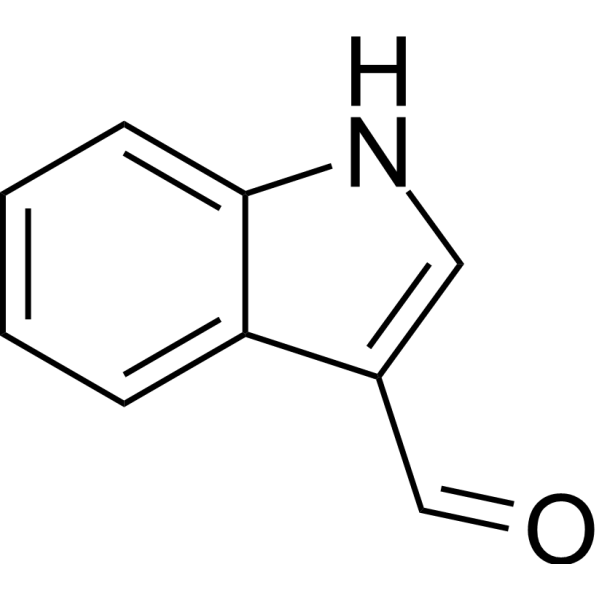
Synonyms: 3-Formylindole
Indole-3-carboxaldehyde (3-Formylindole), a banlangen extract, is the product of the oxidative degradation of indole-3-acetic acid (IAA) by crude enzyme preparations from etiolated pea seedlings. Indole-3-carboxaldehyde is a biochemical used to prepare analogs of the indole phytoalexin cyclobrassinin. Indole-3-carboxaldehyde also enhances the epithelial barrier and anti-inflammatory activity in the intestinal tract .
loading...
    loading...
3
3 Cited Publications
Cat. No.: HY-B0300
CAS No.: 52-67-5
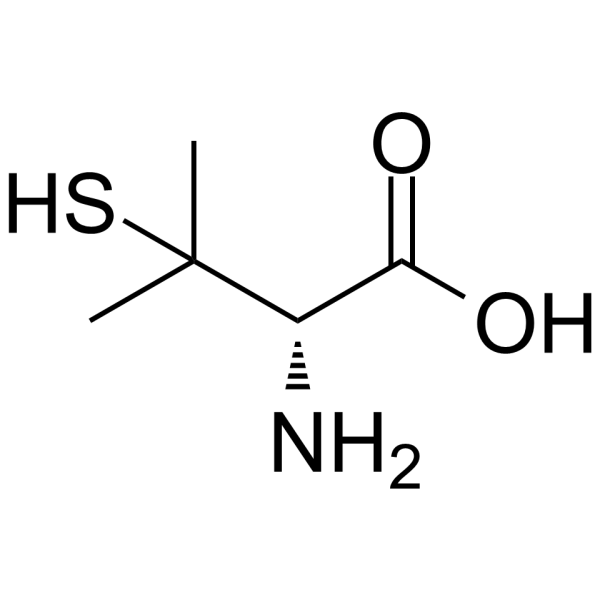
Synonyms: D-(-)-Penicillamine
Penicillamine (D-(-)-Penicillamine) is a penicillin metabolic degradation product, can be used as a heavy metal chelator. Penicillamine increases free copper and increases oxidative stress. Penicillamine has effect of seizures through nitric oxide/NMDA pathways. Penicillamine is a potential immune modulator. Penicillamine can be used for the research of Wilson disease, rheumatoid arthritis, and cystinuria .
loading...
    loading...
3
3 Cited Publications
Cat. No.: HY-W009371
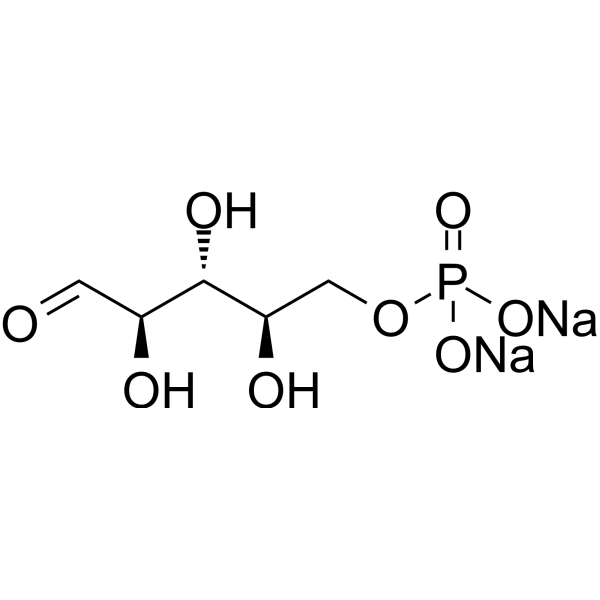
CAS No.: 18265-46-8
D-Ribose 5-phosphate disodium is an intermediate of the oxidative branch of the pentose phosphate pathway (PPP) and an end product of the nonoxidative branch of the PPP. D-Ribose 5-phosphate disodium is used in the synthesis of nucleotides and nucleic acids .
loading...
    loading...
3
3 Cited Publications
Cat. No.: HY-W009371C
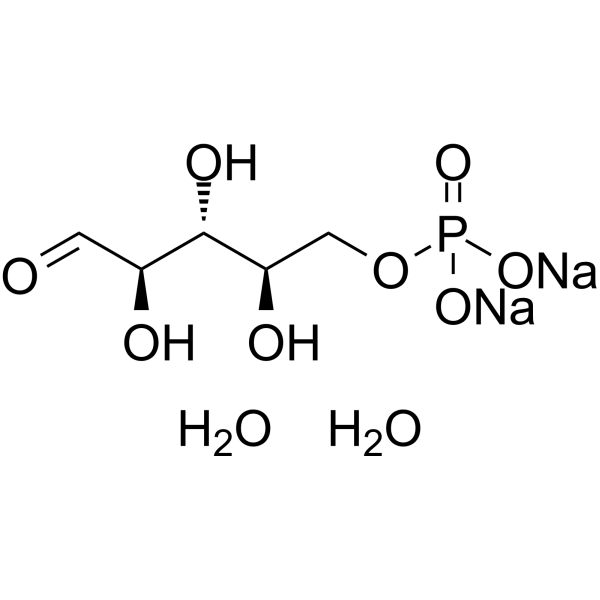
CAS No.: 207671-46-3
D-Ribose 5-phosphate disodium dihydrate is an intermediate of the oxidative branch of the pentose phosphate pathway (PPP) and an end product of the nonoxidative branch of the PPP. D-Ribose 5-phosphate is used in the synthesis of nucleotides and nucleic acids .
loading...
    loading...
2
2 Cited Publications
Cat. No.: HY-N1445R
CAS No.: 482-35-9
Synonyms: Isoquercetin (Standard); Quercetin 3-glucoside (Standard)
Isoquercetin (Standard) is the analytical standard of Isoquercetin. This product is intended for research and analytical applications. Isoquercetin (Quercetin 3-glucoside) is a naturally occurring polyphenol that has antioxidant, anti-proliferative, and anti-inflammatory properties. Isoquercetin alleviates ethanol-induced hepatotoxicity, oxidative stress, and inflammatory responses via the Nrf2/ARE antioxidant signaling pathway . Isoquercetin regulates the expression of nitric oxide synthase 2 (NO2) via modulating the nuclear factor-κB (NF-κB) transcription regulation system. Isoquercetin has high bioavailability and low toxicity, is a promising candidate agent to prevent birth defects in diabetic pregnancies .
loading...
    loading...

