From 11:00 pm to 12:00 pm EST ( 8:00 pm to 9:00 pm PST ) on January 6th, the website will be under maintenance. We are sorry for the inconvenience. Please arrange your schedule properly.
Dicloromezotiaz is a potent insecticide acting on nicotinic acetylcholine receptors (nAChRs). Dicloromezotiaz can be used to control a broad range of lepidoptera .
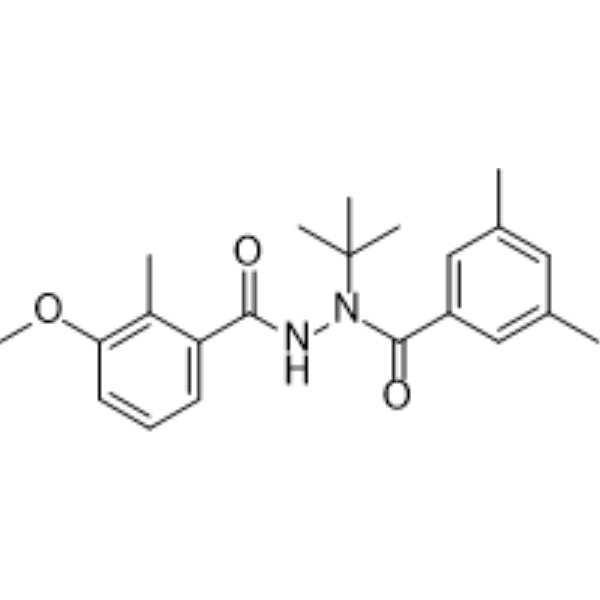
Methoxyfenozide is an orally active insecticide belonging to the diacylhydrazine and non-steroidal ecdysone agonist classes, which can interfere with the growth and development of insects. Methoxyfenozide has ovicidal and insecticidal activities against phytophagous pests .
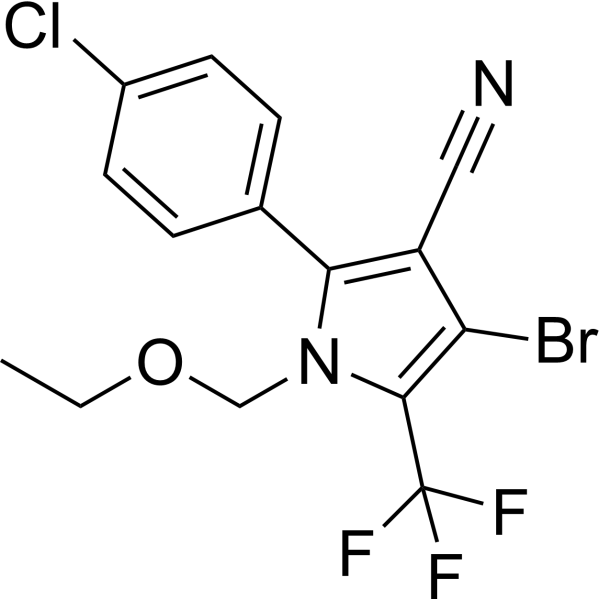
Chlorfenapyr is a pyrrole insecticide. Chlorfenapyr has a mode of action: the mixed function oxidase oxidizes and removes the Nethoxymethyl group to form the active metabolite, CL 303268. Chlorfenapyr is used for termite control and crop protection against a variety of insect and mite pests .
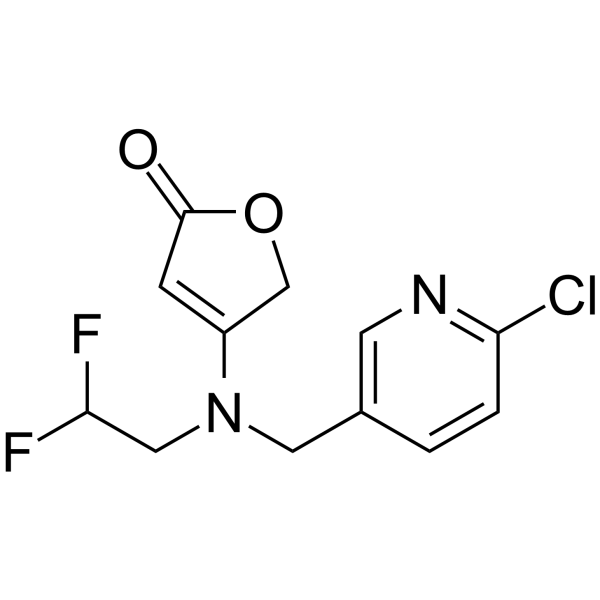
Flupyradifurone is a systemic nAChR agonist that interferes with signal transduction in the central nervous system of sucking pests. Flupyradifurone can be used as a butenolide insecticide .
Cyproflanilide is a meta-diamide insecticide. Cyproflanilide exhibits potent insecticidal activity against third Chilo suppressalis and Spodoptera frugiperda larvae. Cyproflanilide can be used for the research of insect pests .
Flonicamid (IKI220) is a novel systemic insecticide with selective activity against hemipterous pests. The main insecticidal mechanism of flonicamid is starvation based on the inhibition of stylet penetration to plant tissues .
Tebufenozide is a nonsteroidal ecdysone agonist used to control pest. Tebufenozide has cytotoxic and induces apoptosis in HeLa and insect Tn5B1-4 cells .
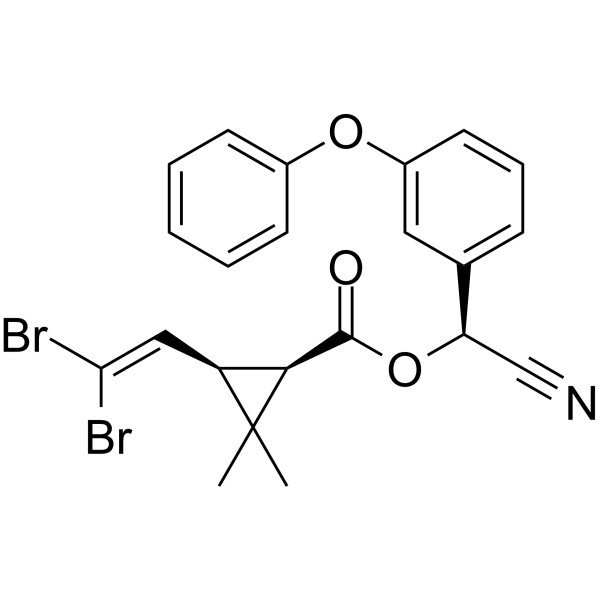
D-Phenothrin ((-)-trans-Phenothrin), an orally active Type II synthetic pyrethroid, is widely used to kill insects, mosquitoes, and human lice. D-Phenothrin is also used in veterinary medicine to control insect pests on animals and protect agricultural crops .
Azadirachtin (Standard) is the analytical standard of Azadirachtin. This product is intended for research and analytical applications. Azadirachtin, one of the most promising botanical insecticides, is widely used for pest control. Azadirachtin induces apoptosis in insect cell lines, including Sf9, SL-1 and BTI-Tn-5B1-4 .
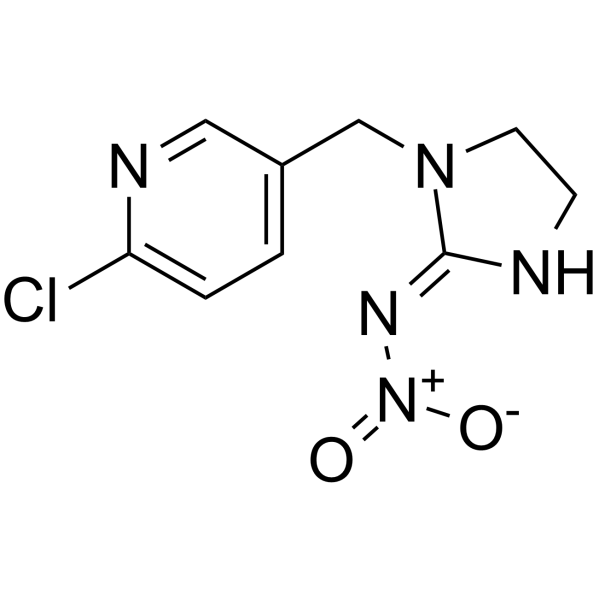
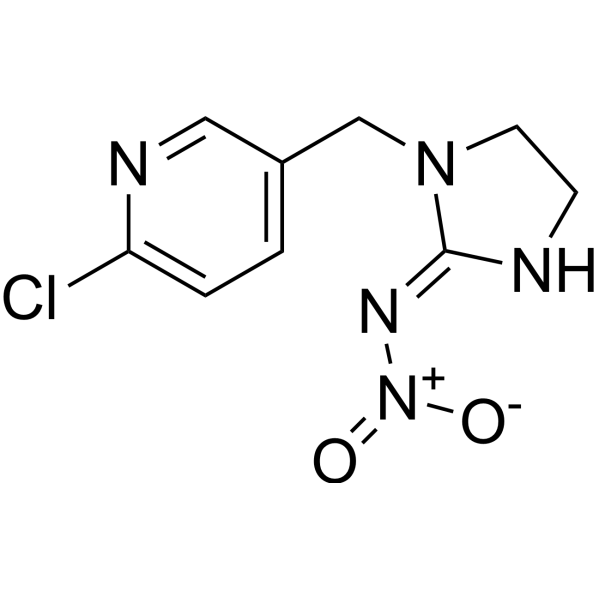
Imidacloprid (Standard) is the analytical standard of Imidacloprid. This product is intended for research and analytical applications. Imidacloprid is an effective and widely used neonicotinoid pesticide to control pests of cereals, vegetables, tea and cotton.
Etofenprox is an orally active non-ester pyrethroid insecticide. Etofenprox induces toxicity against many pest insects, including Diptera rather than mammalian and fish. Etofenprox has a liver tumor-promoting activity in rats accompanied with microsomal ROS production increase. Etofenprox can be used in agricultural pest control and malaria research .
Chlorfluazuron (IKI-7899) is a benzoylurea insecticide. Chlorfluazuron inhibts insect chitin and disrupts normal exuviation by inducing malformations, thereby preventing and controlling lepidopteranpests .
Thiotraniliprole (HY366) is an ortho formamidobenzamide insecticide that can be used for the synthesis of insecticidal combinations. Thiotraniliprole has potential applications in the prevention of lepidoptera pests, coleoptera pests, ants, and termites .
Chlorfenapyr (Standard) is the analytical standard of Chlorfenapyr. This product is intended for research and analytical applications. Chlorfenapyr is a pyrrole insecticide. Chlorfenapyr has a mode of action: the mixed function oxidase oxidizes and removes the Nethoxymethyl group to form the active metabolite, CL 303268. Chlorfenapyr is used for termite control and crop protection against a variety of insect and mite pests .
Imidacloprid-d4 is the deuterium labeled Imidacloprid . Imidacloprid is an effective and widely used neonicotinoid pesticide to control pests of cereals, vegetables, tea and cotton .
4''-Oxoavermectin B1a is a potentiator targeting GABA (γ-aminobutyric acid) and glutamate-gated chloride channels with insecticidal and acaricidal activities. 4''-Oxoavermectin B1a is promising for research of agricultural pests .
Clofencet (SC1158) is a wheat hybridizing agent, that produces hybrid wheat seeds through inhibition of pollen development in wheat without affecting female fertility. Clofencet improves the wheat’s vigor and its resistance to pests .
Methylphenylethyne (Phenylmethylacetylene) is an intermediate of bioactive compounds. Methylphenylethyne has antifeedant activities for larvae of Pieris rapae crucivora. Methylphenylethyne can be used for pest control research .
Tetrachlorvinphos is an organophosphorus pesticide that has the activity of inhibiting cholinesterase. Tetrachlorvinphos is used as a pesticide, mainly for the control of pests. Tetrachlorvinphos has low toxicity to mammals .
Indoxacarb ((S)-DPX-JW062) is an oxathiazole insecticide with activity against a wide range of insect pests. Indoxacarb is used in forest pest management to control insect pests, and its toxicity has significant effects on adult individuals of the predatory stink bug Podisus distinctus. Indoxacarb showed high toxicity to P. distinctus at a lethal concentration (LC50 = 2.62 g L-1). Indoxacarb treatment significantly reduced the survival rate of P. distinctus, with the survival rate of individuals exposed to 2.62 g L-1 decreasing to 40.7%. Indoxacarb also reduced the respiration rate of P. distinctus from 18.45 to 14.41 μL CO2 h-1, and inhibited its food intake. P. distinctus showed hyperexcitatory responses after Indoxacarb treatment .
(E)-Cinnamamide, the less active isomer of Cinnamamide. Cinnamamide, a derivative of the plant secondary compound Cinnamic acid. Cinnamamide is effective as a non-lethal chemical repellent suitable for reducing avian pest damage .
(S)-Ethyl lactate ((S)-(-)-ethyl lactate) is a volatile compound produced by plant fermentation. (S)-Ethyl lactate cansynergistically attracts palm weevils with specific pheromones and is mainly used for pest monitoring and control research .
ETNK-IN-1 (Compound 7) is an inhibitor of ethanolamine kinase (ETNK) with an IC50 value of ≥ 5 μM, which can be used in research for insecticide development .
Flupyradifurone-d5 is the deuterium labeled Flupyradifurone (HY-145295). Flupyradifurone is a systemic?nAChR?agonist that interferes with signal transduction in the central nervous system of sucking pests. Flupyradifurone can be used as a butenolide?insecticide .
Spinosyn L is a selective nicotinic acetylcholine receptors (nAChR) agonist. Spinosyn L causes sustained neural excitation and paralysis in insects. Spinosyn L is promising for research of pesticides for controlling Lepidoptera, Diptera, and other agricultural pests .
Phenylphosphonic acid (Compound 1) is a synthetic pyrethroid insecticide that can effectively control some underground pests. Phenylphosphonic acid also can be a ligand in some metal-catalyzed reactions, which is promising for research of metal phosphonates comprising layered structures and pesticides .
Calarene is an insecticide that can be obtained from the stem of Kadsura heteroclite. Calarene is toxic to Meloidogyne incognita, Sitophilus zeamais, and mosquitoes. Calarene can be used in the research of plant pests and mosquito control .
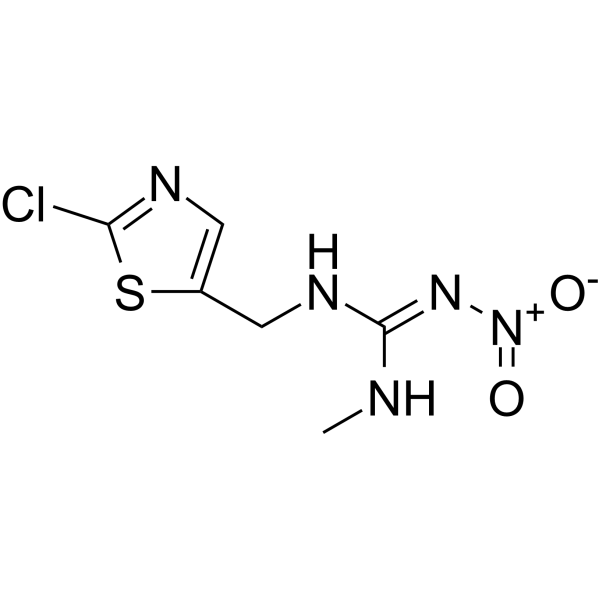
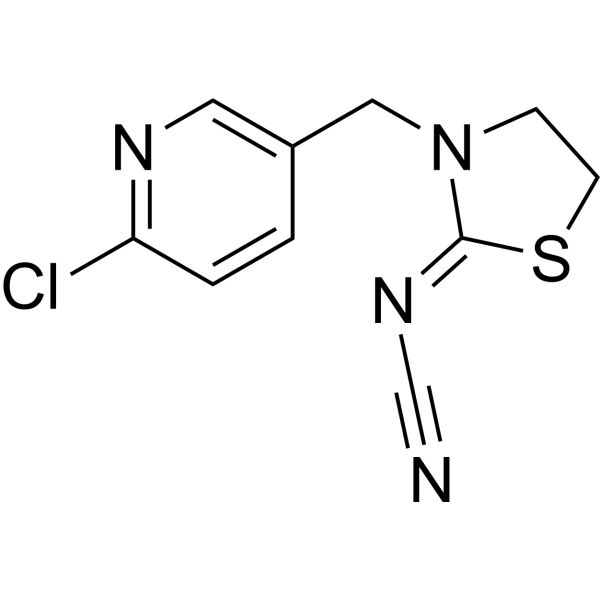
Thiacloprid (Standard) is the analytical standard of Thiacloprid. This product is intended for research and analytical applications. Thiacloprid is an orally active neurotoxic insecticide and also a nAChR agonist. Thiacloprid reduces the viability of healthy cells, depletes reduced glutathione, and increases MDA levels, thereby inducing cytotoxicity and oxidative stress damage. In practical applications, Thiacloprid has lower acute toxicity to honeybees than other compounds of the same class such as Imidacloprid (HY-B0838), but it still significantly impairs the learning and memory function, immune capacity and survival status of honeybees. Thiacloprid induces intestinal microbial dysbiosis and reduces survival rate in middle-aged honeybees, increases the risk of premature collapse in bumblebee colonies, and significantly decreases the final colony weight and reproductive output. Thiacloprid is used in broad-spectrum agricultural pest control, often alone or in combination with Deltamethrin (HY-B1971), and meets the pest management needs of various crops including potatoes, cabbages, various fruits and vegetables, and nuts .
Flufiprole is a nonsystemic phenylpyrazole insecticide targeting the GABA receptor used in the rice field. Flufiprole is excellent in controlling a wide range of pests .
Pyridalyl (S 1812) is an insecticides against Lepidoptera and Thrips. Pyridalyl is less toxic to some beneficial arthropods, and non-target organisms, such as mammals and fish, and thus be utilized in integrated pest management and resistance management .
Transfluthrin (Standard) is the analytical standard of Transfluthrin. This product is intended for research and analytical applications. Transfluthrin is a fast-acting pyrethroid insecticide and mosquito repellent. Transfluthrin is against flying insects, such as mosquito and flies, and in agriculture material pests .
Flupyradifurone (Standard) is the analytical standard of Flupyradifurone. This product is intended for research and analytical applications. Flupyradifurone is a systemic nAChR agonist that interferes with signal transduction in the central nervous system of sucking pests. Flupyradifurone can be used as a butenolide insecticide .
Primidophos is an ingredient in insecticide and acaricide compositions. Primidophos can be used in research on the prevention and control of insect and acarid pests .
Insecticidal agent 6 (Compound Im) is an insect ryanodine receptors (RyRs) inhibitor, with an EC50 value of 0.6308 µM against S. frugiperdaRyRs. Insecticidal agent 6 has excellent insecticidal activity against lepidopteran pests and can be used for research on pests and diseases .
Insecticidal agent 13 (compound A15) is a phenylpyrazole derivative with insecticidal and acaricidal activities, which can be used in the research of agricultural pest control .
Flonicamid (Standard) is the analytical standard of Flonicamid. This product is intended for research and analytical applications. Flonicamid (IKI220) is a novel systemic insecticide with selective activity against hemipterous pests. The main insecticidal mechanism of flonicamid is starvation based on the inhibition of stylet penetration to plant tissues .
Isazofos is a broad-spectrum organophosphate insecticide-nematicide that controls numerous pests of turf, such as nematode Radopholus similis. Isazofos is also effective in the control of rice gall midge .
Avermectin B2a is an insecticide targeting glutamate-gated chloride channels (GluCls). Avermectin B2a causes hyperpolarization of nematode/insect neurons and subsequent paralysis/death. Avermectin B2a is promising for research of agricultural pests .
Azadirachtin D is an insect growth regulator targeting ecdysone receptor (EcR) in insects. Azadirachtin D blocks the 20-hydroxyecdysone signaling pathway, leading to developmental arrest or death in insects. Azadirachtin D is promising for research of agricultural pests .
Juncin E is a diterpenoid found in the soft coral Junceella juncea that exhibits significant insecticidal activity against the larvae of two important agricultural pests: southern corn rootworm and tobacco armyworm [2].
AAP4 is a potent OfChi-h and OfHex1 inhibitor with Ki values of 29.3 nM and 4.9 μM, respectively. AAP4 shows insecticidal activity for lepidopteran pestsOstrinia furnacalis .
Jasmolin II is an insecticide targeting voltage-gated sodium channels in insects. Jasmolin II leads to neuronal hyperexcitation and insect paralysis. Jasmolin II is promising for research of agricultural pests .
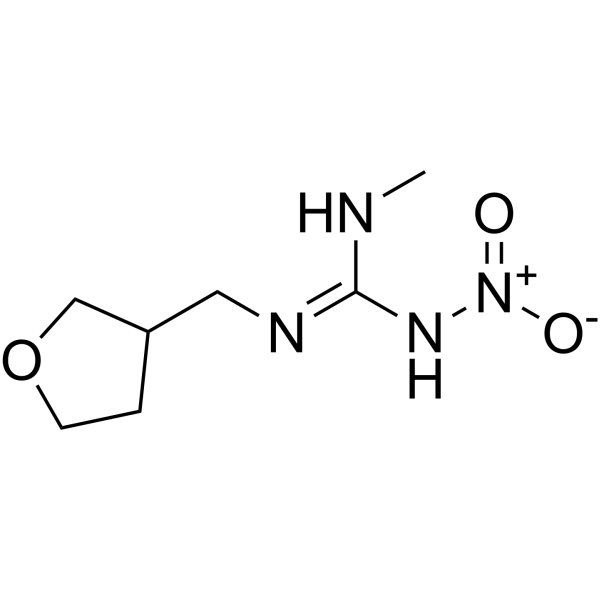
(R)-Dinotefuran ((R)-MTI-446), a neonicotinoid pesticide, exhibits comparative insecticidal activities (1.7-2.4 times) to typical sucking pestsAphis gossypii and Apolygus lucorum compared to racemic mixtures by inhibiting nicotinic acetylcholine receptors. (R)-Dinotefuran has a good efficacy in controlling target pests while minimizing hazard to honeybees .
(E)-8-Dodecenyl ((E)-8-Dodecen-1-yl; trans-8-Dodecenyl) acetate is a sex pheromone targeting the olfactory receptors of male Gymnandrosoma aurantianum moths. acting as an agonist. (E)-8-Dodecenyl acetate is promising for research of agricultural pests .
Δ²-Avermectin B₁ₐ (Compound 3) is an antiparasitic agent targeting glutamate-gated chloride channels (GluCls) in the neuromuscular system of invertebrates. Δ²-Avermectin B₁ₐ enhances chloride ion influx, leading to hyperpolarization of the neuromuscular cell membrane, inhibition of neural signal transmission, and ultimately paralysis and death of parasites. Δ²-Avermectin B₁ₐ is promising for research of agricultural pests .
Insecticidal agent 9 (Compound I-17) is an insecticide with good insecticidal activity. Insecticidal agent 9 has LC50 values of 93.32 mg/L and 114.79 mg/L against Plutella xylostella and Ostrinia furnacalis respectively, and exhibits a mortality rate of up to 86.1% against Spodoptera frugiperda at a concentration of 500 mg/L. Insecticidal agent 9 can act simultaneously on the ecdysone receptor (EcR) and three chitinases (OfChtI, OfChtII, and OfChi-h), demonstrating good binding activity (to EcR) and inhibitory rates (to the three chitinases). Insecticidal agent 9 can be used in research for pest management .
Chitinase-IN-5 (8i) is a potent chitinase OfChi-h inhibitor with an IC50 value of 0.051 μM. Chitinase-IN-5 shows good insecticidal activity, it can be used for the research of green pest control and management .
Insecticidal agent 3 is a multichitinase inhibitors, belongs to insect growth regulators (IGRs),with Kis of 0.8μM, 11.9 μM, and 2.3 μM for Of ChtI, Of ChtII, and Of Chi-h, respectively. Insecticidal agent 3 exhibits insecticidal activity against two lepidopteran pests by interfering with normal insect growth and molting .
GABA receptor antagonist 2 (Compound IId) is a GABA receptor antagonist with a LC50 of 0.0735 μg/mL for Plutella xylostella (P. xylostella). GABA receptor antagonist 2 has significant insecticidal activities against P. xylostella and its resistant strain, and Spodoptera frugiperda, and Chilo suppressalis. GABA receptor antagonist 2 binds the GABA receptor at the site of Drosophila Rdl G335. GABA receptor antagonist 2 can be used to manage resistant pest populations .
Chitinase-IN-4 (compound 8f), an azo-aminopyrimidine derivative, is a potent, selective OfChi-h inhibitor with an IC50 value of 0.1 μM. Chitinase-IN-4 has good insecticidal activity. Chitinase-IN-4 can be used in research of green pest control and management .
Callosobruchusic acid (R-(-)-Callosobruchusic acid) is an active compound in sex pheromone of the bean pestCallosobruchus chinensis L. Callosobruchusic acid can be used in pest control strategy development .
Etofenprox (Standard) is the analytical standard of Etofenprox. This product is intended for research and analytical applications. Etofenprox is an orally active non-ester pyrethroid insecticide. Etofenprox induces toxicity against many pest insects, including Diptera rather than mammalian and fish. Etofenprox has a liver tumor-promoting activity in rats accompanied with microsomal ROS production increase. Etofenprox can be used in agricultural pest control and malaria research .
Etofenprox-phenol-d5 is the deuterium labeled Etofenprox (HY-B0816). Etofenprox is an orally active non-ester pyrethroid insecticide. Etofenprox induces toxicity against many pest insects, including Diptera rather than mammalian and fish. Etofenprox has a liver tumor-promoting activity in rats accompanied with microsomal ROS production increase. Etofenprox can be used in agricultural pest control and malaria research .
Tetramethrin (Standard) is the analytical standard of Tetramethrin. This product is intended for research and analytical applications. Tetramethrin is a synthetic pyrethroid insecticide for use on a broad spectrum of insect pests .
Tralomethrin-d5 is the deuterium labeled Tralomethrin (HY-126772). Tralomethrin is a pyrethroid insecticide used to control a wide range of pests in agriculture and public health .
Diafenthiuron (Standard) is the analytical standard of Diafenthiuron. This product is intended for research and analytical applications. Diafenthiuron is a thiourea compound commonly used pesticide. Diafenthiuron inhibits mitochondrial functioning in insect pests .
Spinosyn J is a non-competitive insect nicotinic acetylcholine receptor (nAChR) and γ-aminobutyric acid (GABA) receptor modulator with insecticidal activity. Spinosyn J is promising for research of agricultural pests .
ZK-PI-5 is a potent trehalase inhibitor and regulate the reproduction of Spodoptera frugiperda. ZK-PI-5 has the potential to be a new insecticide and has pest control potential .
Genite is a highly effective pesticide with strong insecticidal activity. Genite can effectively control the number of various pests and is widely used in agricultural production. The use of Genite can significantly increase the yield and quality of crops.
Antifeedant agent 1 is a carboxylesterase inhibitor that exerts insecticidal activity by inhibiting insect feeding, with an EC50 value of 0.038 mg/mL. Antifeedant agent 1 can be used in research related to pest control .
Bensultap (Bancol) is an insecticide, which can control Colorado beetle and some other insect pests. Bensultap is a modulator for nicotinic acetylcholine receptor (nAChR), and exhibits mild and temporary neuromodulatory efficacy on rat nervous system .
Quintiofos (Oxinothiofos) is an insecticide. Quintiofos inhibits the activity of acetylcholinesterase in insects, causing nerve conduction disorders, thereby achieving an insecticidal effect. Quintiofos can be used to control a variety of pests, such as aphids, whiteflies, and stem borers .
ETNK-IN-2 (Compound 8) is an inhibitor of ethanolamine kinase (ETNK) with an IC50 value of ≥ 5 μM, which can be used in research for insecticide development .
Tetrachlorvinphos (Standard) is the analytical standard of Tetrachlorvinphos. This product is intended for research and analytical applications. Tetrachlorvinphos is an organophosphorus pesticide that has the activity of inhibiting cholinesterase. Tetrachlorvinphos is used as a pesticide, mainly for the control of pests. Tetrachlorvinphos has low toxicity to mammals .
3-Hydroxy-2-decanone is a minor component of sex pheromone in Xylotrechus quadripes beetles. 3-Hydroxy-2-decanone is promising for research of pests and diseases .
(S)-2-Hydroxy-3-decanone is the primary sex pheromone component of Xylotrechus quadripes beetles, functioning as a volatile olfactory agonist. (S)-2-Hydroxy-3-decanone is promising for research of pests and diseases .
Sulfated sulfakinin is a Sulfakinin receptor (SKR) activator with EC50s of 1.6 and 5.4 nM for Tribolium castaneumTc TcSKR1 and TcSKR2, respectively. SKRs are G-protein-coupled receptors (GPCRs) that interact with sulfakinins to modulate diverse biological processes. Sulfated sulfakinin can be used for tho control of pest insects research .
Acaricidal agent-2 (compound 12aa) is a potent acaricidal agent that exhibits activity in T. cinnabarinus. Acaricidal agent-2 exhibits good ovicidal (LC50 = 0.14 mg/L) and larvicidal activities (LC50 = 0.09 mg/L). Acaricidal agent-2 shows low acute toxicity in Zebrafish. Acaricidal agent-2 can be used for pest management .
FM-8007 is a potent acaricide. FM-8007 exhibits broad-spectrum efficacy against Tetranychus cinnabarinus, with LC50 values of 1.1 mg/L for adults, 0.25 mg/L for larvae, and 0.85 mg/L for eggs. FM-8007 also provides sustained field control against Panonychus citri. FM-8007 can be used for integrated pest management (IPM) .
(E)-11-Tetradecenyl acetate is a monounsaturated 14-carbon acetate insecticide and a component of the sex pheromone of the currant shoot borer. (E)-11-Tetradecenyl acetate triggers strong antennal responses in males and is used in combination with (Z)-11-tetradecenyl acetate to produce an attracting effect. (E)-11-Tetradecenyl acetate has important application value in the sustainable control of pests, and can be used to monitor population dynamics and implement mating disruption. (E)-11-Tetradecenyl acetate is highly species-specific, triggering only extremely weak responses and showing no attracting activity towards Melanotus communis beetles. (E)-11-Tetradecenyl acetate can be used in studies related to the currant shoot borer and targeted pest control .
Inulasalsolin is a insecticide with antifeedant activity, which is isolated from the plant Inula salsoloides. Inulasalsolin reduces the feeding behavior of third-instar Plutella xylostella larvae. Inulasalsolin induces the death of third-instar Plutella xylostella larvae and vegetable aphids. Inulasalsolin is applicable to pest control research .
Thiosultap monosodium (Monosultap) is a broad-spectrum insecticide and a competitive inhibitor of acetylcholine. Thiosultap monosodium exerts contact and stomach poisoning effects through systemic conduction in field pests. Thiosultap monosodium has teratogenic effects, induces notochord malformations in zebrafish embryos, and causes apoptosis and abnormally elevated cell proliferation in partial notochord tissues of zebrafish. Thiosultap monosodium is applicable to the research of controlling rice stem borers .
Cyclaniliprole is an insecticide and insect ryanodine receptor modulator with higher selectivity for insect ryanodine receptors than for mammalian ones. Cyclaniliprole exerts lethal effects on larvae and adults of various agricultural pests. Cyclaniliprole exhibits broad-spectrum insecticidal activity against pests of the orders Lepidoptera, Thysanoptera, Diptera, Hemiptera and Coleoptera .
(Z)-11-Tetradecenyl acetate is a sex pheromone component and attractant for male Euhyponomeutoides albithoracellus. (Z)-11-Tetradecenyl acetate elicits strong, consistent electrophysiological responses in male Euhyponomeutoides albithoracellus antennal receptors. (Z)-11-Tetradecenyl acetate attracts male Euhyponomeutoides albithoracellus when paired with (E)-11-tetradecenyl acetate, with highest attraction at specific E:Z isomer ratios. (Z)-11-Tetradecenyl acetate can be used for the research of sustainable pest control including monitoring and mating disruption .
Chlorphoxim is a broad-spectrum and highly efficient insecticide. Chlorphoxim kills pests by inhibiting AChE. Chlorphoxim inhibits the activities of SOD and CAT in zebrafish embryos. Chlorphoxim induces oxidative stress in zebrafish embryos by activating ROS. Chlorphoxim induces apoptosis by upregulating the expression levels of Bax, Bcl2 and p53 in zebrafish embryos. Chlorphoxim exhibits neurotoxicity and developmental toxicity. Chlorphoxim is used in agricultural research for the control of various pests .
Tetradecyl acetate (Standard) is the analytical standard of Tetradecyl acetate. This product is intended for research and analytical applications. Tetradecyl acetate is a sex pheromone produced by Ctenopseustis obliquana females. Tetradecyl acetate can be used to disrupt the mating of pest species[1][2].
Avermectin A2b (Compound A2b) is an avermectin. Avermectins are produced during the fermentation of the actinomycete Streptomyces avermitilis. Avermectins possess anthelmintic and insecticidal properties, and are commonly used as insecticides for the control of pests and parasitic worms .
3-Pentanol is an active organic compound produced by plants and is a component of insect-released pheromones. 3-Pentanol can trigger plant immunity against microbial pathogens and pests in crops by activating the SA and JA signaling pathways.
(Z)-Tetrachlorvinphos-d6 is the deuterium labeled Tetrachlorvinphos (HY-126199). Tetrachlorvinphos is an organophosphorus pesticide that has the activity of inhibiting cholinesterase. Tetrachlorvinphos is used as a pesticide, mainly for the control of pests. Tetrachlorvinphos has low toxicity to mammals .
6''-O-(3'''-Hydroxy-3'''-methylglutaryl) vitexin is an orally active flavonoid glycoside and insecticide that can be isolated from the twigs of Eleusine coracana. 6''-O-(3'''-Hydroxy-3'''-methylglutaryl) vitexin exhibits distinct antifeedant activity against Nilaparvata lugens (brown planthopper) nymphs and effectively inhibits their feeding behavior. 6''-O-(3'''-Hydroxy-3'''-methylglutaryl) vitexin can serve as a plant-derived natural defense substance for regulating pest behavior and investigating potential control mechanisms of agricultural pests .
Chlorfluazuron (Standard) is the analytical standard of Chlorfluazuron. This product is intended for research and analytical applications. Chlorfluazuron (IKI-7899) is a benzoylurea insecticide. Chlorfluazuron inhibts insect chitin and disrupts normal exuviation by inducing malformations, thereby preventing and controlling lepidopteran pests .
Indoxacarb ((±)-Indoxacarb; DPX-JW062) is a broad-spectrum oxadiazine insecticide with high insecticidal activity and low mammalian toxicity. Indoxacarb blocks insect sodium channels in nerve preparations and isolated neurons .
(±)-Indoxacarb (Standard) is the analytical standard of Indoxacarb. This product is intended for research and analytical applications. Indoxacarb ((±)-Indoxacarb; DPX-JW062) is a broad-spectrum oxadiazine insecticide with high insecticidal activity and low mammalian toxicity. Indoxacarb blocks insect sodium channels in nerve preparations and isolated neurons .
Iodofenphos (Jodfenphos) is an insecticide, that can be used as a protectant for stored grains. Iodofenphos is effective against grain pests, such as Sitophilus oryzae, Tribolium castaneum, and larvae of Trogoderma granarium, and has a significant residual toxicity, which could provide good insect control for several months .
Alanycarb (OK-135) is a broad-spectrum oxime carbamate insecticide with contact and oral toxicity. Alanycarb is effective against a wide variety of insect pests and is a pro-insecticide. The principal active molecule produced by the biological modification of Alanycarb within target organisms is methomyl .
Clothianidin is a neonicotinoid insecticide. Clothianidin shows excellent long-term control effect in small doses against various insect pests such as Coleoptera, Thysanoptera, Lepidoptera, Diptera, Homoptera, Heteroptera, Orthoptera and Isoptera families. Clothianidin has various application methods and high safety for crops .
4-Fluorophenoxyacetic acid is a herbicide and plant defense inducer. 4-Fluorophenoxyacetic can inhibit the heading of monocotyledonous weeds and induce their sterility. Additionally, 4-Fluorophenoxyacetic acid can induce the defense mechanism of cereals to suppress pest populations and increase the yield of field crops .
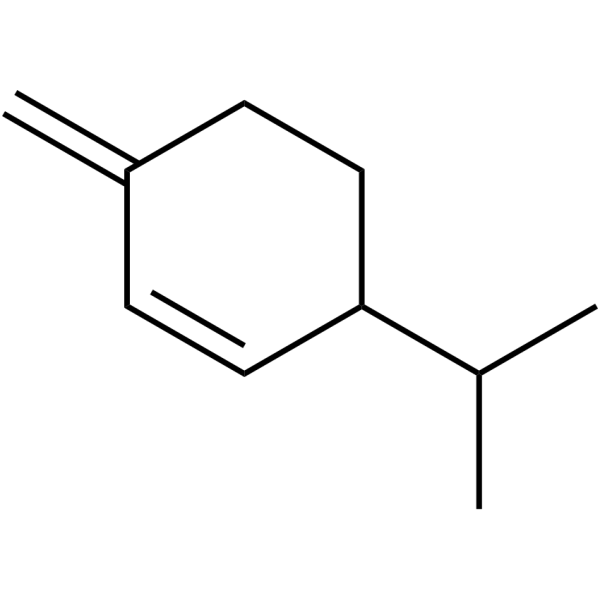
β-phellandrene is an orally active monocyclic monoterpenes. β-Phellandrene is obtained from Carum petroselinum. β-phellandrene has strong ability to kill pest. β-phellandrene can be used as oil additives, natural pesticides and synthetic materials .
(3E,8Z,11Z)-3,8,11-Tetradecatrienyl acetate is a sex pheromone capable of attracting male South American tomato pinworms (Scrobipalpuloides absoluta), which can be isolated from the tomato pest .
β-phellandrene is an orally active monocyclic monoterpenes. β-Phellandrene is obtained from Carum petroselinum. β-phellandrene has strong ability to kill pest. β-phellandrene can be used as oil additives, natural pesticides and synthetic materials .
Phenothrin is a Type I pyrethroid insecticide. Phenothrin induces dose-dependent DNA damage in human peripheral blood lymphocytes and hepatocytes, and exhibits definite genotoxic potential. Phenothrin acts as an insecticide for pest control in agriculture, households and public health, as well as for the elimination of human head lice infestations .
Pyridalyl (Standard) is the analytical standard of Pyridalyl. This product is intended for research and analytical applications. Pyridalyl (S 1812) is an insecticides against Lepidoptera and Thrips. Pyridalyl is less toxic to some beneficial arthropods, and non-target organisms, such as mammals and fish, and thus be utilized in integrated pest management and resistance management .
Tebufenozide-d9 is the deuterium labeled Tebufenozide (HY-B2054). Tebufenozide is a nonsteroidal ecdysone agonist used to control pest. Tebufenozide has cytotoxic and induces apoptosis in HeLa and insect Tn5B1-4 cells .
Imidacloprid-urea is a metabolite of Imidacloprid (HY-B0838). Imidacloprid is an effective and widely used neonicotinoid pesticide to control pests of cereals, vegetables, tea and cotton. Imidacloprid-urea can occupy or block adsorption sites of imidacloprid on soil, potentially affecting the fate, transport, and bioavailability of imidacloprid in the environment .
Fluopimomide (LH2010A) is a potent pesticide, widely used for agricultural pest management. Fluopimomide adversely affects the nematodes growth, locomotive behaviors, reproduction, and lifespan, accompanying with enhanced of reactive oxygen species (ROS) generation, lipid and lipofuscin accumulation, and malondialdehyde content. Fluopimomide inhibits antioxidant systems in the nematodes .
Methoxyfenozide-d9 is the deuterium labeled Methoxyfenozide (HY-117386). Methoxyfenozide is an orally active insecticide belonging to the diacylhydrazine and non-steroidal ecdysone agonist classes, which can interfere with the growth and development of insects. Methoxyfenozide has ovicidal and insecticidal activities against phytophagous pests .
Methoxyfenozide (Standard) is the analytical standard of Methoxyfenozide (HY-117386). This product is intended for research and analytical applications. Methoxyfenozide is an orally active insecticide belonging to the diacylhydrazine and non-steroidal ecdysone agonist classes, which can interfere with the growth and development of insects. Methoxyfenozide has ovicidal and insecticidal activities against phytophagous pests.
Azadirachtin is an oral active triterpenoid compound with anticancer, antimalarial, anti-inflammatory, and insecticidal activities. Azadirachtin induces cell apoptosis through the mitochondrial pathway (by inhibiting Bcl-2/Bax ratio or activating Apaf-1 and caspase-3) or through death receptors (by inhibiting TNFR activation). Additionally, Azadirachtin exerts its anti-inflammatory effects by inhibiting NF-кB signaling pathway activation, and it exhibits insecticidal activity by inducing apoptosis in insect cells .
7(Z)-Pentacosene is an aggregation pheromone of the European earwig (Forficula auricularia). 7(Z)-Pentacosene can be used in the study of insect behavior and neurobiology .
3-Pentanol-d5 is the deuterium labeled 3-Pentanol . 3-Pentanol is an active organic compound produced by plants and is a component of emitted insect sex pheromones. 3-pentanol elicits plant immunity against microbial pathogens and an insect pest in crop plants .
λ-Cyhalothrin is a high efficiency, broad-spectrum type II synthetic pyrethroid insecticide containing α-cyano group. λ-Cyhalothrin is used to control a wide range of pests in a variety of applications. λ-Cyhalothrin is a neurotoxin that targets sodium channels in the membranes of neurons in the central nervous system .
3-Pentanol (Standard) is an analytical reference standard of 3-Pentanol. 3-Pentanol is an active organic compound produced by plants and is a component of insect-released pheromones. 3-Pentanol can trigger plant immunity against microbial pathogens and pests in crops by activating the SA and JA signaling pathways.
Trans-Phenothrin is a synthetic pyrethroid with activity against adult fleas and ticks. Trans-Phenothrin has shown significant differences in biological activity between its different enantiomers in comparison with fenvalerate and d-trans-phenothrin. Trans-Phenothrin is used in agriculture for its potential insecticide activity against pests such as Plutella xylostella .
Tebufenozide (Standard) is the analytical standard of Tebufenozide (HY-B2054). This product is intended for research and analytical applications. Tebufenozide is a nonsteroidal ecdysone agonist used to control pest. Tebufenozide has cytotoxic and induces apoptosis in HeLa and insect Tn5B1-4 cells .
(E)-Cinnamamide (Standard) is the analytical standard of (E)-Cinnamamide (HY-W067479). This product is intended for research and analytical applications. (E)-Cinnamamide, the less active isomer of Cinnamamide. Cinnamamide, a derivative of the plant secondary compound Cinnamic acid. Cinnamamide is effective as a non-lethal chemical repellent suitable for reducing avian pest damage .
TMV-IN-10 (compound 4h) is an arecoline derivative with anti-tobacco mosaic virus (TMV) activity (EC50=146 µg/mL). TMV-IN-10 can be used in research on controlling crop pests and diseases and improving crop yields by acting on the viral coat protein (CP) to cause viral fragmentation .
Anticopalic acid is a labdane-type diterpenoid insect antifeedant that exhibits dose-dependent antifeedant activity against the fall armyworm (Spodoptera frugiperda). Anticopalic acid can be isolated from Vitex hemsleyi. Anticopalic acid may be involved in neuroreceptor-mediated insect taste regulation and could be used to develop environmentally friendly antifeedants targeting lepidopteran pests .
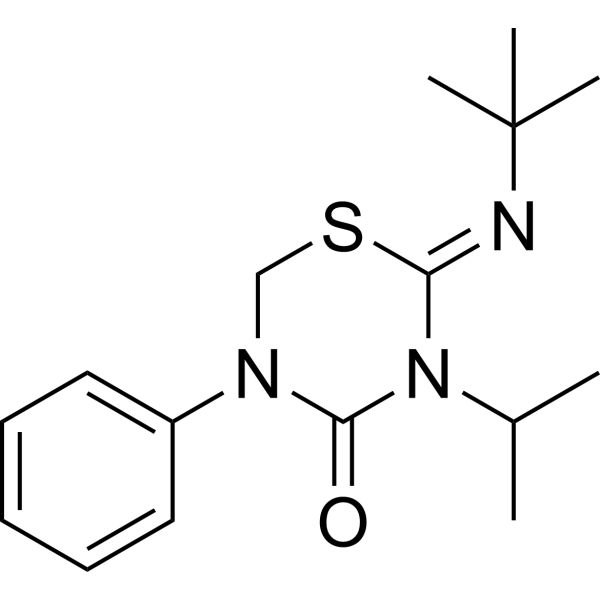
Buprofezin is a broad-spectrum insecticide and chitin synthesis inhibitor that targets developmental stage coleopteran pests.Buprofezin promotes the conversion of energy metabolism from the aerobic tricarboxylic acid (TCA) cycle and oxidative phosphorylation to anaerobic glycolysis. Buprofezin also promotes the production of reactive oxygen species (ROS) by inhibiting cytochrome c oxidase .
2,3-Dimethylmaleic anhydride is biofumigant found in Colocasia esculenta var. esculenta (L.) Schott. 2,3-Dimethylmaleic anhydride is highly toxic to insect pests for stored grains even at very low concentration, but has no adverse effect on seed germination. 2,3-Dimethylmaleic anhydride can be used as insecticide .
Deltamethrin (Decamethrin) is an orally active synthetic pyrethroid insecticide. Deltamethrin induces oxidative stress and results in inflammation and apoptosis via inhibiting Nrf2/HO-1 pathway. Deltamethrin has an anticancer effect by inducing apoptosis. Deltamethrin can be used extensively in pest control .
Iodofenphos (Standard) is the analytical standard of Iodofenphos. This product is intended for research and analytical applications. Iodofenphos (Jodfenphos) is an insecticide, that can be used as a protectant for stored grains. Iodofenphos is effective against grain pests, such as Sitophilus oryzae, Tribolium castaneum, and larvae of Trogoderma granarium, and has a significant residual toxicity, which could provide good insect control for several months .
6''-O-β-D-Apiofuranosylastragalin (compound 1) is a flavonoid glycoside that can be naturally extracted from the methanol extract of fresh leaves of Solidago altissima L. (a plant of the genus Solidago in the Asteraceae family). The related methanol extract exhibits antifeedant activity against Thrips palmi and can be used in the research of natural antifeedants for agricultural pest control .
J9Z38 is a metabolite of Cyantraniliprole (HY-12779), a broad-spectrum agrochemical insecticide belonging to the anthranilic diamide insecticide class. Cyantraniliprole effectively controls the growth of various pests on fruits, vegetables, cereals and other crops. Thus, J9Z38 is a key indicator for indirect detection and evaluation of Cyantraniliprole residue levels .
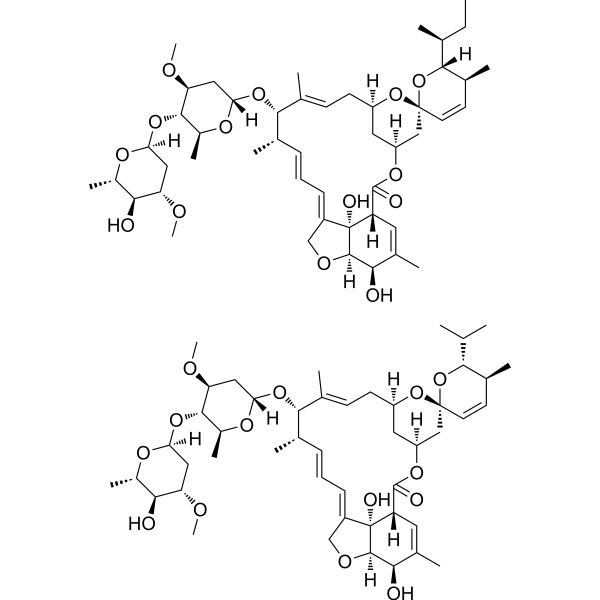
Avermectin B1 (Abamectin) is a mixture of two similar segments of avermectin. Avermectin B1 is an orally anti-infection agent, which can be used in the research of parasitic worms, insect pests, agriculture and animal husbandry. Avermectin B1 can also induce the production of ROS and induces cytotoxicity, apoptosis and autophagy .
DIBOA-Glucoside is a glycoside derivative that can be found in cereal crops like rye, wheat, and maize. DIBOA-Glucoside is a stable, less toxic glucoside form of DIBOA. DIBOA-Glucoside, upon pest or pathogen attack, is hydrolyzed by an enzyme, releasing the toxic aglycone DIBOA and glucose, thereby deterring insects and suppressing weeds through an allelopathic effect .
Clothianidin (Standard) is the analytical standard of Clothianidin. This product is intended for research and analytical applications. Clothianidin is a neonicotinoid insecticide. Clothianidin shows excellent long-term control effect in small doses against various insect pests such as Coleoptera, Thysanoptera, Lepidoptera, Diptera, Homoptera, Heteroptera, Orthoptera and Isoptera families. Clothianidin has various application methods and high safety for crops .
(±)-Triadimefon-d4 is deuterium labeled Triadimefon. Triadimefon is a triazole fungicide used to control powdery mildew, rusts, and other fungal pests on grains, fruit and vegetable crops, turf, shrubs, and trees. Triadimefon inhibits lanosterol 14α-demethylase, interfering with oxidative demethylation reactions in the ergosterol biosynthesis pathway of fungi, and also blocks gibberellin biosynthesis .
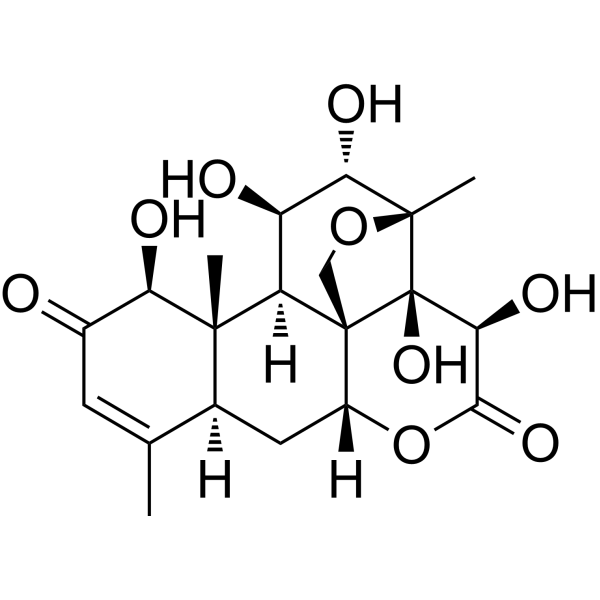
Bruceine D is a Notch inhibitor with anti-cancer activity and induces apoptosis in several human cancer cells. Bruceine D is an effective botanical insect antifeedant with outstanding systemic properties, causing potent pest growth inhibitory activity . Bruceine D has strong anthelmintic activity against D. intermedius with an EC50 value of 0.57 mg/L .
Flonicamid- 15N,18O (IKI220- 15N,18O) is 15N labeled Flonicamid. Flonicamid (IKI220) is a novel systemic insecticide with selective activity against hemipterous pests. The main insecticidal mechanism of flonicamid is starvation based on the inhibition of stylet penetration to plant tissues .
Molluscicidal agent-2 (Compound 16) is a molluscicide with an LC50 of 0.58 mg/mL against Monacha cartusiana snails. Molluscicidal agent-2 exerts its effect through a dual mode of action: gastrointestinal toxicity and GABAA-GluCl channel antagonism. Molluscicidal agent-2 can be used in research on agricultural pest control .
Thiacloprid is an orally active neurotoxic insecticide and also a nAChR agonist. Thiacloprid reduces the viability of healthy cells, depletes reduced glutathione, and increases MDA levels, thereby inducing cytotoxicity and oxidative stress damage. In practical applications, Thiacloprid has lower acute toxicity to honeybees than other compounds of the same class such as Imidacloprid (HY-B0838), but it still significantly impairs the learning and memory function, immune capacity and survival status of honeybees. Thiacloprid induces intestinal microbial dysbiosis and reduces survival rate in middle-aged honeybees, increases the risk of premature collapse in bumblebee colonies, and significantly decreases the final colony weight and reproductive output. Thiacloprid is used in broad-spectrum agricultural pest control, often alone or in combination with Deltamethrin (HY-B1971), and meets the pest management needs of various crops including potatoes, cabbages, various fruits and vegetables, and nuts .
Buprofezin-d6 is the deuterium labeled Buprofezin. Buprofezin is a broad-spectrum insecticide and chitin synthesis inhibitor that targets developmental stage coleopteran pests.Buprofezin promotes the conversion of energy metabolism from the aerobic tricarboxylic acid (TCA) cycle and oxidative phosphorylation to anaerobic glycolysis. Buprofezin also promotes the production of reactive oxygen species (ROS) by inhibiting cytochrome c oxidase .
Azadirachtin I is an insecticide targeting insect growth and development-related pathways (e.g., ecdysone signaling pathway, chitin synthesis pathway). Azadirachtin I inhibits chitin synthesis and disrupting intestinal function by interfering with the growth and development processes of insect larvae such as molting and pupation, increasing insect mortality and reducing adult fecundity. Azadirachtin I is promising for research of agricultural pests, such as Lepidoptera, Coleoptera .
Clothianidin-d3, 13C1 is the 13C-labeled Clothianidin (HY-133167). Clothianidin is a neonicotinoid insecticide. Clothianidin shows excellent long-term control effect in small doses against various insect pests such as Coleoptera, Thysanoptera, Lepidoptera, Diptera, Homoptera, Heteroptera, Orthoptera and Isoptera families. Clothianidin has various application methods and high safety for crops .
Phenothrin (Standard) is the analytical standard of Phenothrin (HY-B1072). This product is intended for research and analytical applications. Phenothrin is a Type I pyrethroid insecticide. Phenothrin induces dose-dependent DNA damage in human peripheral blood lymphocytes and hepatocytes, and exhibits definite genotoxic potential. Phenothrin acts as an insecticide for pest control in agriculture, households and public health, as well as for the elimination of human head lice infestations.
Insecticidal agent 26 (Compound A11), a spiro insecticidal agent, is a dual-functional inhibitor of pestAcetyl-CoA carboxylase (ACC) and Pyruvate carboxylase (PC). Insecticidal agent 26 has potent insecticidal activity against Sogatella furcifera with a LC50 of 11.0 μg/mL, with significant biosafety to bees. Insecticidal agent 26 can be used for management of white-backed planthoppers (WBPs) .
Thiacloprid-d4 is the deuterium labeled Thiacloprid. Thiacloprid is an orally active neurotoxic insecticide and also a nAChR agonist. Thiacloprid reduces the viability of healthy cells, depletes reduced glutathione, and increases MDA levels, thereby inducing cytotoxicity and oxidative stress damage. In practical applications, Thiacloprid has lower acute toxicity to honeybees than other compounds of the same class such as Imidacloprid (HY-B0838), but it still significantly impairs the learning and memory function, immune capacity and survival status of honeybees. Thiacloprid induces intestinal microbial dysbiosis and reduces survival rate in middle-aged honeybees, increases the risk of premature collapse in bumblebee colonies, and significantly decreases the final colony weight and reproductive output. Thiacloprid is used in broad-spectrum agricultural pest control, often alone or in combination with Deltamethrin (HY-B1971), and meets the pest management needs of various crops including potatoes, cabbages, various fruits and vegetables, and nuts .
Cyfluthrin (Standard) is the analytical standard of Cyfluthrin. This product is intended for research and analytical applications. Cyfluthrin is a type II pyrethroid and has effects on various insects. Cyfluthrin is a modulator of Nav1.8 sodium channels by repetitive stimulation. Cyfluthrin can be applied in agriculture,veterinary, insecticide,pyrethroid and stored product[1][2].
Z13,YN11-16:OH (7) is an insect pheromone used for attracting and trapping processionary caterpillars (Thaumetopoea processionea L), effective against oak defoliators .
Cyfluthrin is a type II pyrethroid and has effects on various insects. Cyfluthrin is a modulator of Nav1.8 sodium channels by repetitive stimulation. Cyfluthrin can be applied in agriculture,veterinary, insecticide,pyrethroid and stored product .
Buprofezin (Standard) is the analytical standard of Buprofezin. This product is intended for research and analytical applications. Buprofezin is a broad-spectrum insecticide and chitin synthesis inhibitor that targets developmental stage coleopteran pests.Buprofezin promotes the conversion of energy metabolism from the aerobic tricarboxylic acid (TCA) cycle and oxidative phosphorylation to anaerobic glycolysis. Buprofezin also promotes the production of reactive oxygen species (ROS) by inhibiting cytochrome c oxidase .
Methiocarb (Mercaptodimethur) is an orally active carbamate insecticide. Methiocarb exerts dose-dependent toxic effects on onions. In addition to inhibiting acetylcholinesterase to induce cholinergic excitation, Methiocarb can induce lipid peroxidation in liver, kidney, brain and testicular tissues and alter reduced glutathione levels by generating ROS. Methiocarb can be used for agricultural pest control and research on oxidative stress-related cellular damage in mammals .
β-Phellandrene-d2 is deuterated labeled β-Phellandrene (HY-N8573). β-phellandrene is an orally active monocyclic monoterpenes. β-Phellandrene is obtained from Carum petroselinum. β-phellandrene has strong ability to kill pest. β-phellandrene can be used as oil additives, natural pesticides and synthetic materials .
Clothianidin-d3 is the deuterium labeled Clothianidin.Clothianidin-d3 is a neonicotinoid insecticide. Clothianidin-d3 shows excellent long-term control effect in small doses against various insect pests such as Coleoptera, Thysanoptera, Lepidoptera, Diptera, Homoptera, Heteroptera, Orthoptera and Isoptera families. Clothianidin-d3 has various application methods and high safety for crops .
λ-Cyhalothrin (Standard) is the analytical standard of λ-Cyhalothrin. This product is intended for research and analytical applications. λ-Cyhalothrin is a high efficiency, broad-spectrum type II synthetic pyrethroid insecticide containing α-cyano group. λ-Cyhalothrin is used to control a wide range of pests in a variety of applications. λ-Cyhalothrin is a neurotoxin that targets sodium channels in the membranes of neurons in the central nervous system .
Deltamethrin-d6 (Decamethrin-d6) is deuterium labeled Deltamethrin. Deltamethrin (Decamethrin) is an orally active synthetic pyrethroid insecticide. Deltamethrin induces oxidative stress and results in inflammation and apoptosis via inhibiting Nrf2/HO-1 pathway. Deltamethrin has an anticancer effect by inducing apoptosis. Deltamethrin can be used extensively in pest control .
Deltamethrin (Standard) is the analytical standard of Deltamethrin. This product is intended for research and analytical applications. Deltamethrin (Decamethrin) is an orally active synthetic pyrethroid insecticide. Deltamethrin induces oxidative stress and results in inflammation and apoptosis via inhibiting Nrf2/HO-1 pathway. Deltamethrin has an anticancer effect by inducing apoptosis. Deltamethrin can be used extensively in pest control .
2-Methyl-3-phenylpropanal is a volatile aromatic compound found in the flowers of legume host plants such as cowpeas and lentils. 2-Methyl-3-phenylpropanal can specifically bind to the odor-binding protein MvitOBP3 of the bean pod moth and exert potential oviposition attraction activity. 2-Methyl-3-phenylpropanal can be used for pest control .
Chitin synthase-IN-15 (Compound 6k) is a chitin synthase inhibitor. Chitin synthase-IN-15 has insecticidal efficacy against Plutella xylostella, with LC50 values of 0.789 and 0.951 μg/mL. Chitin synthase-IN-15 induces molting disruptions, larval mortality, and aberrant pupation, thereby effectively mitigating pest populations. Chitin synthase-IN-15 is an insecticidal agent with favorable ecological safety profiles .
Avermectin B1 (Standard) is the analytical standard of Avermectin B1. This product is intended for research and analytical applications. Avermectin B1 (Abamectin) is a mixture of two similar segments of avermectin. Avermectin B1 is an orally anti-infection agent, which can be used in the research of parasitic worms, insect pests, agriculture and animal husbandry. Avermectin B1 can also induce the production of ROS and induces cytotoxicity, apoptosis and autophagy .
Benfuracarb is a broad-spectrum carbamate insecticide with crop protection activity. Benfuracarb is used to control springtails, aphids, and other pests, typically on sugar beet crops. Benfuracarb exhibits toxicity to humans and aquatic organisms. Benfuracarb exposure to zebrafish embryos resulted in a reduction in the body length of zebrafish larvae. Superoxide dismutase (SOD) activity was significantly increased after Benfuracarb treatment. Benfuracarb also interfered with the transcriptional levels of marker genes associated with early embryonic development .
γ-Hexalactone (γ-Caprolactone) is a gamma-lactone found in ripe fruits. γ-Hexalactone induces DNA damage in human lymphocytes and HepG2 cells, modulates cytokine secretion in human lymphocytes, and reduces recombinant PON1 activity. γ-Hexalactone serves as a dose-dependent oviposition inhibitor against Bactrocera oleae. γ-Hexalactone can be used for the research of Bactrocera oleaepest management .
o,p'-DDT (2,4'-DDT) is a chlorinated organic pesticide with estrogenic activity. o,p'-DDT is persistent in the environment, can accumulate in organisms and disrupt the endocrine system. o,p'-DDT is used in agriculture as a pesticide, especially for controlling insect pests. The use of o,p'-DDT has led to toxic effects in organisms, raising widespread concern about its environmental and health effects. o,p'-DDT has also led to research into its long-term effects in ecosystems .
Methiocarb-d3 is the deuterium labeled Methiocarb (HY-124920). Methiocarb (Mercaptodimethur) is an orally active carbamate insecticide. Methiocarb exerts dose-dependent toxic effects on onions. In addition to inhibiting acetylcholinesterase to induce cholinergic excitation, Methiocarb can induce lipid peroxidation in liver, kidney, brain and testicular tissues and alter reduced glutathione levels by generating ROS. Methiocarb can be used for agricultural pest control and research on oxidative stress-related cellular damage in mammals .
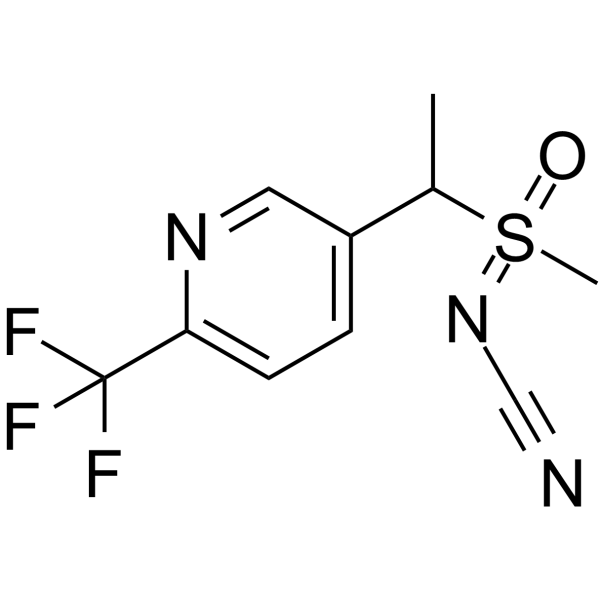
Sulfoxaflor is an orally active full agonist of insect nicotinic acetylcholine receptors (nAChRs), targeting the α-bungarotoxin-insensitive nAChR1 and nAChR2 subtypes. Sulfoxaflor binding to nACh is not inhibited by d-Tubocurarine (HY-125901), but is partially inhibited by Mecamylamine (HY-B1395A). Sulfoxaflor induces inward currents by activating nAChRs, leading to insect neurotoxicity. Sulfoxaflor can be used in the research of agricultural pest control, pesticide toxicology, insect neural receptor pharmacology, etc .
Benfuracarb (Standard) is the analytical standard of Benfuracarb. This product is intended for research and analytical applications. Benfuracarb is a broad-spectrum carbamate insecticide with crop protection activity. Benfuracarb is used to control springtails, aphids, and other pests, typically on sugar beet crops. Benfuracarb exhibits toxicity to humans and aquatic organisms. Benfuracarb exposure to zebrafish embryos resulted in a reduction in the body length of zebrafish larvae. Superoxide dismutase (SOD) activity was significantly increased after Benfuracarb treatment. Benfuracarb also interfered with the transcriptional levels of marker genes associated with early embryonic development .
γ-Thujaplicin is a Hinokitiol (HY-B2230)-related compound that can be isolated from the wood of Thujopsis dolabrata. γ-Thujaplicin shows strong cytotoxic activities against human stomach cancer cell lines KATO-III and Ehrlich’s ascites carcinoma. γ-Thujaplicin exhibits potent and broad-spectrum antifungal activity on wood-rotting fungi, and insecticidal activity on the noxious insects. γ-Thujaplicin can be used for cancer and infection research and pest management .
Sulfoxaflor-d3 is the deuterium labeled Sulfoxaflor (HY-118504). Sulfoxaflor is an orally active full agonist of insect nicotinic acetylcholine receptors (nAChRs), targeting the α-bungarotoxin-insensitive nAChR1 and nAChR2 subtypes. Sulfoxaflor binding to nACh is not inhibited by d-Tubocurarine (HY-125901), but is partially inhibited by Mecamylamine (HY-B1395A). Sulfoxaflor induces inward currents by activating nAChRs, leading to insect neurotoxicity. Sulfoxaflor can be used in the research of agricultural pest control, pesticide toxicology, insect neural receptor pharmacology, etc .
3,7-Dimethyloctan-1-ol, 3,7-Dimethyloctan-1-ol is commonly used as a flavor and fragrance ingredient due to its pleasant aroma, it can also be used as a solvent, and in the synthesis of various organic compounds (including pharmaceuticals and agrochemicals), in addition, due to its high energy content and low volatility, 3,7-Dimethyloctan-1-ol has been investigated for its potential use as a biofuel, due to its toxicity to some pests, it has also been studied as a potential repellent and insecticide,
Tolfenpyrad (Standard) is the analytical standard of Tolfenpyrad (HY-17516). This product is intended for research and analytical applications. Tolfenpyrad is an orally active insecticide, acaricide and antibacterial agent. Tolfenpyrad inhibits Complex I in the mitochondrial respiratory electron transport chain, interfering with the cell respiration process. Tolfenpyrad has significant insecticidal activity against a variety of insect pests such as H. contortus, Coccinella septempunctata. Tolfenpyrad has antibacterial activity against Francisella novicida, with an IC50 of 1.2 µM or 1.5 µM .
7-Oxogedunin (Compound 7DG; Compound 16) is a small molecule that protects macrophages from cell pyroptosis induced by anthrax lethal toxin (LT). Its target is protein kinase R (PKR). 7-Oxogedunin can widely inhibit the assembly of various inflammasomes (NLRP1 and NLRP3) and the activation of caspase-1 by inhibiting the kinase-independent function of PKR. 7-Oxogedunin has growth inhibitory activity on European corn borer larvae. 7-Oxogedunin can be used for LT toxicity inhibition and pest control research .
γ-Hexalactone (Standard) is the analytical standard of γ-Hexalactone (γ-Caprolactone) (HY-W015892). This product is intended for research and analytical applications. γ-Hexalactone is a gamma-lactone found in ripe fruits. γ-Hexalactone induces DNA damage in human lymphocytes and HepG2 cells, modulates cytokine secretion in human lymphocytes, and reduces recombinant PON1 activity. γ-Hexalactone serves as a dose-dependent oviposition inhibitor against Bactrocera oleae. γ-Hexalactone can be used for the research of Bactrocera oleaepest management .
Xiaochongliulin is a organophosphate insecticide. Xiaochongliulin shows insecticidal activity against citrus red mite, citrus scales, cotton bollworm, diamondback moth, and rice planthopper. Xiaochongliulin has low acute oral toxicity in rats .
Propoxur is a reversible, competitive, orally active AChE inhibitor that can cross the blood-brain barrier. Propoxur inhibits AChE activity to induce neurotoxicity, while promoting MMP-2 expression and enhancing tumor cell migration and invasion by inducing intracellular ROS generation and activating the ERK/Nrf2 signaling pathway. On the one hand, Propoxur inhibits AChE, leading to acetylcholine accumulation and causing neurological dysfunction; on the other hand, it promotes Nrf2 nuclear translocation through ROS-dependent ERK1/2 phosphorylation, and upregulates MMP-2 and other invasion-related proteins. Propoxur is also a carbamate insecticide used to combat turf, forestry, and household pests .
Propoxur-d7 is the deuterium labeled Propoxur. Propoxur is a reversible, competitive, orally active AChE inhibitor that can cross the blood-brain barrier. Propoxur inhibits AChE activity to induce neurotoxicity, while promoting MMP-2 expression and enhancing tumor cell migration and invasion by inducing intracellular ROS generation and activating the ERK/Nrf2 signaling pathway. On the one hand, Propoxur inhibits AChE, leading to acetylcholine accumulation and causing neurological dysfunction; on the other hand, it promotes Nrf2 nuclear translocation through ROS-dependent ERK1/2 phosphorylation, and upregulates MMP-2 and other invasion-related proteins. Propoxur is also a carbamate insecticide used to combat turf, forestry, and household pests .
Propoxur-d3 is the deuterated form of Propoxur (HY-B0916). Propoxur is a reversible, competitive, orally active AChE inhibitor that can cross the blood-brain barrier. Propoxur inhibits AChE activity to induce neurotoxicity, while promoting MMP-2 expression and enhancing tumor cell migration and invasion by inducing intracellular ROS generation and activating the ERK/Nrf2 signaling pathway. On the one hand, Propoxur inhibits AChE, leading to acetylcholine accumulation and causing neurological dysfunction; on the other hand, it promotes Nrf2 nuclear translocation through ROS-dependent ERK1/2 phosphorylation, and upregulates MMP-2 and other invasion-related proteins. Propoxur is also a carbamate insecticide used to combat turf, forestry, and household pests .
Dinotefuran is an orally active and competitive inhibitor and insecticide targeting insect nicotinic acetylcholine receptors (nAChRs). Dinotefuran blocks neural signaling and induces neural dysfunction in insects. Dinotefuran binds to [ 3H]epibatidine in the neural cord membrane of American cockroach with an IC50 of 890 nM and to [ 3H]α-bungarotoxin with an IC50 of 36.1 μM. Dinotefuran exhibits knockdown activity (KD50=0.351 nmol/g) and lethal activity (LD50=0.173 nmol/g) against German cockroach. Dinotefuran is mainly used for agricultural pest control, such as field control of piercing-sucking and chewing insects (e.g., aphids, planthoppers), while its environmental toxicological effects (e.g., oxidative stress and reproductive neurotoxicity on earthworms) are also a research focus to assess ecological risks .
Propoxue (Standard) is the analytical standard of Propoxue (HY-B0916). This product is intended for research and analytical applications. Propoxur is a reversible, competitive, orally active AChE inhibitor that can cross the blood-brain barrier. Propoxur inhibits AChE activity to induce neurotoxicity, while promoting MMP-2 expression and enhancing tumor cell migration and invasion by inducing intracellular ROS generation and activating the ERK/Nrf2 signaling pathway. On the one hand, Propoxur inhibits AChE, leading to acetylcholine accumulation and causing neurological dysfunction; on the other hand, it promotes Nrf2 nuclear translocation through ROS-dependent ERK1/2 phosphorylation, and upregulates MMP-2 and other invasion-related proteins. Propoxur is also a carbamate insecticide used to combat turf, forestry, and household pests .
(Z,E)-9,12-Tetradecadienal (Z9,E12-14:Ald) is a female pheromone that can induce an electroantennographic response in male antennae, isolated from the sex pheromone extracts of Plodia interpunctella (lepidoptera: pyralidae) .
Pesticide is a single substance or mixture that can be used to prevent, mitigate, iminate pests or as a plant conditioner, defoliant or desiccant. In recent years, scientists have proposed the concept of "Molecules to Ecosystems", bringing the concept of molecular biology to understand the impact of pesticides, degradation and relationship with the environment or organisms. MCE integrates effective compounds approved as pesticides by agencies such as the Environmental Protection Agency (EPA), China Pesticide Information Network and some insecticidal compounds with potential for agricultural applications.
MCE can provide a library of 518 pesticide compounds that are tool compounds for relevant research.
3,7-Dimethyloctan-1-ol, 3,7-Dimethyloctan-1-ol is commonly used as a flavor and fragrance ingredient due to its pleasant aroma, it can also be used as a solvent, and in the synthesis of various organic compounds (including pharmaceuticals and agrochemicals), in addition, due to its high energy content and low volatility, 3,7-Dimethyloctan-1-ol has been investigated for its potential use as a biofuel, due to its toxicity to some pests, it has also been studied as a potential repellent and insecticide,
Sulfated sulfakinin is a Sulfakinin receptor (SKR) activator with EC50s of 1.6 and 5.4 nM for Tribolium castaneumTc TcSKR1 and TcSKR2, respectively. SKRs are G-protein-coupled receptors (GPCRs) that interact with sulfakinins to modulate diverse biological processes. Sulfated sulfakinin can be used for tho control of pest insects research .
Azadirachtin is an oral active triterpenoid compound with anticancer, antimalarial, anti-inflammatory, and insecticidal activities. Azadirachtin induces cell apoptosis through the mitochondrial pathway (by inhibiting Bcl-2/Bax ratio or activating Apaf-1 and caspase-3) or through death receptors (by inhibiting TNFR activation). Additionally, Azadirachtin exerts its anti-inflammatory effects by inhibiting NF-кB signaling pathway activation, and it exhibits insecticidal activity by inducing apoptosis in insect cells .
Bruceine D is a Notch inhibitor with anti-cancer activity and induces apoptosis in several human cancer cells. Bruceine D is an effective botanical insect antifeedant with outstanding systemic properties, causing potent pest growth inhibitory activity . Bruceine D has strong anthelmintic activity against D. intermedius with an EC50 value of 0.57 mg/L .
Deltamethrin (Decamethrin) is an orally active synthetic pyrethroid insecticide. Deltamethrin induces oxidative stress and results in inflammation and apoptosis via inhibiting Nrf2/HO-1 pathway. Deltamethrin has an anticancer effect by inducing apoptosis. Deltamethrin can be used extensively in pest control .
Avermectin B1 (Abamectin) is a mixture of two similar segments of avermectin. Avermectin B1 is an orally anti-infection agent, which can be used in the research of parasitic worms, insect pests, agriculture and animal husbandry. Avermectin B1 can also induce the production of ROS and induces cytotoxicity, apoptosis and autophagy .
β-phellandrene is an orally active monocyclic monoterpenes. β-Phellandrene is obtained from Carum petroselinum. β-phellandrene has strong ability to kill pest. β-phellandrene can be used as oil additives, natural pesticides and synthetic materials .
γ-Hexalactone (γ-Caprolactone) is a gamma-lactone found in ripe fruits. γ-Hexalactone induces DNA damage in human lymphocytes and HepG2 cells, modulates cytokine secretion in human lymphocytes, and reduces recombinant PON1 activity. γ-Hexalactone serves as a dose-dependent oviposition inhibitor against Bactrocera oleae. γ-Hexalactone can be used for the research of Bactrocera oleaepest management .
Azadirachtin (Standard) is the analytical standard of Azadirachtin. This product is intended for research and analytical applications. Azadirachtin, one of the most promising botanical insecticides, is widely used for pest control. Azadirachtin induces apoptosis in insect cell lines, including Sf9, SL-1 and BTI-Tn-5B1-4 .
Deltamethrin (Standard) is the analytical standard of Deltamethrin. This product is intended for research and analytical applications. Deltamethrin (Decamethrin) is an orally active synthetic pyrethroid insecticide. Deltamethrin induces oxidative stress and results in inflammation and apoptosis via inhibiting Nrf2/HO-1 pathway. Deltamethrin has an anticancer effect by inducing apoptosis. Deltamethrin can be used extensively in pest control .
3-Pentanol is an active organic compound produced by plants and is a component of insect-released pheromones. 3-Pentanol can trigger plant immunity against microbial pathogens and pests in crops by activating the SA and JA signaling pathways.
(E)-Cinnamamide, the less active isomer of Cinnamamide. Cinnamamide, a derivative of the plant secondary compound Cinnamic acid. Cinnamamide is effective as a non-lethal chemical repellent suitable for reducing avian pest damage .
(S)-Ethyl lactate ((S)-(-)-ethyl lactate) is a volatile compound produced by plant fermentation. (S)-Ethyl lactate cansynergistically attracts palm weevils with specific pheromones and is mainly used for pest monitoring and control research .
(3E,8Z,11Z)-3,8,11-Tetradecatrienyl acetate is a sex pheromone capable of attracting male South American tomato pinworms (Scrobipalpuloides absoluta), which can be isolated from the tomato pest .
β-phellandrene is an orally active monocyclic monoterpenes. β-Phellandrene is obtained from Carum petroselinum. β-phellandrene has strong ability to kill pest. β-phellandrene can be used as oil additives, natural pesticides and synthetic materials .
2,3-Dimethylmaleic anhydride is biofumigant found in Colocasia esculenta var. esculenta (L.) Schott. 2,3-Dimethylmaleic anhydride is highly toxic to insect pests for stored grains even at very low concentration, but has no adverse effect on seed germination. 2,3-Dimethylmaleic anhydride can be used as insecticide .
Spinosyn L is a selective nicotinic acetylcholine receptors (nAChR) agonist. Spinosyn L causes sustained neural excitation and paralysis in insects. Spinosyn L is promising for research of pesticides for controlling Lepidoptera, Diptera, and other agricultural pests .
Phenylphosphonic acid (Compound 1) is a synthetic pyrethroid insecticide that can effectively control some underground pests. Phenylphosphonic acid also can be a ligand in some metal-catalyzed reactions, which is promising for research of metal phosphonates comprising layered structures and pesticides .
Calarene is an insecticide that can be obtained from the stem of Kadsura heteroclite. Calarene is toxic to Meloidogyne incognita, Sitophilus zeamais, and mosquitoes. Calarene can be used in the research of plant pests and mosquito control .
Avermectin B1 (Standard) is the analytical standard of Avermectin B1. This product is intended for research and analytical applications. Avermectin B1 (Abamectin) is a mixture of two similar segments of avermectin. Avermectin B1 is an orally anti-infection agent, which can be used in the research of parasitic worms, insect pests, agriculture and animal husbandry. Avermectin B1 can also induce the production of ROS and induces cytotoxicity, apoptosis and autophagy .
Avermectin B2a is an insecticide targeting glutamate-gated chloride channels (GluCls). Avermectin B2a causes hyperpolarization of nematode/insect neurons and subsequent paralysis/death. Avermectin B2a is promising for research of agricultural pests .
Azadirachtin D is an insect growth regulator targeting ecdysone receptor (EcR) in insects. Azadirachtin D blocks the 20-hydroxyecdysone signaling pathway, leading to developmental arrest or death in insects. Azadirachtin D is promising for research of agricultural pests .
Juncin E is a diterpenoid found in the soft coral Junceella juncea that exhibits significant insecticidal activity against the larvae of two important agricultural pests: southern corn rootworm and tobacco armyworm [2].
Jasmolin II is an insecticide targeting voltage-gated sodium channels in insects. Jasmolin II leads to neuronal hyperexcitation and insect paralysis. Jasmolin II is promising for research of agricultural pests .
Spinosyn J is a non-competitive insect nicotinic acetylcholine receptor (nAChR) and γ-aminobutyric acid (GABA) receptor modulator with insecticidal activity. Spinosyn J is promising for research of agricultural pests .
7(Z)-Pentacosene is an aggregation pheromone of the European earwig (Forficula auricularia). 7(Z)-Pentacosene can be used in the study of insect behavior and neurobiology .
3-Pentanol (Standard) is an analytical reference standard of 3-Pentanol. 3-Pentanol is an active organic compound produced by plants and is a component of insect-released pheromones. 3-Pentanol can trigger plant immunity against microbial pathogens and pests in crops by activating the SA and JA signaling pathways.
Azadirachtin I is an insecticide targeting insect growth and development-related pathways (e.g., ecdysone signaling pathway, chitin synthesis pathway). Azadirachtin I inhibits chitin synthesis and disrupting intestinal function by interfering with the growth and development processes of insect larvae such as molting and pupation, increasing insect mortality and reducing adult fecundity. Azadirachtin I is promising for research of agricultural pests, such as Lepidoptera, Coleoptera .
Z13,YN11-16:OH (7) is an insect pheromone used for attracting and trapping processionary caterpillars (Thaumetopoea processionea L), effective against oak defoliators .
γ-Hexalactone (Standard) is the analytical standard of γ-Hexalactone (γ-Caprolactone) (HY-W015892). This product is intended for research and analytical applications. γ-Hexalactone is a gamma-lactone found in ripe fruits. γ-Hexalactone induces DNA damage in human lymphocytes and HepG2 cells, modulates cytokine secretion in human lymphocytes, and reduces recombinant PON1 activity. γ-Hexalactone serves as a dose-dependent oviposition inhibitor against Bactrocera oleae. γ-Hexalactone can be used for the research of Bactrocera oleaepest management .
3-Hydroxy-2-decanone is a minor component of sex pheromone in Xylotrechus quadripes beetles. 3-Hydroxy-2-decanone is promising for research of pests and diseases .
(S)-2-Hydroxy-3-decanone is the primary sex pheromone component of Xylotrechus quadripes beetles, functioning as a volatile olfactory agonist. (S)-2-Hydroxy-3-decanone is promising for research of pests and diseases .
Inulasalsolin is a insecticide with antifeedant activity, which is isolated from the plant Inula salsoloides. Inulasalsolin reduces the feeding behavior of third-instar Plutella xylostella larvae. Inulasalsolin induces the death of third-instar Plutella xylostella larvae and vegetable aphids. Inulasalsolin is applicable to pest control research .
Tetradecyl acetate (Standard) is the analytical standard of Tetradecyl acetate. This product is intended for research and analytical applications. Tetradecyl acetate is a sex pheromone produced by Ctenopseustis obliquana females. Tetradecyl acetate can be used to disrupt the mating of pest species[1][2].
Avermectin A2b (Compound A2b) is an avermectin. Avermectins are produced during the fermentation of the actinomycete Streptomyces avermitilis. Avermectins possess anthelmintic and insecticidal properties, and are commonly used as insecticides for the control of pests and parasitic worms .
6''-O-(3'''-Hydroxy-3'''-methylglutaryl) vitexin is an orally active flavonoid glycoside and insecticide that can be isolated from the twigs of Eleusine coracana. 6''-O-(3'''-Hydroxy-3'''-methylglutaryl) vitexin exhibits distinct antifeedant activity against Nilaparvata lugens (brown planthopper) nymphs and effectively inhibits their feeding behavior. 6''-O-(3'''-Hydroxy-3'''-methylglutaryl) vitexin can serve as a plant-derived natural defense substance for regulating pest behavior and investigating potential control mechanisms of agricultural pests .
(E)-Cinnamamide (Standard) is the analytical standard of (E)-Cinnamamide (HY-W067479). This product is intended for research and analytical applications. (E)-Cinnamamide, the less active isomer of Cinnamamide. Cinnamamide, a derivative of the plant secondary compound Cinnamic acid. Cinnamamide is effective as a non-lethal chemical repellent suitable for reducing avian pest damage .
Anticopalic acid is a labdane-type diterpenoid insect antifeedant that exhibits dose-dependent antifeedant activity against the fall armyworm (Spodoptera frugiperda). Anticopalic acid can be isolated from Vitex hemsleyi. Anticopalic acid may be involved in neuroreceptor-mediated insect taste regulation and could be used to develop environmentally friendly antifeedants targeting lepidopteran pests .
6''-O-β-D-Apiofuranosylastragalin (compound 1) is a flavonoid glycoside that can be naturally extracted from the methanol extract of fresh leaves of Solidago altissima L. (a plant of the genus Solidago in the Asteraceae family). The related methanol extract exhibits antifeedant activity against Thrips palmi and can be used in the research of natural antifeedants for agricultural pest control .
DIBOA-Glucoside is a glycoside derivative that can be found in cereal crops like rye, wheat, and maize. DIBOA-Glucoside is a stable, less toxic glucoside form of DIBOA. DIBOA-Glucoside, upon pest or pathogen attack, is hydrolyzed by an enzyme, releasing the toxic aglycone DIBOA and glucose, thereby deterring insects and suppressing weeds through an allelopathic effect .
2-Methyl-3-phenylpropanal is a volatile aromatic compound found in the flowers of legume host plants such as cowpeas and lentils. 2-Methyl-3-phenylpropanal can specifically bind to the odor-binding protein MvitOBP3 of the bean pod moth and exert potential oviposition attraction activity. 2-Methyl-3-phenylpropanal can be used for pest control .
γ-Thujaplicin is a Hinokitiol (HY-B2230)-related compound that can be isolated from the wood of Thujopsis dolabrata. γ-Thujaplicin shows strong cytotoxic activities against human stomach cancer cell lines KATO-III and Ehrlich’s ascites carcinoma. γ-Thujaplicin exhibits potent and broad-spectrum antifungal activity on wood-rotting fungi, and insecticidal activity on the noxious insects. γ-Thujaplicin can be used for cancer and infection research and pest management .
7-Oxogedunin (Compound 7DG; Compound 16) is a small molecule that protects macrophages from cell pyroptosis induced by anthrax lethal toxin (LT). Its target is protein kinase R (PKR). 7-Oxogedunin can widely inhibit the assembly of various inflammasomes (NLRP1 and NLRP3) and the activation of caspase-1 by inhibiting the kinase-independent function of PKR. 7-Oxogedunin has growth inhibitory activity on European corn borer larvae. 7-Oxogedunin can be used for LT toxicity inhibition and pest control research .
(Z,E)-9,12-Tetradecadienal (Z9,E12-14:Ald) is a female pheromone that can induce an electroantennographic response in male antennae, isolated from the sex pheromone extracts of Plodia interpunctella (lepidoptera: pyralidae) .
The PTPN12 protein is a multifunctional enzyme that can dephosphorylate a variety of proteins and regulate cell signaling cascades. According to literature, PTPN12 selectively targets tyrosine kinases such as ERBB2 and PTK2B/PYK2 to control related pathways. PTPN12 Protein, Human (sf9) is the recombinant human-derived PTPN12 protein, expressed by Sf9 insect cells, with tag free.
The PTPN12 protein is a multifunctional enzyme that can dephosphorylate a variety of proteins and regulate cell signaling cascades. According to literature, PTPN12 selectively targets tyrosine kinases such as ERBB2 and PTK2B/PYK2 to control related pathways. PTPN12 Protein, Human (sf9, His-GST) is the recombinant human-derived PTPN12 protein, expressed by Sf9 insect cells , with N-GST, N-His labeled tag.
The SLC16A2 protein is a specific thyroid hormone transmembrane transporter that promotes bidirectional movement of thyroid hormone across cell membranes independent of pH or Na(+) gradients. SLC16A2 has a significant preference for substrates such as T3 and T4 and is a key mediator of thyroid hormone transport. SLC16A2 Protein, Human (sf9, His, MBP, FLAG) is the recombinant human-derived SLC16A2 protein, expressed by sf9 insect cells , with N-MBP, C-Flag, N-8*His labeled tag.
Imidacloprid-d4 is the deuterium labeled Imidacloprid . Imidacloprid is an effective and widely used neonicotinoid pesticide to control pests of cereals, vegetables, tea and cotton .
3-Pentanol-d5 is the deuterium labeled 3-Pentanol . 3-Pentanol is an active organic compound produced by plants and is a component of emitted insect sex pheromones. 3-pentanol elicits plant immunity against microbial pathogens and an insect pest in crop plants .
Flupyradifurone-d5 is the deuterium labeled Flupyradifurone (HY-145295). Flupyradifurone is a systemic?nAChR?agonist that interferes with signal transduction in the central nervous system of sucking pests. Flupyradifurone can be used as a butenolide?insecticide .
Methoxyfenozide-d9 is the deuterium labeled Methoxyfenozide (HY-117386). Methoxyfenozide is an orally active insecticide belonging to the diacylhydrazine and non-steroidal ecdysone agonist classes, which can interfere with the growth and development of insects. Methoxyfenozide has ovicidal and insecticidal activities against phytophagous pests .
Flonicamid- 15N,18O (IKI220- 15N,18O) is 15N labeled Flonicamid. Flonicamid (IKI220) is a novel systemic insecticide with selective activity against hemipterous pests. The main insecticidal mechanism of flonicamid is starvation based on the inhibition of stylet penetration to plant tissues .
(±)-Triadimefon-d4 is deuterium labeled Triadimefon. Triadimefon is a triazole fungicide used to control powdery mildew, rusts, and other fungal pests on grains, fruit and vegetable crops, turf, shrubs, and trees. Triadimefon inhibits lanosterol 14α-demethylase, interfering with oxidative demethylation reactions in the ergosterol biosynthesis pathway of fungi, and also blocks gibberellin biosynthesis .
Buprofezin-d6 is the deuterium labeled Buprofezin. Buprofezin is a broad-spectrum insecticide and chitin synthesis inhibitor that targets developmental stage coleopteran pests.Buprofezin promotes the conversion of energy metabolism from the aerobic tricarboxylic acid (TCA) cycle and oxidative phosphorylation to anaerobic glycolysis. Buprofezin also promotes the production of reactive oxygen species (ROS) by inhibiting cytochrome c oxidase .
Clothianidin-d3 is the deuterium labeled Clothianidin.Clothianidin-d3 is a neonicotinoid insecticide. Clothianidin-d3 shows excellent long-term control effect in small doses against various insect pests such as Coleoptera, Thysanoptera, Lepidoptera, Diptera, Homoptera, Heteroptera, Orthoptera and Isoptera families. Clothianidin-d3 has various application methods and high safety for crops .
Propoxur-d3 is the deuterated form of Propoxur (HY-B0916). Propoxur is a reversible, competitive, orally active AChE inhibitor that can cross the blood-brain barrier. Propoxur inhibits AChE activity to induce neurotoxicity, while promoting MMP-2 expression and enhancing tumor cell migration and invasion by inducing intracellular ROS generation and activating the ERK/Nrf2 signaling pathway. On the one hand, Propoxur inhibits AChE, leading to acetylcholine accumulation and causing neurological dysfunction; on the other hand, it promotes Nrf2 nuclear translocation through ROS-dependent ERK1/2 phosphorylation, and upregulates MMP-2 and other invasion-related proteins. Propoxur is also a carbamate insecticide used to combat turf, forestry, and household pests .
Etofenprox-phenol-d5 is the deuterium labeled Etofenprox (HY-B0816). Etofenprox is an orally active non-ester pyrethroid insecticide. Etofenprox induces toxicity against many pest insects, including Diptera rather than mammalian and fish. Etofenprox has a liver tumor-promoting activity in rats accompanied with microsomal ROS production increase. Etofenprox can be used in agricultural pest control and malaria research .
Tralomethrin-d5 is the deuterium labeled Tralomethrin (HY-126772). Tralomethrin is a pyrethroid insecticide used to control a wide range of pests in agriculture and public health .
(Z)-Tetrachlorvinphos-d6 is the deuterium labeled Tetrachlorvinphos (HY-126199). Tetrachlorvinphos is an organophosphorus pesticide that has the activity of inhibiting cholinesterase. Tetrachlorvinphos is used as a pesticide, mainly for the control of pests. Tetrachlorvinphos has low toxicity to mammals .
Tebufenozide-d9 is the deuterium labeled Tebufenozide (HY-B2054). Tebufenozide is a nonsteroidal ecdysone agonist used to control pest. Tebufenozide has cytotoxic and induces apoptosis in HeLa and insect Tn5B1-4 cells .
Clothianidin-d3, 13C1 is the 13C-labeled Clothianidin (HY-133167). Clothianidin is a neonicotinoid insecticide. Clothianidin shows excellent long-term control effect in small doses against various insect pests such as Coleoptera, Thysanoptera, Lepidoptera, Diptera, Homoptera, Heteroptera, Orthoptera and Isoptera families. Clothianidin has various application methods and high safety for crops .
Thiacloprid-d4 is the deuterium labeled Thiacloprid. Thiacloprid is an orally active neurotoxic insecticide and also a nAChR agonist. Thiacloprid reduces the viability of healthy cells, depletes reduced glutathione, and increases MDA levels, thereby inducing cytotoxicity and oxidative stress damage. In practical applications, Thiacloprid has lower acute toxicity to honeybees than other compounds of the same class such as Imidacloprid (HY-B0838), but it still significantly impairs the learning and memory function, immune capacity and survival status of honeybees. Thiacloprid induces intestinal microbial dysbiosis and reduces survival rate in middle-aged honeybees, increases the risk of premature collapse in bumblebee colonies, and significantly decreases the final colony weight and reproductive output. Thiacloprid is used in broad-spectrum agricultural pest control, often alone or in combination with Deltamethrin (HY-B1971), and meets the pest management needs of various crops including potatoes, cabbages, various fruits and vegetables, and nuts .
β-Phellandrene-d2 is deuterated labeled β-Phellandrene (HY-N8573). β-phellandrene is an orally active monocyclic monoterpenes. β-Phellandrene is obtained from Carum petroselinum. β-phellandrene has strong ability to kill pest. β-phellandrene can be used as oil additives, natural pesticides and synthetic materials .
Deltamethrin-d6 (Decamethrin-d6) is deuterium labeled Deltamethrin. Deltamethrin (Decamethrin) is an orally active synthetic pyrethroid insecticide. Deltamethrin induces oxidative stress and results in inflammation and apoptosis via inhibiting Nrf2/HO-1 pathway. Deltamethrin has an anticancer effect by inducing apoptosis. Deltamethrin can be used extensively in pest control .
Sulfoxaflor-d3 is the deuterium labeled Sulfoxaflor (HY-118504). Sulfoxaflor is an orally active full agonist of insect nicotinic acetylcholine receptors (nAChRs), targeting the α-bungarotoxin-insensitive nAChR1 and nAChR2 subtypes. Sulfoxaflor binding to nACh is not inhibited by d-Tubocurarine (HY-125901), but is partially inhibited by Mecamylamine (HY-B1395A). Sulfoxaflor induces inward currents by activating nAChRs, leading to insect neurotoxicity. Sulfoxaflor can be used in the research of agricultural pest control, pesticide toxicology, insect neural receptor pharmacology, etc .
Methiocarb-d3 is the deuterium labeled Methiocarb (HY-124920). Methiocarb (Mercaptodimethur) is an orally active carbamate insecticide. Methiocarb exerts dose-dependent toxic effects on onions. In addition to inhibiting acetylcholinesterase to induce cholinergic excitation, Methiocarb can induce lipid peroxidation in liver, kidney, brain and testicular tissues and alter reduced glutathione levels by generating ROS. Methiocarb can be used for agricultural pest control and research on oxidative stress-related cellular damage in mammals .
Propoxur-d7 is the deuterium labeled Propoxur. Propoxur is a reversible, competitive, orally active AChE inhibitor that can cross the blood-brain barrier. Propoxur inhibits AChE activity to induce neurotoxicity, while promoting MMP-2 expression and enhancing tumor cell migration and invasion by inducing intracellular ROS generation and activating the ERK/Nrf2 signaling pathway. On the one hand, Propoxur inhibits AChE, leading to acetylcholine accumulation and causing neurological dysfunction; on the other hand, it promotes Nrf2 nuclear translocation through ROS-dependent ERK1/2 phosphorylation, and upregulates MMP-2 and other invasion-related proteins. Propoxur is also a carbamate insecticide used to combat turf, forestry, and household pests .
Inquiry Online
Your information is safe with us. * Required Fields.
Western blot analysis of extracts from THP-1(lane 2(20μg), Jurkat (lane 3(20μg) and NIH3T3(lane 4(20μg) using FOXO1A (HY-P80132) Rabbit mAb. Proteins were transferred
to a PVDF membrane and blocked with 5% non-fat milk in TBST for 2 hour at room temperature. The primary antibody (1/1000) and Loading control antibody (Beta Actin, HY-P80438, 1/10000) was
used in 5% non-fat milk in TBST at 4°C overnight. Goat Anti-Mouse/Rabbit IgG-HRP Secondary Antibody (1/10000) was used for 1 hour at room temperature.
Western blot analysis of extracts from THP-1(lane 2(20μg), Jurkat (lane 3(20μg) and NIH3T3(lane 4(20μg) using FOXO1A (HY-P80132) Rabbit mAb. Proteins were transferred
to a PVDF membrane and blocked with 5% non-fat milk in TBST for 2 hour at room temperature. The primary antibody (1/1000) and Loading control antibody (Beta Actin, HY-P80438, 1/10000) was
used in 5% non-fat milk in TBST at 4°C overnight. Goat Anti-Mouse/Rabbit IgG-HRP Secondary Antibody (1/10000) was used for 1 hour at room temperature.
Western blot analysis of extracts from THP-1(lane 2(20μg), Jurkat (lane 3(20μg) and NIH3T3(lane 4(20μg) using FOXO1A (HY-P80132) Rabbit mAb. Proteins were transferred
to a PVDF membrane and blocked with 5% non-fat milk in TBST for 2 hour at room temperature. The primary antibody (1/1000) and Loading control antibody (Beta Actin, HY-P80438, 1/10000) was
used in 5% non-fat milk in TBST at 4°C overnight. Goat Anti-Mouse/Rabbit IgG-HRP Secondary Antibody (1/10000) was used for 1 hour at room temperature.
Western blot analysis of extracts from THP-1(lane 2(20μg), Jurkat (lane 3(20μg) and NIH3T3(lane 4(20μg) using FOXO1A (HY-P80132) Rabbit mAb. Proteins were transferred
to a PVDF membrane and blocked with 5% non-fat milk in TBST for 2 hour at room temperature. The primary antibody (1/1000) and Loading control antibody (Beta Actin, HY-P80438, 1/10000) was
MedchemExpress Validation 03
Western blot analysis of extracts from THP-1(lane 2(20μg), Jurkat (lane 3(20μg) and NIH3T3(lane 4(20μg) using FOXO1A (HY-P80132) Rabbit mAb. Proteins were transferred
MedchemExpress Validation 04
Western blot analysis of extracts from THP-1(lane 2(20μg), Jurkat (lane 3(20μg) and NIH3T3(lane 4(20μg) using FOXO1A (HY-P80132) Rabbit mAb. Proteins were transferred
to a PVDF membrane and blocked with 5% non-fat milk in TBST for 2 hour at room temperature. The primary antibody (1/1000) and Loading control antibody (Beta Actin, HY-P80438, 1/10000) was
used in 5% non-fat milk in TBST at 4°C overnight. Goat Anti-Mouse/Rabbit IgG-HRP Secondary Antibody (1/10000) was used for 1 hour at room temperature.
MedchemExpress Validation
Western blot analysis of extracts from THP-1(lane 2(20μg), Jurkat (lane 3(20μg) and NIH3T3(lane 4(20μg) using FOXO1A (HY-P80132) Rabbit mAb. Proteins were transferred
to a PVDF membrane and blocked with 5% non-fat milk in TBST for 2 hour at room temperature. The primary antibody (1/1000) and Loading control antibody (Beta Actin, HY-P80438, 1/10000) was
used in 5% non-fat milk in TBST at 4°C overnight. Goat Anti-Mouse/Rabbit IgG-HRP Secondary Antibody (1/10000) was used for 1 hour at room temperature.
Western blot analysis of extracts from THP-1(lane 2(20μg), Jurkat (lane 3(20μg) and NIH3T3(lane 4(20μg) using FOXO1A (HY-P80132) Rabbit mAb. Proteins were transferred
to a PVDF membrane and blocked with 5% non-fat milk in TBST for 2 hour at room temperature. The primary antibody (1/1000) and Loading control antibody (Beta Actin, HY-P80438, 1/10000) was
used in 5% non-fat milk in TBST at 4°C overnight. Goat Anti-Mouse/Rabbit IgG-HRP Secondary Antibody (1/10000) was used for 1 hour at room temperature.
MedchemExpress Validation
Western blot analysis of extracts from THP-1(lane 2(20μg), Jurkat (lane 3(20μg) and NIH3T3(lane 4(20μg) using FOXO1A (HY-P80132) Rabbit mAb. Proteins were transferred
to a PVDF membrane and blocked with 5% non-fat milk in TBST for 2 hour at room temperature. The primary antibody (1/1000) and Loading control antibody (Beta Actin, HY-P80438, 1/10000) was
used in 5% non-fat milk in TBST at 4°C overnight. Goat Anti-Mouse/Rabbit IgG-HRP Secondary Antibody (1/10000) was used for 1 hour at room temperature.
MedchemExpress Validation
Western blot analysis of extracts from THP-1(lane 2(20μg), Jurkat (lane 3(20μg) and NIH3T3(lane 4(20μg) using FOXO1A (HY-P80132) Rabbit mAb. Proteins were transferred
to a PVDF membrane and blocked with 5% non-fat milk in TBST for 2 hour at room temperature. The primary antibody (1/1000) and Loading control antibody (Beta Actin, HY-P80438, 1/10000) was
used in 5% non-fat milk in TBST at 4°C overnight. Goat Anti-Mouse/Rabbit IgG-HRP Secondary Antibody (1/10000) was used for 1 hour at room temperature.
MedchemExpress Validation
Western blot analysis of extracts from THP-1(lane 2(20μg), Jurkat (lane 3(20μg) and NIH3T3(lane 4(20μg) using FOXO1A (HY-P80132) Rabbit mAb. Proteins were transferred
to a PVDF membrane and blocked with 5% non-fat milk in TBST for 2 hour at room temperature. The primary antibody (1/1000) and Loading control antibody (Beta Actin, HY-P80438, 1/10000) was
used in 5% non-fat milk in TBST at 4°C overnight. Goat Anti-Mouse/Rabbit IgG-HRP Secondary Antibody (1/10000) was used for 1 hour at room temperature.
MedchemExpress Validation
Western blot analysis of extracts from THP-1(lane 2(20μg), Jurkat (lane 3(20μg) and NIH3T3(lane 4(20μg) using FOXO1A (HY-P80132) Rabbit mAb. Proteins were transferred
to a PVDF membrane and blocked with 5% non-fat milk in TBST for 2 hour at room temperature. The primary antibody (1/1000) and Loading control antibody (Beta Actin, HY-P80438, 1/10000) was
used in 5% non-fat milk in TBST at 4°C overnight. Goat Anti-Mouse/Rabbit IgG-HRP Secondary Antibody (1/10000) was used for 1 hour at room temperature.
MedchemExpress Validation
Western blot analysis of extracts from THP-1(lane 2(20μg), Jurkat (lane 3(20μg) and NIH3T3(lane 4(20μg) using FOXO1A (HY-P80132) Rabbit mAb. Proteins were transferred
to a PVDF membrane and blocked with 5% non-fat milk in TBST for 2 hour at room temperature. The primary antibody (1/1000) and Loading control antibody (Beta Actin, HY-P80438, 1/10000) was
used in 5% non-fat milk in TBST at 4°C overnight. Goat Anti-Mouse/Rabbit IgG-HRP Secondary Antibody (1/10000) was used for 1 hour at room temperature.
MedchemExpress Validation
Western blot analysis of extracts from THP-1(lane 2(20μg), Jurkat (lane 3(20μg) and NIH3T3(lane 4(20μg) using FOXO1A (HY-P80132) Rabbit mAb. Proteins were transferred
to a PVDF membrane and blocked with 5% non-fat milk in TBST for 2 hour at room temperature. The primary antibody (1/1000) and Loading control antibody (Beta Actin, HY-P80438, 1/10000) was
used in 5% non-fat milk in TBST at 4°C overnight. Goat Anti-Mouse/Rabbit IgG-HRP Secondary Antibody (1/10000) was used for 1 hour at room temperature.
MedChemExpress values your privacy and your trust is important to us. We use cookies to enhance your website experience. Some cookies are necessary to run the website.
Privacy and Cookie Policy

