1215 Results for "

phospholipid dimer

" in MedChemExpress (MCE) Product Catalog:
Products (1215)

1215 Results for "phospholipid dimer" in MCE Product Catalog:

43
43 Publications Verification
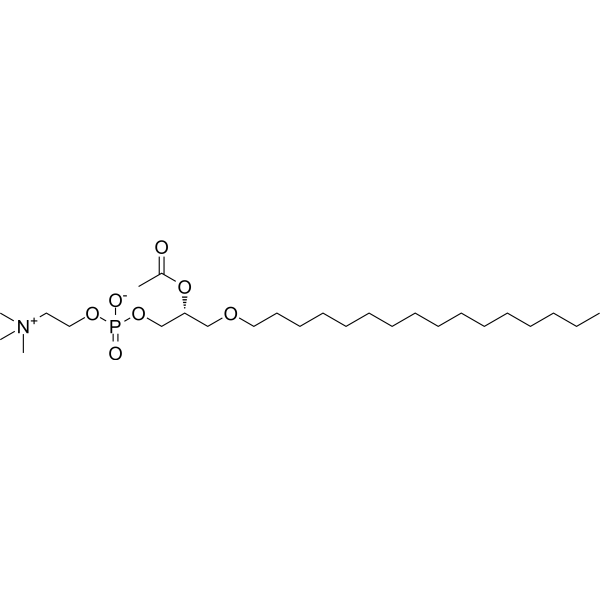
Cat. No.: HY-108635
CAS No.: 74389-68-7
Purity:  99.85%
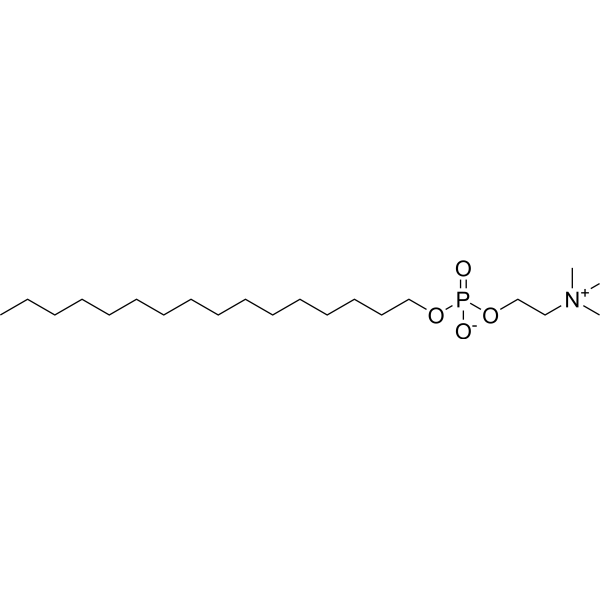
Synonyms: PAF (C16)
C16-PAF (PAF (C16)), a phospholipid mediator, is a platelet-activating factor and ligand for PAF G-protein-coupled receptor (PAFR). C16-PAF exhibits anti-apoptotic effect and inhibits caspase-dependent death by activating the PAFR. C16-PAF is a potent MAPK and MEK/ERK activator. C16-PAF induces increased vascular permeability .
loading...
    loading...
35
35 Cited Publications
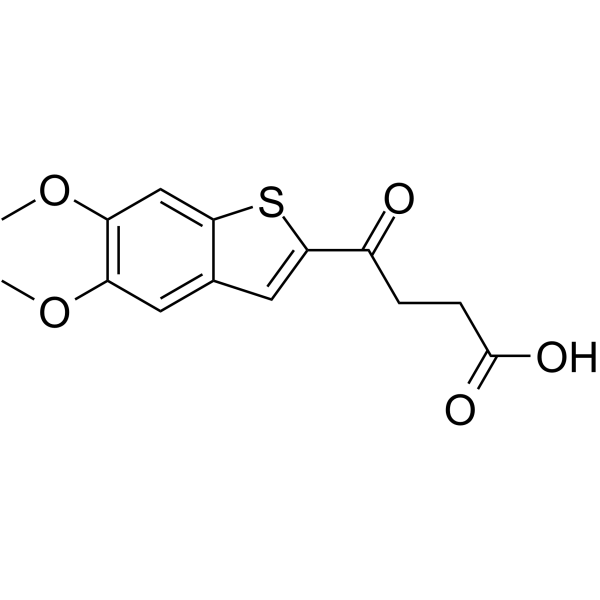
Cat. No.: HY-136927
CAS No.: 129425-81-6
Purity:  99.81%
Target:  

STING

Research Areas:  

Inflammation/Immunology Cancer

MSA-2, a potent and orally available non-nucleotide STING agonist, is bound to STING as a noncovalent dimer with nanomolar affinity. MSA-2 shows EC50s of 8.3 and 24 μM for human STING isoforms WT and HAQ, respectively. MSA-2 stimulates interferon-β secretion in tumors, induces tumor regression with durable antitumor immunity, and synergizes with anti-PD-1 in syngeneic mouse tumor models .
loading...
    loading...
29
29 Cited Publications
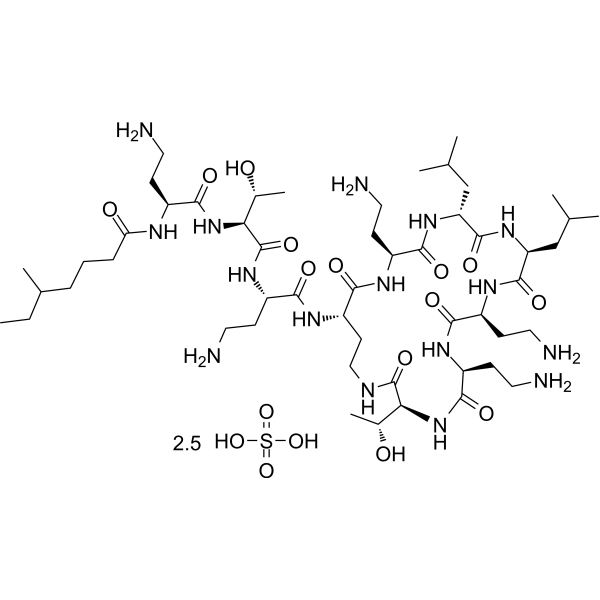
Cat. No.: HY-A0089
CAS No.: 1264-72-8
Synonyms: Polymyxin E sulfate
Colistin sulfate is a polypeptide antibiotic which inhibits gram-negative bacteria by binding to lipopolysaccharides and phospholipids in the outer cell membrane of gram-negative bacteria.
loading...
    loading...
26
26 Cited Publications
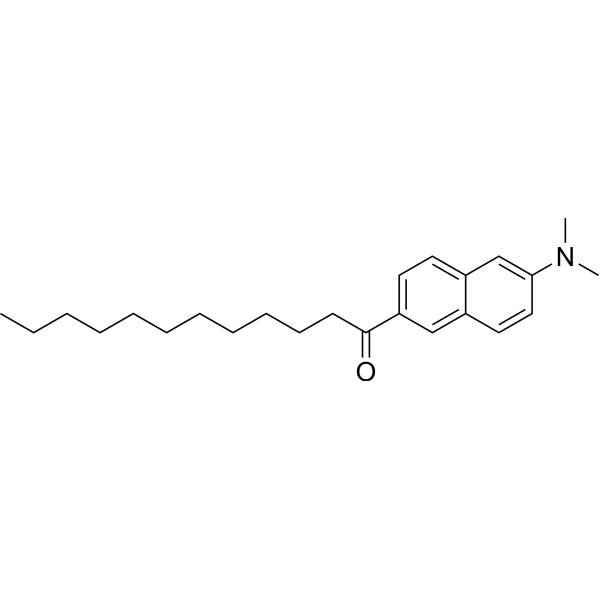
Cat. No.: HY-D0080
CAS No.: 74515-25-6
Laurdan is a membrane-permeable fluorescent probe that displays spectral sensitivity to the phospholipid phase of the cell membrane to which it is bound. Quantitation of generalized polarization (GP) of Laurdan can be used to identify phospholipid phase (Ex/Em = 370/440-490 nm).
loading...
    loading...
26
26 Cited Publications
Cat. No.: HY-N0729
CAS No.: 60-33-3
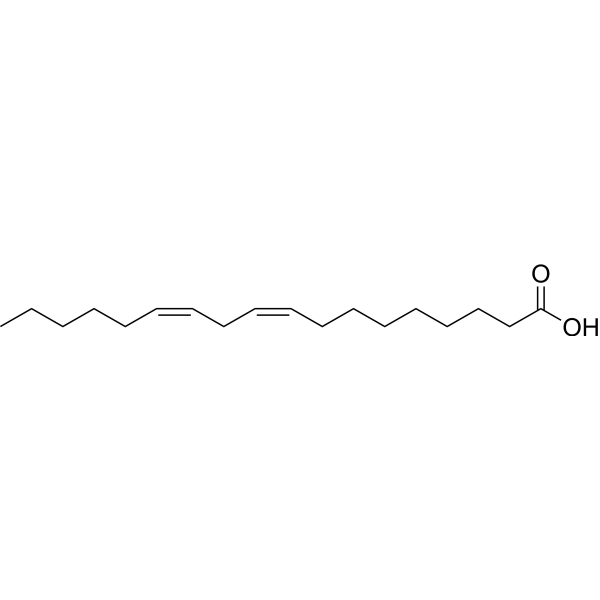
Linoleic acid is a common polyunsaturated (PUFA) found in plant-based oils, nuts and seeds. Linoleic acid is a part of membrane phospholipids, and functions as a structural component to maintain a certain level of membrane fluidity of the transdermal water barrier of the epidermis. Linoleic acid induces red blood cells and hemoglobin damage via oxidative mechanism .
loading...
    loading...
23
23 Cited Publications
Cat. No.: HY-P80450
Synonyms: phospholipid hydroperoxide glutathione peroxidase GPX4, PHGPx, Glutathione peroxidase 4, GPx-4, GSHPx-4, Gpx4

Host:  

Rabbit

Application:  

WB, IHC-P, ICC/IF, FC

Reactivity:  

Human, Mouse, Rat

loading...
    loading...
21
21 Cited Publications
Cat. No.: HY-108496
CAS No.: 26993-30-6
Purity:  ≥99.0%
Synonyms: S1P
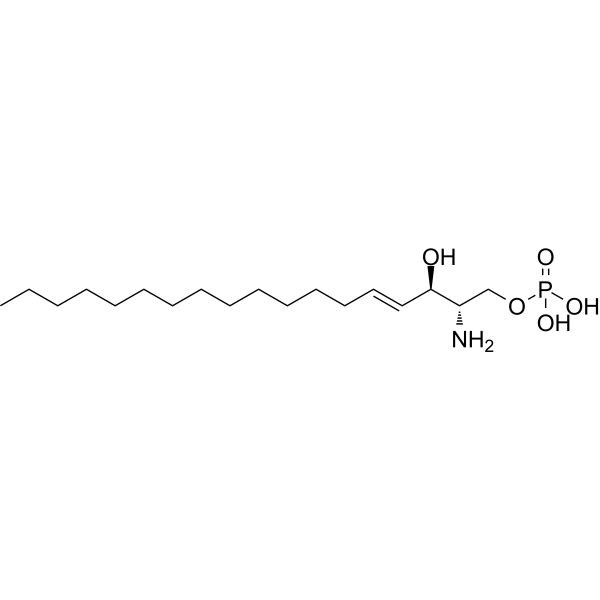
Sphingosine-1-phosphate (S1P) is an agonist of S1P1-5 receptors and a ligand of GPR3, GPR6 and GPR12. Sphingosine-1-phosphate is an intracellular second messenger and mobilizes Ca 2+ as an extracellular ligand for G protein-coupled receptors . Sphingosine-1-phosphate is an important lipid mediator generated from Sphingomyelin (HY-113498) or other membrane phospholipids . Sphingosine-1-phosphate stimulates the DNA synthesis, cell proliferation and migration .
loading...
    loading...
16
16 Cited Publications
Cat. No.: HY-103311
CAS No.: 11103-72-3
Purity:  ≥97.0%
Synonyms: Ammoniated ruthenium oxychloride
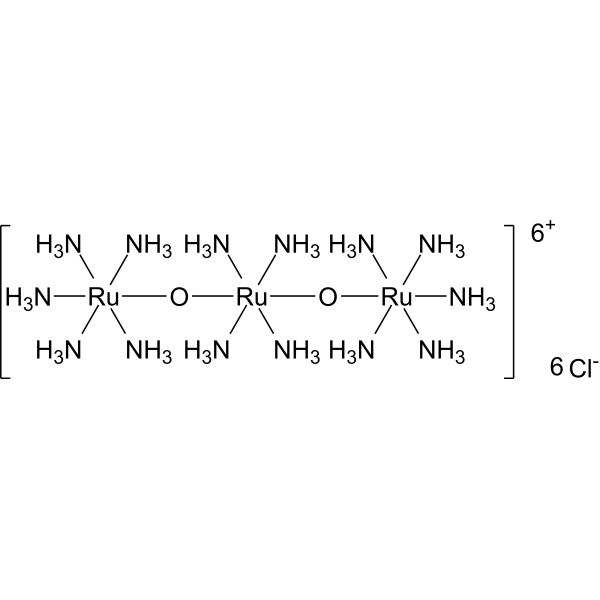
Ruthenium red (Ammoniated ruthenium oxychloride) is a polycationic dye widely used for electron microscopy (EM) of cells, tissues and vegetative bacteria. Ruthenium red strongly reacts with phospholipids and fatty acids and binds to acidic mucopolysaccharides. Ruthenium red is a L-type calcium current (ICa) blocker .
loading...
    loading...
15
15 Cited Publications
Cat. No.: HY-145010
CAS No.: 2249435-90-1
Purity:  99.73%
Target:  

STING

Research Areas:  

Inflammation/Immunology

SN-011 is a potent and selective mouse and human STING inhibitor, with an IC50 of 76 nM for STING signaling. SN-011 competes with cyclic dinucleotide (CDN) for the binding pocket of the STING dimer, blocking CDN binding and STING activation. SN-011 can be used for the research of STING-driven autoimmune and inflammatory disease .
loading...
    loading...
15
15 Cited Publications
Cat. No.: HY-13685
CAS No.: 58066-85-6
Purity:  99.92%
Synonyms: HePC; Hexadecyl phosphocholine
Target:  

Akt HIV Parasite

Research Areas:  

Infection Cancer

Miltefosine is a broad spectrum antimicrobial, anti-leishmanial, phospholipid agent acting by inhibiting the PI3K/Akt activity . Miltefosine is an inhibitor of CTP-phosphocholine cytidyltransferase (CCT) .
loading...
    loading...
13
13 Cited Publications
Cat. No.: HY-B1145
CAS No.: 3697-42-5
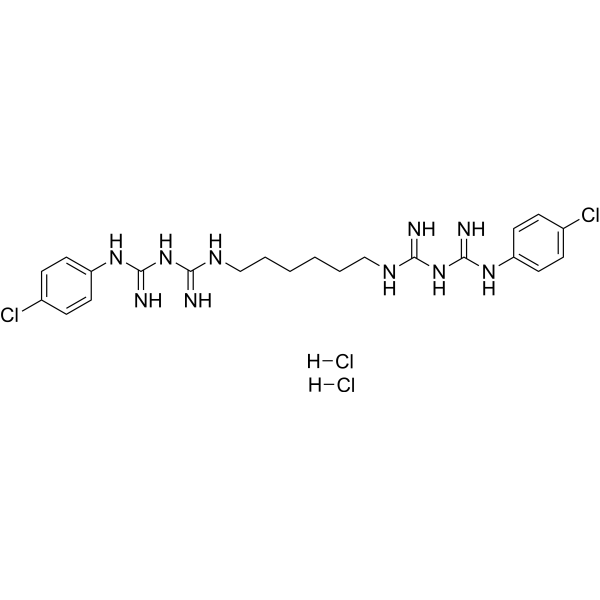
Chlorhexidine dihydrochloride is a orally active cationic antimicrobial agent that targets microbial cell membranes. Chlorhexidine dihydrochloride binds to cell membrane phospholipids non-specifically, destroys membrane structure and induces leakage of cell contents. Chlorhexidine dihydrochloride has broad-spectrum bactericidal activity against both Gram-positive and Gram-negative bacteria. Chlorhexidine dihydrochloride can interfere with membrane permeability, cause protein precipitation and energy metabolism disorders, such as rapid inhibition of microbial growth and induction of cell death (necrosis or apoptosis) .
loading...
    loading...
13
13 Cited Publications
Cat. No.: HY-B1248
CAS No.: 55-56-1
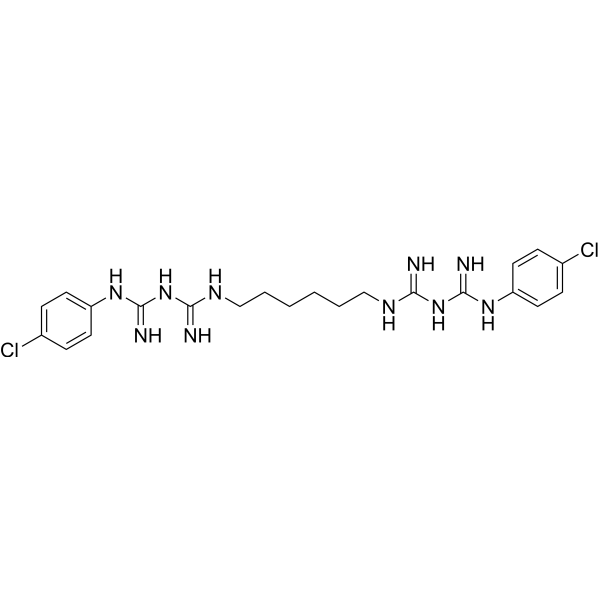
Chlorhexidine is a orally active cationic antimicrobial agent that targets microbial cell membranes. Chlorhexidine binds to cell membrane phospholipids non-specifically, destroys membrane structure and induces leakage of cell contents. Chlorhexidine has broad-spectrum bactericidal activity against both Gram-positive and Gram-negative bacteria. Chlorhexidine can interfere with membrane permeability, cause protein precipitation and energy metabolism disorders, such as rapid inhibition of microbial growth and induction of cell death (necrosis or apoptosis) .
loading...
    loading...
13
13 Cited Publications
Cat. No.: HY-W013699
CAS No.: 56-95-1
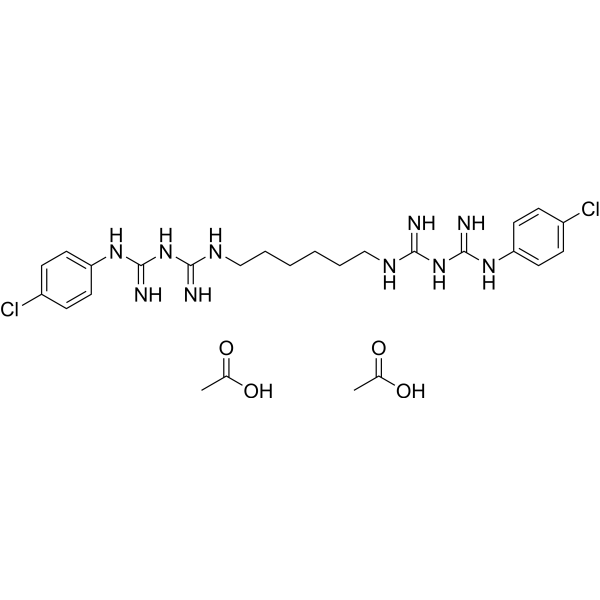
Chlorhexidine diacetate is a orally active cationic antimicrobial agent that targets microbial cell membranes. Chlorhexidine diacetate binds to cell membrane phospholipids non-specifically, destroys membrane structure and induces leakage of cell contents. Chlorhexidine diacetate has broad-spectrum bactericidal activity against both Gram-positive and Gram-negative bacteria. Chlorhexidine diacetate can interfere with membrane permeability, cause protein precipitation and energy metabolism disorders, such as rapid inhibition of microbial growth and induction of cell death (necrosis or apoptosis) .
loading...
    loading...
13
13 Cited Publications
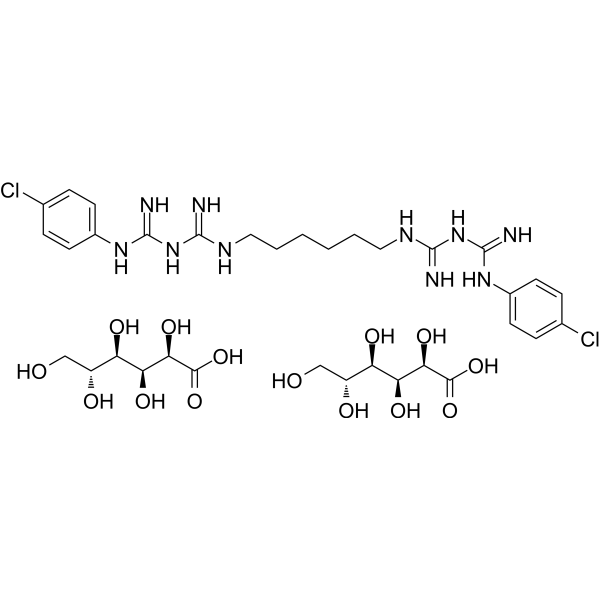
Cat. No.: HY-B0608
CAS No.: 18472-51-0
Chlorhexidine digluconate (20% in water) is a orally active cationic antimicrobial agent that targets microbial cell membranes. Chlorhexidine digluconate (20% in water) binds to cell membrane phospholipids non-specifically, destroys membrane structure and induces leakage of cell contents. Chlorhexidine digluconate (20% in water) has broad-spectrum bactericidal activity against both Gram-positive and Gram-negative bacteria. Chlorhexidine digluconate (20% in water) can interfere with membrane permeability, cause protein precipitation and energy metabolism disorders, such as rapid inhibition of microbial growth and induction of cell death (necrosis or apoptosis) .
loading...
    loading...
12
12 Cited Publications
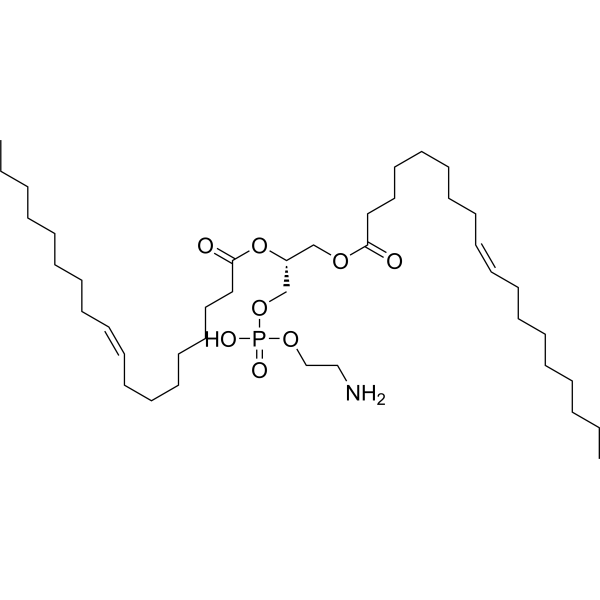
Cat. No.: HY-112005
CAS No.: 4004-05-1
Purity:  98.80%
Synonyms: Dioleoylphosphatidylethanolamine; 1,2-Dioleoyl-sn-glycero-3-phosphoethanolamine
DOPE (Dioleoylphosphatidylethanolamine) is a neutral helper lipid for cationic liposome and combines with cationic phospholipids to improve transfection efficiency of naked siRNA .
loading...
    loading...
12
12 Cited Publications
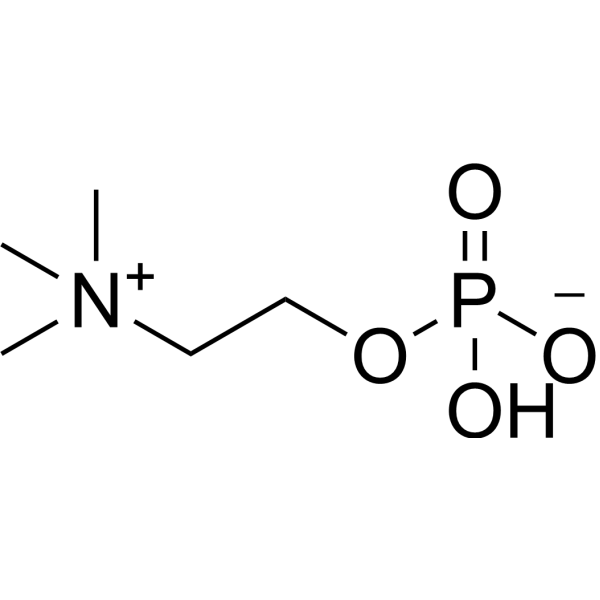
Cat. No.: HY-B2233B
CAS No.: 3616-04-4
Synonyms: Phosphocholine
Phosphatidylcholine is the main phospholipid component in eukaryotic biofilms. Phosphatidylcholine exists in commensal or pathogenic bacteria associated with eukaryotes in prokaryotes. Phosphorylcholine exhibits a surprising range of immunomodulatory properties .
loading...
    loading...
12
12 Cited Publications
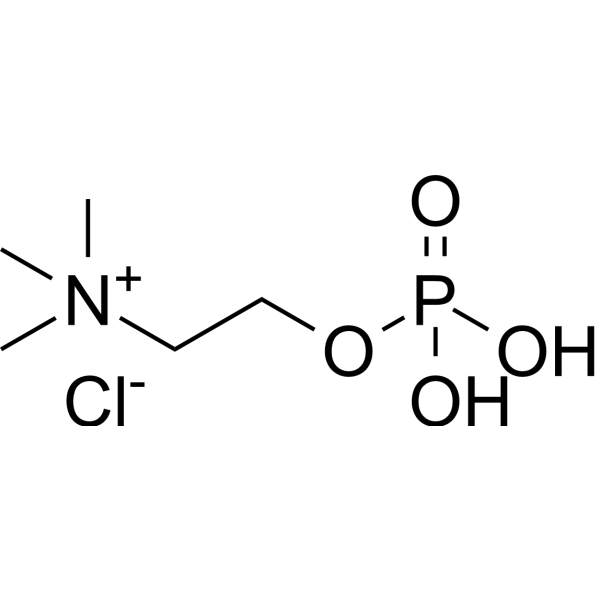
Cat. No.: HY-B2233
CAS No.: 107-73-3
Synonyms: Phosphocholine chloride
Phosphorylcholine chloride (Phosphocholine chloride) is the main phospholipid component in eukaryotic biofilms. Phosphorylcholine chloride exists in commensal or pathogenic bacteria associated with eukaryotes in prokaryotes. Phosphorylcholine chloride exhibits a surprising range of immunomodulatory properties .
loading...
    loading...
12
12 Cited Publications
Cat. No.: HY-113424A
CAS No.: 4235-95-4
Purity:  98.11%
Synonyms: DOPC
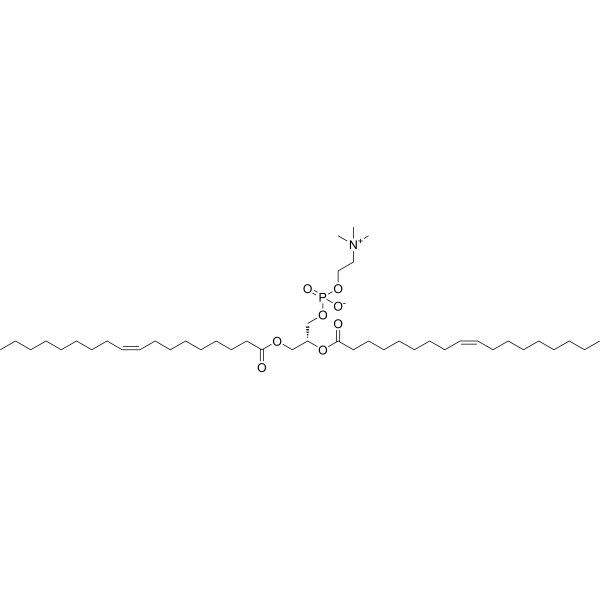
1,2-Dioleoyl-sn-glycero-3-phosphocholine (DOPC) is a phospholipid and is commonly used alone, or with other components, in the generation of micelles, liposomes, and other types of artificial membranes.
loading...
    loading...
12
12 Cited Publications
Cat. No.: HY-B2233A
CAS No.: 4826-71-5
Calcium phosphorylcholine chloride, 98% is the main phospholipid component in eukaryotic biofilms. Calcium phosphorylcholine chloride, 98% exists in commensal or pathogenic bacteria associated with eukaryotes in prokaryotes. Calcium phosphorylcholine chloride, 98% exhibits a surprising range of immunomodulatory properties .
loading...
    loading...
11
11 Cited Publications
Cat. No.: HY-D0986
CAS No.: 115534-33-3
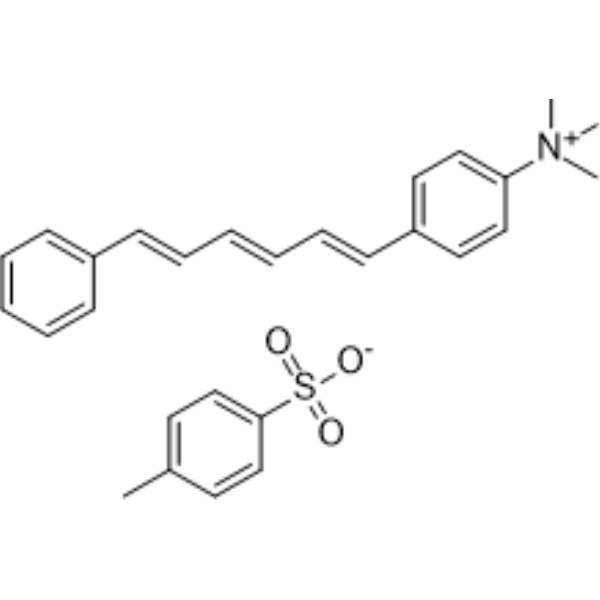
TMA-DPH is a hydrophobic fluorescent membrane probe (Ex=355 nm; Em=430 nm). TMA-DPH is able to anchor on the cell surface and localize to different regions of the phospholipid bilayer. By analyzing the fluorescence polarization values of TMA-DPH in the plasma membrane and membrane substructures, the fluidity of the cell membrane can be determined .
loading...
    loading...

