
86 Results for "

phosphorylation Site

" in MedChemExpress (MCE) Product Catalog:
Products (86)

86 Results for "phosphorylation Site" in MCE Product Catalog:

59
59 Publications Verification
Cat. No.: HY-12289A
CAS No.: 1073160-26-5
Purity:  99.35%
Synonyms: VS-6063 hydrochloride; PF 04554878 hydrochloride
Target:  

FAK

Research Areas:  

Cancer

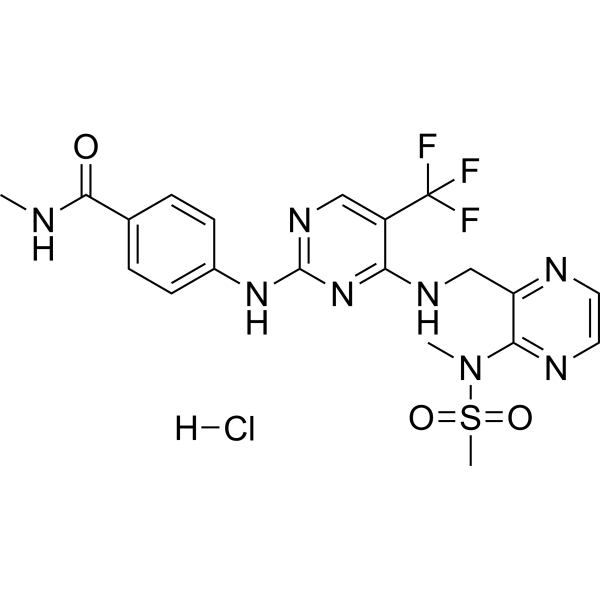
Defactinib hydrochloride (VS-6063 hydrochloride; PF 04554878 hydrochloride) is a novel FAK inhibitor, which inhibits FAK phosphorylation at the Tyr397 site in a time- and dose-dependent manner.
loading...
    loading...
24
24 Cited Publications
Cat. No.: HY-B0789
CAS No.: 330161-87-0
Target:  

Src FAK Akt

Research Areas:  

Cancer

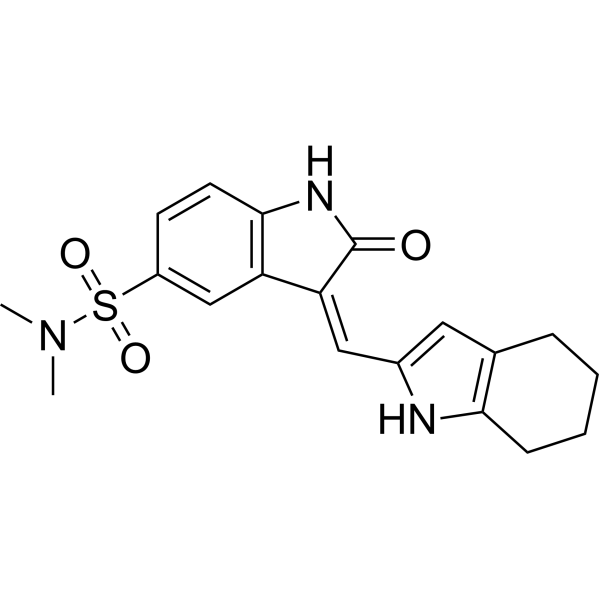
SU6656 is a Src family kinases inhibitor with IC50s of 280, 20, 130, 170 nM for Src, Yes, Lyn, and Fyn, respectively. SU6656 inhibits FAK phosphorylation at Y576/577, Y925, Y861 sites. SU6656 also inhibits p-AKT.
loading...
    loading...
9
9 Cited Publications
Cat. No.: HY-101562
CAS No.: 2060571-02-8
Purity:  99.96%
Synonyms: GDC-0077; RG6114
Target:  

PI3K Apoptosis

Research Areas:  

Cancer

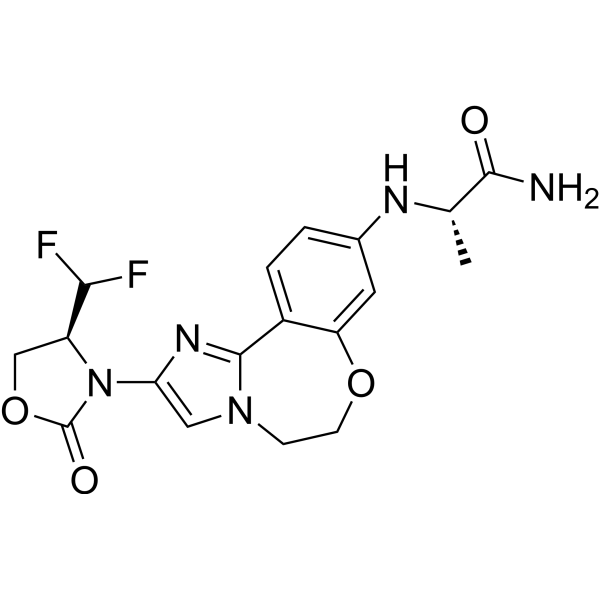
Inavolisib (GDC-0077) is a potent, orally active, and selective PI3Kα inhibitor (IC50=0.038 nM). Inavolisib exerts its activity by binding to the ATP binding site of PI3K, thereby inhibiting the phosphorylation of PIP2 to PIP3. Inavolisib is more selective for mutant versus wild-type PI3Kα. Inavolisib can be used for the study of breast cancer .
loading...
    loading...
8
8 Cited Publications
Cat. No.: HY-123834
CAS No.: 824983-91-7
Purity:  99.85%
Target:  

FLAP ATM/ATR

Research Areas:  

Cancer

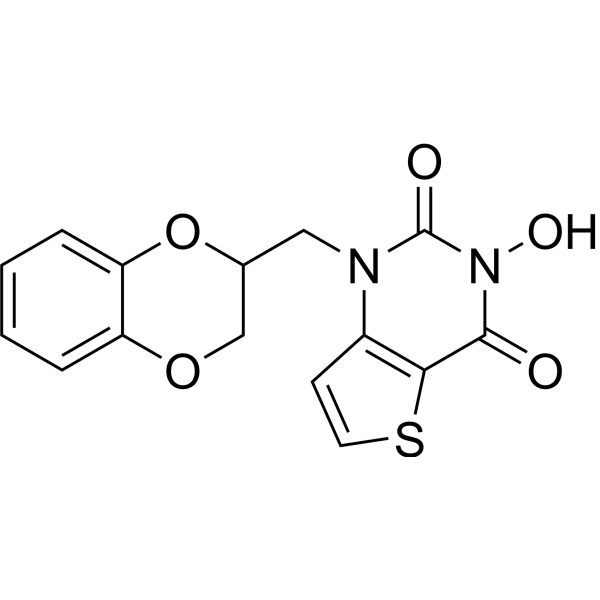
FEN1-IN-1 (compound 1) is a small molecule flap endonuclease 1 (FEN1) inhibitor with antitumor activity. FEN1-IN-1 binds to the active site of FEN1 and partly achieves inhibition by the co-ordination of Mg 2+ ions. FEN1-IN-1 initiaties a DNA damage response and activates the ATM checkpoint signalling pathway, the phosphorylation of histone H2AX and the ubiquitination of FANCD2 in mammalian cells. FEN1-IN-1 is promising for research of cancers .
loading...
    loading...
4
4 Cited Publications
Cat. No.: HY-N2593
CAS No.: 32507-66-7
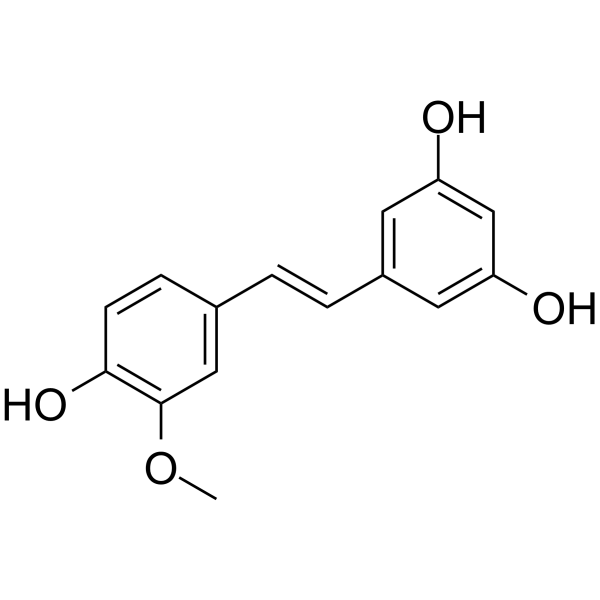
Isorhapontigenin is an orally active dietary polyphenol. Isorhapontigenin acts as a potent antioxidant that reduces the production of reactive oxygen species (ROS). Isorhapontigenin promotes the binding of JUN to the AP-1 site on the SESN2 promoter, induces SESN2 transcription, triggers MAPK8-dependent JUN activation, and upregulates the expression of PPAR-α, PGC-1α and CPT-1A to facilitate fatty acid oxidation. Isorhapontigenin induces autophagy, apoptosis and preadipocyte differentiation; it inhibits tumor growth, cell invasion, NF-κB transcriptional activity, the PI3K/Akt signaling pathway, STAT1 phosphorylation and MMP-2 expression. Isorhapontigenin alleviates oxidative stress, inflammatory cytokine release and triglyceride accumulation; it increases intracellular ATP levels and promotes Nrf2 nuclear translocation. Isorhapontigenin improves insulin sensitivity in adipose tissue and glucose tolerance, and reduces postprandial blood glucose, insulin and free fatty acid levels. Isorhapontigenin is applicable to research on bladder cancer, liver injury, chronic obstructive pulmonary disease, acute lung injury and type 2 diabetes .
loading...
    loading...
3
3 Cited Publications
Cat. No.: HY-109061
CAS No.: 1903008-80-9
Purity:  99.87%
Synonyms: YH25448; GNS-1480
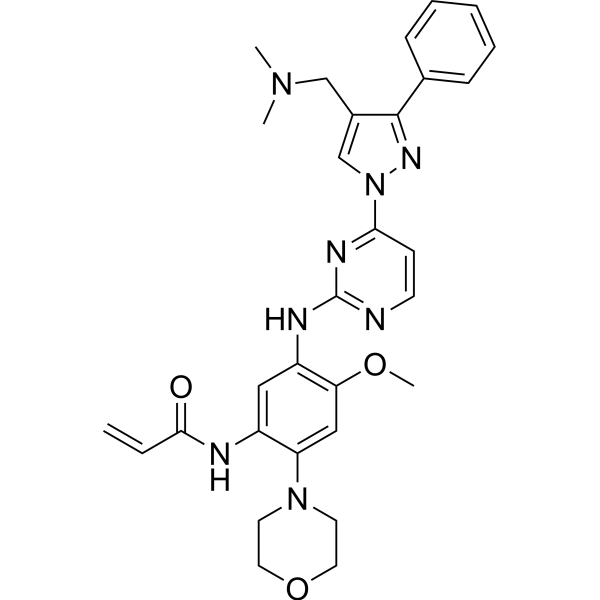
Lazertinib (YH25448; GNS-1480) is an orally active, blood-brain barrier permeable third-generation EGFR tyrosine kinase inhibitor, as well as an ABCB1/ABCG2 inhibitor and a TRPA1 activator. Lazertinib exhibits IC50 values of 0.4 mM and 0.2 mM against human ABCB1 and ABCG2, respectively. By inhibiting mutant EGFR signaling, EGFR phosphorylation and the downstream ERK/AKT pathway, as well as upregulating surface expression of EGFR/MET, Lazertinib induces cell cycle arrest, apoptosis, spontaneous calcium responses, hyperexcitability of dorsal root ganglion (DRG) neurons, and TRPA1-dependent pain-like behaviors. Lazertinib competitively binds to the substrate-binding sites of ABCB1/ABCG2, stimulates their ATPase activity without altering their expression or plasma membrane localization, thereby enhancing ADCC activity, acting as a chemosensitizer, and reversing ABCB1-mediated multidrug resistance. It exerts antitumor activity as a single agent or in combination with other drugs. Lazertinib is applicable to research related to non-small cell lung cancer, multidrug-resistant cancers, and paresthesia .
loading...
    loading...
3
3 Cited Publications
Cat. No.: HY-109061B
CAS No.: 2247995-37-3
Synonyms: YH25448 mesylate; GNS-1480 mesylate
Research Areas:  

Cancer

Lazertinib (YH25448; GNS-1480) mesylate is an orally active, blood-brain barrier permeable third-generation EGFR tyrosine kinase inhibitor, as well as an ABCB1/ABCG2 inhibitor and a TRPA1 activator. Lazertinib mesylate exhibits IC50 values of 0.4 mM and 0.2 mM against human ABCB1 and ABCG2, respectively. By inhibiting mutant EGFR signaling, EGFR phosphorylation and the downstream ERK/AKT pathway, as well as upregulating surface expression of EGFR/MET, Lazertinib mesylate induces cell cycle arrest, apoptosis, spontaneous calcium responses, hyperexcitability of dorsal root ganglion (DRG) neurons, and TRPA1-dependent pain-like behaviors. Lazertinib mesylate competitively binds to the substrate-binding sites of ABCB1/ABCG2, stimulates their ATPase activity without altering their expression or plasma membrane localization, thereby enhancing ADCC activity, acting as a chemosensitizer, and reversing ABCB1-mediated multidrug resistance. It exerts antitumor activity as a single agent or in combination with other drugs. Lazertinib mesylate is applicable to research related to non-small cell lung cancer, multidrug-resistant cancers, and paresthesia .
loading...
    loading...
1
1 Cited Publications
Cat. No.: HY-155978A
Purity:  99.80%
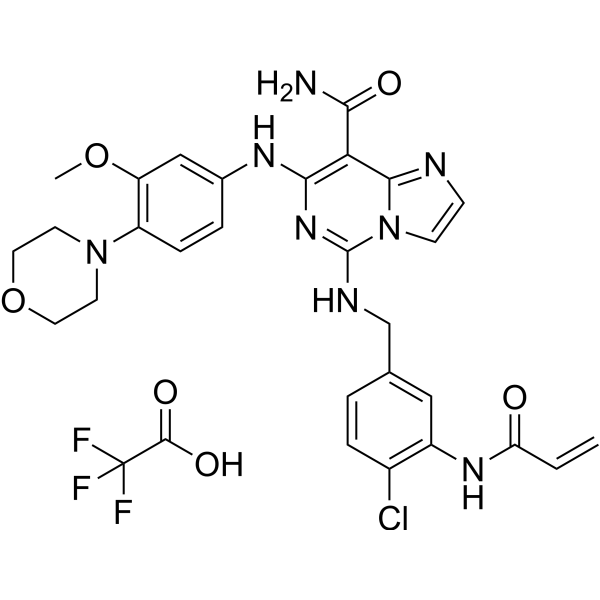
RDN2150 TFA is a ZAP-70 inhibitor with an IC50 of 14.6 nM, and it exhibits selectivity for Syk over other kinases. RDN2150 TFA inhibits signal transduction and activation of T cells/CAR-T cells, reduces the phosphorylation level of Erk1/2, suppresses the induction of CD69 and IL-2, and downregulates phosphotyrosine signaling pathways including hnRNP sites in T cells. RDN2150 TFA can be used for psoriasis-related research .
loading...
    loading...
1
1 Cited Publications
Cat. No.: HY-139481
CAS No.: 1415823-49-2
Purity:  99.86%
Synonyms: TL-895
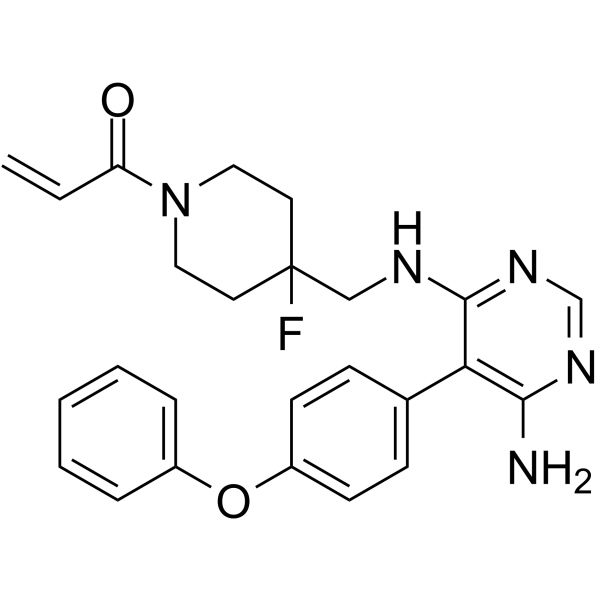
Flixebrutinib (TL-895) is a potent, orally active, ATP-competitive, and highly selective irreversible BTK inhibitor. Flixebrutinib is active against recombinant BTK (average IC50: 1.5 nM) and inhibits only three additional kinases BLK, BMX (IC50 = 1.6 nM) and TXK with IC50 within tenfold of BTK activity. Flixebrutinib inhibits BTK auto-phosphorylation at the Y223 phosphorylation site (IC50: 1-10 nM). The Flixebrutinib effectively inhibits the production of inflammatory factors such as IL-8, IL-1β, MCP-1 and TNF-α by monocytes or macrophages, and reduces the chemotactic migration of MF cells towards SDF-1. Flixebrutinib is used be for studies of chronic lymphocytic leukemia (CLL), myelofibrosis (MF), and B-cell malignancies .
loading...
    loading...
1
1 Cited Publications
Cat. No.: HY-149007
CAS No.: 2503096-50-0
Purity:  98.30%
Target:  

STAT Apoptosis

Research Areas:  

Cancer

STAT3-IN-11 (7a) is a selective STAT3 inhibitor that inhibits the phosphorylation of STAT3 at site pTyr705. STAT3-IN-11 inhibits the phosphorylation of downstream genes (Survivin and Mcl-1) without affecting its upstream tyrosine kinases (Src and JAK2) levels and p-STAT1 expression. STAT3-IN-11 can induce cancer cell apoptosis, which is potential for the discovery of effective STAT3 inhibitors and antitumor agents against cancers .
loading...
    loading...
1
1 Cited Publications
Cat. No.: HY-114302
CAS No.: 2100864-57-9
Purity:  99.89%
Target:  

Microtubule/Tubulin

Research Areas:  

Cancer

CCB02 is a selective CPAP-tubulin interaction inhibitor, binding to tubulin and competing for the CPAP binding site of β-tubulin, with an IC50 of 689 nM, and shows potent anti-tumor activity. CCB02 shows no inhibition on the cell cycle- and centrosome-related kinases, or the phosphorylation status of Aurora A, Plk1, Plk2, CDK2, and CHK1 .
loading...
    loading...
1
1 Cited Publications
Cat. No.: HY-N0620
CAS No.: 102841-43-0
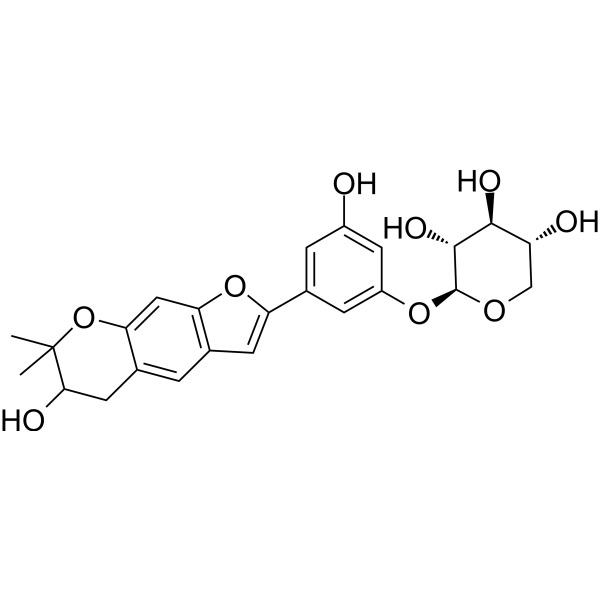
Mulberroside C is one of the main bioactive components in white mulberry (Morus alba L.). Mulberroside C exhibits antiplatelet, antiviral and neutrophil-regulating activities, and binds to EV-A71 VP1 with a Kd value of 1.289 nM. Mulberroside C reduces the phosphorylation level of ERK, promotes the phosphorylation of IP3RI at the Ser 1756 site, and decreases calcium influx and calcium mobilization. Mulberroside C inhibits the expression of P-selectin (P-selectin). Mulberroside C upregulates the cyclic nucleotide signaling pathway in human platelets. Mulberroside C binds to IL-23R, upregulates the expression of G-CSF, GM-CSF and RASGRP1, and activates the RAS/ERK signaling pathway. Mulberroside C promotes neutrophil maturation, accelerates the recovery of leukopenia, and enhances the antibacterial activity of neutrophils. Mulberroside C inhibits the replication of hepatitis C virus in replicon cells. Mulberroside C prevents the uncoating and genome release of EV-A71, and inhibits the synthesis of viral proteins and RNA. Mulberroside C can be used in studies related to thrombosis-mediated cardiovascular diseases, chemotherapy- and radiotherapy-induced leukopenia, hepatitis C virus infection, and hand, foot and mouth disease .
loading...
    loading...
1
1 Cited Publications
Cat. No.: HY-P1597
CAS No.: 86555-35-3
Target:  

PKA PKC

Research Areas:  

Cancer

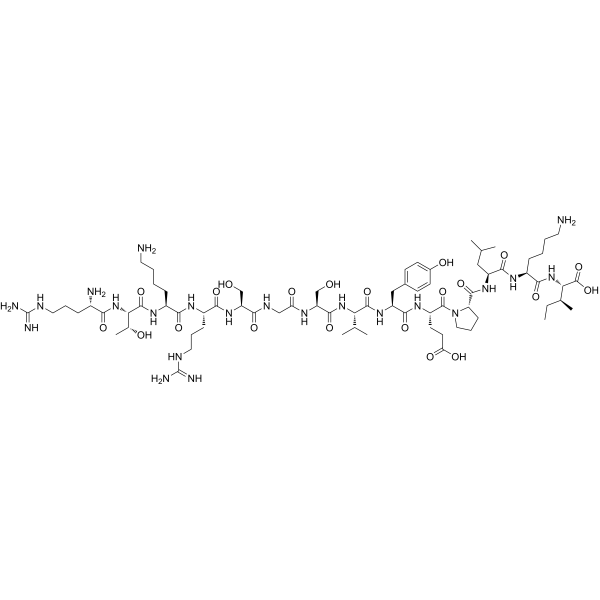
Malantide is a synthetic dodecapeptide derived from the site phosphorylated by cAMP-dependent protein kinase (PKA) on the β-subunit of phosphorylase kinase. Malantide is a highly specific substrate for PKA with a Km of 15 μM and shows protein inhibitor (PKI) inhibition >90% substrate phosphorylation in various rat tissue extracts . Malantide is also an efficient substrate for PKC with a Km of 16 μM .
loading...
    loading...
Cat. No.: HY-110282
CAS No.: 890888-12-7
Purity:  99.62%
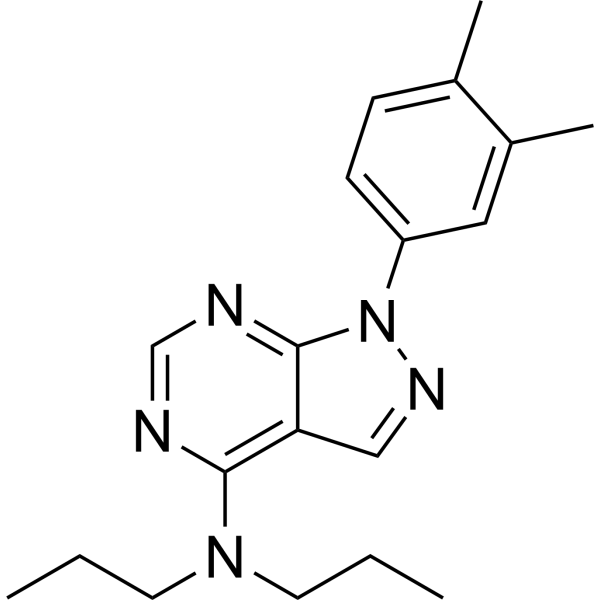
S3QEL-2, a suppressor of superoxide production from mitochondrial complex III, potently and selectively suppresses site IIIQo superoxide production (IC50=1.7 μM). S3QEL-2 does not affect oxidative phosphorylation, and normal electron flux. S3QEL-2 inhibits HIF-1α accumulation .
loading...
    loading...
Cat. No.: HY-P9964
CAS No.: 906805-06-9
Synonyms: 11F8; IMC-11F8; LY3012211

Target:  

EGFR

Research Areas:  

Cancer

Necitumumab (11F8; IMC-11F8; LY3012211) is a human IgG monoclonal antibody directed against EGFR. Necitumumab binds to the EGF binding site of EGFR, blocks ligand binding, neutralizes ligand-induced EGFR phosphorylation and downstream signaling, induces EGFR internalization and degradation, and mediates antibody-dependent cellular cytotoxicity (ADCC) in EGFR-expressing cells. Necitumumab enhances antitumour activity in combination with Gemcitabine (HY-17026) and Cisplatin (HY-17394) in murine non-small-cell lung cancer xenograft models. Necitumumab can be used in research on cancers such as non-small cell lung cancer and colorectal cancer .
loading...
    loading...
Cat. No.: HY-NP0204
Synonyms: Mouse Serum Albumin
MSA Protein (Mouse Serum Albumin) is most abundant protein in plasma, which leaks into the brain parenchyma when the blood-brain barrier (BBB) is impaired. Mouse Serum Albumin induces astrocytes to A1 phenotype to remarkably increase levels of Elovl1. Mouse Serum Albumin promotes VLSFAs secretion and causes neuronal lippoapoptosis through endoplasmic reticulum stress response pathway. MSA-activated microglia triggeres remarkable tau phosphorylation at multiple sites (Ser202/Thr205) through NLRP3 inflammasome pathway. Mouse Serum Albumin decreases the spatial learning and memory abilities in mice. Mouse Serum Albumin can be used for the study of neurodegenerative diseases like Alzheimer’s disease (AD) and frontotemporal dementia (FTD) .
loading...
    loading...
Cat. No.: HY-B1451
CAS No.: 89396-94-1
Synonyms: TA-6366
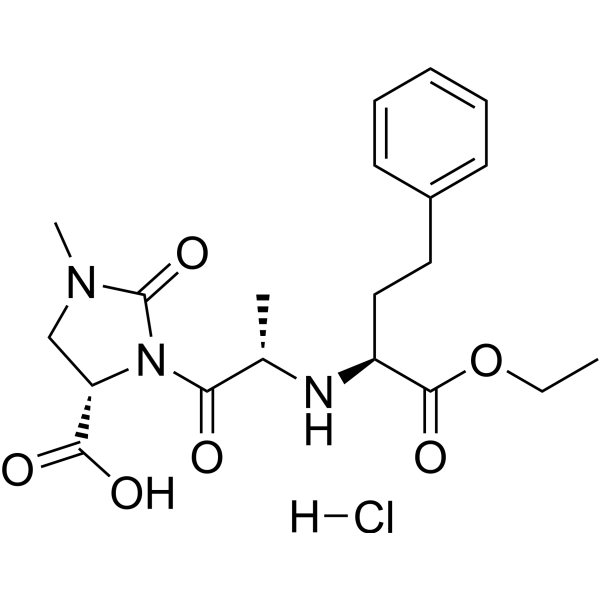
Imidapril hydrochloride (TA-6366) is an orally active dual inhibitor of angiotensin-converting enzyme (ACE) and MMP-9. Imidapril hydrochloride inhibits lipopolysaccharide-induced phosphorylation of c-Jun, MKK4 and JNK in monocytes, and downregulates the production of specific inflammatory factors such as TNF-α and IP-10, thereby exerting anti-inflammatory activity. Imidapril hydrochloride also effectively ameliorates mesangial expansion and reduces urinary albumin excretion by inhibiting angiotensin AngII production, lowering glomerular pressure and oxidative stress, thus delaying disease progression. Imidapril hydrochloride can also directly bind to the active site of MMP-9 to inhibit gelatinase activity, and suppress the enlargement of cerebral aneurysms without altering systemic blood pressure. Imidapril hydrochloride is widely applicable to related studies on autoimmune glomerulonephritis, diabetic nephropathy, cerebral aneurysms and other conditions .
loading...
    loading...
Cat. No.: HY-163944
CAS No.: 3081311-94-3
LL-K12-18 is a CDK12 kinase inhibitor and a dual-site molecular glue. LL-K12-18 inhibits human CDK12 with an IC50 value of 283.9 nM, and selectively degrades cyclin K via the ubiquitin-proteasome system by stabilizing the CDK12-DDB1 complex. LL-K12-18 downregulates DNA damage response genes, reduces the phosphorylation level of CTD Ser2 in RNA polymerase II, and modulates biomarkers such as ATM, RAD51, γ-H2AX and cleaved PARP, thereby effectively inducing apoptosis and inhibiting proliferation of breast cancer cells. LL-K12-18 exhibits high target selectivity and serves as a research tool for studies on triple-negative breast cancer .
loading...
    loading...
Cat. No.: HY-P5979
CAS No.: 1071466-49-3
Target:  

LRRK2

Research Areas:  

Neurological Disease

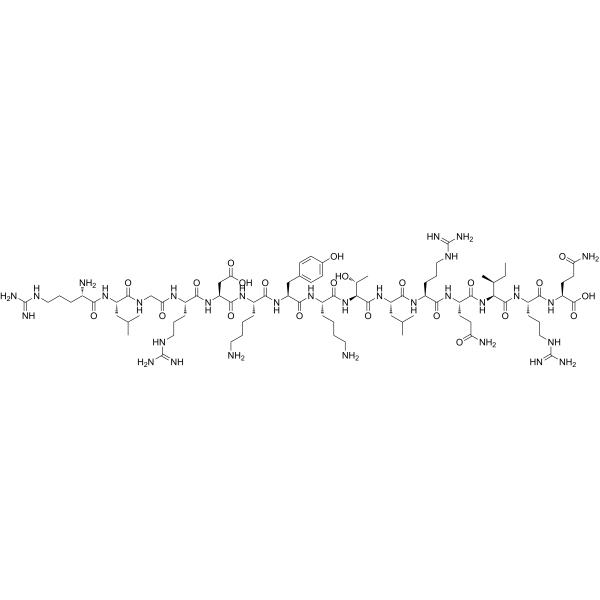
LRRKtide is a polypeptide substrate. LRRKtide is a specific phosphorylation substrate of LRRK2, a kinase associated with Parkinson's disease, and its phosphorylation site is a threonine residue. LRRKtide can be used for characterization of the catalytic properties of LRRK2, as well as studies on kinase activity and inhibition. LRRKtide is applicable to research related to Parkinson's disease .
loading...
    loading...
Cat. No.: HY-151379
CAS No.: 1886879-71-5
Purity:  98.37%
Research Areas:  

Cancer

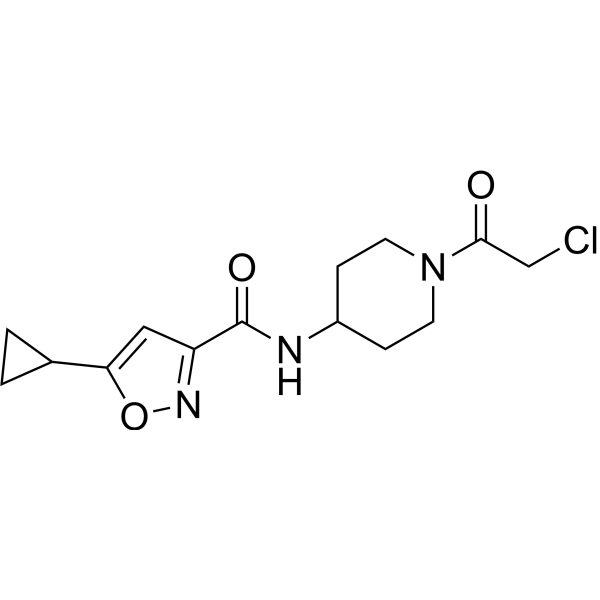
EM127 (compound 11c) is a SMYD3 covalent inhibitor with high selectivity, high affinity (KD=13 μM) and site-specificity. EM127 effectively inhibits ERK1/2 phosphorylation and reduces transcriptional regulation of SMYD3 target genes. EM127 effectively and prolongedly impairs methyltransferase activity. EM127 can be used in cancer research, particularly in SMYD3 positive tumours .
loading...
    loading...

