

1. Search Result
Search Result
Results for "

physiological functions

" in MedChemExpress (MCE) Product Catalog:

97

Inhibitors & Agonists

14

Screening Libraries

7

Fluorescent Dyes

7

Biochemical Assay Reagents

15

Peptides

2

Inhibitory Antibodies

18

Natural
Products

12

Isotope-Labeled Compounds

1

Click Chemistry

4

Oligonucleotides

Cat. No. Product Name Target Research Areas Chemical Structure
  • HY-B0228
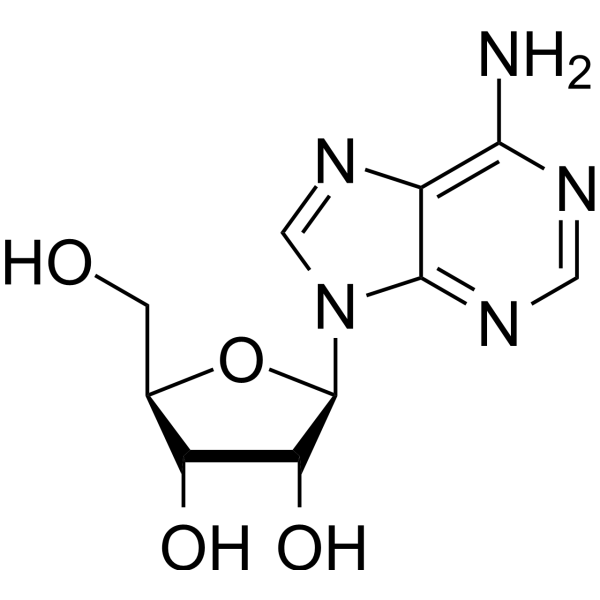
    Adenosine
    15+ Cited Publications

    Adenine riboside; D-Adenosine

    Environmental Pollutants Autophagy Nucleoside Antimetabolite/Analog Endogenous Metabolite Apoptosis Metabolic Disease Cancer
    Adenosine (Adenine riboside), a ubiquitous and BBB-permeable endogenous autacoid, acts through the enrollment of four G protein-coupled receptors: A1, A2A, A2B, and A3. Adenosine affects almost all aspects of cellular physiology, including neuronal activity, vascular function, platelet aggregation, and blood cell regulation .
    Adenosine
  • HY-B1204
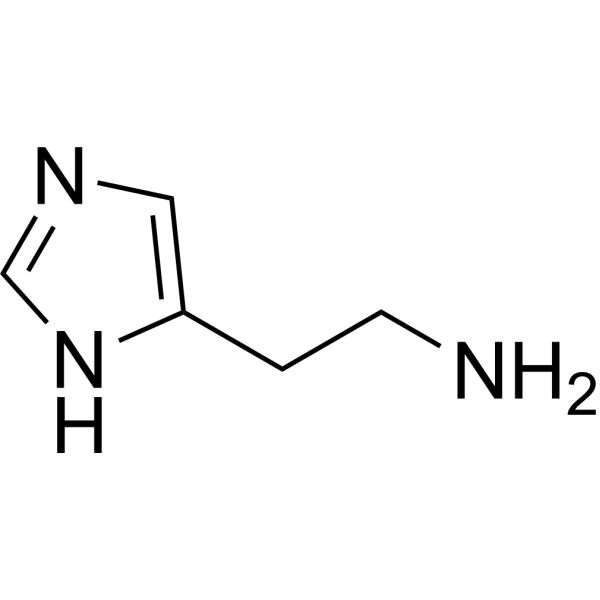
    Histamine
    15+ Cited Publications

    Ergamine

    Histamine Receptor p38 MAPK Akt Reactive Oxygen Species (ROS) Apoptosis Endogenous Metabolite Neurological Disease Inflammation/Immunology Endocrinology Cancer
    Histamine is the agonist for histamine receptor and a vasodilator. Histamine is an organic nitrogen compound that participates in local immune responses, regulates intestinal physiological functions, and acts as a neurotransmitter. Histamine affects p38 MAPK/Akt signaling pathway, exhibits antitumor, antioxidant and anti-inflammatory activities. Histamine can be used in the research of acute myeloid leukemia, malignant melanoma, and renal cell carcinoma .
    Histamine
  • HY-D0989
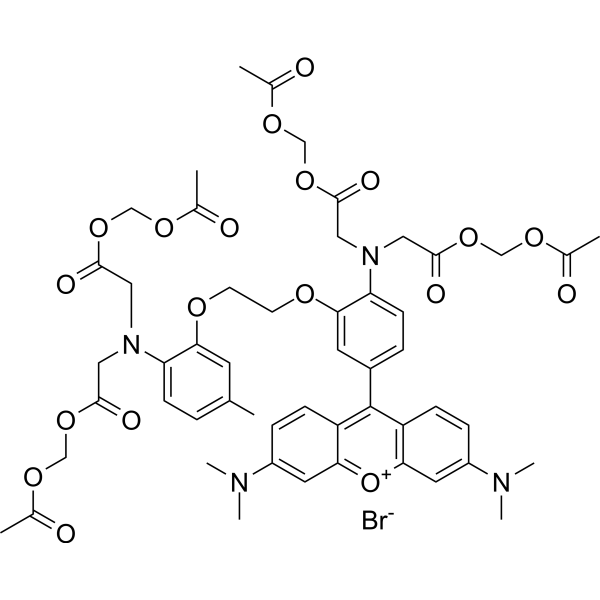
    Rhod-2 AM
    30+ Cited Publications

    Fluorescent Dye Others
    Rhod-2 is a high-affinity visible light excitation wavelength Ca 2+ fluorescent probe, Rhod-2, AM is an acetyl methyl ester derivative of Rhod-2, which has cell membrane permeability and can easily enter cells with simple culture. Once it enters the cell, it is sheared by its lactesterase to produce Rhod-2 without membrane permeability, which remains in the cell to perform the corresponding physiological functions. Maximum excitation/emission wavelength: 549/578 nm .
    Rhod-2 AM
  • HY-110220
    CIM0216
    3 Publications Verification

    TRP Channel Neurological Disease
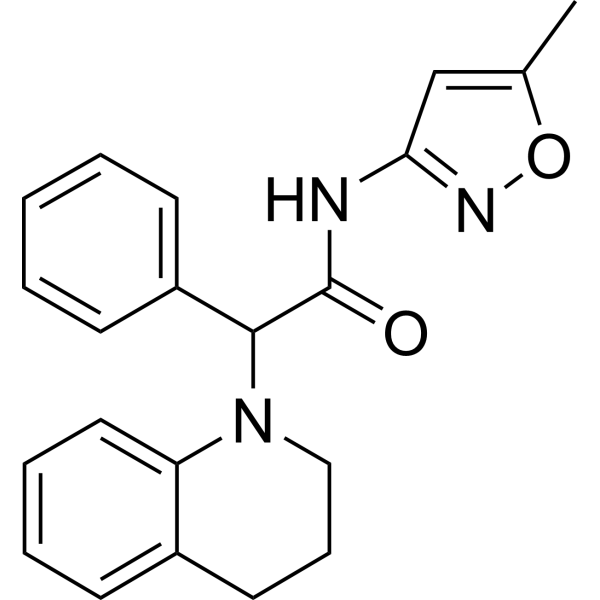
    CIM0216, a synthetic TRPM3 ligand, acts as a potent and selective agonist of TRPM3. CIM0216 exhibits selectivity for TRPM3 over TRPM1, TRPM2 and TRPM4-8. CIM0216 acts in a TRPM3-dependent manner to induce pain and evoke neuropeptide release from sensory nerve terminals in vitro. CIM0216 is a powerful tool for studies of the physiological functions of TRPM3, and can be used for neurogenic inflammation research .
    CIM0216
  • HY-B0722
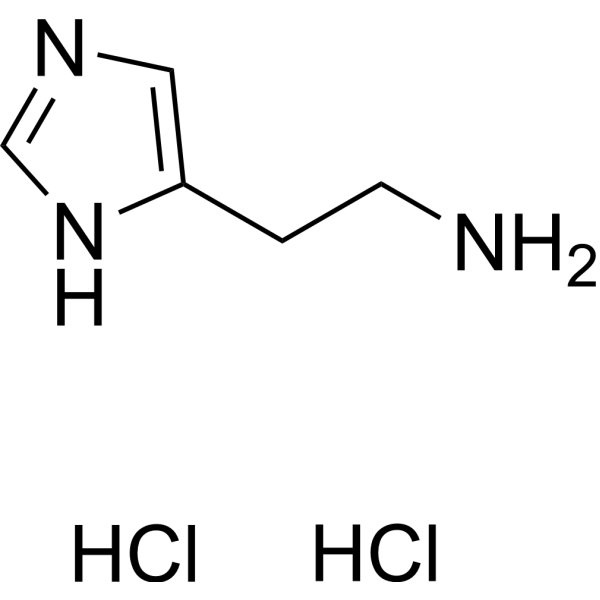
    Histamine dihydrochloride
    15+ Cited Publications

    Histamine Receptor p38 MAPK Akt Reactive Oxygen Species (ROS) Apoptosis Endogenous Metabolite Neurological Disease Inflammation/Immunology Endocrinology Cancer
    Histamine dihydrochloride is the agonist for histamine receptor and a vasodilator. Histamine dihydrochloride is an organic nitrogen compound that participates in local immune responses, regulates intestinal physiological functions, and acts as a neurotransmitter. Histamine dihydrochloride affects p38 MAPK/Akt signaling pathway, exhibits antitumor, antioxidant and anti-inflammatory activities. Histamine dihydrochloride can be used in the research of acute myeloid leukemia, malignant melanoma, and renal cell carcinoma .
    Histamine dihydrochloride
  • HY-W145499
    Zinc Gluconate
    1 Publications Verification

    PPAR NF-κB Toll-like Receptor (TLR) Inflammation/Immunology Cancer
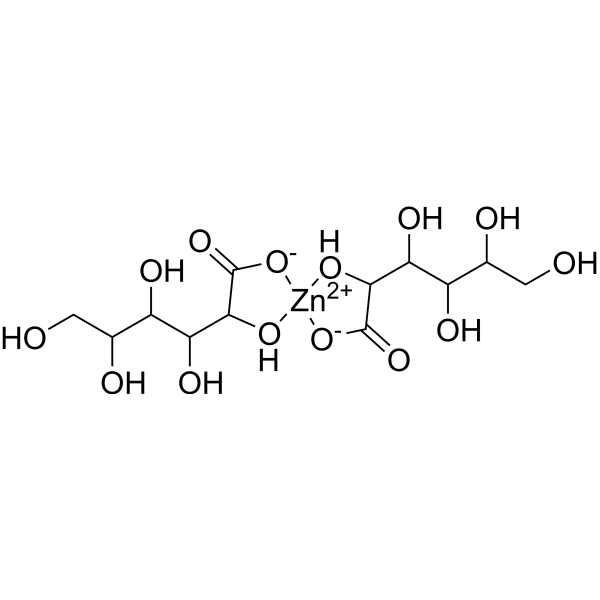
    Zinc Gluconate is a zinc supplement in the form of a gluconate salt, which plays a role in various physiological processes such as immune function, wound healing, and olfaction. Zinc Gluconate has a LD50 of 39.6 mg/kg in mice (Tail vein injection). Zinc Gluconate can be used in the research of inflammation, zinc deficiency, colds, cancer, and nutritional supplements .
    Zinc Gluconate
  • HY-A0129
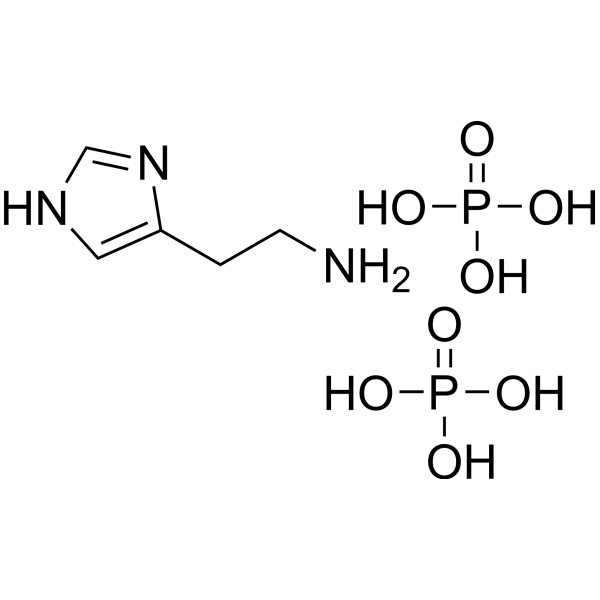
    Histamine phosphate
    15+ Cited Publications

    Histamine diphosphate

    Histamine Receptor p38 MAPK Akt Reactive Oxygen Species (ROS) Apoptosis Endogenous Metabolite Neurological Disease Inflammation/Immunology Endocrinology Cancer
    Histamine phosphate is the agonist for histamine receptor and a vasodilator. Histamine phosphate is an organic nitrogen compound that participates in local immune responses, regulates intestinal physiological functions, and acts as a neurotransmitter. Histamine phosphate affects p38 MAPK/Akt signaling pathway, exhibits antitumor, antioxidant and anti-inflammatory activities. Histamine phosphate can be used in the research of acute myeloid leukemia, malignant melanoma, and renal cell carcinoma .
    Histamine phosphate
  • HY-W013706

    ITP trisodium salt; Inosine triphosphate trisodium salt

    Endogenous Metabolite Metabolic Disease
    Inosine-5'-triphosphate trisodium salt is a nucleotide analogue that acts on multiple G proteins and is widely used in G protein-related research. It can bind to the α -subunit of G proteins and participate in G protein-mediated signal transduction as a substitute for GTP. Its mechanism of action is to interact with the nucleotide-binding site of the G protein α -subunit, affecting the activity and function of G proteins. In the research field, it is mainly used to explore the role of the G protein signaling pathway in cellular physiological and pathological processes. For example, in HL-60 leukemia cells, its impact on G protein-mediated signal transduction can be studied .
    Inosine-5'-triphosphate trisodium salt
  • HY-D1583
    Cyanine5 DBCO hexafluorophosphate
    3 Publications Verification

    DBCO-Cy5 hexafluorophosphate; Cyanine5 dibenzocyclooctyne hexafluorophosphate

    Fluorescent Dye Others
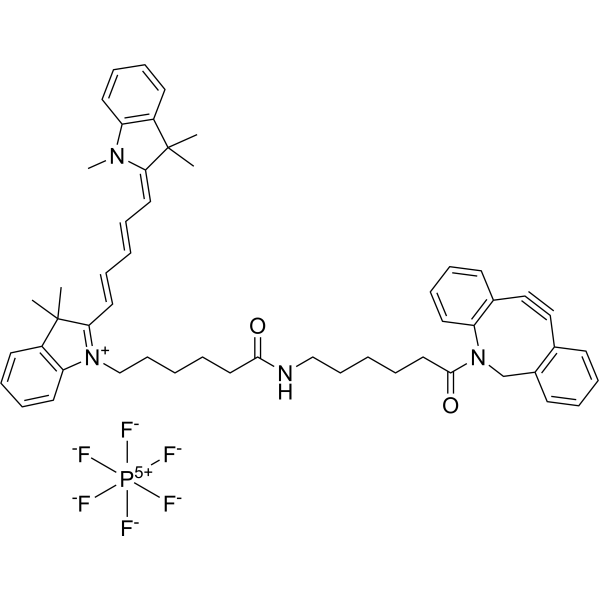
    Cyanine5 DBCO (DBCO-Cy5) hexafluorophosphate is a low-toxicity azide reactive probe (NIR fluorescent dye), for imaging azide-labeled biomolecules via a copper-free "click-through" reaction. Cyanine5 DBCO hexafluorophosphate has no apparent cytotoxicity or animal toxicity and shows no damage to the physiological functions of cells other than the target cells (azide-labeled cells). Cyanine5 DBCO hexafluorophosphate can be used to label and track cells in vitro and in vivo (Ex=635 nm, Em=650-700 nm) .
    Cyanine5 DBCO hexafluorophosphate
  • HY-159520

    Ofirnoflast; HT-6184

    NEKs NOD-like Receptor (NLR) Caspase Apoptosis Pyroptosis NF-κB Cardiovascular Disease Inflammation/Immunology Cancer
    Ofirnoflastum (Ofirnoflast) is an orally active first-in-class allosteric NEK7 inhibitor with an IC50 of 46 nM. Ofirnoflastum binds an allosteric site adjacent to NEK7’s ATP-binding pocket, induces conformational shifts, disrupts NEK7-NLRP3 binding, blocks NLRP3 inflammasome assembly, spares NEK7’s physiological functions, and suppresses caspase-1, caspase-8, NF-κB, and TNF activity. Ofirnoflastum reduces pro-inflammatory cytokine production, suppresses ASC specks, IL-1β release, pyroptotic cell death, and leukemic burden, induces apoptosis and erythroid differentiation, restores hematopoiesis, and improves outcomes in colitis models. Ofirnoflastum can be used for the research of myelodysplastic syndromes, chronic myelomonocytic leukemia, and acute myeloid leukemia .
    Ofirnoflastum
  • HY-E70202
    Recombinant enterokinase
    1 Publications Verification

    rEK

    Ser/Thr Protease Others
    Recombinant enterokinase (rEK) is a serine protease and functions as the physiological activator of trypsinogen. Recombinant enterokinase plays a role of turning trypsinogen to its active form trypsin .
    Recombinant enterokinase
  • HY-B1204S

    Ergamine-α,α,β,β-d4 dihydrochloride

    Histamine Receptor Endogenous Metabolite Neurological Disease Endocrinology Cancer
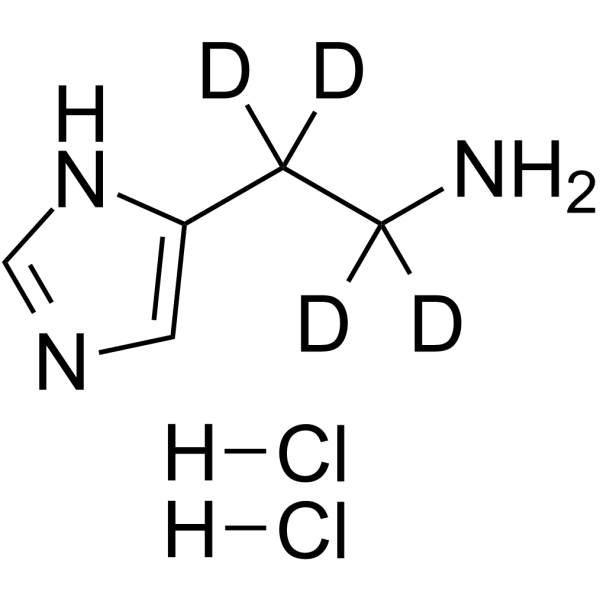
    Histamine-α,α,β,β-d4 (dihydrochloride) is the deuterium labeled Histamine. Histamine is an organic nitrogenous compound involved in local immune responses as well as regulating physiological function in the gut and acting as a neurotransmitter.
    Histamine-α,α,β,β-d4 dihydrochloride
  • HY-P1656
    (D-Pro7)-Angiotensin I/II (1-7)
    1 Publications Verification

    Angiotensin Receptor Mas-related G-protein-coupled Receptor (MRGPR) Cardiovascular Disease
    (D-Pro7)-Angiotensin I/II (1-7) is a potent Mas receptor inhibitor with a Ki of 0.001 μM for rat receptors. (D-Pro7)-Angiotensin I/II (1-7) competitively blocks the binding of Angiotensin-(1-7) to the Mas receptor and attenuates the vasodilatory effect of rat aortas under physiological and hypertensive conditions. (D-Pro7)-Angiotensin I/II (1-7) can be used for studies on the function of the renin-angiotensin system and the pathological mechanisms of hypertension .
    (D-Pro7)-Angiotensin I/II (1-7)
  • HY-150097

    Biochemical Assay Reagents Metabolic Disease Inflammation/Immunology Cancer
    Recombinant Human Serum Albumin (rHSA) is a non-glycosylated monomeric plasma protein that acts as a core factor for maintaining plasma colloid osmotic pressure. Recombinant Human Serum Albumin (rHSA) possesses multiple physiological functions including carrier, metabolic regulation, detoxification, antioxidation and enzyme mimicking. Recombinant Human Serum Albumin (rHSA) not only scavenges reactive oxygen and nitrogen species via specific residues and binds a variety of endogenous and exogenous compounds to maintain redox homeostasis, but also serves as a biomarker for multiple diseases such as cancer and inflammation. Recombinant Human Serum Albumin (rHSA) broadly supports the development of implantable materials, surgical adhesives and ligand capture, and can be used for research on critical illnesses including hypovolemia, liver failure, severe sepsis and various types of trauma resuscitation .
    Recombinant Human Serum Albumin(rHSA)
  • HY-P10368

    Dynamin Reactive Oxygen Species (ROS) Infection Cardiovascular Disease Neurological Disease Inflammation/Immunology
    P110 heptapeptide is a peptide inhibitor of the Drp1-Fis1 interaction. P110 heptapeptide has anti-inflammatory, immunomodulatory, mitochondrial protective, and neuroprotective activities. Without blocking the physiological functions of Drp1, P110 heptapeptide reduces pathological functions in many models of neurodegeneration, ischemia, and sepsis. P110 heptapeptide can be used for research on neurological and inflammatory diseases .
    P110 heptapeptide
  • HY-B0228S1

    Adenine riboside-13C5; D-Adenosine-13C5

    Apoptosis Nucleoside Antimetabolite/Analog Autophagy Endogenous Metabolite Cancer
    Adenosine- 13C5 is the 13C labeled Adenosine . Adenosine (Adenine riboside), a ubiquitous endogenous autacoid, acts through the enrollment of four G protein-coupled receptors: A1, A2A, A2B, and A3. Adenosine affects almost all aspects of cellular physiology, including neuronal activity, vascular function, platelet aggregation, and blood cell regulation .
    Adenosine-13C5
  • HY-W009444
    5-Methyluridine
    1 Publications Verification

    Endogenous Metabolite Others
    5-Methyluridine (m 5U) is an RNA modified nucleotide generated by RNA methyltransferases (such as TrmA and RumA), which mainly targets specific uracil sites in RNA molecules such as the T arm of tRNA and rRNA. 5-Methyluridine relies on enzyme recognition of RNA secondary/tertiary structures (such as the T loop of tRNA or the specific stem-loop structure of rRNA) and participates in physiological processes such as translation accuracy and ribosome function by stabilizing RNA folding or regulating base pairing .
    5-Methyluridine
  • HY-133971

    5α,6α-Epoxycholesterol

    Liposome Others
    Cholesterol-5α,6α-epoxide is an epoxide derivative of cholesterol formed by the enzymatic oxidation of cholesterol in the liver and other tissues. Cholesterol-5α,6α-epoxide has unique chemical properties that make it an important intermediate in the biosynthesis of bile acids, which play a key role in the digestion and absorption of dietary fats. It also has a potential physiological role in regulating cholesterol metabolism and transport, although its biological function is not fully understood.
    Cholesterol 5α,6α-epoxide
  • HY-B0228S11

    Adenine riboside-15N5; D-Adenosine-15N5

    Isotope-Labeled Compounds Cancer
    Adenosine- 15N5 (Adenine riboside- 15N5; D-Adenosine- 15N5) is the 15N labled Adenosine (HY-B0228). Adenosine (Adenine riboside), a ubiquitous endogenous autacoid, acts through the enrollment of four G protein-coupled receptors: A1, A2A, A2B, and A3. Adenosine affects almost all aspects of cellular physiology, including neuronal activity, vascular function, platelet aggregation, and blood cell regulation .
    Adenosine-15N5
  • HY-175238

    ATP Synthase DNA/RNA Synthesis Neurological Disease Cancer
    KI-DX-014 is a DDX21 inhibitor with high RNA-binding inhibitory activity (IC50 of 3.31 μM). KI-DX-014 targets DDX21’s intrinsically disordered C-terminal domain, inhibits DDX21-structured RNA interaction, modulates DDX21’s RNA-dependent ATPase activity, and disrupts DDX21 biomolecular condensate formation. KI-DX-014 attenuates in vitro P-TEFb release from the 7SK snRNP complex, suppresses P-TEFb-dependent RNA polymerase II CTD phosphorylation, and induces developmental defects in zebrafish embryos. KI-DX-014 acts as a chemical probe for dissecting DDX21 functions in normal physiology and disease states. KI-DX-014 can be used for cancers and neurodegenerative disorders research .
    KI-DX-014
  • HY-101360

    1-Ethyl-2-benzimidazolinone

    Potassium Channel Neurological Disease
    1-EBIO is an activator of Ca 2+ sensitive K + channels. 1-EBIO is used to study the role of K + channels in diverse physiological functions .
    1-EBIO
  • HY-P2280

    P110

    Dynamin Neurological Disease Inflammation/Immunology
    TAT-P110, a peptide inhibitor of Drp1-Fis1 interaction, reduces pathology in numerous models of neurodegeneration, ischemia, and sepsis without blocking the physiological functions of Drp1 .
    TAT-P110
  • HY-101086
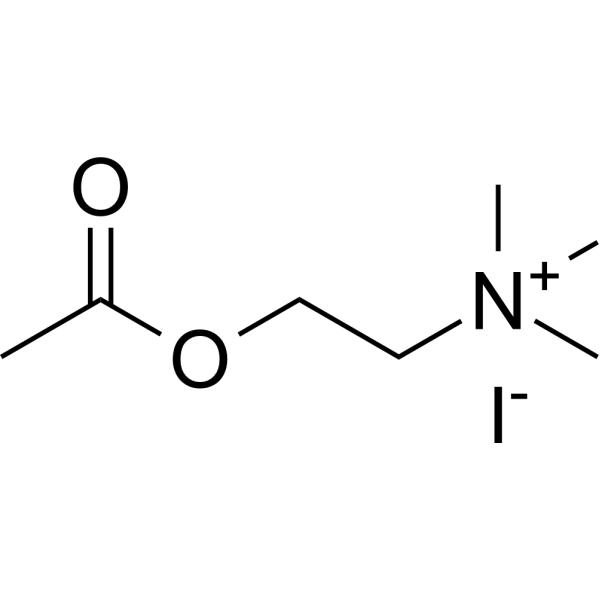
    Acetylcholine iodide
    Maximum Cited Publications
    24 Publications Verification

    ACh iodide

    Endogenous Metabolite mAChR Neurological Disease Endocrinology
    Acetylcholine iodide is a muscarinic receptor modulator. Acetylcholine iodide specifically binds to muscarinic receptors, inhibits sodium absorption, and induces chloride secretion. Acetylcholine iodide changes intestinal ion transport, enhances intestinal secretory function, induces or maintains mammary gland development and lactation. Acetylcholine iodide can be used for intestinal ion transport regulation and mammary gland physiological function research .
    Acetylcholine iodide
  • HY-B0282A
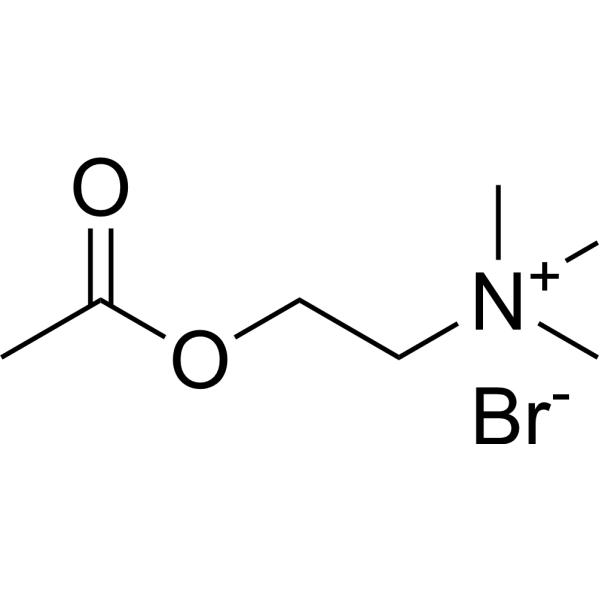
    Acetylcholine bromide
    20+ Cited Publications

    ACh bromide

    Biochemical Assay Reagents Others Cancer
    Acetylcholine bromide is an organic choline salt compound commonly used in neurophysiology and pharmacology experiments. It plays an important role in the nervous system, acting as a neurotransmitter that transmits signals and regulates many important physiological functions. Due to its special biological activity, Acetylcholine bromide is widely used in the study of neurotransmitters, nerve damage and muscle movement.
    Acetylcholine bromide
  • HY-134120

    DL-2-Hydroxystearic acid

    Biochemical Assay Reagents Others
    2-Hydroxystearic acid is an alpha-hydroxy fatty acid commonly used in a variety of personal care products, especially cosmetic and skin care formulations. 2-Hydroxystearic acid has unique chemical properties that make it an effective emulsifier and stabilizer, improving the texture and shelf life of cosmetic products. It also has a potential physiological role in improving skin hydration and elasticity, although its biological function is not fully understood.
    2-Hydroxystearic acid
  • HY-B0228R

    Adenine riboside (Standard); D-Adenosine (Standard)

    Reference Standards Nucleoside Antimetabolite/Analog Autophagy Apoptosis Endogenous Metabolite Metabolic Disease Cancer
    Adenosine (Standard) is the analytical standard of Adenosine. This product is intended for research and analytical applications. Adenosine (Adenine riboside), a ubiquitous endogenous autacoid, acts through the enrollment of four G protein-coupled receptors: A1, A2A, A2B, and A3. Adenosine affects almost all aspects of cellular physiology, including neuronal activity, vascular function, platelet aggregation, and blood cell regulation .
    Adenosine (Standard)
  • HY-B0228S13

    Adenine riboside-13C10; D-Adenosine-13C10

    Isotope-Labeled Compounds Nucleoside Antimetabolite/Analog Endogenous Metabolite Autophagy Apoptosis Metabolic Disease Cancer
    Adenosine- 13C10 (Adenine riboside- 13C10; D-Adenosine- 13C10) is 13C-labeled Adenosine (HY-B0228). Adenosine (Adenine riboside), a ubiquitous endogenous autacoid, acts through the enrollment of four G protein-coupled receptors: A1, A2A, A2B, and A3. Adenosine affects almost all aspects of cellular physiology, including neuronal activity, vascular function, platelet aggregation, and blood cell regulation.
    Adenosine-13C10
  • HY-B0228S9

    Isotope-Labeled Compounds Apoptosis Nucleoside Antimetabolite/Analog Autophagy Endogenous Metabolite Metabolic Disease Cancer
    Adenosine- 13C10, 15N5 is the 13C and 15N labeled Adenosine (HY-B0228) . Adenosine (Adenine riboside), a ubiquitous endogenous autacoid, acts through the enrollment of four G protein-coupled receptors: A1, A2A, A2B, and A3. Adenosine affects almost all aspects of cellular physiology, including neuronal activity, vascular function, platelet aggregation, and blood cell regulation .
    Adenosine-13C10,15N5
  • HY-DY1020

    Fluorescent Dye Others
    Rhod-2 (solution) is a high-affinity visible light excitation wavelength Ca 2+ fluorescent probe, Rhod-2, AM is an acetyl methyl ester derivative of Rhod-2, which has cell membrane permeability and can easily enter cells with simple culture. Once it enters the cell, it is sheared by its lactesterase to produce Rhod-2 without membrane permeability, which remains in the cell to perform the corresponding physiological functions. Maximum excitation/emission wavelength: 549/578 nm .
    Solvent and concentration: DMSO: 1 mM
    Rhod-2 AM (solution)
  • HY-131614
    TPC2-A1-N
    5+ Cited Publications

    Calcium Channel Others
    TPC2-A1-N is a powerful and Ca 2+-permeable agonist of two pore channel 2 (TPC2), which plays its role by mimicking the physiological actions of NAADP. TPC2-A1-P reproducibly evokes significant Ca 2+ responses from TPC2 (EC50=7.8 μM), and the effect can be blocked by several TPC blockers. TPC2-A1-N can be used to probe different functions of TPC2 channels in intact cells .
    TPC2-A1-N
  • HY-131615
    TPC2-A1-P
    4 Publications Verification

    Sodium Channel Others
    TPC2-A1-P is a powerful and membrane permeable agonist of two pore channel 2 (TPC2) with an EC50 of 10.5 μM. TPC2-A1-P plays its role by mimicking the physiological actions of PI(3,5)P2. TPC2-A1-P also shows higher potency to induce Na 2+ mobilisation from TPC2 than TPC-A1-N (HY-131614). TPC2-A1-P can be used to probe different functions of TPC2 channels in intact cells .
    TPC2-A1-P
  • HY-P1345A
    TLQP-21 TFA
    2 Publications Verification

    Complement System Neurological Disease Endocrinology
    TLQP-21 TFA, a VGF-derived peptide endowed of endocrine and extraendocrine properties, is a potent G-protein-coupled receptor complement-3a receptor1 (C3aR1) agonist (EC50: mouse TLQP-21=10.3 μM; human TLQP-21=68.8μM). TLQP-21 TFA activates C3aR1 to induce an increase of intracellular Ca 2+. TLQP-21 TFA is used for the research in regulation of nociception and other relevant physiologic functions .
    TLQP-21 TFA
  • HY-P990552A

    PAI-1 Integrin Cancer
    huATN-658 is an inhibitor that specifically targets the DIII domain of human urokinase plasminogen activator receptor (uPAR). huATN-658 neutralizes uPAR function by blocking the interaction between uPAR and integrins, without interfering with the binding of uPA or vitronectin to uPAR. huATN-658 inhibits the proliferation and invasion of breast cancer cells, slows the growth of primary breast tumors, reduces breast cancer-induced bone lesions and decreases osteoclast activity. huATN-658 also alters the gene expression of the TGF-β receptor complex signaling pathway. huATN-658 exerts synergistic anticancer effects when combined with Zoledronic Acid (HY-13777), and does not cause physiological or behavioral abnormalities in immunodeficient mice. huATN-658 can be used in research related to breast cancer, metastatic breast cancer and breast cancer-induced bone disease .
    huATN-658
  • HY-P0070

    Endogenous Metabolite Inflammation/Immunology
    Thymus peptide C is a hormonal agent derived from the thymus glands of young calves, which works as a substitute for the physiological functions of the thymus.
    Thymus peptide C
  • HY-160410

    Drug Derivative Neurological Disease Inflammation/Immunology
    Ceramide 3B is a ceramide 3 lipid class with aggregation behavior. Ceramide 3B has a variety of physiological functions and can serve as a penetration enhancer and auxiliary emulsifier, playing an important role in barrier function stability .
    Ceramide 3B
  • HY-B0228S

    Adenine riboside-d1; D-Adenosine-d

    Isotope-Labeled Compounds Nucleoside Antimetabolite/Analog Autophagy Apoptosis Endogenous Metabolite Metabolic Disease Cancer
    Adenosine-d is the deuterium labeled Adenosine. Adenosine (Adenine riboside), a ubiquitous endogenous autacoid, acts through the enrollment of four G protein-coupled receptors: A1, A2A, A2B, and A3. Adenosine affects almost all aspects of cellular physiology, including neuronal activity, vascular function, platelet aggregation, and blood cell regulation .
    Adenosine-d1
  • HY-116753

    Amyloid-β Tau Protein Neurological Disease
    (-)Clausenamide is an active alkaloid isolated from the leaves of Clausena lansium (Lour.) Skeels, and improves cognitive function in both normal physiological and pathological conditions. (-)Clausenamide inhibits β-amyloid (Aβ) toxicity, blocking neurofibrillary tangle formation by inhibiting the phosphorylation of tau protein. (-)Clausenamide exerts a significant neuroprotective activity against Aβ25-35. (-)Clausenamide can be used for researching Alzheimer's disease (AD) .
    (-)Clausenamide
  • HY-108574

    Potassium Channel HCN Channel Neurological Disease
    CP 339818 hydrochloride is a non-peptide Kv1.3 channel (IC50 = 200 nM) and Kv1.4 channel blocker. CP 339818 hydrochloride inhibits HCN channel with IC50s of 18.9 μM and 43.4 μM against HCN1 and HCN4 (high Cl -). CP 339818 hydrochloride has significantly weaker blocking effects on Kv1.1, Kv1.2, Kv1.5, Kv1.6, Kv3.1-4, and Kv4.2 channels. CP 339818 hydrochloride selectively blocked Kv1.3, thereby inhibiting the activation process of human T cells. CP 339818 hydrochloride can be used to study the physiological functions of HCN and Kv channels .
    CP 339818 hydrochloride
  • HY-108498

    Somatostatin Receptor Endocrinology
    L-817818 is a potent and subtype-selective agonist of the somatostatin receptor. L-817818 provides a direct approach to defining somatostatin receptor physiological functions
    L-817818
  • HY-B1204R

    Ergamine (Standard)

    Reference Standards Histamine Receptor p38 MAPK Akt Reactive Oxygen Species (ROS) Apoptosis Endogenous Metabolite Neurological Disease Inflammation/Immunology Endocrinology Cancer
    Histamine (Standard) is the analytical standard of Histamine (HY-B1204). This product is intended for research and analytical applications. Histamine is the agonist for histamine receptor and a vasodilator. Histamine is an organic nitrogen compound that participates in local immune responses, regulates intestinal physiological functions, and acts as a neurotransmitter. Histamine affects p38 MAPK/Akt signaling pathway, exhibits antitumor, antioxidant and anti-inflammatory activities. Histamine can be used in the research of acute myeloid leukemia, malignant melanoma, and renal cell carcinoma .
    Histamine (Standard)
  • HY-B0722R

    Reference Standards Histamine Receptor p38 MAPK Akt Reactive Oxygen Species (ROS) Apoptosis Endogenous Metabolite Neurological Disease Inflammation/Immunology Endocrinology Cancer
    Histamine dihydrochloride (Standard) is the analytical standard of Histamine dihydrochloride (HY-B0722). This product is intended for research and analytical applications. Histamine dihydrochloride is the agonist for histamine receptor and a vasodilator. Histamine dihydrochloride is an organic nitrogen compound that participates in local immune responses, regulates intestinal physiological functions, and acts as a neurotransmitter. Histamine dihydrochloride affects p38 MAPK/Akt signaling pathway, exhibits antitumor, antioxidant and anti-inflammatory activities. Histamine dihydrochloride can be used in the research of acute myeloid leukemia, malignant melanoma, and renal cell carcinoma .
    Histamine dihydrochloride (Standard)
  • HY-P1238A

    Neuromedin U (rat) TFA; Rat neuromedin U-23 TFA

    Neuromedin U Receptor (NMUR) Neurological Disease
    Neuromedin U, rat TFA is a 23-amino acid brain-gut peptide. Neuromedin U (NMU), through its cognate receptor NMUR2 in the central nervous system, regulates several important physiological functions, including energy balance, stress response, and nociception.
    Neuromedin U, rat TFA
  • HY-E70523

    Valeryl-CoA; Valeryl-coenzyme A; Pentanoyl coenzyme A free acid

    Endogenous Metabolite Metabolic Disease
    Pentanoyl coenzyme A (Valeryl-CoA) is a short-chain fatty acyl-CoA that functions as an intermediate in mitochondrial β-oxidation and related metabolic pathways. Pentanoyl coenzyme A results from the formal condensation of the thiol group of coenzyme A with the carboxy group of pentanoic acid. Pentanoyl coenzyme A's levels can reflect changes in lipid metabolism under different physiological and pathological conditions. Pentanoyl coenzyme A can be used for research on lipid metabolism .
    Pentanoyl coenzyme A
  • HY-P11005

    Dynamin ATP Synthase Neurological Disease
    P259 is a Drp1-Mff inhibitor. P259 distinguishes physiological from pathological fission by specifically inhibiting Drp1-Mff interaction. P259 elongates cell mitochondria and disrupts mitochondrial function and motility. P259 reduces ATP levels and alters mitochondrial structure in the brain, resulting in behavioral deficits in wild-type mice and a short lifespan in Huntington's disease (HD) mice model .
    P259
  • HY-137955

    P2Y Receptor Cardiovascular Disease Others Neurological Disease
    MRS 2211 sodium hydrate is a competitive P2Y13 receptor antagonist (pIC50= 5.97). MRS 2211 sodium hydrate is highly selective to the P2Y13 receptor, showing more than 20-fold selectivity compared to the P2Y1 and P2Y12 receptors. MRS 2211 sodium hydrate can be used to further investigate the role of the P2Y13 receptor in different physiological and pathological processes, such as its function in blood cells, the nervous system and the immune system .
    MRS 2211 sodium hydrate
  • HY-B2035

    Herbicide Caspase Cytochrome P450 MDM-2/p53 Interleukin Related Reactive Oxygen Species (ROS) Apoptosis Others
    Pretilachlor is a chloroacetamide herbicide with biological activities including endocrine disruption, oxidative stress induction, apoptosis induction, and immunotoxicity. Pretilachlor exerts its effects by interfering with hormone metabolism, inducing oxidative stress, activating apoptotic pathways, and inhibiting immune functions. Pretilachlor upregulates the transcription of P53, Mdm2, and Bbc3, and increases the activities of Caspase3 and Caspase9; it upregulates the transcription of genes in the HPG/HPT axis and the activity of aromatase; it induces oxidative stress, elevates ROS levels, and upregulates CAT, SOD, and GPX. Pretilachlor downregulates the transcription of CXCL-C1C, IL-1β, and IL-8. Pretilachlor disrupts the normal physiological processes and embryonic development of fish, exhibiting significant toxicity. Pretilachlor can be used in studies related to weeding, environmental pollution, and behavioral toxicity in fish .
    Pretilachlor
  • HY-B1204S1

    Ergamine-d4

    Isotope-Labeled Compounds Histamine Receptor p38 MAPK Akt Reactive Oxygen Species (ROS) Apoptosis Endogenous Metabolite Neurological Disease Inflammation/Immunology Endocrinology Cancer
    Histamine-d4 (Ergamine-d4) is deuterium labeled Histamine (HY-B1204). Histamine is the agonist for histamine receptor and a vasodilator. Histamine is an organic nitrogen compound that participates in local immune responses, regulates intestinal physiological functions, and acts as a neurotransmitter. Histamine affects p38 MAPK/Akt signaling pathway, exhibits antitumor, antioxidant and anti-inflammatory activities. Histamine can be used in the research of acute myeloid leukemia, malignant melanoma, and renal cell carcinoma .
    Histamine-d4
  • HY-P1245

    Neuropeptide NPFF (human)

    CRFR Others
    Neuropeptide SF human augments paraventricular corticotrophin-releasing hormone (CRH) release and increases adrenocorticotropic hormone (ACTH) and corticosterone levels in the plasma. Neuropeptide SF human play a physiologic role in the regulation of such circadian functions as the activity of motor centers and the HPA axis, through the release of CRH .
    Neuropeptide SF (human)
  • HY-N15829

    Fluorescent Dye Metabolic Disease
    Cholyl-Lys-fluorescein sodium is a fluorescein-labeled bile acid analog. Cholyl-Lys-fluorescein sodium mimics the physiological hepatobiliary properties of glycocholic acid. Cholyl-Lys-fluorescein sodium is efficiently taken up by the liver and rapidly excreted into bile in intact form in rats. Cholyl-Lys-fluorescein sodium can serve as a liver function assessment agent, bile salt transport probe, and liver-targeted carrier .
    Cholyl-Lys-fluorescein sodium
  • HY-B0228S12

    Adenine riboside-d13; D-Adenosine-d13

    Isotope-Labeled Compounds Nucleoside Antimetabolite/Analog Endogenous Metabolite Autophagy Apoptosis Metabolic Disease Cancer
    Adenosine-d13 (Adenine riboside-d13; D-Adenosine-d13) is deuterium labeled Adenosine (HY-B0228). Adenosine (Adenine riboside), a ubiquitous endogenous autacoid, acts through the enrollment of four G protein-coupled receptors: A1, A2A, A2B, and A3. Adenosine affects almost all aspects of cellular physiology, including neuronal activity, vascular function, platelet aggregation, and blood cell regulation.
    Adenosine-d13

Inquiry Online

Your information is safe with us. * Required Fields.

Salutation


Country or Region *

Applicant Name *


Organization Name *

Department *


Email Address *


Product Name *

Cat. No.


Requested quantity *

Phone Number *


Remarks

Inquiry Online

Inquiry Information

Product Name:
Cat. No.:
Quantity:
MCE Japan Authorized Agent:

