Search Result
Results for "
pinal
" in MedChemExpress (MCE) Product Catalog:
1
Biochemical Assay Reagents
2
Isotope-Labeled Compounds
| Cat. No. |
Product Name |
Target |
Research Areas |
Chemical Structure |
-
- HY-139361
-
|
PIN1-3
|
PIN1
|
Cancer
|
|
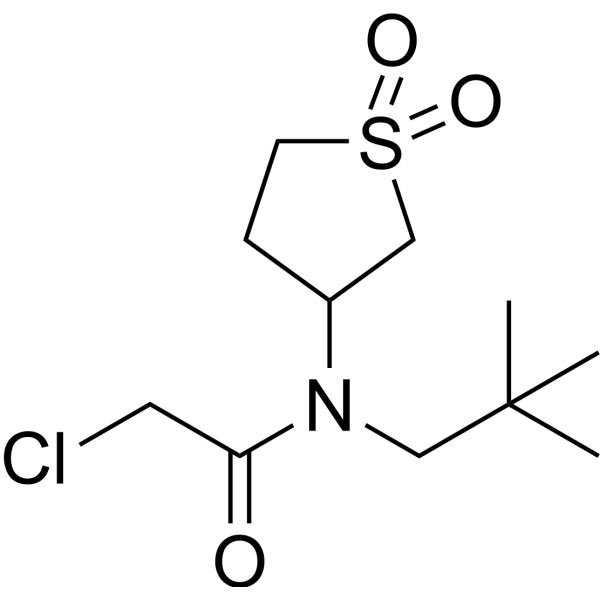
Sulfopin (PIN1-3) is a highly selective covalent inhibitor of Pin1 with an apparent Ki of 17 nM. Sulfopin blocks Myc-driven tumors in vivo. The peptidyl-prolyl isomerase, Pin1, is exploited in cancer to activate oncogenes and inactivate tumor suppressors .
|
-
-
- HY-W008566
-
|
Norharman; β-Carboline
|
Monoamine Oxidase
Endogenous Metabolite
|
Infection
Neurological Disease
Cancer
|
|
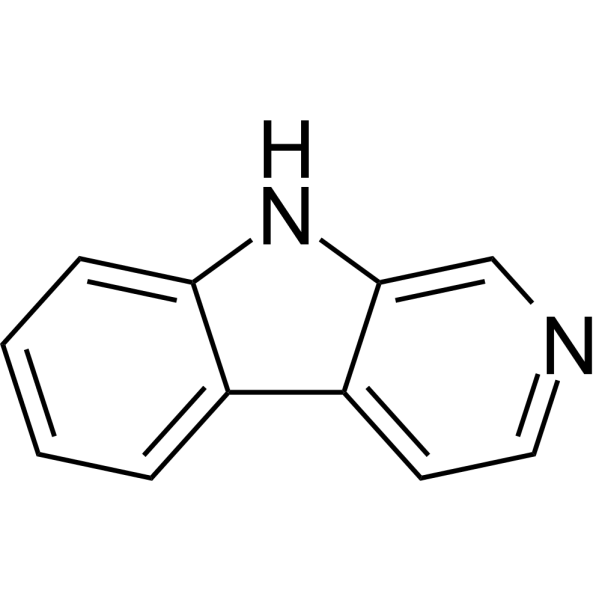
Norharmane (Norharman), a β-carboline alkaloid, is a potent and reversible monoamine oxidase inhibitor, with IC50 values of 6.5 and 4.7 μM for MAO-A and MAO-B, respectively. Norharmane causes antidepressant responses. Norharmane is also a prospective anti-cancer photosensitizer. Norharmane alters polar auxin transport (PAT) by inhibiting PIN2, PIN3 and PIN7 transport proteins, thus causing a significant inhibitory effect on the growth of Arabidopsis thaliana seedlings .
|
-
-
- HY-120821
-
|
ES2
|
Exosomes
|
Others
|
|
Endosidin-2 (ES2) is a selective inhibitor targeting the conserved exosome subunit EXO70. Endosidin-2 binds to the C-terminal domain of EXO70, inhibiting exocytosis and endosomal recycling, while promoting vacuolar trafficking in plant cells. Endosidin-2 interferes with the EXO70-mediated vesicle-to-plasma membrane anchoring process, leading to abnormal aggregation of auxin transporters (such as PIN2) in the cytoplasm and redirected to vacuolar degradation, while causing abnormal Golgi structure (such as cup-shaped or ring-shaped vesicles cisternae formation). Endosidin-2 can inhibit exocytosis in plant and mammalian cells and is mainly used to study the dynamic regulation of membrane trafficking (such as polar growth, vesicle sorting) .
|
-
-
- HY-123847
-
|
|
PIN1
|
Cancer
|
|
KPT-6566 is a selective and covalent prolyl isomerase PIN1 inhibitor, covalently binds to the catalytic site of PIN1, selectively inhibits and degrades PIN1. KPT-6566 shows an IC50 value of 640 nM and a Ki value of 625.2 nM for PIN1 PPIase domain. KPT-6566 can be used for the research of cancer .
|
-
-
- HY-130086
-
|
|
ADC Linker
|
Cancer
|
|
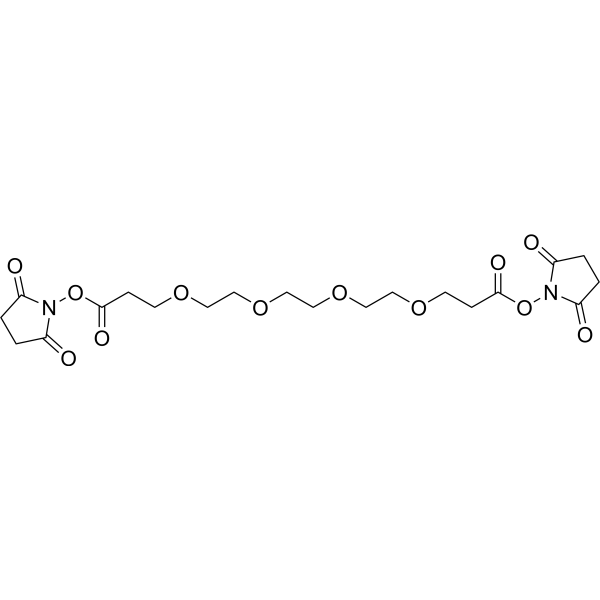
Bis-PEG4-NHS ester is a crosslinking reagent and amine-reactive modulator .Bis-PEG4-NHS ester reacts with primary amine groups on liposome surfaces via amide bond formation to covalently attach dibenzylcyclooctyne groups, with a hydrophilic PEG4 spacer reducing steric hindrance for subsequent click chemistry .Bis-PEG4-NHS ester enables site-specific antibody coupling to liposome surfaces via copper-free strain-promoted alkyne-azide cycloaddition click chemistry without disrupting liposome structure in minimal organic solvent volumes .Bis-PEG4-NHS ester undergoes hydrolysis during annealing to form -COOH groups that interact with PbI and FAI to enhance perovskite structural integrity, passivate defects, and modulate nucleation kinetics to regulate crystal growth .Bis-PEG4-NHS ester enhances device efficiency and long-term stability when used as an antisolvent additive for p-i-n perovskite solar cells .
|
-
-
- HY-P4202
-
|
Suc-AEPF-pNA
|
Biochemical Assay Reagents
|
Others
|
|
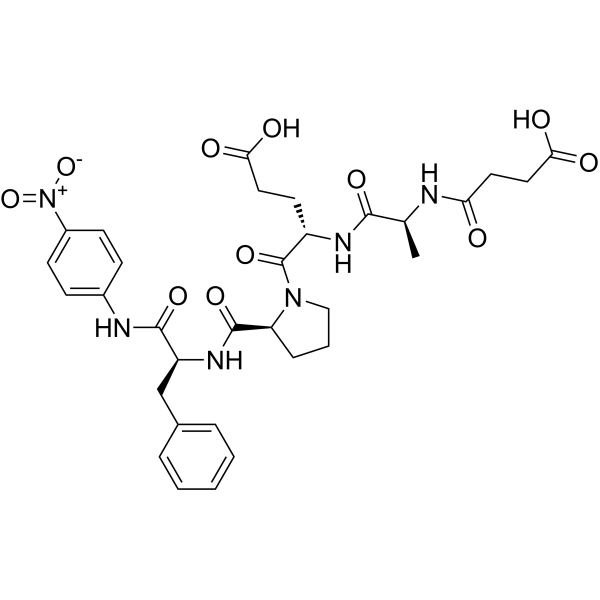
Suc-Ala-Glu-Pro-Phe-pNA (Suc-AEPF-pNA) is a chromogenic substrate for the peptidyl-prolyl isomerase Pin1. Suc-Ala-Glu-Pro-Phe-pNA is used to evaluate the inhibitory effect of target compounds on Pin1, the catalytic activity of Pin1, and other related assays .
|
-
-
- HY-116716
-
|
|
MicroRNA
|
Cancer
|
|
PIN1 inhibitor API-1 is a specific Pin1 (peptidyl-prolyl cis-trans isomerase NIMA-interacting 1) inhibitor (API-1) with an IC50 of 72.3 nM. PIN1 inhibitor API-1 directly and specifically binds to the Pin1 peptidyl-prolyl isomerase (PPIase) domain and potently inhibits Pin1 cis-trans isomerizing activity. PIN1 inhibitor API-1 retains the active conformation of pXPO5 and restores the ability of pXPO5 to transport pre-miRNAs from nucleus to cytoplasm, thus up-regulating the anticancer miRNA biogenesis to suppress both in vitro and in vivo hepatocellular carcinoma development .
|
-
-
- HY-131062
-
|
|
Glycosyltransferase
|
Metabolic Disease
|
|
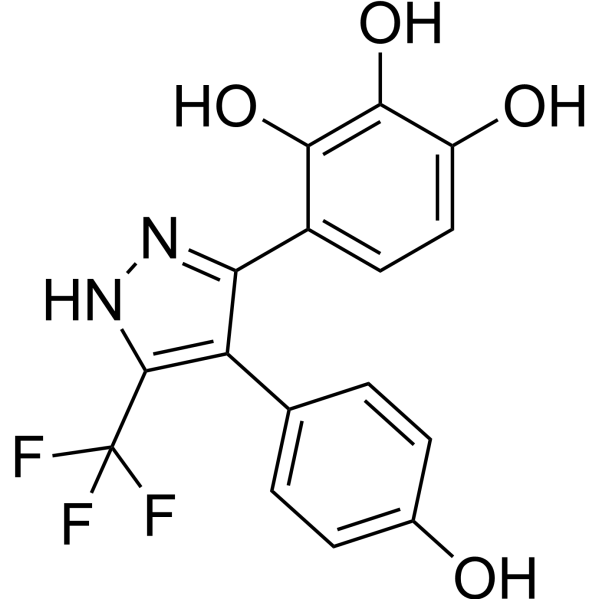
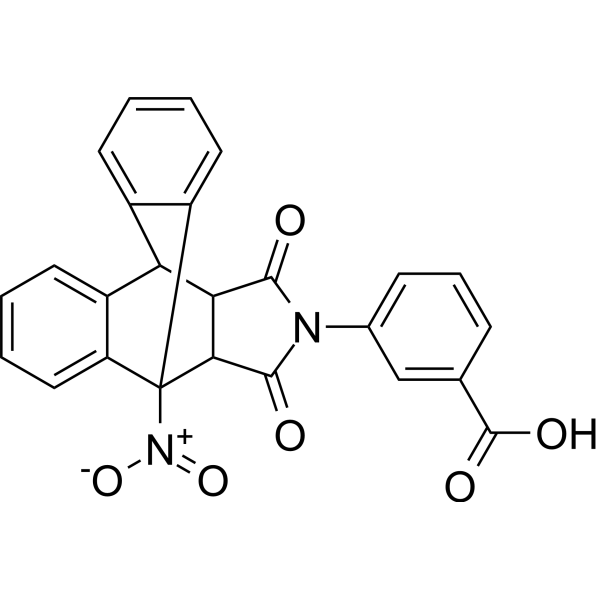
yGsy2p-IN-1 is a potent inhibitor for yeast glycogen synthase 2 (yGsy2p). yGsy2p-IN-1 is a competitive human glycogen synthase 1 (hGYS1) inhibitor with an IC50 of 2.75 μM and a Ki of 1.31 μM for wild-type hGYS1. yGsy2p-IN-H23 a pyrazole inhibitor, is used for glycogen storage diseases (GSDs) .
|
-
-
- HY-N6924
-
|
|
HIV
PIN1
Fungal
GLUT
Reactive Oxygen Species (ROS)
|
Infection
Neurological Disease
Metabolic Disease
Cancer
|
|
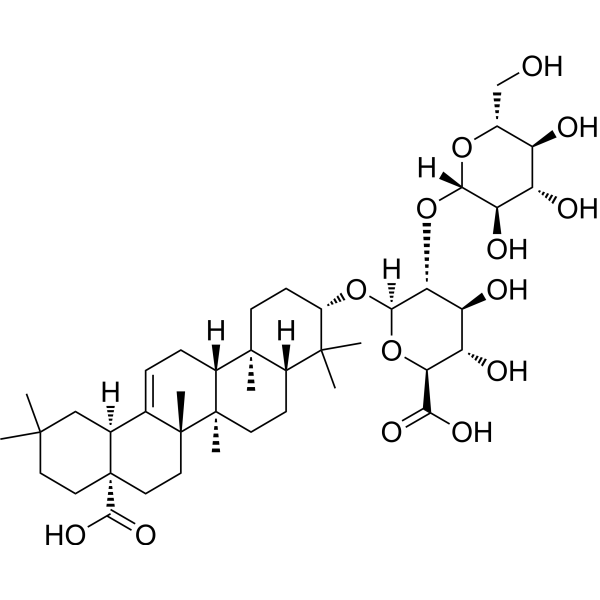
Zingibroside R1 is an orally active triterpene saponin with multiple biological activities including antioxidant, anti-inflammatory, antiviral, and metabolic regulatory properties. Zingibroside R1 reduces the expression of PIN family members, inhibits the expression of PLT1/PLT2, WOX5, SHR, and SCR, disrupts auxin transport and distribution, triggers plant ROS responses, and inhibits root growth. Zingibroside R1 extends the lifespan of Caenorhabditis elegans, enhances its heat stress resistance, and improves its motor ability. Hydrogel derivatives of Zingibroside R1 inhibit the proliferation of Candida albicans by binding to its β-1,3-glucan and exhibit antifungal activity. Zingibroside R1 inhibits GLUT1-mediated uptake and alleviates liver injury. Zingibroside R1 can be used in research related to neurodegenerative diseases, vulvovaginal candidiasis, acute liver injury, Ehrlich ascites tumor and HIV-1 infection .
|
-
-
- HY-146695
-
|
|
Drug Derivative
|
Cancer
|
|
S100P-IN-1 (Compound 4) is a S100P inhibitor with an IC50 of 22.7 nM. S100P-IN-1 shows anti-metastatic effects on pancreatic cancer cells .
|
-
-
- HY-11048
-
NS11394
3 Publications Verification
|
GABA Receptor
|
Neurological Disease
|
|
NS11394 is an orally active and unique subtype-selective GABAA positive allosteric receptor (PAM), with a Ki of ~0.5 nM. NS11394 shows a selectivity profile in the order of GABAA-5 > α3 > α2 > α1-containing receptors. NS11394 has anxiolytic and anti-inflammatory properties .
|
-
-
- HY-W003836
-
|
7-Methoxy-NAA
|
Phytohormone
|
Others
|
|
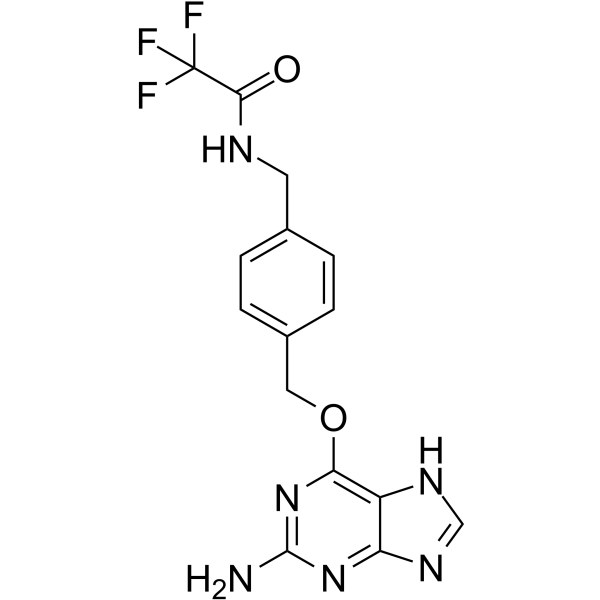
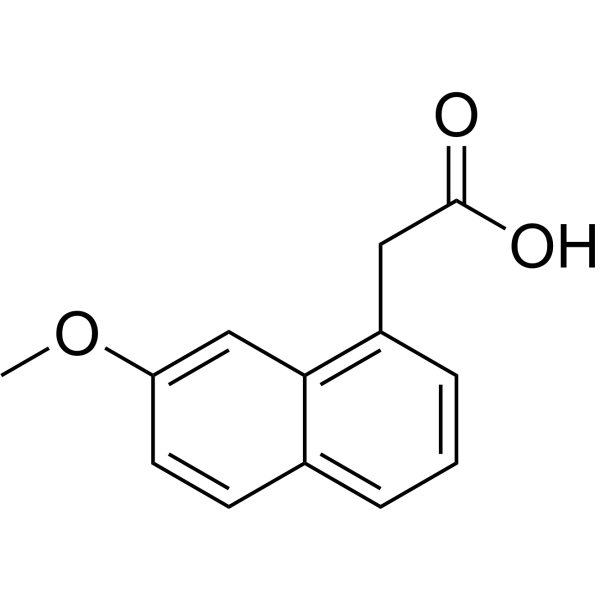
7-Methyl-1-naphthyl acetic acid is a potent
inhibitor of auxin action in plants. 7-Methyl-1-naphthyl acetic acid inhibits
AUX1, PIN, and ABCB protein-mediated auxin transport expressed in yeast.
7-Methyl-1-naphthyl acetic acid can be used in auxin dependent development
.
|
-
-
- HY-21170B
-
|
Triflate lithium; Trifluoromethylsulfonate lithium; Trifluoromethanesulphonic acid lithium
|
Biochemical Assay Reagents
Herbicide
|
Others
|
|
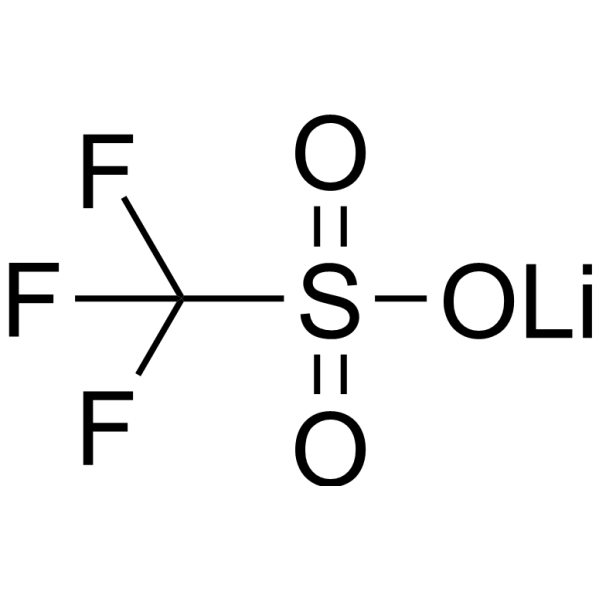
Trifluoromethanesulfonate (Triflate;Trifluoromethylsulfonate) lithium is a stable lithium salt and dopant with four resonance states, which is commonly used as an electrolyte component in polymer light-emitting electrochemical cells and primary lithium batteries. Trifluoromethanesulfonate lithiumalso acts as a catalyst for the preparation of the herbicide Imazapyr. In MEH-PPV-based light-emitting electrochemical cells, Trifluoromethanesulfonate lithium promotes electrochemical p-type doping at the anode interface under applied bias, thereby facilitating the formation of p-i-n junctions, exciton generation, and light emission. Trifluoromethanesulfonate lithiumexhibits strong ion pairing in non-aqueous electrolytes, but its electrochemical stability window is narrower than that of lithium bistrifluoromethylsulfonyl imidee .
|
-
-
- HY-168037
-
|
|
PROTACs
PIN1
|
Cancer
|
|
PROTAC PIN1 degrader-1 is a PIN1-target PROTAC degrader. PROTAC PIN1 degrader-1 TFA can be used for the research of triple-negative breast cancer, pancreatic cancer, and liver cancer .
|
-
-
- HY-128034
-
|
|
PIN1
|
Cancer
|
|
PPIase-Parvulin inhibitor (compound B) is a cell-permeable inhibitor targeting PPIase Pin1 and Par14, with IC50s of 1.5 and 1.0 µM, respectively. PPIase-Parvulin inhibitor has anticancer activity and inhibits the growth and proliferation of mouse embryonic fibroblasts (MEFs) .
|
-
-
- HY-164895
-
|
|
PIN1
|
Cancer
|
|
PIN1 degrader-1 (Compound 158H9) is the inhibitor for proline cis trans isomerase (Pin1) with an IC50 of 21.5 nM. PIN1 degrader-1 forms covalent bond with Cys113 of Pin1, induces conformational changes in Pin1, reduces its stability, and leads to a proteasome-dependently degradation. PIN1 degrader-1 inhibits the cell viability of multi cancer cells, and can be used in cancer research .
|
-
-
- HY-171334
-
|
|
PROTACs
PIN1
|
Cancer
|
|
PROTAC PIN1 degrader-2 (1) is a PROTAC-based PIN1 degrader (Pink: PIN1 ligand HY-171442, Blue: cereblon ligand Thalidomide (HY-14658), Black: linker HY-W014883). PROTAC PIN1 degrader-2 (1) possesses anti-cancer activity, with IC50 values of 2248 nM (MV-4-11 cells), 3984 nM (MOLM-13), 3925 nM (HL-60), 3925 nM (HL-60), 3925 nM (HL-60), 3925 nM (HL-60) and 3925 nM (HL-60) respectively .
|
-
-
- HY-P4359
-
|
|
PIN1
|
Others
|
|
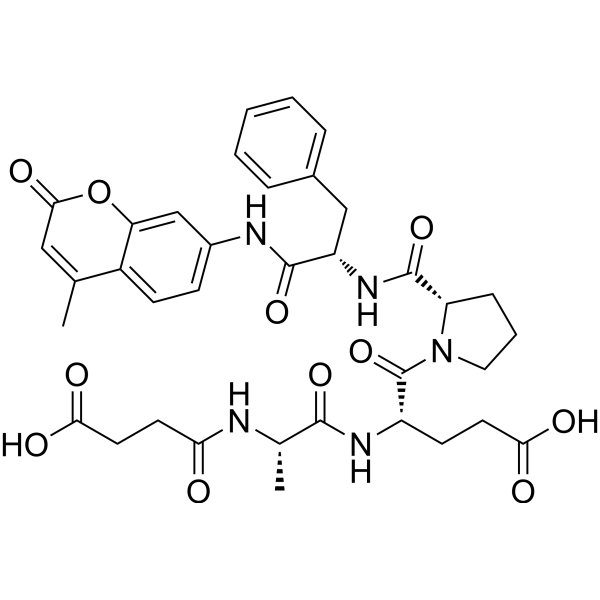
Suc-AEPF-AMC is a peptide substrate of Pin1 and Par14 peptidyl prolyl isomerase .
|
-
-
- HY-19771
-
|
|
Amyloid-β
|
Cancer
|
|
amyloid P-IN-1 is used in the research of diseases or disorders wherein depletion of serum amyloid P component (SAP), including amyloidosis, Alzheimer's disease, type 2 diabetes mellitus and osteoarthritis.
|
-
-
- HY-168038
-
-
-
- HY-170429
-
|
|
PIN1
|
Cancer
|
|
BJP-07-017-3 is the inhibitor for proline cis trans isomerase (Pin1) with an IC50 of 9 nM. BJP-07-017-3 forms covalent bond with Cys113 of Pin1, induces conformational changes in Pin1, reduces its stability, and leads to a proteasome-dependently degradation .
|
-
-
- HY-49597
-
|
|
Wnt
β-catenin
|
Cancer
|
|
Pin1 modulator 1 (compound IIb-219) is a modulator that specifically targets β-Catenin and inhibits the Wnt pathway. Pin1 modulator 1 can be used in the study of Wnt-mediated related diseases, such as cancer .
|
-
-
- HY-143902
-
|
|
PIN1
|
Cancer
|
|
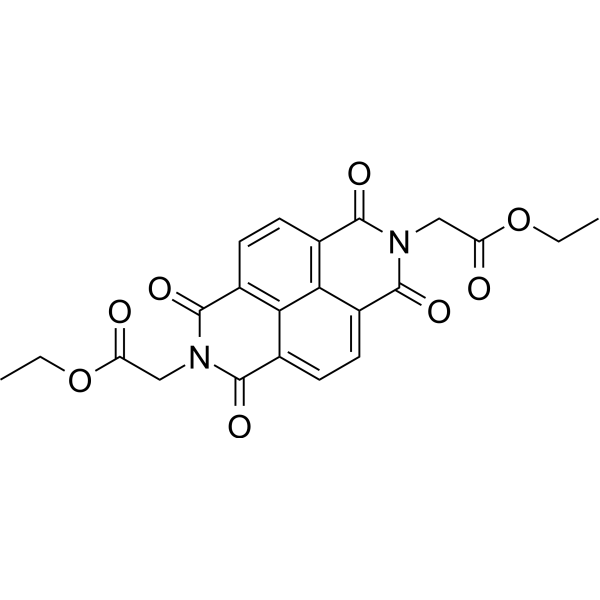
ZL-Pin01 is a high potent covalent Pin1 (Peptidyl-Prolyl Isomerase NIMA-Interacting-1) inhibitor. ZL-Pin01 shows potent disruption of the Pin1-substrate interaction with an IC50 of 1.33 μM .
|
-
-
- HY-W843265
-
|
|
PIN1
|
Cancer
|
|
PIN1 inhibitor 6 (compound 38) is a Pin1 inhibitor. PIN1 inhibitor 6 can be utilized in cancer research .
|
-
-
- HY-168036
-
|
|
PIN1
Ligands for Target Protein for PROTAC
|
Cancer
|
|
PIN1 inhibitor 3 (Compound A0) is a PIN1 inhibitor, with a KD of 25 nM and an IC50 of 150 nM. PIN1 inhibitor 3 can be used as a target protein ligand for the synthesis of PROTAC. PIN1 inhibitor 3 can be utilized in cancer research .
|
-
-
- HY-143903
-
|
|
PIN1
|
Cancer
|
|
ZL-Pin13 is a high potent cell-active covalent inhibitor targeting the Pin1 (Peptidyl-Prolyl Isomerase NIMA-Interacting-1) with an IC50 of 67 nM. ZL-Pin13 effectively inhibits the proliferation and downregulated the Pin1 substrates in MDA-MB-231 cells .
|
-
-
- HY-145881
-
|
|
Bacterial
|
Infection
|
|
Elongation factor P-IN-2 is a potent inhibitor elongation factor P (EFP). Elongation factor P-IN-2 is a β-lysine derivative compound. Elongation factor P-IN-2 affects the proliferation rates of E. coli .
|
-
-
- HY-145880
-
|
|
Bacterial
|
Infection
|
|
Elongation factor P-IN-1 is a potent inhibitor elongation factor P (EFP). Elongation factor P-IN-1 is a β-lysine derivative compound. Elongation factor P-IN-1 affects the proliferation rates of E. coli .
|
-
-
- HY-170766
-
|
|
PIN1
|
Others
|
|
PIN1 inhibitor 4 (compound 6a) is a covalent inhibitor of peptidyl-prolyl isomerase Pin1, with IC50=3.15 μM .
|
-
-
- HY-129310
-
|
|
PIN1
|
Cancer
|
|
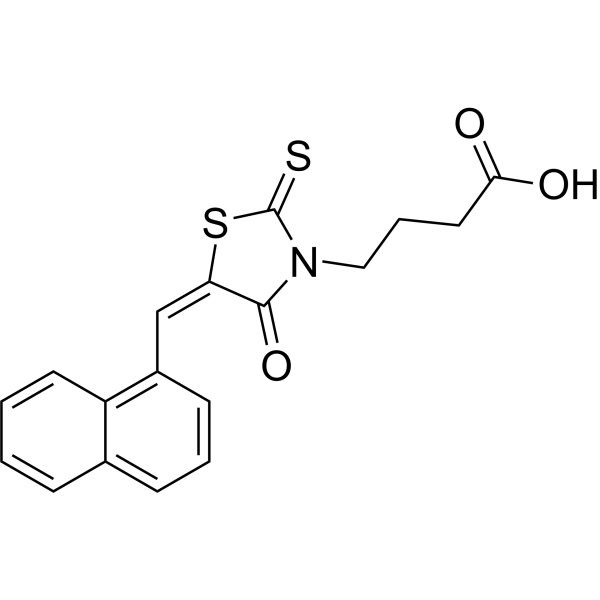
PIN1 inhibitor 5 (compound 7) is a PIN1 inhibitor (Ki=0.08 μM) ,which can be used in cancer research .
|
-
-
- HY-P4202A
-
|
Suc-AEPF-pNA TFA
|
Biochemical Assay Reagents
|
Others
|
|
Suc-Ala-Glu-Pro-Phe-pNA (Suc-AEPF-pNA ) TFA is a chromogenic substrate for the peptidylprolyl isomerase Pin1. Suc-Ala-Glu-Pro-Phe-pNA TFA can be used to evaluate the inhibitory effect of the target compound on Pin1, and catalytic activity of Pin1, etc .
|
-
-
- HY-RS17025
-
|
|
Small Interfering RNA (siRNA)
|
Others
|
|
Pin1 Mouse Pre-designed siRNA Set A contains three designed siRNAs for Pin1 gene (Mouse), as well as a negative control, a positive control, and a FAM-labeled negative control.
|
-
Pin1 Mouse Pre-designed siRNA Set A
-
- HY-RS10558
-
|
|
Small Interfering RNA (siRNA)
|
Others
|
|
PIN4 Human Pre-designed siRNA Set A contains three designed siRNAs for PIN4 gene (Human), as well as a negative control, a positive control, and a FAM-labeled negative control.
|
-
PIN4 Human Pre-designed siRNA Set A
-
- HY-RS10557
-
|
|
Small Interfering RNA (siRNA)
|
Others
|
|
PIN1 Human Pre-designed siRNA Set A contains three designed siRNAs for PIN1 gene (Human), as well as a negative control, a positive control, and a FAM-labeled negative control.
|
-
PIN1 Human Pre-designed siRNA Set A
-
- HY-RS27929
-
|
|
Small Interfering RNA (siRNA)
|
Others
|
|
Pin4 Rat Pre-designed siRNA Set A contains three designed siRNAs for Pin4 gene (Rat), as well as a negative control, a positive control, and a FAM-labeled negative control.
|
-
Pin4 Rat Pre-designed siRNA Set A
-
- HY-171442A
-
-
-
- HY-153675
-
|
|
PIN1
|
Metabolic Disease
|
|
BCPA is a Pin1 regulator without cytotoxicity. BCPA attenuates the reduction of Pin1 protein to inhibit receptor activator of RANKL-induced osteoclastogenesis. BCPA regulates osteoclast activation, used to osteoporosis research .
|
-
-
- HY-168872
-
|
|
PIN1
|
Cancer
|
|
API32 is a potent Pin1 inhibitor. API32 interactes with the Pin1 PPIase domain. API32 inhibits cell proliferation and migration. API32 has the potential for the research of hepatocellular carcinoma (HCC) .
|
-
-
- HY-120432
-
|
|
Fungal
ATP-binding cassette (ABC) transporters
|
Infection
|
|
CaMdr1p-IN-1 (Compound A) is an inhibitor for the major facilitator superfamily transporter CaMdr1p. CaMdr1p-IN-1 exhibits chemosensitizing efficacy. CaMdr1p-IN-1 synergizes with Fluconazole (HY-B0101), that inhibits CaMdr1p overexpressing Candida albicans with MIC of 10 μM .
|
-
-
- HY-171442
-
|
|
PROTACs
PIN1
|
Cancer
|
|
PIN1 ligand-2 (Intermediate M6) is a PROTAC target protein ligand (Ligands for Target Protein for PROTACs). PIN1 ligand-2 can be used for synthesizing PROTACT (Rac)-P1D-34 (HY-171334) .
|
-
-
- HY-N13302
-
|
|
Others
|
Others
|
|
Cedrene regulates auxin transport and signal transduction in Arabidopsis, and thus stimulates the plants root development. Cedrene affects the Arabidopsis roots morphology by increasing the lateral roots, promoting the elongation of primary roots, affecting the expression of the auxin response gene DR5 and auxin transporters such as PIN2 and PIN3 .
|
-
-
- HY-P3480
-
|
|
Fluorescent Dye
|
Others
|
|
H-Trp-Phe-Tyr-Ser(PO3H2)-Pro-Arg-pNA is a chromogenic substrate for Pin1. Pin1 is an essential and conserved mitotic peptidyl-prolyl isomerase, and can recognize the phosphoserine-proline bonds present in mitotic phosphoproteins .
|
-
-
- HY-W700241
-
|
|
Isotope-Labeled Compounds
Monoamine Oxidase
Endogenous Metabolite
|
Infection
Neurological Disease
Cancer
|
|
Norharman-d7 is deuterium labeled Norharmane. Norharmane (Norharman), a β-carboline alkaloid, is a potent and reversible monoamine oxidase inhibitor, with IC50 values of 6.5 and 4.7 μM for MAO-A and MAO-B, respectively. Norharmane causes antidepressant responses. Norharmane is also a prospective anti-cancer photosensitizer. Norharmane alters polar auxin transport (PAT) by inhibiting PIN2, PIN3 and PIN7 transport proteins, thus causing a significant inhibitory effect on the growth of Arabidopsis thaliana seedlings .
|
-
-
- HY-W008566R
-
|
Norharman (Standard); β-Carboline (Standard)
|
Reference Standards
Monoamine Oxidase
Endogenous Metabolite
|
Infection
Neurological Disease
Cancer
|
|
Norharmane (Standard) is the analytical standard of Norharmane. This product is intended for research and analytical applications. Norharmane (Norharman), a β-carboline alkaloid, is a potent and reversible monoamine oxidase inhibitor, with IC50 values of 6.5 and 4.7 μM for MAO-A and MAO-B, respectively. Norharmane causes antidepressant responses. Norharmane is also a prospective anti-cancer photosensitizer. Norharmane alters polar auxin transport (PAT) by inhibiting PIN2, PIN3 and PIN7 transport proteins, thus causing a significant inhibitory effect on the growth of Arabidopsis thaliana seedlings .
|
-
-
- HY-171334A
-
|
|
PROTACs
PIN1
CDK
Akt
c-Myc
Apoptosis
Reactive Oxygen Species (ROS)
|
Cancer
|
|
P1D-34 is a Pin1 PROTAC degrader with a DC50 value of 177 nM. P1D-34 also down-regulates Pin1 client proteins such as Cyclin D1, Rb, Mcl-1, Akt, and c-Myc. P1D-34 shows anti-proliferative activities in a panel of acute myeloid leukemia (AML) cell lines. P1D-34 induces cell DNA damage and apoptosis by releasing ROS generation. Pink: PIN1 ligand (HY-171442A), Blue: CRBN ligand (HY-14658), Black: Linker (HY-W014883) .
|
-
-
- HY-137122
-
|
|
PIN1
|
Inflammation/Immunology
|
|
3-Pyridine toxoflavin (compound 49) is a PIN1 inhibitor. 3-Pyridine toxoflavin can be used for the research of immune disease proliferative disorder .
|
-
-
- HY-128592
-
|
|
PIN1
|
Cancer
|
|
TAB29 is a potent inhibitor of peptidyl-prolyl cis-trans isomerase NIMA-interacting 1 (Pin1) with an IC50 of 874 nM, possesses therapeutic potential for human cancers .
|
-
-
- HY-168039
-
|
|
PROTAC Linkers
|
Cancer
|
|
Boc-NH-Piperidine-C5-OH is a PROTAC linker. Boc-NH-Piperidine-C5-OH can be used in the synthesis of PROTAC PIN1 degrader-1 (HY-168037) .
|
-
-
- HY-12135
-
|
|
Polo-like Kinase (PLK)
PIN1
STAT
|
Cancer
|
Poloxipan is a pan-specific polo-like kinase (PLK) inhibitor that can inhibit a non-catalytic region at the C-terminus called the Polo-box domain (PBD) found in kinases. The IC50 values for Poloxipan against the PBDs of PLK-1/2/3 are 3.2 μM, 1.7 μM, and 3.0 μM, respectively. Poloxipan also inhibits other phospho-tyrosine binding domains, such as the forkhead-associated (FHA) domain of CHK-2, the WW domain of peptidyl-prolyl cis/trans isomerase (PIN1), and the phospho-tyrosine binding domains of STAT1/3/5 and lymphocyte-specific protein tyrosine kinase's SH2 domain. Poloxipan can be used in cancer research .
|
-
-
- HY-179577
-
|
|
PIN1
|
Cancer
|
|
PIN1 degrader-3 is a Pin1 (peptidyl-prolyl isomerase protein) (IC50 = 4.65 nM) degrader. PIN1 degrader-3 bound covalently to Pin1. PIN1 degrader-3-induced Pin1 degradation reduced cell viability, with EC50 values after 72 h of 8.4 μM in MIA PaCa-2 cells and 5.3 μM in KPC cell lines.PIN1 degrader-3 can destabilize Pin1 in vitro, causing its degradation in cells. PIN1 degrader-3 can be used for the study of pancreatic cancer .
|
-
- HY-147710
-
|
|
MicroRNA
|
Cancer
|
|
PIN1 inhibitor 2 (compound 12) is a potent PIN1 inhibitor. PIN1 inhibitor 2 shows antitumor activity with an IC50 of 9.55 µM for MCF7 cells. PIN1 inhibitor 2 has the potential for the research of breast cancer .
|
-
- HY-168037A
-
|
|
PROTACs
PIN1
|
Cancer
|
|
PROTAC PIN1 degrader-1 (compound D4) TFA is a PIN1-target PROTAC degrader. PROTAC PIN1 degrader-1 TFA can be used for the research of triple-negative breast cancer, pancreatic cancer, and liver cancer .
|
-
- HY-164896
-
|
|
PIN1
|
Cancer
|
|
PIN1 degrader-2 (compound 164A10) is a potent and selective covalent PIN1 degrader (IC50 = 4.1 nM) that induces PIN1 degradation in cancer cells (DC50 < 500 nM). PIN1 degrader-2 can be used for cancer research .
|
-
- HY-RS21410
-
|
|
Small Interfering RNA (siRNA)
|
Others
|
|
Pin4 Mouse Pre-designed siRNA Set A contains three designed siRNAs for Pin4 gene (Mouse), as well as a negative control, a positive control, and a FAM-labeled negative control.
|
-
Pin4 Mouse Pre-designed siRNA Set A
- HY-RS23468
-
|
|
Small Interfering RNA (siRNA)
|
Others
|
|
Pin1 Rat Pre-designed siRNA Set A contains three designed siRNAs for Pin1 gene (Rat), as well as a negative control, a positive control, and a FAM-labeled negative control.
|
-
Pin1 Rat Pre-designed siRNA Set A
- HY-W008566S
-
|
Norharman-13; β-Carboline-13C
|
Isotope-Labeled Compounds
|
Cancer
|
|
Norharmane- 13C (Norharman- 13C) is the 13C-labeled Norharmane (HY-W008566). Norharmane (Norharman), a β-carboline alkaloid, is a potent and reversible monoamine oxidase inhibitor, with IC50 values of 6.5 and 4.7 μM for MAO-A and MAO-B, respectively. Norharmane causes antidepressant responses. Norharmane is also a prospective anti-cancer photosensitizer. Norharmane alters polar auxin transport (PAT) by inhibiting PIN2, PIN3 and PIN7 transport proteins, thus causing a significant inhibitory effect on the growth of Arabidopsis thaliana seedlings .
|
-
- HY-168040
-
|
|
E3 Ligase Ligand-Linker Conjugates
|
Cancer
|
|
Thalidomide-O-C5-piperidine-NH-Boc is an E3 Ligase Ligand-Linker Conjugate. Thalidomide-O-C5-piperidine-NH-Boc can be used to synthesize PROTAC PIN1 degrader-1 (HY-168037) .
|
-
- HY-180572
-
|
|
Ligands for Target Protein for PROTAC
CCR
|
Cancer
|
|
CCR2 ligand-1 is a ligand for CCR2. CCR2 ligand-1 conjugates with the Linker PIN1 degrader-3 (HY-79577) and the E3 ligase ligand Thalidomide 4-fluoride (HY-41547) can be used for the synthesis of LUF7996 (HY-180571) .
|
-
| Cat. No. |
Product Name |
Type |
-
- HY-P4202
-
|
Suc-AEPF-pNA
|
Fluorescent Dye
|
|
Suc-Ala-Glu-Pro-Phe-pNA (Suc-AEPF-pNA) is a chromogenic substrate for the peptidyl-prolyl isomerase Pin1. Suc-Ala-Glu-Pro-Phe-pNA is used to evaluate the inhibitory effect of target compounds on Pin1, the catalytic activity of Pin1, and other related assays .
|
-
- HY-P4202A
-
|
Suc-AEPF-pNA TFA
|
Fluorescent Dye
|
|
Suc-Ala-Glu-Pro-Phe-pNA (Suc-AEPF-pNA ) TFA is a chromogenic substrate for the peptidylprolyl isomerase Pin1. Suc-Ala-Glu-Pro-Phe-pNA TFA can be used to evaluate the inhibitory effect of the target compound on Pin1, and catalytic activity of Pin1, etc .
|
| Cat. No. |
Product Name |
Type |
-
- HY-21170B
-
|
Triflate lithium; Trifluoromethylsulfonate lithium; Trifluoromethanesulphonic acid lithium
|
Biochemical Assay Reagents
|
|
Trifluoromethanesulfonate (Triflate;Trifluoromethylsulfonate) lithium is a stable lithium salt and dopant with four resonance states, which is commonly used as an electrolyte component in polymer light-emitting electrochemical cells and primary lithium batteries. Trifluoromethanesulfonate lithiumalso acts as a catalyst for the preparation of the herbicide Imazapyr. In MEH-PPV-based light-emitting electrochemical cells, Trifluoromethanesulfonate lithium promotes electrochemical p-type doping at the anode interface under applied bias, thereby facilitating the formation of p-i-n junctions, exciton generation, and light emission. Trifluoromethanesulfonate lithiumexhibits strong ion pairing in non-aqueous electrolytes, but its electrochemical stability window is narrower than that of lithium bistrifluoromethylsulfonyl imidee .
|
| Cat. No. |
Product Name |
Target |
Research Area |
-
- HY-P4202
-
|
Suc-AEPF-pNA
|
Biochemical Assay Reagents
|
Others
|
|
Suc-Ala-Glu-Pro-Phe-pNA (Suc-AEPF-pNA) is a chromogenic substrate for the peptidyl-prolyl isomerase Pin1. Suc-Ala-Glu-Pro-Phe-pNA is used to evaluate the inhibitory effect of target compounds on Pin1, the catalytic activity of Pin1, and other related assays .
|
-
- HY-P4089
-
|
|
Peptides
|
Cancer
|
|
REA is a peptide. REA recognizes lymphatics of a premalignant stage, but not to the tumor lymphatic vessels .
|
-
- HY-P4359
-
|
|
PIN1
|
Others
|
|
Suc-AEPF-AMC is a peptide substrate of Pin1 and Par14 peptidyl prolyl isomerase .
|
-
- HY-P4202A
-
|
Suc-AEPF-pNA TFA
|
Biochemical Assay Reagents
|
Others
|
|
Suc-Ala-Glu-Pro-Phe-pNA (Suc-AEPF-pNA ) TFA is a chromogenic substrate for the peptidylprolyl isomerase Pin1. Suc-Ala-Glu-Pro-Phe-pNA TFA can be used to evaluate the inhibitory effect of the target compound on Pin1, and catalytic activity of Pin1, etc .
|
-
- HY-P3480
-
|
|
Fluorescent Dye
|
Others
|
|
H-Trp-Phe-Tyr-Ser(PO3H2)-Pro-Arg-pNA is a chromogenic substrate for Pin1. Pin1 is an essential and conserved mitotic peptidyl-prolyl isomerase, and can recognize the phosphoserine-proline bonds present in mitotic phosphoproteins .
|
-
- HY-P4085
-
|
|
Peptides
|
Cancer
|
|
AGR is a peptide. AGR recognizes lymphatic vessels in fully developed prostate tumors but not in the pre-malignant lesions .
|
| Cat. No. |
Product Name |
Category |
Target |
Chemical Structure |
-
- HY-W008566
-
-
-
- HY-N6924
-
|
|
Infection
Structural Classification
Panax notoginseng (Burkill) F. H. Chen ex C. H. Chow
Classification of Application Fields
Panax japonicas C. A. Mey.
Metabolic Disease
Plants
Disease Research Fields
Saccharides
Araliaceae
Source Classification
|
HIV
PIN1
Fungal
GLUT
Reactive Oxygen Species (ROS)
|
|
Zingibroside R1 is an orally active triterpene saponin with multiple biological activities including antioxidant, anti-inflammatory, antiviral, and metabolic regulatory properties. Zingibroside R1 reduces the expression of PIN family members, inhibits the expression of PLT1/PLT2, WOX5, SHR, and SCR, disrupts auxin transport and distribution, triggers plant ROS responses, and inhibits root growth. Zingibroside R1 extends the lifespan of Caenorhabditis elegans, enhances its heat stress resistance, and improves its motor ability. Hydrogel derivatives of Zingibroside R1 inhibit the proliferation of Candida albicans by binding to its β-1,3-glucan and exhibit antifungal activity. Zingibroside R1 inhibits GLUT1-mediated uptake and alleviates liver injury. Zingibroside R1 can be used in research related to neurodegenerative diseases, vulvovaginal candidiasis, acute liver injury, Ehrlich ascites tumor and HIV-1 infection .
|
-
-
- HY-N13302
-
|
|
Structural Classification
Natural Products
Microorganisms
Source Classification
|
Others
|
|
Cedrene regulates auxin transport and signal transduction in Arabidopsis, and thus stimulates the plants root development. Cedrene affects the Arabidopsis roots morphology by increasing the lateral roots, promoting the elongation of primary roots, affecting the expression of the auxin response gene DR5 and auxin transporters such as PIN2 and PIN3 .
|
-
-
- HY-W008566R
-
-
| Cat. No. |
Product Name |
Chemical Structure |
-
- HY-W700241
-
|
|
|
Norharman-d7 is deuterium labeled Norharmane. Norharmane (Norharman), a β-carboline alkaloid, is a potent and reversible monoamine oxidase inhibitor, with IC50 values of 6.5 and 4.7 μM for MAO-A and MAO-B, respectively. Norharmane causes antidepressant responses. Norharmane is also a prospective anti-cancer photosensitizer. Norharmane alters polar auxin transport (PAT) by inhibiting PIN2, PIN3 and PIN7 transport proteins, thus causing a significant inhibitory effect on the growth of Arabidopsis thaliana seedlings .
|
-
-
- HY-W008566S
-
|
|
|
Norharmane- 13C (Norharman- 13C) is the 13C-labeled Norharmane (HY-W008566). Norharmane (Norharman), a β-carboline alkaloid, is a potent and reversible monoamine oxidase inhibitor, with IC50 values of 6.5 and 4.7 μM for MAO-A and MAO-B, respectively. Norharmane causes antidepressant responses. Norharmane is also a prospective anti-cancer photosensitizer. Norharmane alters polar auxin transport (PAT) by inhibiting PIN2, PIN3 and PIN7 transport proteins, thus causing a significant inhibitory effect on the growth of Arabidopsis thaliana seedlings .
|
-
| Cat. No. |
Product Name |
|
Classification |
-
- HY-RS17025
-
|
|
|
siRNAs
Mouse Pre-designed siRNA Sets
|
|
Pin1 Mouse Pre-designed siRNA Set A contains three designed siRNAs for Pin1 gene (Mouse), as well as a negative control, a positive control, and a FAM-labeled negative control.
|
-
- HY-RS10558
-
|
|
|
siRNAs
Human Pre-designed siRNA Sets
|
|
PIN4 Human Pre-designed siRNA Set A contains three designed siRNAs for PIN4 gene (Human), as well as a negative control, a positive control, and a FAM-labeled negative control.
|
-
- HY-RS10557
-
|
|
|
siRNAs
Human Pre-designed siRNA Sets
|
|
PIN1 Human Pre-designed siRNA Set A contains three designed siRNAs for PIN1 gene (Human), as well as a negative control, a positive control, and a FAM-labeled negative control.
|
-
- HY-RS27929
-
|
|
|
siRNAs
Rat Pre-designed siRNA Sets
|
|
Pin4 Rat Pre-designed siRNA Set A contains three designed siRNAs for Pin4 gene (Rat), as well as a negative control, a positive control, and a FAM-labeled negative control.
|
-
- HY-RS21410
-
|
|
|
siRNAs
Mouse Pre-designed siRNA Sets
|
|
Pin4 Mouse Pre-designed siRNA Set A contains three designed siRNAs for Pin4 gene (Mouse), as well as a negative control, a positive control, and a FAM-labeled negative control.
|
-
- HY-RS23468
-
|
|
|
siRNAs
Rat Pre-designed siRNA Sets
|
|
Pin1 Rat Pre-designed siRNA Set A contains three designed siRNAs for Pin1 gene (Rat), as well as a negative control, a positive control, and a FAM-labeled negative control.
|
Your information is safe with us. * Required Fields.
Inquiry Information
- Product Name:
- Cat. No.:
- Quantity:
- MCE Japan Authorized Agent:

