51 Results for "

promastigotes

" in MedChemExpress (MCE) Product Catalog:
Products (51)

51 Results for "promastigotes" in MCE Product Catalog:

1
1 Cited Publications
Cat. No.: HY-N3980
CAS No.: 489-86-1
Synonyms: Champacol; Guaiac alcohol
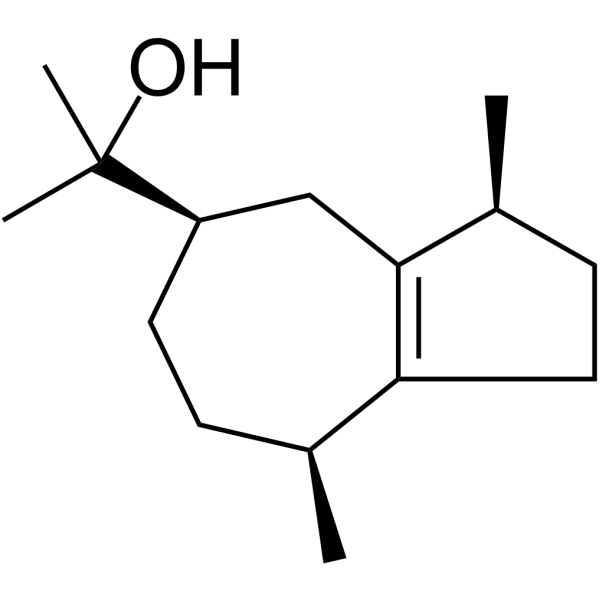
Guaiol is a sesquiterpenoid alcohol with oral activity found in various traditional Chinese medicines, exhibiting biological activities such as anti-proliferative, autophagy-promoting, insecticidal, anti-anxiety, anti-inflammatory, diuretic, and blood pressure-lowering effects. Guaiol induces apoptosis in non-small cell lung cancer cells by regulating the stability of RAD51 through autophagy modulation. Guaiol can also act directly on parasites, inhibiting their growth by affecting the kinetoplast, mitochondrial matrix and plasma membrane of the promastigotes. Guaiol kills amastigotes at an IC50 of 0.01 µg/mL. Guaiol can be used in research related to cancer, infections, cardiovascular diseases, and inflammatory conditions [4]
loading...
    loading...
Cat. No.: HY-76228
CAS No.: 288-13-1
Synonyms: Pyrazole
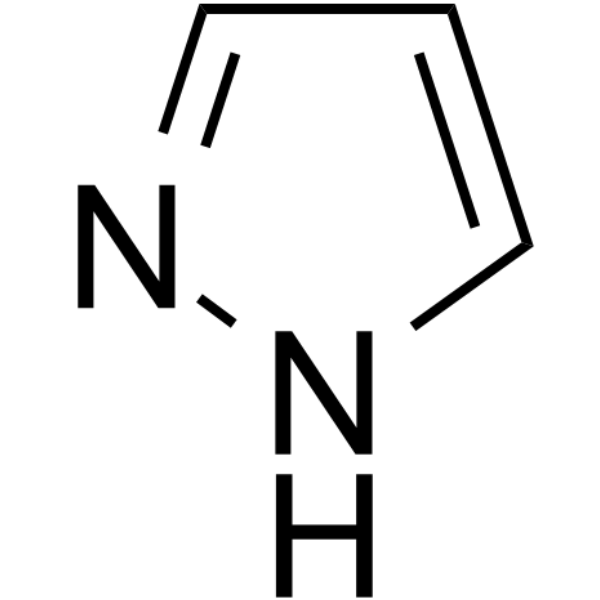
1H-pyrazole (Pyrazole) is a five-membered heterocyclic compound, and its derivatives are orally effective antimalarial and antileishmanial agents with the potential to modulate targets such as alcohol dehydrogenase and NMDA receptors. 1H-pyrazole derivatives exhibit inhibitory effects on Plasmodium berghei in infected mice and on promastigotes of Leishmania aethiopica, respectively. 1H-pyrazole can be used in research related to malaria and leishmaniasis .
loading...
    loading...
Cat. No.: HY-124481
CAS No.: 289030-99-5
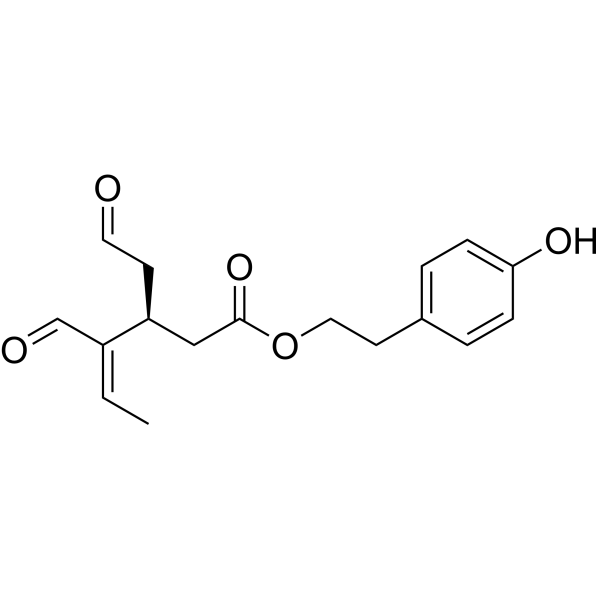
Oleocanthal is an orally active phenolic seciridoid compound. Oleocanthal can be extracted from olive oil. Oleocanthal inhibits COX-1 and COX-2, reduces ROS and NO, and upregulates Nrf-2 and HO-1. Oleocanthal reduces deposition. Oleocanthal exhibits anti-Leishmania activity against promastigotes and amastigotes of L. major, with IC50 values of 18.7 and 87 μg/mL, respectively. Oleocanthal exhibits anticancer activity against colon, breast, liver, and melanoma cancers. Oleocanthal also exhibits anti-inflammatory and neuroprotective properties. Oleocanthal can be used in Alzheimer's disease research .
loading...
    loading...
Cat. No.: HY-W016813
CAS No.: 4023-65-8
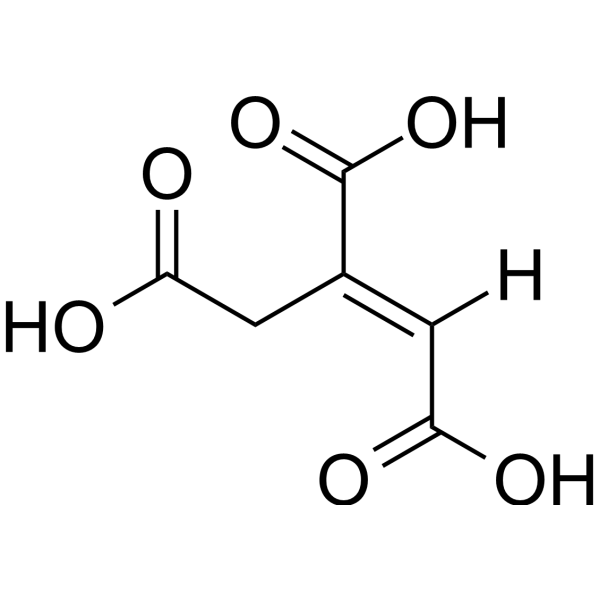
trans-Aconitic acid is an orally active aconitase inhibitor that non-competitively inhibits the conversion of citric acid to cis-aconitic acid and competitively inhibits the conversion of cis-aconitic acid to isocitric acid. trans-Aconitic acid inhibits the growth of Leishmania donovani promastigotes, the transformation of Leishmania donovani amastigotes to promastigotes, and the in vitro proliferation of Leishmania donovani amastigotes within macrophages in vitro. trans-Aconitic acid can be used in research related to visceral leishmaniasis (kala-azar) .
loading...
    loading...
Cat. No.: HY-N7926
CAS No.: 629-62-9
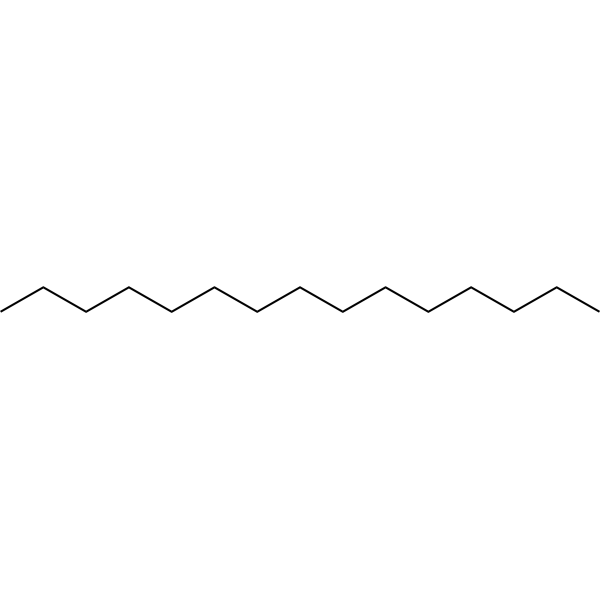
Pentadecane is an orally active natural plant volatile alkane with anti-inflammatory, analgesic, antipyretic and anti-leishmanial activities. Pentadecane presents IC50 values of 65.3 μM, 60.5 μM and 194.8 μM against Leishmania infantum promastigotes, amastigotes and intracellular amastigotes, respectively. Pentadecane downregulates the mRNA expression of TNF-α and IL-12 and inhibits the release of inflammatory mediators. Pentadecane arrests the cell cycle of Leishmania infantum and induces apoptosis. Pentadecane can be applied to the research of inflammation and leishmaniasis .
loading...
    loading...
Cat. No.: HY-155520
CAS No.: 3049715-81-0
Target:  

Parasite

Research Areas:  

Infection

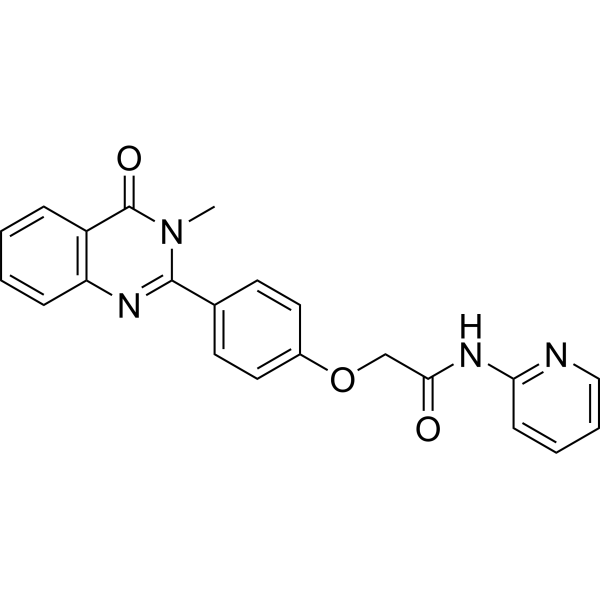
Antileishmanial agent-19 (Compound F27) is an antileishmanial agent, with a IC50 of 3.39 μM for L. donovani promastigotes. Antileishmanial agent-19 inhibits Leishmania prolyl-tRNA synthetase. Antileishmanial agent-19 inhibits host PI3K/Akt/CREB axis-mediated IL-10 secretion. Antileishmanial agent-19 induces autophagy-mediated apoptosis in L. donovani promastigotes. Antileishmanial agent-19 reduces parasite burden in L.d-infected animals .
loading...
    loading...
Cat. No.: HY-162066
CAS No.: 2868298-43-3
Target:  

Parasite

Research Areas:  

Infection

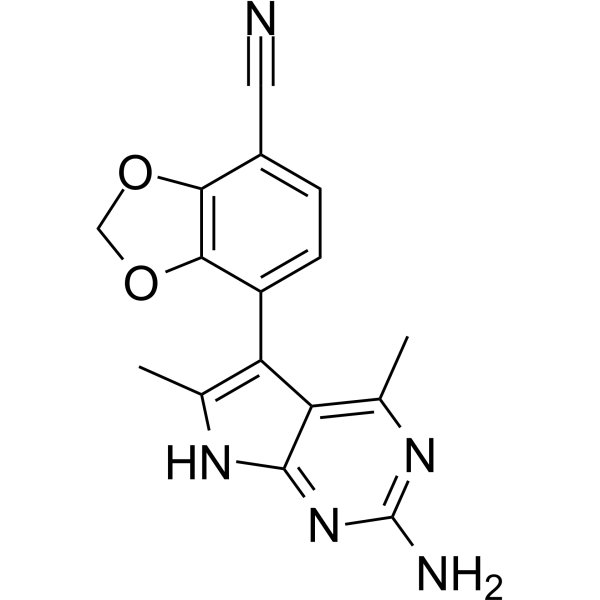
DNDI-6174 is an orally active Leishmania cytochrome b (Qi site of cytochrome bc1 complex/complex III) inhibitor. DNDI-6174 binds to the Qi site of Leishmania cytochrome b, inhibits cytochrome bc1 complex activity in the parasite's electron transport chain across promastigote and axenic amastigote stages. DNDI-6174 reduces parasite burden in rodent models, inhibits growth of various Leishmania species, drug-resistant clinical isolates, and Trypanosoma cruzi, with marginal activity against Trypanosoma brucei. DNDI-6174 can be used for the research of visceral leishmaniasis, cutaneous leishmaniasis .
loading...
    loading...
Cat. No.: HY-134467
CAS No.: 98570-83-3
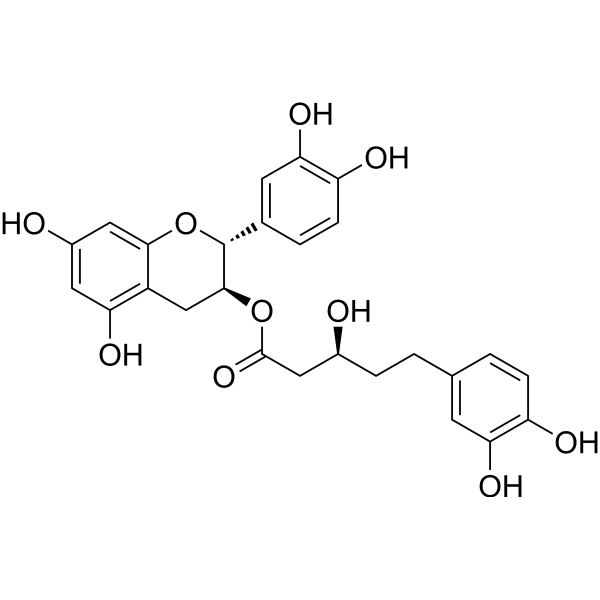
Phylloflavan is an antileishmanial (Antileishmanial) agent with an EC50 of 3.2 nM against intracellular amastigotes of Leishmania donovani. Phylloflavan is isolated from Phyllocldus plants. Phylloflavan induces moderate levels of NO release. Phylloflavan also inhibits the cytopathic effect of encephalomyocarditis virus on L929 fibroblasts (38 U/mL) .
loading...
    loading...
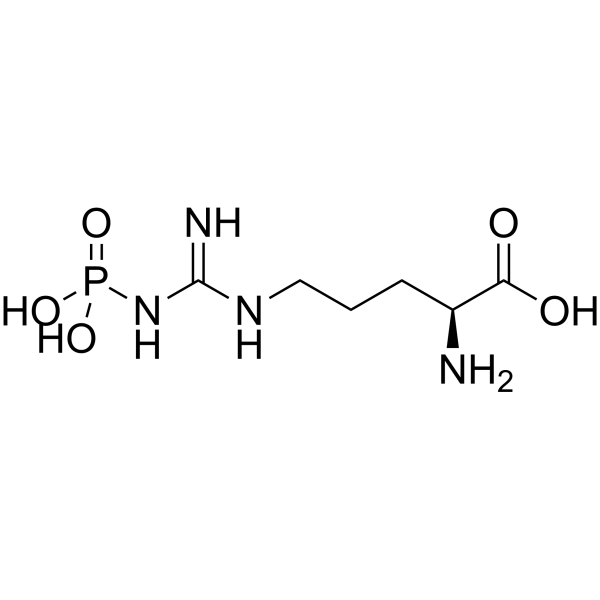
Cat. No.: HY-W330469
CAS No.: 1189-11-3
Target:  

Parasite

Research Areas:  

Infection

Phospho-L-arginine is a high-energy phosphagen molecule with an energy buffering effect, and it is a product of amino acid phosphorylation. Phospho-L-arginine competes with L-arginine (HY-N0455) for binding to the L-arginine transporter of Leishmania donovani promastigotes, which recognizes guanidyl groups and arginine side chains. Phospho-L-arginine can be used in the research of visceral leishmaniasis .
loading...
    loading...
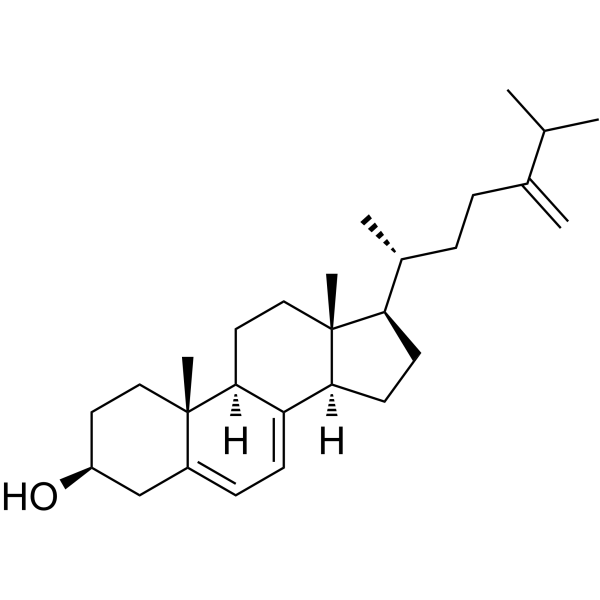
Cat. No.: HY-130703
CAS No.: 23582-83-4
Purity:  92.36%
Target:  

Others

Research Areas:  

Infection

5-Dehydroepisterol is a C28 alkylated sterol based on ergostane, and serves as a major component of the sterol pool in Leishmania parasites. The content of 5-Dehydroepisterol in Leishmania promastigotes can be depleted by 22,26-Azasterol, Amiodarone (HY-14187) and Tomatine (HY-N2166). Among these agents, Amiodarone (HY-14187) inhibits the biosynthetic process of this sterol by disrupting the function of squalene epoxidase. 5-Dehydroepisterol can be used in the research of leishmaniasis and cutaneous leishmaniasis .
loading...
    loading...
Cat. No.: HY-169728
CAS No.: 378197-09-2
Target:  

Hexokinase Parasite

Research Areas:  

Infection

SID 24785302 is a hexokinase inhibitor with antiparasitic activity. SID 24785302 exhibits activity against T. brucei and Leishmania. SID 24785302 can be used for the research of mitochondrial DNA disorders and parasitic infection .
loading...
    loading...
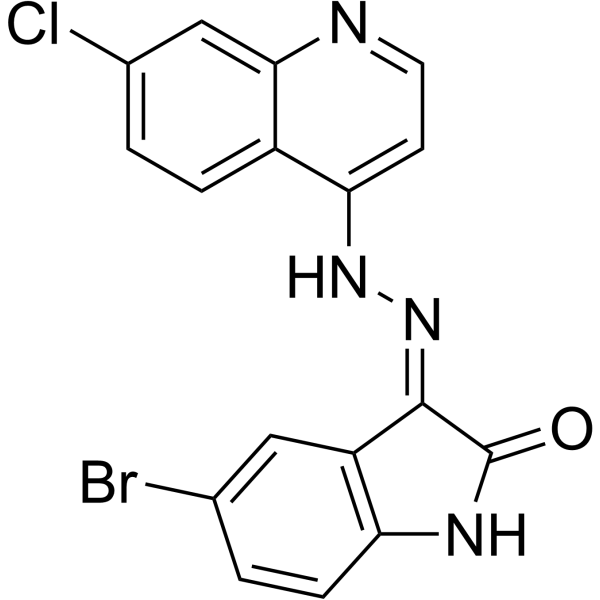
Cat. No.: HY-151935
CAS No.: 853725-86-7
Target:  

Parasite

Research Areas:  

Infection

Antileishmanial agent-13 is a quinoline-isatin hybrid, acts as an antileishmanial agent against L. Major Leishmania strain. Antileishmanial agent-13 acquires the antileishmanial activity via the anti-folate mechanism. Antileishmanial agent-13 has potent inhibition against both promastigote and amastigote forms with IC50s of 0.604 μM and 0.508 μM, respectively .
loading...
    loading...
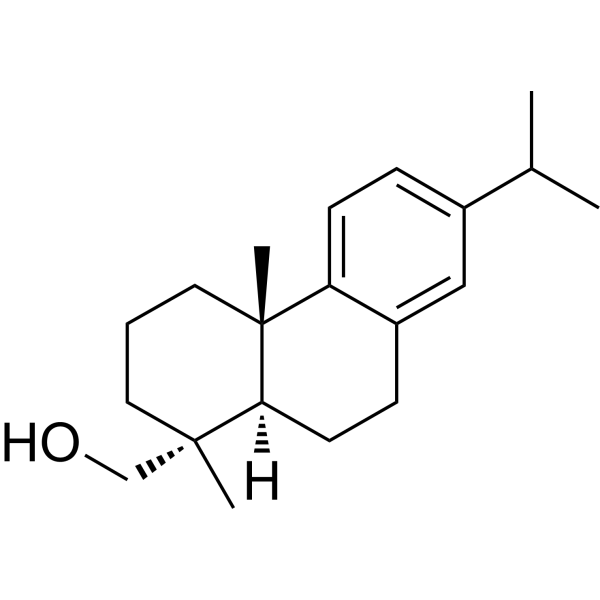
Cat. No.: HY-N3702
CAS No.: 3772-55-2
Dehydroabietinol is a SYK inhibitor with an IC50 of 46.4 μM. Dehydroabietinol inhibits the growth of Trypanosoma cruzi epimastigotes, Leishmania braziliensis promastigotes and Leishmania infantum promastigotes. Dehydroabietinol indirectly inhibits the growth of Plasmodium falciparum, alters the erythrocyte membrane, and induces spherostomatocyte transformation and endovesicle formation. Dehydroabietinol can be used in studies related to immune-mediated diseases, Chagas disease, leishmaniasis and malaria .
loading...
    loading...
Cat. No.: HY-P1957
CAS No.: 59865-15-5
Target:  

Parasite

Research Areas:  

Infection

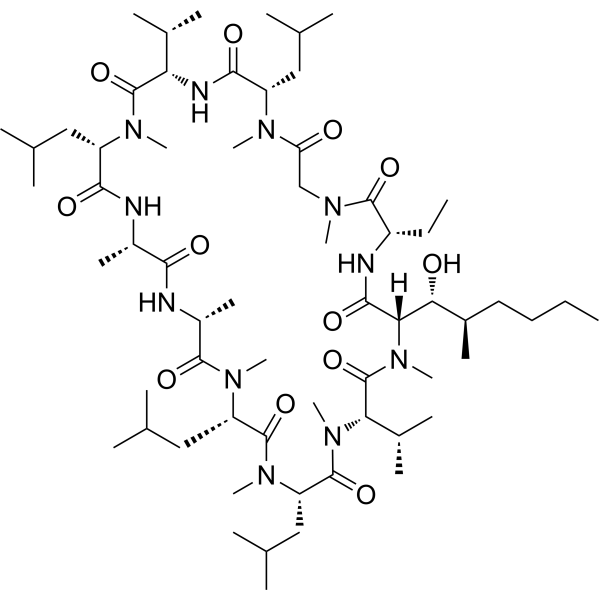
Dihydrocyclosporin A is a derivative of Cyclosporine A (HY-B0579). Dihydrocyclosporin A significantly inhibites promastigotes and intracellular amastigotes. Dihydrocyclosporin A is highly cytotoxic .
loading...
    loading...
Cat. No.: HY-N15413
CAS No.: 16623-56-6
Thalidasine (compound 3) is a bisbenzyltetrahydroisoquinoline alkaloid. Thalidasine is a anticancer agent against human colon adenocarcinoma cells. Thalidasine exhibits antileishmanial activity and can be used for Leishmania infection research research .
loading...
    loading...
Cat. No.: HY-N7489
CAS No.: 35790-95-5
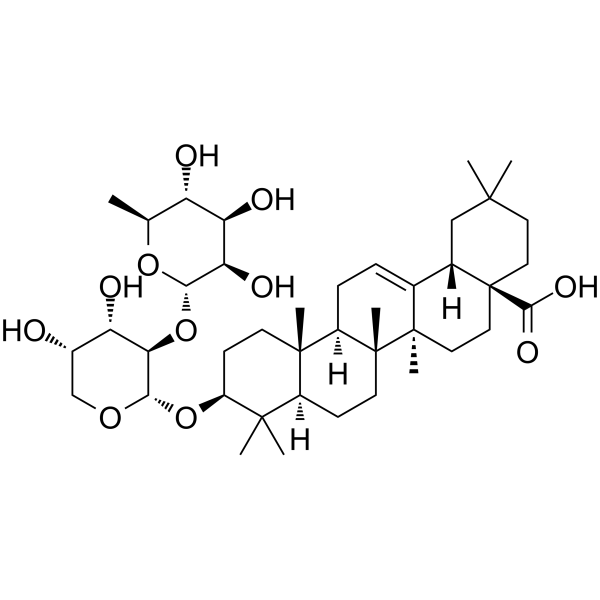
β-Hederin, a saponin isolated from Hedera helix L.(Araliaceae), possesses antileishmanial activity. β-Hederin exhibits IC50 values of 1.5 μM, 68 nM and 4.57 μM in L. Mexicana promastigotes, L. mexicana amastigotes and THP1 cells, respectively .
loading...
    loading...
Cat. No.: HY-130484
CAS No.: 1135339-49-9
Target:  

Parasite

Research Areas:  

Infection

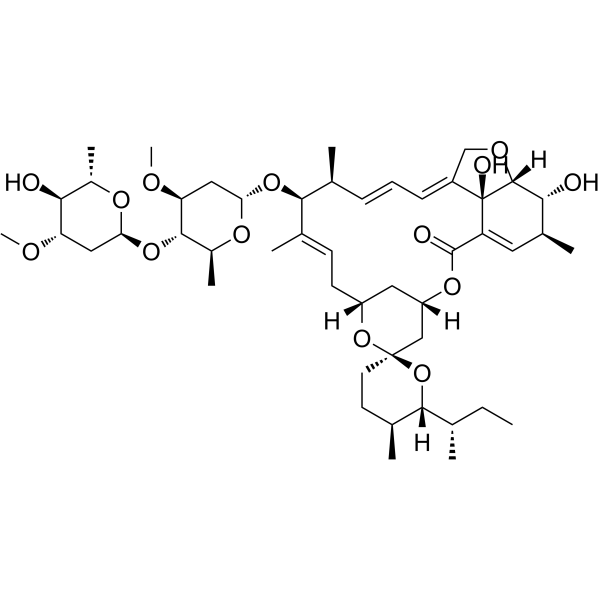
2,3-Dehydro-3,4-dihydro ivermectin is an analog of ivermectin (HY-15310) and an anthelmintic. 2,3-Dehydro-3,4-dihydro ivermectin has activity against L. amazonensis promastigotes and amastigotes (IC50s=13.8 and 3.6 µM, respectively) without inducing cytotoxicity to macrophages (IC50= 65.5 µM).
loading...
    loading...
Cat. No.: HY-149958
CAS No.: 2934738-40-4
Target:  

Parasite

Research Areas:  

Infection

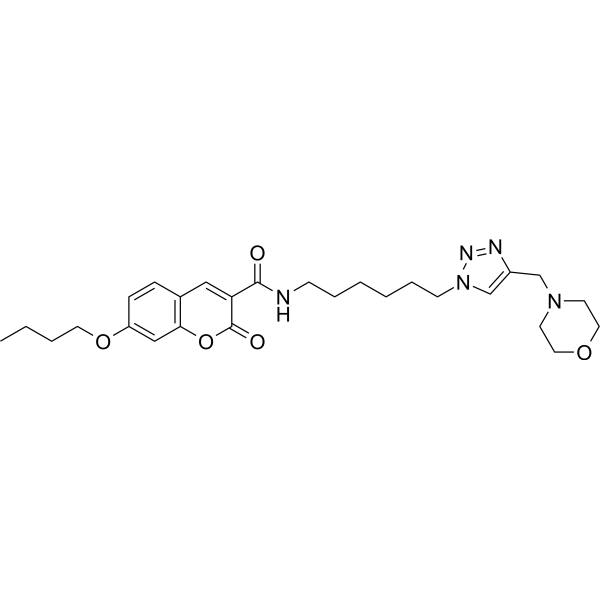
Antileishmanial agent-17 is a coumarin hybrid compound with antileishmanial effects (IC50 <0.78 μM). Antileishmanial agent-17 is safe to normal VERO cells. Antileishmanial agent-17 binds to folate pathway enzymes pteridine reductase and DHFR-TS. And Antileishmanial agent-17 shows the most potent with IC50 value of 0.40 μM against promastigote and 0.68 μM against amastigote, respectivley.
loading...
    loading...
Cat. No.: HY-156464
Target:  

Topoisomerase

Research Areas:  

Infection

Topoisomerase I inhibitor 10 (compound 13) is a leishmanial topoisomerase IB inhibitor. Topoisomerase I inhibitor 10 has antileishmanial activity against L. donovani promastigotes, with the IC50 of 27.91 μM .
loading...
    loading...
Cat. No.: HY-156462
CAS No.: 1228150-86-4
Target:  

Topoisomerase

Research Areas:  

Infection

Topoisomerase I inhibitor 9 (compound 3d) is a leishmanial topoisomerase IB inhibitor. Topoisomerase I inhibitor 9 has antileishmanial activity against L. donovani promastigotes, with the IC50 of 34.81μM .
loading...
    loading...

