25 Results for "

prostaglandin biosynthesis

" in MedChemExpress (MCE) Product Catalog:
Products (25)

25 Results for "prostaglandin biosynthesis" in MCE Product Catalog:

Cat. No.: HY-B1074
CAS No.: 2624-44-4
Synonyms: Etamsylate
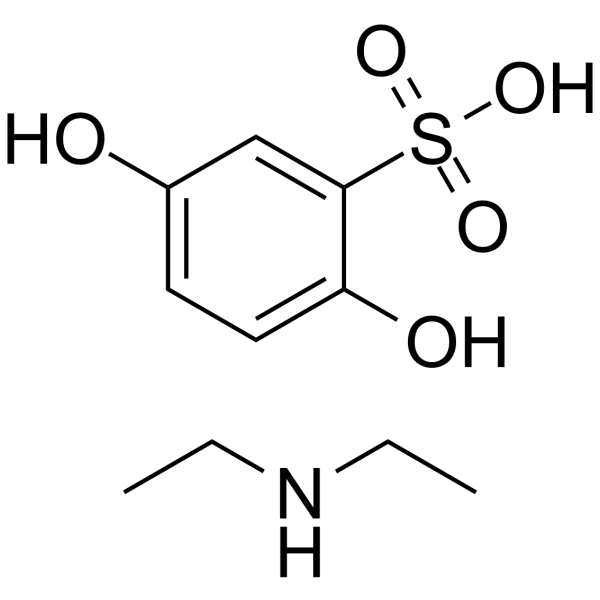
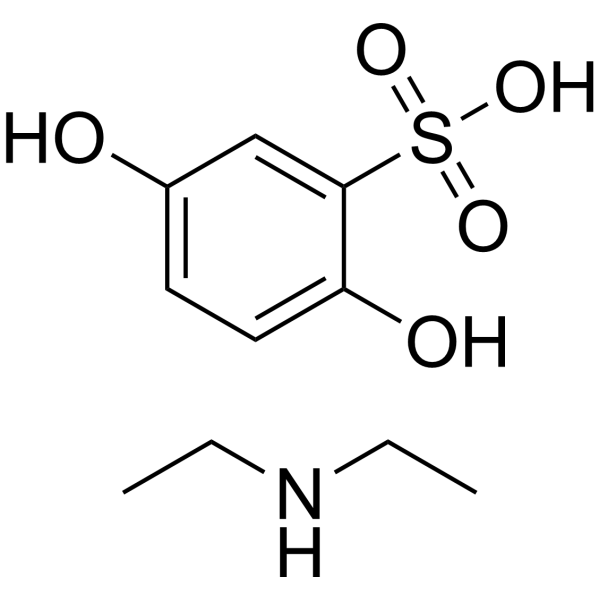
Ethamsylate (Etamsylate) is an orally active anti-hemorrhagic compound. Ethamsylate inhibits biosynthesis and action of prostaglandins. Ethamsylate has the potential to maintain early hemostasis as well as restores capillary resistance. Ethamsylate acts as an antiangiogenic factor, inhibiting wound healing and matrigel tubulogenesis. .
loading...
    loading...
Cat. No.: HY-13568
CAS No.: 51234-28-7
Purity:  99.24%
Synonyms: LRCL 3794
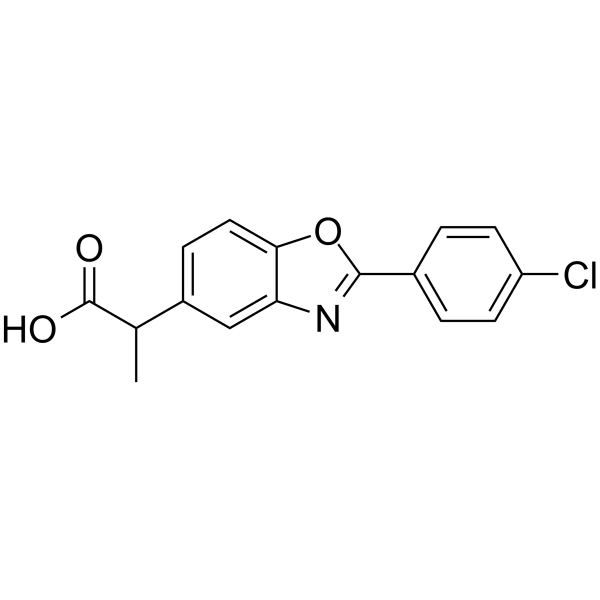
Benoxaprofen (LRCL 3794) is a nonsteroidal anti-inflammatory agent that blocks the biosynthesis of inflammatory mediators such as leukotrienes and prostaglandins by inhibiting 5-LOX, PGH2 synthase and cytochrome P-450. Benoxaprofen exhibits significant toxicity: it not only alters cellular redox status, uncouples oxidative phosphorylation and disrupts calcium ion homeostasis, but also causes liver injury through the formation of covalent adducts between its active metabolites and hepatic proteins. Benoxaprofen shows strong phototoxicity under ultraviolet irradiation, and induces erythrocyte lysis, mast cell degranulation and histamine release. Benoxaprofen is widely used in studies of urticaria and related phototoxic mechanisms .
loading...
    loading...
Cat. No.: HY-N9484
CAS No.: 494-90-6
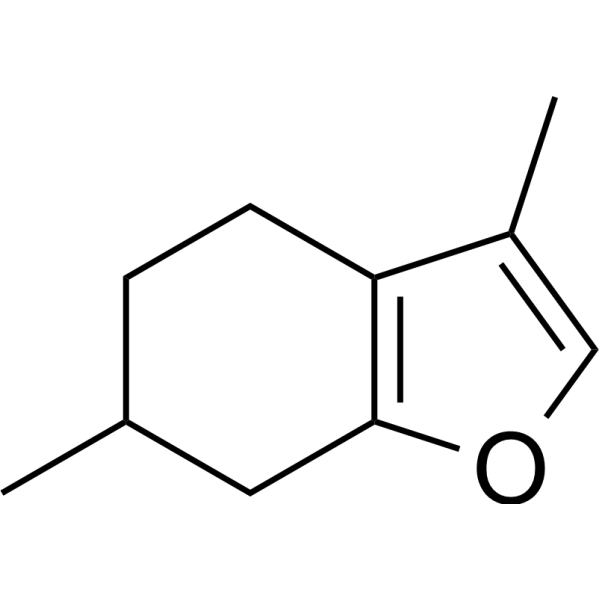
Menthofuran, 84% is an orally active modulator of pulegone reductase with gastroprotective activity, and it is the metabolite of (R)-(+)-Pulegone. Menthofuran, 84% reduces the transcriptional level of pulegone reductase in immature peppermint leaves, increases the content of pulegone in peppermint essential oil, and regulates the biosynthesis of peppermint essential oil through a feedforward-like inhibition mechanism. Menthofuran, 84% decreases total gastric acidity, restores non-protein thiol levels, inhibits lipid peroxidation, and reduces myeloperoxidase activity, with its mechanism of action related to the NOS pathway and endogenous prostaglandins. Menthofuran, 84% can be used in studies related to gastric ulcers .
loading...
    loading...
Cat. No.: HY-N10225
CAS No.: 71950-66-8
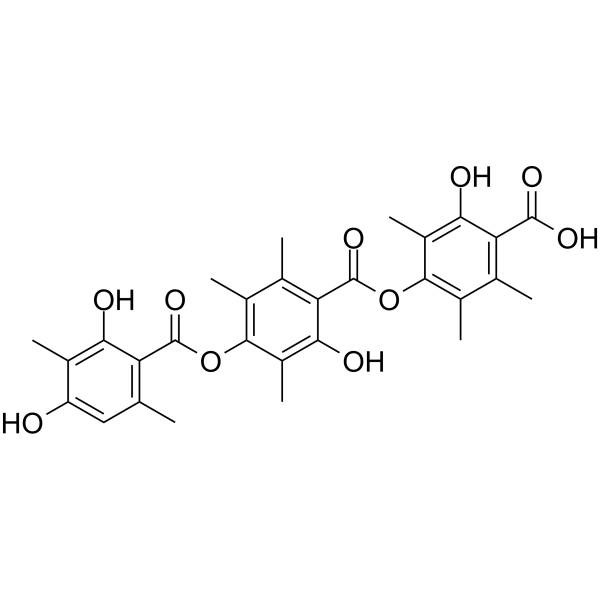
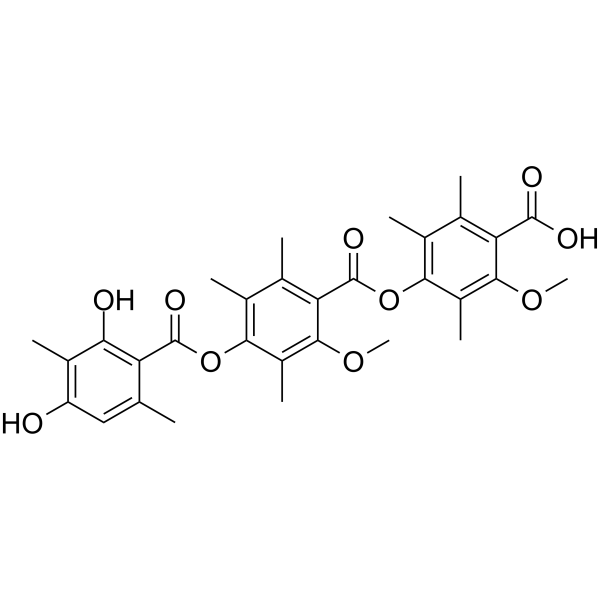
Thielavin A is an inhibitor of prostaglandin biosynthesis produced by Thielavia terricola. Thielavin A specifically inhibits the conversion of arachidonic acid into prostaglandin H2. Thielavin A has no anti-inflammatory activity on intravenous injection or on oral administration .
loading...
    loading...
Cat. No.: HY-126986
CAS No.: 70803-91-7
Research Areas:  

Metabolic Disease

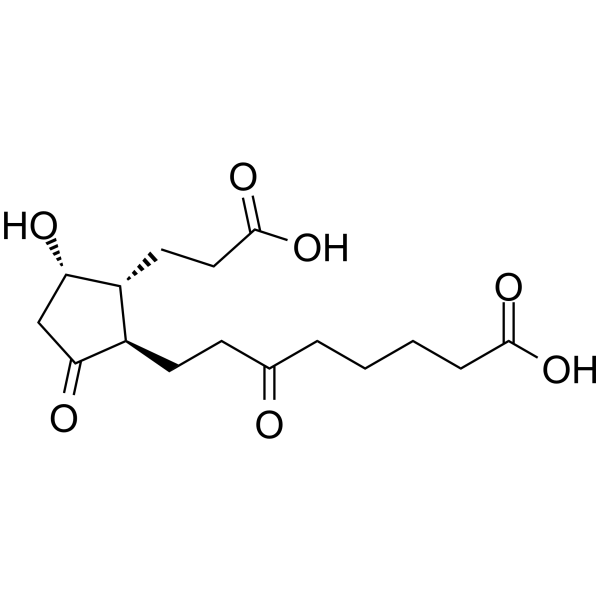
Tetranor-PGDM is an abundant urinary metabolite reflects biosynthesis of prostaglandin D2 .
loading...
    loading...
Cat. No.: HY-N10226
CAS No.: 71950-67-9
Thielavin B is an inhibitor of prostaglandin biosynthesis produced by Thielavia terricola. Thielavin B effectively influences the prostaglandin E2 synthesis from the endoperoxide. Thielavin B is significantly effective on carrageenan-induced oedema of rats when administered intravenously .
loading...
    loading...
Cat. No.: HY-101670
CAS No.: 70991-61-6
Synonyms: (Rac)-M-5011
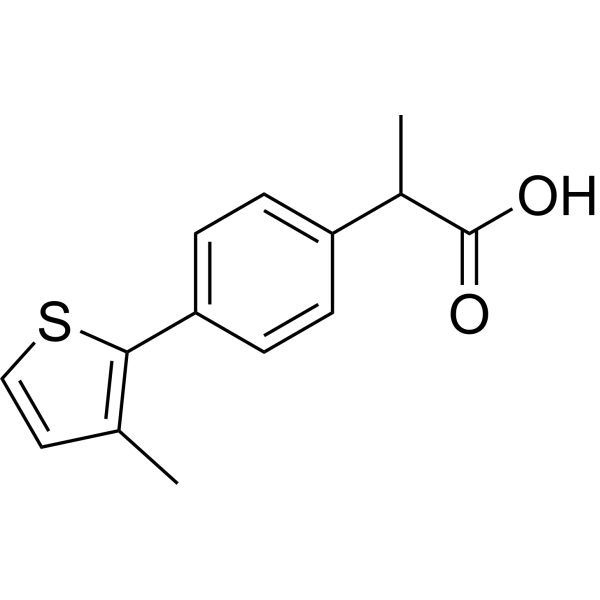
MTPPA ((Rac)-M-5011) is an orally active anti-inflammatory, analgesic and anti-rheumatic compound. MTPPA mediates the inhibition of prostaglandin biosynthesis. MTPPA acts as a four-point tetrahedral organophosphonate bridging ligand. MTPPA can be used in research related to inflammation, pain and adjuvant arthritis .
loading...
    loading...
Cat. No.: HY-163052
CAS No.: 33453-23-5
Synonyms: SL-573
Research Areas:  

Others

Ciproquazone (SL-573) is a compound that inhibits prostaglandin biosynthesis. Its relative inhibitory potency is between that of indomethacin and aspirin, and its inhibition of prostaglandin biosynthesis is reversible.
loading...
    loading...
Cat. No.: HY-118556
CAS No.: 951209-67-9
Research Areas:  

Endocrinology

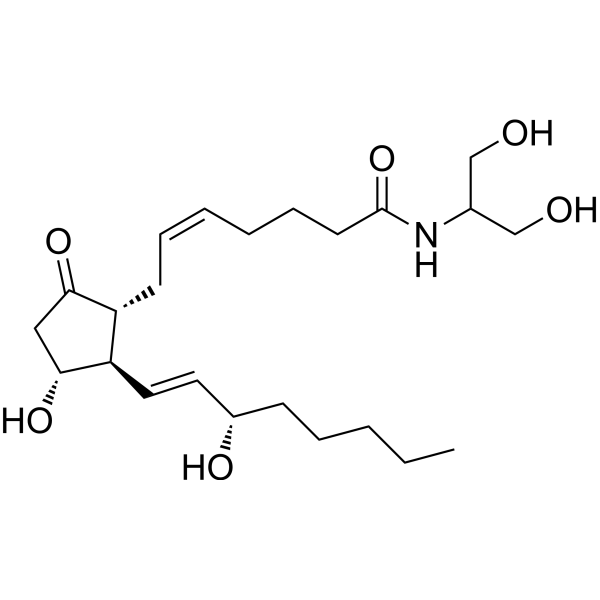
Prostaglandin E2 serinol amide is a weak inhibitor of the hydrolysis of [3H]2-oleoylglycerol. Prostaglandin E2 serinol amide is non-hydrolyzable to produce PGE2 and thus cannot inhibit leukotriene B4 biosynthesis, superoxide production, migration and antimicrobial peptide release .
loading...
    loading...
Cat. No.: HY-N8976
CAS No.: 79559-60-7
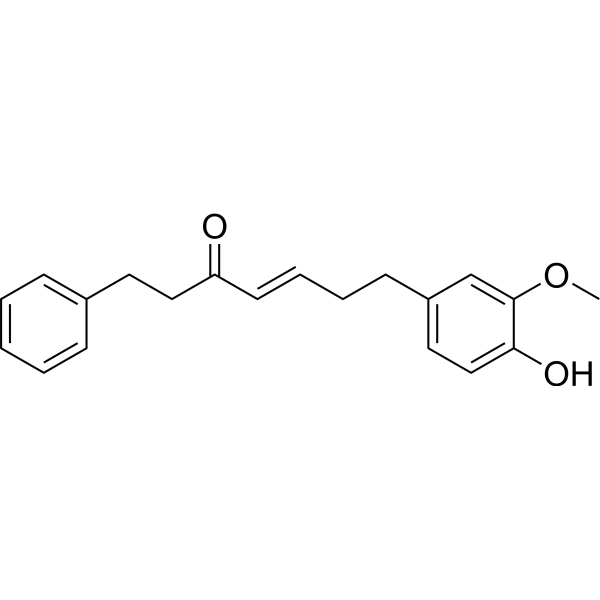
7-(4-Hydroxy-3-methoxyphenyl)-1-phenylhept-4-en-3-one is a inhibitor of prostaglandin biosynthesis .
loading...
    loading...
Cat. No.: HY-157925
CAS No.: 1283861-32-4
Synonyms: Bicyclo prostaglandin E1
Target:  

Endogenous Metabolite

Research Areas:  

Others

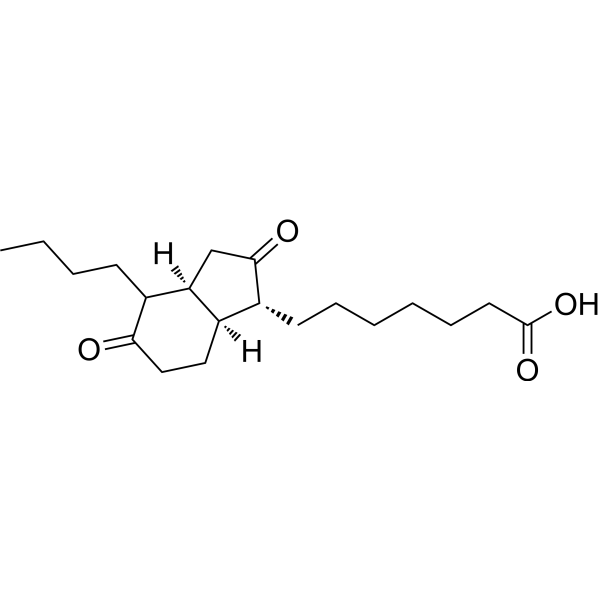
Bicyclo-PGE1 (Bicyclo Prostaglandin E1) is a stable, base-catalyzed transformation product of the PGE1 metabolite 13,14-dihydro-15-keto PGE1. Bicyclo-PGE1 can be used to estimate the biosynthesis and metabolism of PGE1 in vivo .
loading...
    loading...
Cat. No.: HY-B1074R
CAS No.: 2624-44-4
Synonyms: Etamsylate (Standard)
Ethamsylate (Standard) is the analytical standard of Ethamsylate. This product is intended for research and analytical applications. Ethamsylate (Etamsylate) is an orally active anti-hemorrhagic compound. Ethamsylate inhibits biosynthesis and action of prostaglandins. Ethamsylate has the potential to maintain early hemostasis as well as restores capillary resistance. Ethamsylate acts as an antiangiogenic factor, inhibiting wound healing and matrigel tubulogenesis. .
loading...
    loading...
Cat. No.: HY-165046
CAS No.: 5188-25-0
Synonyms: TG(18:2(9E,12E)/18:2(9E,12E)/18:2(9E,12E)); Trilinoelaidin
Research Areas:  

Others

1,2,3-Trilinoelaidoyl glycerol (TG(18:2(9E,12E)/18:2(9E,12E)/18:2(9E,12E))) is a compound that affects dietary triolein and has an effect on the fatty acid composition of rat organs, prostaglandin biosynthesis and platelet function. Different doses of intake have different effects on related physiological parameters of rats.
loading...
    loading...
Cat. No.: HY-163784
CAS No.: 1057882-82-2
Research Areas:  

Cancer

AKR1C3-IN-14 (compound 4) is an AKR1C3 inhibitor (IC50=0.122 μM) that reduces the overproduction of androgens by inhibiting the activity of the AKR1C3 enzyme, thereby regulating hormone-mediated signaling. AKR1C3-IN-14 also plays a role in the biosynthesis of the prostaglandin PGF2α, regulating cell proliferation by affecting this pathway. AKR1C3-IN-14 can be used in the study of prostate cancer .
loading...
    loading...
Cat. No.: HY-13568R
CAS No.: 51234-28-7
Synonyms: LRCL 3794 (Standard)
Benoxaprofen (Standard) is the analytical standard of Benoxaprofen. This product is intended for research and analytical applications. Benoxaprofen (LRCL 3794) is a nonsteroidal anti-inflammatory agent that blocks the biosynthesis of inflammatory mediators such as leukotrienes and prostaglandins by inhibiting 5-LOX, PGH2 synthase and cytochrome P-450. Benoxaprofen exhibits significant toxicity: it not only alters cellular redox status, uncouples oxidative phosphorylation and disrupts calcium ion homeostasis, but also causes liver injury through the formation of covalent adducts between its active metabolites and hepatic proteins. Benoxaprofen shows strong phototoxicity under ultraviolet irradiation, and induces erythrocyte lysis, mast cell degranulation and histamine release. Benoxaprofen is widely used in studies of urticaria and related phototoxic mechanisms .
loading...
    loading...
Cat. No.: HY-N9484S
CAS No.: 3028870-62-1
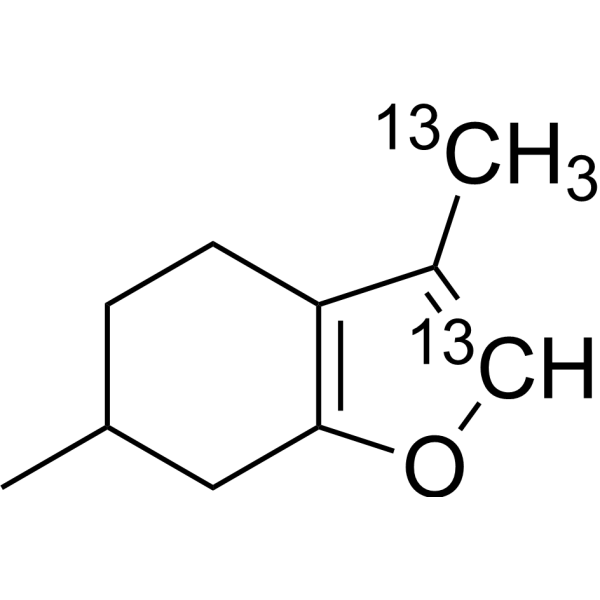
Menthofuran-13C2 is the 13C-labeled Menthofuran, 84% (HY-N9484). Menthofuran, 84% is an orally active modulator of pulegone reductase with gastroprotective activity, and it is the metabolite of (R)-(+)-Pulegone. Menthofuran, 84% reduces the transcriptional level of pulegone reductase in immature peppermint leaves, increases the content of pulegone in peppermint essential oil, and regulates the biosynthesis of peppermint essential oil through a feedforward-like inhibition mechanism. Menthofuran, 84% decreases total gastric acidity, restores non-protein thiol levels, inhibits lipid peroxidation, and reduces myeloperoxidase activity, with its mechanism of action related to the NOS pathway and endogenous prostaglandins. Menthofuran, 84% can be used in studies related to gastric ulcers .
loading...
    loading...
Cat. No.: HY-W778179
CAS No.: 1329840-53-0
Synonyms: LRCL 3794-13C,d3
Benoxaprofen- 13C, d3 is the 13C-labeled Benoxaprofen (HY-13568). Benoxaprofen (LRCL 3794) is a nonsteroidal anti-inflammatory agent that blocks the biosynthesis of inflammatory mediators such as leukotrienes and prostaglandins by inhibiting 5-LOX, PGH2 synthase and cytochrome P-450. Benoxaprofen exhibits significant toxicity: it not only alters cellular redox status, uncouples oxidative phosphorylation and disrupts calcium ion homeostasis, but also causes liver injury through the formation of covalent adducts between its active metabolites and hepatic proteins. Benoxaprofen shows strong phototoxicity under ultraviolet irradiation, and induces erythrocyte lysis, mast cell degranulation and histamine release. Benoxaprofen is widely used in studies of urticaria and related phototoxic mechanisms .
loading...
    loading...
Cat. No.: HY-113628
CAS No.: 189498-57-5
Synonyms: VML-530
Target:  

FLAP

Research Areas:  

Inflammation/Immunology

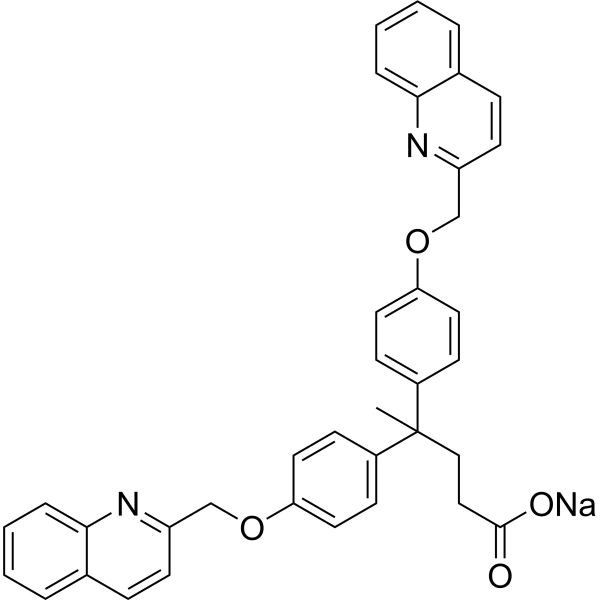
ABT-080 is an orally active inhibitor of leukotriene biosynthesis that targets 5-lipoxygenase-activating protein (FLAP). ABT-080 inhibits leukotriene production in intact human neutrophils, mouse peritoneal macrophages and human whole blood, with IC50 values of 20 nM, 0.16 nM and 13 μM, respectively. ABT-080 blocks the leukotriene pathway leading to the synthesis of LTB4 and LTC4, but does not block PGH2 biosynthesis. ABT-080 inhibits leukotriene biosynthesis and bronchoconstriction in mouse models. ABT-080 is used in research related to asthma, pleurisy and allergy .
loading...
    loading...
Cat. No.: HY-131384
CAS No.: 34262-64-1
Synonyms: 8,11,14-Icosatriynoic acid
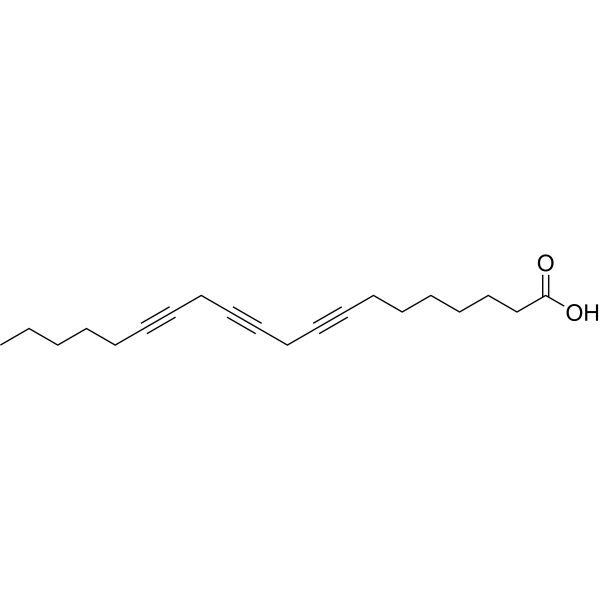
8,11,14-Eicosatriynoic Acid, as an inhibitor of prostaglandin, leukotriene biosynthesis, and arachidonic acid-induced platelet aggregation, blocks human 12-lipoxygenase (12-LO), cyclooxygenase (COX)and 5-lipoxygenase (5-LO) with IC50 values of 0.46 μM, 14 μMand 25 μM, respectively. In addition, 8,11,14-Eicosatriynoic Acid inhibits the action of slow-reacting substances of allergic reactions, with IC50 value of 10 μM. Lipoxygenase is widely found in fungi, plants and animals. 12-LO involves in many important disease states and may play a role in oxidative glutamate toxicity. COX enzymes play complex roles in human physiology and pathology involving the neuronal, immune, renal, cardiovascular, gastrointestinal and reproductive systems. COX enzymes are blocked by aspirin and a variety of other NSAIDs, which makes them clinically important. 5-LO involves in cancer pathology. It is expressed by a variety of cancer cells, including colon, lung, breast, and prostate cancers, and promotes cancer cell growth and neovascularization . 8,11,14-Eicosatriynoic acid is a click chemistry reagent, it contains an Alkyne group and can undergo copper-catalyzed azide-alkyne cycloaddition (CuAAc) with molecules containing Azide groups.
loading...
    loading...
Cat. No.: HY-108310
CAS No.: 82821-47-4
Synonyms: Aminoprofen
Target:  

COX

Mabuprofen (Aminoprofen) is an amide derivative of Ibuprofen (HY-78131) and a COX inhibitor. Mabuprofen inhibits prostaglandin biosynthesis, thereby reducing inflammation, relieving pain and lowering body temperature. Mabuprofen is applicable to research related to arthritis, muscle pain, inflammatory diseases, headache and toothache .
loading...
    loading...

