103 Results for "

proteasome-dependent degradation

" in MedChemExpress (MCE) Product Catalog:
Products (103)

103 Results for "proteasome-dependent degradation" in MCE Product Catalog:

1
1 Cited Publications
Cat. No.: HY-111593
CAS No.: 2244684-49-7
Purity:  99.40%
Target:  

PROTACs

Research Areas:  

Cancer

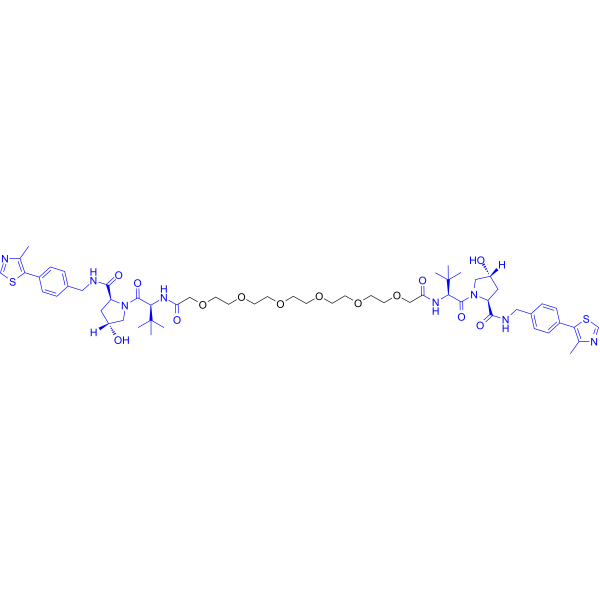
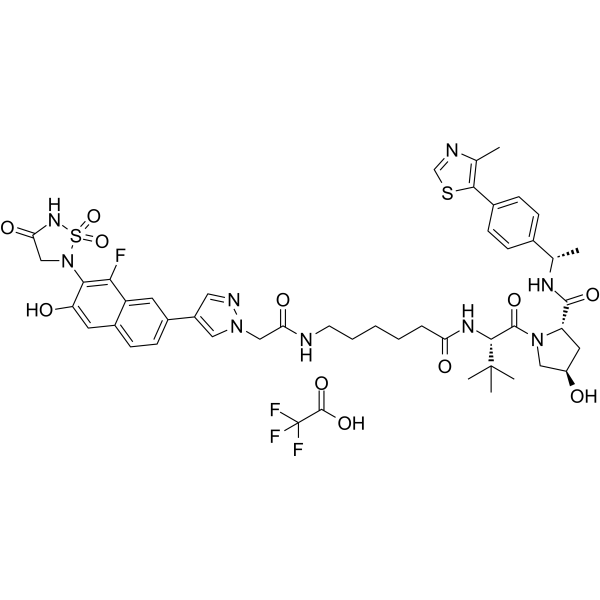
Homo-PROTAC pVHL30 degrader 1 is a Homo-PROTAC autodegraders targeting the von Hippel-Lindau E3 ubiquitin ligase (VHL), with Kd values of 11 nM and 25 nM for pVHL19-EloBC​ and pVHL30-EloBC​, respectively. Homo-PROTAC pVHL30 degrader 1 induces Cullin2 depletion, promotes VHL dimerization to form a ternary complex, and drives proteasome-dependent and CRL2-VHL-like ubiquitination-dependent autodegradation. Homo-PROTAC pVHL30 degrader 1 does not trigger hypoxic responses, and only causes extremely mild stabilization of hypoxia-inducible factor α subunits. Homo-PROTAC pVHL30 degrader 1 can be used in studies related to cervical cancer and osteosarcoma .
loading...
    loading...
1
1 Cited Publications
Cat. No.: HY-161719
CAS No.: 3083634-54-9
Target:  

β-catenin

Research Areas:  

Cancer

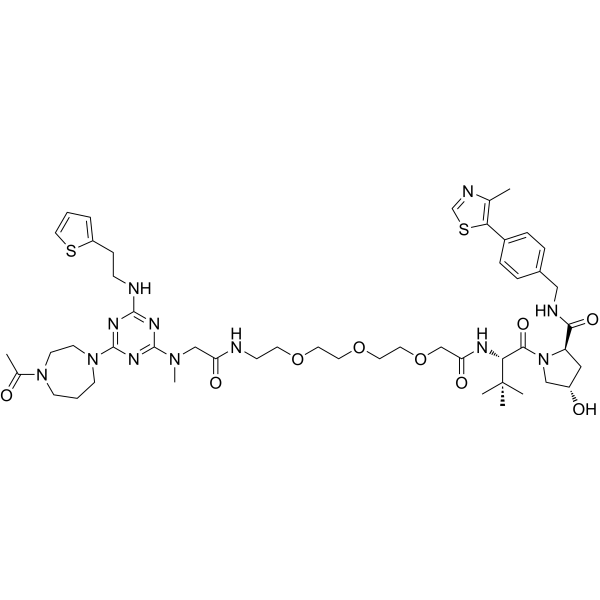
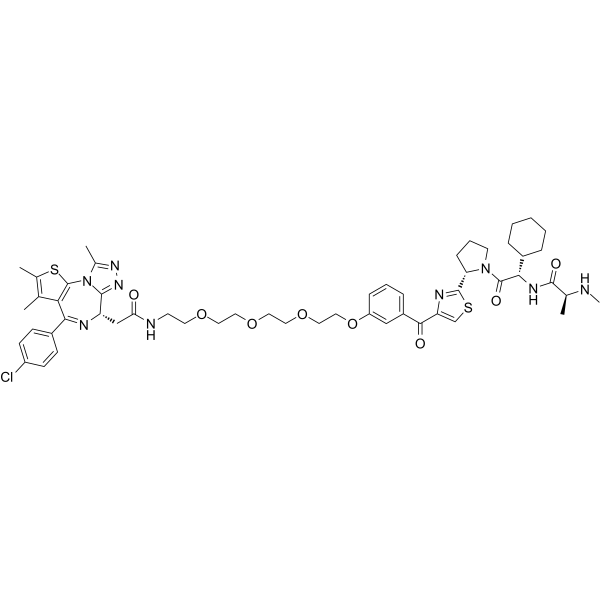
NF764 is a potent β-catenin (CTNNB1) degrader. NF764 reduces CTNNB1 protein levels in a proteasome-dependent manner. NF764 can be used in the study of cancer .
loading...
    loading...
1
1 Cited Publications
Cat. No.: HY-149508
CAS No.: 6325-13-9
Purity:  99.19%
Research Areas:  

Cancer

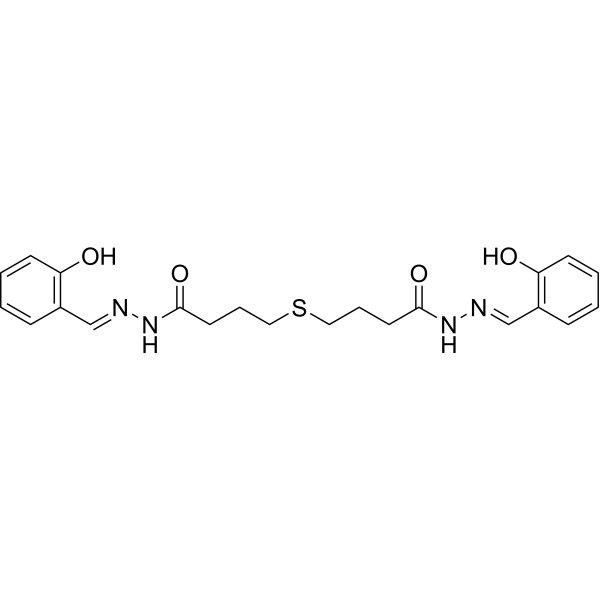
Nrf2-IN-3 (Compound R16) is a small-molecule NRF2 inhibitor and increases reactive oxygen species (ROS) production. Nrf2-IN-3 selectively binds KEAP1 mutants and restores their NRF2-inhibitory function by repairing the disrupted KEAP1/NRF2 interactions, leading to proteasome-dependent NRF2 degradation in cells. Nrf2-IN-3 sensitizes KEAP1-mutated tumor cells to Cisplatin (HY-17394), Gefitinib (HY-50895), and KEAP1 G333C-mutated xenograft to Cisplatin .
loading...
    loading...
1
1 Cited Publications
Cat. No.: HY-156591
CAS No.: 3032600-90-8
Purity:  99.76%
Research Areas:  

Others

PROTAC MLKL Degrader-1 is a selective MLKL PROTAC degrader with a DC50 of 2.4 μM. PROTAC MLKL Degrader-1 blocks necroptosis without modulating the phosphorylation of RIPK1 or RIPK3, and exhibits a linear correlation between MLKL levels and necroptotic cell death .
loading...
    loading...
Cat. No.: HY-159607
CAS No.: 2755761-78-3
Target:  

PROTACs SWI/SNF Complex

Research Areas:  

Cancer

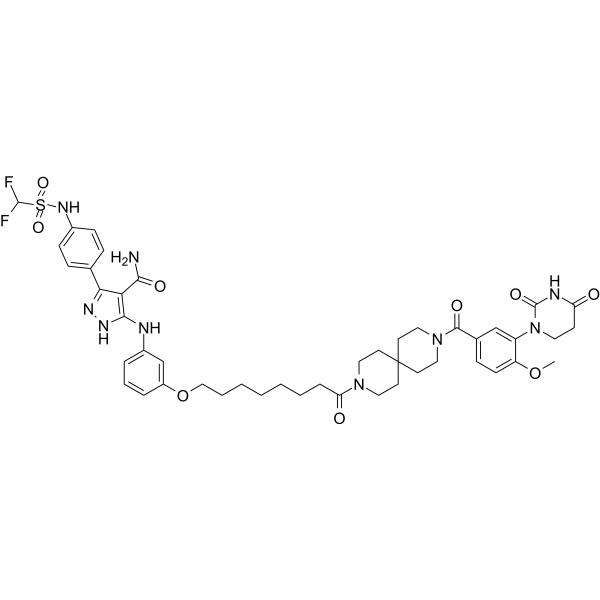
PRT3789 is a selective SMARCA2 PROTAC degrader (DC50 in HeLa cell: 0.72 nM for SMARCA2, 14 nM for SMARCA4). PRT3789 forms a stable ternary complex with Von Hippel-Lindau (VHL) E3 ligase, induces polyubiquitination at SMARCA2-specific lysine residues, and drives proteasome-dependent SMARCA2 degradation. PRT3789 disrupts SWI/SNF chromatin remodeling complex integrity, induces dissociation of specific subunits, suppresses oncogenic gene expression, reduces chromatin accessibility, and upregulates antigen processing/presentation-related gene expression. PRT3789 induces synthetic lethality, inhibits proliferation and colony formation, and drives tumor growth inhibition and regression in SMARCA4-deficient contexts. PRT3789 can be used for the research of SMARCA4-mutated solid tumors, non-small cell lung cancer, endometrial cancer, colorectal cancer, bladder cancer, esophageal cancer, ovarian cancer, and gastric cancer .
loading...
    loading...
Cat. No.: HY-175759
CAS No.: 2193367-28-9
Target:  

Molecular Glues IFNAR

Research Areas:  

Inflammation/Immunology

EN1033 is a covalent immune regulatory transcription factor 5/8 (IRF5/8) molecular glue degrader. EN1033 degrades IRF5 in a proteasome-dependent manner. EN1033 engages and degrades IRF8 more robustly and rapidly. EN1033 covalently targets C28 and C223 to destabilize and degrade IRF5 and IRF8 respectively, thereby inhibiting their pro-inflammatory transcriptional activity. EN1033 serves as a promising tool for the study of autoimmune and inflammatory disorders .
loading...
    loading...
Cat. No.: HY-168162
CAS No.: 3053716-46-1
Target:  

PROTACs CDK

Research Areas:  

Cancer

ZLC491 is an orally active PROTAC degrader that selectively targets CDK12/CDK13 and exhibits certain oral bioavailability. ZLC491 induces cereblon- and proteasome-dependent selective degradation of CDK12 and CDK13. ZLC491 inhibits the transcription and expression of long genes, and mainly acts on a subset of DNA damage response genes. ZLC491 inhibits the proliferation of various triple-negative breast cancer cells. ZLC491 can be used in research related to triple-negative breast cancer .
loading...
    loading...
Cat. No.: HY-174864
CAS No.: 3100147-70-1
Target:  

PROTACs NF-κB Apoptosis

Research Areas:  

Cancer

JP-163-16 is a RelA/p65 PROTAC degrader. JP-163-16 selectively reduces the expression of RelA/p65 in a proteasome-dependent manner in cells. JP-163-16 can induce cell apoptosis by inhibiting the NF-κB signaling pathway. JP-163-16 can be used for research on RelA/p65-dependent tumours, such as chronic lymphocytic leukaemia (CLL) .
loading...
    loading...
Cat. No.: HY-159099
CAS No.: 2654011-51-3
Purity:  99.15%
WIZ degrader 9 is an orally active molecular glue degrader of the WIZ transcription factor. As a molecular glue, WIZ degrader 9 recruits WIZ to the cereblon E3 ubiquitin ligase complex via its ZF7 domain, driving proteasome-dependent degradation of WIZ. WIZ degrader 9 induces hemoglobin production, reduces the level of H3K9 dimethylation across the whole genome and at the β-globin locus, upregulates the transcription of γ-globin and BGLT3, and increases the level of histone H3K9 acetylation in the promoter region of HBG1/2. WIZ degrader 9 effectively induces fetal hemoglobin production in both mice and cynomolgus monkeys. WIZ degrader 9 can be used for research on sickle cell disease .
loading...
    loading...
Cat. No.: HY-138669
CAS No.: 2417159-57-8
Purity:  99.37%
Target:  

PROTACs Tau Protein

Research Areas:  

Neurological Disease

C004019 is a BBB-penetrable and small-molecule PROTAC that targets tau. C004019 can simultaneously recruit tau and E3 ligase, and effectively clear tau proteins by promoting the ubiquitination and proteasome-dependent degradation of tau, thereby improving synaptic and cognitive functions in Alzheimer's disease (AD) mice. C004019 can be used in the research of AD and tau protein-related diseases .
loading...
    loading...
Cat. No.: HY-149760
CAS No.: 3032975-48-4
Research Areas:  

Cancer

PVD-06 is a selective PROTAC PTPN2 degrader with a DC50 of 217 nM (selectivity index >60-fold over PTP1B). PVD-06 induces PTPN2 degradation via a VHL-, ubiquitin, and proteasome-dependent pathway. PVD-06 can promote T cell activation and amplify IFN-γ-mediated anticancer activity. PVD-06 can be used to further investigate PTPN2 in diseases such as leukemia and melanoma .
loading...
    loading...
Cat. No.: HY-49444
CAS No.: 793719-01-4
Research Areas:  

Cancer

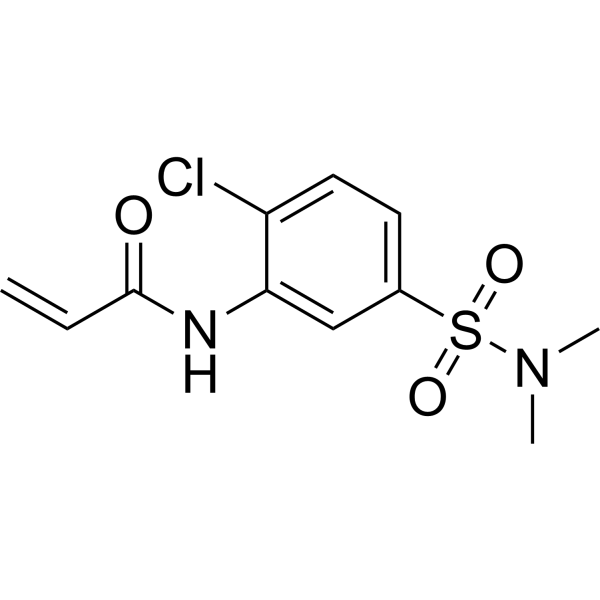
EN450 is a cysteine-reactive covalent molecular glue degrader targeting NF-κB. EN450 interacts with allosteric C111 in the E2 ubiquitin ligase UBE2D. EN450 induces the ternary complex formation between UBE2D and NFKB1. EN450 exerts its anti-proliferative effects through a Cullin E3 ligase and proteasome-dependent mechanism .
loading...
    loading...
Cat. No.: HY-159098
dWIZ-1 is an orally active molecular glue and chemical probe targeting the WIZ transcription factor, which based on an IMiD backbone, binding to human WIZ with an affinity of 3.5 μM. dWIZ-1 recruits WIZ to the cereblon-DDB1 complex via its ZF7 domain, thereby triggering proteasome-dependent degradation of WIZ. dWIZ-1 significantly induces fetal hemoglobin expression in erythroblasts while reducing the level of inhibitory H3K9 dimethylation at WIZ binding sites such as the β-globin locus. Meanwhile, dWIZ-1 does not affect the proliferation and differentiation of erythroblasts, and no cytotoxicity is observed in in vitro cells or cynomolgus monkey models. dWIZ-1 serves as a critical tool molecule for investigating the mechanism and underlying pathways of sickle cell disease .
loading...
    loading...
Cat. No.: HY-111875
CAS No.: 2095244-54-3
Purity:  99.68%
Research Areas:  

Cancer

SNIPER (BRD)-1 is a BRD2/3/4 SNIPER degrader. SNIPER (BRD)-1 induces ubiquitin-proteasome-dependent degradation of the epigenetic regulatory proteins BRD2/3/4 as well as the IAP family E3 ligase itself with its IC50 values for cIAP1, cIAP2 and XIAP of 6.8 nM, 17 nM and 49 nM, respectively. SNIPER (BRD)-1 can be used in the research of prostate cancer .
loading...
    loading...
Cat. No.: HY-157251
CAS No.: 2929304-61-8
Purity:  99.92%
Research Areas:  

Cancer

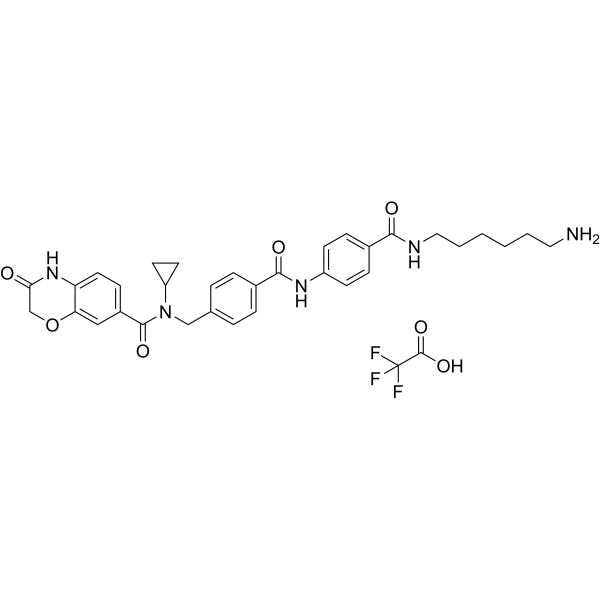
UNC8153 TFA is a potent and selective nuclear receptor-binding SET domain-containing 2 (NSD2)-targeted degrader with a Kd of 24 nM. UNC8153 TFA reduces the cellular levels of both NSD2 protein (DC50 in cell U2OS is 0.35 μM) and the H3K36me2 chromatin mark. UNC8153 TFA contains a simple warhead that confers proteasome-dependent degradation of NSD2 .
loading...
    loading...
Cat. No.: HY-161574
CAS No.: 3061315-33-8
Research Areas:  

Cancer

LLC0424 is a potent and selective cereblon-based PROTAC nuclear receptor-binding SET domain-containing 2 (NSD2) degrader. LLC0424 effectively degraded NSD2 with a DC50 of 20 nM in RPMI-8402 cells. LLC0424 selectively induces NSD2 degradation in a cereblon- and proteasome-dependent fashion. (Blue: CRBN ligand (HY-14658), Black: linker (HY-40002); Pink: NSD2 inhibitor (HY-161575)) .
loading...
    loading...
Cat. No.: HY-159779
CAS No.: 2766608-52-8
NR-V04 is a selective NR4A1 PROTAC degrader. NR-V04 forms a ternary complex with NR4A1 and the VHL E3 ligase, mediates proteasome-dependent degradation of NR4A1. NR-V04 induces tumor-infiltrating B cells and effector memory CD8 + T cells and reduces monocytic myeloid-derived suppressor cells in tumor microenvironments. NR-V04 can be used for the research of melanoma and colon cancer .
loading...
    loading...
Cat. No.: HY-153793
CAS No.: 2660218-70-0
Synonyms: DGKζ-IN-1
Research Areas:  

Cancer

Alcudacigib (ASP1570; DGKζ-IN-1) is an orally active diacylglycerol kinase ζ (DGKζ) inhibitor, with an IC50 of 4.7 nM against human DGKζ and an IC50 of 3.0 nM against mouse DGKζ. Alcudacigib selectively inhibits the kinase activity of DGKζ and induces proteasome-dependent degradation of DGKζ protein. Alcudacigib enhances the anti-tumor functions of T cells and NK cells. Alcudacigib can be used for the research of advanced/metastatic solid tumors .
loading...
    loading...
Cat. No.: HY-122822
CAS No.: 2260944-68-9
GSK699 is a KAT2A/B/PCAF/GCN5 PROTAC degrader . GSK699 induces proteasome-dependent degradation of KAT2A, KAT2B, PCAF and GCN5, regulates the histone acetyltransferase activity of the SAGA complex, and reduces the level of histone H3K9ac. GSK699 inhibits the growth of neuroblastoma, acute myeloid leukemia and small cell lung cancer cells. GSK699 reduces the production of inflammatory cytokines and chemokines, and impairs LPS-stimulated immune cell responses. GSK699 is applicable to research related to acute myeloid leukemia, small cell lung cancer, neuroblastoma and inflammatory diseases .
loading...
    loading...
Cat. No.: HY-149209
CAS No.: 3034487-84-5
Purity:  99.76%
Research Areas:  

Metabolic Disease Cancer

LL-K8-22 is a dual degrader of CDK8 and cyclin C HyT, with DC50 values of 2.52 μM and 2.64 μM, respectively. LL-K8-22 inhibits phosphorylation of STAT1 Ser 727, phosphorylation of the C-terminal domain Ser 2/5 of RNA polymerase II, and phosphorylation of Rb. LL-K8-22 represses E2F- and MYC-driven transcriptional programs and exhibits antiproliferative effects. LL-K8-22 synchronously induces proteasome-dependent selective degradation of CDK8 and cyclin C without degrading CDK19, other CDK family members, or other cyclins. LL-K8-22 can be used in the research of triple-negative breast cancer and colon cancer .
loading...
    loading...

