
1. Search Result
Search Result
Results for "

radical generation

" in MedChemExpress (MCE) Product Catalog:

27

Inhibitors & Agonists

3

Biochemical Assay Reagents

1

Inhibitory Antibodies

8

Natural
Products

2

Isotope-Labeled Compounds

Cat. No. Product Name Target Research Areas Chemical Structure
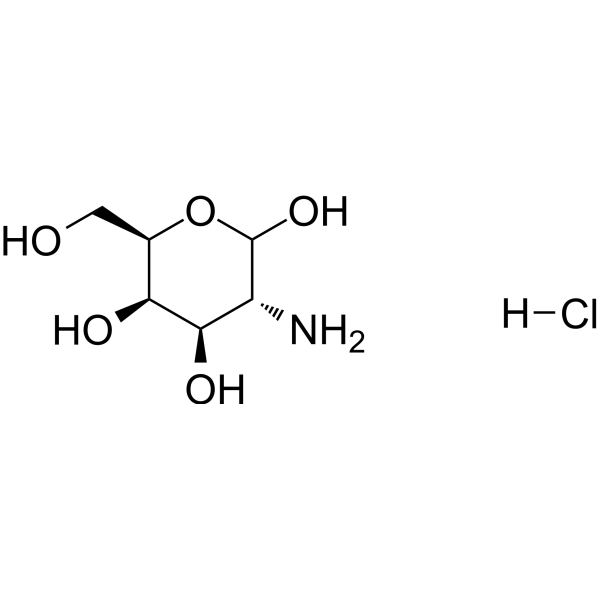
  • HY-42682
    D(+)-Galactosamine hydrochloride
    3 Publications Verification

    D-Galactosamine HCl

    Drug Derivative Inflammation/Immunology
    D(+)-Galactosamine (D-Galactosamine) hydrochloride, which is an established experimental toxin, primarily causes liver injury by the generation of free radicals and depletion of UTP nucleotides. D(+)-Galactosamine hydrochloride intoxication also induces renal dysfunction thus, renal failure is often associated with the end-stage of the liver damage. Lipopolysaccharide/D(+)-Galactosamine-induced acute liver injury is a known animal model of fulminant hepatic failure .
    D(+)-Galactosamine hydrochloride
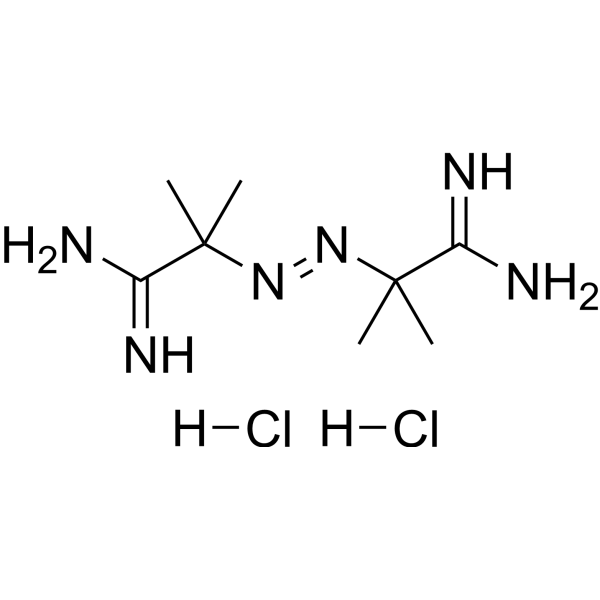
  • HY-Y0525
    AAPH
    2 Publications Verification

    2,2'-Azodiisobutyramidine dihydrochloride

    Reactive Oxygen Species (ROS) Inflammation/Immunology
    AAPH (2,2'-Azodiisobutyramidine dihydrochloride) has an effect of radical generation. AAPH induces oxidative stress and erythrocyte hemolysis . AAPH decomposes at 37°C to generate an alkyl radical, is used as an initiator. In the presence of oxygen, these alkyl radicals will be converted to peroxyl radicals that can cause lipid peroxidation and loss of erythrocyte membrane integrity, which could ultimately lead to hemolysis .
    AAPH
  • HY-W013508
    I2959
    2 Publications Verification

    Biochemical Assay Reagents Others
    I2959 is widely used as a photoinitiator for photochemical cross-linking of hydrogels, and the combination of I2959 and CMA hydrogel has been used as a bio-ink for biological 3D printing applications. In addition, I2959 has a high free radical generation efficiency and is cytotoxic to rapidly dividing cell lines .
    I2959
  • HY-P99731
    Milatuzumab
    4 Publications Verification

    hLL1; MEDI-115

    CD74 Cancer
    Milatuzumab (hLL1; MEDI-115) is a humanized anti-CD74 monoclonal antibody. CD74, a integral membrane protein, is associated with the promotion of B-cell growth and survival. Milatuzumab causes free radical oxygen generation, and loss of mitochondrial membrane potential. Milatuzumaba also decreases CD20/CD74 aggregates and cell adhesion, to lead to cell death .
    Milatuzumab
  • HY-W115721

    Sodium rhodizonate dibasic

    Reactive Oxygen Species (ROS) DNA/RNA Synthesis Others
    Rhodizonic acid disodium (Sodium rhodizonate dibasic) is a transition metal-dependent pro-oxidant and lead detection agent that induces reactive oxygen species generation, DNA damage, and inhibits Aconitase activity. Rhodizonic acid disodium generates superoxide anion radicals in an iron (II)-dependent manner, leading to aconitase inactivation. Rhodizonic acid disodium also triggers hydroxyl radical-mediated DNA strand breaks and 8-OHdG formation via copper ion reduction. Rhodizonic acid disodium reacts with lead to form a scarlet precipitate, with the color intensity proportional to lead content, enabling qualitative or quantitative analysis of lead. Rhodizonic acid disodium can also be used for real-time visualization of the dynamic process of lead sequestration in the plant rhizosphere and evaluation of the effects of environmental factors such as soil type on the stability of lead-sequestering structures .
    Rhodizonic acid disodium
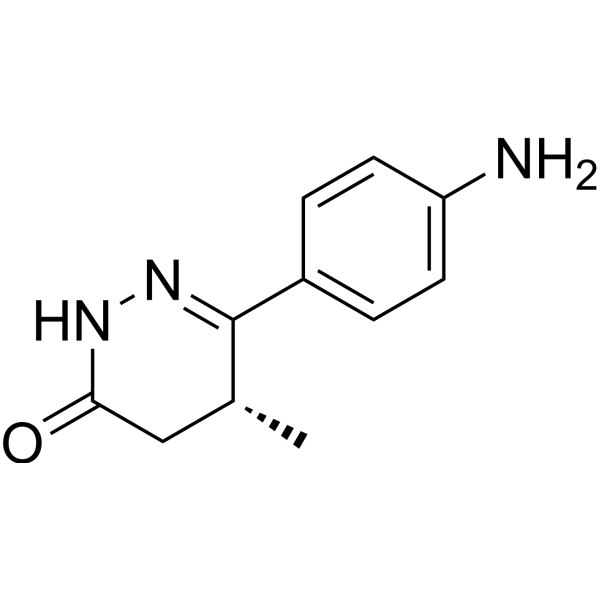
  • HY-W050000
    OR-1855
    1 Publications Verification

    Drug Metabolite Reactive Oxygen Species (ROS) ERK p38 MAPK Cardiovascular Disease Inflammation/Immunology
    OR-1855, an active metabolite of Levosimendan (HY-14286), has effect on myometrial contractility. OR-1855 exerts anti-inflammatory effects by inhibiting IL-1β-induced ROS formation and NAD(P)H oxidase-dependent superoxide radical generation in HUVECs. OR-1855 inhibits IL-1β-induced phosphorylation p38 MAPK, ERK1/2, c-Jun and JNK in HUVECs. OR-1855 can be used for the study of inflammation .
    OR-1855
  • HY-14201

    Ro 19-6327

    Monoamine Oxidase Neurological Disease
    Lazabemide (Ro 19-6327) is a selective, reversible inhibitor of monoamine oxidase B (MAO-B) (IC50=0.03 μM) but less active for MAO-A (IC50>100 μM). Lazabemide ?inhibits monoamine uptake at high concentrations, the IC50 values are 86 μM, 123 μM and >500 μM for noradrenalin, serotonin and dopamine uptake, respectively. Lazabemide can be used for the research of parkinson and?alzheimer′s disease .
    Lazabemide
  • HY-B0871

    Environmental Pollutants Herbicide Others
    Quinclorac, an herbicide widely applied in agriculture, induces oxidative stress due to free radical generation and changes in the antioxidant defense system .
    Quinclorac
  • HY-W145481A

    Carob galactomannan

    Sirtuin Inflammation/Immunology
    D-Galacto-D-mannan (Carob galactomannan) is an orally active Dectin-2 agonist. D-Galacto-D-mannan exerts antioxidant activity against hydroxyl radical generation. D-Galacto-D-mannan activates Dectin-2 to trigger downstream signaling pathways, promote the expression of immunoregulatory molecules, coordinate innate and adaptive immune responses, and inhibit excessive inflammatory responses by upregulating the expression of Sirtuin 1. When used as a vaccine adjuvant, D-Galacto-D-mannan induces cellular and humoral immune responses, promotes IFNγ secretion, increases antibody levels and virus neutralization titers, and elevates the levels of immunoglobulin G and A. D-Galacto-D-mannan can serve as an adjuvant for foot-and-mouth disease vaccines, enhance the vaccine-mediated ability of hosts to defend against viral infection in mice, and reduce local side effects at the inoculation site in pigs. D-Galacto-D-mannan can be used in the research of inflammatory and immune diseases, such as foot-and-mouth disease .
    D-Galacto-D-mannan
  • HY-N3596

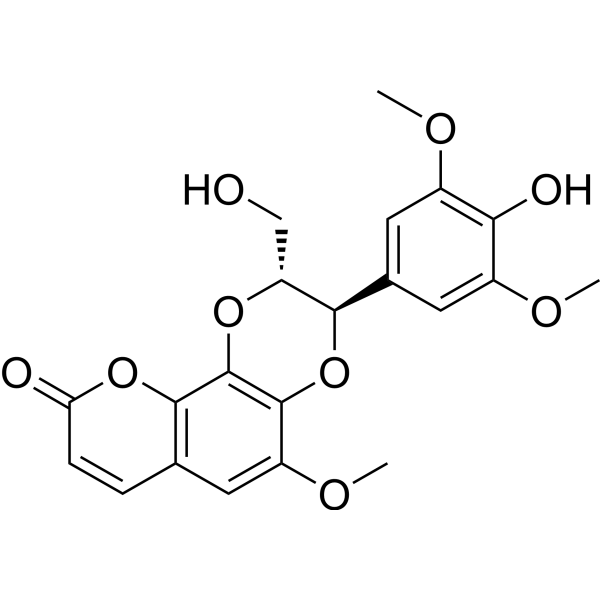
    Aquillochin

    Others Inflammation/Immunology
    Cleomiscosin C (Aquillochin) can be isolated from Aquilaria agallocha. Cleomiscosin C has antioxidant activity. Cleomiscosin C inhibits LDL oxidation and free radicals generation .
    Cleomiscosin C
  • HY-14202

    Ro 19-6327 hydrochloride

    Monoamine Oxidase Neurological Disease
    Lazabemide hydrochloride (Ro 19-6327 hydrochloride) is a selective, reversible inhibitor of monoamine oxidase B (MAO-B) (IC50=0.03 μM) but less active for MAO-A (IC50>100 μM). Lazabemide  inhibits monoamine uptake at high concentrations, the IC50 values are 86 μM, 123 μM and >500 μM for noradrenalin, serotonin and dopamine uptake, respectively. Lazabemide can be used for the research of parkinson and alzheimer′s disease .
    Lazabemide hydrochloride
  • HY-42682R

    D-Galactosamine HCl (Standard)

    Reference Standards Inflammation/Immunology
    D(+)-Galactosamine (hydrochloride) (Standard) is the analytical standard of D(+)-Galactosamine (hydrochloride). This product is intended for research and analytical applications. D(+)-Galactosamine (D-Galactosamine) hydrochloride, which is an established experimental toxin, primarily causes liver injury by the generation of free radicals and depletion of UTP nucleotides. D(+)-Galactosamine hydrochloride intoxication also induces renal dysfunction thus, renal failure is often associated with the end-stage of the liver damage. Lipopolysaccharide/D(+)-Galactosamine-induced acute liver injury is a known animal model of fulminant hepatic failure .
    D(+)-Galactosamine hydrochloride (Standard)
  • HY-42682S1

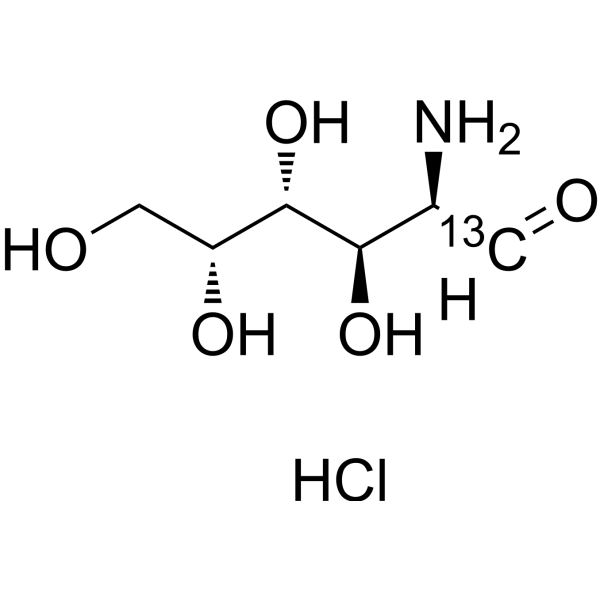
    D-Galactosamine-13C hydrochloride

    Isotope-Labeled Compounds Inflammation/Immunology
    D(+)-Galactosamine- 13C (hydrochloride) is the 13C labeled D(+)-Galactosamine hydrochloride. D(+)-Galactosamine (D-Galactosamine) hydrochloride, which is an established experimental toxin, primarily causes liver injury by the generation of free radicals and
    D(+)-Galactosamine-13C hydrochloride
  • HY-116778

    Reactive Oxygen Species (ROS) Cardiovascular Disease Neurological Disease Inflammation/Immunology
    Prostaglandin G2 is a prostaglandin peroxide. Prostaglandin G2 acts as a precursor for thromboxane A2 production, inducing platelet aggregation and serotonin release. Prostaglandin G2 also induces cerebral arteriole injury in anesthetized cats via the generation of reactive oxygen free radicals, triggering persistent vasodilation, reduced reactivity to hypocapnia, and endothelial damage. Prostaglandin G2 can be used in studies related to cerebral arteriole injury .
    Prostaglandin G2
  • HY-U00005

    Reactive Oxygen Species (ROS) Inflammation/Immunology
    AD 0261 is a radical scavenger which displays strong inhibitory action on the generation of lipid peroxides and superoxide anions.
    AD 0261
  • HY-N8447

    Others Others
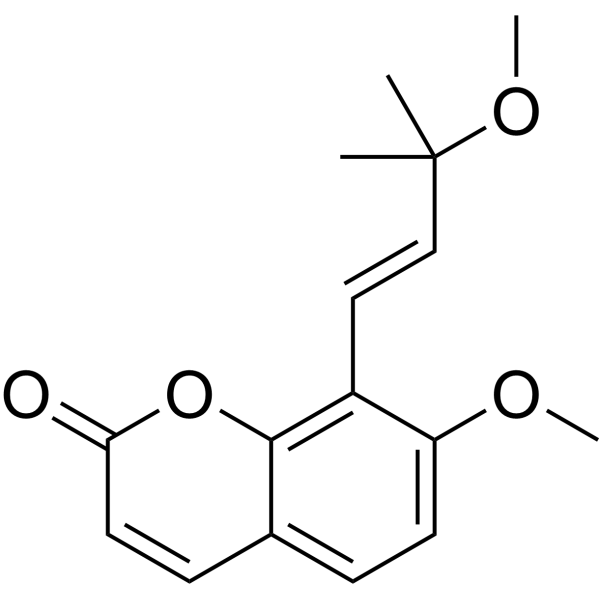
    3'-O-Methylmurraol is a coumarinthat can be found in Cnidium monnieri. 3'-O-Methylmurraol inhibits superoxide radical anion generation and elastase release .
    3'-O-Methylmurraol
  • HY-119092

    Sodium Channel Cardiovascular Disease
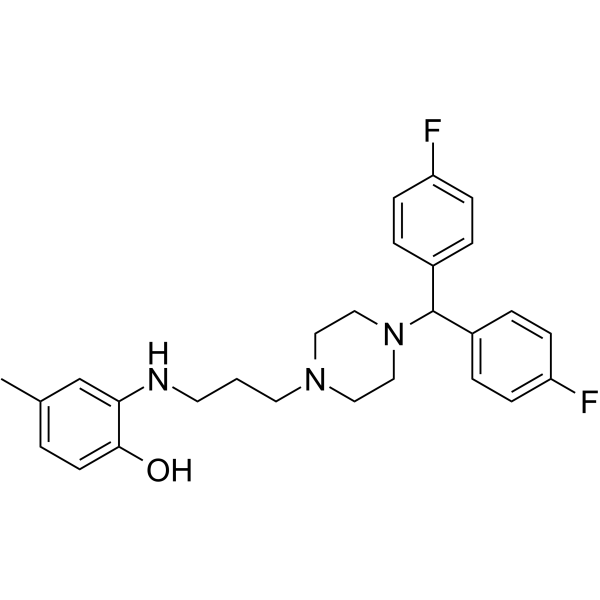
    Bisaramil is an orally active antiarrhythmic agent. Bisaramil exerts concentration dependent inhibitory effect on PMA-stimulated free radical generation and prolonged the time lag concentration dependently .
    Bisaramil
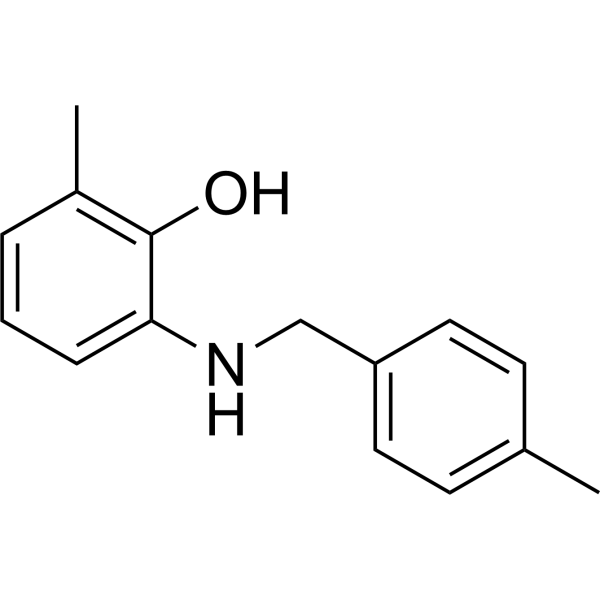
  • HY-W686216

    Dopamine Receptor Neurological Disease
    VK-28 is a blood-brain barrier-permeable iron chelator. VK-28 inhibits mitochondrial membrane lipid peroxidation and the iron-dependent generation of reactive hydroxyl radicals. VK-28 exhibits neuroprotective activity and protects rats against 6-OHDA-induced striatal dopaminergic damage. VK-28 can be used in studies related to Parkinson's disease .
    VK-28
  • HY-108998

    Histone Methyltransferase Cardiovascular Disease
    Bisaramil hydrochloride is an antiarrhythmic compound with activity in inhibiting free radical generation. Bisaramil hydrochloride directly blocks sodium currents and exhibits enhanced sodium channel blocking ability. Bisaramil hydrochloride inhibits isoproterenol-induced slow calcium action potentials in cardiomyocytes. Bisaramil hydrochloride reduces heart rate and prolongs the PR, QRS, and QT intervals in the electrocardiogram, showing blocking effects on sodium and potassium channels. Bisaramil hydrochloride reduces cardiac conduction velocity, increases the threshold current for capture and atrial fibrillation, and prolongs the effective refractory period. Bisaramil hydrochloride reduces ventricular arrhythmias and eliminates mortality caused by ventricular fibrillation in ischemic rat hearts .
    Bisaramil hydrochloride
  • HY-N9086A

    5,7,4'-Trihydroxy-6-methylflavanone

    NO Synthase COX Interleukin Related Inflammation/Immunology
    (rac)-Poriol (5,7,4'-Trihydroxy-6-methylflavanone) exhibits antioxidant activity, and scavenges free radical DPPH with an IC50 of 0.18 µg/mL. (rac)-Poriol inhibits the LPS (HY-D1056)-induced NO generation in RAW264.7 (98.35% inhibition rate at 10 μM), and exhibits anti-inflammatory activity. (rac)-Poriol exhibits good binding affinity with iNOS, COX-1, COX-2, TNF-α, and IL-1β .
    (rac)-Poriol
  • HY-W050000R

    Drug Metabolite Reference Standards Reactive Oxygen Species (ROS) ERK p38 MAPK Cardiovascular Disease Inflammation/Immunology
    OR-1855 (Standard) is an analytical standard of OR-1855 (HY-W050000). This product is intended for research and analytical applications. OR-1855, an active metabolite of Levosimendan (HY-14286), has effect on myometrial contractility. OR-1855 exerts anti-inflammatory effects by inhibiting IL-1β-induced ROS formation and NAD(P)H oxidase-dependent superoxide radical generation in HUVECs. OR-1855 inhibits IL-1β-induced phosphorylation p38 MAPK, ERK1/2, c-Jun and JNK in HUVECs. OR-1855 can be used for the study of inflammation .
    OR-1855 (Standard)
  • HY-N17846

    Reactive Oxygen Species (ROS) Inflammation/Immunology
    Dimethyl lithospermate is an antioxidant. Dimethyl lithospermate scavenges DPPH free radicals and inhibits free radical generation. Dimethyl lithospermate also protects hepatocytes from tert-butyl hydroperoxide (t-BHP)-induced oxidative damage. Dimethyl lithospermate can be used in oxidative damage-related research .
    Dimethyl lithospermate
  • HY-B0871R

    Herbicide Reference Standards Others
    Quinclorac (Standard) is the analytical standard of Quinclorac. This product is intended for research and analytical applications. Quinclorac, an herbicide widely applied in agriculture, induces oxidative stress due to free radical generation and changes in the antioxidant defense system .
    Quinclorac (Standard)
  • HY-B0871S

    Isotope-Labeled Compounds Environmental Pollutants Herbicide Others
    Quinclorac- 13C is the 13C-labeled Quinclorac (HY-B0871). Quinclorac, an herbicide widely applied in agriculture, induces oxidative stress due to free radical generation and changes in the antioxidant defense system.
    Quinclorac-13C
  • HY-179037

    Necroptosis Reactive Oxygen Species (ROS) Mitochondrial Metabolism Neurological Disease
    NecroX-2 is a potent inhibitor of caspase-independent necrosis. NecroX-2 exhibits antioxidant activity by scavenging DPPH radicals and peroxynitrite. NecroX-2 inhibits t-BHP-induced mitochondrial ROS/RNS generation, and protects t-BHP and Doxorubicin (HY-15142A)-induced cell death in vitro. NecroX-2 can be used for research on neurological diseases .
    NecroX-2
  • HY-183570

    Photosensitizer Reactive Oxygen Species (ROS) Cancer
    Antitumor photosensitizer-11 is a type-I carbazole/benzindolium photosensitizer with antitumor activity. Antitumor photosensitizer-11 induces ROS generation via a type-I pathway, forming superoxide anions and hydroxyl radicals. Antitumor photosensitizer-11 triggers immunogenic cell death in cancer cells via enhanced oxidative stress. Antitumor photosensitizer-11 exhibits antiproliferative activity in normoxic and hypoxic environments, inhibits breast cancer tumor growth in vivo, and promotes dendritic cell maturation and T cell infiltration. Antitumor photosensitizer-11 can be used for the research of cancer, such as breast cancer .
    Antitumor photosensitizer-11
  • HY-149151

    Endogenous Metabolite PKC Glycosidase TNF Receptor Reactive Oxygen Species (ROS) Infection Inflammation/Immunology
    Variegatic acid is a secondary metabolite derived from basidiomycete fungi. Variegatic acid is a PKCβ1 inhibitor with an IC₅₀ of 36.2 μM. Variegatic acid inhibits antigen- or calcium ionophore-induced β-hexosaminidase release (IC₅₀ values of 10.4 μM and 22.2 μM, respectively) and TNF-α secretion (IC₅₀ values of 16.8 μM and 20.1 μM, respectively). Variegatic acid suppresses the enzymatic activity of calcium-activated PKCβ1 and reduces Fe(III) to Fe(II) in a pH-dependent manner, enabling the generation of hydroxyl radicals (·OH) through reaction with H₂O₂, which facilitates the degradation of lignocellulose. Variegatic acid is useful for studying biological degradation and allergic responses.
    Variegatic acid

Inquiry Online

Your information is safe with us. * Required Fields.

Salutation


Country or Region *

Applicant Name *


Organization Name *

Department *


Email Address *


Product Name *

Cat. No.


Requested quantity *

Phone Number *


Remarks

Inquiry Online

Inquiry Information

Product Name:
Cat. No.:
Quantity:
MCE Japan Authorized Agent:

