1. Search Result
Search Result
Results for "

redox

" in MedChemExpress (MCE) Product Catalog:

250

Inhibitors & Agonists

2

Screening Libraries

21

Fluorescent Dye

19

Biochemical Assay Reagents

9

Peptides

43

Natural
Products

18

Isotope-Labeled Compounds

1

Antibodies

1

Click Chemistry

4

Oligonucleotides

1

GMP Molecules

Cat. No. Product Name Target Research Areas Chemical Structure
  • HY-B1654
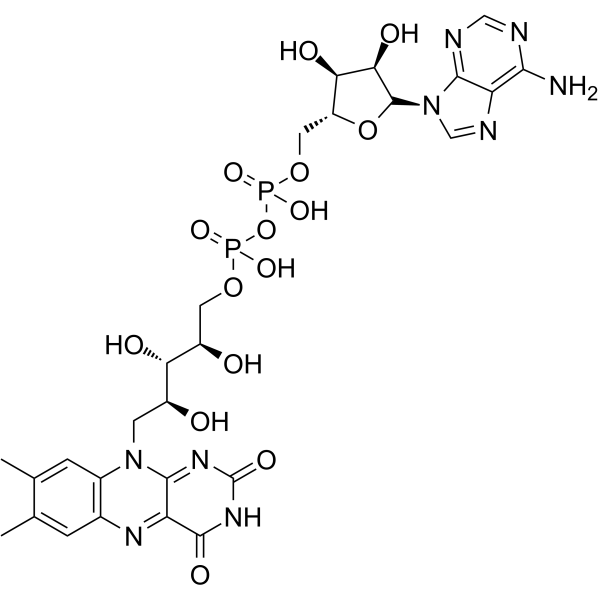
    Flavin adenine dinucleotide
    5+ Cited Publications

    FAD

    Endogenous Metabolite Cardiovascular Disease
    Flavin adenine dinucleotide (FAD) is a redox cofactor, more specifically a prosthetic group of a protein, involved in several important enzymatic reactions in metabolism.
    Flavin adenine dinucleotide
  • HY-130278
    MitoPQ
    5 Publications Verification

    MitoParaquat

    ROS Kinase Cancer
    MitoPQ is a mitochondria-targeted redox cycler. MitoPQ produces superoxide by redox cycling at the flavin site of complex I, selectively increasing superoxide production within mitochondria. MitoPQ can be used in antioxidant study .
    MitoPQ
  • HY-122131
    XTT sodium
    3 Publications Verification

    Biochemical Assay Reagents Others
    XTT (sodium) is used to assess cell viability as a function of redox potential. Actively respiring cells convert the water-soluble XTT to a water-soluble, orange colored formazan product.
    XTT sodium
  • HY-14536
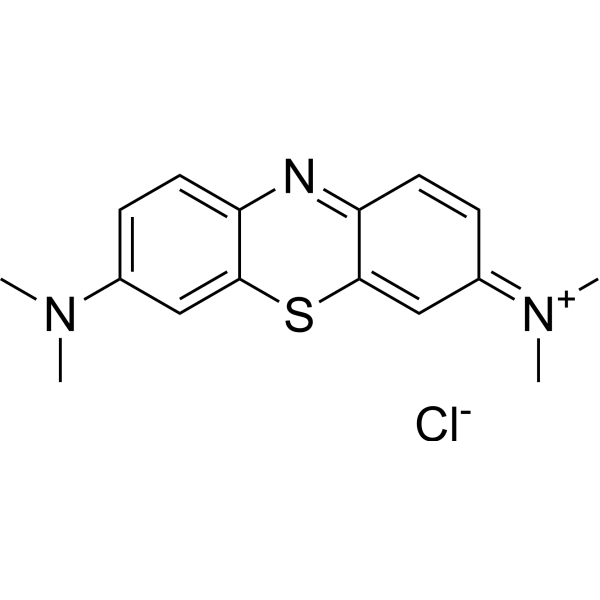
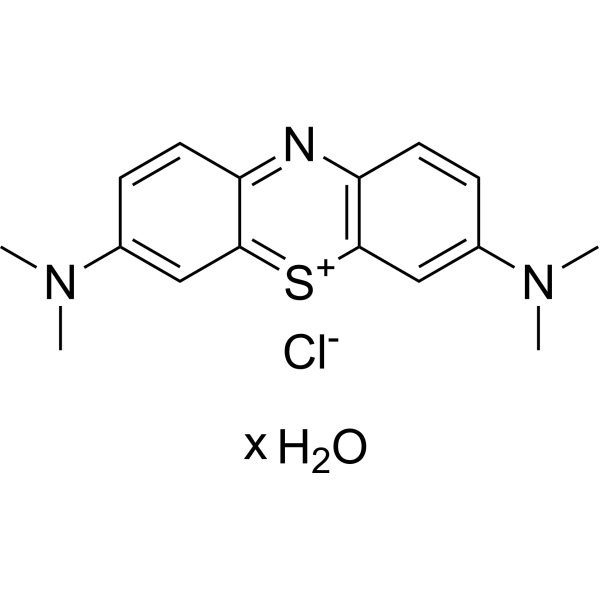
    Methylene Blue
    Maximum Cited Publications
    28 Publications Verification

    Basic Blue 9; CI-52015; Methylthioninium chloride

    Environmental Pollutants Monoamine Oxidase Guanylate Cyclase Microtubule/Tubulin NO Synthase Infection Neurological Disease Cancer
    Methylene blue (Basic Blue 9) is a guanylyl cyclase (sGC), monoamine oxidase A (MAO-A) and NO synthase (NOS) inhibitor. Methylene blue is a vasopressor and is often used as a dye in several medical procedures. Methylene blue through the nitric oxide syntase/guanylate cyclase signalling pathway to reduce prepulse inhibition. Methylene blue is a REDOX cycling compound and able to cross the blood-brain barrier. Methylene blue is a Tau aggregation inhibitor. Methylene Blue is a photosensitizer and redox agent. Methylene blue reduces cerebral edema, attenuated microglial activation and reduced neuroinflammation .
    Methylene Blue
  • HY-135849A

    Reactive Oxygen Species (ROS) Others Cancer
    Catalase, Bovine Liver is an enzyme widely found in various organisms, including animals, plants and microorganisms. Catalase, Bovine Liver mainly exists in the peroxisome of cells and is an important antioxidant enzyme. Catalase, Bovine Liver plays an important role in removing ROS and maintaining the balance of redox state. Catalase, Bovine Liver is closely related to the occurrence and development of tumors. Catalase, Bovine Liver has the potential to be used in tumor prevention research .
    Catalase, Bovine Liver
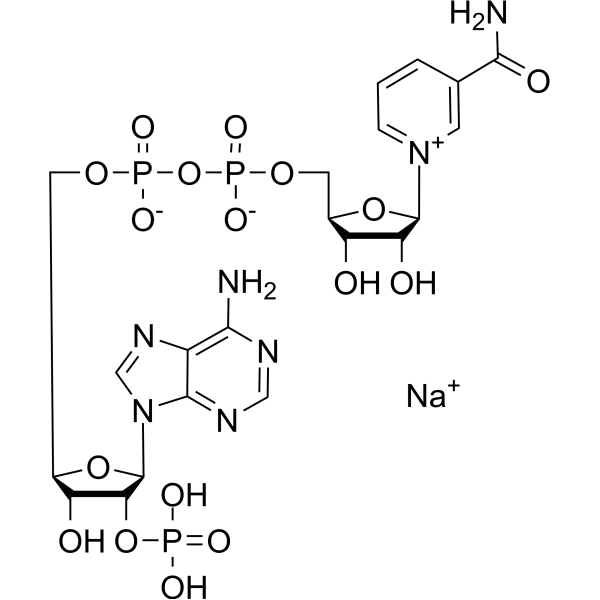
  • HY-F0002
    NADP sodium salt
    Maximum Cited Publications
    6 Publications Verification

    Sodium NADP

    Endogenous Metabolite Metabolic Disease Inflammation/Immunology Cancer
    NADP sodium salt is the sodium salt form of NADP (HY-113325). NADP is a coenzyme involved in cellular electron transfer reactions in biological metabolism, which is alternately oxidized (NADP+) and reduced (NADPH), and can maintain cellular redox homeostasis and regulate many biological events, including cellular metabolism. NADPH is a universal electron donor that provides reducing ability for synthetic metabolic reactions and redox balance. NADPH plays a multifunctional role in regulating inflammation, redox homeostasis, and synthetic metabolism processes .
    NADP sodium salt
  • HY-100196
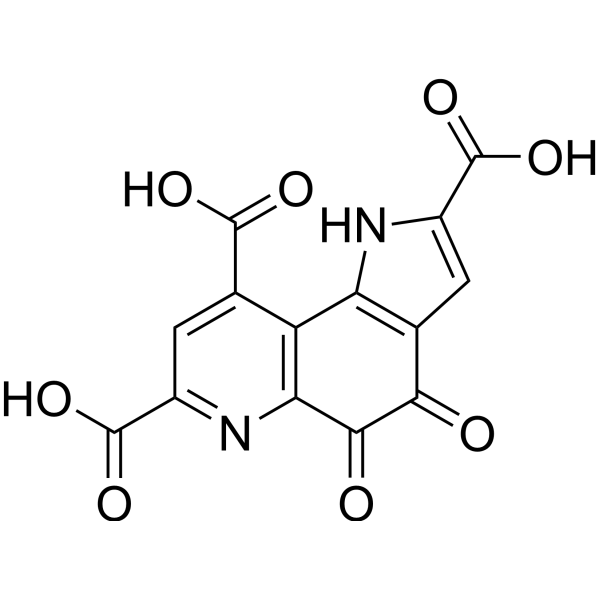
    Pyrroloquinoline quinone
    5+ Cited Publications

    PQQ; Methoxatin

    Endogenous Metabolite Inflammation/Immunology
    Pyrroloquinoline quinone (PQQ), a redox co-factor, is an anionic, redox-cycling orthoquinone. Pyrroloquinoline quinone is isolated from cultures of methylotropic bacteria and tissues of mammals. Pyrroloquinoline quinone is an essential nutrient for mammals and is important for immune function .
    Pyrroloquinoline quinone
  • HY-100196A

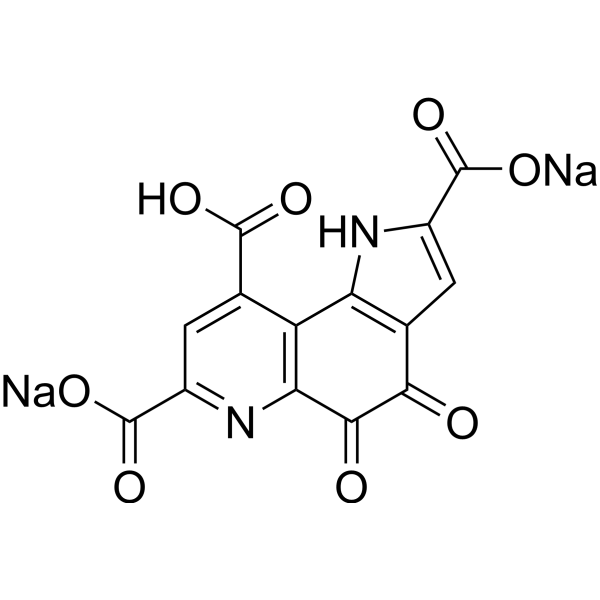
    PQQ disodium salt; Methoxatin disodium salt

    Endogenous Metabolite Inflammation/Immunology
    Pyrroloquinoline quinone disodium salt, a redox co-factor, is an anionic, redox-cycling orthoquinone. Pyrroloquinoline quinone disodium salt is isolated from cultures of methylotropic bacteria and tissues of mammals. Pyrroloquinoline quinone disodium salt is an essential nutrient for mammals and is important for immune function .
    Pyrroloquinoline quinone disodium salt
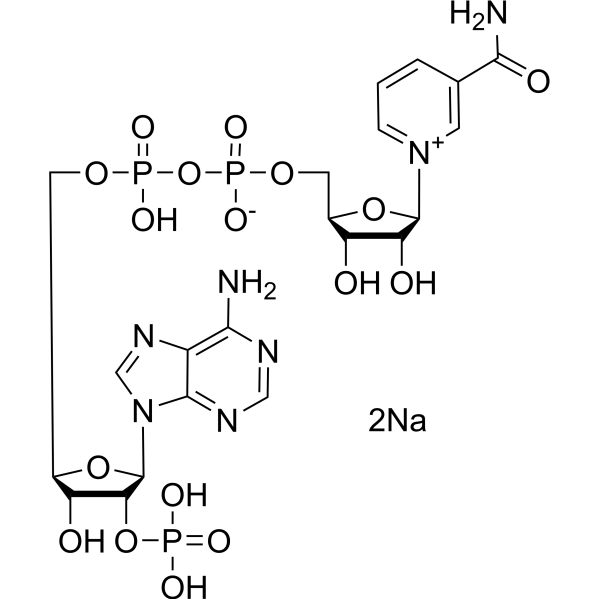
  • HY-F0002A
    NADP disodium salt
    Maximum Cited Publications
    6 Publications Verification

    Disodium NADP

    Endogenous Metabolite Metabolic Disease Inflammation/Immunology Cancer
    NADP disodium salt is the disodium salt form of NADP (HY-113325). NADP is a coenzyme involved in cellular electron transfer reactions in biological metabolism, which is alternately oxidized (NADP+) and reduced (NADPH), and can maintain cellular redox homeostasis and regulate many biological events, including cellular metabolism. NADPH is a universal electron donor that provides reducing ability for synthetic metabolic reactions and redox balance. NADPH plays a multifunctional role in regulating inflammation, redox homeostasis, and synthetic metabolism processes .
    NADP disodium salt
  • HY-B1654A

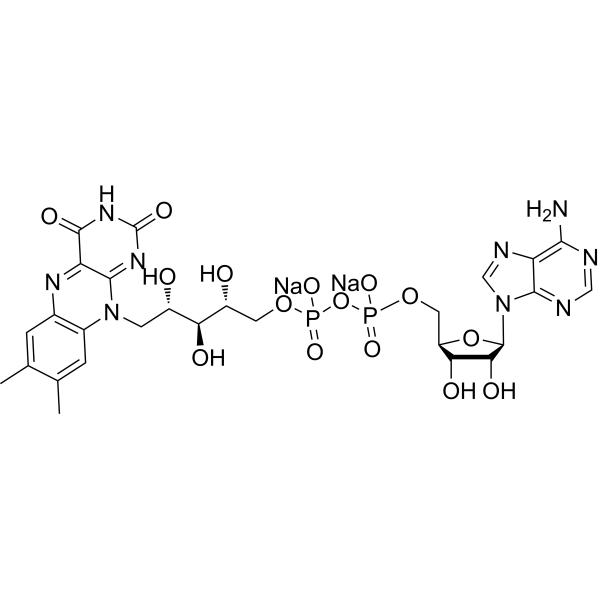
    FAD disodium salt; FAD-Na2

    Endogenous Metabolite Cardiovascular Disease
    Flavin adenine dinucleotide (FAD) disodium salt is a redox cofactor, more specifically a prosthetic group of a protein, involved in several important enzymatic reactions in metabolism.
    Flavin adenine dinucleotide disodium salt
  • HY-113325
    NADP
    Maximum Cited Publications
    6 Publications Verification

    Endogenous Metabolite Metabolic Disease Inflammation/Immunology Cancer
    NADP is a coenzyme involved in cellular electron transfer reactions in biological metabolism, which is alternately oxidized (NADP+) and reduced (NADPH), and can maintain cellular redox homeostasis and regulate many biological events, including cellular metabolism. NADPH is a universal electron donor that provides reducing ability for synthetic metabolic reactions and redox balance. NADPH plays a multifunctional role in regulating inflammation, redox homeostasis, and synthetic metabolism processes .
    NADP
  • HY-B0150S
    Nicotinamide-d4
    1 Publications Verification

    Niacinamide-d4; Nicotinic acid amide-d4

    Sirtuin Endogenous Metabolite Neurological Disease Cancer
    Nicotinamide-d4 is the deuterium labeled Nicotinamide. Nicotinamide is a form of vitamin B3 that plays essential roles in cell physiology through facilitating NAD+ redox homeostasis and providing NAD+ as a substrate to a class of enzymes that catalyze non-redox reactions. Nicotinamide is an inhibitor of SIRT1.
    Nicotinamide-d4
  • HY-19357
    Erenapurstat
    4 Publications Verification

    E3330; APX-3330

    DNA/RNA Synthesis NF-κB AP-1 HIF/HIF Prolyl-Hydroxylase VEGFR Reactive Oxygen Species (ROS) Cardiovascular Disease Neurological Disease Cancer
    Erenapursta (E3330) is a direct, orally active and selective inhibitor of Ape-1 (apurinic/apyrimidinic endonuclease 1)/Ref-1 (redox factor-1) redox. Erenapursta is able to impair tumor growth and blocks the activity of NF-κB, AP-1, and HIF-1α in pancreatic cancer. Erenapursta shows anticancer activities .
    Erenapurstat
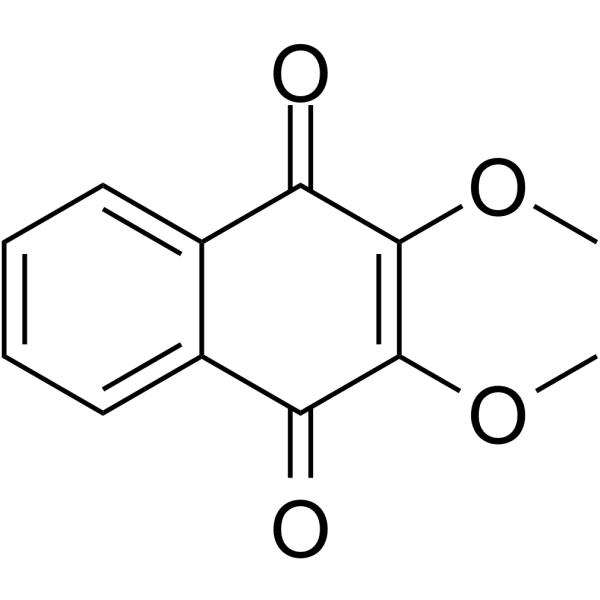
  • HY-121026
    DMNQ
    5+ Cited Publications

    Reactive Oxygen Species (ROS) ROS Kinase Cardiovascular Disease
    DMNQ is a redox cycling agent. DMNQ produces hydrogen peroxide in cells in a concentration-dependent manner. DMNQ can induce the increase of ROS production .
    DMNQ
  • HY-P2907

    Endogenous Metabolite Others
    Formate dehydrogenase is a class of oxidoreductases widely distributed in bacteria, fungi, plants and animals. Formate dehydrogenase catalyzes the reversible conversion between formic acid and carbon dioxide, accompanied by redox reactions of the coenzyme NAD +/NADH or other electron carriers .
    Formate dehydrogenase
  • HY-W012145

    Others Metabolic Disease
    TMPD dihydrochloride, a readily oxidizable compound, is an enzymatically convert redox active substrate molecule. TMPD dihydrochloride is also an electron donor and serves as a reducing cosubstrate for heme peroxidases . TMPD dihydrochloride is also a complex IV substrate .
    TMPD dihydrochloride
  • HY-W010323

    DHBQ

    Endogenous Metabolite Fungal Others
    2,5-Dihydroxy-1,4-benzoquinone (DHBQ) is a redox-active quinone-based organic ligand with antibacterial activity that can be obtained from fungal metabolites. After 2,5-Dihydroxy-1,4-benzoquinone is incorporated into the Fe (dhbq) metal-organic framework, a two-electron redox process occurs, which helps improve the discharge capacity of Li +-ion battery cathodes. 2,5-Dihydroxy-1,4-benzoquinone can be used to construct conductive metal-organic frameworks suitable for Li +-ion battery cathodes .
    2,5-Dihydroxy-1,4-benzoquinone
  • HY-16739

    NBMI; BDTH2

    Cuproptosis Reactive Oxygen Species (ROS) Inflammation/Immunology Cancer
    Emeramide is a thiol-redox antioxidant and heavy metal chelator .
    Emeramide
  • HY-113325A
    NADP sodium hydrate
    5+ Cited Publications

    Endogenous Metabolite Metabolic Disease Inflammation/Immunology Cancer
    NADP sodium hydrate is the sodium salt hydrate form of NADP (HY-113325). NADP is a coenzyme involved in cellular electron transfer reactions in biological metabolism, which is alternately oxidized (NADP+) and reduced (NADPH), and can maintain cellular redox homeostasis and regulate many biological events, including cellular metabolism. NADPH is a universal electron donor that provides reducing ability for synthetic metabolic reactions and redox balance. NADPH plays a multifunctional role in regulating inflammation, redox homeostasis, and synthetic metabolism processes .
    NADP sodium hydrate
  • HY-Y1673

    Environmental Pollutants Biochemical Assay Reagents Neurological Disease
    Potassium bromide, 99% is a salt, widely used as an anticonvulsant and a sedative. Potassium bromide is a redox reagent that can be used to remove peripheral membrane proteins in molecular biology .
    Potassium bromide, 99%
  • HY-111278
    Pyocyanin
    2 Publications Verification

    Pyocyanine; Sanazin; Sanasin

    Reactive Oxygen Species (ROS) Bacterial Drug Metabolite Endogenous Metabolite Infection Inflammation/Immunology
    Pyocyanin (Pyocyanine) is a toxic, quorum sensing (QS) controlled metabolite produced by Pseudomonas aeruginosa. Pyocyanin is a REDOX active compound that promotes the production of reactive oxygen species (ROS). Pyocyanin has antibacterial and anti-inflammatory activity .
    Pyocyanin
  • HY-D0215

    Safranine T

    Fluorescent Dye Bacterial Infection Metabolic Disease
    Safranin (Safranin T) is an important and classical phenazinium dye. Safranin has been extensively used in the academic field as a spectroscopic probe and indicator. Safranin possesses a planar structure and cationic charge. Safranin can readily intercalate into biological macromolecules, including DNA and proteins. Safranin has antibacterial effects against gram-positive bacteria (S. aureus). Safranin can be used as a redox indicator in the determination of metal ion concentration .
    Safranin
  • HY-W129633

    DCIP sodium hydrate; DPIP sodium hydrate

    Biochemical Assay Reagents Others
    2,6-Dichlorophenolindophenol (DCIP; DPIP) sodium hydrate is a redox chromogenic indicator with a redox potential of +217 mV relative to SHE, and it acts as a substrate for reduction reactions. During the metabolic process of nutrient consumption by Saccharomyces cerevisiae, 2,6-Dichlorophenolindophenol sodium hydrate is reduced from dark blue to colorless, resulting in a decrease in absorbance. 2,6-Dichlorophenolindophenol sodium hydrate is widely used in spectrophotometric biochemical oxygen demand determination and preclinical colorimetric toxicity analysis for heavy metal ion detection based on Saccharomyces cerevisiae .
    2,6-Dichlorophenolindophenol sodium hydrate
  • HY-131898
    PTIO
    1 Publications Verification

    NO Synthase Biochemical Assay Reagents Others
    PTIO is a specific scavenger of NO and redox mediator. PTIO reacts with •NO to form the corresponding imino nitroxides and NO2. PTIO enhances organic contaminants oxidation by permanganate .
    PTIO
  • HY-18761

    Cobalt(II) phthalocyanine; Cobaltous phthalocyanine; Phthalocyanine cobalt complex

    MOFs Others
    Cobalt phthalocyanine is a catalyst of redox reaction, catalyzes aerobic regenerations of aldehydes and ketones from aldoximes and ketoximes. Cobalt phthalocyanine can be used in the development of electrocatalysts .
    Cobalt phthalocyanine
  • HY-P2807

    LAD

    Endogenous Metabolite Inflammation/Immunology Cancer
    L-Lactate dehydrogenase, E.coli is a redox enzyme. L-Lactate dehydrogenase, E.coli catalyzes the reduction of pyruvate to L-lactate by NADH in vivo with absolute enantiospecificity .
    L-Lactate dehydrogenase, E.coli
  • HY-131943

    Methylenetetrahydrofolate Dehydrogenase (MTHFD) Neurological Disease Cancer
    DS44960156 is a selective MTHFD2 inhibitor with moderate to low blood-brain barrier penetration (IC50=1.6 μM, Ki=1.23 μM). DS44960156 specifically binds to the active site of MTHFD2, disrupts redox homeostasis and blocks serine-mediated one-carbon metabolism, thereby increasing the NAD +/NADH ratio and ROS levels. DS44960156 not only effectively inhibits the proliferation of glioma cells, but also enhances the sensitivity of cells to glutamine starvation-induced death. DS44960156 binds to plasma proteins, shows no mutagenicity, carcinogenicity or acute oral toxicity, and serves as a research agent for glioblastoma multiforme and other cancers .
    DS44960156
  • HY-12809
    Optovin
    1 Publications Verification

    TRP Channel Neurological Disease
    Optovin is a reversible photoactivated TRPA1 ligand that enables light-mediated neuronal excitation. Optovin activates TRPA1 via structure-dependent photochemical reactions with redox-sensitive cysteine residues .
    Optovin
  • HY-17500
    Ataciguat
    1 Publications Verification

    HMR-1766

    Guanylate Cyclase Cardiovascular Disease
    Ataciguat (HMR-1766) is a nitric oxide-independent soluble guanylate cyclase (sGC) activator. Ataciguat is able to activate the ferric heme-iron redox form of sGC that stimulate the production of cyclic GMP (cGMP). Ataciguat exhibits vasodilator effects .
    Ataciguat
  • HY-B1106
    Tetrahydroxyquinone
    1 Publications Verification

    Tetrahydroxy-1,4-benzoquinone; Tetrahydroxybenzoquinone

    Reactive Oxygen Species (ROS) Apoptosis Cancer
    Tetrahydroxyquinone (Tetrahydroxy-1,4-benzoquinone), a primitive anticataract agent, is a redox active benzoquinone. Tetrahydroxyquinone can take part in a redox cycle with semiquinone radicals, leading to the formation of reactive oxygen species (ROS) .
    Tetrahydroxyquinone
  • HY-W587960

    Histidine-betaine

    Drug Metabolite Drug Intermediate Metabolic Disease
    Hercynine (Histidine-betaine) is an intermediate (precursor) and a redox metabolite of Ergothioneine (HY-N1914), which is found in the fine leaf algae, Schizosaccharomyces cerevisiae and honey bees. Hercynine has no effect on scavenging •OH radicals .
    Hercynine
  • HY-116749

    BBSKE

    TrxR Cancer
    Ethaselen (BBSKE) is an orally active, selective thioredoxin reductase (TrxR) inhibitor with IC50s of 0.5 and 0.35 μM for the wild-type human TrxR1 and rat TrxR1, respectively. Ethaselen specifically binds to the unique selenocysteine-cysteine redox pair in the C-terminal active site of mammalian TrxR1. Ethaselen, an organoselenium compound, is a potent antitumor candidate that exerts potent inhibition on non-small cell lung cancer (NSCLC) by targeting TrxR .
    Ethaselen
  • HY-P2989

    Endogenous Metabolite Metabolic Disease Cancer
    Pyruvate carboxylase is a key mitochondrial anaplerotic enzyme that catalyzes the conversion of pyruvate to oxaloacetate. Pyruvate carboxylase not only maintains tricarboxylic acid cycle activity and redox homeostasis, but also drives hepatic gluconeogenesis and fatty acid synthesis. The activity of Pyruvate carboxylase is upregulated in insulin-resistant states, exacerbating hepatic glucose production. Pyruvate carboxylase also shows significantly enhanced expression in early-stage non-small cell lung cancer (NSCLC). Pyruvate carboxylase promotes tumor proliferation by supporting nucleotide and lipid synthesis, and its functional deficiency cannot be compensated by glutaminolysis. Pyruvate carboxylase can be used in the research of prediabetes type 2 and NSCLC .
    Pyruvate carboxylase
  • HY-120332

    KH176 hydrochloride

    Reactive Oxygen Species (ROS) Metabolic Disease
    Sonlicromanol (KH176) hydrochloride, a chemical entity derivative of Trolox, is a blood-brain barrier permeable ROS-redox modulator. Sonlicromanol (KH176) hydrochloride is used in the study for mitochondrial disorders .
    Sonlicromanol hydrochloride
  • HY-P2742

    ASO, Cucurbit sp.

    Endogenous Metabolite Metabolic Disease
    Ascorbate oxidase, Cucurbit sp., also known as vitamin C oxidase, is a REDOX enzyme involved in the regulation of extracellular matrix. Ascorbate oxidase catalyzes the reaction of ascorbic acid and oxygen to produce dehydroascorbic acid .
    Ascorbate oxidase, Cucurbit sp.
  • HY-Y1840

    Drug Derivative Neurological Disease
    3-Methoxyphenol is a phenolic compound that is biologically toxic. 3-Methoxyphenol is systemically absorbed, disrupts the function of the liver, kidneys, central nervous system, and redox processes, and increases levels of Hb, red blood cells, and white blood cells in the body.
    3-Methoxyphenol
  • HY-P2759

    TrxR

    TrxR Infection Cardiovascular Disease Inflammation/Immunology Cancer
    Thioredoxin reductase (TrxR) is a selenoprotein that plays a central role in cellular redox homeostasis by utilizing highly reactive selenocysteine ​​(Sec) residues exposed to solvents at its active site. Thioredoxin reductase can be used for the study of diverse diseases, from rheumatoid arthritis and ischemia to cancer and parasitic infections .
    Thioredoxin reductase
  • HY-W004570

    5-NP

    Endogenous Metabolite Infection
    5-Nitro-1,10-phenanthroline (5-NP), is a o-Phenanthroline (HY-W004544) derivative, as a mediator of glucose oxidase (GOX) with antituberculous activity. 5-Nitro-1,10-phenanthroline can be applied as redox mediators for oxidases and is suitable for the development of reagent-less biosensors and biofuel cells .
    5-Nitro-1,10-phenanthroline
  • HY-W097009

    Biochemical Assay Reagents Others
    Violuric acid is a redox mediator used in the laccase system. The violuric acid assay is a method to ascertain that the high-redox potential of laccase is not lost during directed evolution .
    Violuric acid
  • HY-113325AR

    Endogenous Metabolite Reference Standards Metabolic Disease Inflammation/Immunology Cancer
    NADP sodium hydrate (Standard) is the analytical standard of NADP sodium hydrate (HY-113325A). This product is intended for research and analytical applications. NADP sodium hydrate is the sodium salt hydrate form of NADP (HY-113325). NADP is a coenzyme involved in cellular electron transfer reactions in biological metabolism, which is alternately oxidized (NADP+) and reduced (NADPH), and can maintain cellular redox homeostasis and regulate many biological events, including cellular metabolism. NADPH is a universal electron donor that provides reducing ability for synthetic metabolic reactions and redox balance. NADPH plays a multifunctional role in regulating inflammation, redox homeostasis, and synthetic metabolism processes.
    NADP sodium hydrate (Standard)
  • HY-W007618

    Amino Acid Derivatives Biochemical Assay Reagents Drug Intermediate Others
    Boc-Lys-OH is an amino acid derivative. Boc-Lys-OH plays a key role in peptide synthesis and redox activity research .
    Boc-Lys-OH
  • HY-79504

    Environmental Pollutants Parasite Infection Cancer
    Ferrocene is an important structural core in bioorganometallic chemistry because of its inherent stability, excellent redox properties, and low toxicity. Ferrocene has antimalarial and anticancer properties .
    Ferrocene
  • HY-N13292

    Antibiotic Bacterial Infection
    Actinorhodin is a blue-pigmented, redox-active microbial secondary metabolite. Actinorhodin is a potent, bacteriostatic, pH-responsive antibiotic. Actinorhodin exhibits antimicrobial activity against Gram-positive bacteria .
    Actinorhodin
  • HY-B0445B

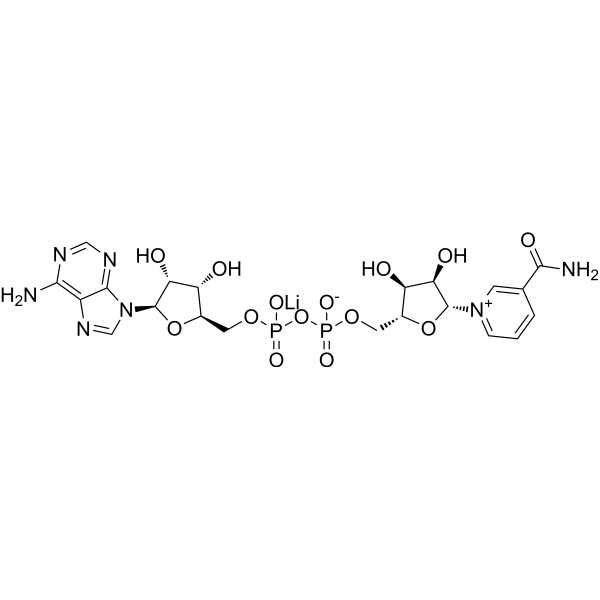
    α-Nicotinamide Adenine Dinucleotide

    Mitochondrial Metabolism Endogenous Metabolite Metabolic Disease
    α-NAD (α-Nicotinamide Adenine Dinucleotide) serves as a substrate for reninase, functions as an analog of β-NAD, affects the kinetics of NAD-dependent enzymes, and also plays a critical role as a cofactor in mitochondrial redox reactions .
    α-NAD
  • HY-P2765

    GPDH; α-Glycerophosphate dehydrogenase; Glycerol phosphate dehydrogenase

    Endogenous Metabolite Metabolic Disease
    Glycerol-3-phosphate dehydrogenase, rabbit muscle (GPDH) is an enzyme that catalyzes the reversible redox conversion of dihydroxyacetone phosphate to sn-glycerol 3-phosphate. Glycerol-3-phosphate dehydrogenase is a glycolytic enzyme and is responsible for the re-oxidation of NADH to NAD + and energy supply .
    Glycerol-3-phosphate dehydrogenase, rabbit muscle
  • HY-100196S1

    PQQ-13C3 sodium; Methoxatin-13C3 sodium

    Endogenous Metabolite Inflammation/Immunology
    Pyrroloquinoline quinone- 13C3 (PQQ- 13C3) sodium is an isotope of Pyrroloquinoline quinone. Pyrroloquinoline quinone (PQQ), a redox co-factor, is an anionic, redox-cycling orthoquinone. Pyrroloquinoline quinone is isolated from cultures of methylotropic bacteria and tissues of mammals. Pyrroloquinoline quinone is an essential nutrient for mammals and is important for immune function .
    Pyrroloquinoline quinone-13C3 sodium
  • HY-100196R

    PQQ (Standard); Methoxatin (Standard)

    Reference Standards Endogenous Metabolite Inflammation/Immunology
    Pyrroloquinoline quinone (Standard) is the analytical standard of Pyrroloquinoline quinone. This product is intended for research and analytical applications. Pyrroloquinoline quinone (PQQ), a redox co-factor, is an anionic, redox-cycling orthoquinone. Pyrroloquinoline quinone is isolated from cultures of methylotropic bacteria and tissues of mammals. Pyrroloquinoline quinone is an essential nutrient for mammals and is important for immune function .
    Pyrroloquinoline quinone (Standard)
  • HY-120069

    Apoptosis Cancer
    APX2009 is a specific APE1/REF-1 redox inhibitor with anticancer activities which decreases the proliferative, migratory, and invasive properties of breast cancer cell and induces apoptosis in breast cancer cell .
    APX2009
  • HY-B0150S2

    Niacinamide-13C6; Nicotinic acid amide-13C6

    Endogenous Metabolite Sirtuin Neurological Disease Cancer
    Nicotinamide- 13C6 is the 13C-labeled Nicotinamide. Nicotinamide is a form of vitamin B3 that plays essential roles in cell physiology through facilitating NAD+ redox homeostasis and providing NAD+ as a substrate to a class of enzymes that catalyze non-redox reactions. Nicotinamide is an inhibitor of SIRT1.
    Nicotinamide-13C6
  • HY-144768
    (R)-Chol-TPP
    1 Publications Verification

    Liposome Others
    (R)-Chol-TPP a mitochondria targeting liposome ligand could be used in pH-redox responsive .
    (R)-Chol-TPP

Inquiry Online

Your information is safe with us. * Required Fields.

Salutation


Country or Region *

Applicant Name *


Organization Name *

Department *


Email Address *


Product Name *

Cat. No.


Requested quantity *

Phone Number *


Remarks

Inquiry Online

Inquiry Information

Product Name:
Cat. No.:
Quantity:
MCE Japan Authorized Agent:

