Search Result
Results for "
reductive metabolite
" in MedChemExpress (MCE) Product Catalog:
5
Isotope-Labeled Compounds
| Cat. No. |
Product Name |
Target |
Research Areas |
Chemical Structure |
-
- HY-105129
-
|
|
Biochemical Assay Reagents
|
Cancer
|
|
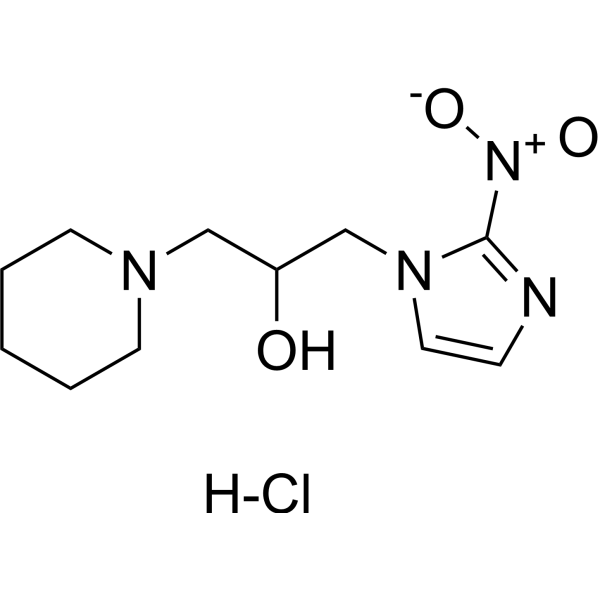
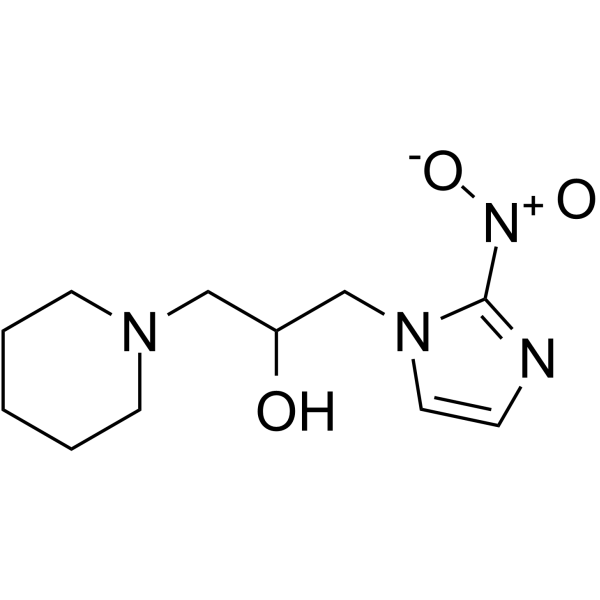
Pimonidazole is a novel hypoxia marker for complementary study of tumor hypoxia and cell proliferation in tumor . Pimonidazole accumulates in hypoxic cells via covalent binding with macromolecules or by forming reductive metabolites after reduction of its nitro group, it can be used for qualitative and quantitative assessment of tumor hypoxia .
|
-
-
- HY-105129A
-
Pimonidazole
Maximum Cited Publications
9 Publications Verification
|
Biochemical Assay Reagents
|
Cancer
|
|
Pimonidazole is a novel hypoxia marker for complementary study of tumor hypoxia and cell proliferation in tumor . Pimonidazole accumulates in hypoxic cells via covalent binding with macromolecules or by forming reductive metabolites after reduction of its nitro group, it can be used for qualitative and quantitative assessment of tumor hypoxia .
|
-
-
- HY-113149A
-
|
|
Endogenous Metabolite
Reactive Oxygen Species (ROS)
|
Neurological Disease
Metabolic Disease
Inflammation/Immunology
|
|
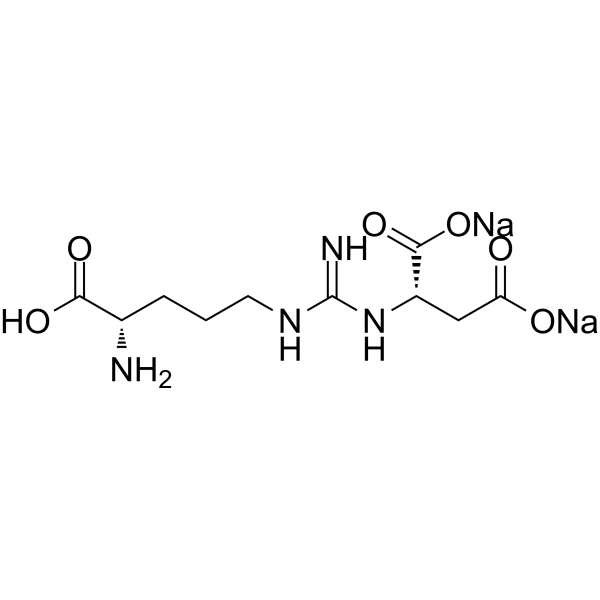
Argininosuccinic acid disodium is an intermediate metabolite in the urea cycle, and its level is associated with argininosuccinic aciduria. Argininosuccinic acid disodium can induce oxidative stress, leading to lipid and protein oxidation, reduction of glutathione, and decrease in antioxidant enzyme activity. Argininosuccinic acid disodium can be converted into guanidinosuccinic acid, a nitric oxide mimic, under the action of nitric oxide-derived free radicals. Argininosuccinic acid disodium can be used in the research of metabolic diseases, renal failure, nervous system diseases, etc .
|
-
-
- HY-113224
-
-
-
- HY-30004
-
|
|
Environmental Pollutants
Endogenous Metabolite
|
Cardiovascular Disease
Metabolic Disease
|
|
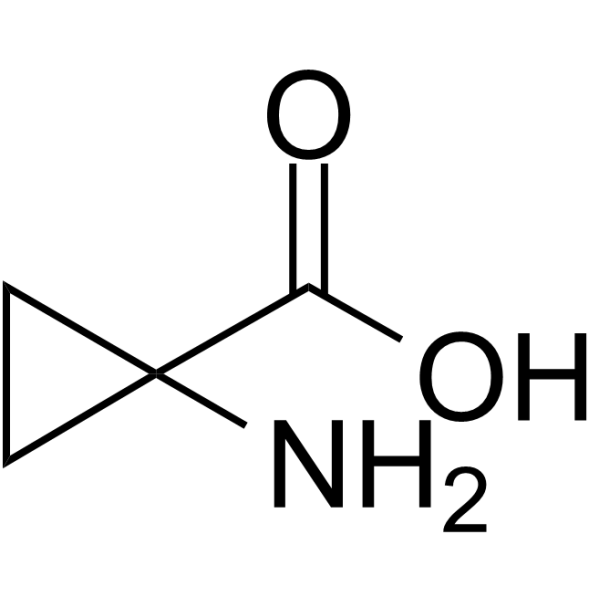
1-Aminocyclopropane-1-carboxylic acid is an endogenous metabolite. In the presence of low concentrations (1 μM) of glutamate, 1-Aminocyclopropane-1-carboxylic acid acts as a small molecule agonist of NMDA receptors with an EC50 of 0.7-0.9 μM. At high concentrations (10 μM) of glutamate, 1-Aminocyclopropane-1-carboxylic acid acts as a competitive antagonist of NMDA receptors with an EC50 of 81.6 nM. 1-Aminocyclopropane-1-carboxylic acid exerts neuroprotective activity by moderately activating NMDA receptors to prevent neuronal cell death in ischemic animal models. Additionally, 1-Aminocyclopropane-1-carboxylic acid is an antagonist of NMDA receptors, inducing blood pressure reduction and antioxidant effects in stroke-prone hypertensive rats. 1-Aminocyclopropane-1-carboxylic acid enhances object recognition memory and cognitive flexibility dependent on the prefrontal cortex, but does not affect impulsivity nor exhibit an antipsychotic-like profile. 1-Aminocyclopropane-1-carboxylic acid shows promise for research in the field of neurotoxicity. .
|
-
-
- HY-177475
-
|
1-Arachidonoyl-sn-glycero-3-phosphocholine
|
Endogenous Metabolite
|
Metabolic Disease
Cancer
|
|
LysoPC 20:4 (20:4) (1-Arachidonoyl-sn-glycero-3-phosphocholine) is a serum metabolite. LysoPC 20:4 (20:4) decreases in tumor-bearing mice, but the reduction is not significant. LysoPC (20:4) can be used in cancer and obesity-related research .
|
-
-
- HY-135470
-
|
P-7138
|
Bacterial
|
Infection
|
|
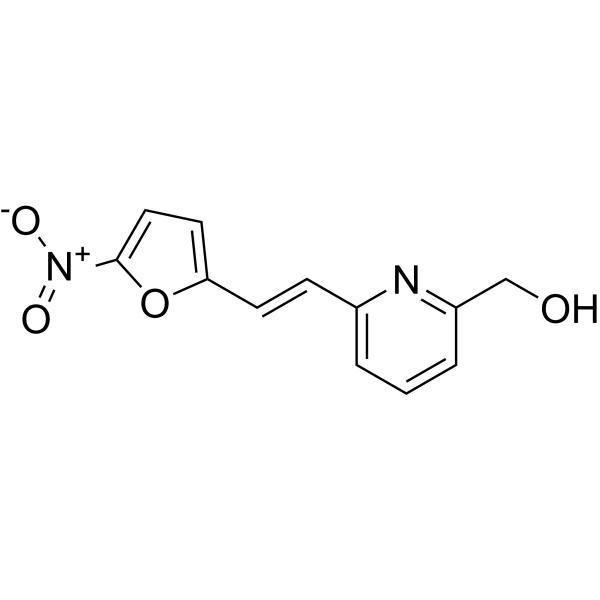
Nifurpirinol (P-7138) is a selective prosubstrate of bacterial nitroreductase (NTR). NTR catalyzes the reduction of nifurpirinol to generate cytotoxic metabolites that induce apoptosis in target cells. Nifurpirinol selectively ablates NTR-expressing cells such as pancreatic β cells, osteoblasts, dopaminergic neurons, and podocytes in transgenic zebrafish models. Nifurpirinol can be used in regeneration studies and disease modeling such as focal segmental glomerulosclerosis (FSGS) .
|
-
-
- HY-113149
-
|
|
Endogenous Metabolite
Reactive Oxygen Species (ROS)
|
Neurological Disease
Metabolic Disease
Inflammation/Immunology
|
|
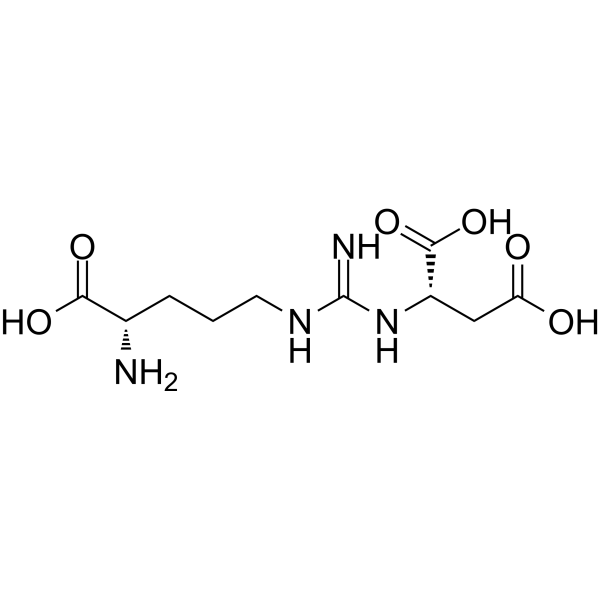
Argininosuccinic acid is an intermediate metabolite in the urea cycle, and its level is associated with argininosuccinic aciduria. Argininosuccinic acid can induce oxidative stress, leading to lipid and protein oxidation, reduction of glutathione, and decrease in antioxidant enzyme activity. Argininosuccinic acid can be converted into guanidinosuccinic acid, a nitric oxide mimic, under the action of nitric oxide-derived free radicals. Argininosuccinic acid can be used in the research of metabolic diseases, renal failure, nervous system diseases, etc .
|
-
-
- HY-W353102
-
|
|
Endogenous Metabolite
P-glycoprotein
|
Metabolic Disease
|
|
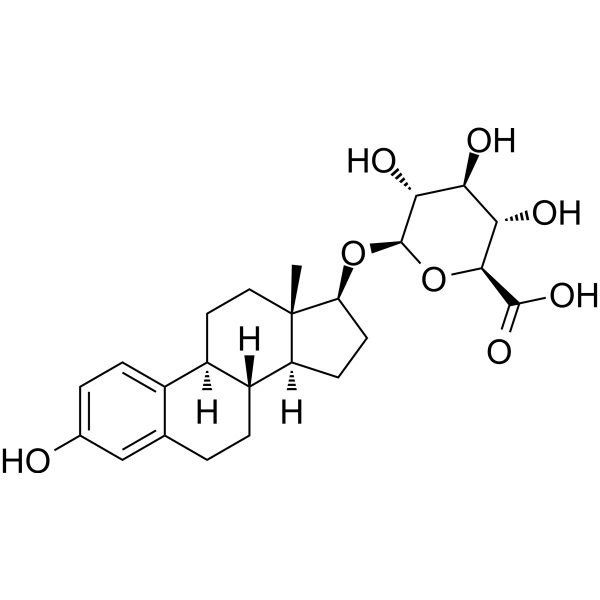
Estradiol 17-(β-D-Glucuronide) is a D-ring glucuronide metabolite of natural estrogen formed in the liver. Estradiol 17-(β-D-Glucuronide) is a substrate of the organic anion-transporting polypeptide family (Oatp) and multidrug resistance-associated protein 2 (Mrp2). Estradiol 17-(β-D-Glucuronide) regulates MRP8-mediated transport processes and inhibits MRP8-mediated transport of dehydroepiandrosterone 3-sulfate and taurocholic acid. Estradiol 17-(β-D-Glucuronide) induces immediate, reversible reduction of bile flow and acute intrahepatic cholestasis in female rats without altering the bile acid composition in bile. Estradiol 17-(β-D-Glucuronide) can be used in studies related to intrahepatic cholestasis .
|
-
-
- HY-129987
-
|
|
Endogenous Metabolite
P-glycoprotein
|
Metabolic Disease
|
|
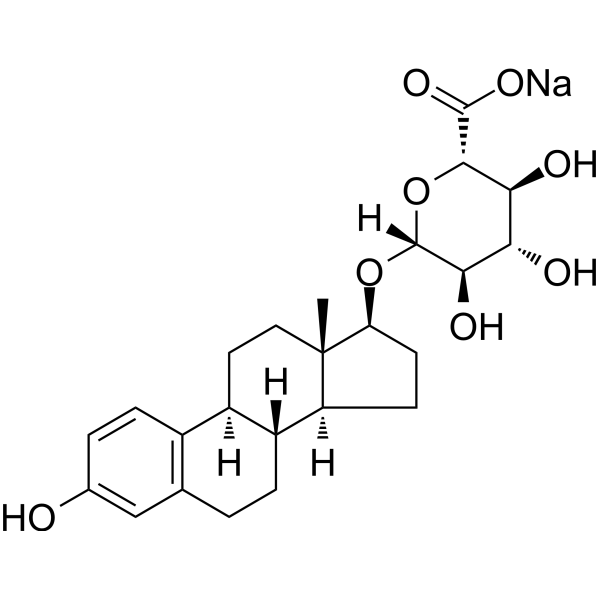
Estradiol 17-(β-D-Glucuronide) sodium is a D-ring glucuronide metabolite of natural estrogen formed in the liver. Estradiol 17-(β-D-Glucuronide) sodium is a substrate of the organic anion-transporting polypeptide family (Oatp) and multidrug resistance-associated protein 2 (Mrp2). Estradiol 17-(β-D-Glucuronide) sodium regulates MRP8-mediated transport processes and inhibits MRP8-mediated transport of dehydroepiandrosterone 3-sulfate and taurocholic acid. Estradiol 17-(β-D-Glucuronide) sodium induces immediate, reversible reduction of bile flow and acute intrahepatic cholestasis in female rats without altering the bile acid composition in bile. Estradiol 17-(β-D-Glucuronide) sodium can be used in studies related to intrahepatic cholestasis .
|
-
-
- HY-N6678
-
|
|
Drug Metabolite
|
Metabolic Disease
|
|
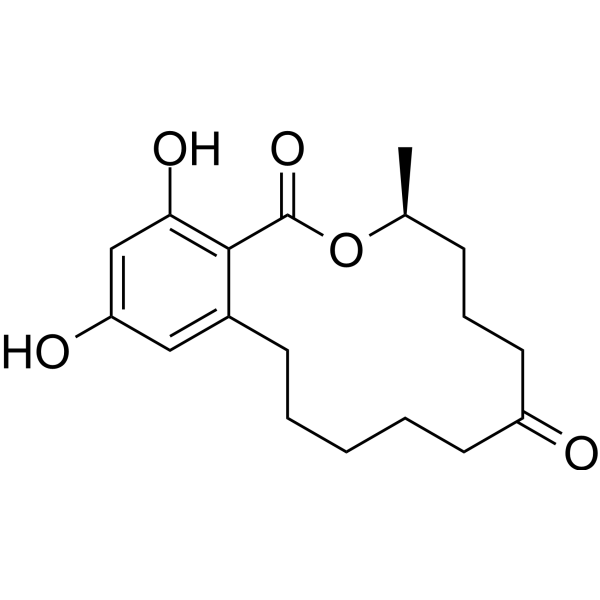
Zearalanone is a reductive metabolite of Zearalenone (HY-103447). Zearalanone binds to serum albumin across multiple species. Zearalanone enhances the binding affinity of Warfarin (HY-B0687) to serum albumin .
|
-
-
- HY-W016099
-
|
MQCA
|
Drug Metabolite
|
Cancer
|
|
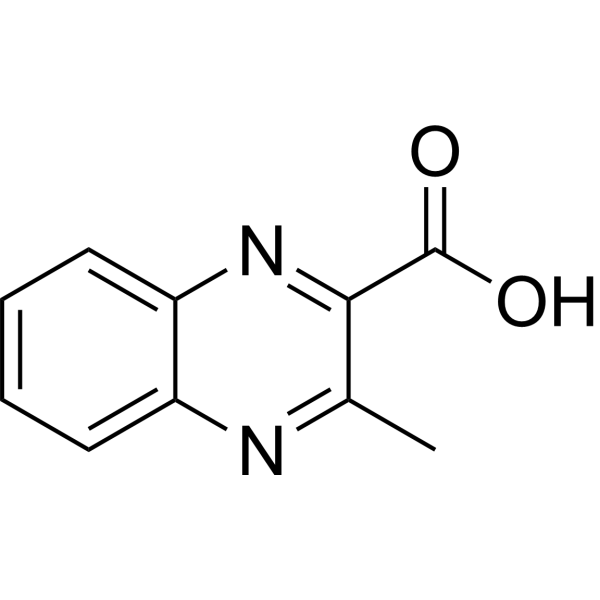
3-Methyl-2-quinoxalinecarboxylic acid (MQCA), an important N-oxide reductive metabolite of Quinocetone or Olaquindox, potently inhibits the growth of Chang liver cells through S phase arrest of the cell cycle .
|
-
-
- HY-117580
-
|
OH-PRED
|
Drug Metabolite
|
Inflammation/Immunology
|
|
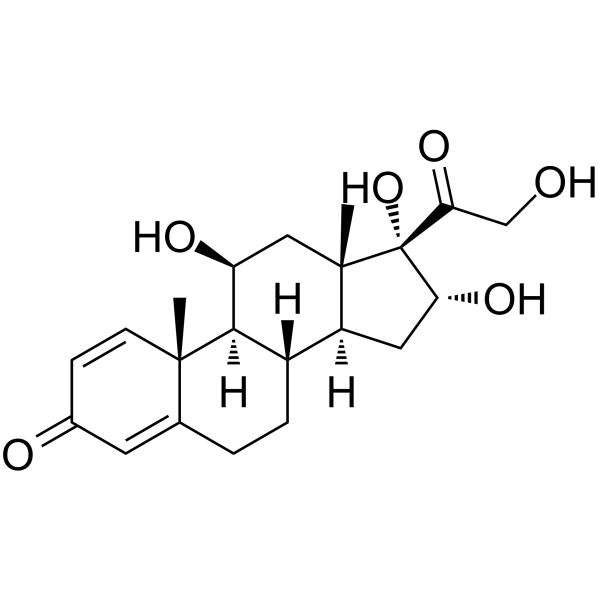
16α-Hydroxyprednisolone (OH-PRED) is a stereoselective metabolite of the 22(R) epimer of the glucocorticoid Budesonide (HY-13580). 16α-Hydroxyprednisolone formation is catalyzed by isoenzymes within the cytochrome P450 3A (CYP3A) subfamily. 16α-Hydroxyprednisolone formation can be inhibited by antibodies targeting the CYP3A subfamily .
|
-
-
- HY-30004R
-
|
|
Reference Standards
Endogenous Metabolite
|
Cardiovascular Disease
Metabolic Disease
|
|
1-Aminocyclopropane-1-carboxylic acid (Standard) is the analytical standard of 1-Aminocyclopropane-1-carboxylic acid. This product is intended for research and analytical applications. 1-Aminocyclopropane-1-carboxylic acid is an endogenous metabolite. In the presence of low concentrations (1 μM) of glutamate, 1-Aminocyclopropane-1-carboxylic acid acts as a small molecule agonist of NMDA receptors with an EC50 of 0.7-0.9 μM. At high concentrations (10 μM) of glutamate, 1-Aminocyclopropane-1-carboxylic acid acts as a competitive antagonist of NMDA receptors with an EC50 of 81.6 nM. 1-Aminocyclopropane-1-carboxylic acid exerts neuroprotective activity by moderately activating NMDA receptors to prevent neuronal cell death in ischemic animal models. Additionally, 1-Aminocyclopropane-1-carboxylic acid is an antagonist of NMDA receptors, inducing blood pressure reduction and antioxidant effects in stroke-prone hypertensive rats. 1-Aminocyclopropane-1-carboxylic acid enhances object recognition memory and cognitive flexibility dependent on the prefrontal cortex, but does not affect impulsivity nor exhibit an antipsychotic-like profile. 1-Aminocyclopropane-1-carboxylic acid shows promise for research in the field of neurotoxicity. .
|
-
-
- HY-W016099S
-
|
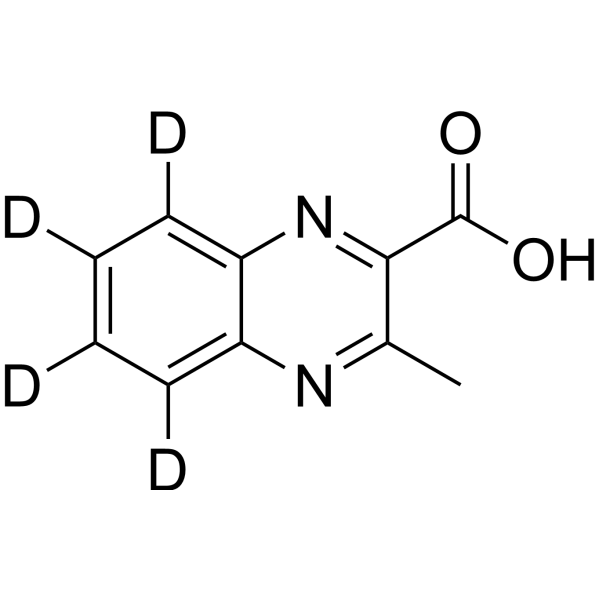
MQCA-d4
|
Isotope-Labeled Compounds
|
Cancer
|
|
3-Methyl-2-quinoxalinecarboxylic acid-d4 is the deuterium labeled 3-Methyl-2-quinoxalinecarboxylic acid. 3-Methyl-2-quinoxalinecarboxylic acid (MQCA), an important N-oxide reductive metabolite of Quinocetone or Olaquindox, potently inhibits the growth of Chang liver cells through S phase arrest of the cell cycle .
|
-
-
- HY-124404
-
|
|
Aryl Hydrocarbon Receptor
Na+/K+ ATPase
Prostaglandin Receptor
|
Inflammation/Immunology
|
|
12(R)-HETE is a CYP-dependent arachidonic acid metabolite that acts as a proinflammatory lipid mediator. 12 (R)-HETE widely exists in various tissues including the eye, skin and liver. In the cornea, 12(R)-HETE is metabolized via pathways such as β-oxidation into the precursor of 12(R)-HETrE. Without direct receptor binding, 12(R)-HETE indirectly activates AHR-mediated target gene transcription, while inhibiting the enzymatic activity of Na+,K+-ATPase and the intracellular calcium elevation induced by TP agonists. 12(R)-HETE also possesses multiple physiological effects such as chemotaxis, proangiogenesis, vasodilation, natriuresis, diuresis and intraocular pressure reduction, and can be widely used in studies related to psoriasis, inflammatory skin diseases and ocular inflammation .
|
-
-
- HY-W129615
-
|
2,3,4,5,6-Pentachloroaniline
|
Biochemical Assay Reagents
|
Others
|
|
Pentachloroaniline (2,3,4,5,6-Pentachloroaniline) is a pentachlorinated aromatic amine pesticide that serves as a substrate for reductive dehalogenation reactions and a metabolite of quintozene. Pentachloroaniline can be converted into different trichloroanilines and dichloroanilines via reduction. Pentachloroaniline cannot induce its own dehalogenation activity in Desulfitobacterium frappieri PCP-1, and its conversion process must rely on induction by 3,5-dichlorophenol .
|
-
-
- HY-125916
-
|
|
Endogenous Metabolite
|
Cancer
|
|
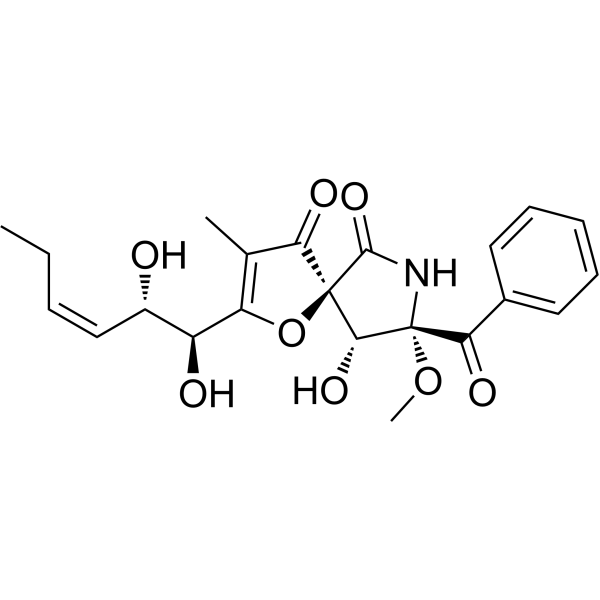
Pseurotin A is a secondary metabolite of Aspergillus and other fungi. Pseurotin A is a competitive inhibitor of chitin synthase and a neuritogenic agent. Pseurotin A inhibits IgE production (IC50 = 3.6 μM). Pseurotin A inhibits the PCSK9-LDLr interaction. Pseurotin A shows dose-dependent reduction of PCSK9, along with increased LDLR levels in hormone-dependent breast cancer cell lines. Pseurotin A exhibits antitumor activity .
|
-
-
- HY-113224R
-
|
|
Reference Standards
Endogenous Metabolite
LXR
Fatty Acid Synthase (FASN)
Interleukin Related
Reactive Oxygen Species (ROS)
NOD-like Receptor (NLR)
|
Cardiovascular Disease
Metabolic Disease
Inflammation/Immunology
|
|
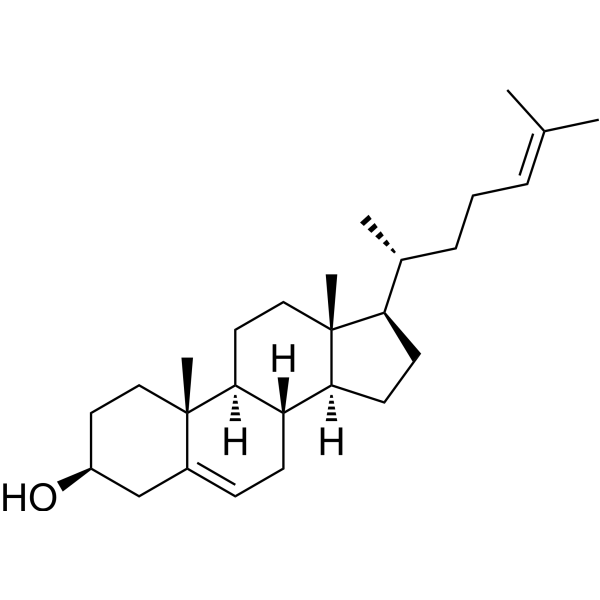
Desmosterol (Standard) is the analytical standard of Desmosterol. This product is intended for research and analytical applications. Desmosterol is a cholesterol-like molecule. In the Bloch pathway of cholesterol biosynthesis, Desmosterol is a direct precursor of cholesterol. As an endogenous metabolite, Desmosterol is used to study cholesterol metabolism [1]. Desmosterol is an LXR activator and SREBP inhibitor, which can suppress macrophage inflammasome activation and prevent vascular inflammation and atherosclerosis. A reduction in Desmosterol promotes the production of mitochondrial reactive oxygen species (ROS) in macrophages and pyrin domain-dependent inflammasome activation of NLRP3. Desmosterol holds potential for research in inflammation, metabolism, and cardiovascular diseases [1][2][3].
|
-
-
- HY-164092
-
-
-
- HY-113114R
-
|
|
Endogenous Metabolite
Reference Standards
|
Others
|
|
Tetrahydrocortisone (Standard) is the analytical standard of Tetrahydrocortisone. This product is intended for research and analytical applications. Tetrahydrocortisone is a stress-induced hormone. Tetrahydrocortisone is also a urinary metabolite of Cortisone derived from the reduction of Cortisone by 5-reductase .
|
-
-
- HY-105129AS
-
|
|
Isotope-Labeled Compounds
|
Cancer
|
|
Pimonidazole-d10 is the deuterium labeled Pimonidazole. Pimonidazole is a novel hypoxia marker for complementary study of tumor hypoxia and cell proliferation in tumor . Pimonidazole accumulates in hypoxic cells via covalent binding with macromolecules or by forming reductive metabolites after reduction of its nitro group, it can be used for qualitative and quantitative assessment of tumor hypoxia .
|
-
-
- HY-113114S
-
|
|
Isotope-Labeled Compounds
Endogenous Metabolite
|
Others
|
|
Tetrahydrocortisone-d5 is the deuterium labeled Tetrahydrocortisone. Tetrahydrocortisone is a stress-induced hormone. Tetrahydrocortisone is also a urinary metabolite of Cortisone derived from the reduction of Cortisone by 5-reductase .
|
-
-
- HY-113114S1
-
|
|
Isotope-Labeled Compounds
Endogenous Metabolite
|
Others
|
|
Tetrahydrocortisone-d6 is the deuterium labeled Tetrahydrocortisone. Tetrahydrocortisone is a stress-induced hormone. Tetrahydrocortisone is also a urinary metabolite of Cortisone derived from the reduction of Cortisone by 5-reductase .
|
-
-
- HY-105129R
-
|
|
Reference Standards
Others
|
Cancer
|
|
Pimonidazole (hydrochloride) (Standard) is the analytical standard of Pimonidazole (hydrochloride). This product is intended for research and analytical applications. Pimonidazole is a novel hypoxia marker for complementary study of tumor hypoxia and cell proliferation in tumor . Pimonidazole accumulates in hypoxic cells via covalent binding with macromolecules or by forming reductive metabolites after reduction of its nitro group, it can be used for qualitative and quantitative assessment of tumor hypoxia .
|
-
-
- HY-105129AR
-
|
|
Reference Standards
Others
|
Cancer
|
|
Pimonidazole (Standard) is the analytical standard of Pimonidazole. This product is intended for research and analytical applications. Pimonidazole is a novel hypoxia marker for complementary study of tumor hypoxia and cell proliferation in tumor . Pimonidazole accumulates in hypoxic cells via covalent binding with macromolecules or by forming reductive metabolites after reduction of its nitro group, it can be used for qualitative and quantitative assessment of tumor hypoxia .
|
-
-
- HY-113114S2
-
|
|
Isotope-Labeled Compounds
Endogenous Metabolite
|
Others
|
|
Tetrahydrocortisone-d5-1 is the deuterium labeled Tetrahydrocortisone (HY-113114). Tetrahydrocortisone is a stress-induced hormone. Tetrahydrocortisone is also a urinary metabolite of Cortisone derived from the reduction of Cortisone by 5-reductase .
|
-
-
- HY-131479A
-
|
|
Drug Metabolite
|
Neurological Disease
|
|
Threo-dihydrobupropion is a major metabolite of Bupropion, formed via oxidation and reduction exhibit pharmacological activity. Bupropion, a dual dopamine-norepinephrine uptake inhibitor and a nicotine receptor antagonist, is widely used in the management of depression and as a smoking cessation aid .
|
-
-
- HY-131395
-
|
N-Acetyl-LTE4
|
Endogenous Metabolite
|
Cardiovascular Disease
|
|
N-Acetyl-Leukotriene E4 (N-Acetyl-LTE4) is a metabolite of Leukotriene E4 (LTE4) (HY-113465), which is detected in bile and urine . N-Acetyl-Leukotriene E4 produces a vasoconstriction in the mesenteric vessels which led to reduction of blood flow to the gut .
|
-
-
- HY-103208
-
|
|
Adrenergic Receptor
|
Metabolic Disease
|
|
Benalfocin is a novel selective alpha-2 adrenergic receptor antagonist. Benalfocin reduces blood pressure and heart rate. Benalfocin can be used in the study of cardiovascular effects .
|
-
-
- HY-171446
-
|
|
CaSR
|
Metabolic Disease
|
|
TAK-075 is an orally active CaSR antagonist with an IC50 value of 0.94 nM. TAK-075 can stimulate the transient secretion of parathyroid hormone (PTH) in rats and can effectively prevent a significant reduction in PTH secretion caused by the accumulation of active metabolites, maintaining the normal secretion pattern of PTH. TAK-075 can be used in the research of metabolic diseases and osteoporosis .
|
-
-
- HY-135470R
-
|
P-7138 (Standard)
|
Reference Standards
Bacterial
|
Infection
|
|
Nifurpirinol (P-7138) (Standard) is the analytical standard of Nifurpirinol (HY-135470). This product is intended for research and analytical applications. Nifurpirinol (P-7138) is a selective prosubstrate of bacterial nitroreductase (NTR). NTR catalyzes the reduction of nifurpirinol to generate cytotoxic metabolites that induce apoptosis in target cells. Nifurpirinol selectively ablates NTR-expressing cells such as pancreatic β cells, osteoblasts, dopaminergic neurons, and podocytes in transgenic zebrafish models. Nifurpirinol can be used in regeneration studies and disease modeling such as focal segmental glomerulosclerosis (FSGS) .
|
-
-
- HY-N4076
-
-
-
- HY-116889
-
|
|
Drug Metabolite
|
Others
|
|
15-keto Latanoprost is a potential metabolite of latanoprost (HY-B0577) when administered to animals. 15-keto Latanoprost is also one of the common minor impurities found in commercial preparations of the bulk drug compound. Although much less potent that the parent compound latanoprost, 15-keto latanoprost still retains the ability to produce a small but measurable decrease (1 mm Hg) in the intraocular pressure of normal cynomolgus monkeys when administered at a dose of 1 μg/eye.1 15-keto Latanoprost is also a miotic in the normal cat eye, causing an 8 mm Hg reduction in pupillary diameter at 5 μg/eye. Again, this is not as potent as many other F-type prostaglandins; for example, prostaglandin F2α will produce this degree of miosis at a dose of less than 1 μg/eye.
|
-
-
- HY-N17652
-
|
|
Apoptosis
Mitochondrial Metabolism
|
Cancer
|
|
13′-Hydroxy-δ-tocopherol is a metabolite of long-chain vitamin E. 13′-Hydroxy-δ-tocopherol can induces cells apoptosis and minor reduction in mitochondrial membrane potential. 13′-Hydroxy-δ-tocopherol can be used for the research of hepatocellular carcinoma .
|
-
-
- HY-W016099R
-
|
MQCA (Standard)
|
Drug Metabolite
Reference Standards
|
Cancer
|
|
3-Methyl-2-quinoxalinecarboxylic acid (Standard) is the analytical standard of 3-Methyl-2-quinoxalinecarboxylic acid. This product is intended for research and analytical applications. 3-Methyl-2-quinoxalinecarboxylic acid (MQCA), an important N-oxide reductive metabolite of Quinocetone or Olaquindox, potently inhibits the growth of Chang liver cells through S phase arrest of the cell cycle .
|
-
-
-
HY-L098
-
|
|
415 compounds
|
|
A drug metabolite is a byproduct of the body breaking down, or “metabolizing” a drug into a different substance. Most drugs undergo chemical alteration by various bodily systems as a way to create compounds that are more easily excreted from the body. Drugs can be metabolized by oxidation, reduction, hydrolysis, hydration, conjugation, condensation, or isomerization. Drug metabolism can produce metabolites with physicochemical and pharmacological properties that differ substantially from those of the parent drug, and consequently have important implications for both drug safety and efficacy.
MCE offers a unique collection of 415 drug metabolites which is a useful tool for drug safety and efficacy study and drug repurposing.
|
| Cat. No. |
Product Name |
Category |
Target |
Chemical Structure |
-
- HY-113149A
-
|
|
Classification of Application Fields
Ketones, Aldehydes, Acids
Endogenous metabolite
Inflammation/Immunology
Disease Research Fields
Source Classification
|
Endogenous Metabolite
Reactive Oxygen Species (ROS)
|
|
Argininosuccinic acid disodium is an intermediate metabolite in the urea cycle, and its level is associated with argininosuccinic aciduria. Argininosuccinic acid disodium can induce oxidative stress, leading to lipid and protein oxidation, reduction of glutathione, and decrease in antioxidant enzyme activity. Argininosuccinic acid disodium can be converted into guanidinosuccinic acid, a nitric oxide mimic, under the action of nitric oxide-derived free radicals. Argininosuccinic acid disodium can be used in the research of metabolic diseases, renal failure, nervous system diseases, etc .
|
-
-
- HY-113224
-
-
-
- HY-30004
-
|
|
Structural Classification
Classification of Application Fields
Ketones, Aldehydes, Acids
Metabolic Disease
Endogenous metabolite
Disease Research Fields
Source Classification
|
Environmental Pollutants
Endogenous Metabolite
|
|
1-Aminocyclopropane-1-carboxylic acid is an endogenous metabolite. In the presence of low concentrations (1 μM) of glutamate, 1-Aminocyclopropane-1-carboxylic acid acts as a small molecule agonist of NMDA receptors with an EC50 of 0.7-0.9 μM. At high concentrations (10 μM) of glutamate, 1-Aminocyclopropane-1-carboxylic acid acts as a competitive antagonist of NMDA receptors with an EC50 of 81.6 nM. 1-Aminocyclopropane-1-carboxylic acid exerts neuroprotective activity by moderately activating NMDA receptors to prevent neuronal cell death in ischemic animal models. Additionally, 1-Aminocyclopropane-1-carboxylic acid is an antagonist of NMDA receptors, inducing blood pressure reduction and antioxidant effects in stroke-prone hypertensive rats. 1-Aminocyclopropane-1-carboxylic acid enhances object recognition memory and cognitive flexibility dependent on the prefrontal cortex, but does not affect impulsivity nor exhibit an antipsychotic-like profile. 1-Aminocyclopropane-1-carboxylic acid shows promise for research in the field of neurotoxicity. .
|
-
-
- HY-113149
-
|
|
Human Gut Microbiota Metabolites
Microorganisms
Classification of Application Fields
Ketones, Aldehydes, Acids
Endogenous metabolite
Inflammation/Immunology
Disease Research Fields
Source Classification
|
Endogenous Metabolite
Reactive Oxygen Species (ROS)
|
|
Argininosuccinic acid is an intermediate metabolite in the urea cycle, and its level is associated with argininosuccinic aciduria. Argininosuccinic acid can induce oxidative stress, leading to lipid and protein oxidation, reduction of glutathione, and decrease in antioxidant enzyme activity. Argininosuccinic acid can be converted into guanidinosuccinic acid, a nitric oxide mimic, under the action of nitric oxide-derived free radicals. Argininosuccinic acid can be used in the research of metabolic diseases, renal failure, nervous system diseases, etc .
|
-
-
- HY-W353102
-
-
-
- HY-129987
-
-
-
- HY-N6678
-
-
-
- HY-30004R
-
|
|
Structural Classification
Microorganisms
Ketones, Aldehydes, Acids
Endogenous metabolite
Source Classification
|
Reference Standards
Endogenous Metabolite
|
|
1-Aminocyclopropane-1-carboxylic acid (Standard) is the analytical standard of 1-Aminocyclopropane-1-carboxylic acid. This product is intended for research and analytical applications. 1-Aminocyclopropane-1-carboxylic acid is an endogenous metabolite. In the presence of low concentrations (1 μM) of glutamate, 1-Aminocyclopropane-1-carboxylic acid acts as a small molecule agonist of NMDA receptors with an EC50 of 0.7-0.9 μM. At high concentrations (10 μM) of glutamate, 1-Aminocyclopropane-1-carboxylic acid acts as a competitive antagonist of NMDA receptors with an EC50 of 81.6 nM. 1-Aminocyclopropane-1-carboxylic acid exerts neuroprotective activity by moderately activating NMDA receptors to prevent neuronal cell death in ischemic animal models. Additionally, 1-Aminocyclopropane-1-carboxylic acid is an antagonist of NMDA receptors, inducing blood pressure reduction and antioxidant effects in stroke-prone hypertensive rats. 1-Aminocyclopropane-1-carboxylic acid enhances object recognition memory and cognitive flexibility dependent on the prefrontal cortex, but does not affect impulsivity nor exhibit an antipsychotic-like profile. 1-Aminocyclopropane-1-carboxylic acid shows promise for research in the field of neurotoxicity. .
|
-
-
- HY-125916
-
-
-
- HY-113224R
-
-
-
- HY-113114R
-
-
-
- HY-N4076
-
-
-
- HY-N17652
-
-
| Cat. No. |
Product Name |
Chemical Structure |
-
- HY-W016099S
-
|
|
|
3-Methyl-2-quinoxalinecarboxylic acid-d4 is the deuterium labeled 3-Methyl-2-quinoxalinecarboxylic acid. 3-Methyl-2-quinoxalinecarboxylic acid (MQCA), an important N-oxide reductive metabolite of Quinocetone or Olaquindox, potently inhibits the growth of Chang liver cells through S phase arrest of the cell cycle .
|
-
-
- HY-105129AS
-
|
|
|
Pimonidazole-d10 is the deuterium labeled Pimonidazole. Pimonidazole is a novel hypoxia marker for complementary study of tumor hypoxia and cell proliferation in tumor . Pimonidazole accumulates in hypoxic cells via covalent binding with macromolecules or by forming reductive metabolites after reduction of its nitro group, it can be used for qualitative and quantitative assessment of tumor hypoxia .
|
-
-
- HY-113114S
-
|
|
|
Tetrahydrocortisone-d5 is the deuterium labeled Tetrahydrocortisone. Tetrahydrocortisone is a stress-induced hormone. Tetrahydrocortisone is also a urinary metabolite of Cortisone derived from the reduction of Cortisone by 5-reductase .
|
-
-
- HY-113114S1
-
|
|
|
Tetrahydrocortisone-d6 is the deuterium labeled Tetrahydrocortisone. Tetrahydrocortisone is a stress-induced hormone. Tetrahydrocortisone is also a urinary metabolite of Cortisone derived from the reduction of Cortisone by 5-reductase .
|
-
-
- HY-113114S2
-
|
|
|
Tetrahydrocortisone-d5-1 is the deuterium labeled Tetrahydrocortisone (HY-113114). Tetrahydrocortisone is a stress-induced hormone. Tetrahydrocortisone is also a urinary metabolite of Cortisone derived from the reduction of Cortisone by 5-reductase .
|
-
Your information is safe with us. * Required Fields.
Inquiry Information
- Product Name:
- Cat. No.:
- Quantity:
- MCE Japan Authorized Agent:

